The Baal Cycle Chapter 3
Baal and Mot
Baal sends word to Mot. After a break in the tablet, messengers bring El news of Baal’s death, and Anat mourns him. El’s dream gives him hope. Baal is back when the text resumes, and Shapash speaks before the struggle ends.
SourcesTurn the pages with the arrows, the arrow keys or a swipe.
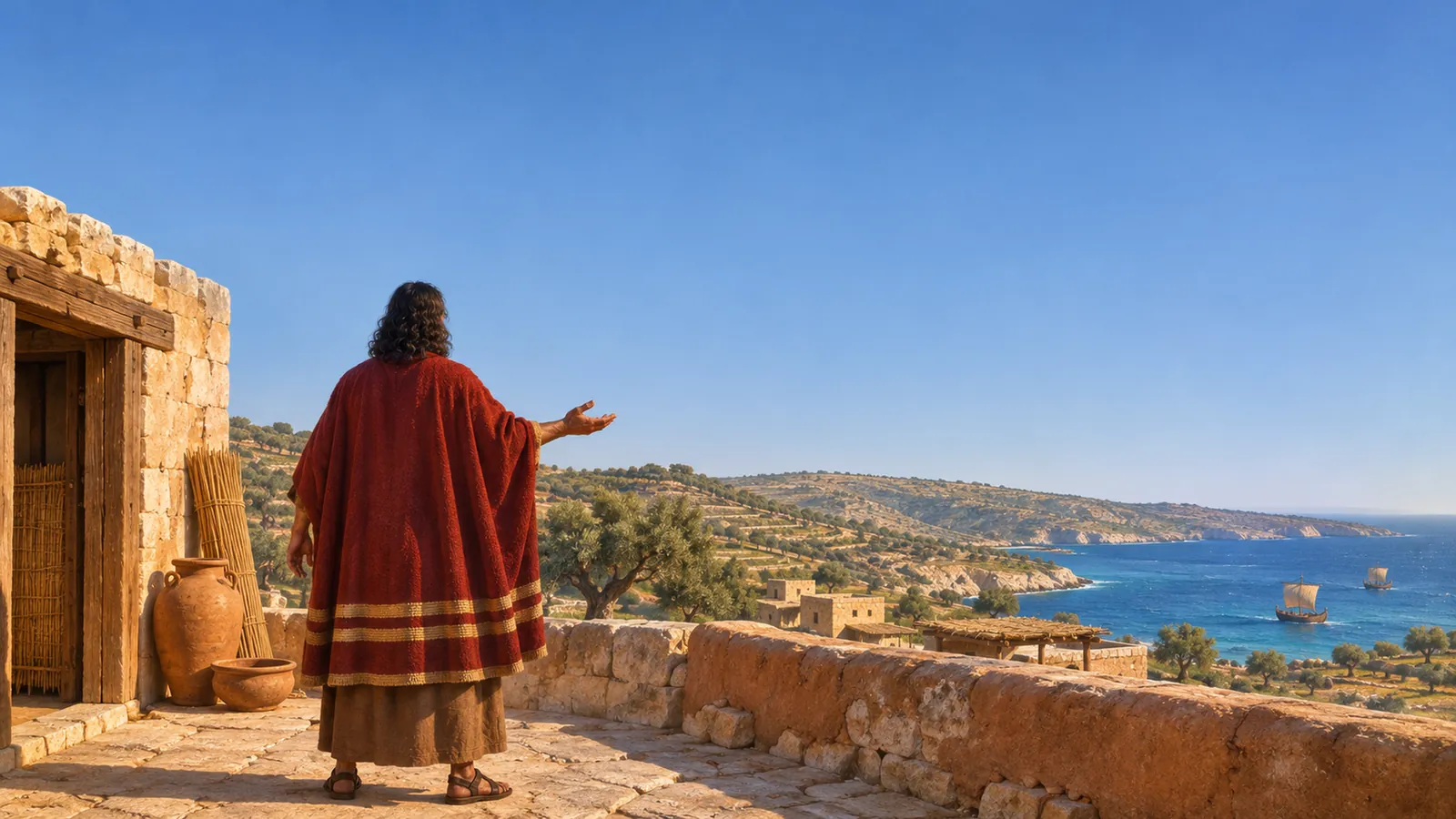
BAAL AND MOT
Baal asks who can hold power in the realm he now speaks of. His question opens the exchange that will take his words to Mot.
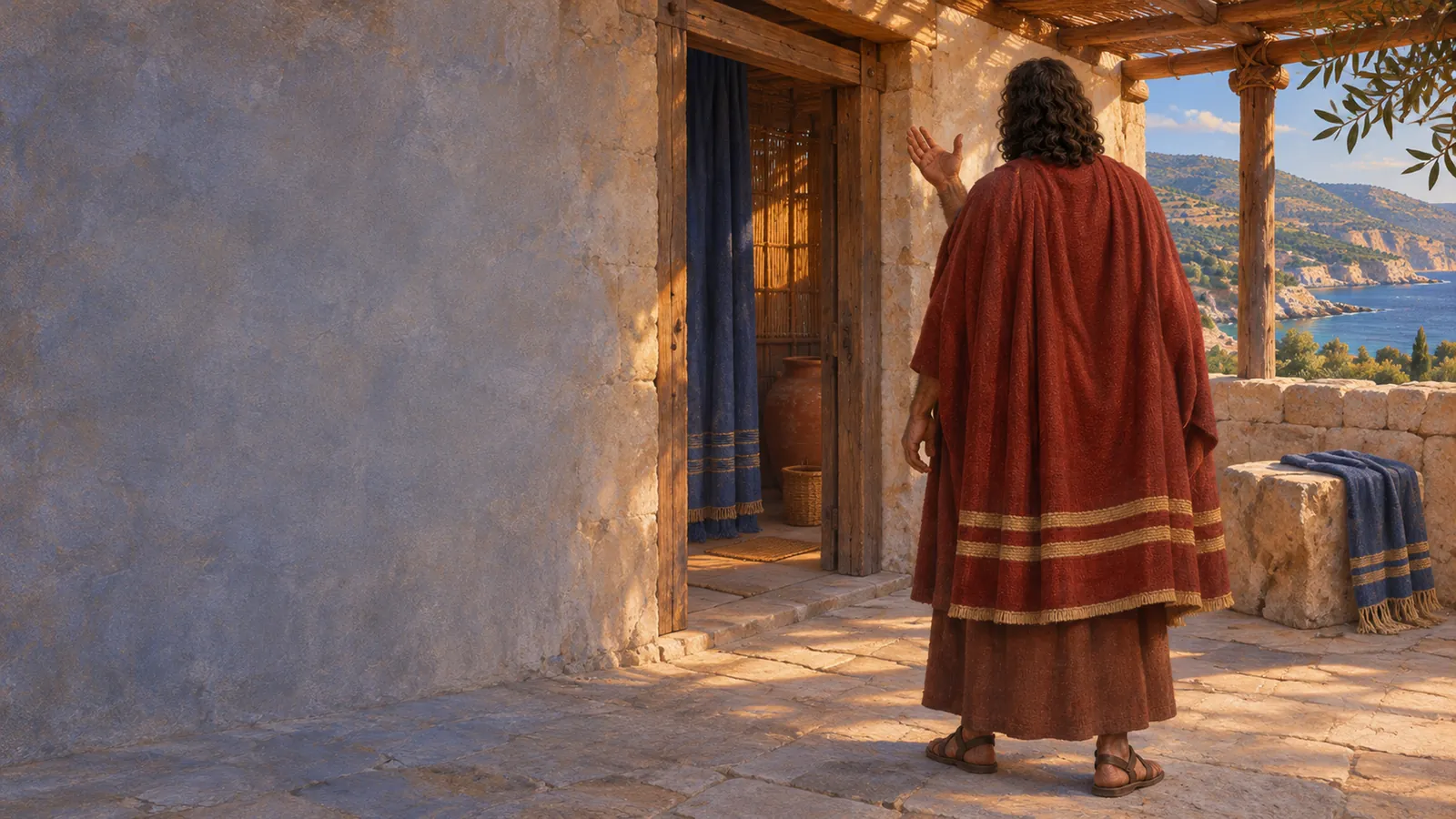
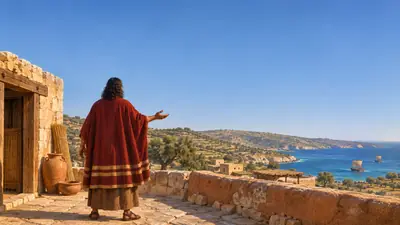
Baal says he will send a herald to Mot. He speaks of carrying his words all the way to the one who is to hear them.

Baal claims rule among the gods. He says he sustains gods and people and satisfies the many inhabitants of the earth.
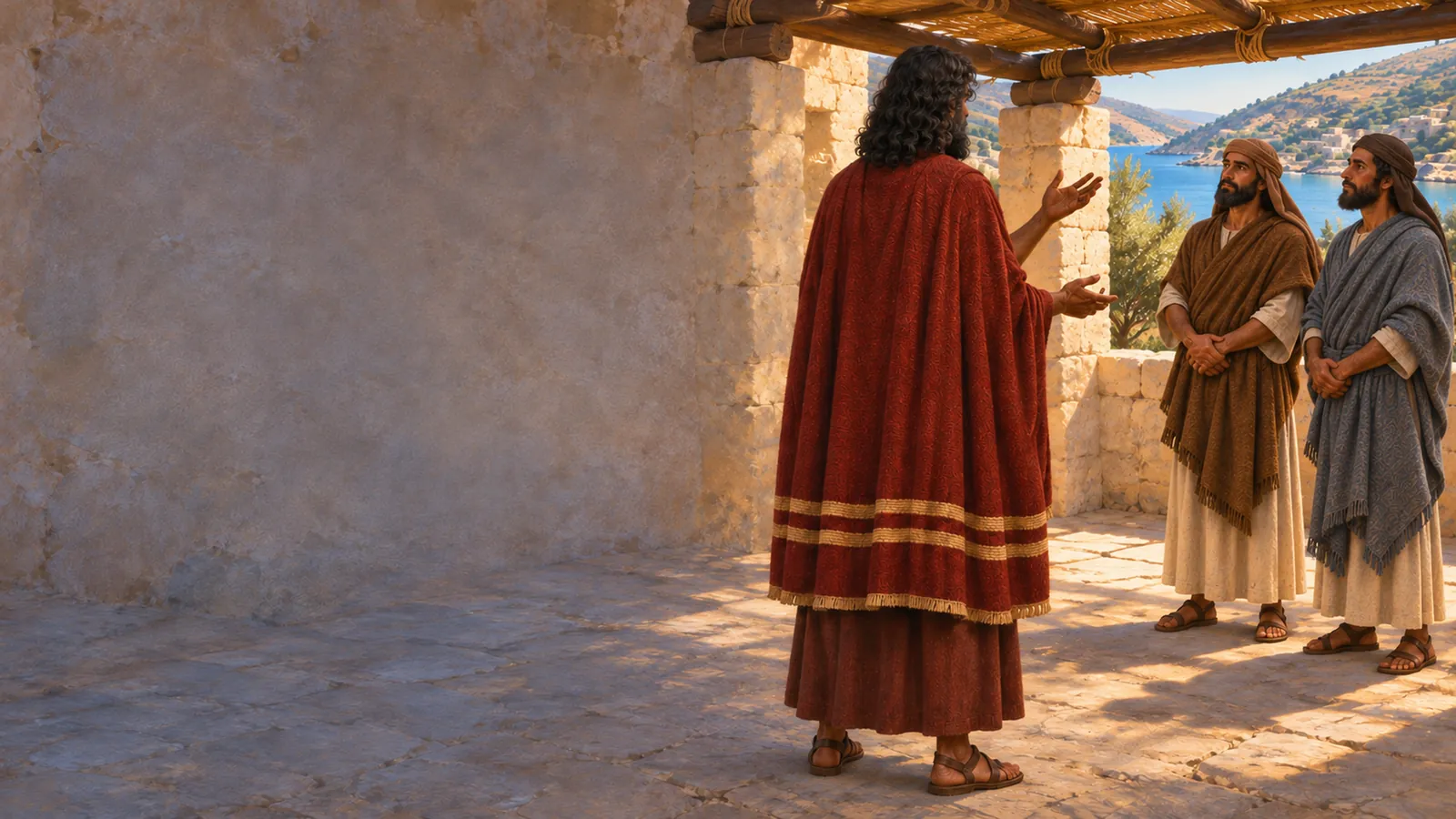
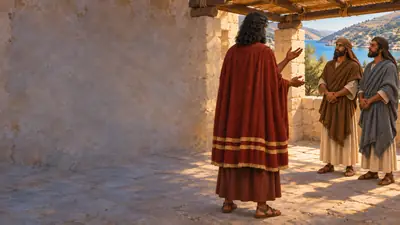
Baal calls his messengers, Gapn and Ugar, to hear his instructions. Parts of the words that describe them are damaged.

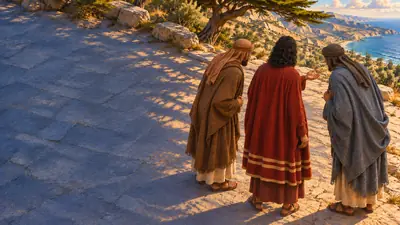
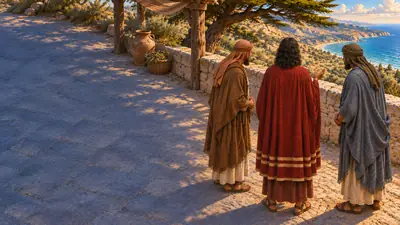
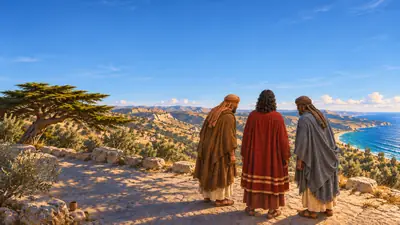
Baal tells the messengers to head toward two hills. The poem places the hills at the edge of the earth, as part of the route in his instructions.
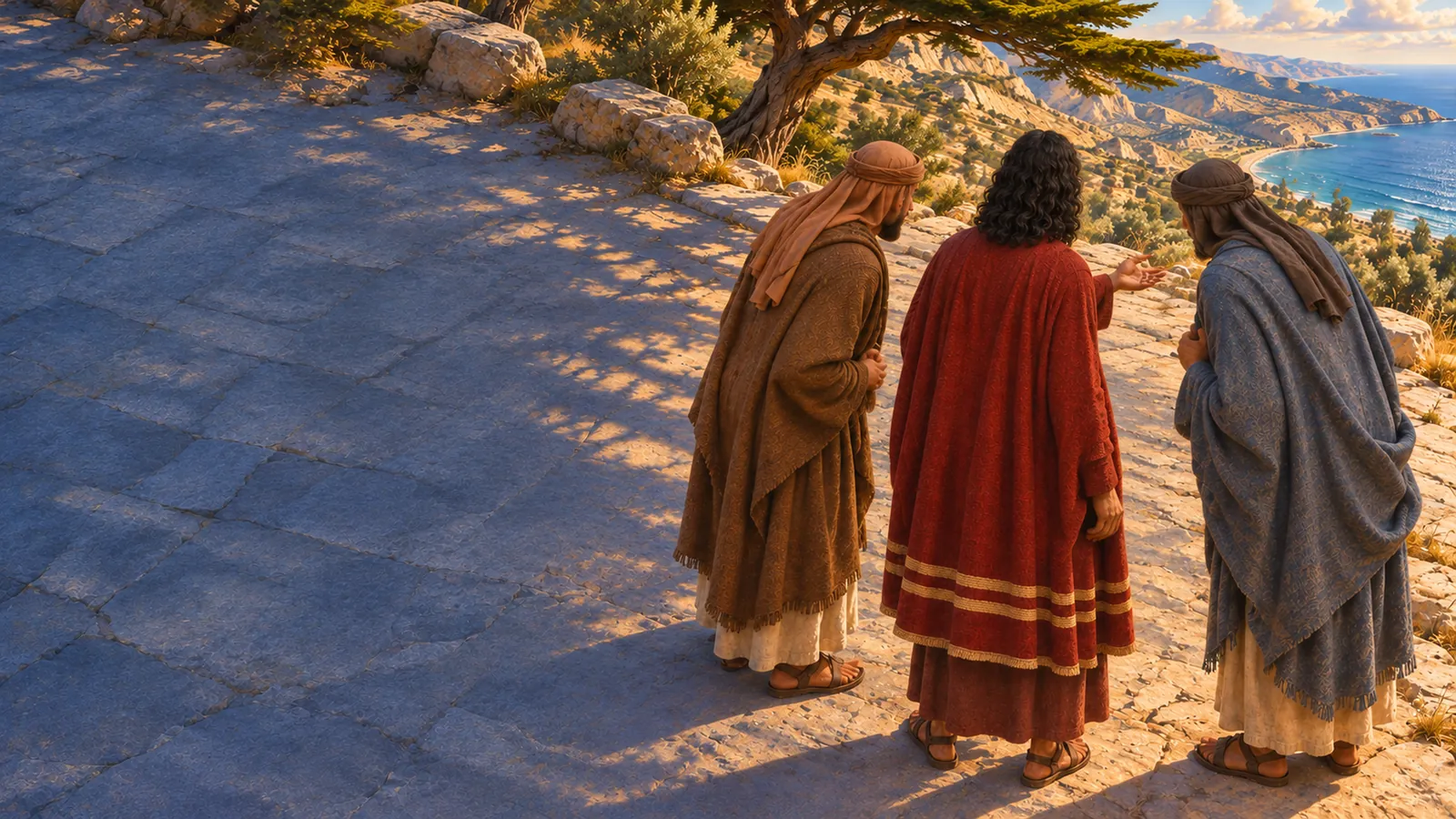
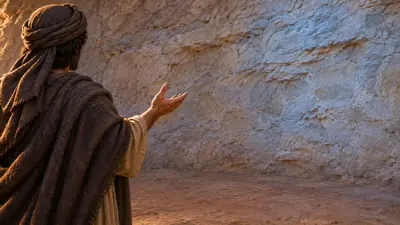
Baal tells them to go down to the realm of Mot. He speaks of Mot’s town and of the low place where he sits.

Baal tells the envoys to be careful. He warns them of the danger of getting too close to Mot.
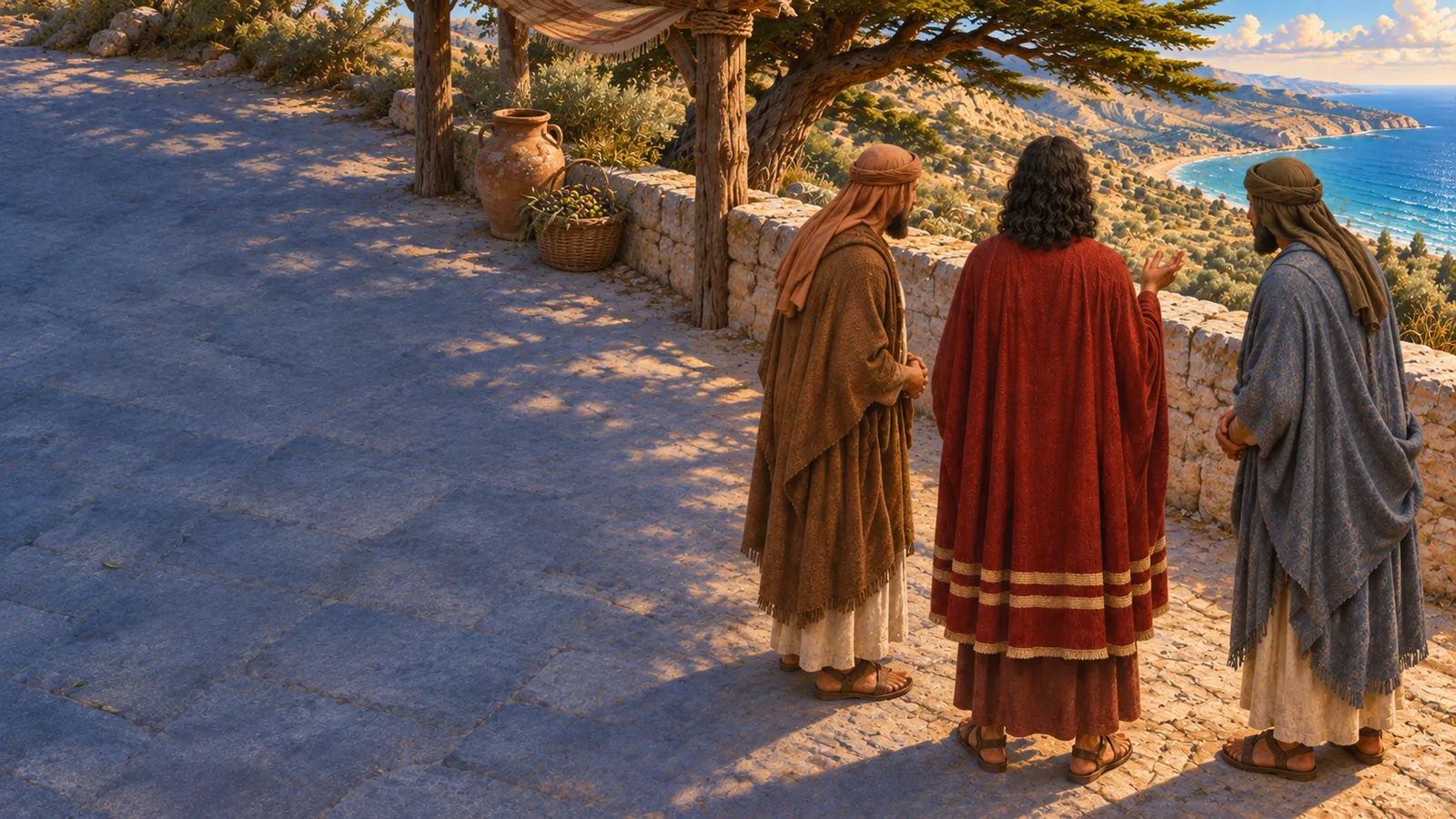
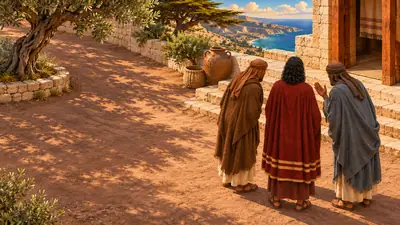
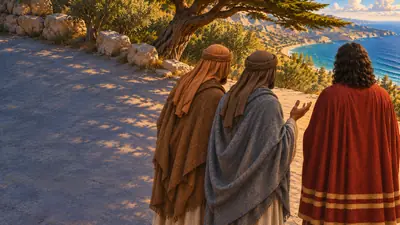
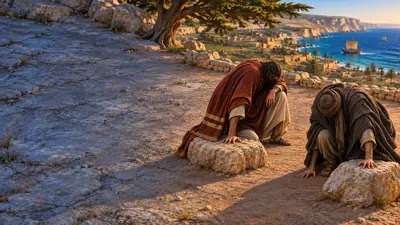
Baal tells them to bow before Mot from a great distance. They are to honor him before they deliver the message.

Baal gives the envoys the words they are to speak. The surviving opening of his message tells Mot that Baal has built his house.
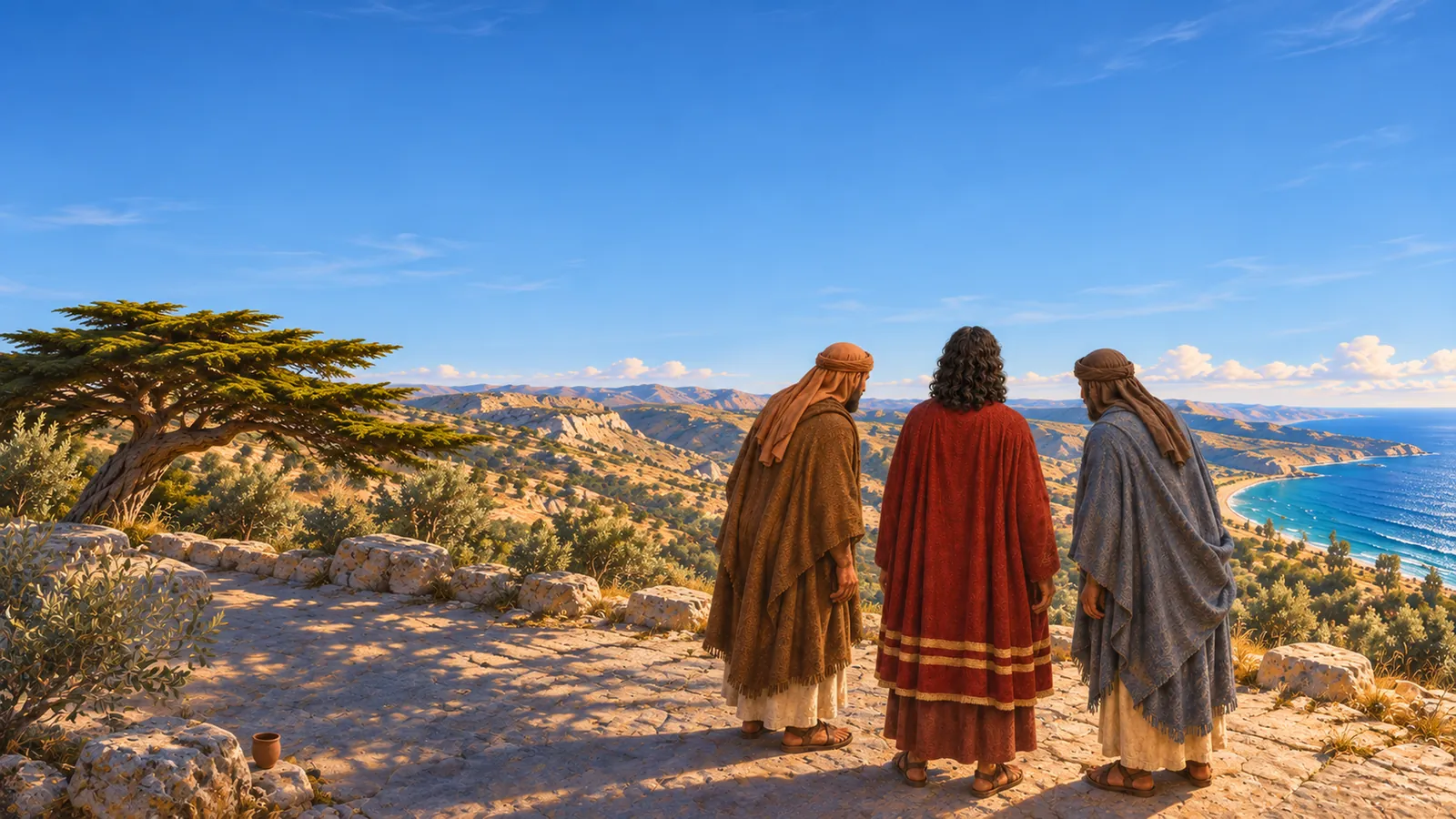
THE BROKEN MESSAGE
The end of Baal’s message is damaged. The surviving words leave open whether Baal had already invited Mot to a feast.
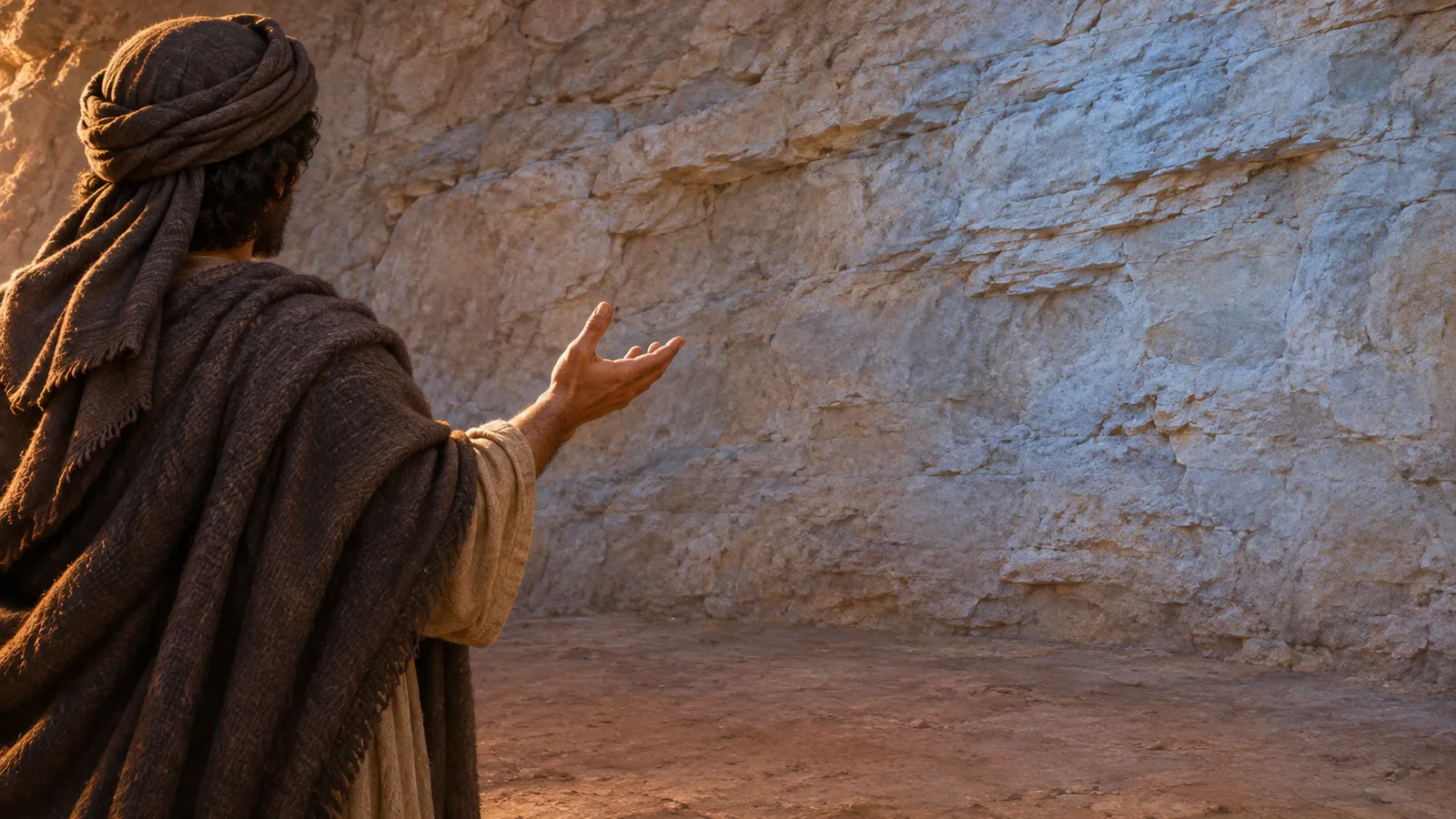
The next tablet opens partway through Mot’s reply. Some of what he says here is heard again when the messengers go back to Baal.
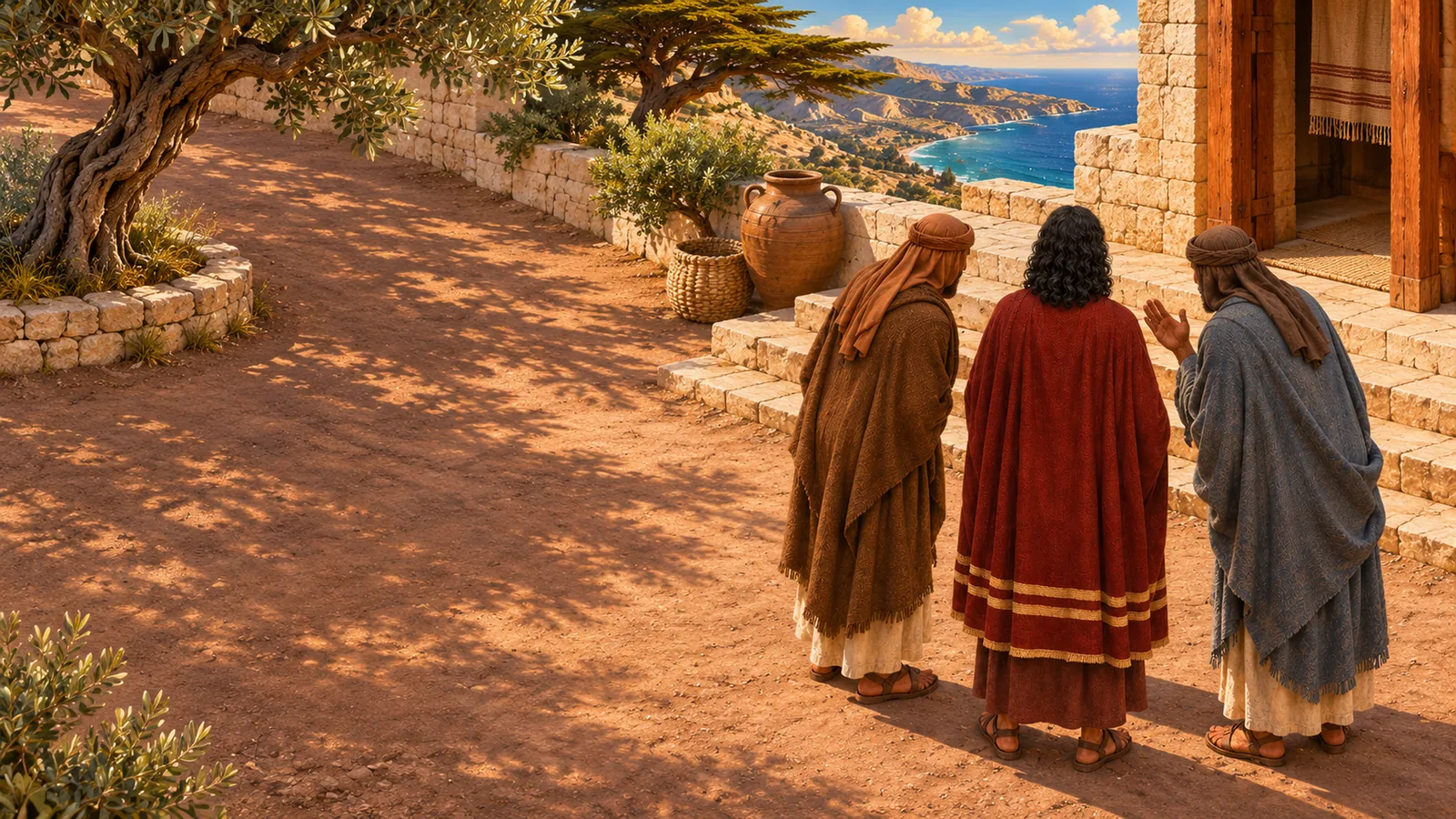
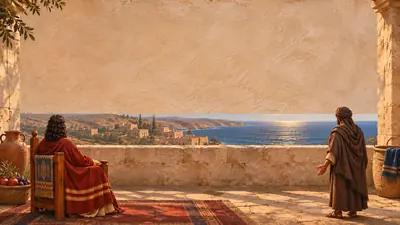
The messengers come back to Baal and repeat what Mot said. The words that follow are Mot’s words carried by the envoys.
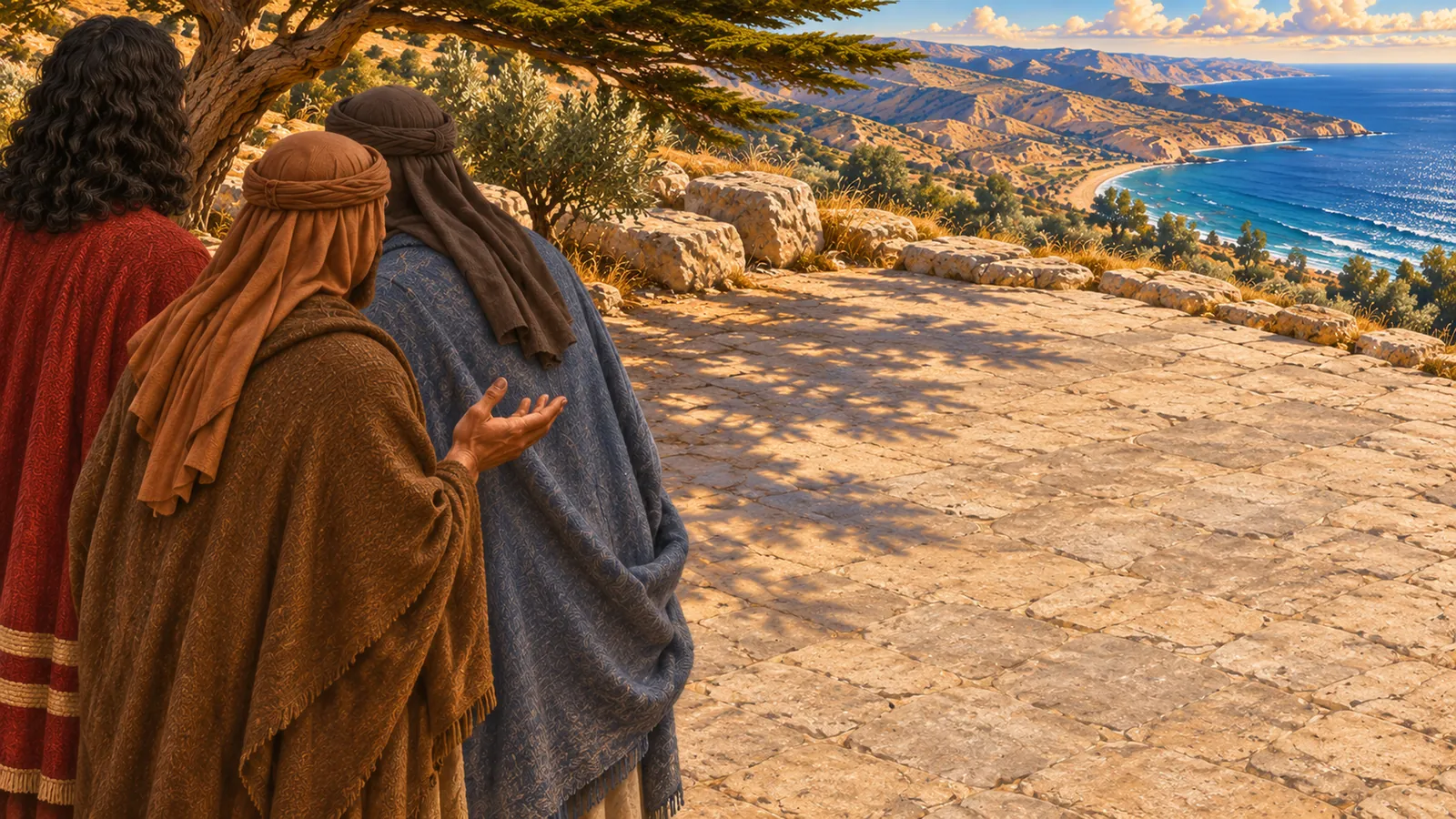
In the answer the messengers repeat, Mot speaks of a vast appetite. He compares it to the hunger and thirst of animals in the wild.
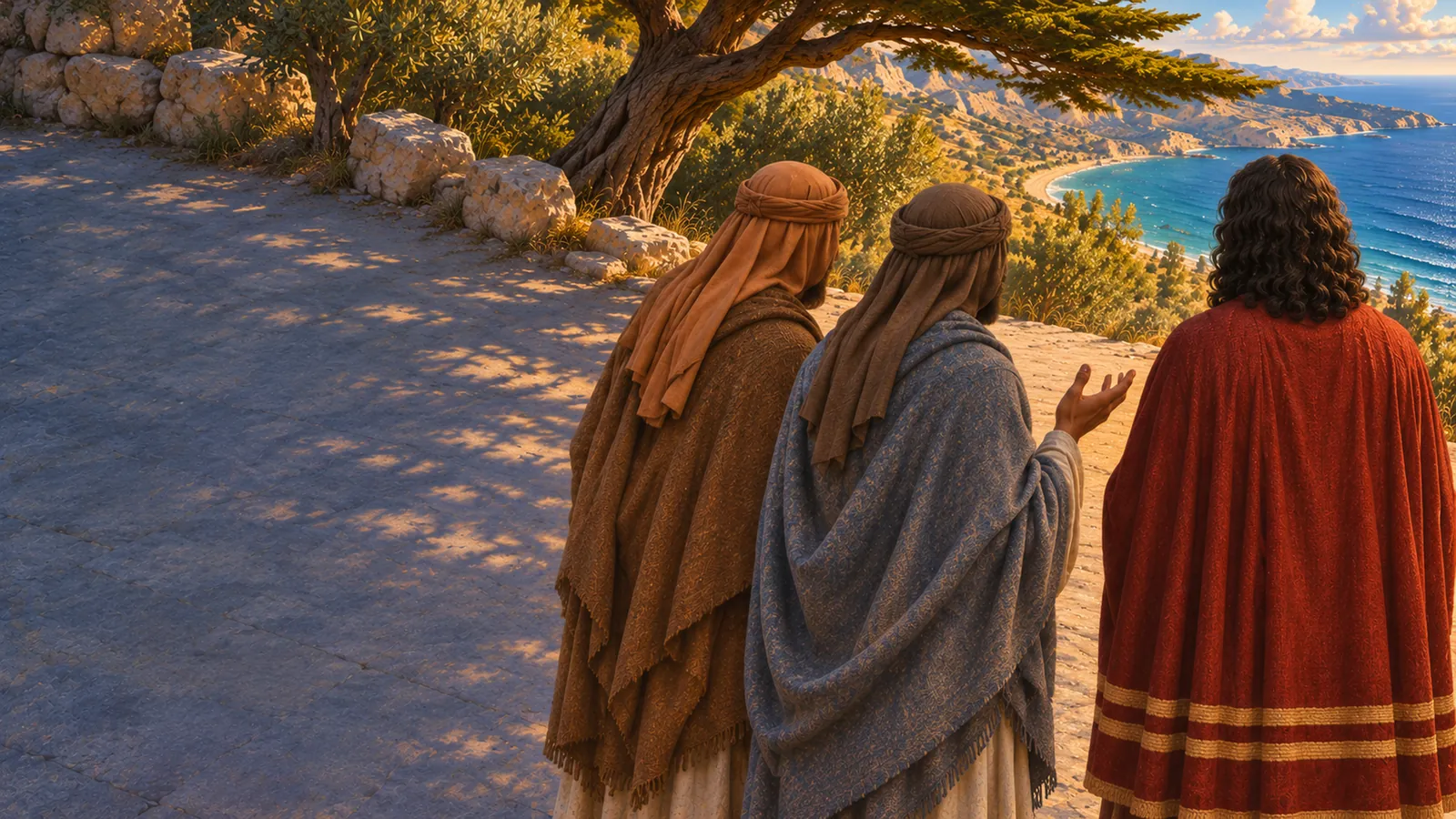
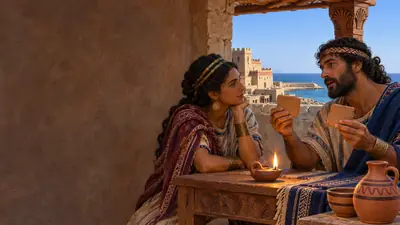
In the message, Mot asks Baal to invite him to a feast with his kin. He speaks of food to eat and wine to drink.
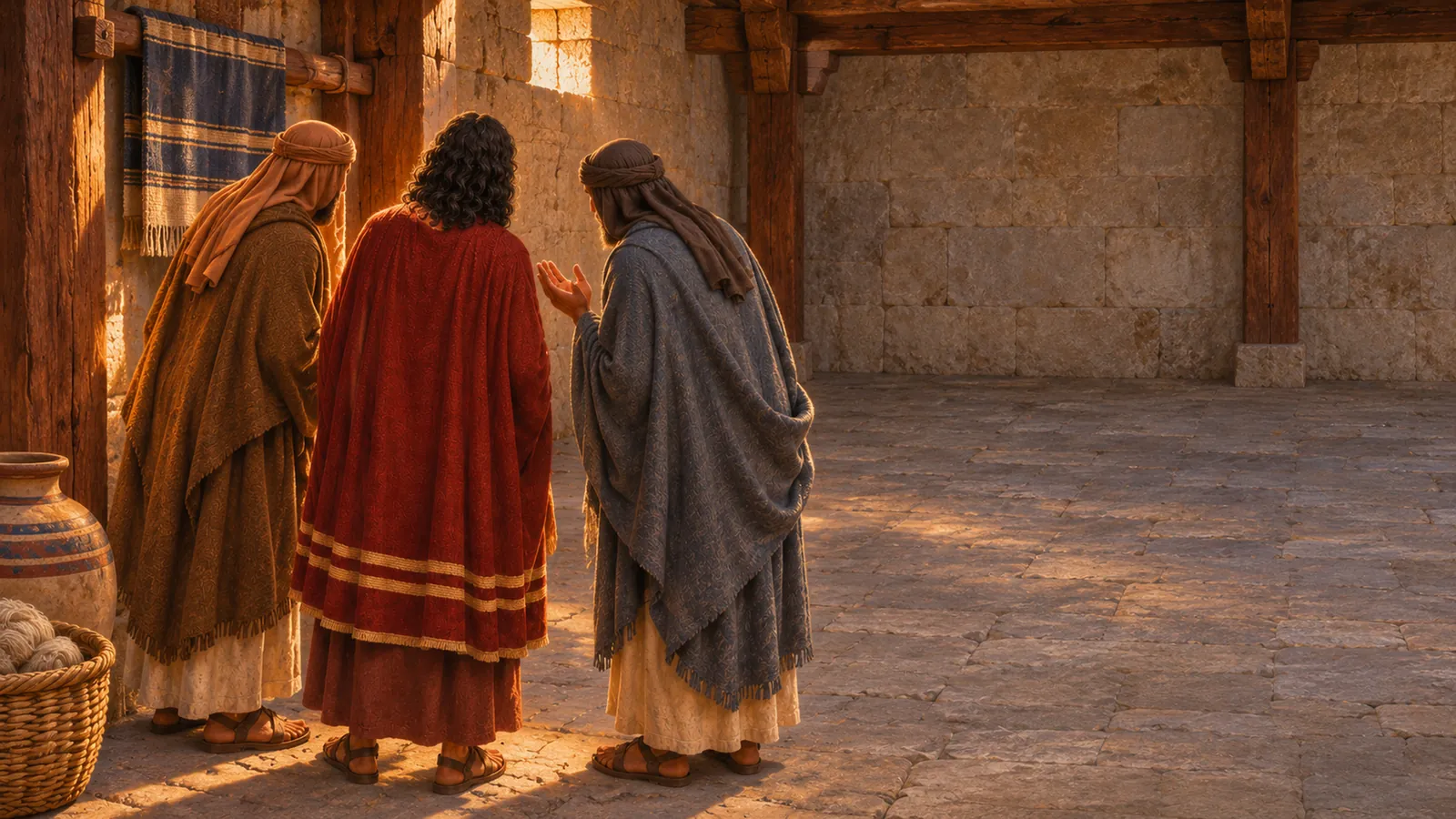
The messengers’ account turns to Mot’s threat against Baal. The poem gives the danger in Mot’s own words before it tells of Baal’s fear.
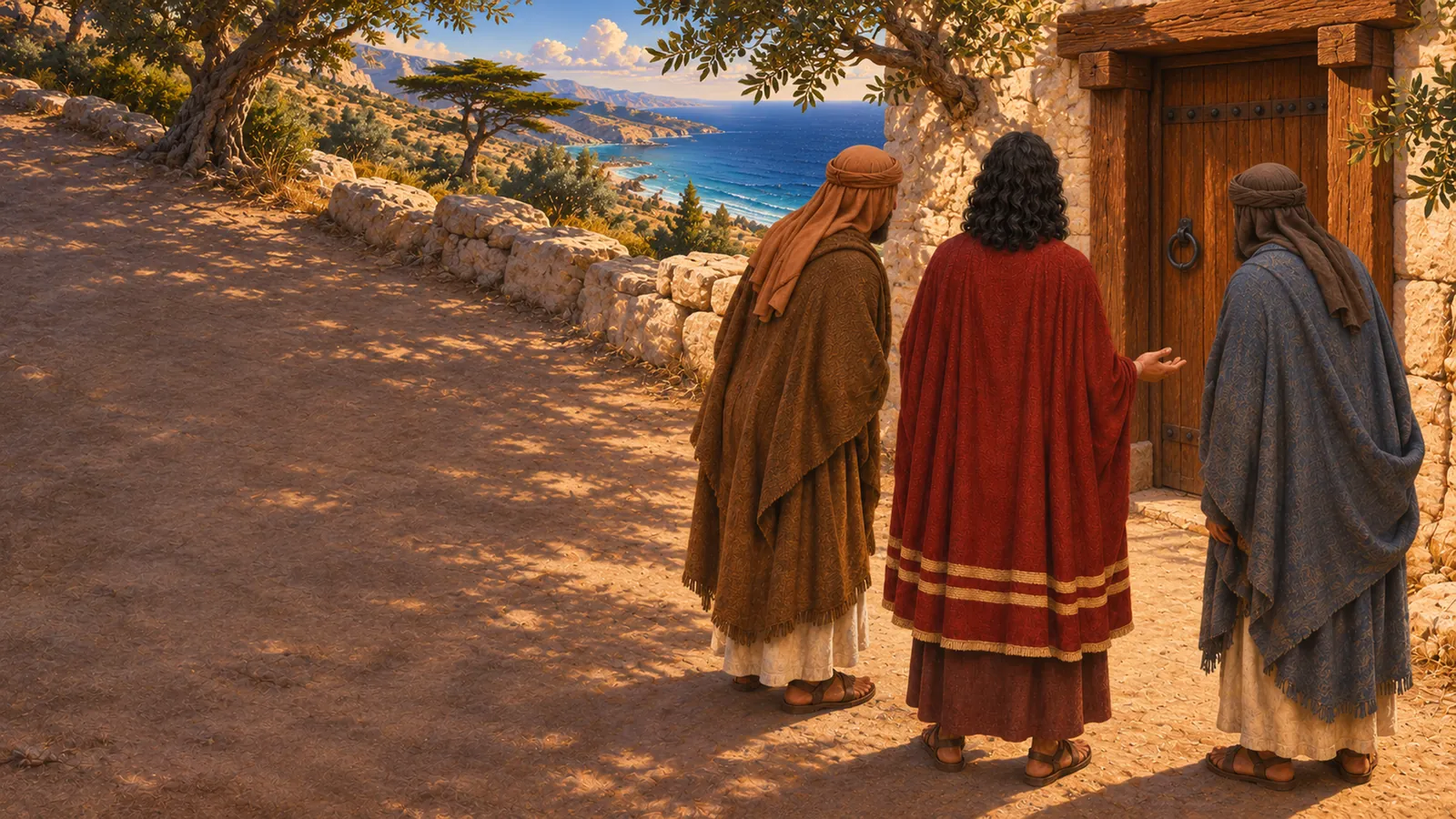
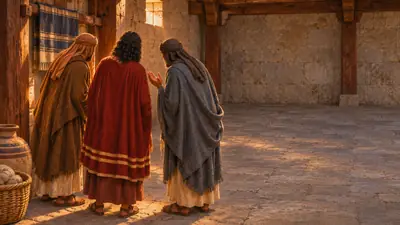
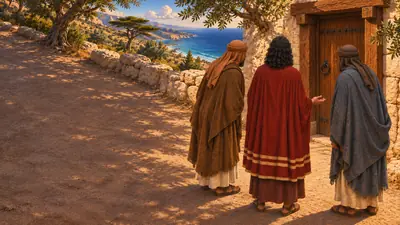
Baal is afraid. He sends the messengers back to Mot with a short reply, placing himself in Mot’s service.
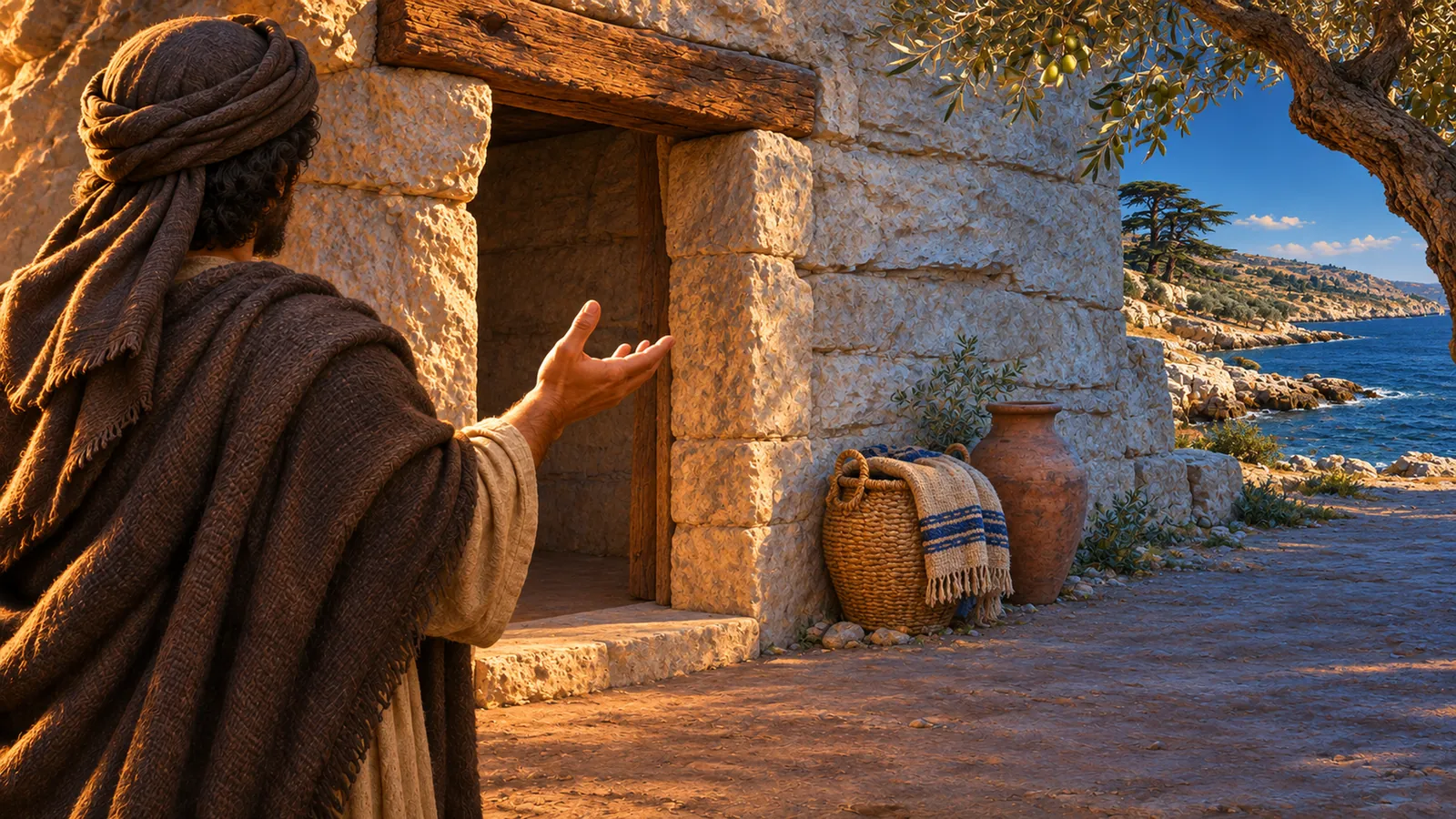
Mot rejoices when he hears the reply. His words about the feast can be read as if the invitation had come, or as an expectation that it will come.
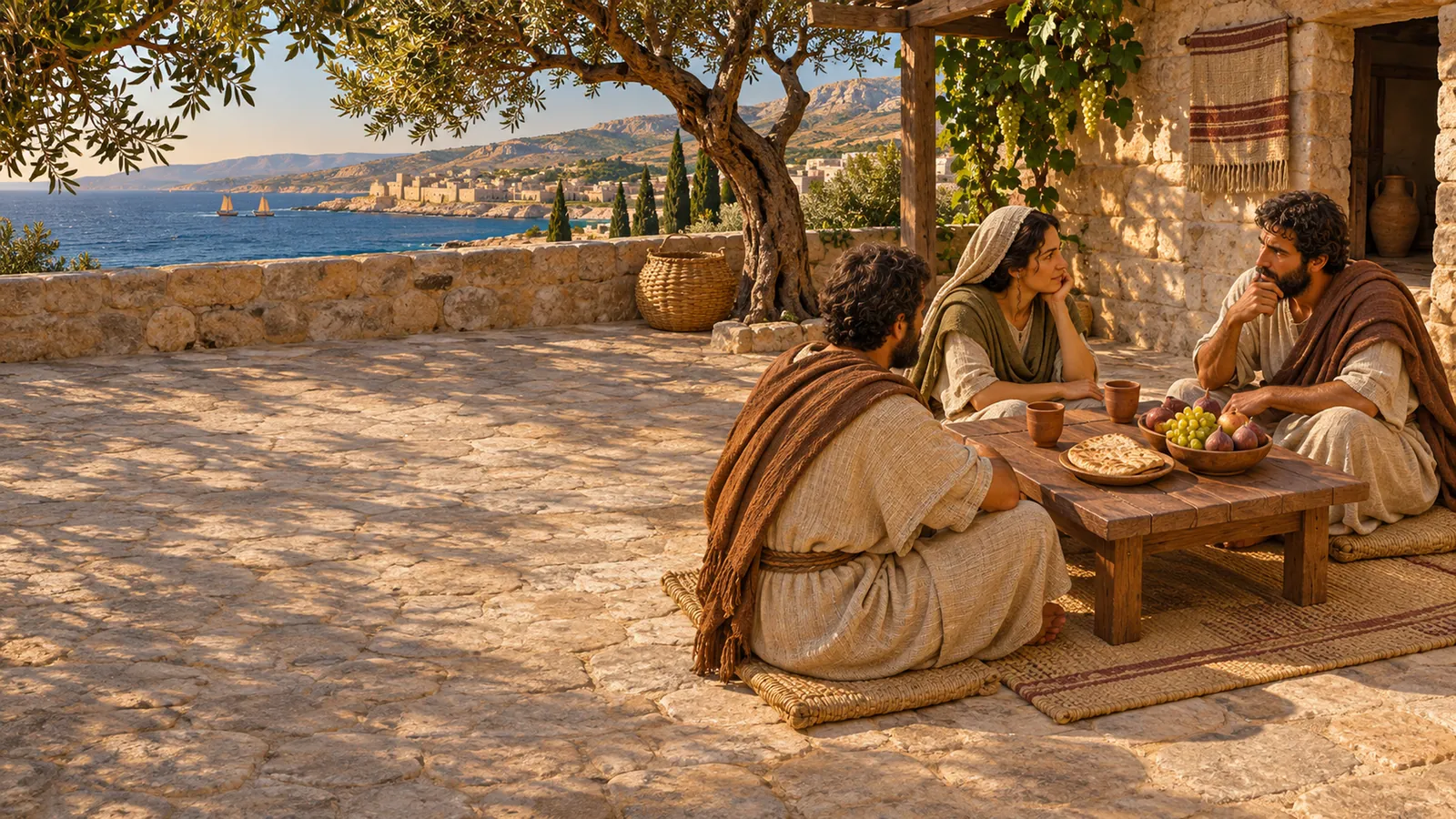
The next damaged columns contain words about a feast. Too little survives here to tell the whole exchange or settle how the occasion began.
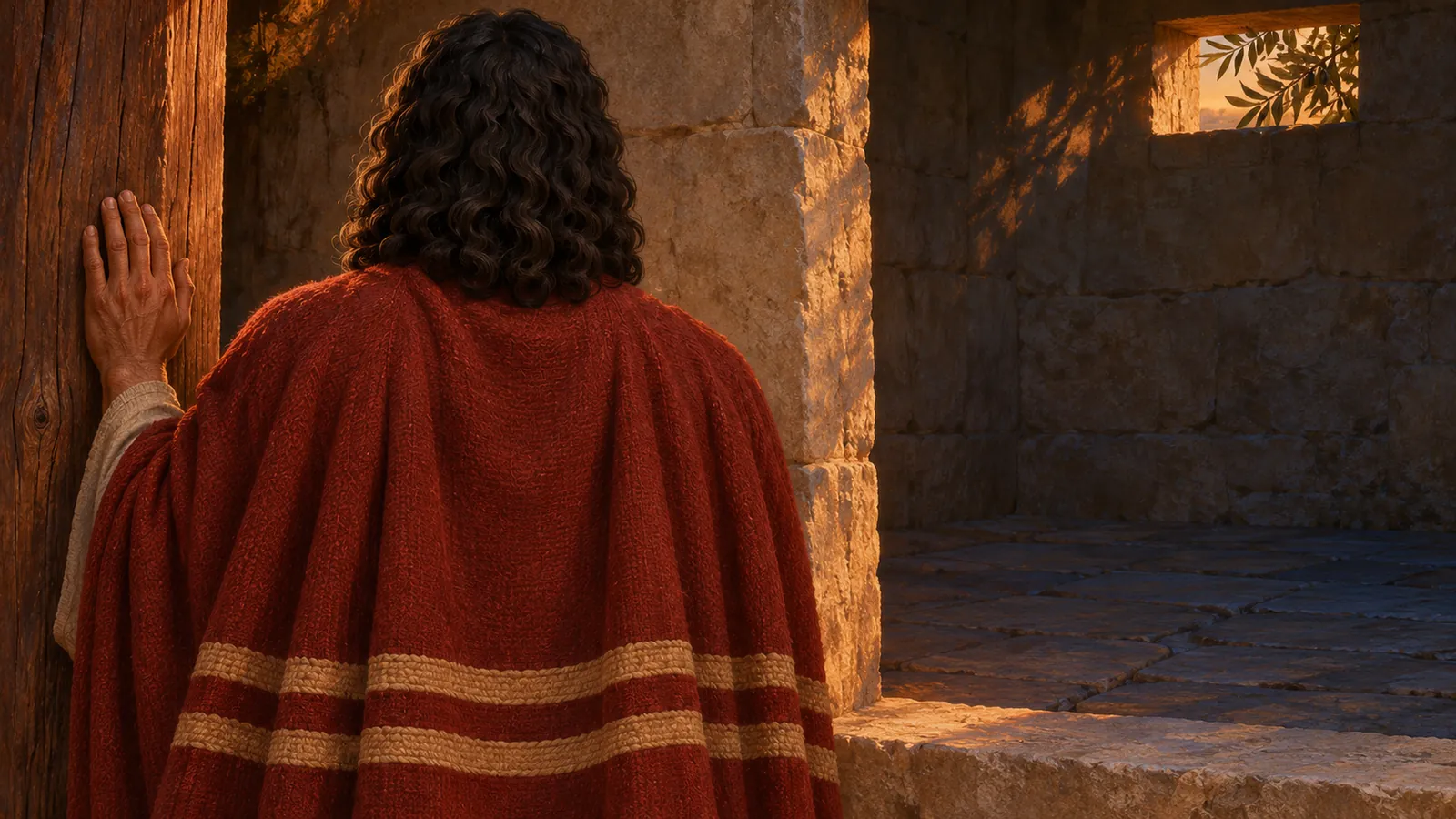
Someone tells Baal to descend into the world below. Enough of the instructions survives to hear the command, though the speaker’s identity remains open.
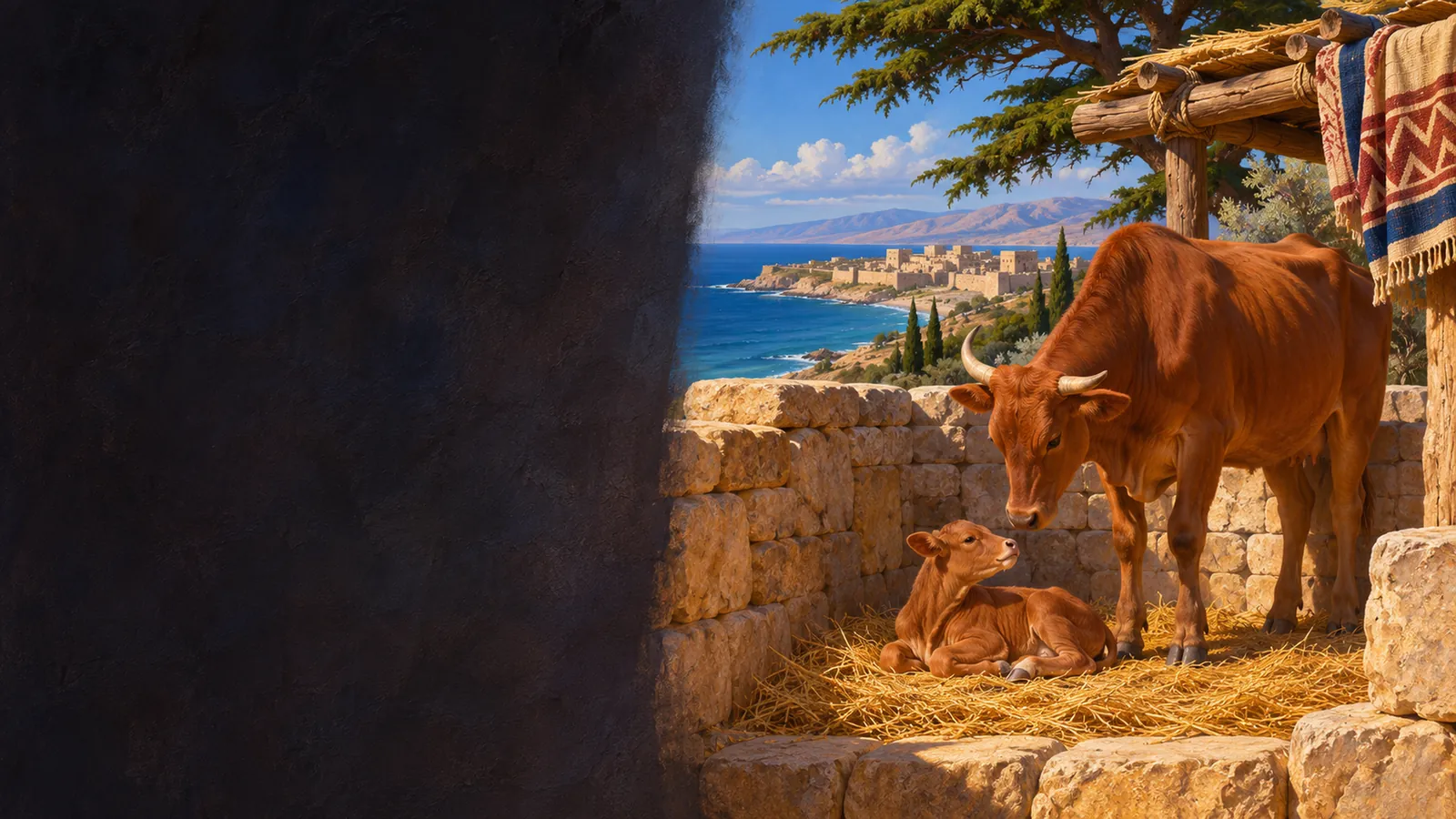
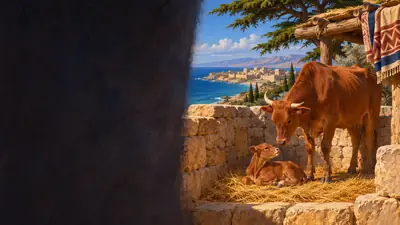
Baal lies with a heifer, and she bears him a son. A break follows before the report to El.
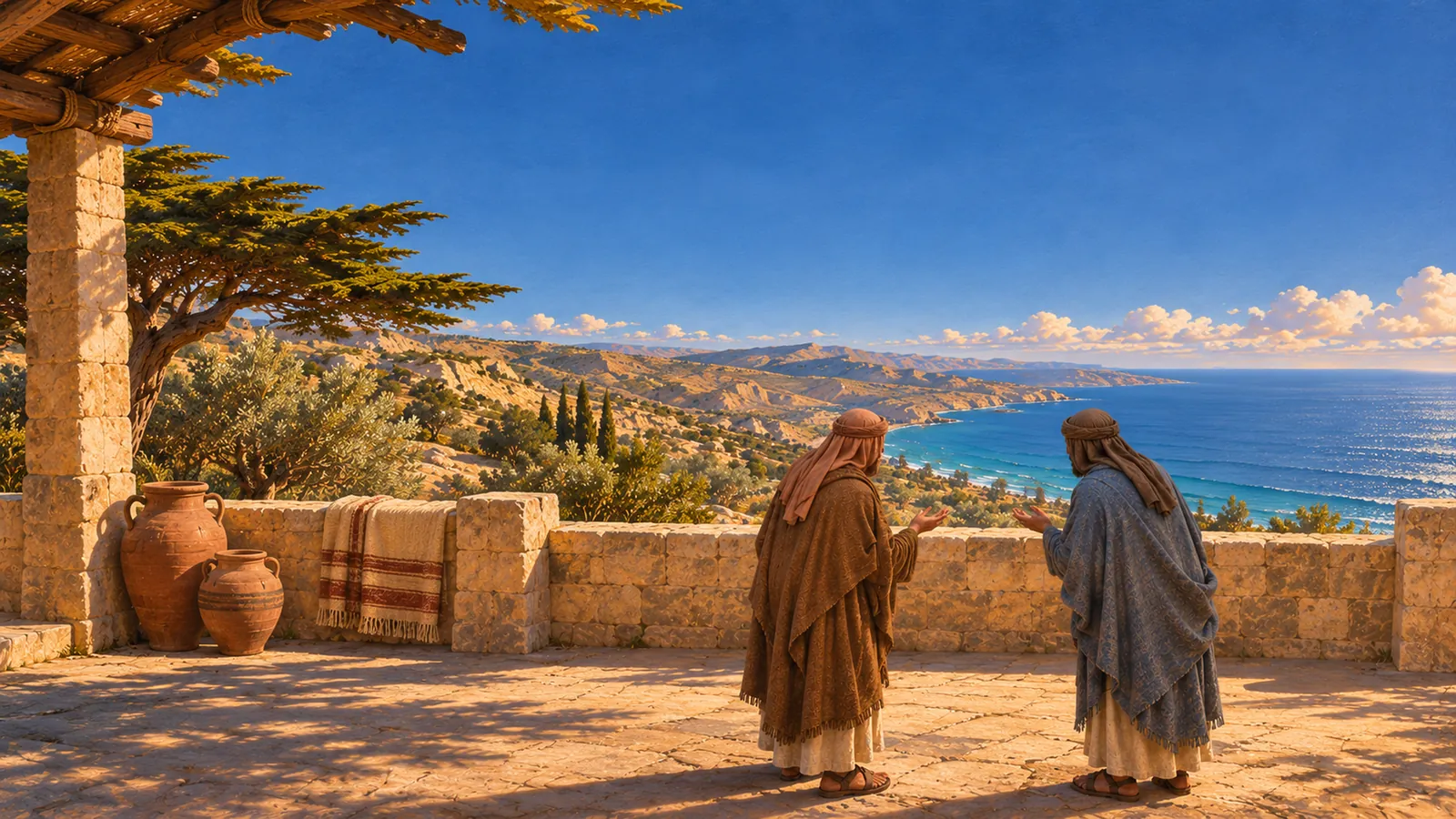
THE REPORT
When the lines become readable again, messengers are speaking to El. They tell him that they have found Baal dead.
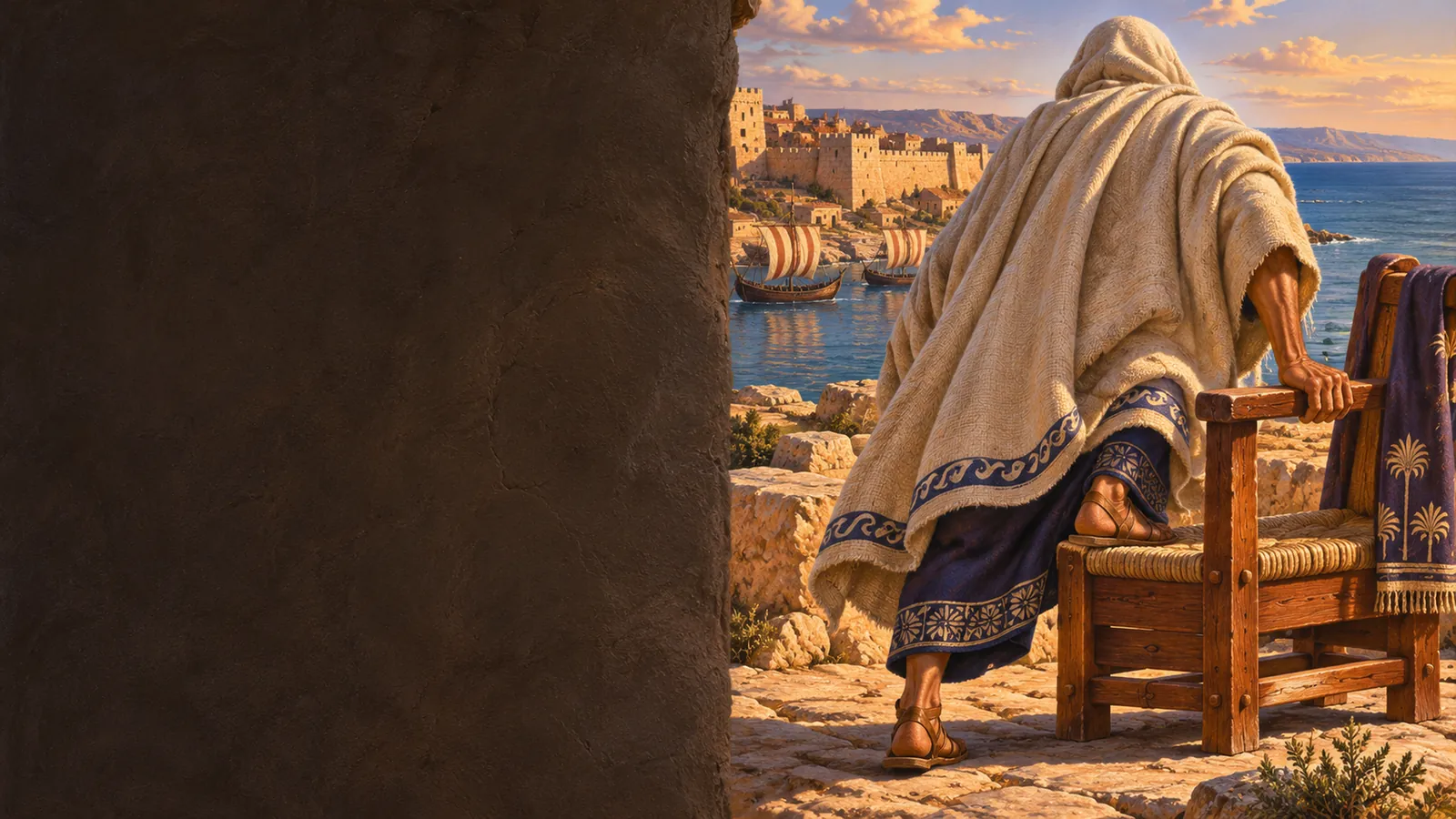
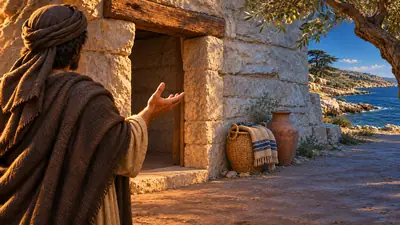
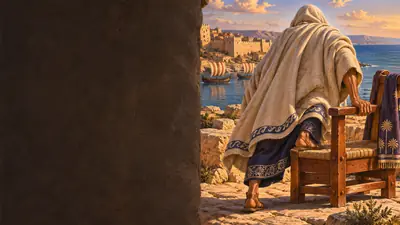
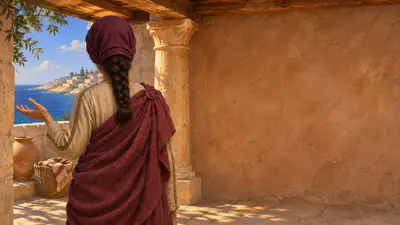
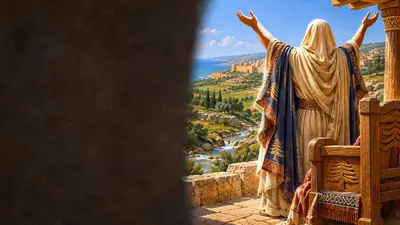
El hears the news and descends from his seat. In his mourning he sits on the ground.
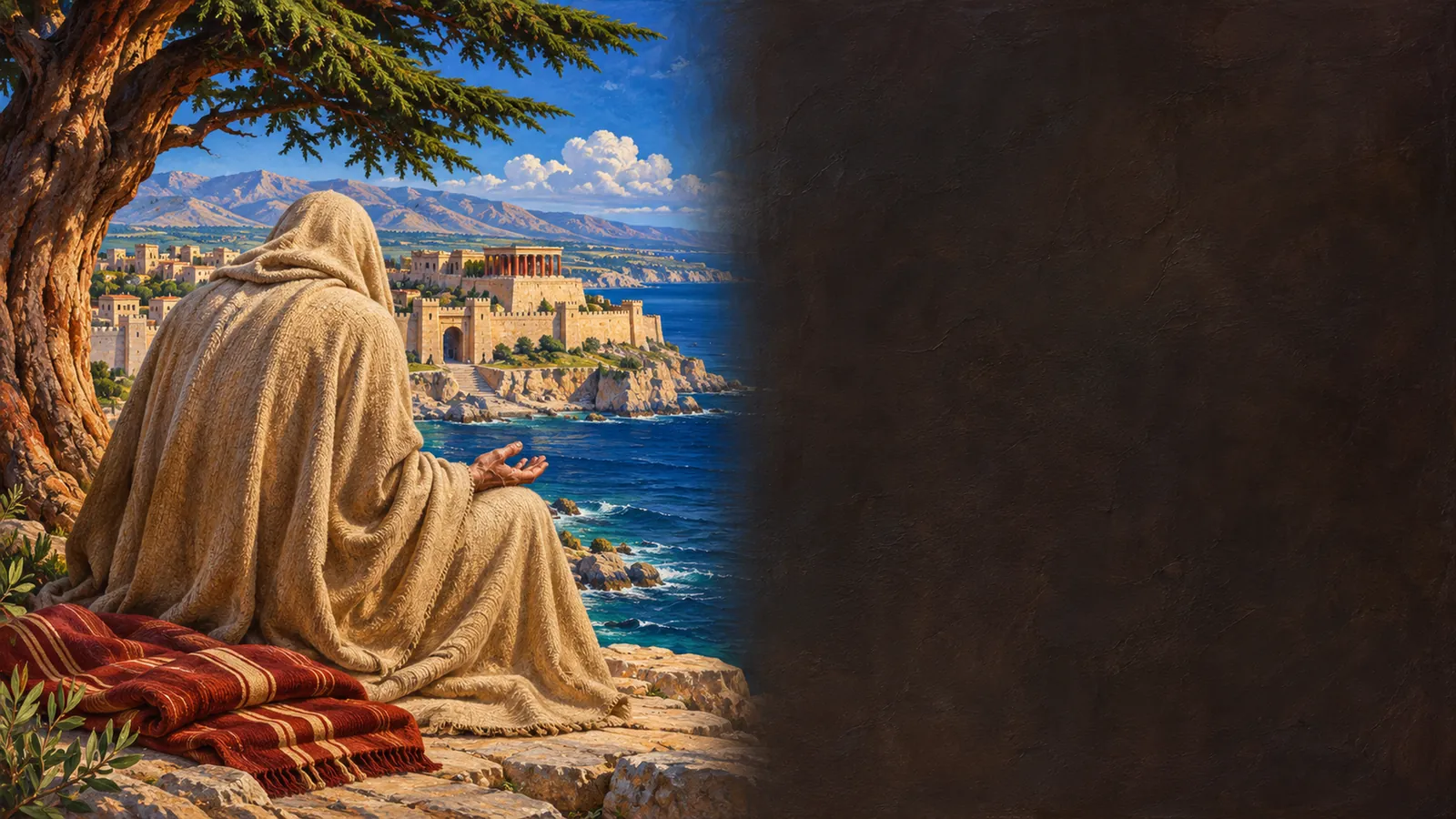
El grieves for Baal. He speaks of following him down into the earth, and the words belong to his grief.
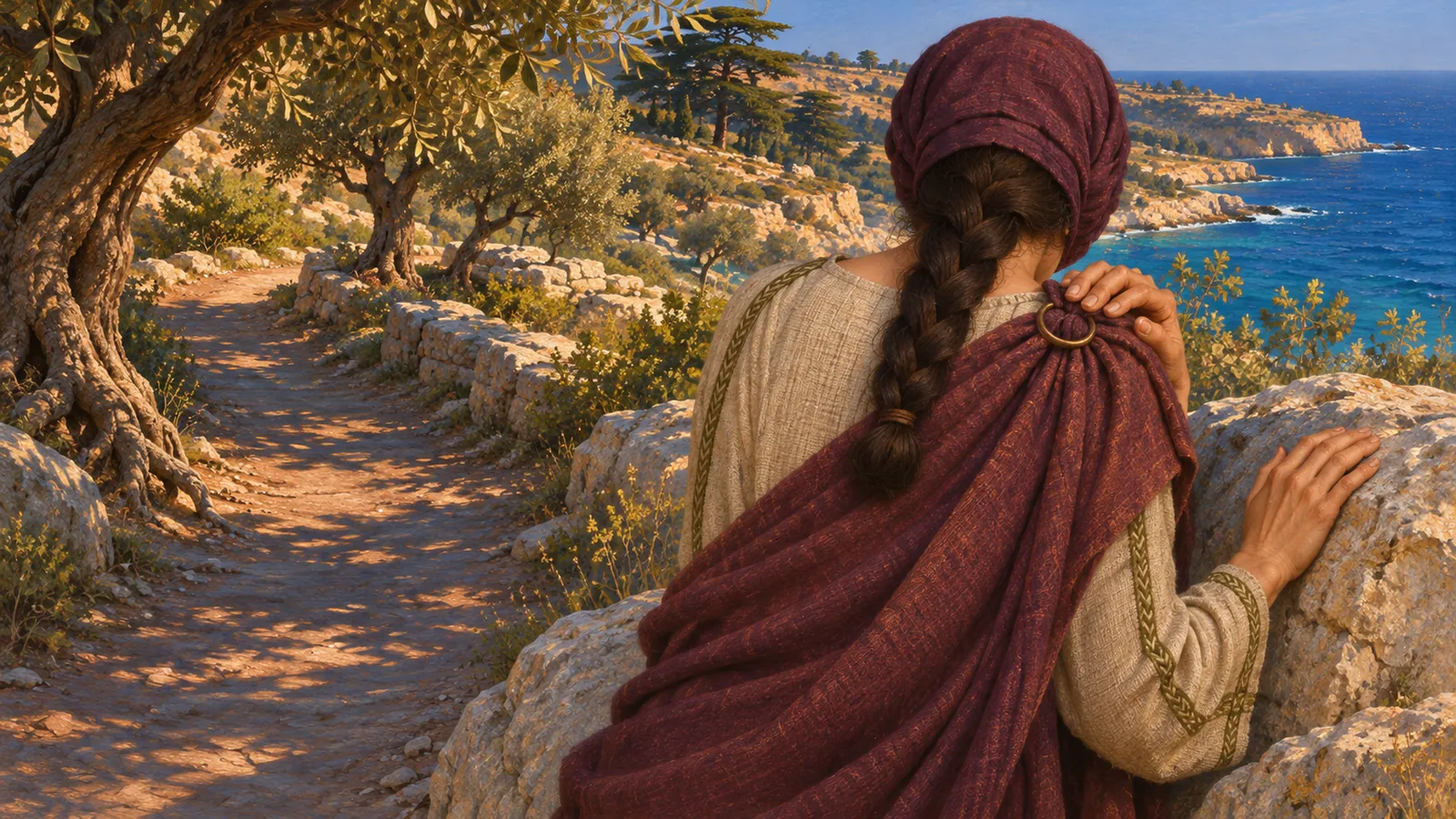
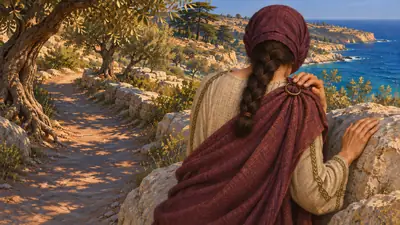
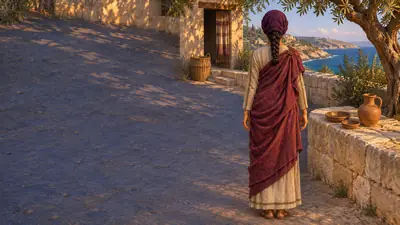
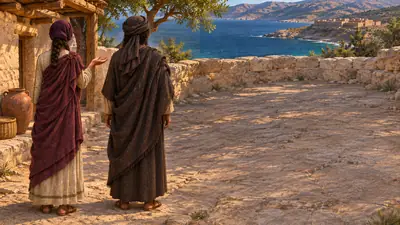
The poem turns to Anat in the hills. She comes upon Baal herself and finds him dead, as the messengers had reported to El.
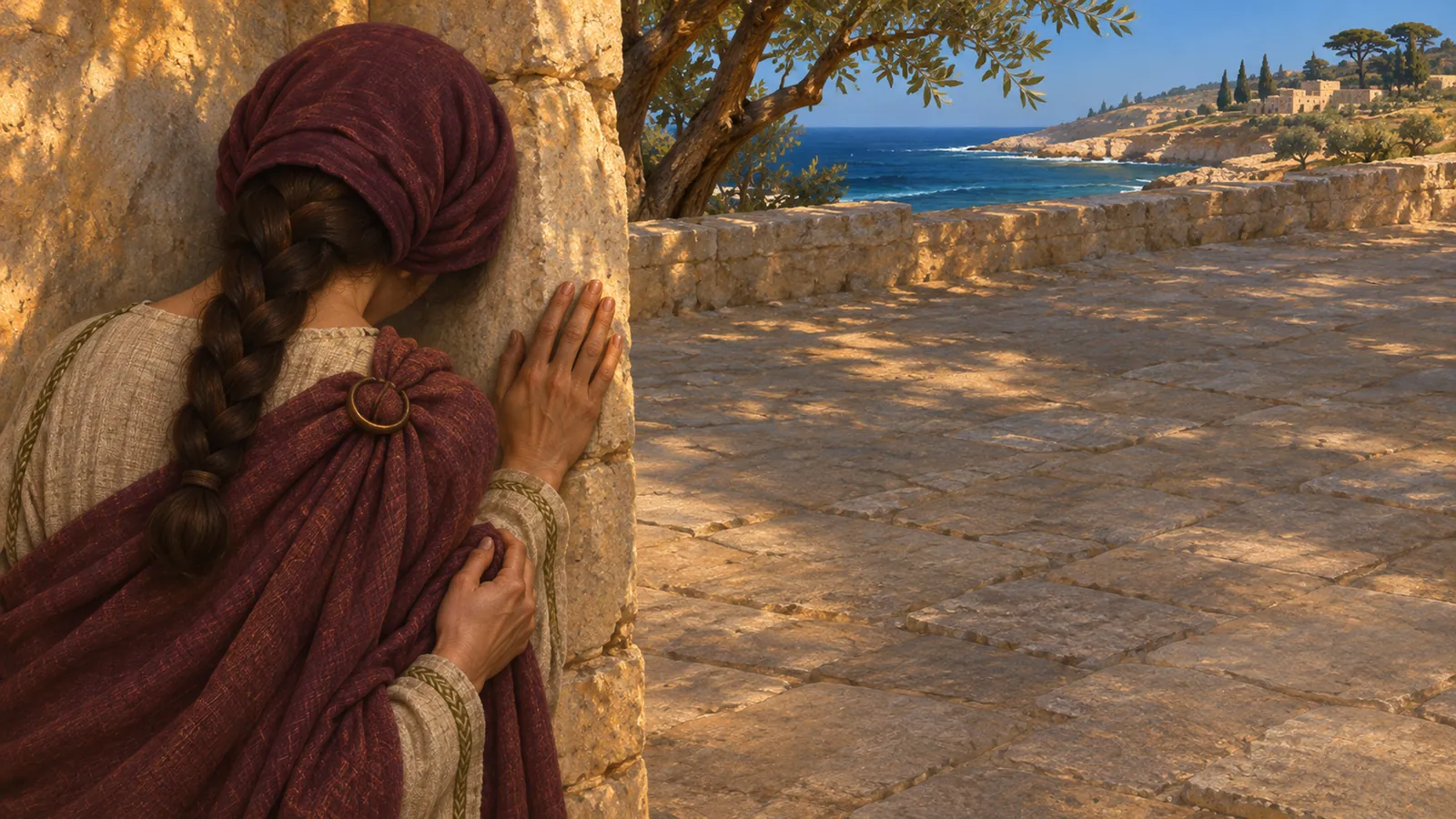
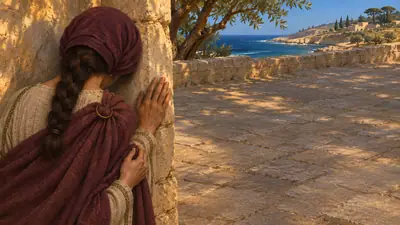
Anat’s mourning carries into the sixth tablet. Her words and grief recall the mourning of El when he heard the report.
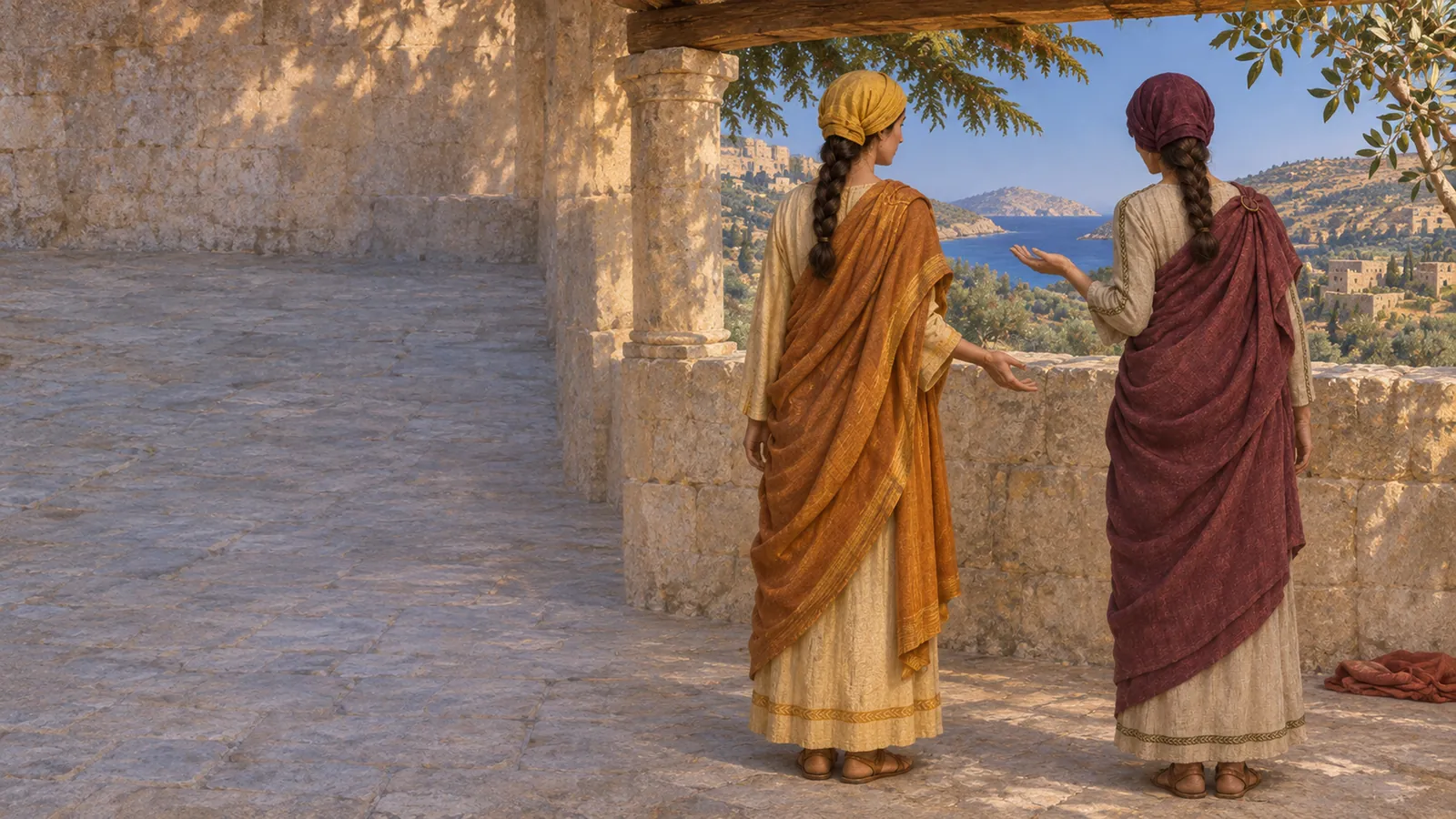
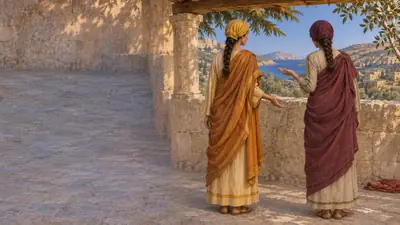
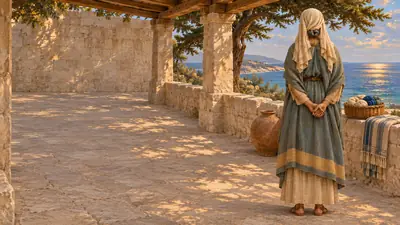
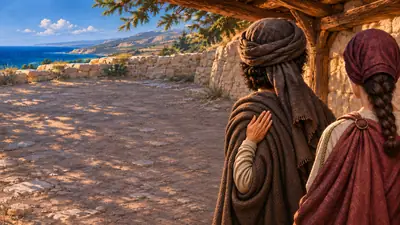
Shapash comes to Anat. Anat asks for help so that she can carry Baal away for burial.

Anat takes Baal to the heights of Saphon. There she weeps for him and lays him to rest.
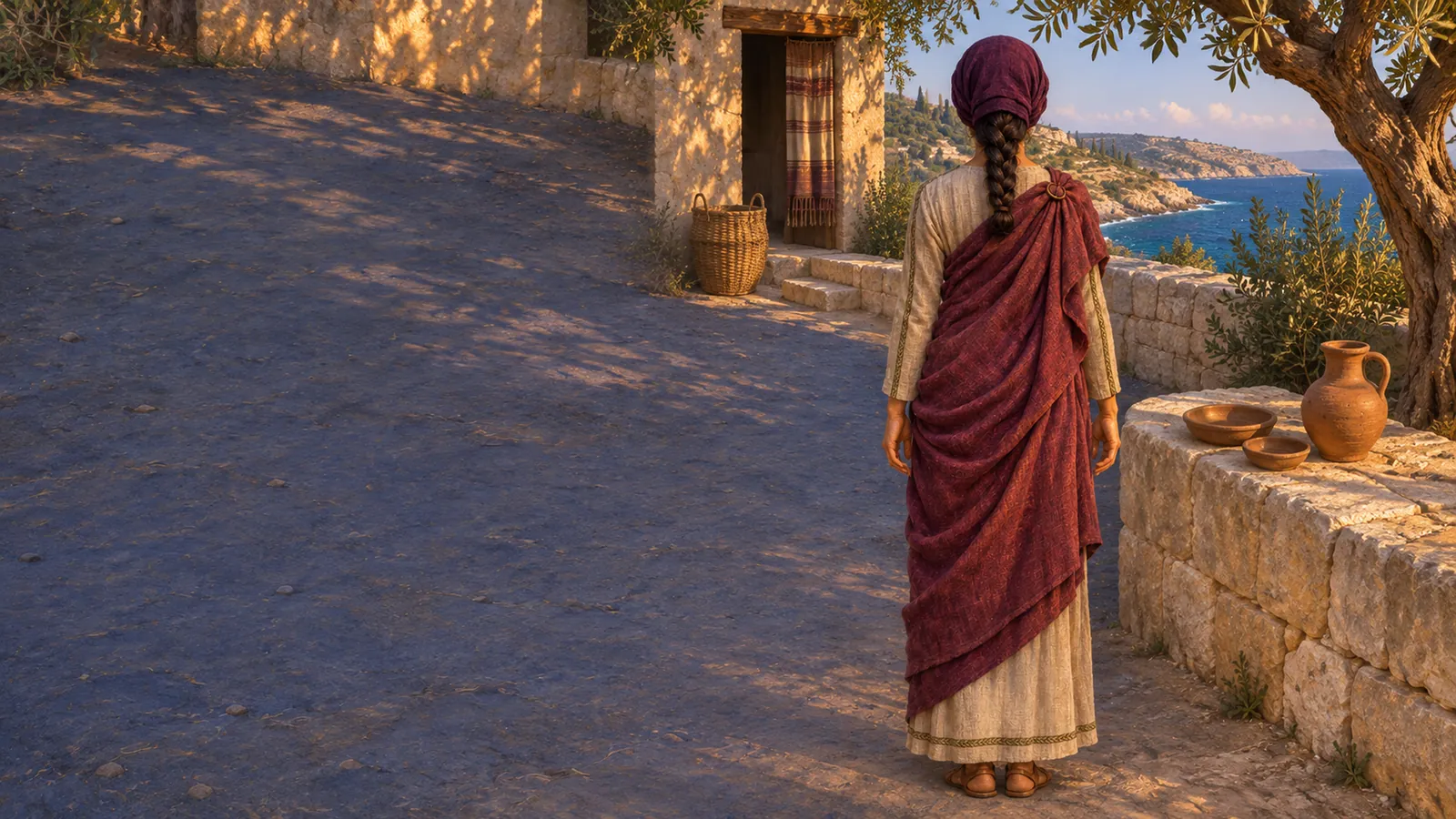
After laying Baal to rest, Anat makes funerary offerings. The poem describes the offerings one group at a time.
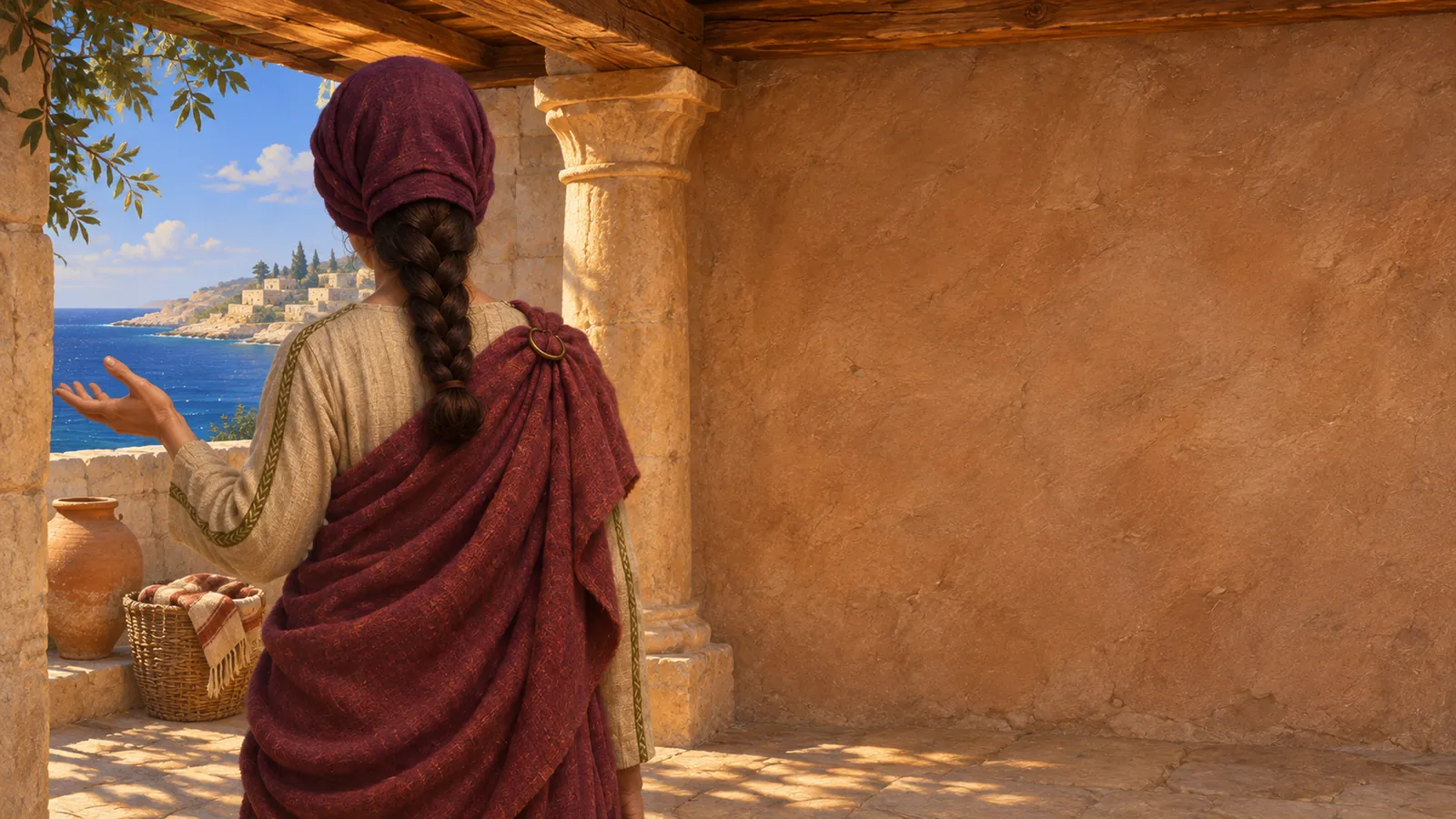
Anat speaks to El after the burial. She declares that mighty Baal is dead and names Athirat and her children in her speech.
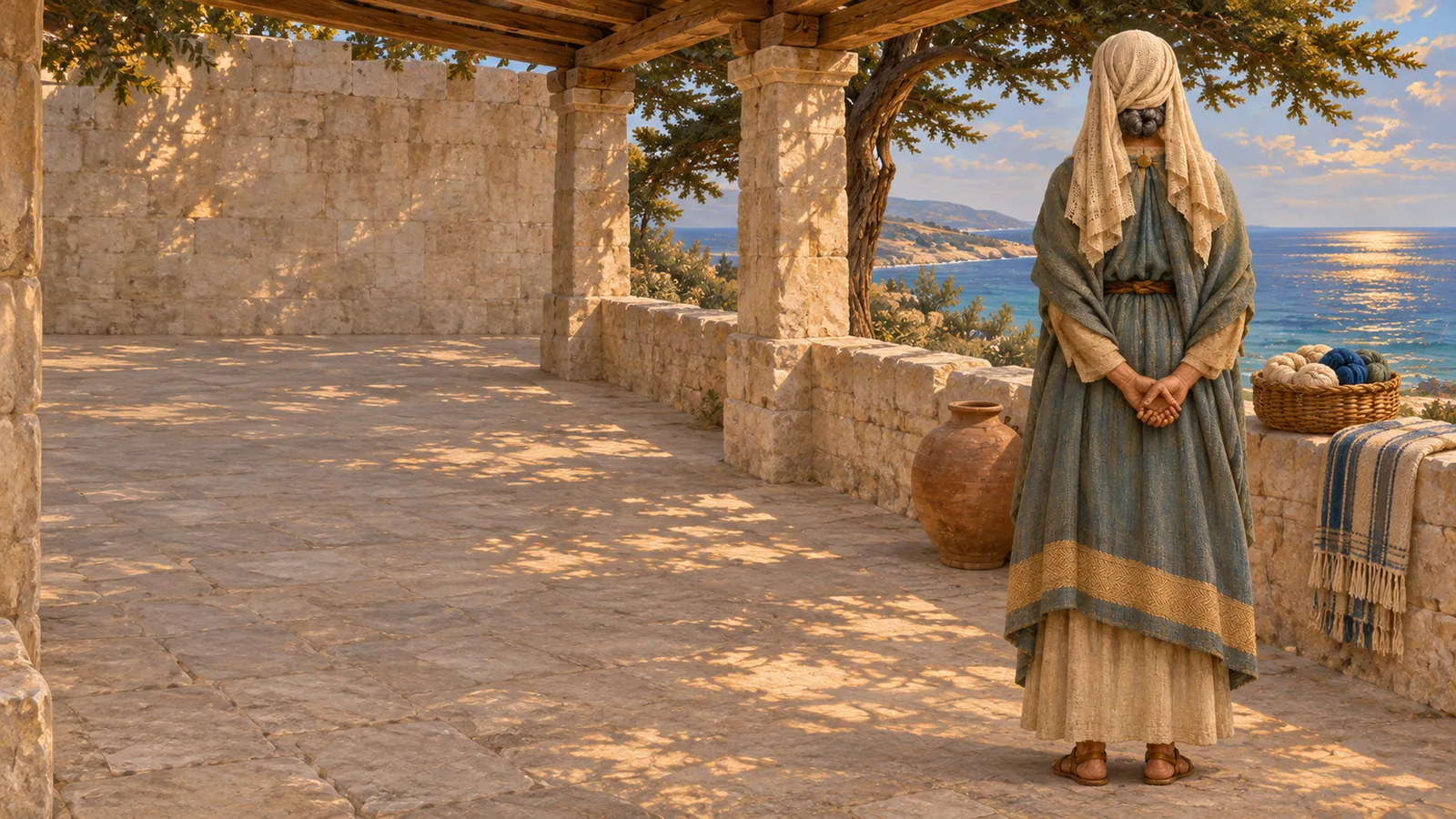
El asks Athirat to arrange for someone to take Baal’s place. Their exchange turns from his death to who will hold his seat.
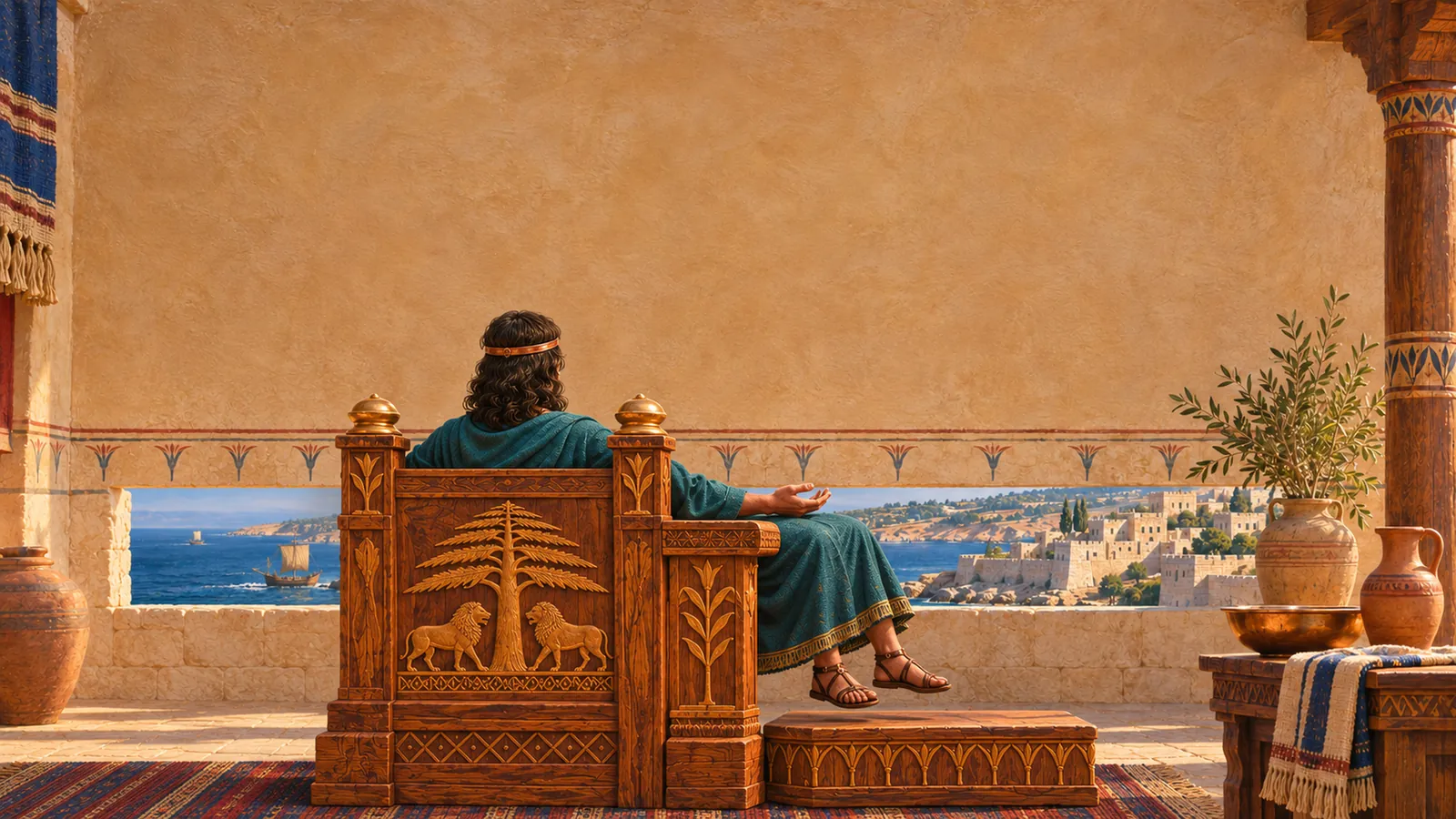
THE THRONE
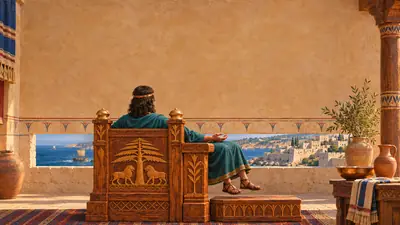
Athtar takes Baal’s seat, but his feet do not reach the footrest. He declares that he cannot rule from Saphon and steps down.
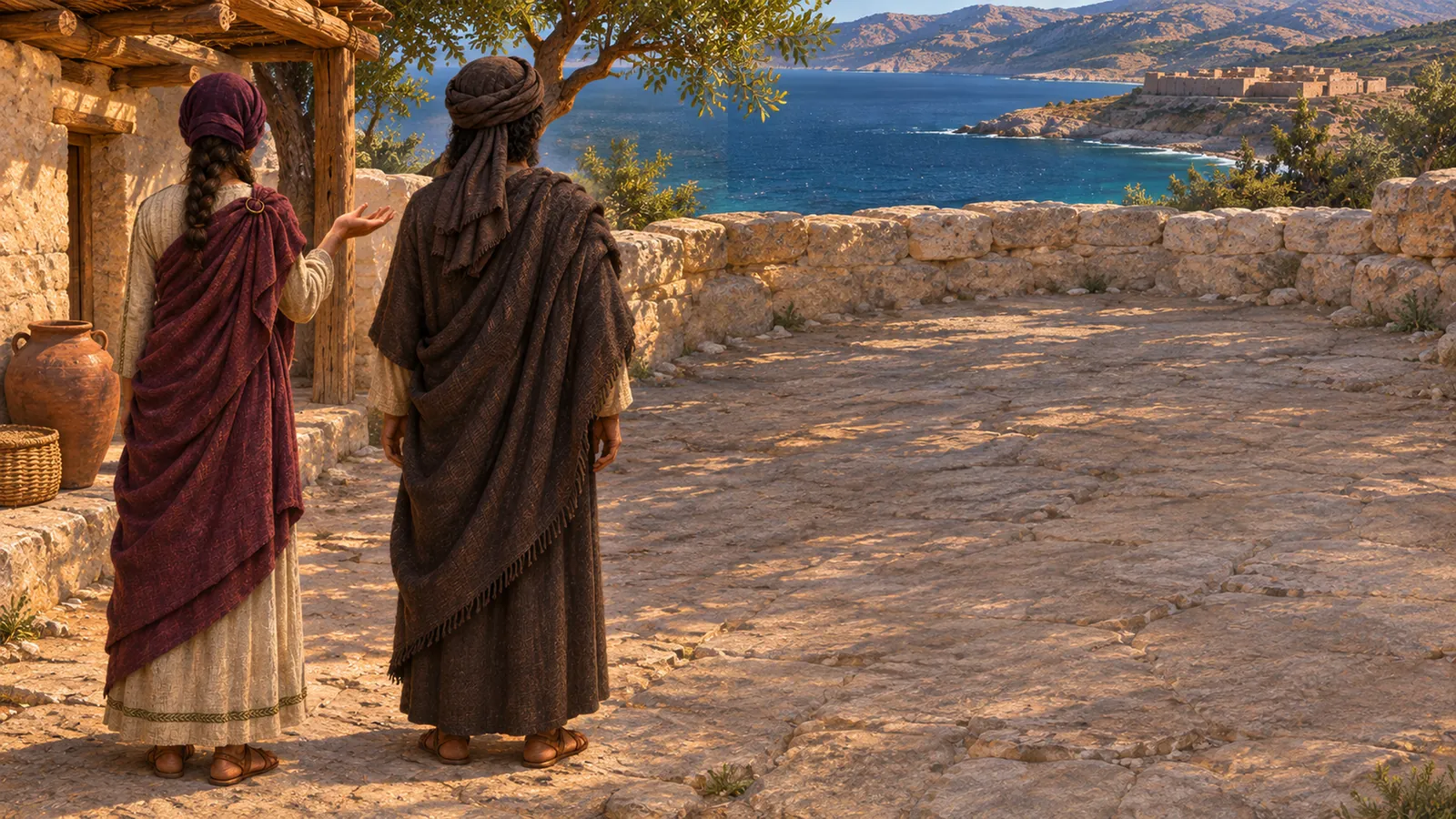
Anat looks for Baal. When she encounters Mot, she demands that he give Baal back to her.
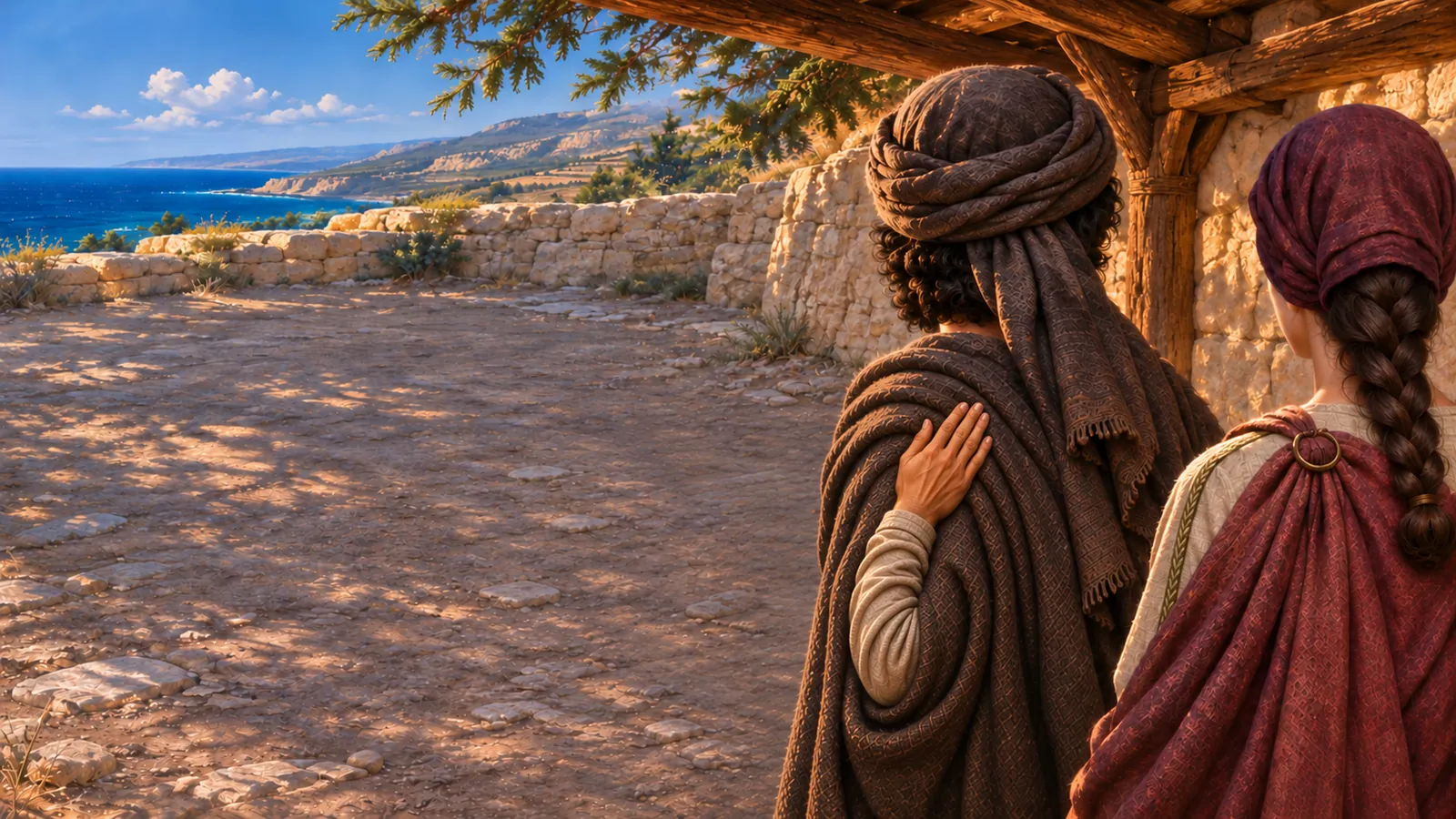
Mot tells Anat he found Baal in the wild and crushed him in his mouth. That is Mot’s account of Baal’s death.
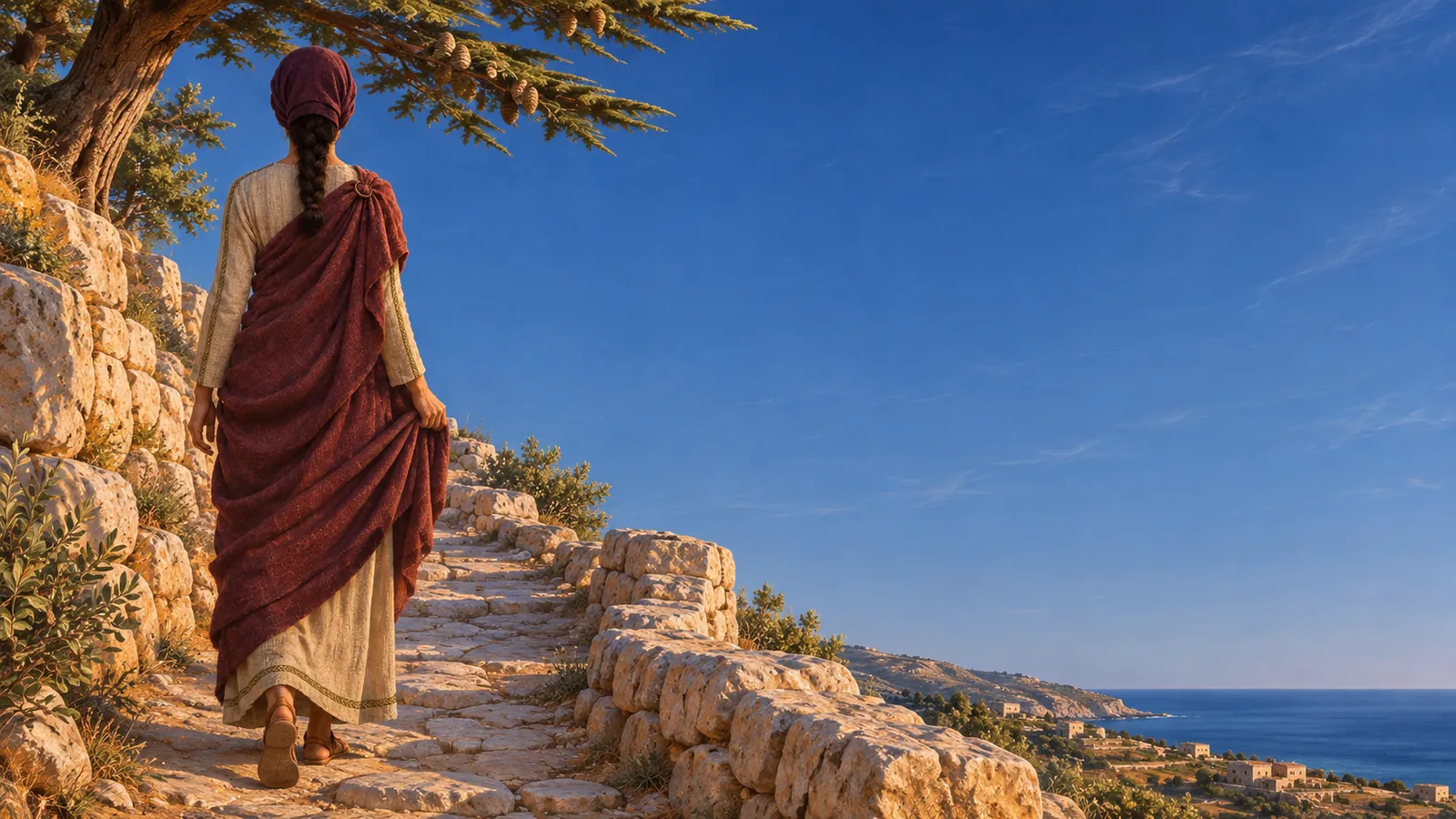
Days pass into months, and Anat goes on seeking Baal. The poem compares her longing to that of a mother animal for her young.
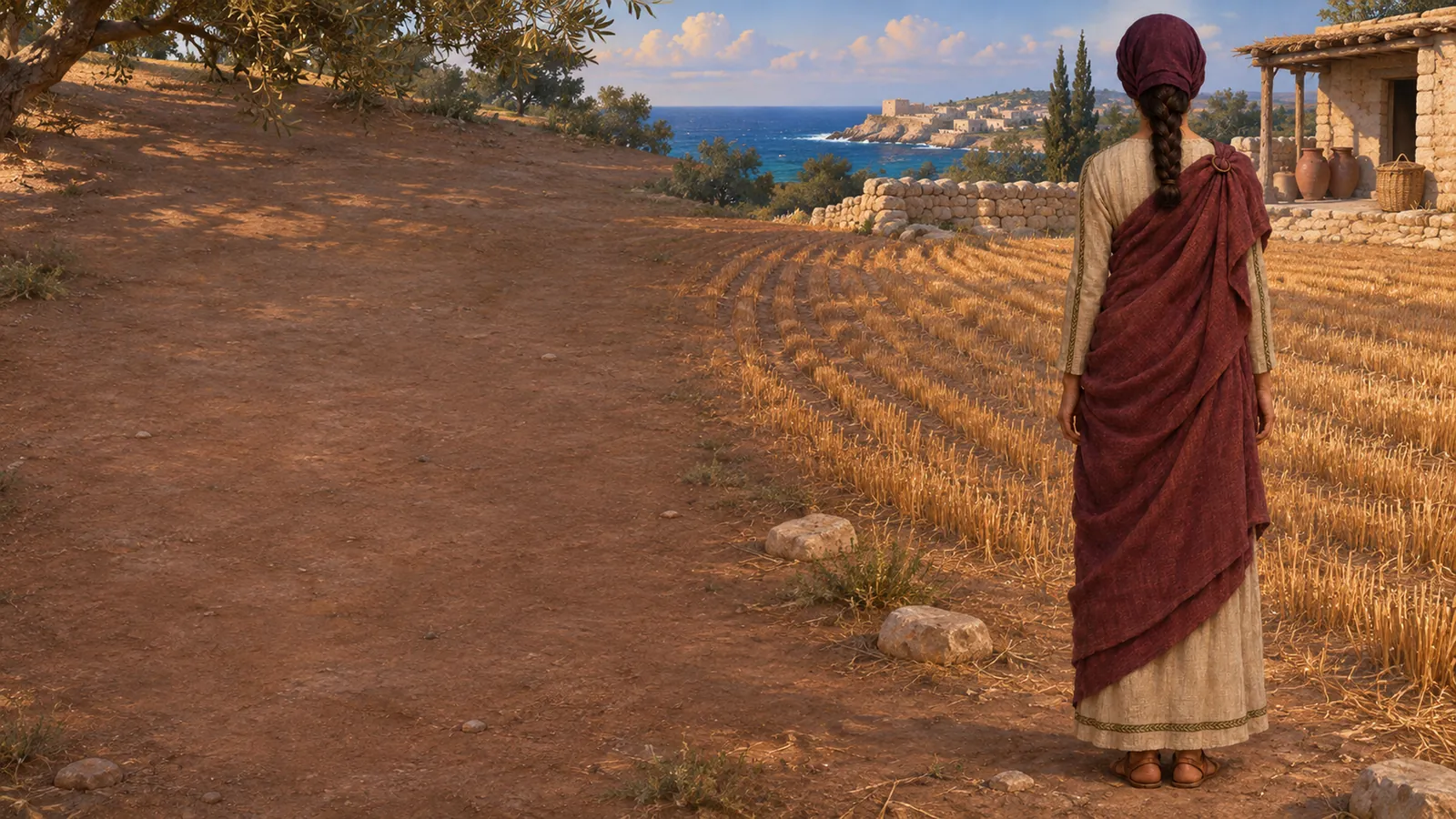
Anat seizes and kills Mot. The poem describes her cutting, burning and grinding him in images drawn from the harvest.
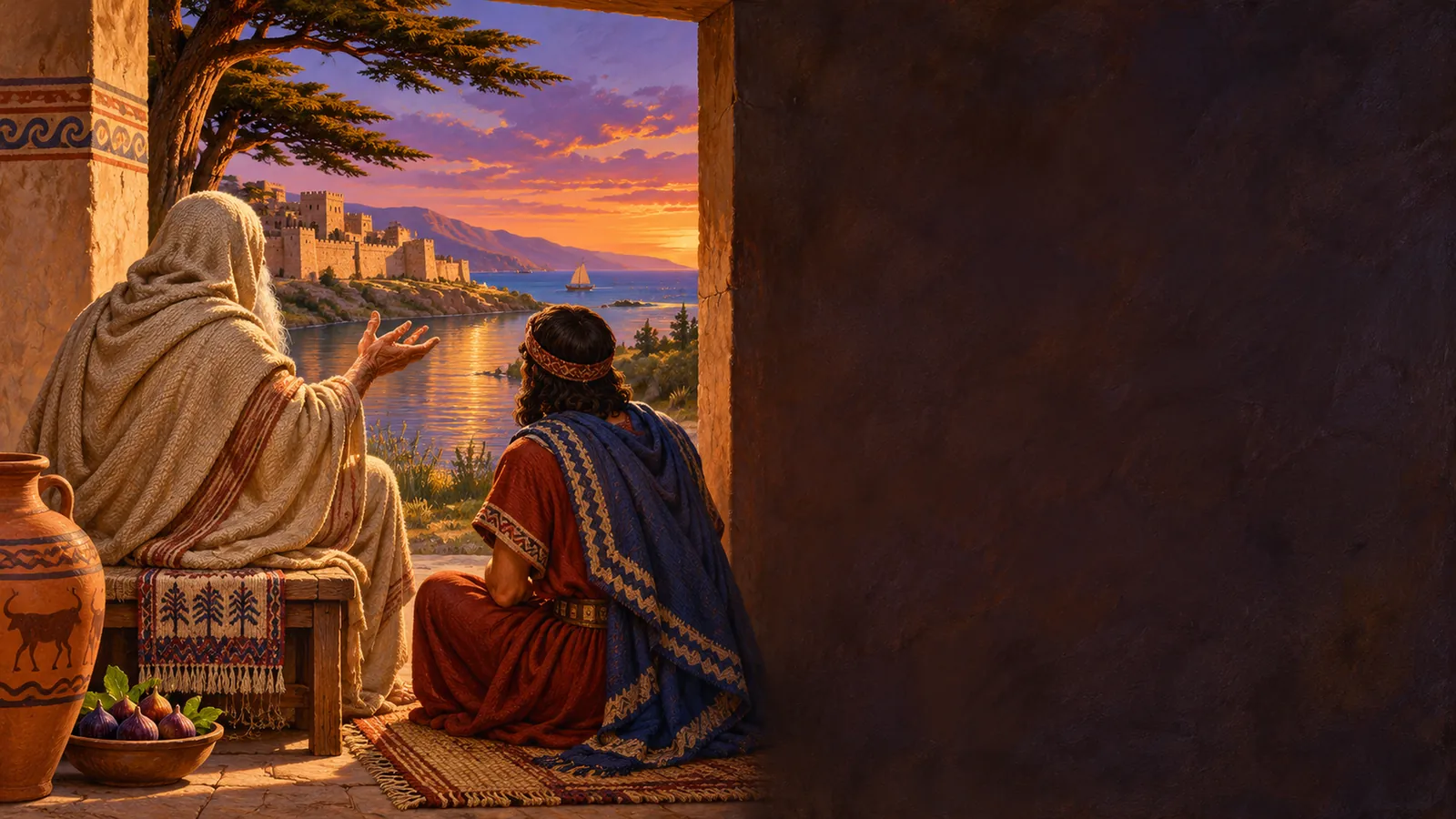
El says that if Baal lives, he will know through a dream. He speaks of oil from the heavens and honey in the watercourses.

EL’S DREAM
El has the dream. In it, oil rains from the sky and honey runs in the watercourses, the signs for which he had looked.
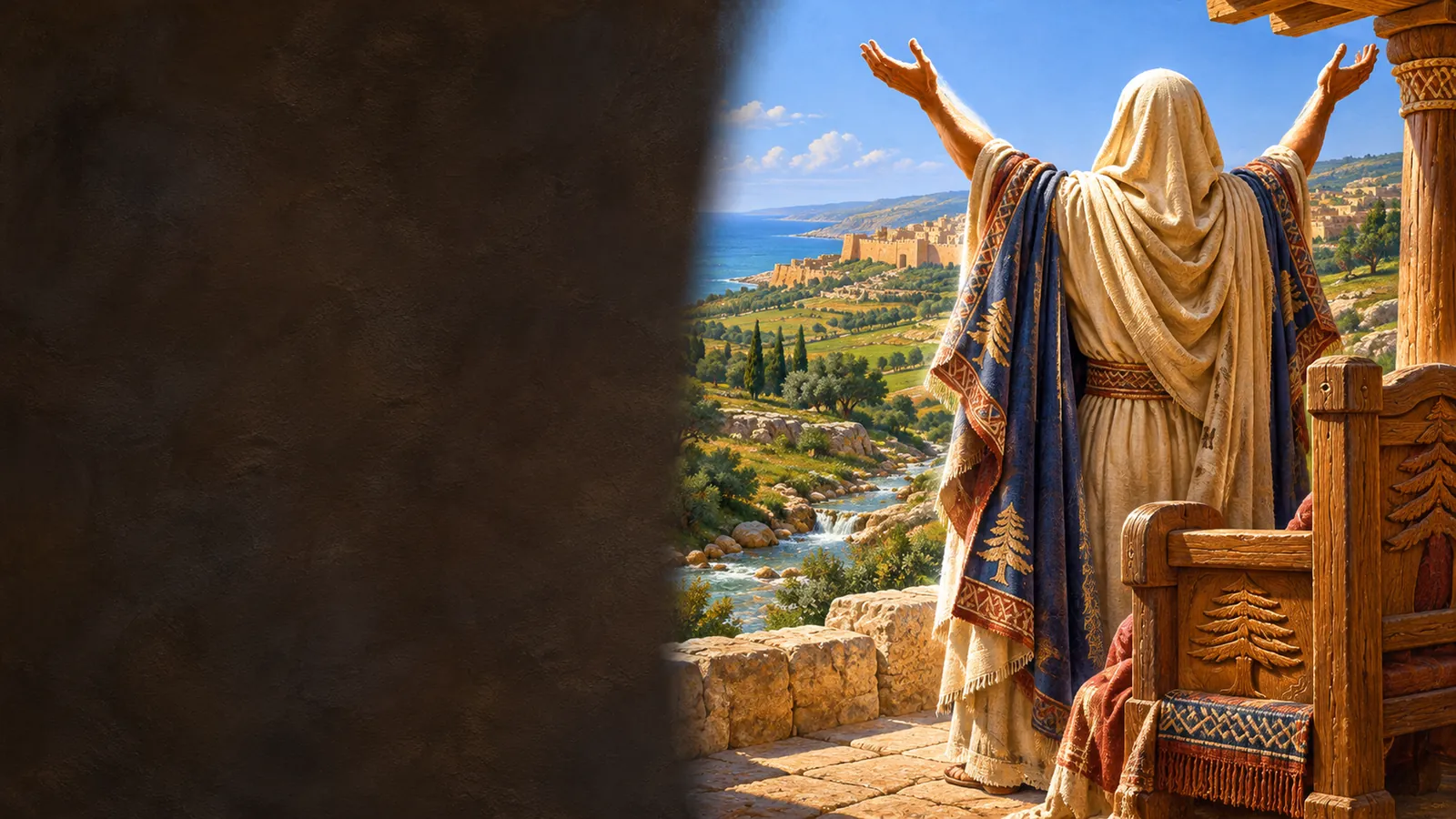
El rejoices when he sees the signs. The dream lets him rest, he says, because mighty Baal is alive.
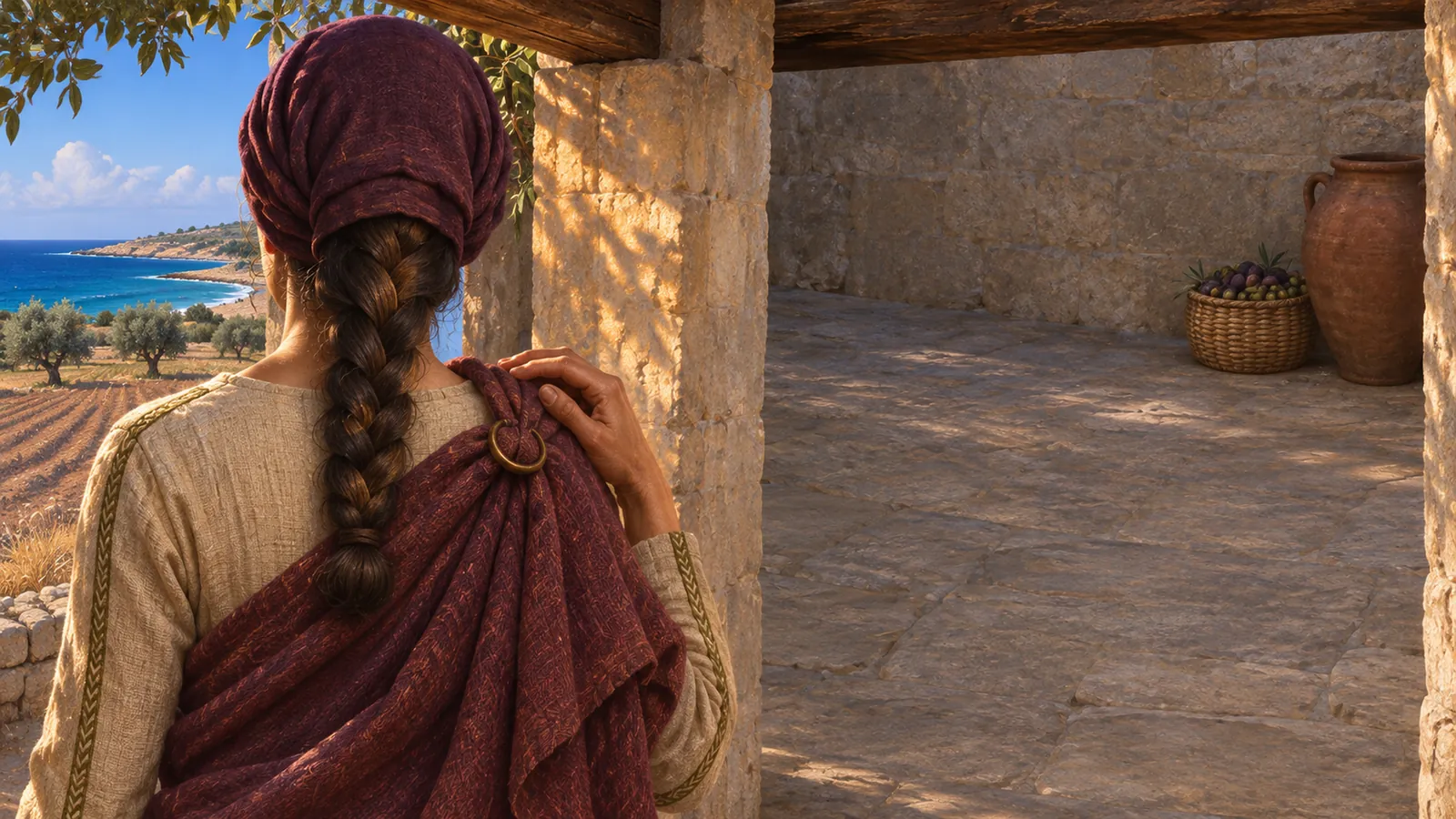
El calls Anat and tells her to speak to Shapash. His words speak of dry furrows and ask where Baal can be found.
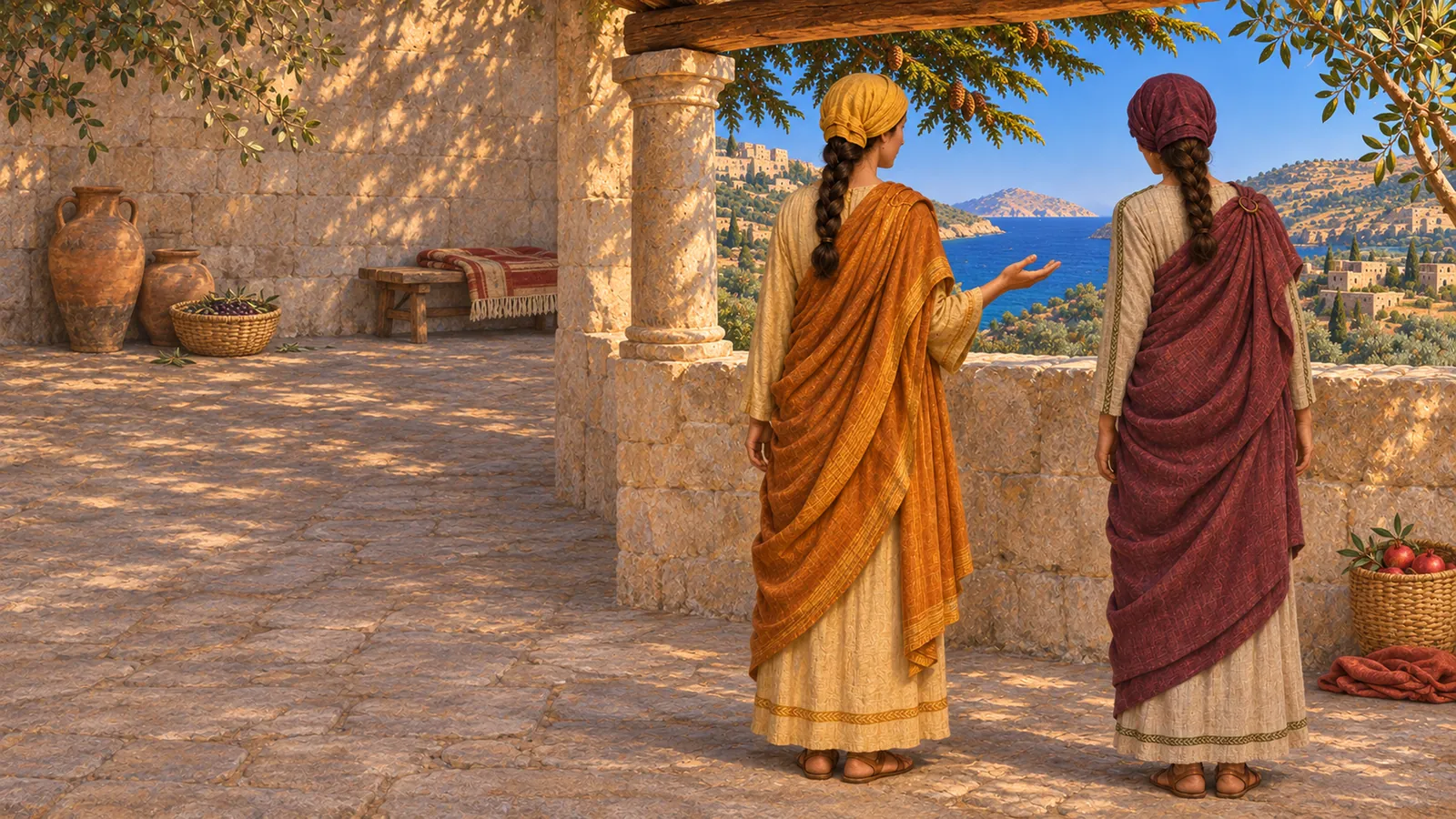
Shapash agrees to look for Baal. The surviving exchange brings the search into view before the text breaks again.
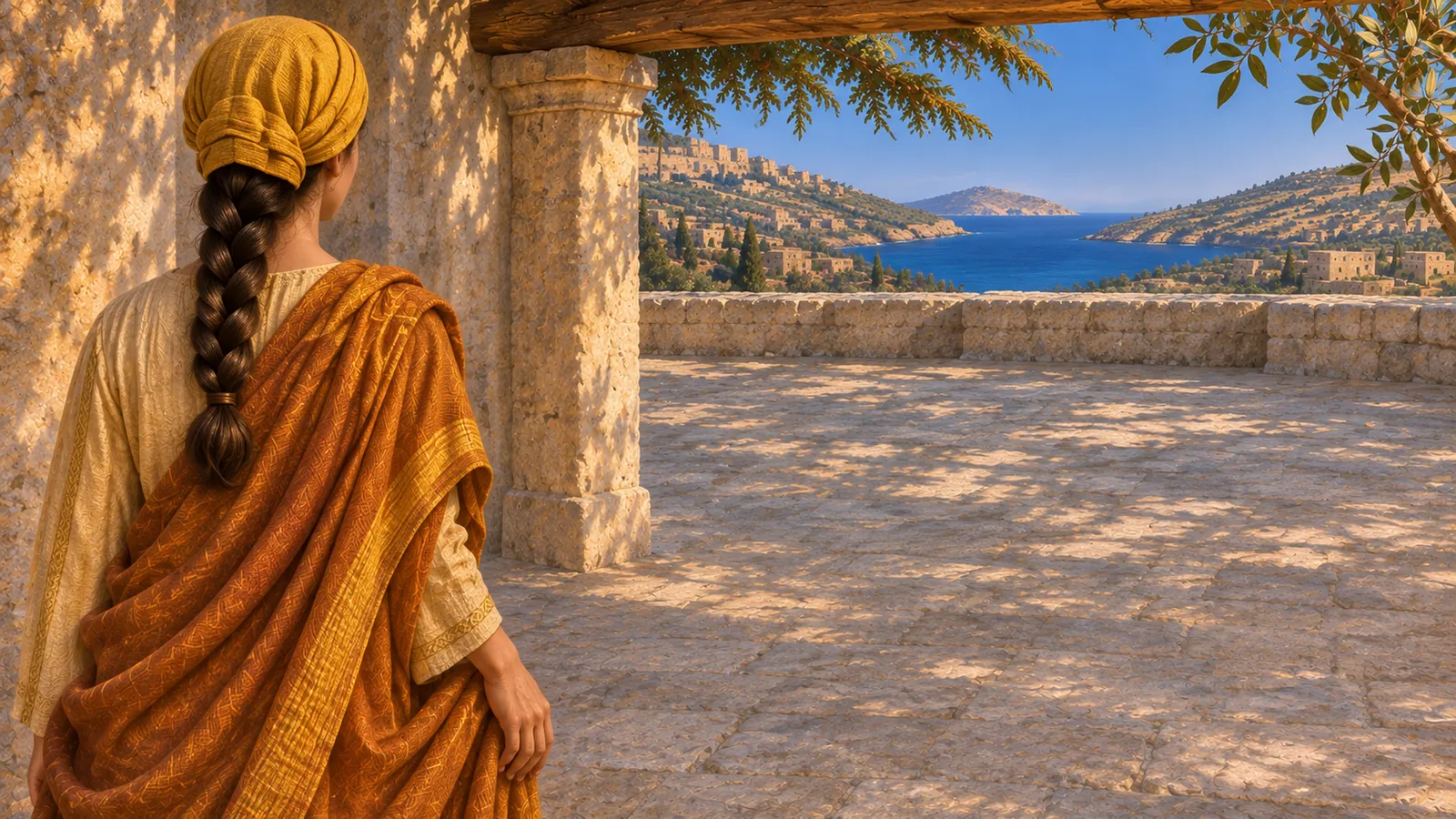
The text breaks after Shapash agrees to search. The surviving words leave open what happened between her promise and Baal’s return.

BAAL RETURNS
When the poem becomes clear again, Baal strikes down the sons of Athirat and takes his place on the throne.
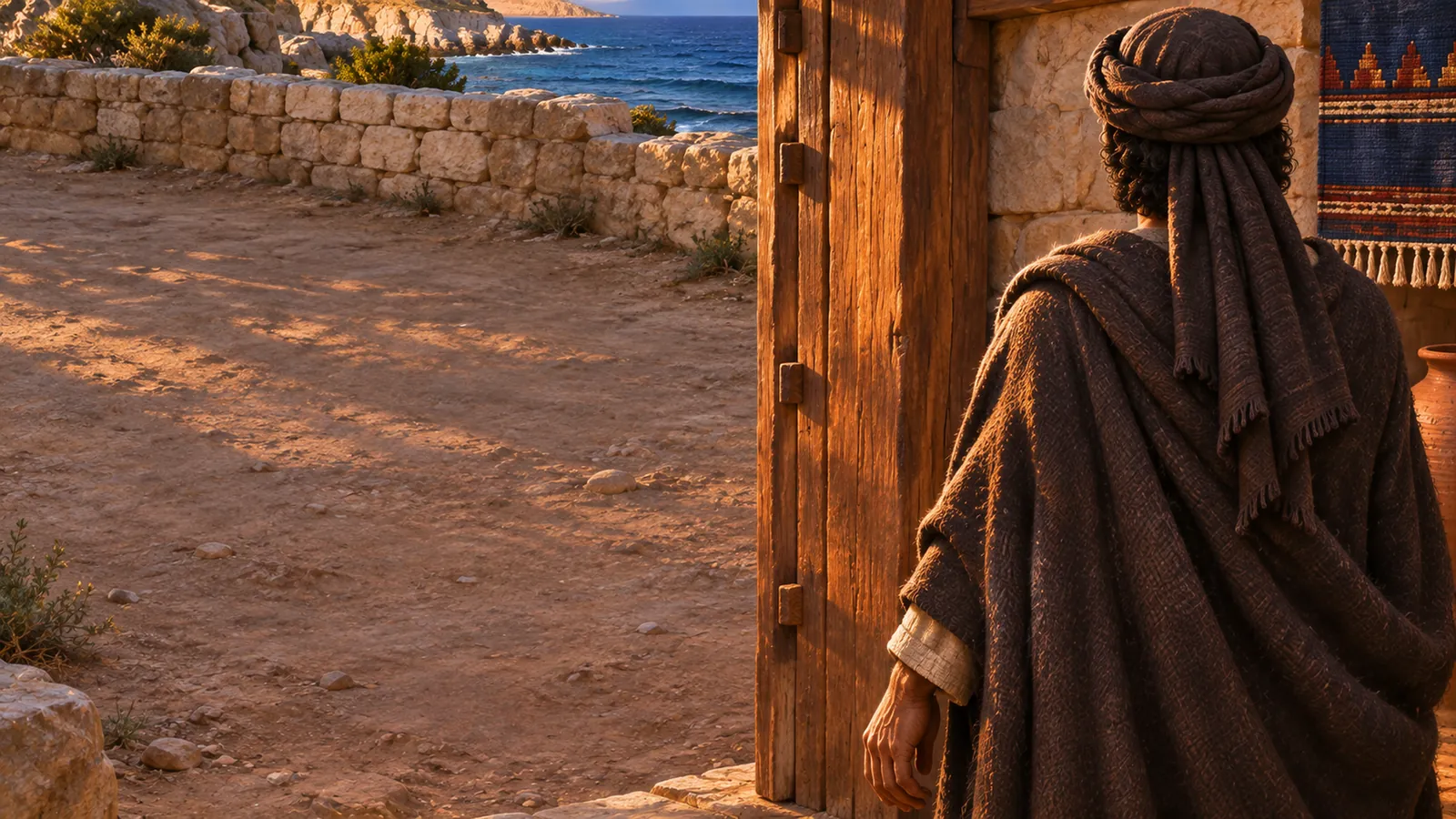
In the poem’s count the seventh year comes. Mot appears again after his defeat, and the dispute with Baal resumes.
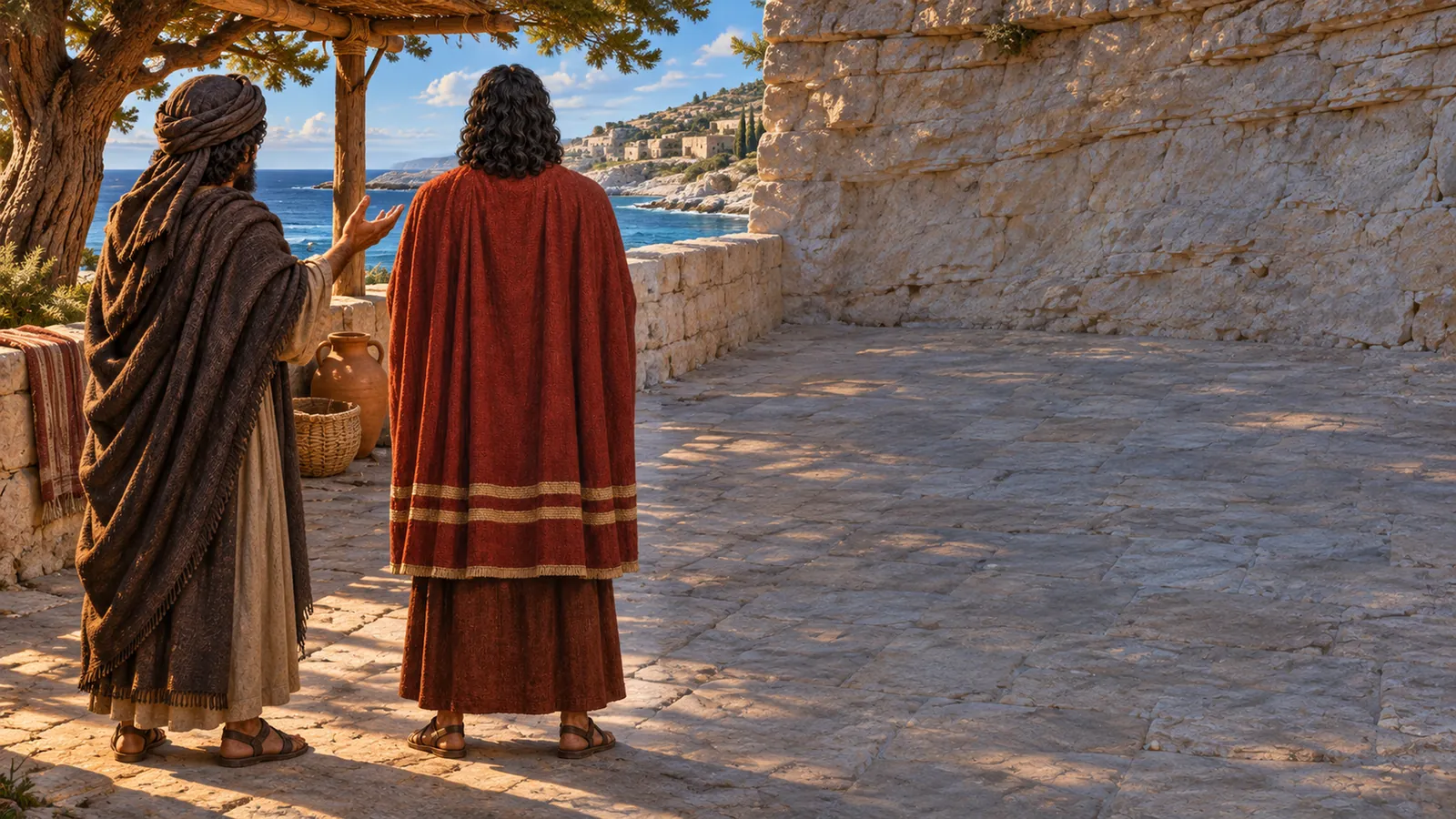
Mot confronts Baal with what he suffered. He holds Baal responsible and recalls his defeat in some of the same images used before.
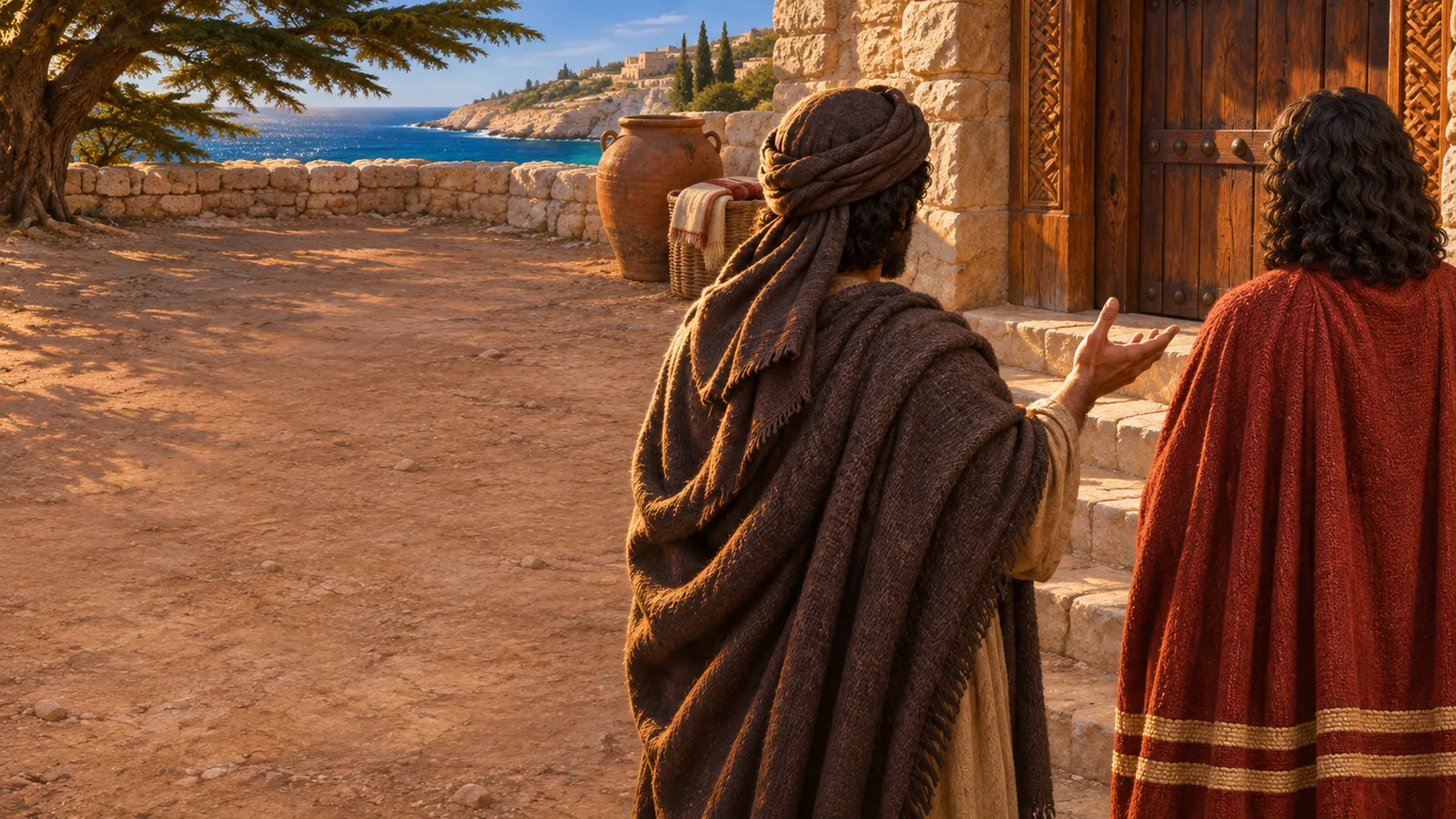
Mot demands one of Baal’s brothers. He says that if Baal refuses, he will turn his appetite against humankind.
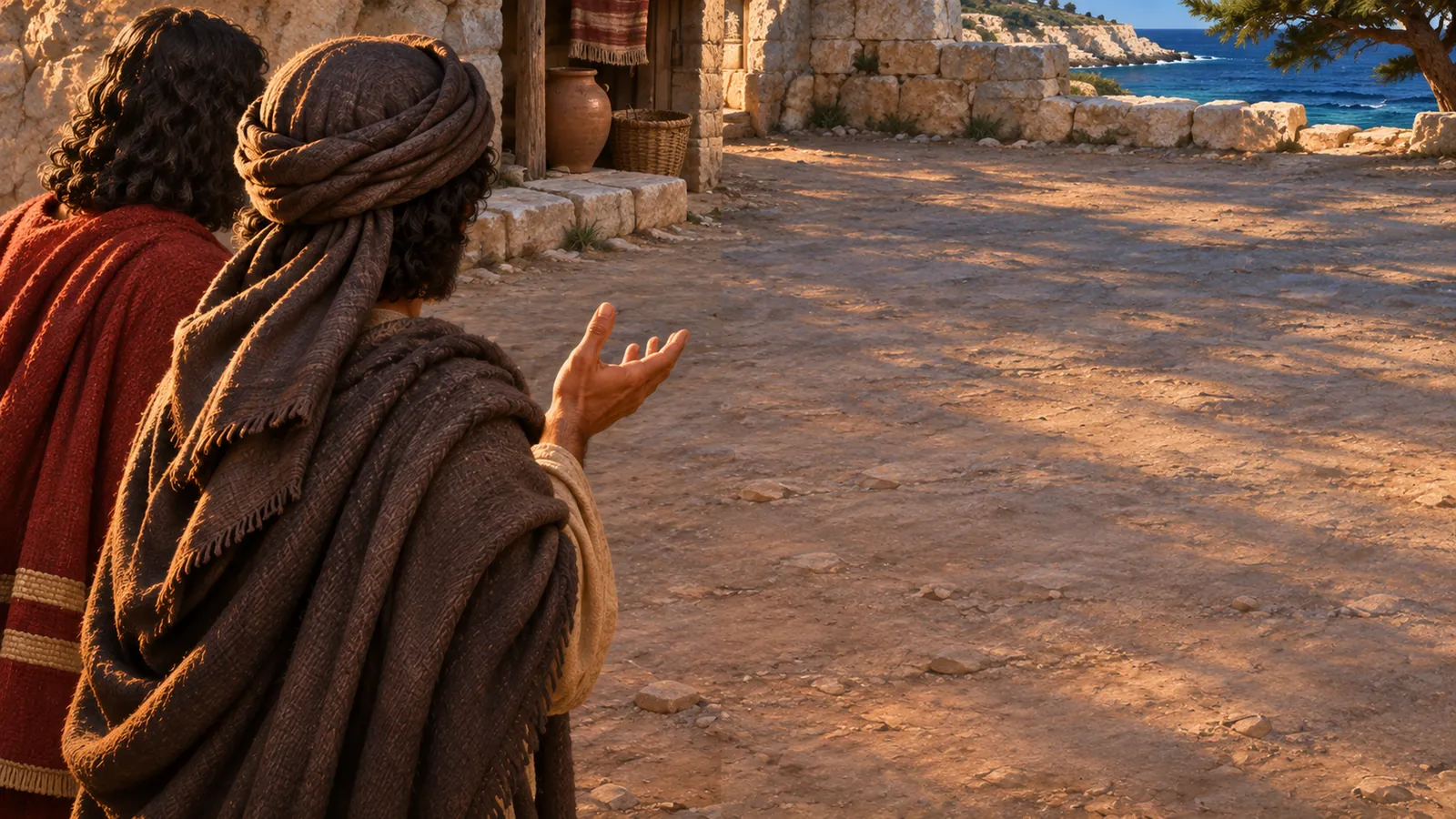
Mot says he was given his own brothers to eat, and he blames Baal. A gap separates this complaint from his earlier demand.
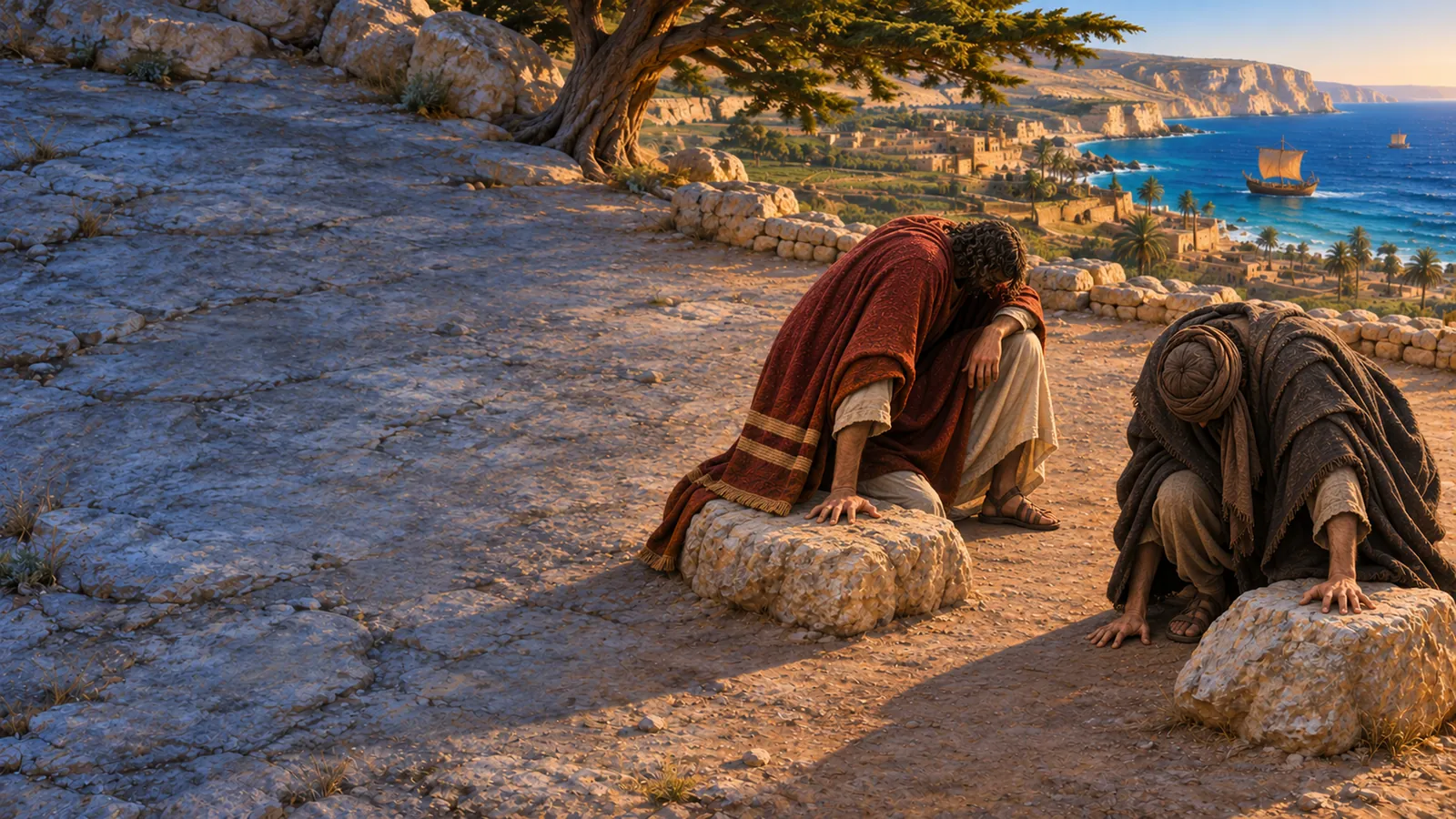
Baal and Mot struggle, and neither gains the upper hand. The poem gives the same outcome for both. Both fall.
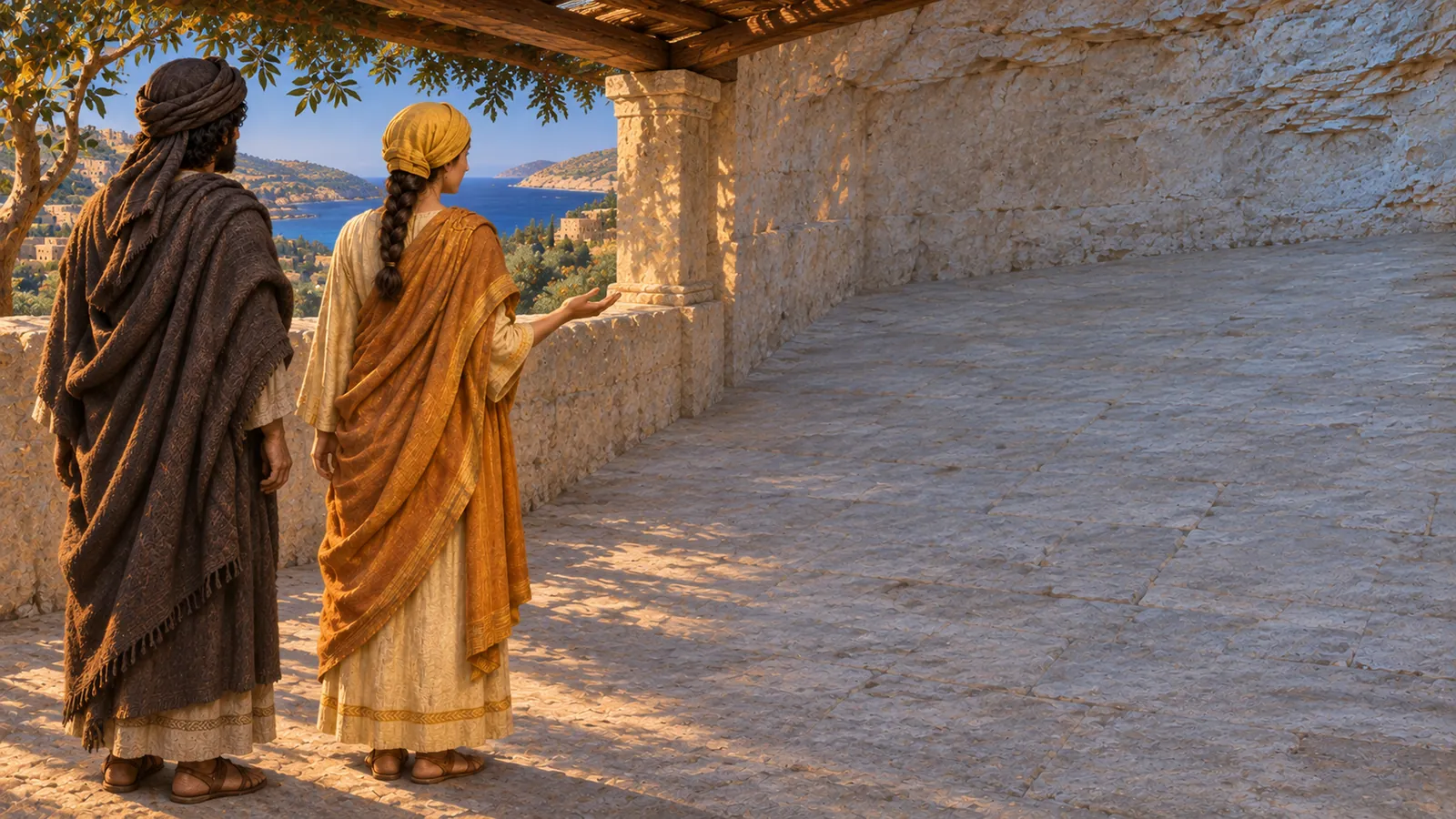
Shapash speaks to Mot. She warns that El can overturn his throne and take away the power he now holds.
MOT YIELDS
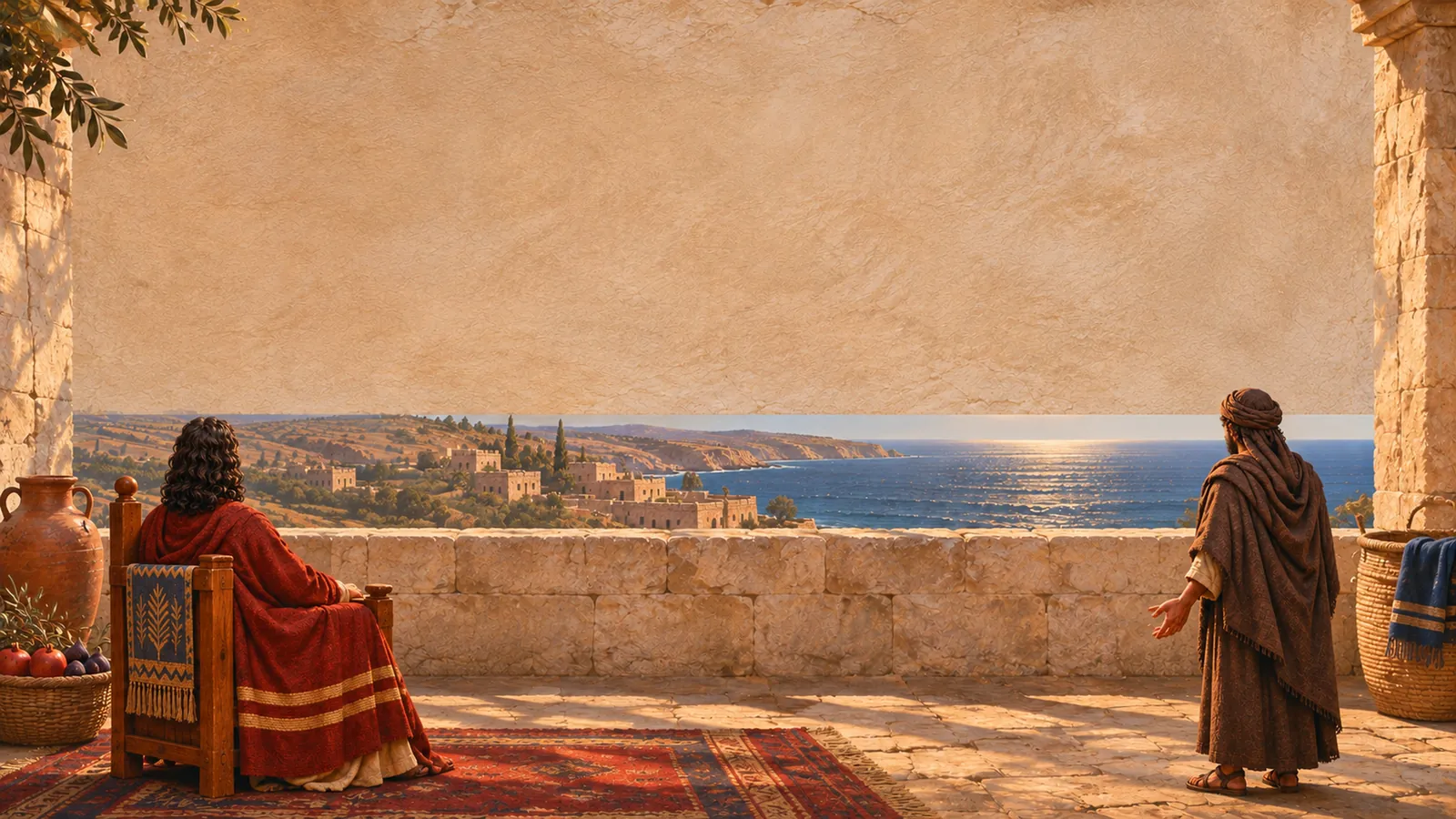
Mot is afraid at Shapash’s words and yields. He says that Baal should be seated once more on the throne of his rule.
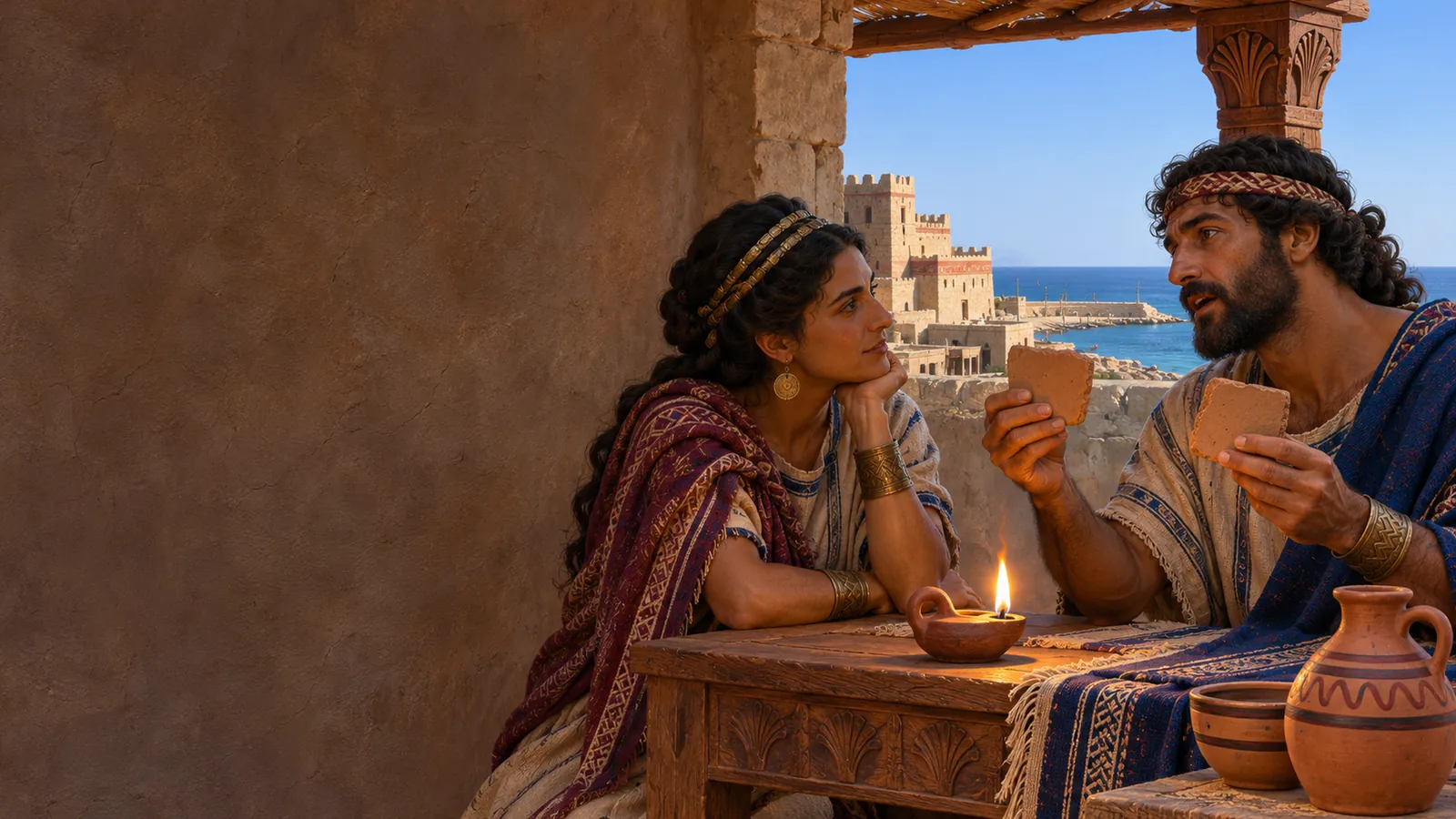
After Mot’s last words, a damaged passage leads into the poem’s close. Who is addressed in the first words of that closing passage remains uncertain.
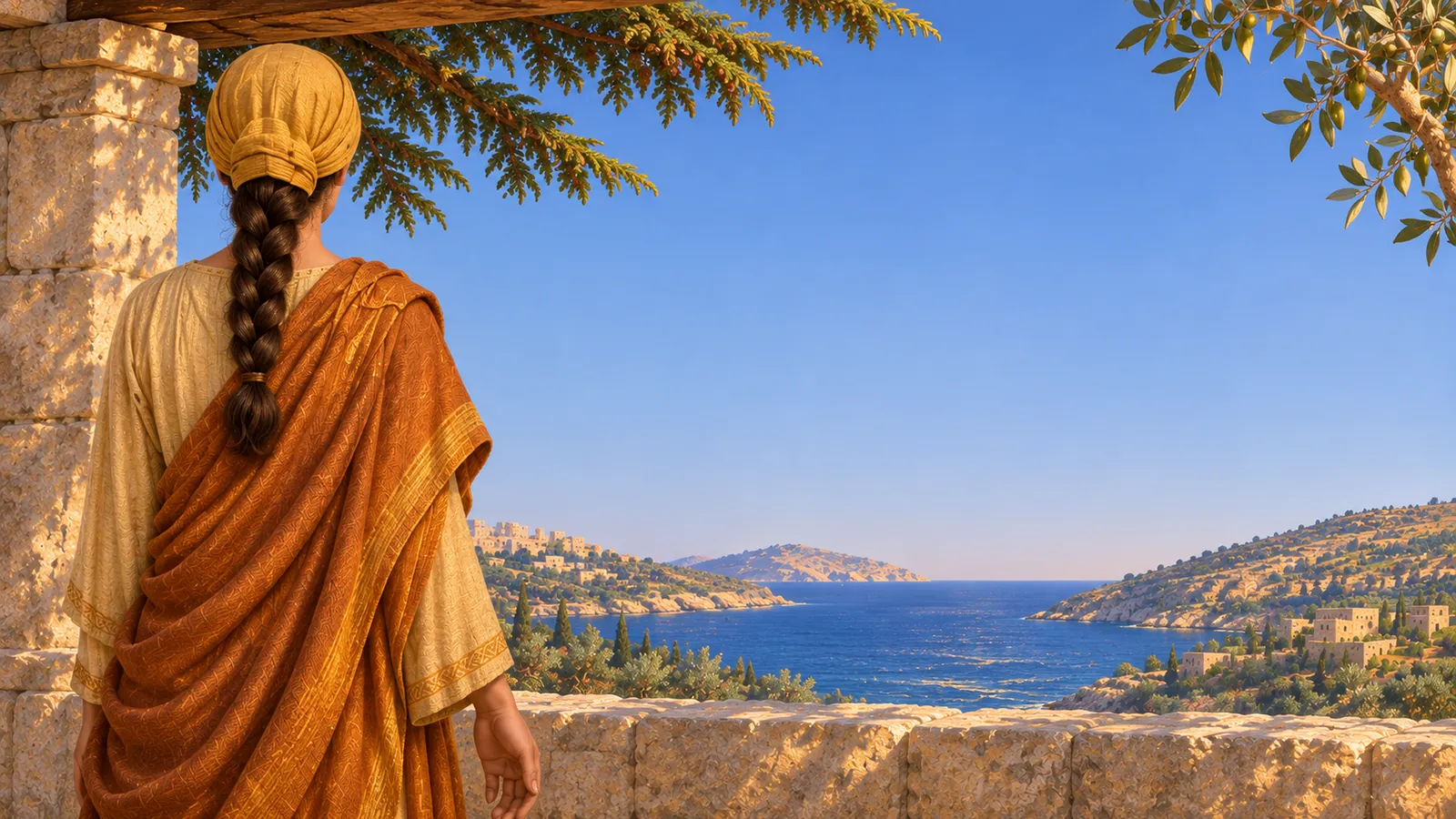
The closing verses address Shapash. They speak of divine beings and the honored dead gathered around her, in words of praise.

TO SHAPASH
The closing verses name Kothar as a companion of Shapash. The old poem ends in this address to her, after Baal and Mot have fallen silent.
End of chapter 3
All pages












Sources
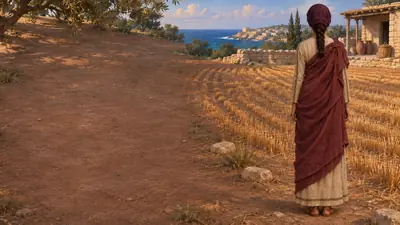
Page 20. The heifer is in the wild, in the field called šḥlmmt in the text. She bears Baal a son, whom he clothes, before the passage breaks. 2–3, following Smith 1997, p. 148).
Editions consulted
- Göttingen EUPT, tablet concordance
- Mark S. Smith and Wayne T. Pitard, The Ugaritic Baal Cycle, volume II, pp. 650–711
- Louvre, Tablet V of the Baal Cycle, AO 16641 and AO 16642
- Louvre, Tablet VI of the Baal Cycle, AO 16636
- Tzvi Abusch and David P. Wright, The Meaning and Sense of the Ugaritic Baal–Mot Conflict Narrative
- Koowon Kim, When Even the Gods Do Not Know, pp. 46–49
- Meindert Dijkstra, Ba’lu and His Antagonists, on CTA 6 V 1–6
- Noga Ayali-Darshan, The Death of Mot and His Resurrection, pp. 7–9
- Noga Ayali-Darshan, The Closing Hymn of the Ugaritic Baal Cycle
- IL Archive, Tablet Six of the Baal Cycle
- IL Archive, Athtar
Notes on this retelling
Pages 22–23. El pours dust on himself, puts on mourning cloth and cuts his skin with a stone. 3–4; Schniedewind and Hunt, §6.2).
Page 25. Anat cuts herself in mourning in words echoing El’s mourning. 3–4).
Page 28. Anat slaughters animals as funeral offerings for Baal. The passage counts seventy each of wild oxen, cattle, sheep, deer, goats and asses. 3–4; Smith 1997, p. 152).
Page 33. Mot likens taking Baal in his mouth to taking a lamb and compares crushing him in his throat to crushing a kid. 156).
Page 35. The poem says Anat splits, winnows, burns, grinds and sows Mot. In one reading birds eat him. 7–9; Abusch and Wright, pp. 4–5).
Ancient lines behind each page
- Page 1: KTU 1.4 VII 43–44 (Smith and Pitard, pp. 650–651)
The word for the realm can mean earth or the world below. - Page 2: KTU 1.4 VII 45–49 (Smith and Pitard, pp. 650–651)
- Page 3: KTU 1.4 VII 49–52 (Smith and Pitard, pp. 650–651)
- Page 4: KTU 1.4 VII 52–56 (Smith and Pitard, pp. 650–651, 692–696)
- Page 5: KTU 1.4 VIII 1–6 (Smith and Pitard, pp. 702–704)
- Page 6: KTU 1.4 VIII 7–14 (Smith and Pitard, pp. 702–704)
- Page 7: KTU 1.4 VIII 14–24 (Smith and Pitard, pp. 703–704)
- Page 8: KTU 1.4 VIII 24–29 (Smith and Pitard, pp. 703–704)
- Page 9: KTU 1.4 VIII 29–37 (Smith and Pitard, pp. 703–705)
The references to silver and gold at the end of the passage depend partly on restoration from a parallel. - Page 10: KTU 1.4 VIII 38–49 and following loss (Smith and Pitard, pp. 704–710; Abusch and Wright, pp. 1–2)
Smith and Pitard also identify a possible scribal omission in this part of the tablet. - Page 11: KTU 1.5 I 1–8 (Abusch and Wright, pp. 1–2, discussing Smith and Pardee)
- Page 12: KTU 1.5 I 9–12 (Abusch and Wright, pp. 1–2)
- Page 13: KTU 1.5 I 12–22 (Abusch and Wright, pp. 1–2; parallel discussed by Smith and Pitard on 1.4 VIII)
- Page 14: KTU 1.5 I 22–27 (Abusch and Wright, pp. 1–2; parallel discussed by Smith and Pitard on 1.4 VIII)
- Page 15: KTU 1.5 I 27–35 (Abusch and Wright, pp. 1–2)
- Page 16: KTU 1.5 II 7–19 (Abusch and Wright, pp. 1–2, discussing Smith and Pardee)
Baal’s message of submission is preserved. - Page 17: KTU 1.5 II 20–24 (Abusch and Wright, pp. 1–2, contrasting Smith and Pardee)
The translations differ on the timing of the invitation. - Page 18: KTU 1.5 III–IV, selected fragments (Abusch and Wright, pp. 2–3)
This feast passage survives in fragments. - Page 19: KTU 1.5 V 4–17 (Abusch and Wright, pp. 2–3)
The speaker of the command is uncertain. - Page 20: KTU 1.5 V 17–26 and V–VI break (Abusch and Wright, pp. 2–3, following Smith 1997, p. 148)
- Page 21: KTU 1.5 VI 1–10 (Abusch and Wright, pp. 3–4)
- Page 22: KTU 1.5 VI 11–15 (Abusch and Wright, pp. 3–4)
- Page 23: KTU 1.5 VI 16–25 (Abusch and Wright, pp. 3–4)
The wording can express El’s grief without describing a rescue. - Page 24: KTU 1.5 VI 25–31 (Abusch and Wright, pp. 3–4)
- Page 25: KTU 1.6 I 1–8 (Abusch and Wright, pp. 3–4)
- Page 26: KTU 1.6 I 8–15 (Abusch and Wright, pp. 3–4)
- Page 27: KTU 1.6 I 15–18 (Abusch and Wright, pp. 3–4)
- Page 28: KTU 1.6 I 18–31 (Abusch and Wright, pp. 3–4)
- Page 29: KTU 1.6 I 39–43 (Abusch and Wright, pp. 3–4)
- Page 30: KTU 1.6 I 43–55 (Abusch and Wright, pp. 4–5)
The reading of a possible first candidate in line 48 remains disputed. - Page 31: KTU 1.6 I 56–65 (Abusch and Wright, pp. 4–5; IL Archive, Athtar)
- Page 32: KTU 1.6 II 4–14 (Abusch and Wright, pp. 4–5)
The start of the column is damaged. - Page 33: KTU 1.6 II 15–23 (Abusch and Wright, pp. 3–5)
- Page 34: KTU 1.6 II 24–30 (Ayali-Darshan, pp. 7–8; Abusch and Wright, pp. 4–5)
- Page 35: KTU 1.6 II 30–37 (Ayali-Darshan, pp. 7–9; Abusch and Wright, pp. 4–5)
The final lines of this encounter have competing readings. - Page 36: KTU 1.6 III 1–9 (Kim, pp. 46–47)
- Page 37: KTU 1.6 III 10–13 (Kim, pp. 46–47)
- Page 38: KTU 1.6 III 14–21 (Kim, pp. 47–48)
- Page 39: KTU 1.6 III 22–24 and IV 1–5 (Kim, pp. 47–49)
- Page 40: KTU 1.6 IV 6–24 (Abusch and Wright, pp. 4–5, following Smith)
The end of the column is damaged. - Page 41: KTU 1.6 IV–V break (Abusch and Wright, p. 5)
The surviving text leaves the means of Baal’s return uncertain. - Page 42: KTU 1.6 V 1–6 (Dijkstra; Abusch and Wright, p. 5)
- Page 43: KTU 1.6 V 8–11 (Abusch and Wright, p. 5; Ayali-Darshan, pp. 89–90)
- Page 44: KTU 1.6 V 11–19 (Ayali-Darshan, pp. 8–9; Abusch and Wright, p. 5)
- Page 45: KTU 1.6 V 20–25 (Abusch and Wright, p. 5)
- Page 46: KTU 1.6 V–VI break and VI 9–16 (Abusch and Wright, pp. 5–6)
- Page 47: KTU 1.6 VI 16–22 (Ayali-Darshan, pp. 89–90)
- Page 48: KTU 1.6 VI 23–29 (Ayali-Darshan, pp. 89–91)
- Page 49: KTU 1.6 VI 30–35 (Ayali-Darshan, pp. 90–91)
- Page 50: KTU 1.6 VI 35–45 (Ayali-Darshan, pp. 79–83, 90–92; Abusch and Wright, pp. 5–6)
The addressee of the opening lines of the closing passage is disputed. - Page 51: KTU 1.6 VI 45–49 (Ayali-Darshan, pp. 79–82)
- Page 52: KTU 1.6 VI 49–53 (Ayali-Darshan, pp. 82–83, 91–92)
Several other names and verbs in the closing lines are disputed.
Illustrations made with AI tools by IL Archive; the text is based on the ancient sources (see the sources at the end of each chapter).