The Baal Cycle Chapter 2
Baal’s Palace
Baal asks for a house like those of the other gods. Anat appeals to El, and Athirat later gains his consent. Kothar builds the palace on Saphon. In time Baal asks him to open a window, and the mountains hear Baal’s voice.
SourcesTurn the pages with the arrows, the arrow keys or a swipe.
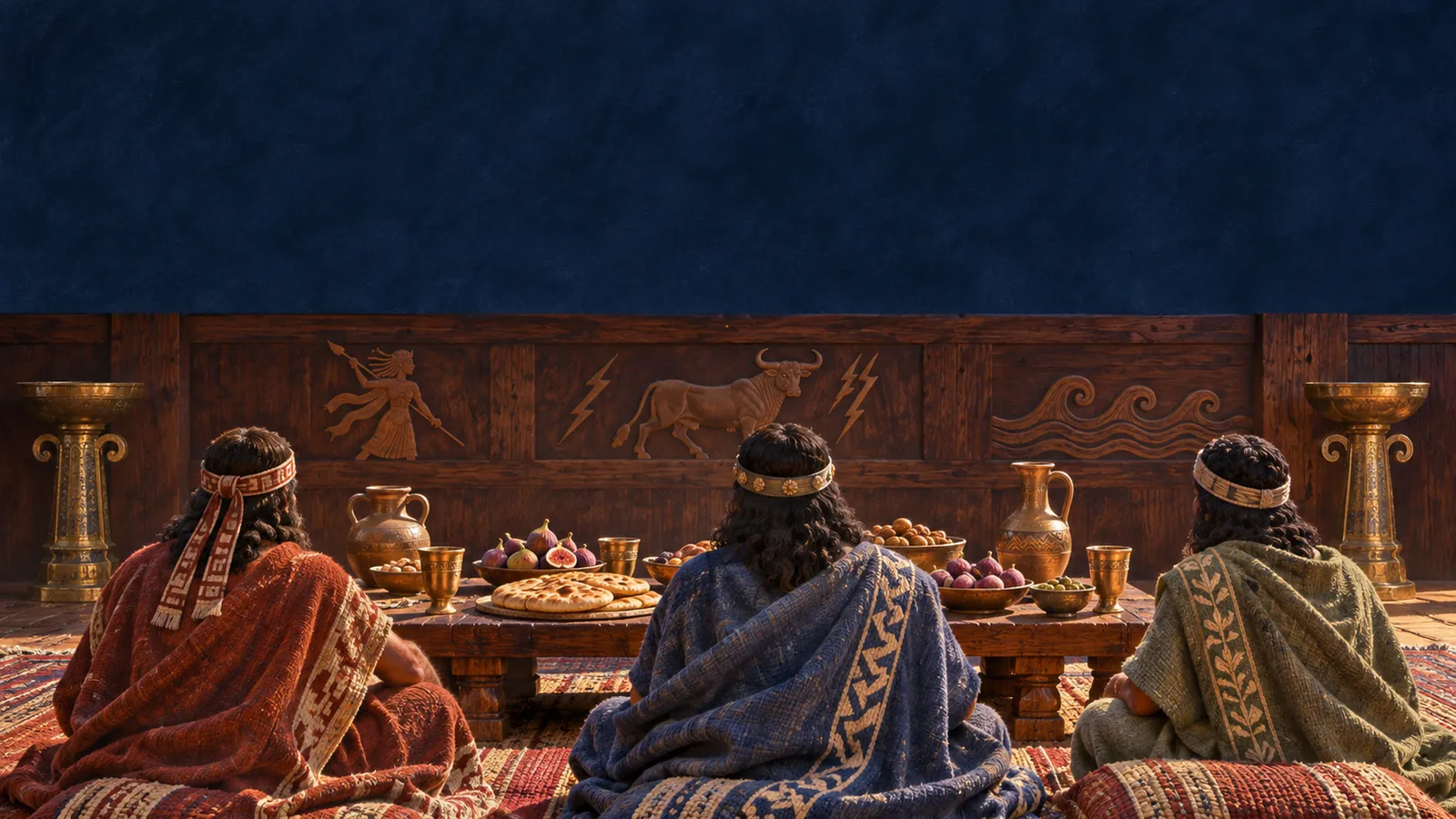
BAAL’S PALACE
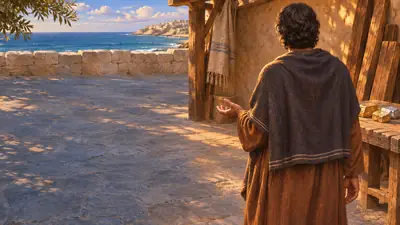
The top of the tablet is broken. When its words become readable, a banquet is under way. The surviving lines leave its occasion open.
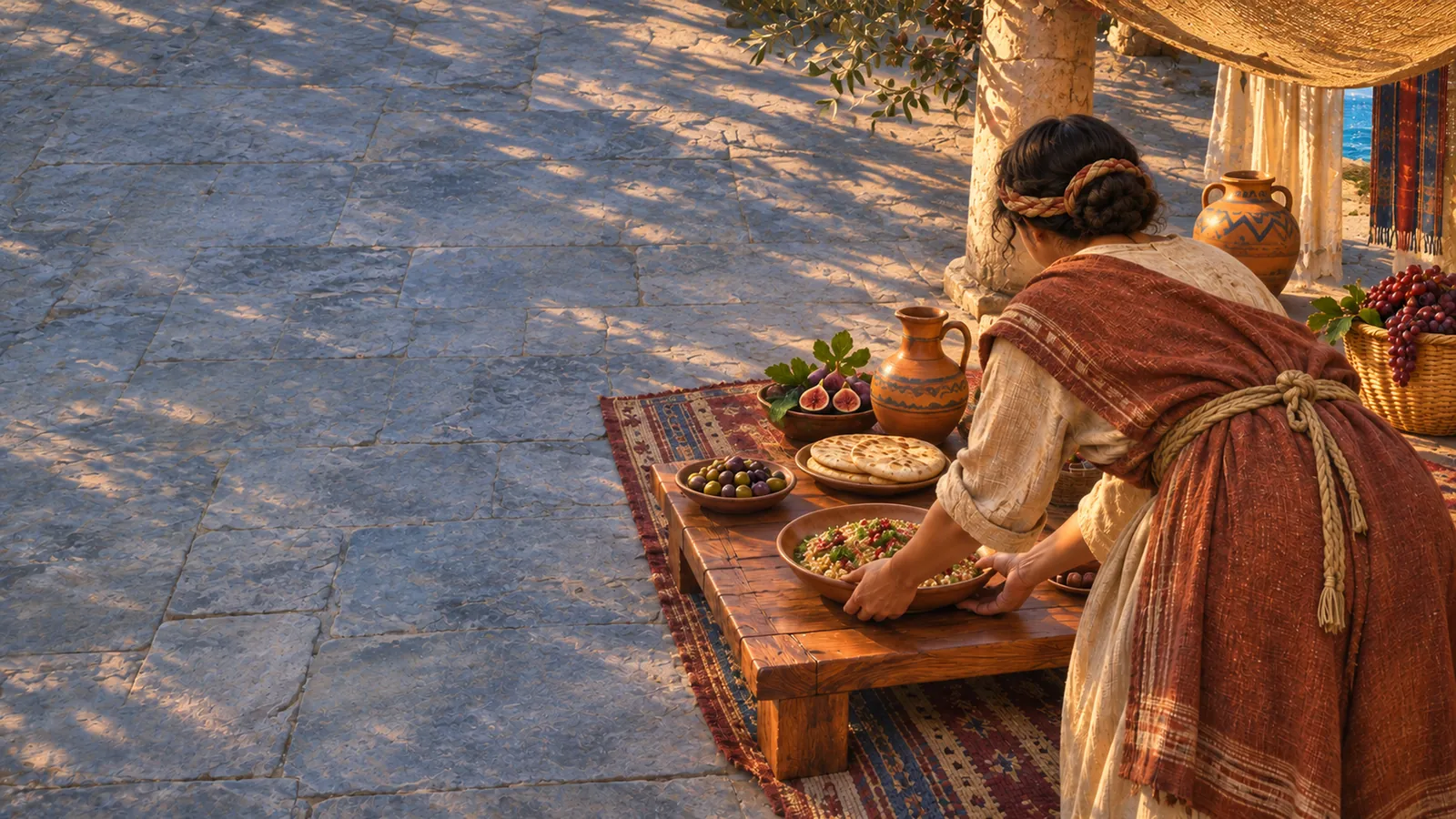
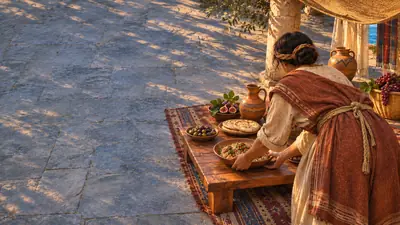
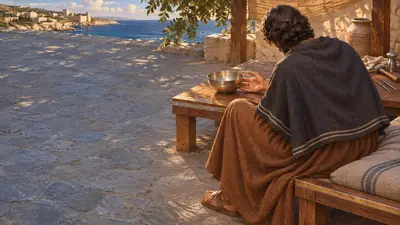
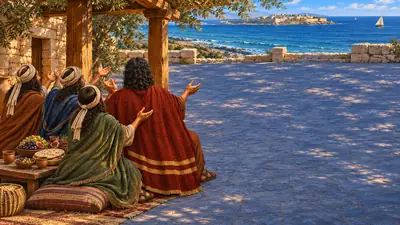
Food is brought out at the feast. The verse lingers over the service before it turns to the wine and the singing.
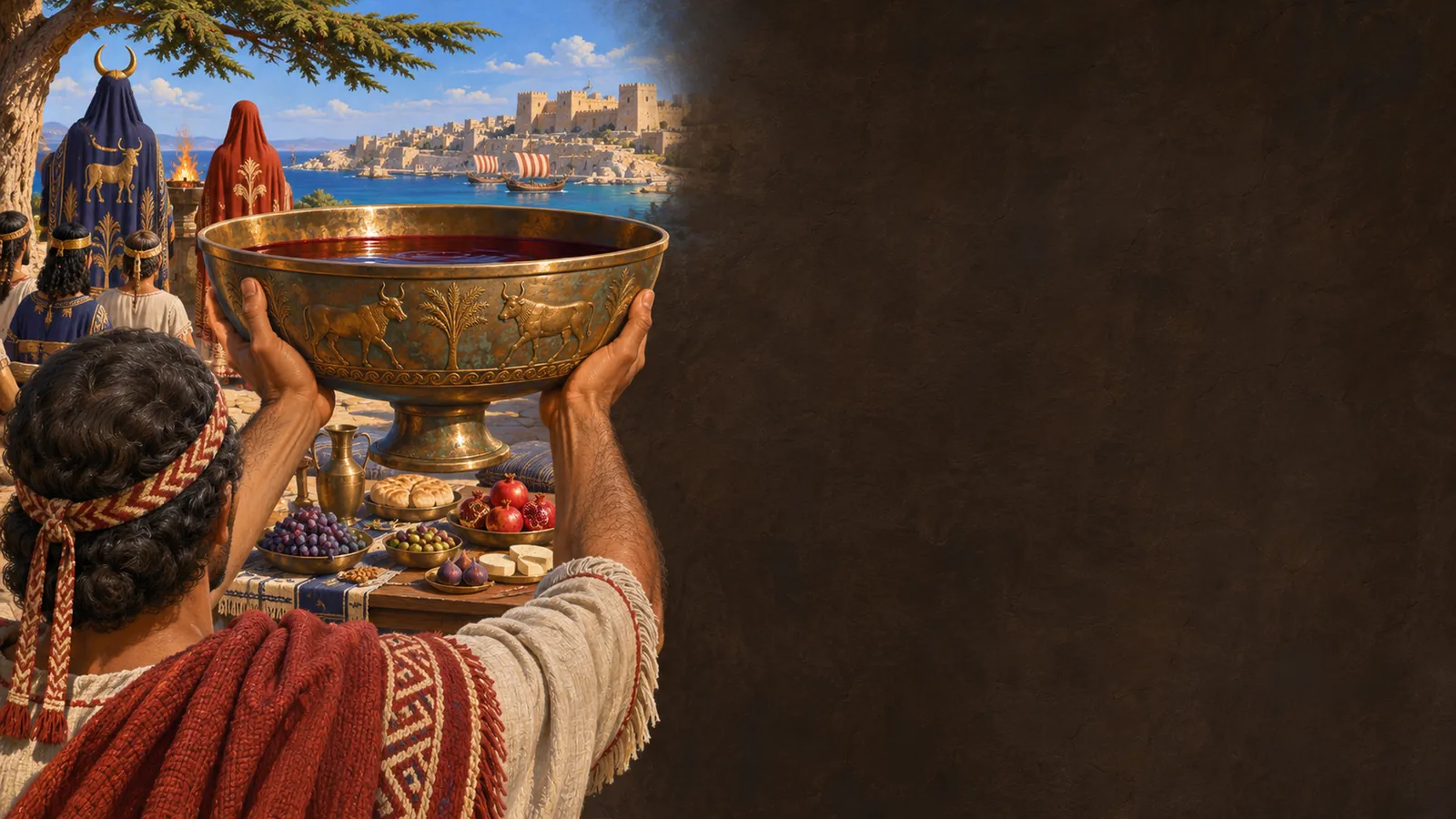
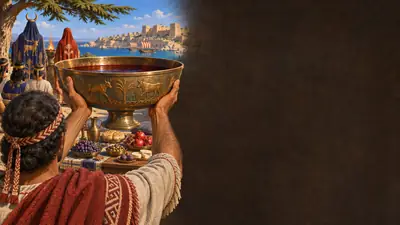
The poem describes a cup of wine large enough to draw the eye. Its size is part of the song’s praise of the feast.
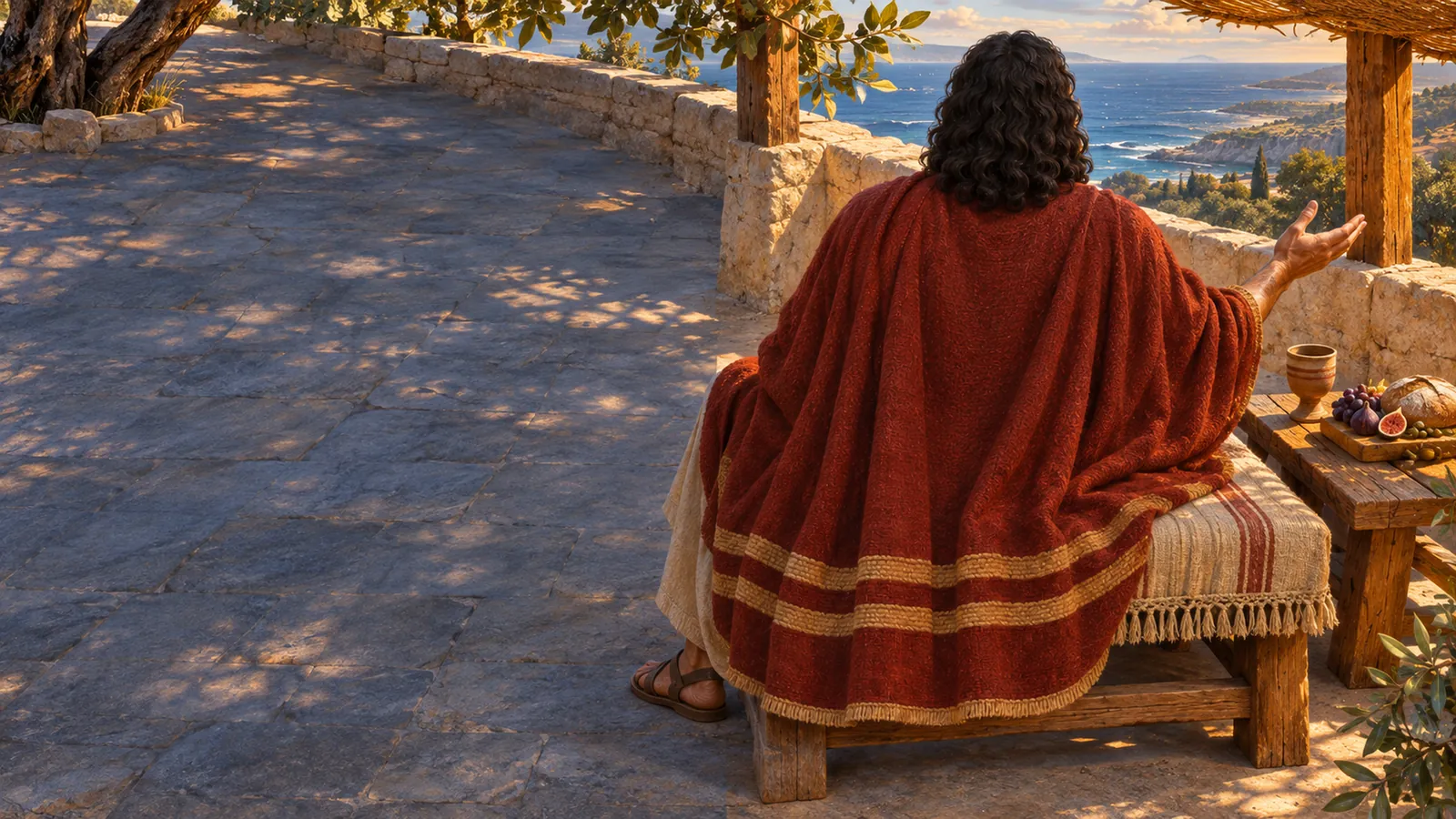
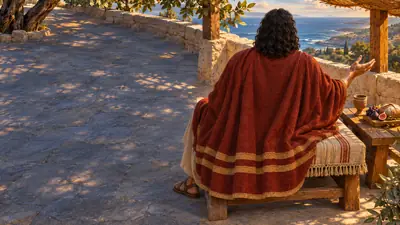
The sound of song enters the feast. The words place Baal at the heights of Saphon, the mountain named in this part of the poem.
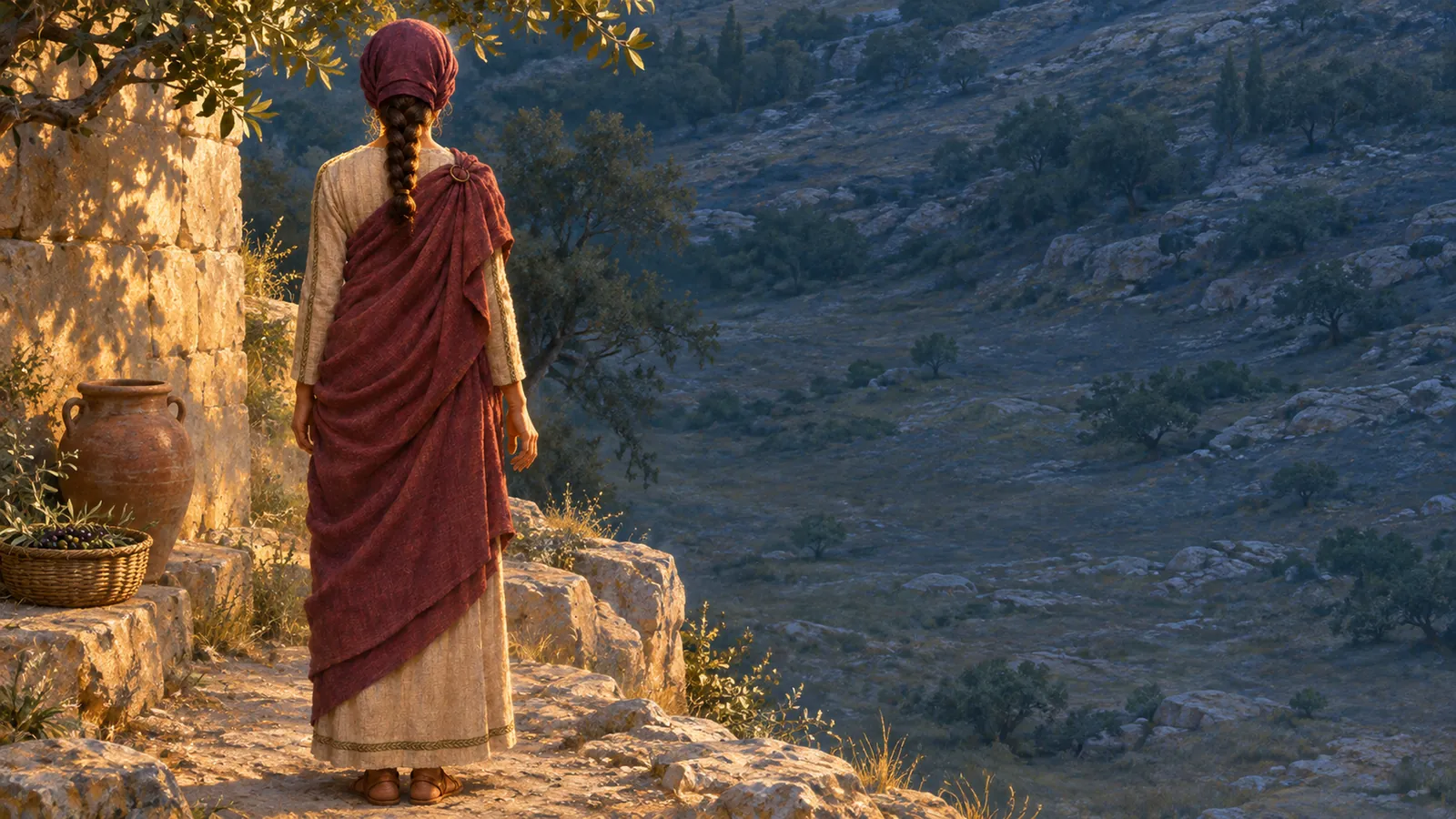
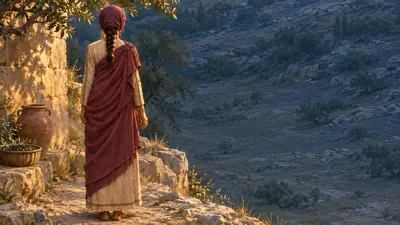
The poem turns to a valley where Anat kills people from the coast and the east. The reason for the fighting remains unclear.
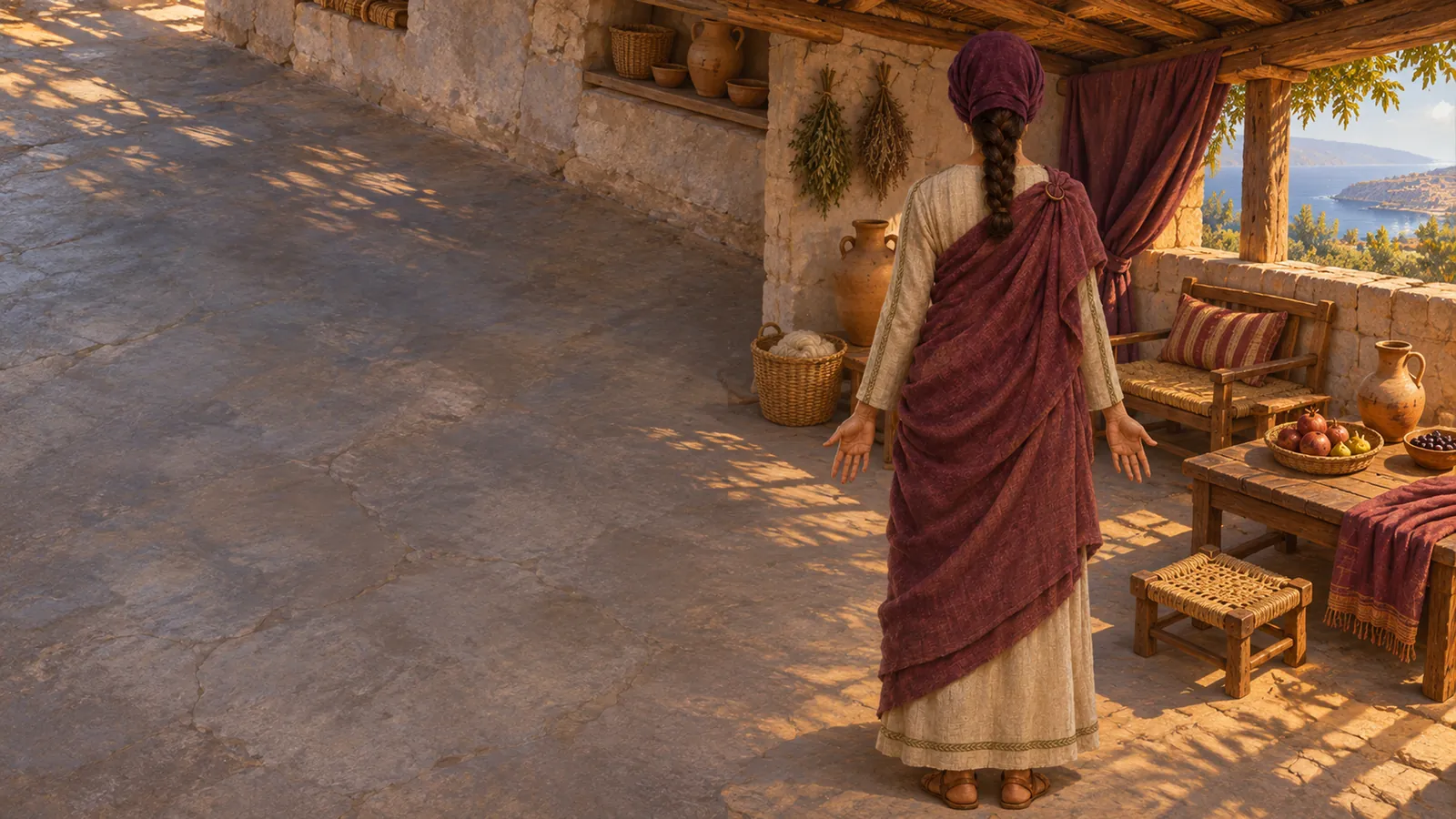
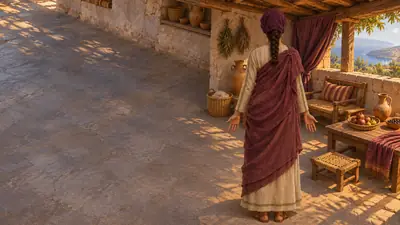
In her house, Anat sets out tables and seats as warriors and fights on. The poem says she rejoices in the battle.
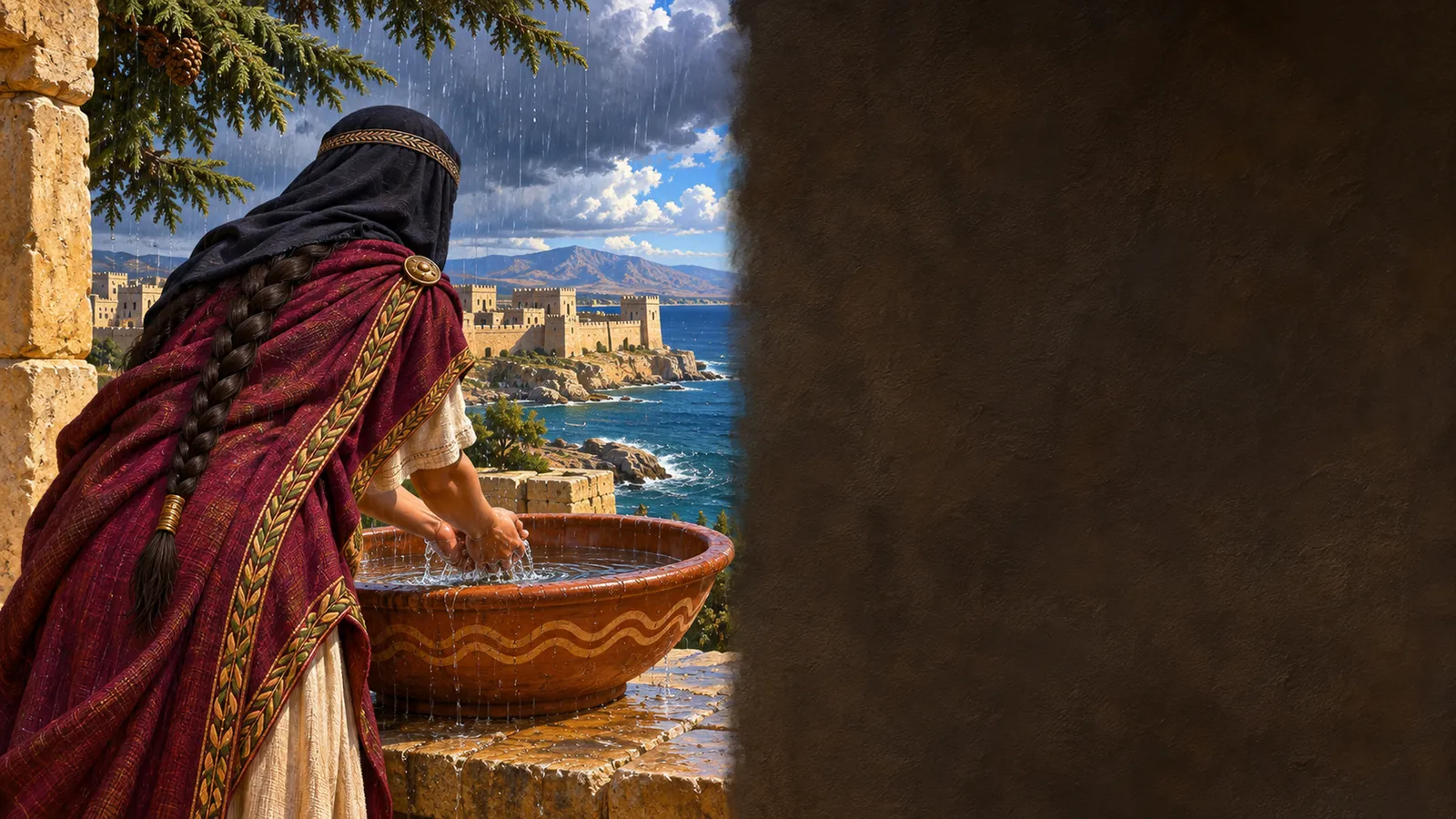
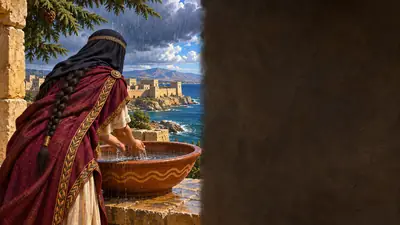
When the fighting ends, Anat washes the warriors’ blood from her hands. Then she bathes in dew and rain.
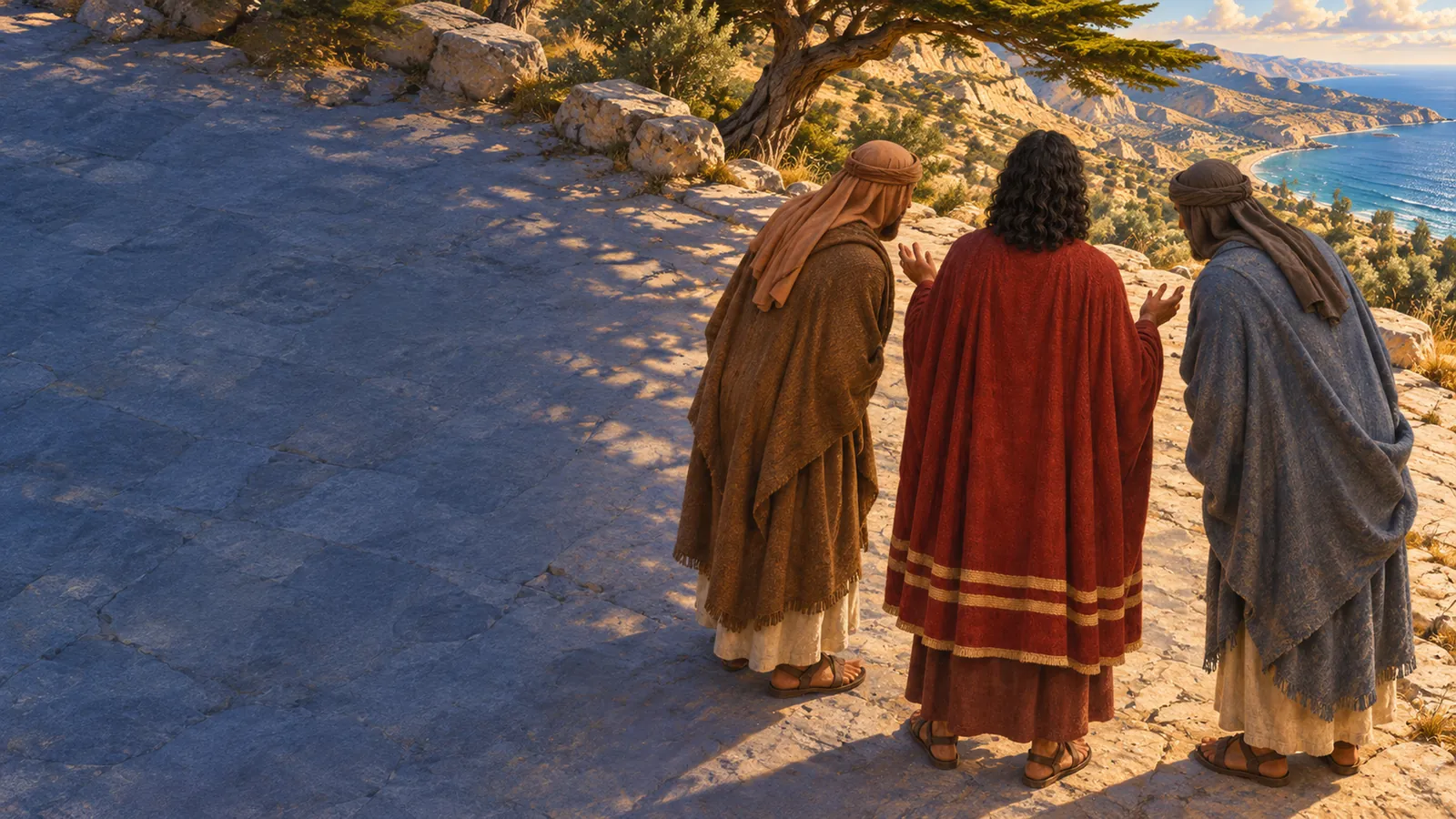
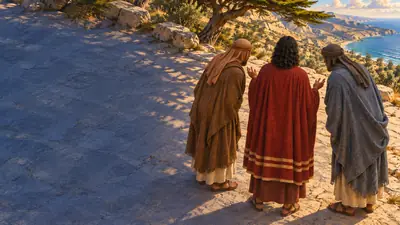
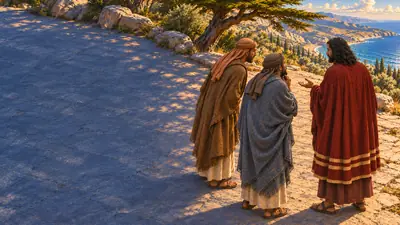
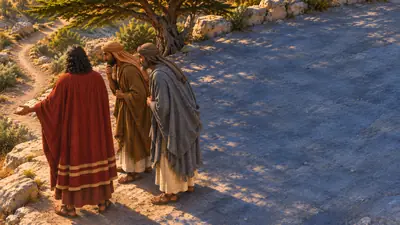
Baal sends two messengers to speak to Anat. He tells them to approach her with the respect due to the one who will hear them.
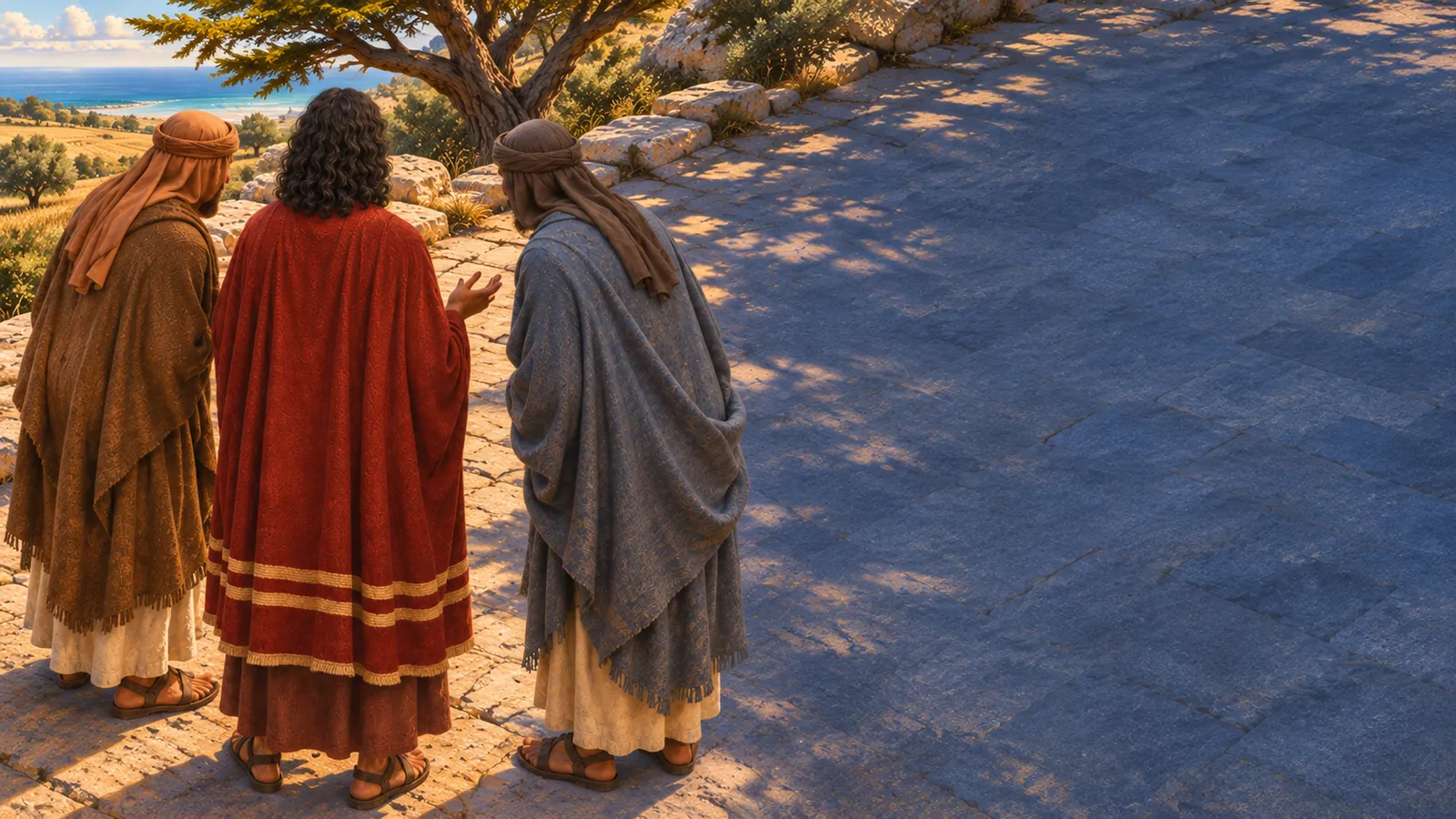
As Baal instructs the messengers, his words speak of laying conflict aside. He speaks of peace in the earth and the fields.
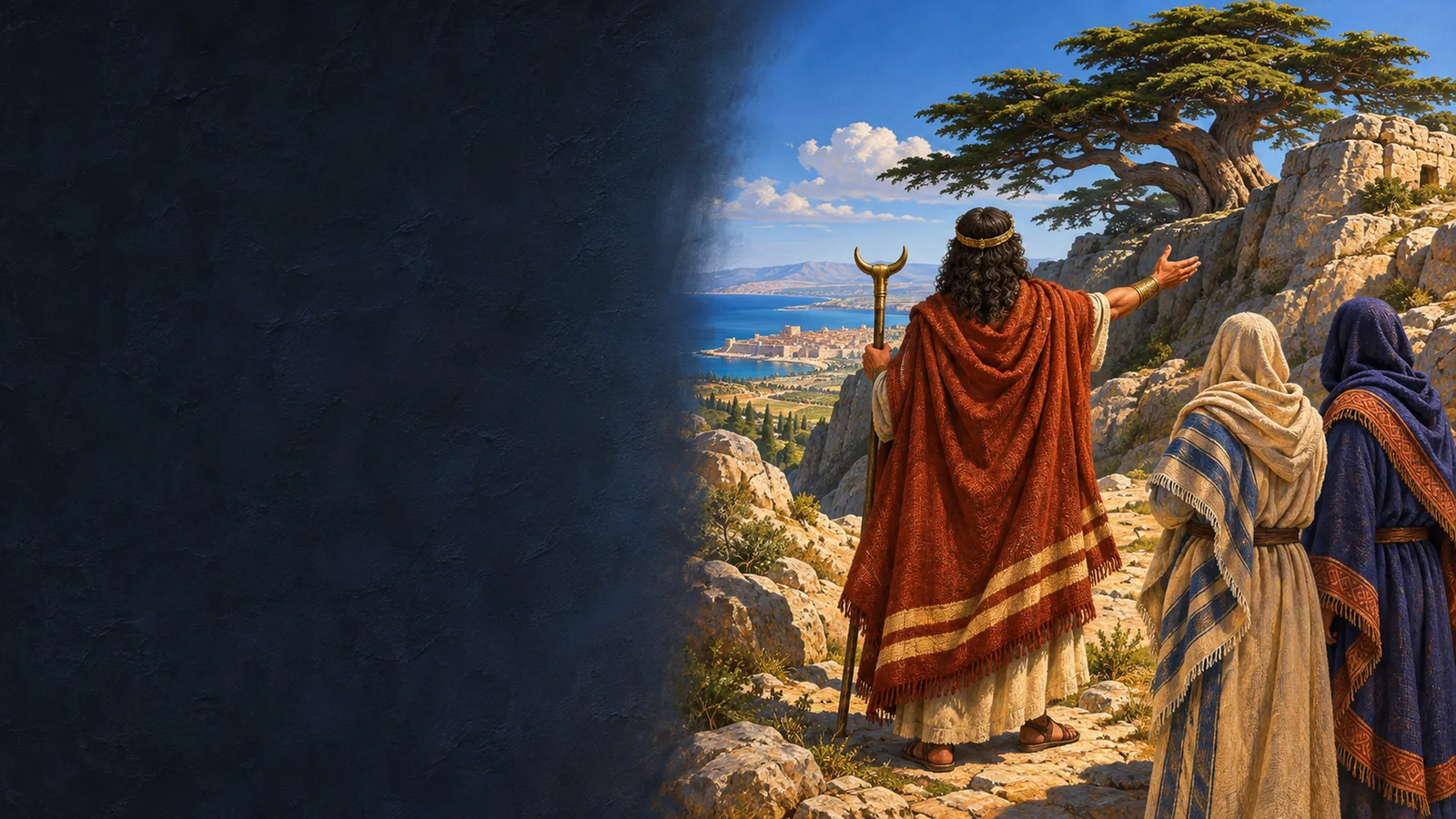
Baal has something to tell Anat. His message speaks of tree and stone, and of the exchange between the heavens and the earth.
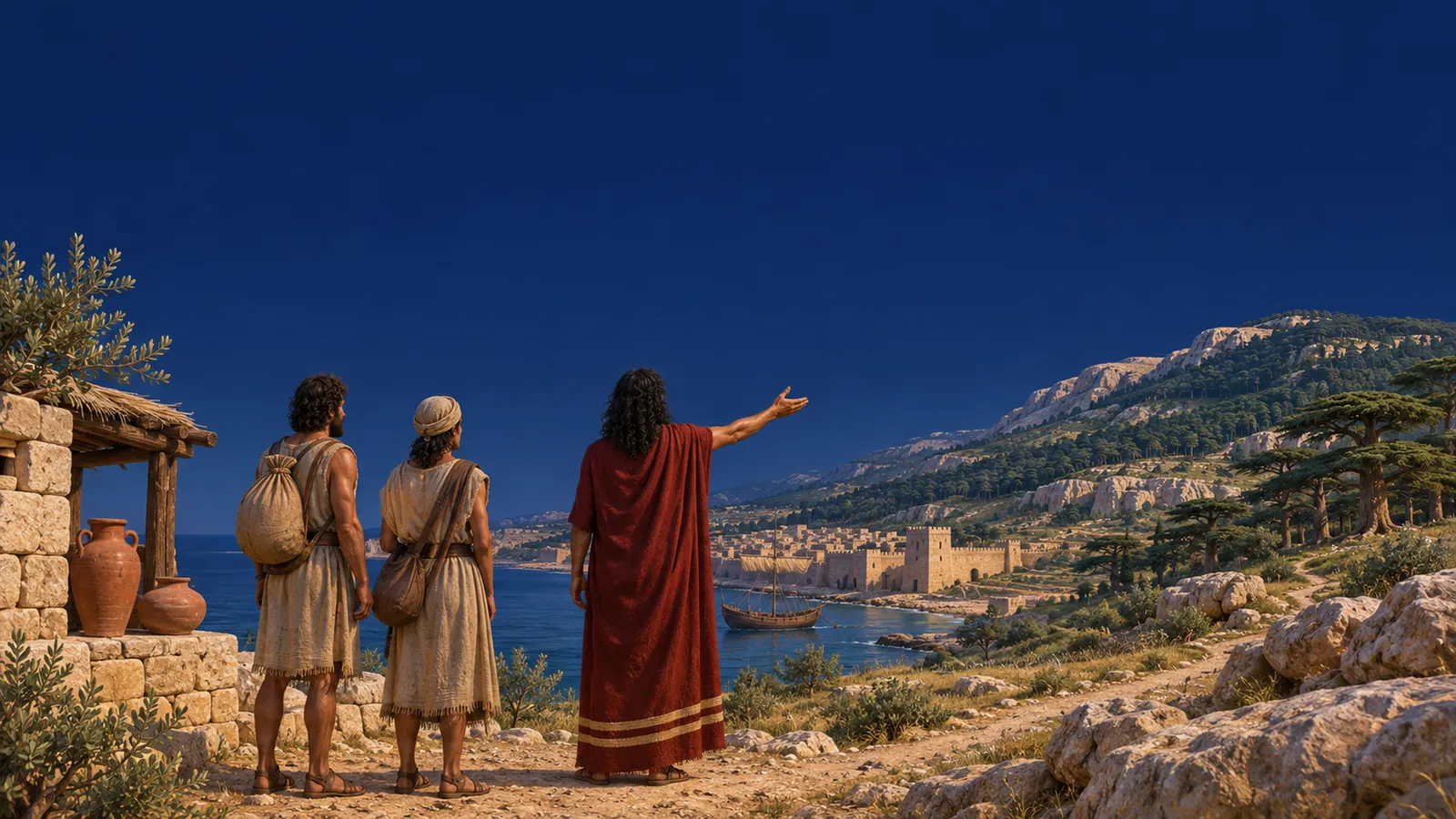
SAPHON
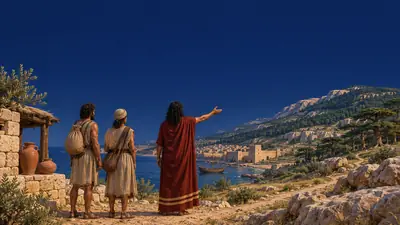
Baal asks Anat to come to Saphon to hear what he knows. He calls it his sacred mountain and the hill he has inherited.
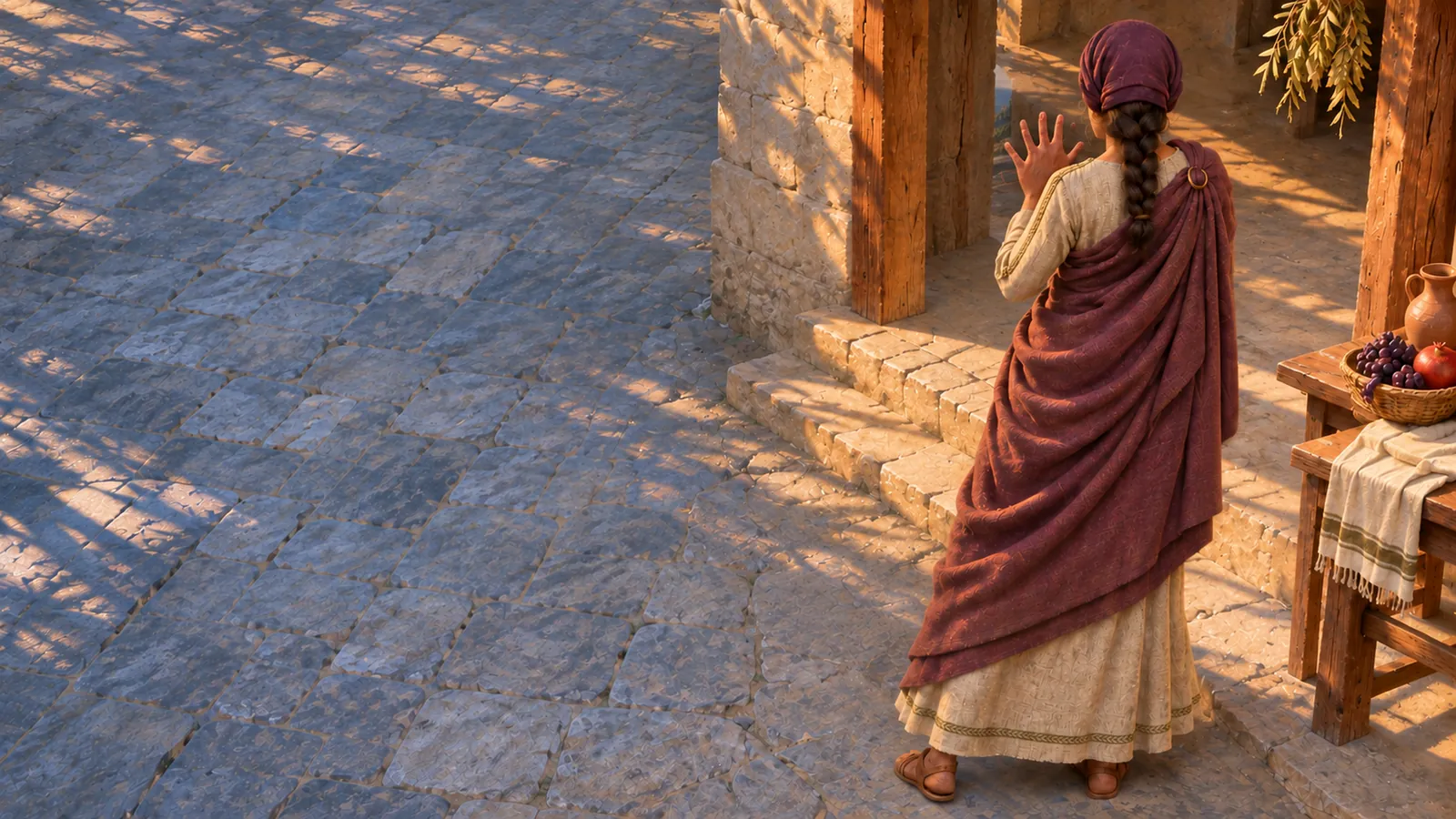
Anat sees the messengers as they draw near. Before they speak, she is overcome with fear at the sight of them.

Anat wonders what enemy could have troubled Baal. She asks about foes she remembers defeating, recounting those older encounters as part of her question.
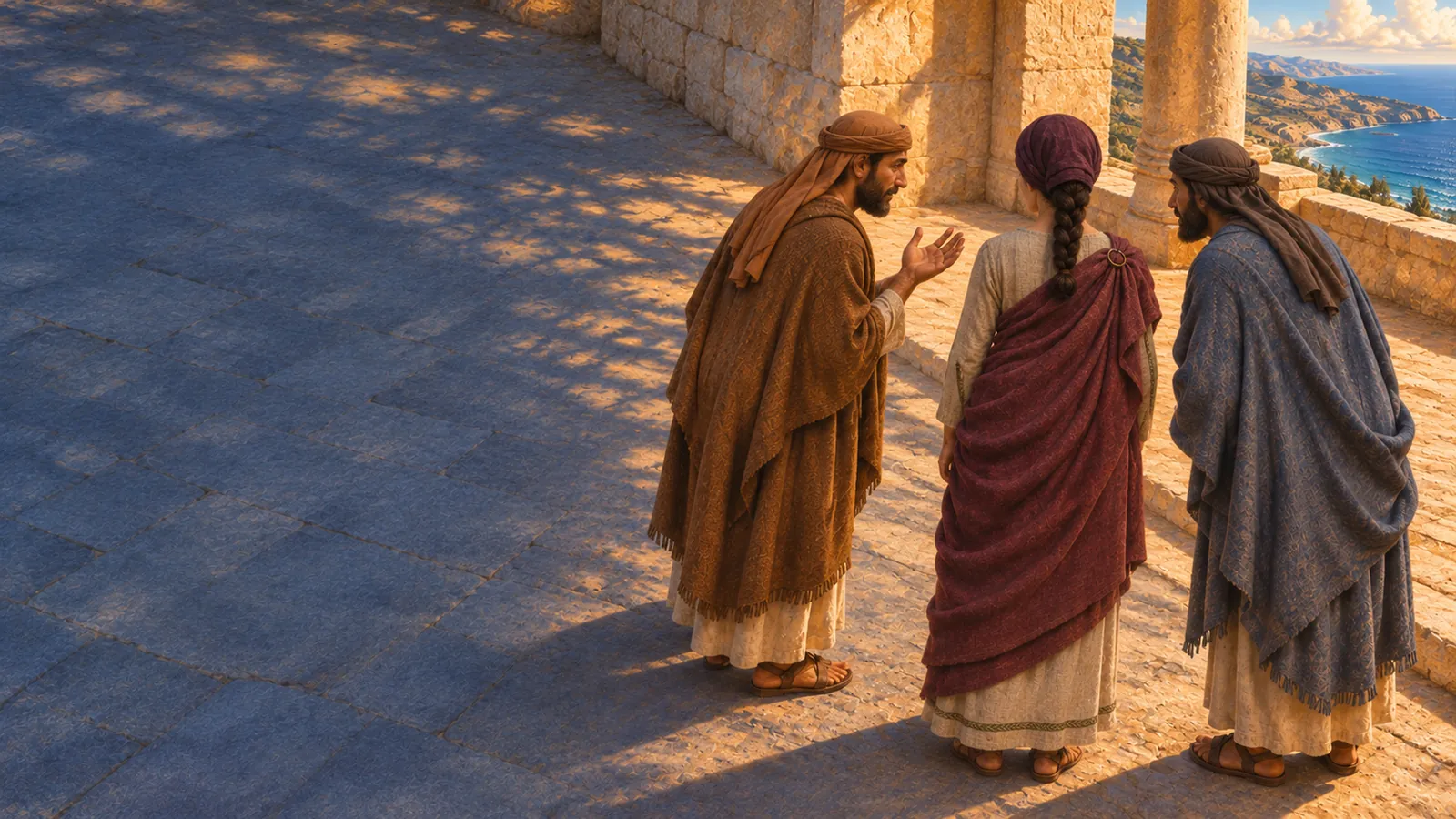
The messengers relay the words entrusted to them. Baal asks Anat to come to him on Saphon to hear what he has to say.
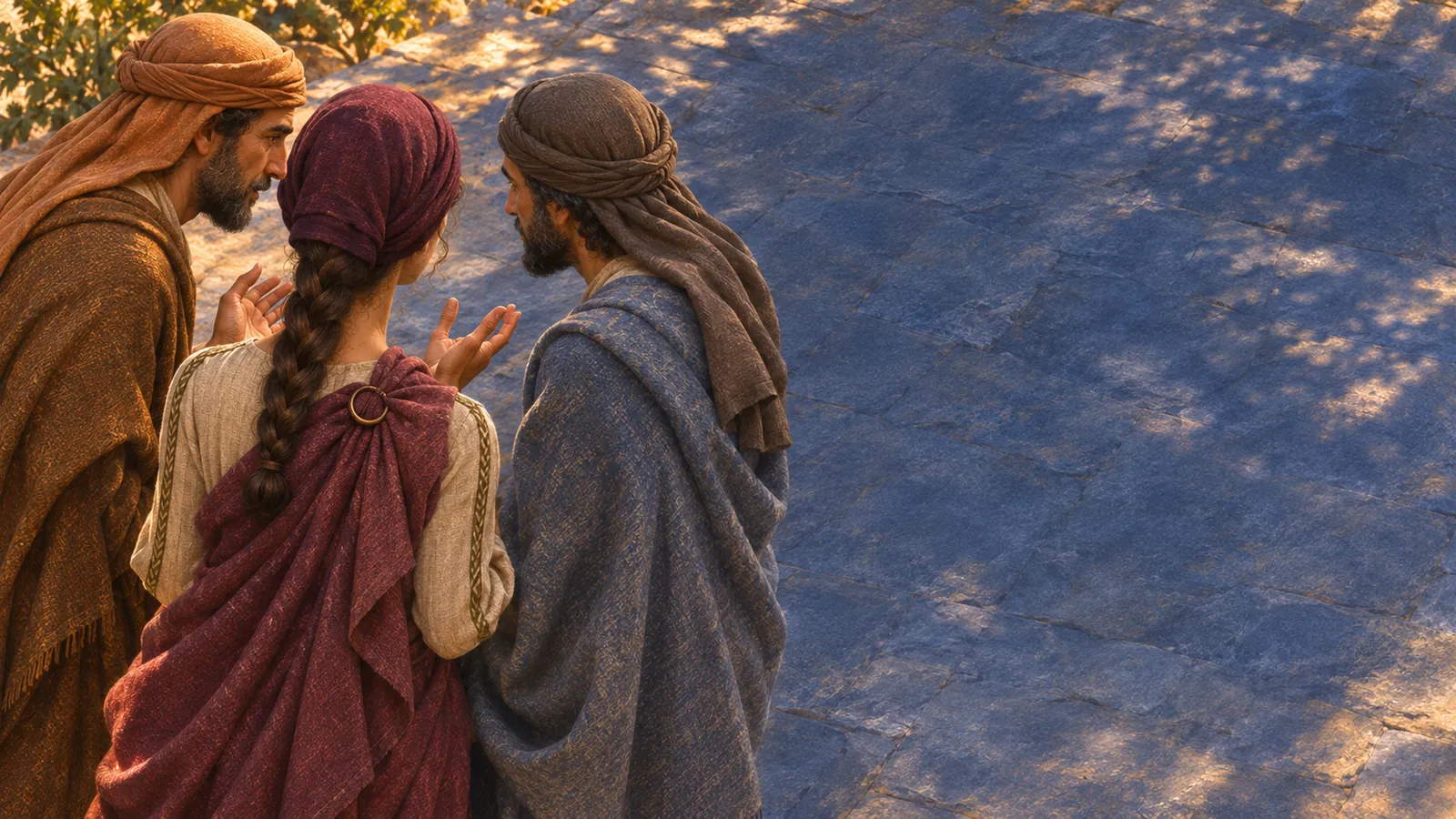
Anat responds to the messengers. She takes up the words about putting conflict away and asks what they have come to tell her.

Anat says she will hurry. She goes toward Baal at the heights of Saphon, and he sees his sister coming.
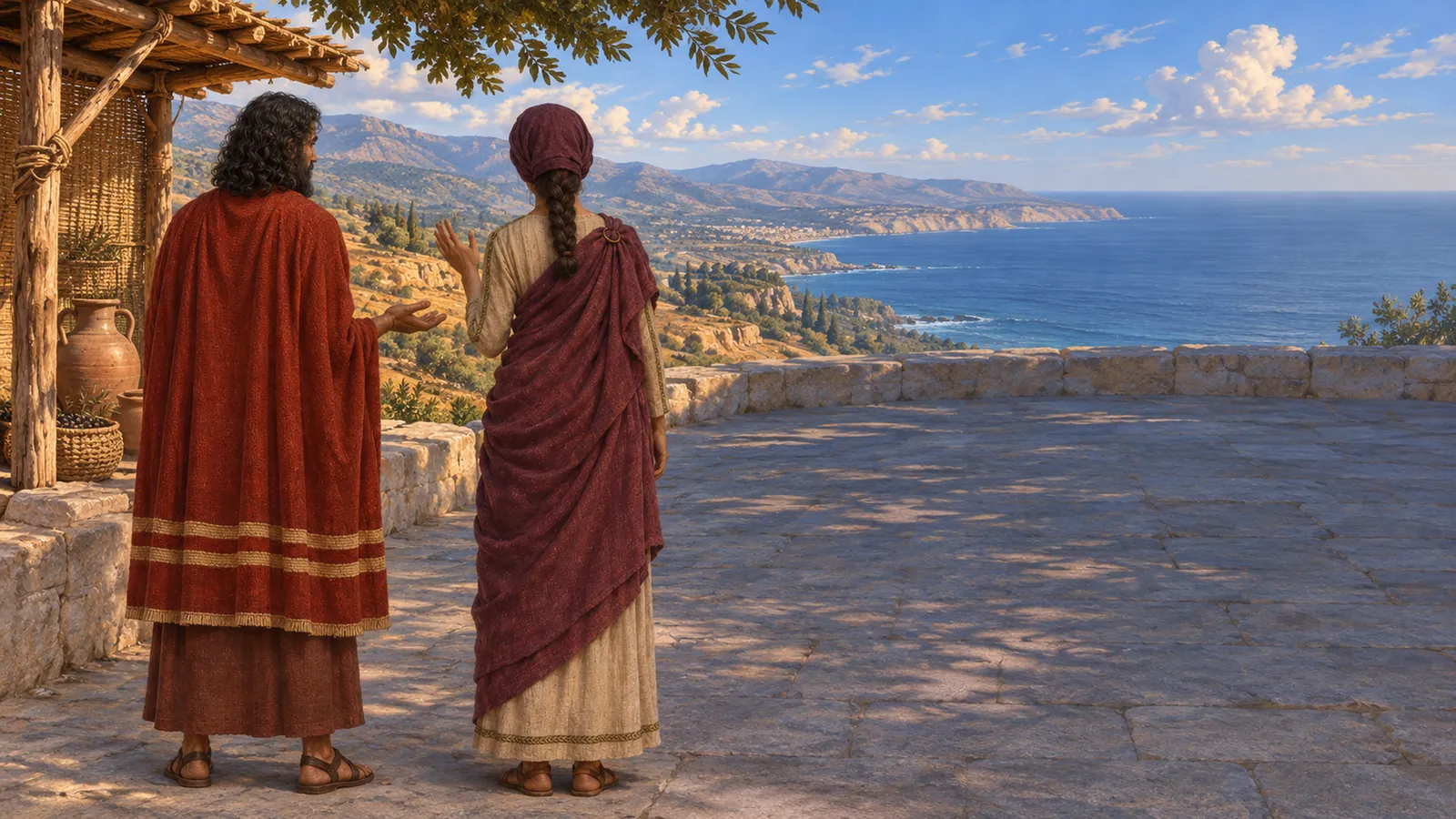
Baal has no house like the other gods and no court like the family of Athirat. Anat answers that she will press the matter with El.

Anat says what she will do if the house is refused. She sets out for El’s dwelling, and the broken lines preserve part of her journey.
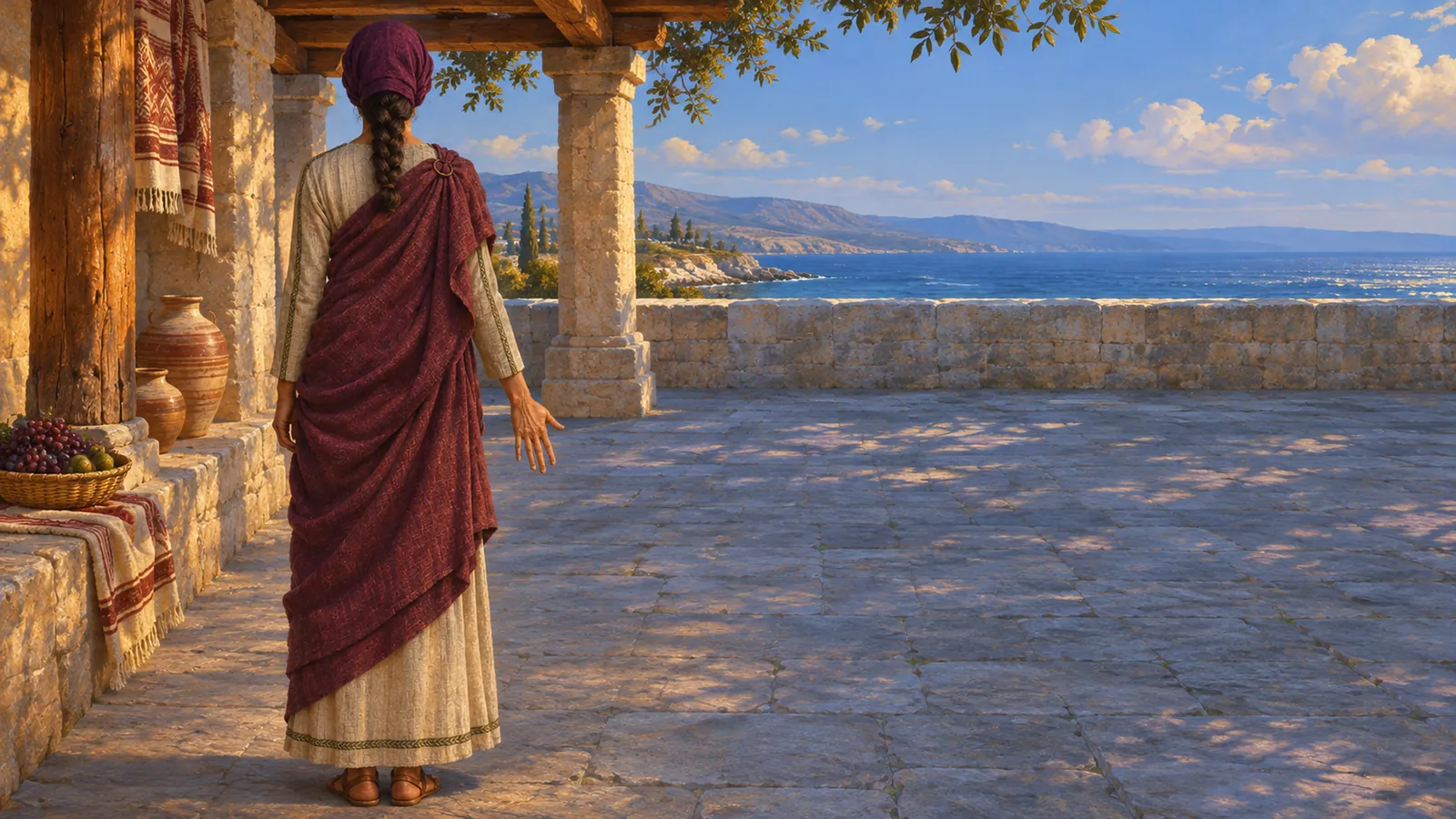
Before El, Anat speaks in anger and makes a threat. El answers her and calls her his daughter.
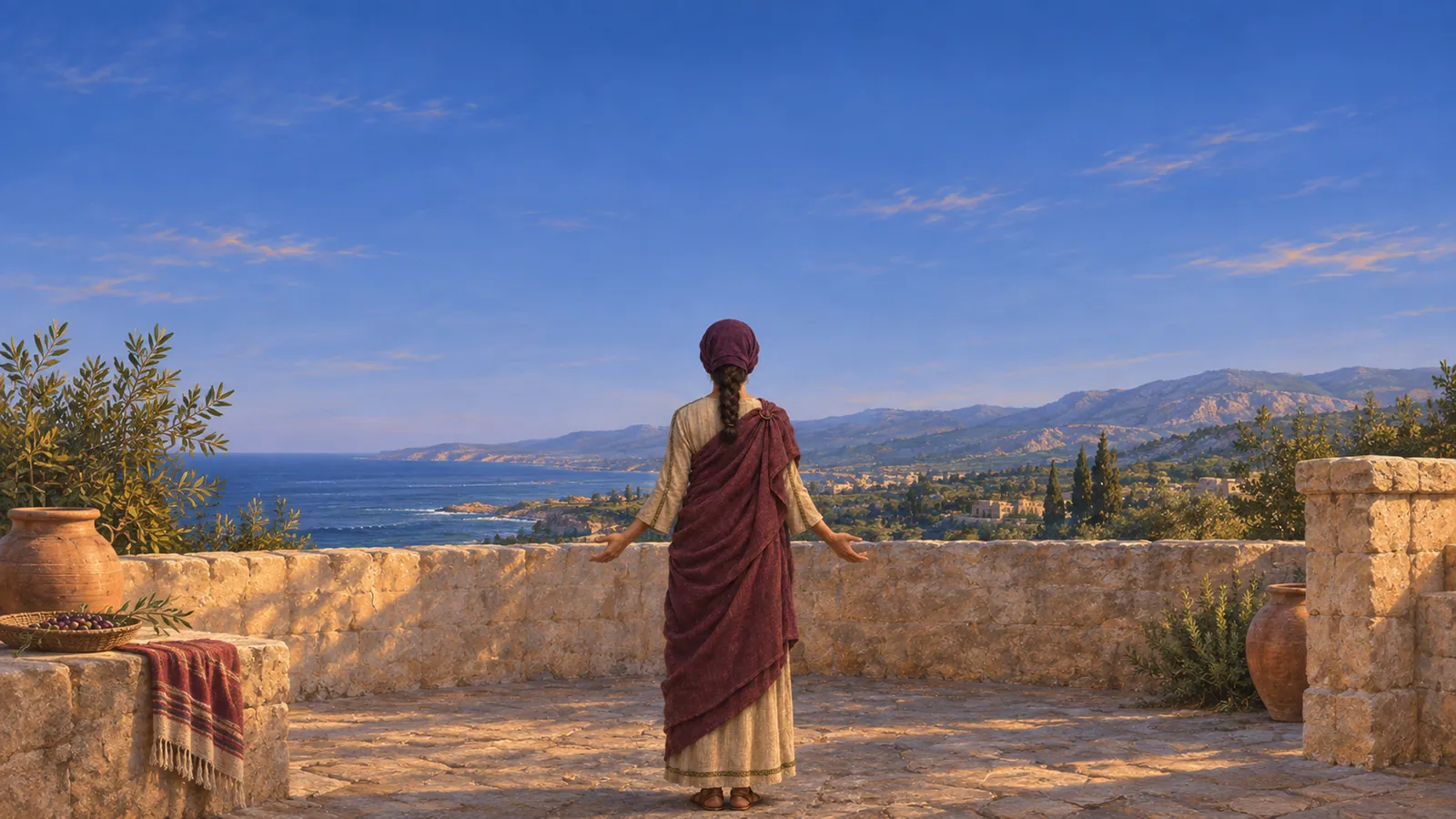
THE PLEA
Anat praises El’s wisdom and returns to the request. Other gods have dwellings, she says, while Baal still lacks one. El’s final answer to this appeal has not survived.
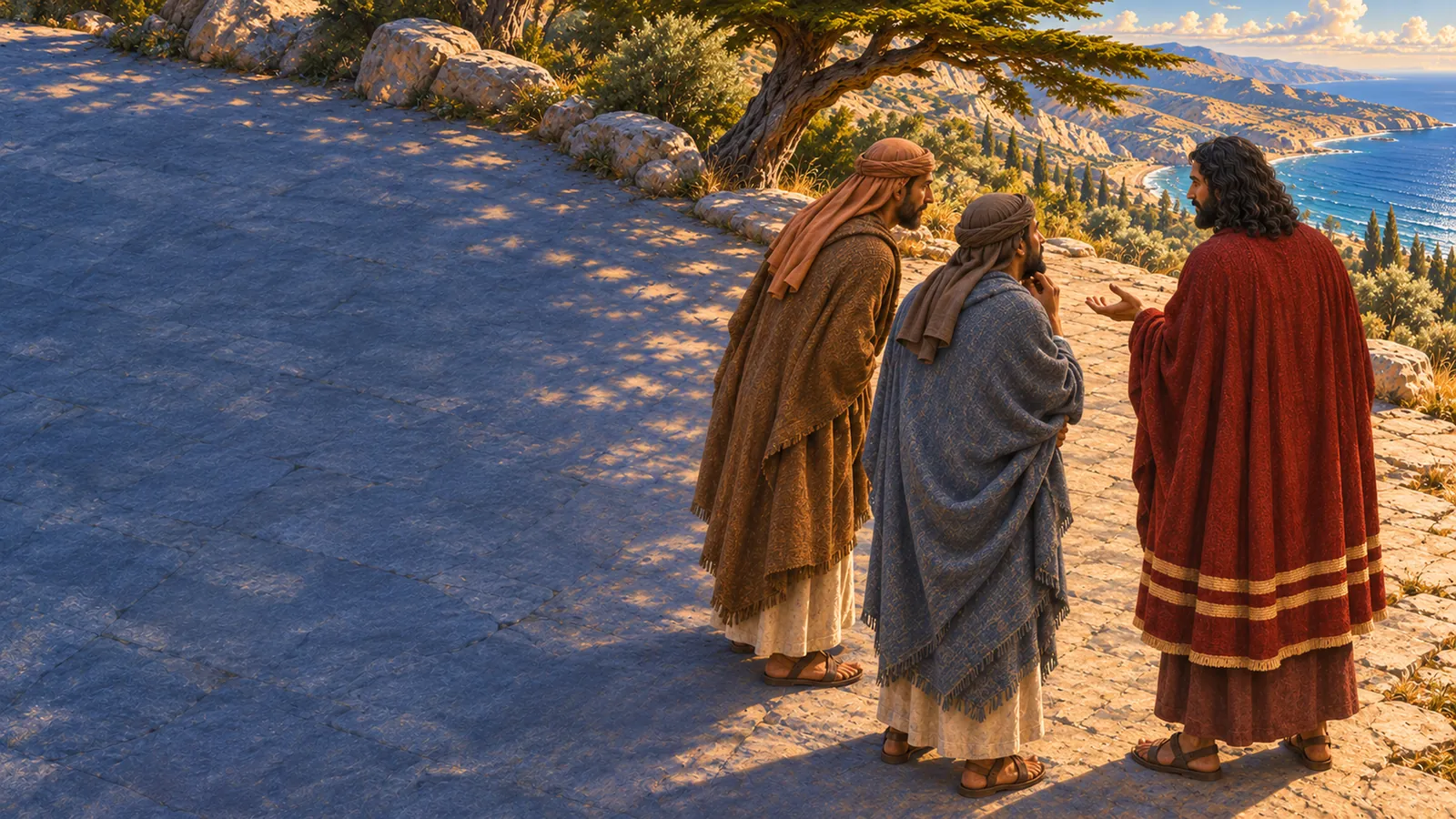
The next surviving instructions speak of a gift for Athirat in connection with the house. Baal calls on Gapn and Ugar to carry his words.
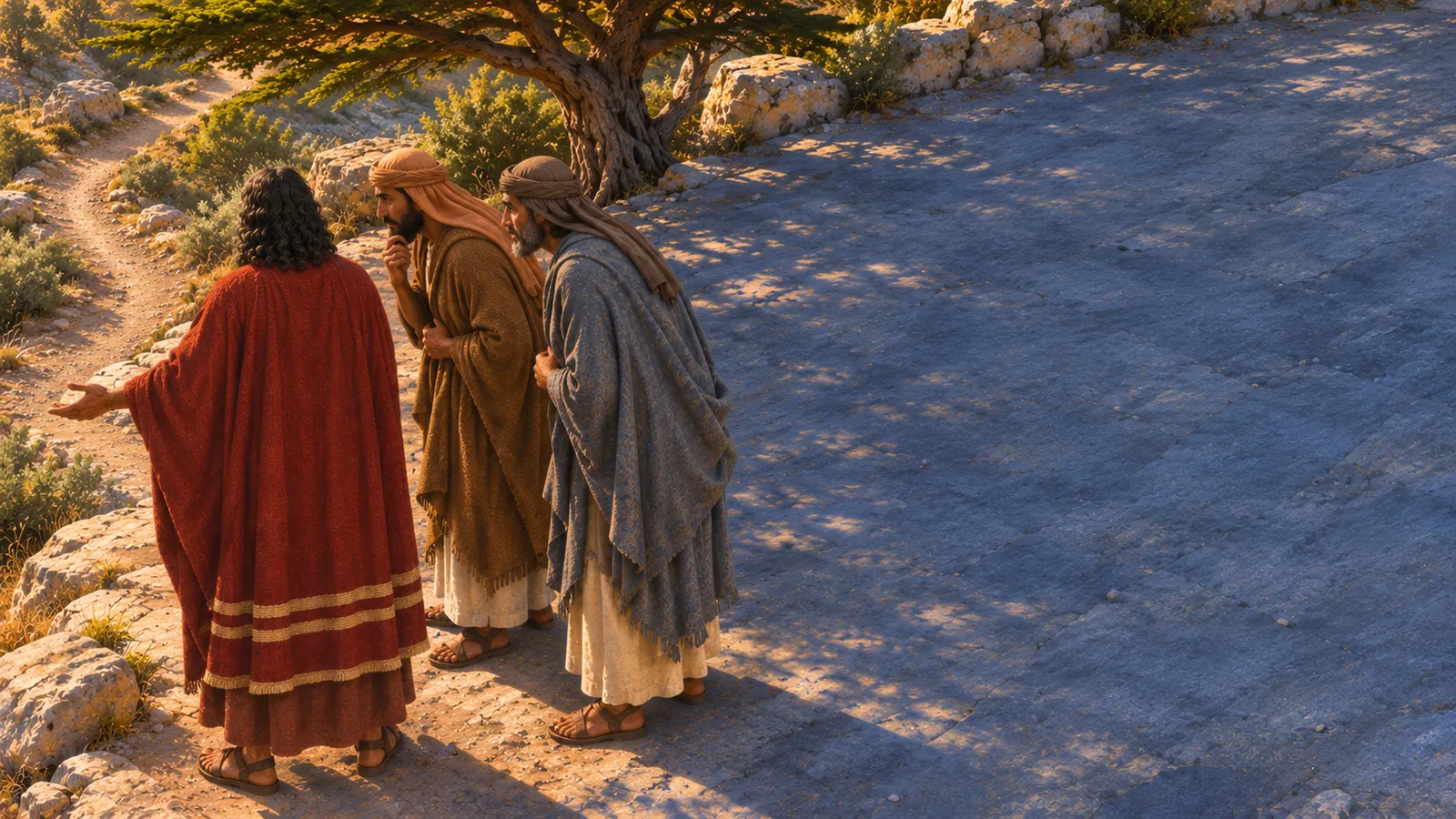
Baal tells the envoys which way to go and how to approach when they arrive. They have a new message to carry.
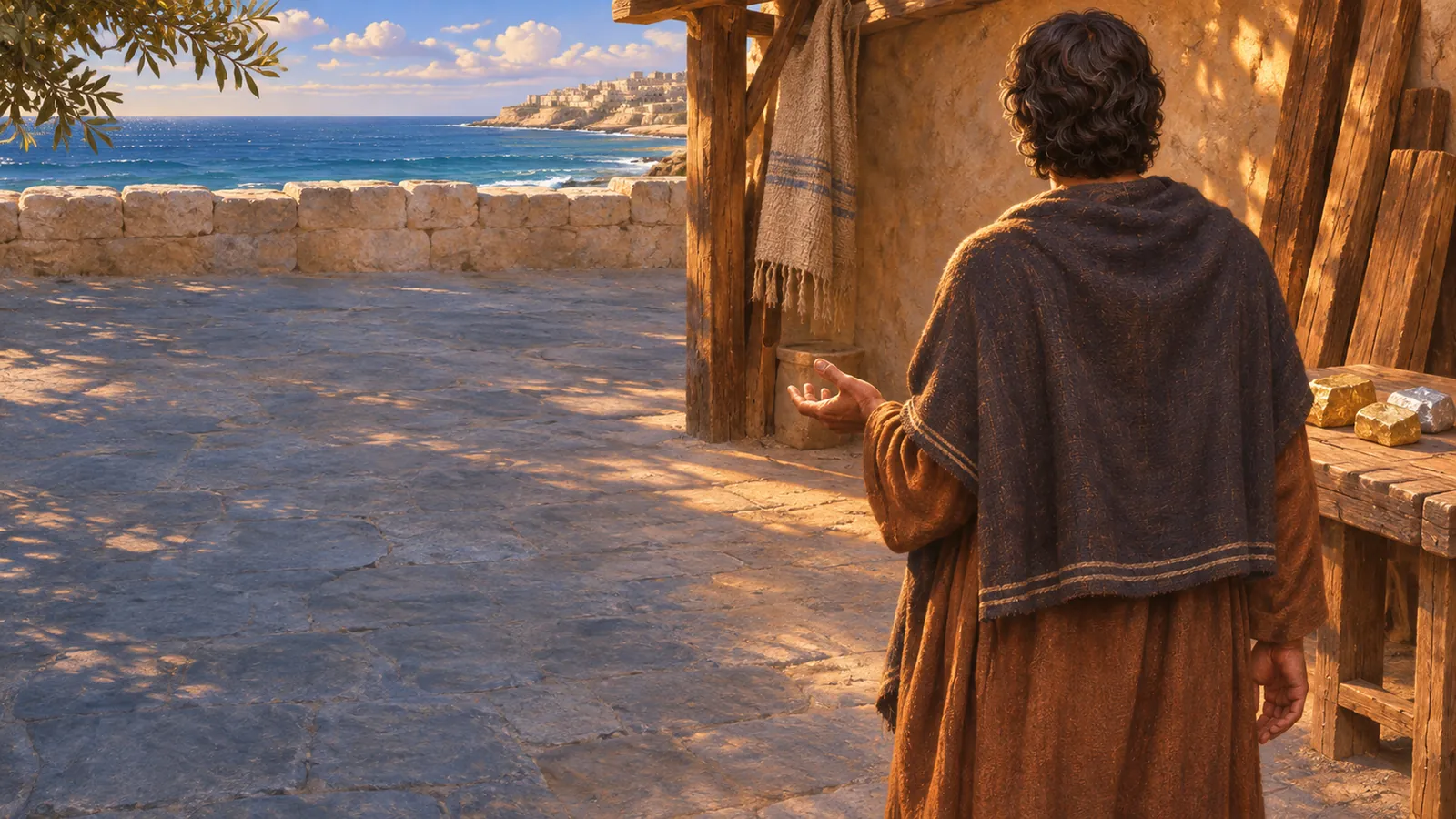
The damaged message again speaks of the house Baal lacks. Now Kothar receives a request to fashion a gift for Athirat.
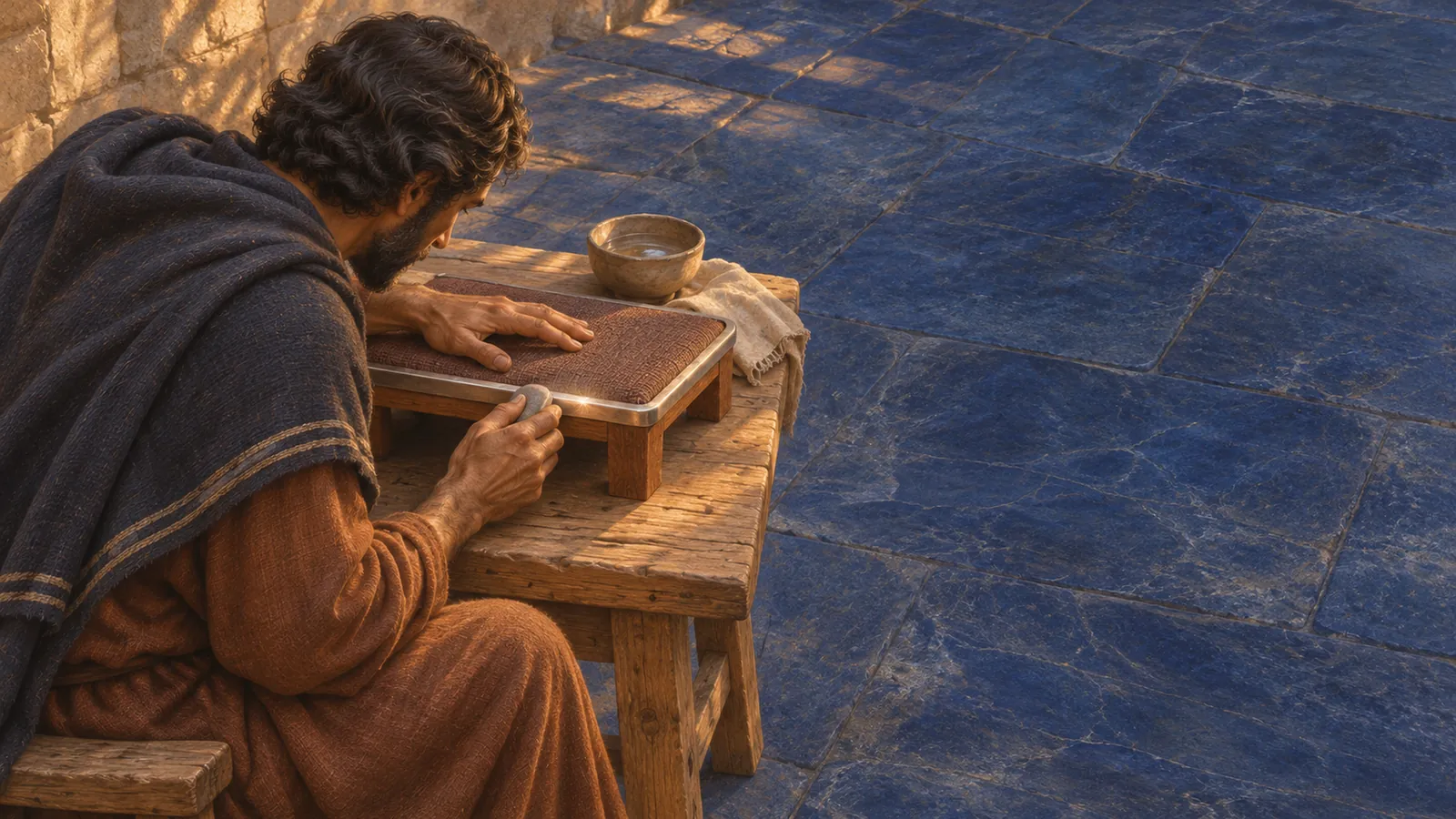
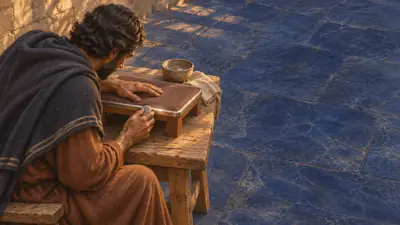
Kothar works the precious metals. The poem names a raised platform, a seat and a footrest among the furnishings he makes.
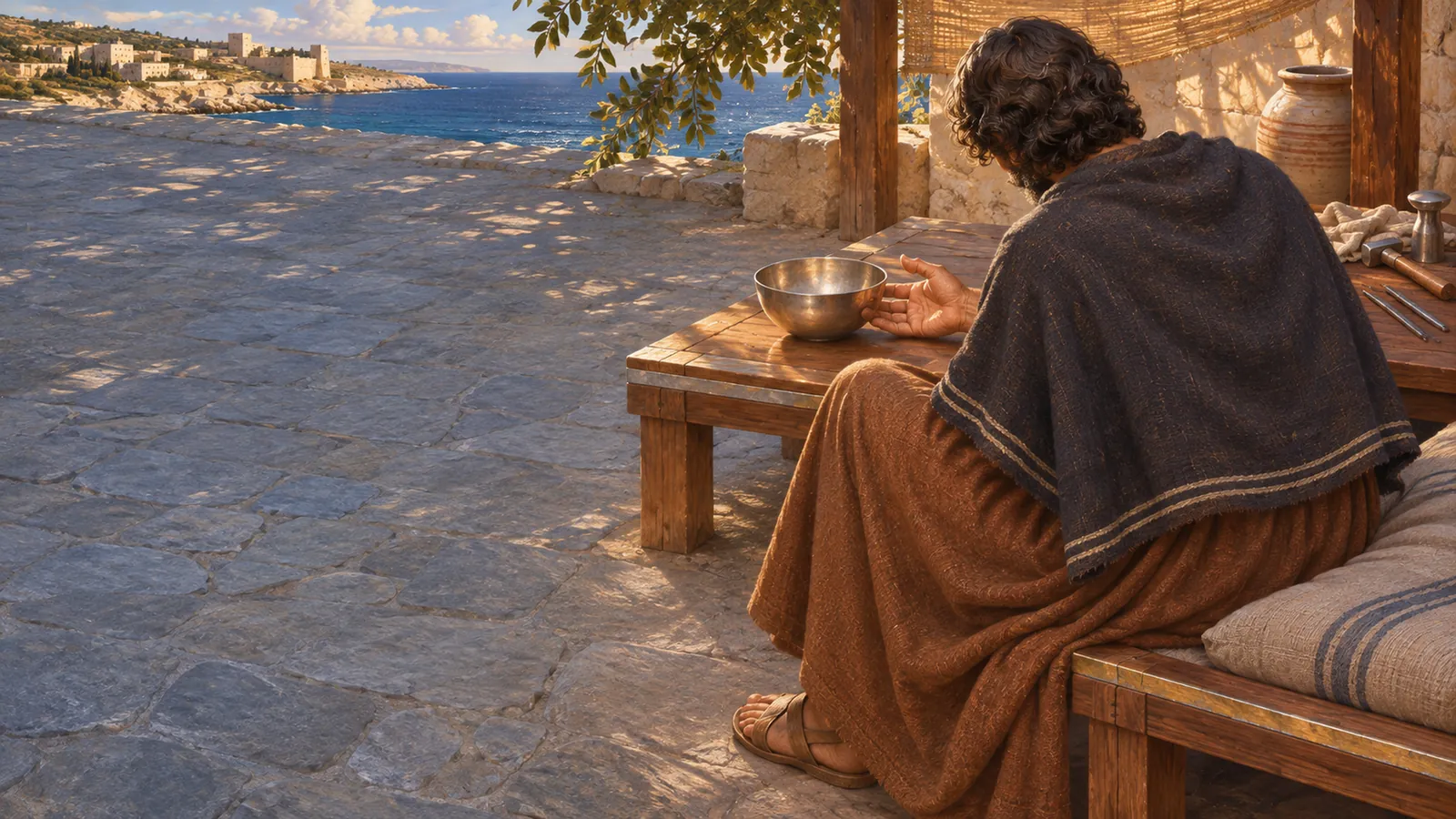
The list of Kothar’s gifts includes a couch, a table and a finely made bowl. The poem gives particular attention to the quality of the work.

The surviving words turn to Athirat by the water. This passage is difficult, and readers differ on the work with cloth and fire that it describes.

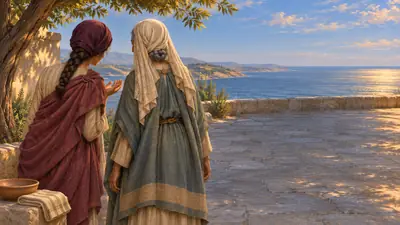
Athirat sees Baal and Anat coming toward her. Their approach alarms her, and she fears that they may have come against her children and kin.
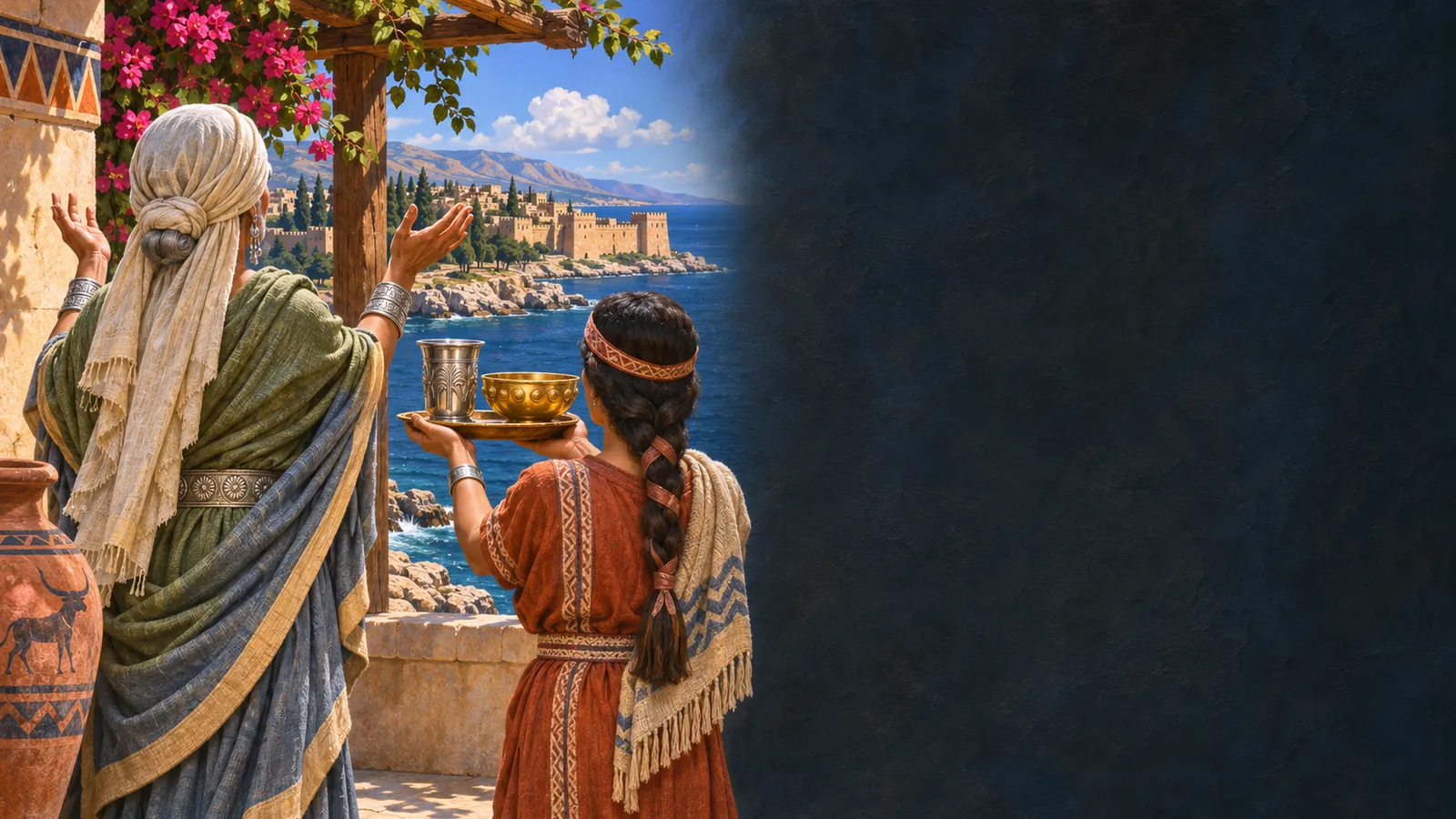
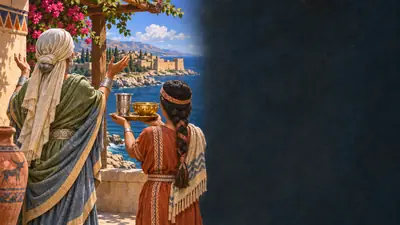
Athirat sees the silver and the glint of gold. Her fear gives way to delight as she draws attention to the work of the craftsman.
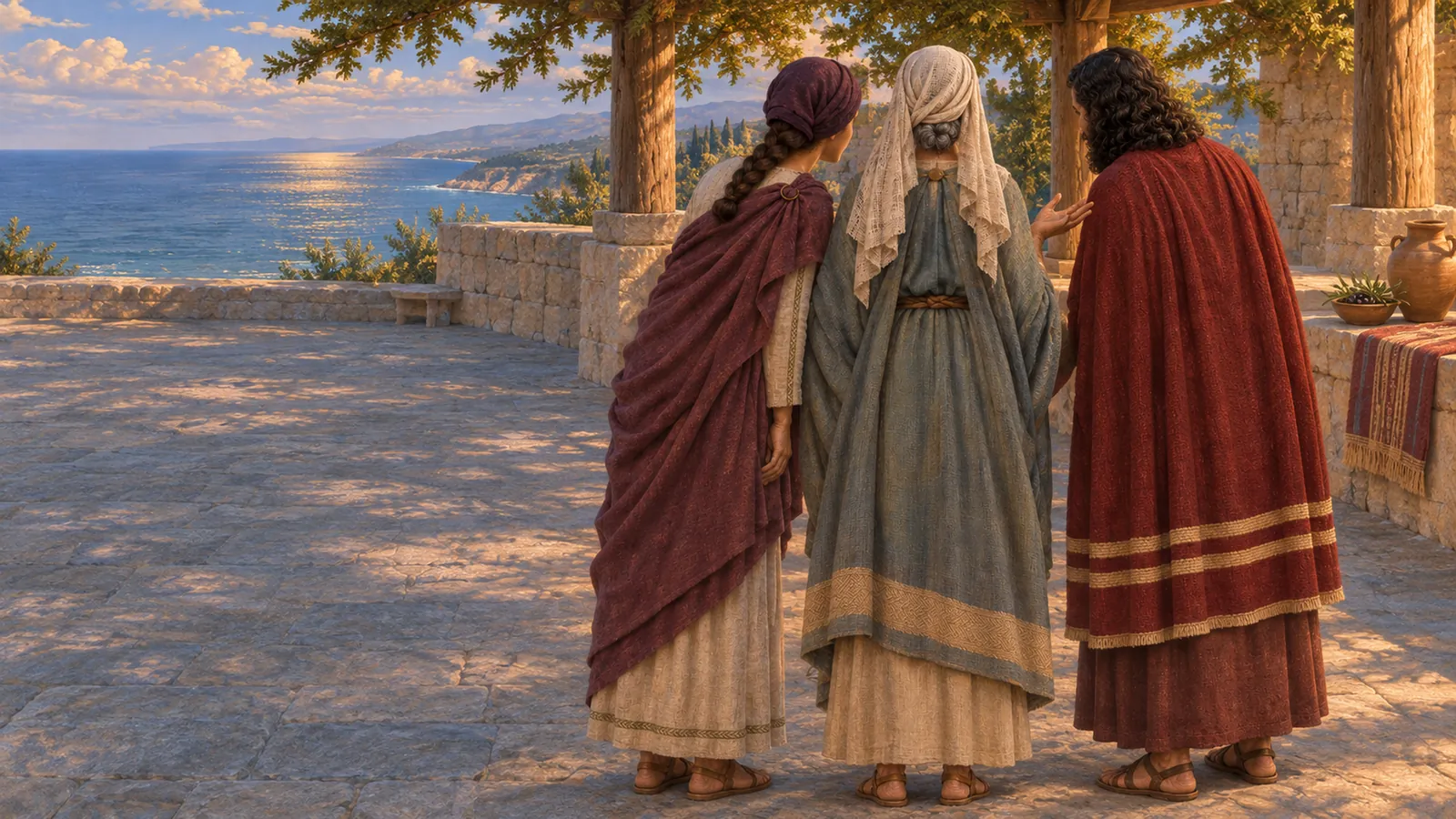
Baal and Anat come to ask Athirat for her help. She asks why they have approached her and tells them to take their appeal to El.
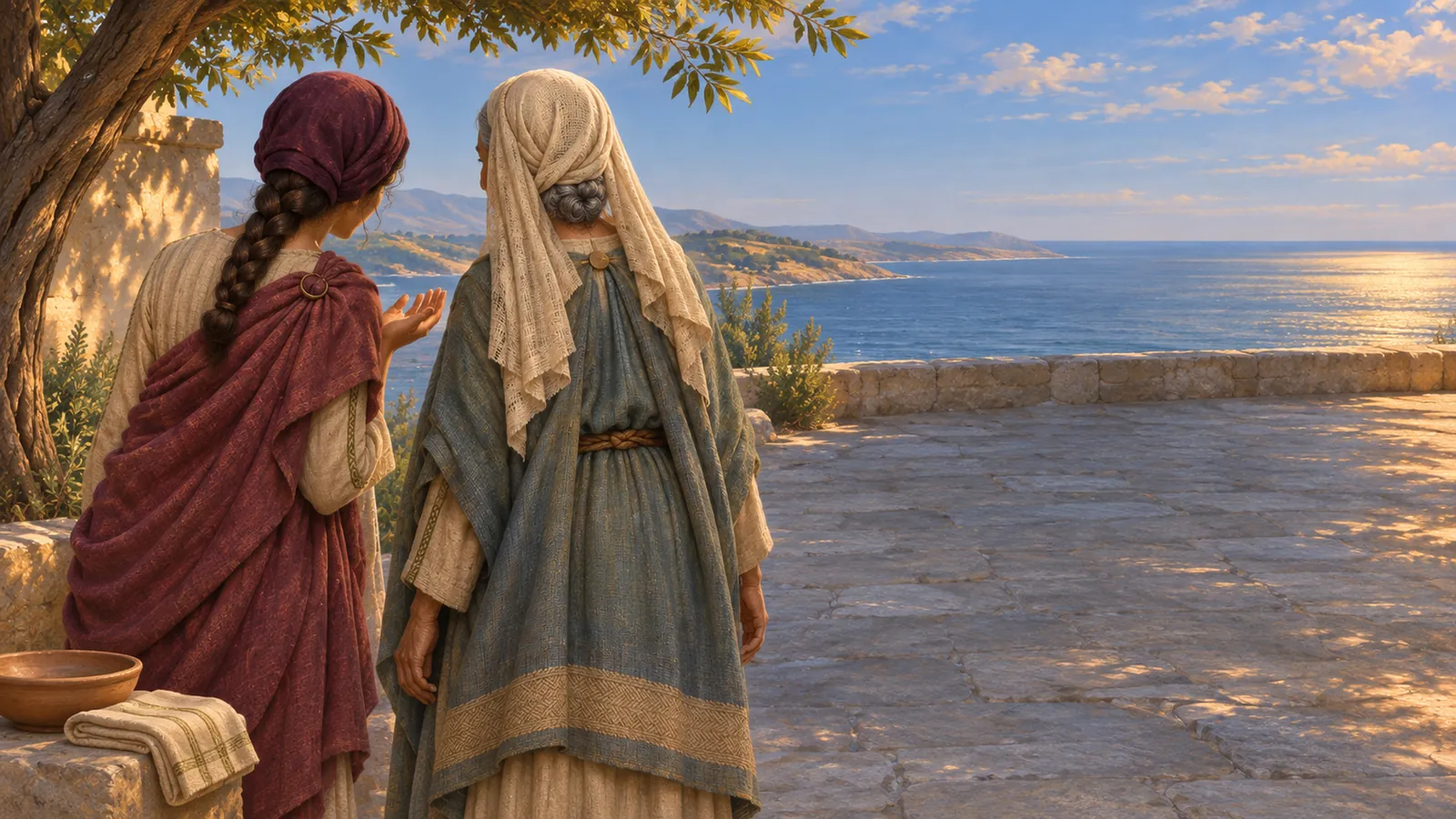
Anat returns to the request and speaks of bringing gifts to Athirat. The surviving scene then turns to hospitality before Athirat goes to El.

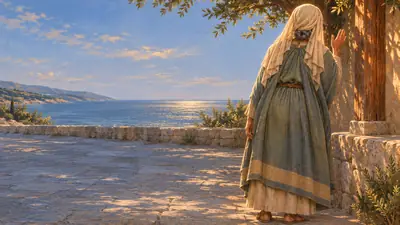
Athirat sets out to speak to El. The poem places his dwelling at the sources of the rivers, among the springs of the deep.
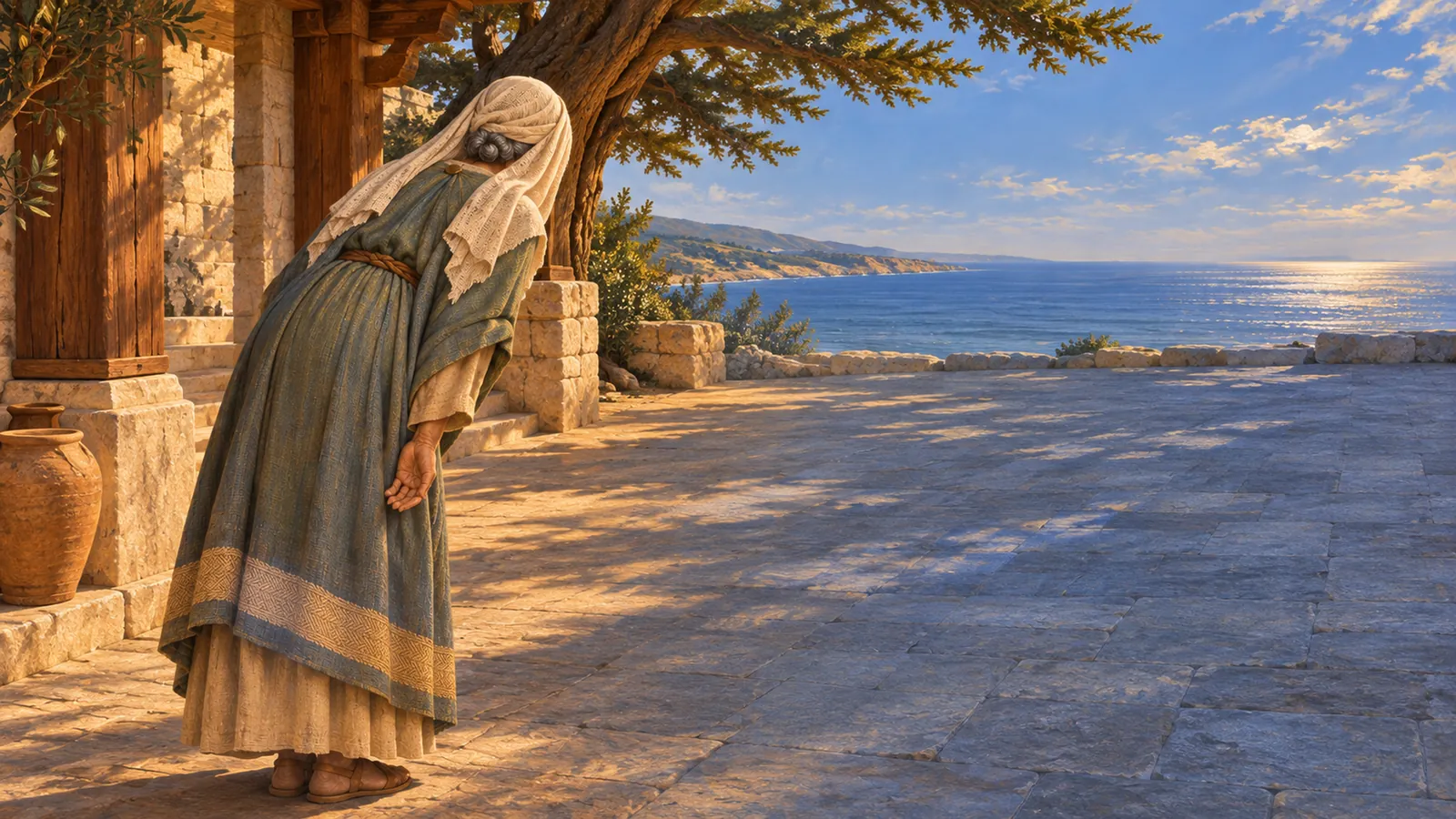
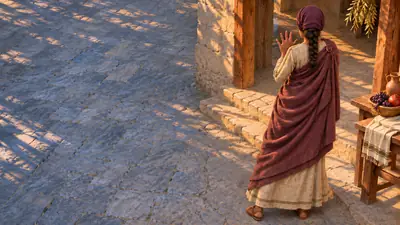
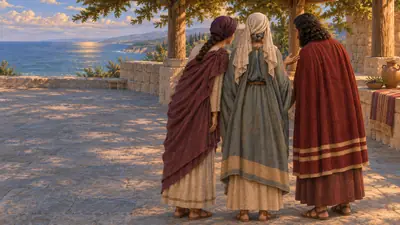
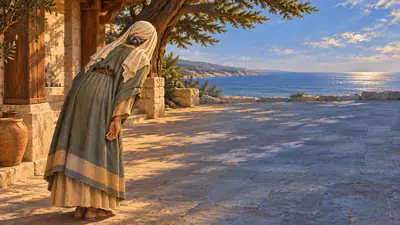
Athirat comes before El in his dwelling. She bows and pays him respect before she speaks on Baal’s behalf.
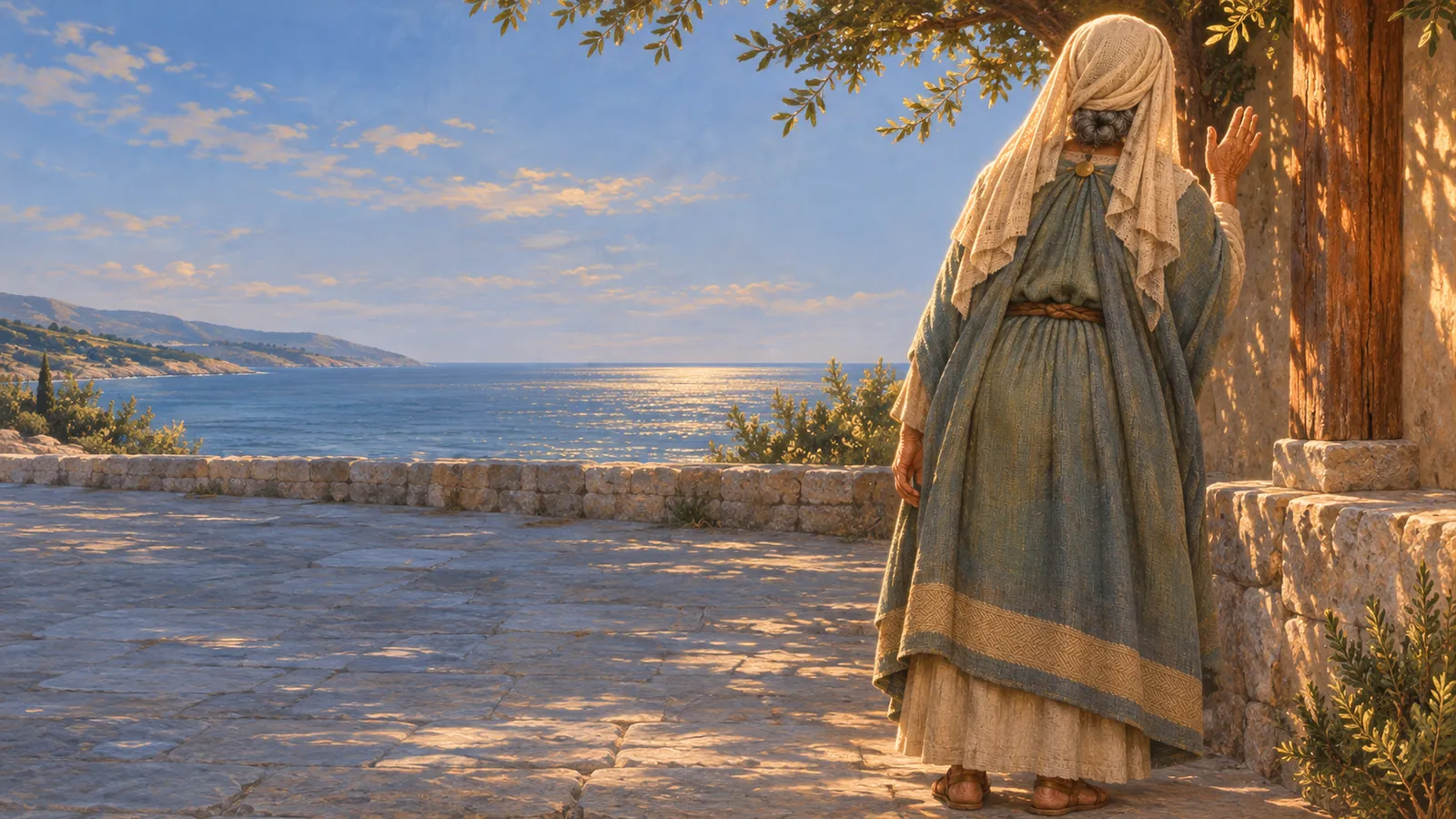
Athirat praises El’s wisdom and appeals to him for Baal. She asks for a dwelling that will befit him among the other gods.
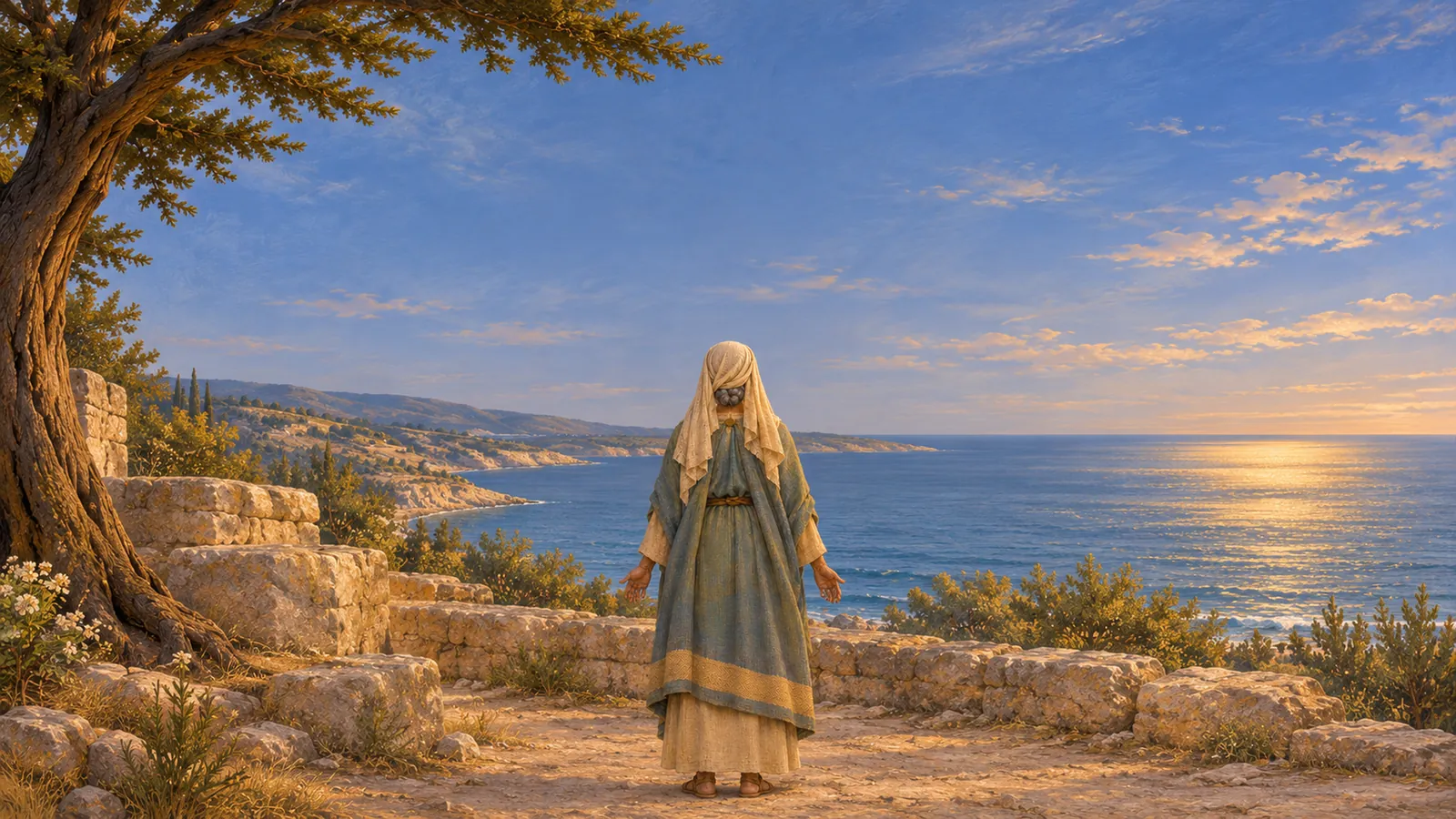
PERMISSION
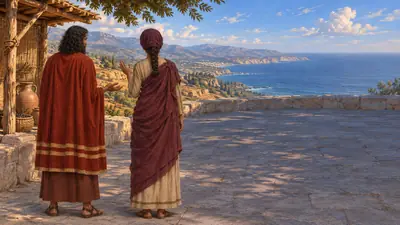
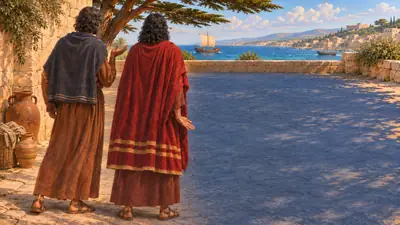
El gives his consent. Baal may have a house like the other gods and a court like the children of Athirat.
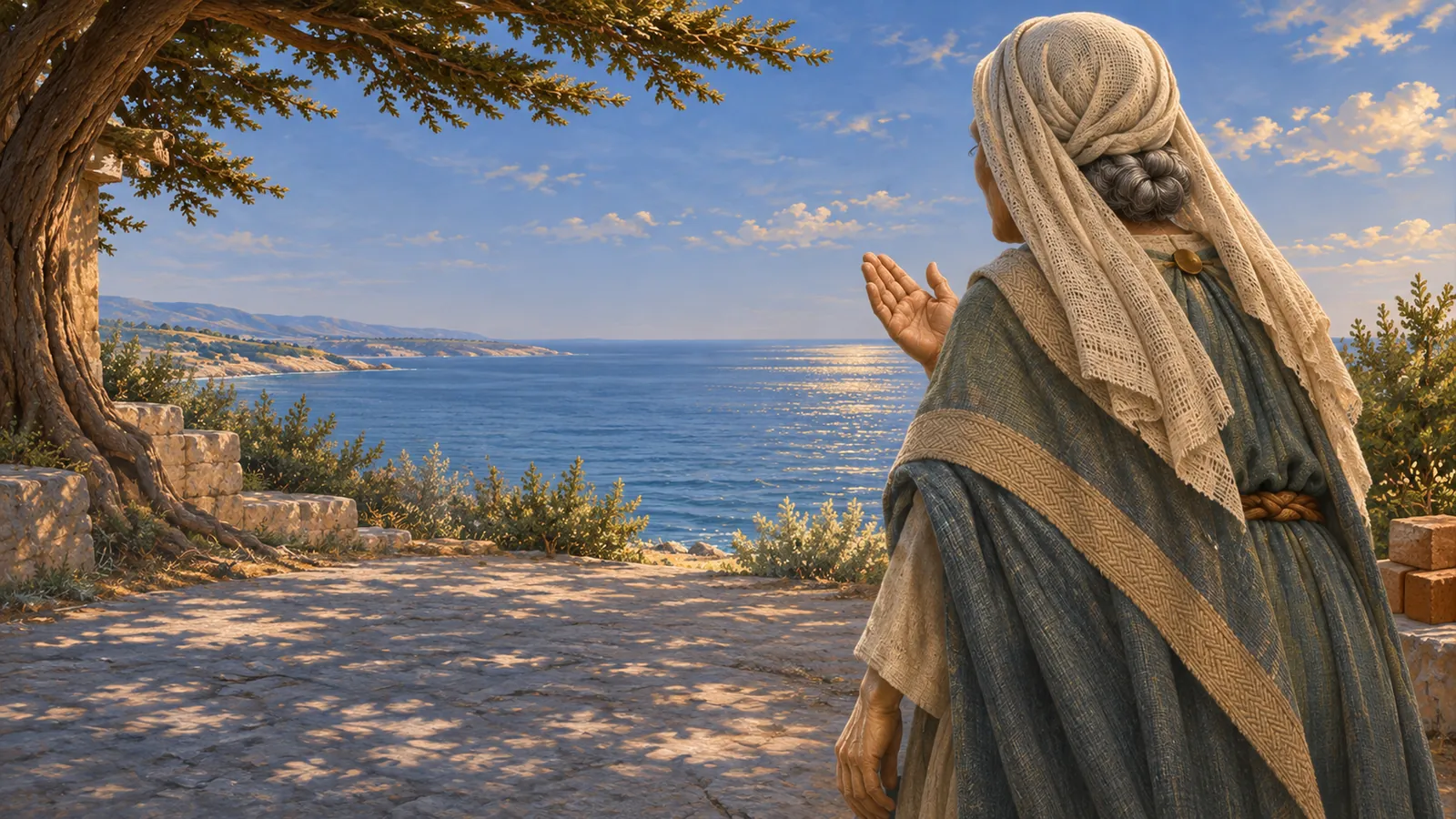
Athirat announces the decision in Baal’s favor. The poem speaks of the brick house he can now be given.
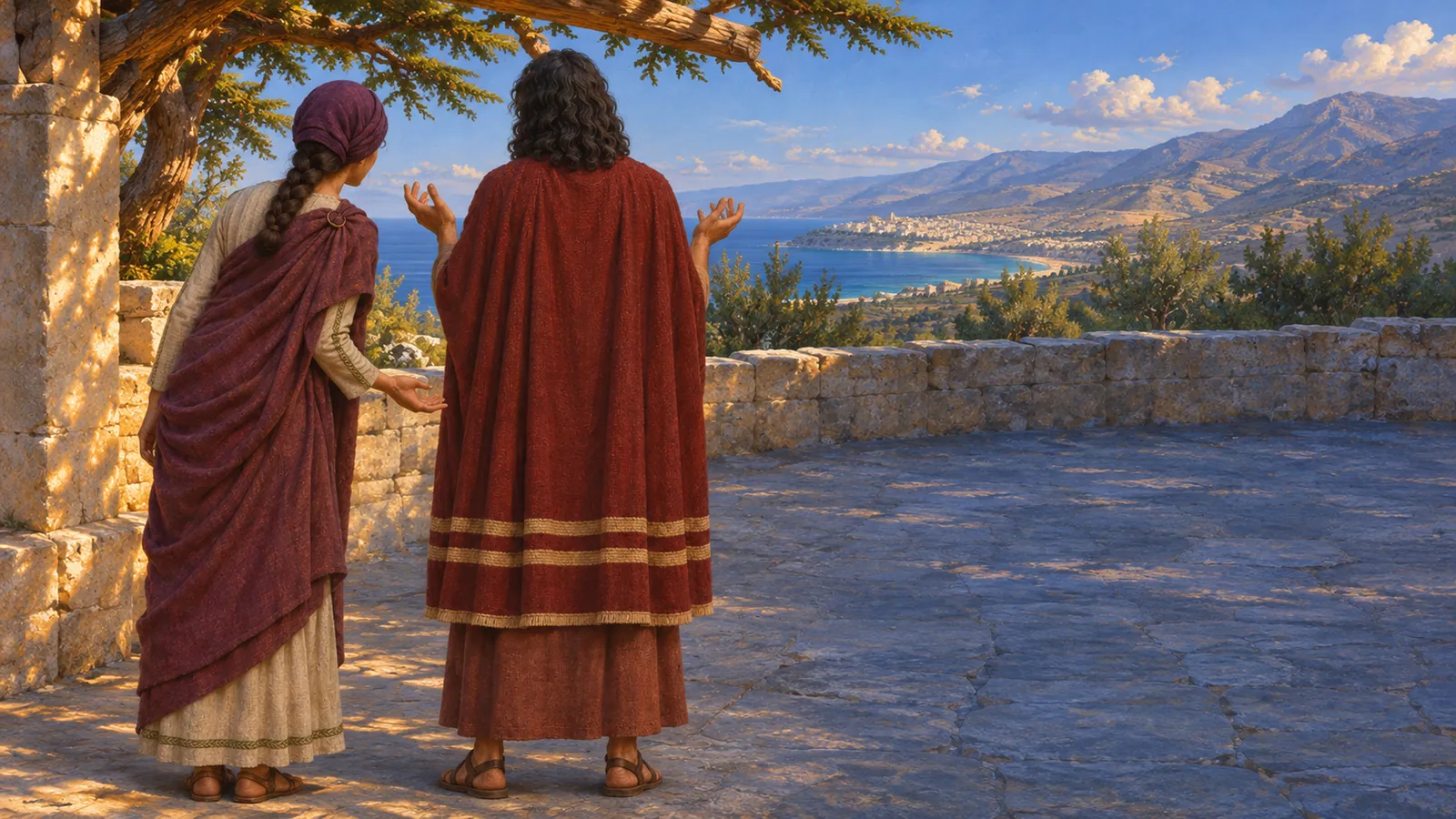
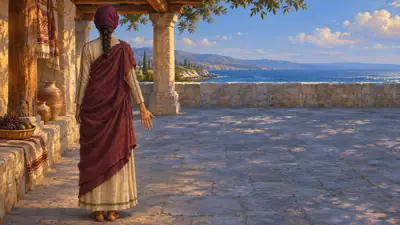
Anat goes to Baal with the news from El. Baal rejoices that he may build the house on Saphon.
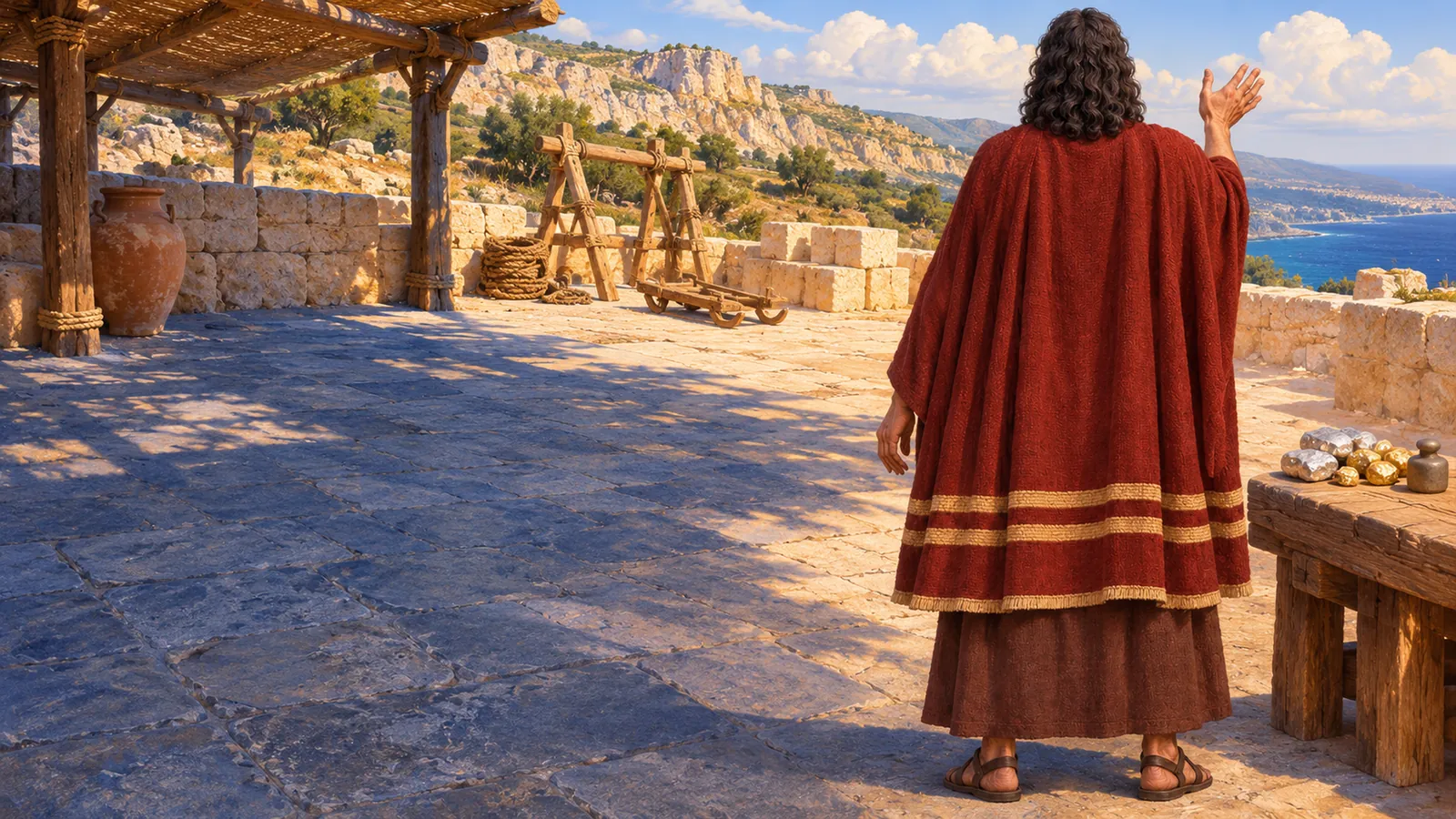
Baal calls for merchants and supplies for the house. The poem speaks of silver and gold among the materials he gathers.
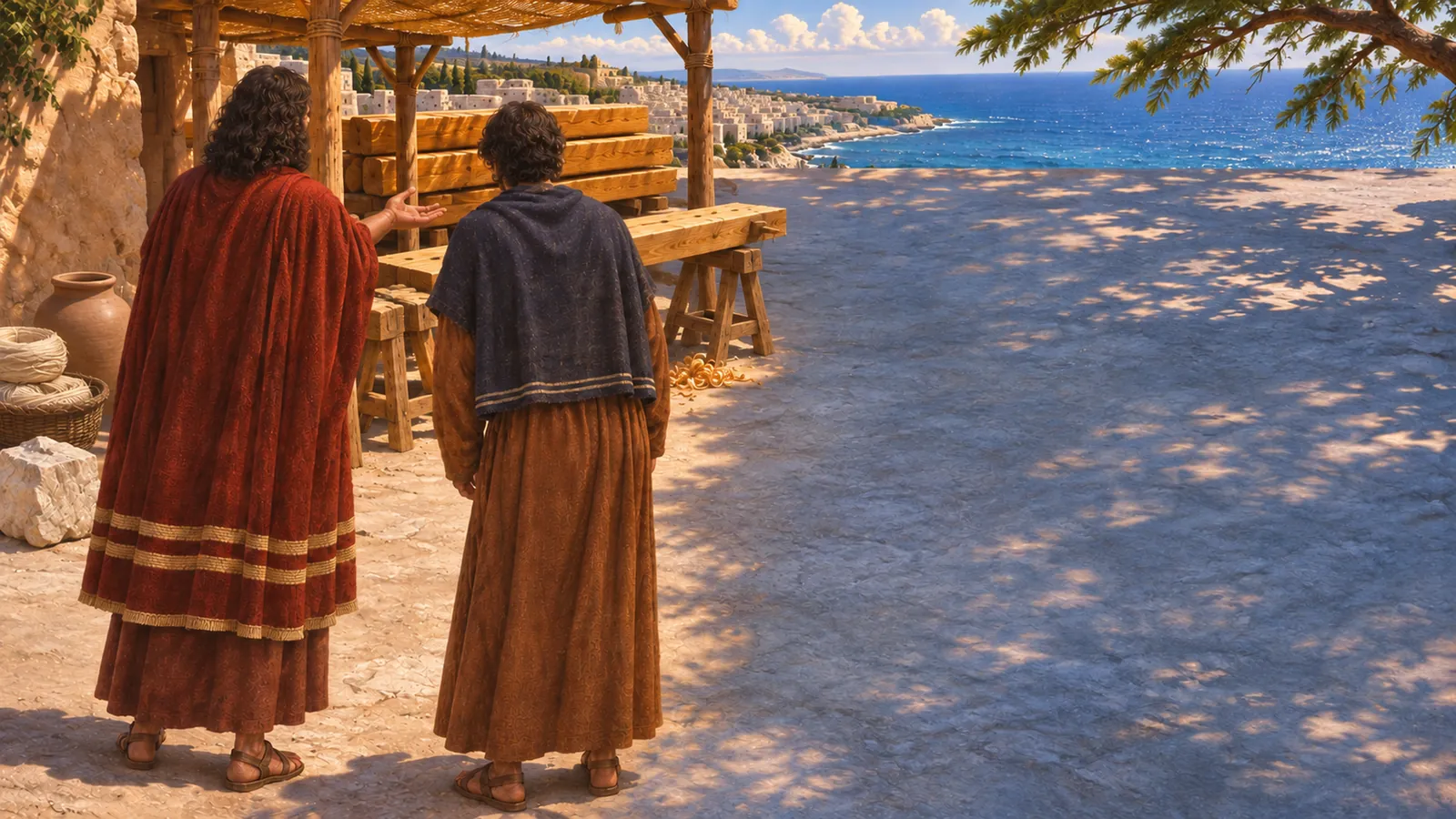
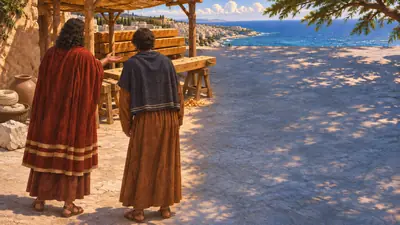
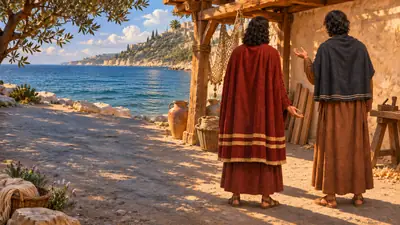
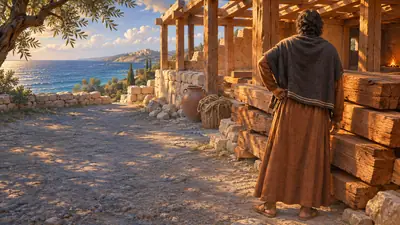
Baal turns to Kothar, the craftsman. He urges him to build the house and asks that the work go forward without delay.
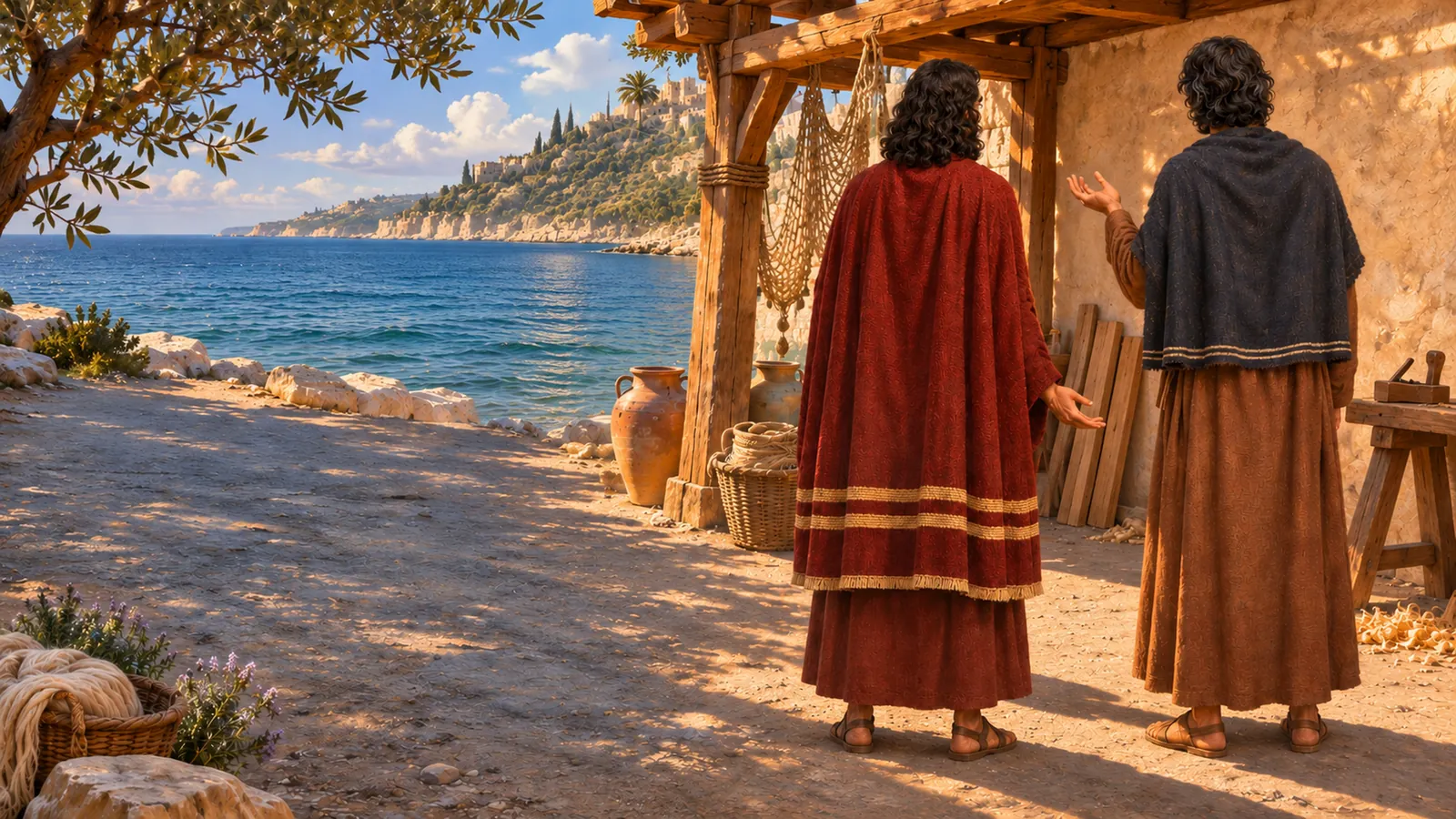
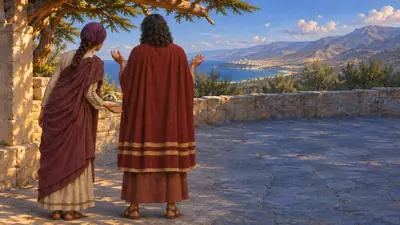
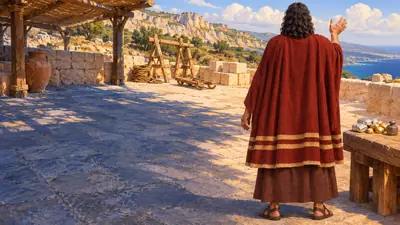
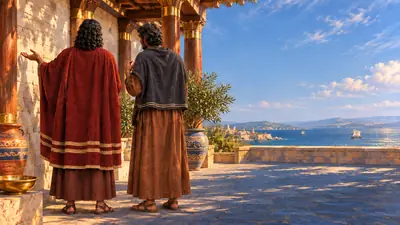
Kothar asks about putting an opening in the house, a window within the palace. Baal tells him to leave it out.
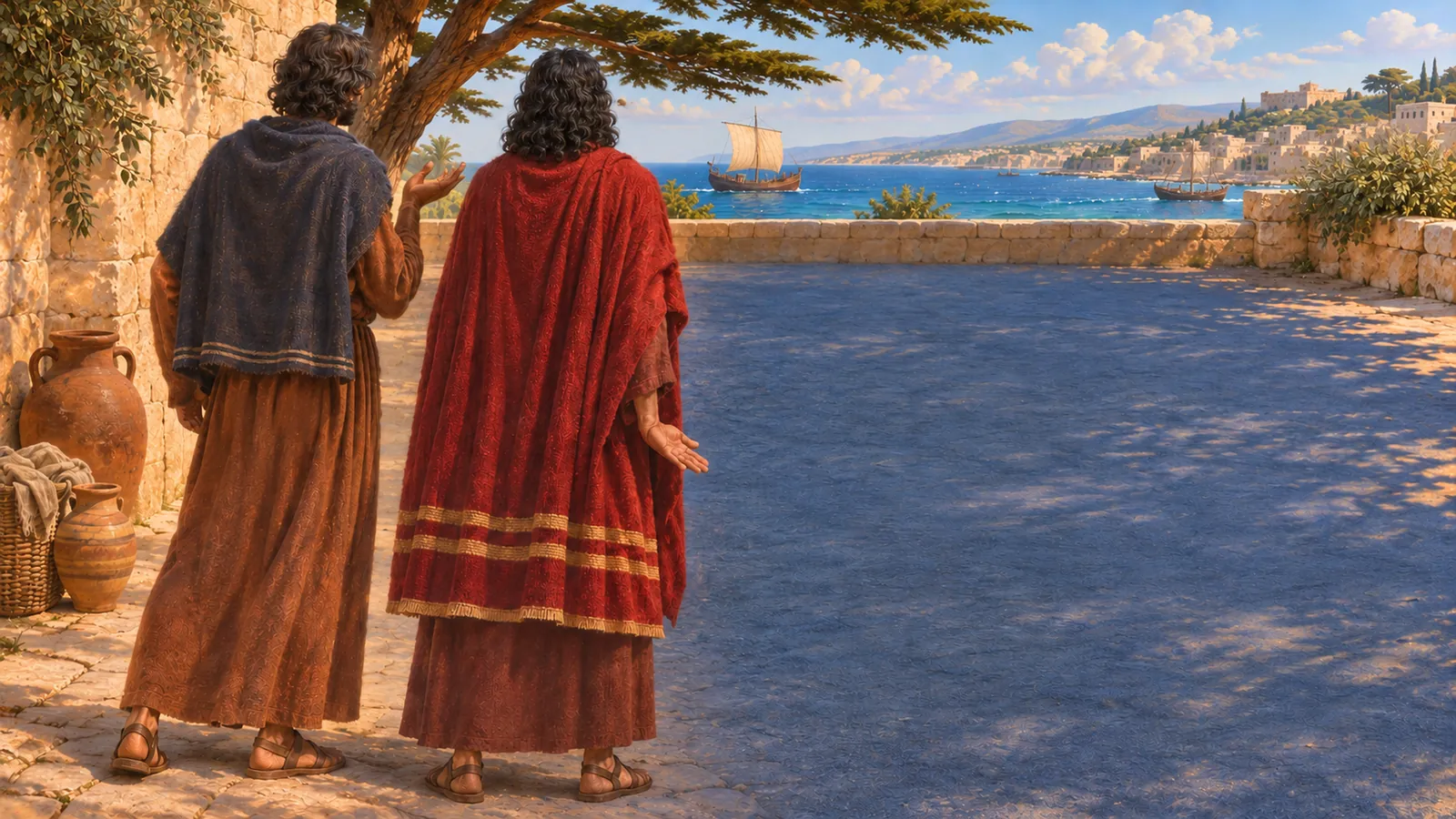
Kothar raises the question again, and Baal refuses a second time. The reasons survive only in part. Kothar says Baal will come back to his advice.
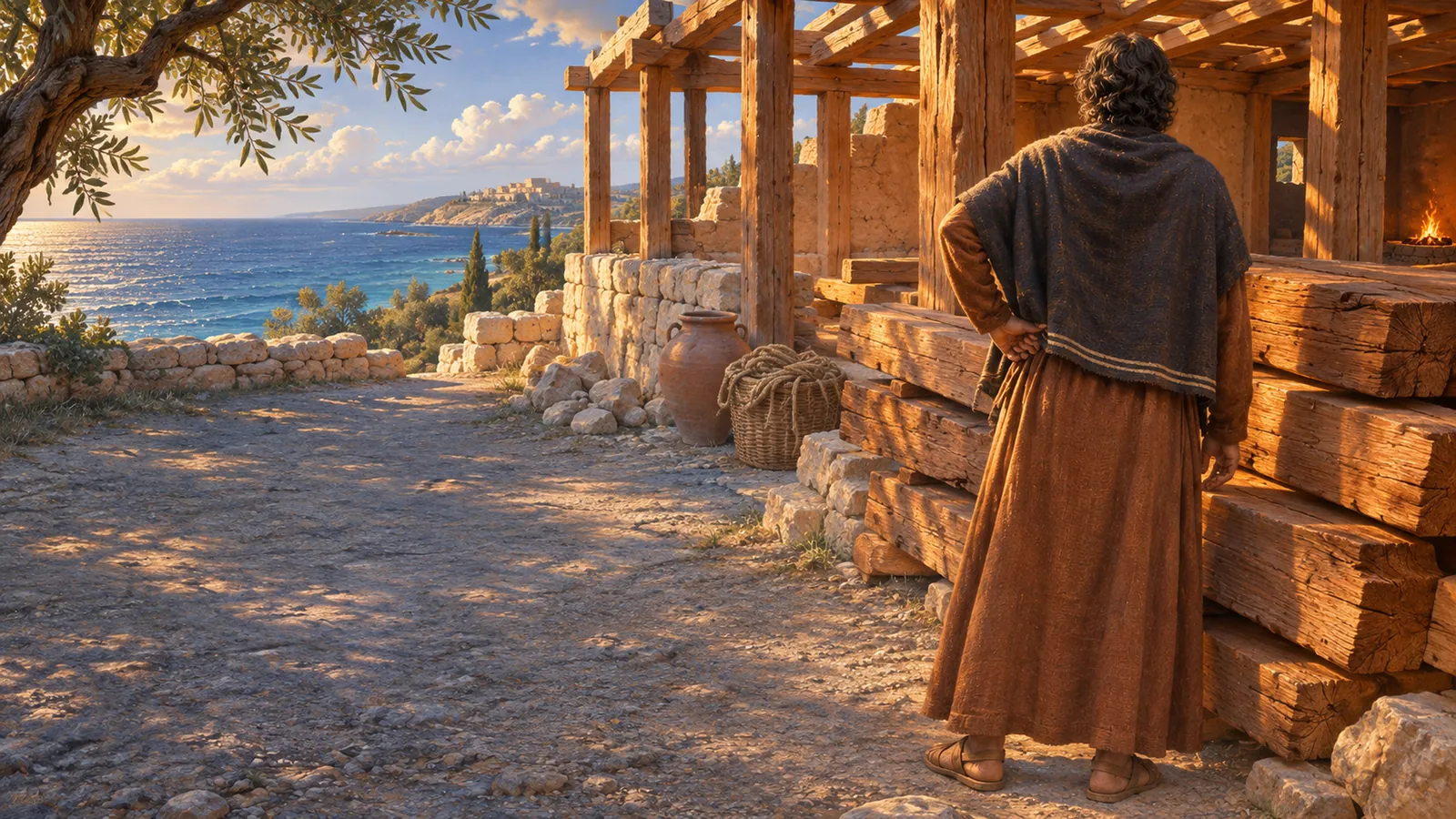
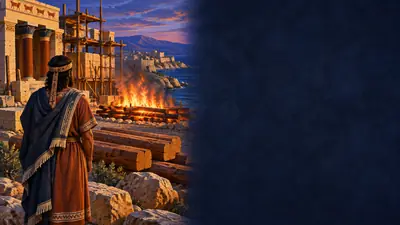
Cedars are brought for the house. Then the poem says a fire is set within it as the building story takes its course.
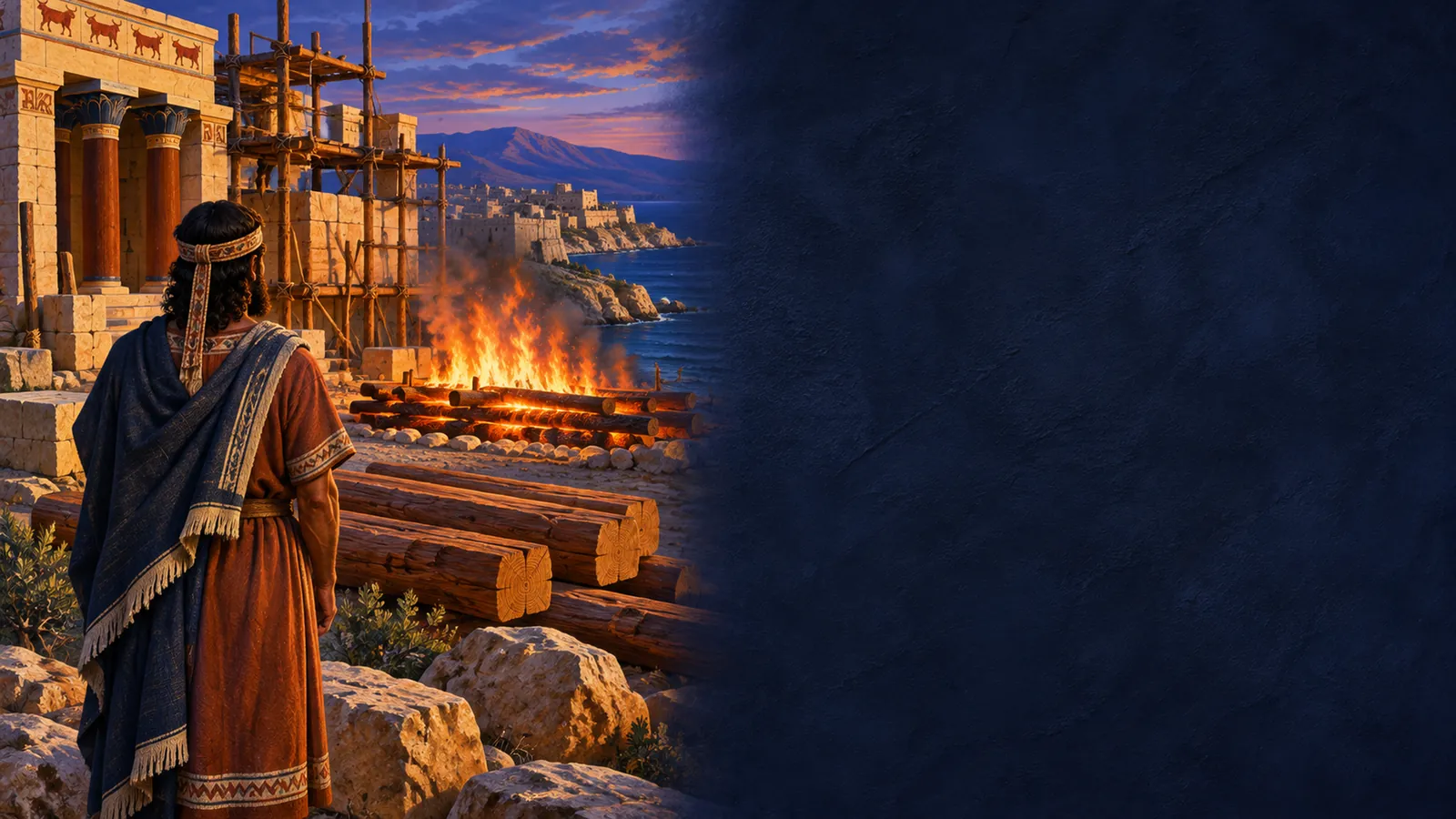
The fire burns through the first and second days, then through the third and fourth. The verse counts the fifth and sixth days in the same way.

THE SEVENTH DAY
On the seventh day the fire goes out. Baal rejoices and speaks of the house of silver and the palace of gold.
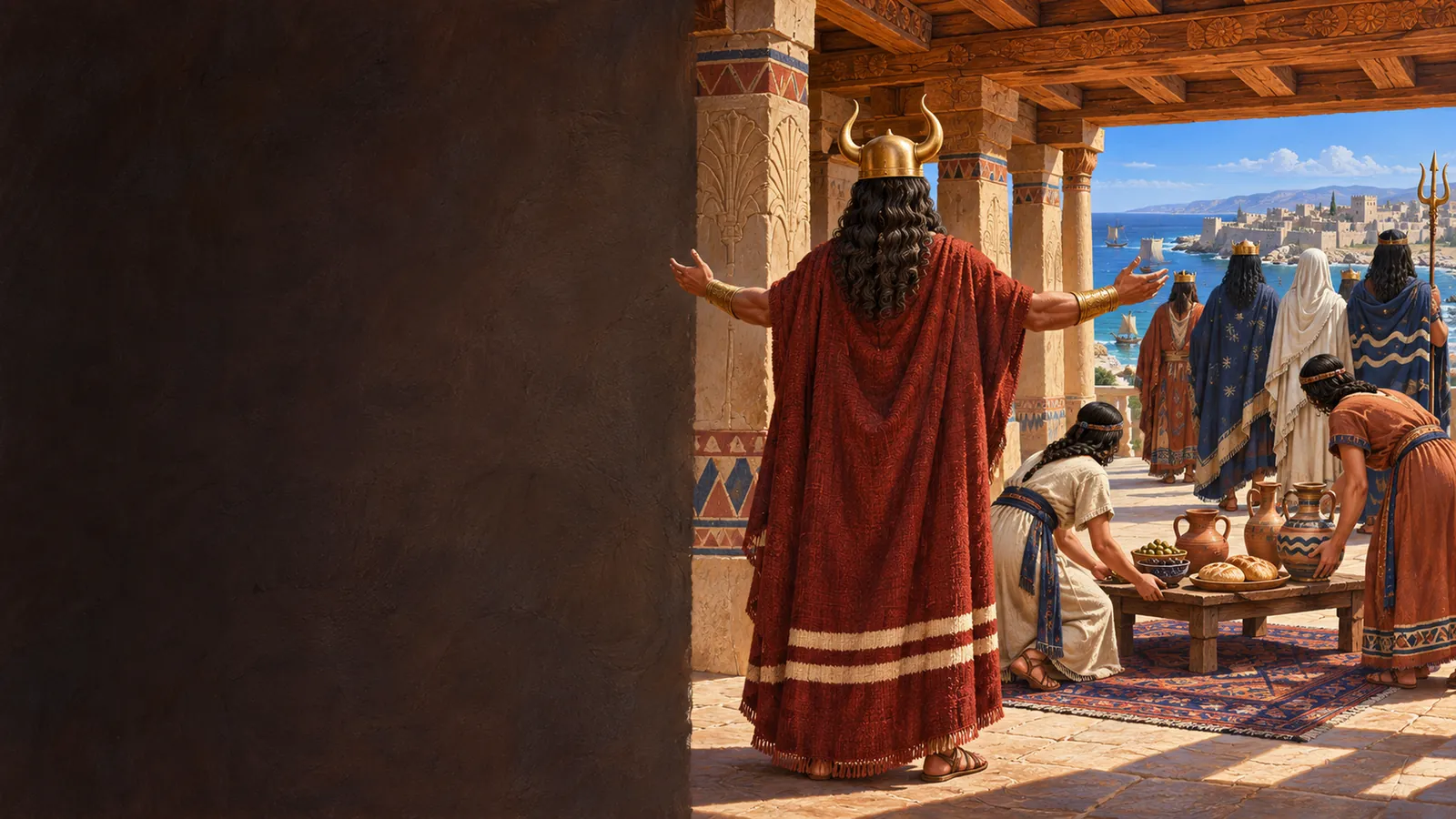
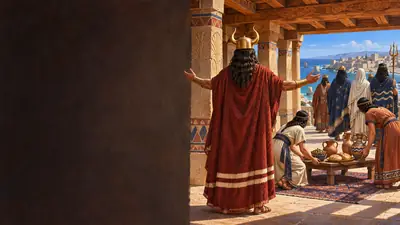
Baal prepares a feast to celebrate the house. He calls his brothers and kin to come inside the palace.
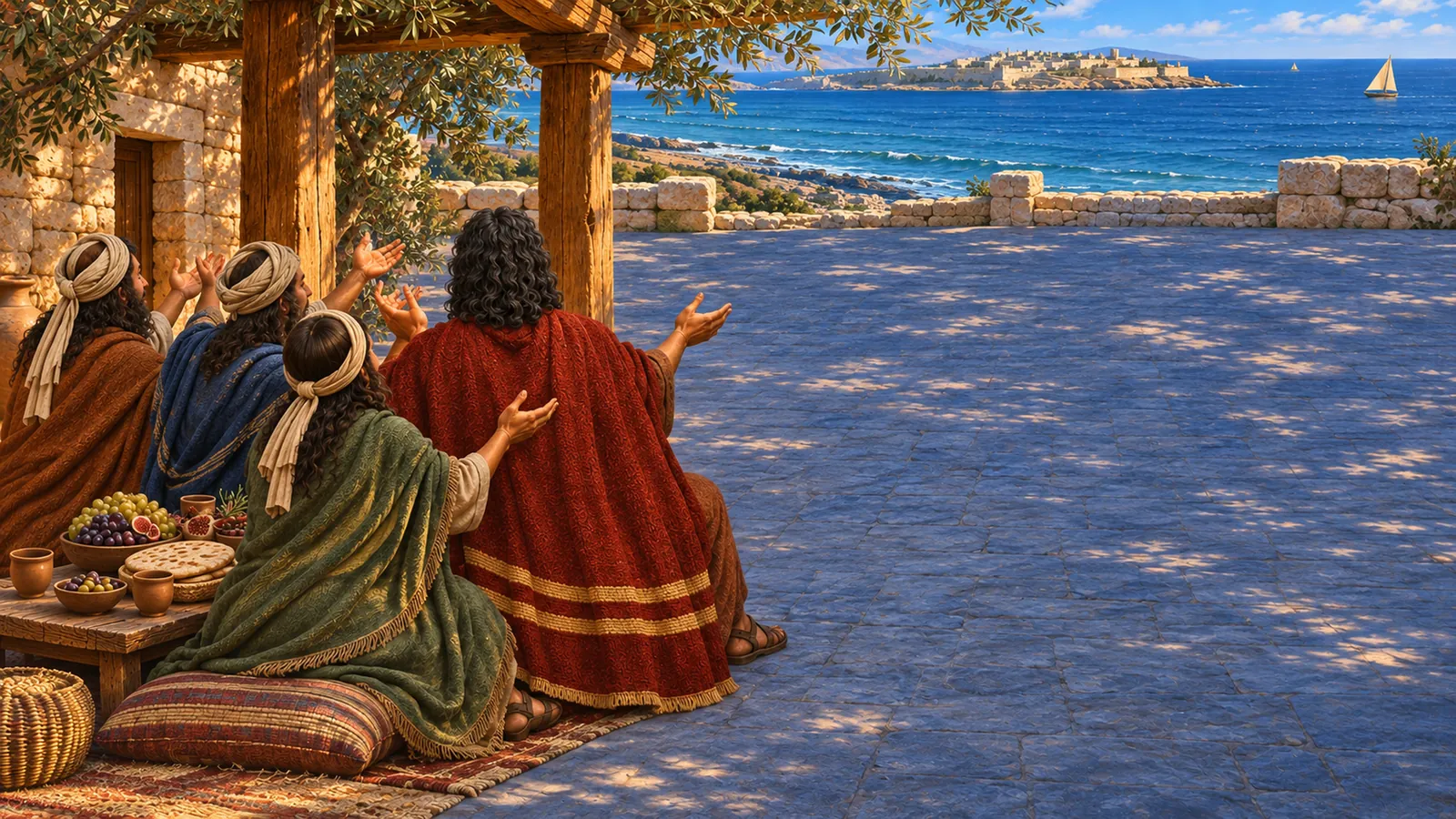
The poem counts seventy children of Athirat among those called to the feast. Gods and goddesses take part in the palace celebration.

The poem follows Baal through cities and towns before he is back in the house. It counts the places in the heightened language of the song.
THE WINDOW
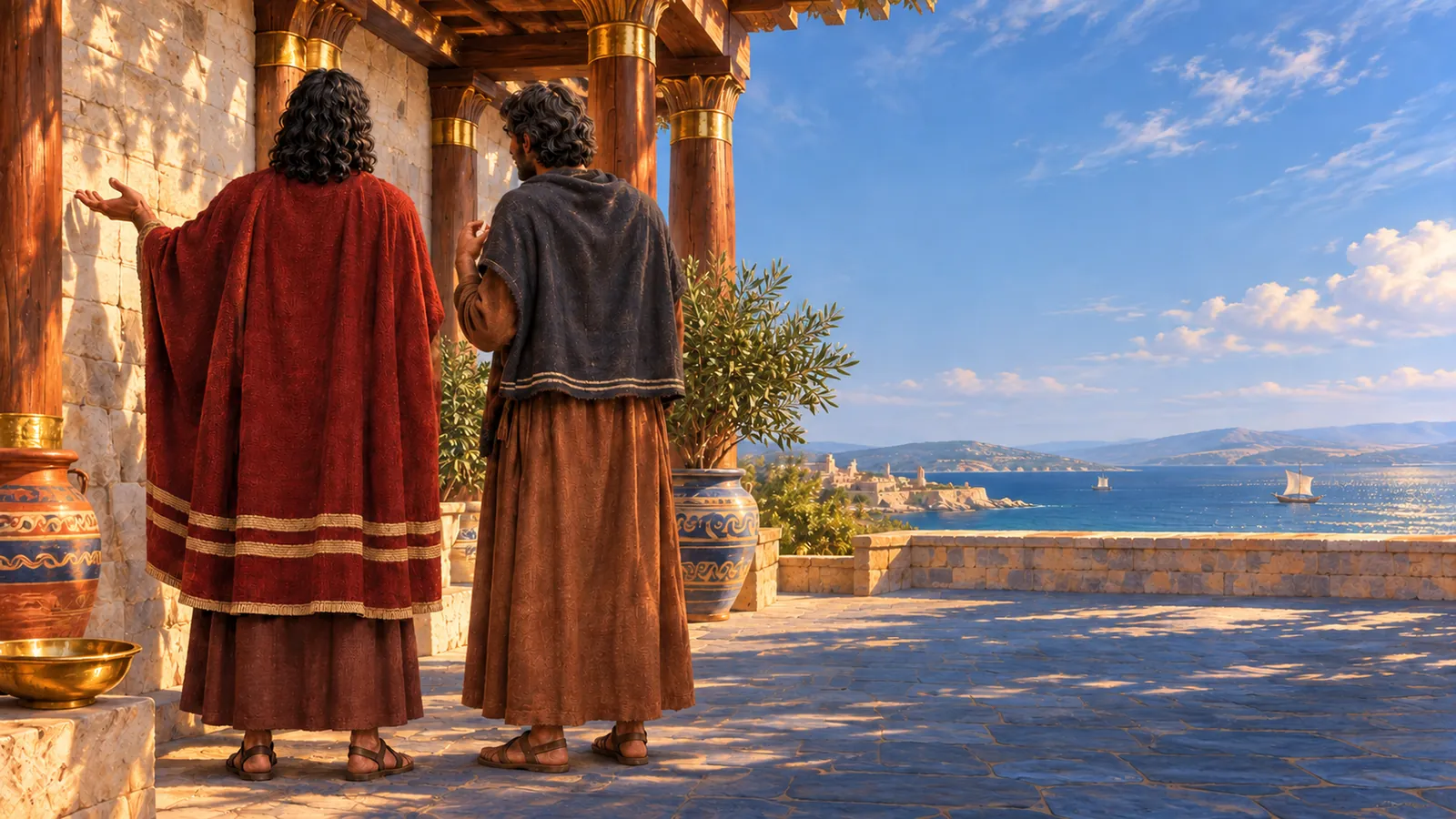
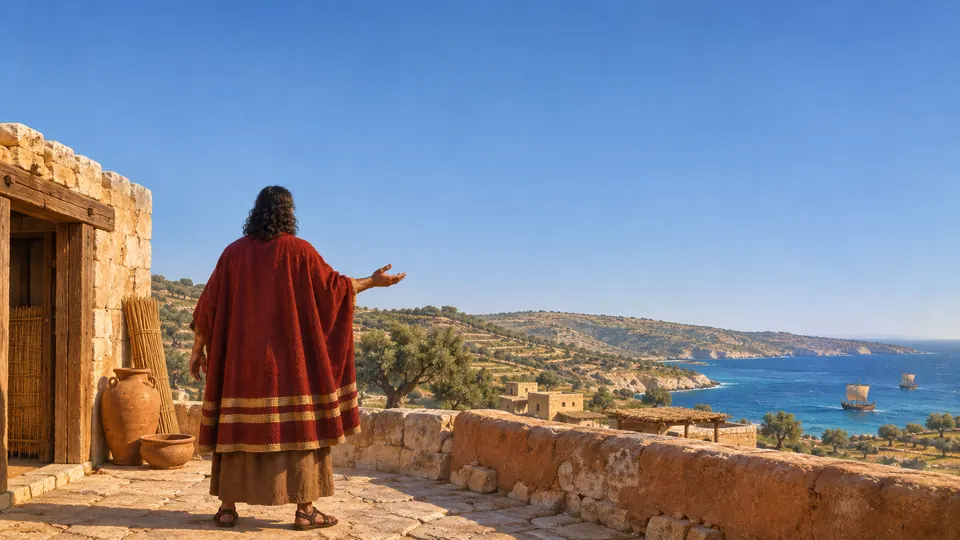
Baal tells Kothar to open a window after all. Kothar laughs and reminds Baal that he said he would come back to this advice.
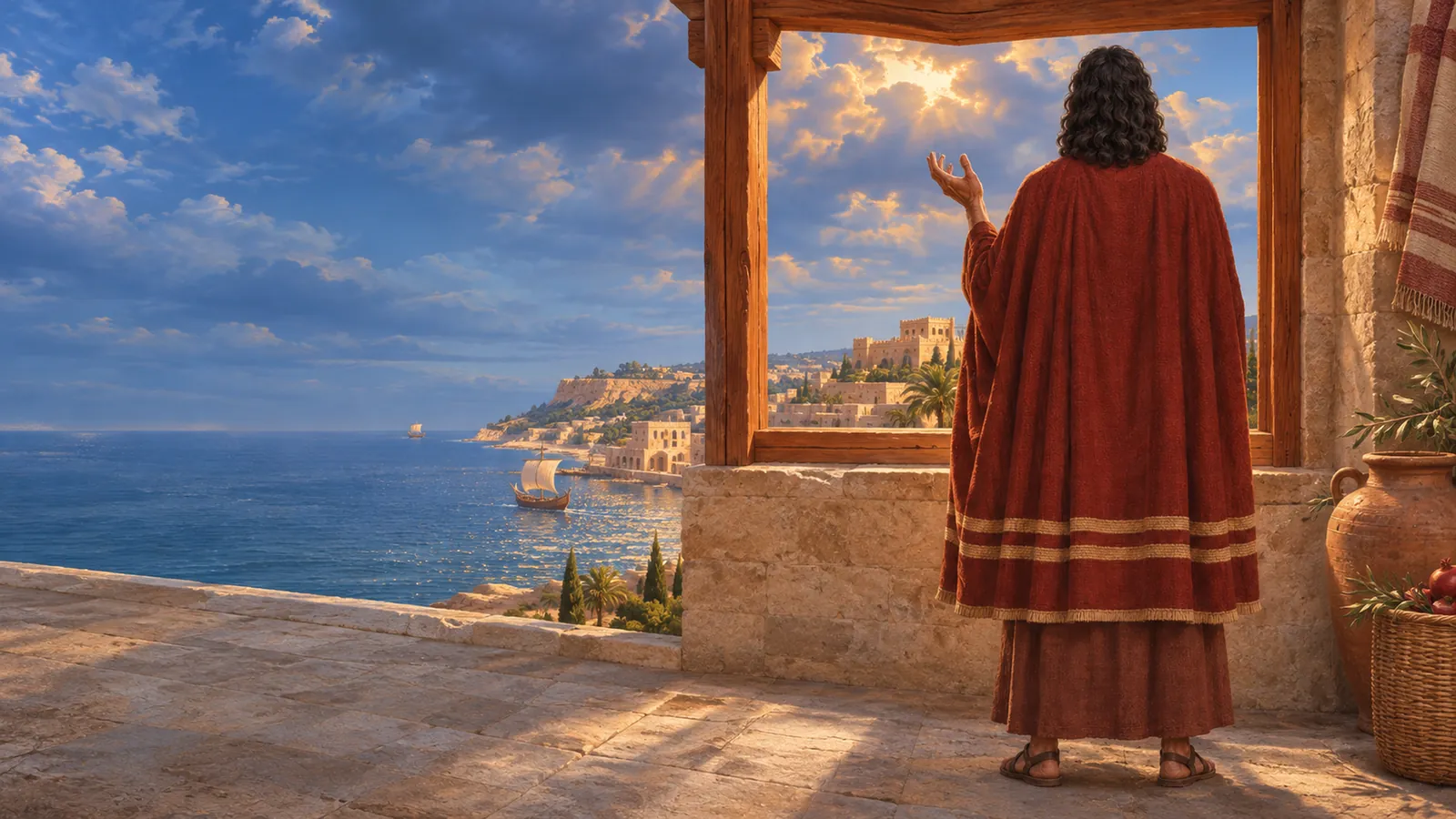
A window is opened in the palace. The poem joins that opening to a break in the clouds, and through it Baal sends out his voice.
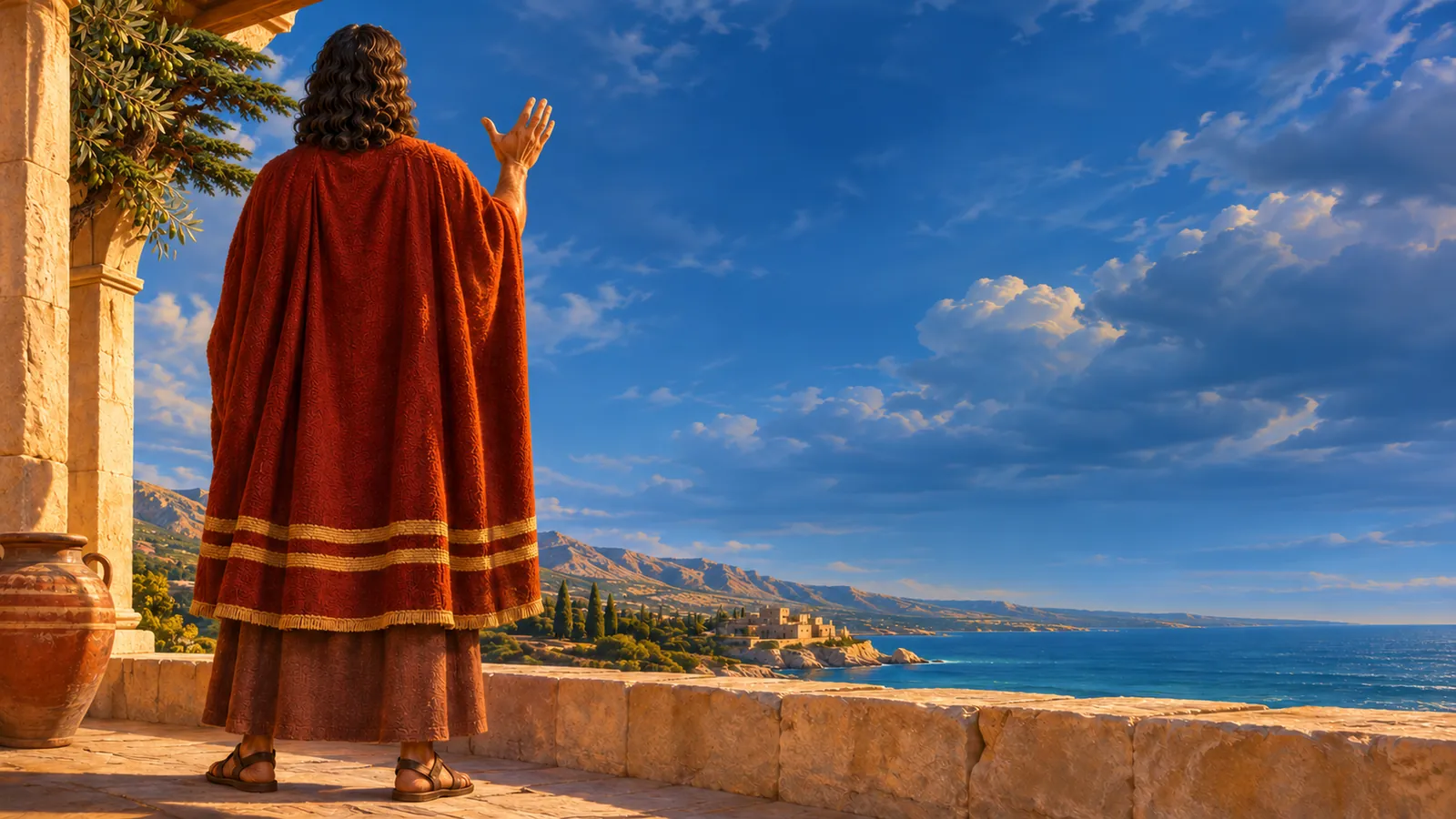
The voice of Baal resounds. The poem describes mountains trembling and the high places of the earth shaking at the sound.
THE PALACE
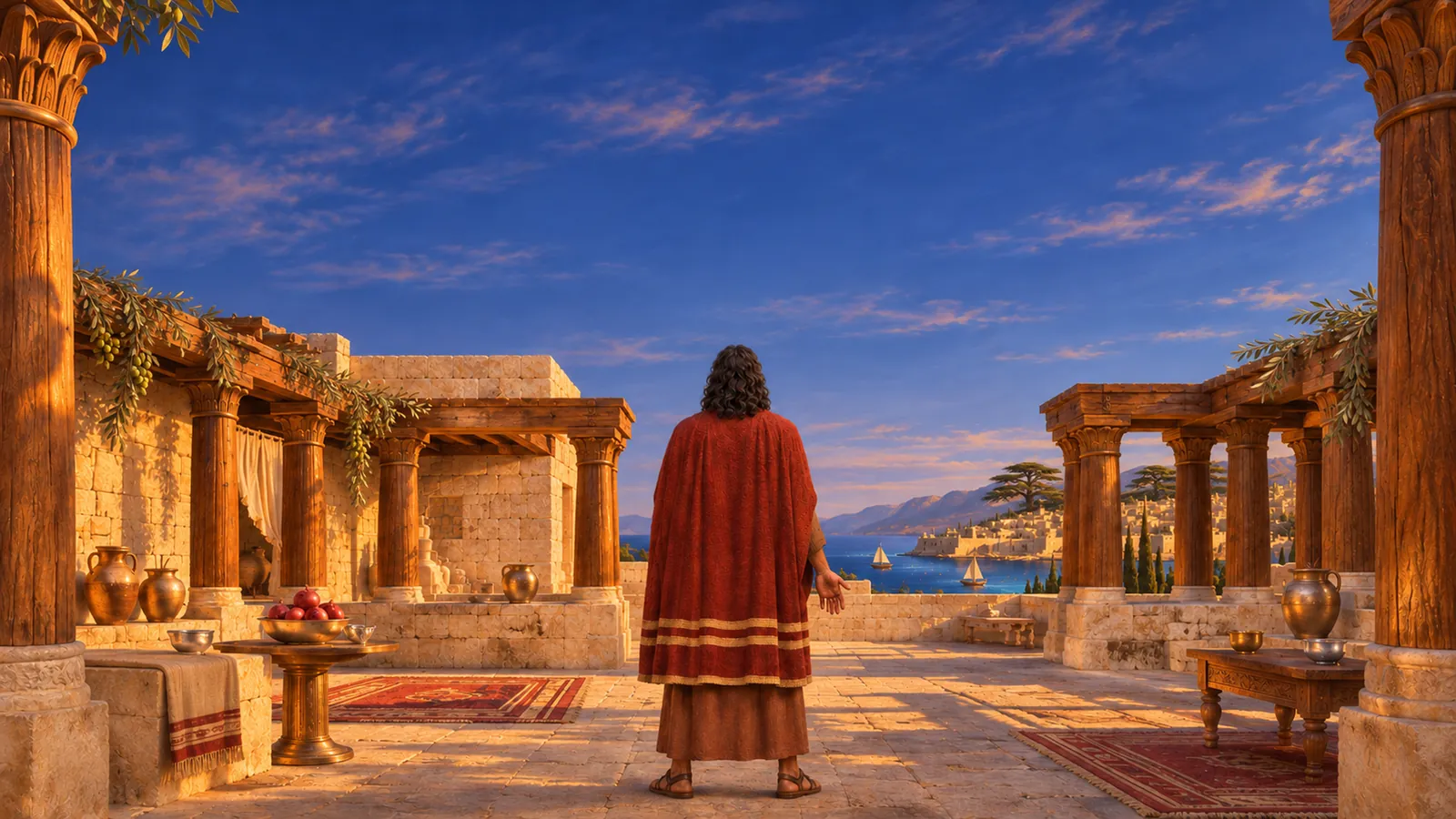
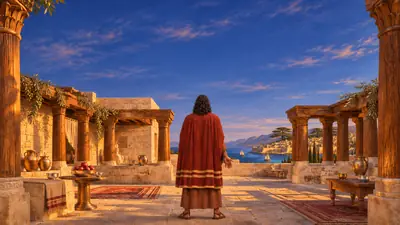
Baal takes his place in the house. The palace episode comes to its close with Baal there, after the storm has sounded from the window.
End of chapter 2
All pages














Sources
Page 5. The poem compares severed heads to balls and flying hands to locusts. It describes Anat fastening heads and hands to her body as trophies and wading in blood. 2; Natan-Yulzary, Reading Ugaritic Narrative-Poetry).
Editions consulted
- Clemens Steinberger, Göttingen working transcription of KTU 1.3
- Göttingen EUPT, tablet concordance and joined fragments
- Mark S. Smith and Wayne T. Pitard, The Ugaritic Baal Cycle, volume II
- Cory Crawford, The question of ekphrasis in ancient Levantine narrative, pp. 296–300
- Jeffery B. Lloyd, The Goddess Anat, pp. 177–190
- Shirly Natan-Yulzary, Lady Athirat of the Sea
- Sang Youl Cho, Lesser Deities, pp. 146–147
- Anthony I. Lipscomb, Levelling a Ballast Preposition as Poetic Strategy in KTU 1.4
- G. del Olmo Lete, El vocabulario de la construcción en Ugarit
- IL Archive, Anat
- IL Archive, Athirat
- IL Archive, The Seven-Day Pattern in Ugaritic Epic
Notes on this retelling
Pages 6–7. It then describes her washing warriors’ blood from her hands and fingers before bathing in dew and rain. 2–3; Crawford, pp. 297–298; Smith and Pitard, vol. II).
Page 13. In the account she gives of past victories, Anat names Yamm and River, the dragon, the twisting serpent and the seven-headed Shalyat among her foes. 3; Pitard, pp. 75 onward).
Page 19. Anat threatens to make El’s grey hair run with blood and his beard with gore. The word for blood in the hair line is restored in the edition. 5; Lloyd, pp. 181–187).
Ancient lines behind each page
- Page 1: KTU 1.3 I 1–4 and preceding loss (Steinberger p. 1; Natan-Yulzary p. 141)
- Page 2: KTU 1.3 I 5–10 (Steinberger p. 1; Natan-Yulzary p. 141)
- Page 3: KTU 1.3 I 11–17 (Steinberger p. 1; Natan-Yulzary p. 141)
- Page 4: KTU 1.3 I 18–22 (Steinberger p. 1)
- Page 5: KTU 1.3 II 3–17 (Steinberger p. 2; IL Archive Anat)
The occasion and the identity of Anat’s opponents are uncertain. - Page 6: KTU 1.3 II 17–30 (Steinberger p. 2; Crawford pp. 297–298; IL Archive Anat)
The relationship between the valley and house passages is uncertain. - Page 7: KTU 1.3 II 31–41 and III 1–3 (Steinberger pp. 2–3; Smith and Pitard chapter divisions)
Parts of the washing passage require restoration. - Page 8: KTU 1.3 III 9–14 (Steinberger p. 3; Deluty p. 70; Pitard, opening discussion)
- Page 9: KTU 1.3 III 15–19 (Steinberger p. 3; Lloyd discussion of III–IV, pp. 178–180)
Some words in the message are restored in the edition. - Page 10: KTU 1.3 III 20–26 (Crawford pp. 299–300, quoting Smith and Pitard; Steinberger p. 3)
- Page 11: KTU 1.3 III 27–31 (Crawford pp. 299–300, quoting Smith and Pitard; Steinberger p. 3)
- Page 12: KTU 1.3 III 32–37 (Deluty pp. 70–71; Steinberger p. 3)
- Page 13: KTU 1.3 III 38–47 (Pitard pp. 75 onward; Steinberger p. 3)
Anat’s list of foes contains disputed names and parallel descriptions. - Page 14: KTU 1.3 IV 10–20 (Lloyd pp. 177–179; Steinberger p. 4)
The repeated message is partly restored from the earlier version. - Page 15: KTU 1.3 IV 21–32 (Lloyd pp. 178–180; Steinberger p. 4)
- Page 16: KTU 1.3 IV 33–42 (Lloyd pp. 179–181; Steinberger p. 4)
- Page 17: KTU 1.3 IV 43–55 (Lloyd pp. 180–181; Steinberger p. 4; Cho on dwelling clauses)
The tablet is damaged here. The house formula is partly restored from its repetitions. - Page 18: KTU 1.3 V 1–18 (Lloyd pp. 180–182; Steinberger p. 5)
The description of the journey is fragmentary. - Page 19: KTU 1.3 V 19–27 (Lloyd pp. 181–187; IL Archive Anat; Steinberger p. 5)
- Page 20: KTU 1.3 V 30–43 and following loss (Lloyd pp. 181–187; IL Archive Anat; Steinberger pp. 5–6)
The end of the first audience is damaged. - Page 21: KTU 1.3 VI 1–7, including joined RS 3.364 (Pardee join as documented in Steinberger p. 6 and Smith and Pitard contents)
The joined fragment RS 3.364 preserves the beginning of this passage. - Page 22: KTU 1.3 VI 18–25 (Steinberger pp. 6–7; Smith and Pitard chapter divisions)
Several place references in the instructions are uncertain. - Page 23: KTU 1.4 I 1–22, chiefly 9–11 and 20–22 (Crawford pp. 296–297; Natan-Yulzary p. 135)
The opening of Tablet IV contains damage. - Page 24: KTU 1.4 I 23–35 (Crawford pp. 296–297 and table)
- Page 25: KTU 1.4 I 36–43 (Crawford p. 297, table)
Several decorative terms have competing readings. - Page 26: KTU 1.4 II 3–11 (Natan-Yulzary pp. 131–141; Crawford p. 297)
The actions in these lines are interpreted differently. - Page 27: KTU 1.4 II 12–26 (Deluty pp. 70–72; Crawford pp. 297–298; IL Archive Athirat)
- Page 28: KTU 1.4 II 28–31 (Crawford p. 298)
- Page 29: KTU 1.4 III 23–32 (Lloyd pp. 188–190; IL Archive Athirat)
- Page 30: KTU 1.4 III 33–44 (Lloyd pp. 188–190)
- Page 31: KTU 1.4 IV 15–22 (Segert selected text; Lipiński on IV 21–22)
- Page 32: KTU 1.4 IV 23–40, chiefly 26 (Noegel, p. 107; Smith and Pitard contents)
- Page 33: KTU 1.4 IV 41–55 (Cho on the house formula; Steinberger n. 17 for IV 41–42 parallel; IL Archive Athirat)
- Page 34: KTU 1.4 IV 59–V 1 (Cho’s direct translation pp. 146–147)
- Page 35: KTU 1.4 V 2–12 (Del Olmo Lete on V 10–11, Smith and Pitard contents)
- Page 36: KTU 1.4 V 20–35 (IL Archive Anat and Athirat; Crawford p. 298)
- Page 37: KTU 1.4 V 35–44 (Lipscomb on V 36–37; Crawford p. 298)
- Page 38: KTU 1.4 V 45–57, chiefly 51–54 (Crawford pp. 298–299; Del Olmo Lete on V 56; Smith and Pitard contents)
- Page 39: KTU 1.4 V 58–65 (Lipscomb pp. 49–51, Smith and Pitard contents)
- Page 40: KTU 1.4 VI 1–15 (Kim pp. 126–128 quoting Smith; Crawford p. 299 n. 54)
Baal’s explanation after his second refusal is damaged. - Page 41: KTU 1.4 VI 16–23 (Crawford p. 299; Lipscomb p. 49)
- Page 42: KTU 1.4 VI 24–31 (Lipscomb p. 54, direct translation; IL Archive seven-day study)
- Page 43: KTU 1.4 VI 32–38 (Lipscomb pp. 54–55; Crawford p. 299; Del Olmo Lete on VI 34–35)
- Page 44: KTU 1.4 VI 39–45 (Lipscomb p. 51 on VI 44–45; Smith and Pitard contents)
- Page 45: KTU 1.4 VI 46–59 (IL Archive Athirat on VI 44–46; Crawford p. 299; Smith and Pitard contents)
- Page 46: KTU 1.4 VII 7–14 (De Gruyter, The Song of the Sea, p. 153; Heiser pp. 203–204 quoting Smith and Pitard)
Some numbers and nearby words are broken. - Page 47: KTU 1.4 VII 14–25 (Kim pp. 127–128 quoting Smith; Lipscomb on VII 17–19)
- Page 48: KTU 1.4 VII 25–30 (Crawford pp. 299–300 quoting Smith and Pitard)
- Page 49: KTU 1.4 VII 31–35 (Crawford p. 299 quoting Smith and Pitard)
Parts of the description are restored. - Page 50: KTU 1.4 VII 42 (Del Olmo Lete p. 109; Noegel p. 106; Smith and Pitard boundary)
The verb in the final line can be understood as dwelling, sitting enthroned or returning.
Illustrations made with AI tools by IL Archive; the text is based on the ancient sources (see the sources at the end of each chapter).