The Baal Cycle Chapter 1
Baal and Yamm
From the broken opening of the Baal Cycle, the story moves to Yamm’s envoys and their demand that the gods hand over Baal. Kothar speaks to Baal, and the encounter turns against Yamm. The damaged closing lines acclaim Baal’s rule.
SourcesTurn the pages with the arrows, the arrow keys or a swipe.

BAAL AND YAMM
The first tablet of the Baal Cycle survives in pieces. Its broken opening lets us hear only part of what was once told.
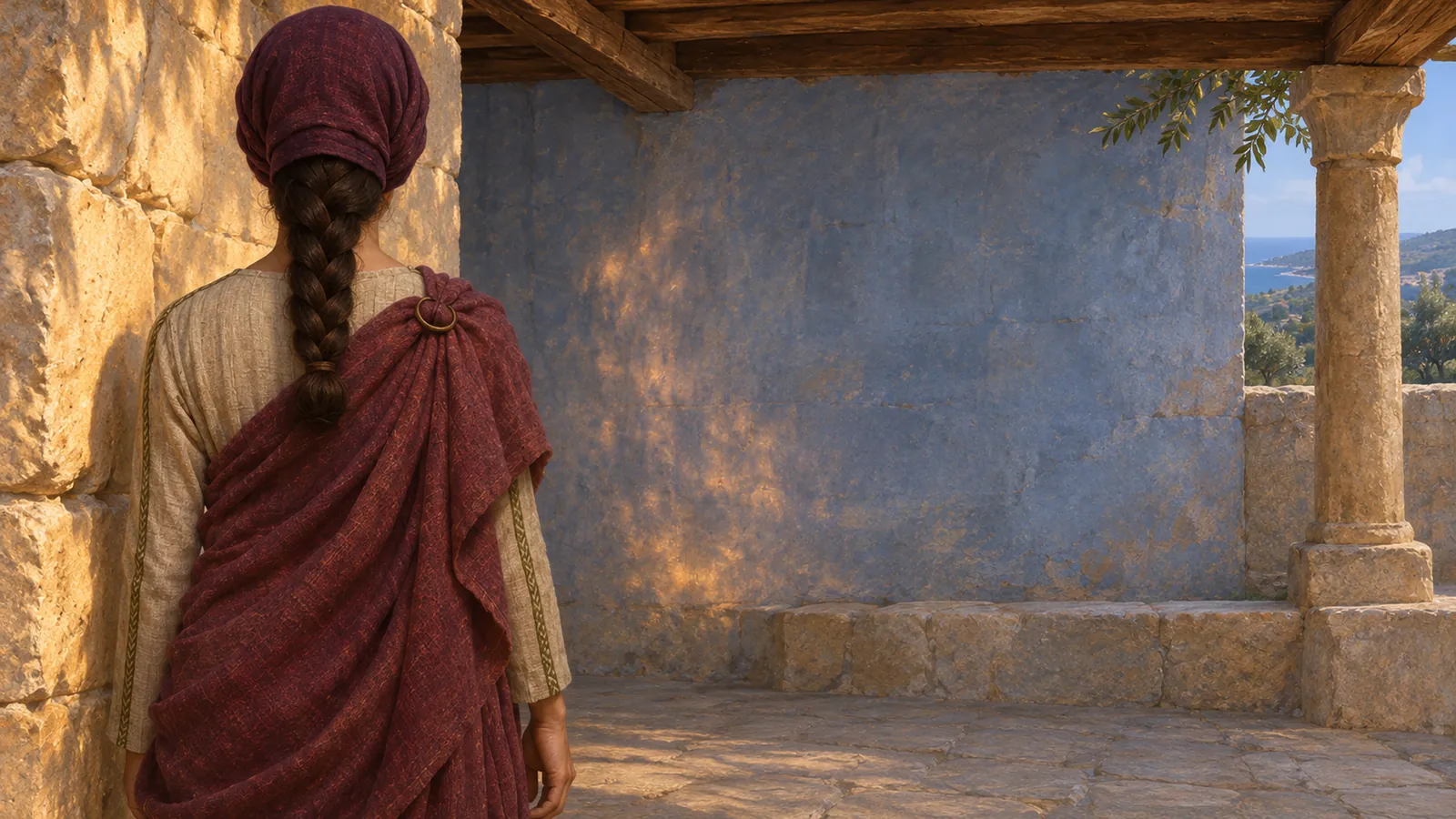
One broken passage preserves the name of Anat. The surviving words around her name leave the purpose of the exchange unclear.
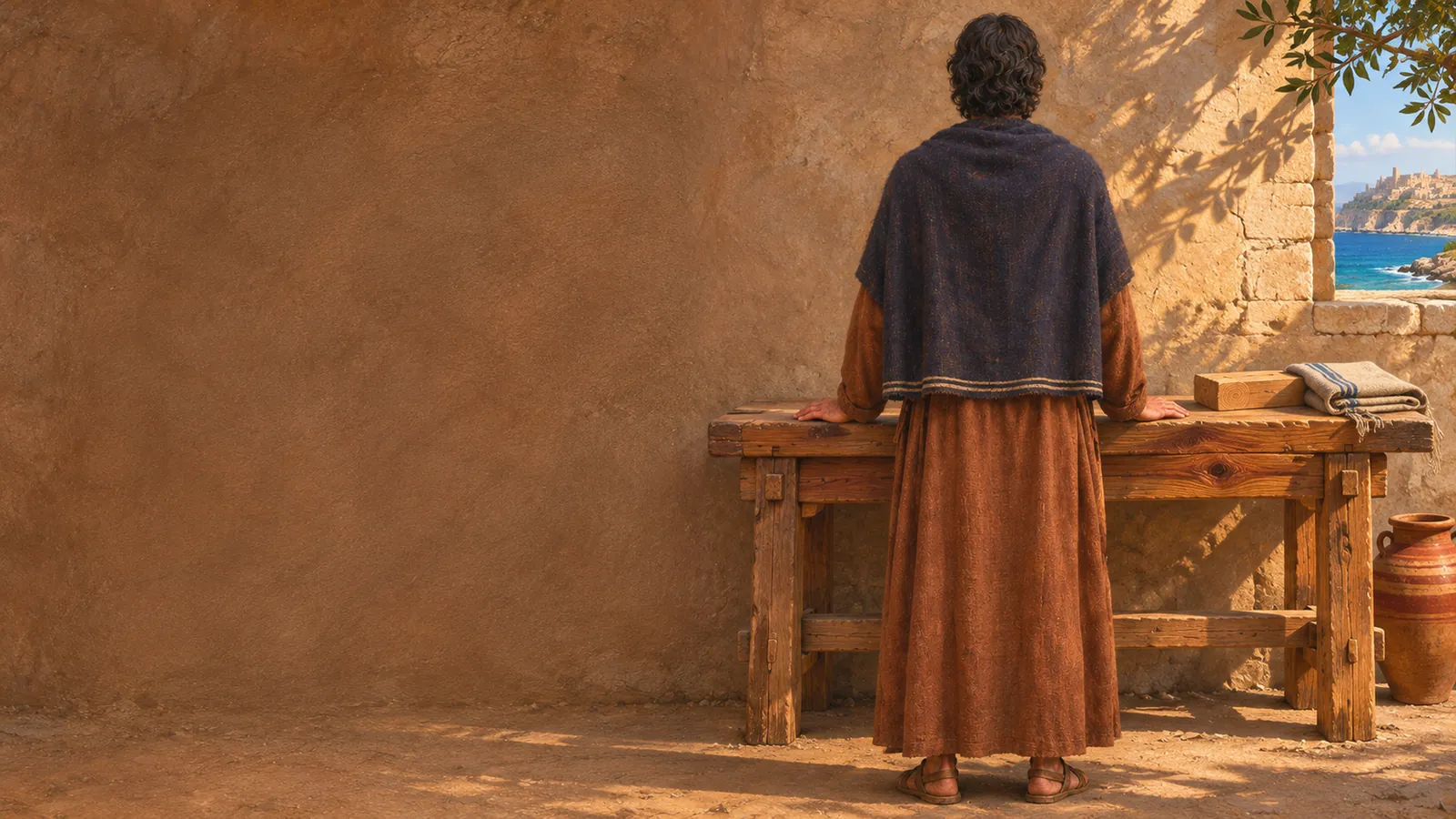
The next surviving column names Kothar. His name is readable amid broken words that leave much of the speech open.

The broken speech mentions the heavens. A following line speaks of words and knowing, but the complete thought is lost at the edge.

The text names Kothar-wa-Hasis as the one who answers. It addresses a pair, although the broken exchange leaves part of his reply unreadable.
EL SPEAKS
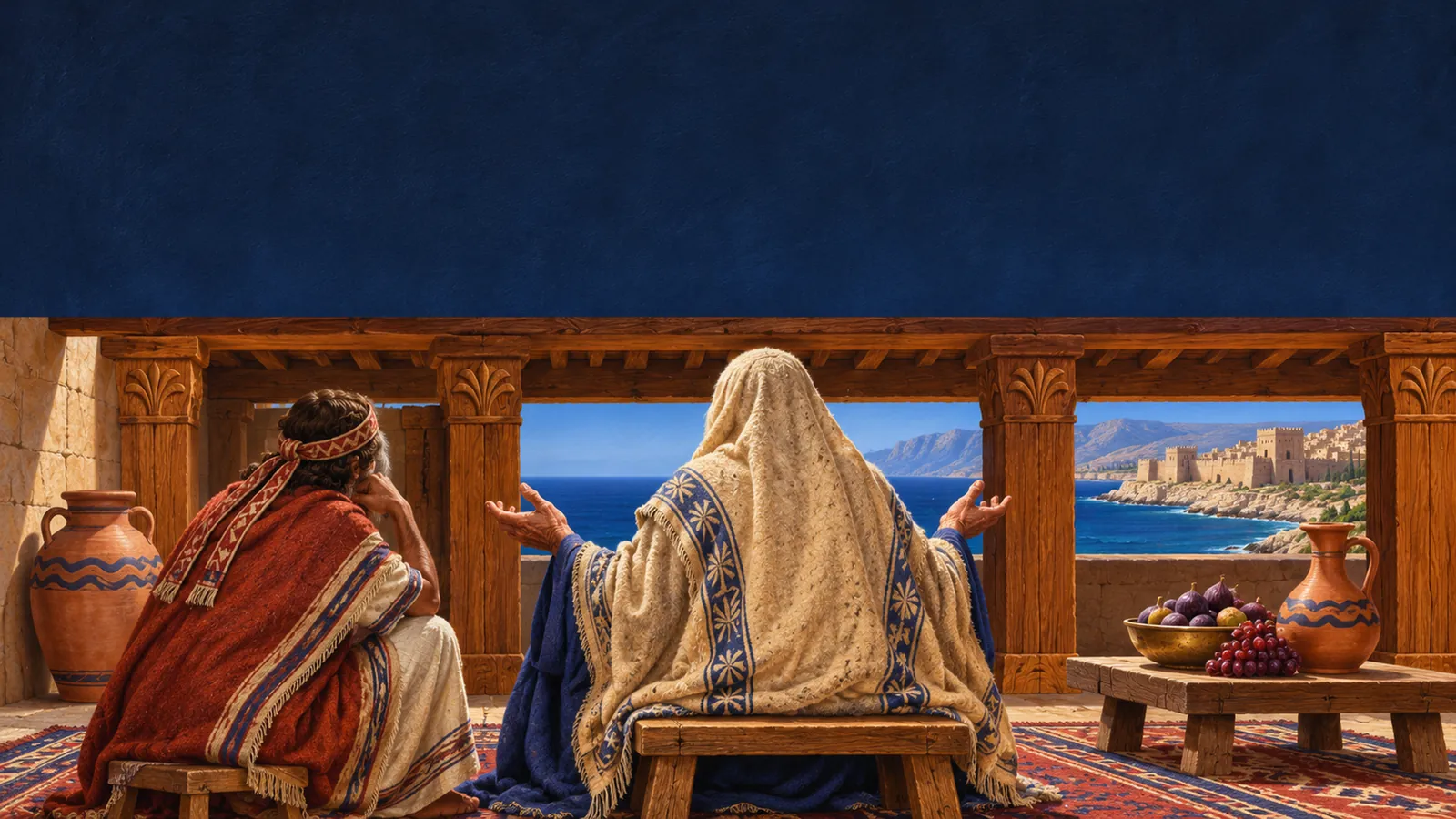
In another broken column, El answers. The verse names him in words of gentleness, while the end of the line has broken away.
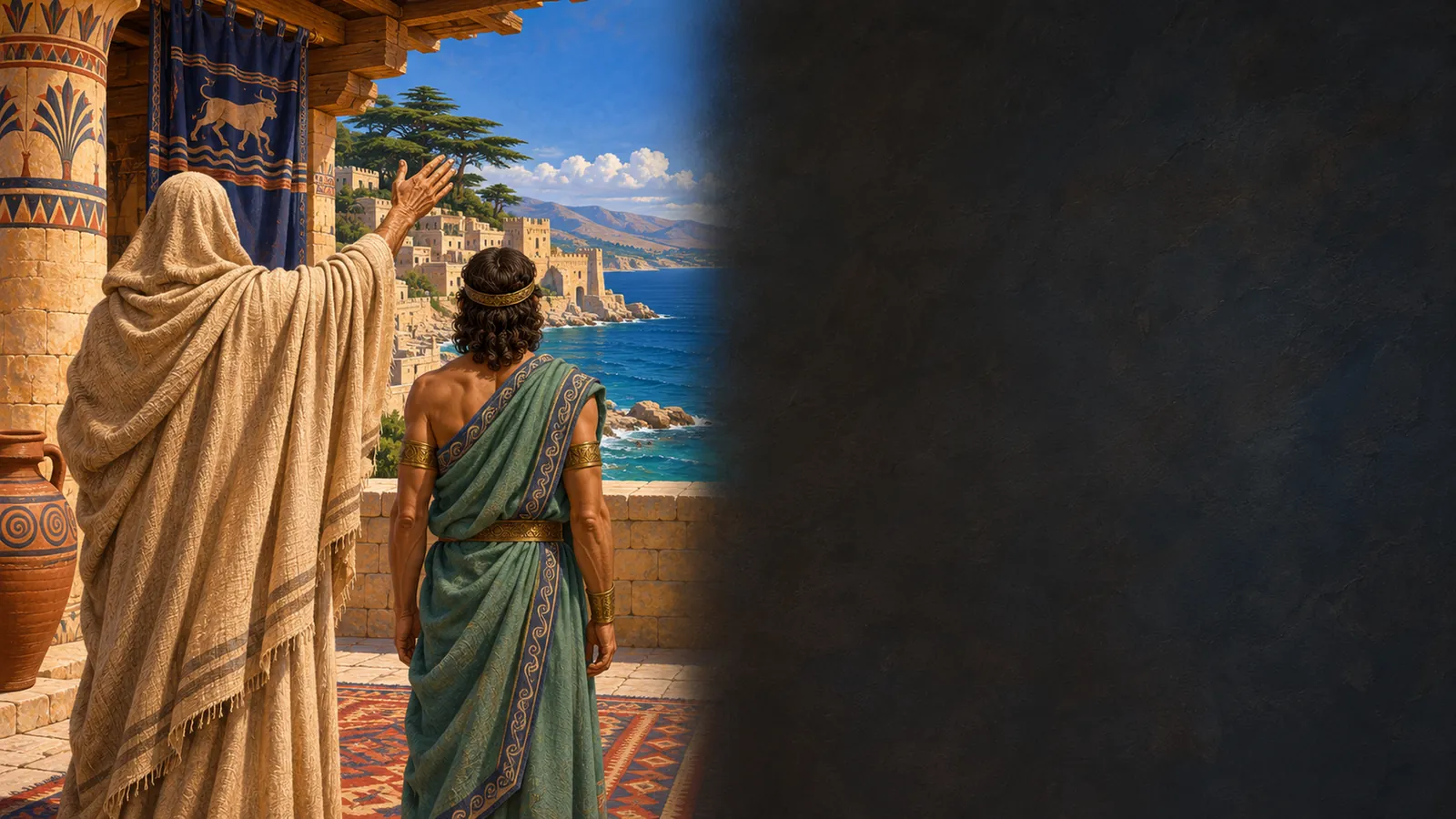
The surviving line begins with a name for El’s son. Editors read the short form as Yw, while the words that follow are broken.

In the next line, the words turn to the name Yamm. A later phrase in the same passage has been read as a title of affection from El.
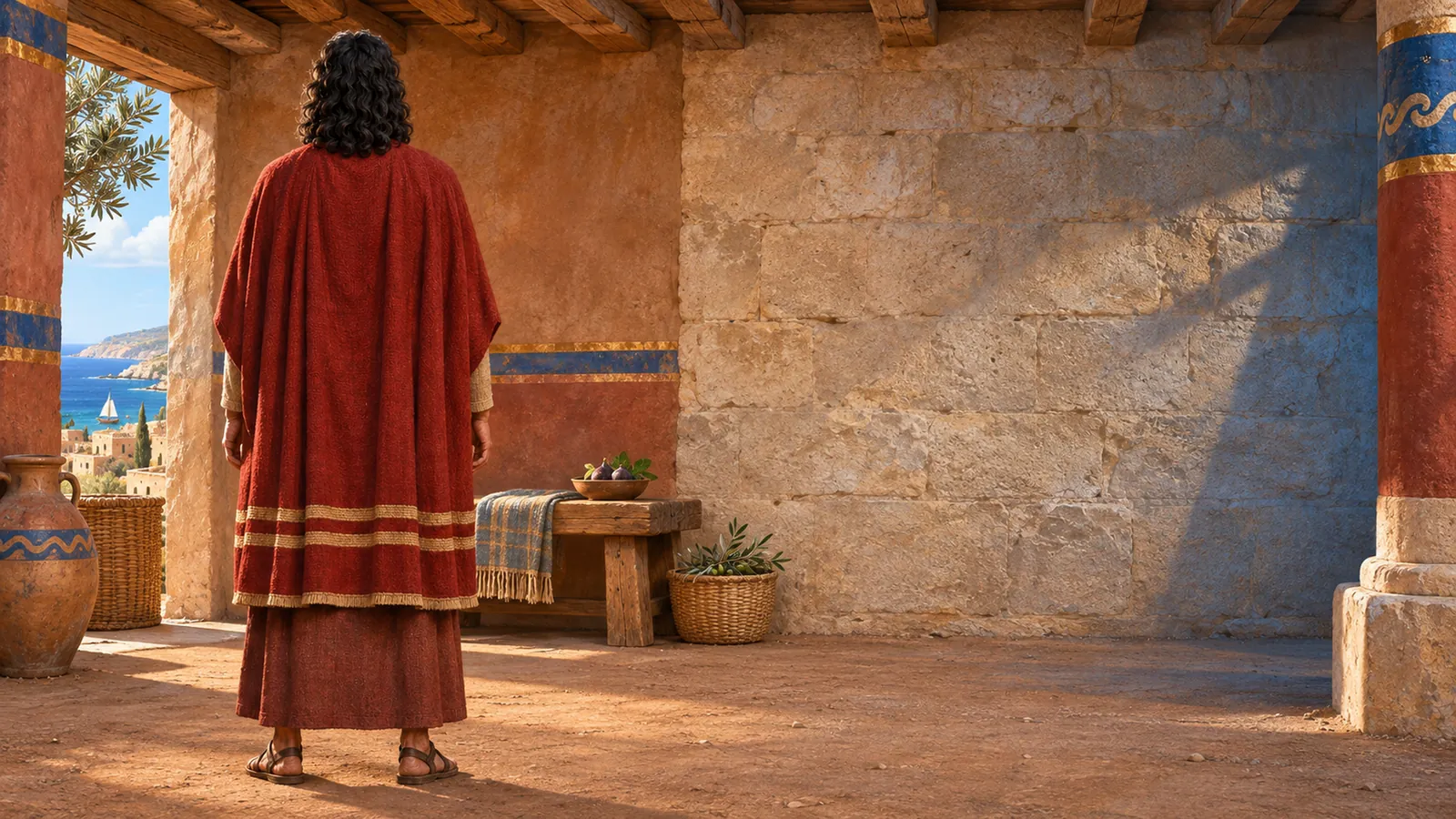
The broken lines preserve part of Baal’s name and a command to drive someone away. Words about a royal seat in the passage depend in part on restoration.
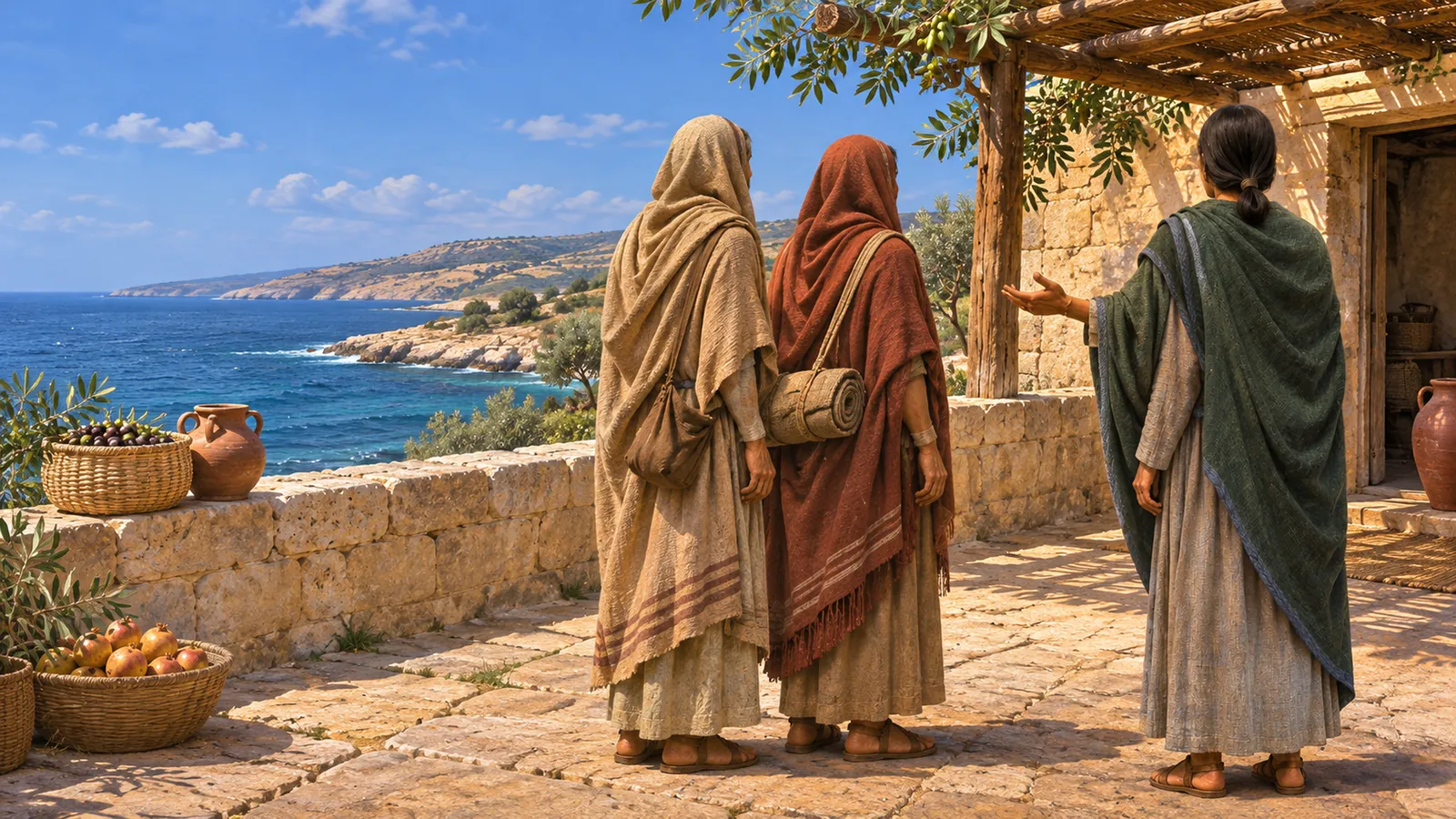
The second tablet preserves a separate scene. Yamm sends envoys to the assembled gods, and his instructions begin with the journey they must make.

Yamm urges the young envoys to make haste. He sends them to Mount Lalu, where the gods are assembled.

Yamm tells the envoys to stand when they deliver his words. He instructs them to withhold the gestures of deference the assembly would ordinarily receive.
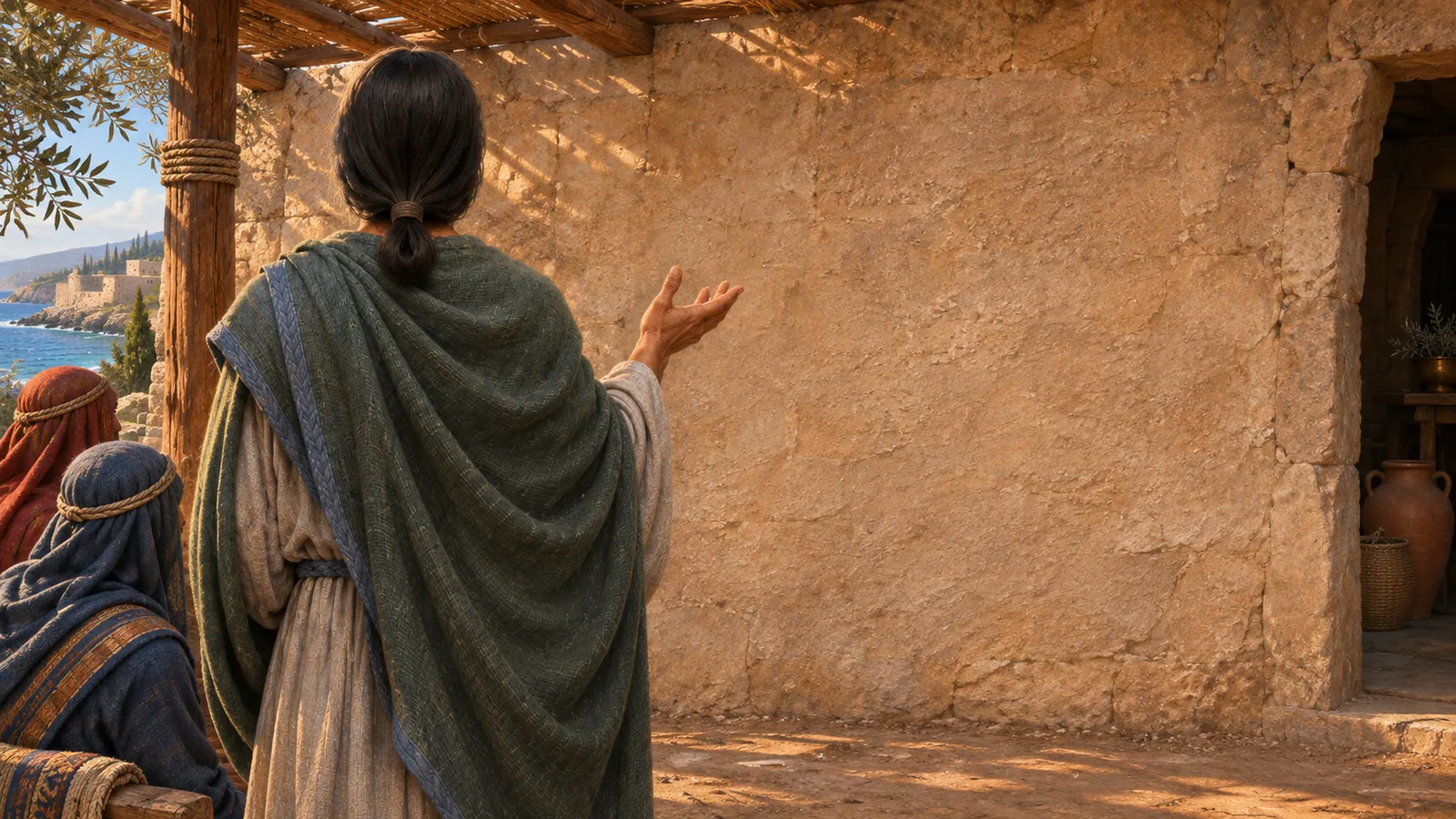
The envoys are to introduce the demand in Yamm’s name and call him the assembly’s lord. The message also names him Ruler Nahar.
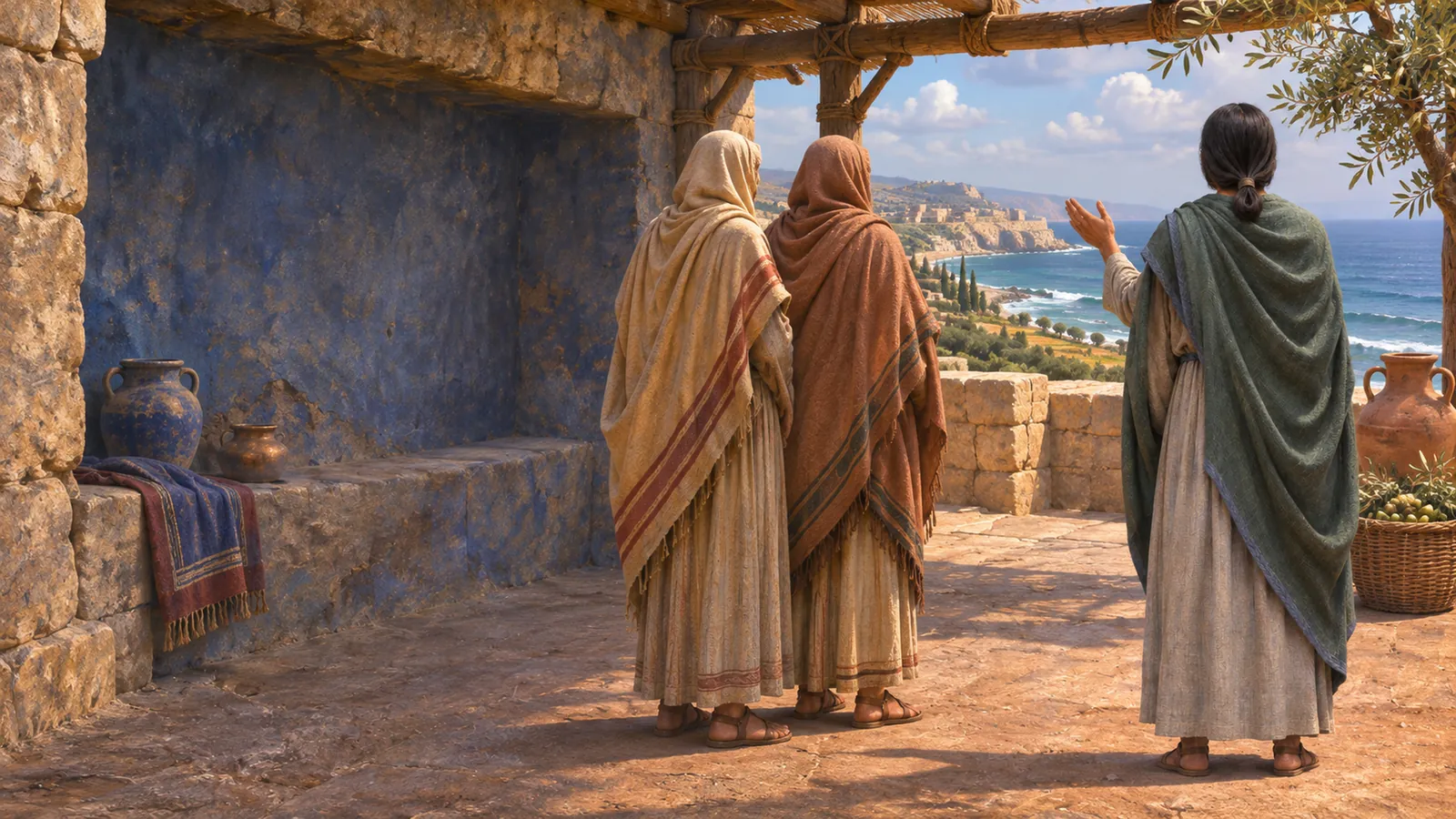
The message demands that the gods hand over Baal, the son of Dagan. Yamm says he intends to take Baal’s gold.

The two envoys leave without delay. The poem directs them toward Mount Lalu and the gathering they are to address.
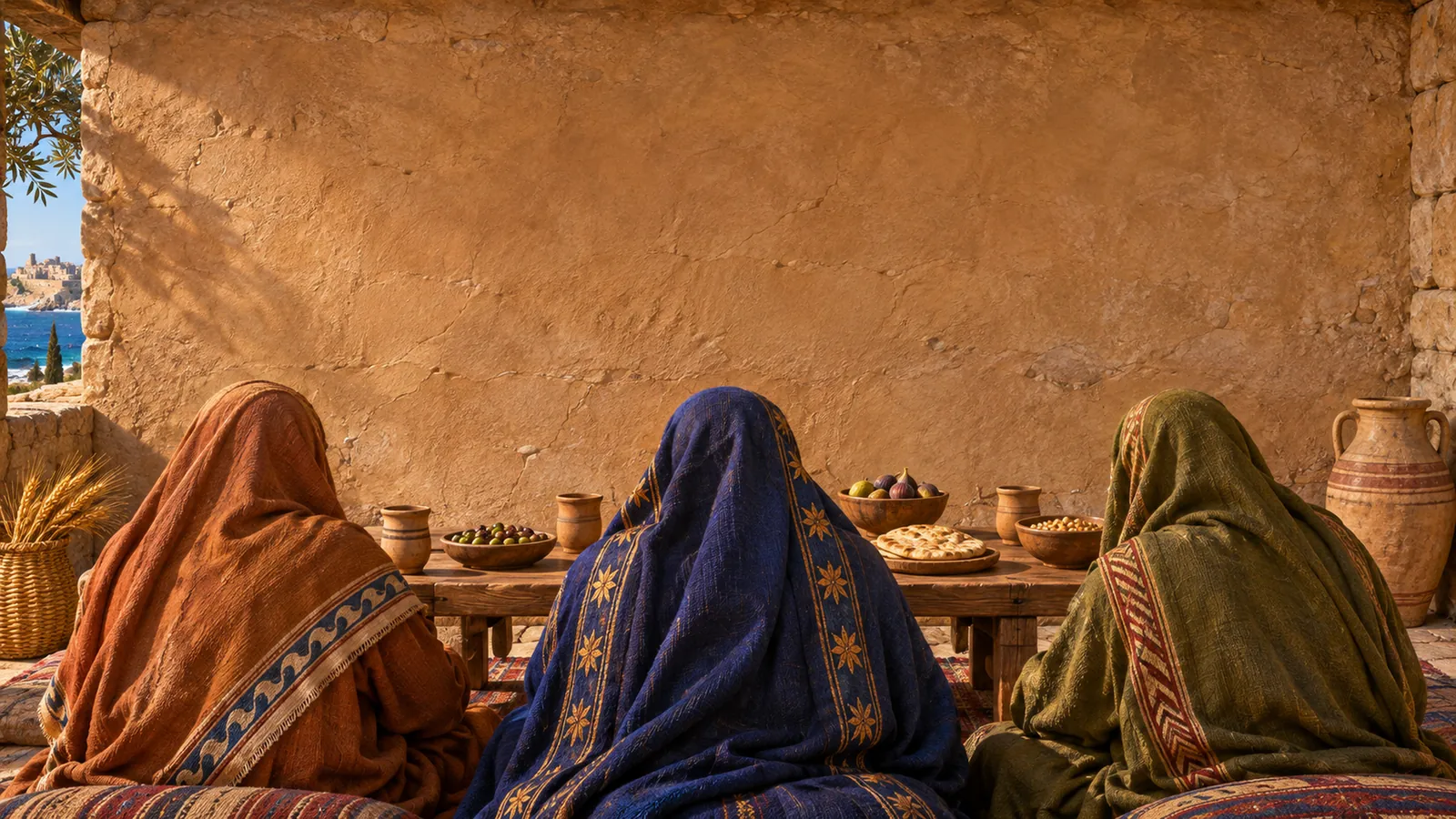
THE GODS AT TABLE
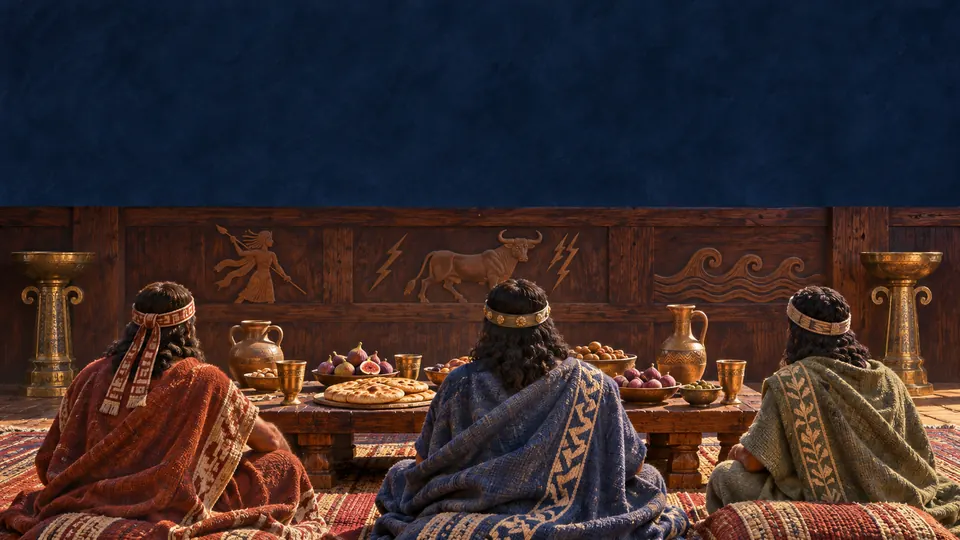
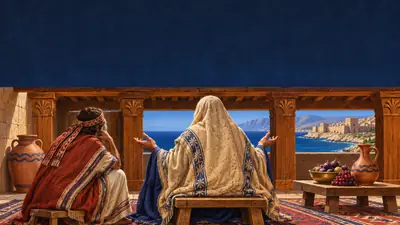
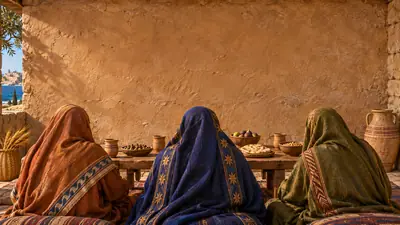
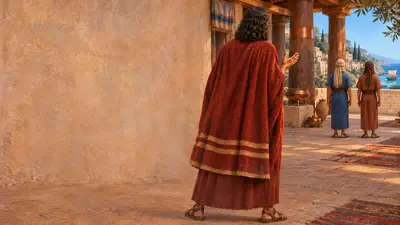
At the assembly the gods sit down to eat. The poem shows the gathering at its meal as Yamm’s envoys draw near.

A line places Baal on his feet in relation to El. The words can be read in more than one way, so his stance is clearer than his intent.

The gods notice the envoys before they deliver their message. The poem names them as Yamm’s messengers and as the embassy of Ruler Nahar.
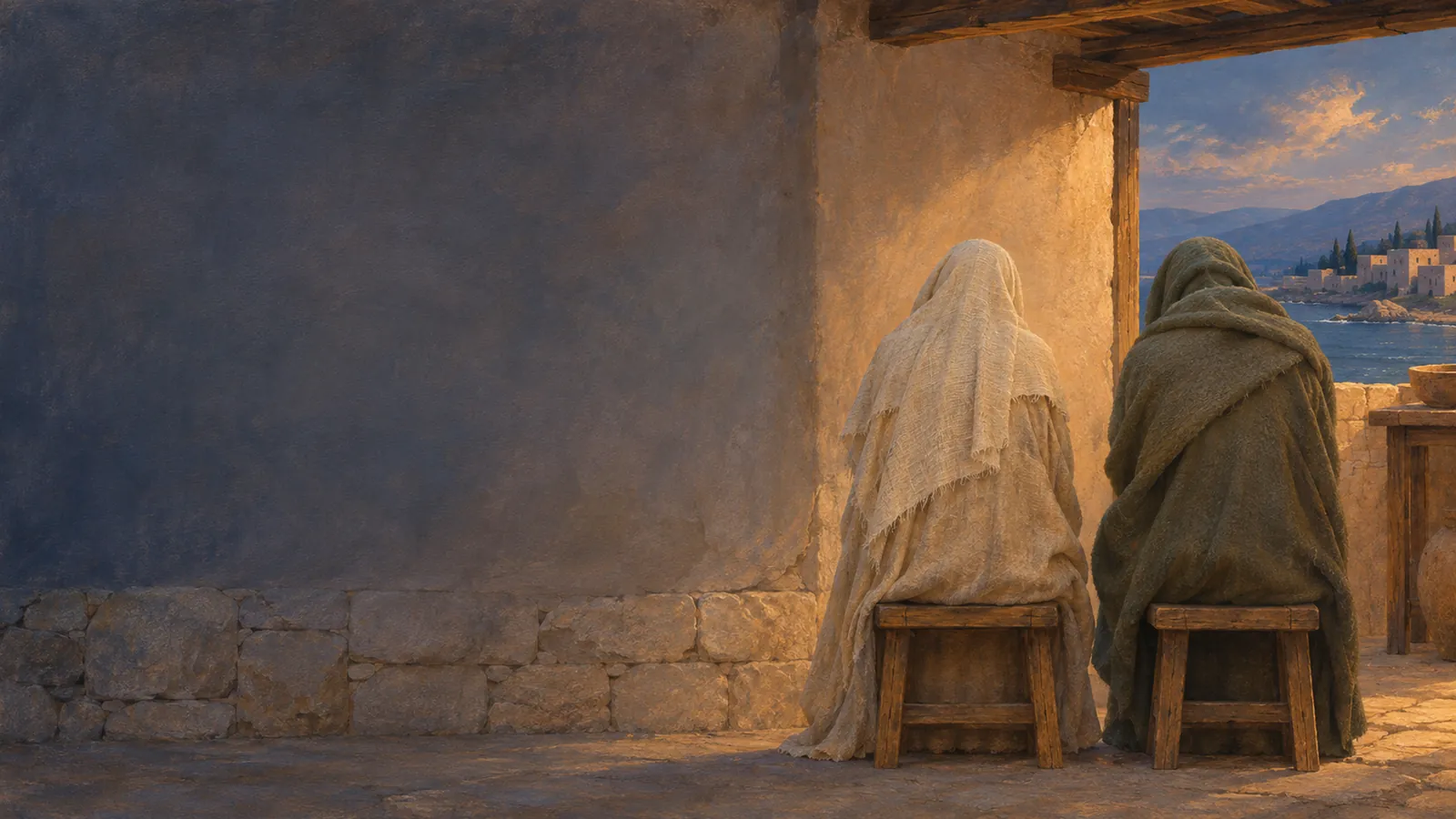
The gods lower their heads toward their knees and seats. The poem notices the gesture before the envoys formally address them.
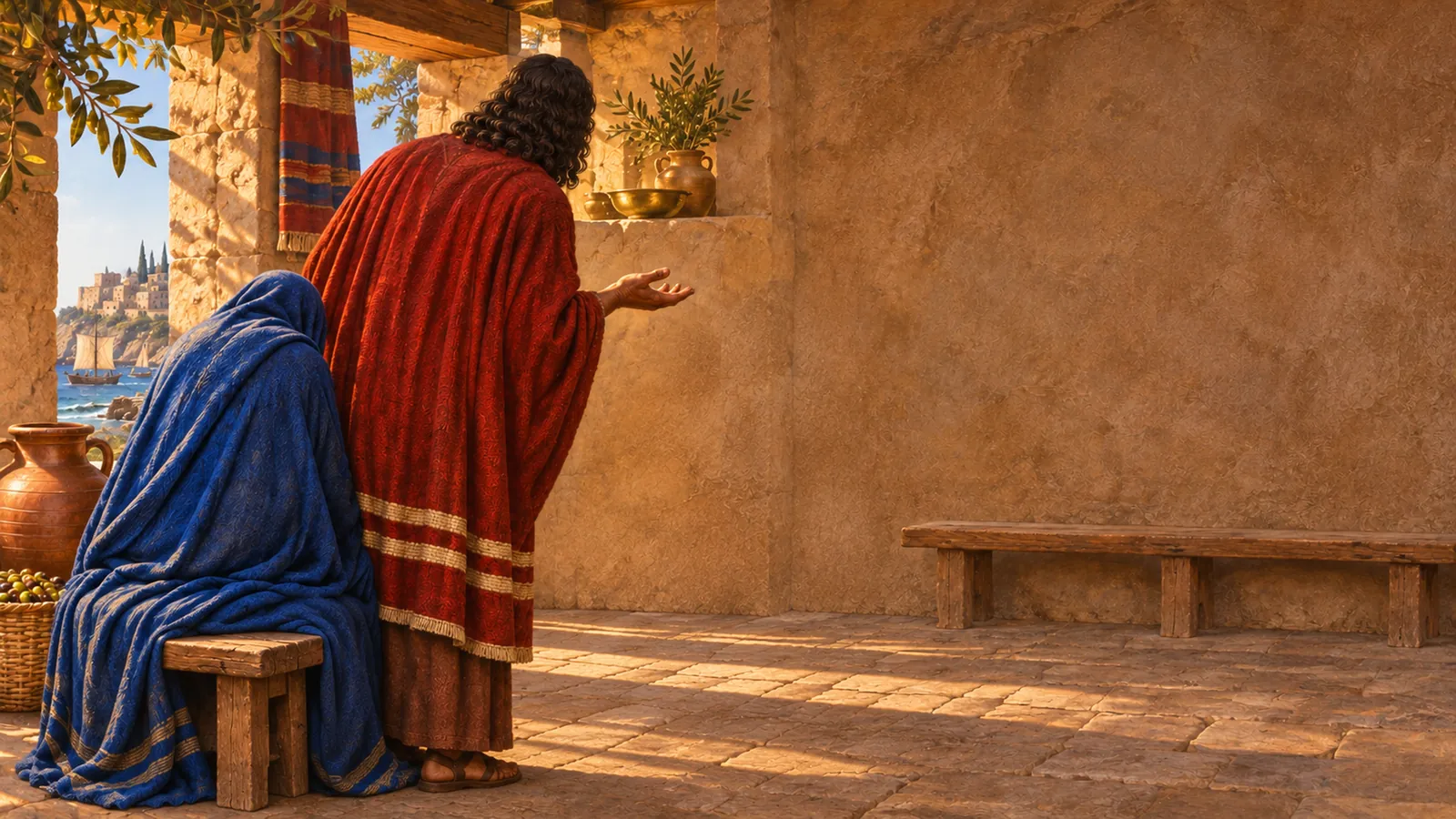
Baal asks why the gods have lowered their heads to their knees and seats. He directs his question to the assembly.
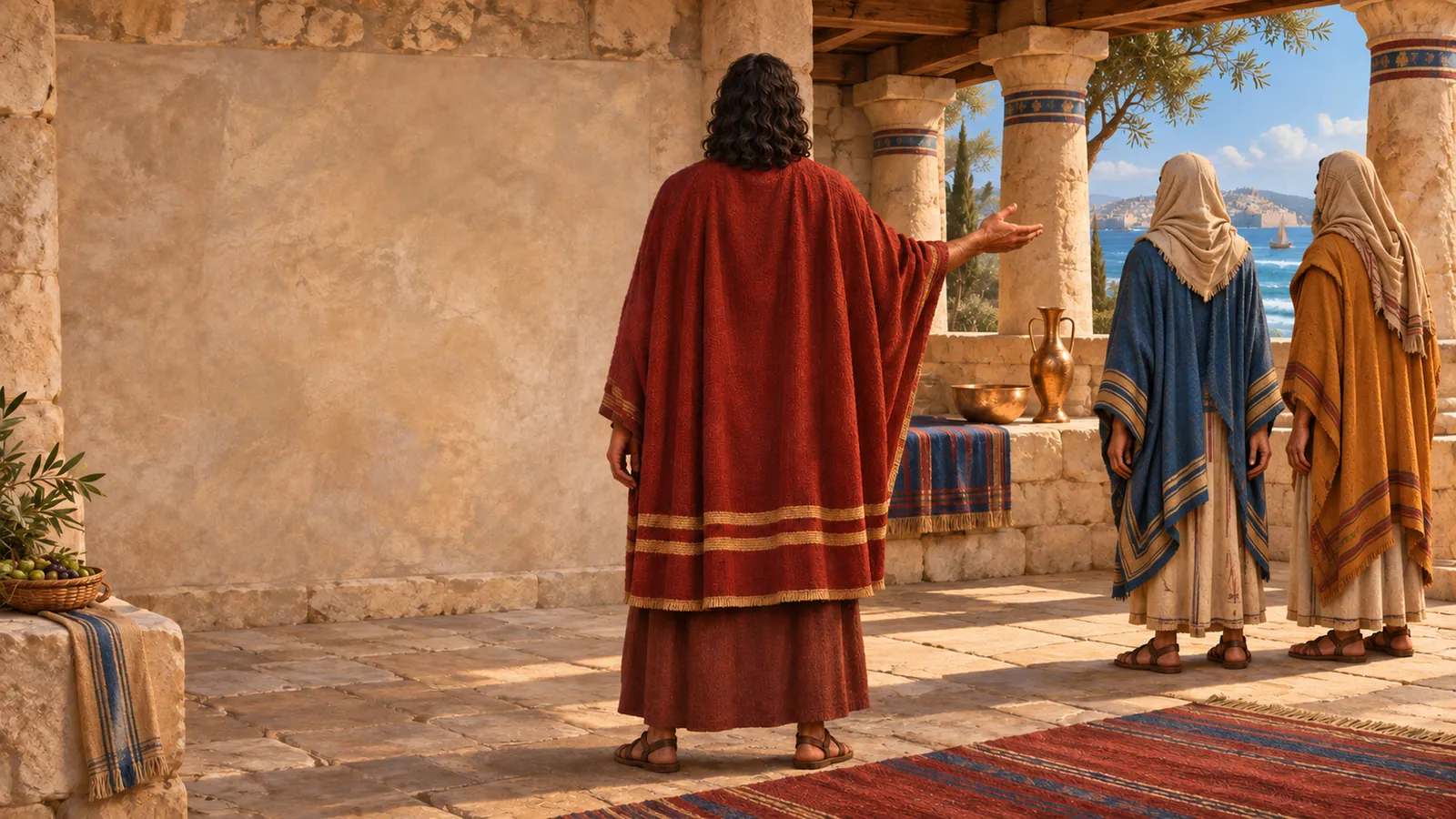
Baal says the gods must answer the embassy. The verse refers to the envoys’ written message, though the opening words of the clause are uncertain.
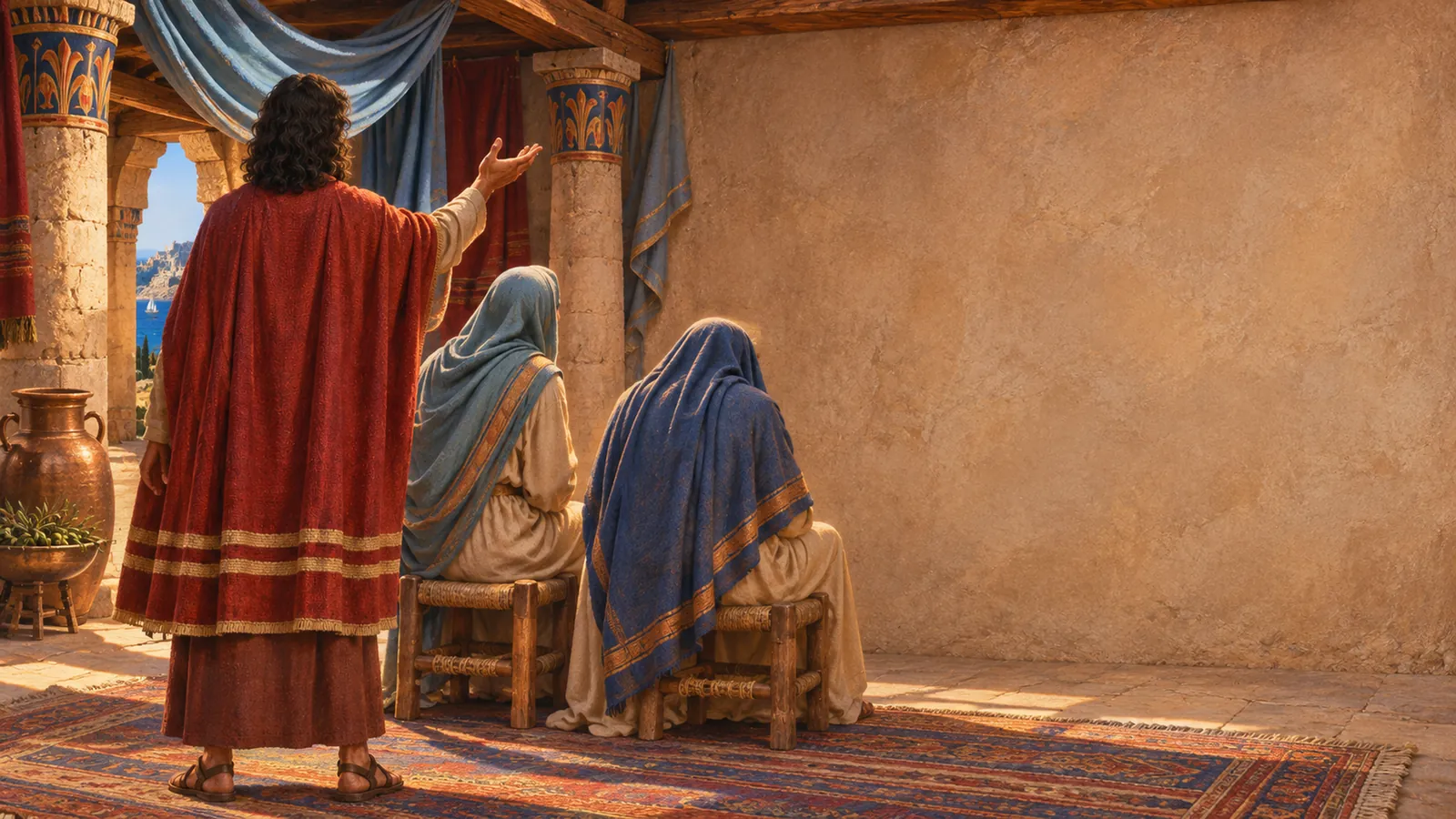
Baal calls on the gods to raise their heads from their knees and away from their seats. He speaks to them directly.
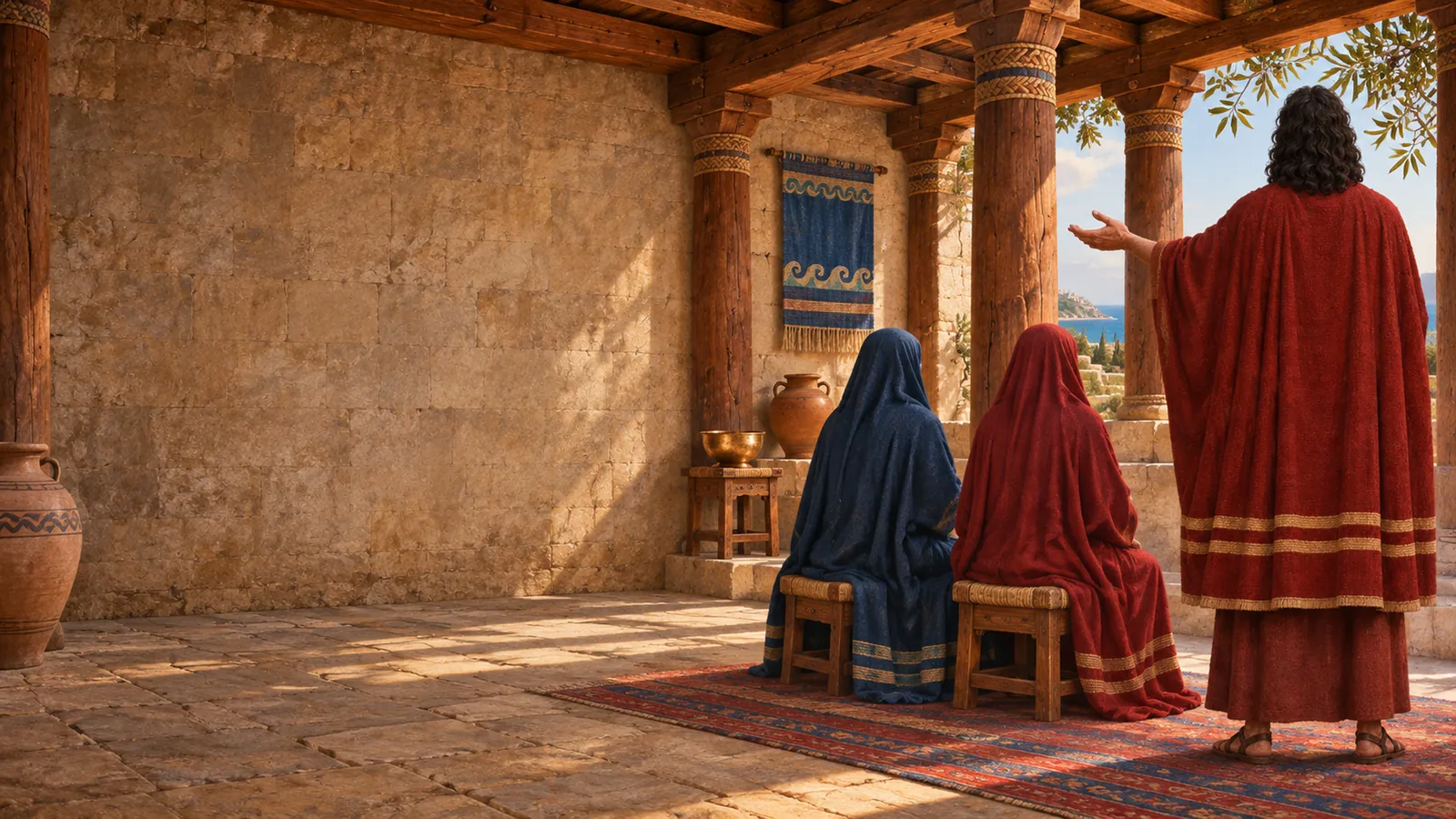
Baal offers to answer the messengers himself. The gods lift their heads, and the poem turns to the envoys’ arrival before the assembly.
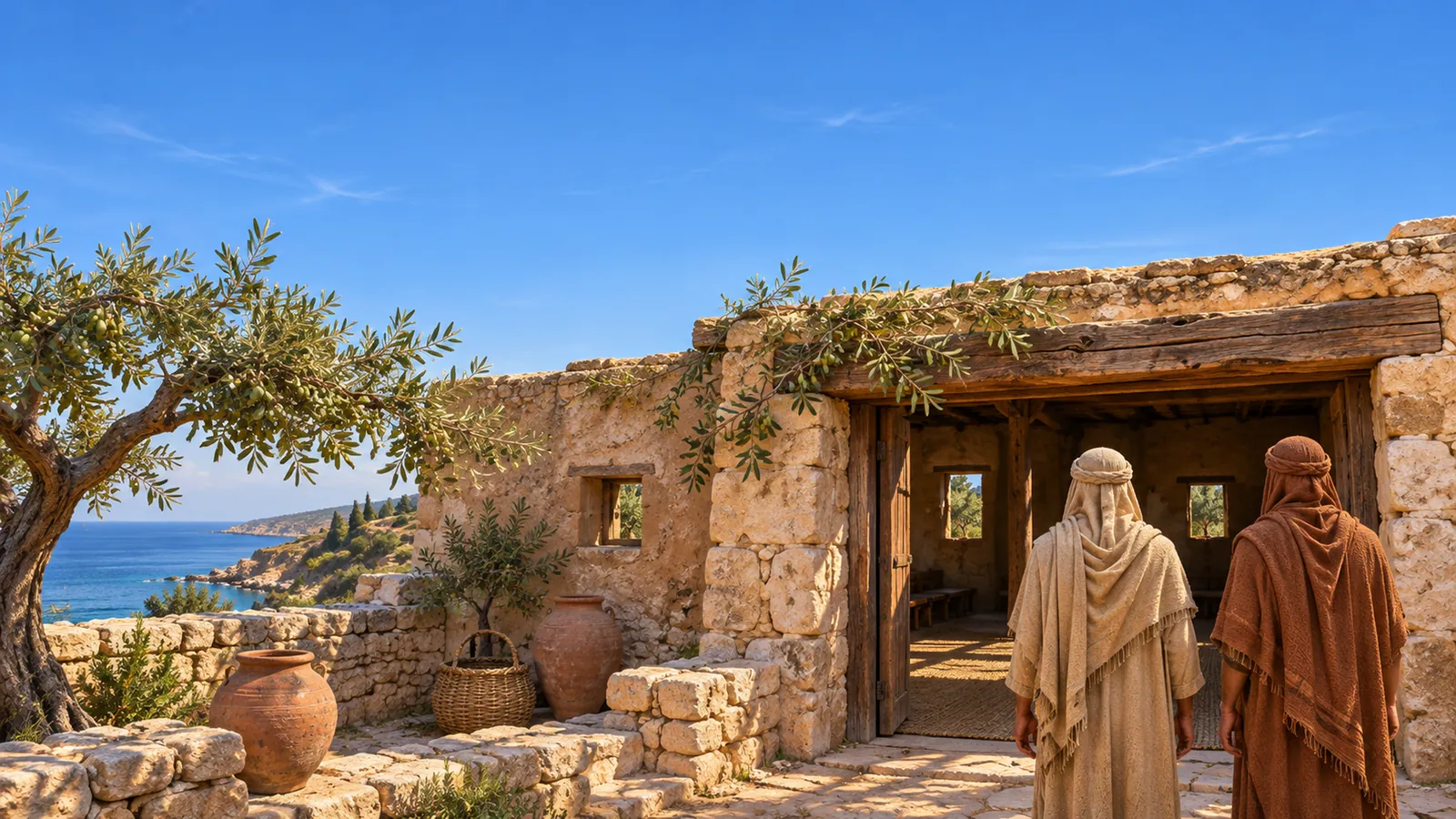
THE ENVOYS ARRIVE
The envoys arrive before El and the assembly. They keep to Yamm’s instructions, neither falling at El’s feet nor bowing to the gathering.
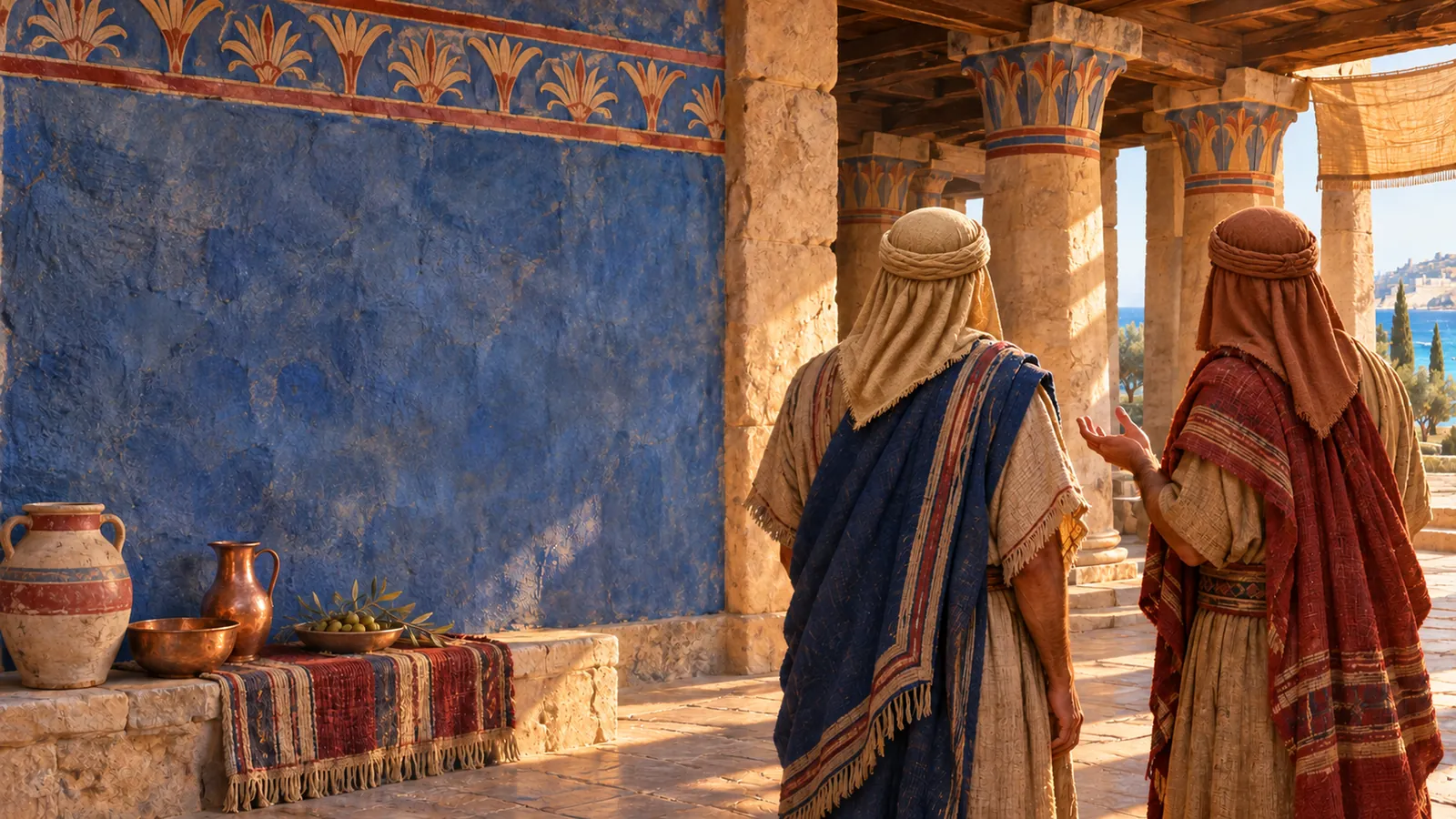
The envoys speak standing. The poem compares their appearance to flames and their speech to a sharp blade.
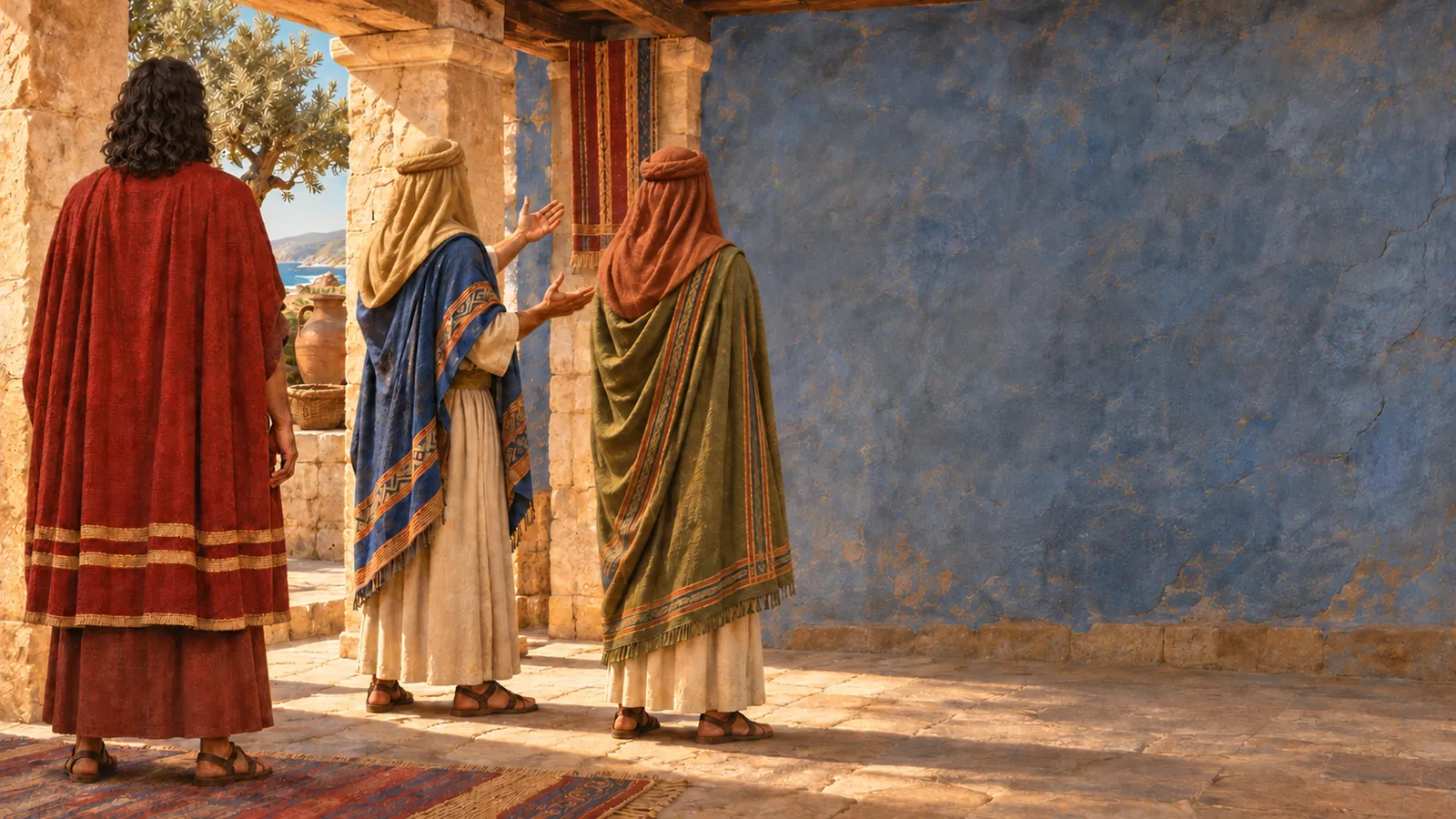
The envoys give Yamm’s title and repeat his demand. They tell the gods to surrender Baal, the son of Dagan, so Yamm can take his gold.
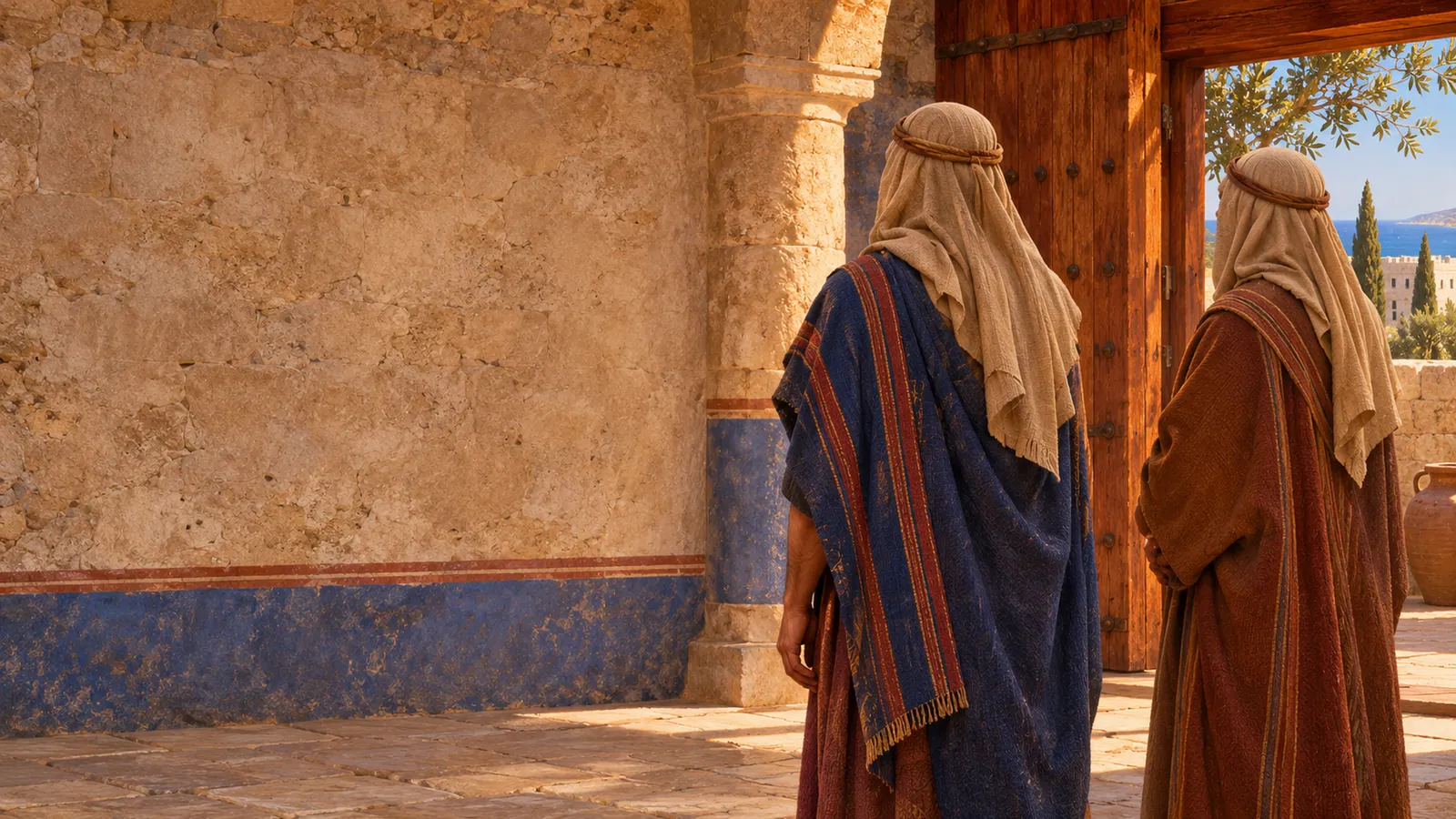
El answers the envoys in Yamm’s terms. He says Baal is subject to Yamm and calls the son of Dagan his captive.

El continues his reply by saying that Baal will bring tribute. He speaks of gifts and offerings beside what the other gods will bring.
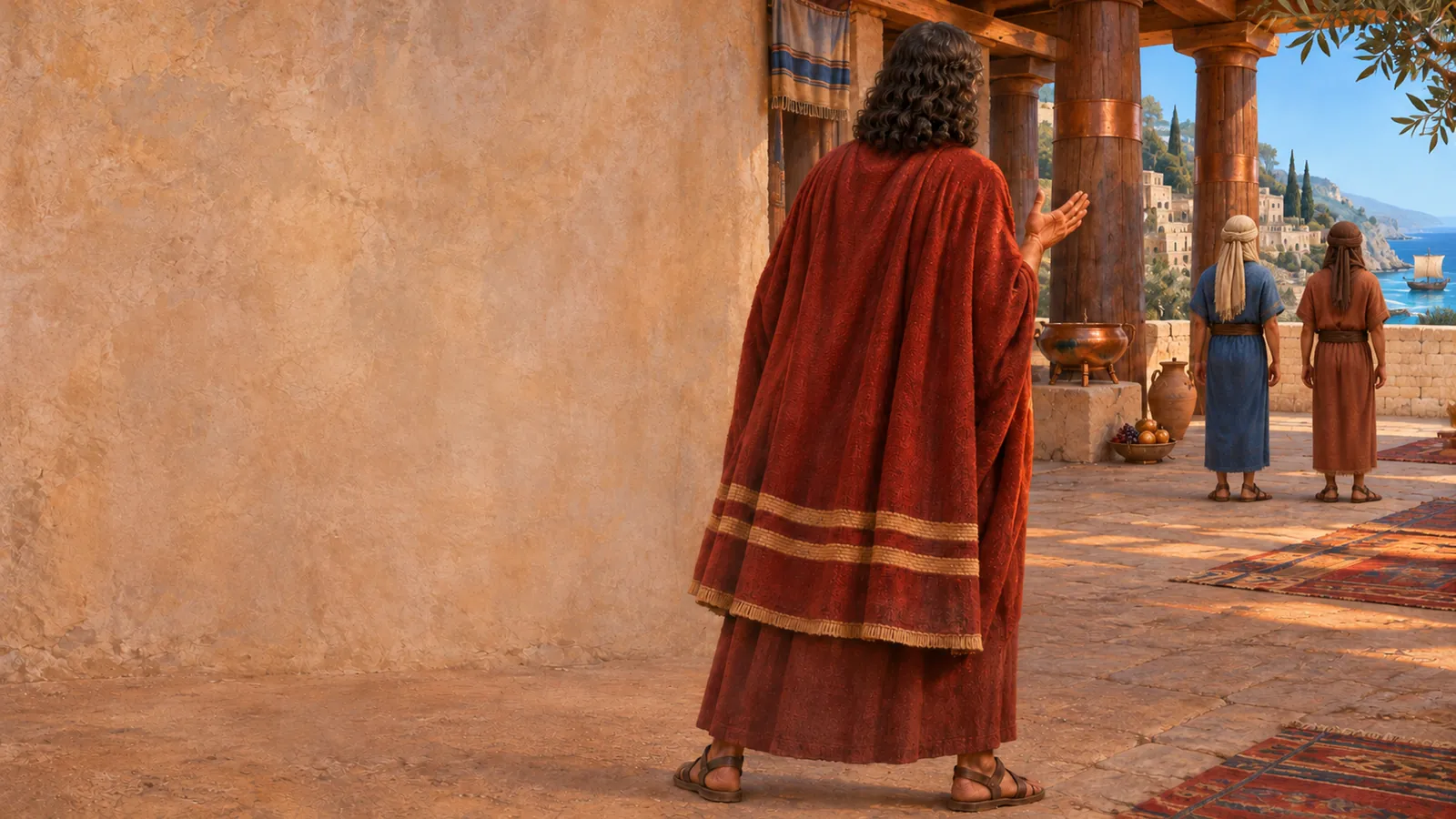
Baal grows angry at El’s answer and turns on the envoys. The damaged words leave some of his actions open to interpretation.
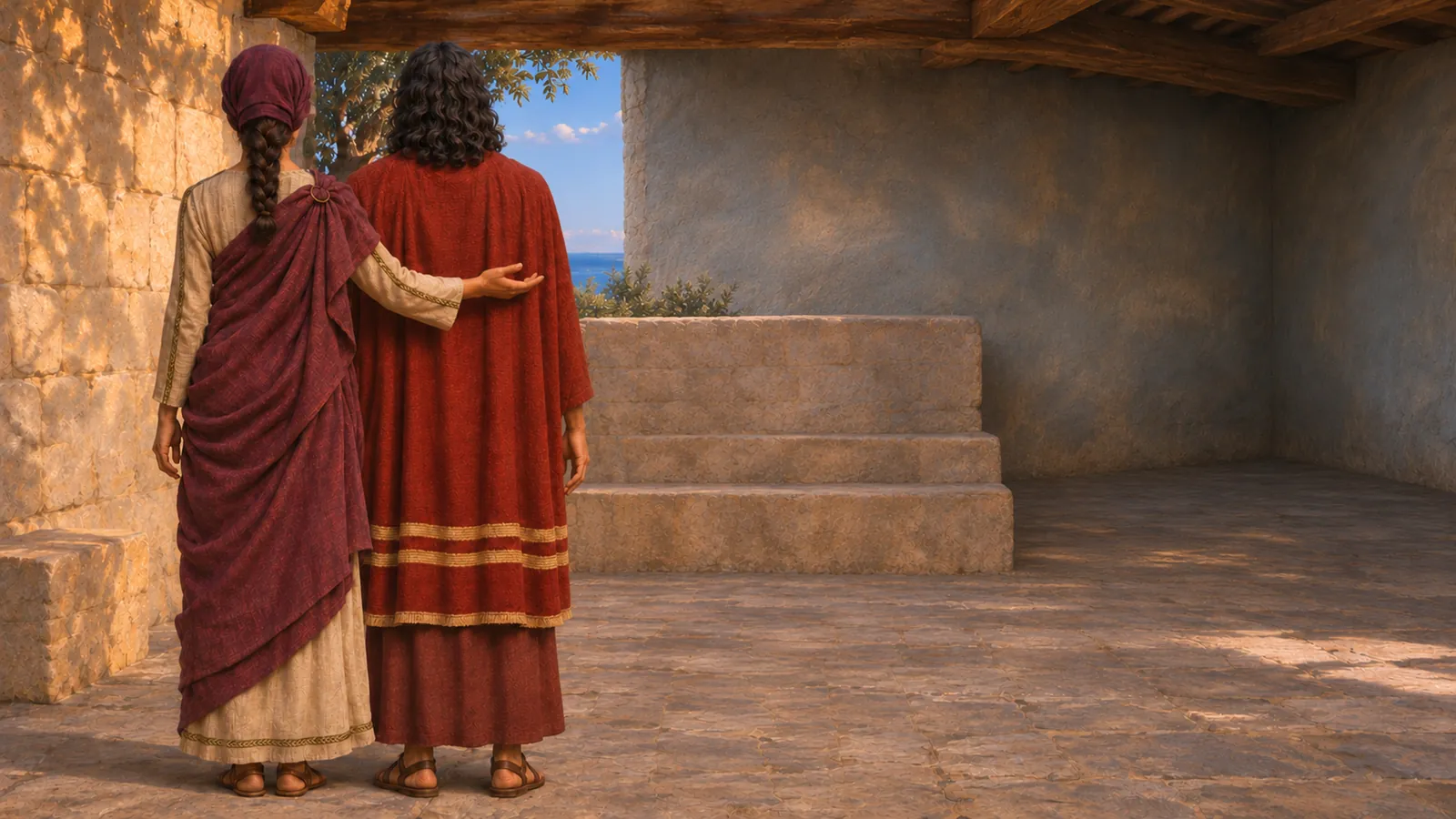
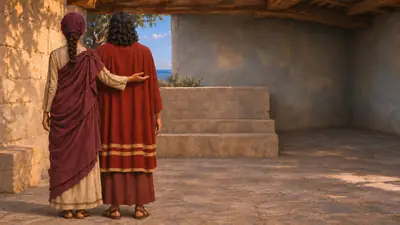
Anat and Athtart intervene and take hold of Baal’s hands in one reading. The lines reproach him for turning on the envoys.

The column ends with an incomplete answer attributed to Baal. The remaining words refer to Yamm, but the rest of the response has broken away.
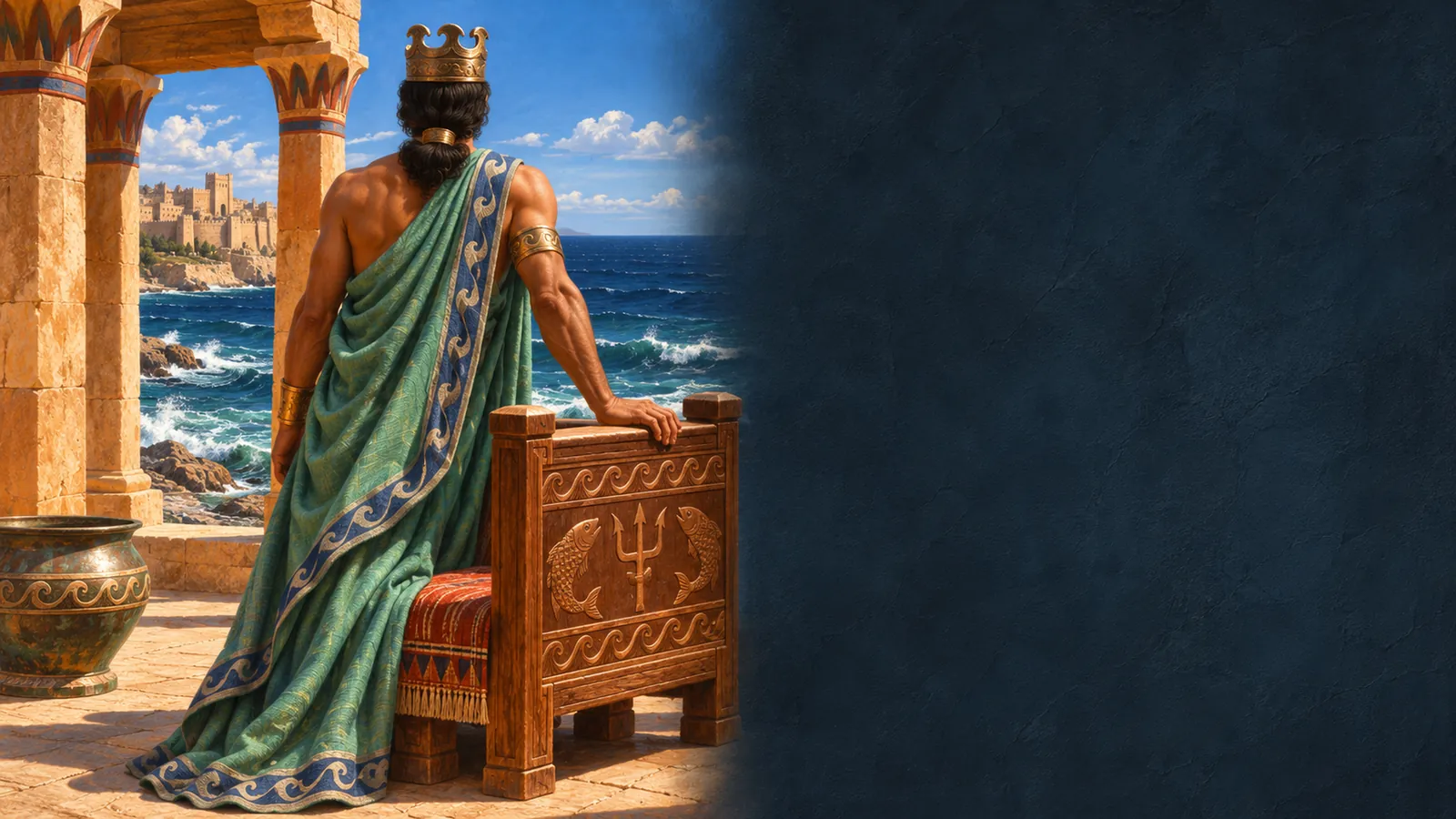
Another preserved passage mentions Yamm’s throne. The words around it are damaged, and the connection to the council scene remains unclear.
THE RIDER OF THE CLOUDS
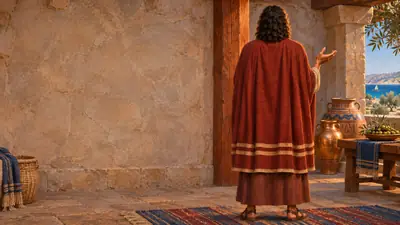
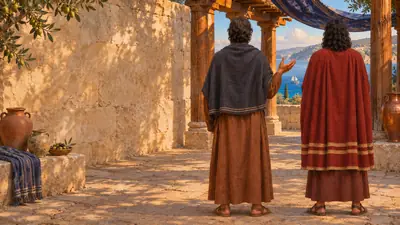
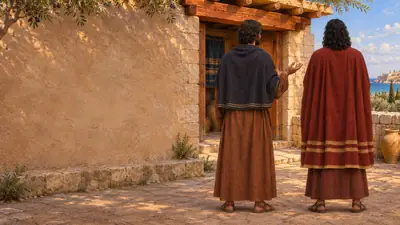
Kothar-wa-Hasis intervenes. He speaks to Baal and uses the title Rider of the Clouds to address him.
Kothar tells Baal that he will overcome his adversary. He holds out the prospect of a kingship that endures.
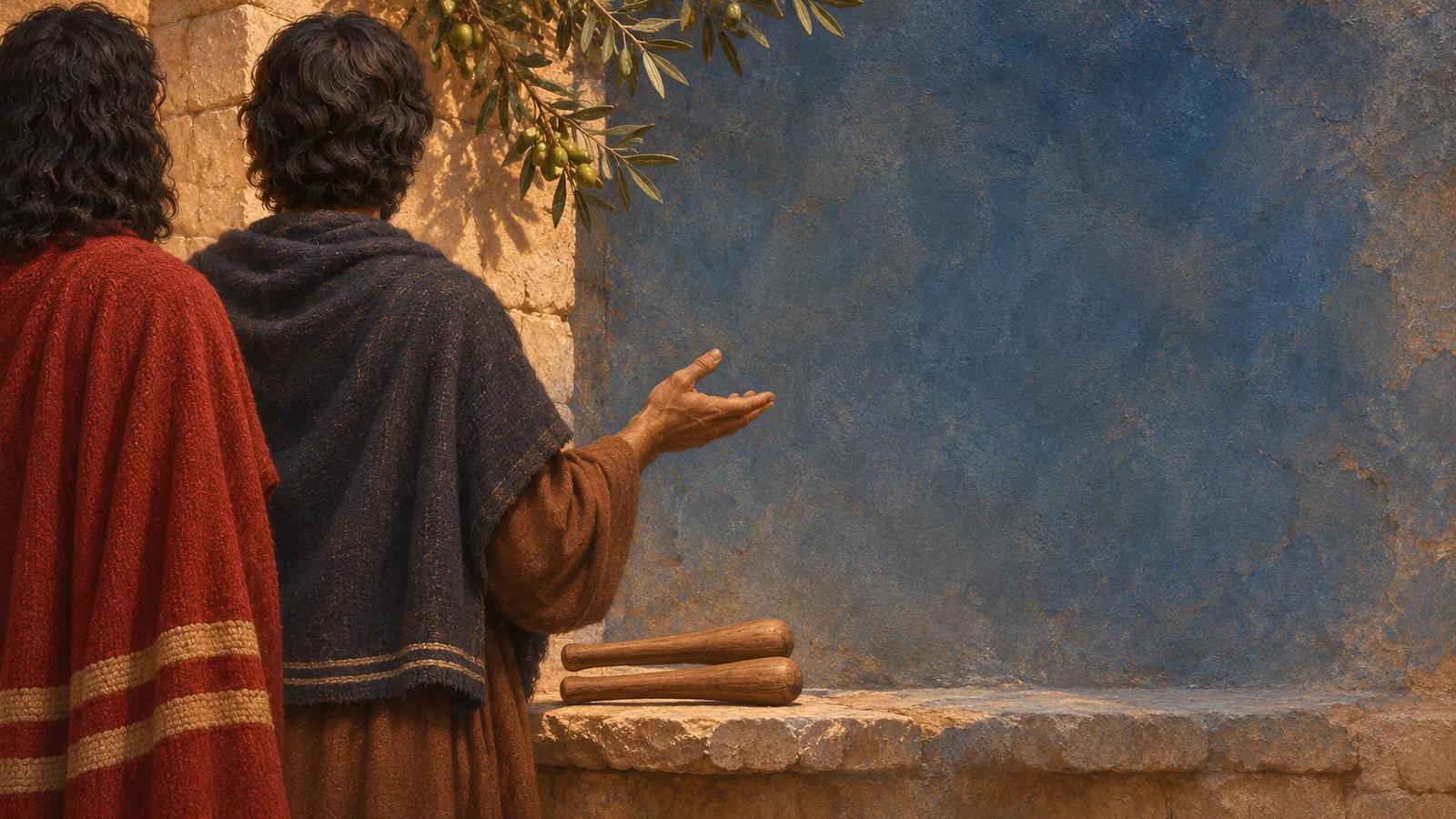
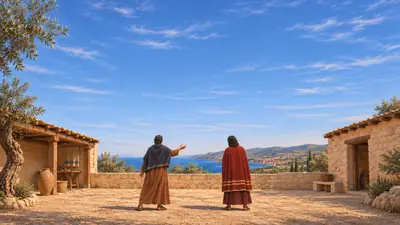
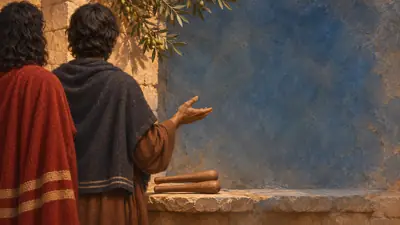
Kothar provides two clubs for Baal and names the first Yagarrish, the Driver. He commands it to drive Yamm from his throne.

The poem reports the first exchange. Yamm proves strong and remains standing, and the contest has yet to be decided.
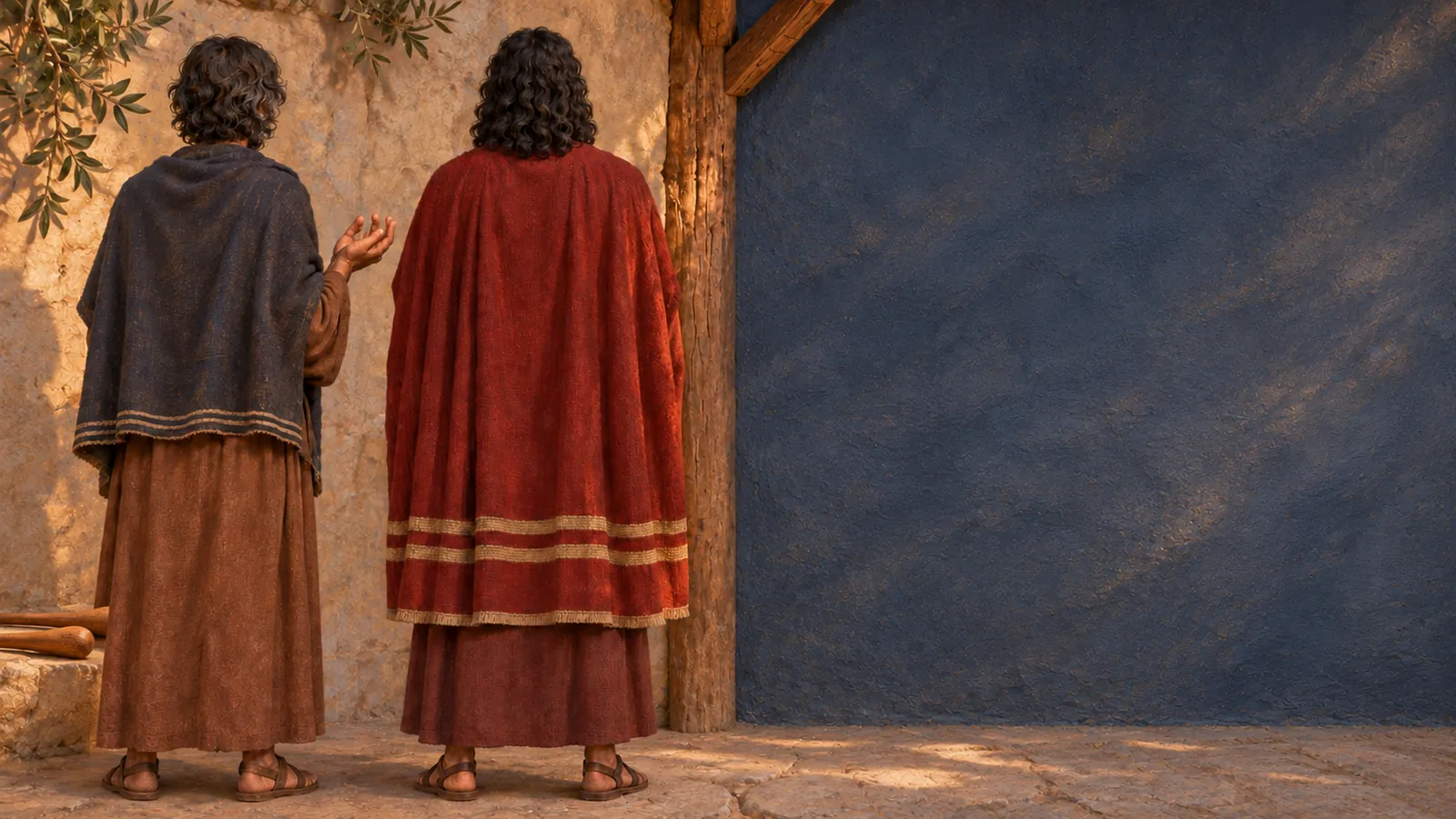
Kothar gives the second name, Ayyamarri. Again his words call for Yamm, also called Nahar, to be driven from his seat.
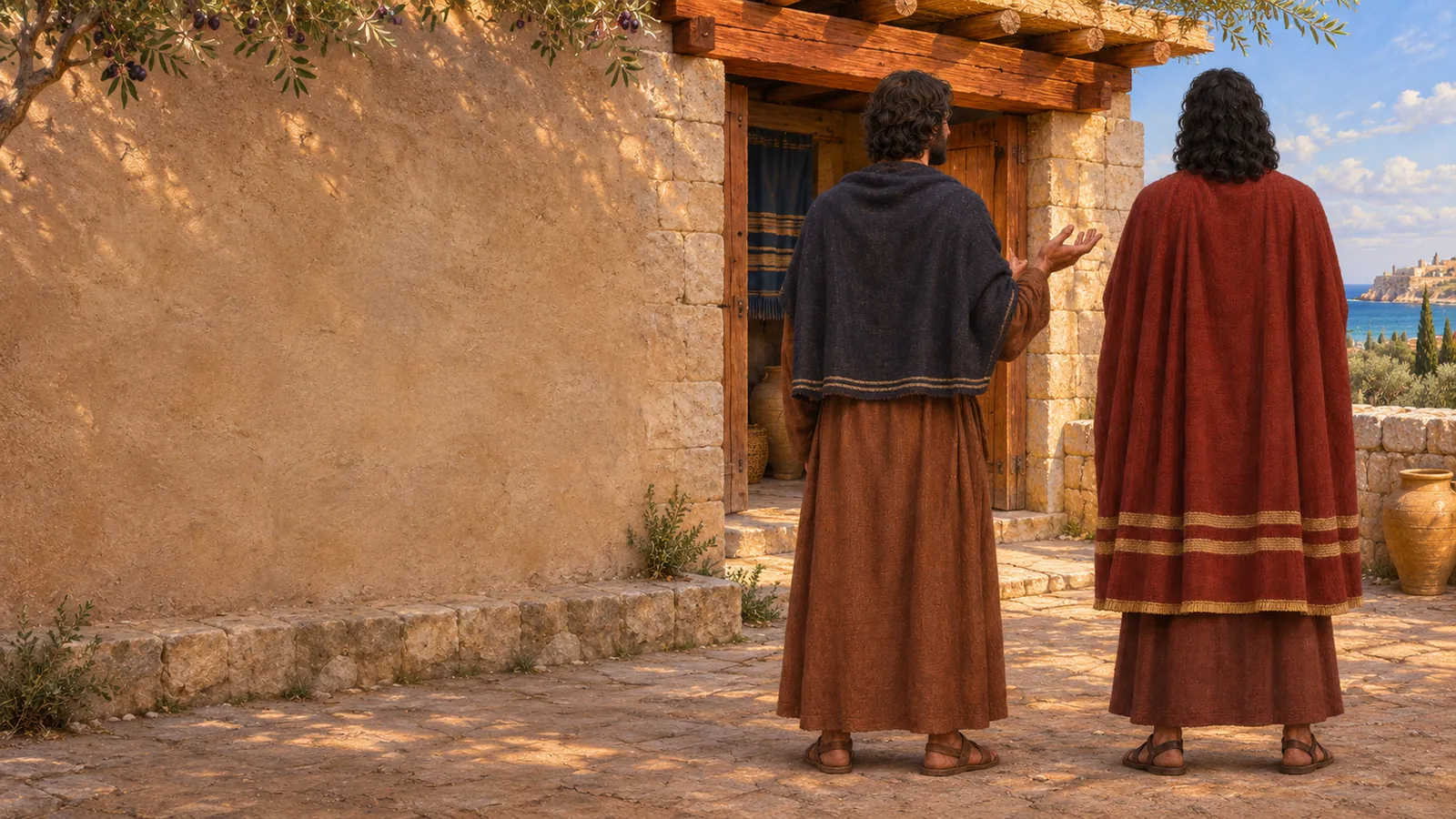
Kothar’s second address foretells Yamm’s fall. At this point in the song his words describe what he expects to happen.

The next lines report the change Kothar foretold. Yamm falls, in contrast to the first exchange when he remained standing.
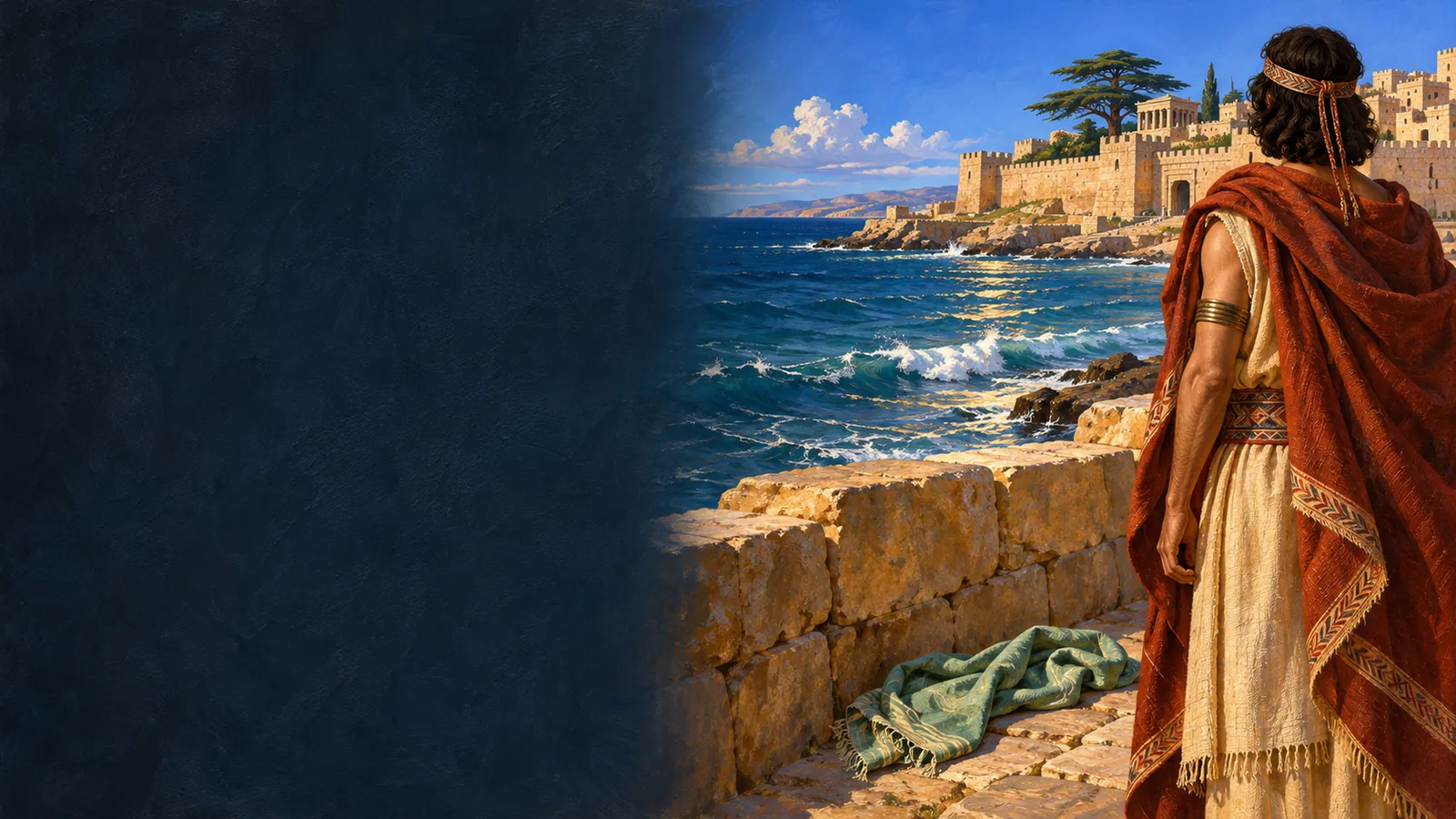
The line after Yamm’s fall has been understood in different ways. The fall is clear, while the precise action described next remains disputed.
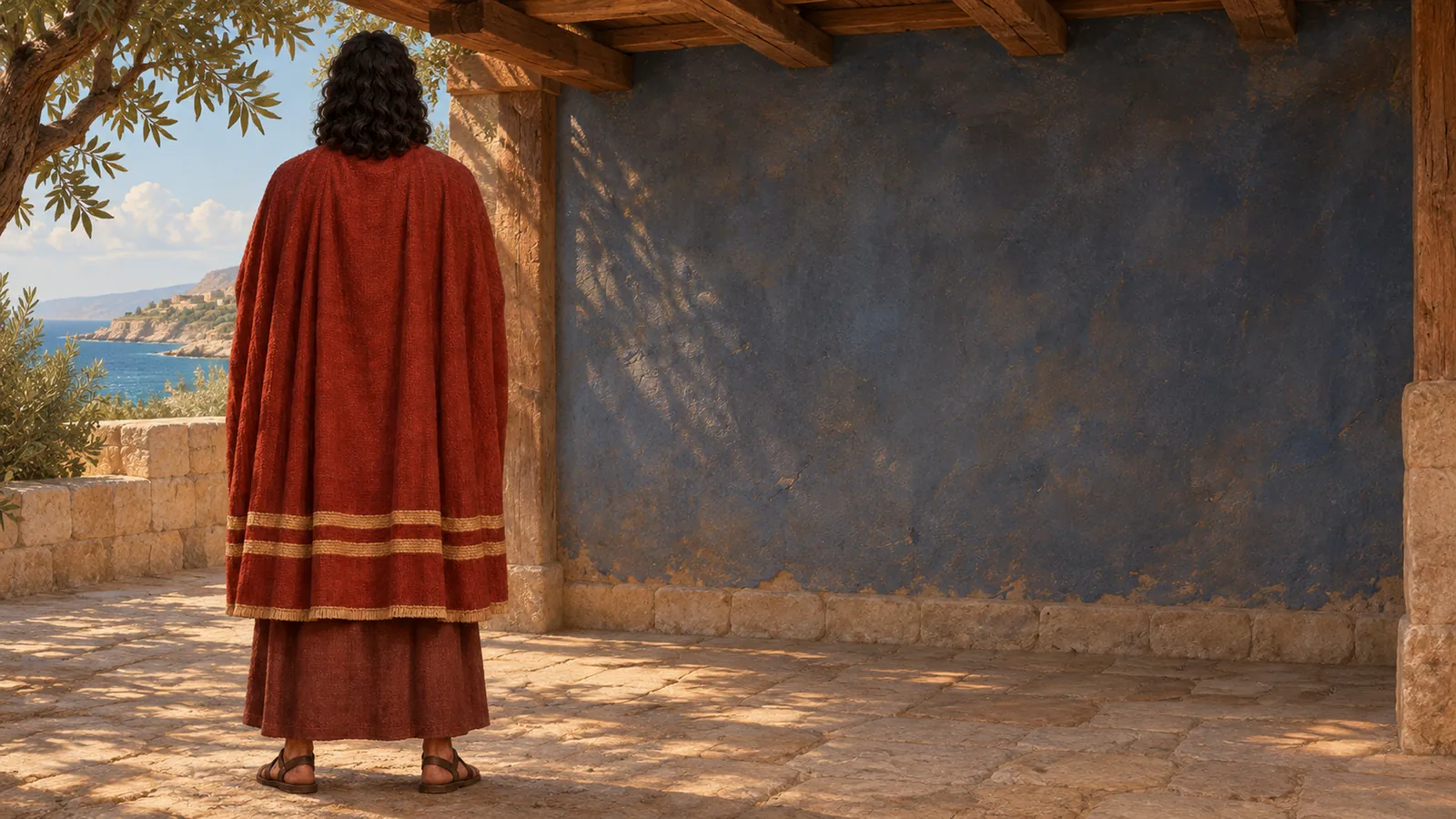
Athtart speaks and the title Rider of the Clouds is heard again. The words leave room for disagreement about whom she rebukes and what she urges.
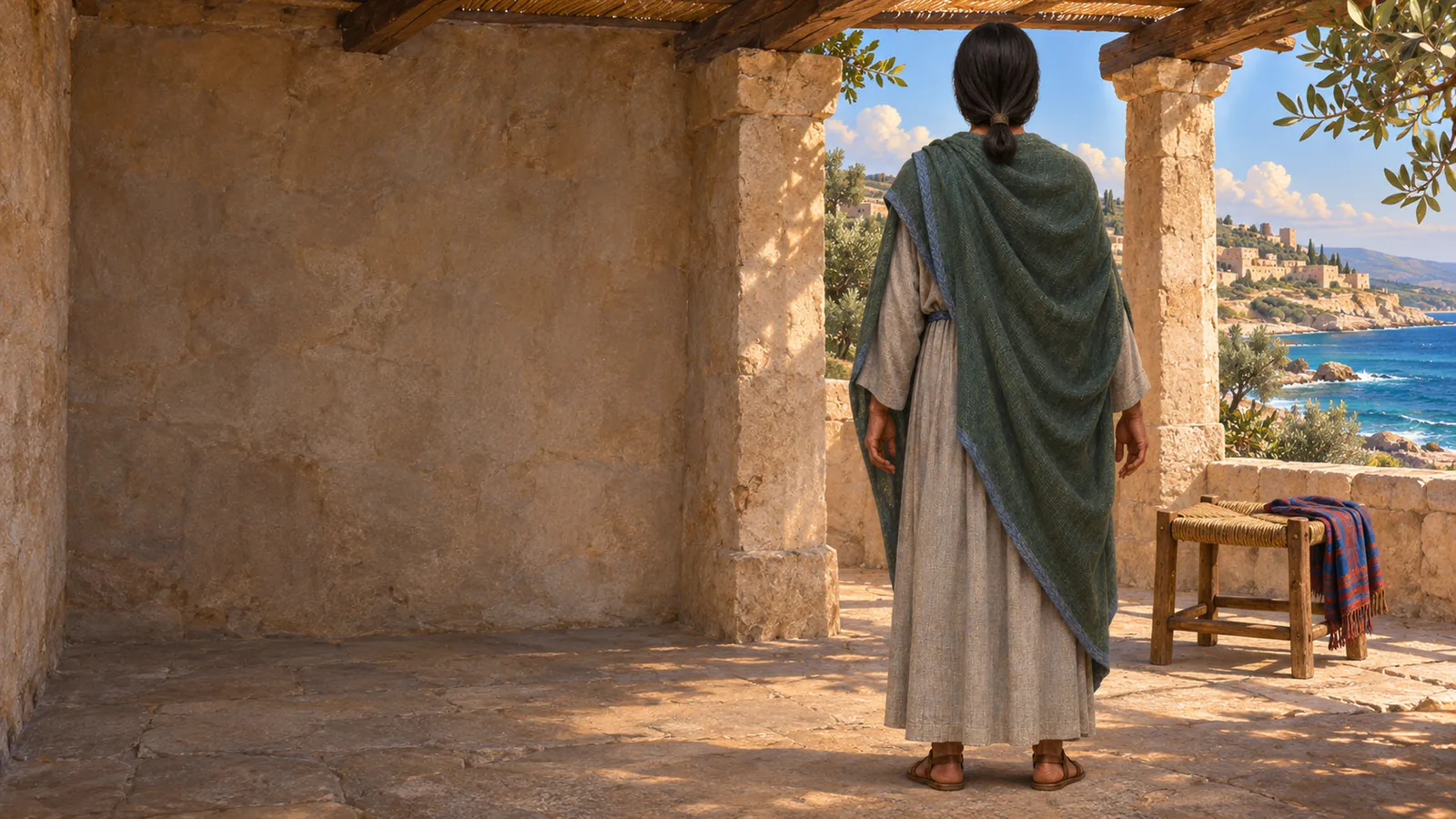
The next words call Ruler Nahar a captive. Nahar is another title used for Yamm in the two passages.

In the broken close, a declaration says that Yamm is dead. The surviving words leave the speaker of the declaration uncertain.
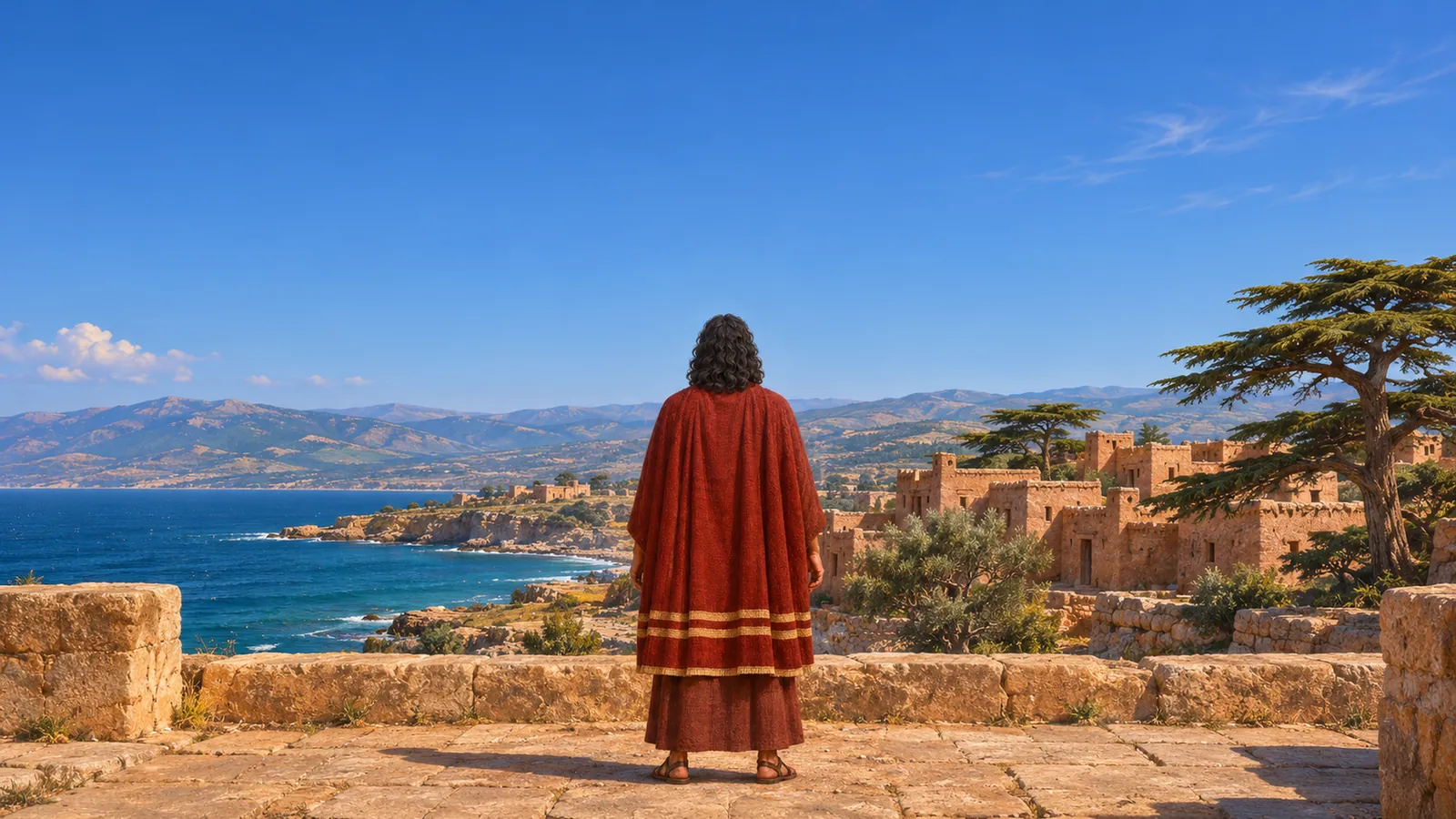
BAAL WILL REIGN
The closing acclamation is read as saying that Baal will reign. Part of its wording is restored, and the declaration comes down to us in a damaged ending.
End of chapter 1
All pages

















Sources
Pages 35–39. Kothar names two clubs and addresses a command to each. They fly from Baal’s hand in the poem. The opening verb has been read as making or bringing down the clubs (KTU 1.2 IV 11–26; Reed, pp. 106–110; Bordreuil and Pardee).
Editions consulted
- Clemens Steinberger, Göttingen Ugarit Portal, photographic transliteration of KTU 1.1
- Clemens Steinberger, EUPT glossary, selected KTU 1.2 lines and notes
- Aaron Tugendhaft, Unsettling Sovereignty, translation of KTU 1.2 i 11–46
- Aaron Tugendhaft, Baal and the Politics of Poetry, alternative order and implications
- Sang-yŏl Cho, University of Edinburgh, messenger formulas
- Noga Ayali-Darshan, line-focused reading of the envoy scene and El’s reply
- Textes ougaritiques I, excerpts from KTU 1.2 i and iv, pp. 109–110
- Pierre Bordreuil and Dennis Pardee, primary French translation of KTU 1.2 iv excerpt
- William Justin Reed, pp. 106–110, reading of KTU 1.2 iv 11–26
- Mark S. Smith and Wayne T. Pitard, the captive formula at KTU 1.2 iv 29–30, vol. II, p. 32
- Theodore J. Lewis, Athtart’s speech and the possible readings of KTU 1.2 iv 28–31
- Aren M. Wilson-Wright, p. 337, reading of KTU 1.2 iv 28–29
- Debra Scoggins Ballentine, pp. 74–75, reading of the closing declaration
- The Louvre, AO 16640, physical record and note on the proposed join
Notes on this retelling
Pages 36 and 39. The first club strikes Yamm in the shoulder area and he stands. The second strikes him in the head and he collapses. 106–110; Bordreuil and Pardee).
Page 29. In a common restoration, Baal takes up a knife and dagger to strike the envoys. 374; Textes ougaritiques I, pp. 109–110).
Ancient lines behind each page
- Page 1: Steinberger, KTU 1.1 II 1–16, RS 3.361, fragmentary opening
- Page 2: Steinberger, KTU 1.1 II 14–16
- Page 3: Steinberger, KTU 1.1 III 5–9, especially 7
- Page 4: Steinberger, KTU 1.1 III 12–15
- Page 5: Steinberger, KTU 1.1 III 17–19
- Page 6: Steinberger, KTU 1.1 IV 12–13
- Page 7: Steinberger, KTU 1.1 IV 14 and n. 15
- Page 8: Steinberger, KTU 1.1 IV 15, 20; Tugendhaft, book ch. 6 n. 43
- Page 9: Steinberger, KTU 1.1 IV 21–25, readings and reconstruction
- Page 10: Tugendhaft, KTU 1.2 i 11–13, appendix pp. 383–384
- Page 11: Tugendhaft, KTU 1.2 i 13–14; Cho on i 13
- Page 12: Tugendhaft, KTU 1.2 i 14c–16; Steinberger, EUPT i 14c–15b
- Page 13: Tugendhaft, KTU 1.2 i 16–18
- Page 14: Tugendhaft, KTU 1.2 i 18–19a; Steinberger, EUPT i 18
- Page 15: Tugendhaft, KTU 1.2 i 19b–20; Steinberger, EUPT i 19b
- Page 16: Tugendhaft, KTU 1.2 i 20–21; French Ministry extract, p. 109
- Page 17: Tugendhaft, KTU 1.2 i 20–21, pp. 373–374; French Ministry extract, p. 109
- Page 18: Tugendhaft and Ayali-Darshan, KTU 1.2 i 21–22
- Page 19: Tugendhaft and Ayali-Darshan, KTU 1.2 i 23–24
- Page 20: Tugendhaft, KTU 1.2 i 24–26
- Page 21: Tugendhaft and Steinberger, KTU 1.2 i 25d–26
- Page 22: Steinberger, EUPT KTU 1.2 i 27–28a; Tugendhaft, appendix
- Page 23: Tugendhaft, KTU 1.2 i 28–30
- Page 24: Tugendhaft and Ayali-Darshan, KTU 1.2 i 30–31
- Page 25: Tugendhaft and Ayali-Darshan, KTU 1.2 i 31–33
- Page 26: Tugendhaft, KTU 1.2 i 33–35; French Ministry extract, pp. 109–110
- Page 27: Tugendhaft and Ayali-Darshan, KTU 1.2 i 36–37
- Page 28: Tugendhaft and Ayali-Darshan, KTU 1.2 i 37–38
- Page 29: Tugendhaft, KTU 1.2 i 38b–40, appendix and p. 374
- Page 30: Tugendhaft, KTU 1.2 i 39–44, appendix and p. 374
- Page 31: Tugendhaft, KTU 1.2 i 45–46
- Page 32: KTU 1.2 iv 6–7a, Textes ougaritiques I, French Ministry extract, p. 110; Smith’s section divisions
- Page 33: Bordreuil and Pardee, KTU 1.2 iv 7b–8, Ministry of Culture excerpt
- Page 34: Bordreuil and Pardee, KTU 1.2 iv 8–10; Steinberger, EUPT iv 8c–9
- Page 35: KTU 1.2 IV 11–15 (Reed, pp. 106–110; Bordreuil and Pardee; Steinberger, EUPT)
- Page 36: Reed and Bordreuil–Pardee, KTU 1.2 iv 15b–18a
- Page 37: Reed, KTU 1.2 iv 18b–20; Bordreuil and Pardee, Ministry of Culture excerpt
- Page 38: Reed and Bordreuil–Pardee, KTU 1.2 iv 21–23a
- Page 39: Reed and Bordreuil–Pardee, KTU 1.2 iv 23b–26
- Page 40: KTU 1.2 iv 27; Bordreuil and Pardee, Ministry of Culture excerpt; Smith’s passage division
- Page 41: Lewis and Wilson-Wright, KTU 1.2 iv 28–29a
- Page 42: Smith and Pitard, KTU 1.2 iv 29b–30, p. 32; Lewis iv 29–30
- Page 43: KTU 1.2 iv 32–33, Textes ougaritiques I, French Ministry extract, p. 110; Ballentine, pp. 74–75
- Page 44: KTU 1.2 iv 32–35, Textes ougaritiques I, French Ministry extract through iv 33; Ballentine, pp. 74–75
Illustrations made with AI tools by IL Archive; the text is based on the ancient sources (see the sources at the end of each chapter).