Zenobia of Palmyra Chapter 1
The Queen of the Oasis
A queen’s name on a bilingual column dedication and a face struck on a coin mark the years in which Palmyra governed a large part of the Roman East. What happened to Zenobia after her capture depends on which ancient author is telling the story.
SourcesTurn the pages with the arrows, the arrow keys or a swipe.
THE OASIS
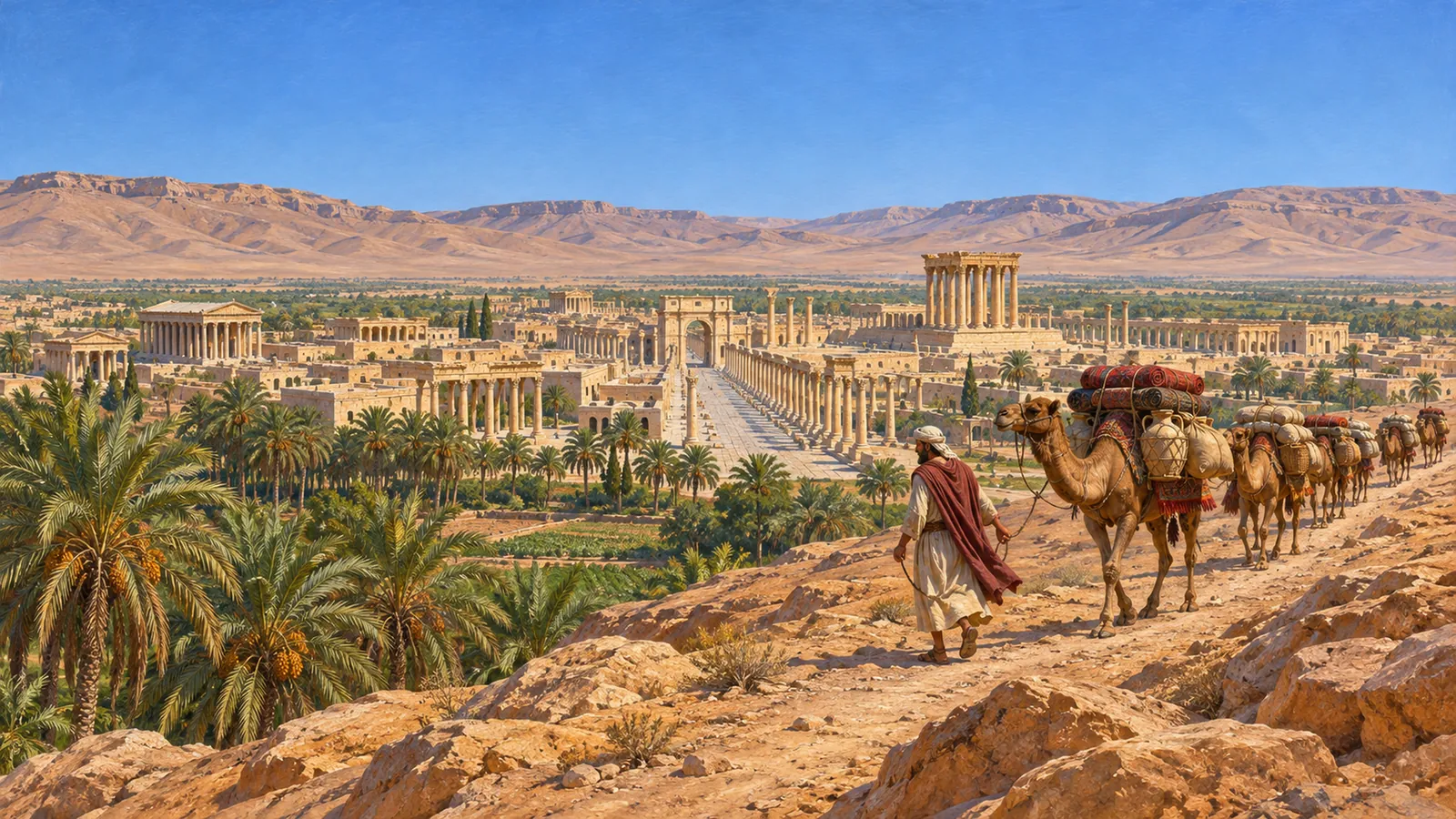
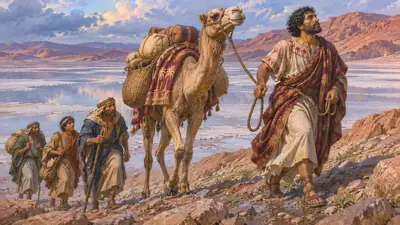
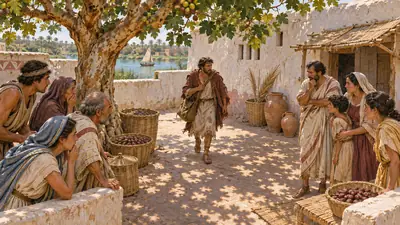
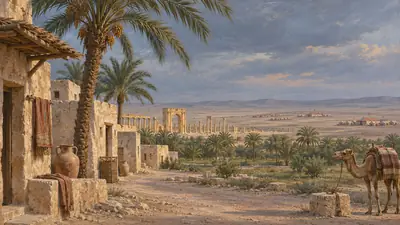
Palmyra lay where the Syrian steppe meets an oasis. As caravans reached its palms, their loads came down and news passed from one traveler to the next. This is where Zenobia’s story begins.
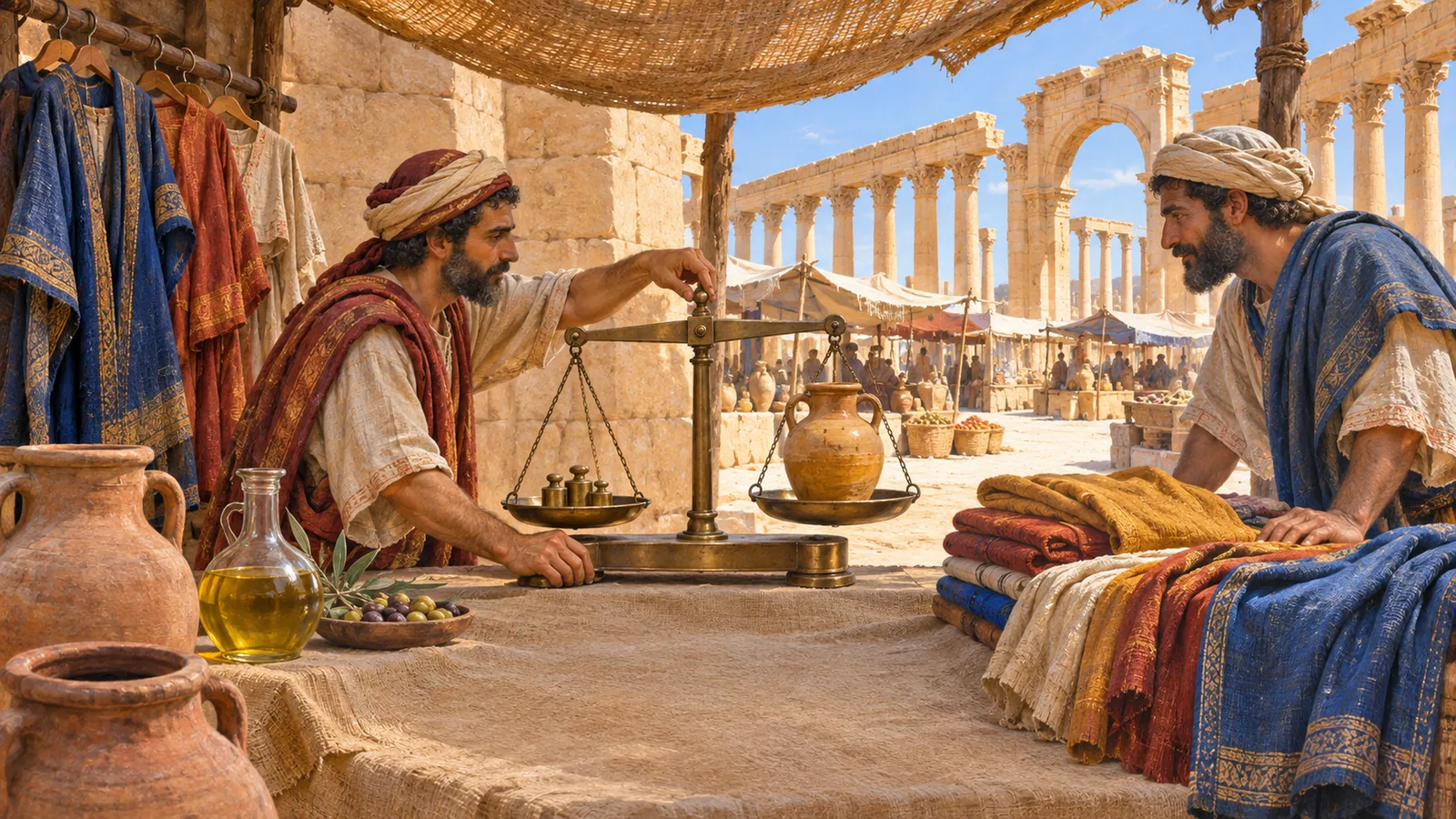
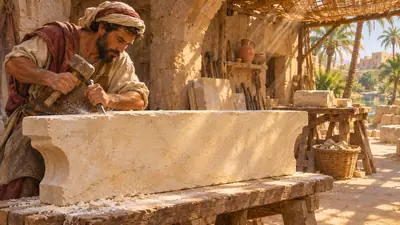
More than a century before Zenobia, the city council had put its tax rules on stone. The text used Greek and the local Aramaic. Both languages belonged in the public life of Palmyra.
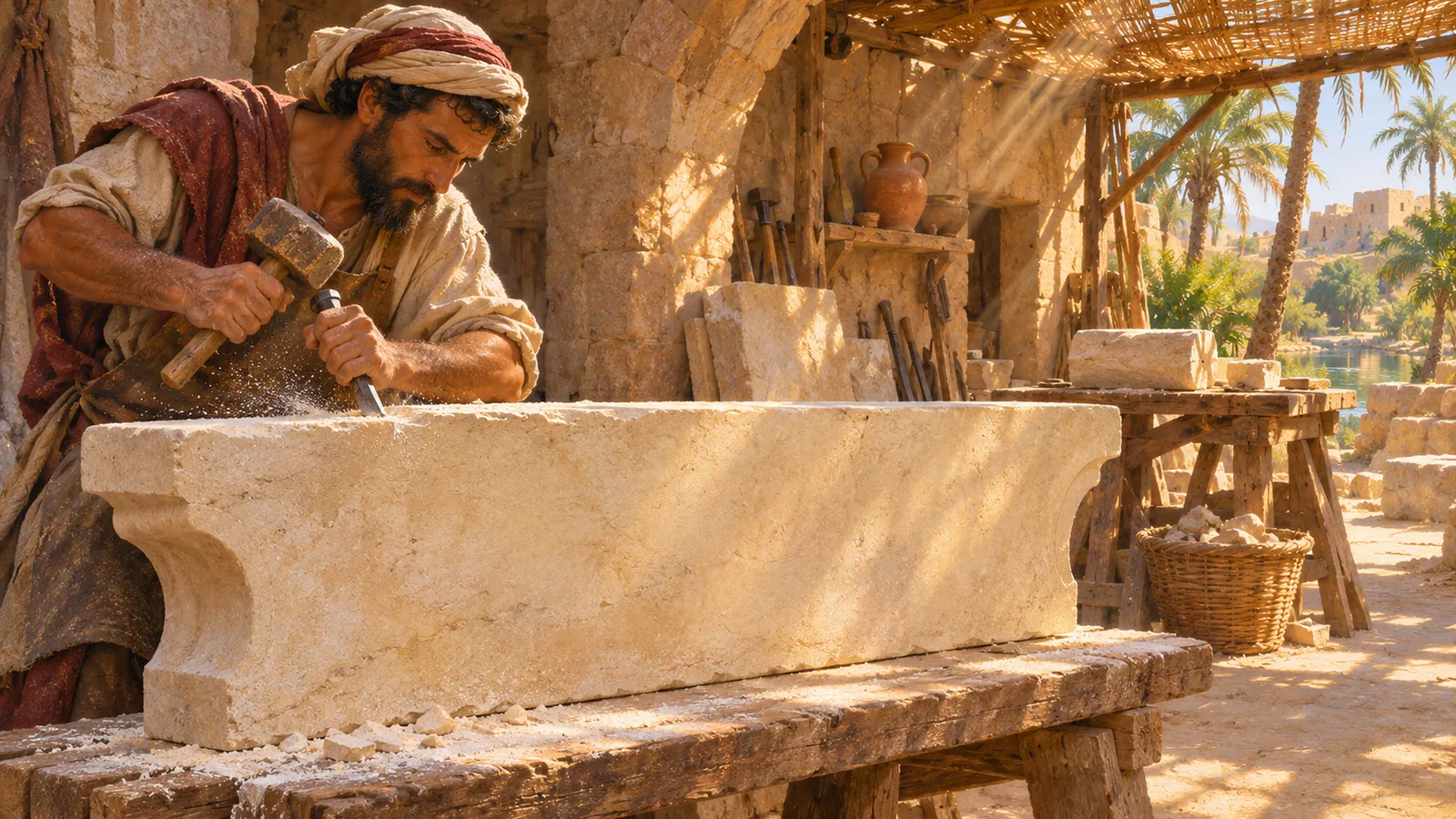
The same two languages preserve a woman’s name. Readers of the Greek knew her as Septimia Zenobia. In the Palmyrene Aramaic she was Septimia Bathzabbai, the woman who would govern from this oasis.
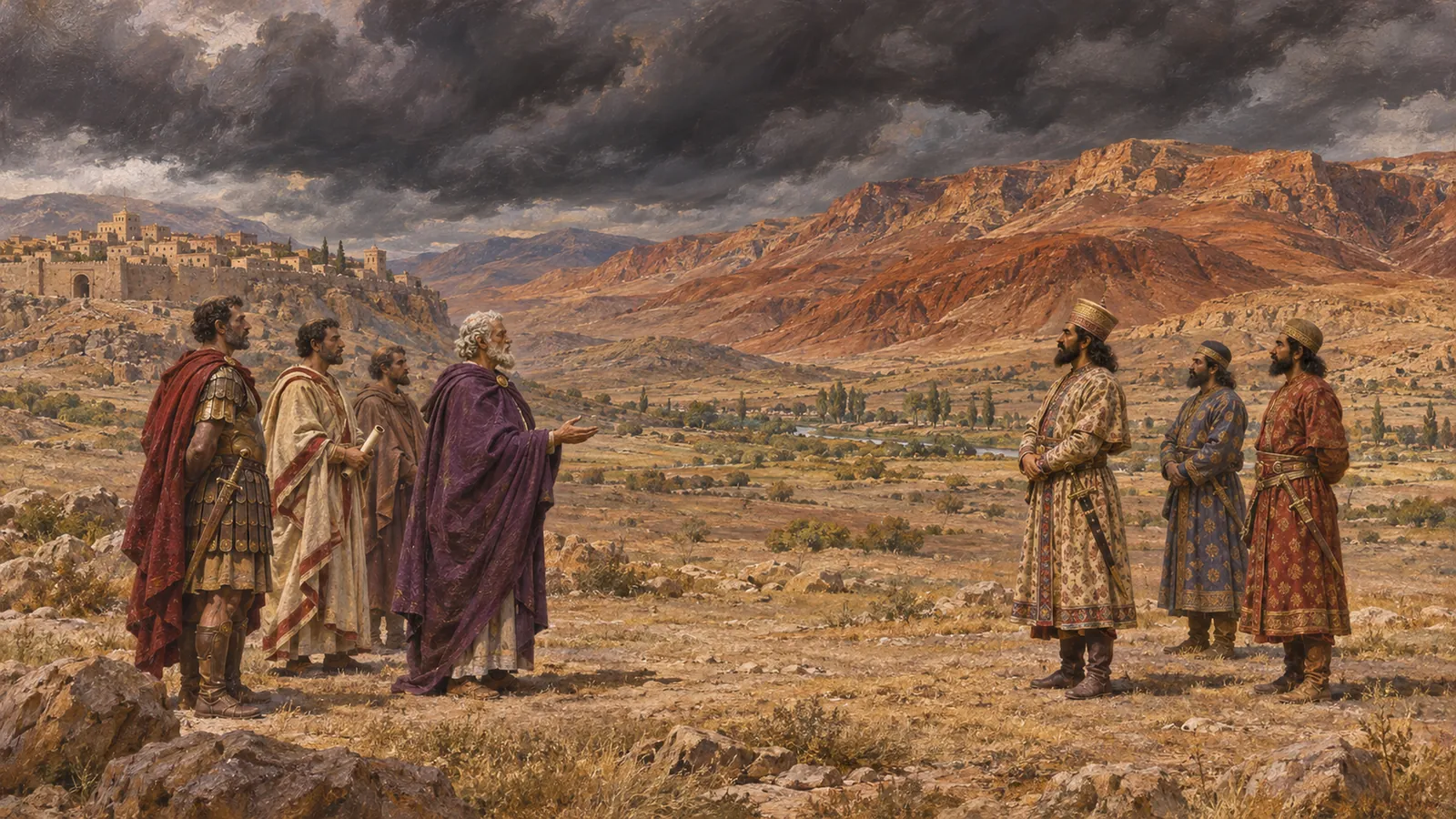
In 260 the Persian king Shapur captured the Roman emperor Valerian. Shapur recorded the victory on stone. For the people of Syria, the news meant that even an emperor could fail to protect them.
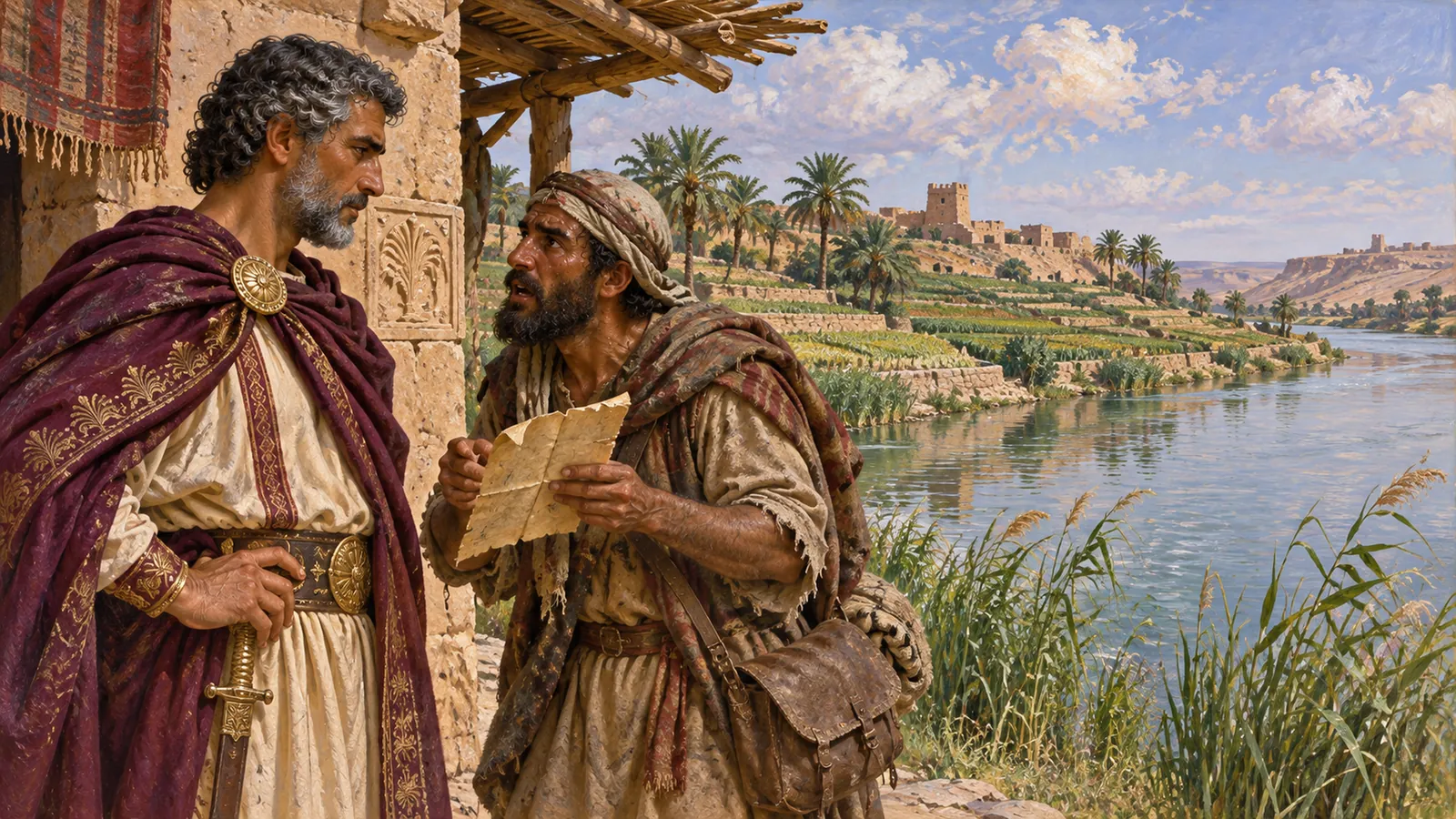
Zenobia’s husband Odaenathus was a prominent Palmyrene with Roman rank. After Valerian’s capture, he fought the Persians and pushed them back. His power grew as Syria’s cities looked for protection closer to home.
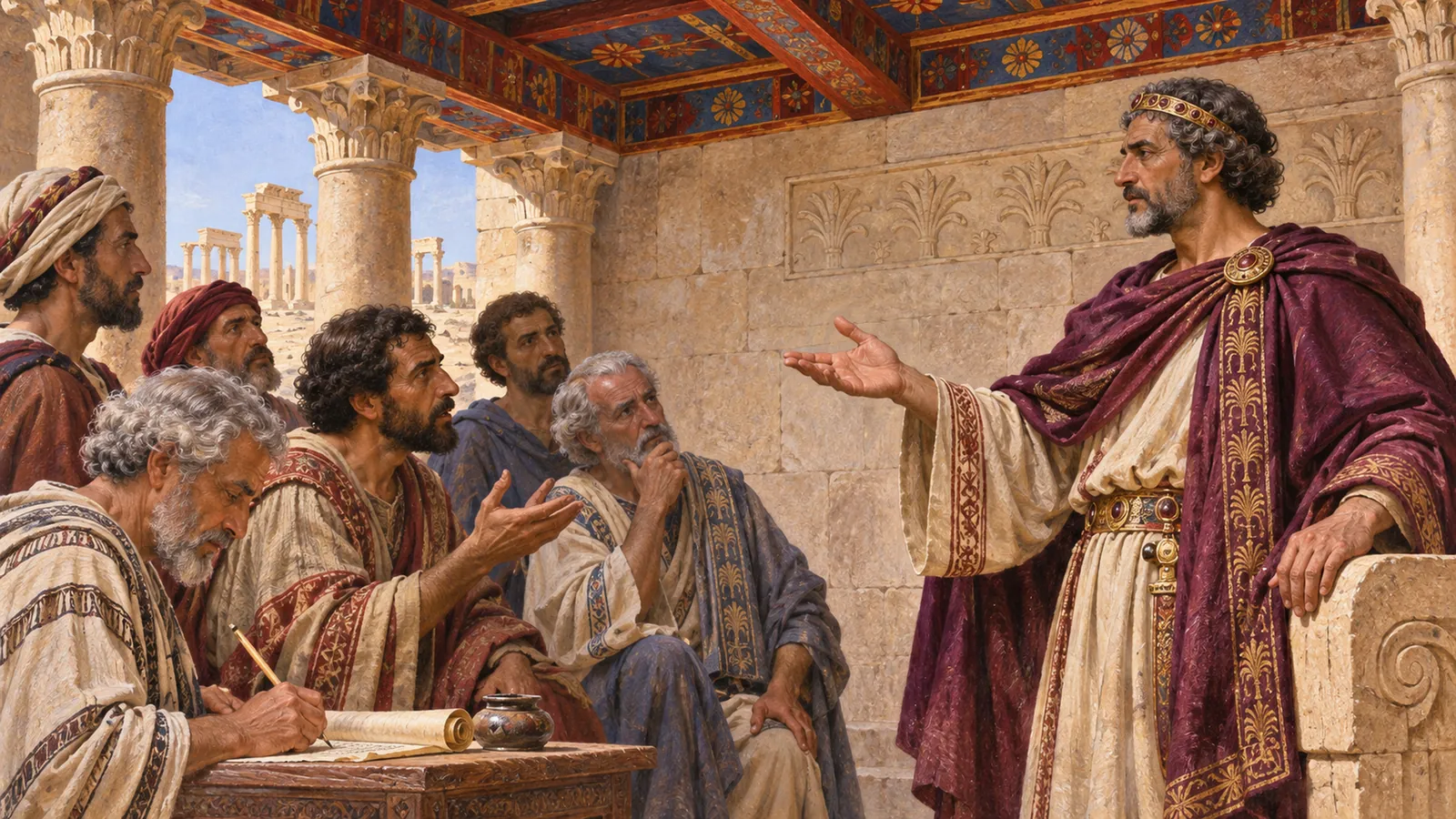
A Palmyrene inscription gave Odaenathus the title King of Kings. It was a title familiar from the Persian court. A man who served Rome could claim an authority that made sense east of its frontier.
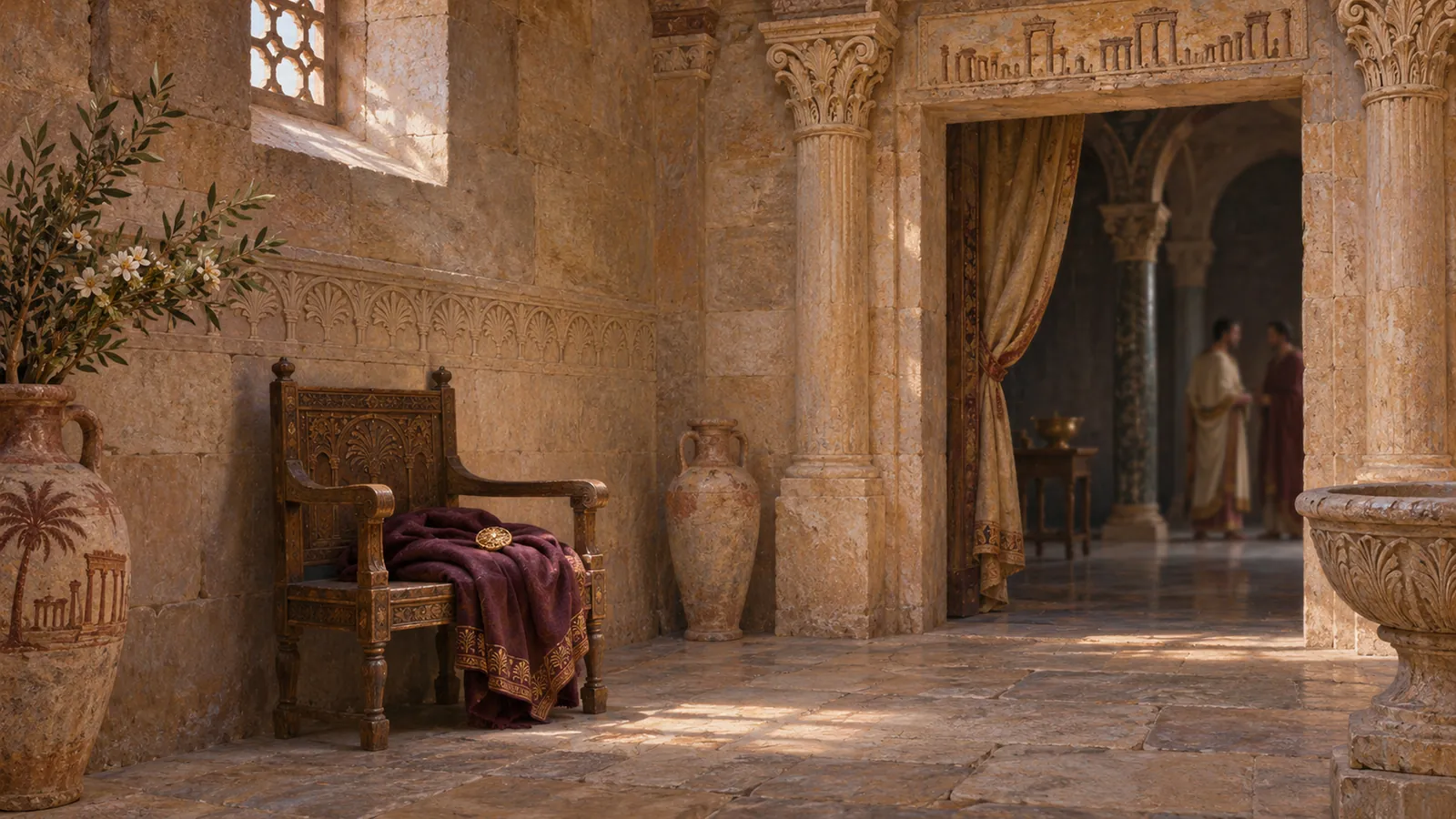
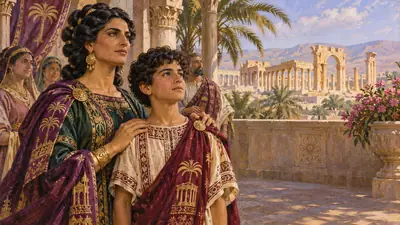
Around 267 Odaenathus was killed. Ancient writers told different stories about the killing. His son Vaballathus was still young, and Zenobia took charge of the court that he had inherited.
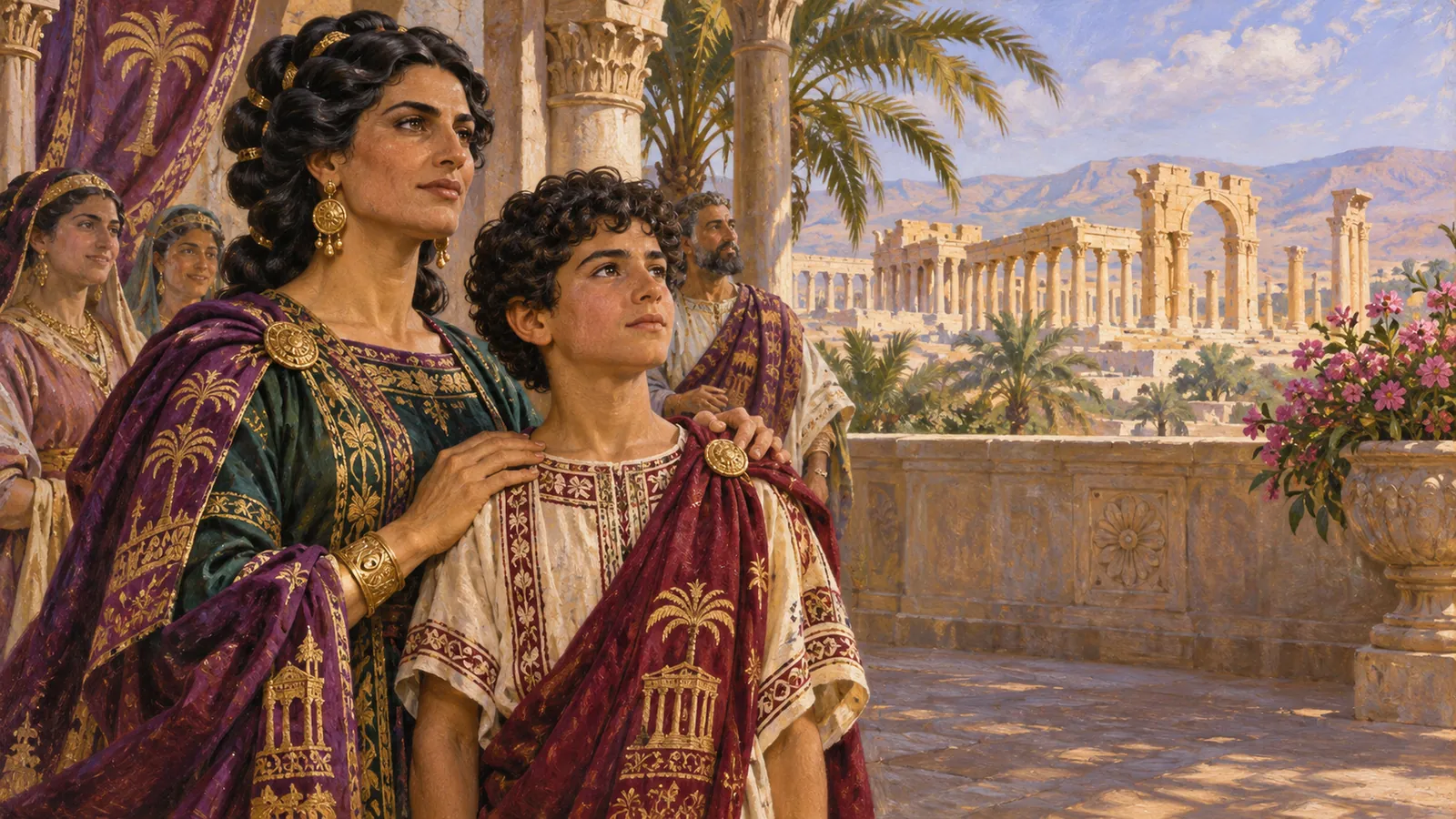
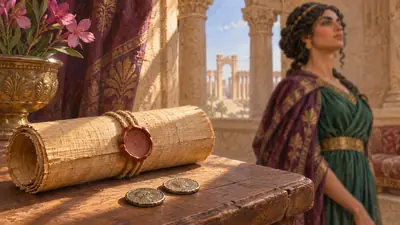
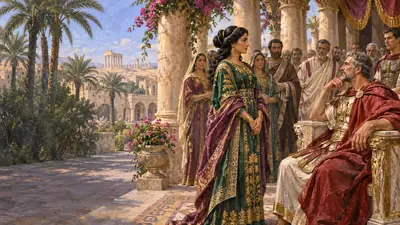
A second inscription gives the boy the title King of Kings and calls Zenobia his mother and queen. A reader in the city could see how the court joined the names of three people across two generations.
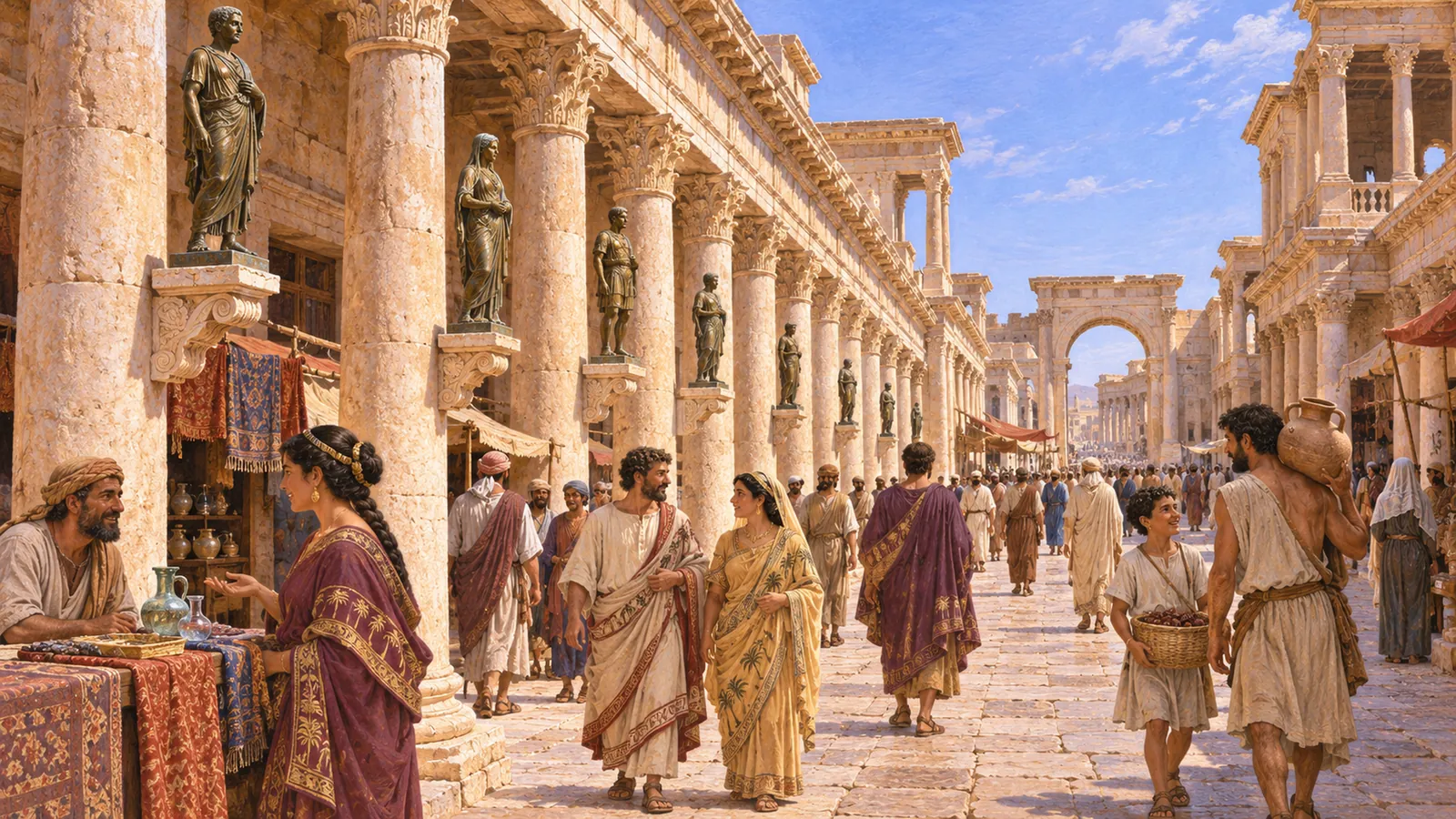
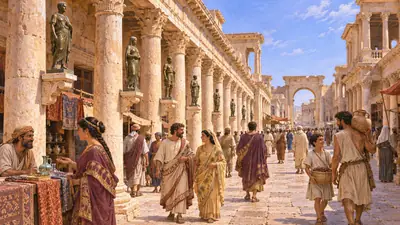
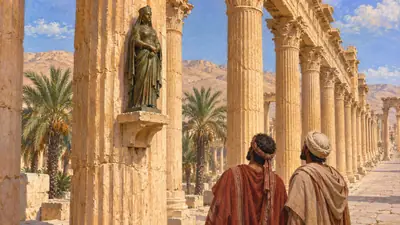
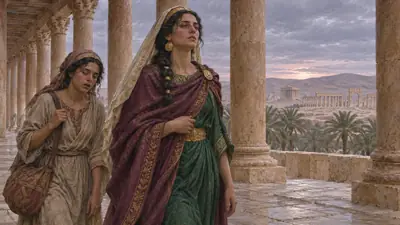
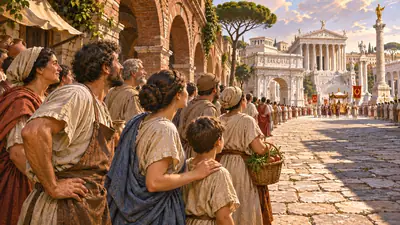
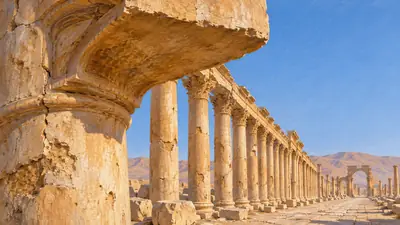
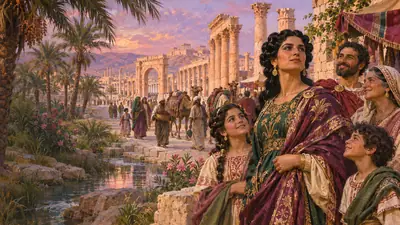
People walked under rows of columns on their way to work. Honorary statues looked down from the colonnade. Their inscriptions announced who had earned a public honor and who had chosen to pay for it.
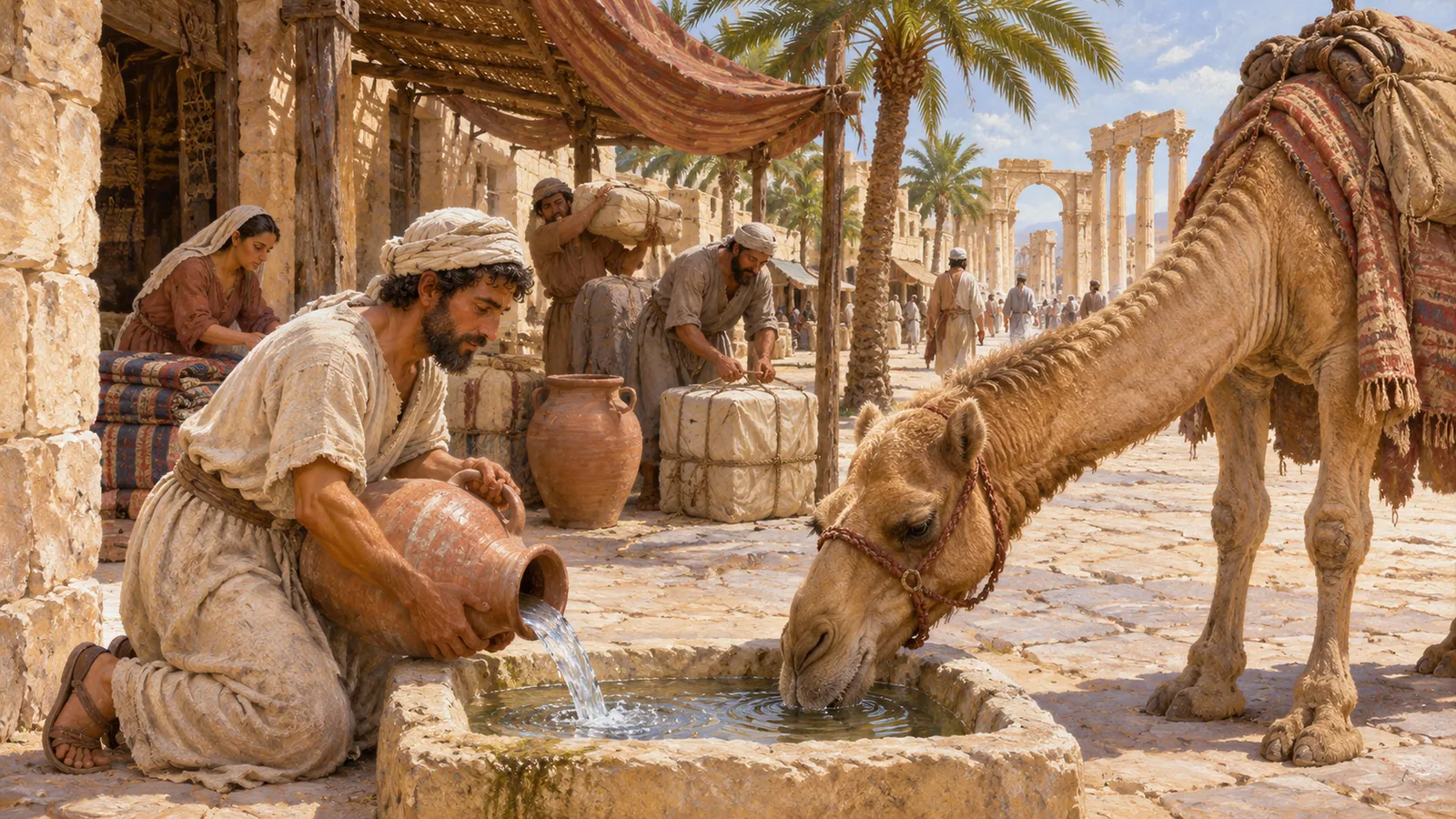
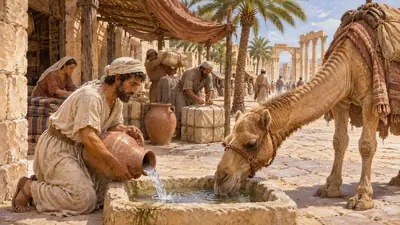
An arriving caravan brought more than bolts of cloth. Animals needed water and fodder, and men and women needed places to eat and sleep. Palmyra’s influence was tied to those ordinary exchanges.
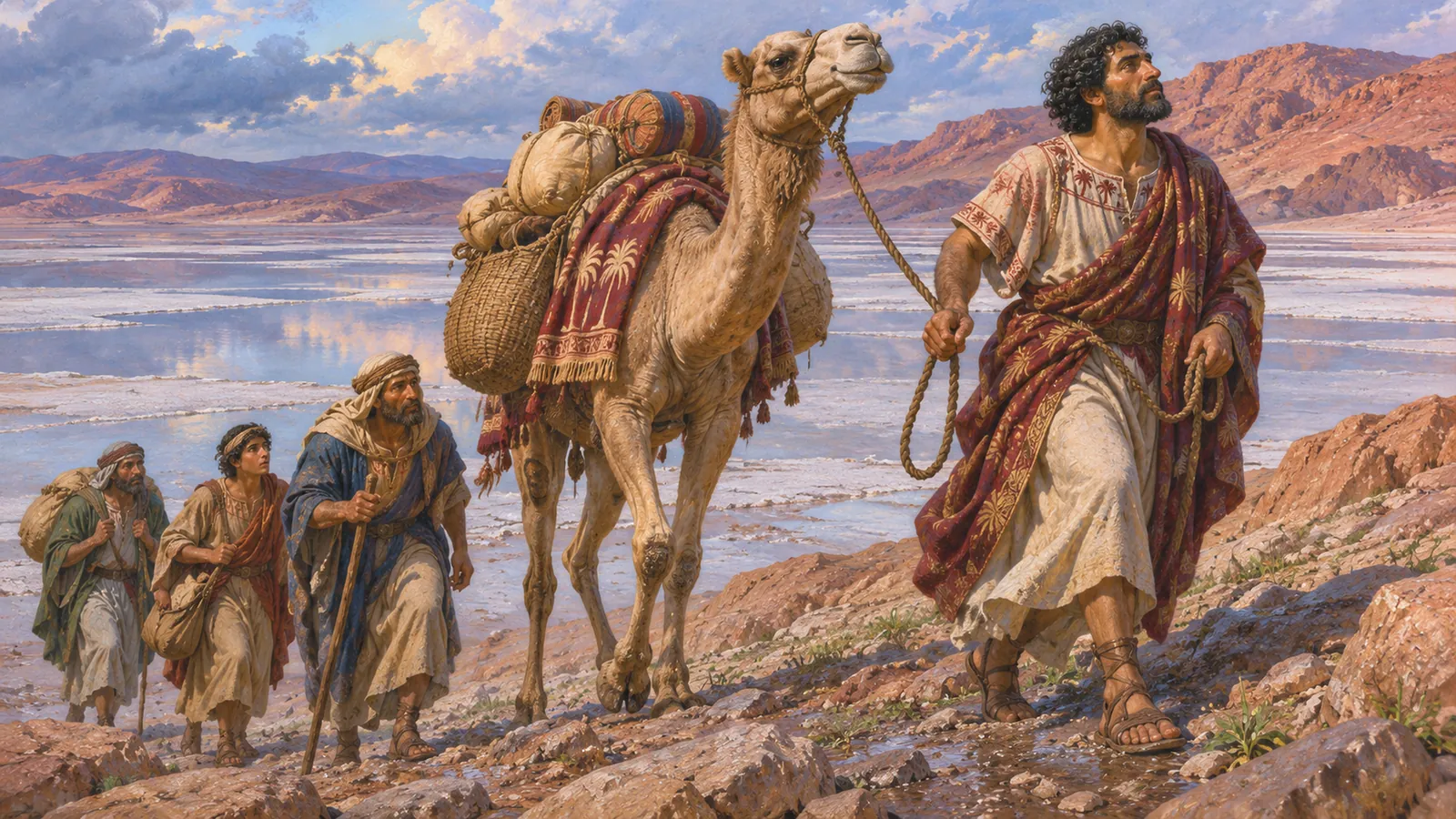
Inscriptions mention Palmyrene merchants far to the east, in towns along the Euphrates and toward the Persian Gulf. Between those towns and the oasis lay long stretches of country where a traveler depended on company.
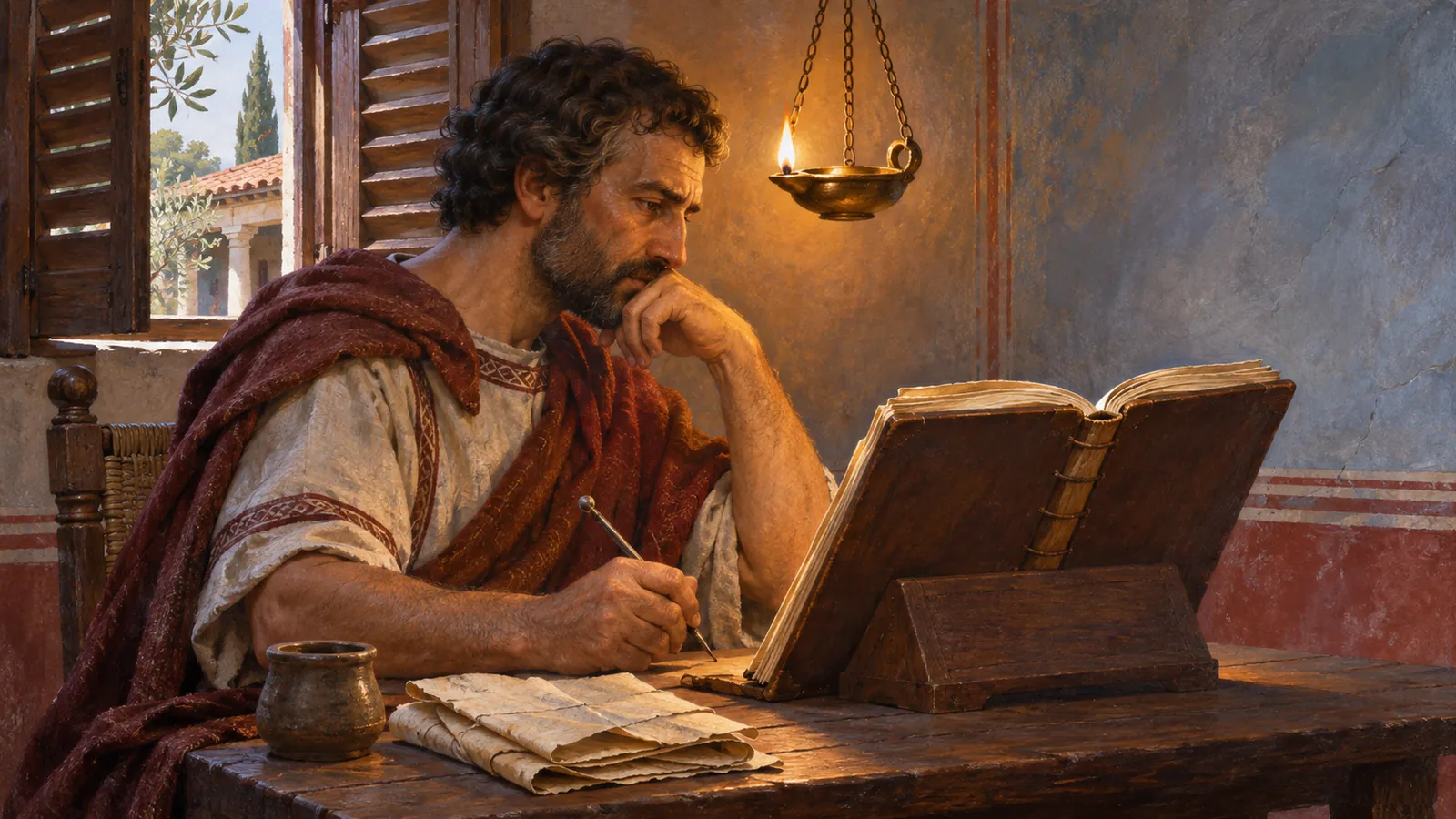
A Roman book written long afterward gives Zenobia a grand ancestry and a formidable character. Those are the writer’s choices. The wording that her own neighbors could read comes to us from coins and stone.
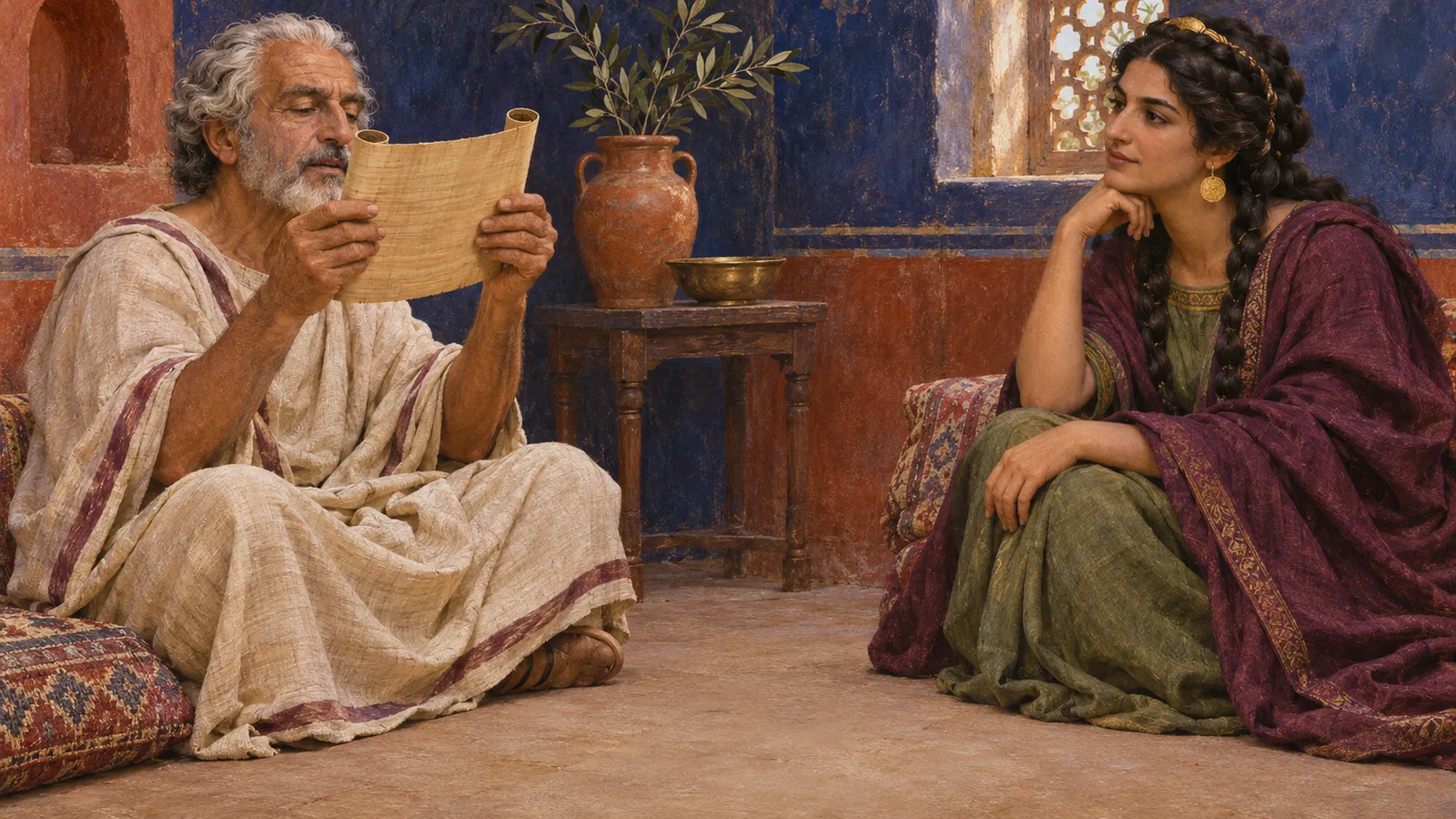
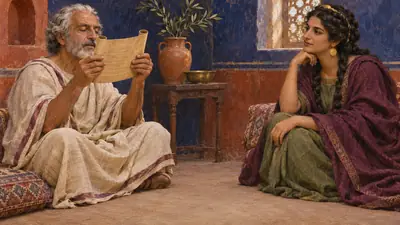
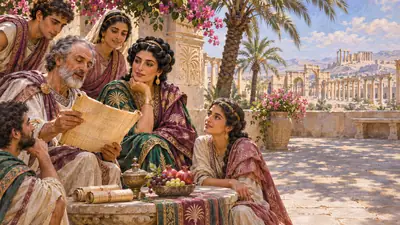
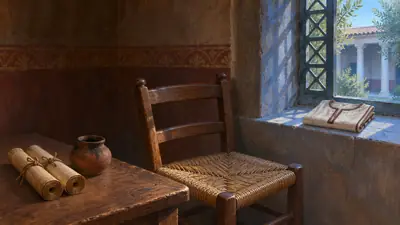
Later sources put the philosopher Longinus in Zenobia’s circle. We can imagine a reading at court. The ordinary conversations of the people around the queen have slipped away, even where their names survive.
EGYPT
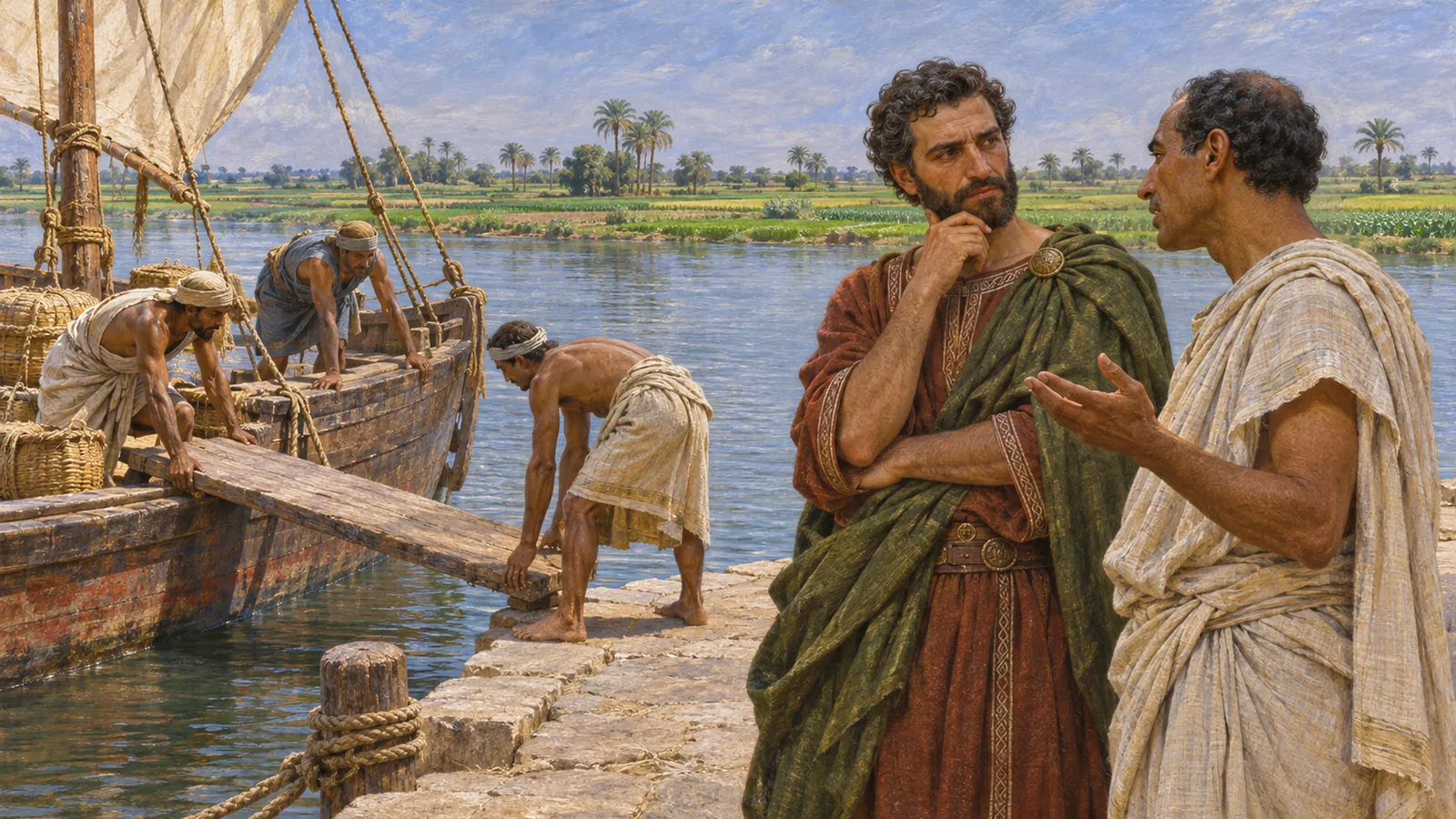
Zosimus tells how Zenobia sent Zabdas to Egypt around 270. He names an Egyptian ally, Timagenes. The court in Palmyra depended on people who already knew the towns, river crossings and local disputes.
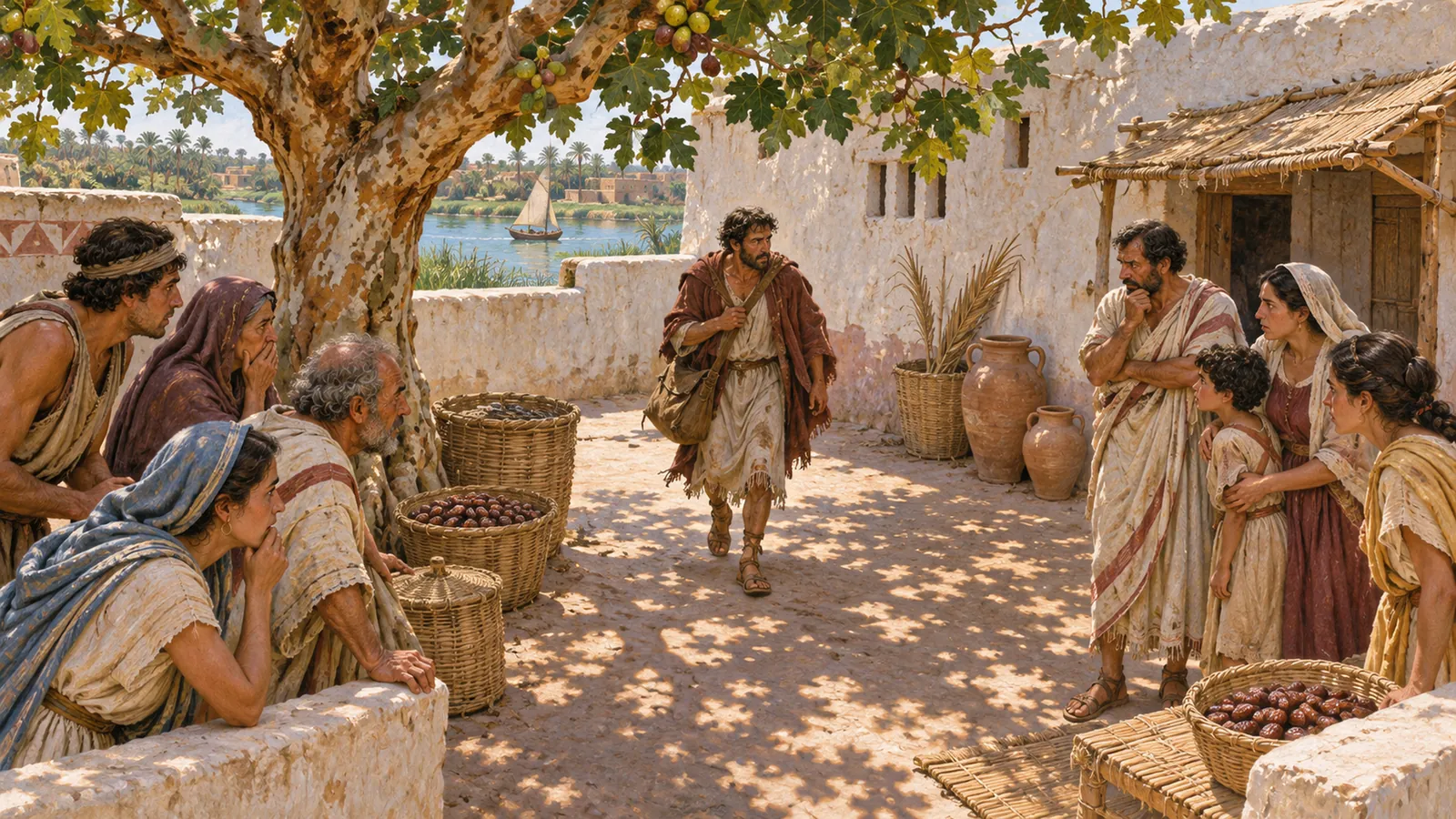
Zosimus also names Probus, who opposed Palmyra. People in Egypt took different sides, and control changed during the campaign. For a time, Alexandria and the province around it answered to the Palmyrene court.
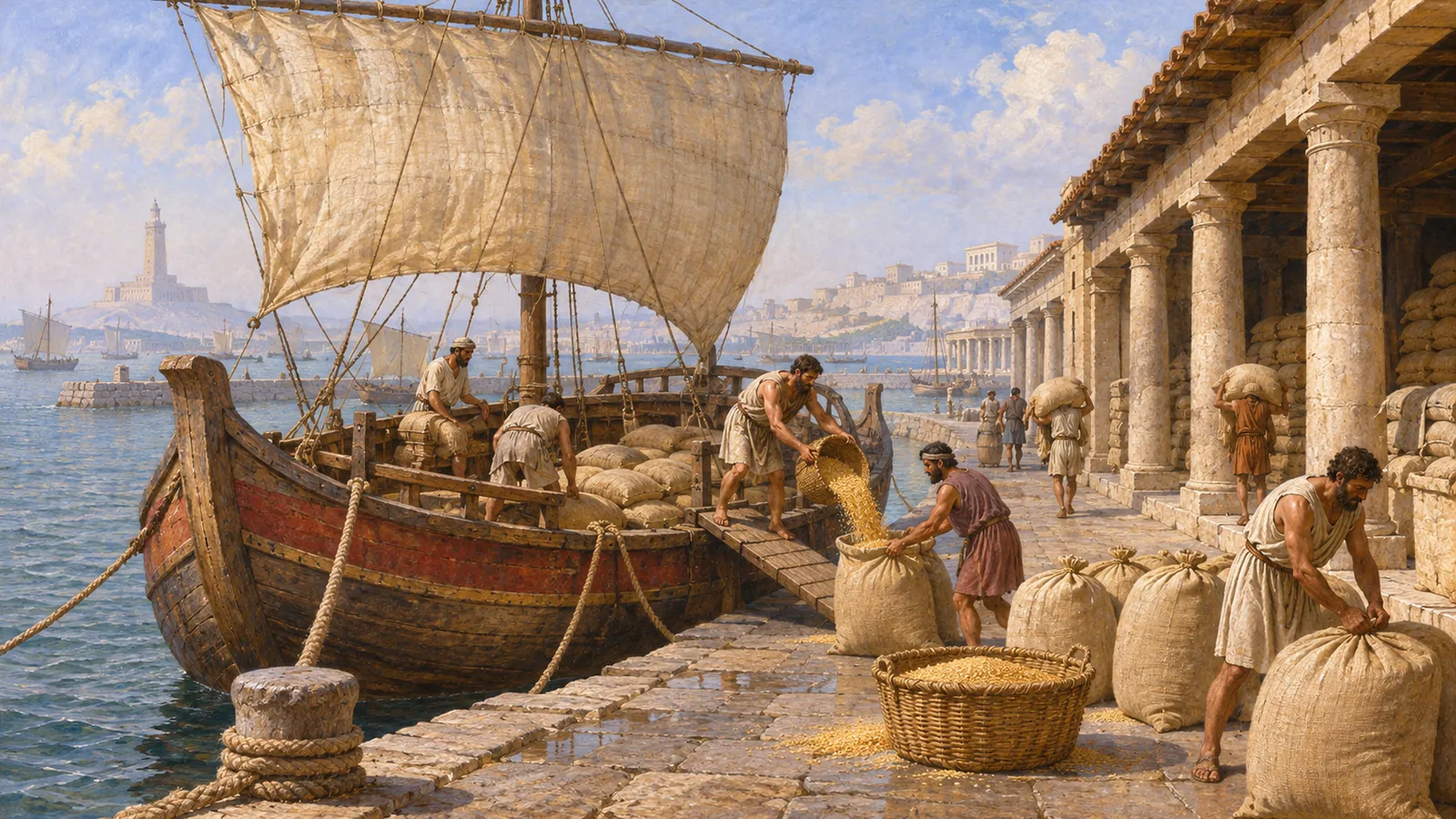
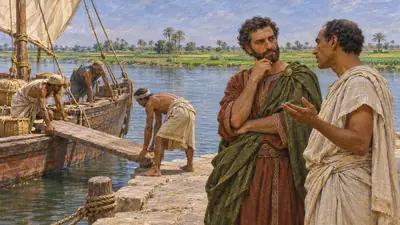
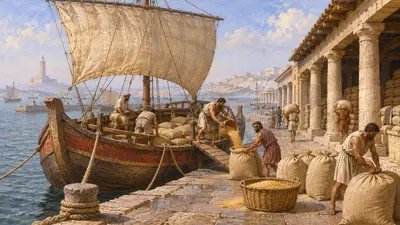
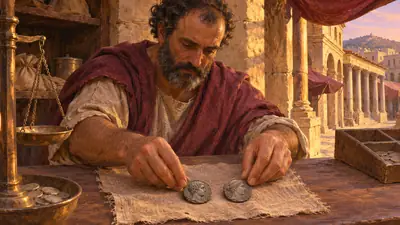
The grain port opened onto the Mediterranean. It was also a place where money was made. A person far from Palmyra might learn what the queen’s court claimed simply by opening a purse.
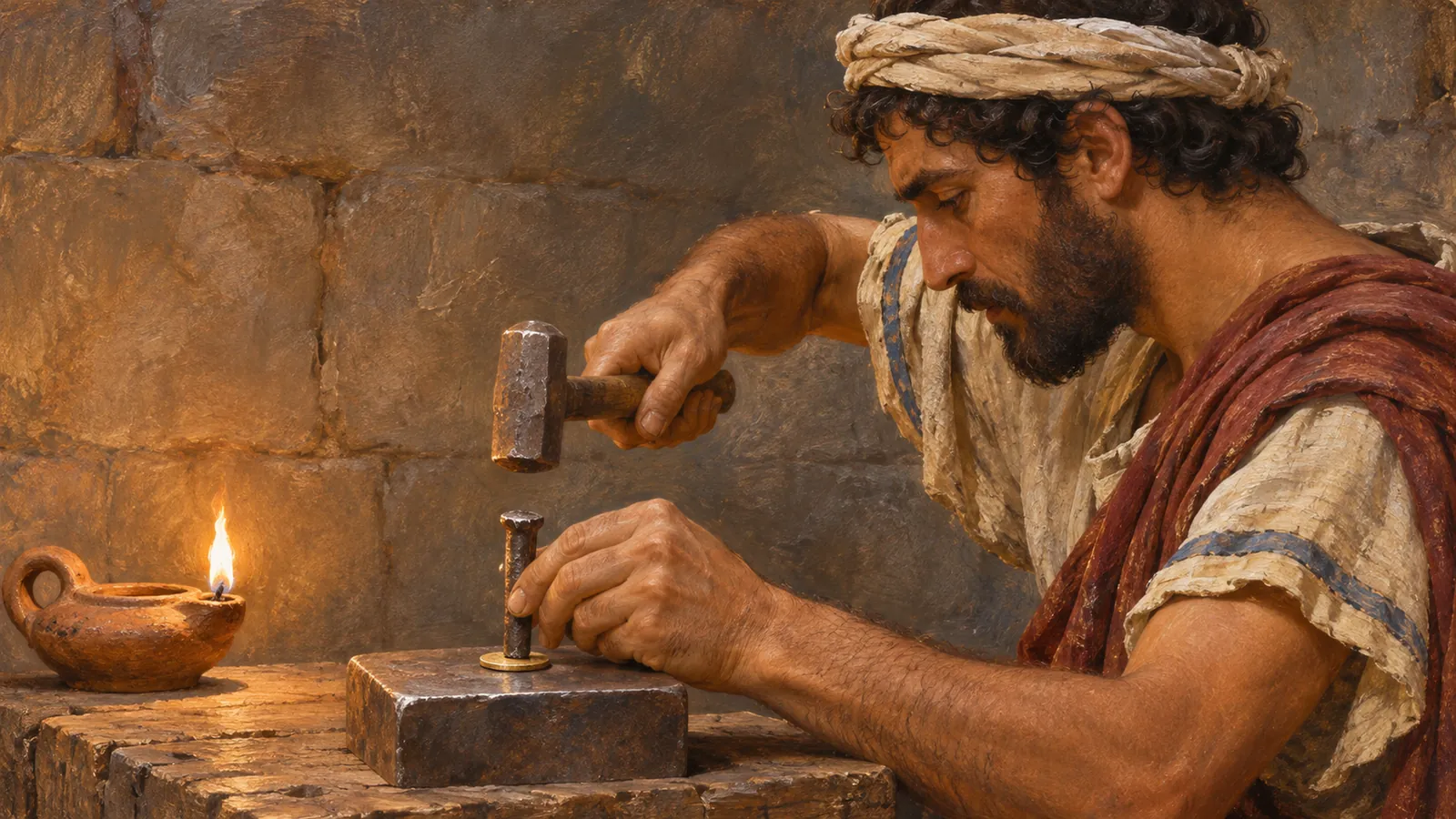
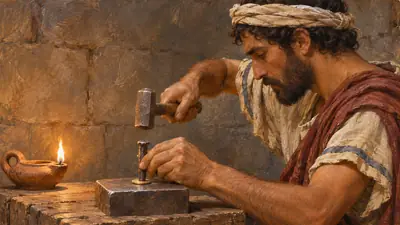
A mint worker turns a prepared metal blank into a coin with a blow. The dies leave a different design on each face. An official portrait can then travel from palm to palm.
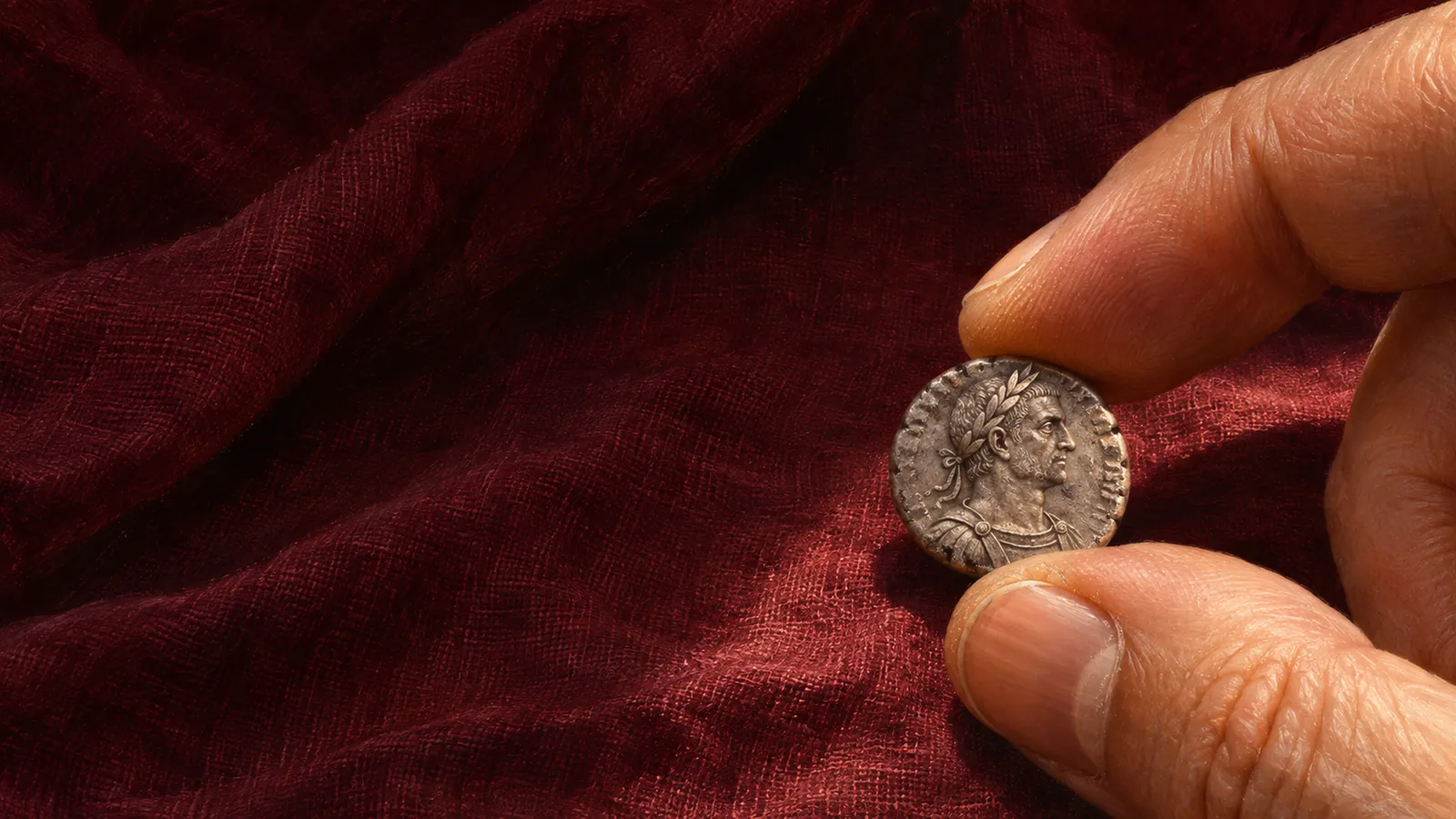
One early Alexandrian coin paired the emperor Aurelian with Vaballathus. Turn the coin to see the younger ruler. Both portraits traveled together, although the words around them gave Aurelian the higher title.
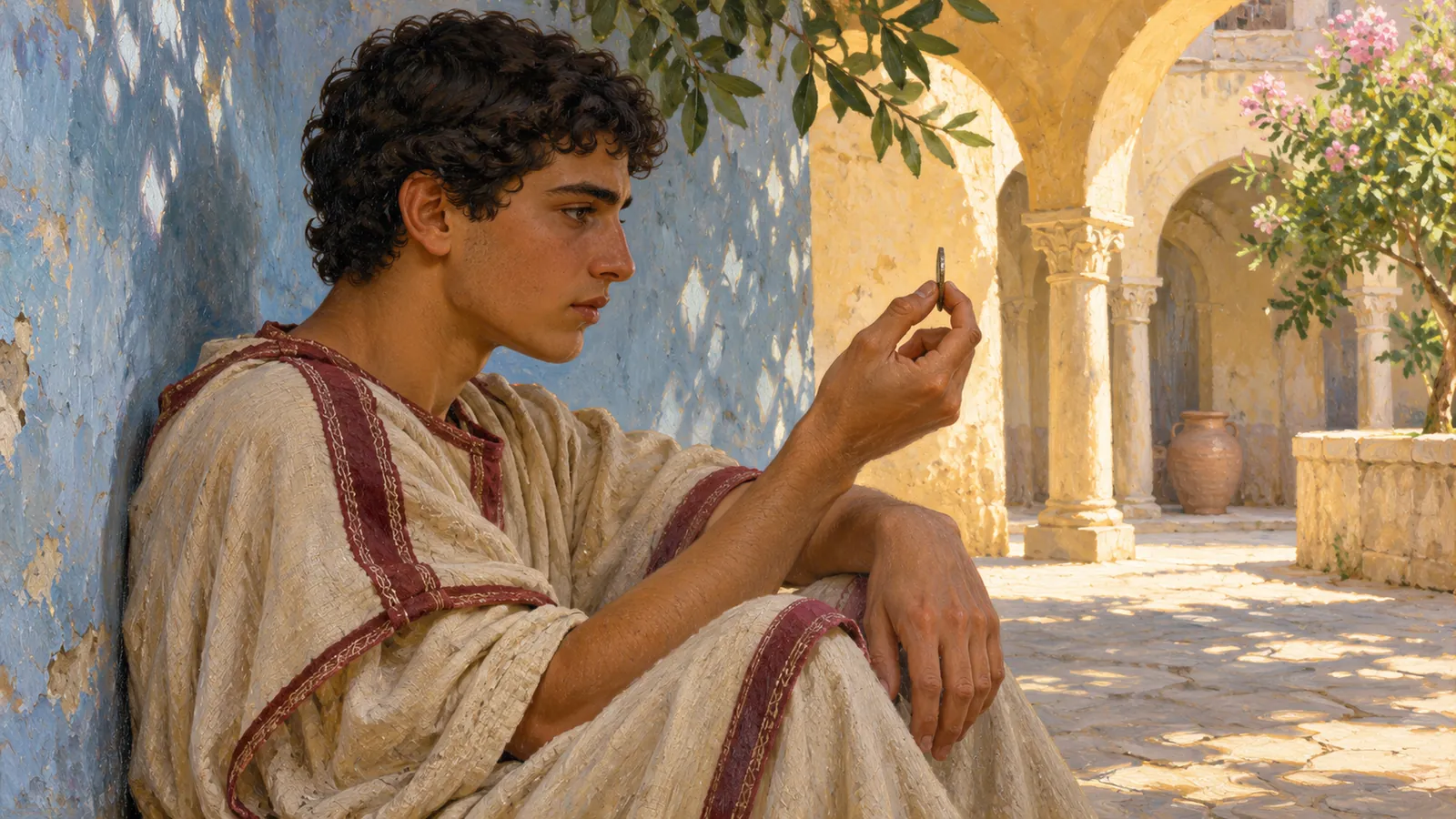
The first year of Aurelian’s reign appears on one face and the fourth year of Vaballathus’s on the other. The coin remembers each ruler’s own starting point. Whoever received it carried both reckonings.

The reach of Palmyra extended north and west from Syria. Zosimus puts some cities beyond the court’s grasp. The frontier changed with roads, alliances and who gave the orders when a traveler arrived.
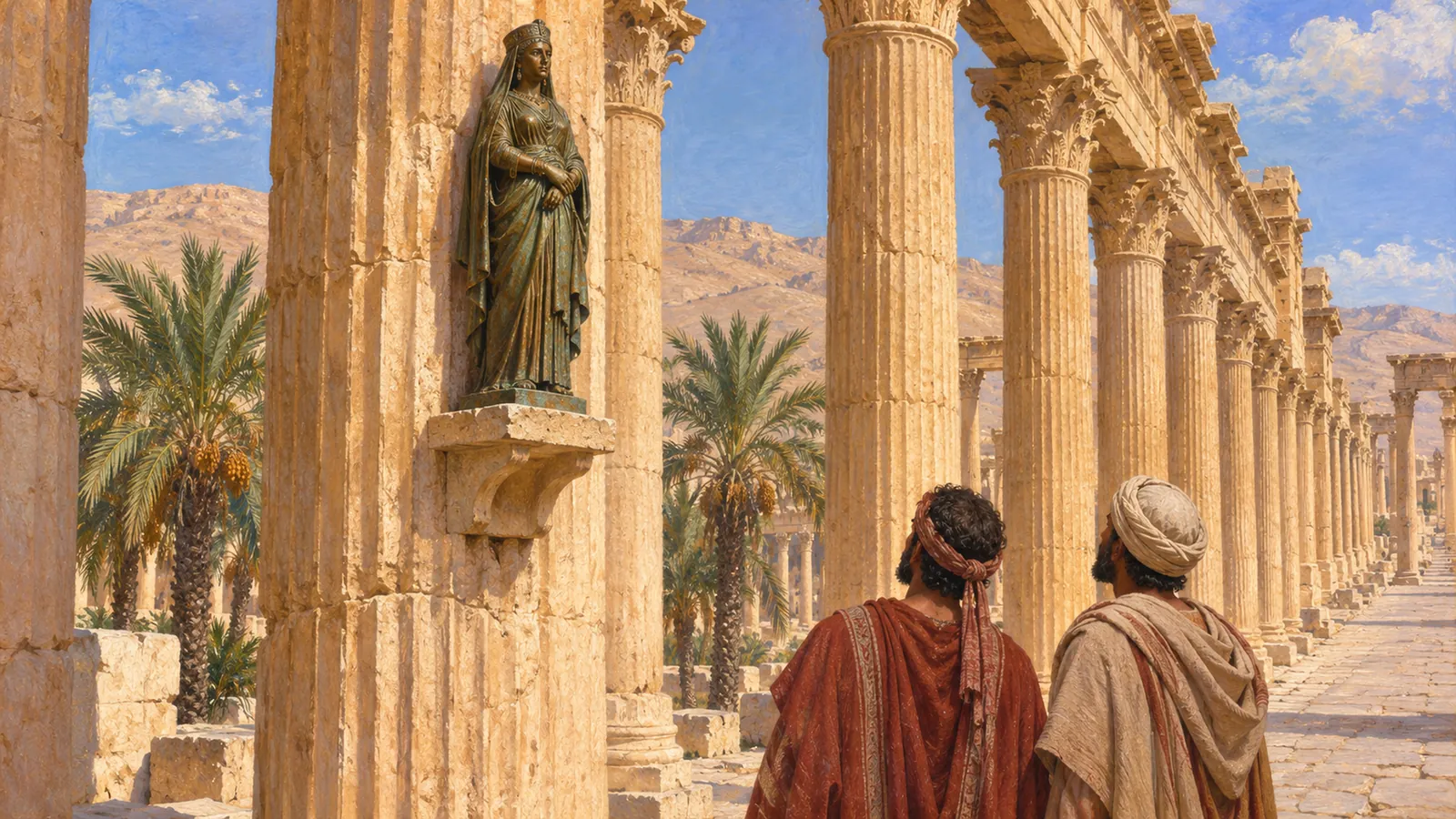
In 271 two commanders, Zabdas and Zabbai, dedicated a statue of Zenobia in the Great Colonnade. The sculpture is lost. On the column the dedication still gives the queen’s name and the reason she was honored.
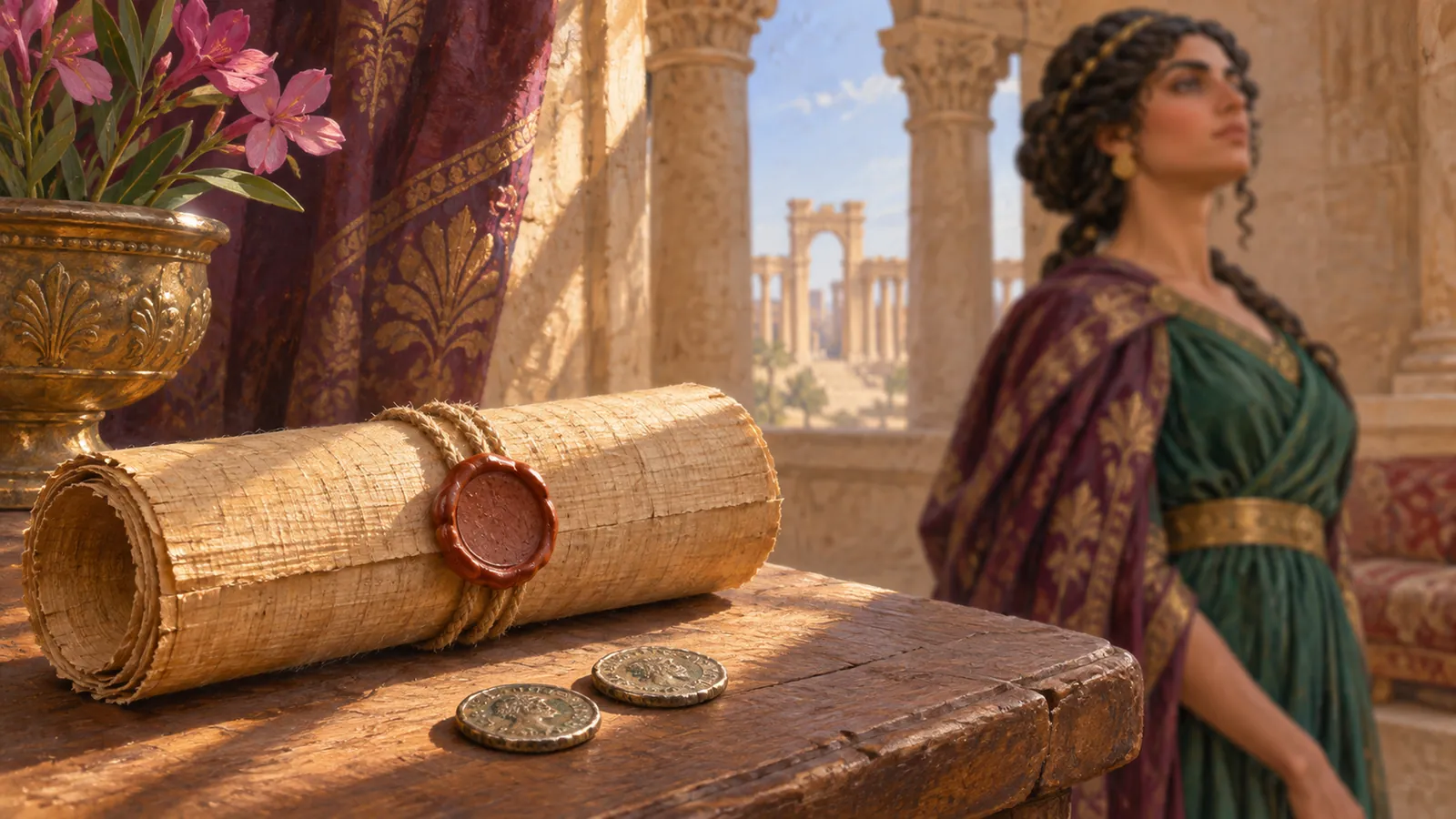
The inscription places Zenobia among people with public standing in Palmyra. Those neighbors knew her as queen. In Alexandria and Antioch a different audience would soon meet her under an imperial title.
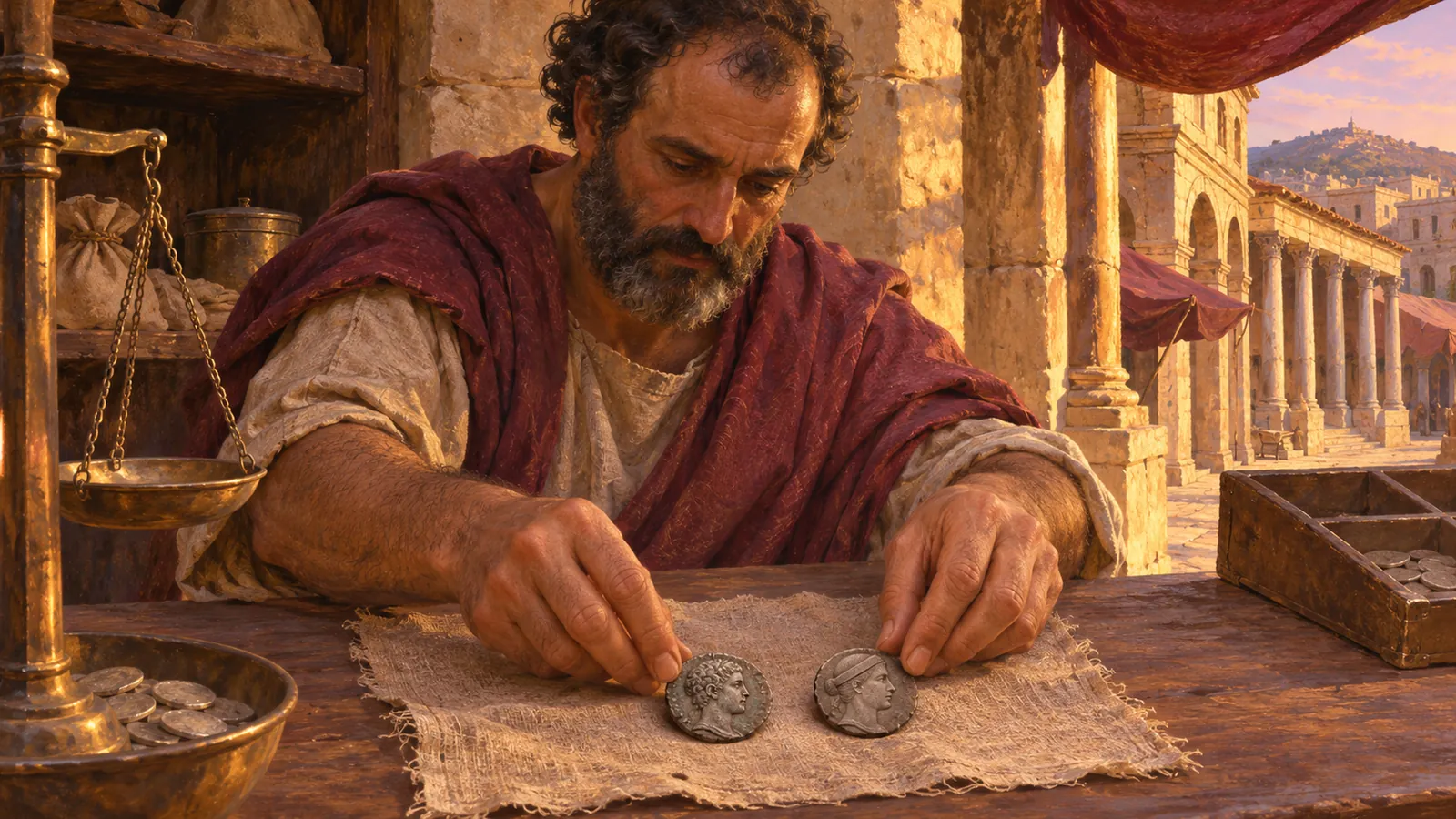
Coins from the final phase of Palmyrene rule named Vaballathus Augustus and Zenobia Augusta. Those were imperial titles. The dies carried a stronger claim than the issue that paired the boy’s face with Aurelian’s.
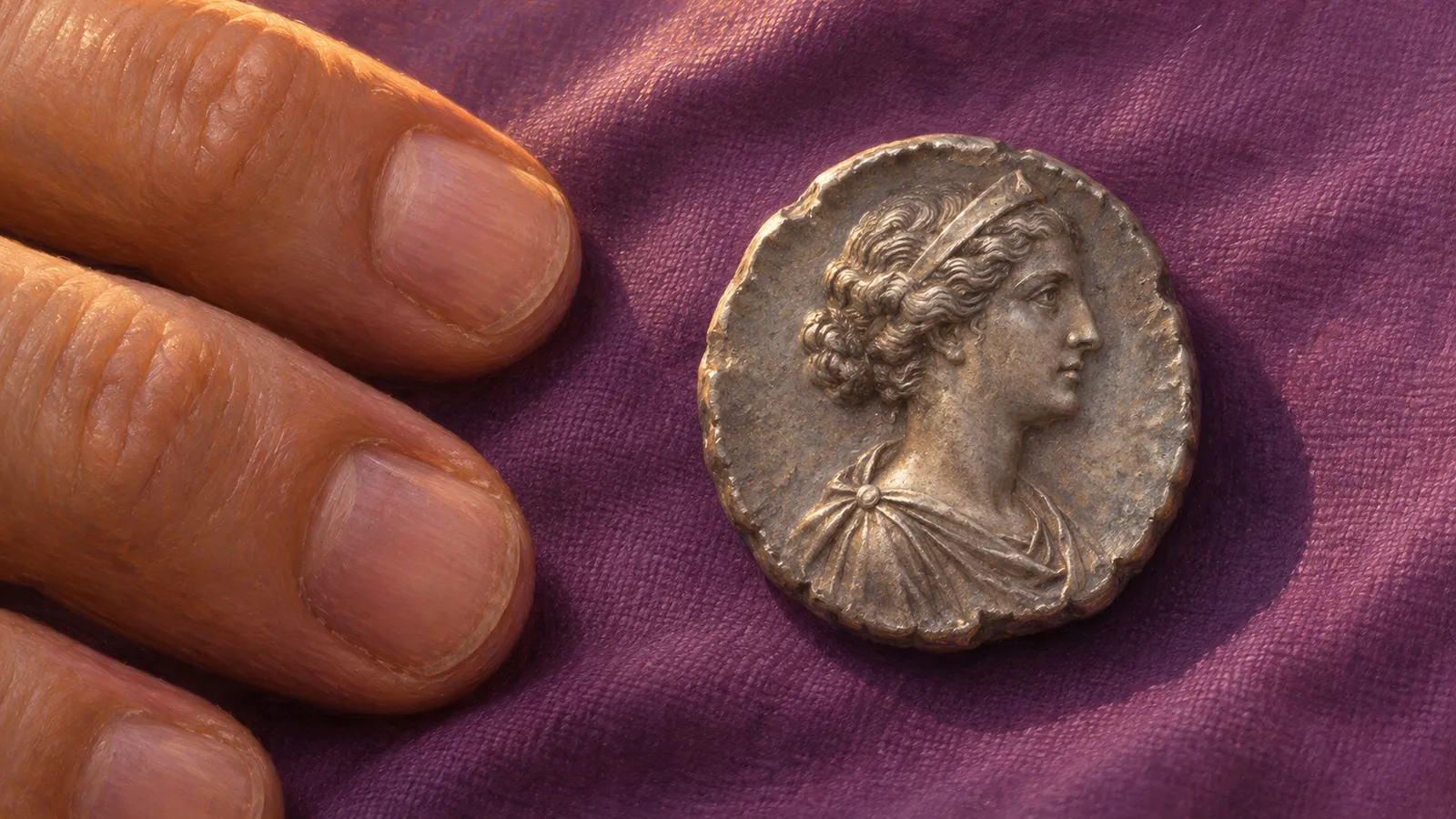
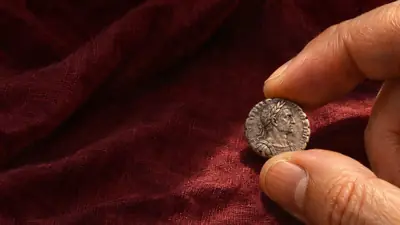
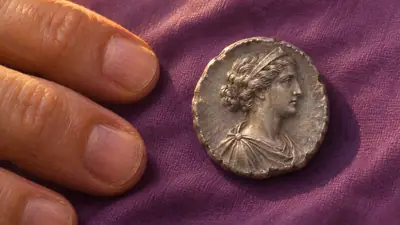
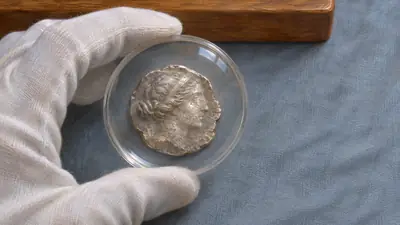
On an Alexandrian coin struck in 272, the queen wears a diadem. Across a piece scarcely wider than a fingertip, the Greek legend gives her name and rank as Septimia Zenobia Augusta.

AURELIAN
In 272 Aurelian brought his army into the Roman East. Cities in Anatolia passed back to him. The emperor who had shared a coin with Vaballathus was coming to reclaim the cities where such coins were spent.
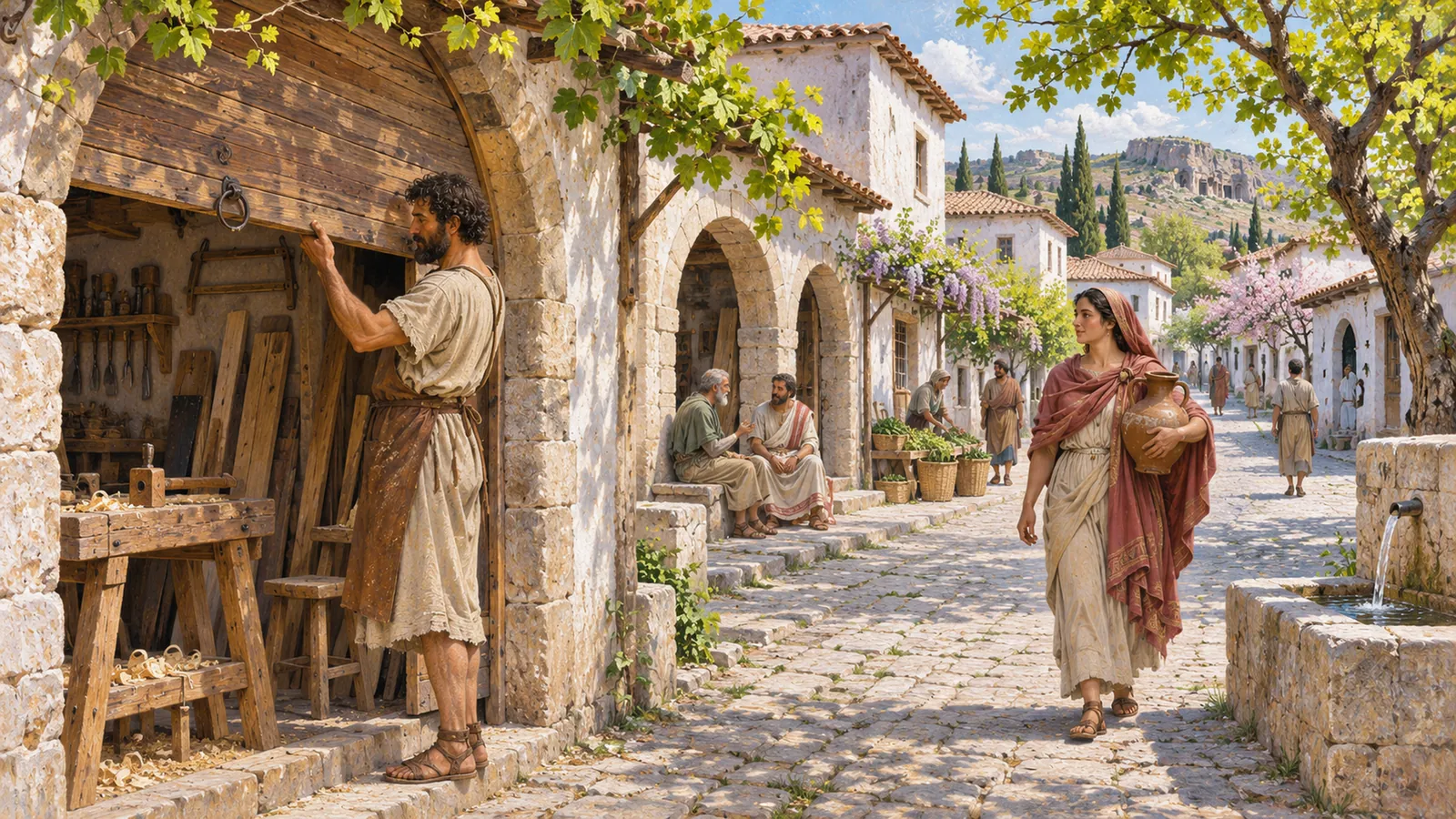
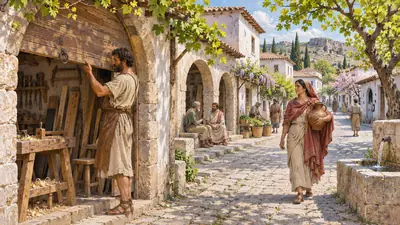
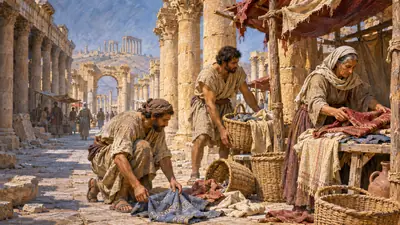
A Roman life of Aurelian singles out Tyana. Its author praises him for sparing the inhabitants. A reopened workshop lets us imagine what a change of ruler might mean to a family with a business there.
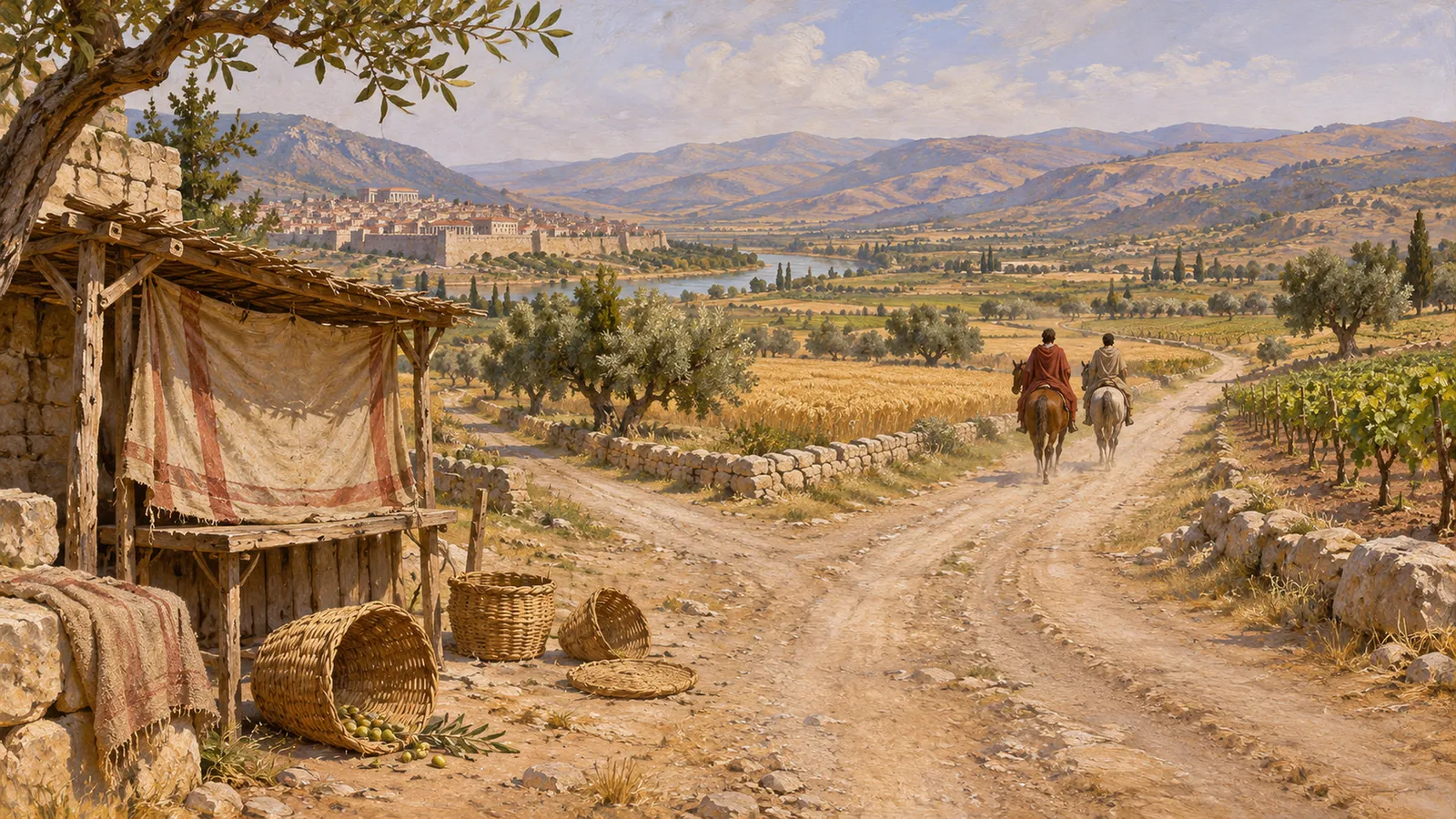
At Immae, near Antioch, the Palmyrene forces lost a battle. Zenobia’s supporters left Antioch soon afterward. A city that had answered to her now waited for word of what the Roman emperor intended.
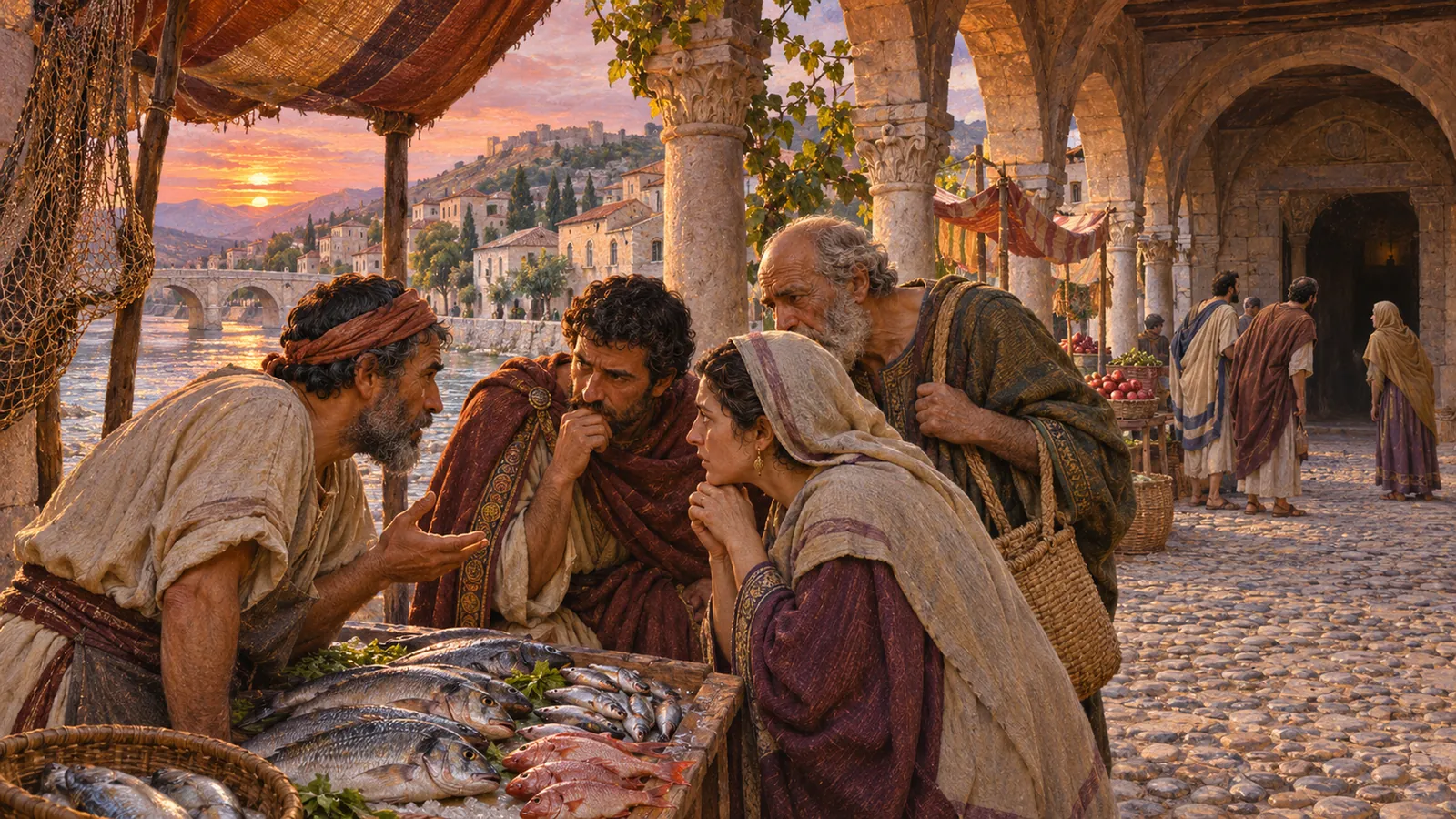
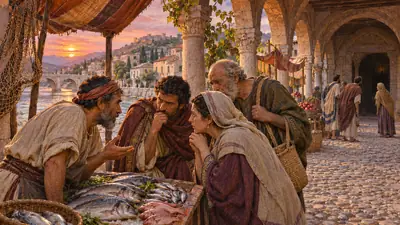
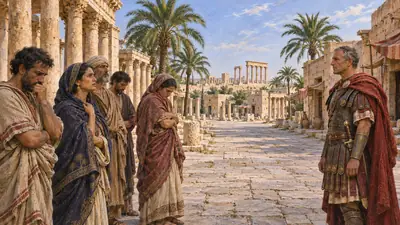
Zosimus says Zabdas spread a rumor of victory as the Palmyrenes prepared to leave. A shopkeeper hearing the story would have had little chance of checking it before deciding whether to stay or go.

Zosimus says people fled Antioch when they realized who was coming. Aurelian invited those who had gone to return. For them, the road through the gate led to shops, family houses and neighbors.
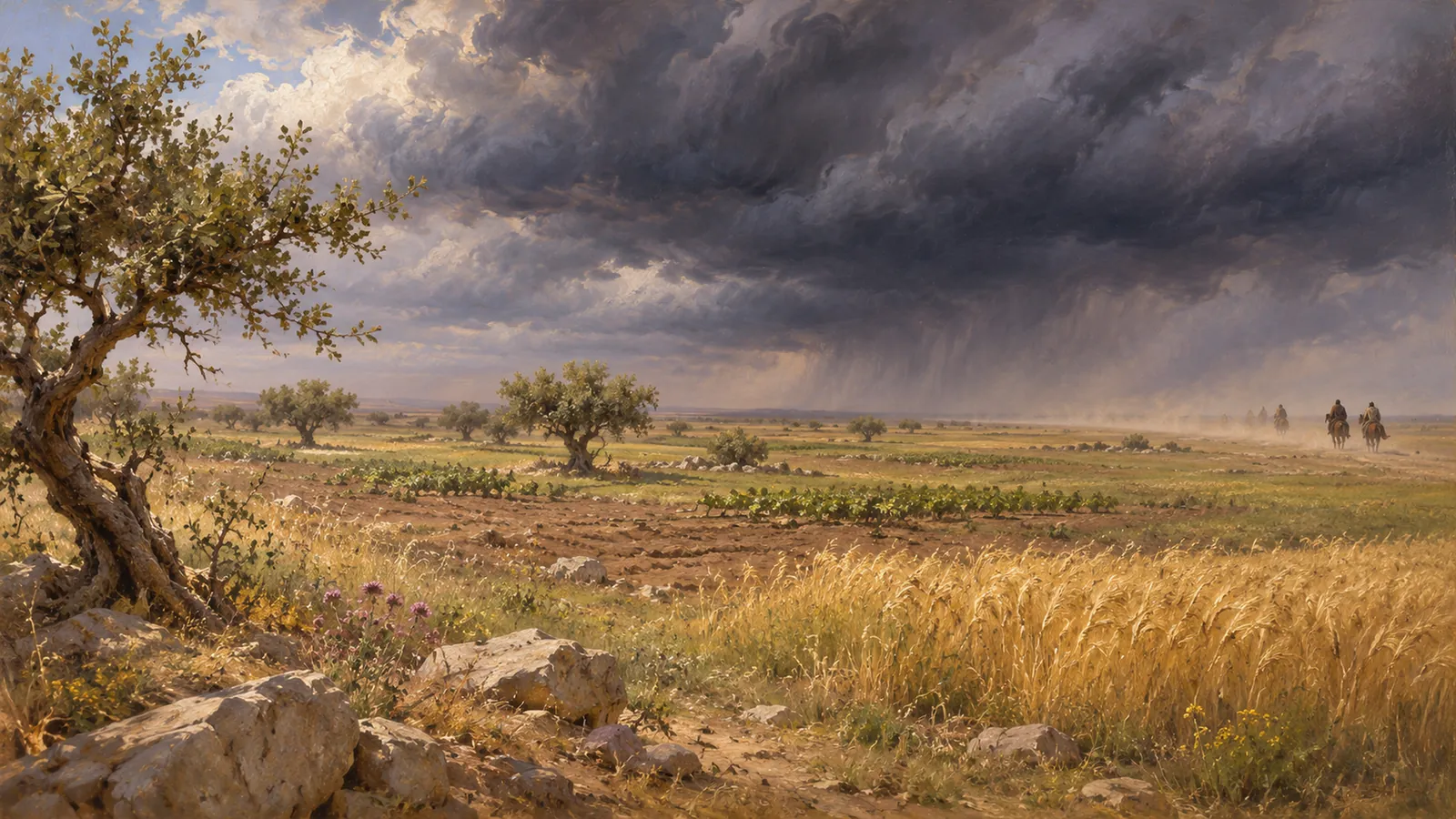
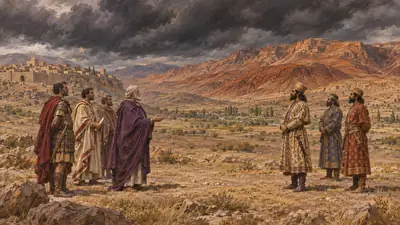
At Emesa, today’s Homs, Zenobia’s army lost again. Zosimus says many in the city favored Aurelian. The queen’s advisers urged her to return to Palmyra, where the court could still meet and decide what to do.
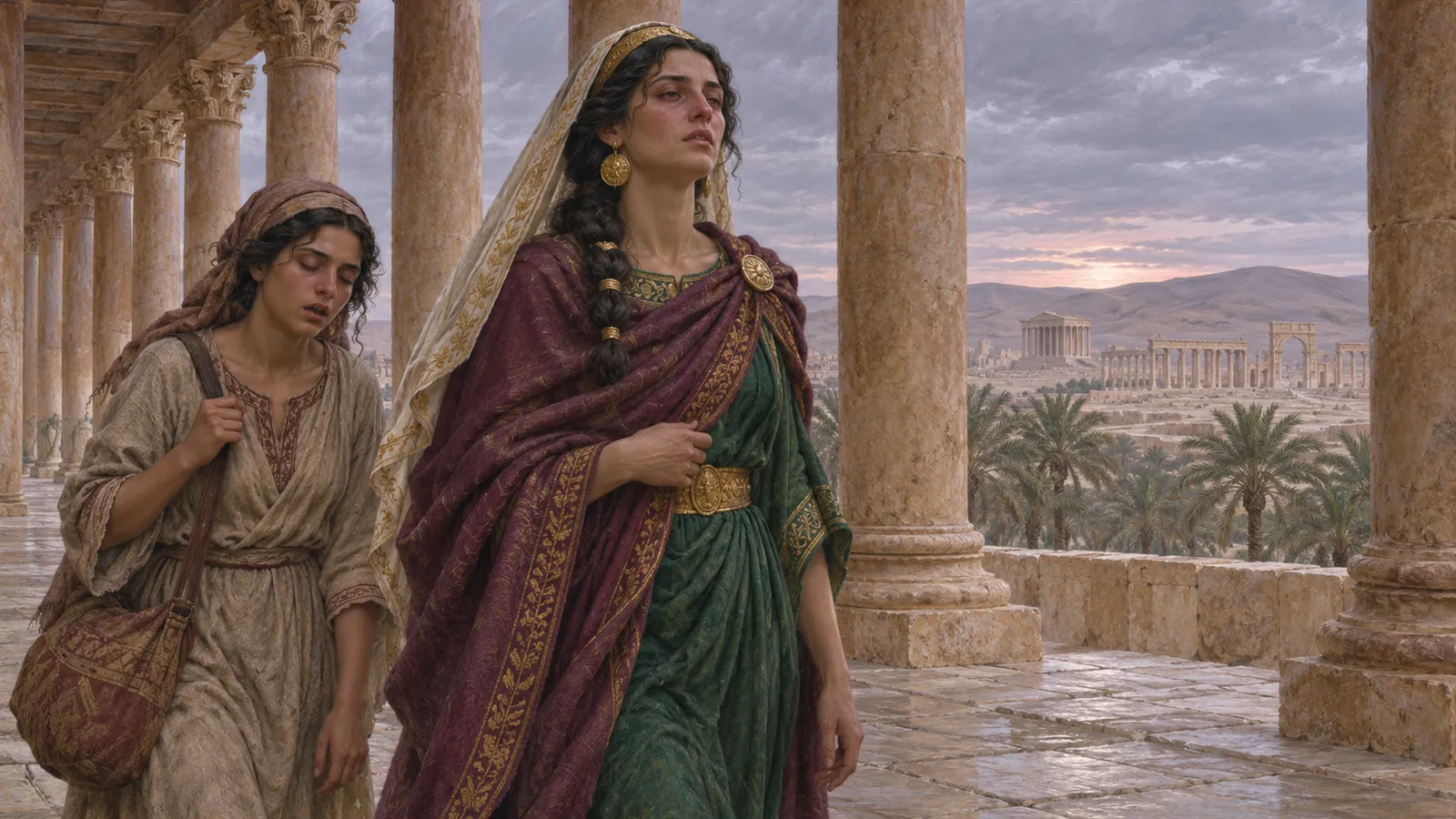
Zenobia returned to the city where her name had been carved in stone. Soon Aurelian’s army arrived. The roads that once brought caravans and opened the city to the world now brought unwelcome visitors.
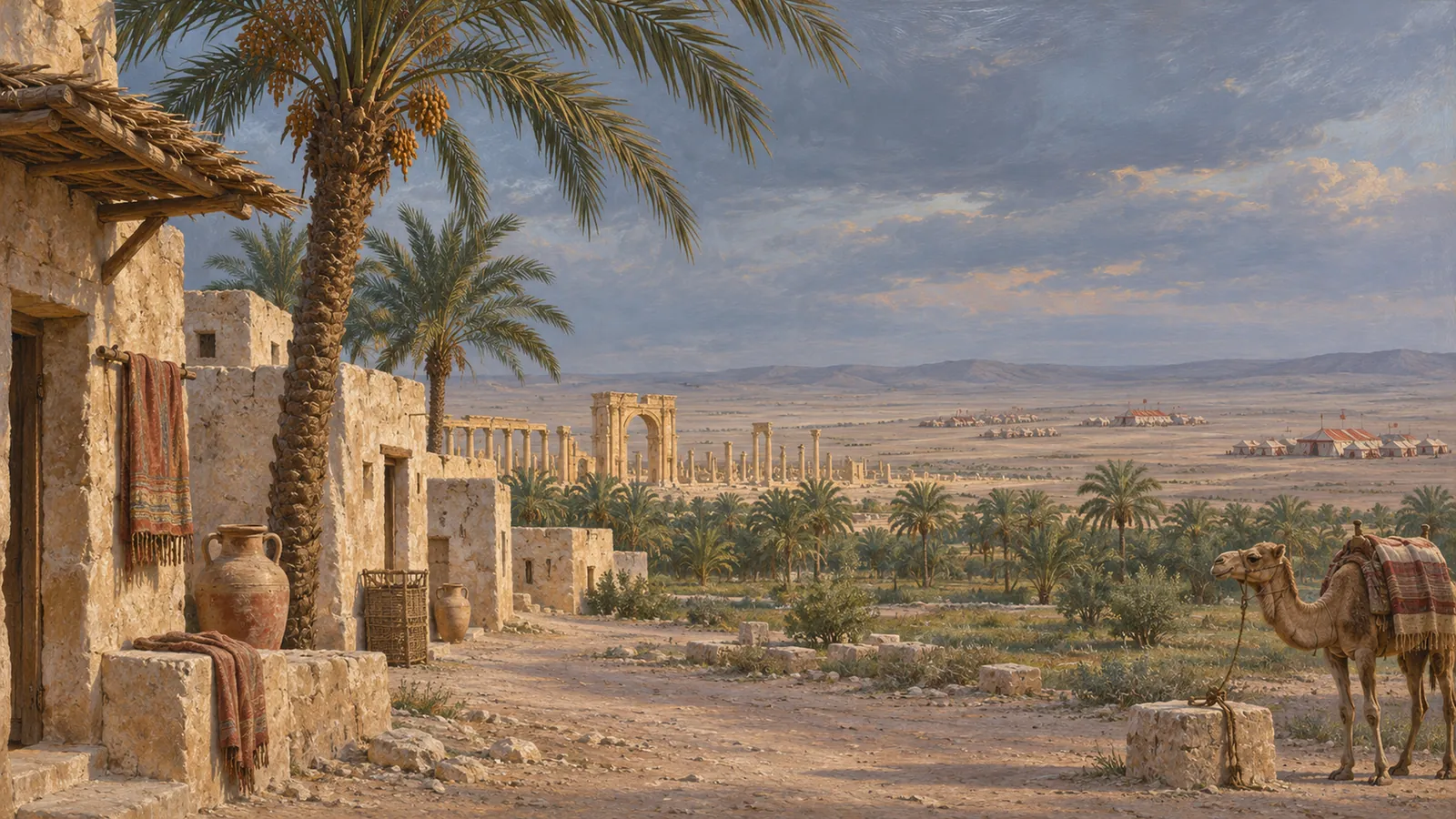
In Zosimus the city comes under siege. Archaeologists place the Roman circuit wall later. In 272 people could have watched the camps from the colonnades and the roofs of their own houses.
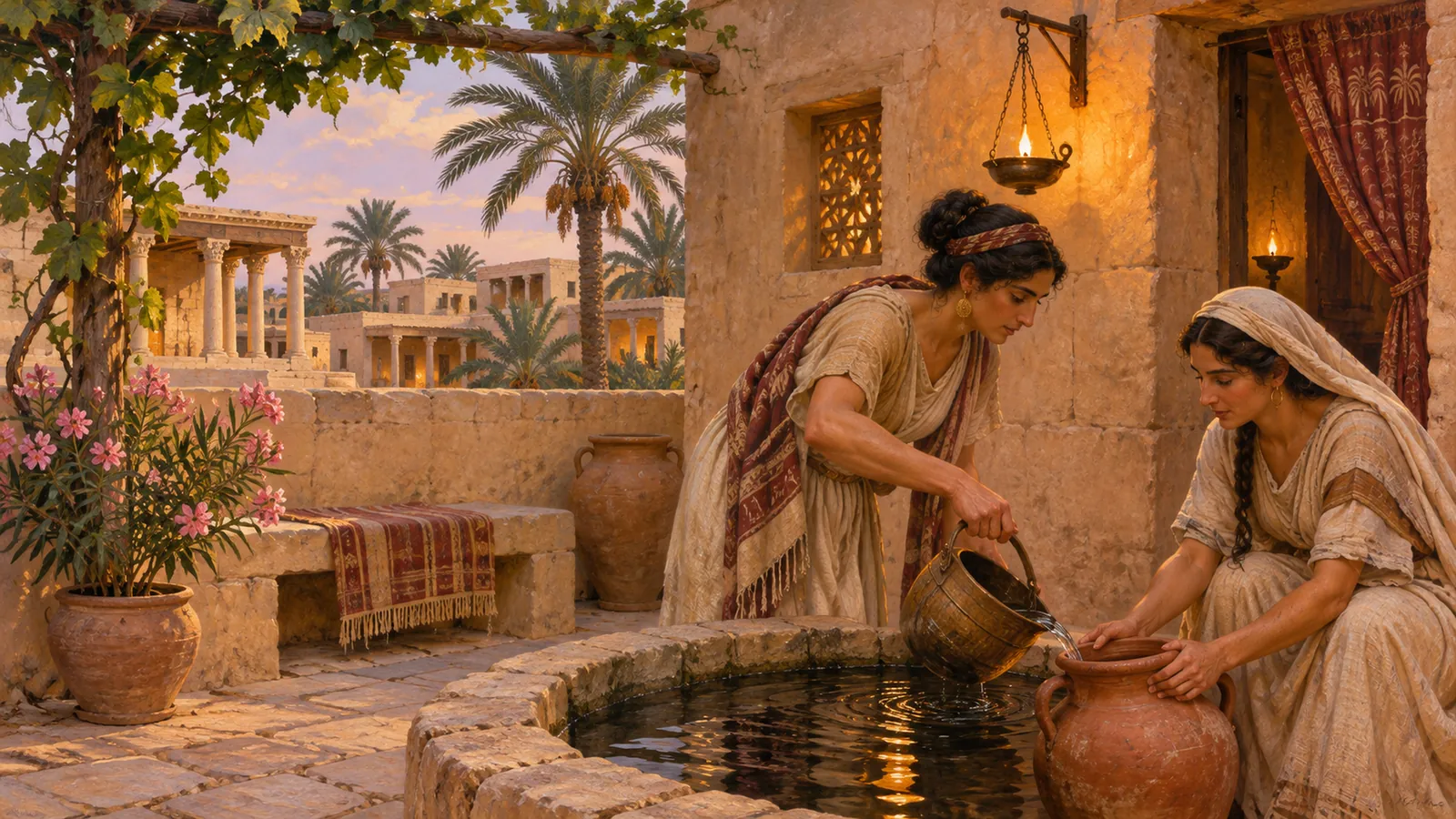
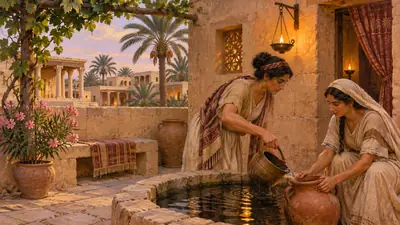
The accounts speak of dwindling provisions. Think of how a household might reckon its own time, by the water left in a jar or the handfuls of grain that could feed it tomorrow.
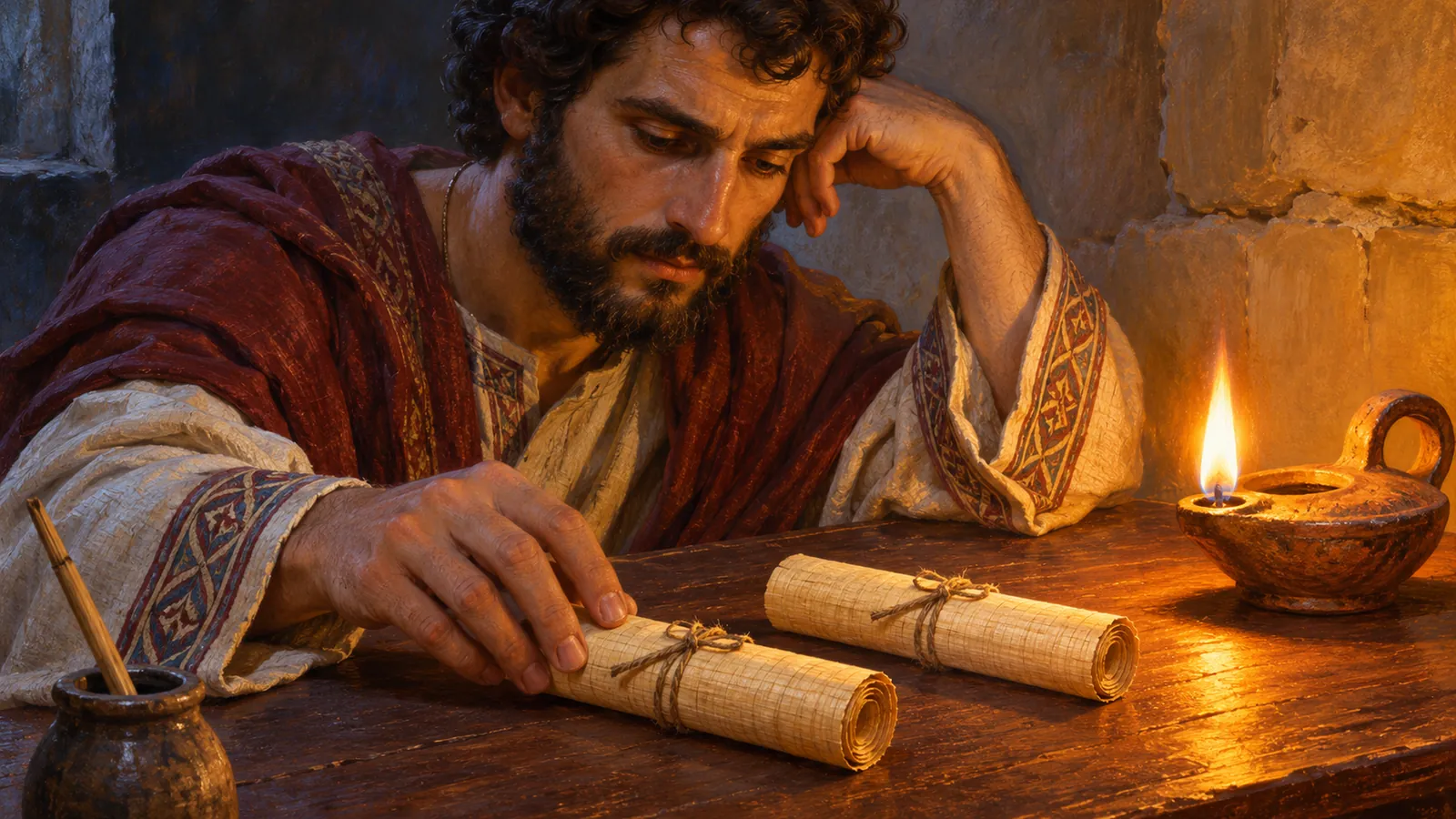
The Historia Augusta presents letters in which Aurelian demands surrender and Zenobia refuses. The exchange is known from the later book. Its author gives both rulers voices in a scene readers could picture.

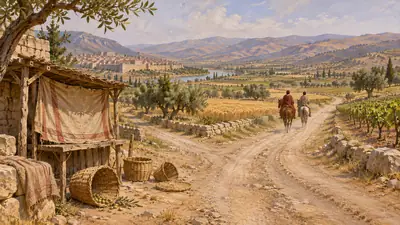
Zosimus says Zenobia left on a camel, bound for the Euphrates. Beyond the river she hoped to gain Persian help. Her last journey from Palmyra would end before she could reach it.

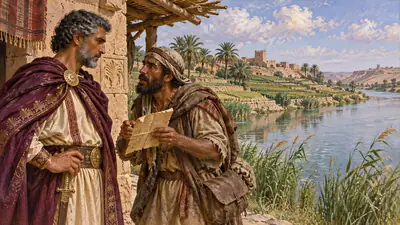
Roman riders caught up with Zenobia as she was crossing the Euphrates, according to Zosimus. The river she had hoped would carry her to safety became the place where her years in power ended.
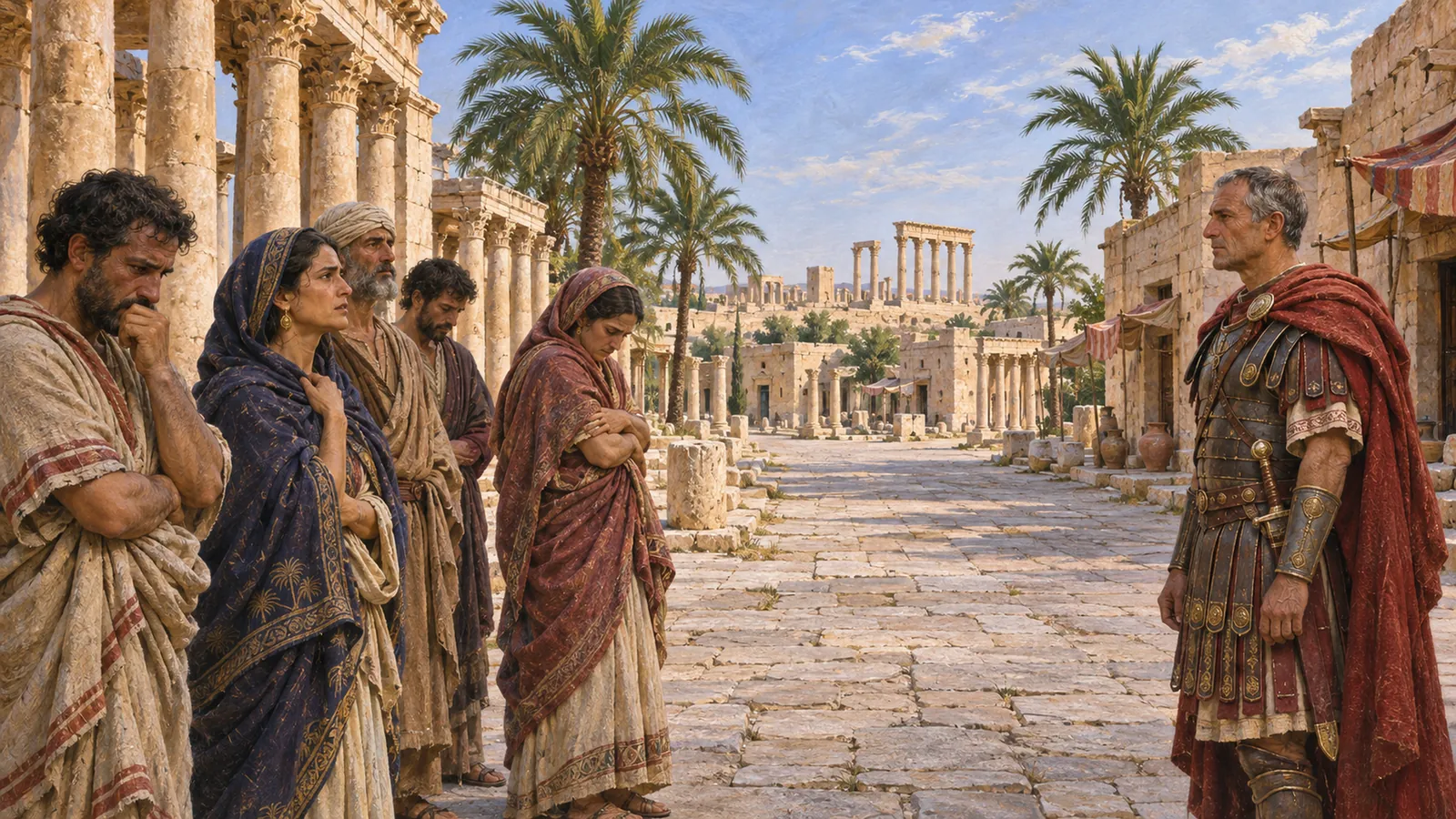
Palmyra came under Aurelian’s control in 272. Zosimus says that residents brought him gifts and were allowed to go home. Everyone who stayed had to learn what it meant to live under Roman rule again.
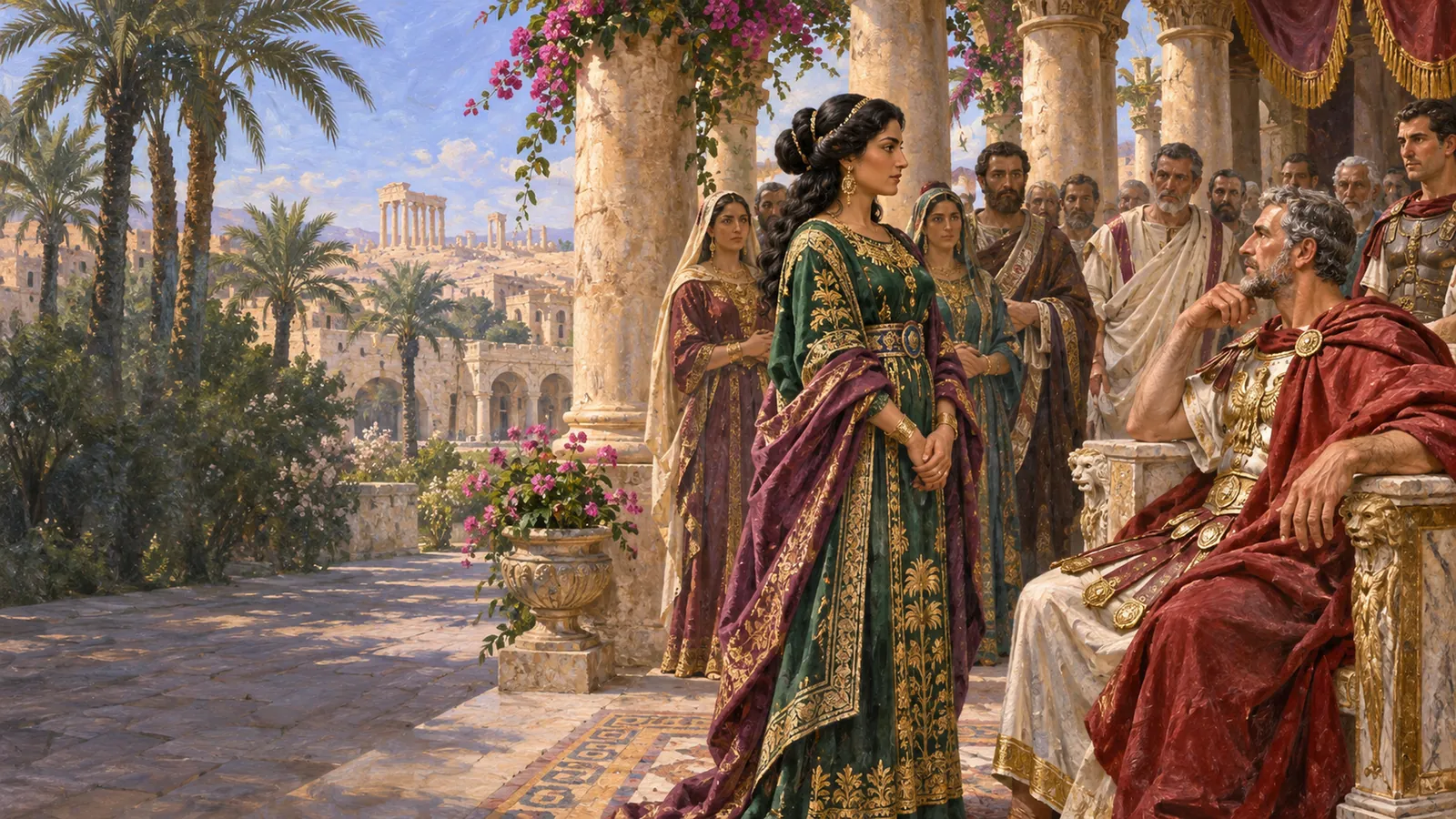
Zosimus puts a hearing back at Emesa after the surrender. He has Zenobia answer charges and name several counselors. The account was written generations later, and the proceedings survive in that historian’s telling.
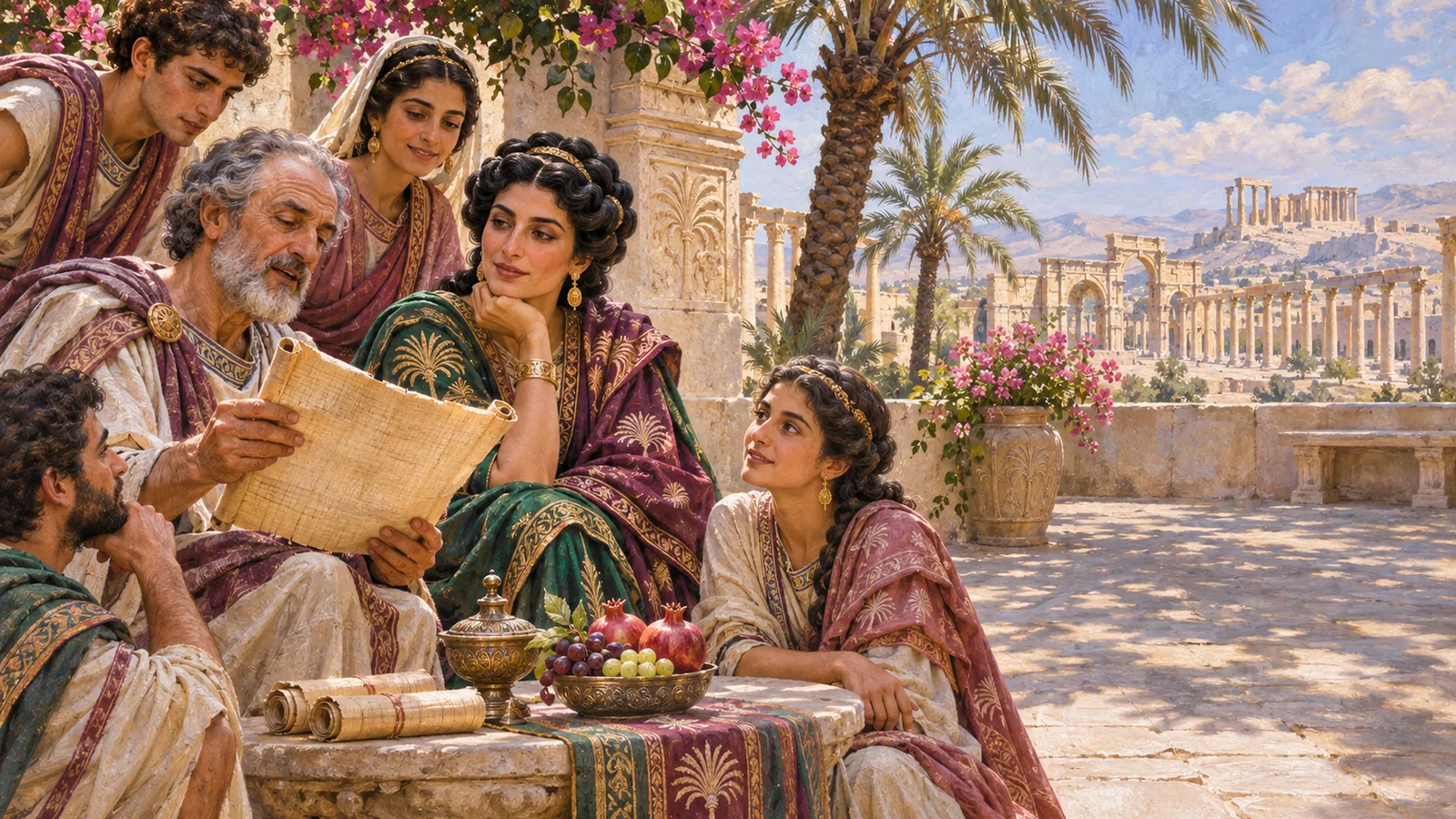
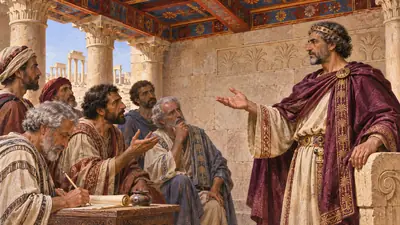
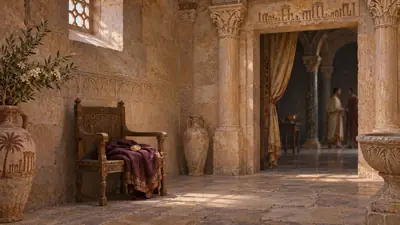
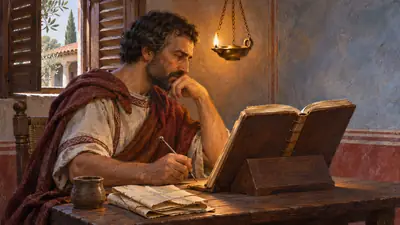
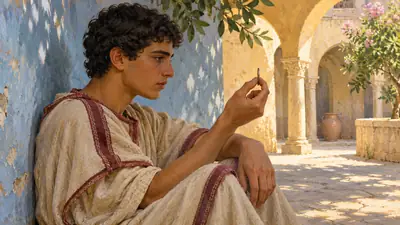
Longinus was among those named. Zosimus tells that Aurelian had him executed. The picture imagines him earlier, reading with the court whose fortunes would one day bring him into the historian’s account.

When a historian composed a hearing or passed down a speech, readers met the people through words selected long afterward. A coin from the year of the campaign offers a different kind of witness.
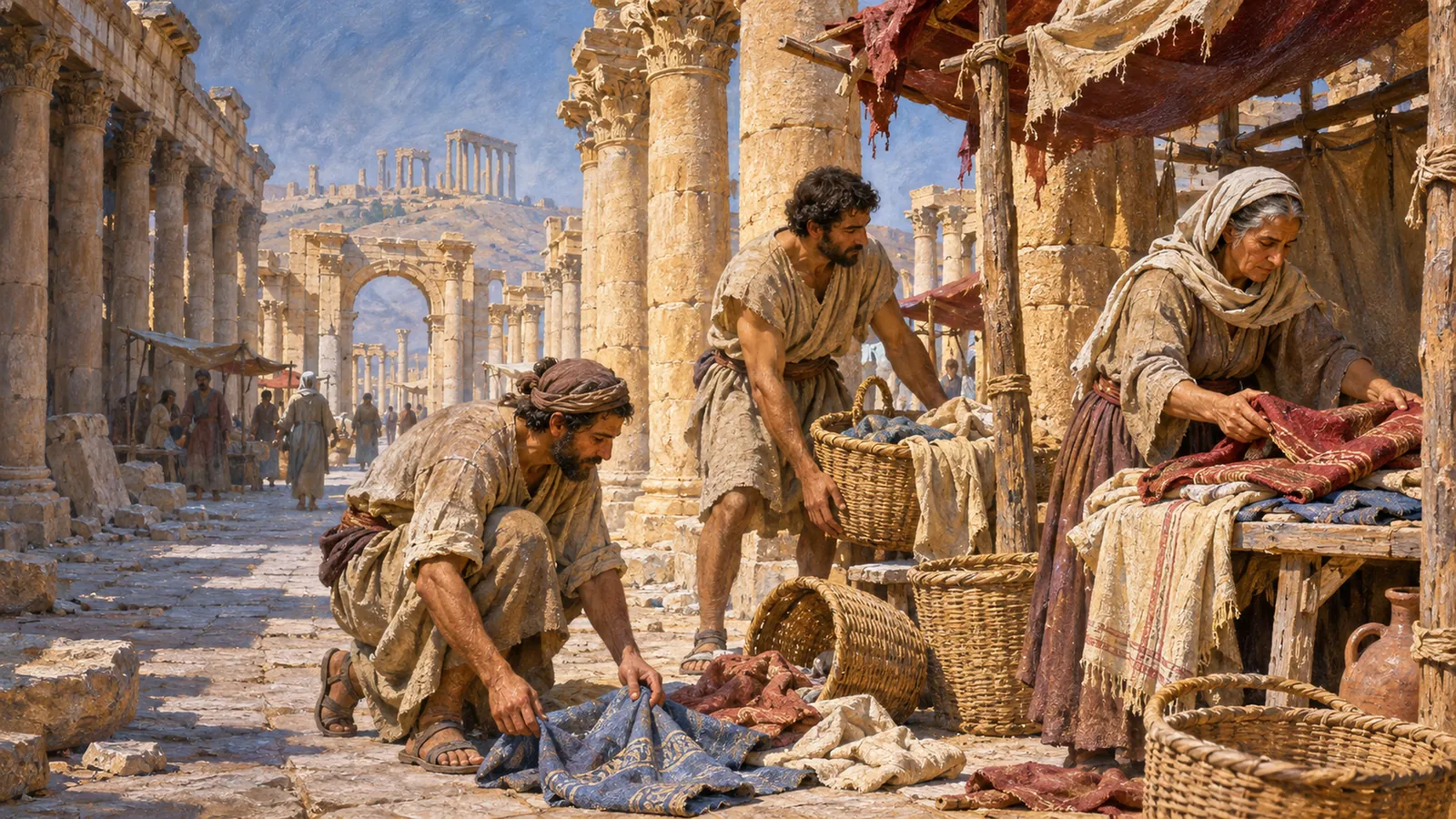
A new uprising in 273 brought Aurelian back. According to Zosimus, some of the rebels set up a claimant named Antiochus. The emperor dealt harshly with the revolt, and the oasis lost its political power.
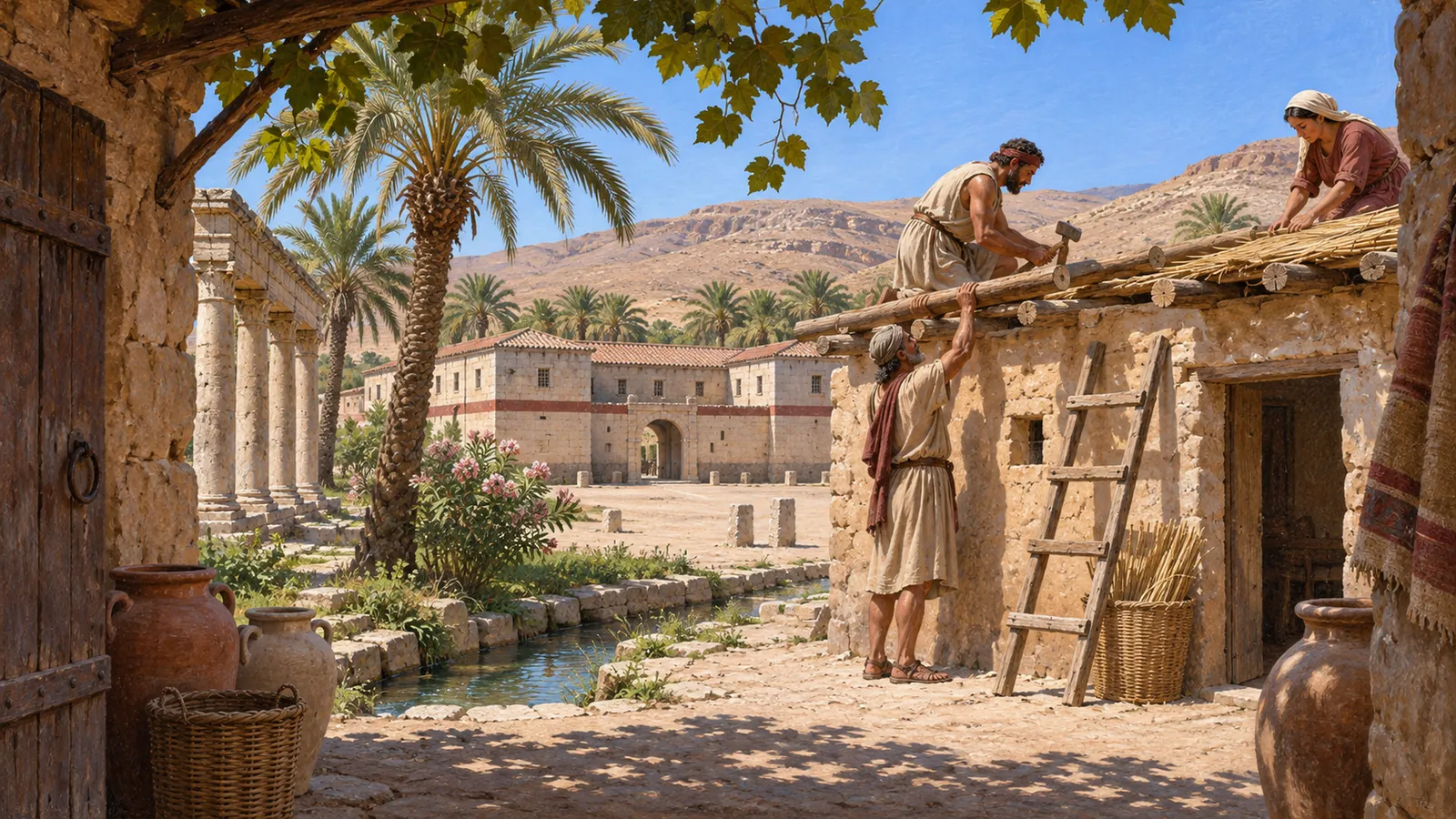
People continued to live in the oasis. Archaeologists trace a later Roman garrison and changes in the old streets and buildings. The lives of its residents went on after the court that had issued coins disappeared.
TWO ENDINGS
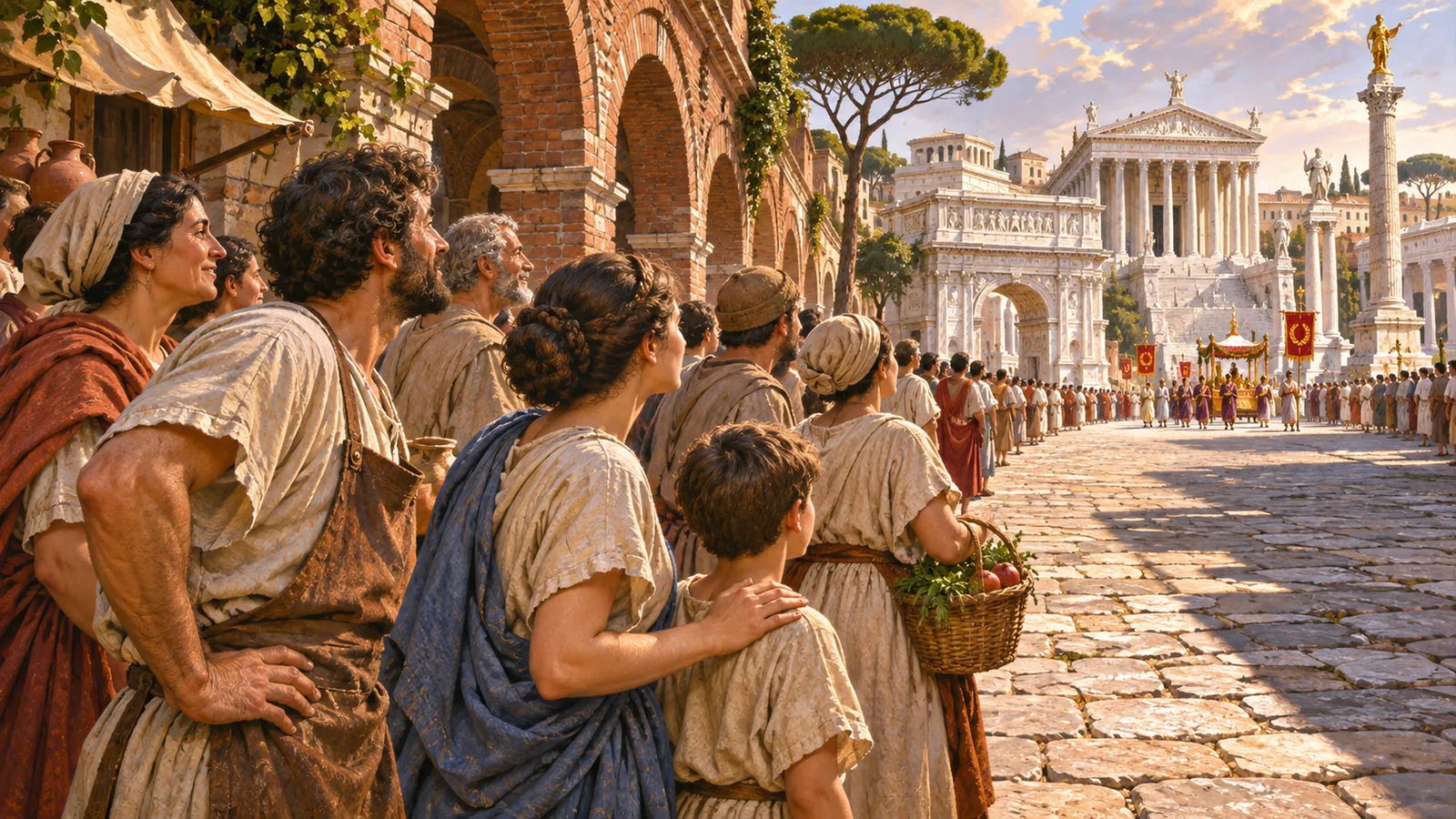
The Historia Augusta places Zenobia in Aurelian’s victory procession in Rome, years after the first campaign. Its author remembers costly ornaments and draws a picture of an empire putting a victory on display.

In the same tradition Zenobia lives afterward near Tibur, now Tivoli. The Roman writer gives her a household there. That quiet ending belongs to the same story as the crowded parade.

In Zosimus the captive queen dies on the journey west. He leaves open whether sickness or hunger took her. The account goes on to tell of companions lost in the strait near Byzantium.
Vaballathus had appeared beside Aurelian on a coin, and then with his own imperial title. Beyond the defeat his trace grows faint. His mother’s final years and his own remain beyond the reach of those earlier records.
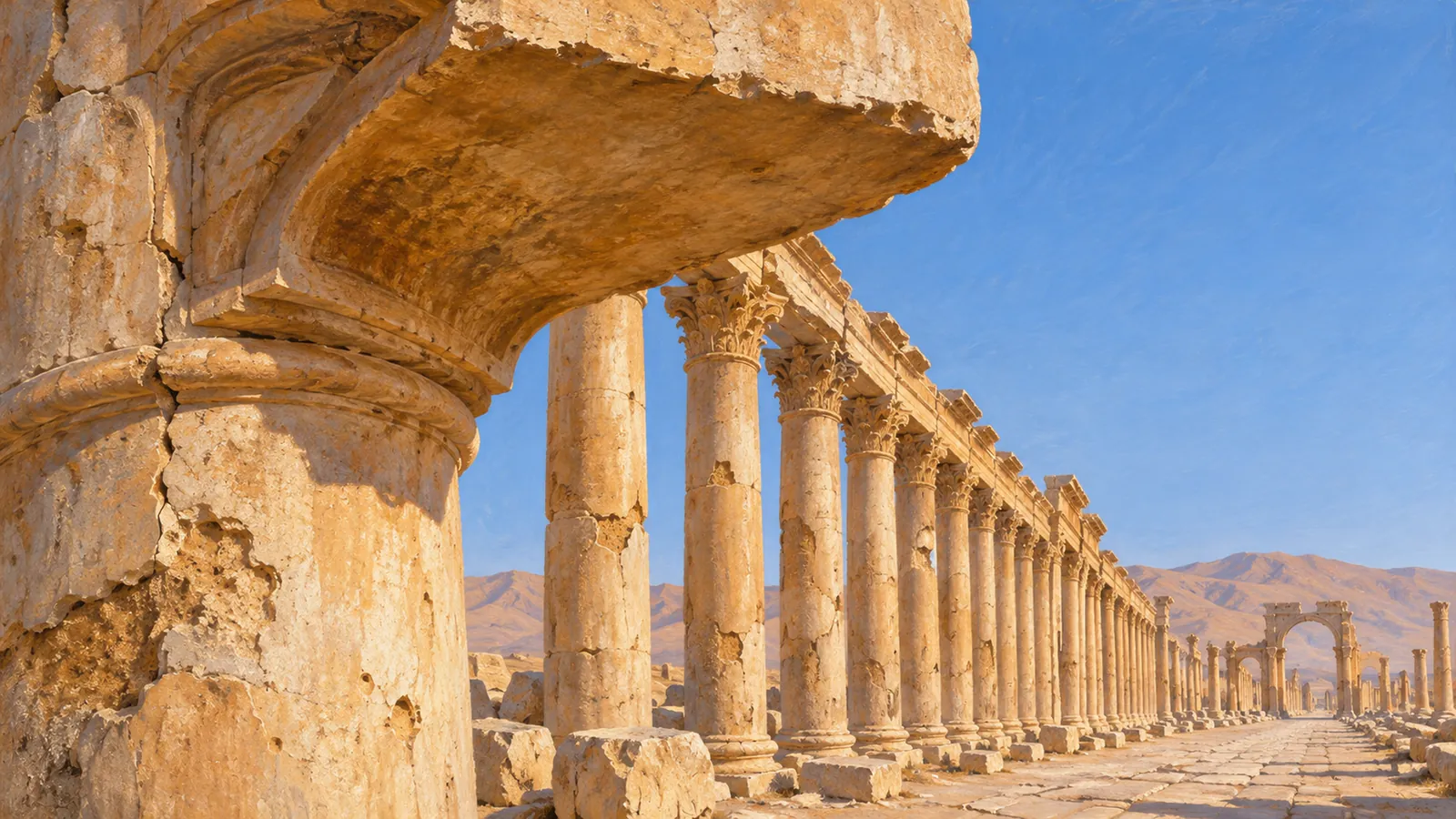
Return to the colonnade and the two names. The dedication calls Zenobia illustrious and pious. It gives us a date when people honored her as their queen and a place where they could read about her.
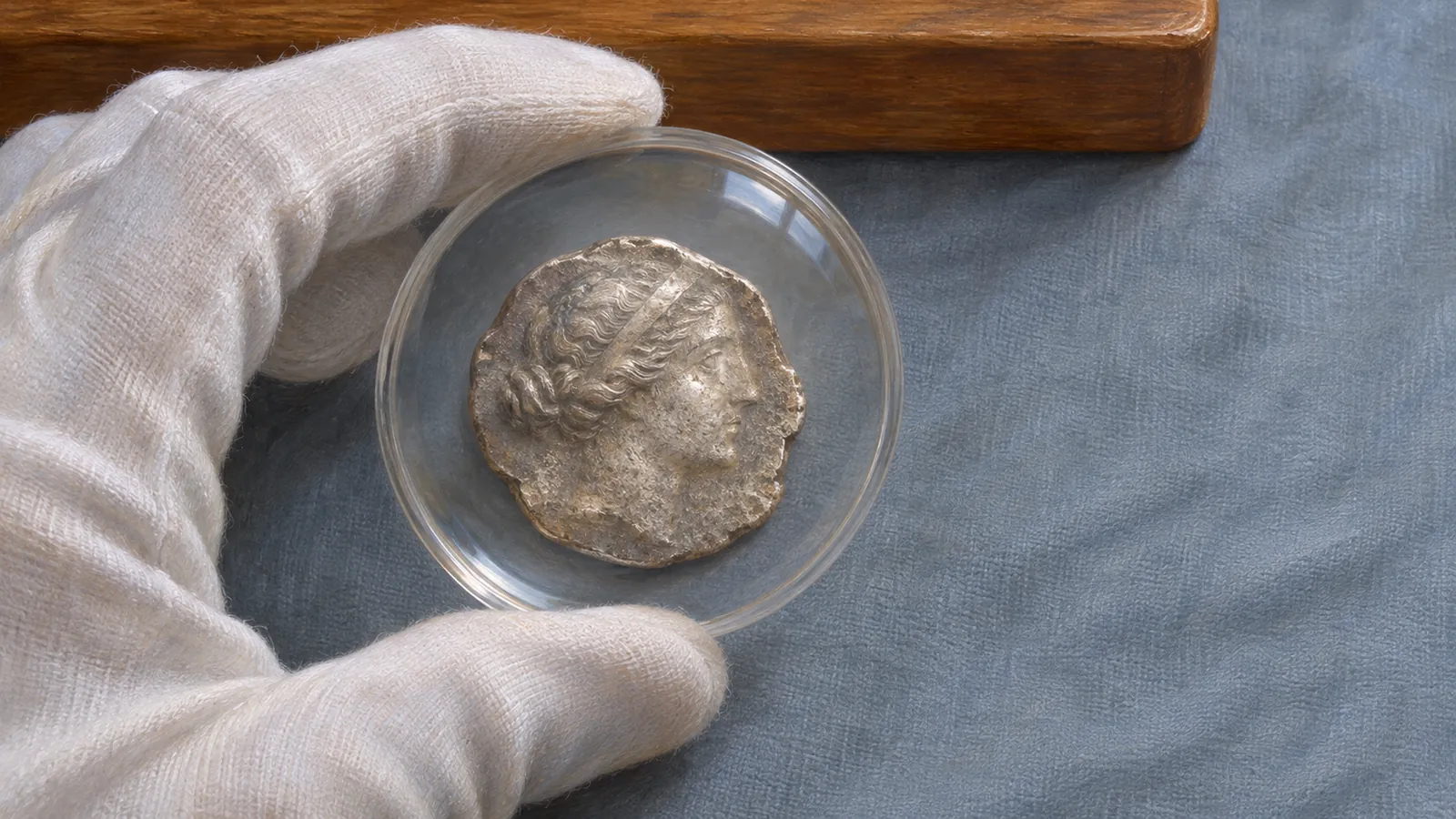
The Alexandrian coin gives Zenobia a different title. A small piece of metal can show that her court made an imperial claim. Where the queen lived after the war is a question the coin leaves open.
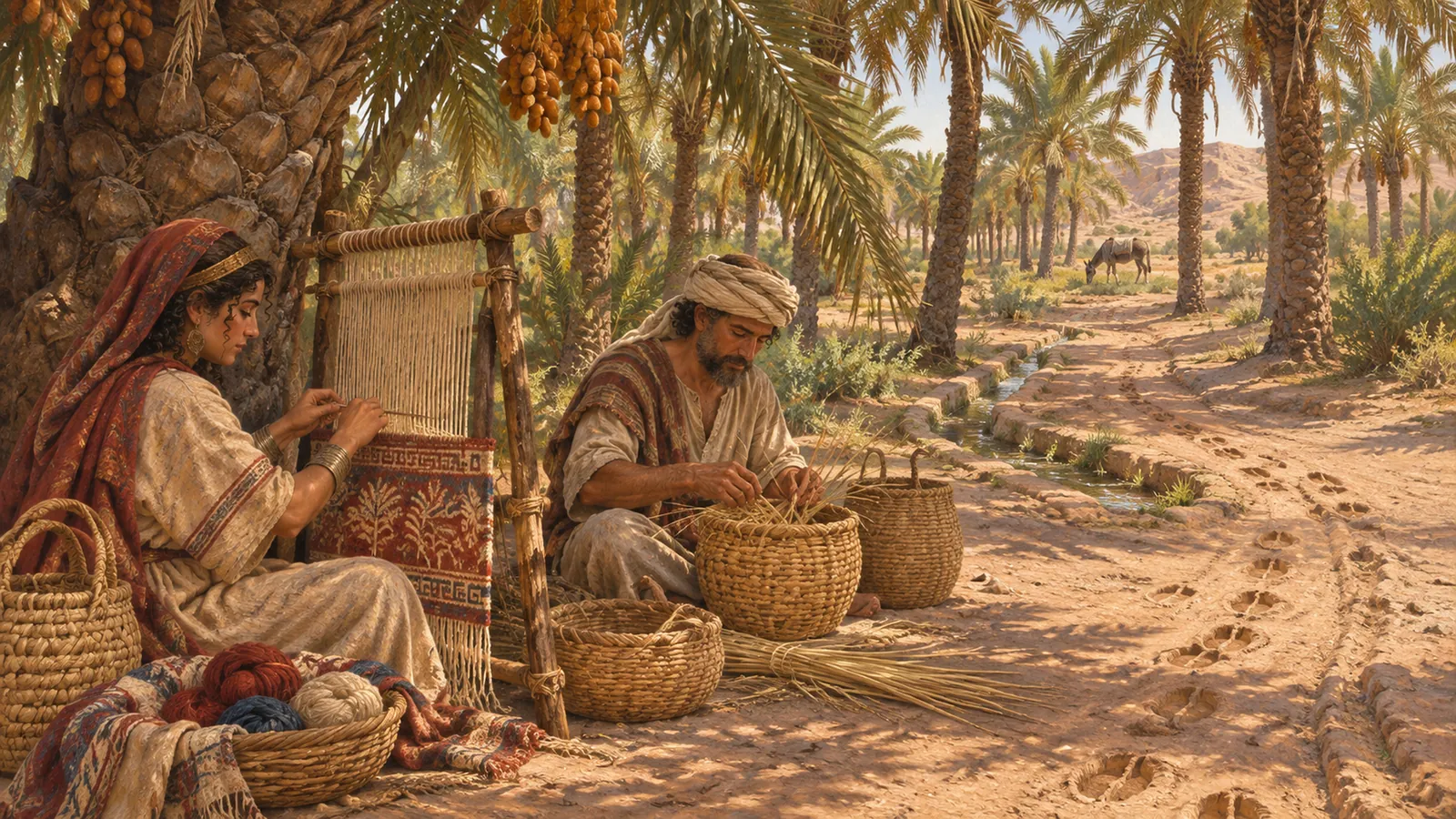
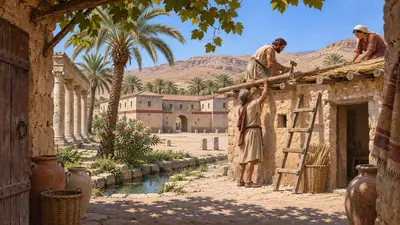
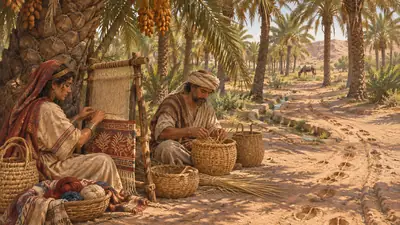
A dynasty can rule a city for only a few years. The work of growing dates, mending cloth and tending animals stretches on much longer. Those were the lives lived under both names for the queen.
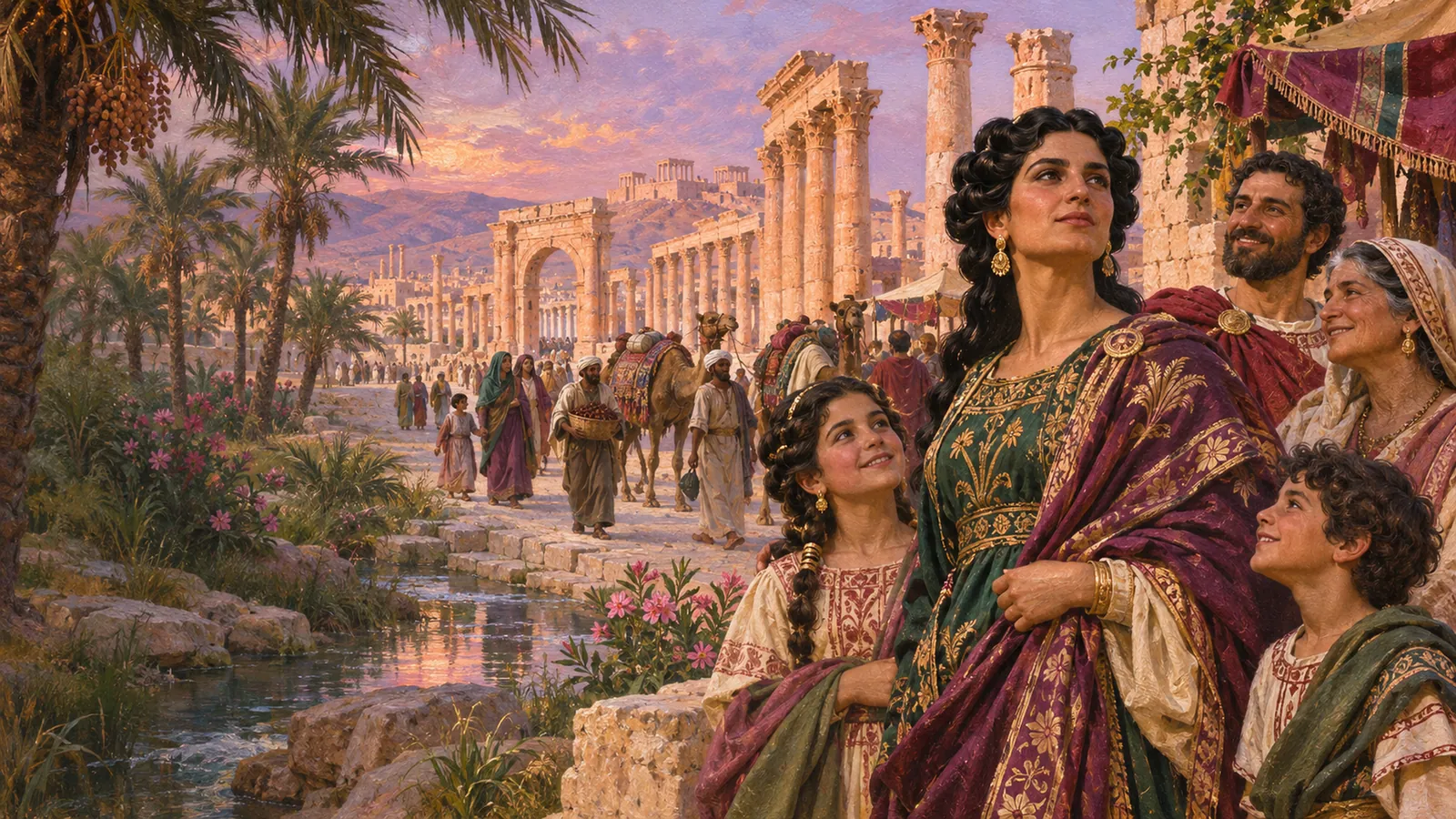
Caravans once carried stories into the shade of the palms. In time the people telling them were gone. Stone and metal still carry the names Zenobia and Bathzabbai, each back to the city where her story began.
End of chapter 1
All pages










Sources
Editions consulted
- Palmyra oasis and trade, Getty Research Institute
- Shapur I’s inscription, English translation
- Eleonora Cussini, edition and discussion of the Palmyrene inscriptions, pp. 89–90
- Aurelian and Vaballathus, Roman Provincial Coinage X, 75752
- Roger Bland, The Coinage of Vabalathus and Zenobia, Numismatic Chronicle 171
- Odaenathus and Zenobia, French Ministry of Culture
- Historia Augusta, Life of Aurelian 22–34
- Alexandrian coin of Zenobia, Roman Provincial Coinage
- Palmyrene coins and material context, Metropolitan Museum of Art
- The conflict with Aurelian, French Ministry of Culture
- Zosimus, New History, Book I
- Historia Augusta, Thirty Pretenders 30
Ancient lines behind each page
- Page 1: Palmyra oasis archaeology and caravan inscriptions
- Page 2: Palmyrene Tax Tariff, CIS II 3913 / PAT 0259 (137 CE)
- Page 3: Zenobia dedication, PAT 0293; Vaballathus inscription, CIS II 3971 / PAT 0317
- Page 4: Shapur I, Naqsh-e Rustam inscription; Zosimus I.36
- Page 5: French Ministry of Culture, Wife of Odaenathus; Zosimus I.39
- Page 6: Odaenathus dedication, CIS II 3946 / PAT 0292
- Page 7: Zosimus I.39; Historia Augusta, Thirty Pretenders 15–17
- Page 8: Vaballathus inscription, CIS II 3971 / PAT 0317
- Page 9: Palmyrene honorary inscriptions and Great Colonnade archaeology
- Page 10: Getty Research Institute, Ancient Palmyra; caravan inscriptions
- Page 11: Getty Research Institute, Ancient Palmyra; caravan inscriptions
- Page 12: Historia Augusta, Thirty Pretenders 30
- Page 13: Zosimus I.56; Historia Augusta, Thirty Pretenders 30; imagined scene
- Page 14: Zosimus I.44; French Ministry of Culture, Wife of Odaenathus
- Page 15: Zosimus I.44
- Page 16: Roman Provincial Coinage X, Alexandria; Zosimus I.44
- Page 17: Roman Provincial Coinage X, Alexandria; interpretive mint scene
- Page 18: Roman Provincial Coinage X, Alexandria, 75752
- Page 19: Roman Provincial Coinage X, Alexandria, 75752
- Page 20: Zosimus I.50
- Page 21: Zenobia dedication, PAT 0293
- Page 22: Zenobia dedication, PAT 0293; Roman Provincial Coinage X, 75761
- Page 23: Roman Provincial Coinage X; Bland, The Coinage of Vabalathus and Zenobia
- Page 24: Roman Provincial Coinage X, Alexandria, 75761
- Page 25: Zosimus I.50–51
- Page 26: Historia Augusta, Aurelian 22–24; imagined workshop
- Page 27: Zosimus I.50–51
- Page 28: Zosimus I.51; imagined market scene
- Page 29: Zosimus I.52
- Page 30: Zosimus I.53–54
- Page 31: Zosimus I.54
- Page 32: Zosimus I.54–55; French Ministry of Culture, The conflict with Aurelian
- Page 33: Zosimus I.55; imagined household scene
- Page 34: Historia Augusta, Aurelian 26–27
- Page 35: Zosimus I.55
- Page 36: Zosimus I.55–56
- Page 37: Zosimus I.56
- Page 38: Zosimus I.56
- Page 39: Zosimus I.56; imagined earlier scene
- Page 40: Zosimus I.56; Roman Provincial Coinage X, 75761
- Page 41: Zosimus I.60–61; Historia Augusta, Aurelian 31
- Page 42: French Ministry of Culture, Palmyra archaeology
- Page 43: Historia Augusta, Aurelian 33–34; Thirty Pretenders 30
- Page 44: Historia Augusta, Thirty Pretenders 30; imagined estate
- Page 45: Zosimus I.59
- Page 46: Zosimus I.59; Roman Provincial Coinage X
- Page 47: Zenobia dedication, PAT 0293
- Page 48: Roman Provincial Coinage X, Alexandria, 75761
- Page 49: Palmyra oasis archaeology; imagined work scene
- Page 50: Zenobia dedication, PAT 0293; Roman Provincial Coinage X, 75761
Illustrations made with AI tools by IL Archive; the text is based on the ancient sources (see the sources at the end of each chapter).