Ancient text
Book of Daniel
A text for line-by-line reading, with transliteration, translation, and resources.
The Book of Daniel pairs stories of Judean exiles at royal courts with visions of empires and judgment. Two Qumran manuscripts preserve the text’s return from Aramaic to Hebrew, while an early Greek manuscript preserves a different chapter order.
Estimated reading time: 3 min Published Last reviewed:
Share article
Text
Introduction
In the book, Daniel first appears as a young Judean trained for service at the Babylonian court. He interprets a king’s dreams, and later in the text his own visions disclose the rise and fall of kingdoms. The book moves from choices made under royal orders to a heavenly court judging royal power. [1][3]
Dreams and decrees at court
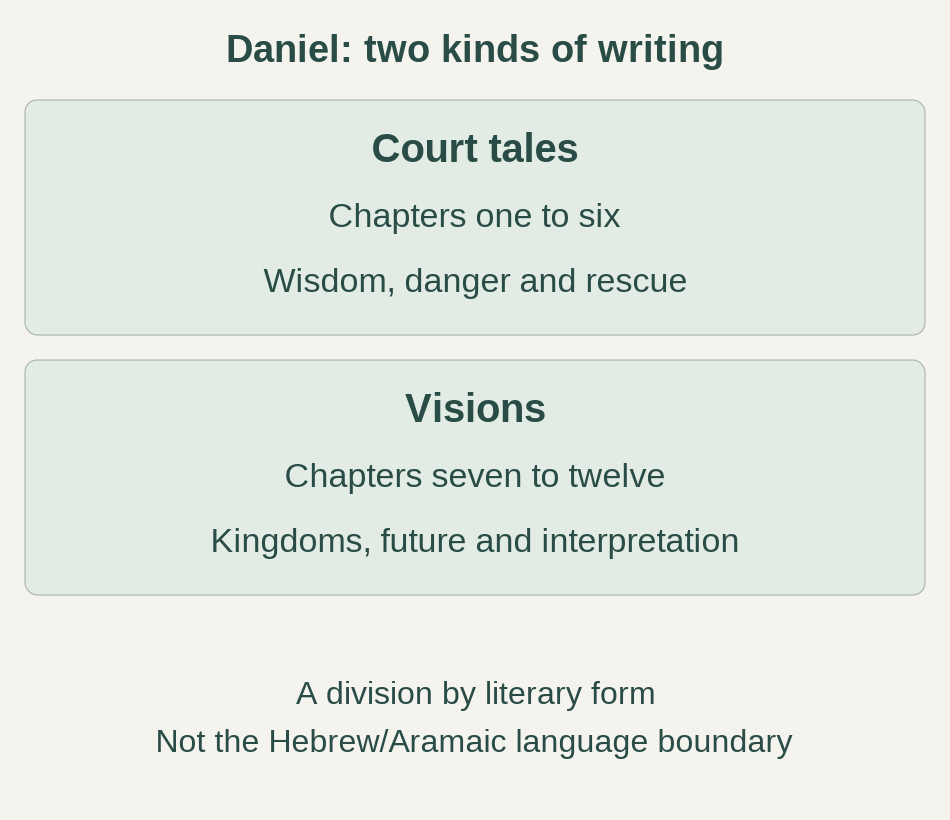
In chapters 1–6 the rulers issue decrees, hold feasts and summon interpreters. In chapter 2 the text tells of a dream in which Nebuchadnezzar sees a statue with a gold head, silver chest and arms, bronze belly and thighs, and iron legs. Its feet are a mixture of iron and clay. Daniel identifies the gold head with the king and interprets the successive materials as a sequence of kingdoms. A stone strikes the feet, destroys the statue and becomes a mountain. In the text, Daniel interprets the stone as a kingdom that the God of heaven will set up. [1][2]
The other court stories show how royal orders reach into daily practice. In chapter 3 the book says Daniel’s three companions survive the furnace after refusing to bow to the king’s image. In chapter 5 a hand writes on a wall at Belshazzar’s feast. Daniel explains that the king has been weighed and found wanting and that his kingdom will be divided. In chapter 6 Daniel continues to pray toward JerusalemJerusalemJerusalem is a city of religious importance in Judaism, Christianity and IslamGlossary · Click to read the explanation despite a decree restricting petitions to the king. The book says he is thrown into the lions’ den and survives. [1]
Beasts and judgment in the visions
Chapter 7 revisits the rise of kingdoms through four beasts emerging from the sea. In the scene that follows, the heavenly court sits and the books are opened. In the vision, a figure with a human appearance comes with the clouds and receives lasting dominion. The explanation in the chapter identifies the beasts as kings and promises that the holy ones of the Most High will receive the kingdom. [3]
The Yale Bible Study guide reads the fourth beast’s little horn as Antiochus IV Epiphanes, the Seleucid king of the second century BCE. The horn’s attempt to change sacred times and law recalls restrictions on Jewish observance. In Daniel 12:1–3 the horizon extends beyond the survival of people in danger. The passage says that after a time of distress many who sleep in the dust will awaken, some to everlasting life and others to reproach and everlasting abhorrence. [1][3][4][8]
What the manuscripts preserve
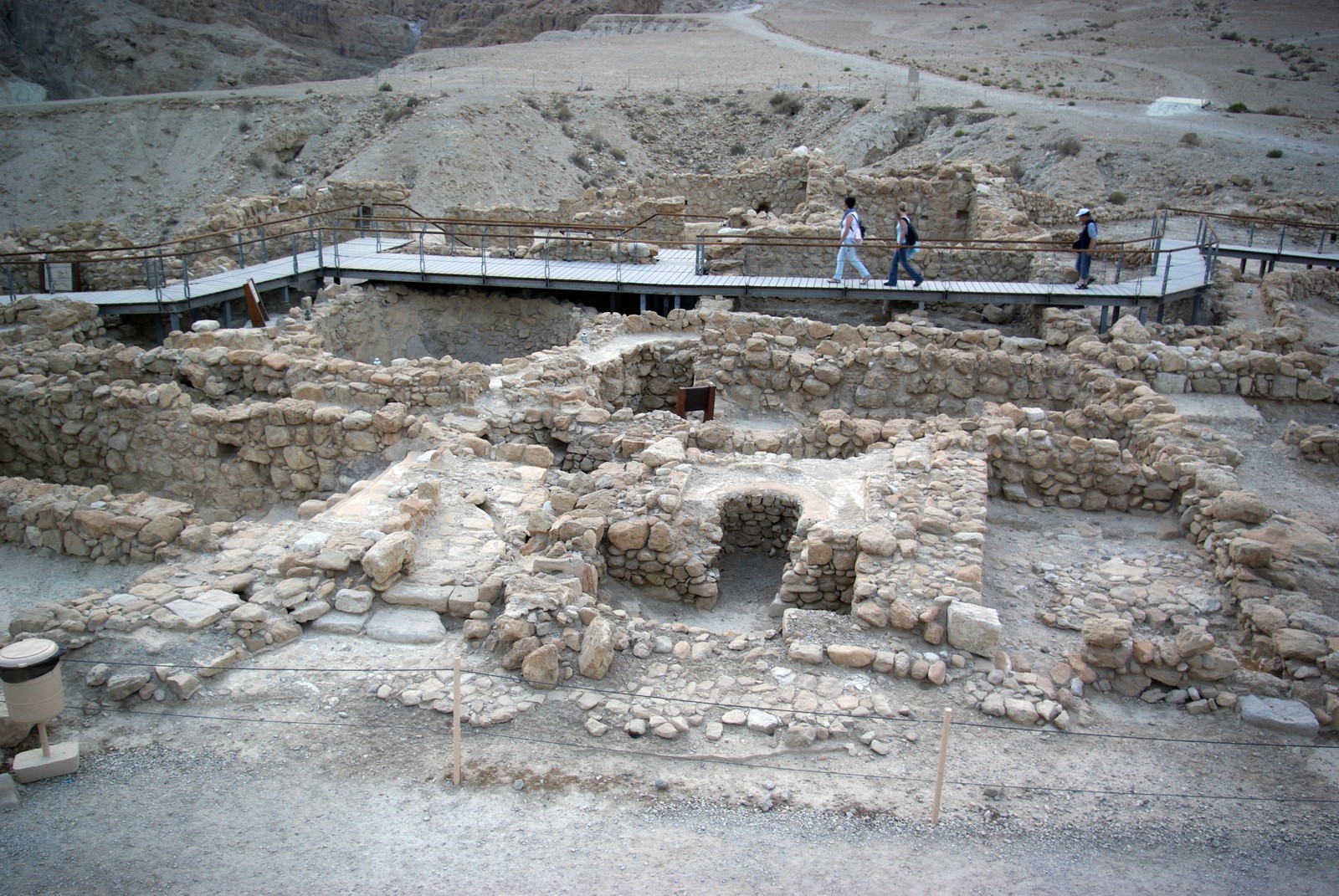
In the HebrewHebrewA Northwest Semitic language of the Canaanite group, encompassing Iron Age epigraphy, Biblical, Rabbinic, medieval and Modern Hebrew; its scripts and pronunciations changed over time.Glossary · Click to read the explanation Bible, Daniel begins in Hebrew. The text switches to Aramaic when the court advisers address the king in Daniel 2:4 and returns to Hebrew at 8:1. The first vision in chapter 7 thus belongs to the same Aramaic section as most of the court stories. Two manuscripts from QumranQumranArchaeological site northwest of the Dead Sea near manuscript caves; its settlement and the groups who deposited the scrolls are studied together but not assumed identical. It is not synonymous with all Dead Sea Scrolls.Glossary · Click to read the explanation, 4Q112 and 4Q113, preserve the transition from 7:28 to 8:1. [1][5]
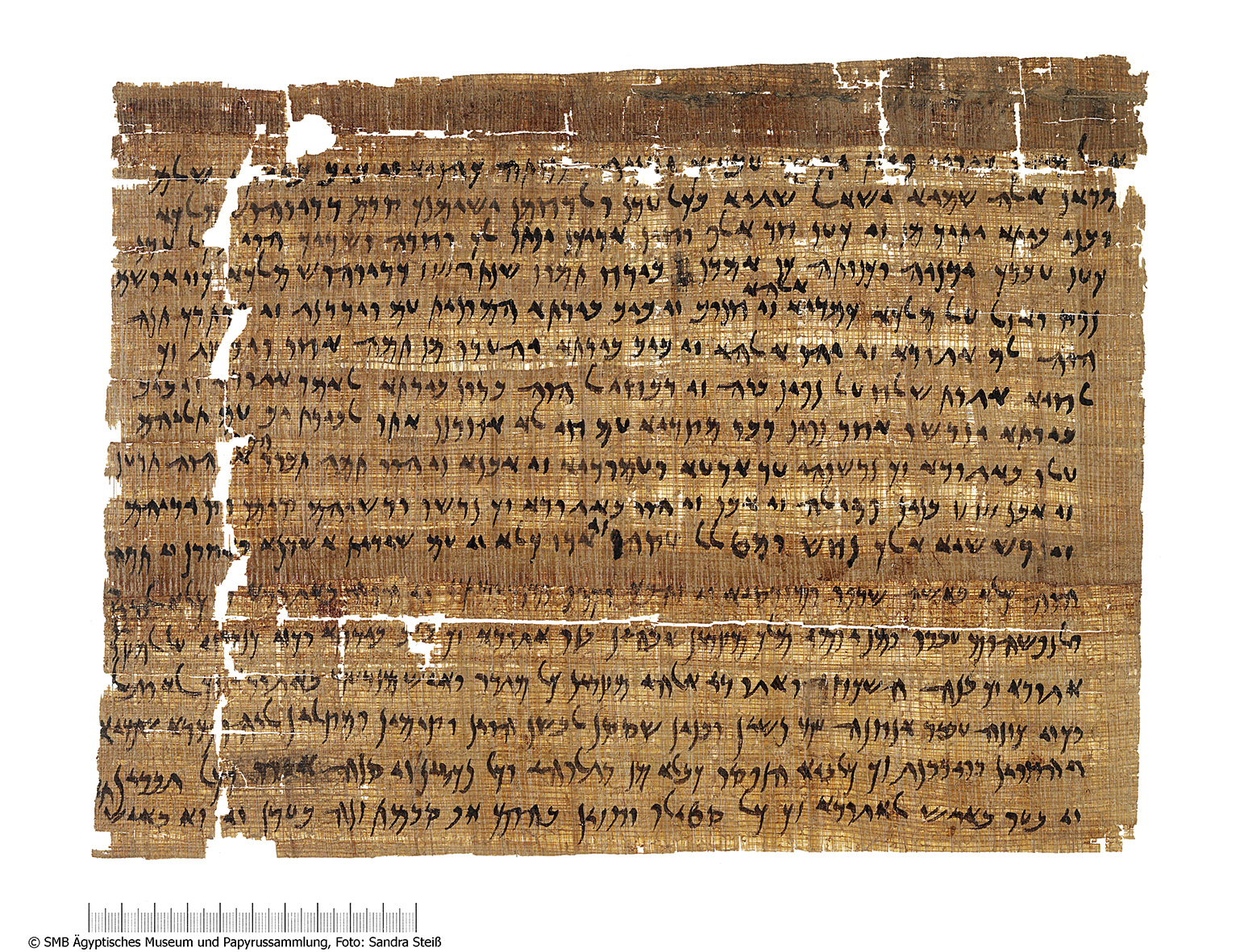
Papyrus 967, a Greek codex that the University of Cologne dates to around 200 CE, places what are now chapters 7 and 8 before chapters 5 and 6. It also puts Bel and the Dragon before Susanna. The reverse of the leaf catalogued as P. Köln Theol. 37 preserves the end of Susanna and the closing title of Daniel. [6]
Quick answers
Where does Daniel appear in the Bible? In the Jewish Tanakh it belongs to the Writings. The Greek SeptuagintSeptuagintA name for the varied ancient Greek translations and writings associated with Jewish scripture; beginning with the Torah, the texts differ across books and manuscripts.Glossary · Click to read the explanation places Daniel among the prophetic books. [7]
What additional passages appear in Catholic Bibles? A long prayer, numbered 3:24–90, appears within chapter 3 in the Greek version. Susanna and Bel and the Dragon appear as chapters 13 and 14 in the New American Bible, Revised Edition. [8]
References and notes
- Mechon-Mamre, “Daniel,” Hebrew–English Bible Daniel 1:3–7, 2:4, 3:14–27, 5:25–30, 6:8–24, 7:28–8:1 and 12:1–3. Court service, two language transitions, trials, the feast and awakening from the dust. Return to the text ↑
- Mechon-Mamre, “Daniel 2,” Hebrew Bible in English Daniel 2:31–45. The statue’s materials, the stone and Daniel’s interpretation of the succession of kingdoms. Return to the text ↑
- Mechon-Mamre, “Daniel 7,” Hebrew Bible in English Daniel 7:2–14 and 17–27. Four beasts, the heavenly court, the humanlike figure and the interpretation. Return to the text ↑
- Yale Bible Study, “Daniel the Dreamer – Study Guide,” Yale Divinity School Section “Interpretation.” The little horn and the restrictions on Jewish observance under Antiochus IV Epiphanes. Return to the text ↑
- Andrew B. Perrin, “Redrafting the Architecture of Daniel Traditions in the Hebrew Scriptures and Dead Sea Scrolls,” The Journal of Theological Studies 72, no. 1 (2021), 44–71 Institutional abstract. Manuscripts 4Q112 and 4Q113 both preserve the transition at Daniel 7:28–8:1. Return to the text ↑
- Kölner Papyri, University of Cologne, “Ein theologischer Papyrus-Kodex (P 967 Rahlfs)” Introduction, Daniel chapter-order table, and Susanna catalogue entry P. Köln Theol. 37 verso. Date, chapter order and manuscript page 196, lines 1–15. Return to the text ↑
- American Bible Society, “Daniel” Opening paragraphs on Daniel in the Writings of the Hebrew Bible and among the prophetic books in the Septuagint. Return to the text ↑
- United States Conference of Catholic Bishops, “The Book of Daniel,” New American Bible, Revised Edition Introduction and chapter divisions. Daniel 3:24–90 and chapters 13–14 in this edition. Return to the text ↑
Archive records may be reviewed and refined as better evidence or sources become available. Suggest a correction
Suggest a correction · Suggest a source for this record
Cite this record
IL Archive, «Book of Daniel», https://ilarchive.com/en/texts/book-of-daniel-biblical
Continue reading