Study · Academic article
El in the Iron Age Inscriptions of Sam’al, Karatepe and Sefire
An extended study of a topic, with evidence and references.
- Names
- El at Sam’al, Karatepe and Sefire · El in Iron Age Inscriptions
- Region
- The Levant
Royal dedications and treaties place El in different kinds of divine lists. At Sam’al, Karatepe and Sefire, the wording and setting matter for how the name and its titles are read.
Estimated reading time: 5 min Published Last reviewed:
Share article
Video
The Name No One Owns | The Road of El
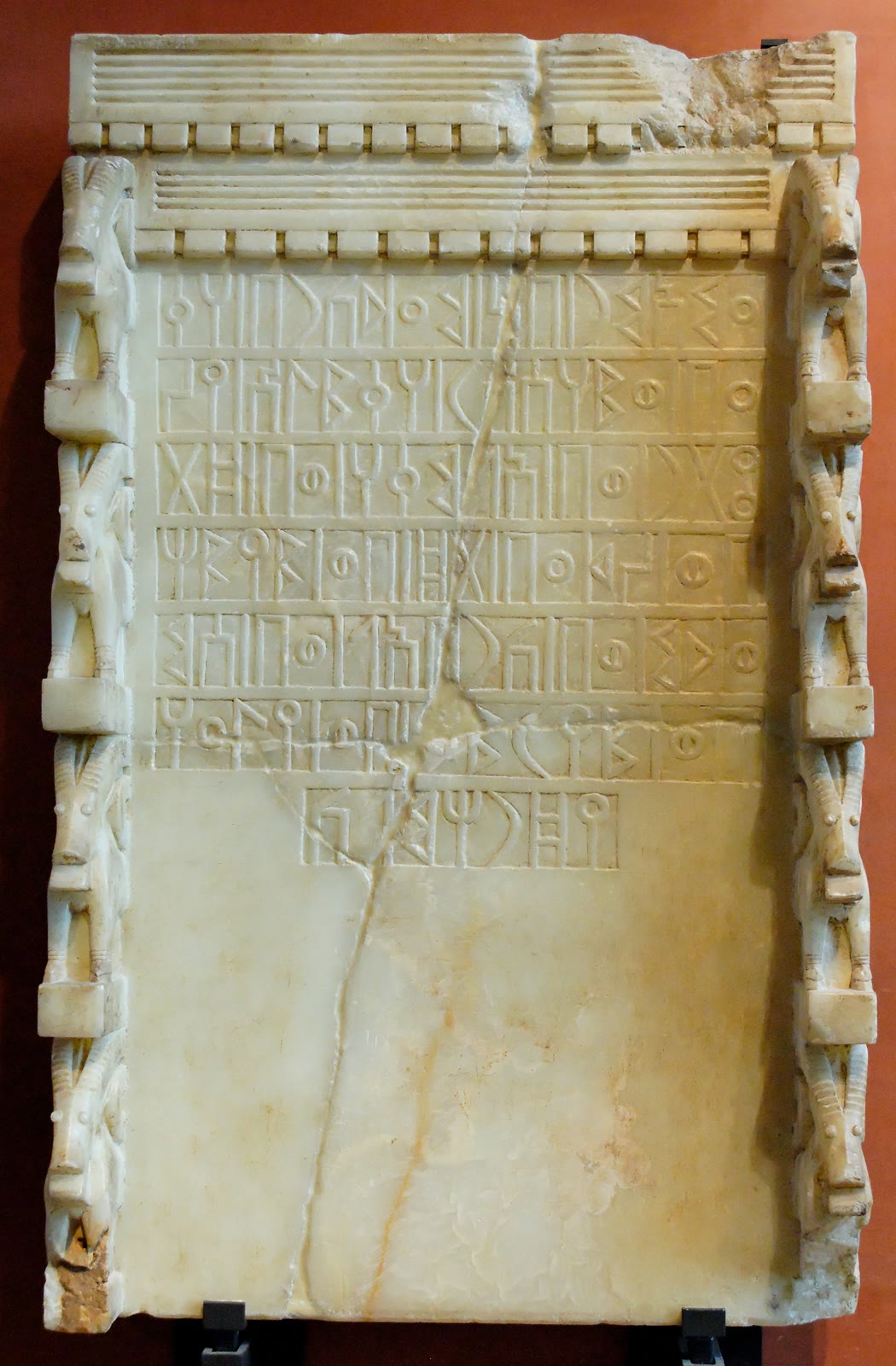
More than four thousand years ago a palace burned at Ebla, and one small word waited in its clay: ʾl, El. We follow it through names and inscriptions, from Ebla, Mari and Ugarit to the kings of Samʾal, Karatepe and Saba and the stones of the basalt desert, then set the Torah's names and the Arabic question side by side. Some scenes are AI-generated illustrations.
The YouTube player loads only when you press play. Watch on YouTube
Text
Introduction
At Sam’al, a king credited El and other gods with giving him authority. At Karatepe, a ruler’s inscription invoked El with a title in a warning against damaging a gate. At Sefire, a treaty named a figure or figures whose designation has been read in two ways. These Iron Age texts preserve names and titles in Phoenician or Aramaic writing, sometimes beside a version in another language. Each inscription gives the reader a setting for the invocation, before broader comparisons are made. [1]
The gods of kings at Sam’al
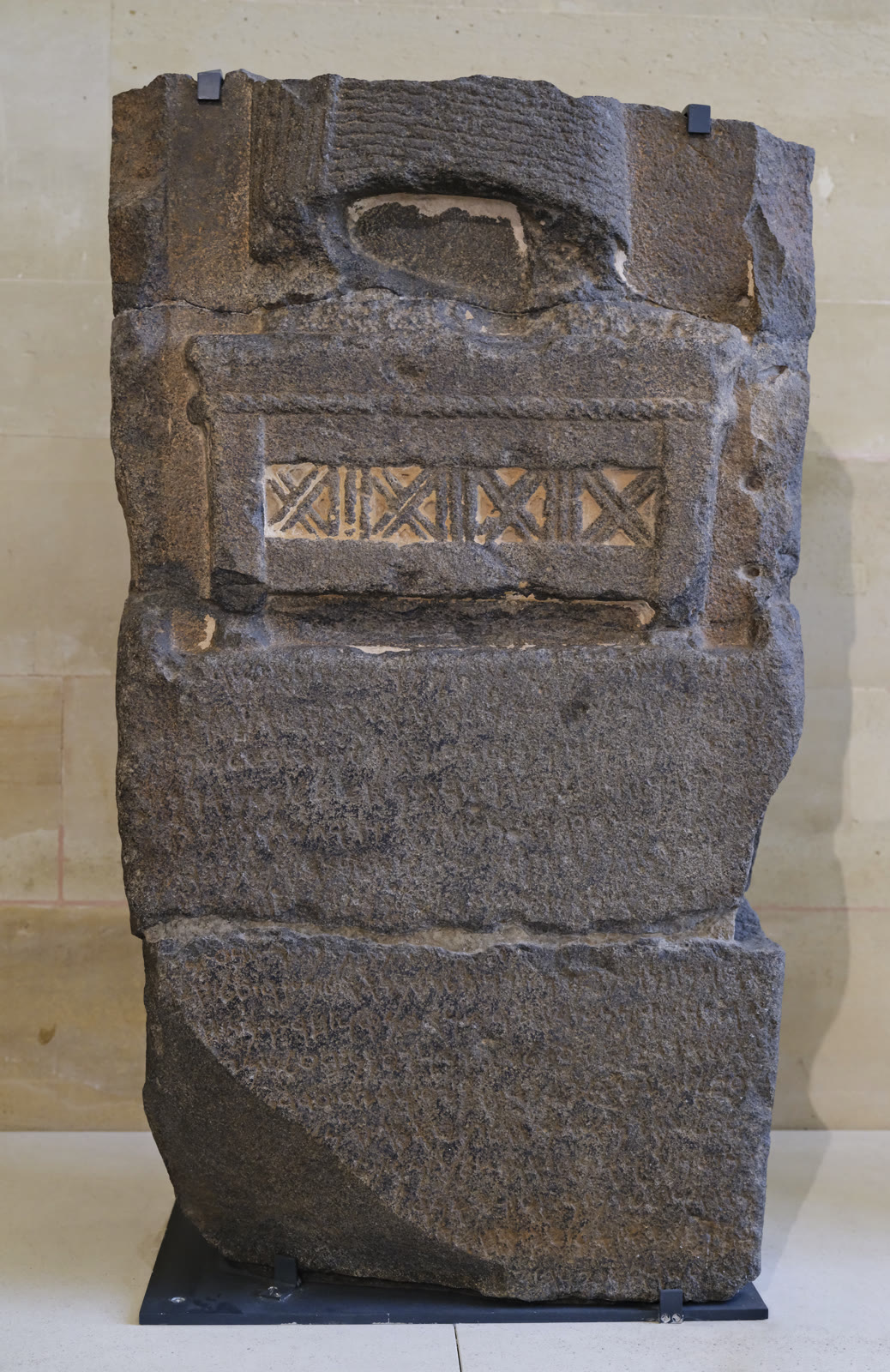
A monumental statue of Hadad bears an inscription of Panamuwa I of Sam’al. In K. Lawson Younger Jr.’s translation of its early lines, the king names Hadad, El, Rašap, Rākib-El and ŠamašShamashMesopotamian god of the sun and justice, shown before Hammurabi on an eighteenth-century BCE stele preserved in the Louvre.Glossary · Click to read the explanation as gods who supported him. The list is repeated in a different order when he says that the gods placed the sceptre of dominion in his hands. El and Rākib-El occur separately in these lines. Their joint presence is evidence for the distinction made in this royal text, with both invoked in explaining the rule of one king. [1]
The earlier inscription of Kilamuwa gives another setting for Rākib-El. Carved in Phoenician at the ruler’s palace, it celebrates his actions and warns anyone who would damage the monument. The West Semitic Research Project translates the title attached to Rākib-El as lord of the dynasty. The later monument of Bar-Rākib names him in the course of a different claim about kingship. In the DEAPS translation, the ruler refers to Rākib-El and the Assyrian king Tiglath-pileser as his lords when describing his accession. The phrase brings the patron god of the ruling house and the power of the overlord into the same sentence. [2][3]
The royal texts therefore use divine names in the specific business of speaking about rule. A warning against damaging a monument invites divine enforcement. A claim to the sceptre describes a past grant of authority. A statement of accession places the king in political and religious relationships known to his readers. The language changes with that purpose, even between monuments associated with one kingdom. [1][2][3]
A title at the gate of Karatepe
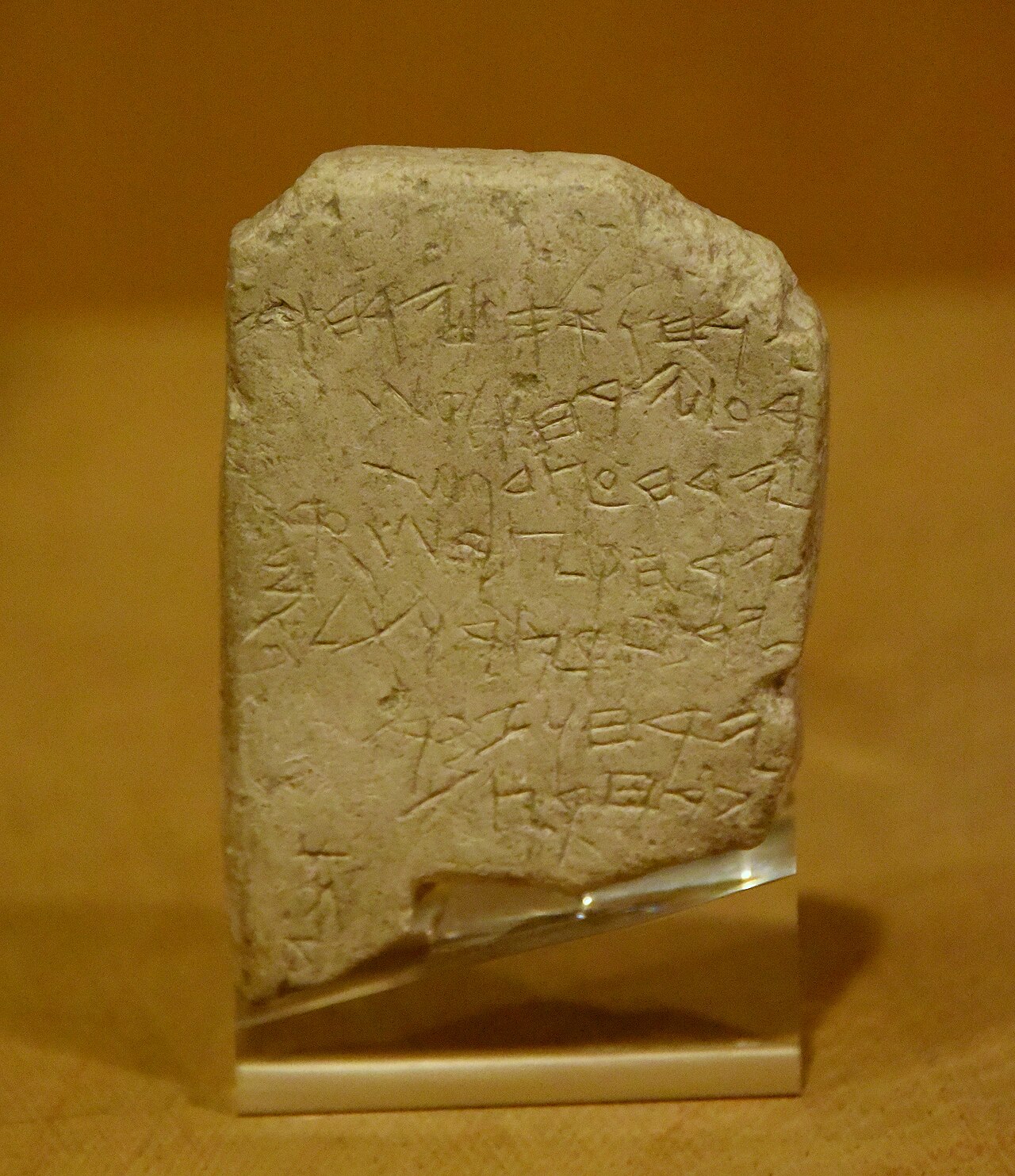
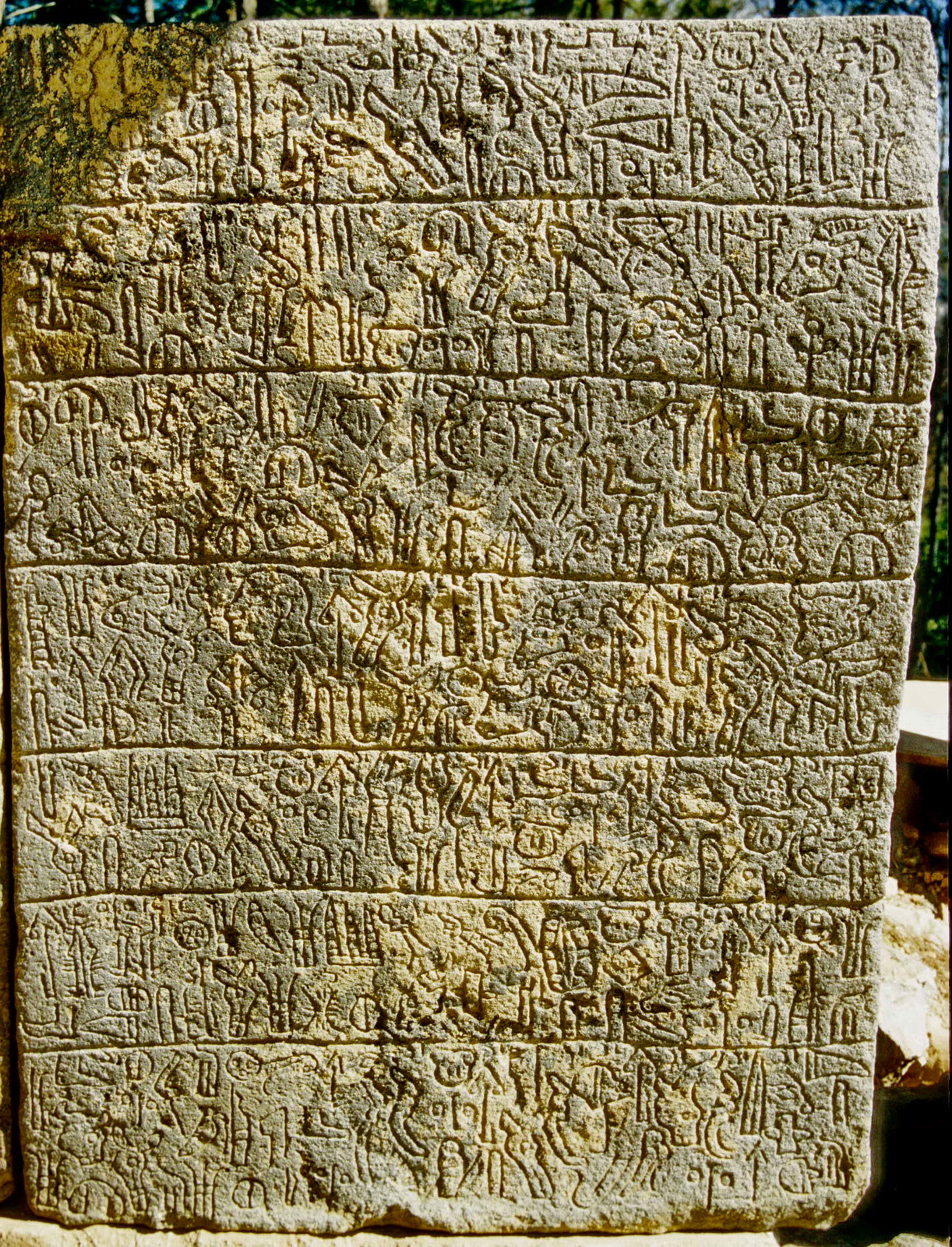
The Karatepe bilingual commemorates Azatiwada and his works in Phoenician and Hieroglyphic Luwian. The cover shows an excerpt of the bilingual inscription. The Phoenician version describes the building of the city and contains a curse that addresses several forms of damage, including removing the founder’s name or pulling down the gate. In the DEAPS edition, the relevant lines invoke Baʿalshamem, El with the title qn ʾrṣ, the eternal Sun and the generations of the gods. The writer places divine power behind a particular claim about a ruler’s name and the future of the monument. [4][5]
James D. Moore and Armand Rogers translate the Phoenician title as creator of the land. Ryan Thomas argues that the root behind qn in this expression conveys acquisition or possession, and favors owner or possessor of the land. The difference affects what the title implies about the role of El. A creator has made the land, whereas a possessor has authority over it. Thomas considers the function of the title in the set of divine witnesses. The rest of the warning is still recognizable as an appeal to those powers to defend the inscription and what it commemorates. [4][6]
The name and title are only a small part of the writing cut into the stones. The inscription’s accounts of construction and rule establish why the author wants the record protected. The location of the writing at the gates gives the warning a material object to protect, as well as an audience who could encounter it. In the curse, the future of Azatiwada’s name and that of the carved record are treated as related concerns. [4][5]
El and Elyon at Sefire
The first Aramaic treaty inscription from SefireSefire I inscriptionEighth-century BCE Aramaic treaty inscription whose curses include abundant effort without its result.Glossary · Click to read the explanation includes the phrase transcribed ʾl wʿlyn in a list of divine witnesses. Joseph A. Fitzmyer understands it as naming a pair, El and Elyon. C. M. Hansen takes the conjunction to introduce an explanation, so that the second word qualifies El as Most High. His published abstract identifies this as the more likely reading. The shape of the phrase and its position within the list give grounds for the disagreement. Choosing one reading changes whether the line has one divine referent or two. [7][8]
Genesis 14 offers a comparison in a different literary setting. Melchizedek blesses Abram in the name of El ElyonEl ElyonA Hebrew expression meaning “God Most High.” Genesis 14 identifies its bearer with Yahweh, while the Most High’s identity in Deuteronomy 32 remains debated separately from its manuscript readings.Glossary · Click to read the explanation, with an expression rendered in the Jewish Publication Society translation as Maker of heaven and earth. The form speaks of heaven and earth together. The title at Karatepe names the land or earth in an inscription protecting a royal foundation. Fitzmyer draws attention to the combined title in the received text of Genesis, including the way it is used in verse 22. In verse 22, the HebrewHebrewA Northwest Semitic language of the Canaanite group, encompassing Iron Age epigraphy, Biblical, Rabbinic, medieval and Modern Hebrew; its scripts and pronunciations changed over time.Glossary · Click to read the explanation places the name YHWHYahwehThe proper name of Israel’s deity, written יהוה (YHWH), the Tetragrammaton. Its exact ancient pronunciation is not directly preserved; texts and inscriptions witness its history.Glossary · Click to read the explanation alongside El Elyon in Abram’s oath. Fitzmyer reads El Elyon in the received text as a title that Jewish redactors applied to YHWH, and he regards the name YHWH in verse 22 as probably a later gloss, since some ancient versions lack it. His suggestion that El Elyon was once the name of the Canaanite god whom Melchizedek served is a historical reconstruction, distinct from the wording a reader can directly see in the Hebrew passage. [4][6][7][9]
The texts can be read together at the level of the words they preserve. Sam’al distinguishes El from Rākib-El within a royal list. Karatepe joins the name El to an epithet whose precise force is debated. Sefire places a related name or title in a treaty list in which grammatical interpretation has consequences. The practices of dedicating a monument, blessing, and naming divine witnesses give the expressions different work to do in the surviving record. [1][4][7][8][9]
Further reading on IL Archive
References and notes (9)
- K. Lawson Younger Jr., Gods at the Gates of Zincirli Read the discussion and translation of the Hadad inscription of Panamuwa I, especially its list of divine supporters and the gift of the sceptre. Return to the text ↑
- West Semitic Research Project, Kilamuwa and the Kings of Sam’al Read the description of the Phoenician inscription, its palace context, and the curse naming Rākib-El. Return to the text ↑
- James D. Moore and Cody Beasley, KAI 216, DEAPS Read the text and translation of the Bar-Rākib inscription, especially the accession and the reference to Rakkab-El and Tiglath-pileser. Return to the text ↑
- James D. Moore and Armand Rogers, Karatepe Bilingual Luwian-Phoenician Inscription, DEAPS Read the Phoenician translation and the concluding curse, including the title rendered El creator of the land. Return to the text ↑
- UNESCO Memory of the World, Karatepe-Aslantaş Inscriptions Read the description of the bilingual inscription, ancient Cilician setting and royal works. Return to the text ↑
- Ryan Thomas, Creator, Begetter, or Owner of the Earth? Read the analysis of Karatepe and the conclusion on the meaning of the root and the Phoenician title, pp. 490–497. Return to the text ↑
- Joseph A. Fitzmyer, Melchizedek in the MT, LXX, and the NT Read p. 66, including the reading of the Sefire names and the discussion of Genesis 14:18 and 22. Return to the text ↑
- C. M. Hansen, Was there a God Named Elyon? A Reevaluation of the Evidence Abstract only. Read the alternative proposal on the conjunction in the Sefire witness list. Return to the text ↑
- Genesis 14, Hebrew text and JPS English translation Read verses 18–22 on the priesthood of Melchizedek, the blessing and Abram’s words. Return to the text ↑
Suggest a correction · Suggest a source for this record
Cite this record
IL Archive, «El in the Iron Age Inscriptions of Sam’al, Karatepe and Sefire», https://ilarchive.com/en/studies/el-in-iron-age-inscriptions
Continue reading