The Epic of Gilgamesh Chapter 8
What the King Brings Home
Gilgamesh fails Utnapishtim’s test, then learns of a plant that might restore his youth. A serpent takes it on the road home, and Gilgamesh shows Urshanabi what the walls of Uruk enclose.
Watch the filmSourcesTurn the pages with the arrows, the arrow keys or a swipe.
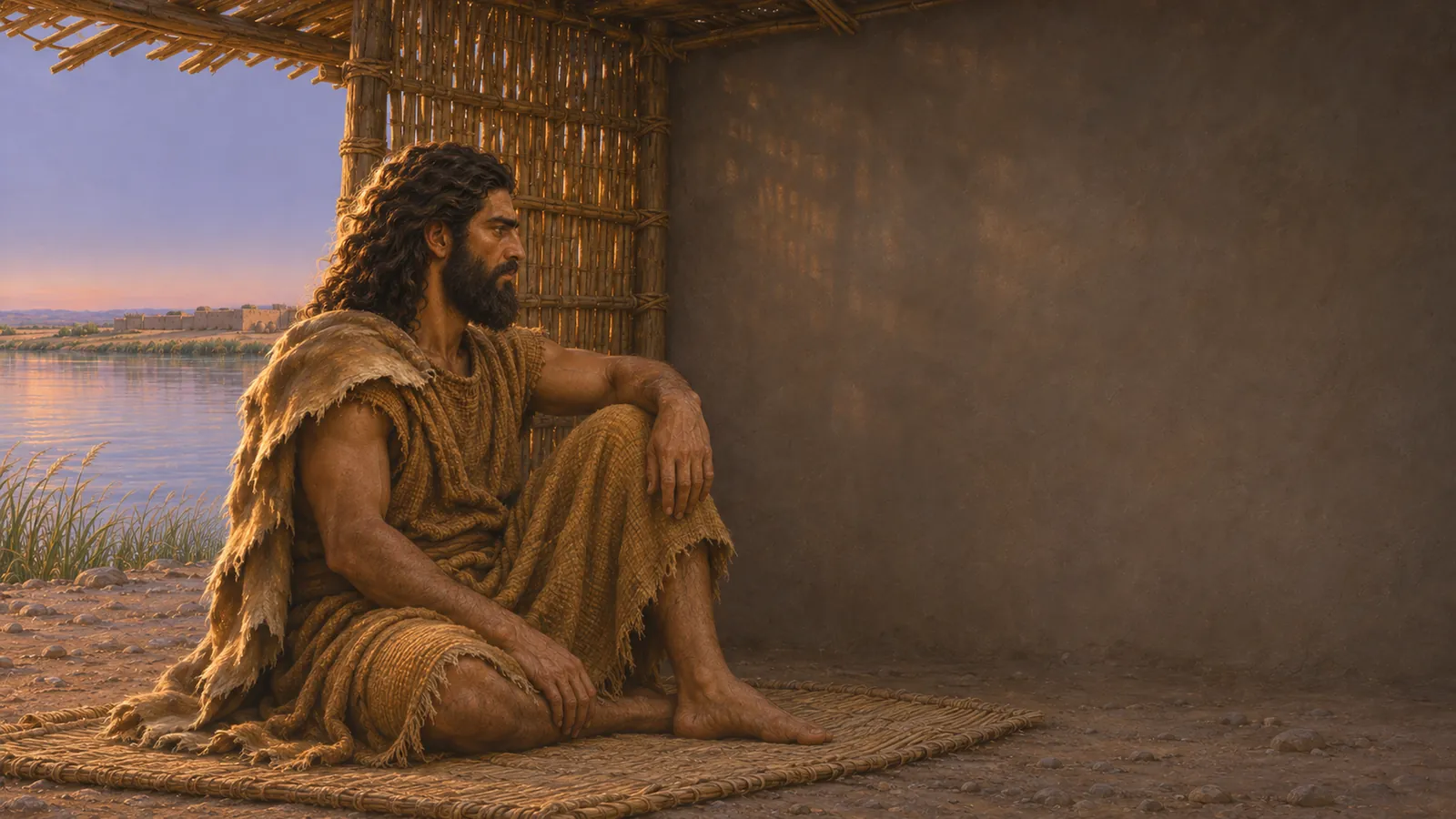
TEST
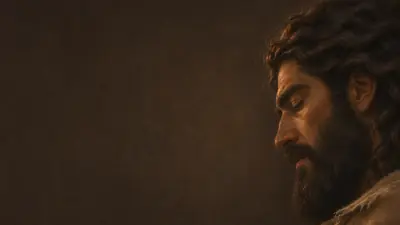
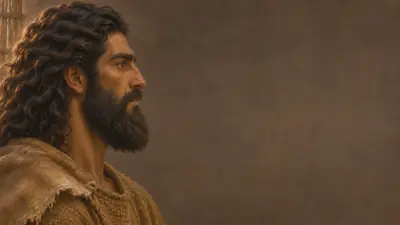
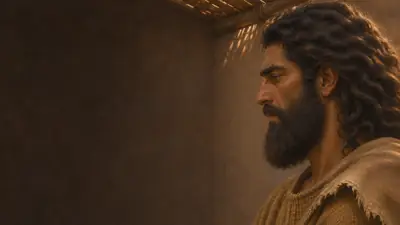
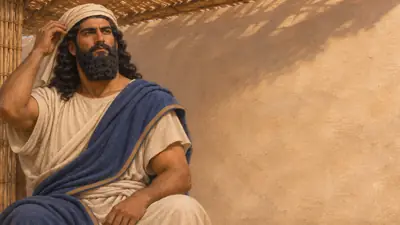
Gilgamesh had been asked to do without sleep. He settled down where he was, and the test began with nothing for him to do but stay awake.
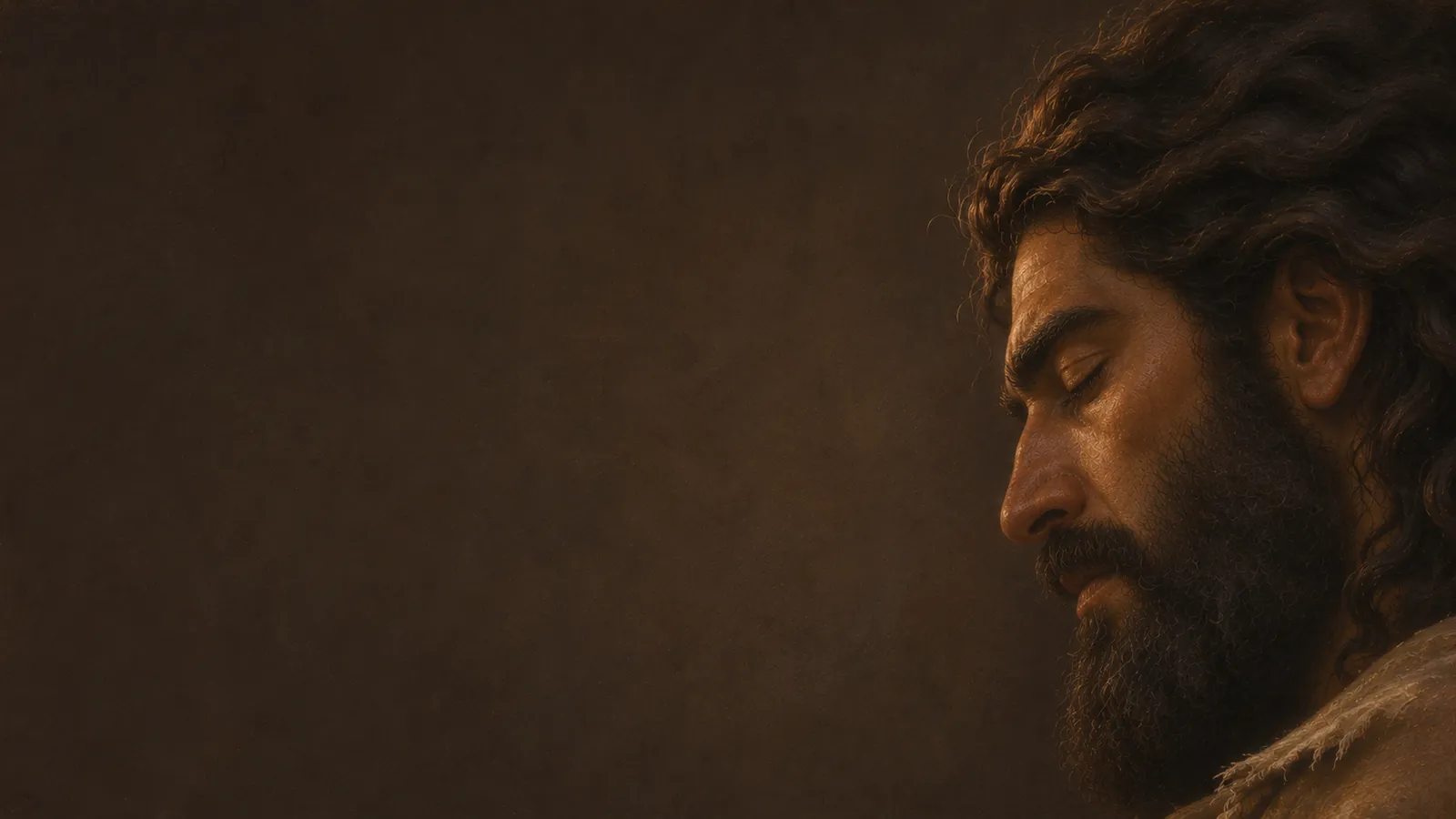
Sleep came over Gilgamesh as soon as he sat. The poem likens it to mist moving in, so quietly that the man who had come for a longer life could not hold it back.
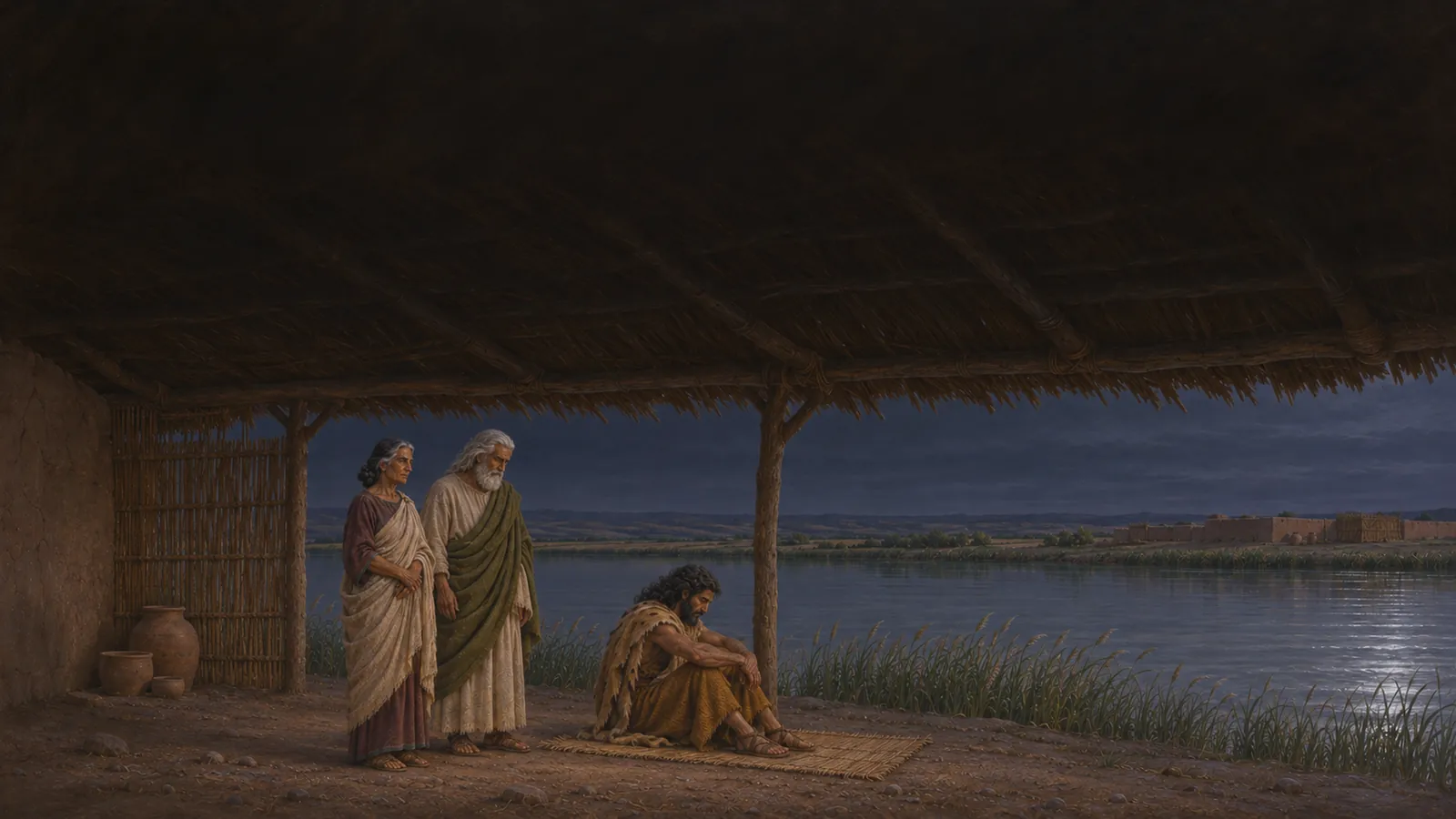
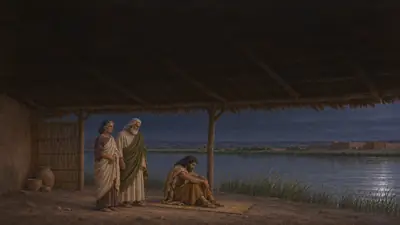
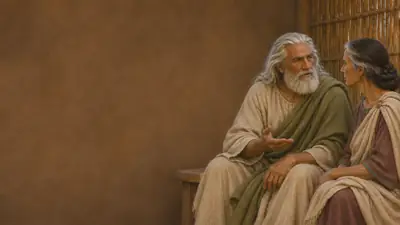
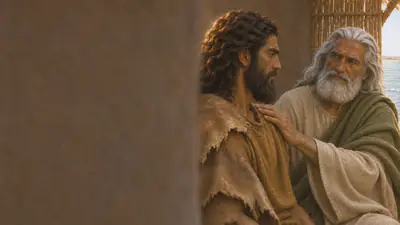
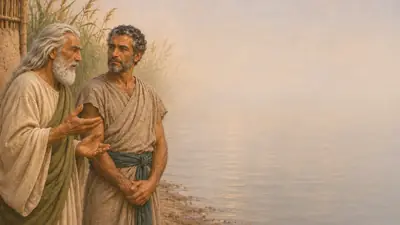
Utnapishtim drew his wife’s attention to their visitor. There sat the man who had searched so hard for life, already overcome by the first moments of sleep.
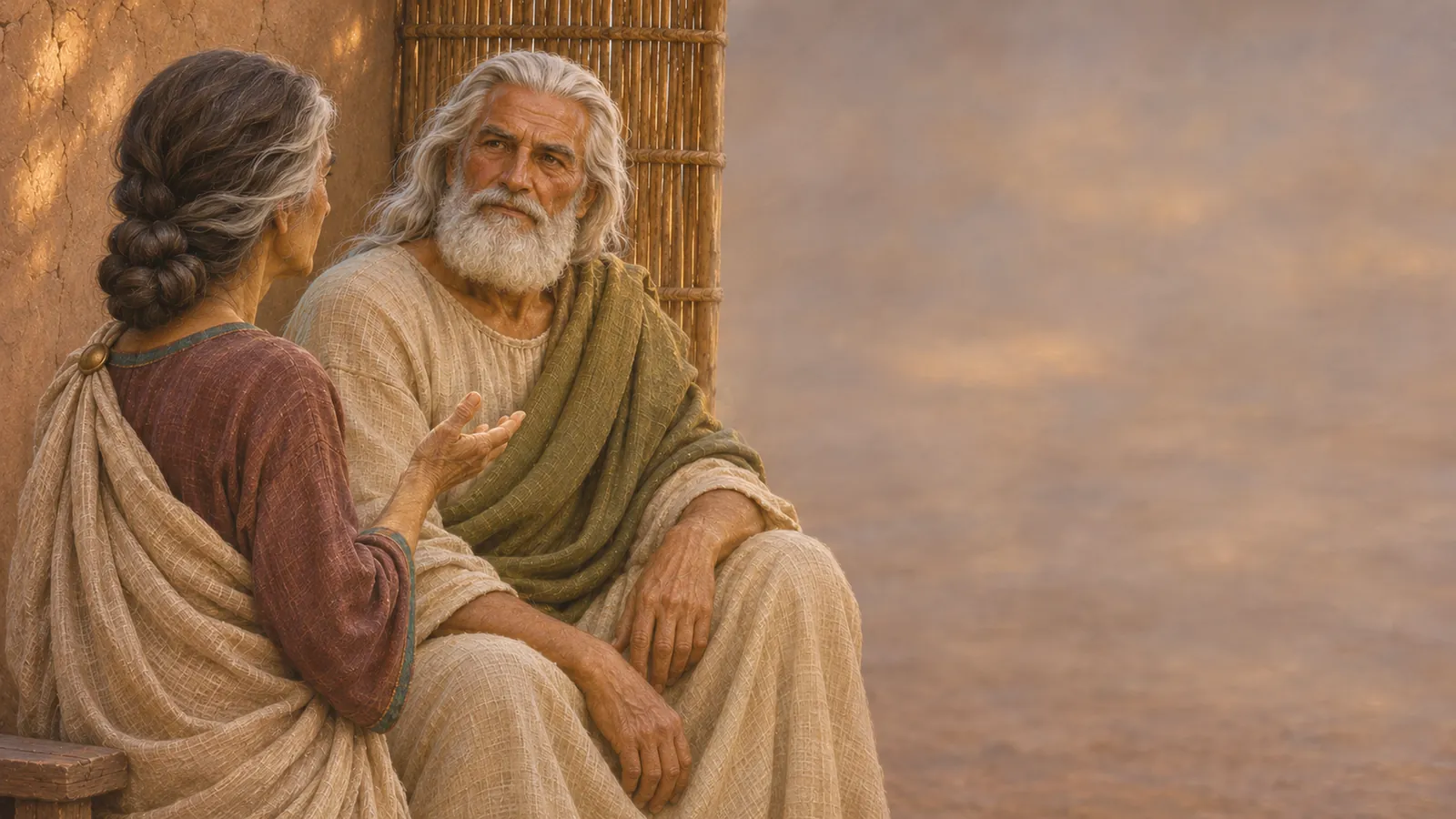
Utnapishtim’s wife asked him to wake the traveler. She wanted him to be able to go safely home by the way he had come.
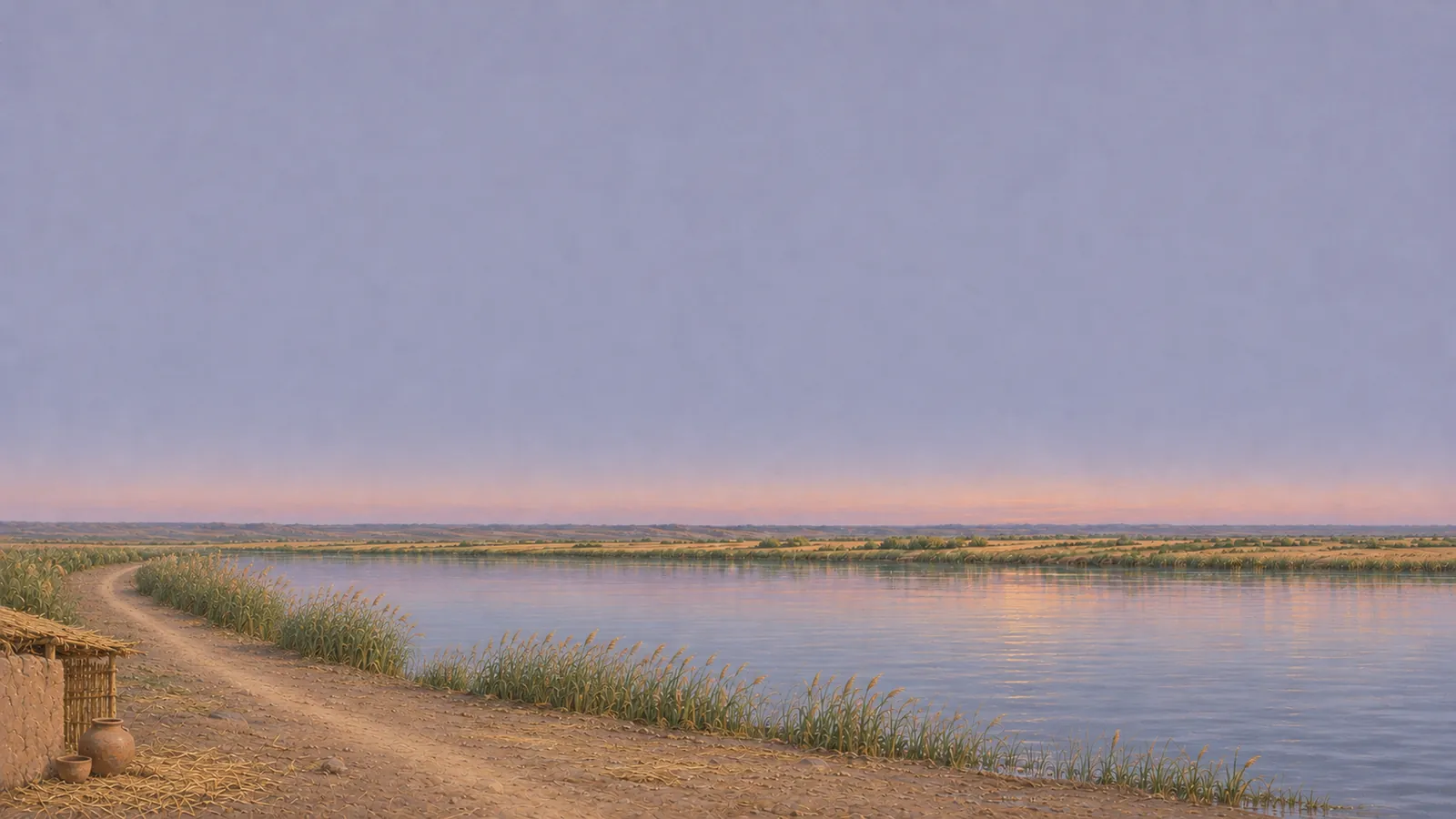
She spoke of the road back and the gate he had once gone out through. Her wish was simple: that the road he had taken could bring him back to his own land.
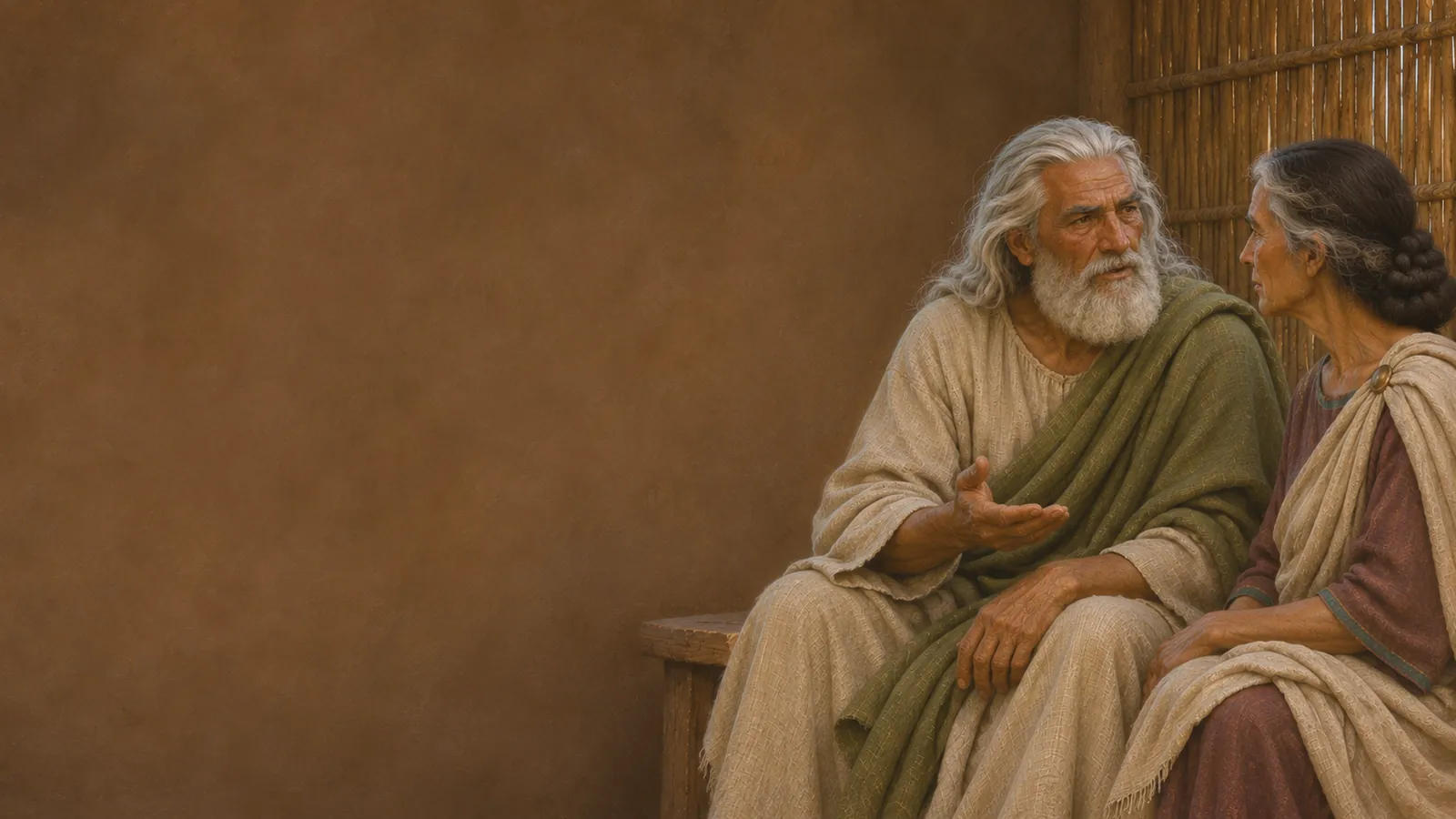
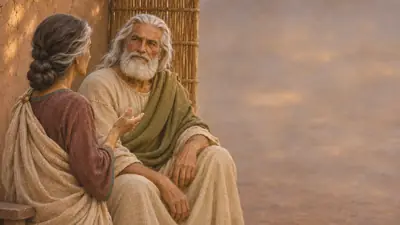
Utnapishtim was not ready to wake him. He warned his wife that a man might deny he had slept, and asked her to give their visitor something he could see for himself.
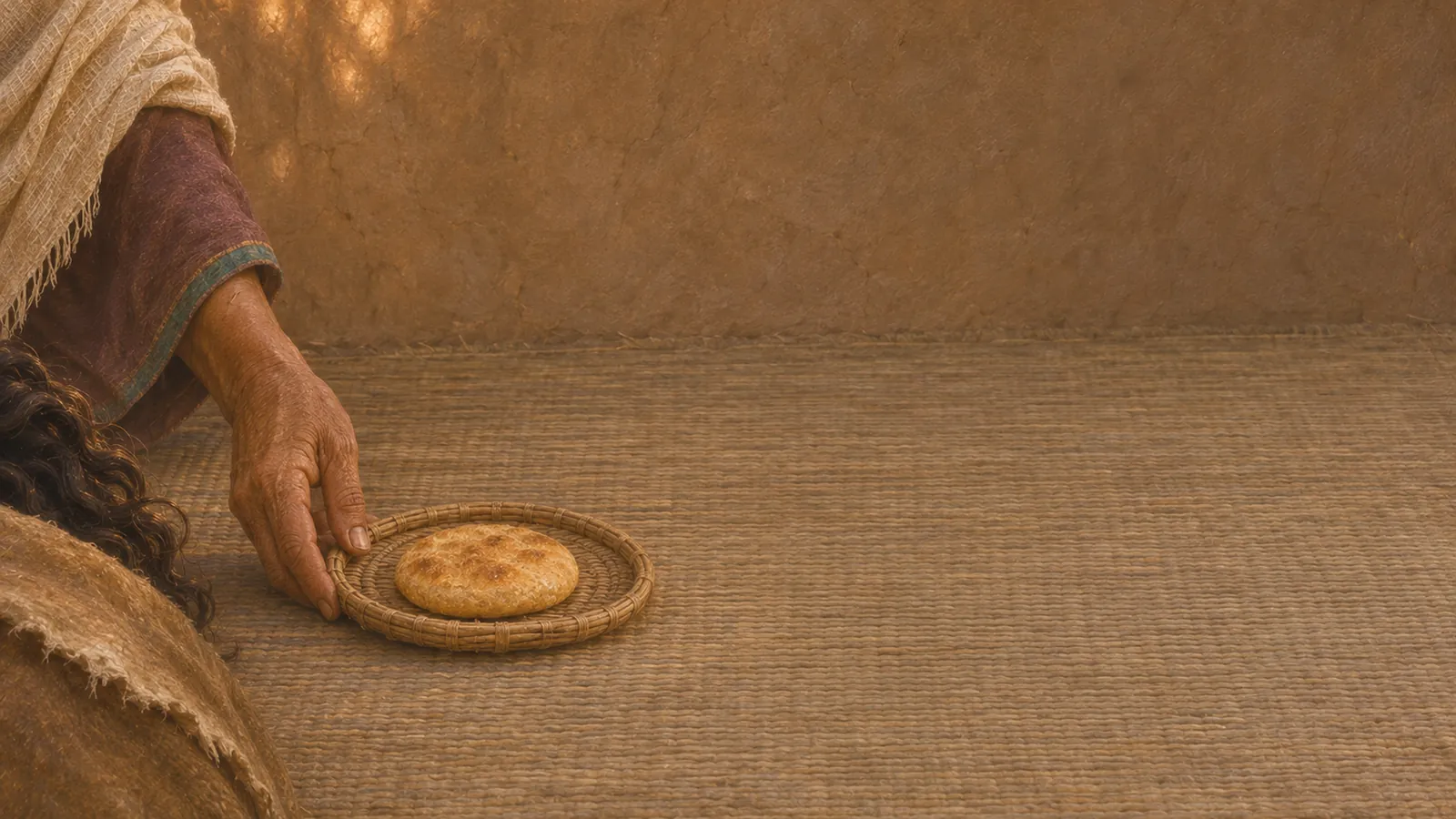
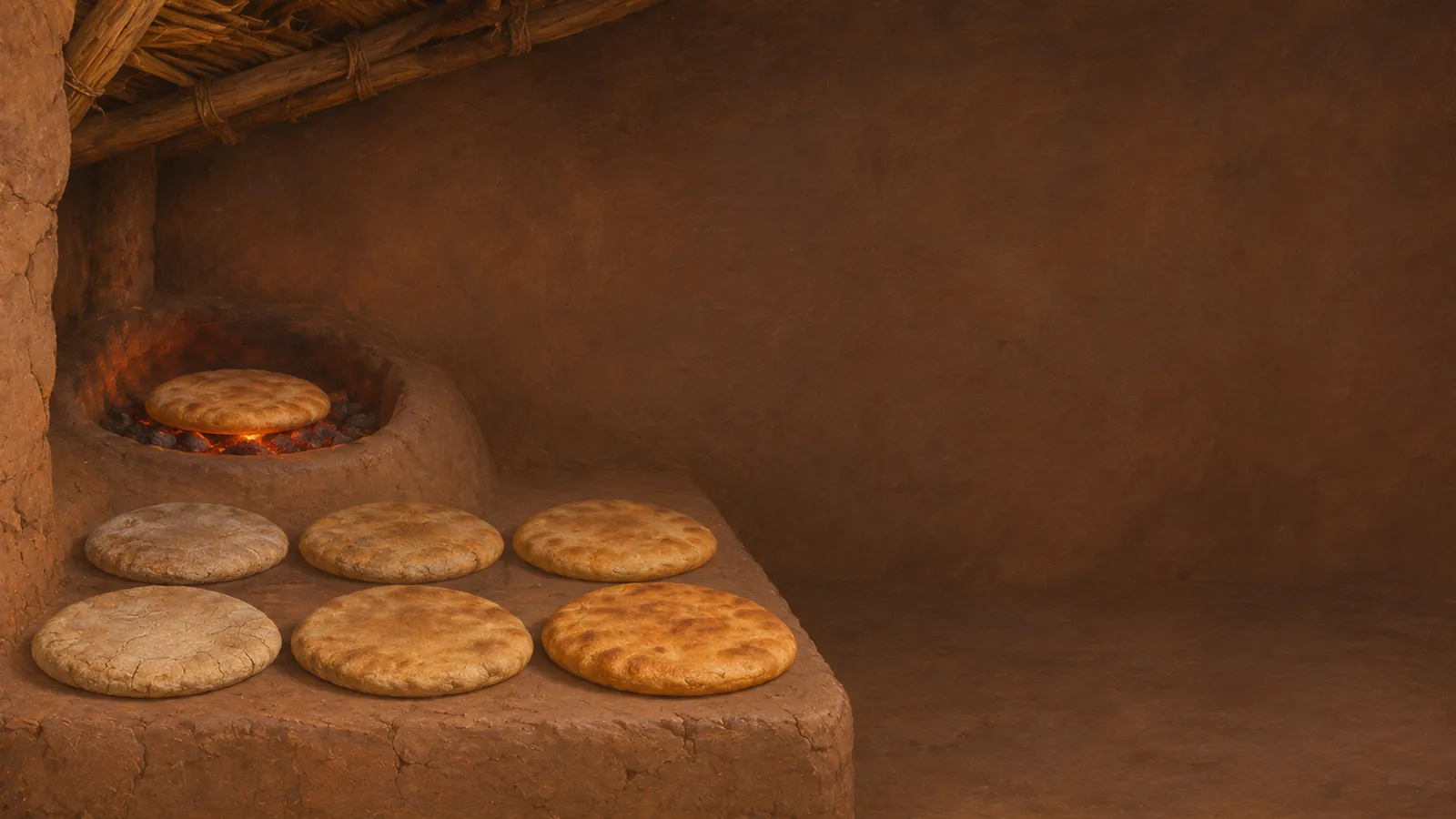
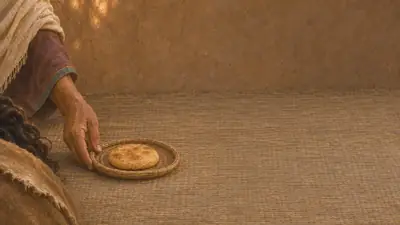
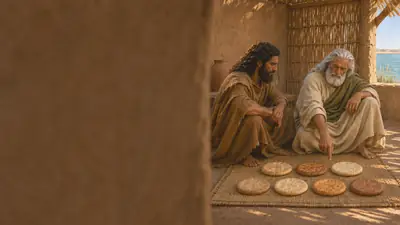
Utnapishtim told his wife to bake bread each day and set it by Gilgamesh’s head. She did as he asked, making a record that the sleeping man did not see.
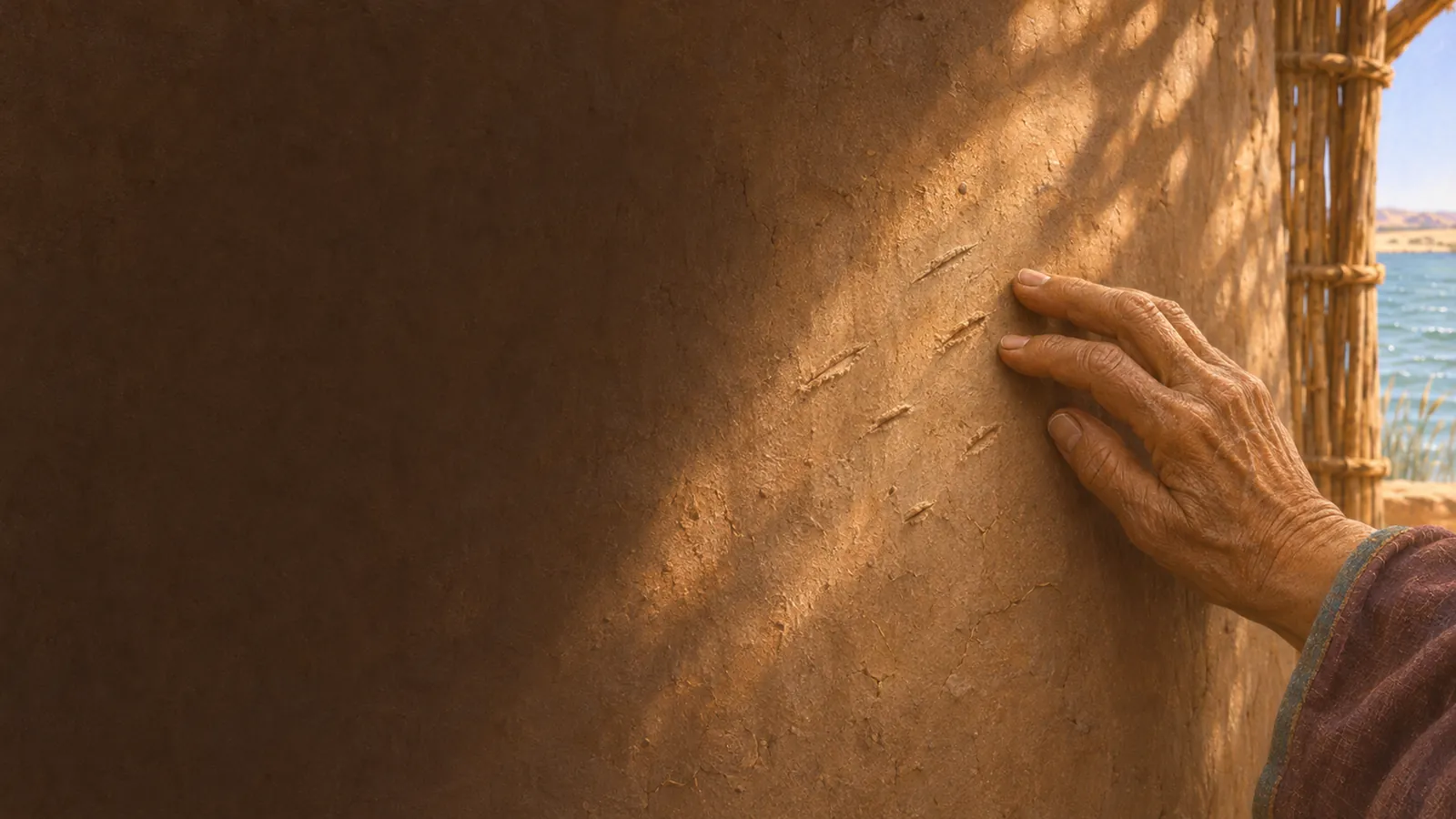
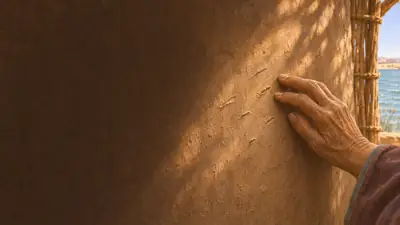
She kept another record on the wall. As Gilgamesh slept, she marked the days, so there would be something to compare with the bread when he opened his eyes.
BREAD
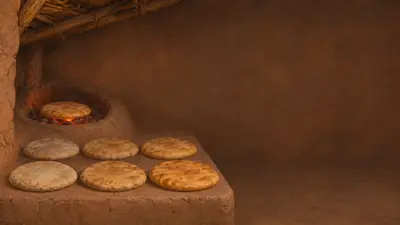
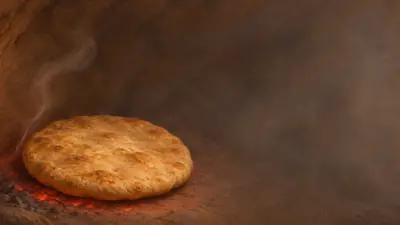
Beside him the bread changed. The first round was dry, a later one had begun to spoil, and the newest loaves were still fresh or on the fire.
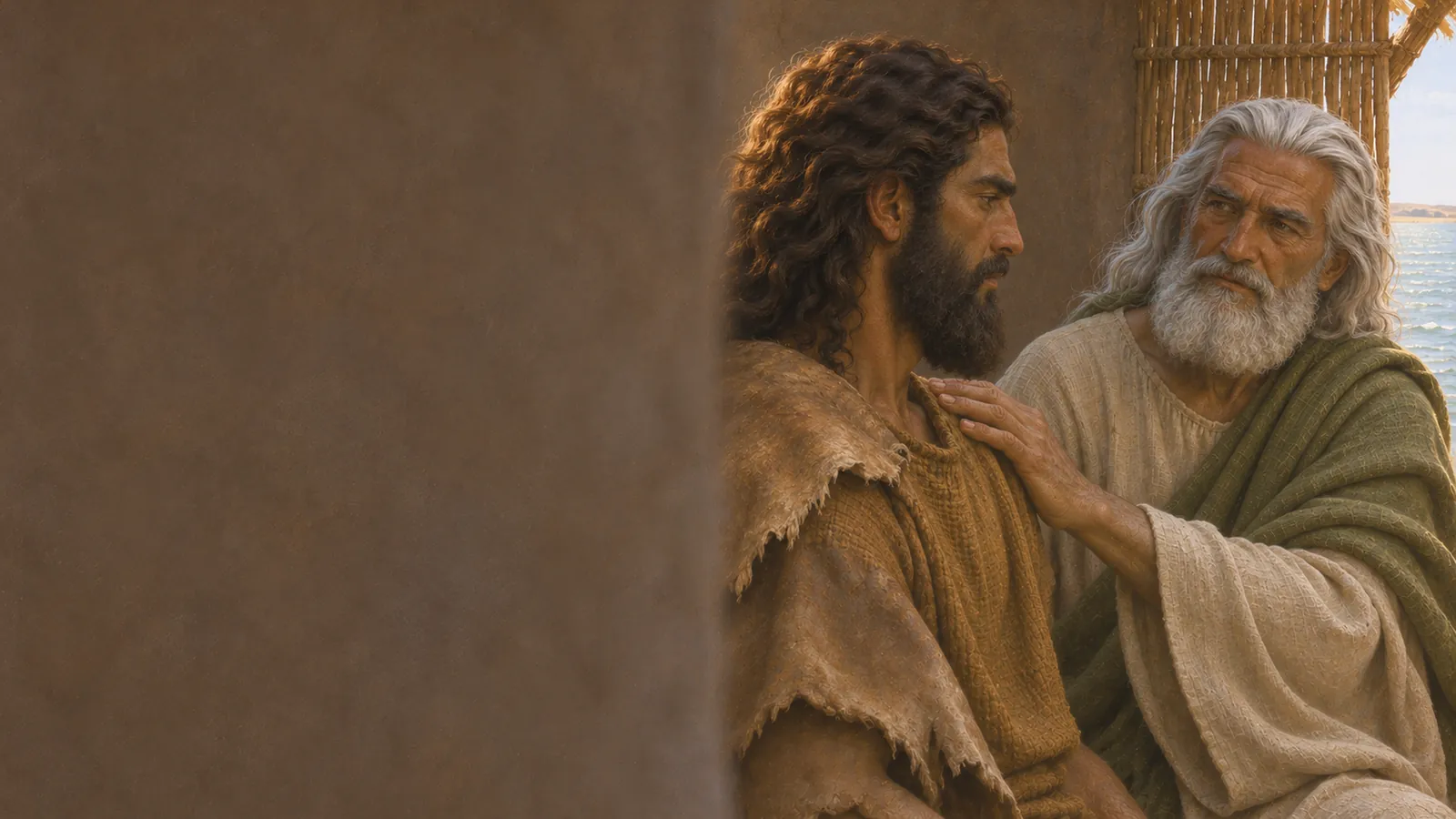
While the seventh loaf was still over the coals, Utnapishtim touched Gilgamesh. It took just that touch for the sleeping traveler to open his eyes.
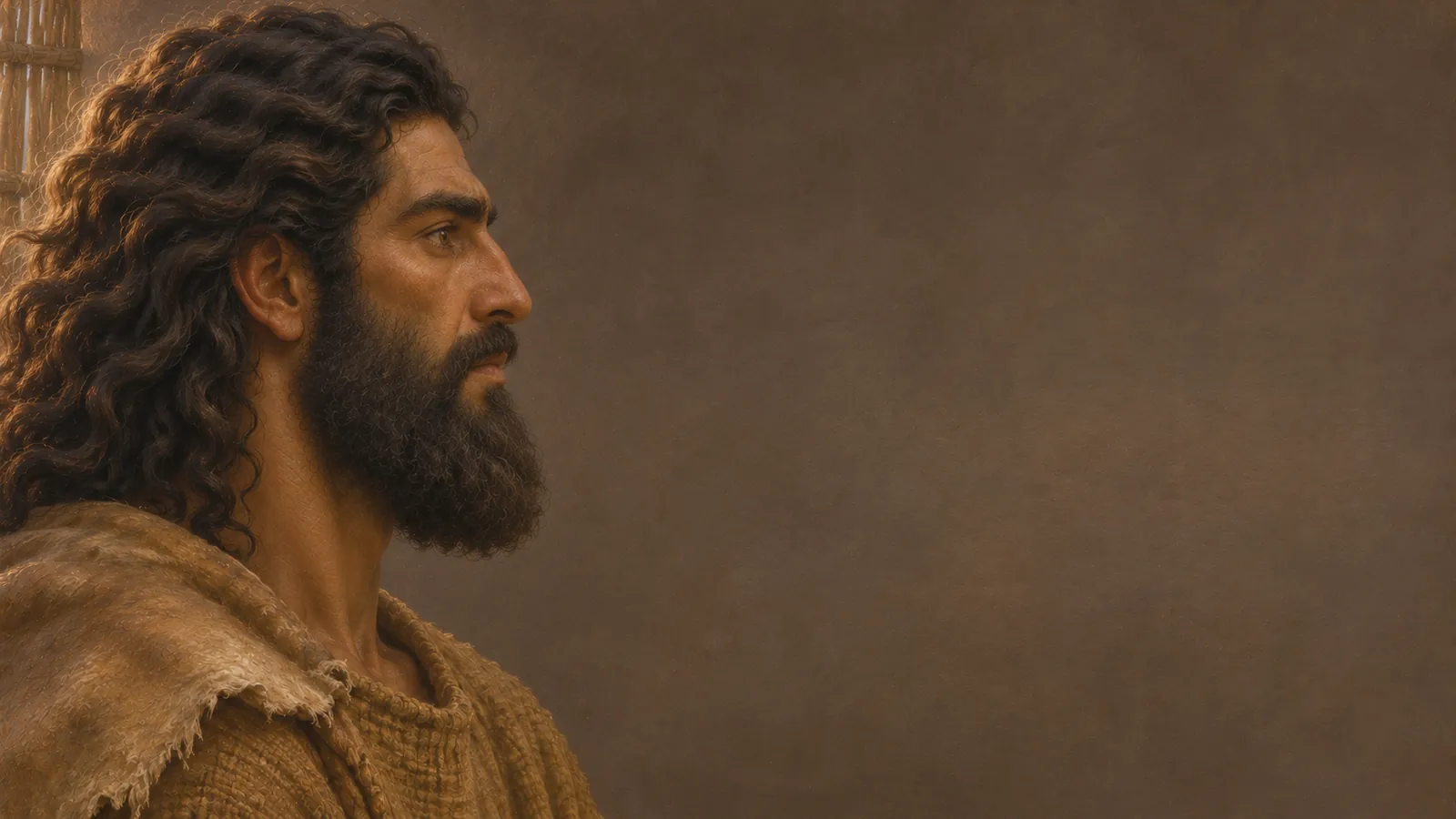
To Gilgamesh it seemed that almost no time had passed. He told Utnapishtim that he had barely begun to sleep when he felt the hand that woke him.
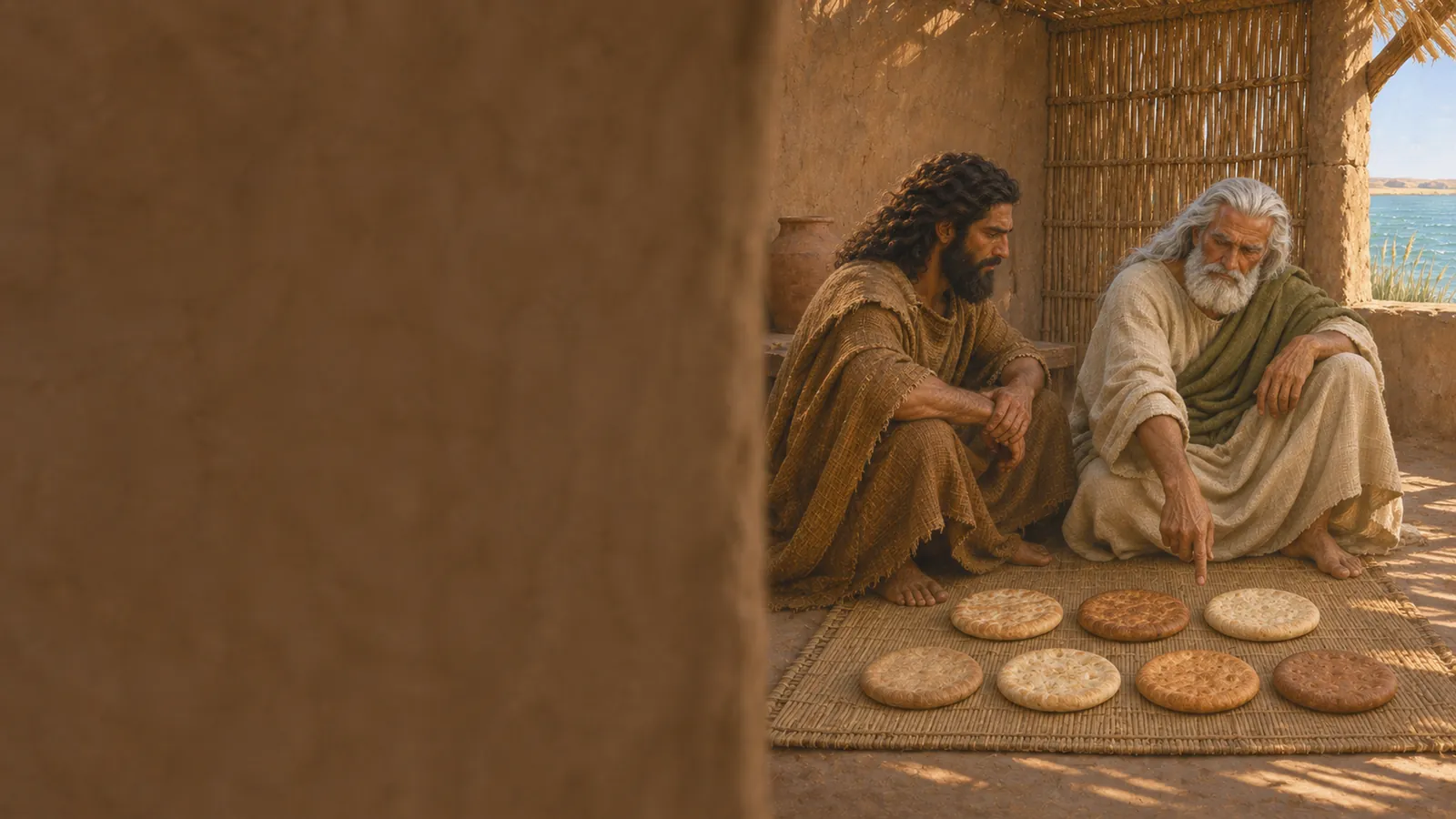
Utnapishtim directed Gilgamesh’s eyes to the bread. He could count the rounds and see, from their different condition, how much sleep had taken from his test.
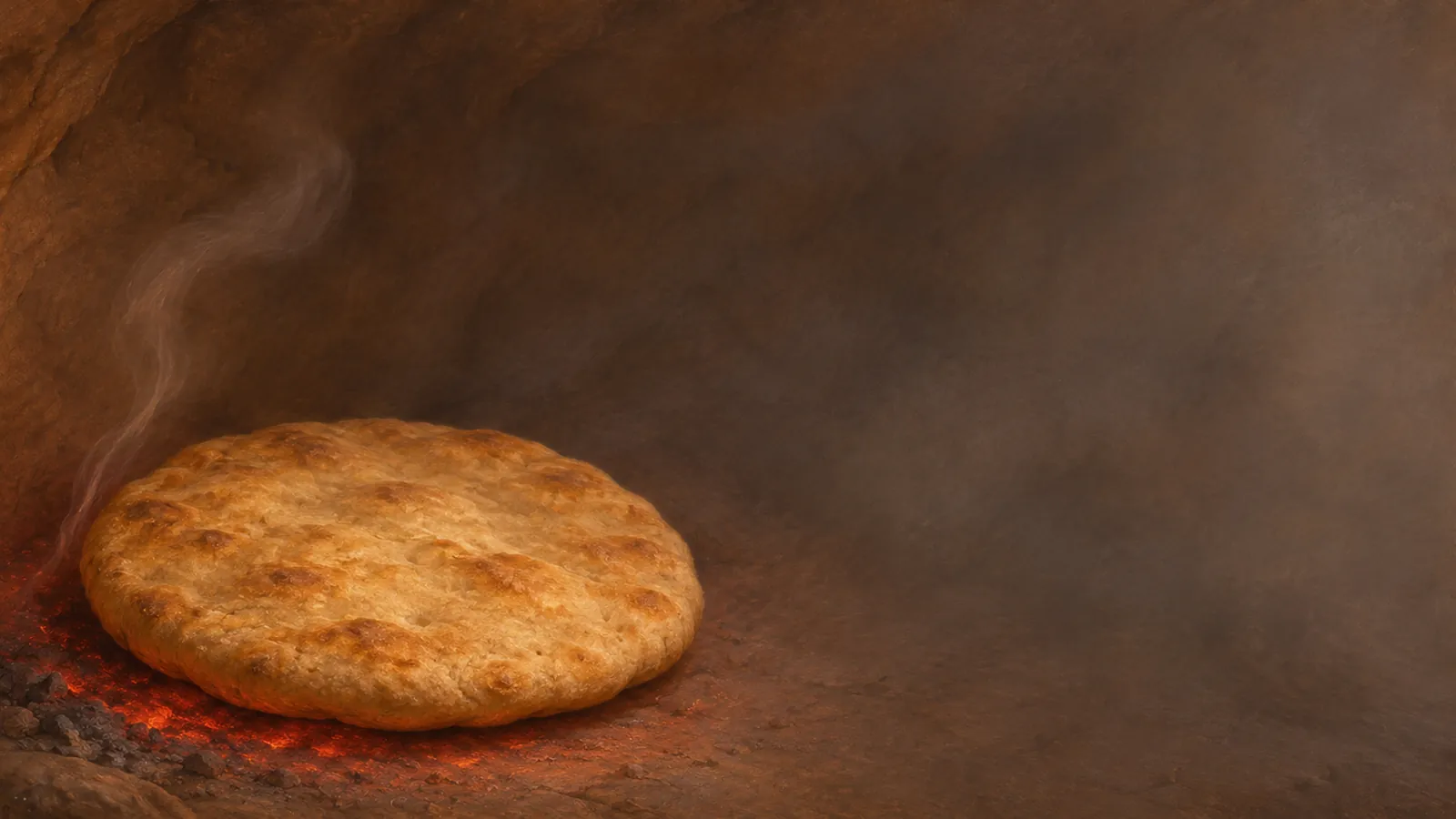
He had slept from the time the first loaf was new until the seventh was on the coals. The bread made plain what the moment of waking had hidden from him.
DEATH
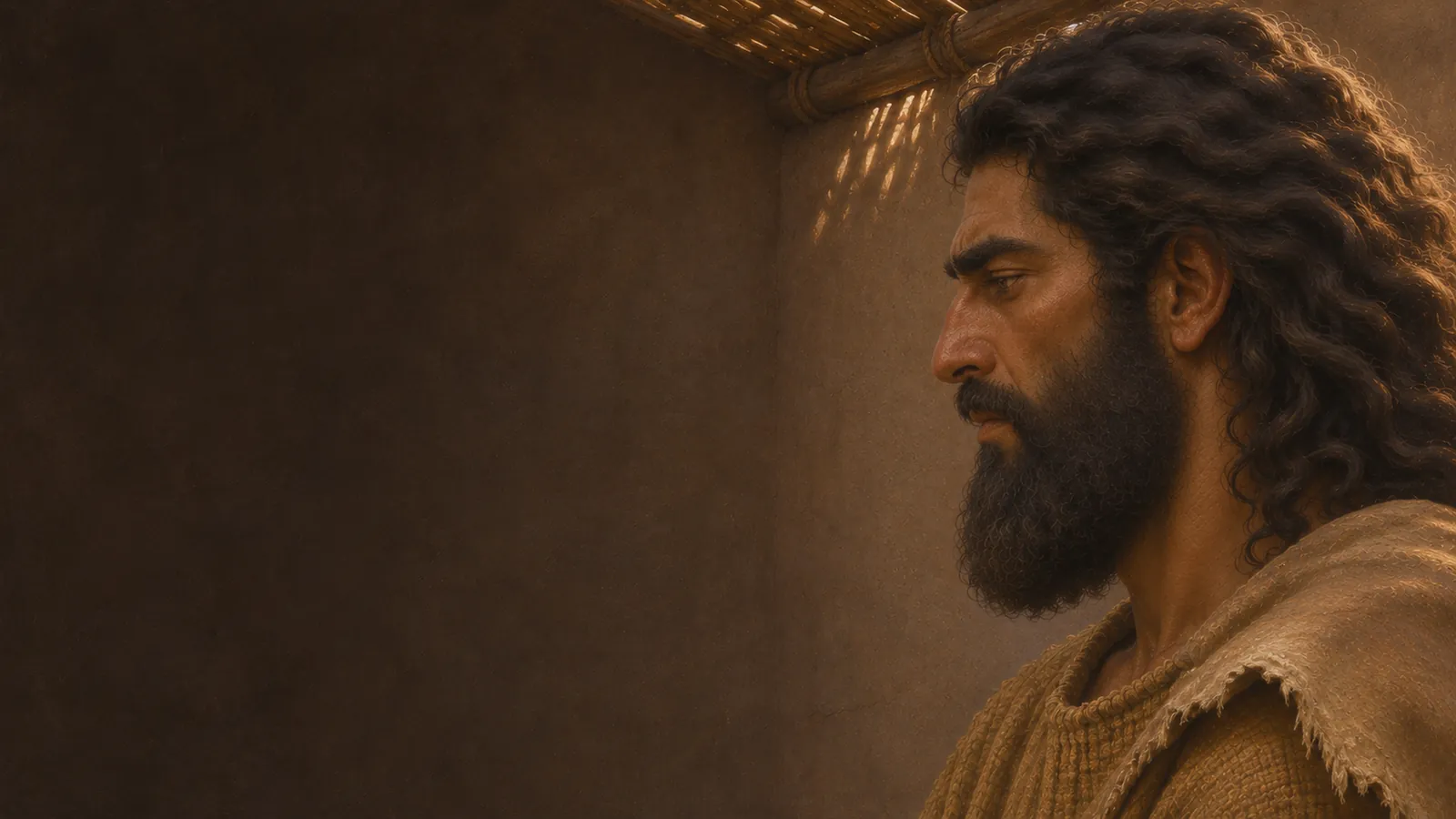
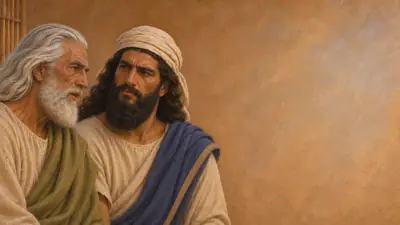
Gilgamesh asked where he could possibly go now. In his own room or anywhere he might turn, he felt that death would be waiting for him.
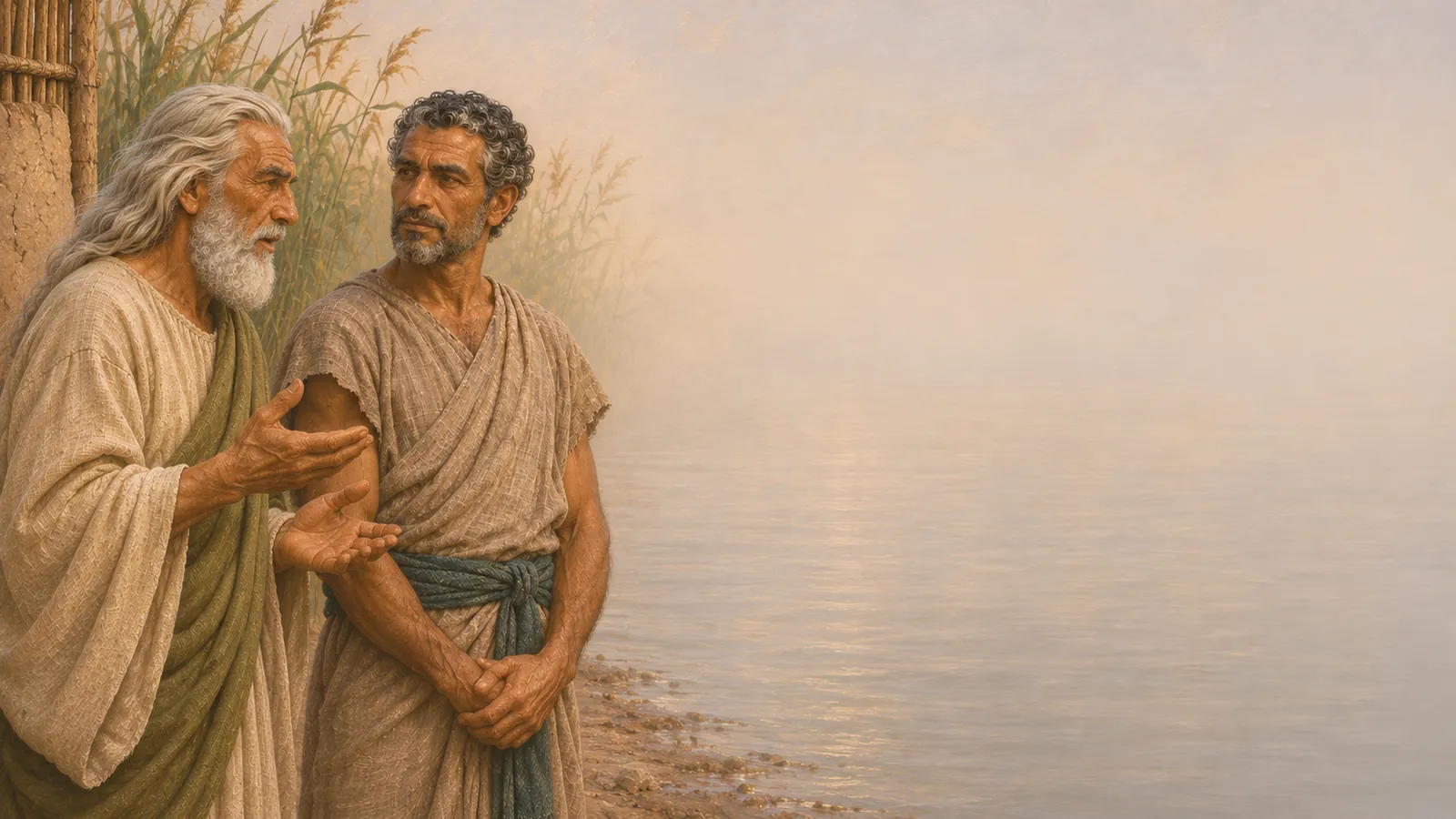
Utnapishtim turned to Urshanabi and pronounced that the landing and crossing would be closed to him. The ferryman who had brought Gilgamesh there would take him away again.
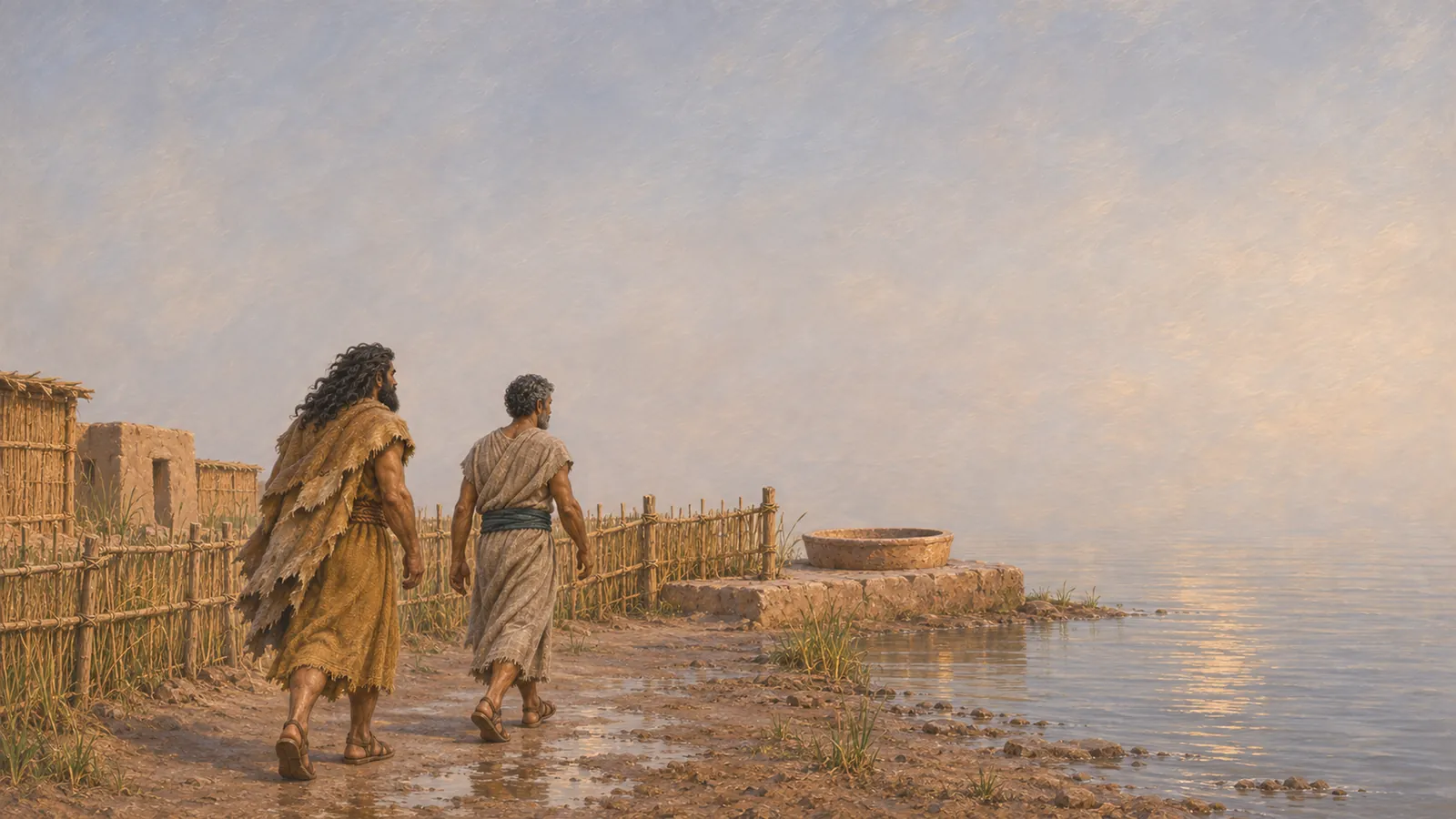
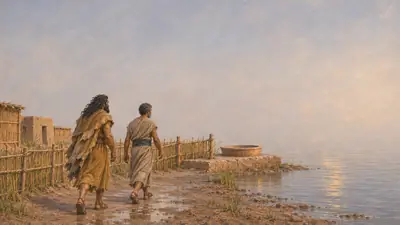
Utnapishtim sent Urshanabi to take Gilgamesh to the washing place. After the road, the king’s hair was tangled and the hides he wore had left him looking worn.
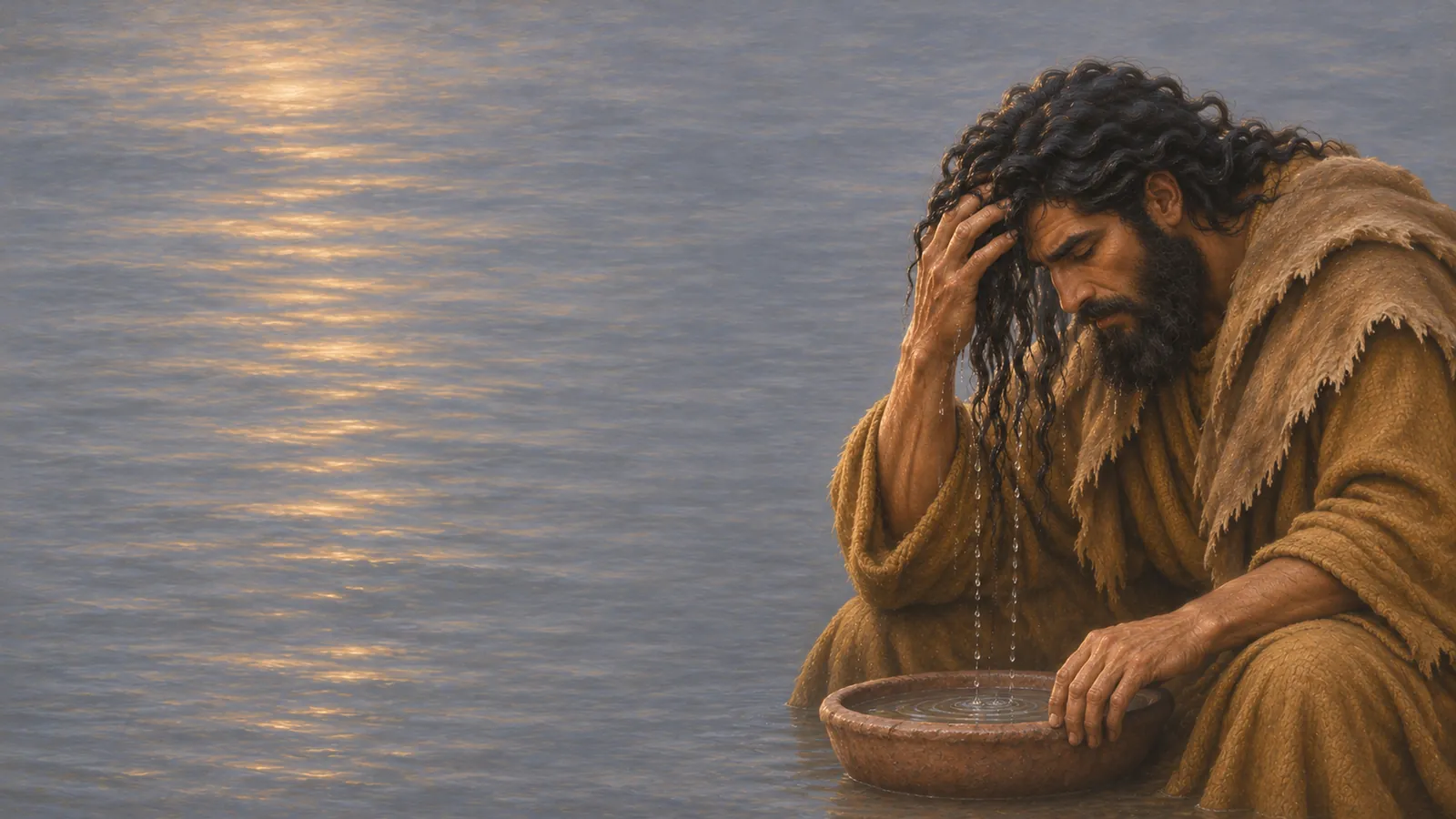
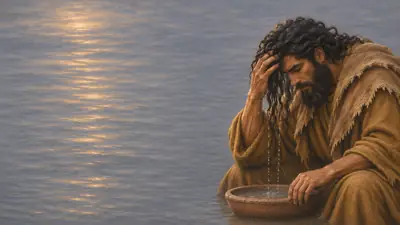
At the washing place, Gilgamesh rinsed his tangled hair. After living so long out on the road, he could wash away some of what it had left on him.
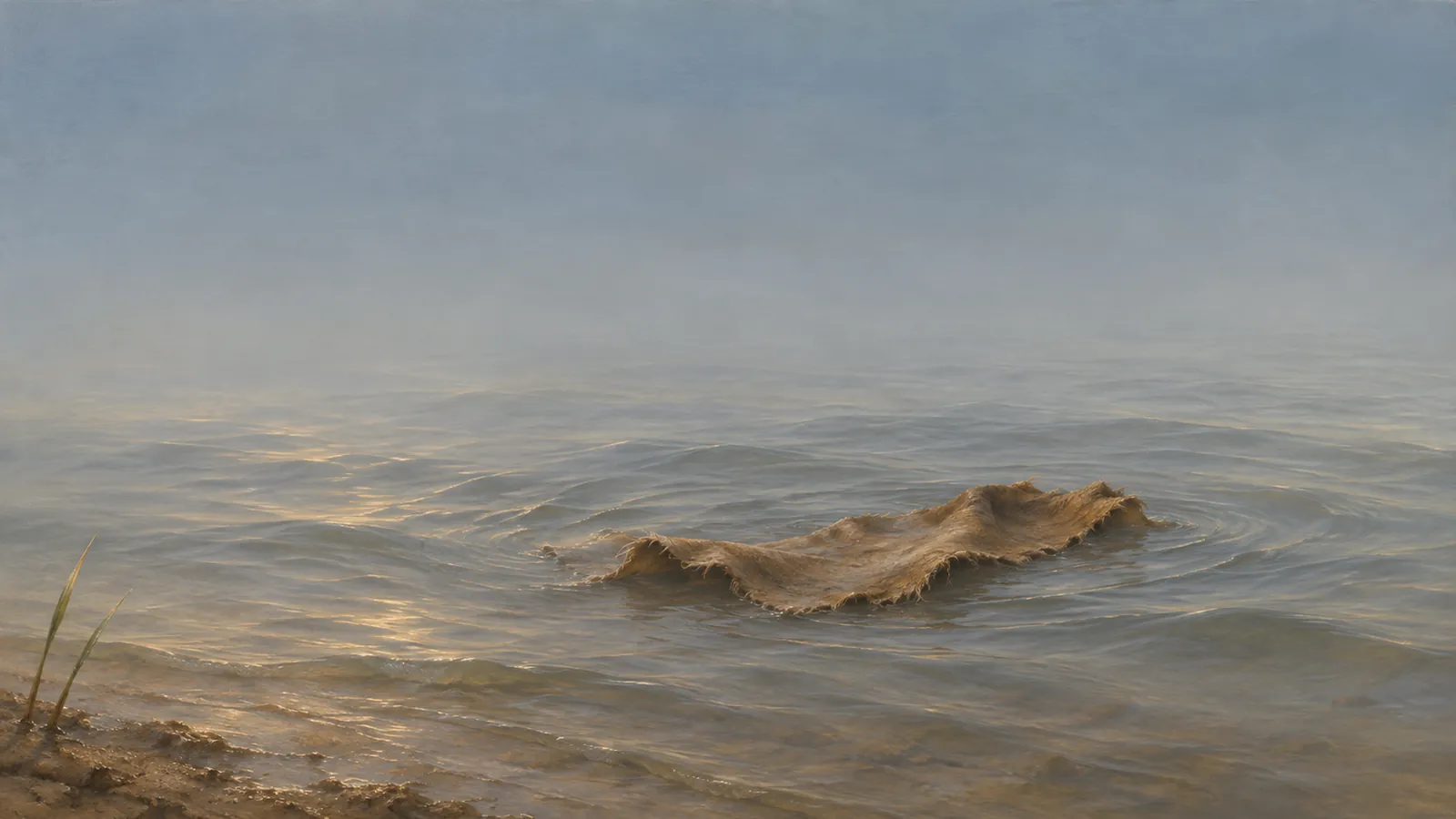
Gilgamesh cast off the hides he had worn on the journey. The sea took them away as he left that part of his travels behind him.
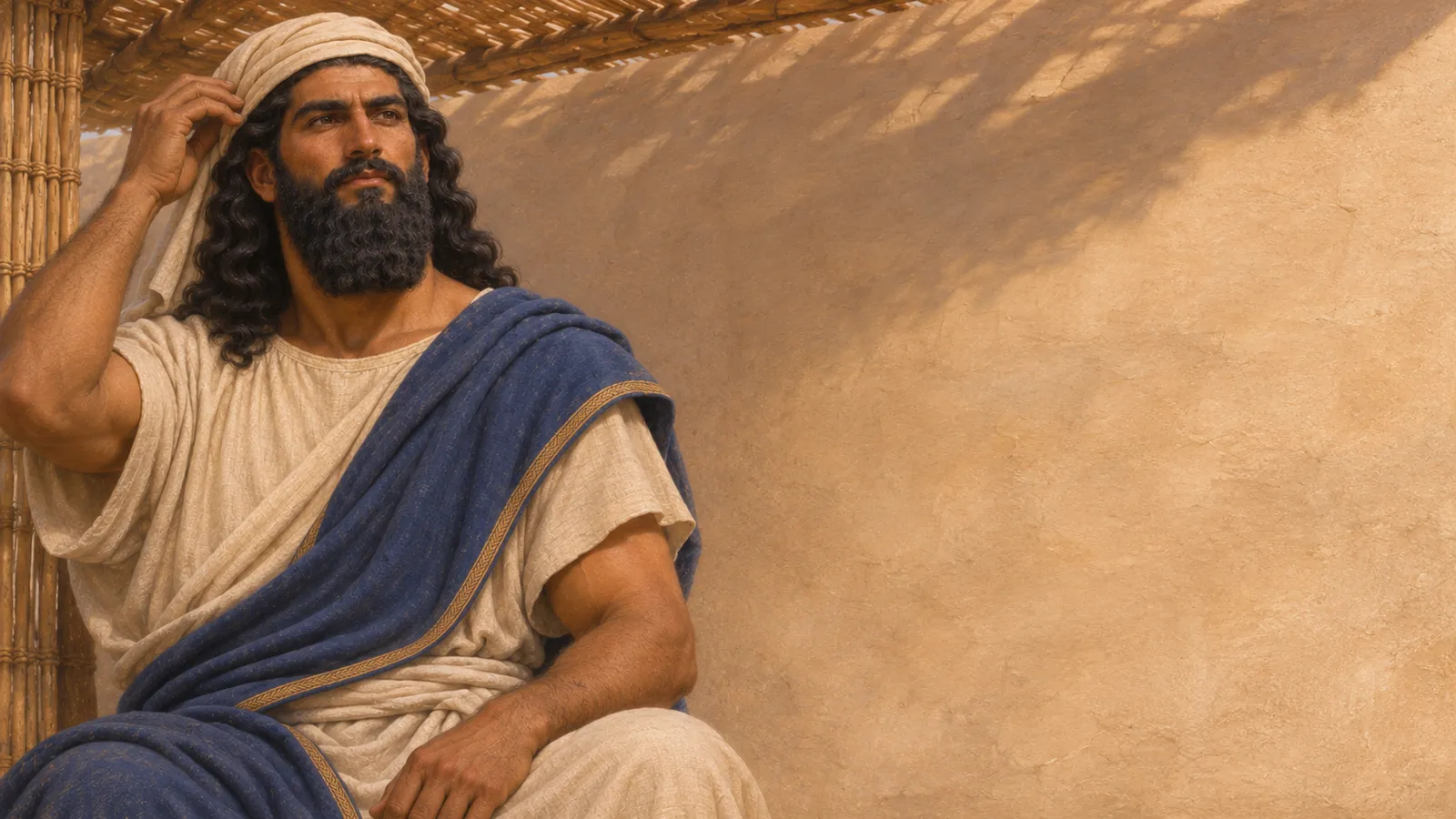
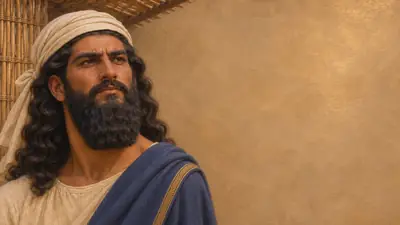
Gilgamesh was given a fresh cloth for his head and a robe fitting a king. The traveler who had arrived in hides would set out again in royal dress.
Utnapishtim wanted the robe to stay fresh until Gilgamesh reached his city. The poem repeats this wish as the king prepares to take the road home.
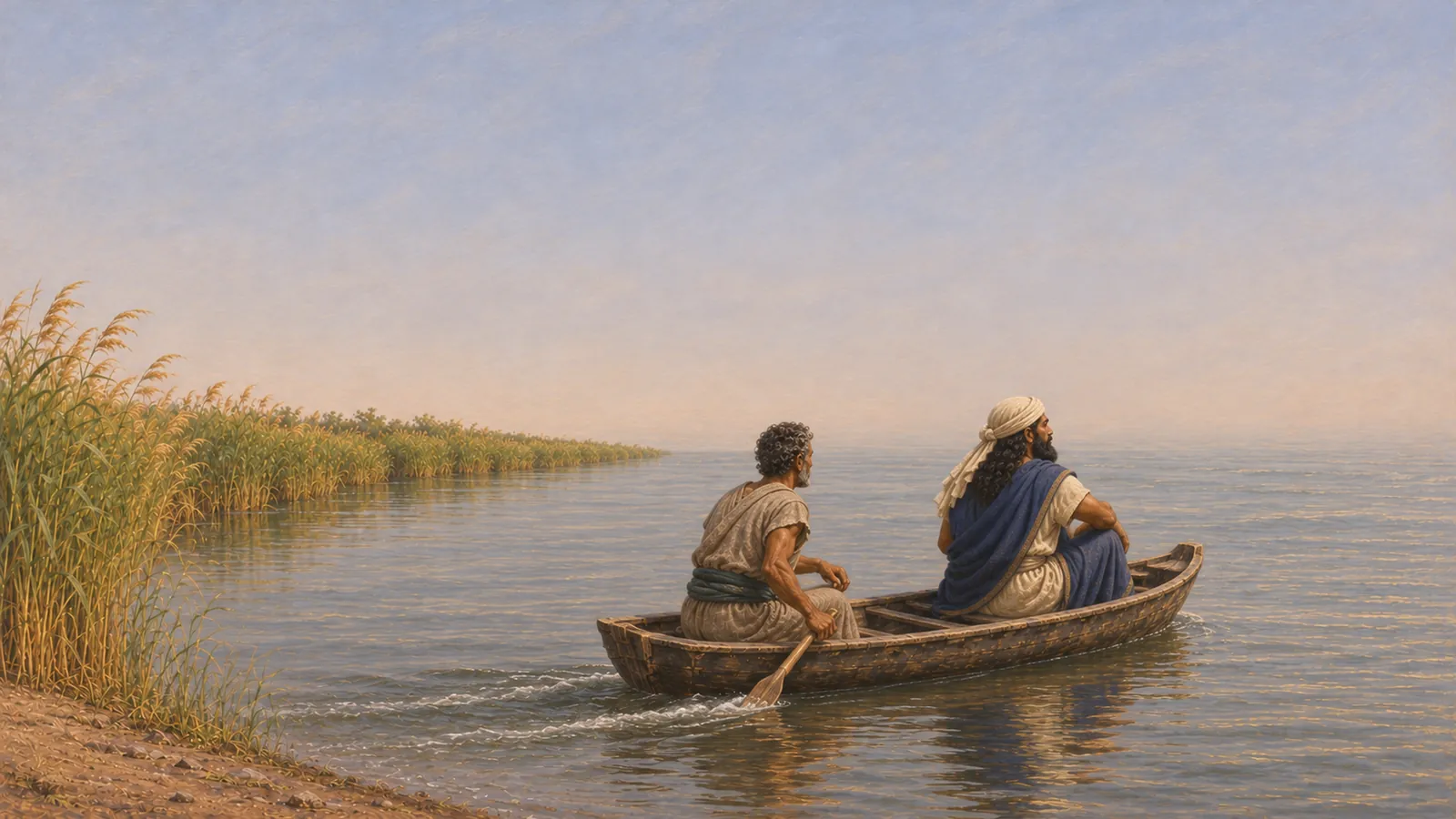
DEPARTURE
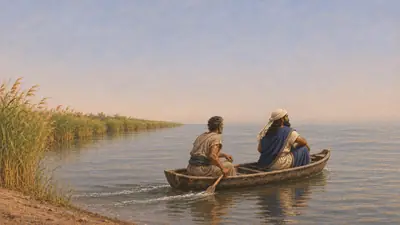
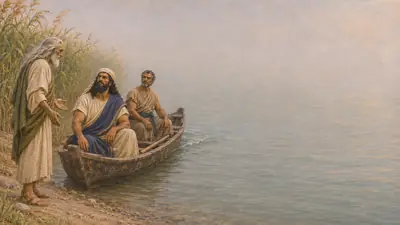
Gilgamesh and Urshanabi boarded the boat and pushed off. It looked as though their business on the far shore was over and the journey home had begun.
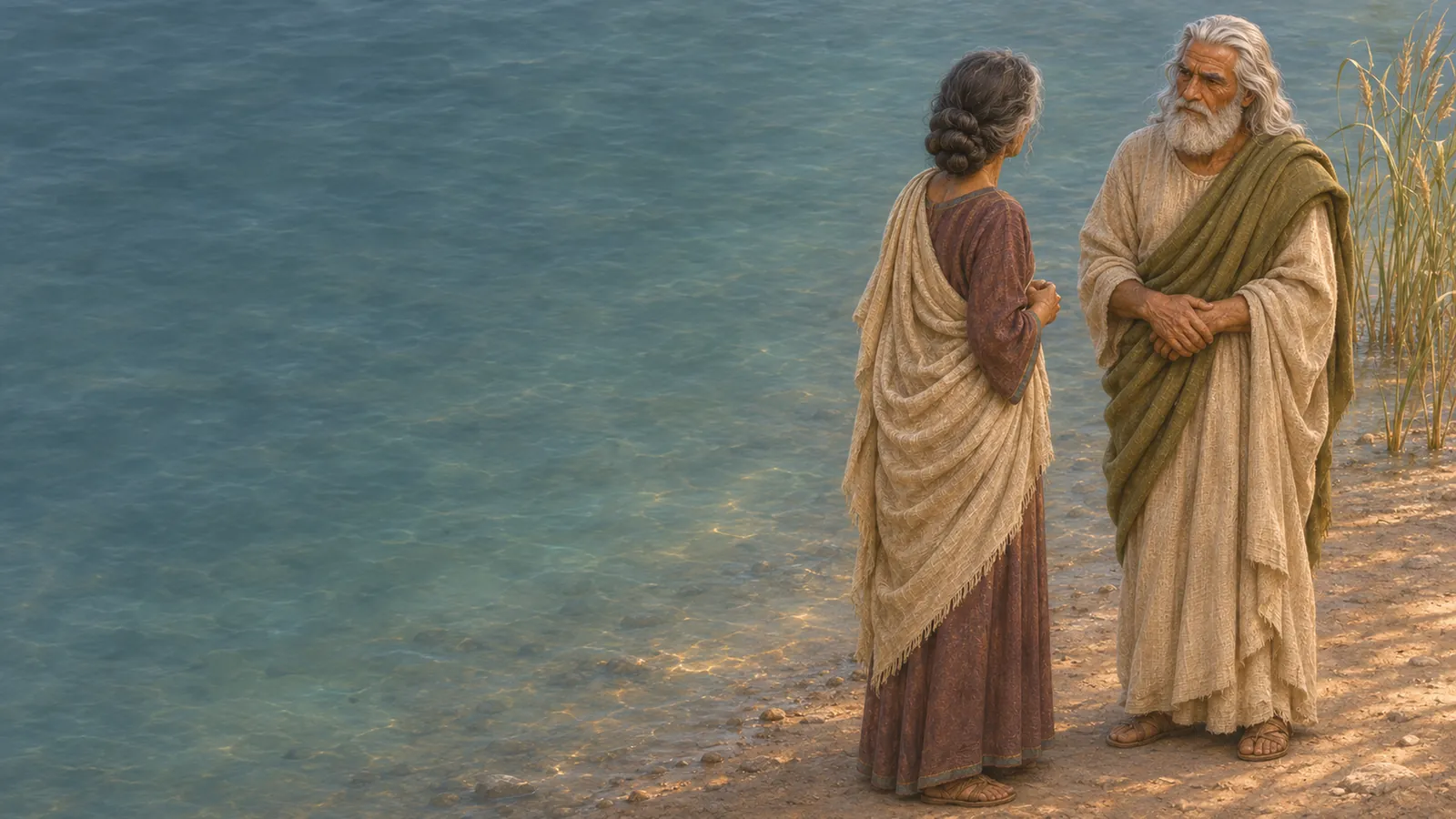
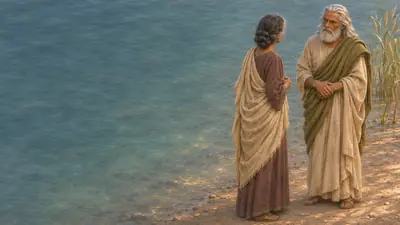
Utnapishtim’s wife spoke up as the boat was leaving. She recalled how far Gilgamesh had come and how weary he was, and asked what he would be given to take home.
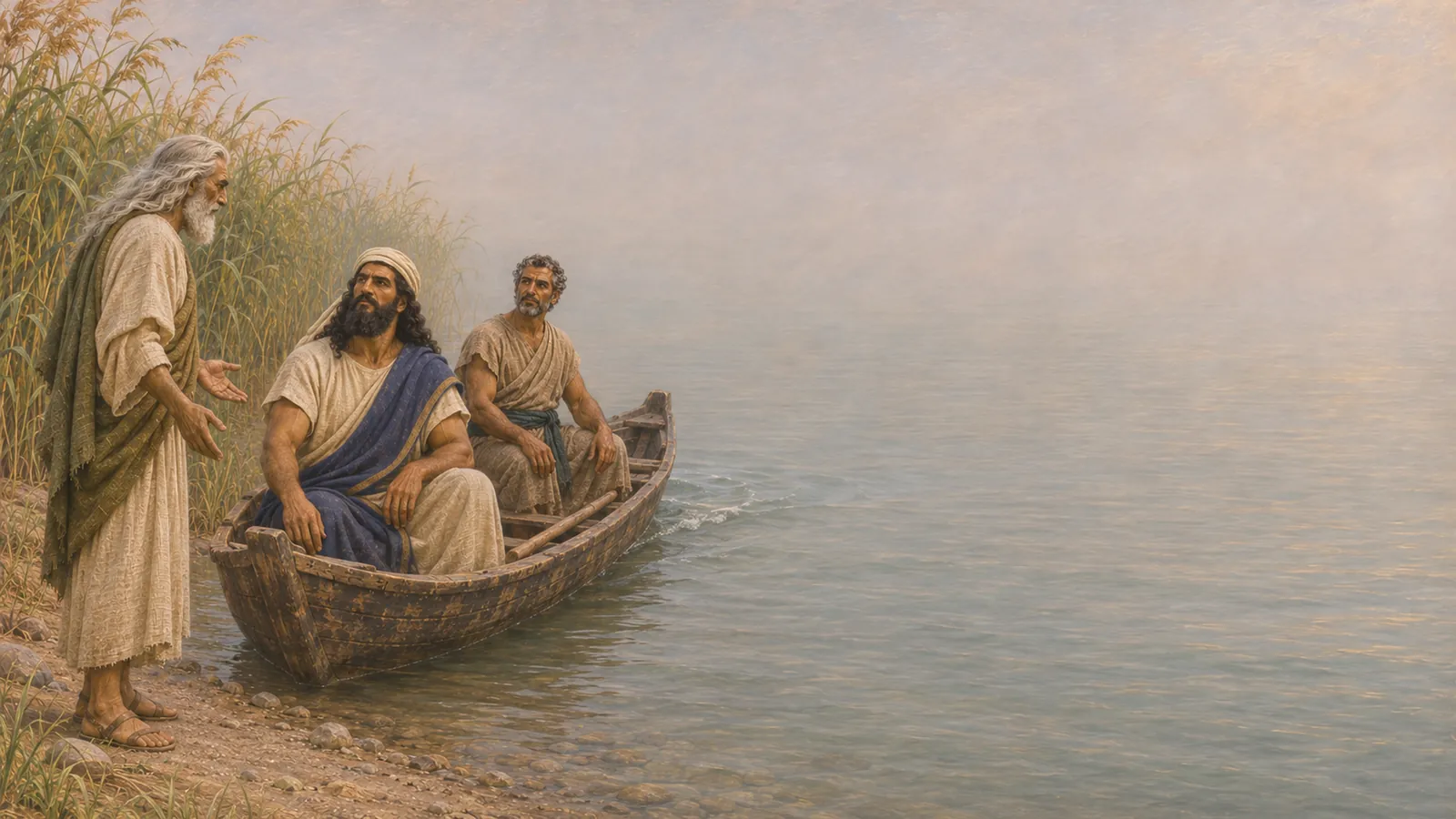
Gilgamesh raised the pole and brought the boat close to shore. Utnapishtim was still there, and before they parted, he had more to tell him.
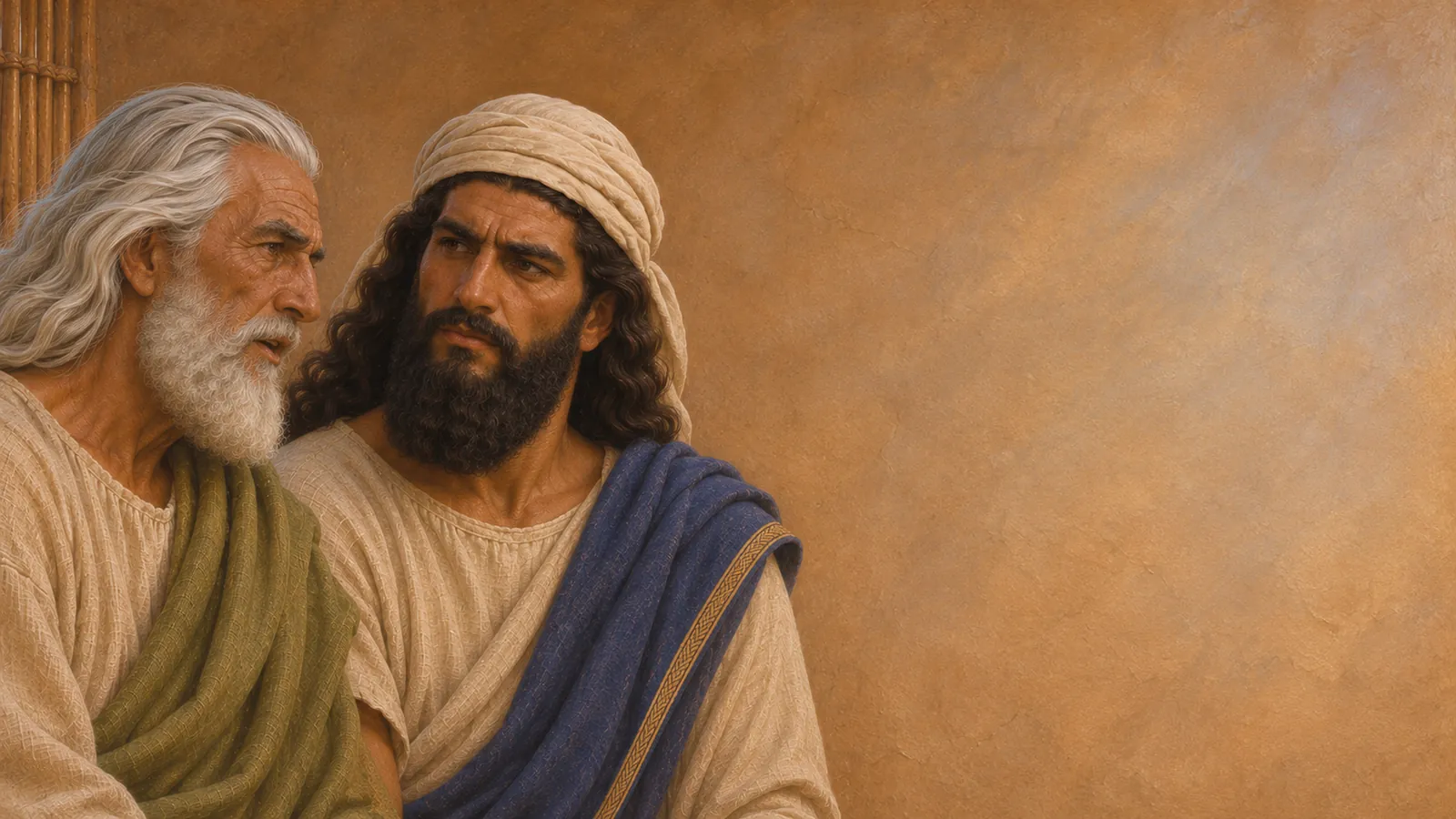
Utnapishtim acknowledged the work it had taken Gilgamesh to reach him. He had one thing he could give him before he left, the knowledge of something hidden.

THORNS
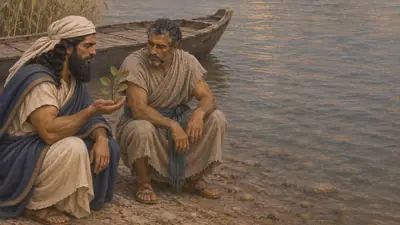
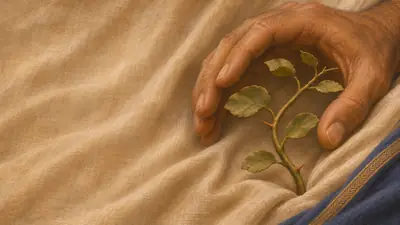
He described a plant with thorns, the sort that would catch and prick a hand. Even this small hope lay somewhere that Gilgamesh would have to reach for it.
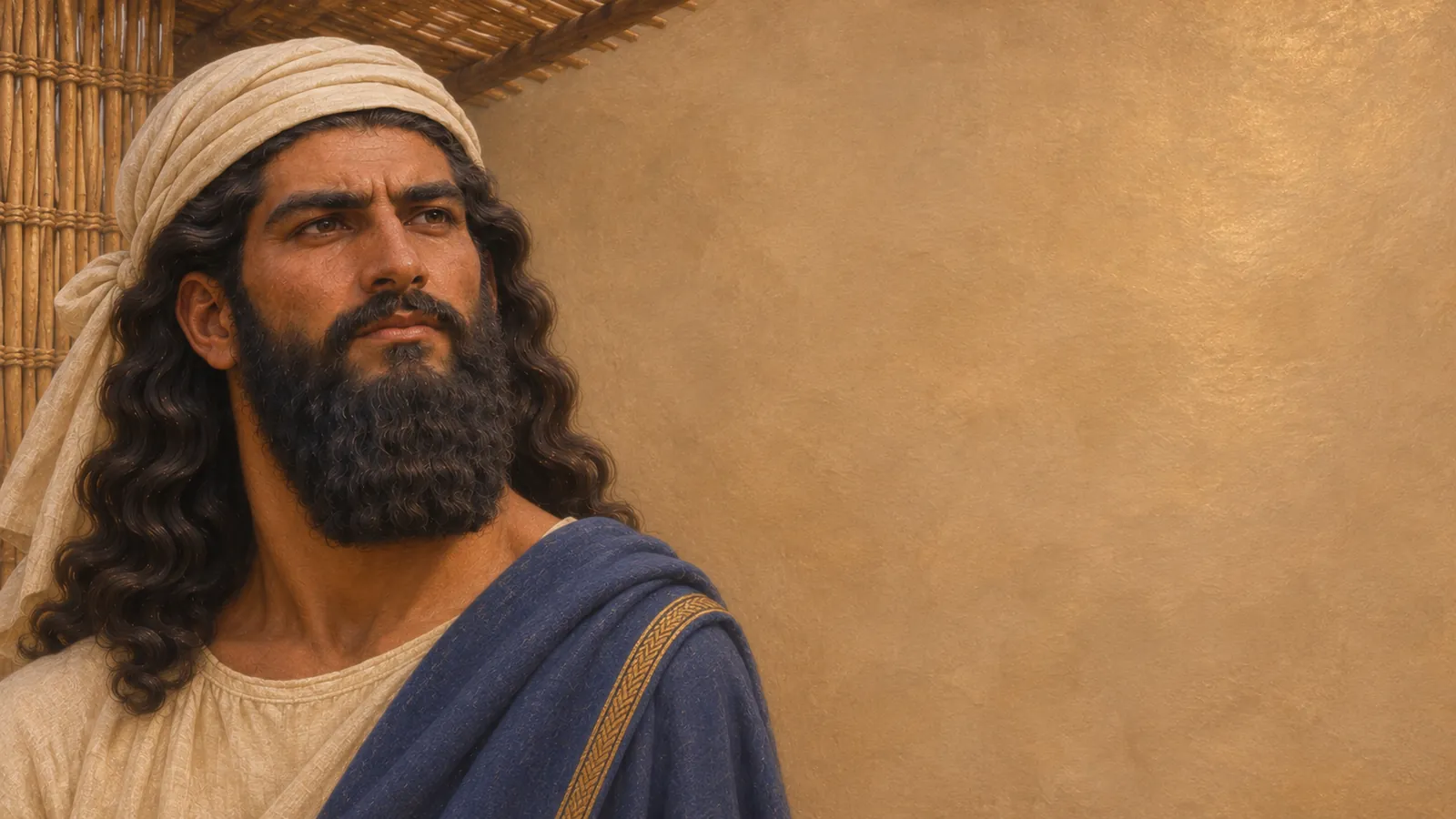
If Gilgamesh could get hold of the plant, there was hope he could become young again. The broken words at the end of the promise have that sense in the restored reading.
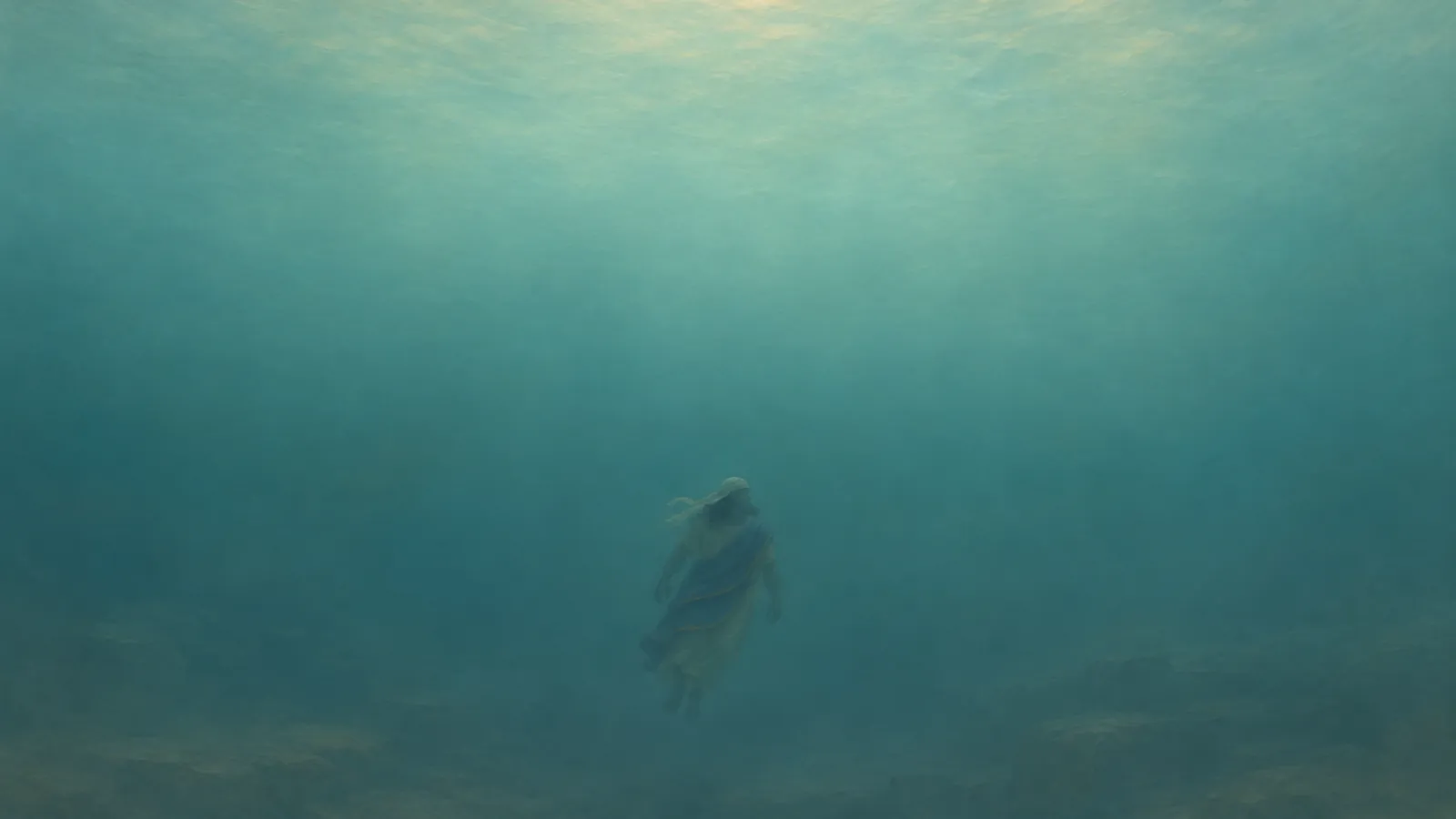
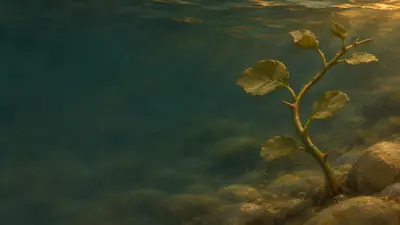
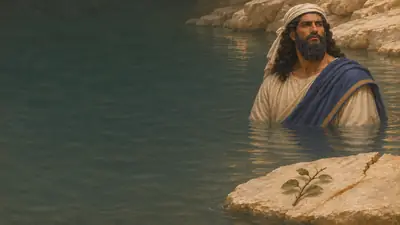
Gilgamesh acted when he heard this. Heavy stones took him down into the deep waters the poem calls the Apsu, where the plant lay within reach.
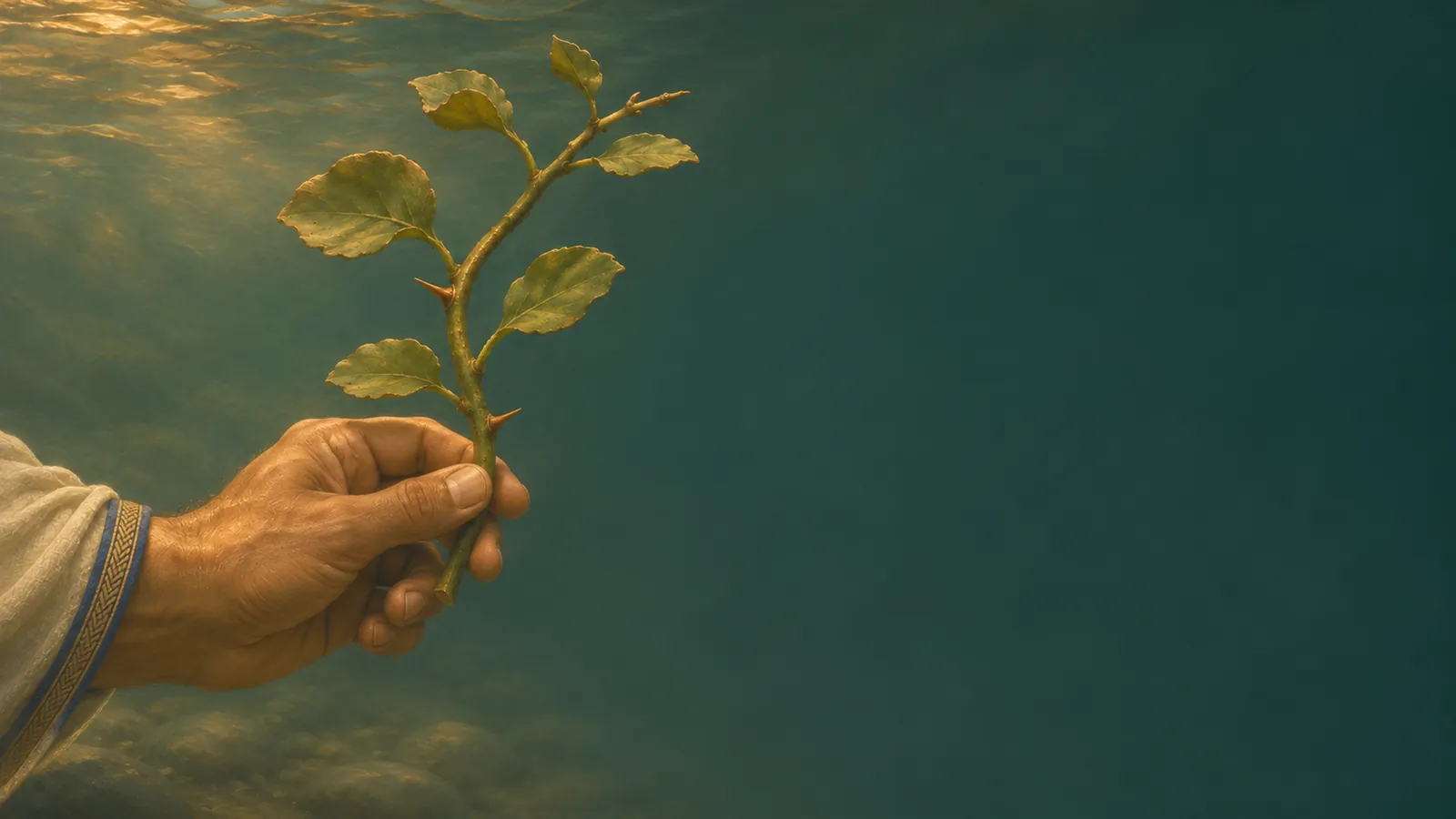
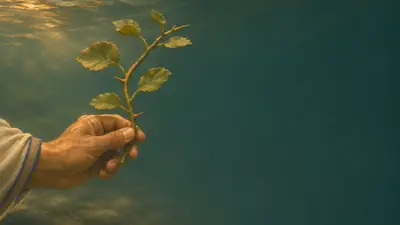
Gilgamesh reached the plant and pulled it free. The words about his grasp are broken in places, but the plant came with him from the deep.
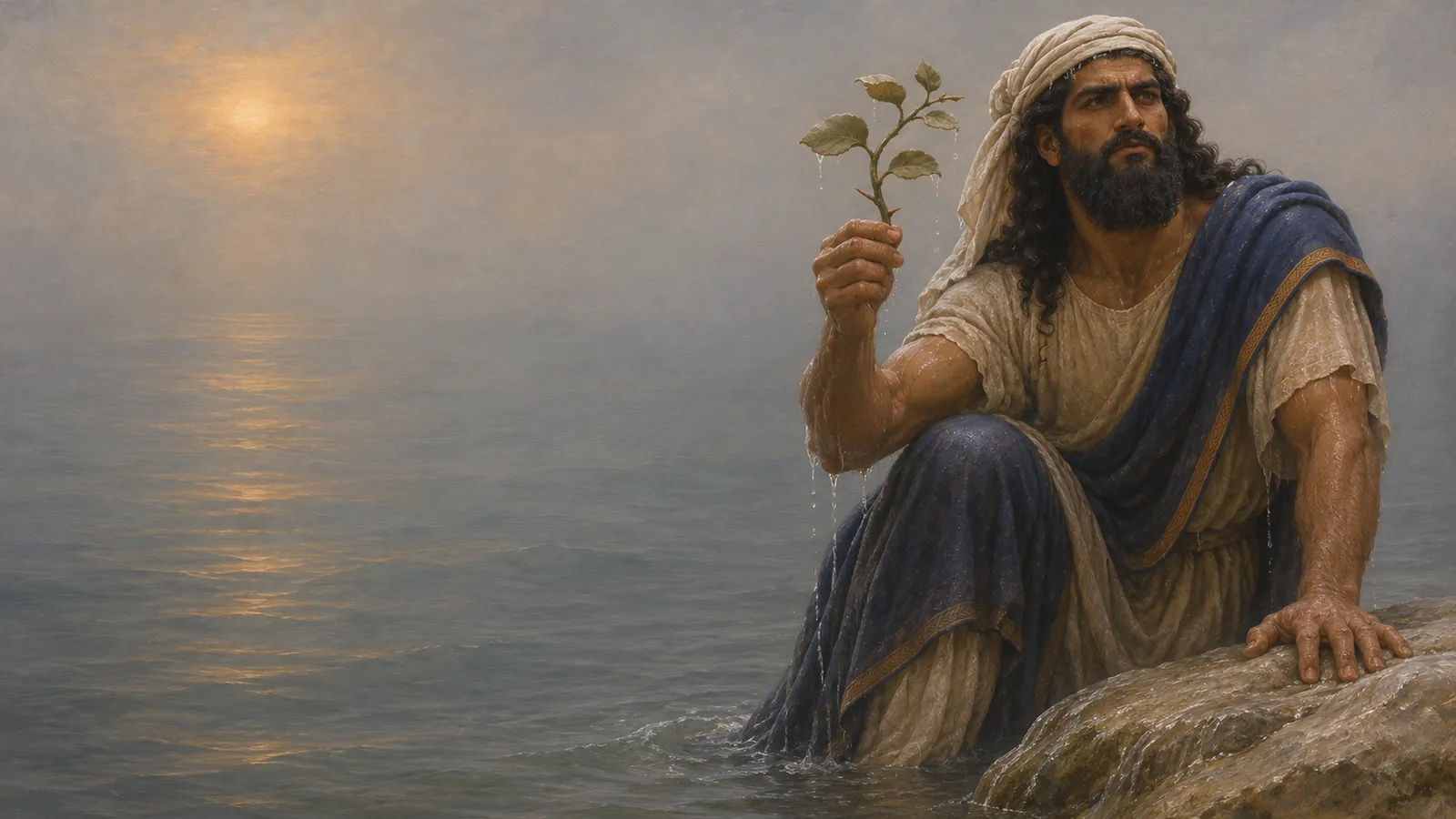
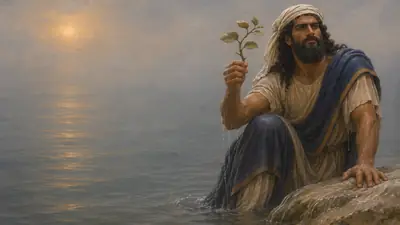
He freed himself from the stones, and the sea brought him up onto its shore. He had come out with the plant he had gone down to find.
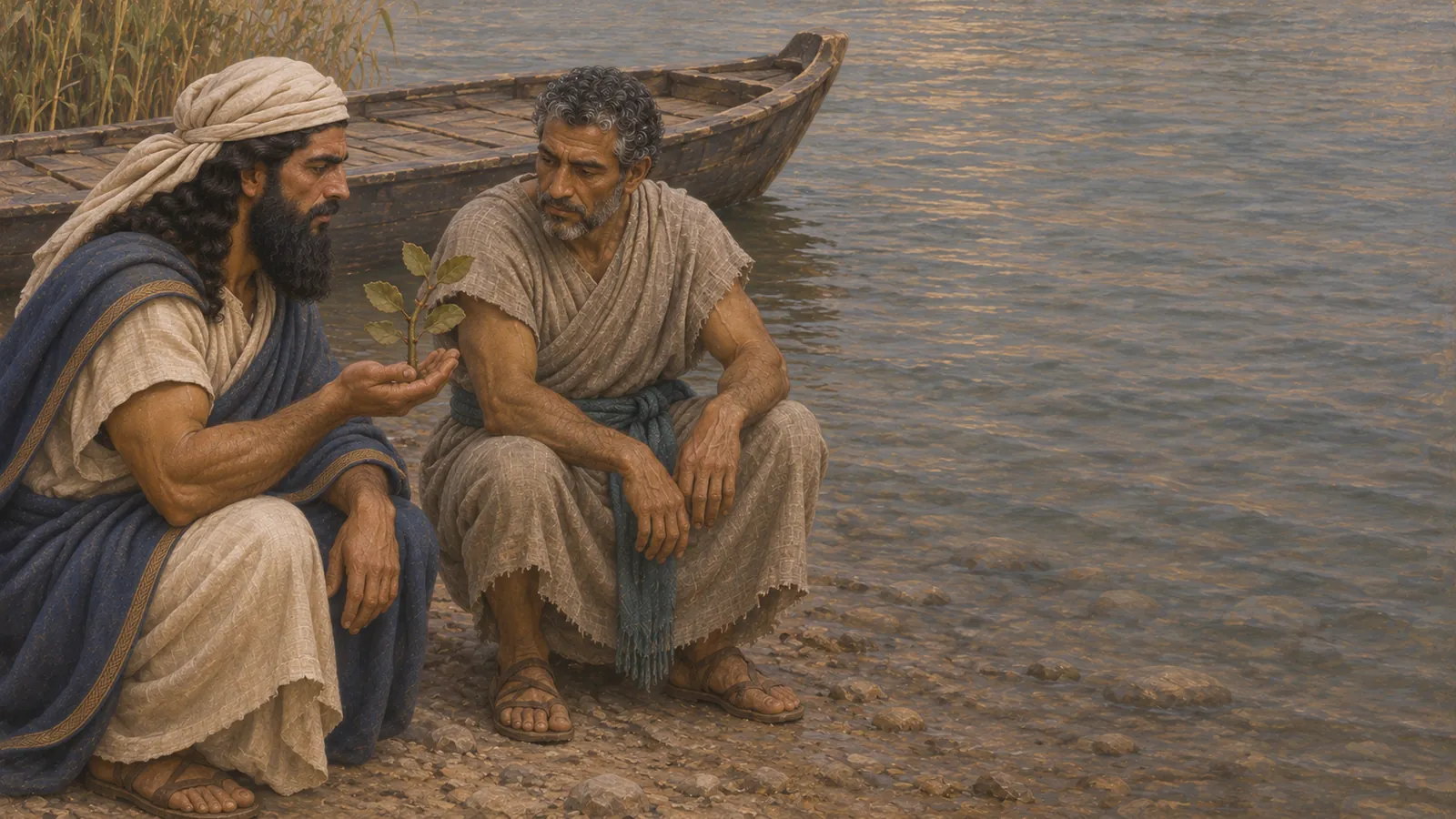
Gilgamesh showed the plant to Urshanabi and described what it might do. He believed it could give a person back the vigor that time had taken.
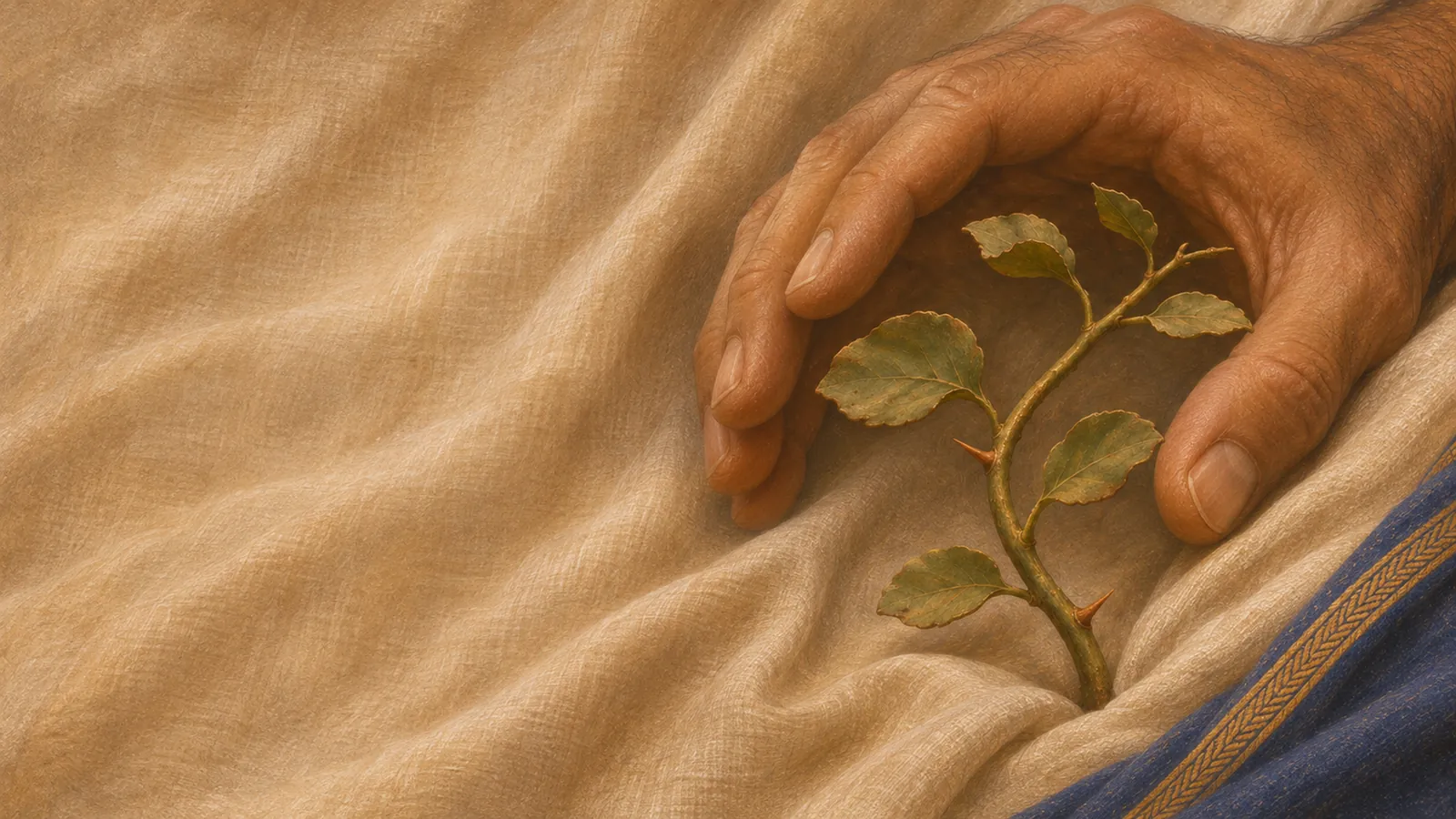
Gilgamesh planned to take the plant to Uruk and try it on an old man first. If that man became young again, Gilgamesh meant to eat some himself.
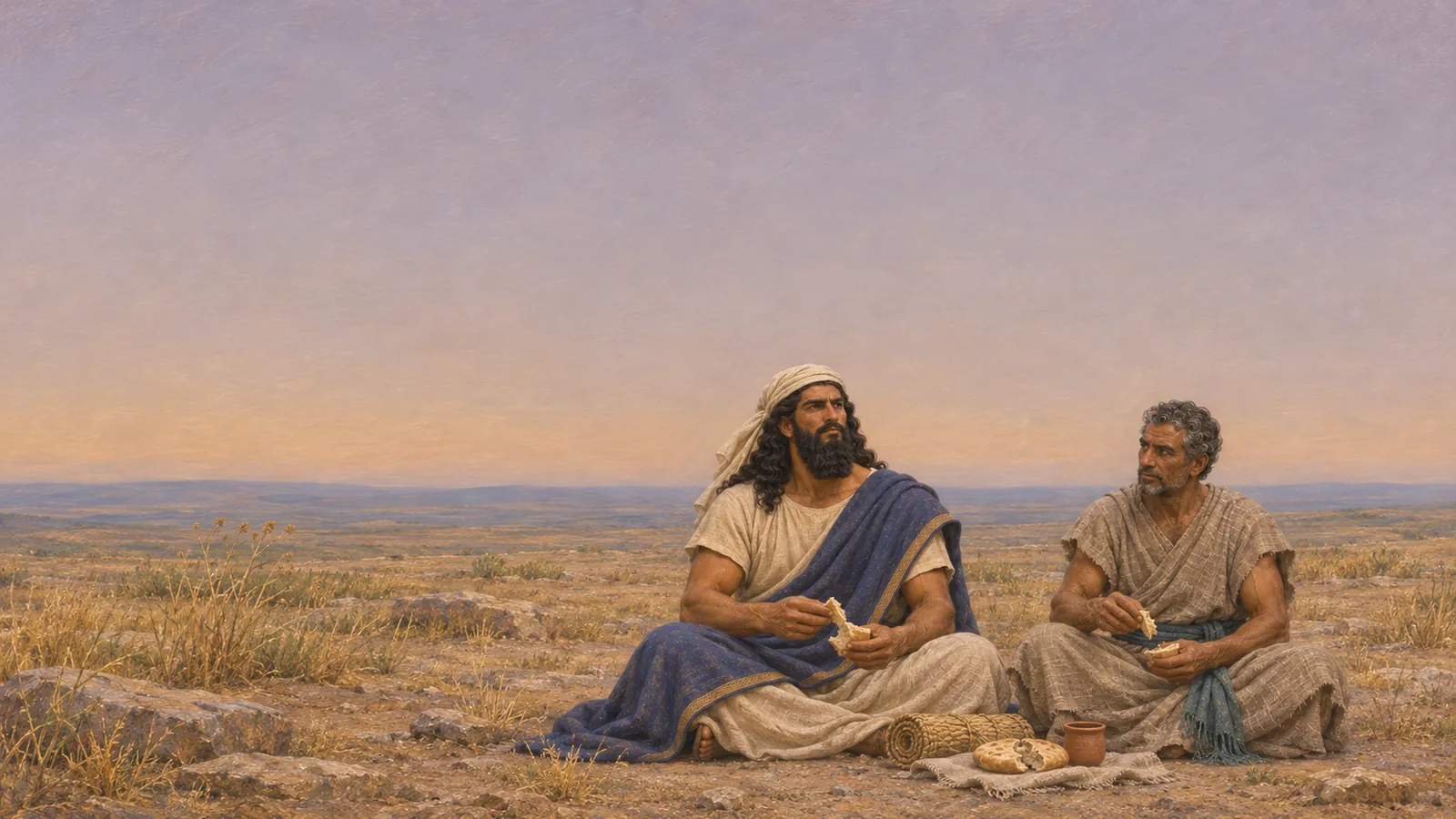
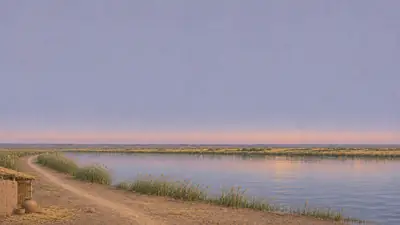
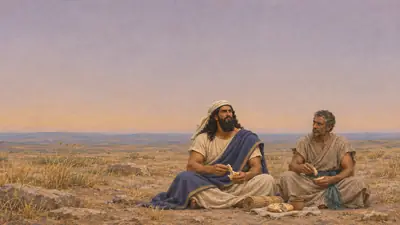
The two went on toward home. The poem marks the road in stages: they stopped to eat bread, and farther on they made camp for the night.
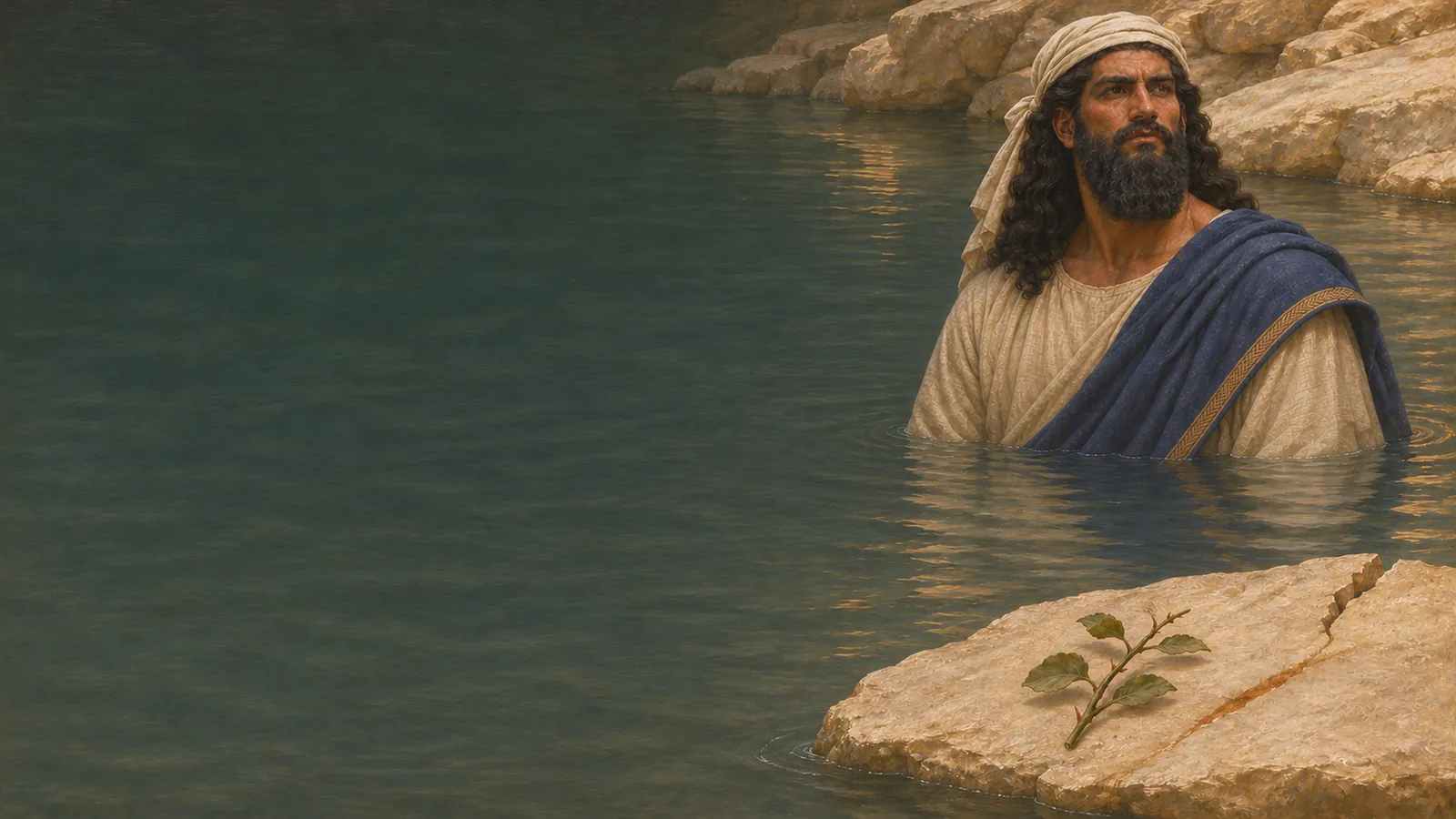
Gilgamesh found a pool with cool water and went down to bathe. The plant was close enough for its scent to reach something he did not see.
SERPENT
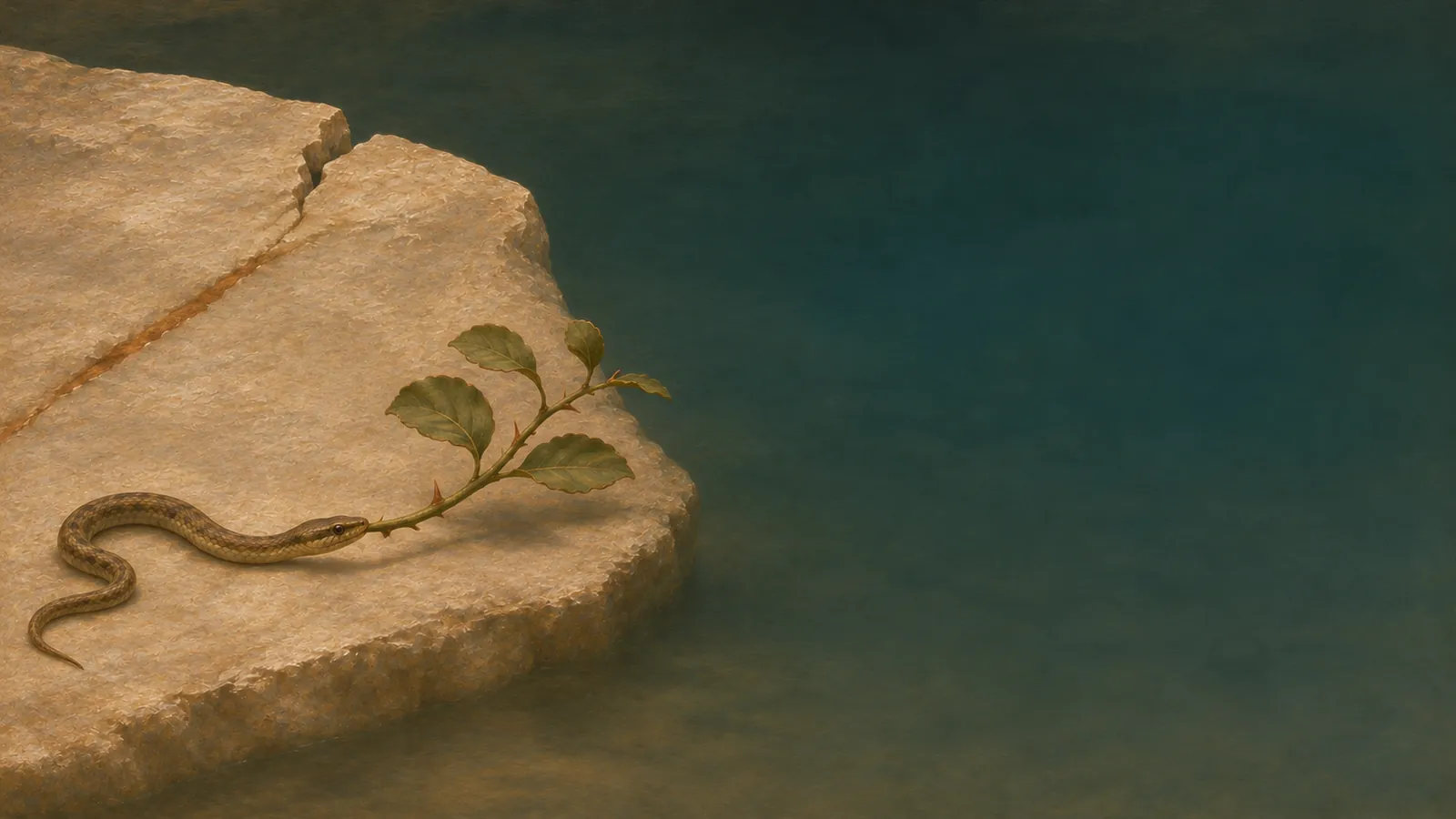
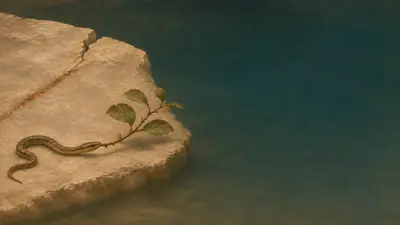
A serpent caught the scent of the plant and came close. While Gilgamesh was in the water, it carried away what he had saved for Uruk.
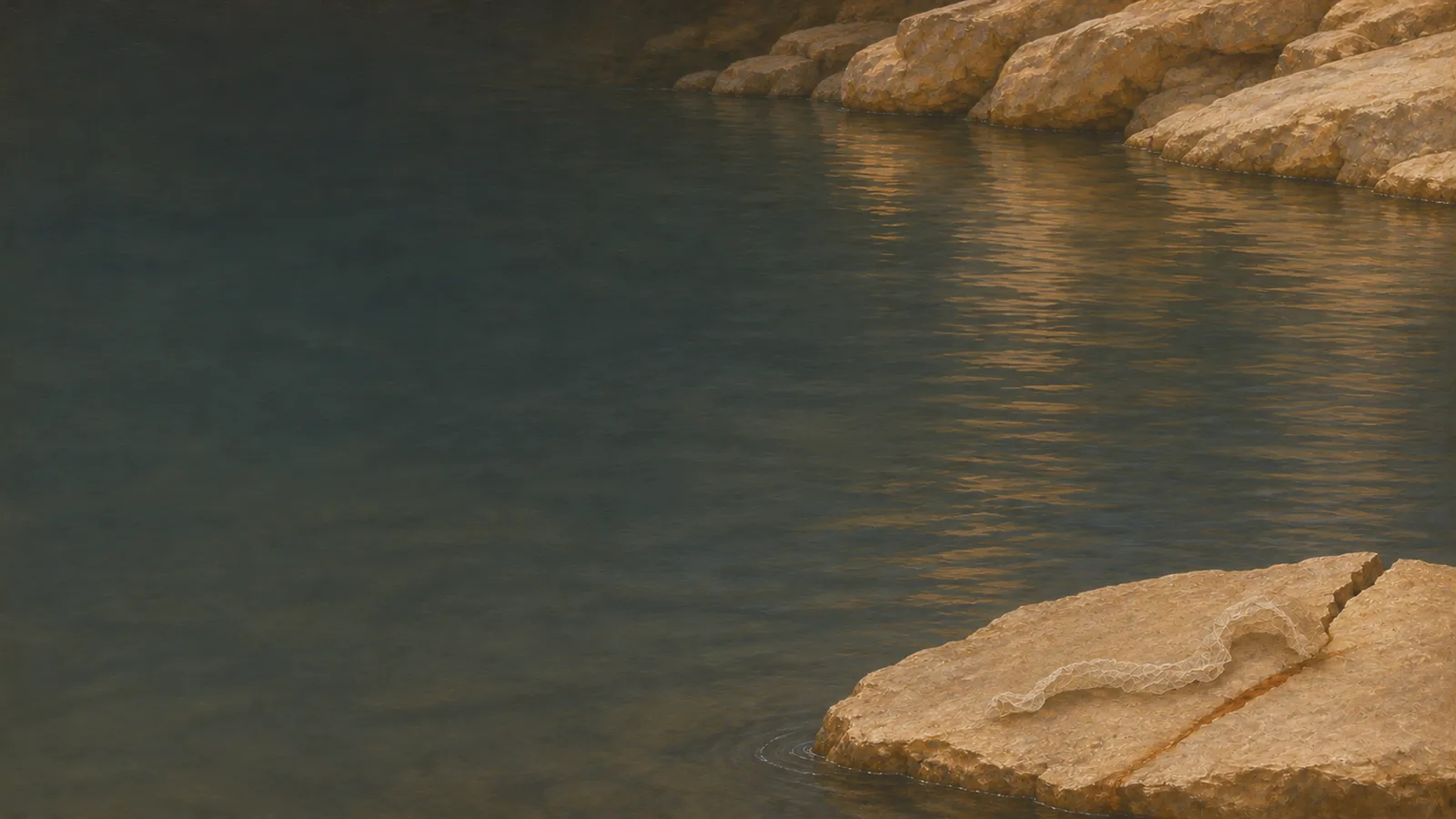
As it went away, the serpent shed its skin. The plant was gone, and the empty skin was what remained beside the water.
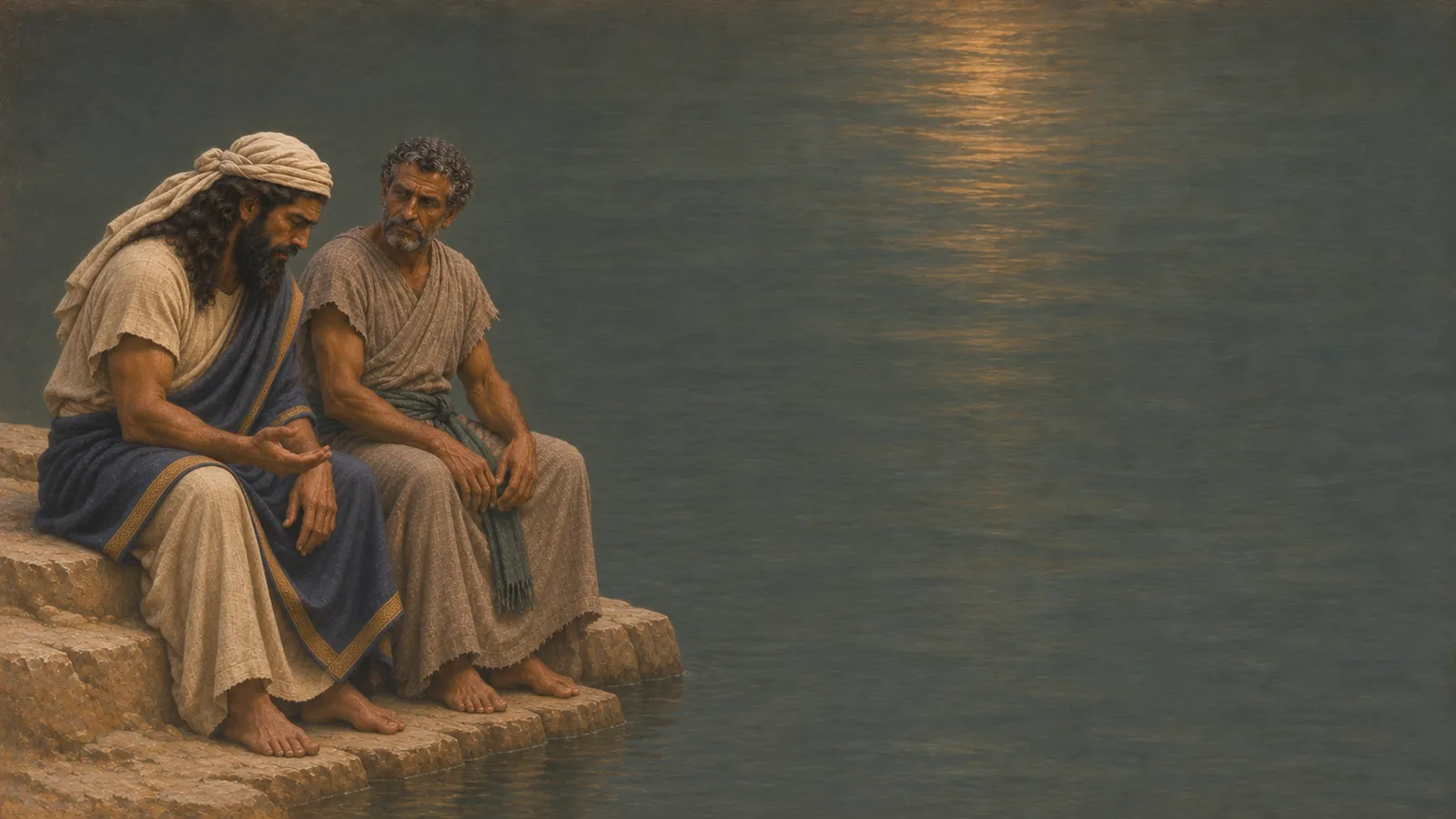
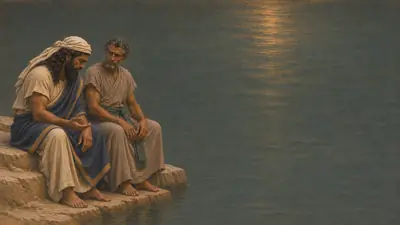
Gilgamesh sat down and wept. He asked Urshanabi who had gained from all his labor, now that the benefit he had sought for himself had gone to the serpent.
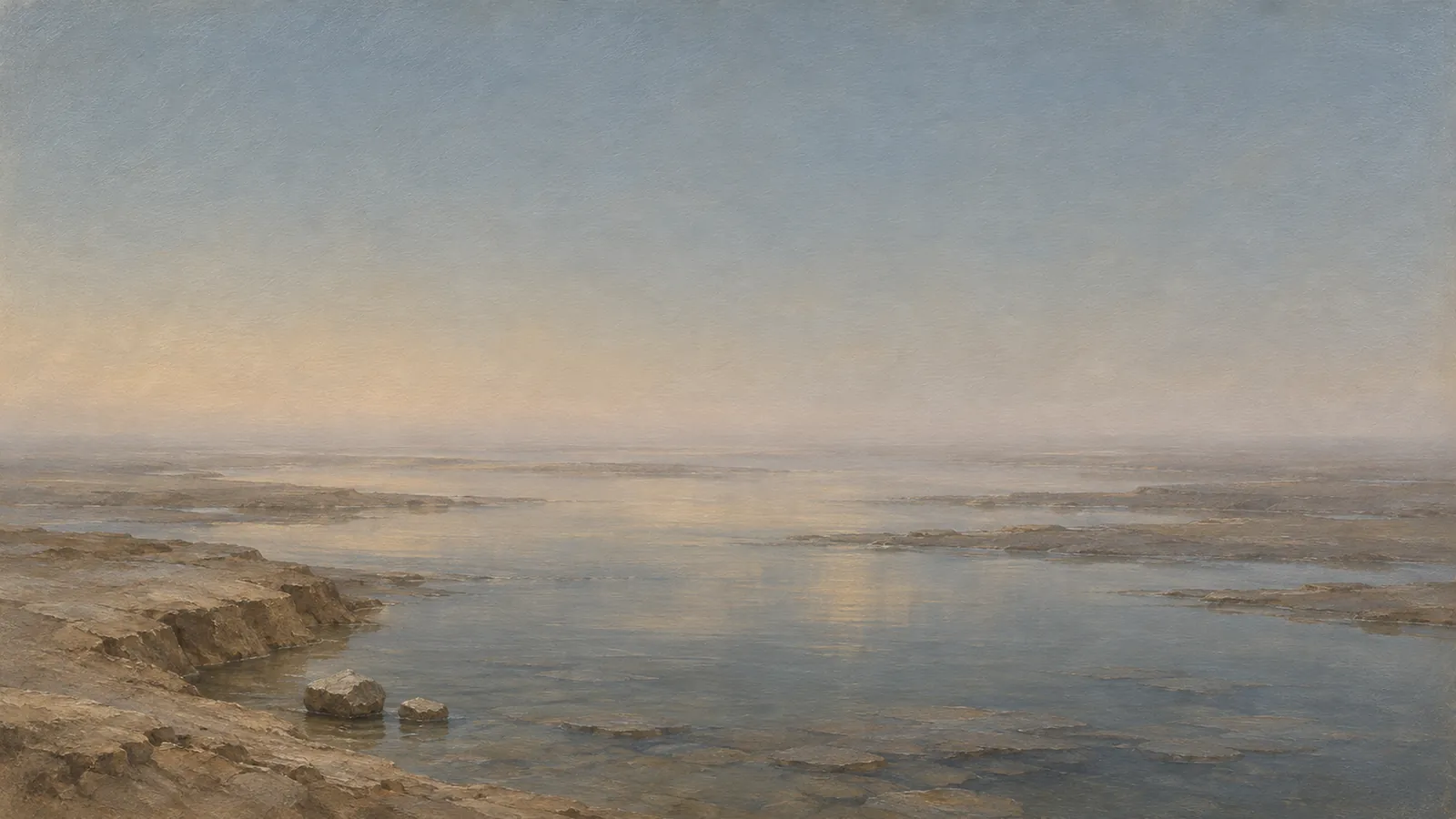
The damaged lines speak of the channel and a landmark he could no longer find. At the end of his lament, Gilgamesh wished he had turned back and left the boat ashore.
HOME
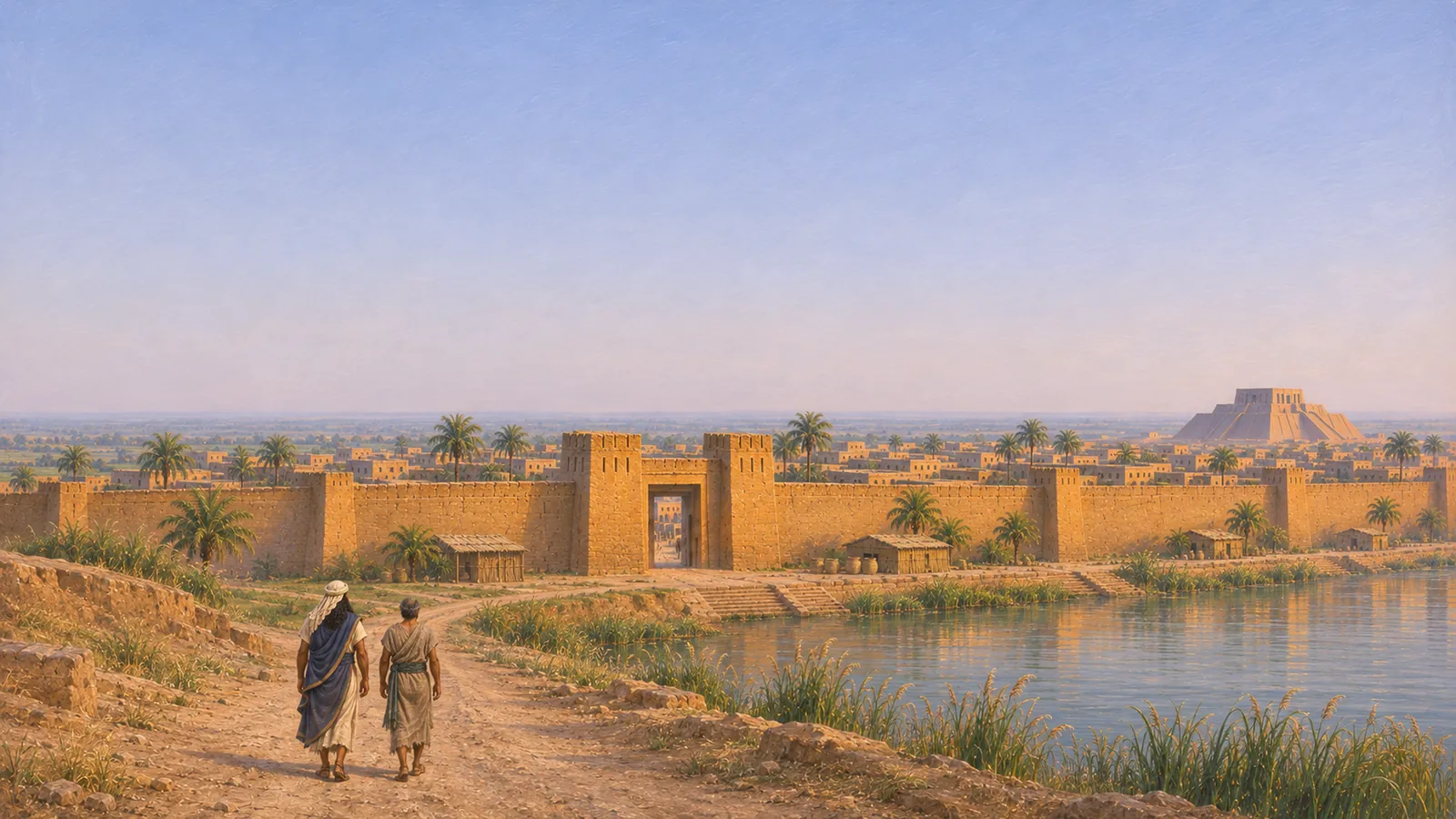
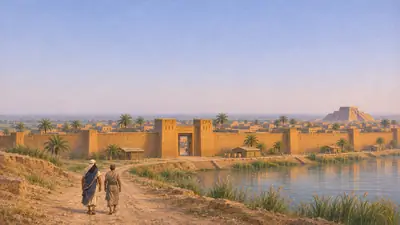
The two went on, pausing again to eat and to spend the night. Then they reached Uruk, the city Gilgamesh had left behind when he went looking for life.
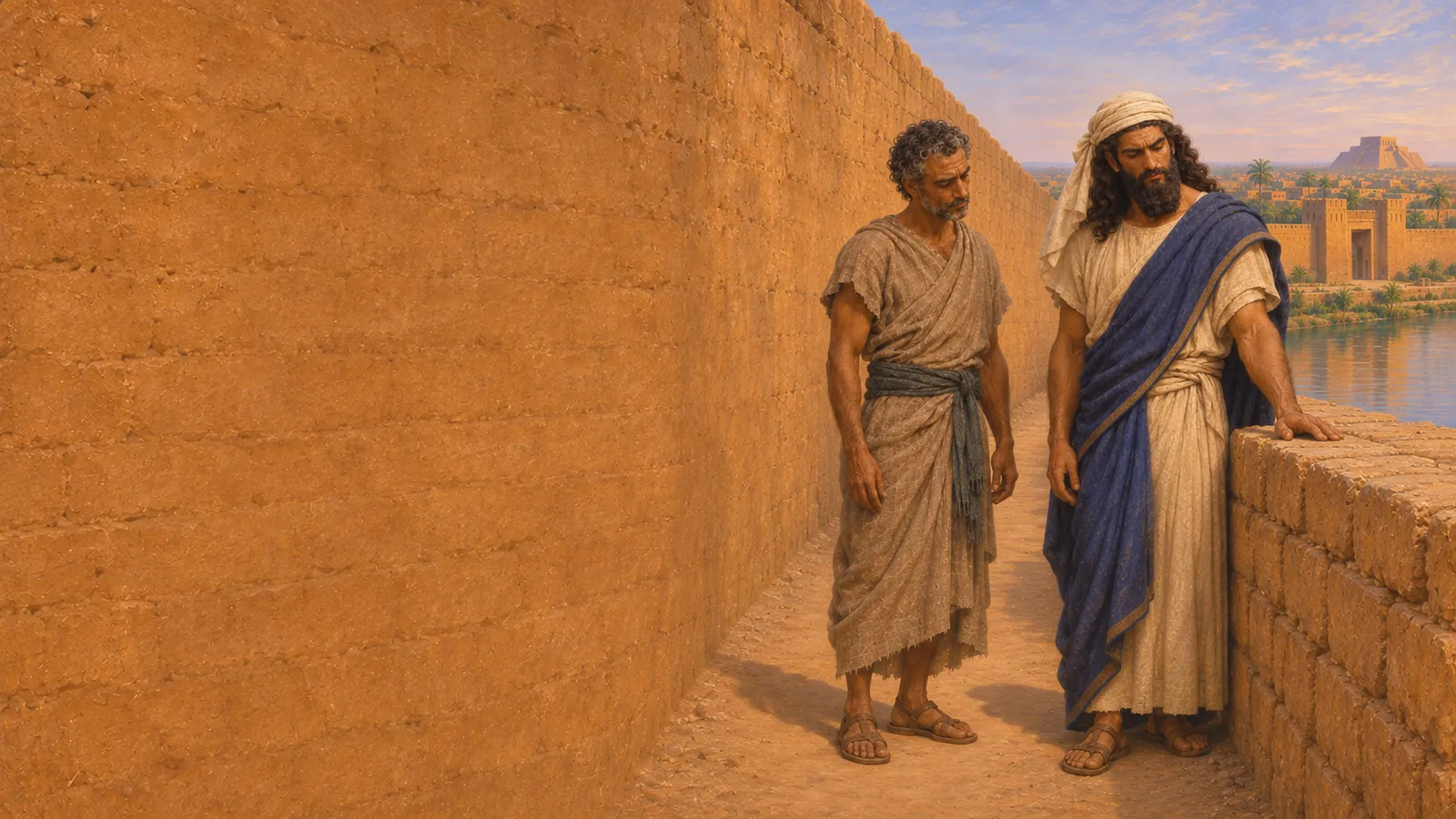
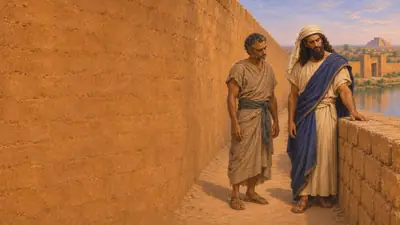
Gilgamesh invited Urshanabi to walk on the wall of Uruk and examine its foundations and fired bricks. He spoke of the Seven Sages credited with laying those foundations.
URUK
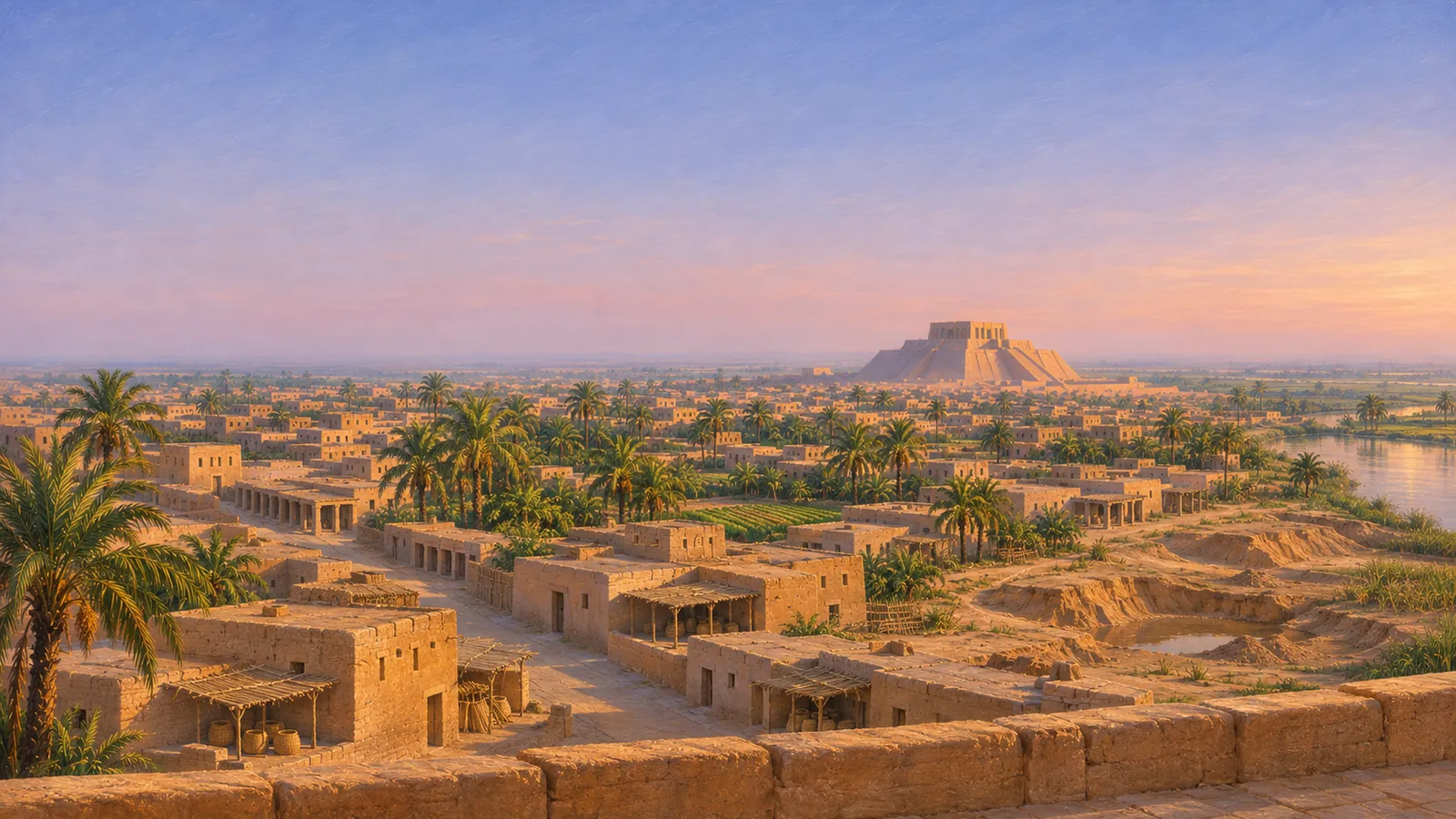
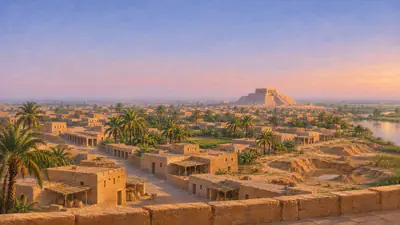
From the wall Gilgamesh reckoned out the city, its date groves, its clay pits, and the temple of Ishtar. The poem leaves the two men there, with Uruk spread before them.
End of chapter 8
All pages
Sources
Editions consulted
- Andrew George, Tablet XI score transliteration: institutional record and modern line framework.
- Alexander Heidel, The Gilgamesh Epic and Old Testament Parallels: pp. 89–93, the sleep ordeal through the view of Uruk. This edition uses older readings and numbering.
- Andrew George, “The Mayfly on the River”: pp. 232–235, including the closing survey of Uruk.
- Andrew George, “The Epic of Gilgamesh”: the authoritative synopsis of the final episode.
- Electronic Babylonian Library, Tablet XI: the modern edition. Lines 210–328 of the [official chapter export](https://www.ebl.lmu.de/api/texts/L/1/4/chapters/SB/XI) were checked directly.
Ancient lines behind each page
- Page 1: SB XI 210; compare the challenge at XI 209
- Page 2: SB XI 210–211
Mist is a simile, not a spell or an actual event. - Page 3: SB XI 212–214
- Page 4: SB XI 215–218
- Page 5: SB XI 217–218
- Page 6: SB XI 219–222
The expected denial is a paraphrase of distrust. - Page 7: SB XI 221–224
- Page 8: SB XI 222–224
- Page 9: SB XI 225–230
- Page 10: SB XI 229–230
- Page 11: SB XI 231–233
- Page 12: SB XI 234–241
- Page 13: SB XI 237–241
- Page 14: SB XI 242–246
- Page 15: SB XI 247–253
- Page 16: SB XI 250–254, 262
- Page 17: SB XI 262–263
- Page 18: SB XI 255, 264
- Page 19: SB XI 256–258, 265–267
- Page 20: SB XI 259–261, 268–270
- Page 21: SB XI 271–272
- Page 22: SB XI 273–275
- Page 23: SB XI 276–278
Damaged passage. - Page 24: SB XI 278–282
- Page 25: SB XI 283–285
- Page 26: SB XI 285–286; compare XI 294–300
The consequence in line 286 is restored; Gilgamesh later speaks of returning to youth. - Page 27: SB XI 287–290
The action around the opening in XI 288 is damaged. - Page 28: SB XI 290–292
- Page 29: SB XI 292–293
- Page 30: SB XI 294–296
The plant’s epithet varies in translations. - Page 31: SB XI 297–300
The test is a plan with a damaged/restored line, not an event. - Page 32: SB XI 301–302
- Page 33: SB XI 303–305
- Page 34: SB XI 305–306
- Page 35: SB XI 306–307
The text does not say the serpent ate the plant or became immortal. - Page 36: SB XI 308–314
- Page 37: SB XI 315–318
- Page 38: SB XI 319–321
- Page 39: SB XI 322–326
- Page 40: SB XI 327–328; compare the frame at I 16–23
These are textual divisions, not a precise geographic plan or a personal moral the poem states.
Illustrations made with AI tools by IL Archive; the text is based on the ancient sources (see the sources at the end of each chapter).