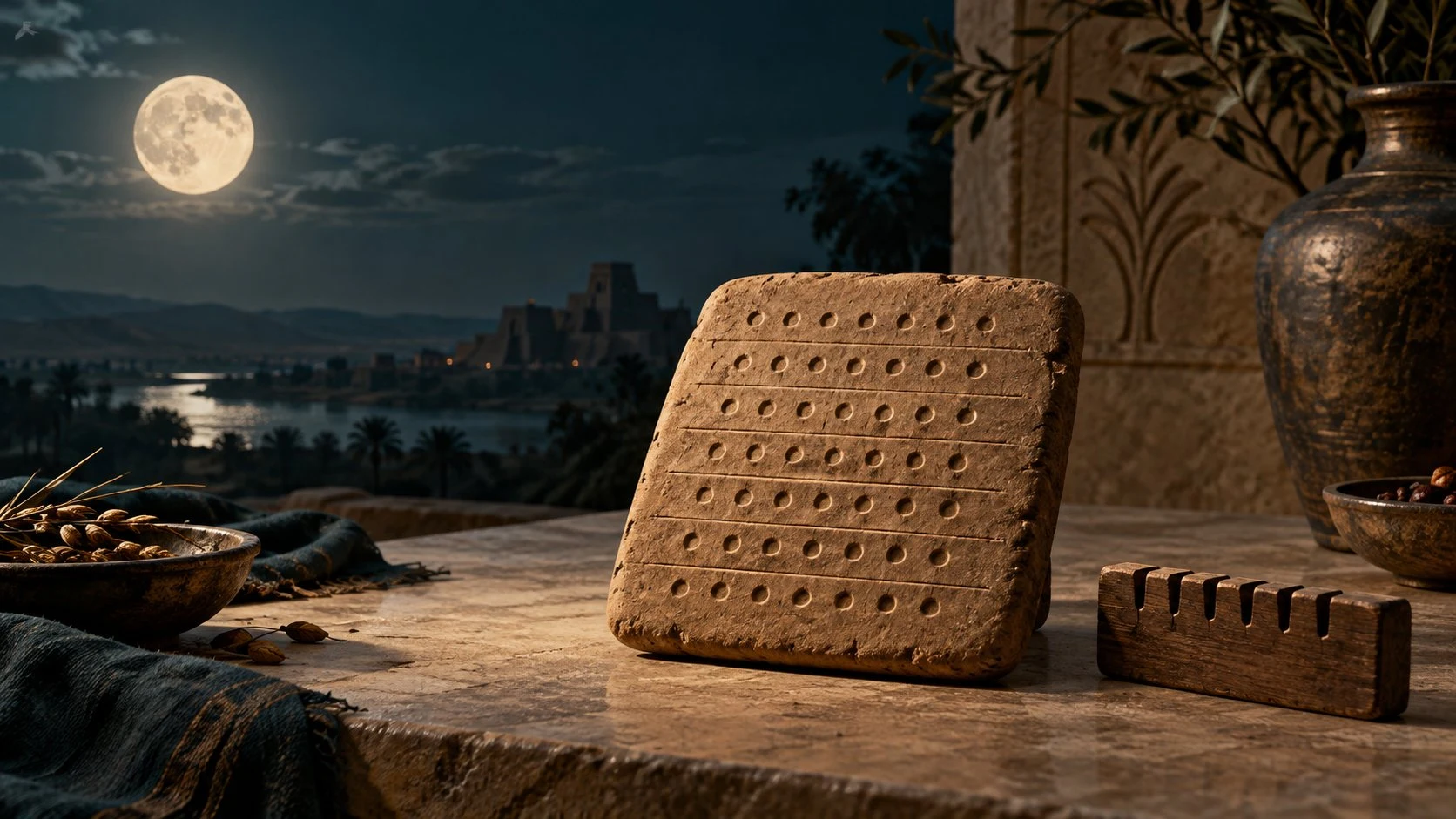
Original conceptual illustration of a mid-cycle moon and tablet calendar; not an artifact photograph or reconstruction of a historical ritual. © IL Archive, CC0
Entity
Mesopotamian hemerologies assess dates for ritual, food, marriage, travel and other activities. The entry studies their witnesses, courtly examples and reception, and explains why cautionary dates are neither a universal calendar nor weekly rest days.
Name variants: hemerology, inauspicious days
Context and sources →
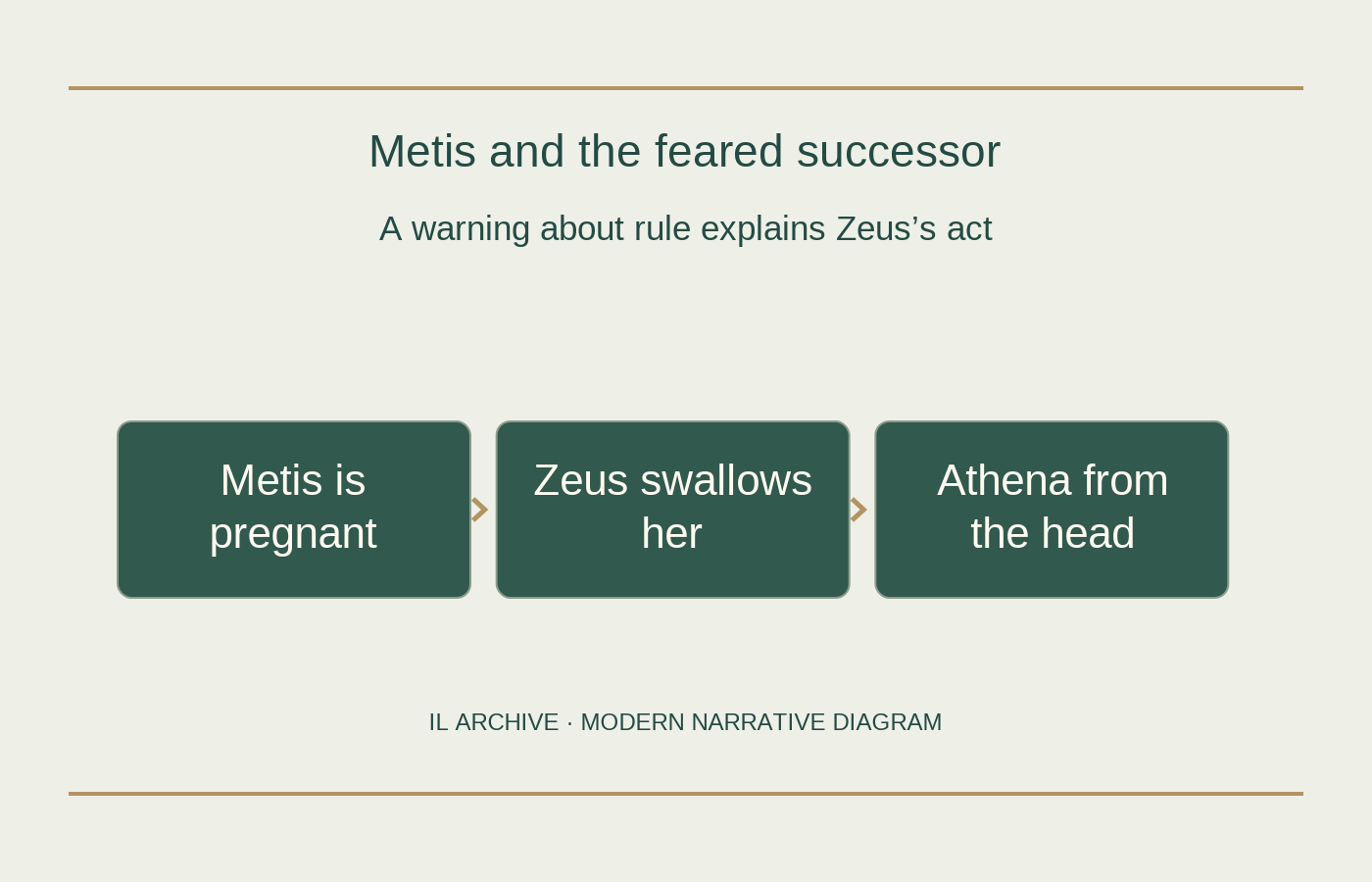
Modern diagram of Metis’s role in Hesiod: pregnancy, a warning about succession, swallowing by Zeus and Athena’s birth from the head. Arrows order events; not an ancient image of the goddess
Entity
Divine figure and Athena’s mother in Hesiod; Zeus swallows her while pregnant to forestall a possible successor.
Name variants: Metis
Context and sources →
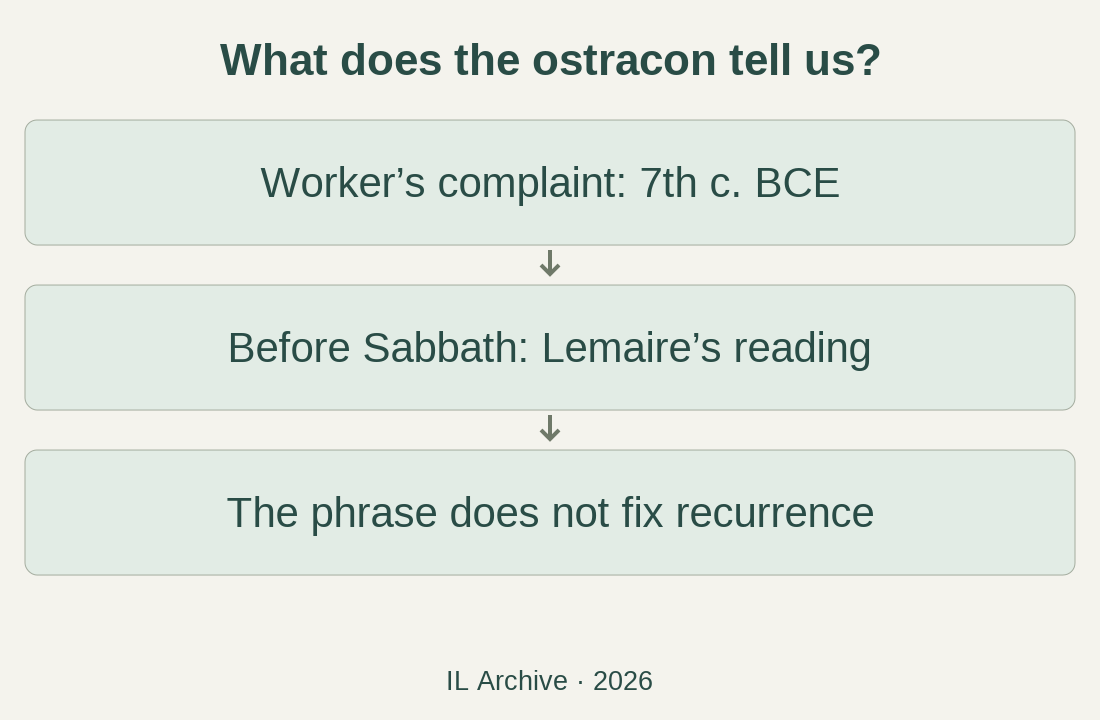
Modern diagram explaining the selected passage’s argument and sequence; not a manuscript image or archaeological reconstruction
Artifact
Worker’s complaint on a potsherd from a southern Levantine coastal fortress, late seventh century BCE, read as including “before Sabbath.”
Name variants: Meṣad Ḥashavyahu ostracon
Context and sources →
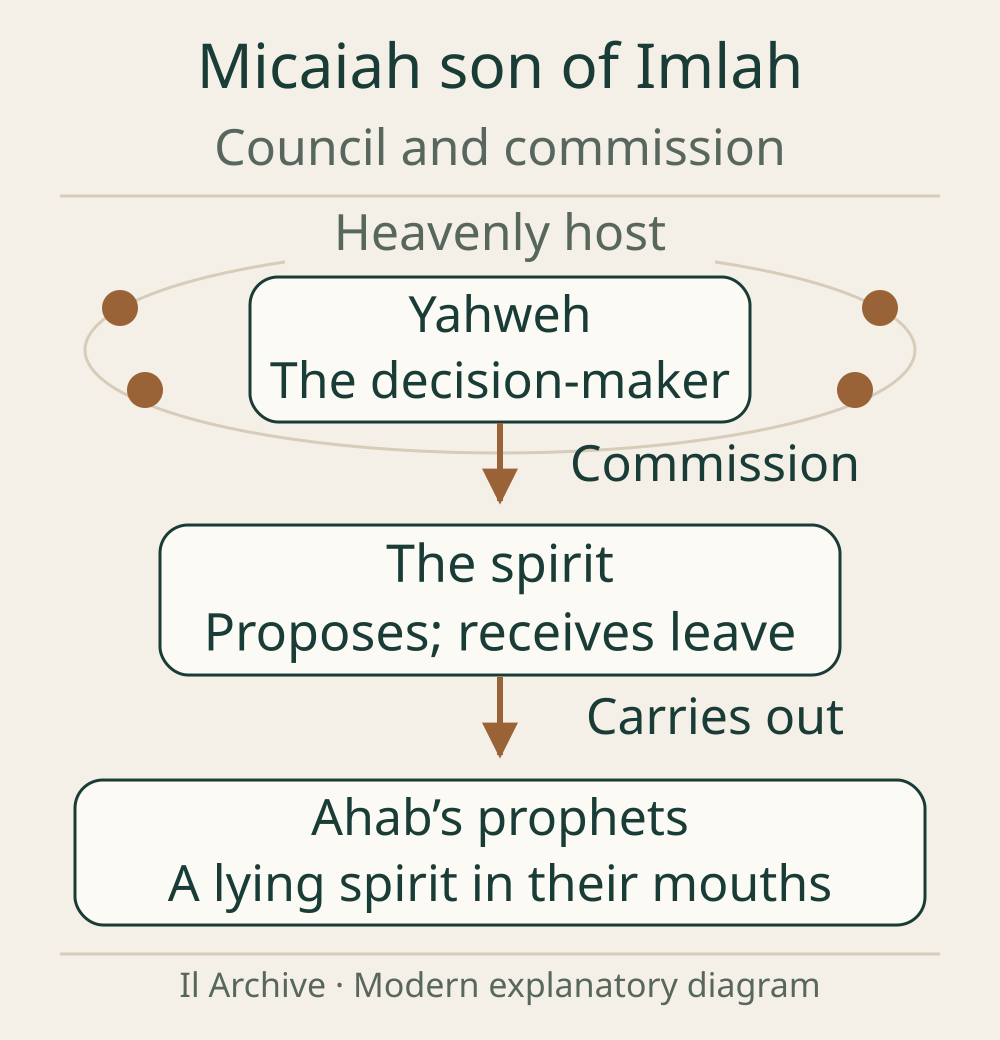
Modern diagram of Micaiah’s vision in 1 Kings 22:19–23: throne and host, with a spirit proposing and receiving a commission. Dots symbolize the group, not its head count. Not a historical depiction of the scene or its figures
Person
The prophet who recounts the throne and heavenly-host scene in 1 Kings 22.
Name variants: Micaiah son of Imlah
Context and sources →
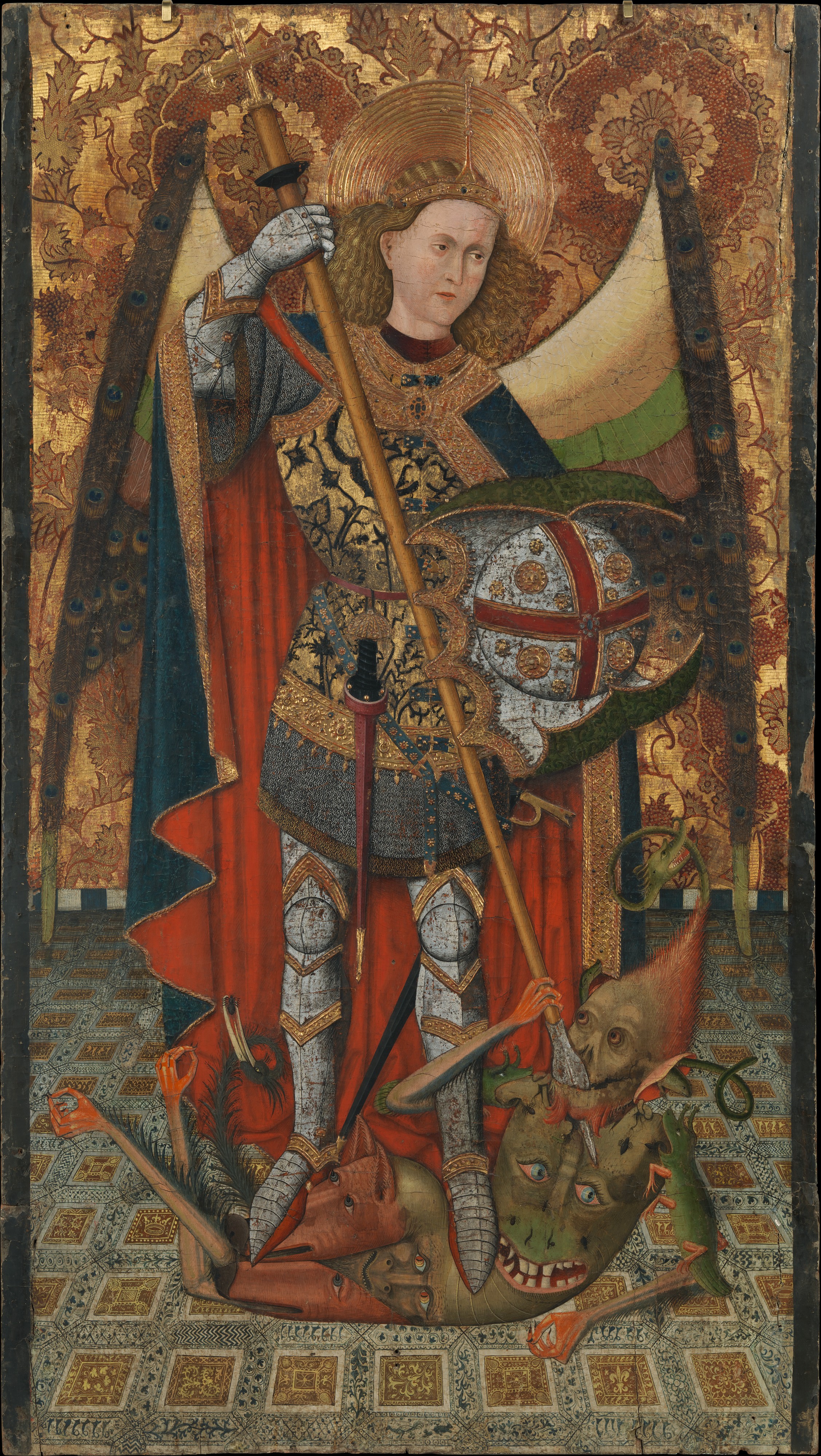
Saint Michael, Master of Belmonte, northern Spain, 1450–1500, tempera and oil on wood (55.120.2). A later Christian image of the heavenly warrior, not a historical portrait or evidence of his appearance in Daniel or the Qurʾan
Entity
A name meaning “Who is like God?”, borne by humans and an angel. The angel protects Daniel’s people, is called archangel in Jude and fights the dragon in Revelation. The Qurʾan names Mīkāl without assigning a task; later traditions develop different roles.
Name variants: Michael, Mīkāl
Context and sources →
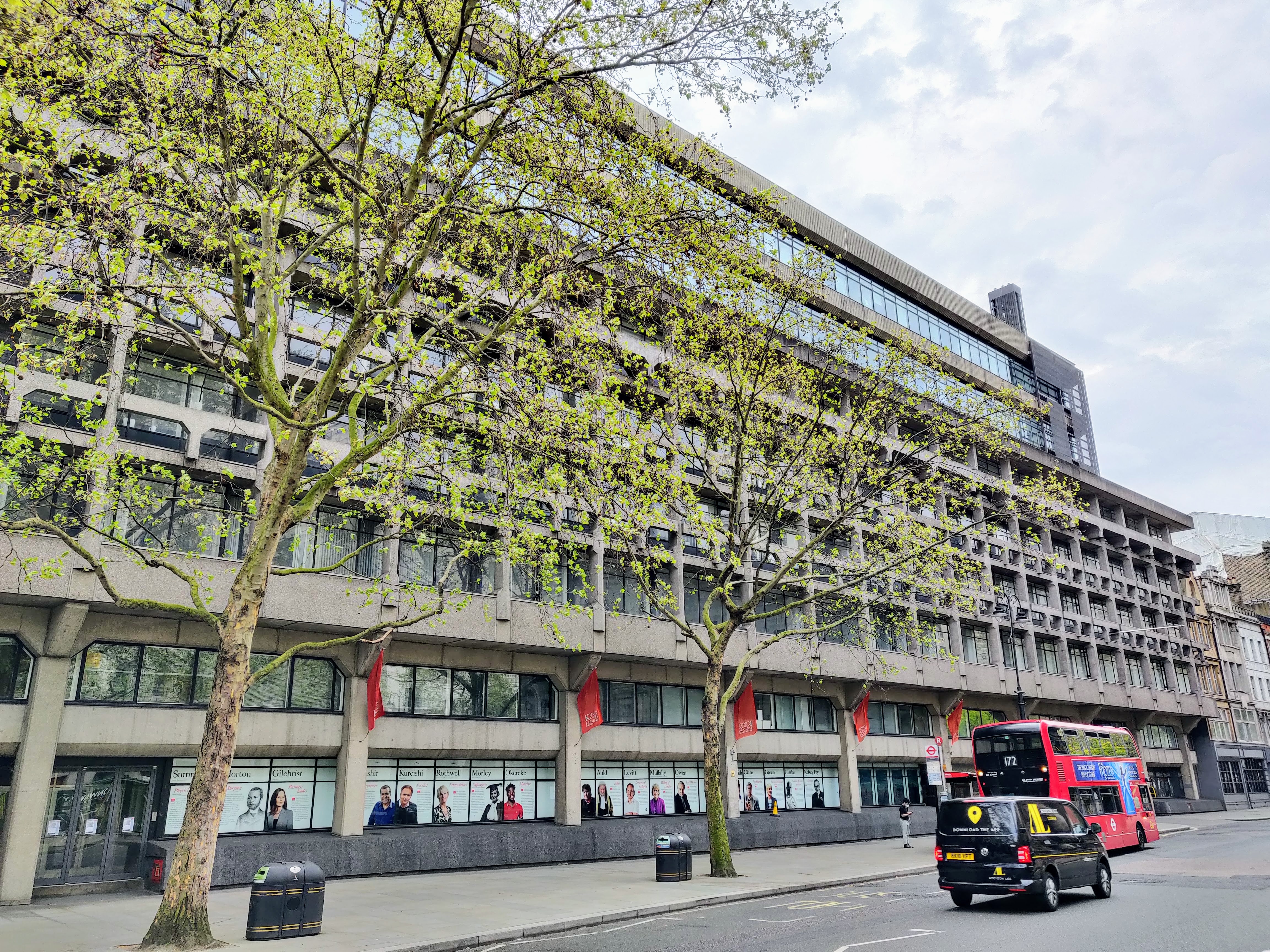
The Strand Building of King’s College London on 17 April 2020. The photograph illustrates the university setting associated with Michael Knibb’s work on the Old Testament and Ethiopic literature. He joined the college in 1964 and retired in 2001
Person
British scholar of early Jewish literature, Ethiopic versions and the Septuagint (1938–2023), known for work on Enoch.
Name variants: Michael Knibb, Michael A. Knibb
Context and sources →
Person
Co-author with Bernard Levinson of a 2013 study of remission and jubilee interpretation in a Qumran manuscript.
Name variants: Michael Bartos
Context and sources →
Person
Scholar of late-antique religions who studies traditions about Mary and Solomon across communities.
Name variants: Michael Beshay
Context and sources →
Person
A scholar of Greek literature affiliated with University College Dublin; his 2025 article examines death, return to life, and dramatic construction in Euripides’ Alcestis.
Name variants: Michael Lloyd, scholar of Greek literature
Context and sources →
Person
Scholar of the Bible and Semitic languages whose work examined the divine council and divine plurality in Hebrew texts.
Name variants: Michael S. Heiser
Context and sources →
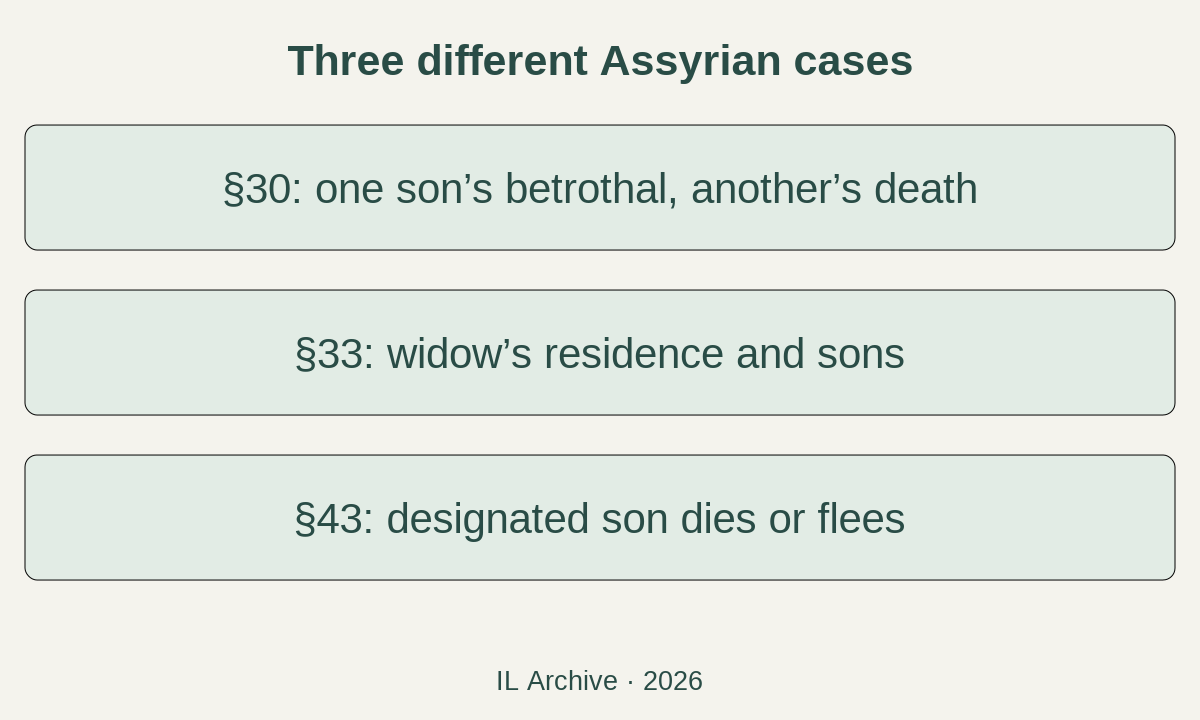
Modern explanatory diagram of relationships or cases in the specified witnesses; not portraits, a legal tablet or an ancient manuscript
Ancient text
Cuneiform marriage and household provisions distinguishing widowhood, betrothal and residence.
Name variants: Middle Assyrian Laws A
Context and sources →
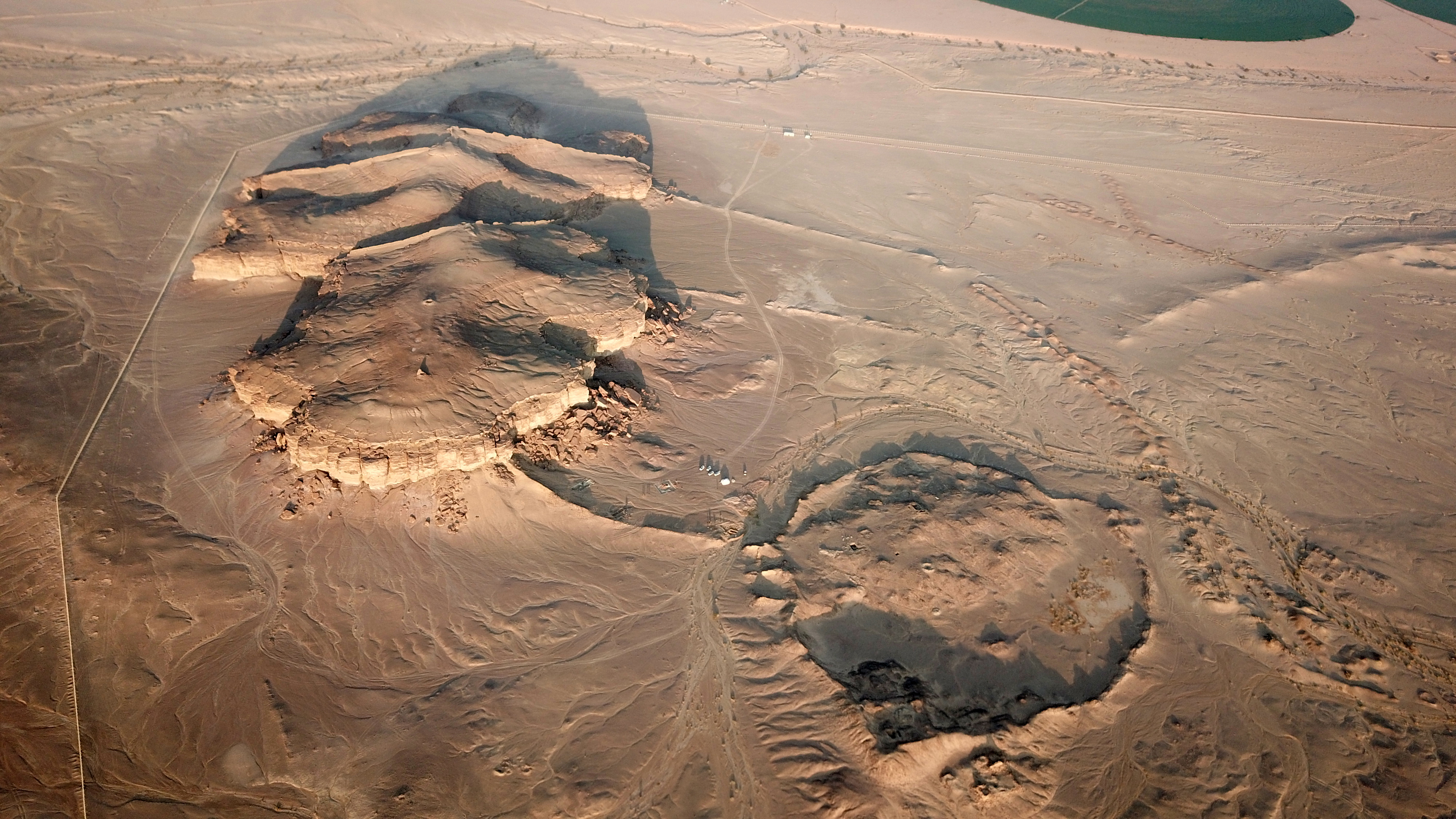
Modern drone photograph of the oasis site of Qurayyah in northwestern Arabia. It illustrates the regional setting of pottery formerly called Midianite, not the location of Moses’s residence or Mount Horeb
Entity
Midian names a region and peoples in northwestern Arabia. Oasis archaeology and textual traditions distinguish the place’s history from hypotheses about the transmission of Yahweh worship.
Name variants: Midian, Midianites
Context and sources →
Person
Egyptologist and translator of ancient Egyptian literature (1914–2004), including the Tale of the Two Brothers.
Name variants: Miriam Lichtheim, Miriam Lichtheim
Context and sources →
Person
Scholar of the Bible and Second Temple literature, examining the Watchers and Asael/Azazel traditions.
Name variants: Dr Miryam Brand
Context and sources →
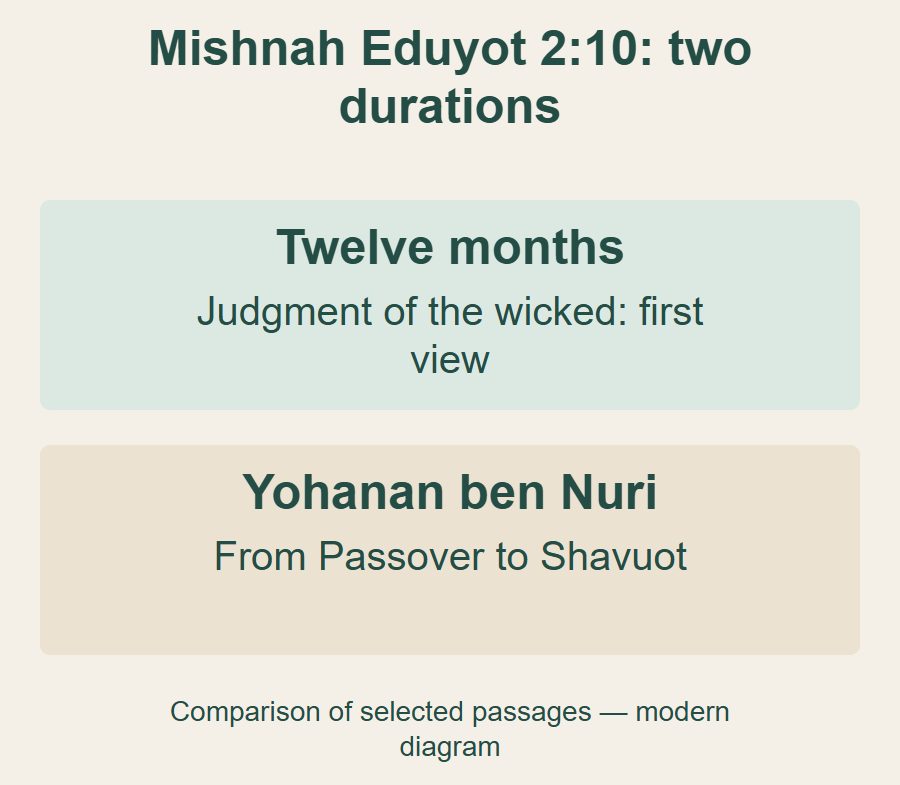
Modern comparison of two durations in Mishnah Eduyot 2:10: twelve months, and Passover to Shavuot in Yohanan ben Nuri’s view; not every rabbinic view of destiny
Ancient text
The Mishnah is a rabbinic compilation assembled around 200 CE, organizing teachings and discussions by topic.
Name variants: Mishnah
Context and sources →
Person
Mladen Popović studies the Hebrew Bible, ancient Judaism and the Dead Sea Scrolls.
Name variants: Mladen Popović
Context and sources →
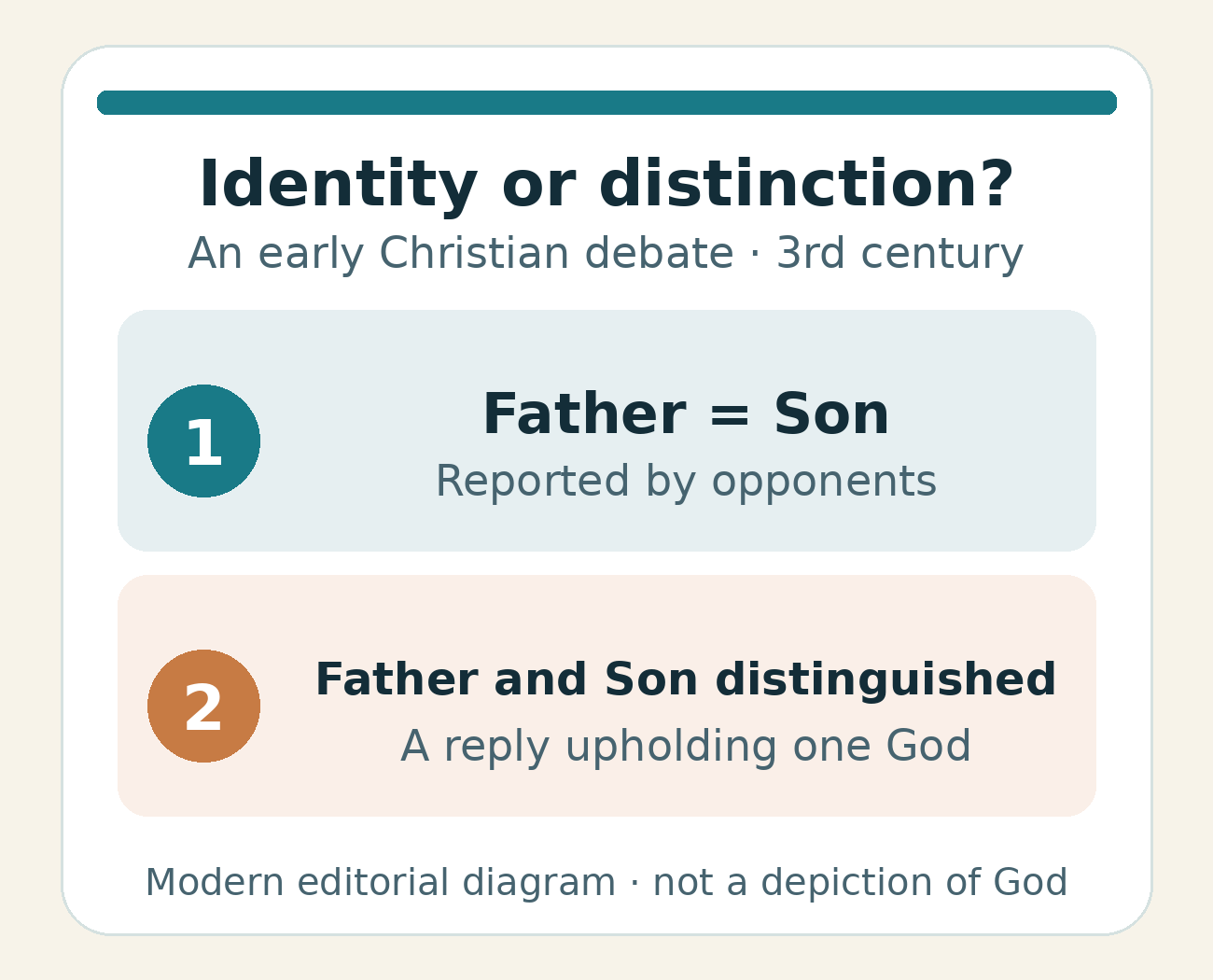
Modern interpretive diagram contrasting a reported identity formula with a distinction maintained within divine unity. It is not a universal account of the ancient positions or an image of God
Entity
Later analytical label for early Christian disputes about divine unity and Father–Son–Spirit relations; not necessarily a single self-attested ancient system.
Name variants: modalism
Context and sources →

Modern AI-generated conceptual cover: one illuminated circle among other circles, a metaphor for exclusive devotion. Not an artifact, a historical pantheon diagram or a reconstruction of an ancient ritual
Entity
Exclusive worship of one deity, without automatically denying the existence of others; a modern term for allegiance, not necessarily a dated religious stage.
Name variants: monolatry
Context and sources →

Modern AI-generated imaginary architecture: three pathways converge beneath a single circular opening towards the horizon. A visual metaphor for oneness, not an archaeological object, real location or documented emblem of any religion
Entity
Belief that only one God possesses divinity in its fullest sense. Historically distinct from exclusively worshipping one deity without denying others; its theological forms vary.
Name variants: monotheism
Context and sources →
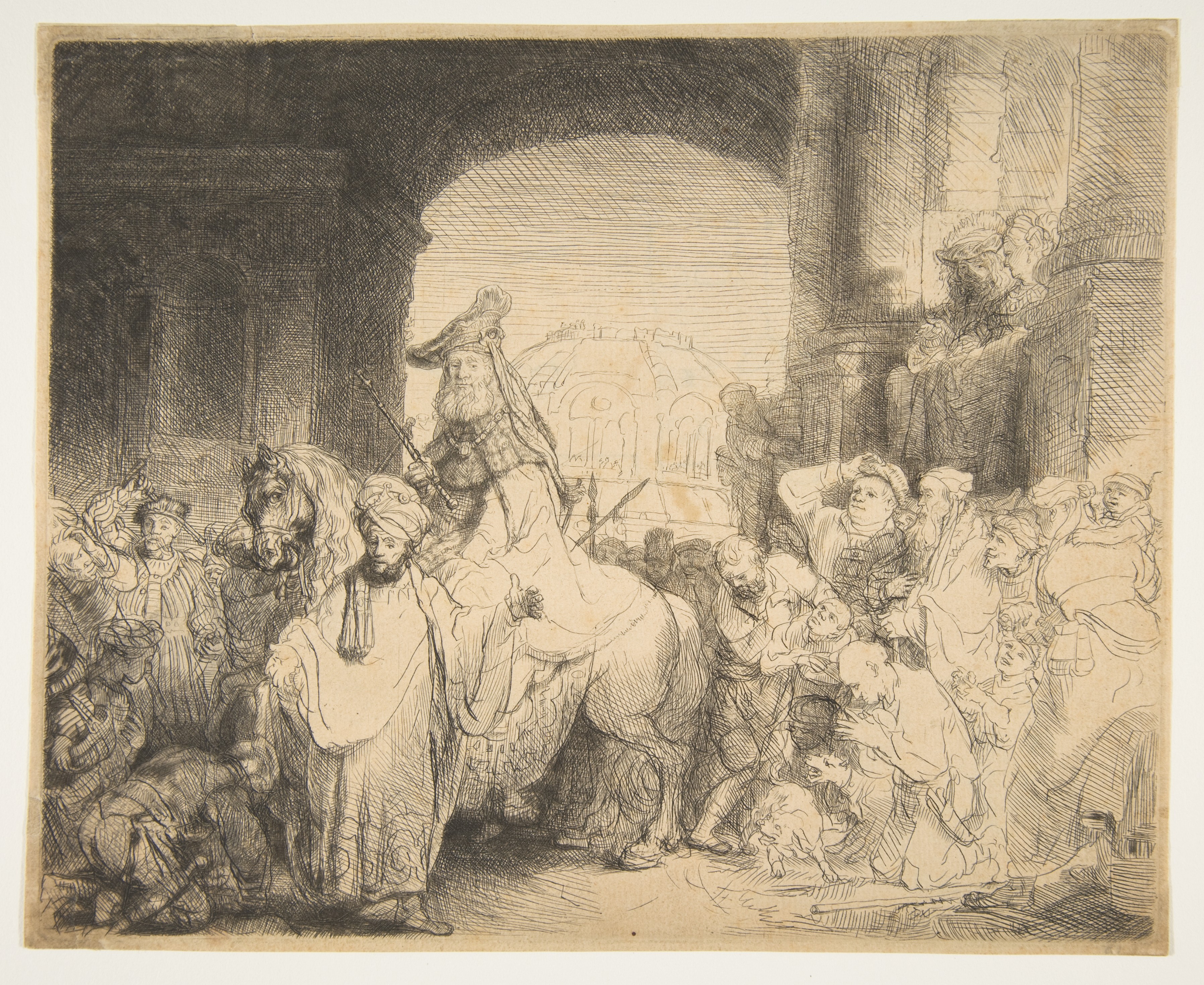
The Triumph of Mordecai, Rembrandt print,about 1641; Met 17.37.191. Mordecai rides while Haman leads: later interpretation of Esther 6, not documentary evidence of the event
Person
Esther’s relative and guardian in the story, who uncovers a plot, confronts Haman and rises at court.
Name variants: Mordecai in Esther, Mordecai, Mardochaios
Context and sources →
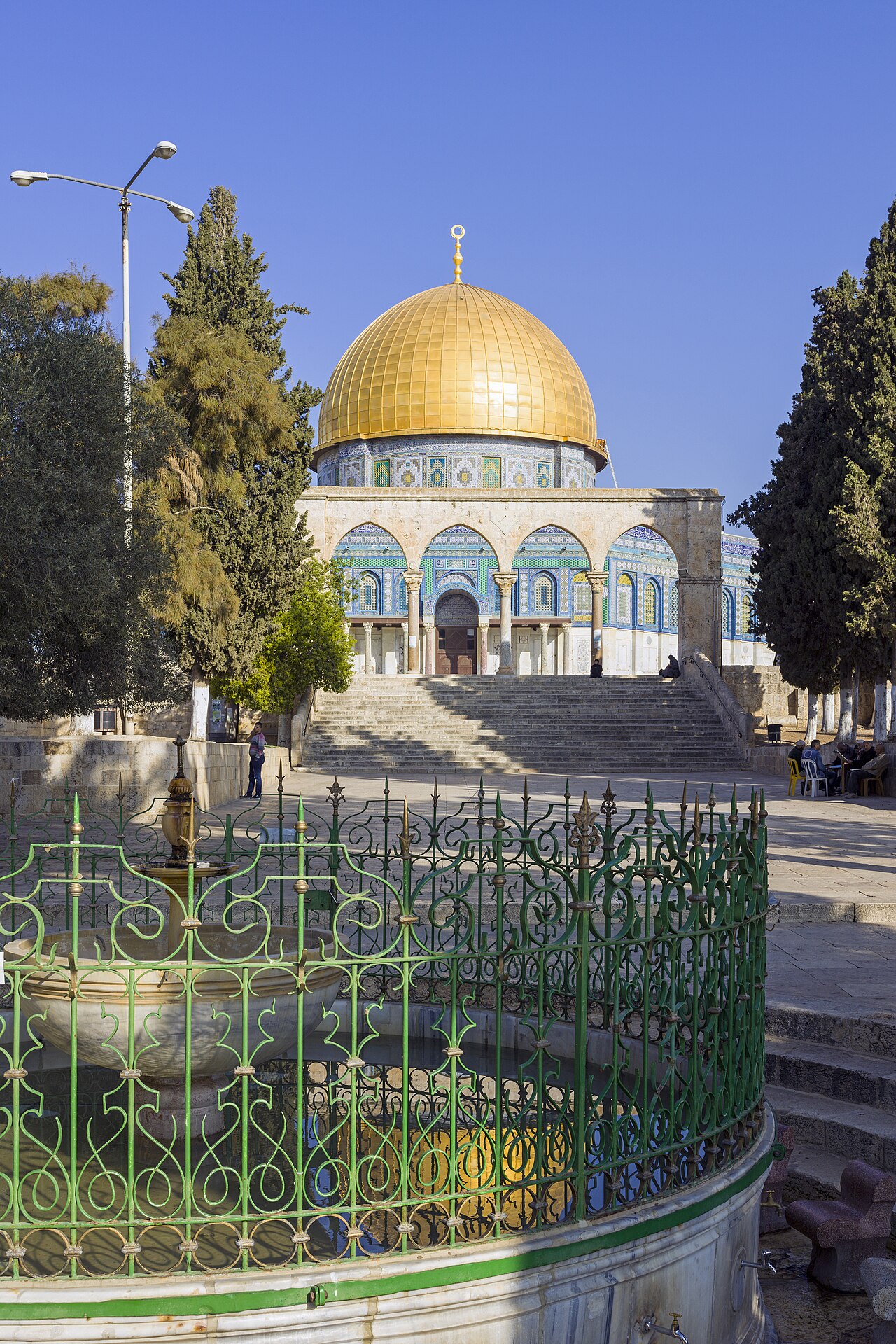
Dome of the Rock, Jerusalem, photographed in 2013. 2 Chronicles associates Mount Moriah with the Temple site; this modern view illustrates that later association, not an independently located Genesis mountain
Site
The land named in Genesis 22 as Abraham's destination; 2 Chronicles later associates Mount Moriah with the Jerusalem Temple site, not an independently located journey.
Name variants: Land of Moriah, Mount Moriah
Context and sources →
Person
Historian of ancient religions associated with Columbia University’s history department.
Name variants: Morton Smith
Context and sources →
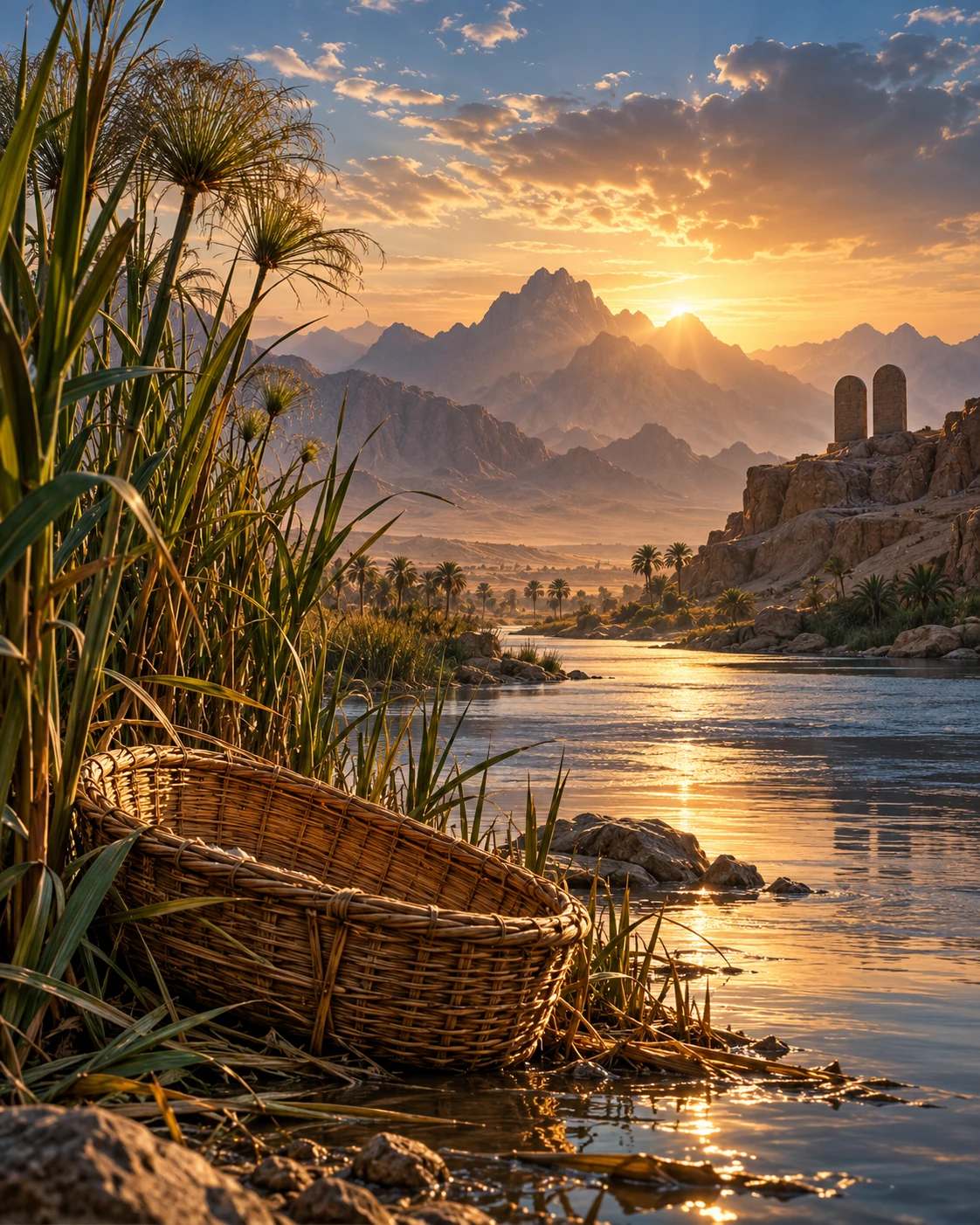
Newly generated modern symbolic illustration for this entry: a reed basket by water, symbolic tablets and imagined mountains. It brings together motifs from Moses narratives; it is neither an ancient object nor a verified historical or geographical reconstruction
Person
Central figure in Exodus, Torah traditions and the Qur’an; childhood accounts differ in detail.
Name variants: Moses, Moshe
Context and sources →
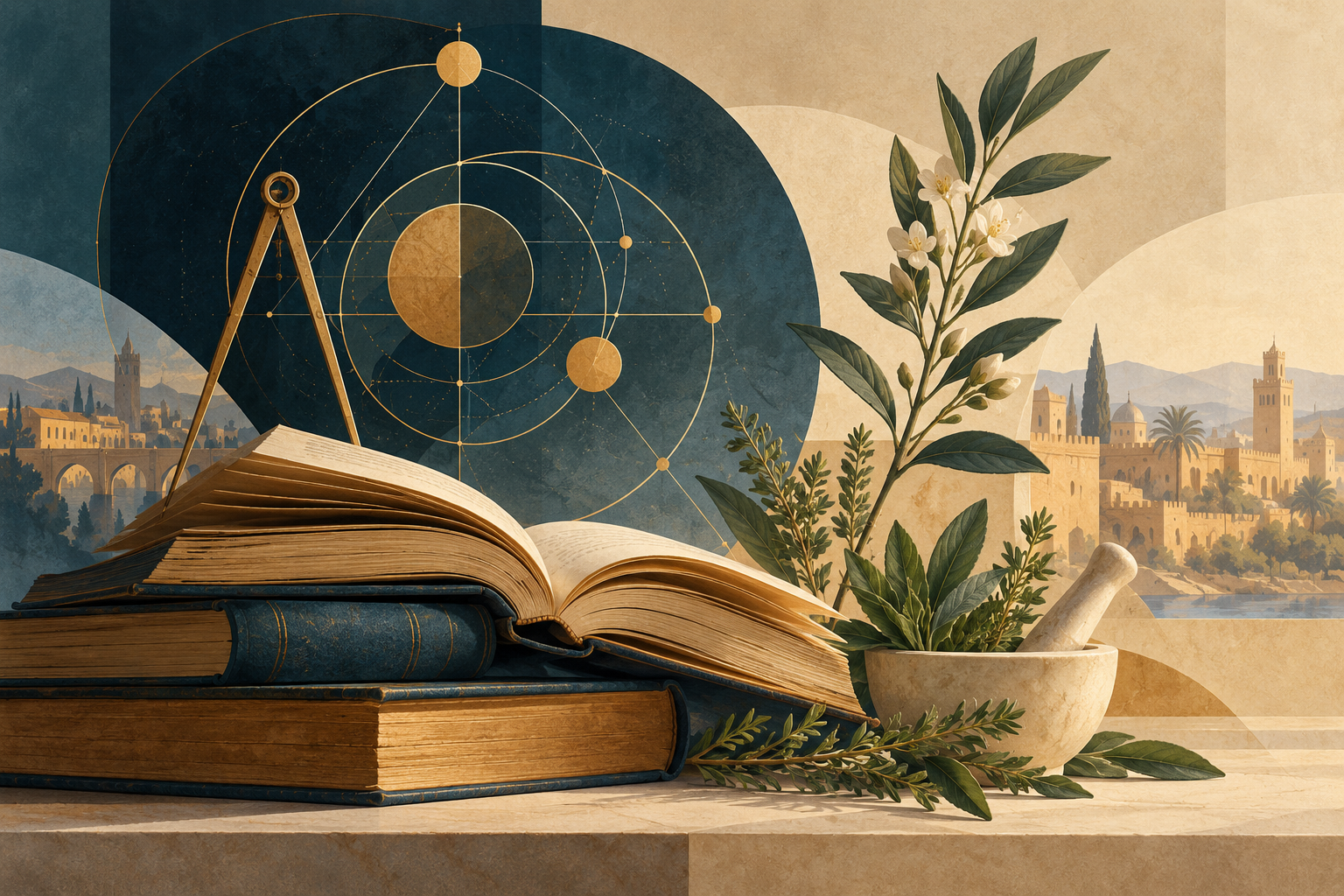
Newly generated modern conceptual illustration combining books, astronomy, and medicinal plants to evoke Maimonides’ legal, philosophical, and medical work; not a historical artifact, manuscript, or portrait
Person
Jewish jurist, philosopher, and physician (c. 1138–1204). Wrote the Commentary on the Mishnah and Guide in Judeo-Arabic, and the Mishneh Torah in Hebrew; practiced in Egypt.
Name variants: Maimonides, Moses Maimonides, Moses ben Maimon, Rambam
Context and sources →
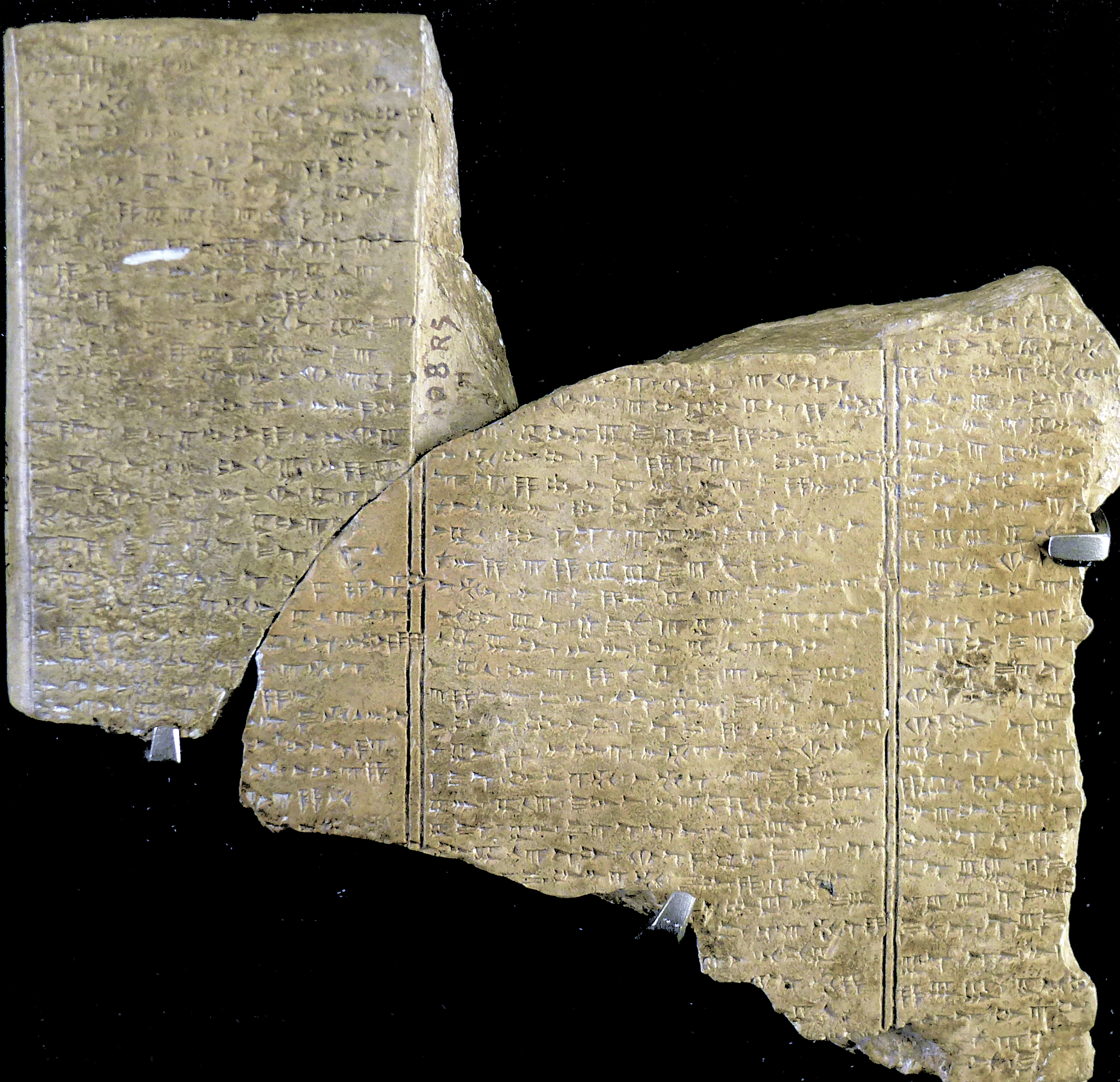
Baal Cycle tablet, Louvre AO16641/AO16642, approximately 1400–1200 BCE, identified as KTU 1.5. A textual witness to the Baal–Mot dossier, not a portrait of the god or the KTU 1.6 tablet of Anat’s attack
Entity
God of death in the Baal Cycle; an adversary who returns even after a violent attack.
Name variants: Mot, Motu
Context and sources →
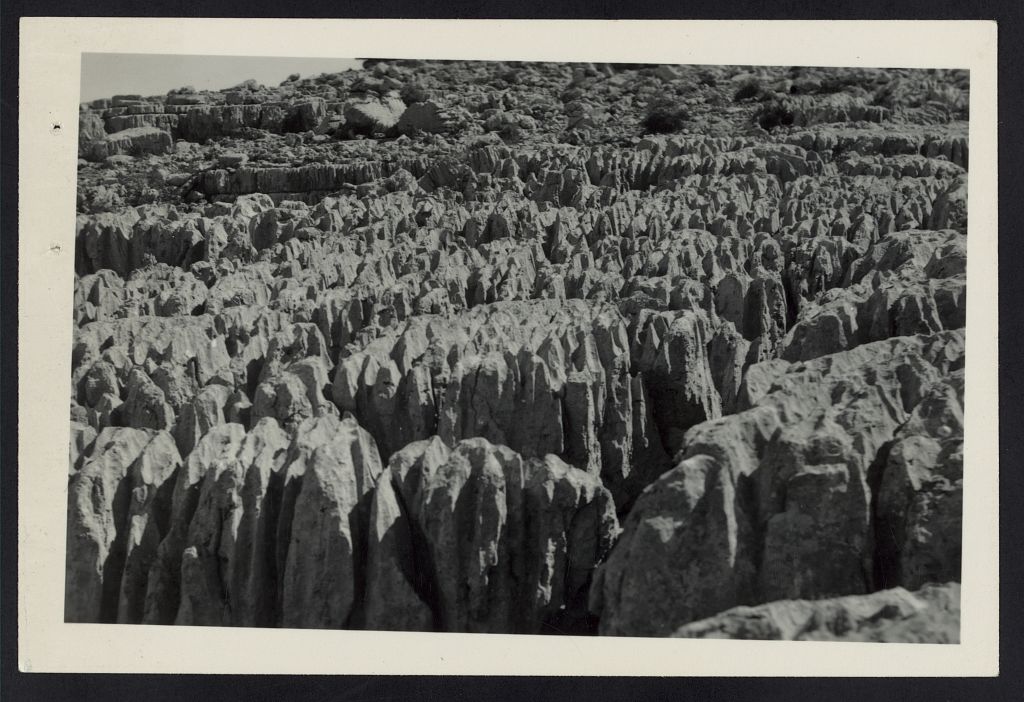
Rock formations on Mount Hermon’s summit, between 1934 and 1947. Matson photograph; Library of Congress LC-DIG-ppmsca-13204. A modern terrain record of the mountain associated with the Watchers’ descent in the narrative
Site
Hermon, also Jabal al-Shaykh, is a Levantine mountain linked to the Watchers’ descent in 1 Enoch 6.
Name variants: Hermon, Mount Hermon
Context and sources →
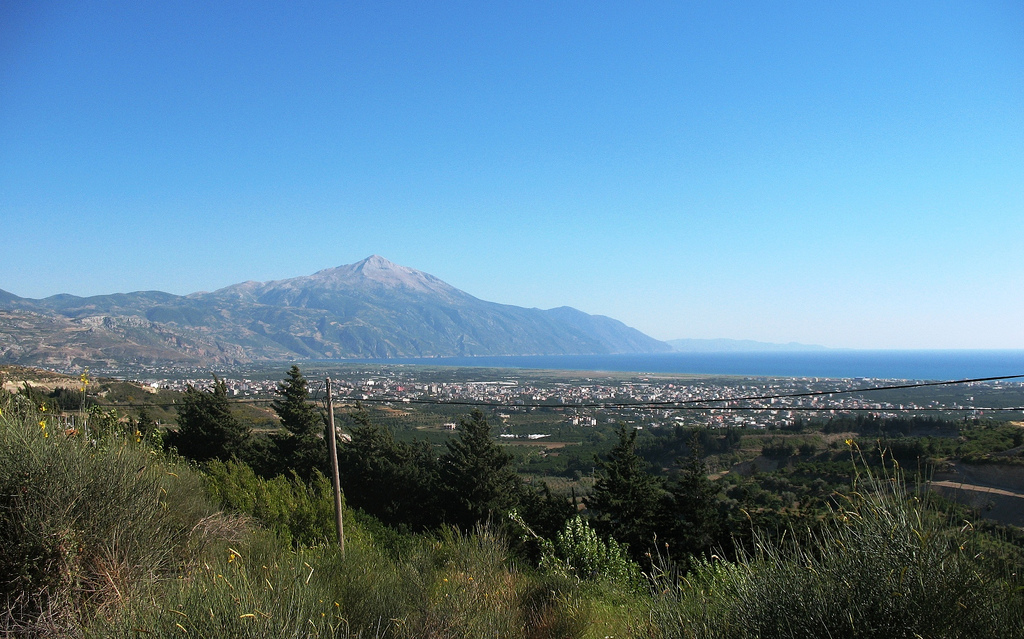
Jebel Aqra, also known as Mount Kasios, with the Mediterranean coast in the Syrian–Turkish area. Summer 2008 according to the photographer, Anthiok; the original August upload date does not establish the day of capture
Site
Coastal mountain in the Syrian–Turkish border area, known as Jebel Aqra and by ancient names including Kasios.
Name variants: Mount Kasios, Jebel Aqra
Context and sources →
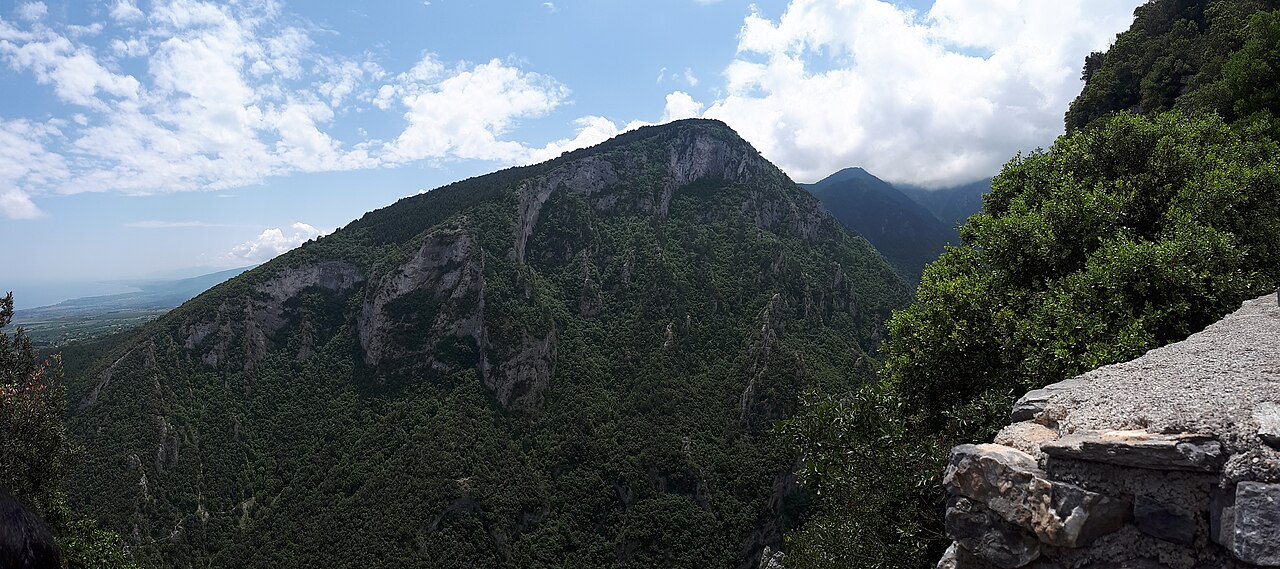
Slopes of Mount Olympus, Greece, photographed in 2018. A geographical view; the gods’ residence in the epics belongs to their poetic representation of the world
Site
Mountain in northern Greece associated in ancient traditions with the divine community’s dwelling.
Name variants: Mount Olympus
Context and sources →
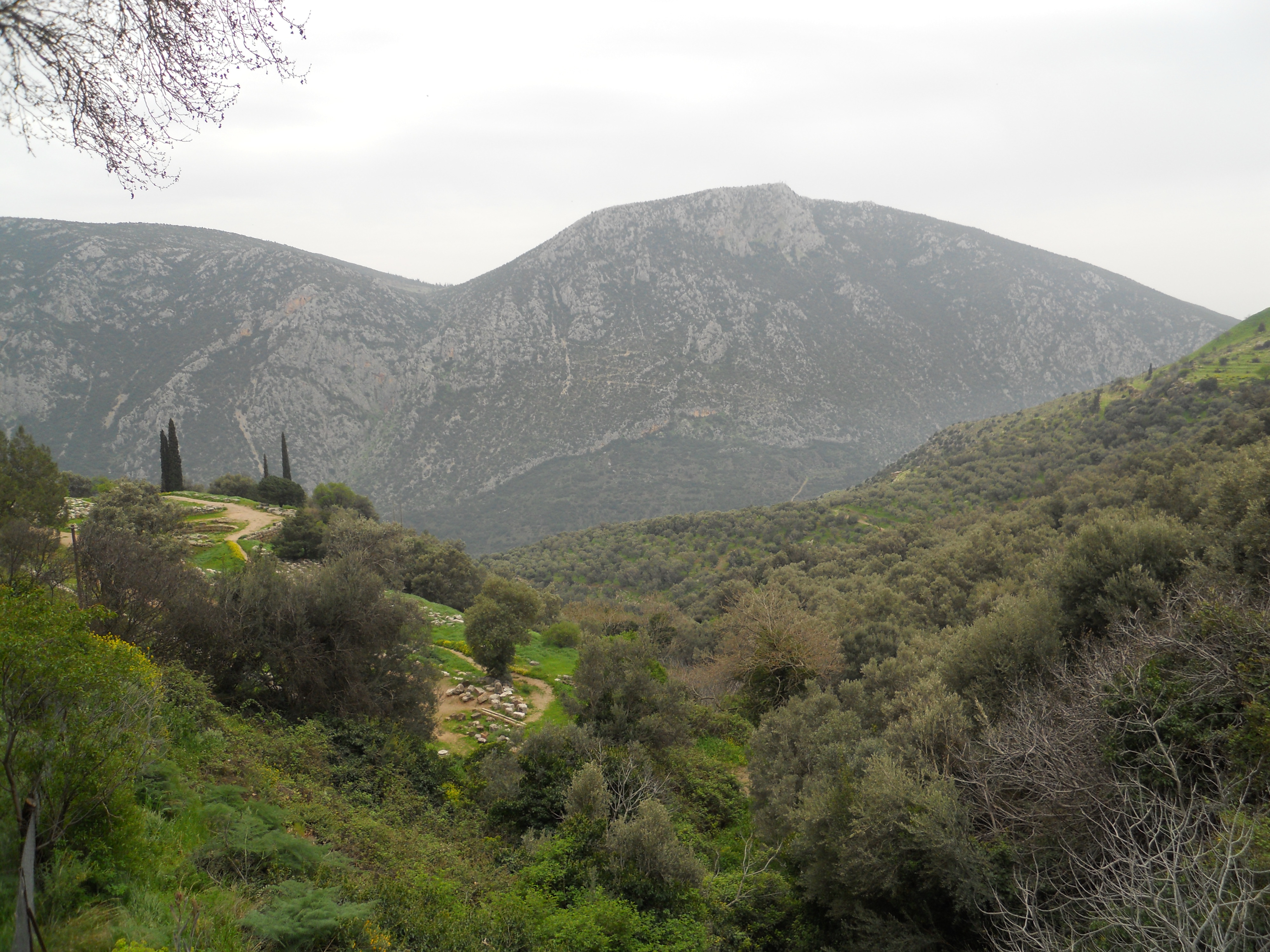
Mount Parnassus, photograph titled by Erik Drost, 23 March 2010; modern mountain landscape from the region. It does not identify the narrative’s landing summit
Site
Mountain massif in central Greece near Delphi, associated with Deucalion and Pyrrha’s survival.
Name variants: Mount Parnassus, Parnassos
Context and sources →
Person
Historian of ancient Iran and Mesopotamia (1928–2017), associated with the Russian Academy’s Institute of Oriental Manuscripts.
Name variants: Muhammad A. Dandamaev, Muhammad A. Dandamayev, Muhammad Dandamaev, M. A. Dandamaev
Context and sources →
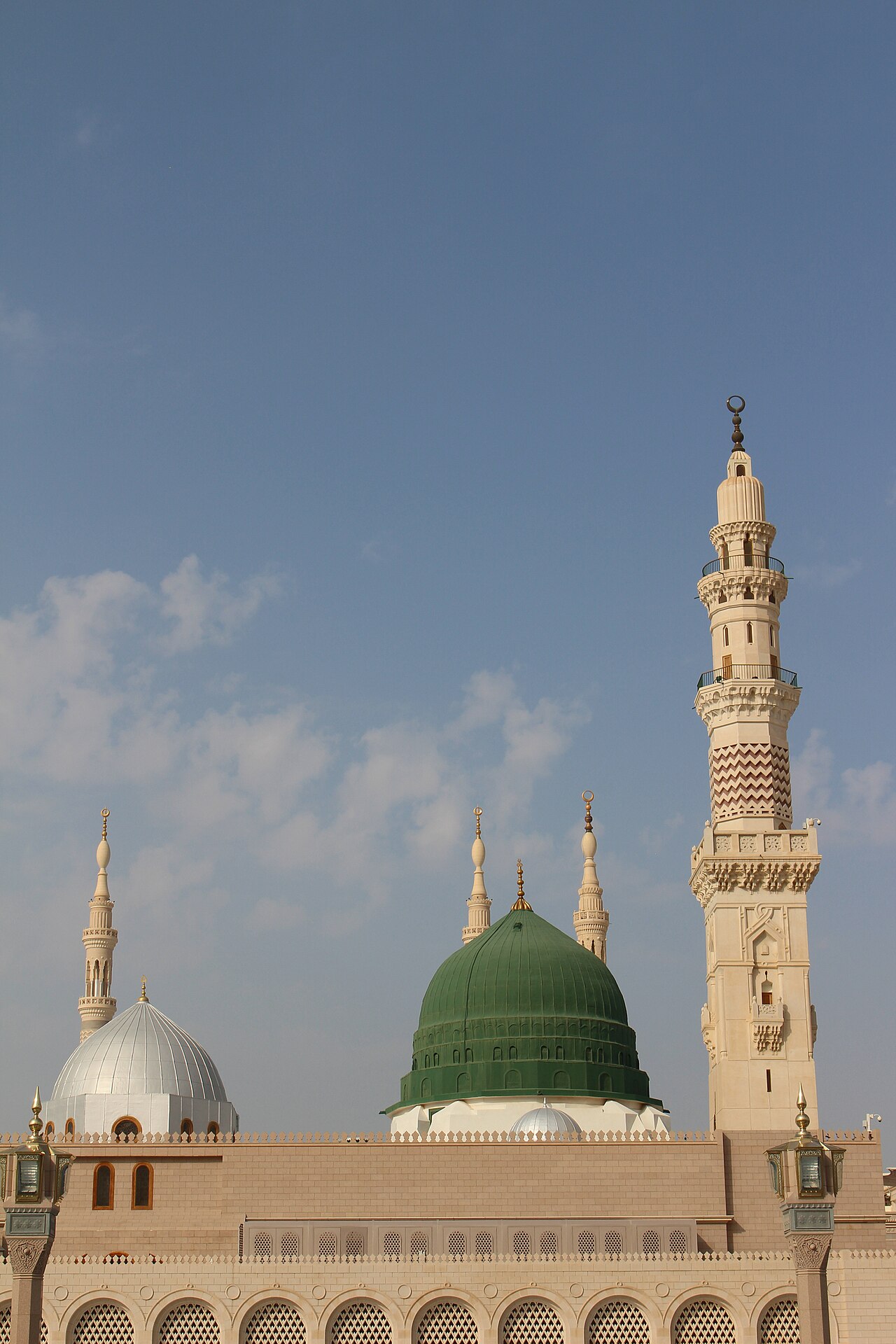
The Green Dome and minarets of the Prophet’s Mosque in Medina, Saudi Arabia, on 26 November 2025. This contemporary photograph shows part of the place associated with Muhammad’s life; the visible buildings reflect later architectural phases
Person
Muhammad is the prophet of Islam, living about 570–632 CE in the setting of Islam’s seventh-century emergence
Name variants: Prophet Muhammad, the Prophet Muhammad
Context and sources →
Modern diagram explaining the specified relationship in the witness; not an ancient tablet or portrait, or a boundary map
Person
Hittite king of the late fourteenth century BCE, party to a loyalty treaty with Amurru’s ruler.
Name variants: Mursili II
Context and sources →
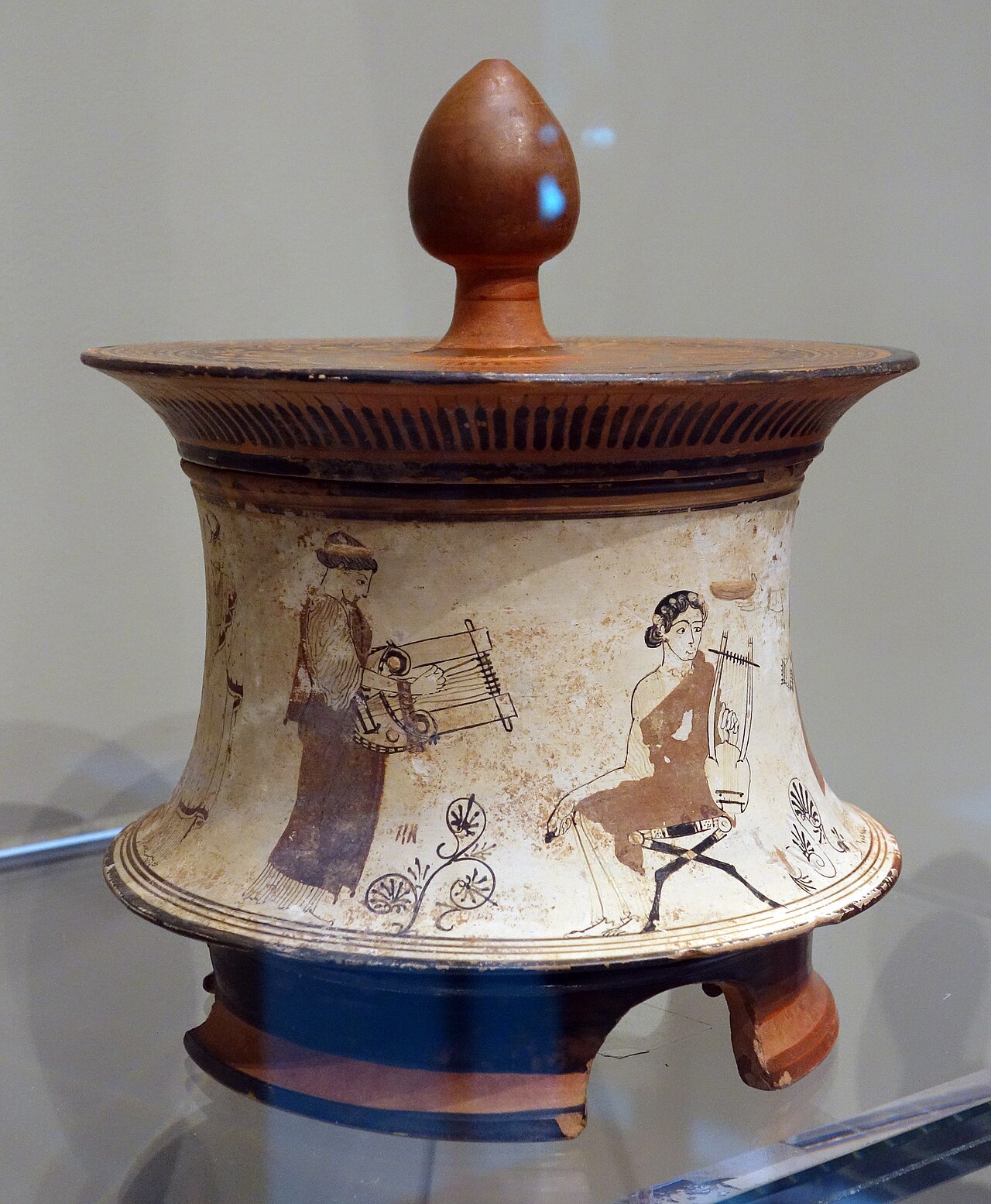
Muses in a musical scene on an Attic white-ground pyxis, about 460–450 BCE; Museum of Fine Arts, Boston, 98.887. This caption leaves the depicted man’s debated identity open
Entity
A group of Greek divine figures associated with song and poetry.
Name variants: Muses
Context and sources →
Person
Old Testament and Hebrew scholar studying asylum and non-surrender in Deuteronomy.
Name variants: Myrto Theocharous
Context and sources →
Person
Hebrew Bible scholar who examined the structure and meaning of Daniel 1–6 in a 2019 study.
Name variants: Naama Golan, biblical scholar, Naama Golan
Context and sources →
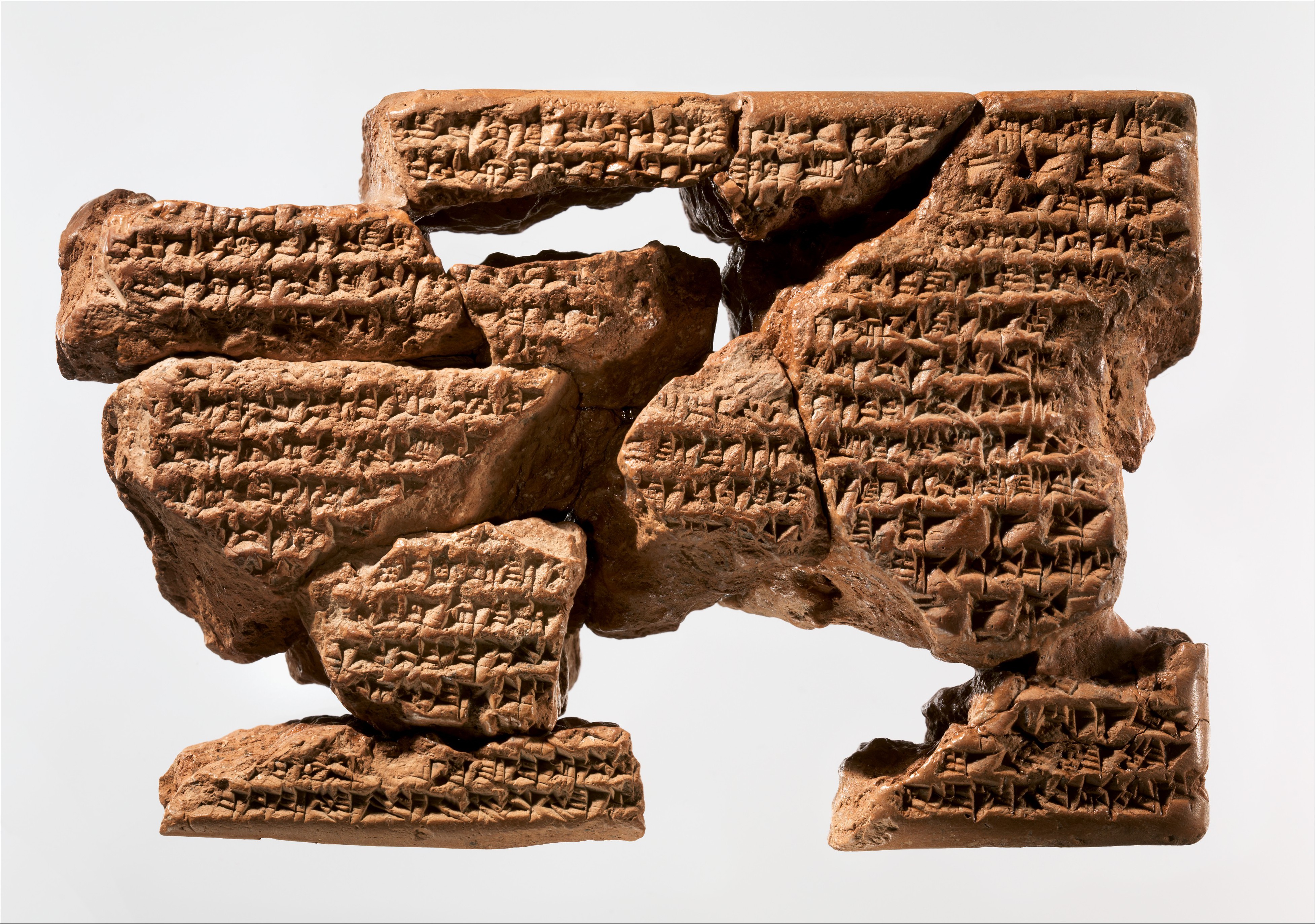
Part of a copy of a letter to Nabopolassar, Met 86.11.383c–e. Copy about the second century BCE; original letter’s setting late seventh century BCE. Not Etemenanki’s restoration inscription or a royal portrait
Person
Nabopolassar was a late-seventh-century BCE Babylonian king who claimed to rebuild Etemenanki.
Name variants: Nabopolassar
Context and sources →
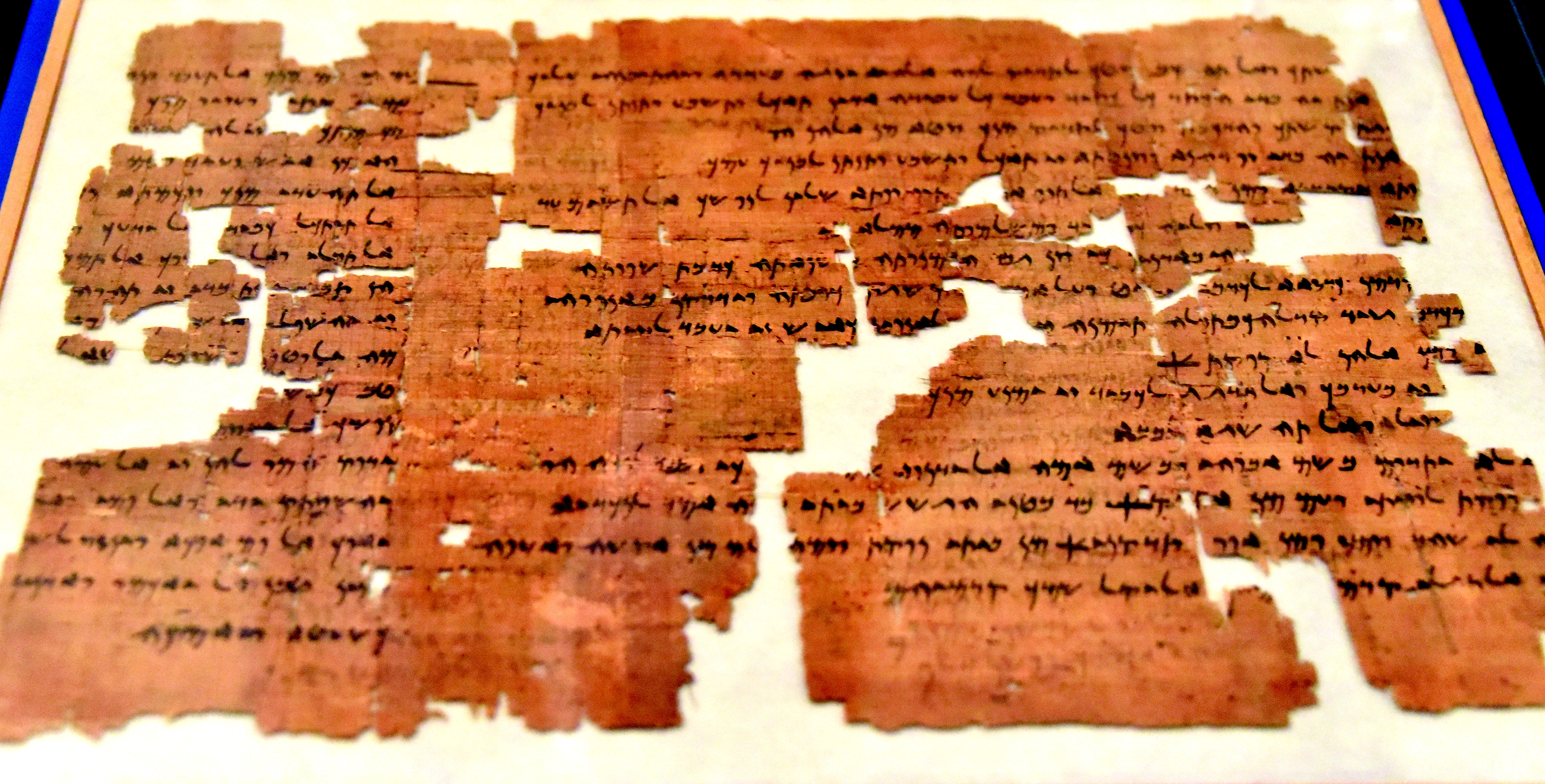
Fragment of the Aramaic Ahiqar papyrus, Elephantine, fifth century BCE; Berlin P.13446/G, photographed at Neues Museum in 2019. Witness to a work combining narrative and sayings, not a portrait of Nadin or a complete story copy
Person
The young man Ahiqar raises and prepares as successor, then portrayed as betraying the sage.
Name variants: Nadin in Ahiqar, Nadin in Ahiqar
Context and sources →
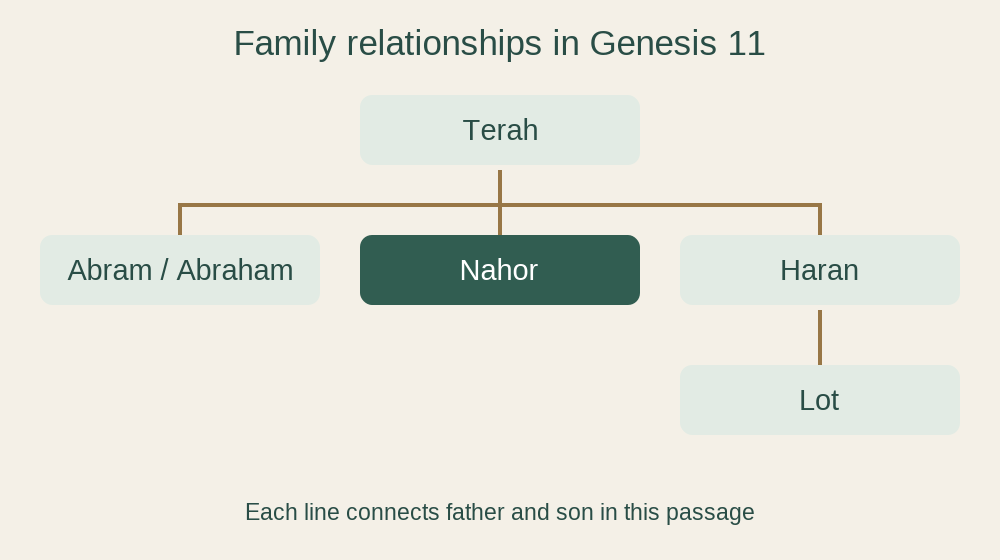
Modern diagram of family relationships in Genesis 11; the highlighted node identifies this entry’s figure. It explains the narrative’s genealogy, not physical likenesses or independent proof of their lives
Person
Son of Terah and brother of Abram and Haran in Genesis, distinct from Terah’s father of the same name.
Name variants: Nahor, son of Terah, Nahor
Context and sources →

Newly generated modern interpretive illustration of subterranean waters and clay beneath an imagined Mesopotamian setting, evoking themes associated with Namma. Not an artefact, an image of the goddess, or a verified historical reconstruction
Entity
Namma, also traditionally read Nammu, is a Sumerian goddess and mother of Enki who helps initiate human creation in Enki and Ninmah; a royal inscription records her temple.
Name variants: Namma, Nammu
Context and sources →
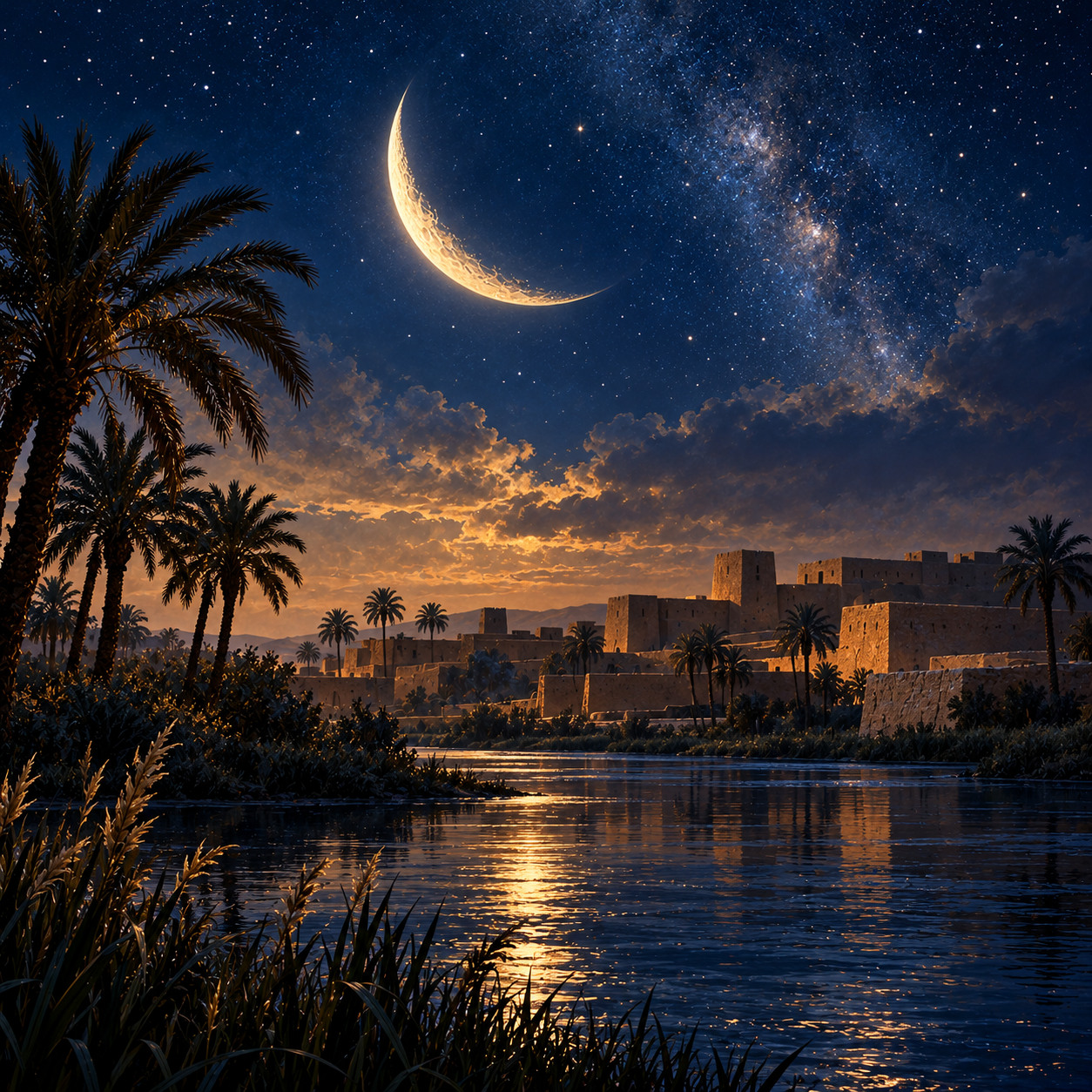
Modern AI-generated conceptual view of crescent moonlight over an imagined river landscape. Neither an ancient depiction of Nanna nor a verified reconstruction of Ur
Entity
Mesopotamian moon god known as Nanna, Su’en and Sîn/Sin. Worshipped especially at Ur and Harran, he is associated with the crescent and lunar cycle; names and myths have different histories.
Name variants: Nanna, Nanna-Suen, Su’en, Suen, Sin (moon god), Sîn
Context and sources →