The Epic of Gilgamesh Chapter 2
The Road to the Cedars
Gilgamesh and Enkidu prepare to leave Uruk. Warnings from Enkidu and the elders give way to Ninsun’s prayer and the friends’ departure. On the road, frightening dreams test their resolve before they hear the unseen guardian of the cedars.
Watch the filmSourcesTurn the pages with the arrows, the arrow keys or a swipe.
THE ROAD
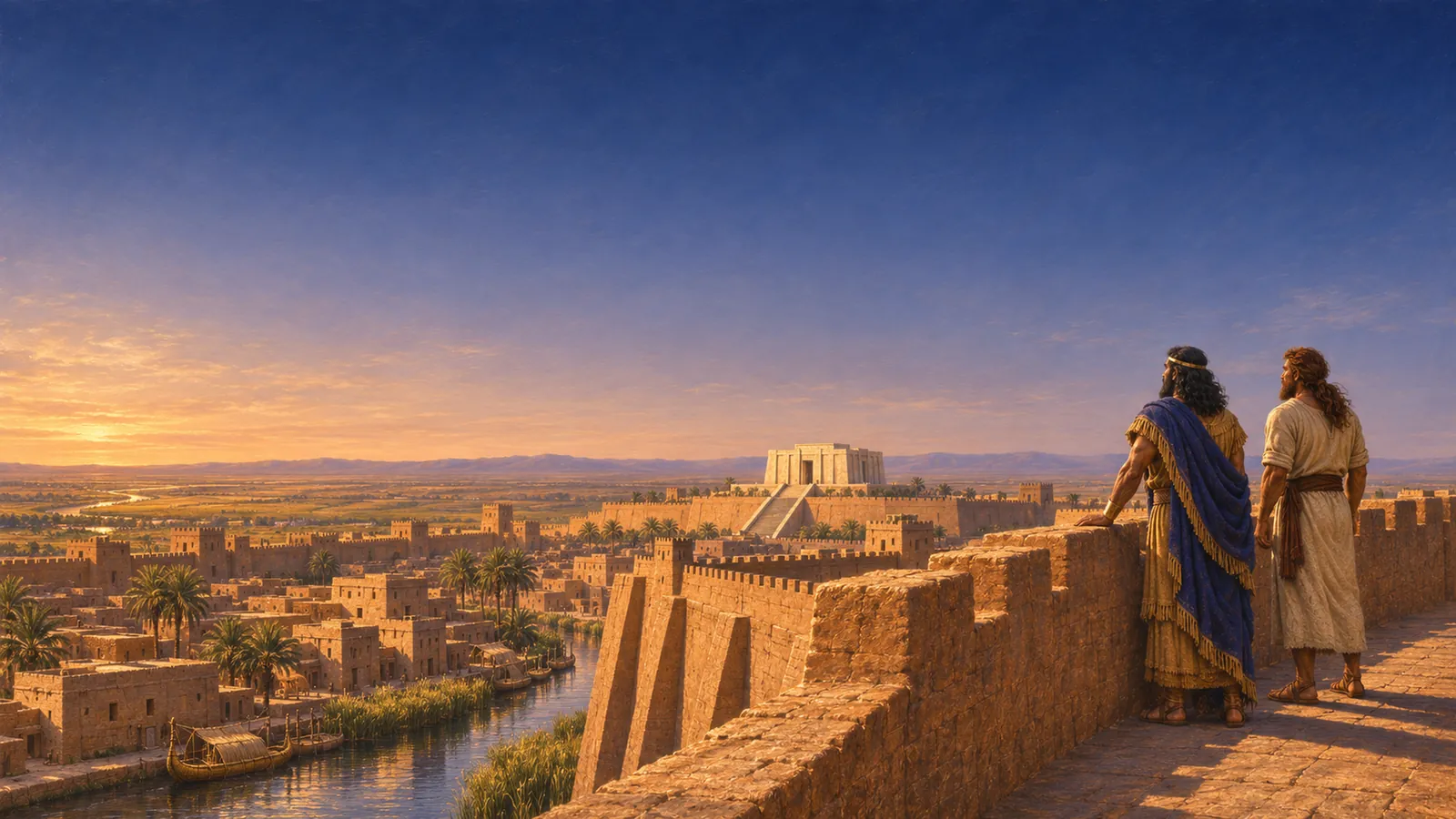
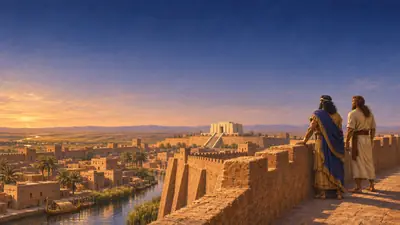
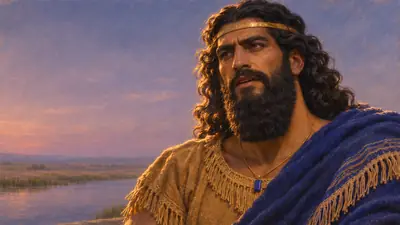
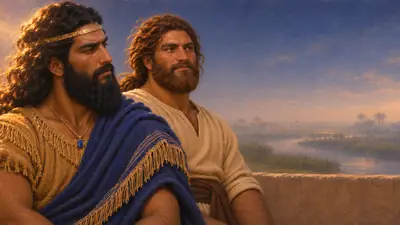
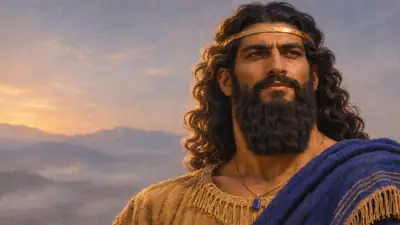
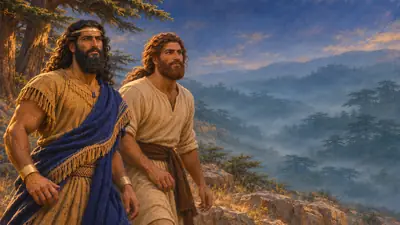
The two men who had met as rivals now stood together in Uruk. Beyond the walls lay the road that Gilgamesh was eager to take.
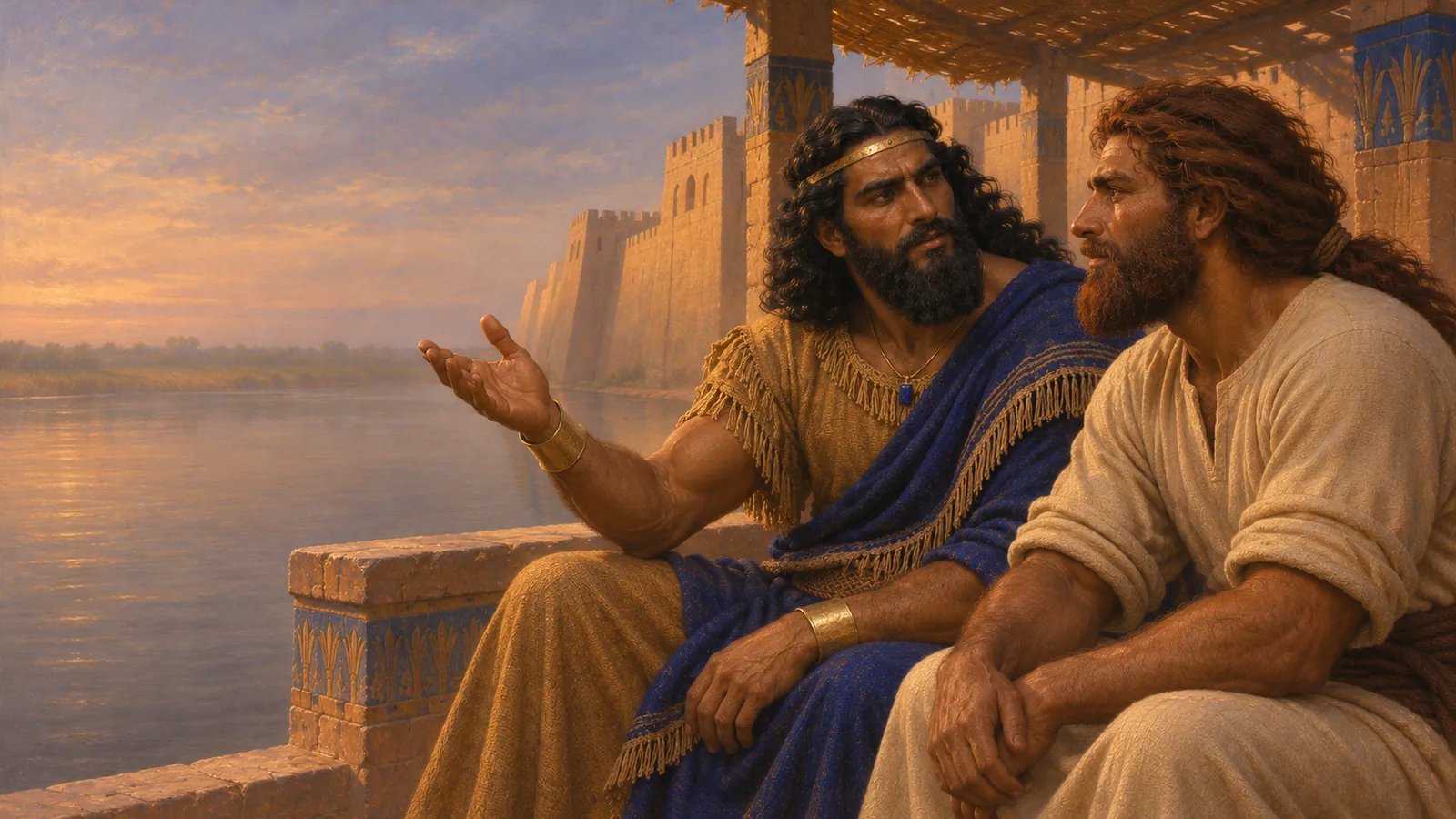
Gilgamesh had fixed his thoughts on the Cedar Forest. He told Enkidu where he meant to go, and whom they would have to face when they got there.
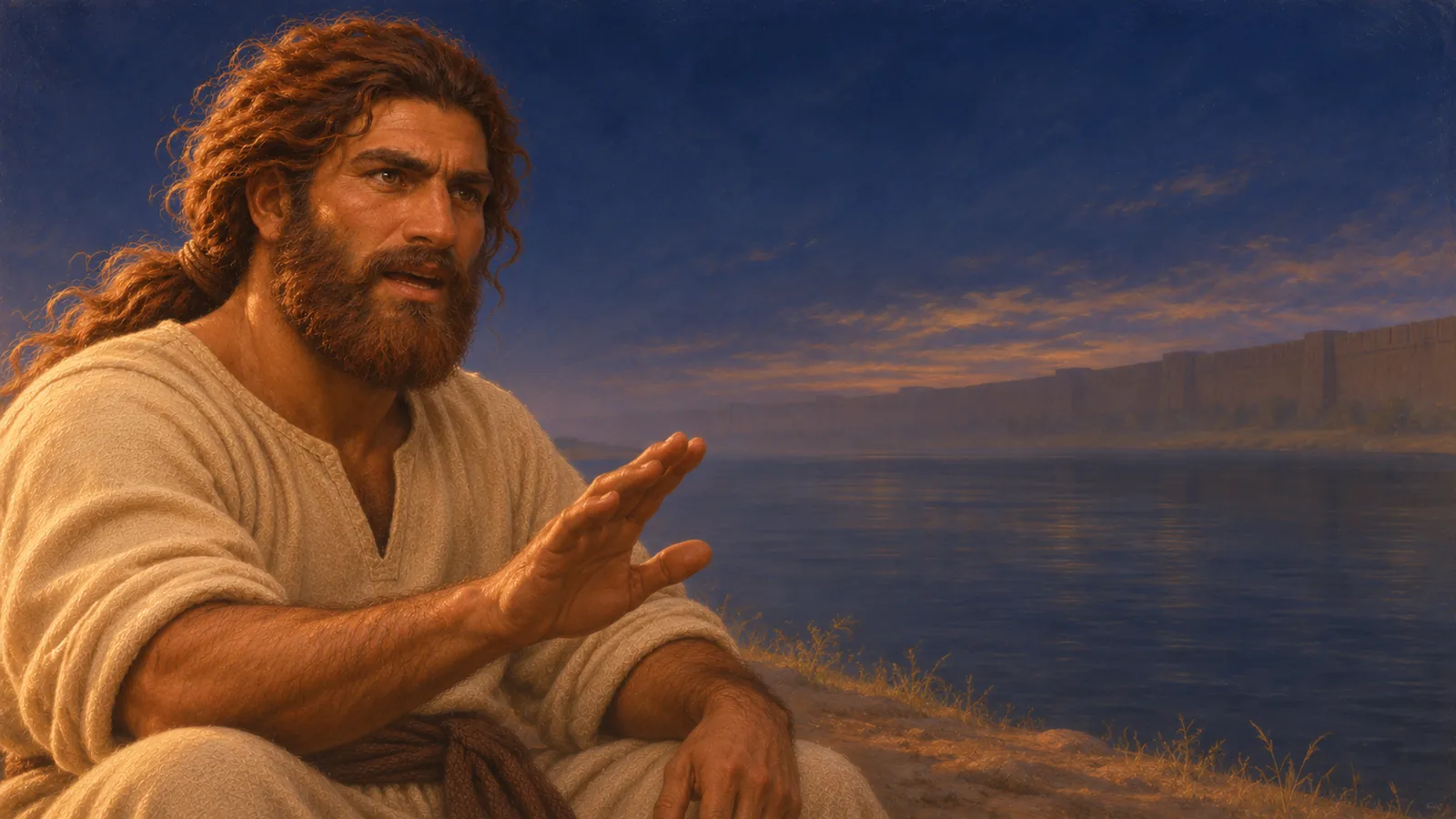
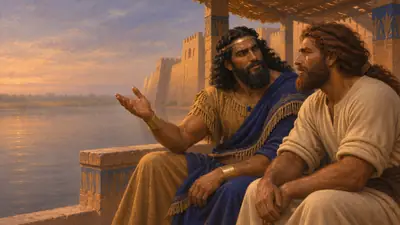
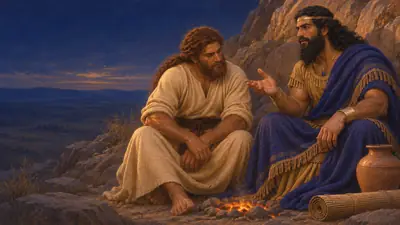
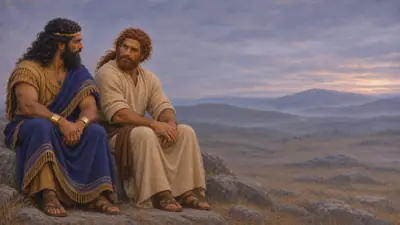
Enkidu knew the wild country. He had heard enough of Humbaba to ask his friend how anyone could make such a journey.
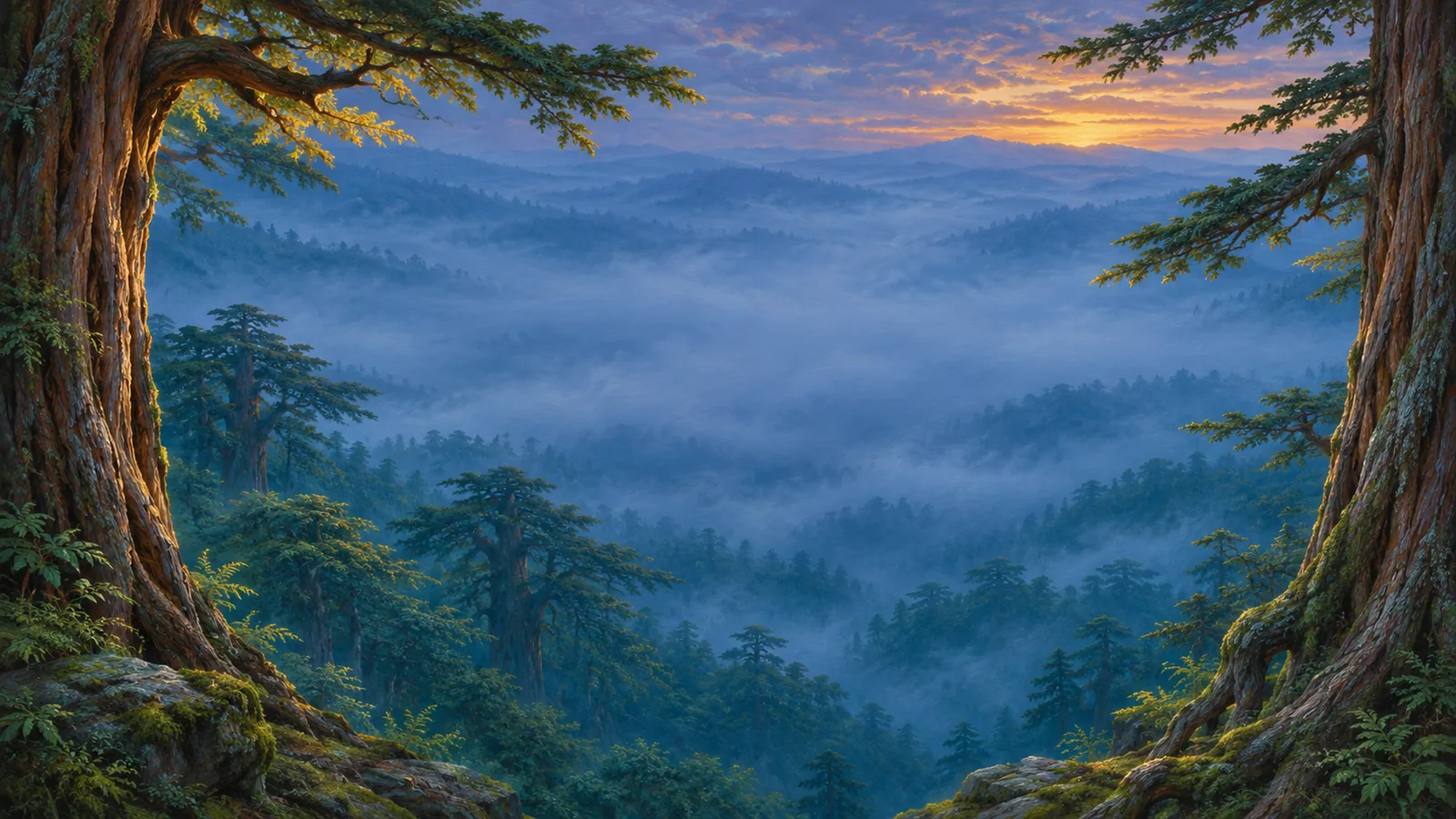
Enkidu described a guardian who could hear his forest far beyond the trees around him. In the tale he told, the sound of Humbaba was enough to make a traveller falter.
NUMBERED DAYS
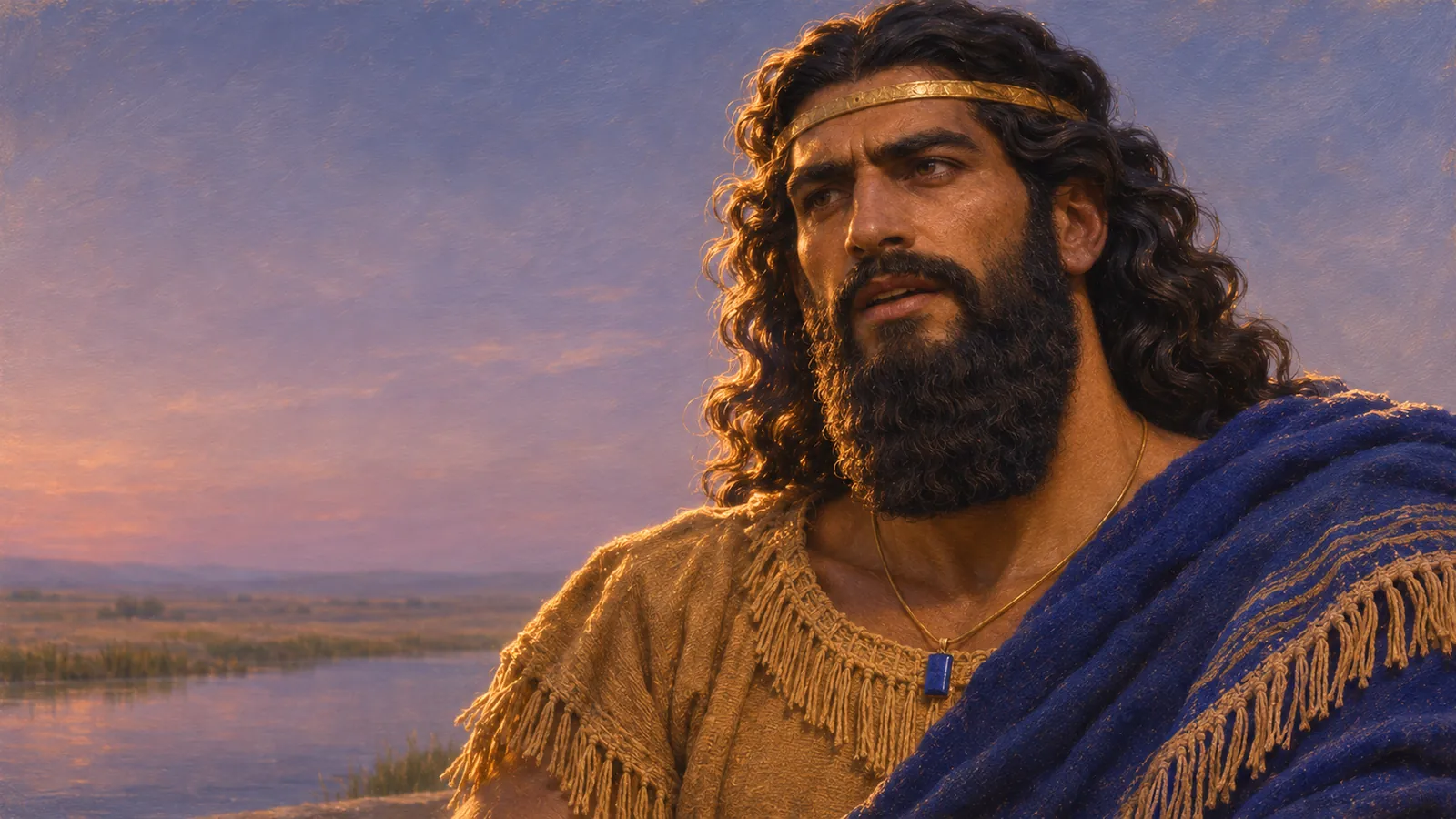
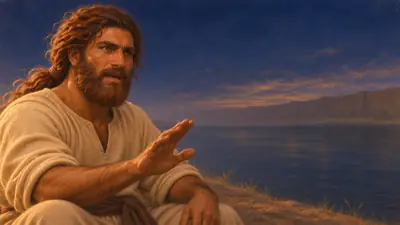
Gilgamesh heard his friend out. The way he saw it, a man had only a little time on earth, and the danger ahead did nothing to change that.
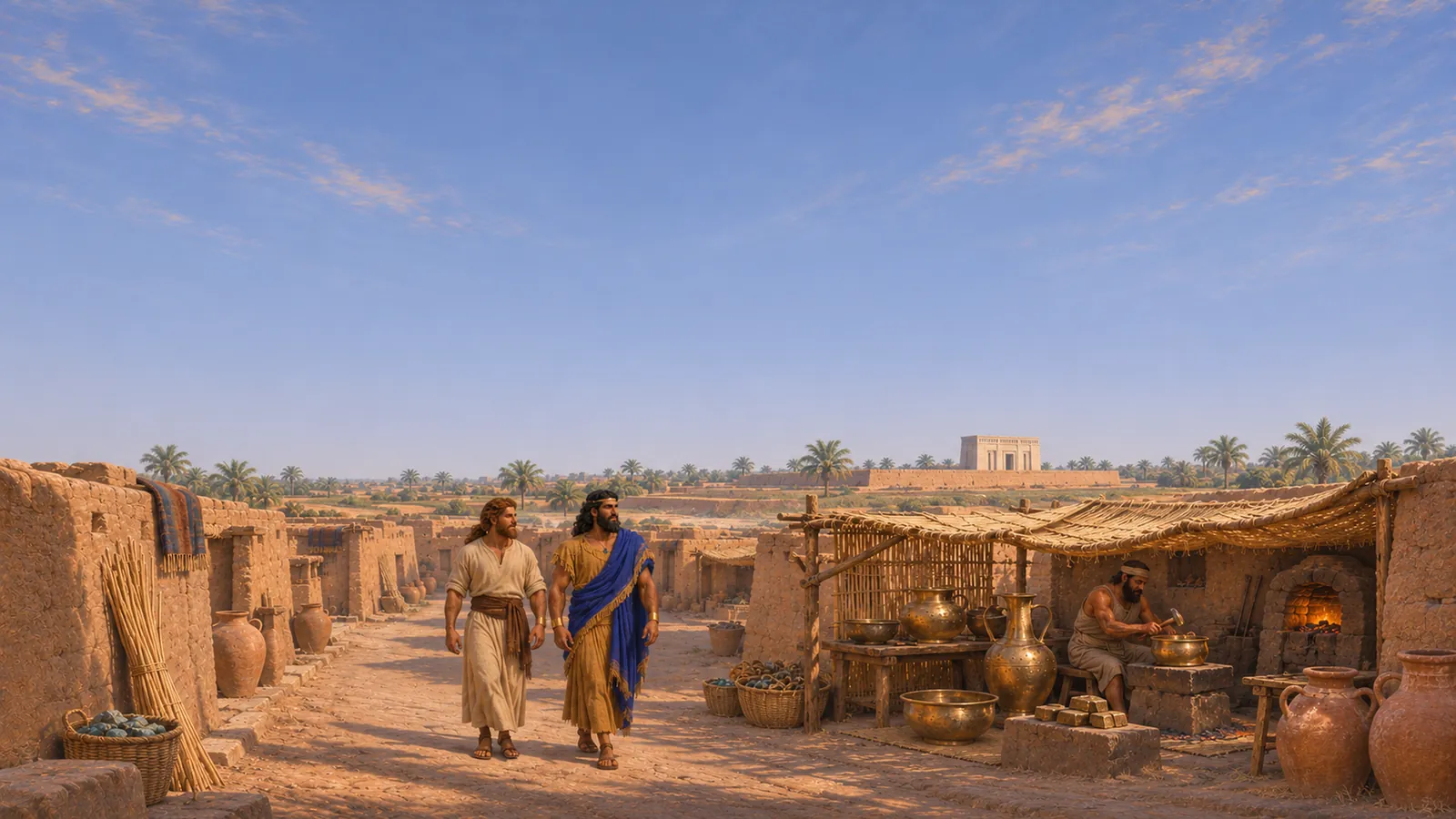
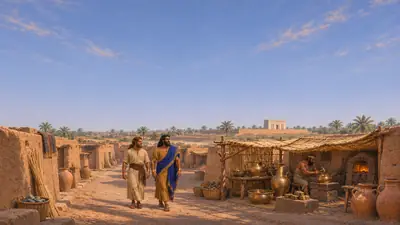
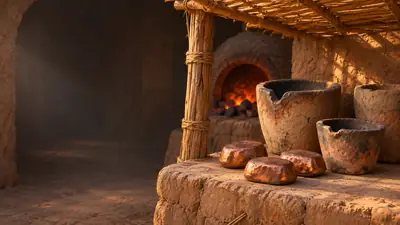
Gilgamesh reminded Enkidu of all he had already faced in the wild. Then he called him to come to the forge, where the preparations could begin.
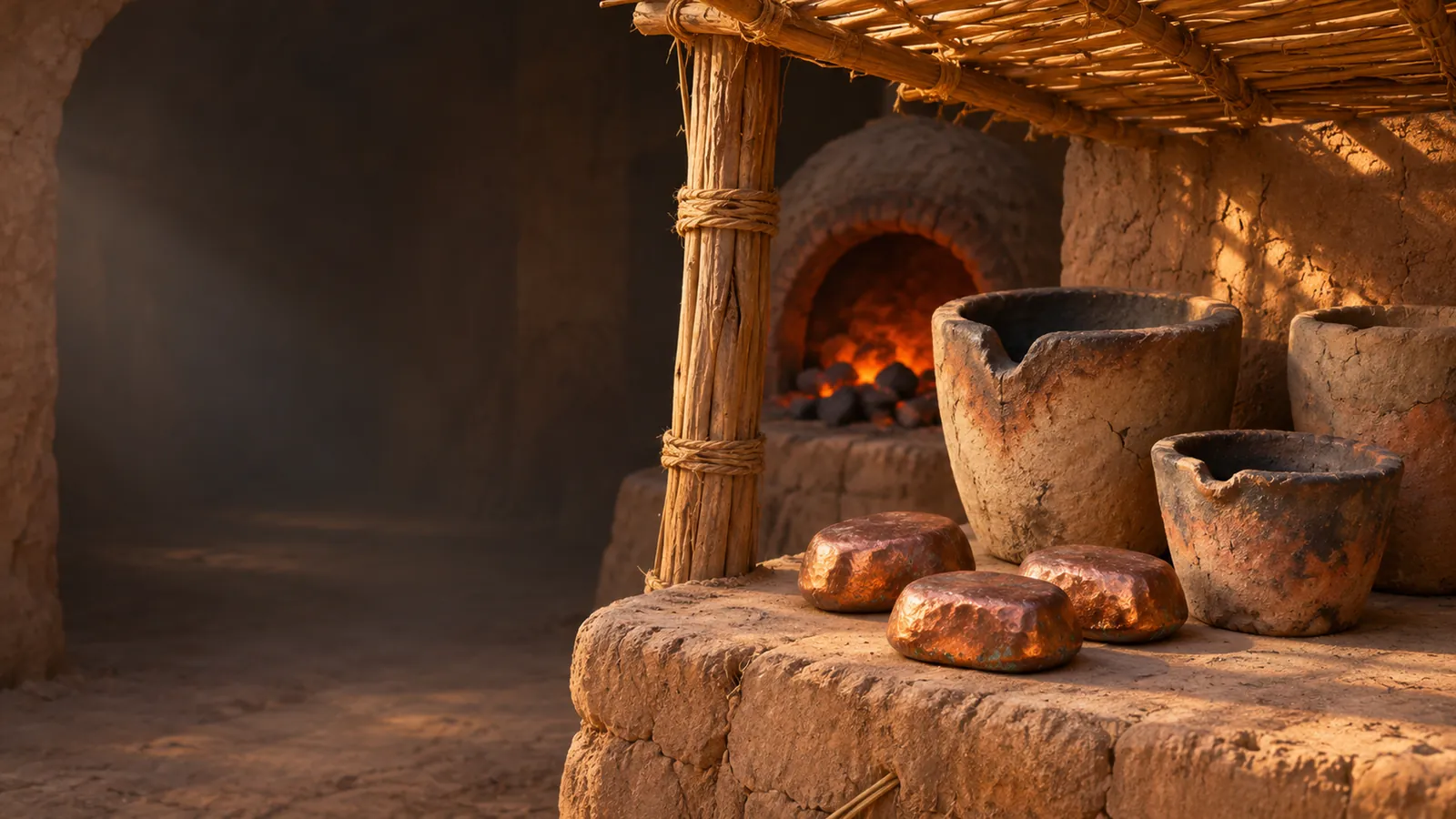
The two friends sat and discussed the gear they would need. The old poem gives the blades great weight, as though ordinary equipment could scarcely match the journey ahead.
THE YOUNG MEN
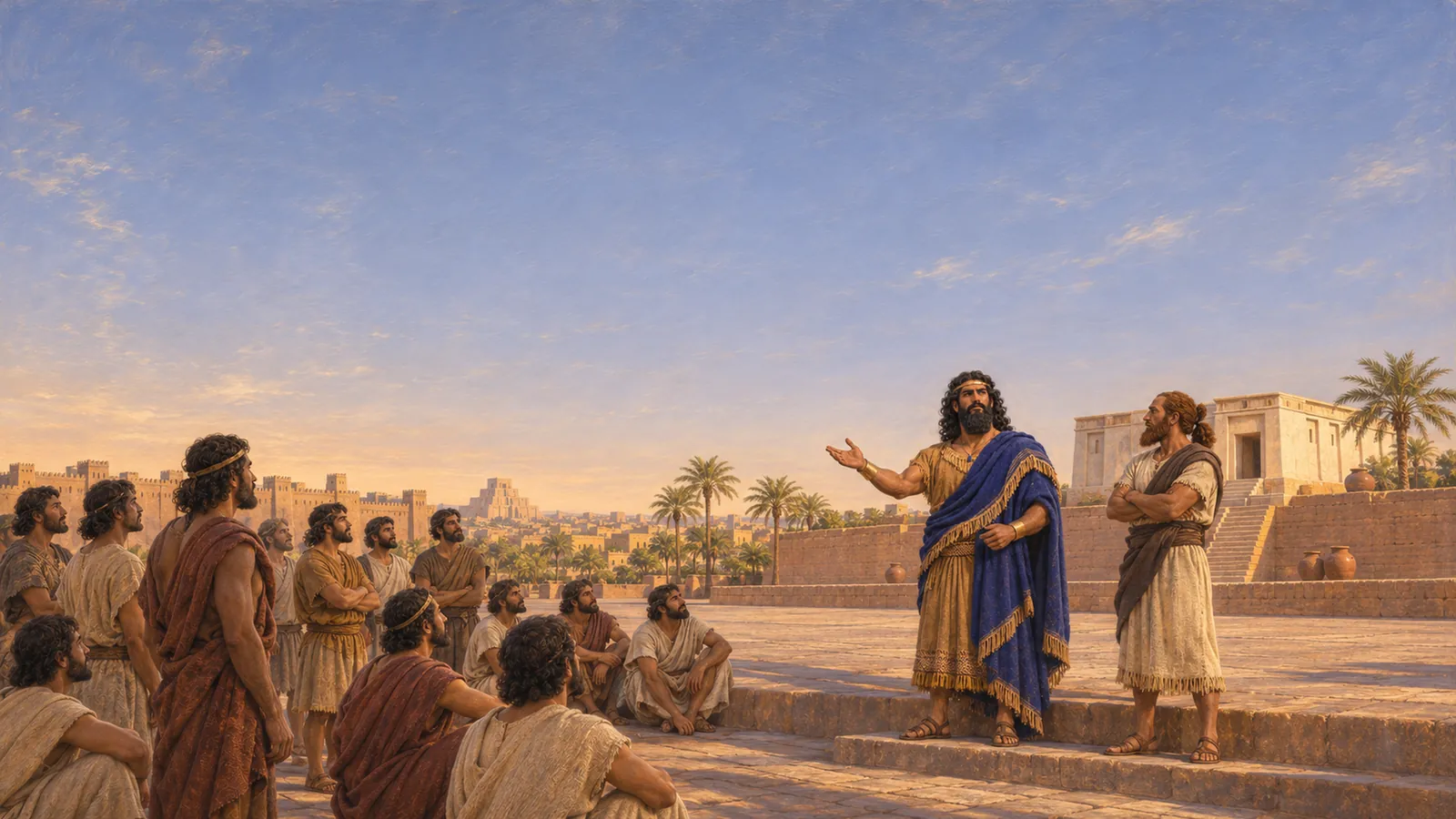
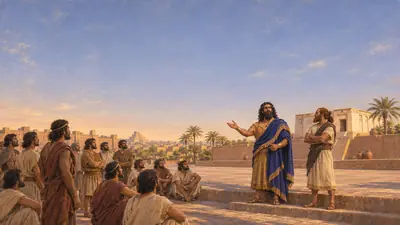
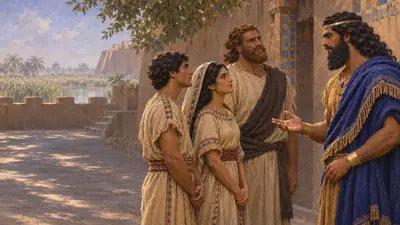
Gilgamesh called on the young men of Uruk. He told them that he meant to go far from home, into country where he had never fought.
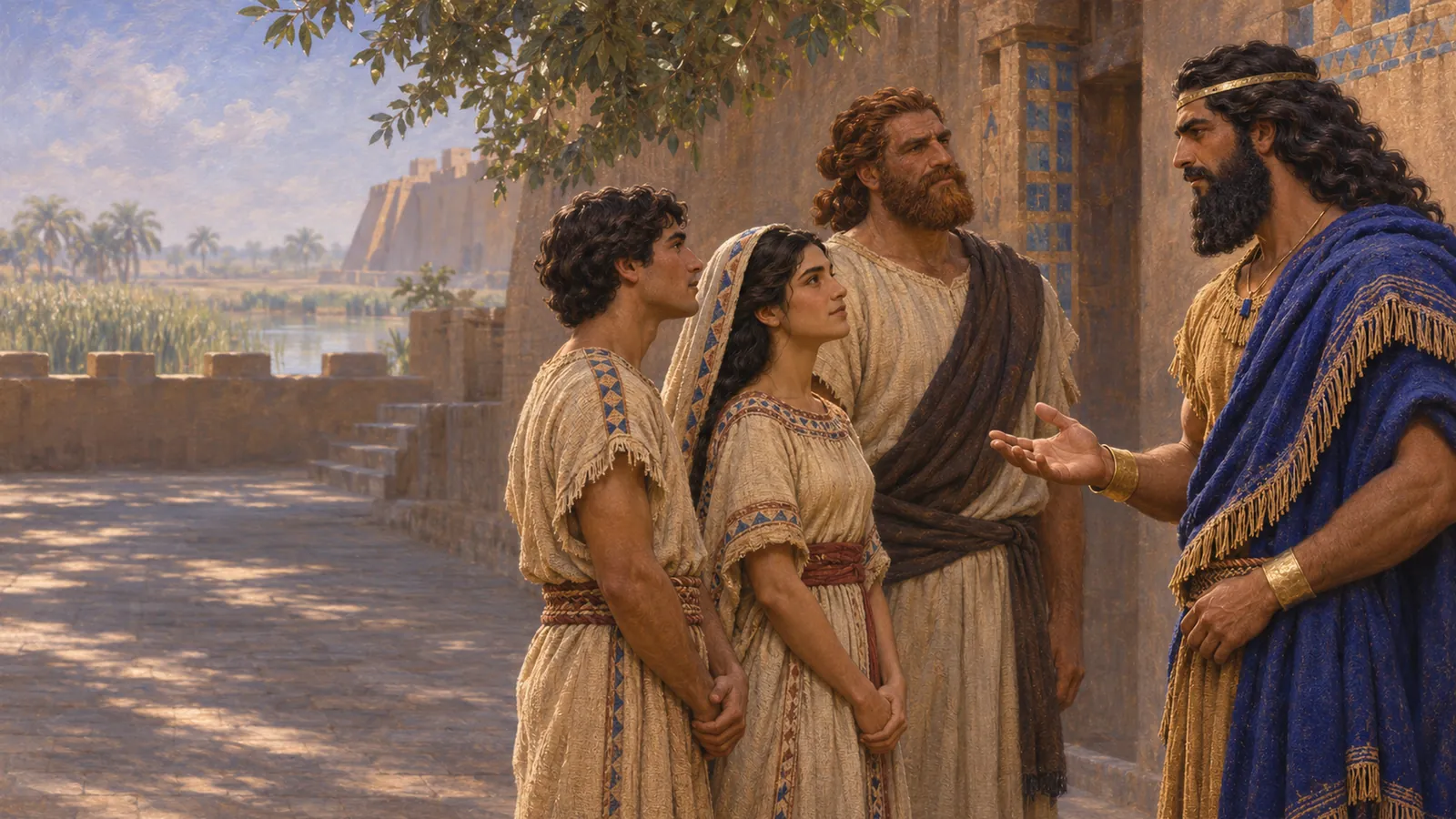
He asked for their blessing on the journey. His hope was to see their faces again and pass back through the gates of Uruk in safety.
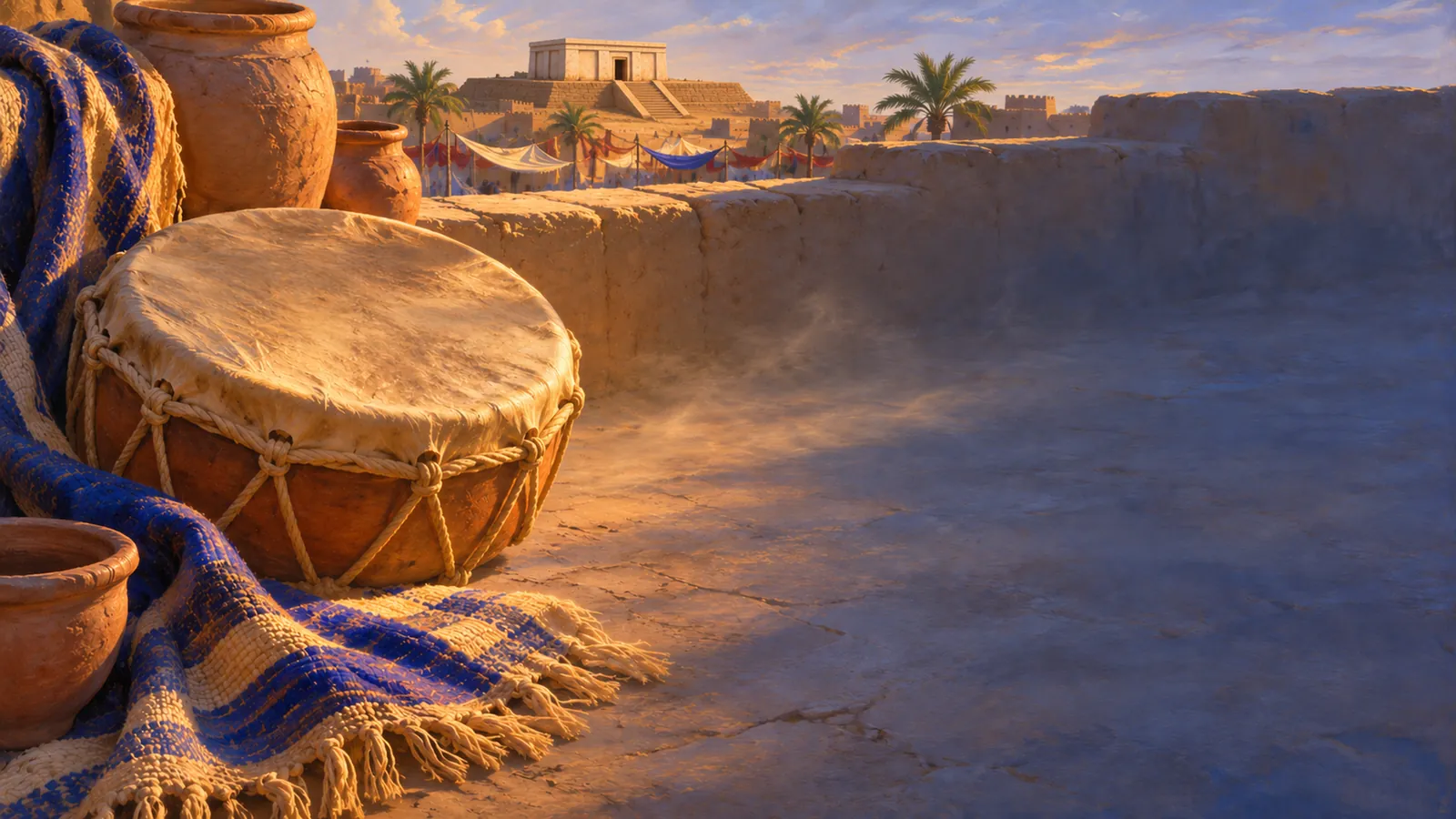
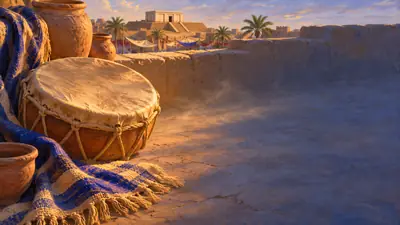
Gilgamesh spoke of a feast upon his return. He imagined the drums sounding in the presence of his mother Ninsun, once he was safely back in the city.
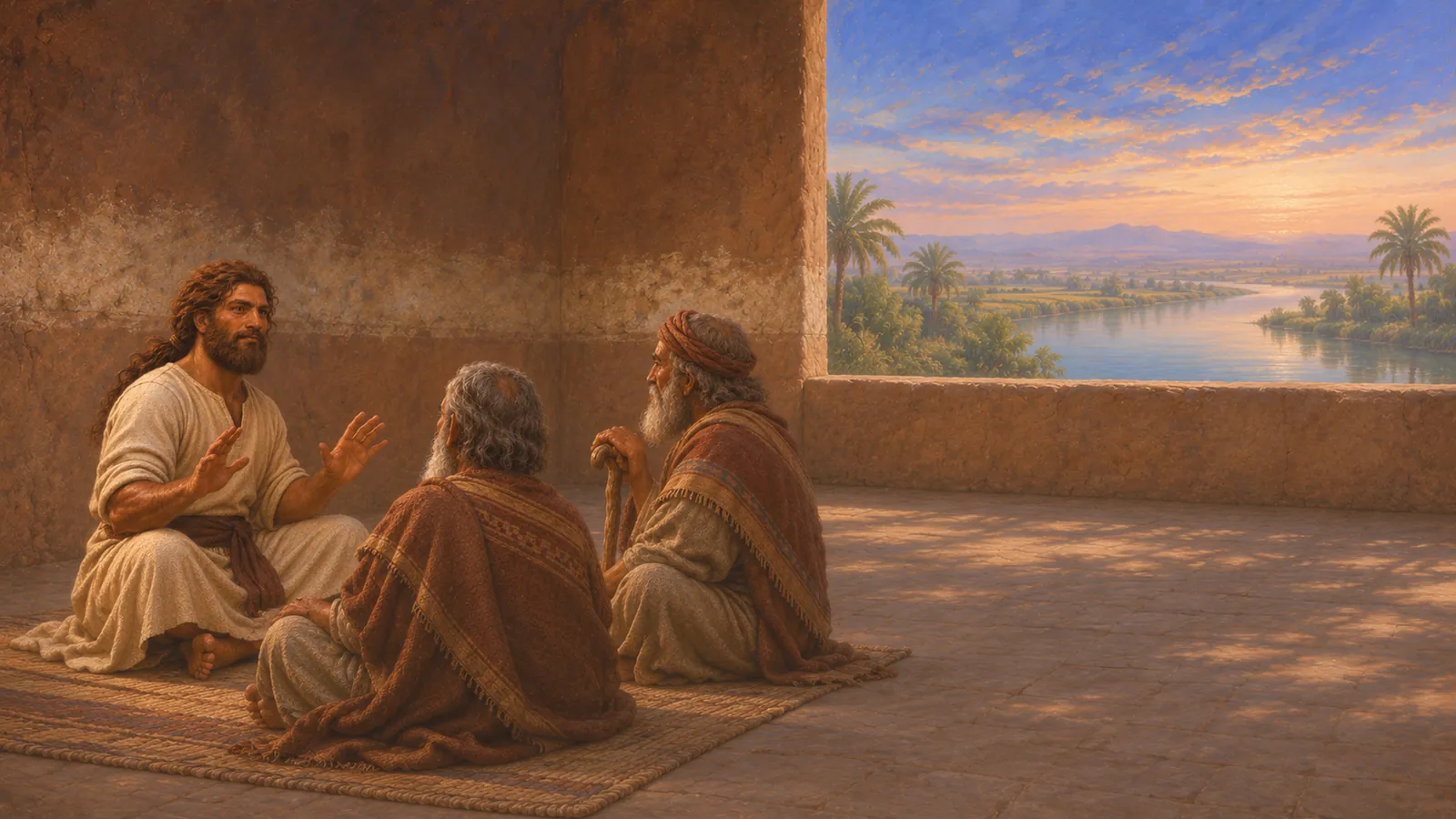
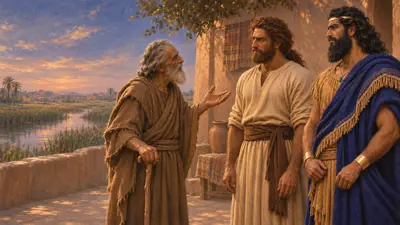
Enkidu carried the warning to the elders of Uruk. He asked them to speak to their king before he went in search of the forest and its guardian.
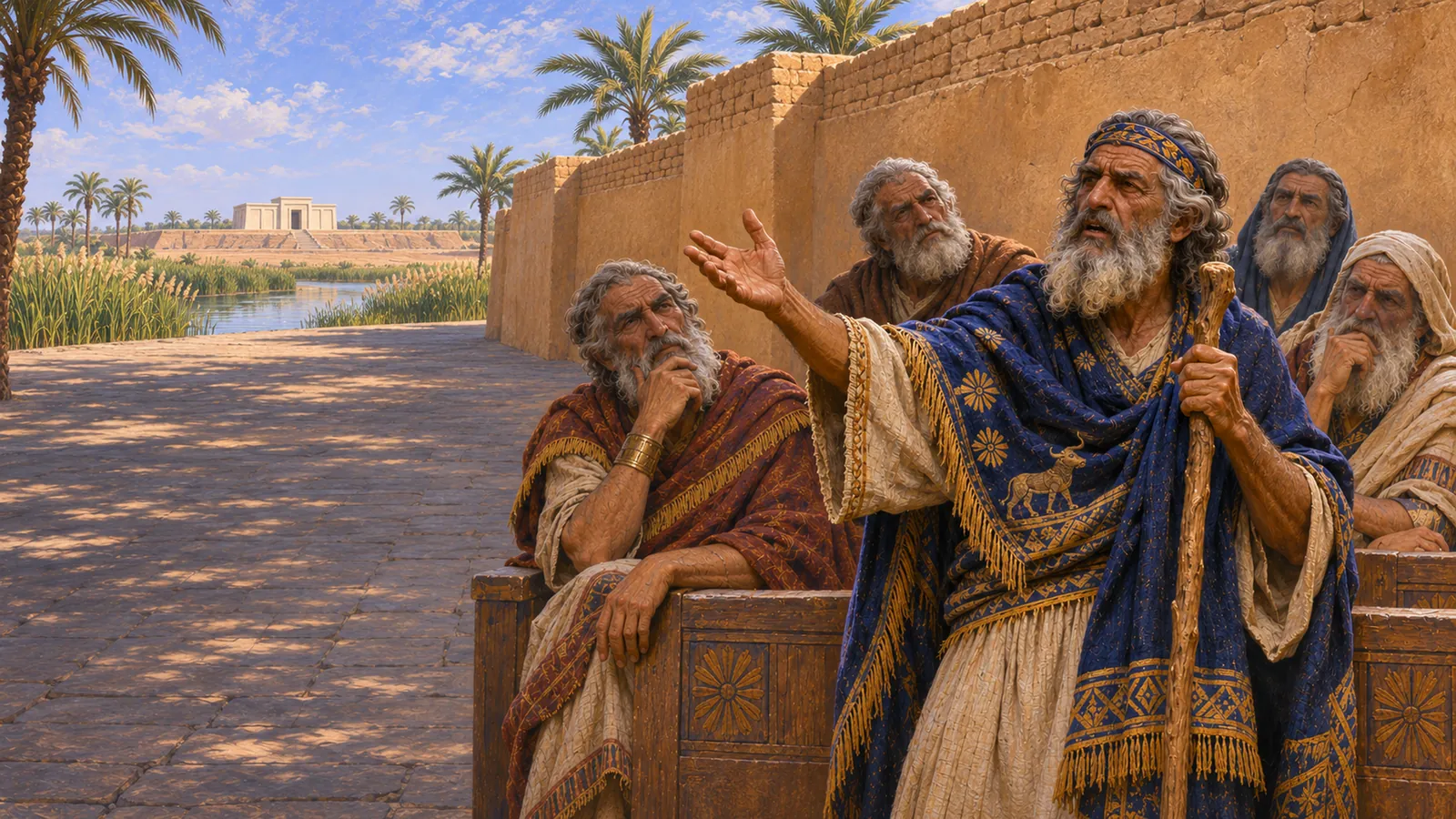
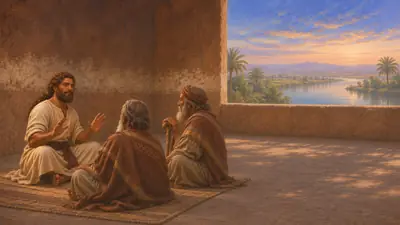
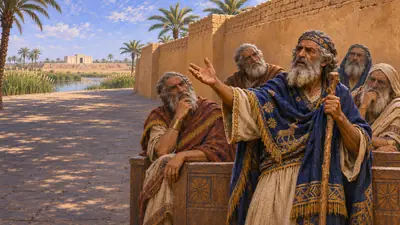
The elders rose to answer Gilgamesh. They told him that his eagerness had taken him ahead of his understanding, and reminded him whose forest it was.
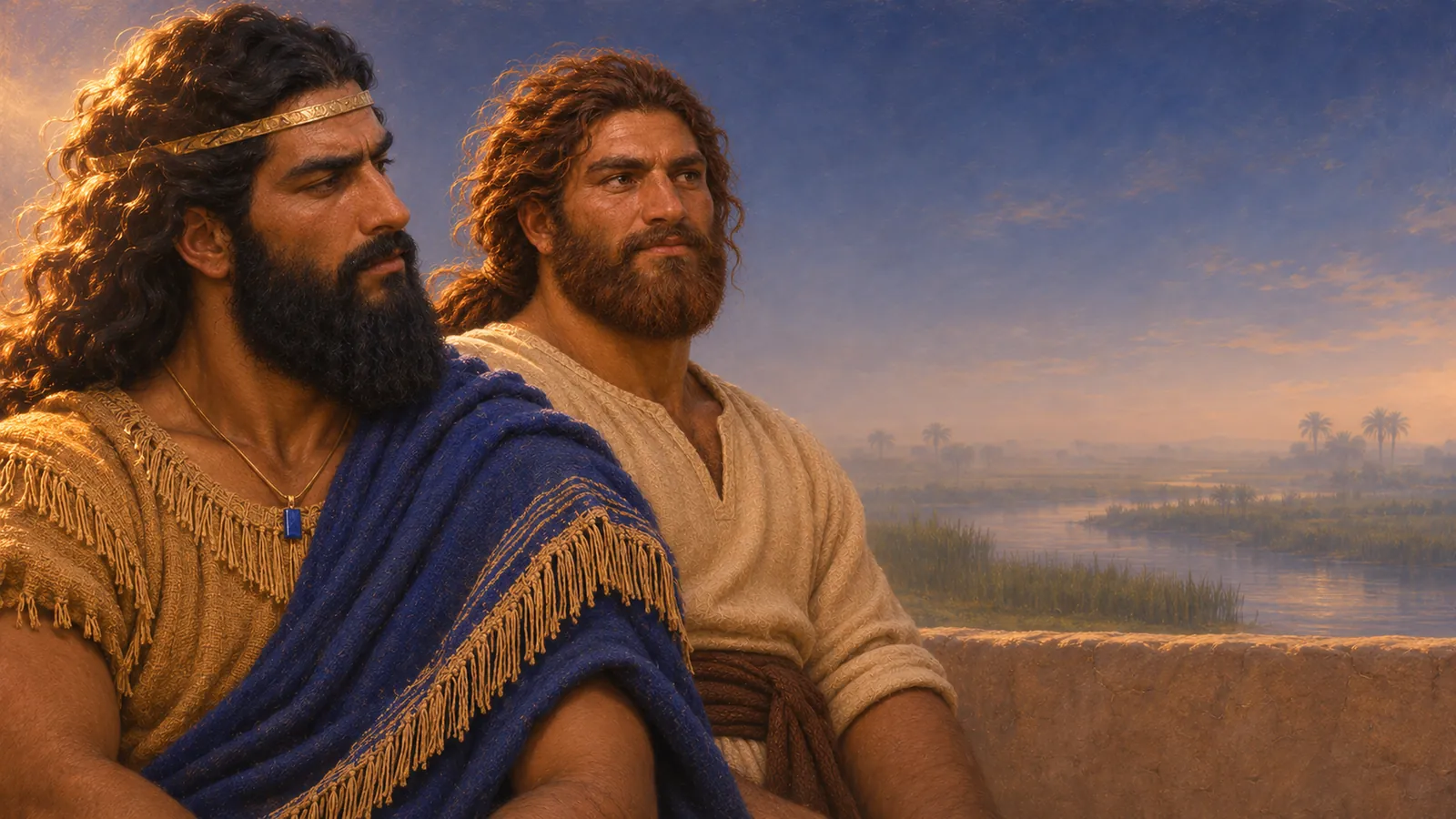
THE ELDERS
Gilgamesh listened to the elders’ warning. The tablet breaks as he turns his attention to Enkidu, and the story takes up the elders’ counsel again as the journey draws nearer.
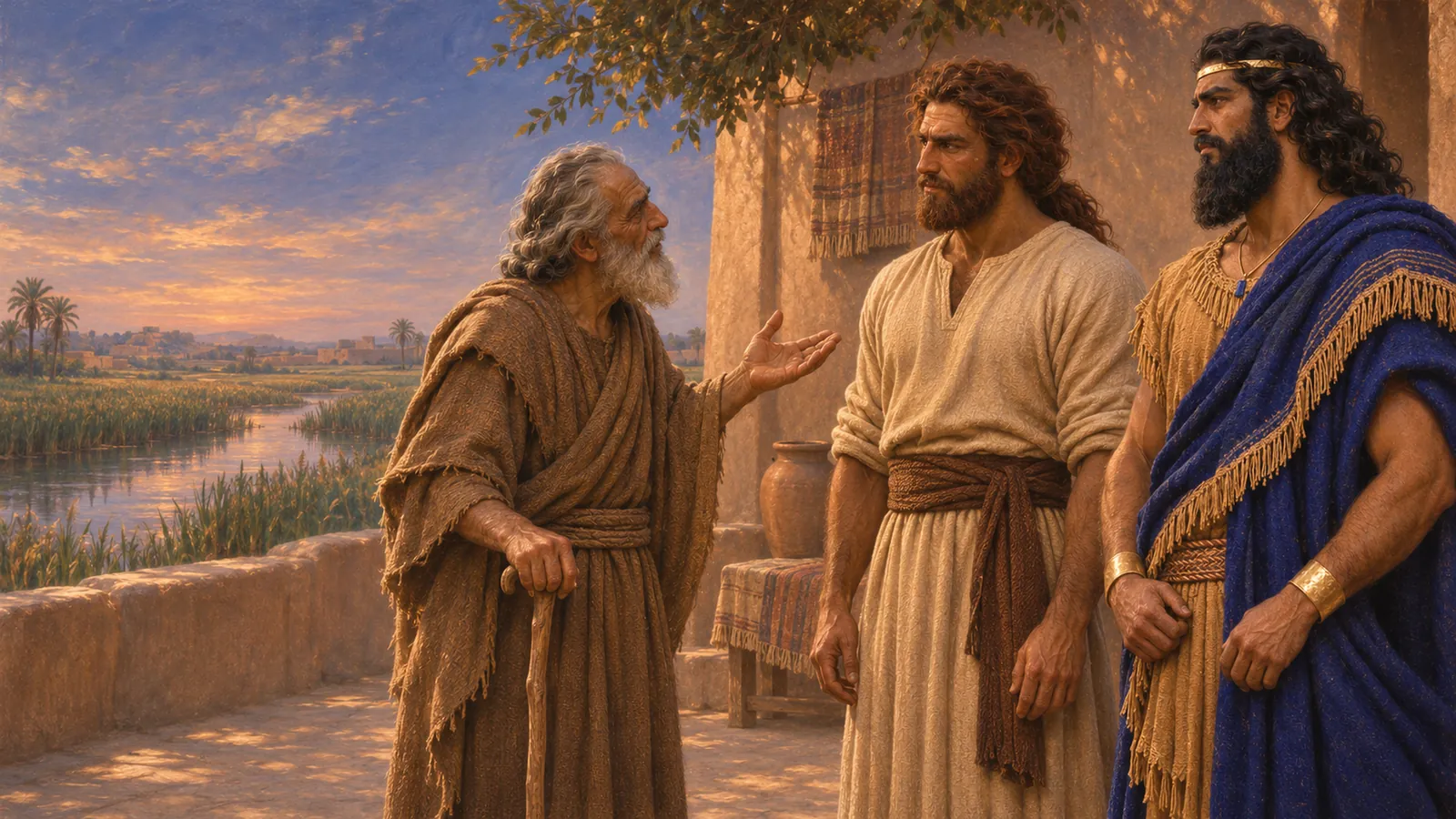
When the elders gave their blessing, they entrusted Gilgamesh to the friend who knew wild country. The man who knew the road could lead the one who wanted to take it.
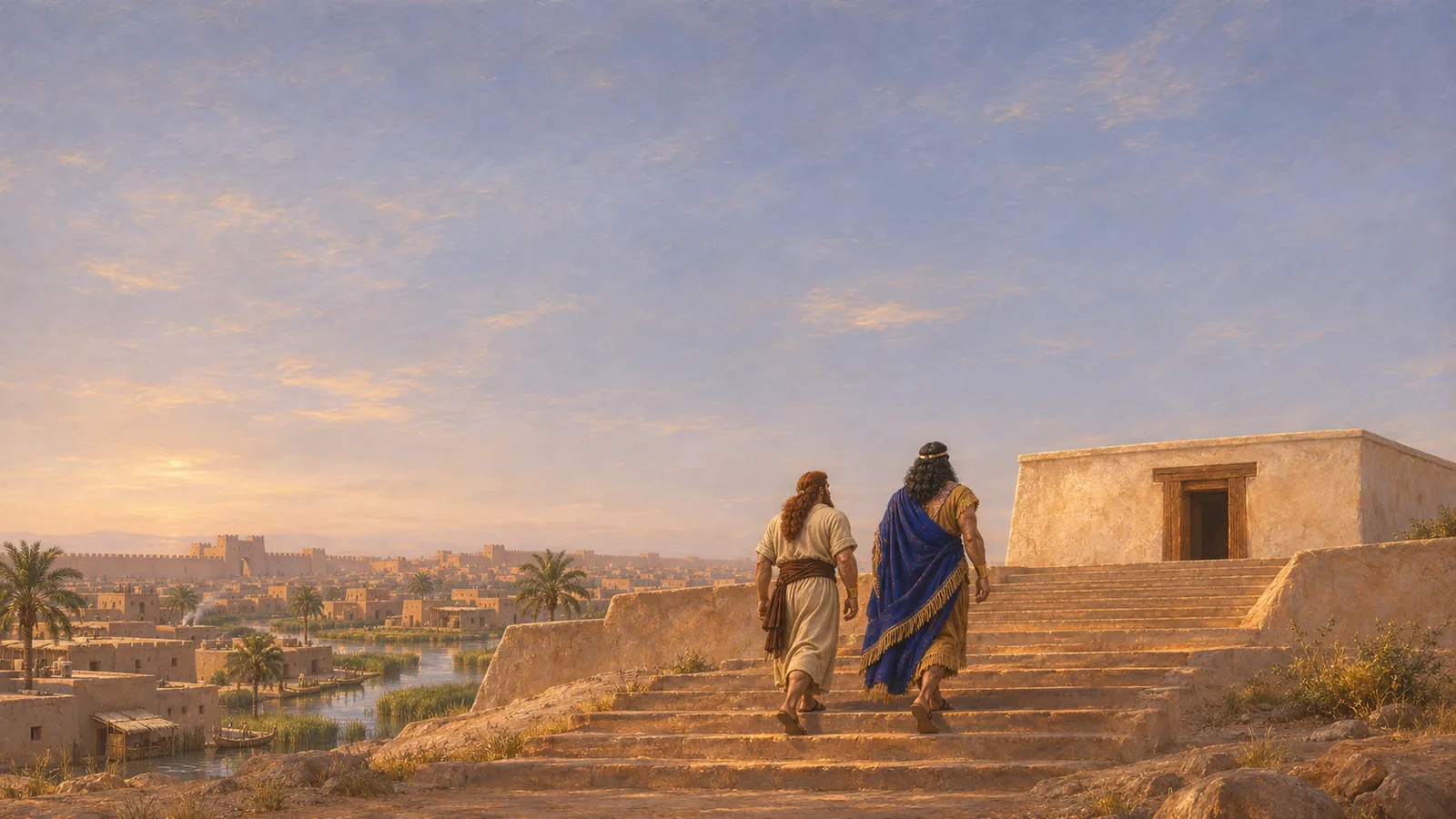
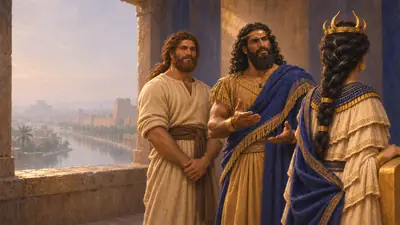
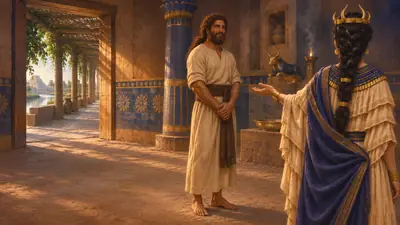
Before the friends left Uruk, they went to see Ninsun, the mother of Gilgamesh. The king’s plans for the road now came before the person most concerned for his return.
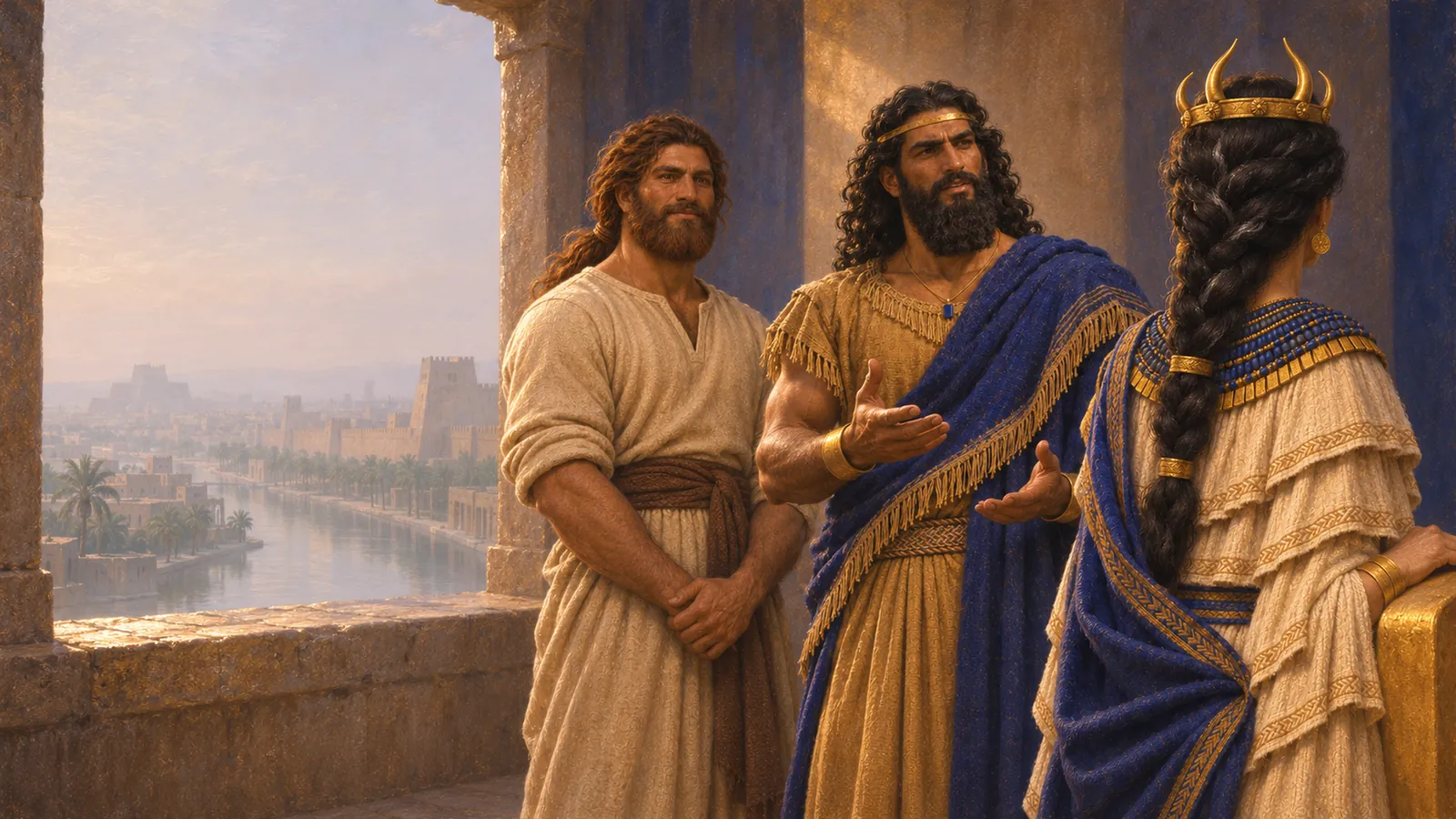
Gilgamesh laid out his plan for Ninsun. He was going toward the cedars, into unfamiliar country, to face a guardian whose power he knew only from what others had told him.
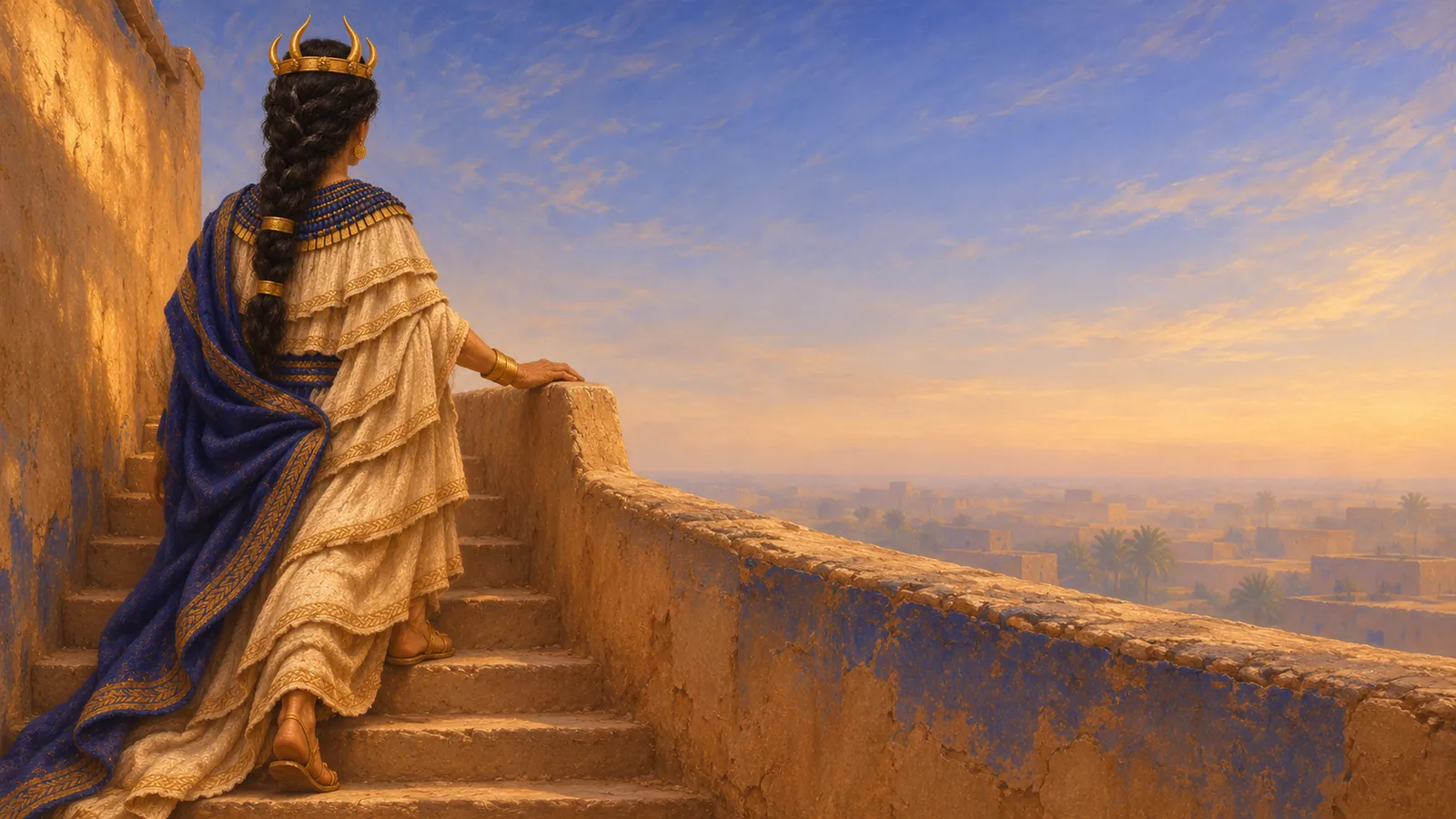
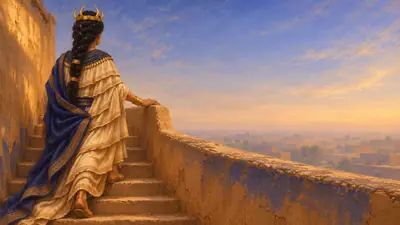
Ninsun went up above the rooms of her sanctuary. From the roof she could address Shamash, the sun god, as light came over the city.
SHAMASH
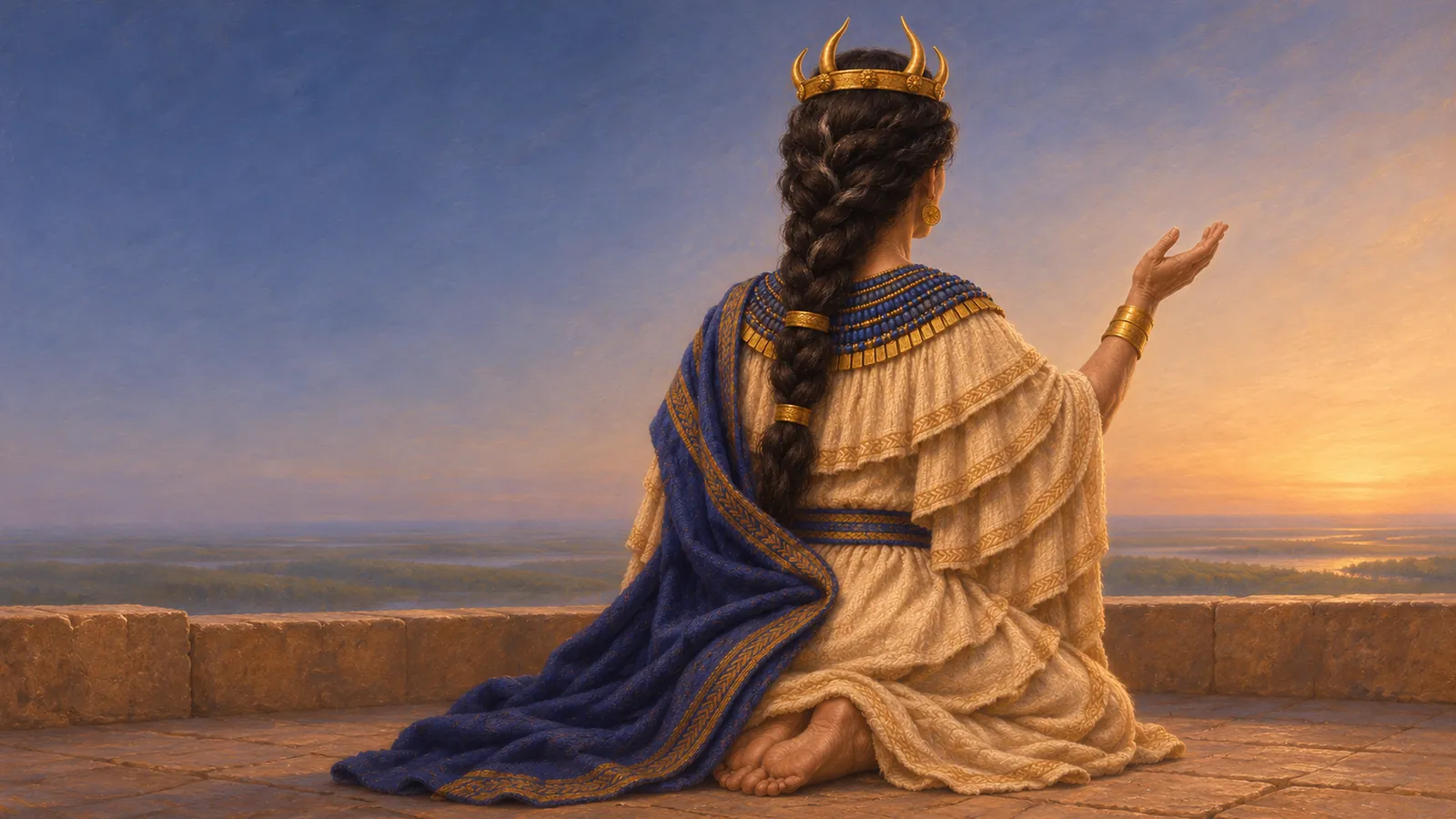
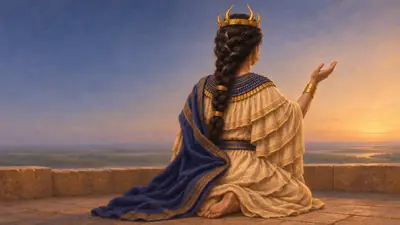
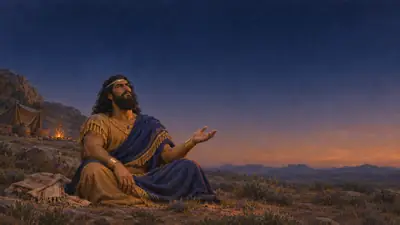
As the sun rose, Ninsun spoke to Shamash about Gilgamesh. She asked the sun god to watch over him on the journey and in the danger he was so determined to meet.
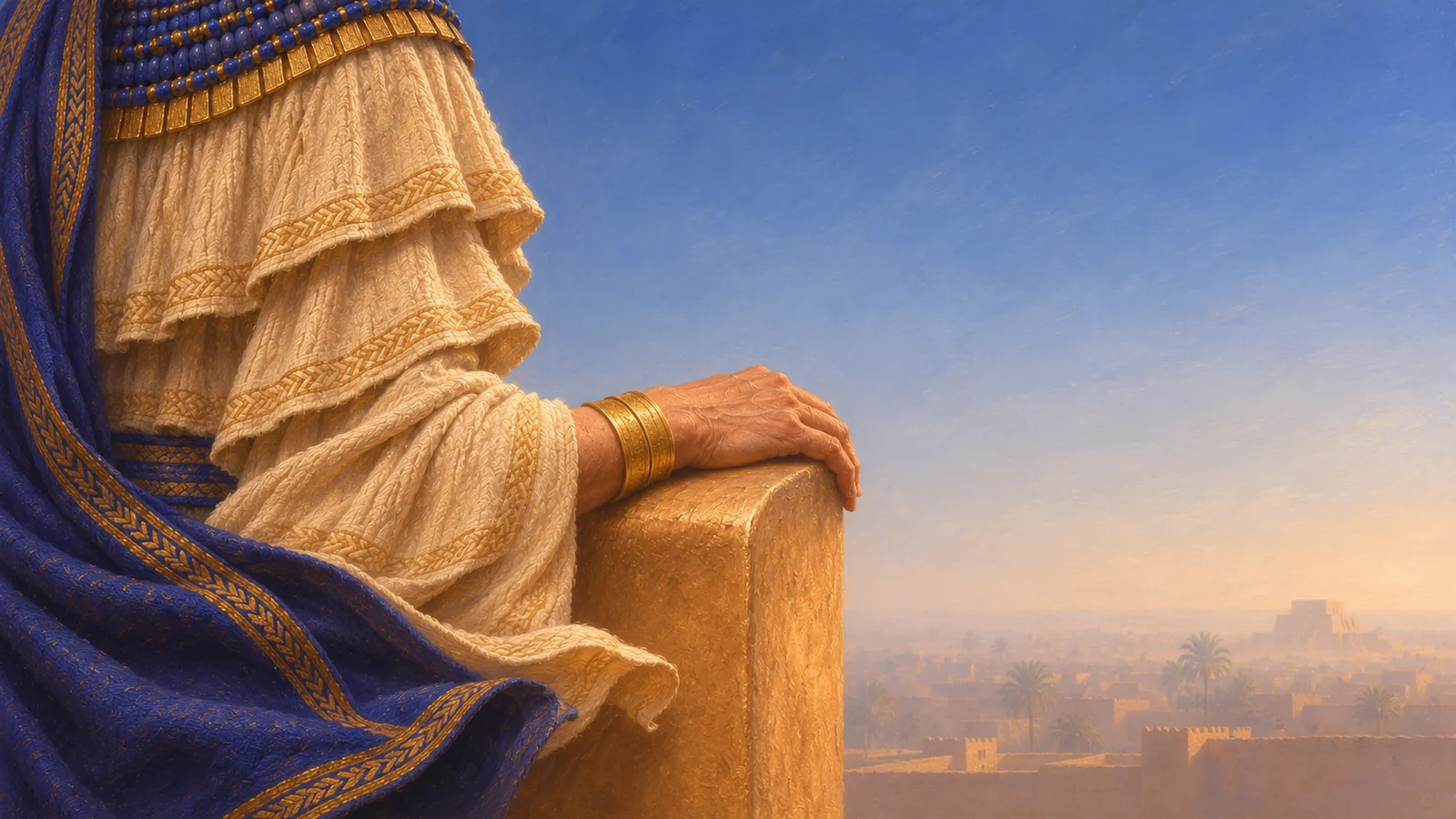
Ninsun’s prayer reached beyond the day of departure. She called on the winds to help Gilgamesh when the road brought him face to face with the forest’s guardian.
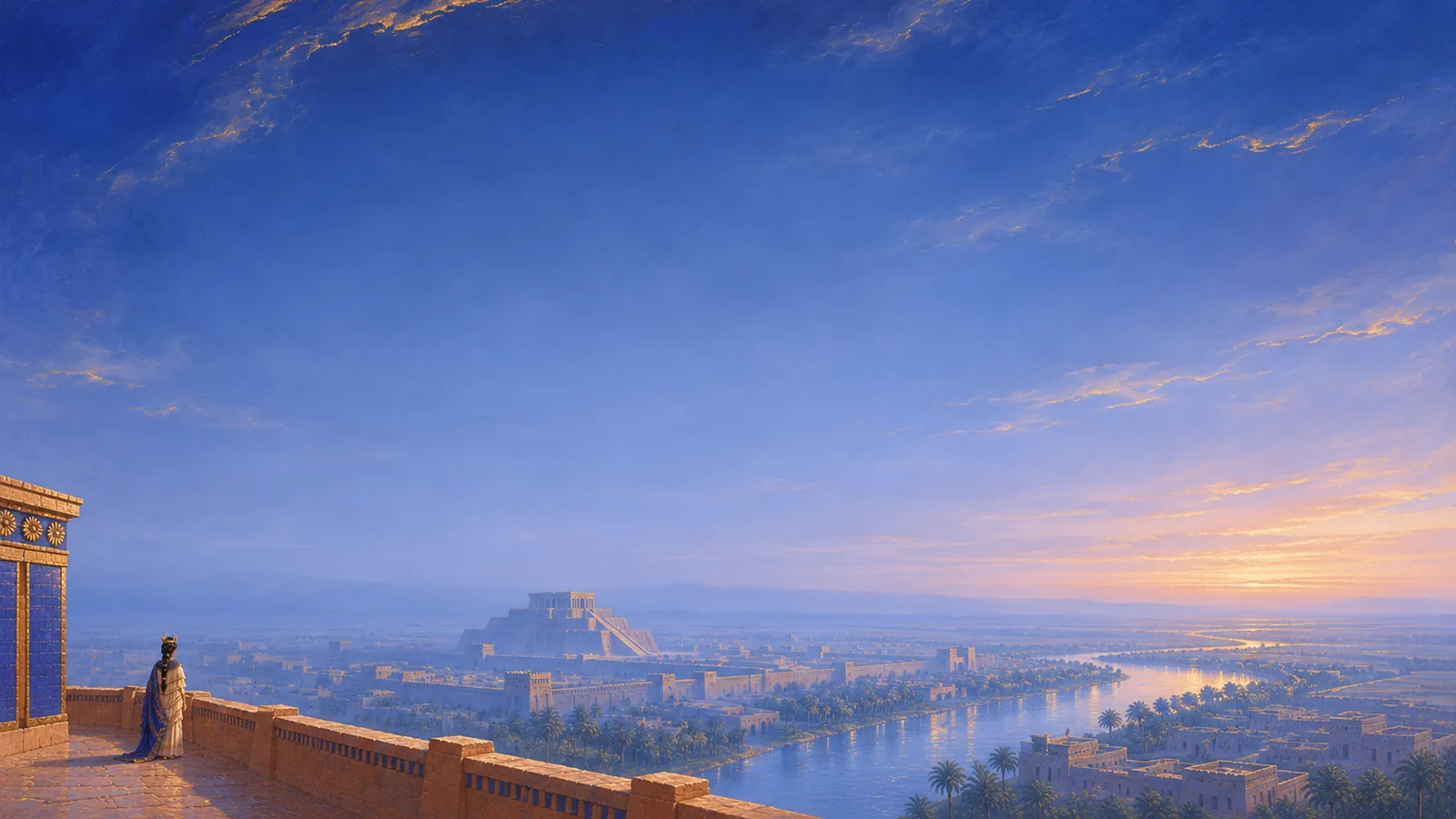
Ninsun’s words looked farther than the cedar journey. In the damaged passage she speaks of her son’s place among the powers of the dead, long after these days have passed.
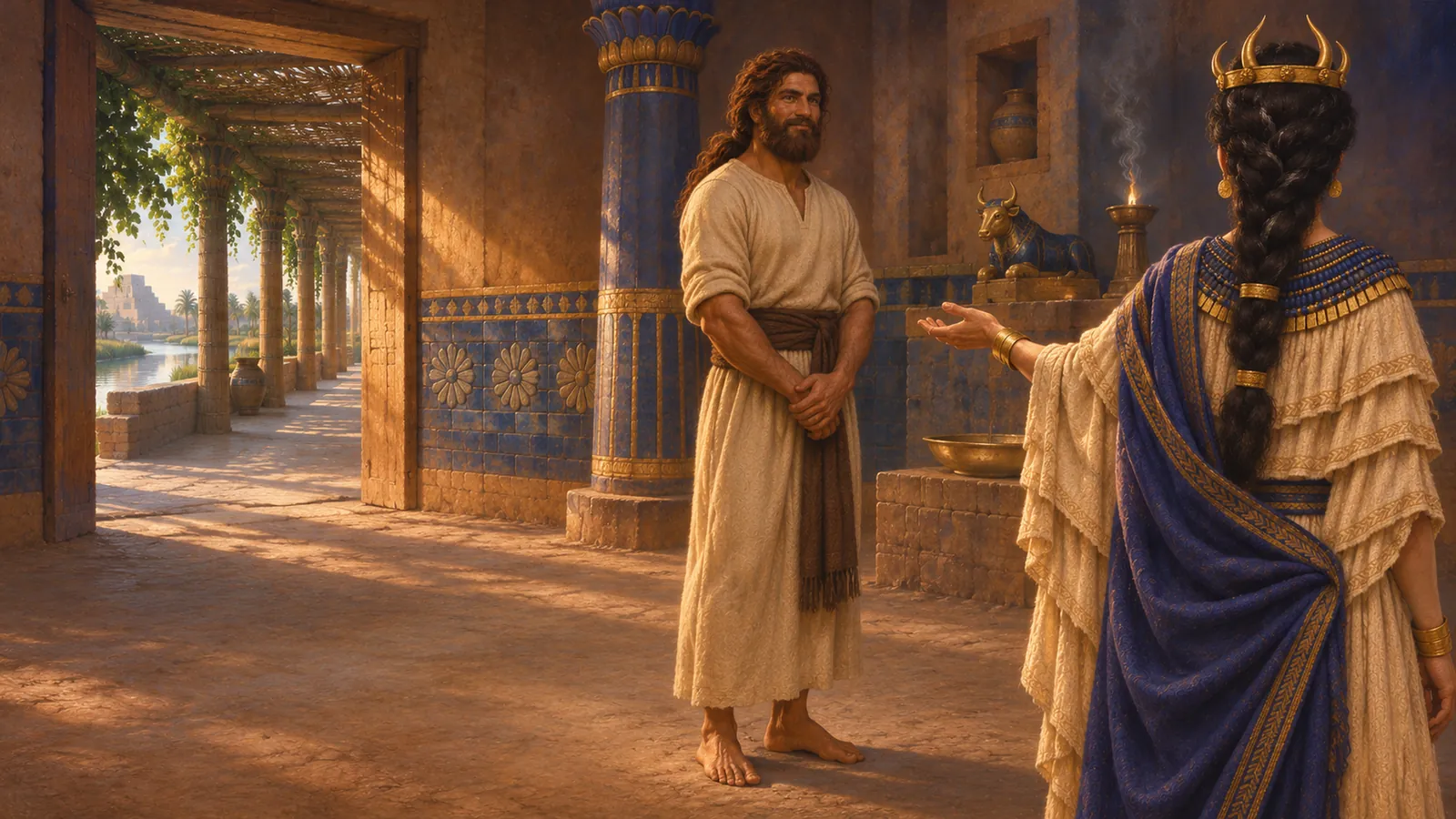
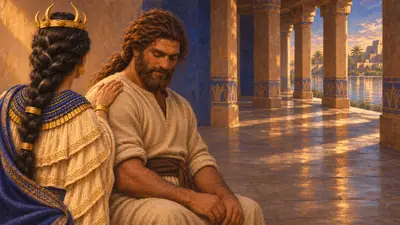
After the prayer, Ninsun summoned Enkidu. She had something to say to the man who had come out of the wild and was now her son’s companion.
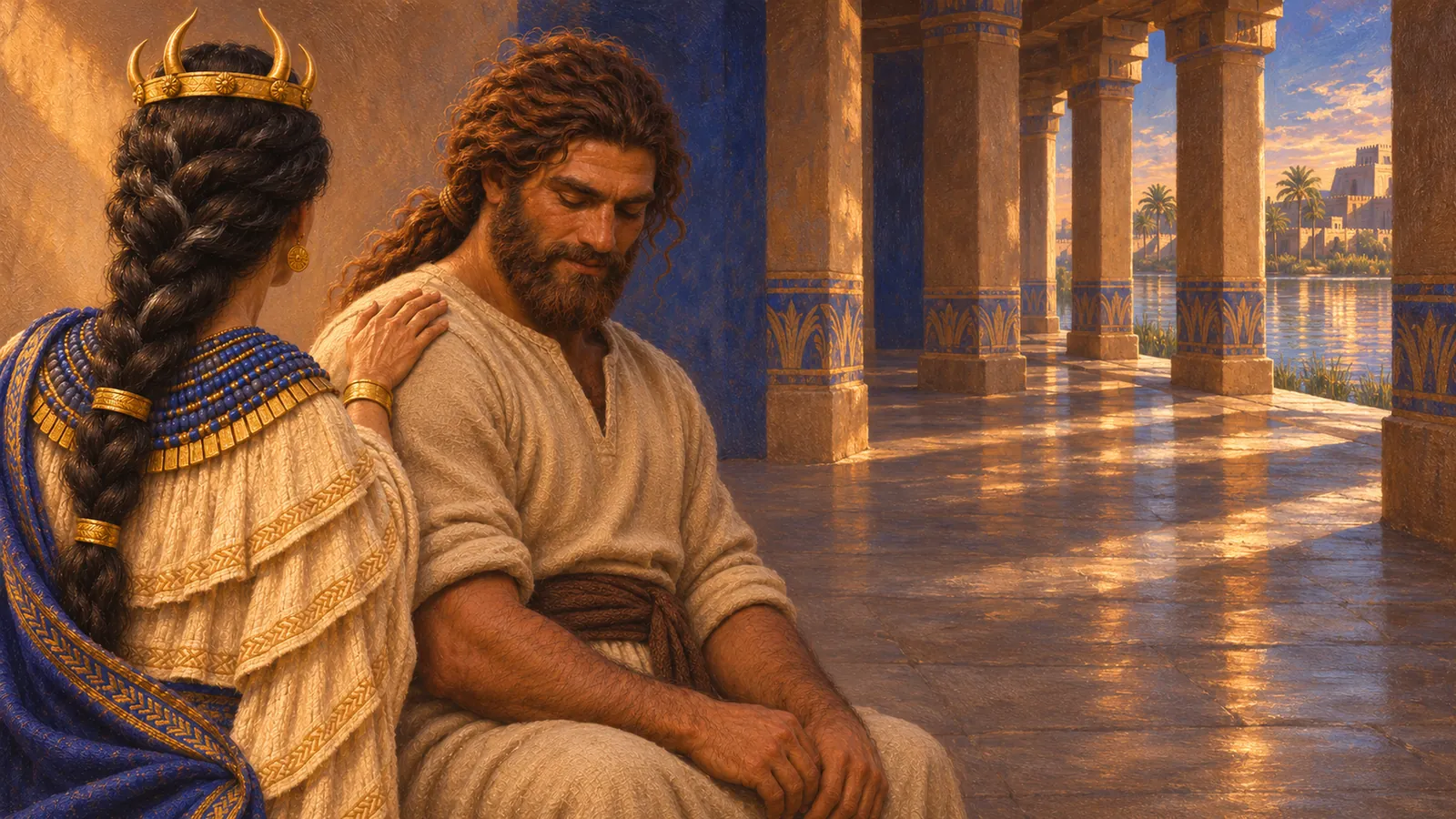
Ninsun took Enkidu into her family as a brother to Gilgamesh. The friend who had come to Uruk with no family of his own was now received as kin.
THE GATE
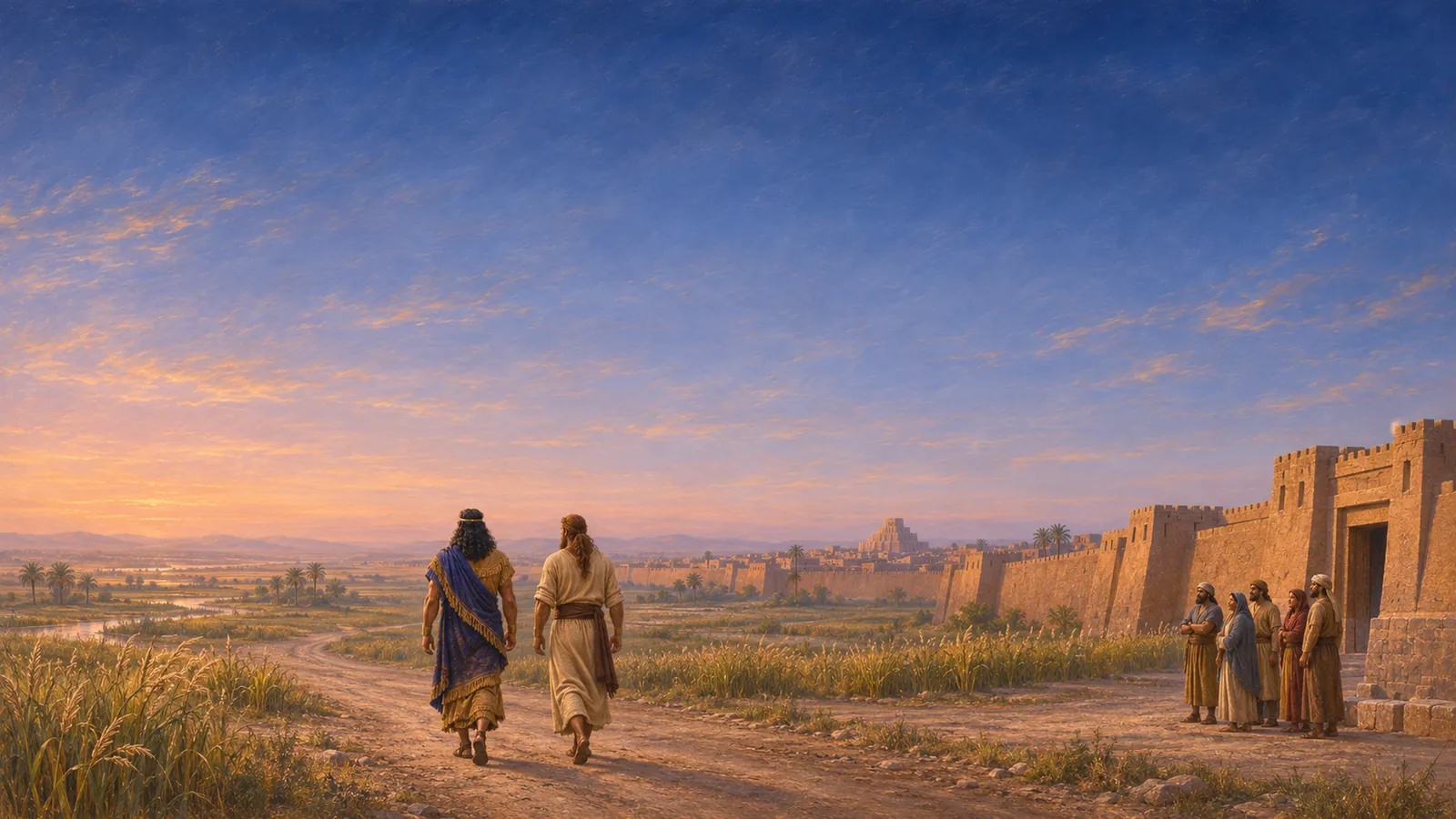
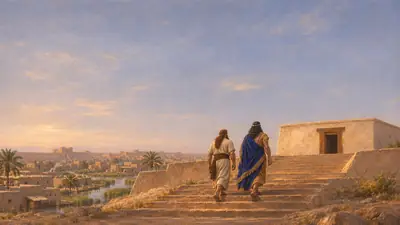
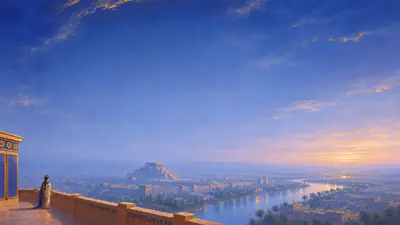
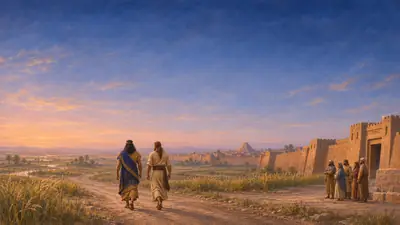
The people of Uruk put their king in Enkidu’s care. Then the two friends walked through the gate and left the city behind them.
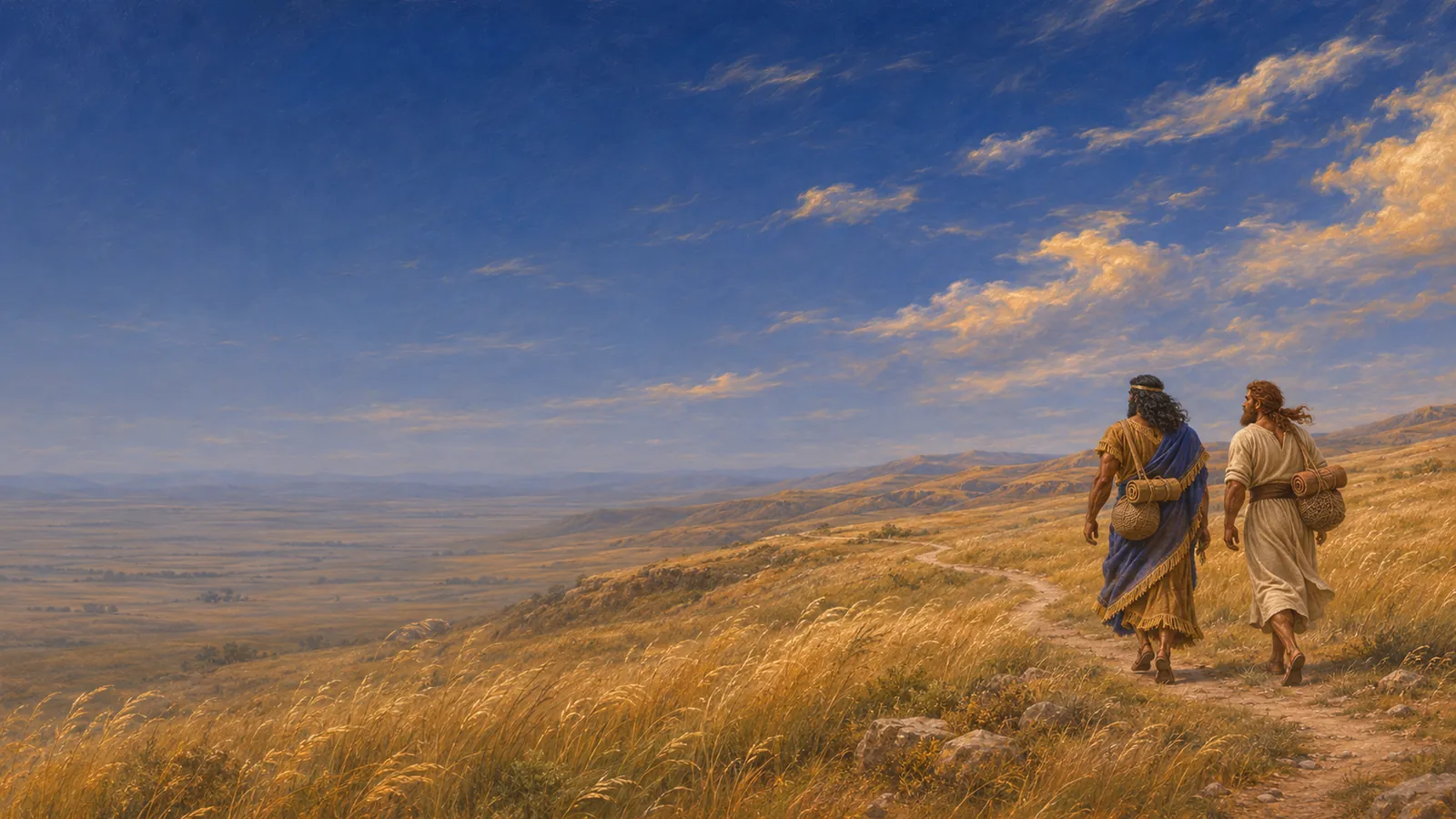
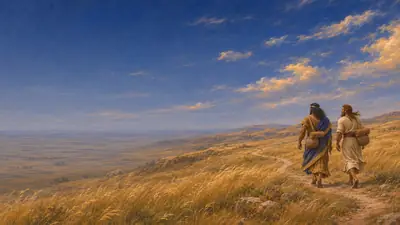
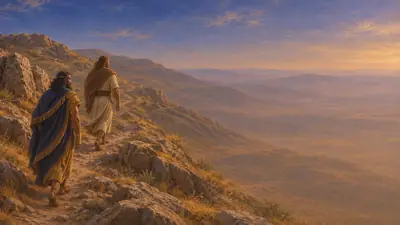
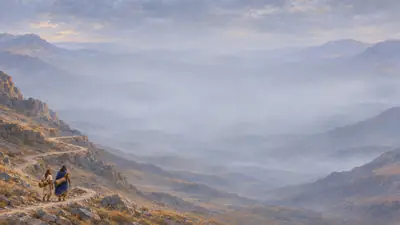
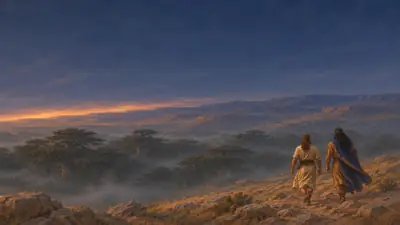
The friends walked through the open country. The first stretch of their journey took them away from the familiar paths around Uruk, until the day came to make camp.
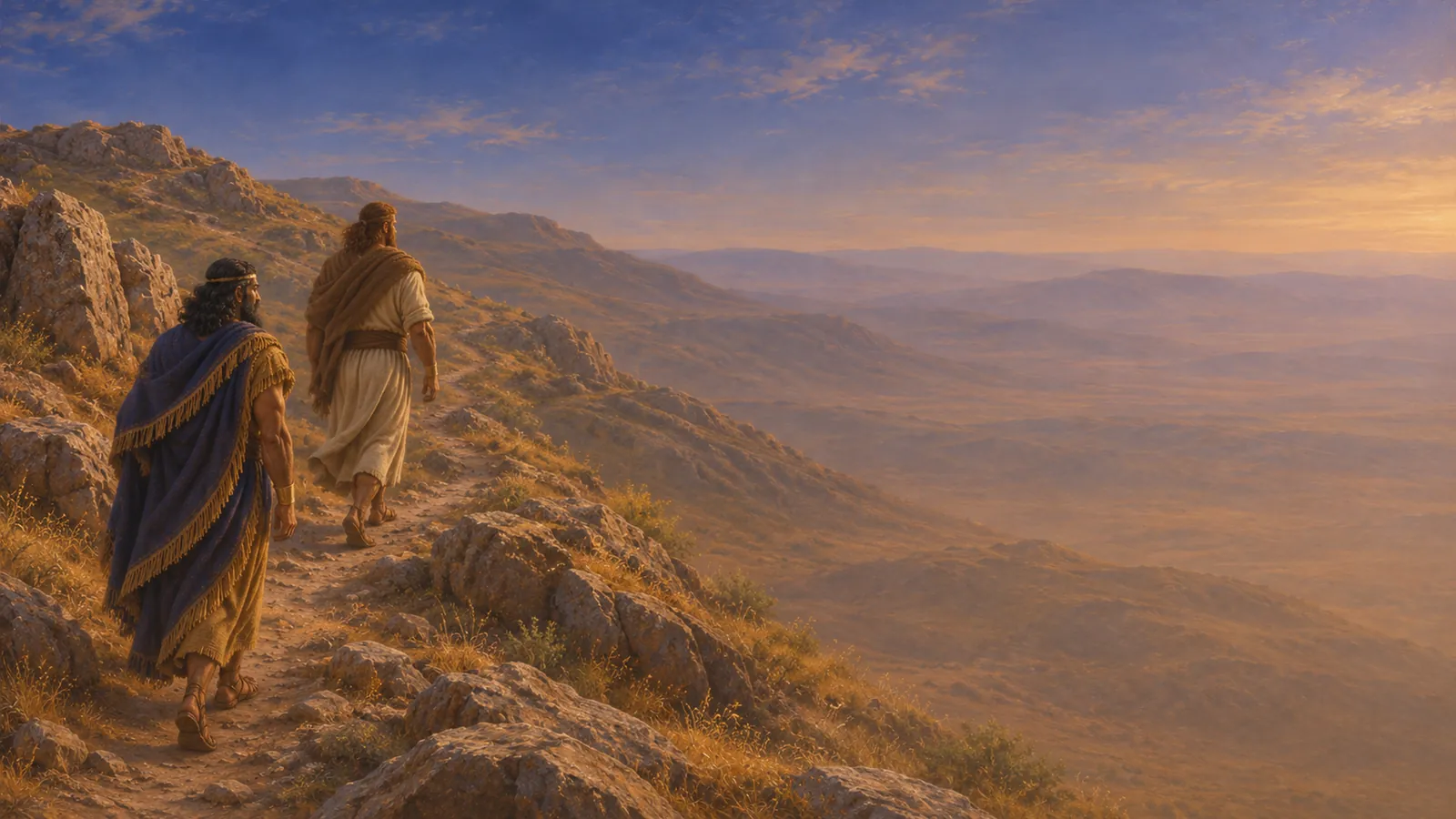
Three days of walking brought the friends to their first camp in this part of the poem. By evening they were ready to stop and ask the night what lay ahead.
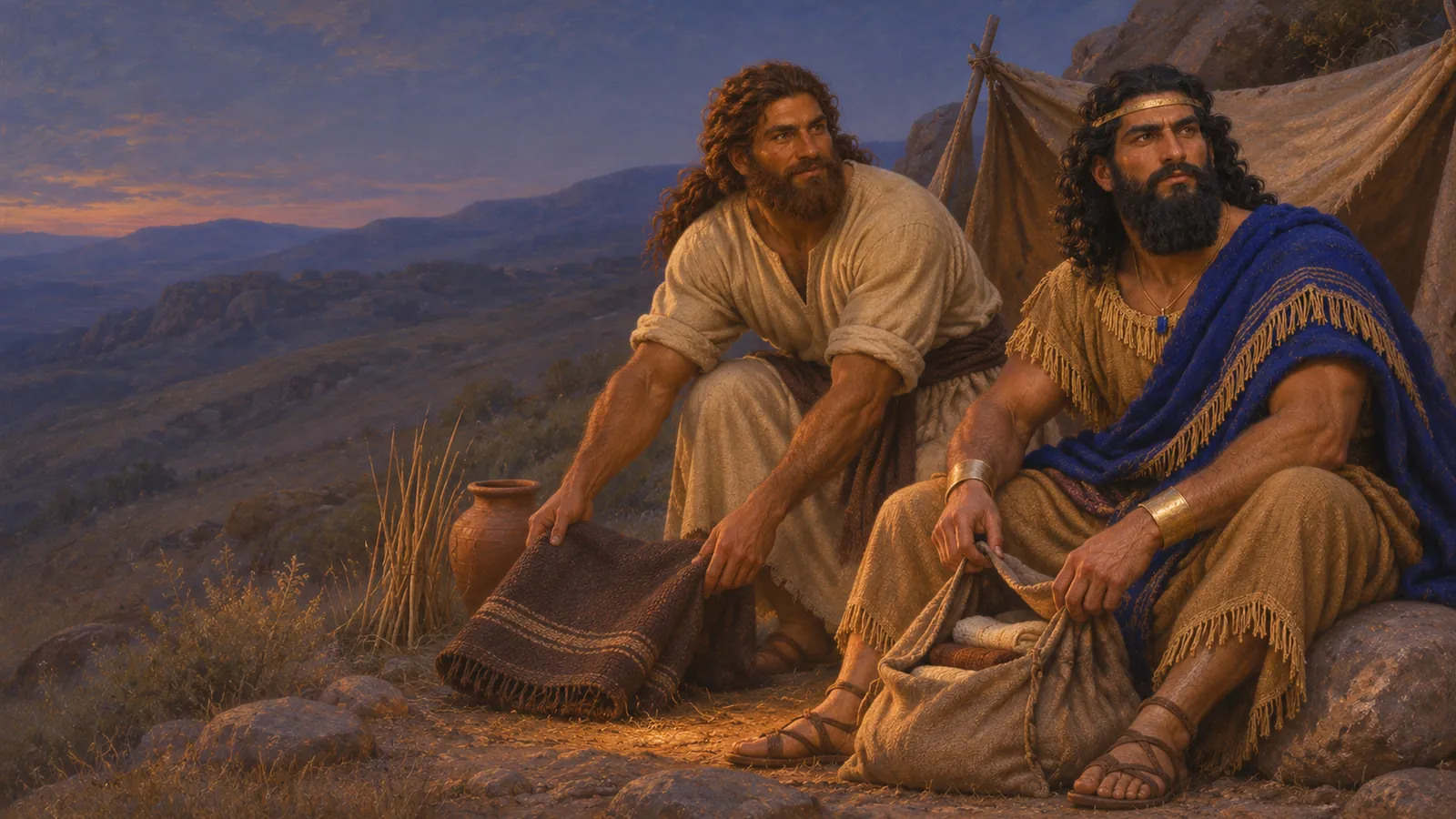
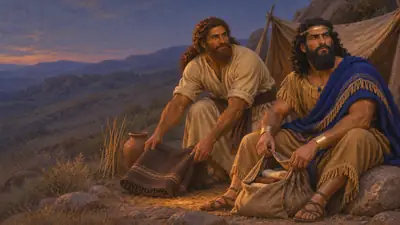
When the walking was done, the friends settled for the night. In the poem, their halt for rest is also a time to seek a dream.
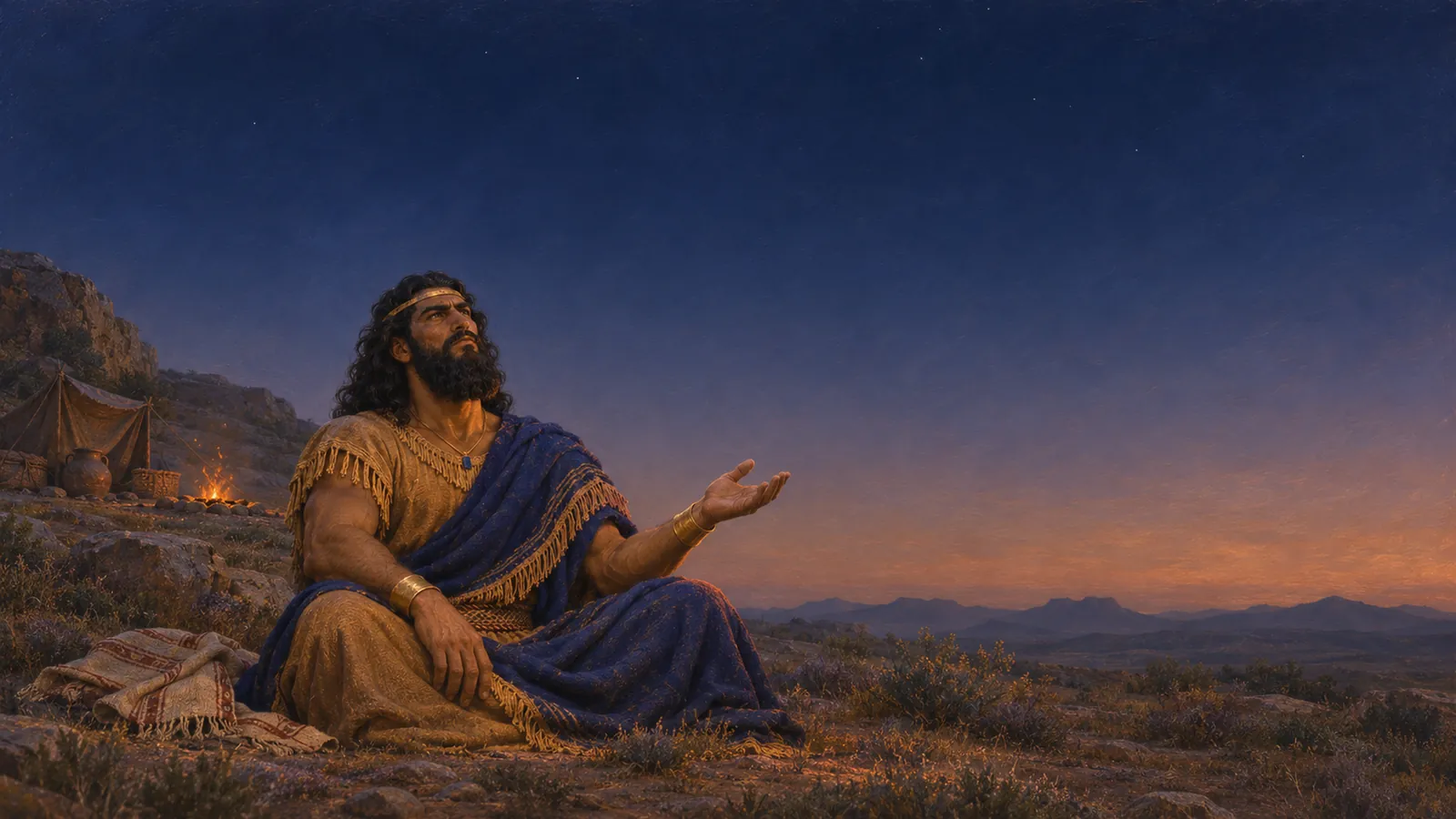
Gilgamesh called for a dream at the night’s halt, as he would do again on the way. Each time, he would have his friend to help him understand what he saw.
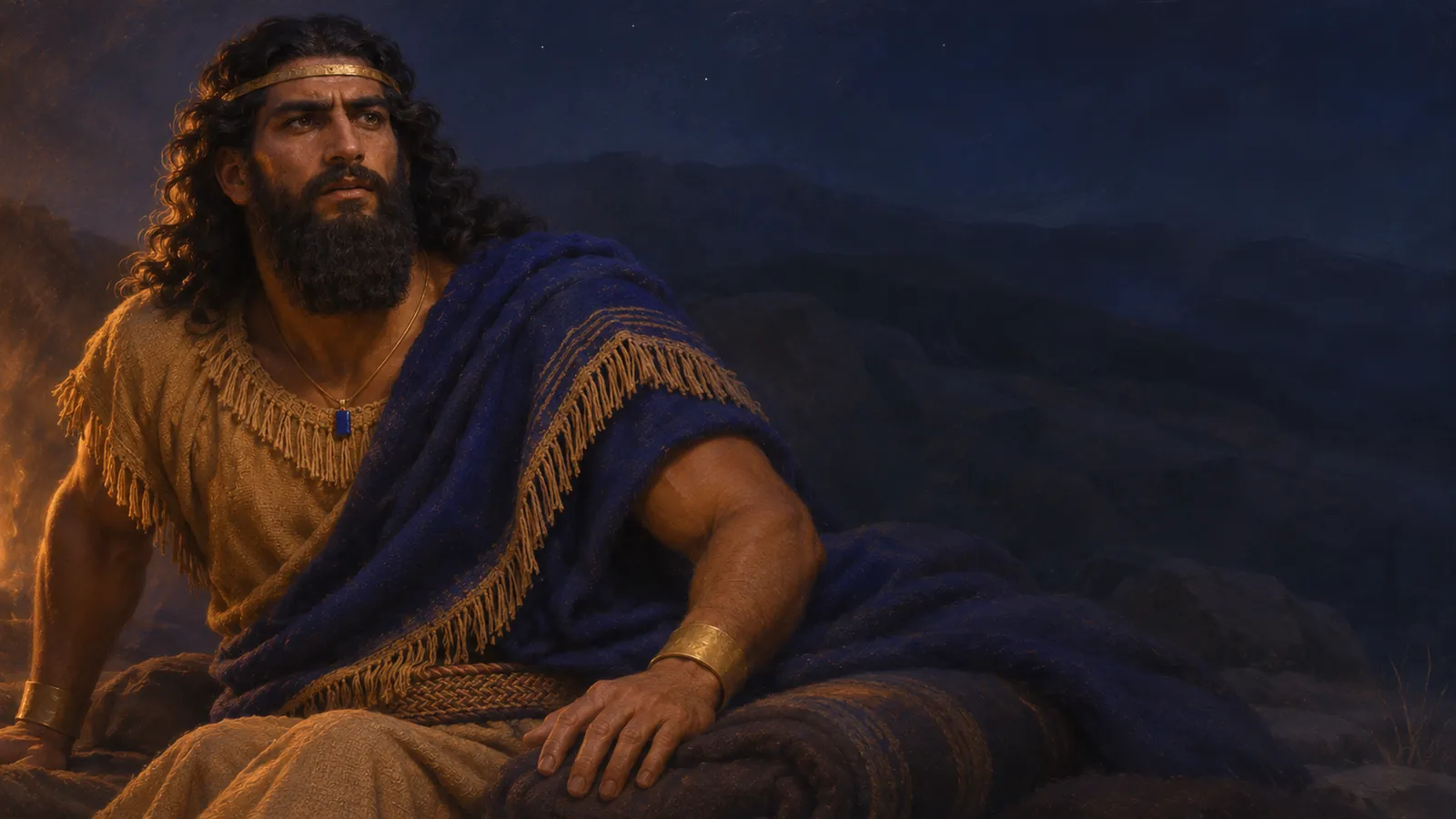
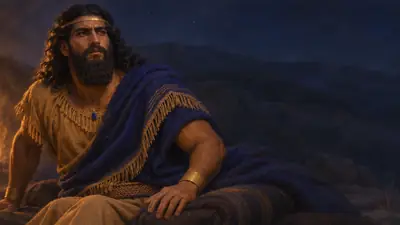
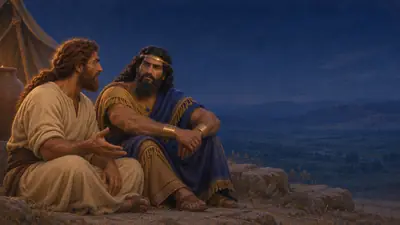
Sleep did not give Gilgamesh an easy night. He woke frightened and turned to Enkidu to tell him what had come to him in the dark.
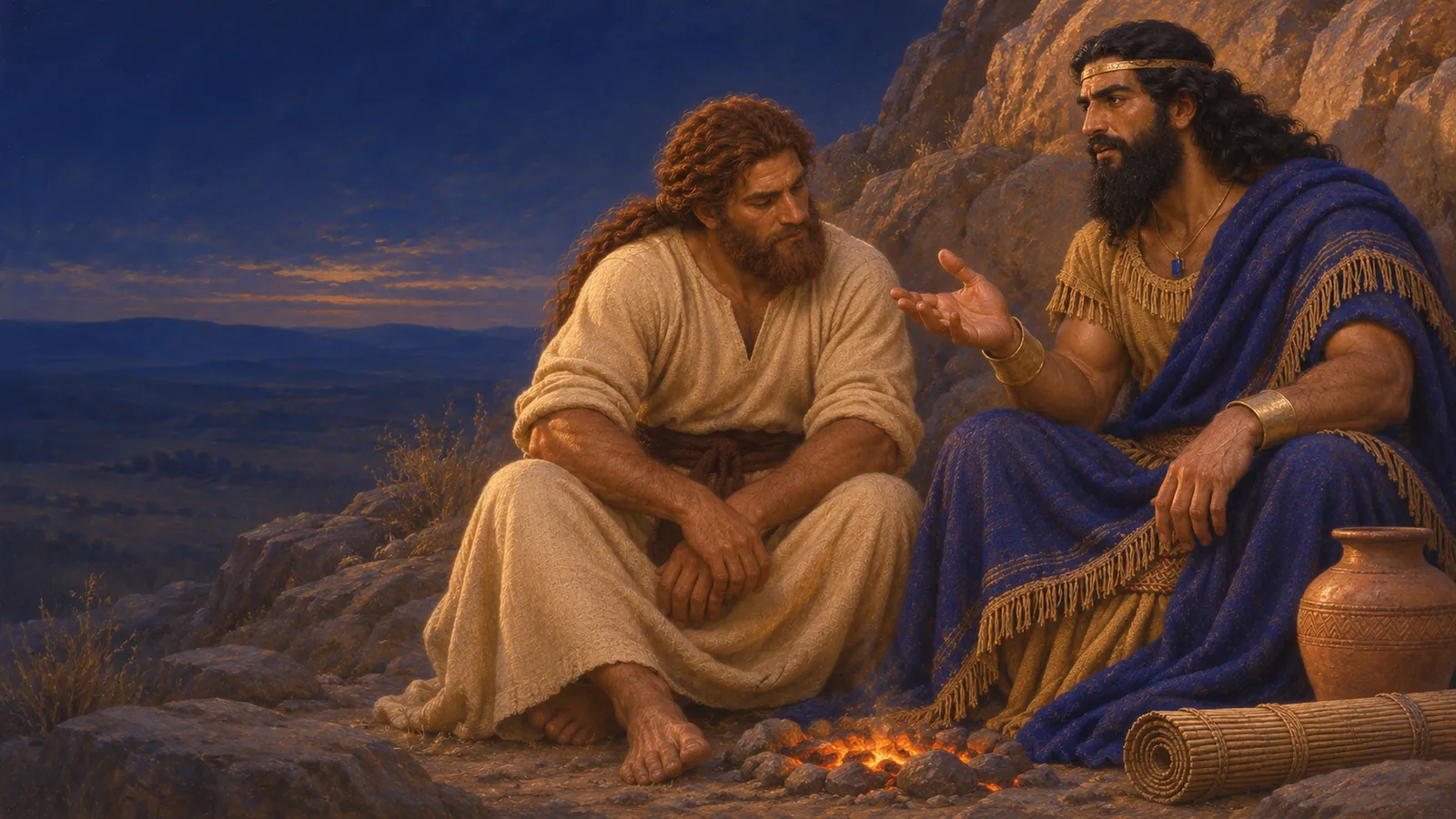
The king told his companion what he had seen. Enkidu listened to the dream as a sign the friends might understand before they went any farther.
THE MOUNTAIN
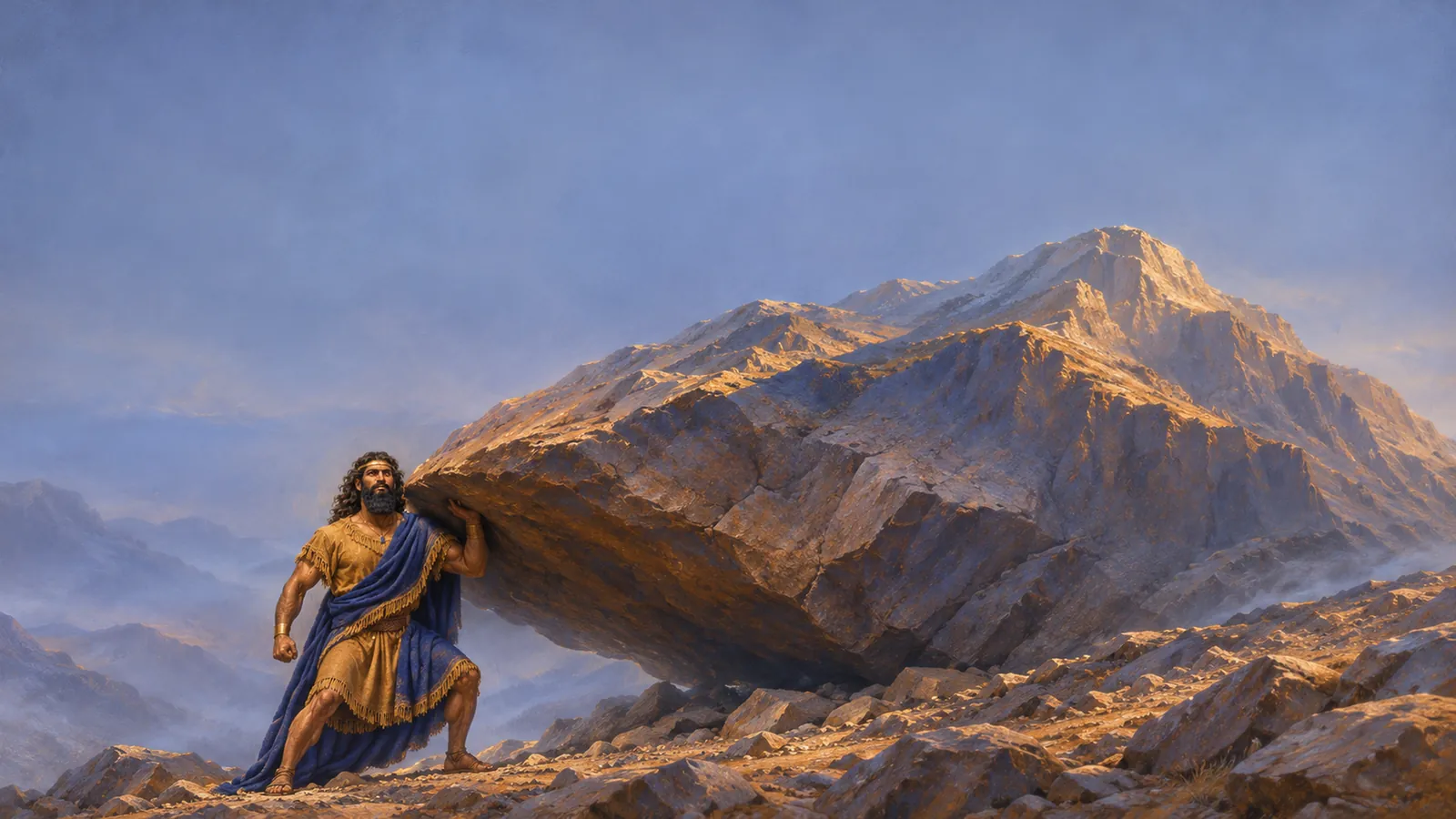
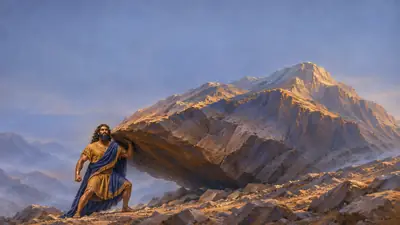
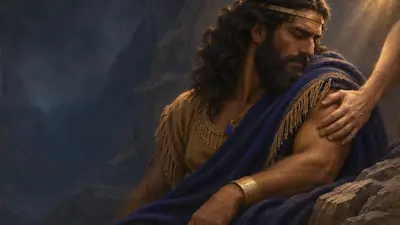
An older tablet tells of a mountain that Gilgamesh tried to hold with his shoulder. It came down and pinned him, and in the dream his strength failed him.
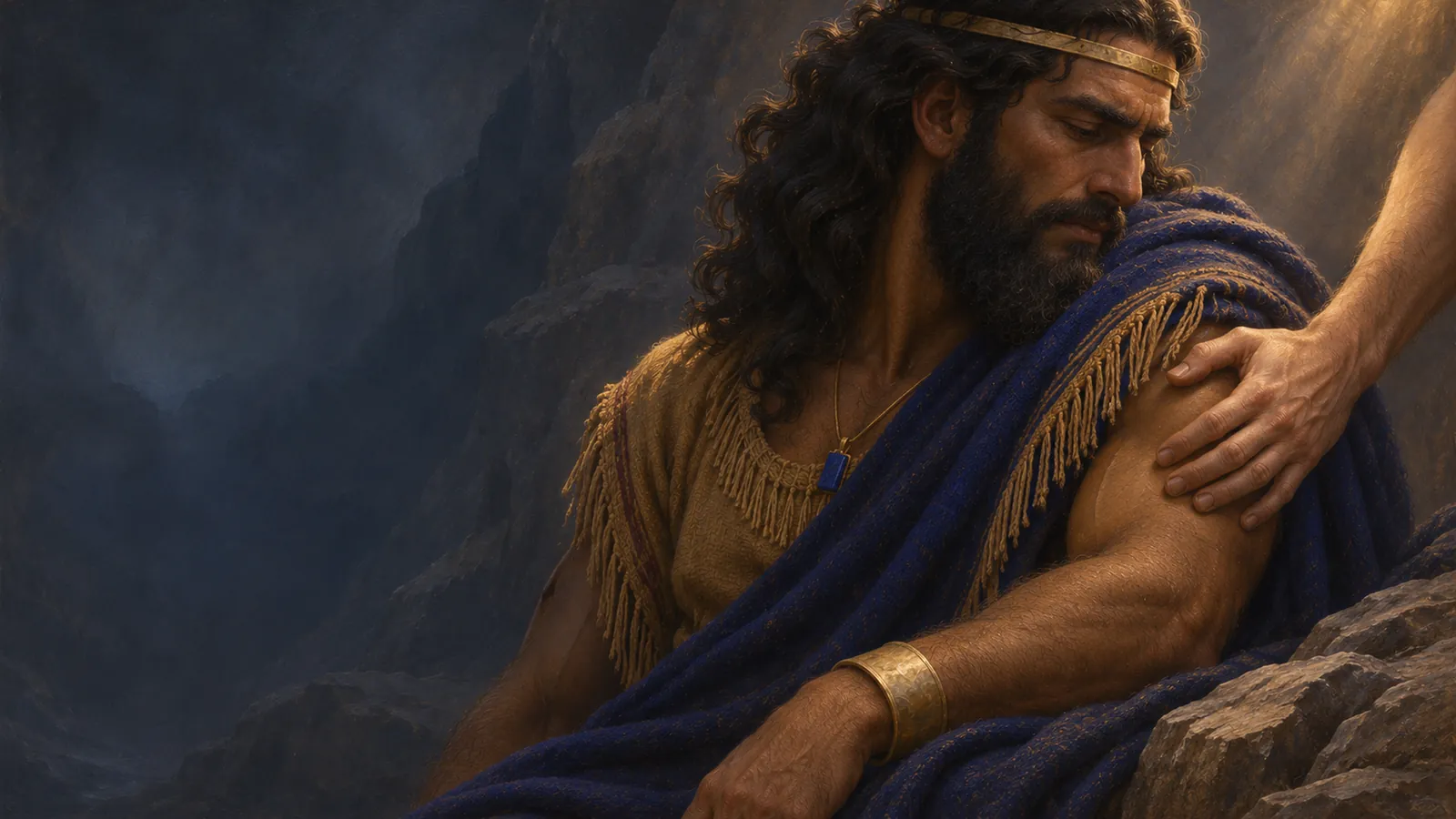
In that older version, someone came through the brightness. Gilgamesh felt a hand take hold of his arm and draw him out from beneath the mountain.
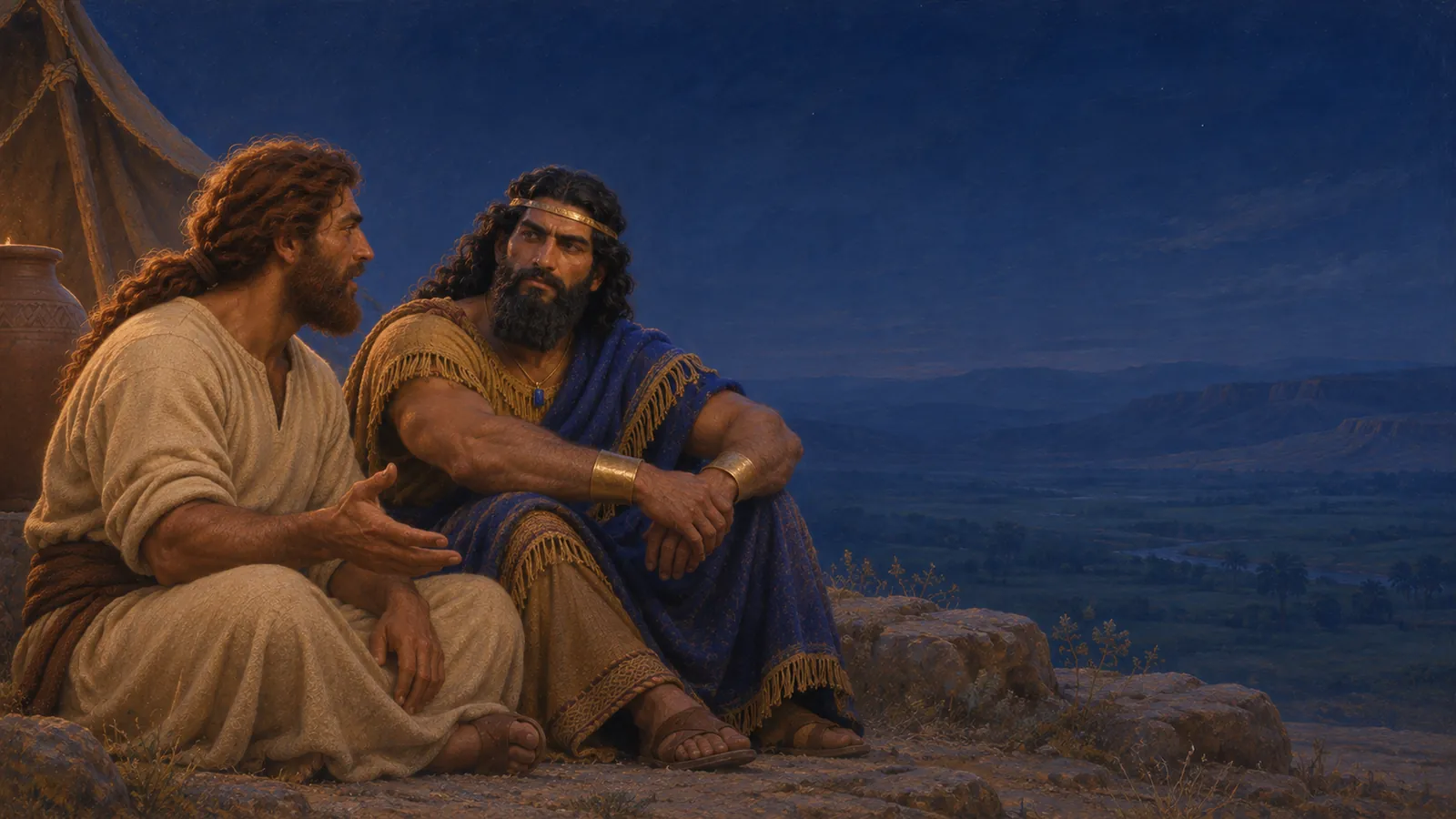
Enkidu said the mountain stood for the guardian they were going to face. He took the rescue as a promise that Shamash would help Gilgamesh when he was in danger.
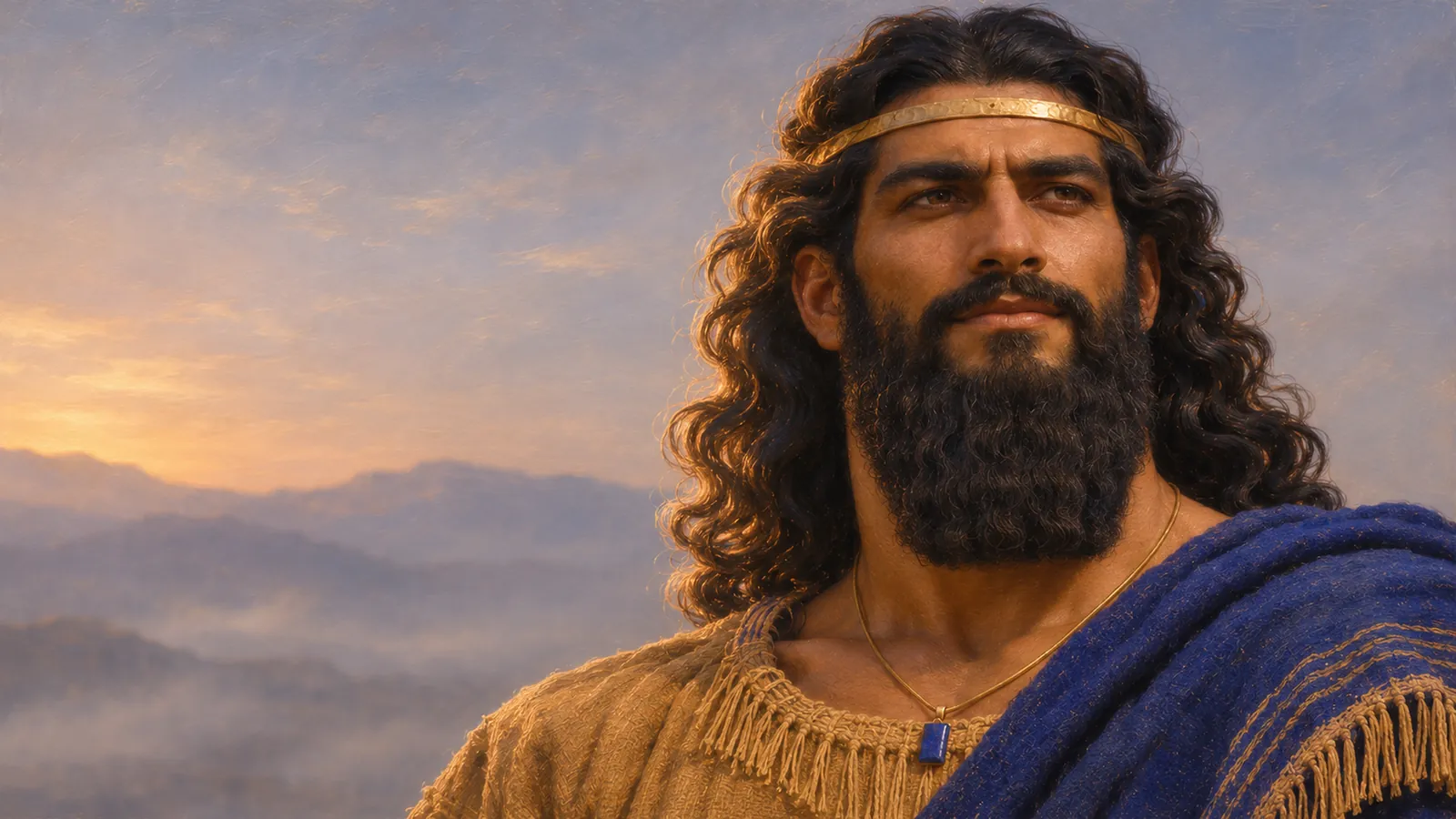
After Enkidu had finished, Gilgamesh took heart. The dream had frightened him, but his friend’s reading of it had given him reason to go on.
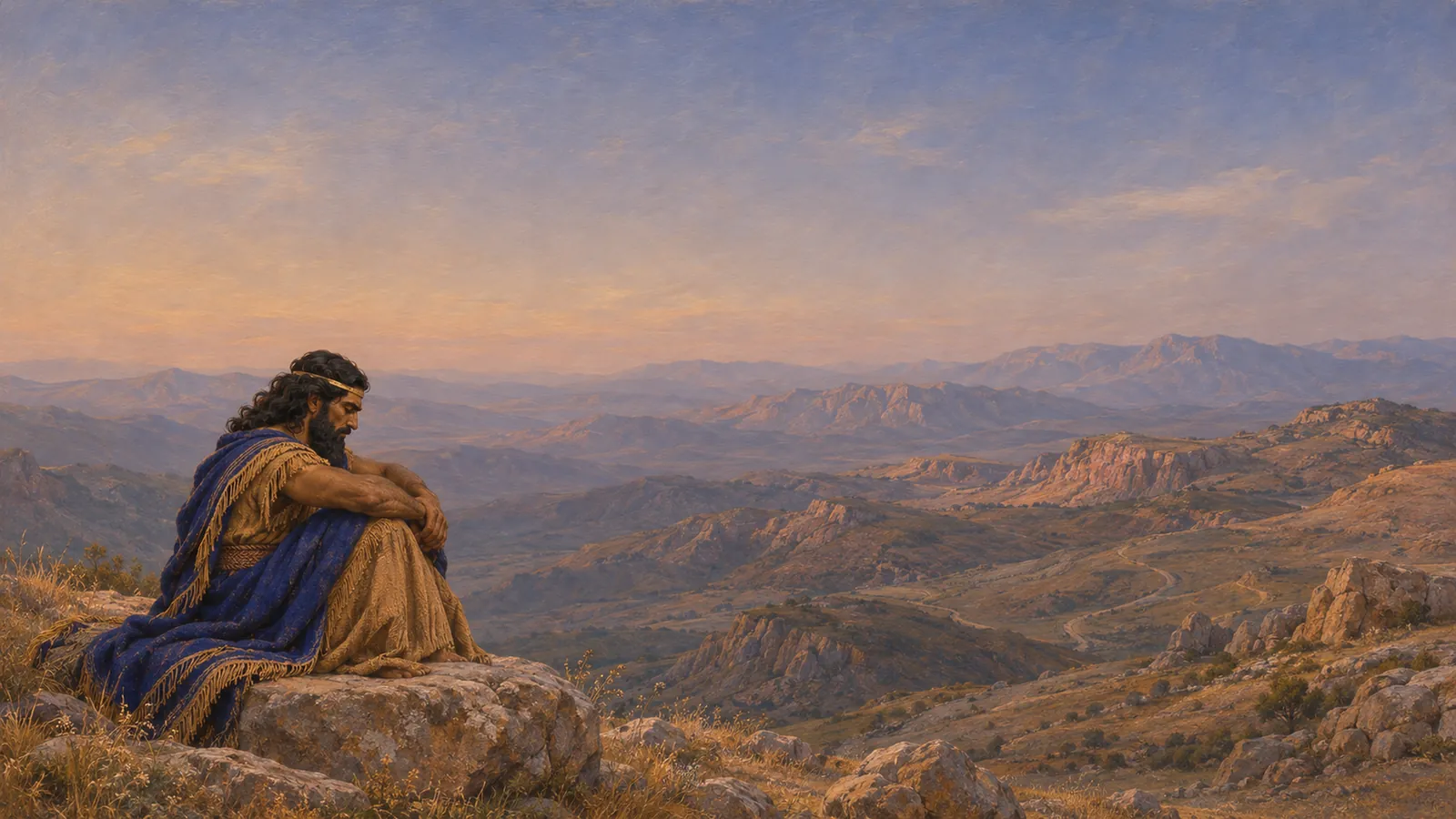
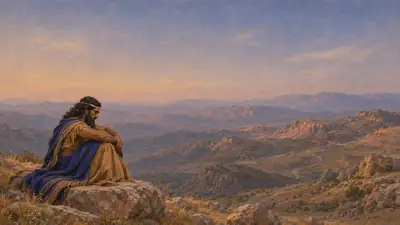
The older telling has the two friends continue for another stretch of road. From a high place Gilgamesh looked out over the mountains, and sleep came down upon him.

THE STORM
The dream in the older tablet was fiercer this time. Thunder shook the land, daylight disappeared, and fire flared below the lightning as the storm bore down.
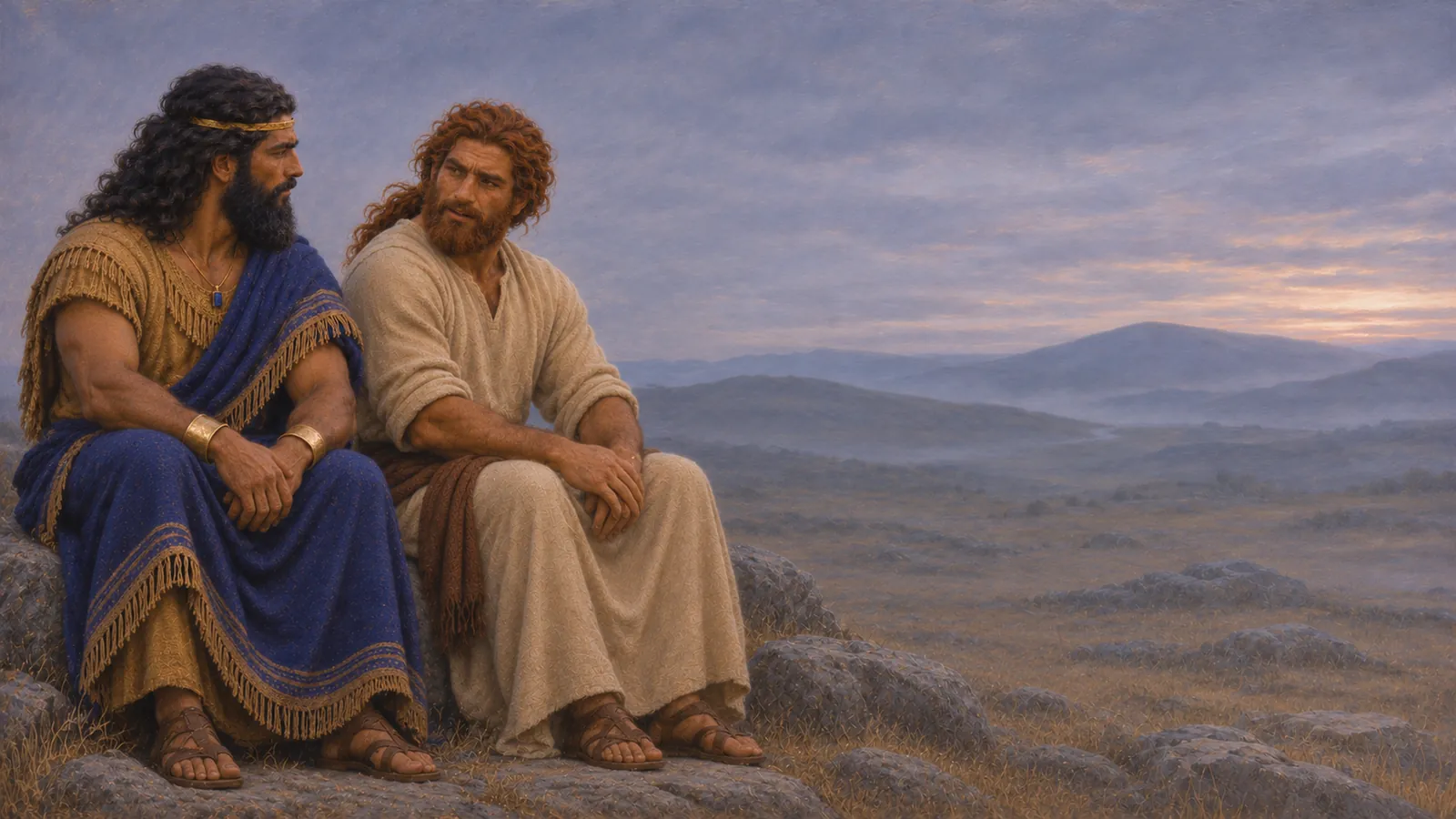
Gilgamesh woke beside his friend and told him of another frightening dream. Now the same need returned with the morning: they had to decide how to read what he had seen.
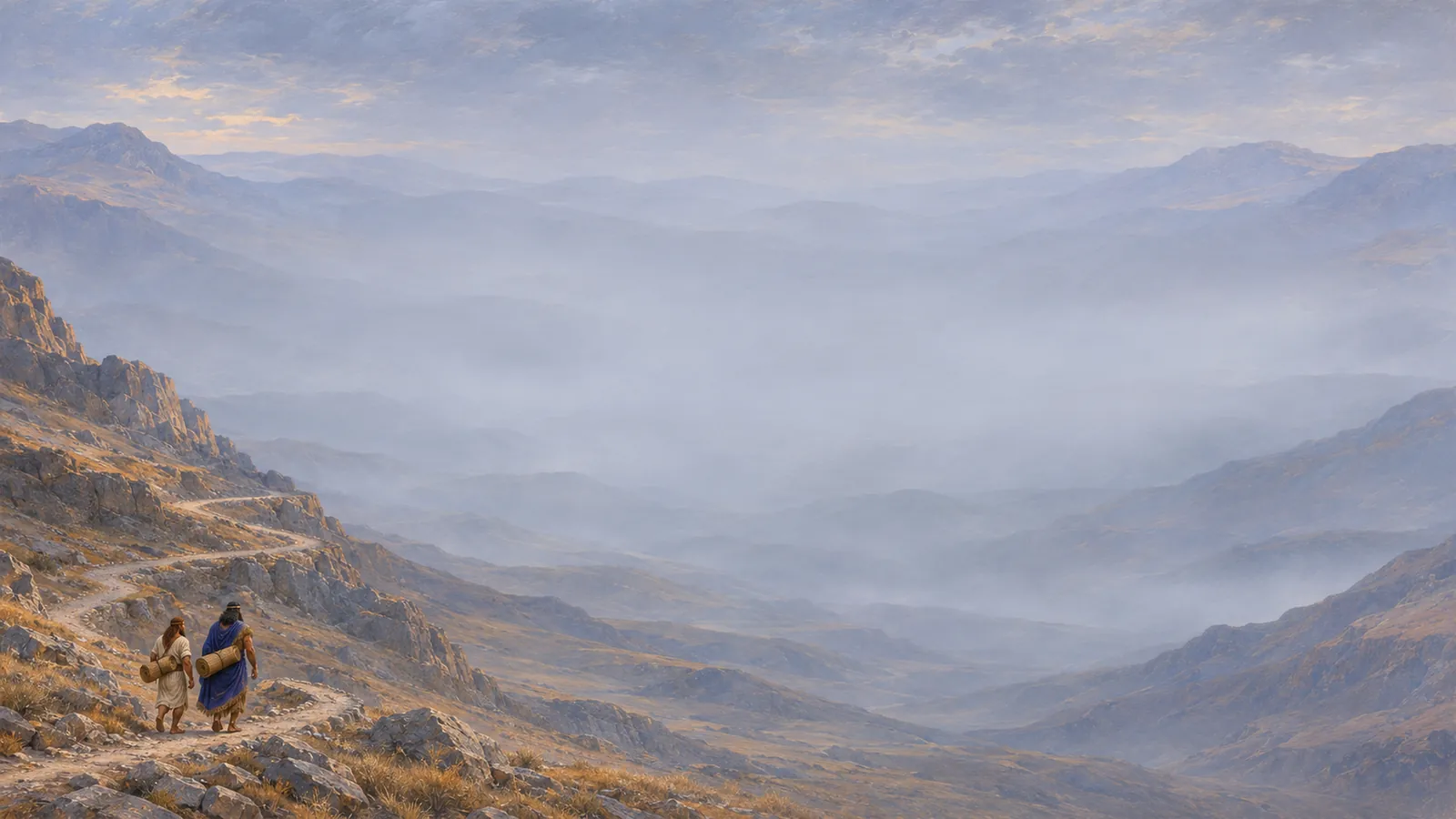
In the Standard Babylonian poem the pattern returns five times. They walk and make camp, Gilgamesh wakes from a dream, and Enkidu finds a reason for courage in what he hears.
A CRY
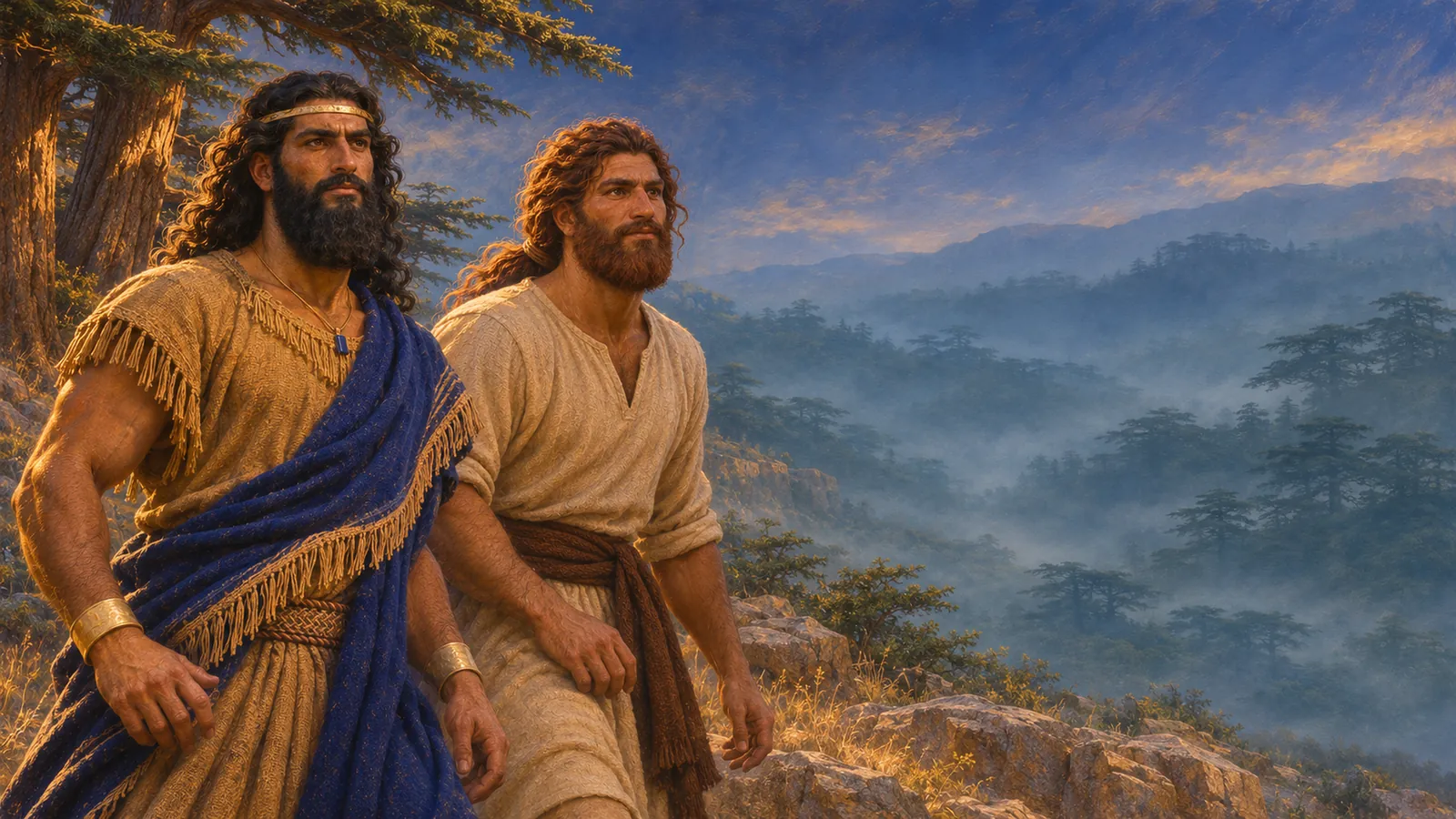
As the two friends drew near their goal, there came a shout from far away. The guardian Enkidu had described in Uruk was close enough to be heard.
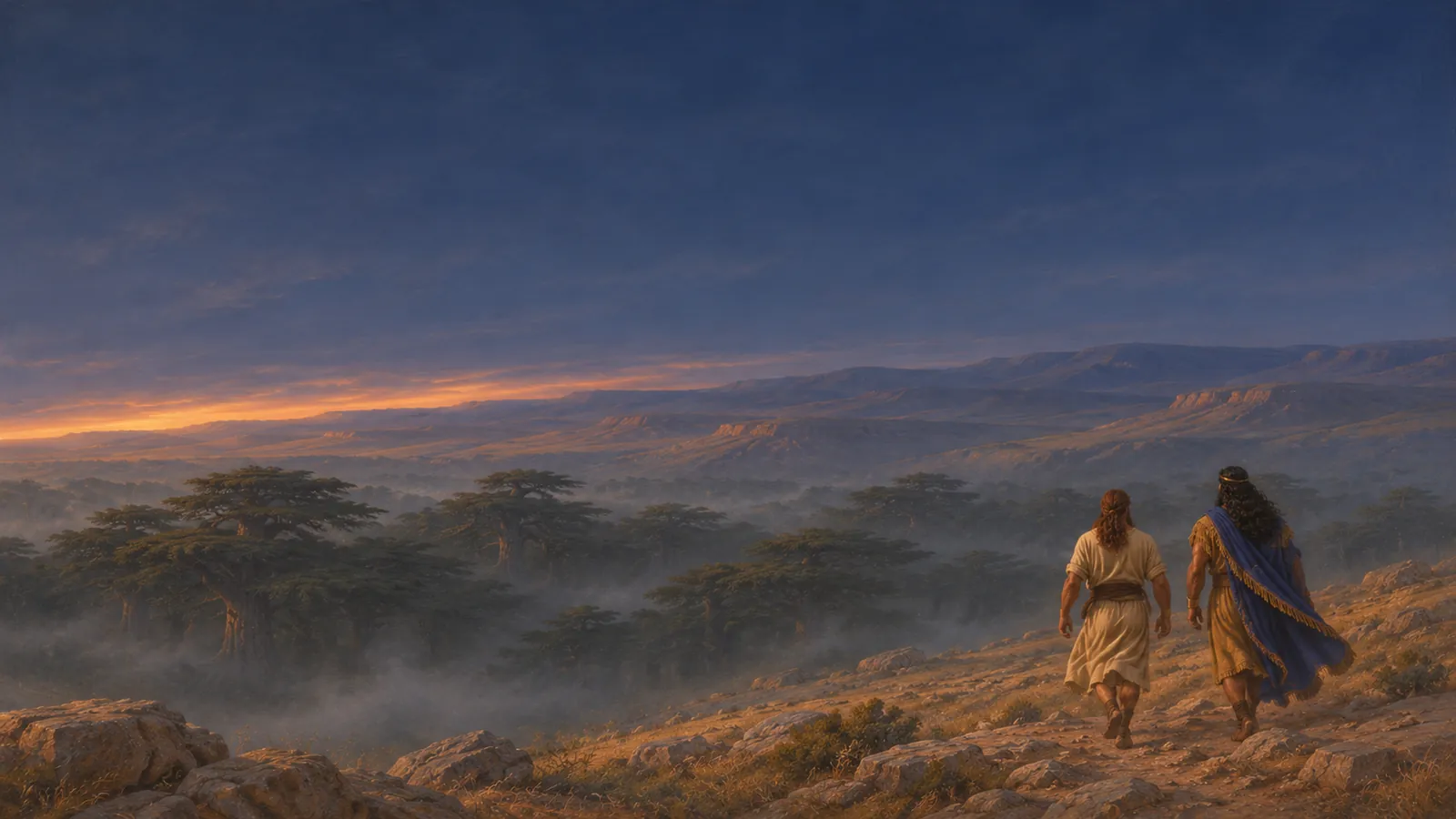
Shamash urged the friends to act quickly, before Humbaba could gather the powers that protected him. They were close to the forest now, and the time for delay was passing.
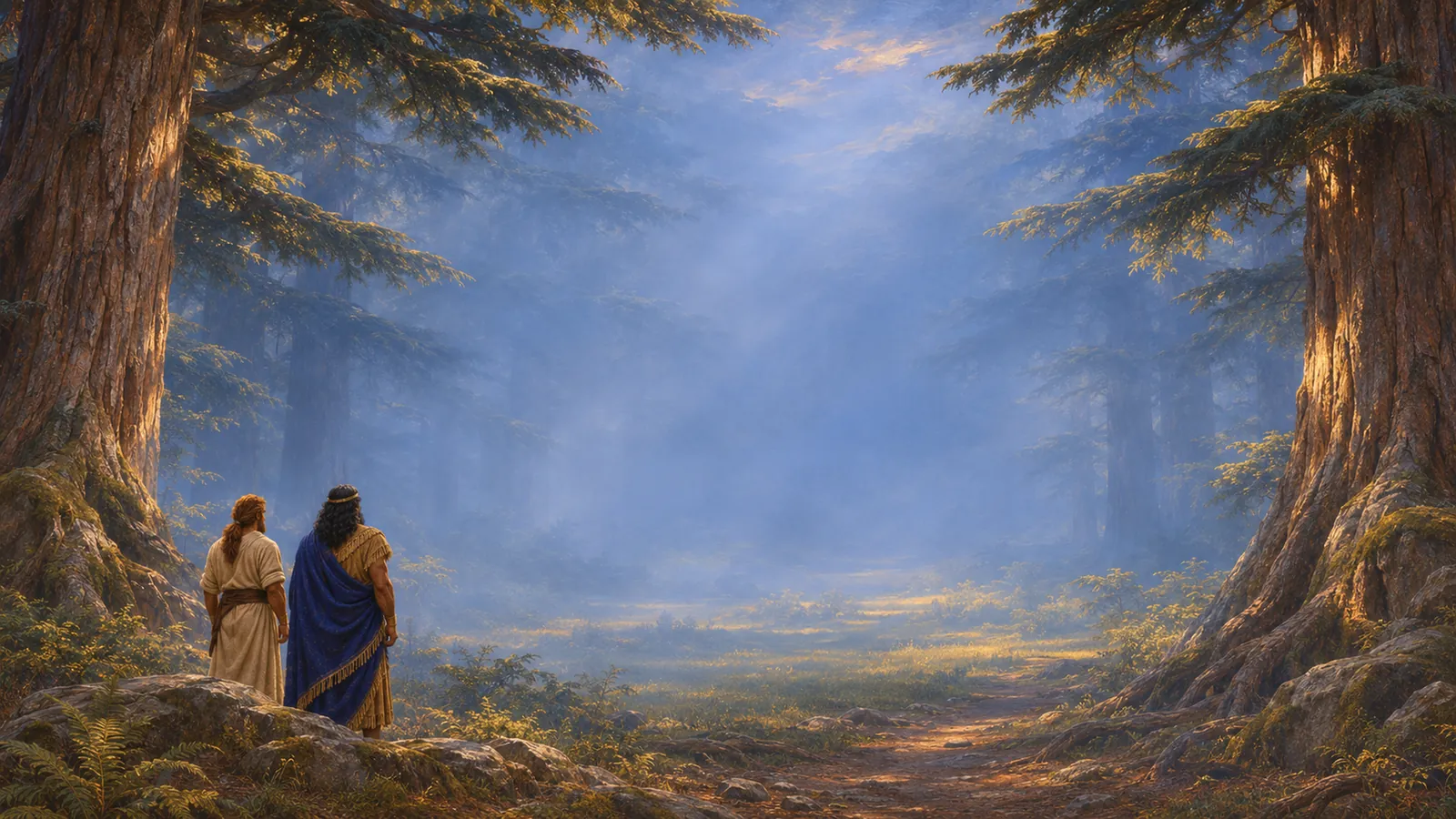
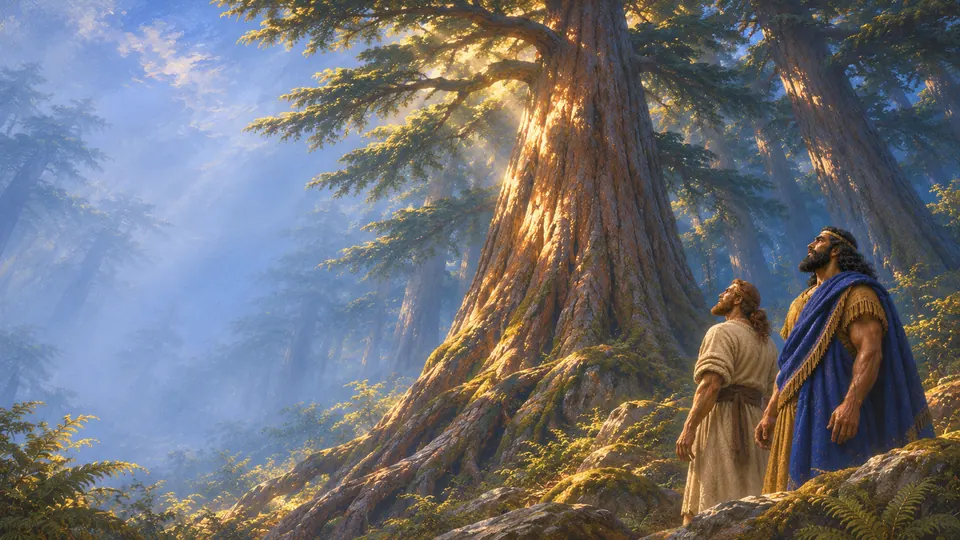
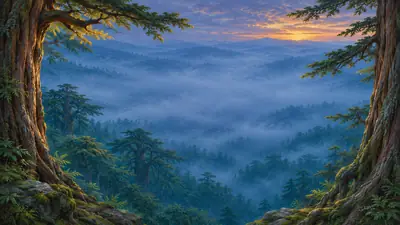
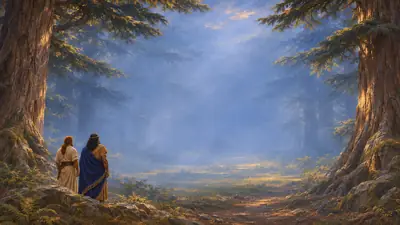
The friends stood at the edge of the trees they had travelled so far to see. The shadowed path led inward, where the keeper of the forest awaited them.
End of chapter 2
All pages

Sources
Editions consulted
- eBL, Standard Babylonian Tablet II
- eBL, Old Babylonian Yale Tablet
- Andrew R. George, The Epic of Gilgamesh, synopsis of Tablets II–V, pp. 7–8
- Andrew R. George, What’s New in the Gilgamesh Epic?, Tablet III
- Andrew R. George, Gilgameš’s Journey to the Cedar Forest, Old Babylonian witness
- F. N. H. Al-Rawi and Andrew R. George, Back to the Cedar Forest, opening of Tablet V
Ancient lines behind each page
- Page 1: SB II, forest proposal, 193–215; OB III (Yale), friendship and proposal
- Page 2: SB II 193–215; George, Synopsis, Tablet II
The damaged proposal is paraphrased from the surviving context. - Page 3: SB II 216–229
- Page 4: SB II 220–229
- Page 5: SB II 230–235; OB III (Yale), resolve and fame
Original paraphrase of the speech. - Page 6: SB II 237–243
- Page 7: SB II 247–253
- Page 8: SB II 260–264
- Page 9: SB II 265–267
- Page 10: SB II 268–271
- Page 11: SB II 272–286
- Page 12: SB II 287–299
- Page 13: SB II 300–302; George, Synopsis, Tablet III
The transition is damaged. - Page 14: George, Synopsis, Tablet III, opening council
- Page 15: George, Synopsis, Tablet III, visit to Ninsun
- Page 16: George, Synopsis, Tablet III; cf. SB II 262–267
Direct speech is paraphrased. - Page 17: George, Synopsis, Tablet III, roof prayer
- Page 18: George, Synopsis, Tablet III, prayer to Shamash
- Page 19: George, Synopsis, Tablet III, appeal for winds
- Page 20: SB III 100–106, George, What’s New in the Gilgamesh Epic?, pp. 8–9
George’s interpretation of a fragmentary passage. - Page 21: George, Synopsis, Tablet III, adoption
- Page 22: George, Synopsis, Tablet III, adoption; cf. SB II 175–177
- Page 23: George, Synopsis, Tablet III, departure
Intervening fragmentary rituals are compressed. - Page 24: George, Synopsis, Tablet IV, repeated travel and camping
- Page 25: George, Synopsis, Tablet IV, first travel refrain
- Page 26: George, Synopsis, Tablet IV, first camping and dream ritual
- Page 27: George, Synopsis, Tablet IV, dream rite and repetitions
- Page 28: George, Synopsis, Tablet IV, Gilgamesh wakes and recounts dreams
- Page 29: George, Synopsis, Tablet IV, interpretation refrain
- Page 30: OB Gilgameš’s Journey to the Cedar Forest, George, lines 4–8
Explicit Old Babylonian variant. - Page 31: OB Gilgameš’s Journey to the Cedar Forest, George, lines 9–12
- Page 32: OB Gilgameš’s Journey to the Cedar Forest, George, lines 13–22
The older witness names the guardian Huwawa. - Page 33: OB Gilgameš’s Journey to the Cedar Forest, George, lines 23–24
- Page 34: OB Gilgameš’s Journey to the Cedar Forest, George, lines 25–30
This witness names Ebla. - Page 35: OB Gilgameš’s Journey to the Cedar Forest, George, lines 31–37
- Page 36: OB Gilgameš’s Journey to the Cedar Forest, George, lines 31–37; George, Synopsis, Tablet IV
- Page 37: George, Synopsis, Tablet IV, five dream cycles
Composite transition returns from the labelled older witness to the Standard Babylonian narrative. - Page 38: George, Synopsis, Tablet IV, Humbaba heard from afar
- Page 39: George, Synopsis, Tablet IV, divine warning
The damaged exchanges are compressed. - Page 40: SB V, opening forest description; Al-Rawi and George, Back to the Cedar Forest, 2014, pp. 69–72
Illustrations made with AI tools by IL Archive; the text is based on the ancient sources (see the sources at the end of each chapter).