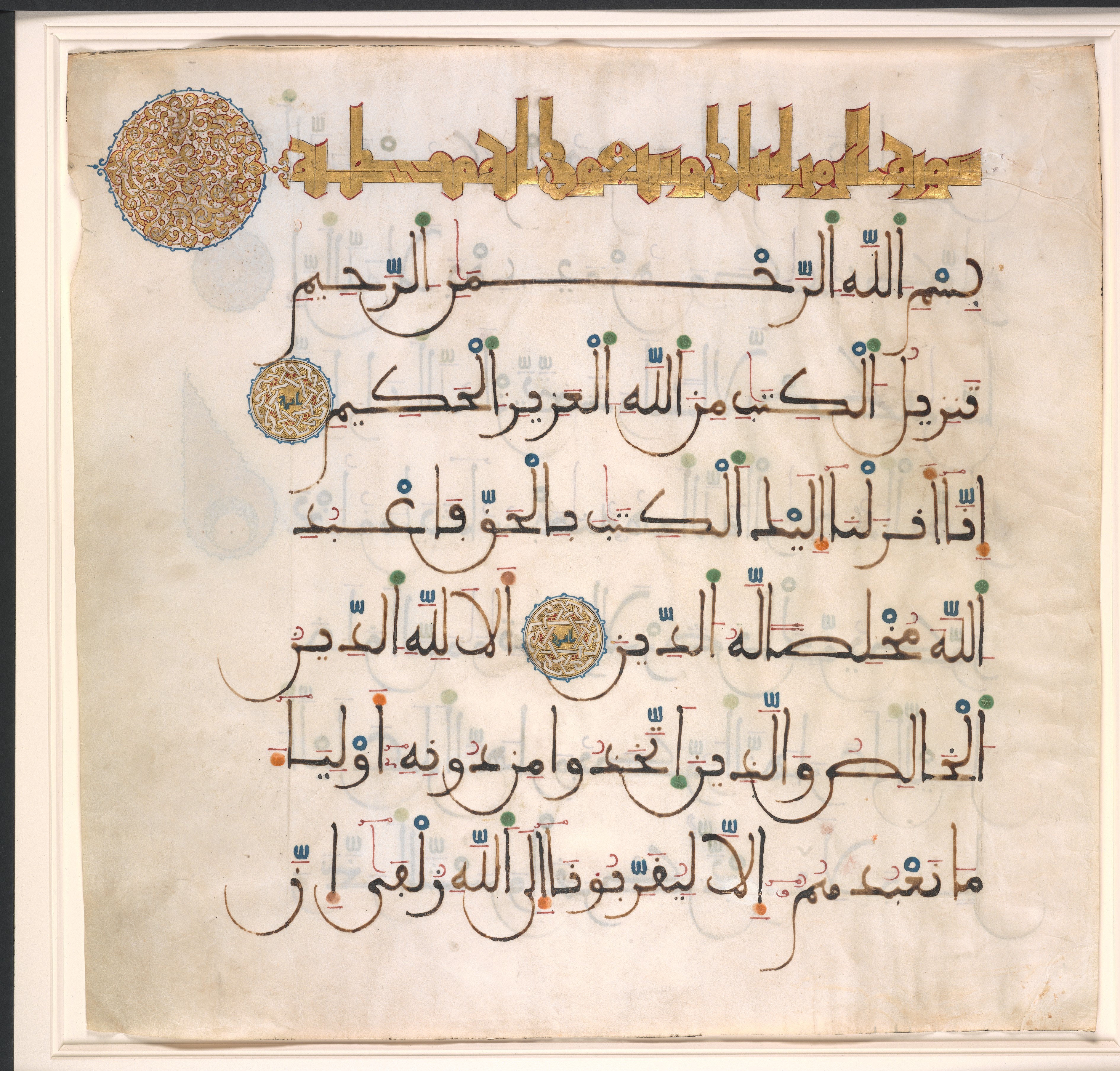
Quran leaf, probably Spain, late thirteenth–early fourteenth century; Met 42.63. It preserves 39:1–part of 39:3, including the claim about proximity to God. A later manuscript witness, not an image from the period of revelation
Entity
Shirk: assigning God a partner in divinity or worship in Islamic discourse; not equivalent to denying God’s existence or to every form of intercession.
Name variants: shirk, associating partners with God
Context and sources →
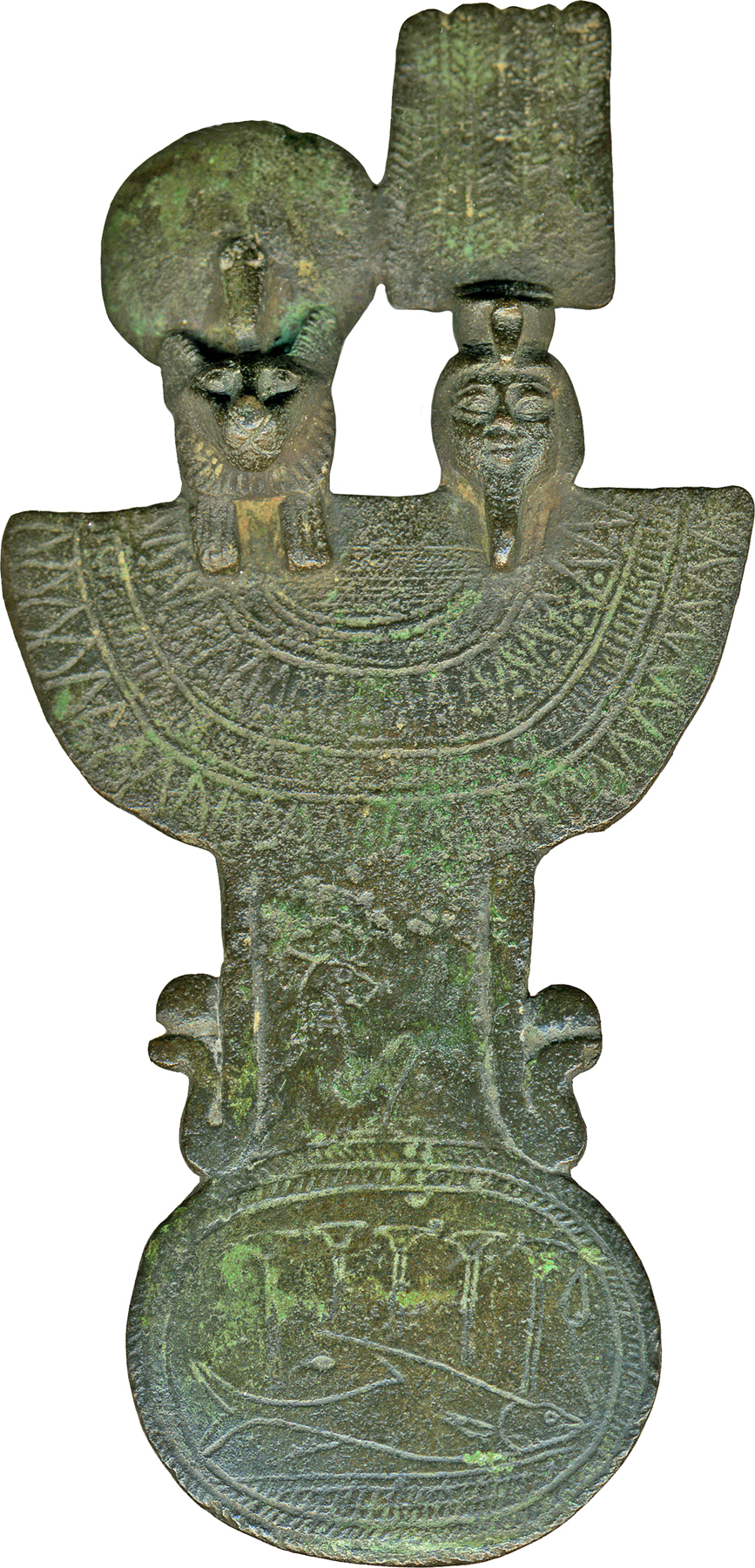
Bronze ritual menat bearing the heads of Shu and Tefnut, from Egypt’s Late Period, 664–380 BCE. Walters Art Museum, 54.1515. Instruments of this type were used with beaded collars in rituals
Entity
Shu and Tefnut are an Egyptian divine pair associated with air and moisture respectively
Name variants: Shu and Tefnut, Shu, Tefnut
Context and sources →
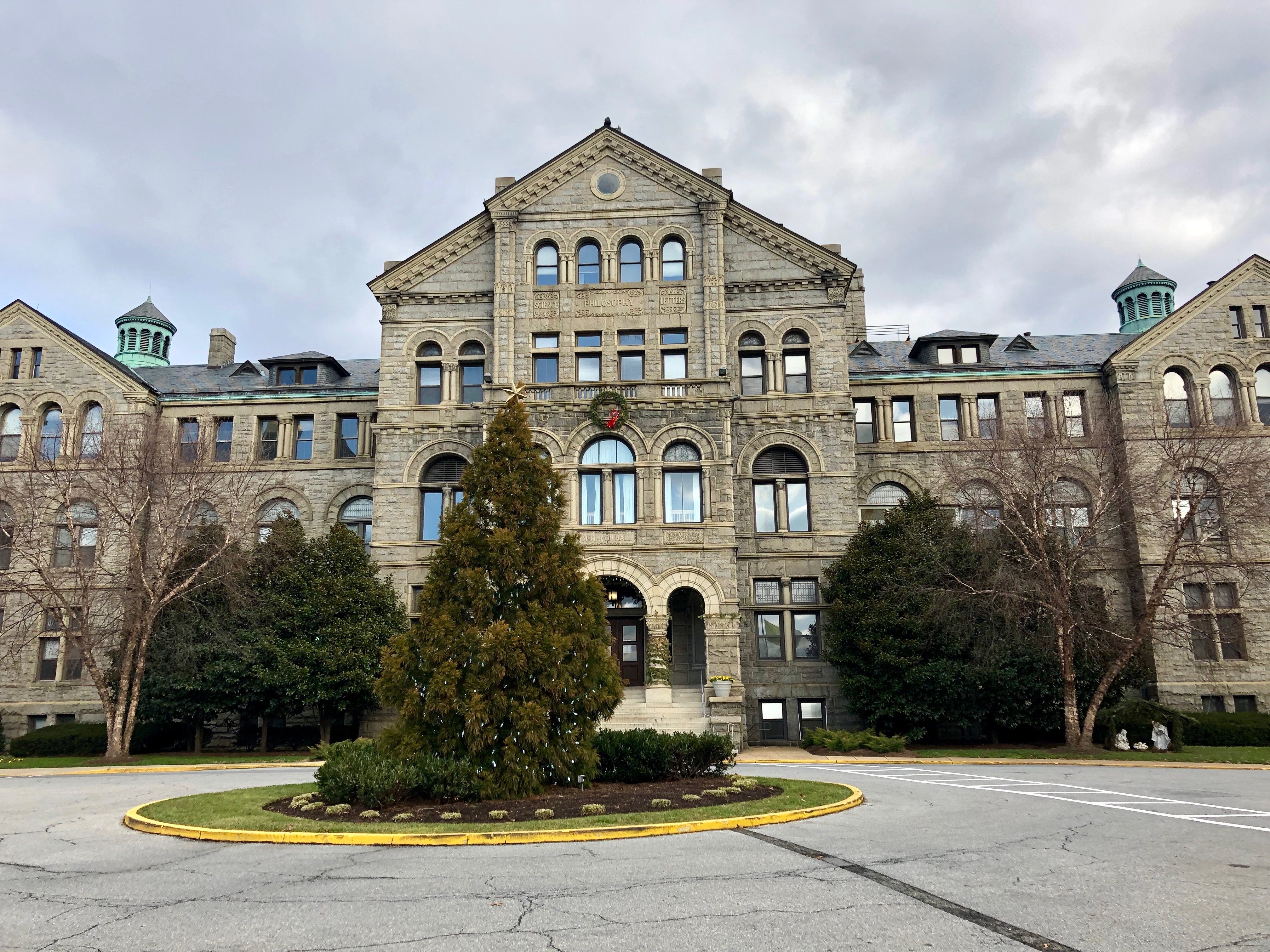
McMahon Hall at the Catholic University of America, Washington, photographed in 2018. Institutional context for Griffith's career, not his portrait or a documented office. w_lemay, CC0
Person
American scholar (1938–2026) of Syriac and early Arabic Christianity and encounters with Islam.
Name variants: Sidney Griffith, Sidney H. Griffith
Context and sources →
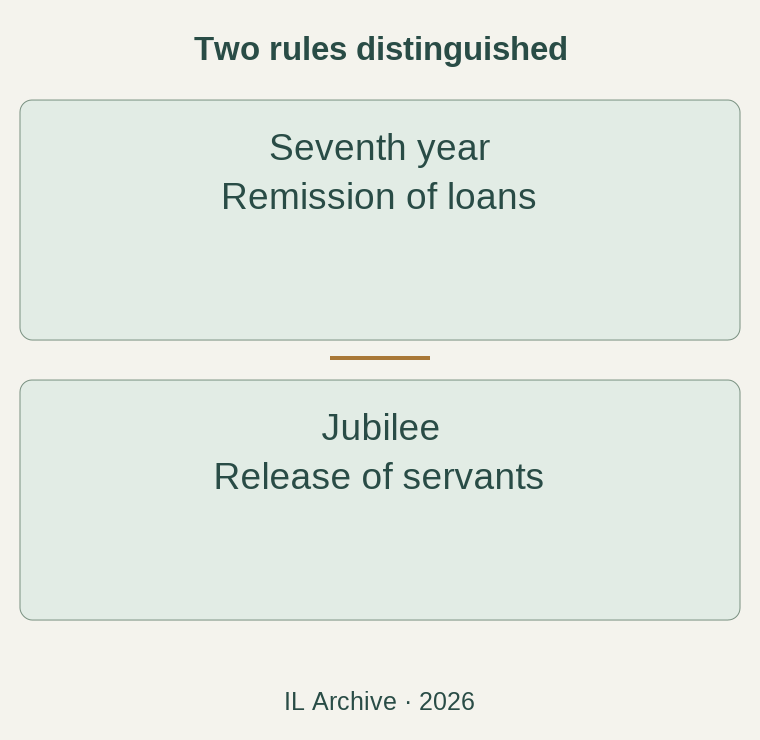
Modern diagram explaining the relationship between the named passages; not a manuscript photograph or historical portrait
Ancient text
Rabbinic interpretation of Leviticus preserving early-CE traditions and separating remission and jubilee rules.
Name variants: Sifra Leviticus
Context and sources →
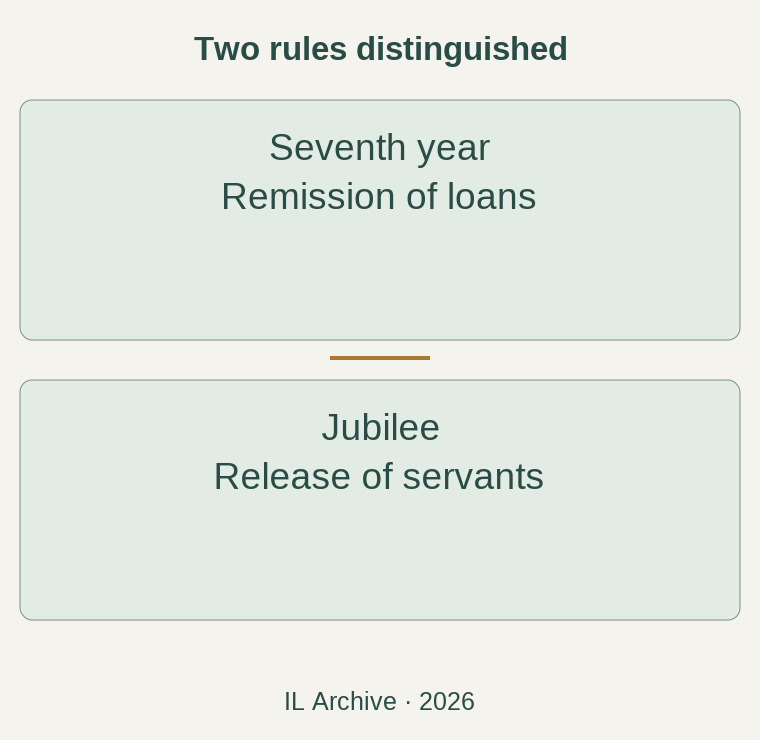
Modern diagram explaining the relationship between the named passages; not a manuscript photograph or historical portrait
Ancient text
Rabbinic interpretation of Deuteronomy distinguishing seventh-year remission and jubilee release in the compared passage.
Name variants: Sifre Deuteronomy
Context and sources →
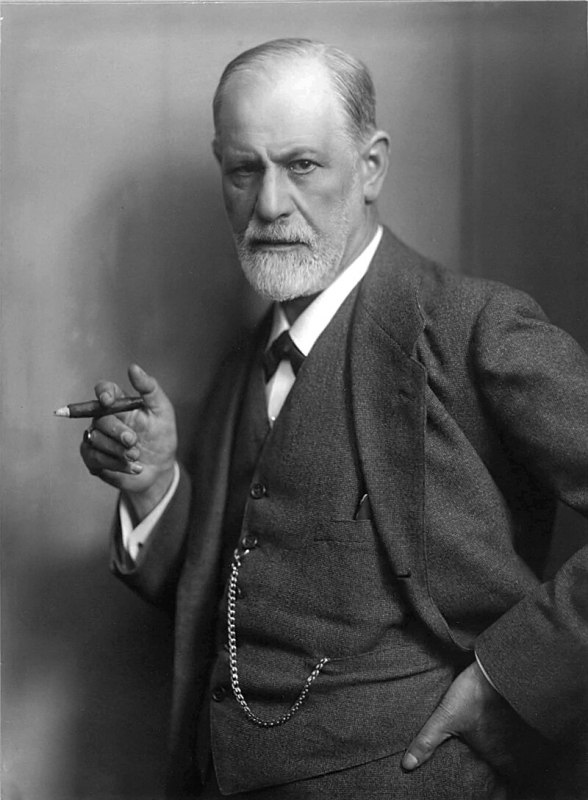
Sigmund Freud in 1921, photographed by Max Halberstadt, as displayed by the University of Vienna history archive. The published crop is retained without further cropping. A portrait of the modern thinker, not evidence from Akhenaten’s time
Person
Neurologist and founder of psychoanalysis, born 1856, died 1939.
Name variants: Sigmund Freud
Context and sources →
Person
Scholar of the Hebrew Bible and religious history who has written on pre-Islamic Raḥmānān.
Name variants: Sigrid K. Kjær
Context and sources →
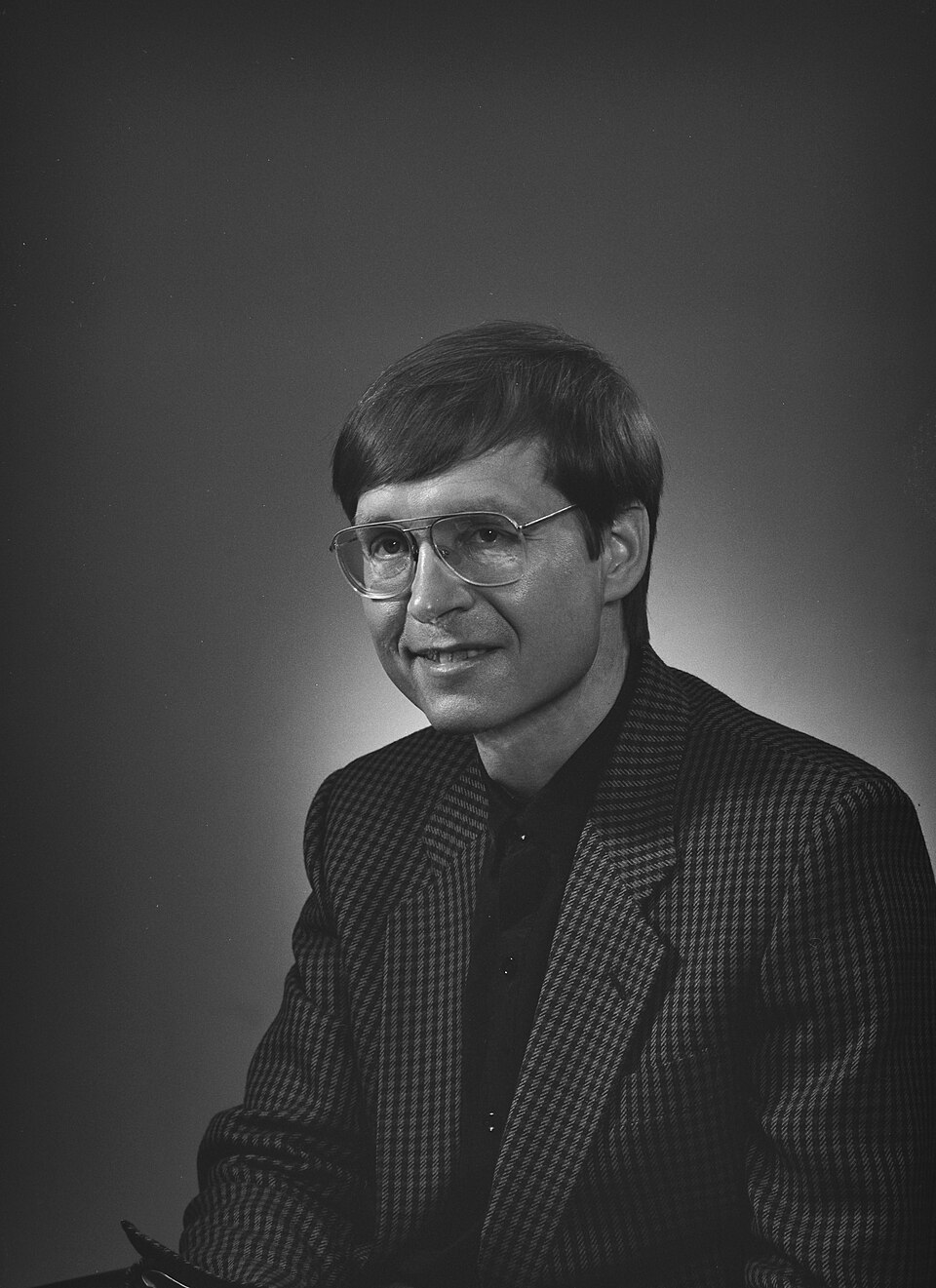
Simo Parpola in 1993, photographed by Kuvasiskot studio; Finnish collection record via Finna and Wikimedia Commons
Person
A Finnish Assyriologist specializing in ancient Assyria, editor of scholarly letters and interpreter of sage and Oannes traditions.
Name variants: Simo Parpola
Context and sources →
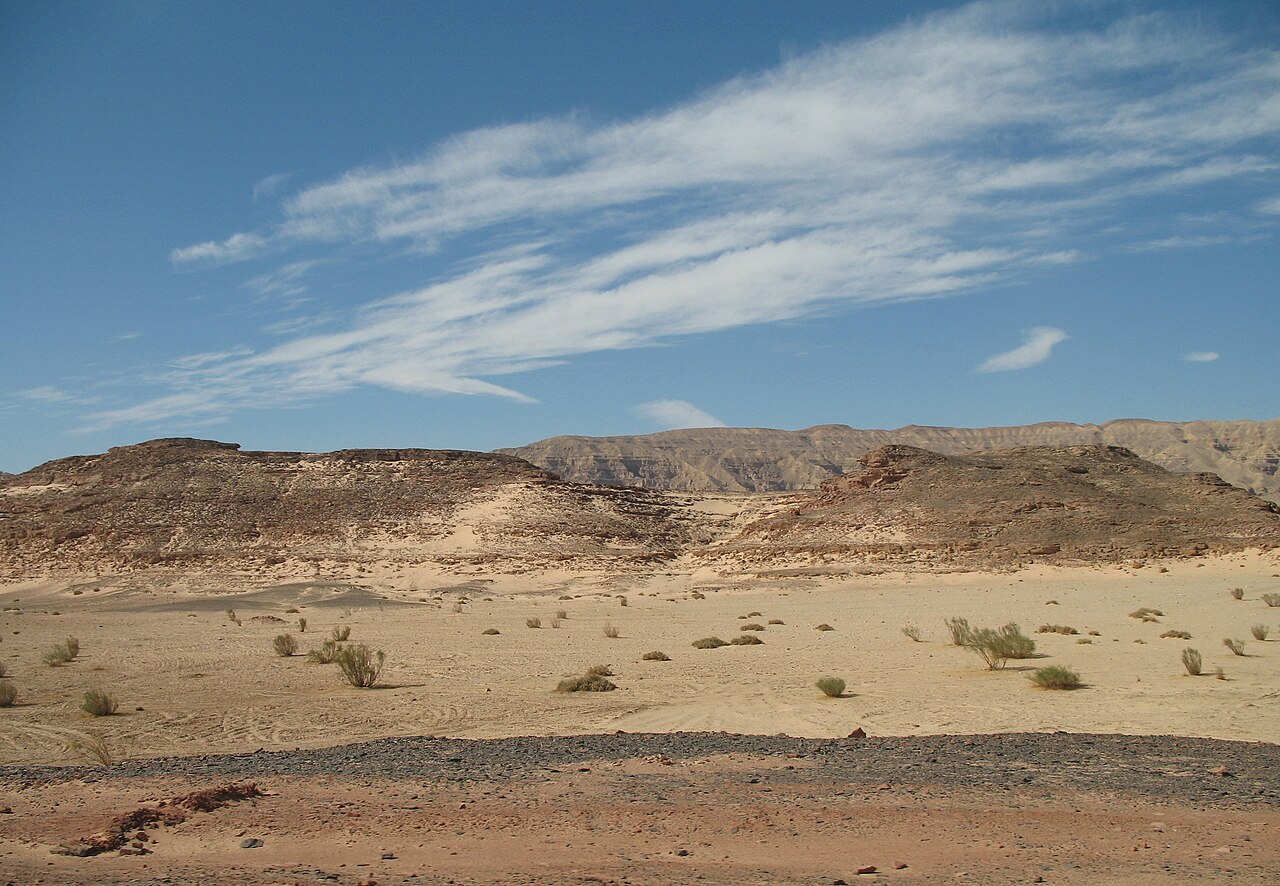
A view of the Sinai desert in Egypt, 22 November 2008. It shows the peninsula’s landscape without identifying the mountain meant by the biblical narratives
Site
Sinai is a peninsula in eastern Egypt; in the Torah the name also denotes the mountain of revelation to Moses
Name variants: Sinai, Mount Sinai
Context and sources →
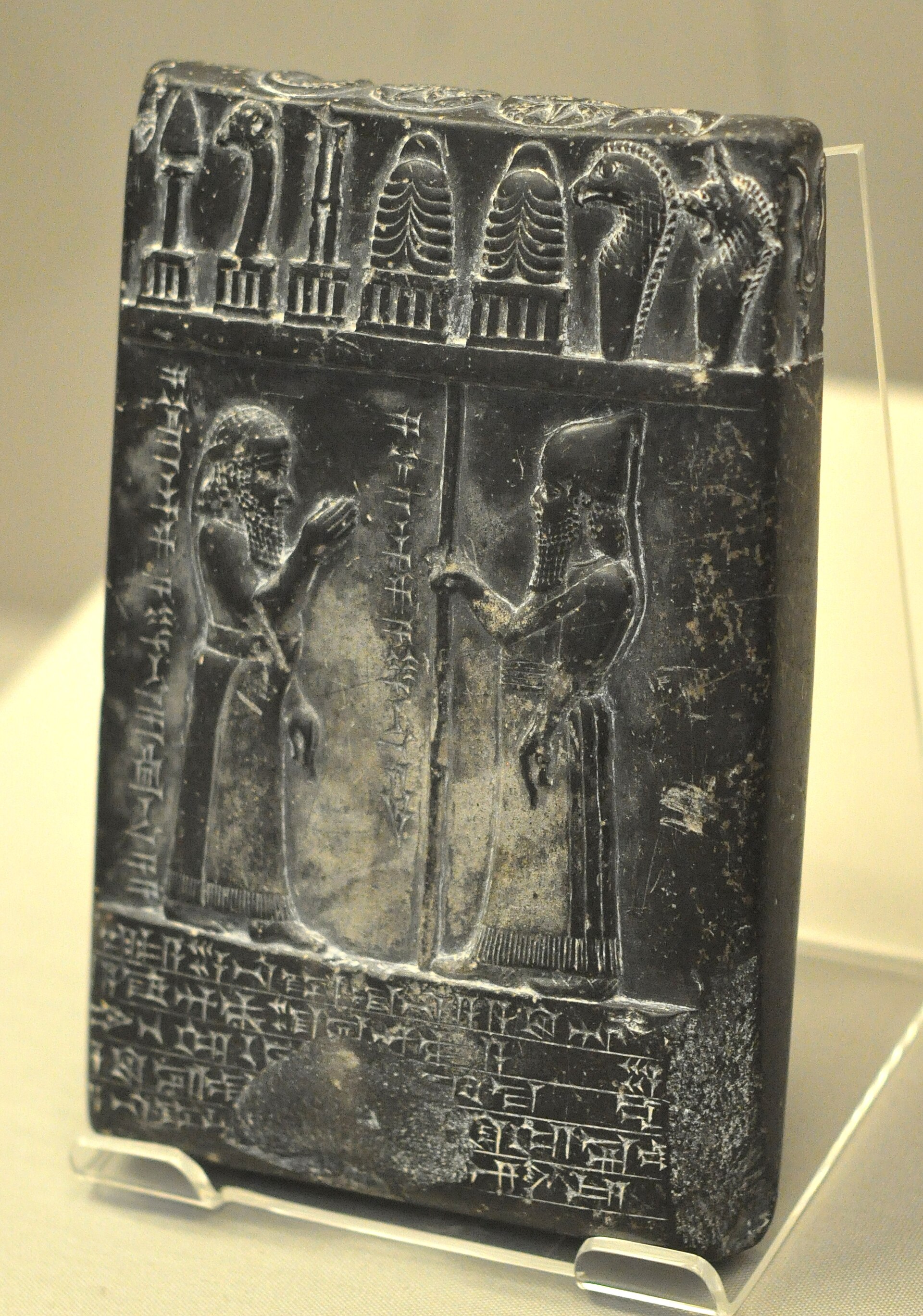
Stone tablet recording the restoration of lands to a priest by the Babylonian king Nabu-apla-iddina, about 870 BCE, from Sippar (Tell Abu Habbah). British Museum
Site
Sippar is an ancient Babylonian city in present-day Iraq, identified with Tell Abu Habbah.
Name variants: Sippar: Abu Habbah
Context and sources →
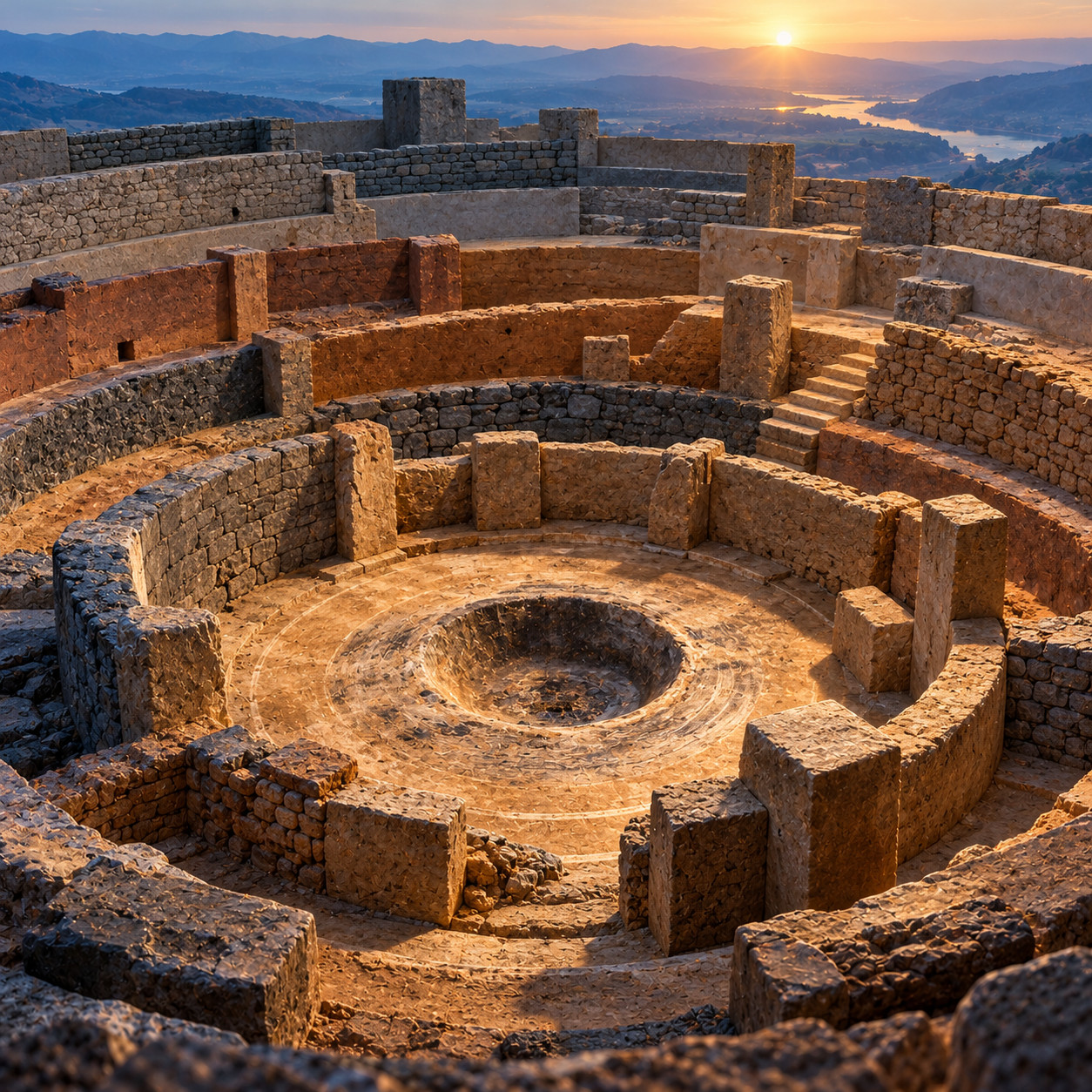
Modern AI-generated interpretive cover using layered masonry as a metaphor for accumulated practice and memory; fictional scene, not Çatalhöyük or a documented archaeological site
Entity
A concept for how groups shape, transmit and revise relationships to the past through narratives, rites, objects and places, without assuming unanimous recollection or fixed meanings for material traces.
Name variants: social memory
Context and sources →
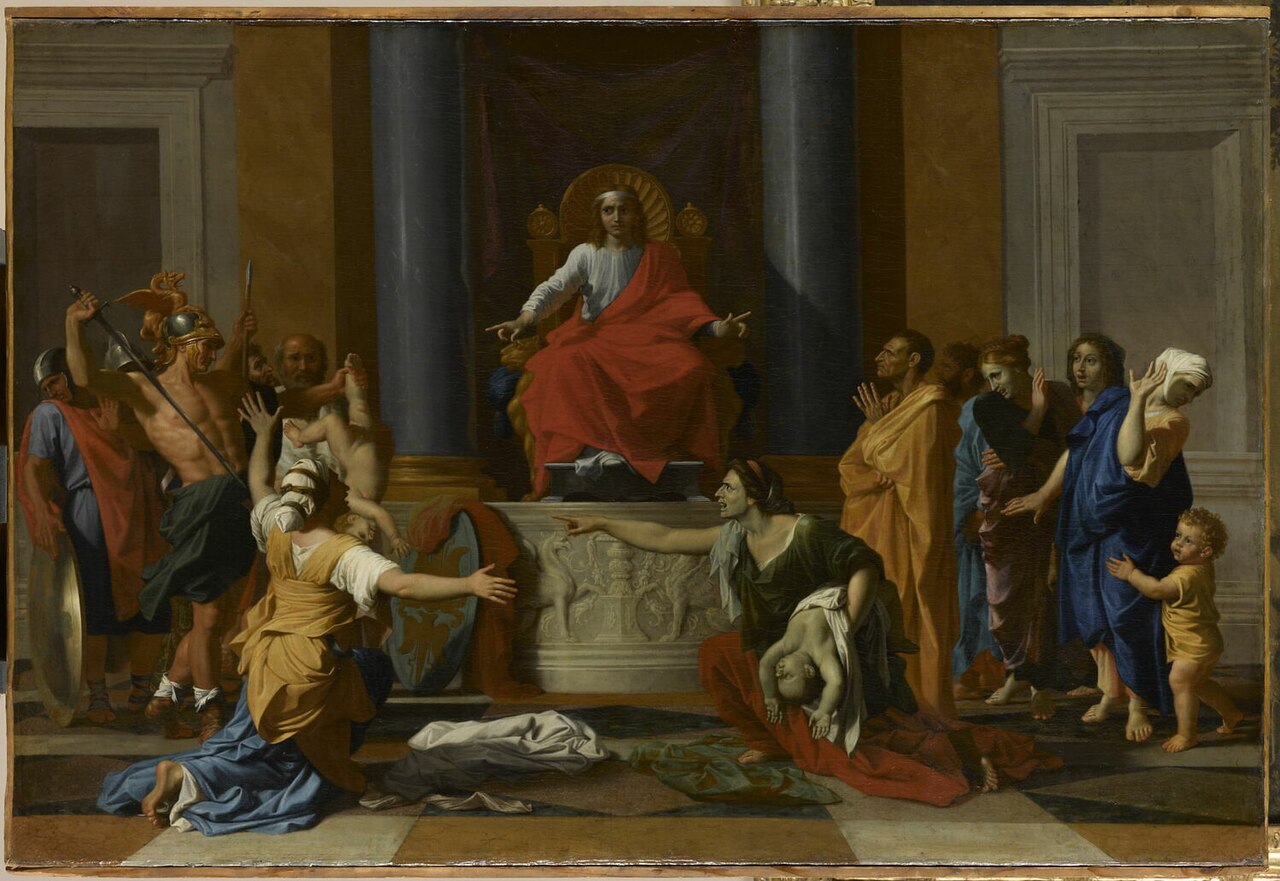
The Judgment of Solomon, an oil painting by Nicolas Poussin from 1649, in the Louvre, INV 7277. It depicts the judgement between two women in 1 Kings 3 and illustrates the story’s reception in seventeenth-century European art
Person
Solomon is the biblical king, David’s son, associated in Kings with Jerusalem and building the temple
Name variants: King Solomon
Context and sources →

Modern AI-generated conceptual image evoking a heavenly gathering; not an ancient artefact or a documented depiction of the assembly in any particular text
Entity
“Bene elohim” is a Hebrew expression in Job and Genesis whose interpretation depends on context; it also appears in Qumran 4Q37 at Deuteronomy 32:8. It does not itself establish biological descent or a fixed divine roster.
Name variants: bene elohim, bene ha-elohim, sons of God
Context and sources →

Sophus Helle at the Bogforum book conference, Bella Center, Copenhagen, 7 November 2025. Photograph by Christian Ursilva
Person
Sophus Helle is a scholar and translator of ancient Mesopotamian literature.
Name variants: Sophus Helle
Context and sources →
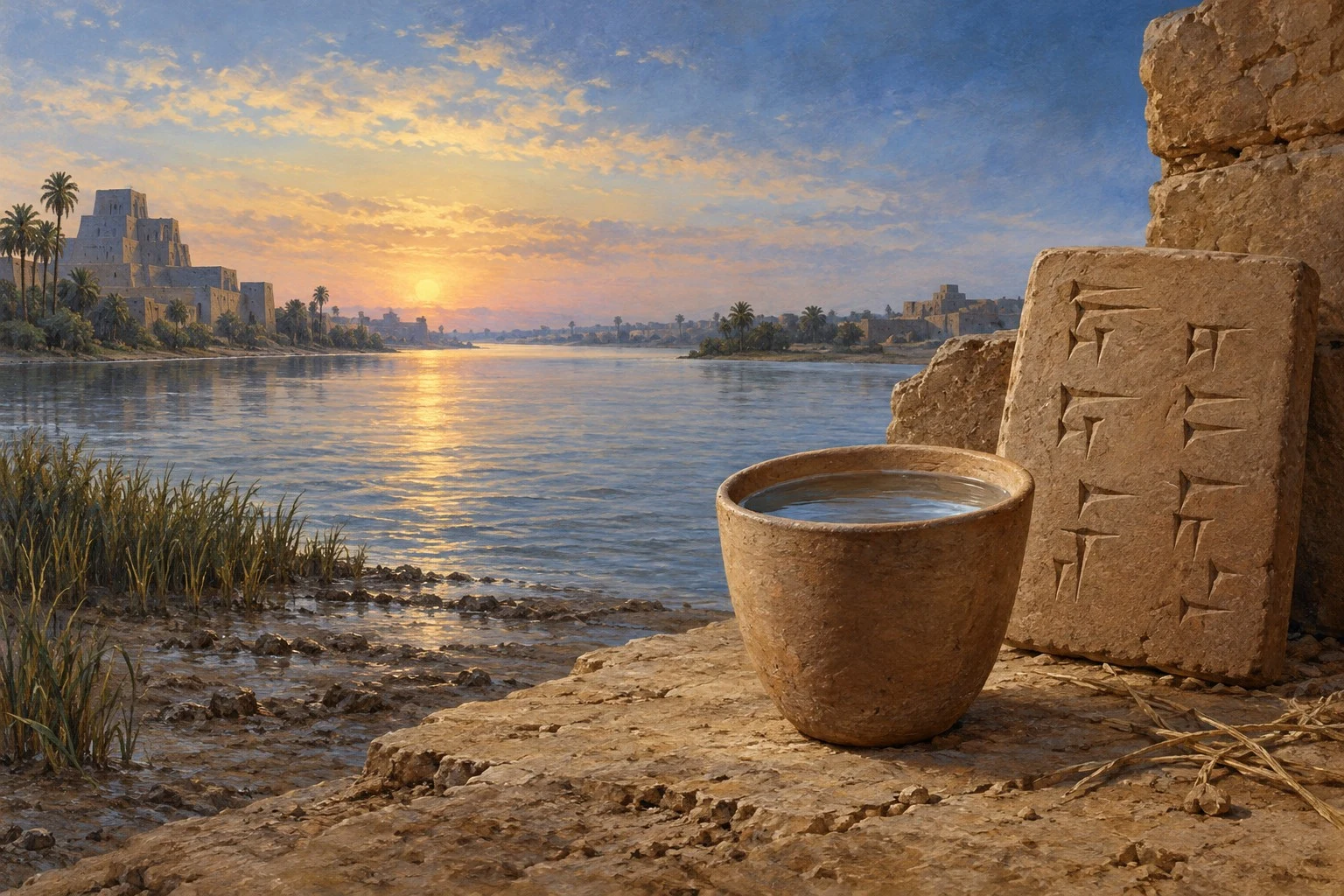
A modern conceptual illustration places river and vessel together to contrast two distinct procedures. It depicts no documented ordeal or specific artifact; the tablet's marks are decorative and not legible text. IL Archive / CC0
Entity
Religious and legal ordeal described in Numbers 5:11–31 for an adultery allegation unresolved by witnesses: the wife swears before a priest and drinks “bitter water” linked to a conditional curse. “Sotah” is the common later rabbinic name. The prescription alone proves neither actual performance nor a specific medical effect.
Name variants: sotah, bitter-water ordeal
Context and sources →
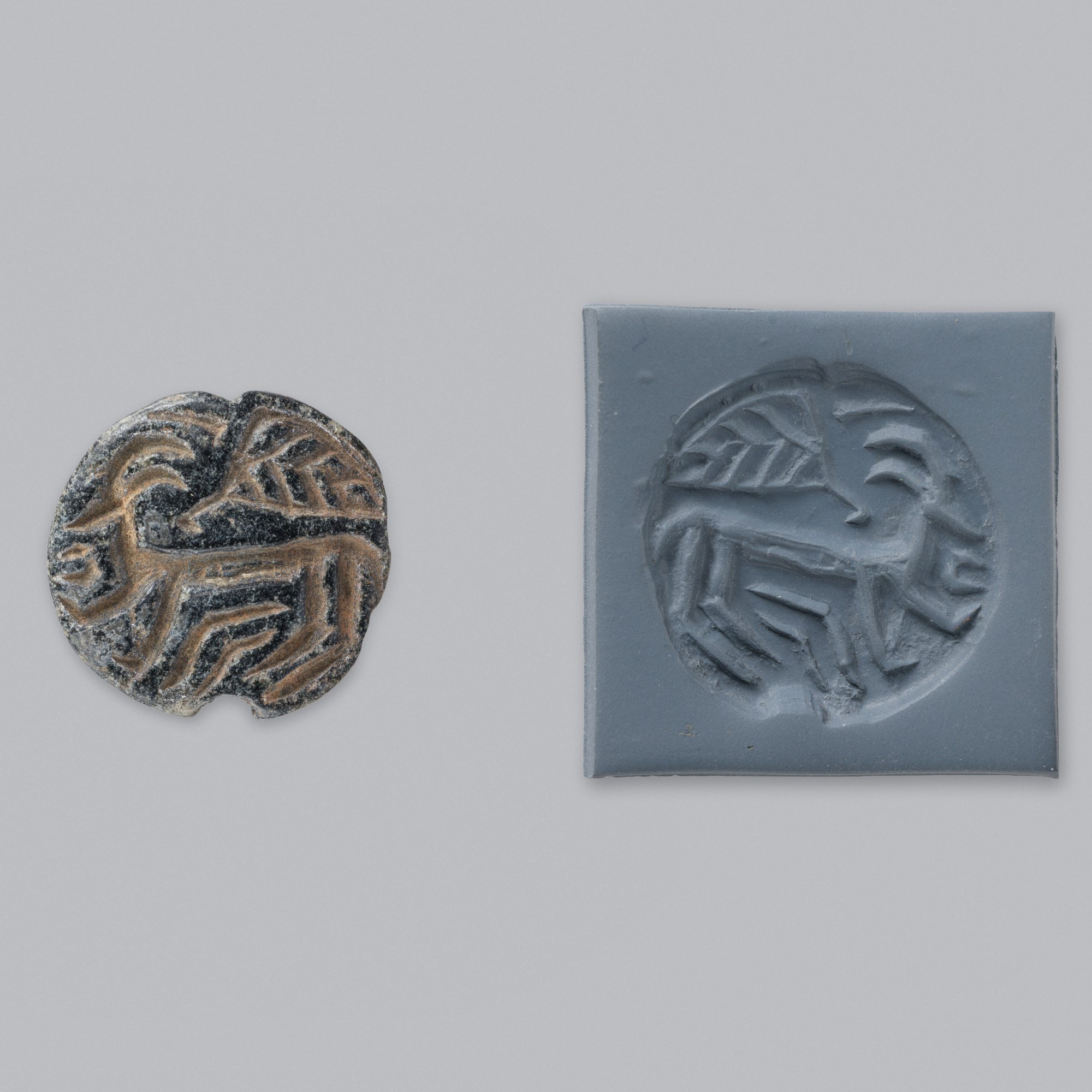
Sixth–fifth-millennium BCE stamp seal attributed to Syria or Anatolia, beside a modern museum-made impression. Square derivative of the original museum photograph, without invented archaeological content. Accession 1984.175.13
Entity
A small engraved implement pressed into soft clay to leave an impression, unlike a rolled cylinder seal. Its uses are investigated through sealings, find contexts and wear; imagery alone establishes neither writing nor belief.
Name variants: stamp seal, stamp seals
Context and sources →
Person
Hebrew Bible and ancient Near Eastern law scholar at John Jay College, New York.
Name variants: Stephen C. Russell
Context and sources →
Person
Scholar of early Christian Mary traditions and late-antique Near Eastern religion.
Name variants: Stephen J. Shoemaker
Context and sources →
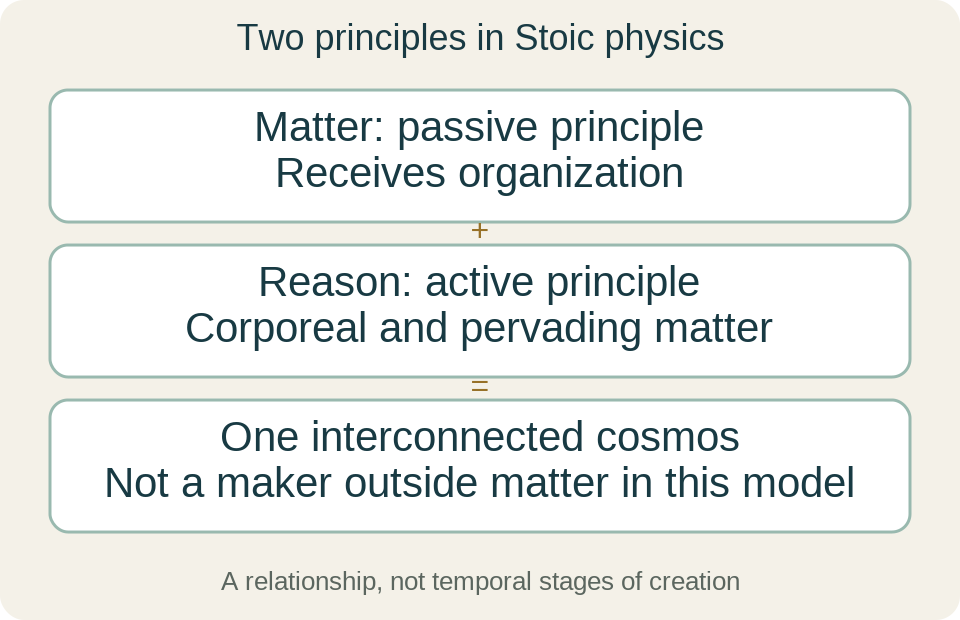
Modern diagram distinguishing active and passive principles within Stoic physics. The arrangement explains their relation, not temporal succession or a humanlike god
Entity
Philosophical school founded in Athens around 300 BCE, combining logic, physics and ethics.
Name variants: Stoicism
Context and sources →

Modern conceptual illustration of receding water, two survivors, a boat, stones and a mountain evoking Deucalion; not an archaeological photograph, identified historical vessel or documented location
Entity
Mythic people arising from stones after the flood of Deucalion and Pyrrha. Pindar names the stone-born lineage; Ovid and Pseudo-Apollodorus recount stone throwing in different forms.
Name variants: stone-born people, people from stones
Context and sources →
Person
Islamic-history scholar who proposed a comparative route for Mary and palm narratives.
Name variants: Suleiman A. Mourad
Context and sources →
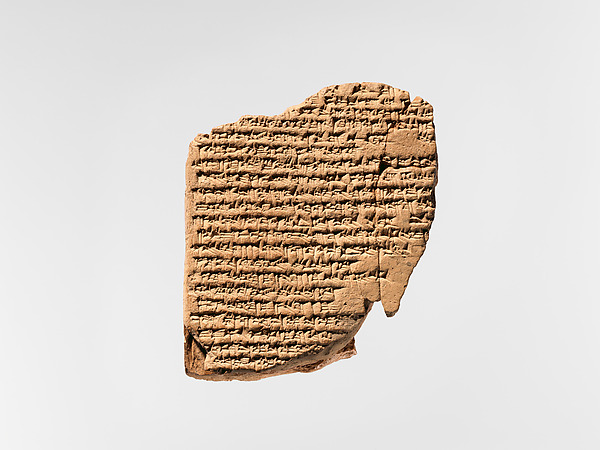
Tablet of a Sumerian lament with Akkadian translations of many lines, about the second–first centuries BCE; Met 86.11.286a. A late witness to the language’s continued scribal and ritual use
Entity
Ancient language of southern Mesopotamia, clearly attested in third-millennium BCE texts and maintained in learning and ritual after its spoken use declined.
Name variants: Sumerian language, Sumerian
Context and sources →
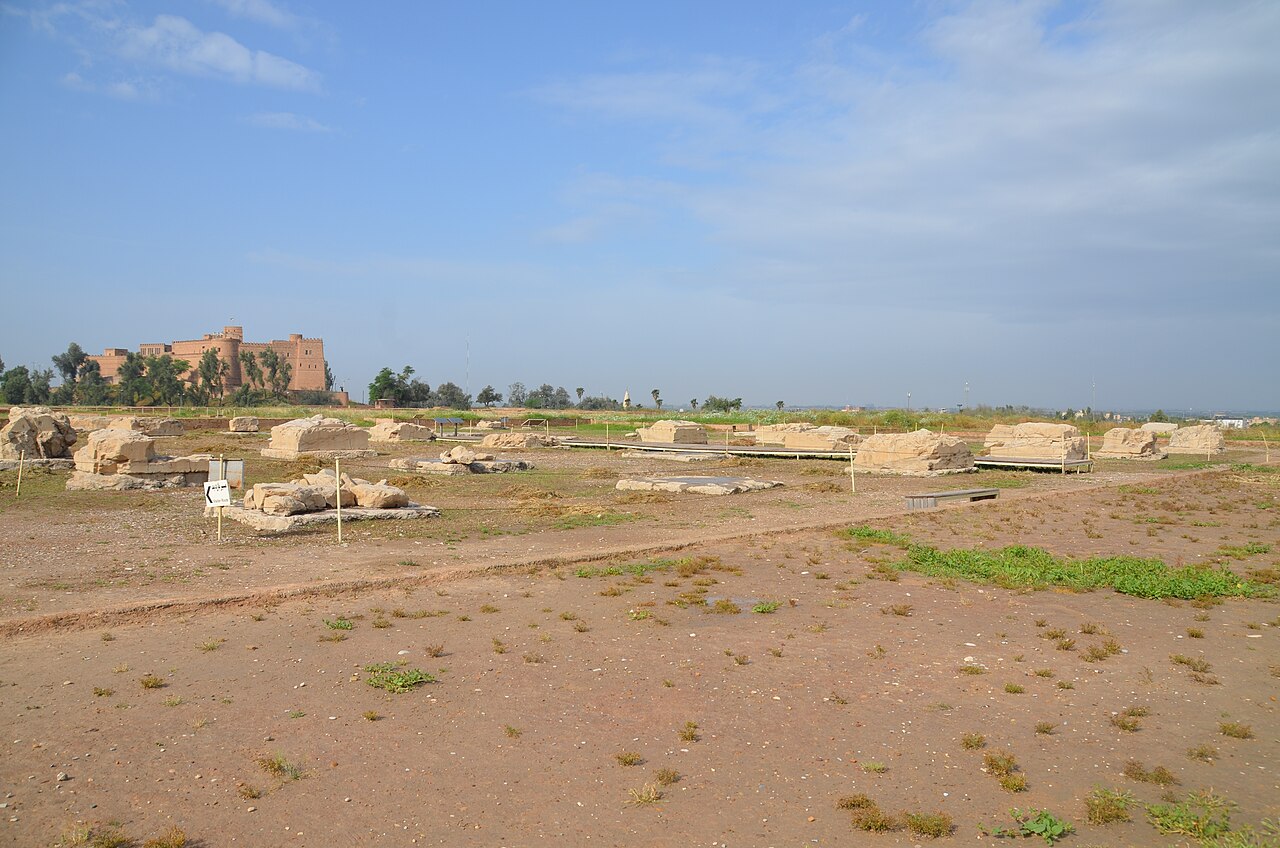
Remains of the Apadana hall of Darius’s palace at Susa, at Shush in southwestern Iran, 18 April 2019. The column bases and archaeological remains appear in the foreground
Site
Susa is an archaeological city at Shush in southwestern present-day Iran
Name variants: Susa, Shush
Context and sources →
Person
Egyptologist working on religion and tales, including a major Two Brothers study and Egyptian/biblical narrative comparisons.
Name variants: Susan Tower Hollis, Susan Hollis
Context and sources →
Person
Norwegian New Testament and Revelation scholar who compared Gog and Magog in Ezekiel and Revelation.
Name variants: Sverre Bøe
Context and sources →
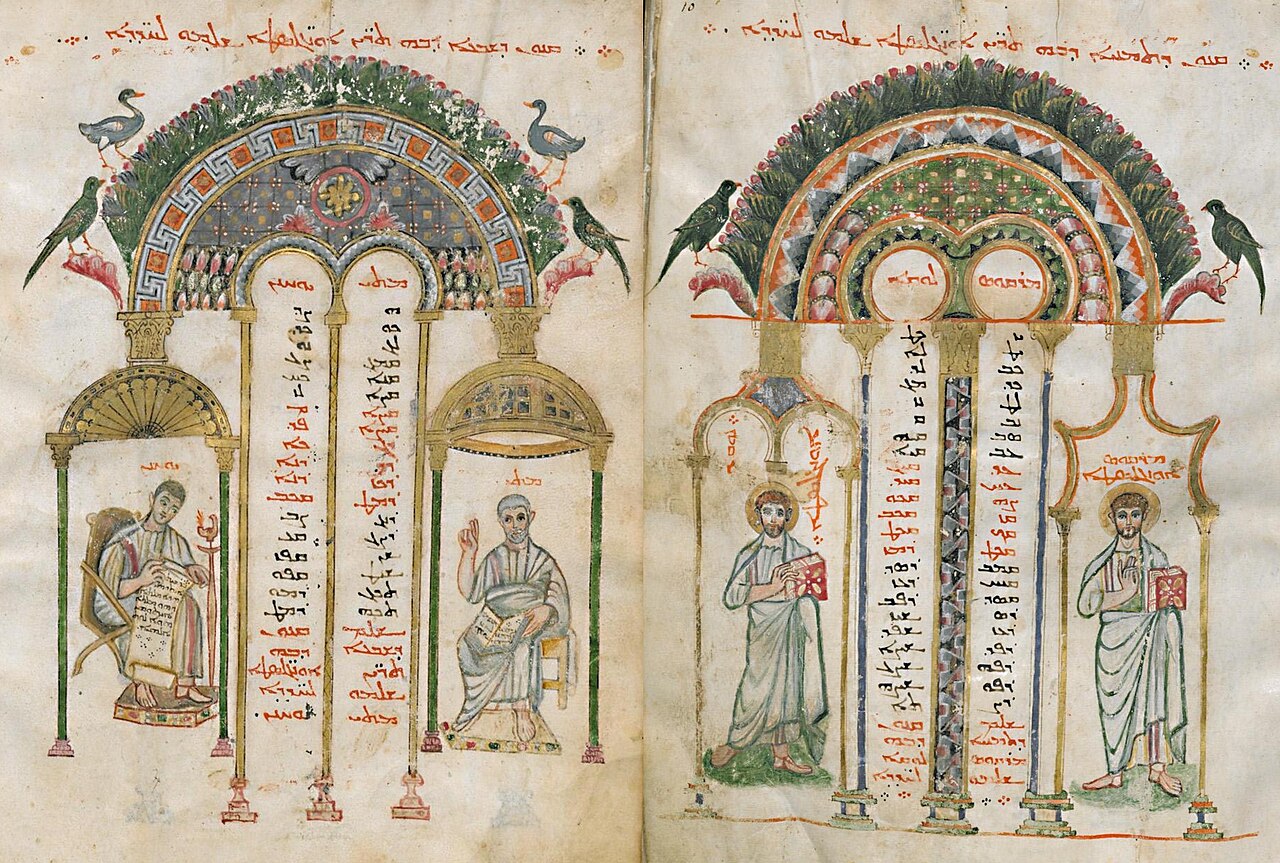
Folios 9v and 10r of the Rabbula Gospels, a sixth-century Syriac manuscript: canon tables and portraits of the Evangelists. An example of Syriac Christian book culture, rather than the language’s entire history
Entity
An Aramaic literary language rooted in Edessa, first attested in non-Christian inscriptions and later prominent in Christian writing, scholarship, translation and liturgy.
Name variants: Syriac
Context and sources →

Newly AI-generated symbolic cover bringing together a fish, spring, and mountainous gate; not a manuscript image, archaeological object, or verified historical reconstruction
Ancient text
Syriac metrical homily on Alexander, life-water, and the gate against Gog and Magog, attested by a ninth-century manuscript catalogue and described in scholarship as having three recensions. Traditionally attributed to Jacob of Serugh; Brock proposes composition after 629/630 CE. Recensions are not collated here.
Name variants: Syriac Alexander Poem
Context and sources →

Newly AI-generated interpretive image of a gate across a mountain pass, inspired by the Syriac narrative; not a manuscript, discovered monument, or historically verified reconstruction
Ancient text
Anonymous Syriac Christian prose work about Alexander’s journeys and barrier against northern peoples, with Roman-Persian prophecies. Distinct from the long Syriac Romance and the metrical Poem; a sixth-century core and seventh-century revision remain debated.
Name variants: Syriac Christian Alexander Legend, Neṣḥānā
Context and sources →
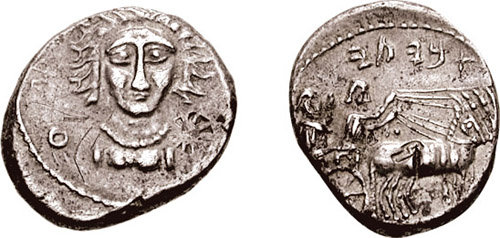
Silver didrachm from Bambyce, later Hierapolis, about 340–332 BCE; CNG Triton VIII lot 518. Female bust, Aramaic legends and chariot scene; not a depiction of the flood sanctuary
Site
Ancient northern Syrian city, also called Bambyce, associated with the sanctuary described in On the Syrian Goddess.
Name variants: Syrian Hierapolis, Manbij, Hierapolis Bambyce, Bambyce, Manbij
Context and sources →
Person
Co-author with Raleigh Heth of a 2021 article on Isaac and Iphigenia; the published record gives only the initials T. E.
Name variants: Kelley, T. E.
Context and sources →
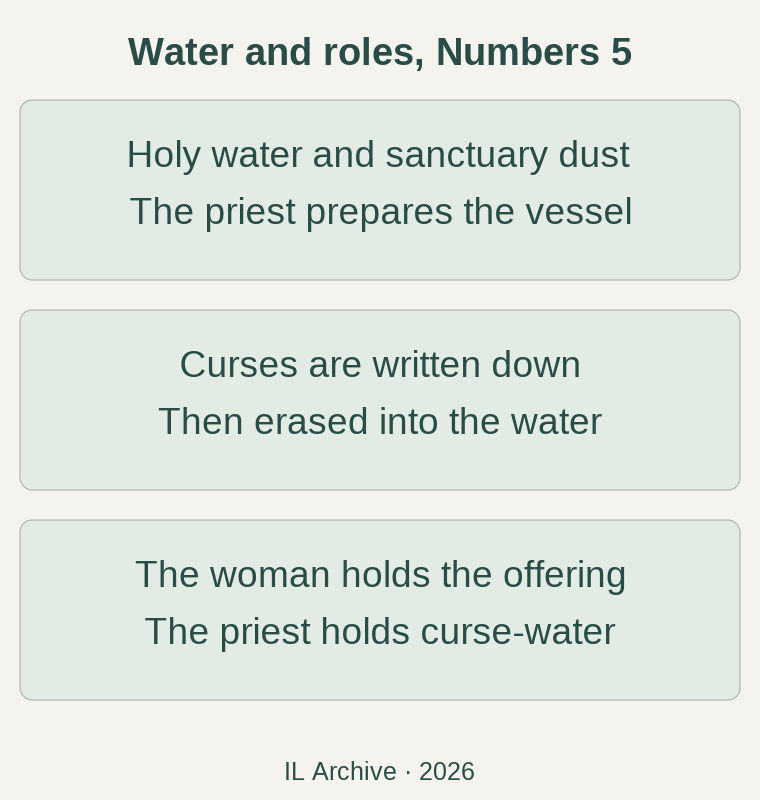
Modern diagram explaining roles in the specified source, not portraits or an ancient tablet. Row order explains relationships rather than reconstructing every ritual step
Entity
Narrative worship tent whose floor supplies dust in Numbers 5.
Name variants: Tabernacle in the biblical narrative
Context and sources →
Person
Takayoshi Oshima is an Assyriologist studying Babylonian literature and religion and their connections with the Hebrew Bible.
Name variants: Takayoshi Oshima
Context and sources →
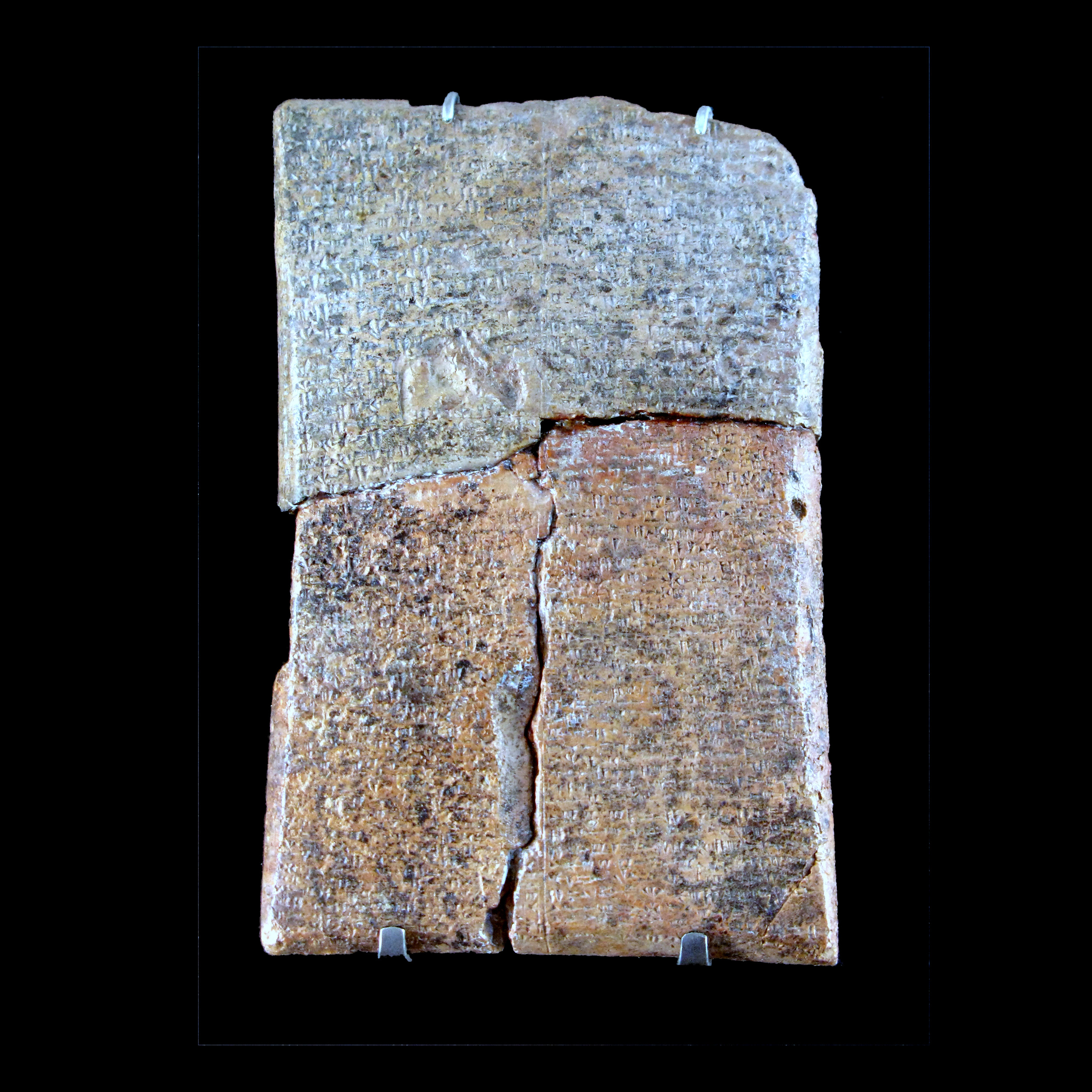
Third tablet of the Tale of Aqhat, KTU 1.19, Louvre AO 17323, from Ras Shamra; museum dating 1400–1200 BCE. This is not the first tablet, KTU 1.17, with its damaged colophon
Ancient text
Ugaritic poetic narrative in three tablets about Aqhat, Danel’s son; attribution to Ilimilku relies on comparison, with his name restored in a damaged colophon.
Name variants: Tale of Aqhat
Context and sources →
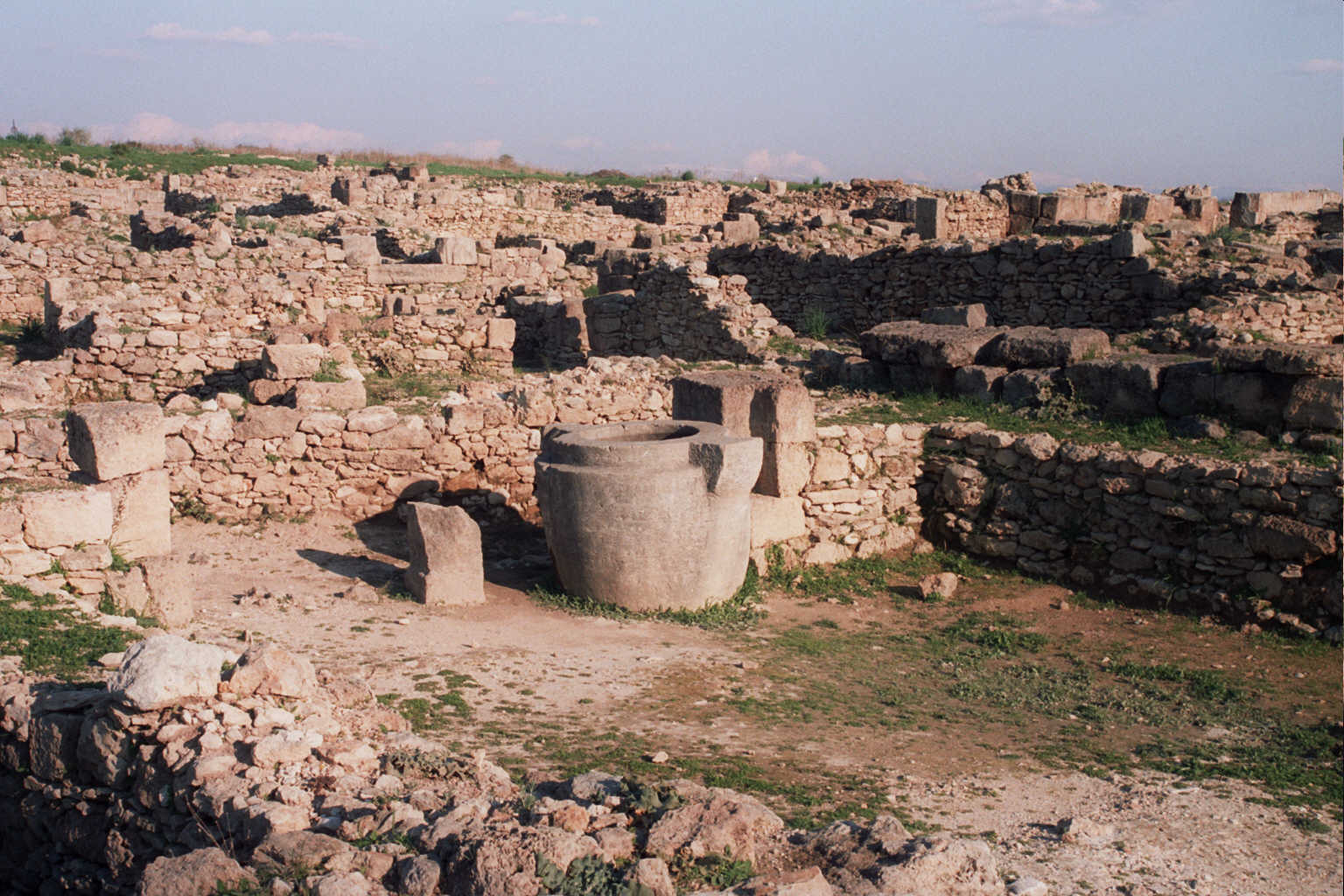
Ruins of Ugarit at Ras Shamra, photographed by Loris Romito on a 2005 trip. Context for the site that preserved the Kirta tablets, not the hero’s palace or an identified findspot; not every visible structure is dated here to the text’s writing
Ancient text
Ugaritic poetic narrative in three tablets about King Kirta, his family and a vow; KTU1.16 names Ilimilku, without proving he invented all its traditions.
Name variants: Tale of Kirta
Context and sources →
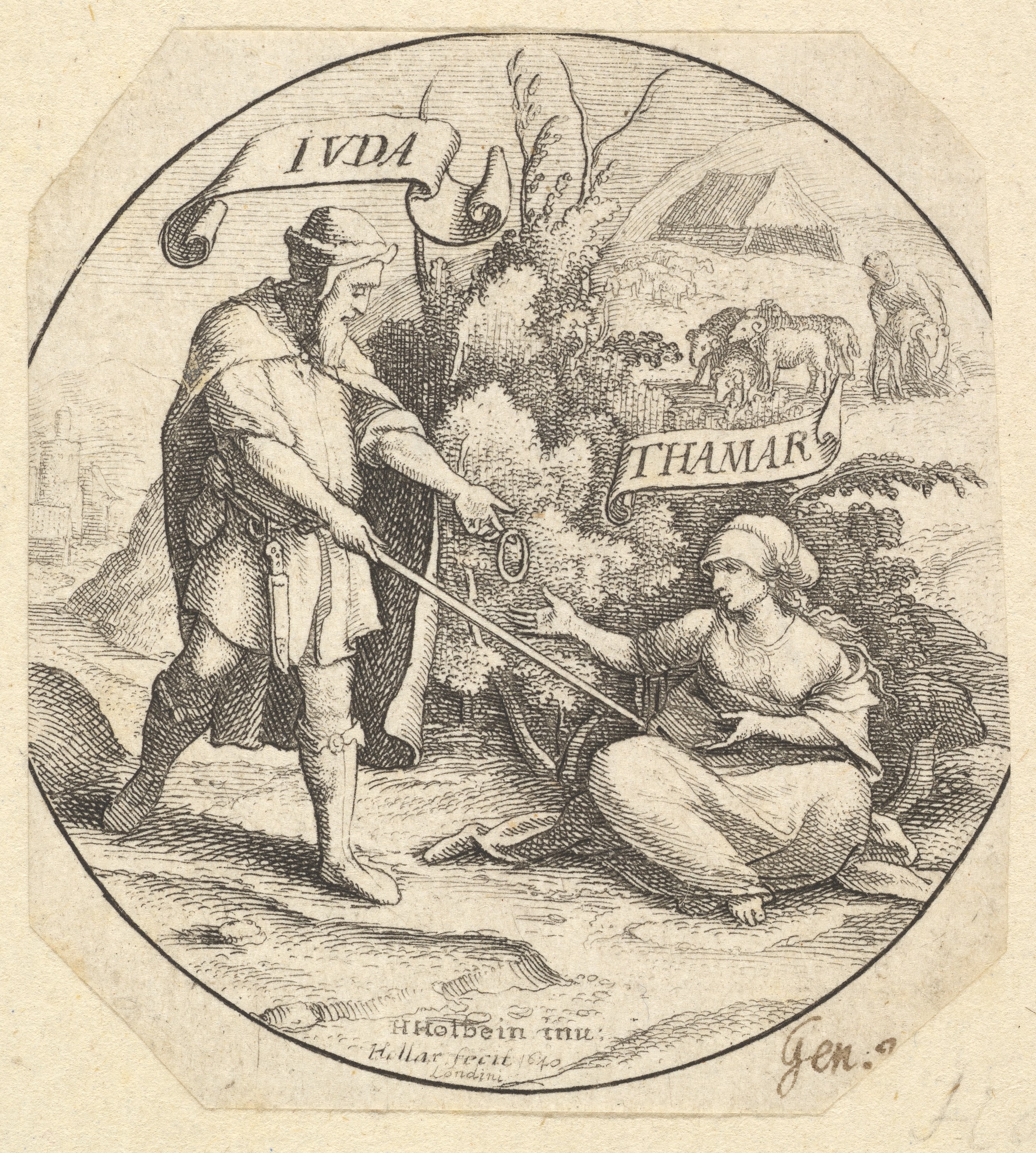
Judah and Tamar, etching by Wenceslaus Hollar, 1640, after Hans Holbein the Younger; Met 51.501.2142. Later reception of Genesis 38, not historical portraits or a marriage document
Person
Genesis 38 widow who exposes Judah’s unfulfilled promise concerning Shelah.
Name variants: Tamar in Genesis 38
Context and sources →
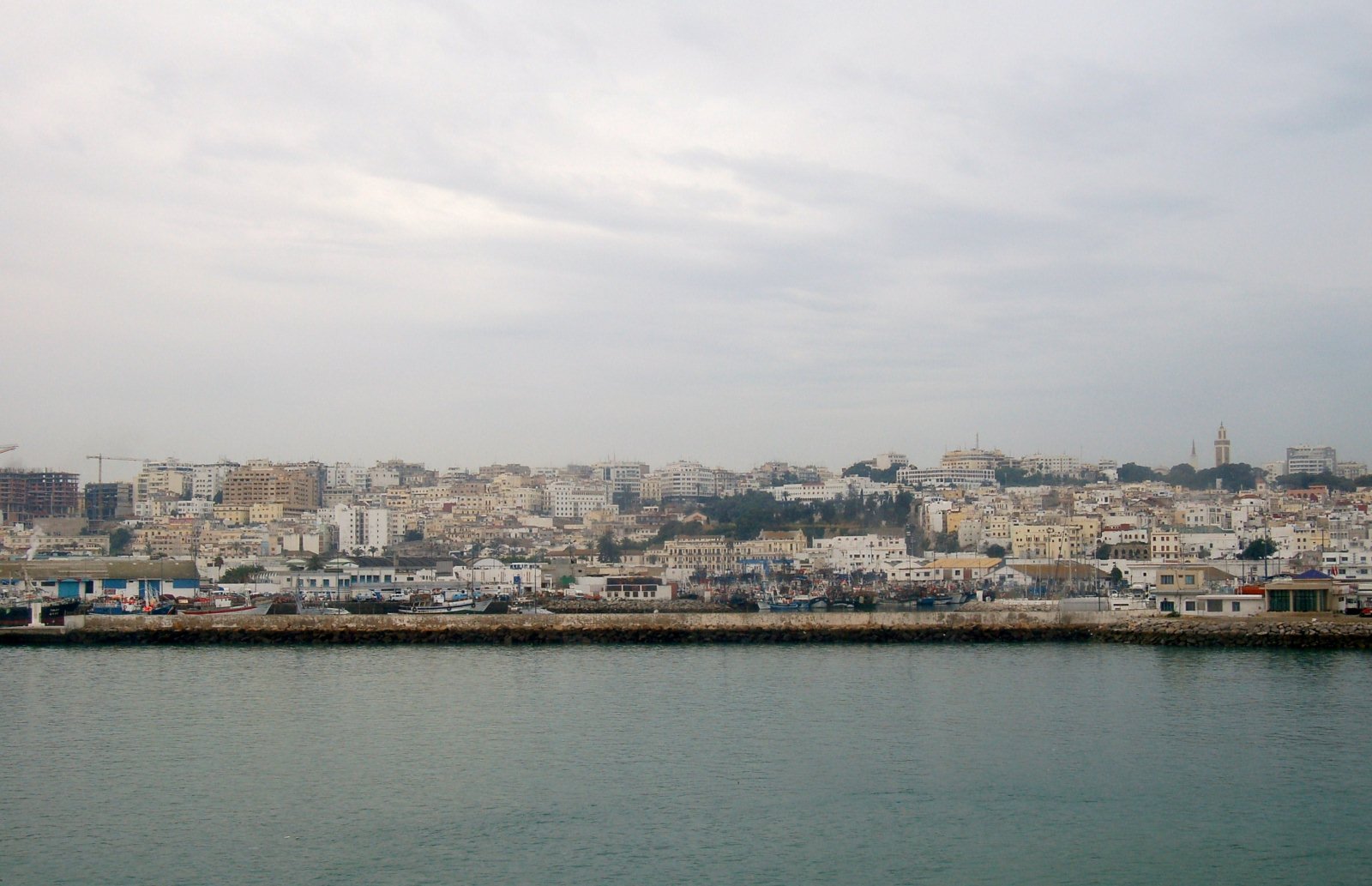
Tangier and its port from the sea, 18 September 2008; a modern city view, not a confirmed location of Moses' story
Site
City in northern Morocco by the Strait of Gibraltar, proposed in one interpretation of the Quran's meeting of the seas.
Name variants: Tangier, Tanger
Context and sources →

Contemporary AI-generated expressive cover: a bird bearing a letter before an imaginary court, evoking Targum Sheni’s Solomon–Sheba digression; not an ancient artefact or documented event
Entity
An Aramaic translation and expansion of Esther containing an excursus on Solomon and the Queen of Sheba.
Name variants: Targum Sheni of Esther
Context and sources →
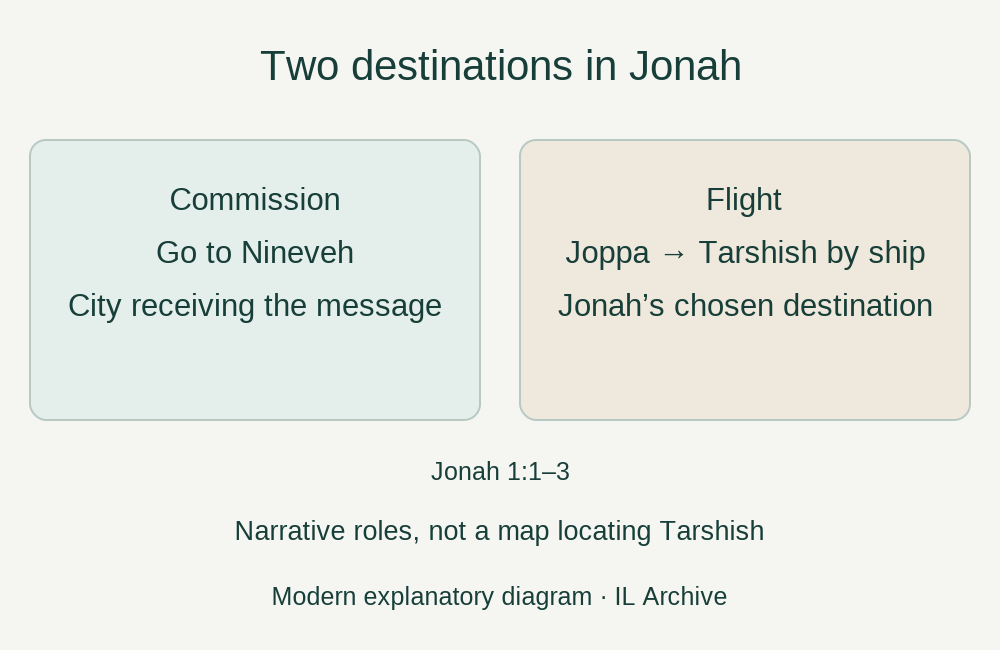
The commission toward Nineveh and flight through Joppa toward Tarshish in Jonah1:1–3. Modern narrative diagram, not a geographical identification of Tarshish or established sailing route
Site
A maritime destination in Jonah 1:3; locating it geographically differs from identifying its clear role as the destination of flight.
Name variants: Tarshish in Jonah’s voyage
Context and sources →
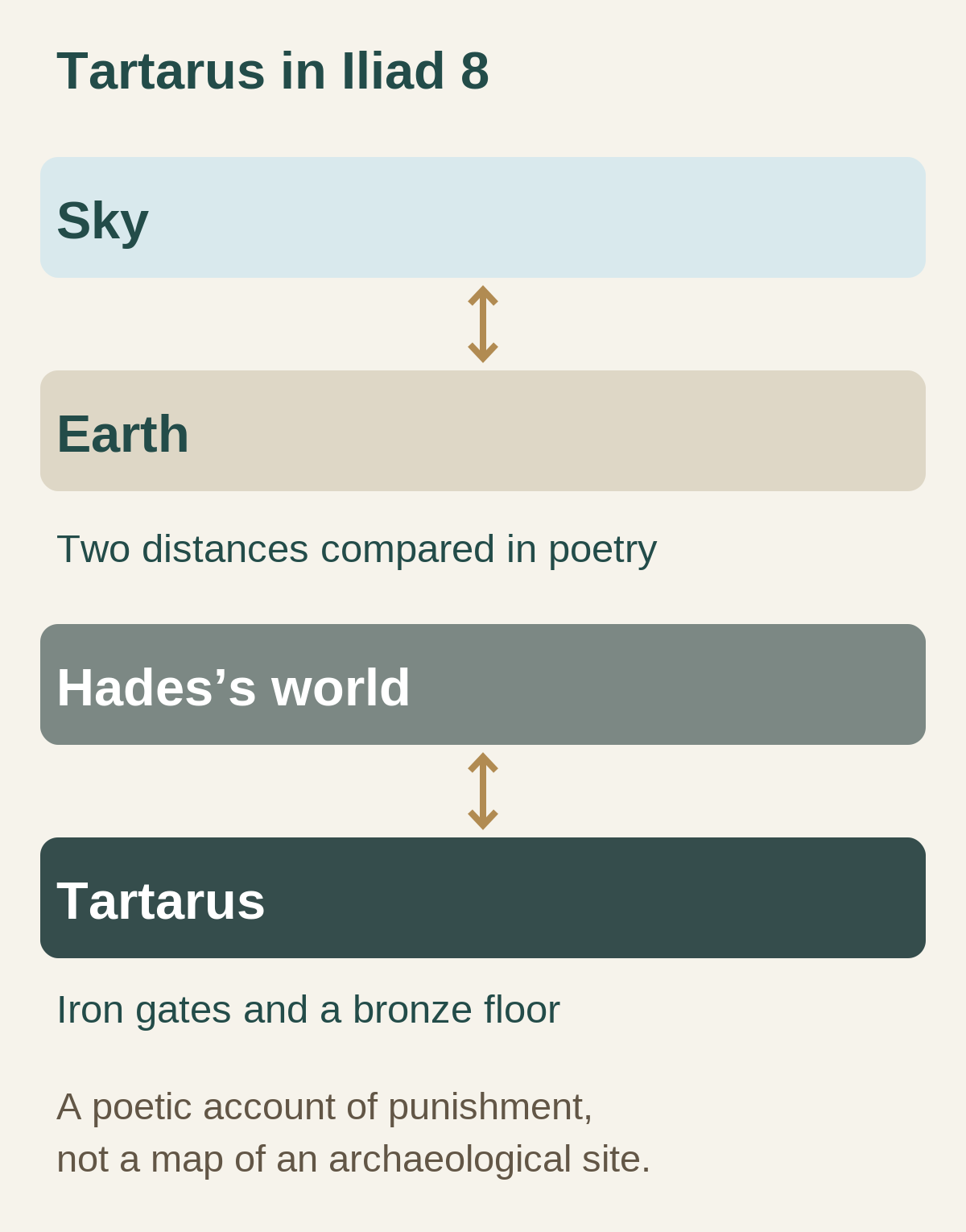
Modern explanatory diagram of Tartarus in Iliad 8.13–16: depth compared with the distance between sky and earth, with iron gates and a bronze threshold. A poetic comparison, rather than an archaeological map
Entity
Deep abyss in Greek poetic imagination, named by Zeus as a place of punishment in the Iliad.
Name variants: Tartarus
Context and sources →
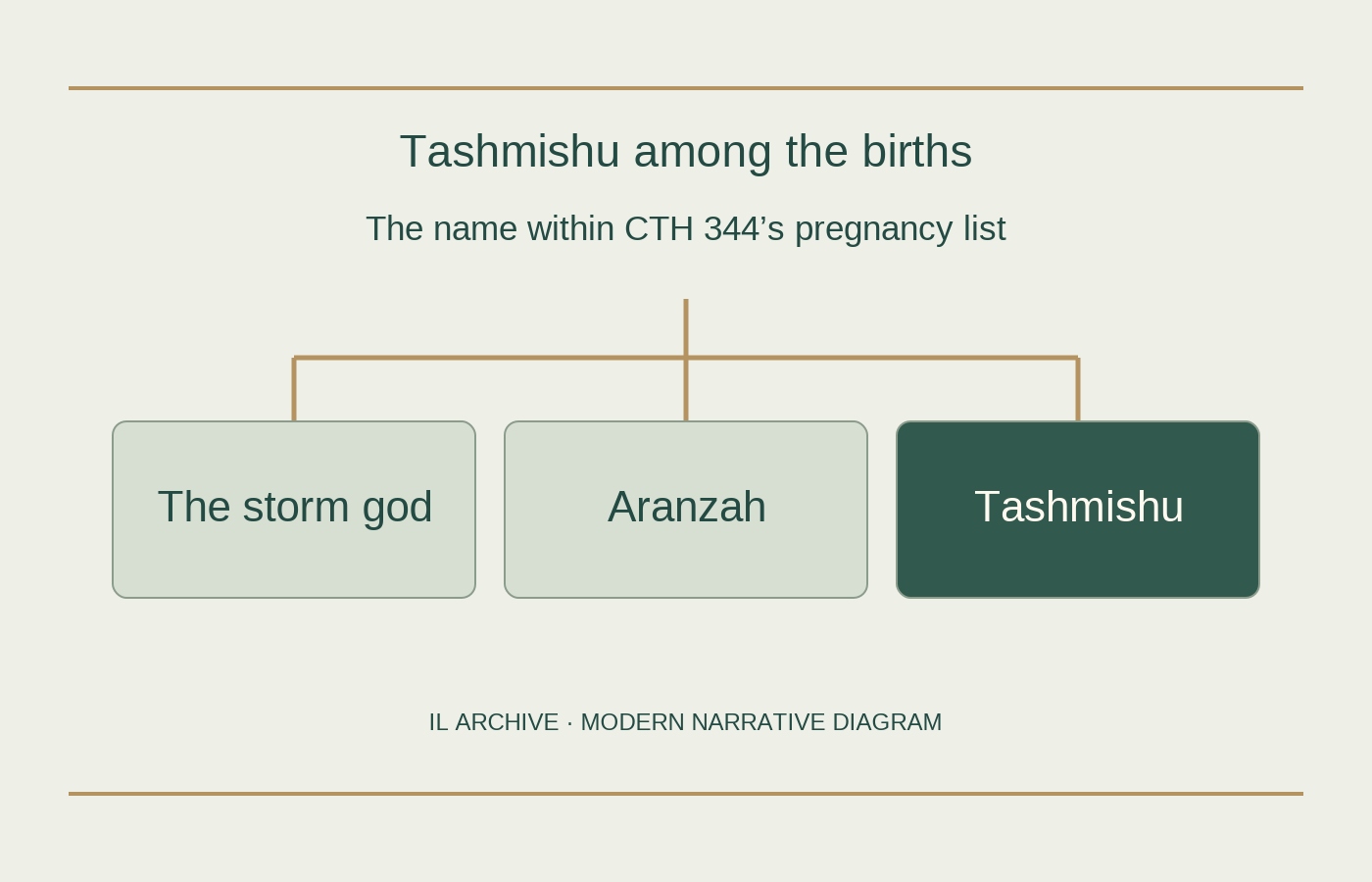
Modern diagram highlighting Tashmishu among the figures in Kumarbi’s pregnancy account. It preserves the multiple names without supplying a complete biography or imagined portrait
Entity
Divine figure named in Kumarbi’s pregnancy with the storm god and the river Aranzah.
Name variants: Tashmishu, Tašmišu
Context and sources →