Study
Yahweh’s Temple at Elephantine: Worship beyond Jerusalem
An extended study of a topic, with evidence and references.
- Timeline
- From 525 BCE to 407 BCE
- Region
- Egypt / Elephantine
What does the petition of 407 BCE reveal about Yaho’s temple, its priests and their links with Judah and Samaria?
Estimated reading time: 4 min Published Last reviewed:
Share article
Text
Introduction
What can we learn about diversity in YahwehYahwehThe proper name of Israel’s deity, written יהוה (YHWH), the Tetragrammaton. Its exact ancient pronunciation is not directly preserved; texts and inscriptions witness its history.Glossary · Click to read the explanation's worship by comparing DeuteronomyBook of DeuteronomyTorah book presenting commandments in Moses’ discourse and grounding Sabbath rest in slavery and liberation from Egypt.Glossary · Click to read the explanation's call to concentrate offerings in a chosen place with documents from a Judean temple outside JerusalemJerusalemJerusalem is a city of religious importance in Judaism, Christianity and IslamGlossary · Click to read the explanation? This study examines ElephantineElephantine / YebElephantine / Yeb, near Aswan at the Nile’s First Cataract, preserves a long-lived Egyptian town, temples of Khnum and Satet, and Persian-period garrisons. Aramaic papyri document several communities, including Judeans and Yaho’s temple, whose rebuilding was sought in 407 BCE; claims and archaeological interpretations must be distinguished.Glossary · Click to read the explanation in southern EgyptEgyptEgypt lies mainly in northeastern Africa and includes the Sinai Peninsula in AsiaGlossary · Click to read the explanation, where fifth-century BCE papyri document priests, a temple and connections with authorities in Egypt, Judah and SamariaSamaria: city and regionAncient city and administrative region; the city’s site is at Sebastia, northwest of Nablus in the West Bank.Glossary · Click to read the explanation.[3]
We read the rebuilding petition dated 407 BCE alongside a related memorandum, distinguishing the community's requests from the restoration the supporting authorization names. The comparison follows the relationship between law, local practice and political negotiation within this community's particular circumstances.
Priests seek the restoration of their temple
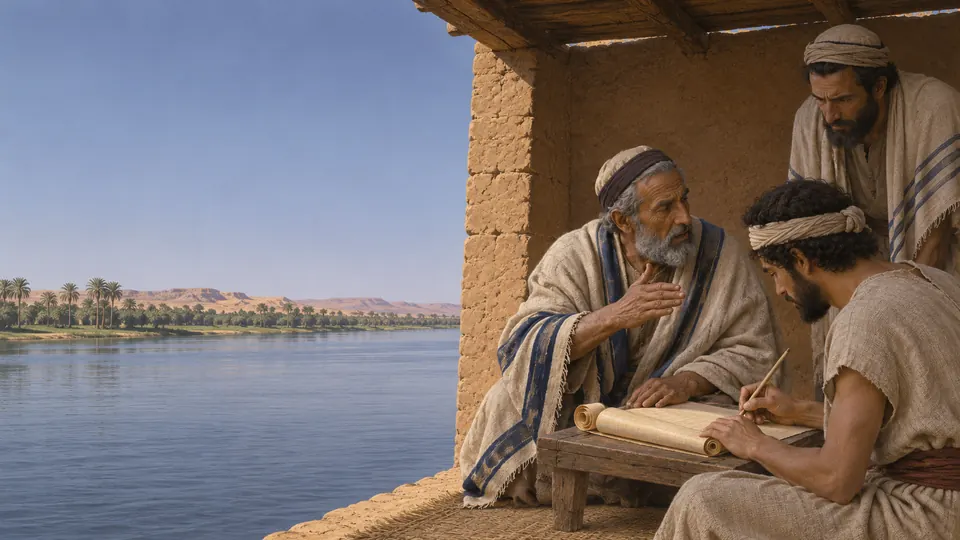
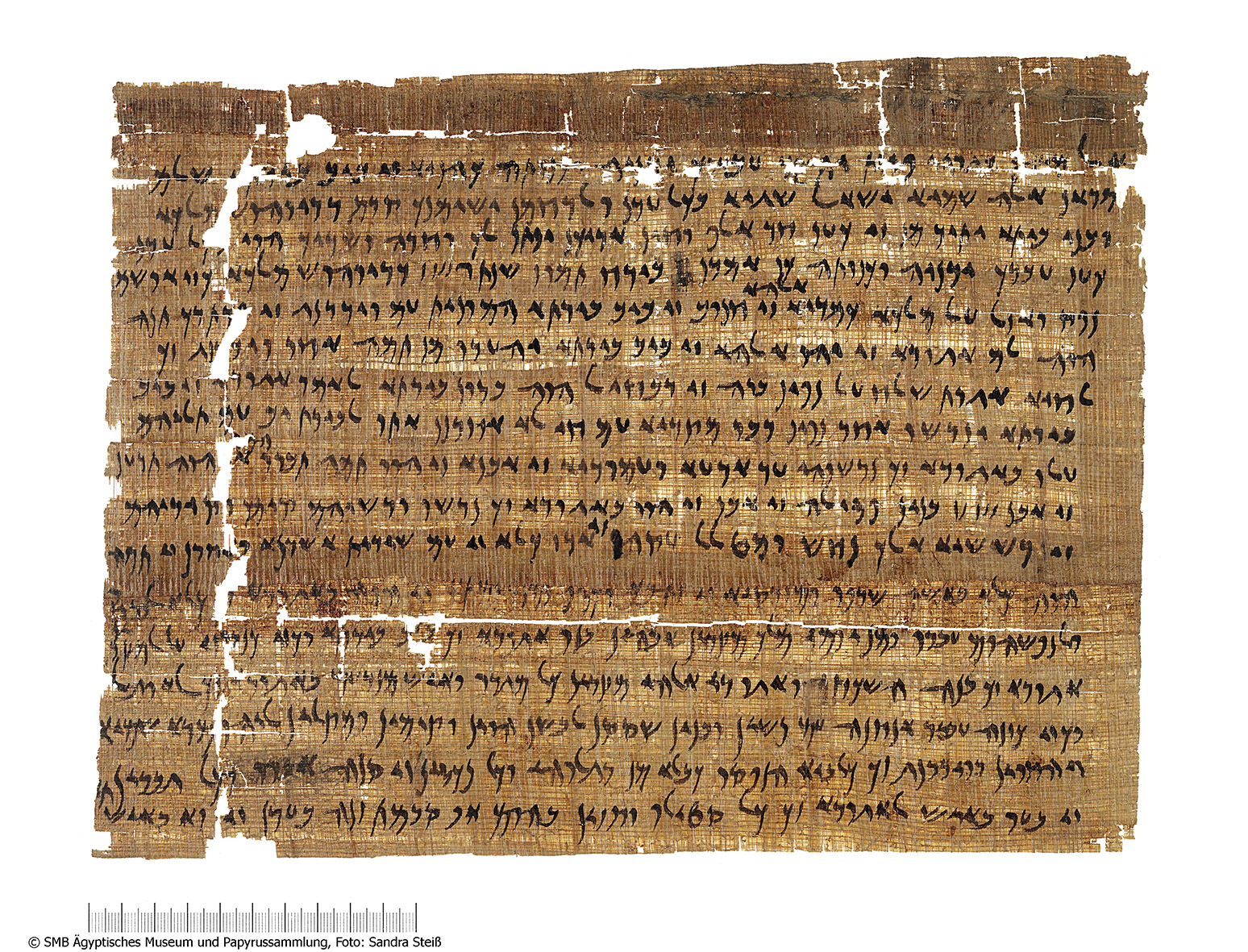
JedaniahJedaniah, priest at ElephantineAn Elephantine priest named with his colleagues in the temple-rebuilding petition of 407 BCE.Glossary · Click to read the explanation and fellow priests address BagohiBagohi, governor of YehudGovernor of Persian-period Yehud, addressed by the Elephantine priests in 407 BCE.Glossary · Click to read the explanation, governor of YehudYehud in the Persian periodYehud names the region around Jerusalem under Achaemenid Persian rule, from the sixth to the fourth century BCE.Glossary · Click to read the explanation, the region around Jerusalem under Persian rule. They seek his assistance in restoring the temple of Yaho, a form of Yahweh's name, in the fortress of Yeb, Elephantine's ancient name. The petition papyrusElephantine temple-rebuilding petitionBerlin Aramaic papyrus P.13495 (TAD A4.7), dated 25 November 407 BCE. Jedaniah and Elephantine’s priests petitioned to rebuild Yaho’s temple. The article distinguishes the reported destruction, a later memorandum restricting offerings to grain and incense, and indirect evidence from 402 BCE that may suggest rebuilding.Glossary · Click to read the explanation preserves their account of the crisis and their arguments for restoring worship.[1][2]
What happened in 410 BCE?
The petition places the temple's destruction in 410 BCE, about three years before the request. It attributes the initiative to priests of KhnumKhnumEgyptian god represented with a ram’s head; his priests appear in the Elephantine petition’s account of the 410 BCE destruction.Glossary · Click to read the explanation, the Egyptian god represented with a ram's head, working with local military authority. It describes broken columns and gateways, burning and the seizure of gold and silver vessels.[1]
These are details supplied by the temple's community to justify its appeal. They directly attest the petitioners' account of the damage; their opponents' version is not preserved in this letter. Explaining the dispute solely through sheep sacrifice because of Khnum's ram association is narrower than the document's evidence, which involves both religious institutions and local power.
An older sanctuary, according to its community
The petitioners say that their ancestors built the temple in the days of Egypt's kings and that it was already standing when the Persians entered Egypt around 525 BCE. This presents their project as the restoration of an established institution previously protected.[1][6]
Two dates must be separated: the papyrus is dated 25 November 407 BCE but describes a building older than itself. It identifies the antiquity claimed by the community without fixing a foundation year or identifying its founders with one particular biblical migration.[1][2]
Connections with Judah and Samaria
The priests report writing to Jerusalem's priests without receiving a reply. They also mention an approach to the sons of Samaria's governor.[1] The community was seeking support through more than one center within the Persian administrative world.
A report that no letter arrived differs from knowing the reason for silence. Religious or political considerations and communication problems are possible, but the petition alone does not decide between them. The dossier, however, does not end in silence: another document preserves words supporting reconstruction.
What did the memorandum authorize?
The memorandum known as TAD A4.9 records words from Bagohi and a son of Samaria's governor, to be conveyed to the Persian authority's representative in Egypt. The document is dated to 407–400 BCE, distinct from the year of the temple's destruction. It mentions rebuilding the altar-house on its former site and offering meal offerings and incense.[4]
This adds a concrete response to the request of 407. The petition sought the restoration of offerings, incense and burnt offerings, sacrifices burned on the altar. The memorandum names meal offerings and incense without naming burnt offerings. The distinction matters for understanding the support offered; authorization should also be separated from proof that every building project and rite was carried out.[1][4]
Comparison with Deuteronomy
Deuteronomy 12:5–14 directs offerings to the place Yahweh chooses. The same chapter permits local slaughter for food while distinguishing it from sacrifice at the altar.[5] The comparison concerns the location of religious offerings, rather than a ban on eating meat outside a single center.
At Elephantine a community sought the restoration of its temple outside Jerusalem, appealing to authorities in Judah and Samaria. This documented practice adds a local dimension to the history of worship and shows that legal formulations and institutional arrangements did not always coincide across communities. How much these priests knew of Torah texts and how they regarded them requires evidence beyond this petition alone.
A letter within an archive
The evidence's strength lies in its particulars: temple, priests and offerings; an account of destruction in 410 BCE; a request dated 407; and a memorandum of support associated with rebuilding. Read together, petition and memorandum reveal religious history through negotiations to restore an institution, its rights and its practices.[1][4][6]
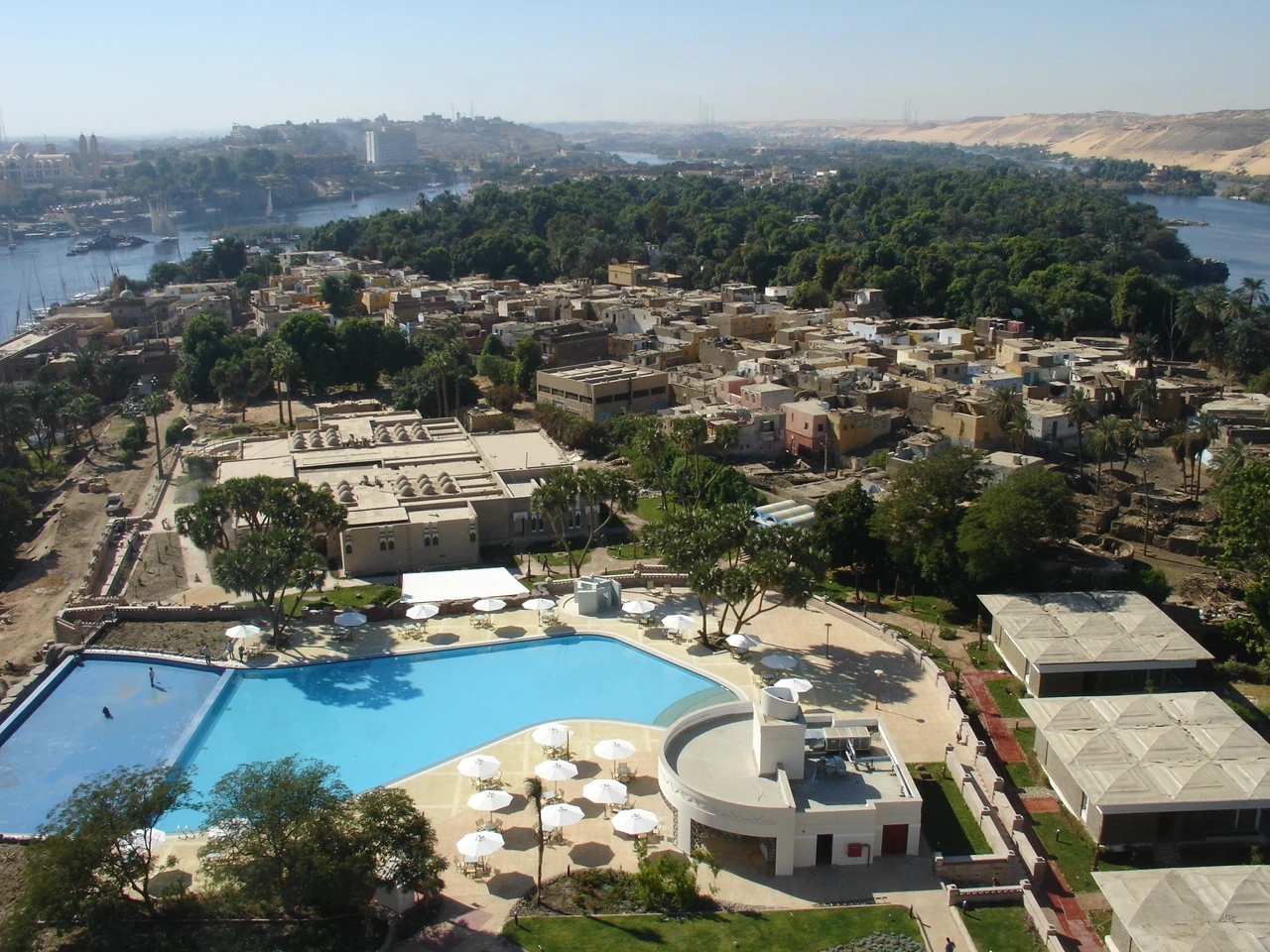
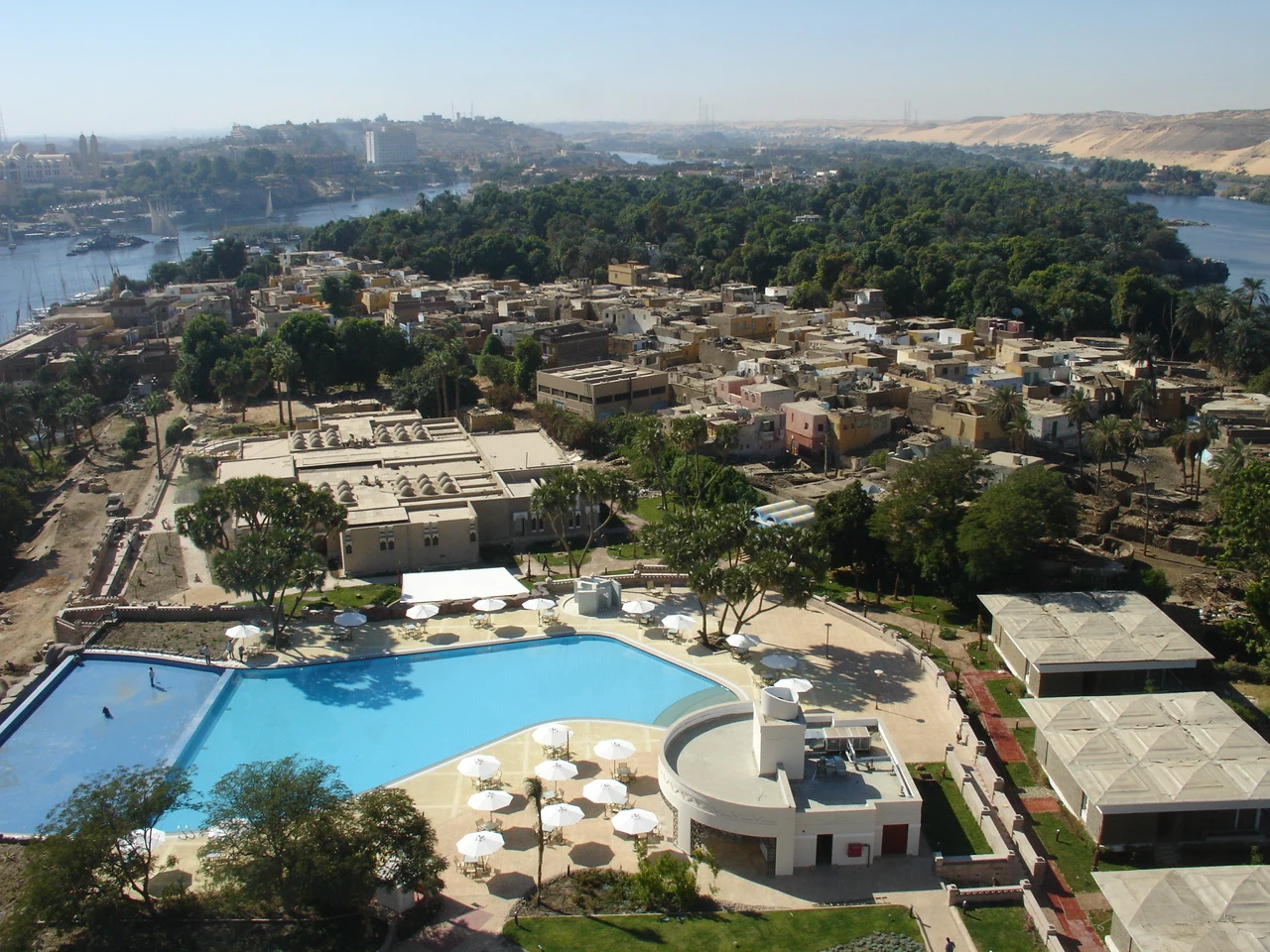
The modern island photograph provides a view of the location rather than the remains of Yaho's sanctuary. Likewise, sharing a divine name does not by itself imply identical places or institutions of worship.
Connected readings
When was the Torah written? · Israelite monotheism · Second Temple Judaism
References and notes (6)
- Temple-rebuilding petition, TAD A4.7 / Cowley 30 / P.13495; K. C. Hanson's translation based on editions of the document. Lines 1–30; Jedaniah, Bagohi, Darius II, Khnum, Vidranga, Cambyses and Sanballat in the petition. Return to the text ↑
- Staatliche Museen zu Berlin, Aramaic papyrus P.13495, dated 25 November 407 BCE. Object identity, date, papyrus and writing on both sides. Return to the text ↑
- Edda Bresciani, Elephantine, Encyclopaedia Iranica, 1998, updated 2013; island, community and archive. Historical overview of the community under Achaemenid rule. Return to the text ↑
- Texts and Scripts from Elephantine, memorandum of Bagohi and Delaiah, P.13497 / TAD A4.9; words to be conveyed to Arsames. Lines 1–11, especially 8–11: rebuilding, meal offerings and incense; burnt offerings are not named. Return to the text ↑
- Deuteronomy 12, Hebrew text with the historical Jewish Publication Society translation; offerings at the chosen place and local slaughter for food. 12:5–14 and 15–27; the chapter does not explicitly name Jerusalem. Return to the text ↑
- Collin Cornell, The Value of Egyptian Aramaic for Biblical Studies, Journal of Biblical and Theological Studies 7.1 (2022), pp.3–20. pp.9–11: community, rebuilding request, memorandum and appeal to antiquity. Return to the text ↑
Suggest a correction · Suggest a source for this record
Cite this record
IL Archive, «Yahweh’s Temple at Elephantine: Worship beyond Jerusalem», https://ilarchive.com/en/studies/elephantine-yahweh-temple
Continue reading