Entity · Concept
Enlilship — ellilūtu
A reference page linking a name, group, or concept to the materials that discuss it.
- Names
- Enlilship · ellilūt · ellilūtu
- Region
- Mesopotamia
An Akkadian term derived from Enlil’s name for paramount standing. Hammurabi’s prologue grants this authority to Marduk; receiving the status does not make its holder identical with Enlil.
Estimated reading time: 5 min Published Last reviewed:
Share article

Text
Introduction
What does a cuneiformCuneiformWriting with wedge-shaped signs, developed from Mesopotamian recording traditions and used for several languages from the third millennium BCE.Glossary · Click to read the explanation text mean when it grants a god “Enlilship”? This entry examines the AkkadianAkkadianAn ancient East Semitic language written in cuneiform from the third millennium BCE; its varieties include Babylonian and Assyrian, and it served in international diplomacy.Glossary · Click to read the explanation word ellilūtu, especially its appearance in the prologue to the Laws of HammurabiLaws of HammurabiAn eighteenth-century BCE Babylonian legal text in Akkadian, presenting property, family, labor and injury provisions within Hammurabi’s account of justice.Glossary · Click to read the explanation. The question is how the prestige attached to EnlilEnlilEnlil/Ellil: a major Mesopotamian god associated with destinies, kingship, and Ekur at Nippur, already prominent in third-millennium god lists. His name’s origin and cult beginnings remain debated.Glossary · Click to read the explanation could be expressed as transferable authority—not whether one god literally became another.
The Akkadian wording is compared with published translations and with evidence for EnlilEnlilEnlil/Ellil: a major Mesopotamian god associated with destinies, kingship, and Ekur at Nippur, already prominent in third-millennium god lists. His name’s origin and cult beginnings remain debated.Glossary · Click to read the explanation’s own authority and continuing cult. The distinction throughout is between what an ancient text says and what historians infer from it.
A status term, not another god
ellilūtu, conventionally rendered Enlilship, abstracts the pre-eminent standing of Enlil. In Adam Stone’s ORACC entry, the term could be applied to figures exercising paramount authority, both divine and human. It denotes standing or power, not a new deity and not automatic identity with Enlil.[1]
The dictionary form is not necessarily the form found in every grammatical setting. The HammurabiHammurabiKing of Babylon in Mesopotamia, reigning around 1792–1750 BCE. A celebrated legal text preserved on a stele and cuneiform copies bears his name.Glossary · Click to read the explanation passage has the cuneiform transliteration dEN.LÍL-ut and is romanized ellilūt in the sentence. A citation of ellilūtu therefore names the lexical concept; it should not be mistaken for a letter-for-letter reproduction of that occurrence.[3]
Direct testimony: Hammurabi’s prologue
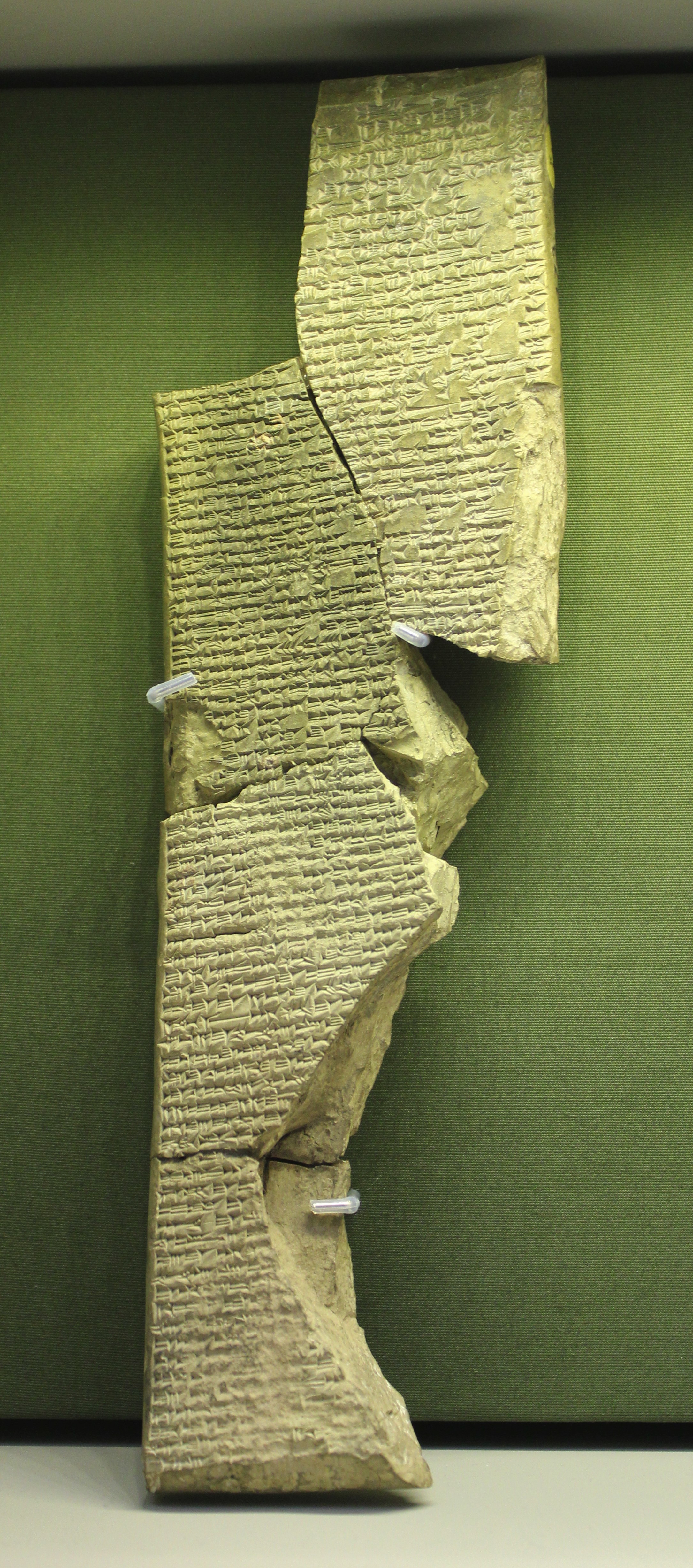
The first column opens by naming An/AnuAn / AnuAn is the Sumerian sky god, called Anu in Akkadian. The sign AN by itself does not identify him: it also denotes sky or divinity.Glossary · Click to read the explanation and Enlil as gods determining the land’s destinies (lines 1–7). In lines 8–13, they allot Enlil’s authority over all peoples to MardukMardukBabylon’s leading god, worshipped at Esagil and elevated in the Akkadian Enūma eliš. His symbols include a spade and mušḫuššu dragon. His earliest origins remain obscure; Nibiru is no evidence of a planetary homeland.Glossary · Click to read the explanation, the son of Ea/EnkiEnkiMesopotamian deity also known as Ea, linked with Eridu and the Abzu (deep fresh waters), wisdom, incantations, and narratives of creation and cosmic order. Later written attestations do not identify the deity of Eridu’s earliest layers.Glossary · Click to read the explanation. Lines 14–26 then tell how Marduk is elevated among the IgiguIgigiCollective of deities called Igigi or Igigū in Akkadian sources from the Old Babylonian period onward. They labour and rebel in Atrahasis; their numbers and relation to the Anunnaki vary by text.Glossary · Click to read the explanation, BabylonBabylonBabylon is an ancient city in central present-day Iraq, south of BaghdadGlossary · Click to read the explanation is exalted, and enduring kingship is established there. The SEAL corpus supplies the transliteration and a line-by-line translation.[3]
SOAS publishes a transcription of this passage alongside an English translation based on Martha Roth’s work, with slight modifications. It likewise construes the expression as the allotment of supreme power. The immediate phrase over all peoples should not, by itself, be expanded into a precise inventory of every cosmic power possessed by the god.[4]
Marduk’s authority and the king’s commission
The prologue then changes subject. The grant to Marduk occurs at lines 8–13; HammurabiHammurabiKing of Babylon in Mesopotamia, reigning around 1792–1750 BCE. A celebrated legal text preserved on a stele and cuneiform copies bears his name.Glossary · Click to read the explanation’s designation to enact justice follows at lines 27–49, and the ruler calls himself Enlil’s appointed shepherd at lines 50–53. The noun ellilūtu is directly assigned to Marduk, not to Hammurabi, in this passage. The king’s legitimate rule is a related but separate claim.[3]
This is a royal ideological text. It witnesses a way of articulating Babylon’s god and its ruler within a hierarchy of divine authorization. It is not an administrative record proving that every Mesopotamian city changed its worship at once.
Enlil’s authority in other evidence
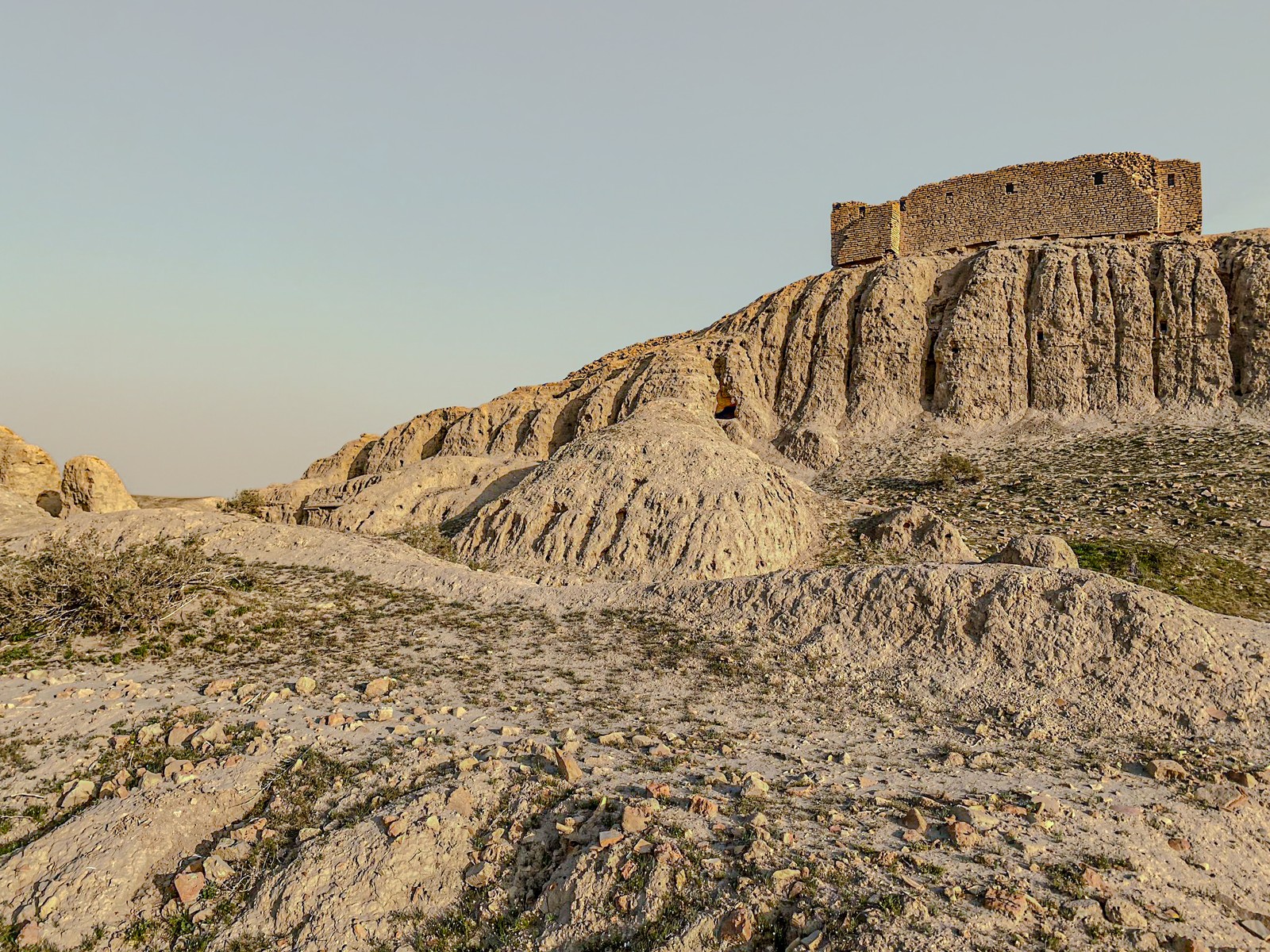
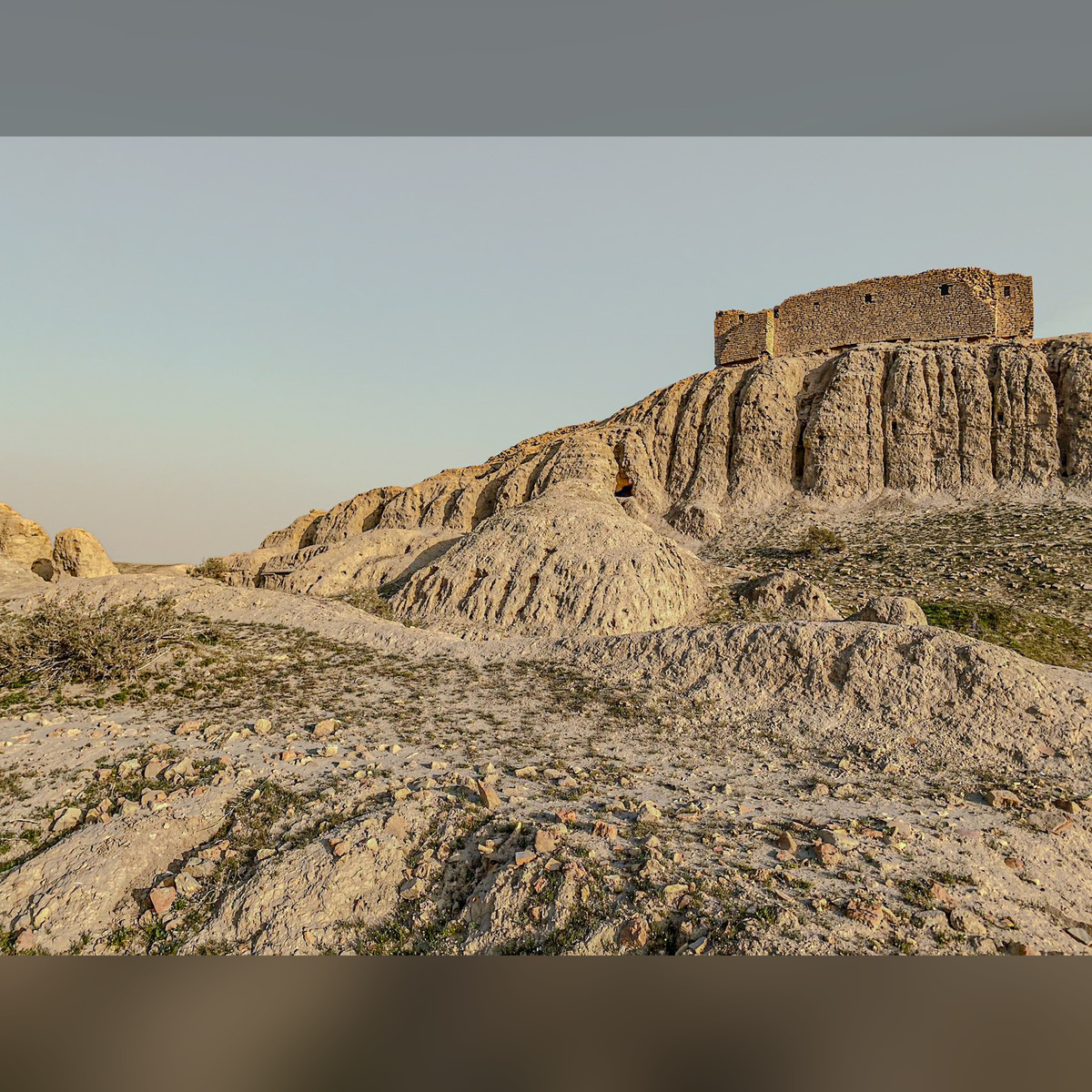
Sumerian literature depicts Enlil as the god who fixes destinies and grants kingship. In different versions of Ur-Namma the Canal-Digger, he chooses the ruler and determines his destiny at NippurNippur / NuffarAncient Nippur (modern Nuffar, Iraq), major cult centre of Enlil and Ekur; excavations revealed sanctuaries, houses and thousands of cuneiform tablets across many periods.Glossary · Click to read the explanation. The poem supports Enlil’s royal-legitimating role, but it is not an attestation of the separate Akkadian word ellilūtu.[5]
Enlil’s EkurEkur: Enlil’s Temple at NippurEkur (“Mountain House”) was Enlil’s chief sanctuary at Nippur, present-day Iraq; the name may extend to its precinct. Hymns and royal inscriptions attest to its prestige and rebuilding across periods; it is not simply the ziggurat.Glossary · Click to read the explanation sanctuary at Nippur remained important. A Kassite stone dedication dated by the Metropolitan Museum of Art to approximately the sixteenth–fifteenth centuries BCE mentions Ekur and Enlil. The piece is material evidence for devotion to Enlil after Hammurabi; the museum does not identify this inscription as an occurrence of ellilūtu.[6]
Marduk’s ascent was not Enlil’s erasure
Hammurabi’s wording is a clear early expression of Marduk’s elevation. The later literary narrative Enūma elišEnuma ElishA seven-tablet Babylonian creation poem in Akkadian, recounting Marduk’s rise, victory over Tiamat, cosmic ordering and human creation, and culminating in praise through fifty names. Its composition date is debated; later manuscripts and recitation traditions preserve it.Glossary · Click to read the explanation likewise makes him chief of the gods after defeating TiamatTiamatTiamat is a primeval divine mother and watery figure in Enūma eliš who later opposes Marduk; he divides her body in making the cosmos. No Babylonian portrait of her is securely identified.Glossary · Click to read the explanation and receiving a multitude of names. Nicole Brisch emphasizes the complexity of Marduk’s early rise; this parallel does not establish a fixed composition date for the epic.[2]
Nor did a title extinguish Enlil’s cult. The specialist account of Enlil records continued offerings and royal associations after Babylonian claims for Marduk’s supremacy developed. Priority in a particular text is not identical to worshipping practice across every region and period.[1]
Comparison without conflation
An ORACC study of the Assyrian god Aššur describes his assumption of attributes and family relations associated with Enlil, leading to the expression “Assyrian Enlil” in some settings. The account explicitly notes that Aššur did not wholly lose his separate identity. This illustrates an analogy of divine standing, not proof that every such Assyrian formulation contains the exact noun ellilūtu.[7]
A related noun built around another divine name is anūtu, the status of AnuRank of Anu — anūtuAn Akkadian term for supreme rank associated with Anu; dictionary and Enuma Elish examples clarify its attribution to other gods and its limits.Glossary · Click to read the explanation. Similar constructions do not establish identical histories, interchangeable offices, or an unbroken fixed succession of supreme gods.
The explanatory figure
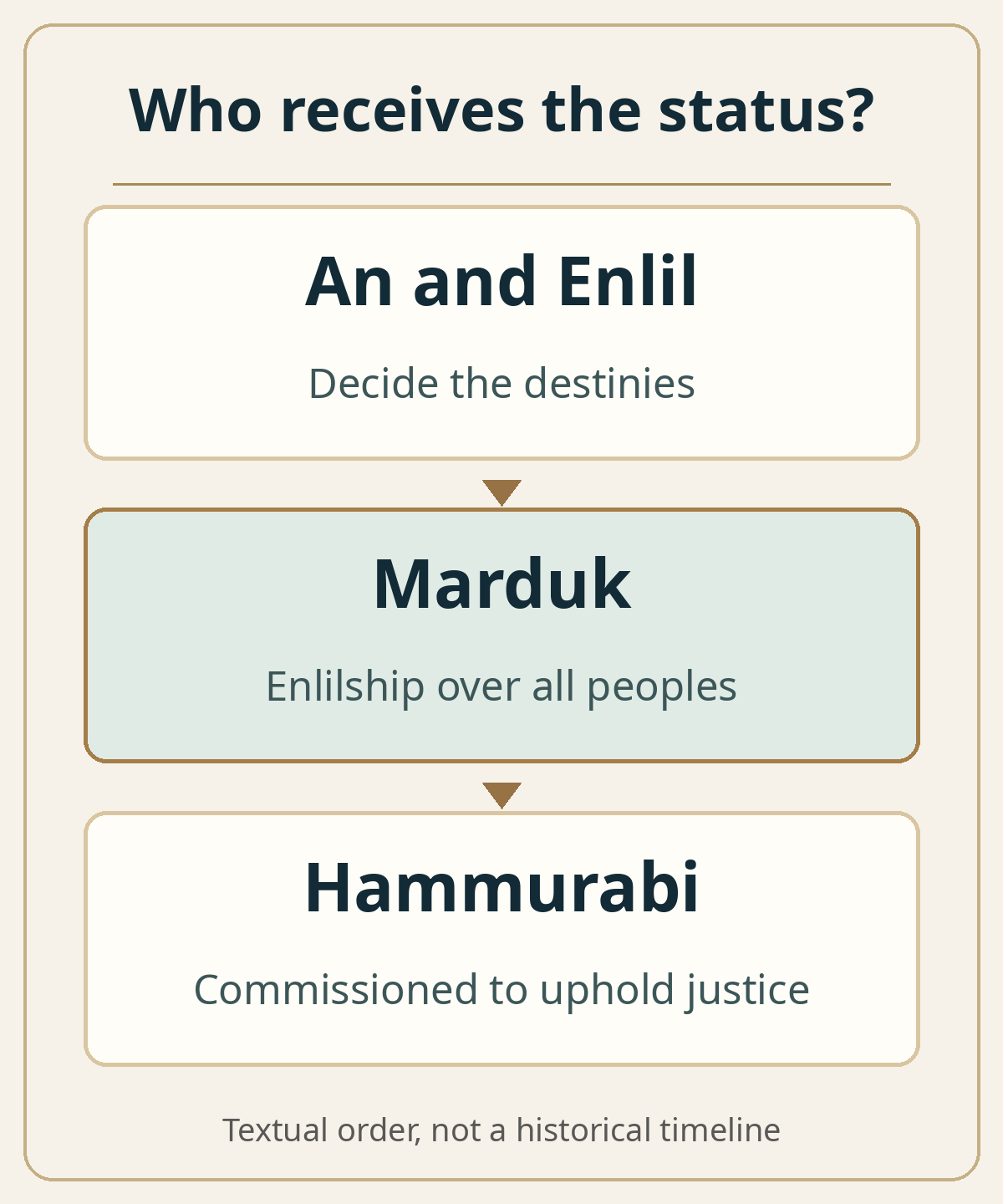
The modern diagram separates three steps in Hammurabi’s prologue: An and Enlil are named, Marduk receives the status, and Hammurabi is designated to rule. It represents the order of the literary statement, not a timeline of Mesopotamian religions or an ancient image.[3]
What the evidence permits
Direct evidence: an Akkadian expression associated with Enlil is applied to Marduk in a royal prologue. Historical interpretation: Babylon’s court used an inherited model of supreme divine authority to elevate its patron god. Not demonstrated: Marduk’s literal identity with Enlil, Enlil’s disappearance, or a single date at which the whole pantheon was reorganized.[1][2][3]
This reading compares a published Akkadian transliteration with modern translations. It does not claim direct inspection of every line on the stone or exhaustive collation of all textual witnesses; retaining the Akkadian word makes those limits visible.
References and notes (7)
- Adam Stone, “Enlil/Ellil (god),” Ancient Mesopotamian Gods and Goddesses, ORACC. Read the online entry’s functions, titles, Enlilship and historical sections; not Wang’s or Foster’s entire books. Return to the text ↑
- Nicole Brisch, “Marduk (god),” Ancient Mesopotamian Gods and Goddesses, ORACC. Read online passages on origins, Hammurabi’s prologue, Marduk’s rise and Enūma eliš; neither the full epic nor Sommerfeld’s monograph. Return to the text ↑
- SEAL, “CH Prologue and Epilogue (Hammurāpi),” transliteration and translation, record 7520. Read the published prologue, col. I lines 1–65, especially 1–26 and 27–53; no direct stone inspection or independent collation. Return to the text ↑
- SOAS, “The Codex Hammurabi, part of the Prologue,” reading by Albert Naccache; translation adapted from Martha Roth. Read the displayed Akkadian transcription and facing English translation of the opening passage; audio and Roth’s full volume not checked. Return to the text ↑
- Oxford ETCSL, “Ur-Namma the Canal-Digger,” English translation of Sumerian text 2.4.1.4. Read Nibru version and lines 6–20 (unknown provenance) and 11–28 (Ur version); English translation, not independently checked Sumerian. Return to the text ↑
- Metropolitan Museum of Art, object 41.160.187, stone dedication to Ekur and Enlil, Kassite period. Read the complete object catalogue description, tentative origin, dating, inventory and translated inscription; no direct object inspection. Return to the text ↑
- ORACC/Nimrud, “Aššur, divine embodiment of Assyria.” Read passages on Aššur–Enlil analogy, family connections, and the policies of Šamši-Adad and Sennacherib; not the underlying royal records in full. Return to the text ↑
Suggest a correction · Suggest a source for this record
Cite this record
IL Archive, «Enlilship — ellilūtu», https://ilarchive.com/en/entities/ellilutu
Continue reading