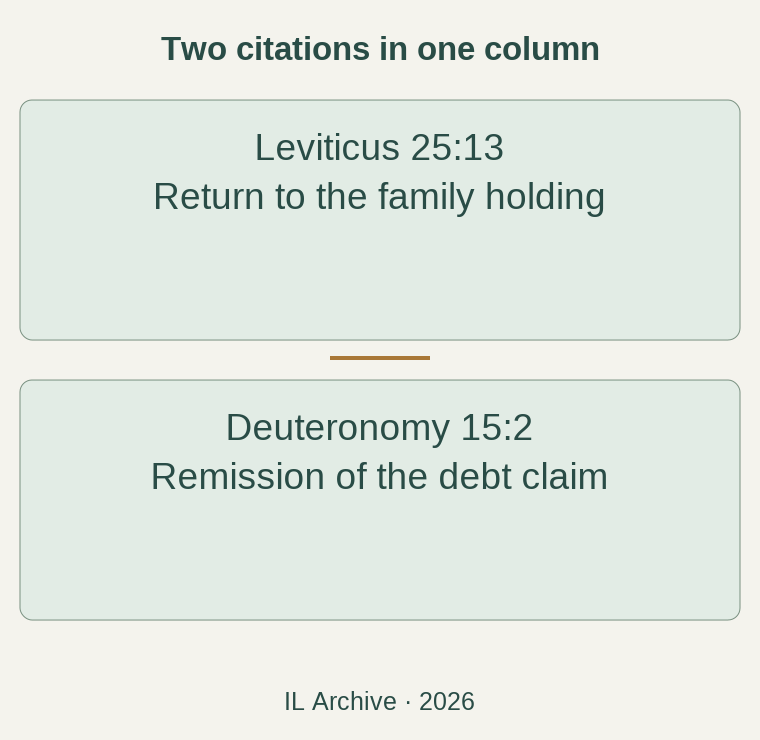
Modern diagram explaining the relationship between the named passages; not a manuscript photograph or historical portrait
Ancient text
Cave Eleven Qumran text with a first-century BCE manuscript, combining jubilee and remission in an end-time interpretation.
Name variants: 11QMelchizedek: Qumran interpretation
Context and sources →
Person
Named translator of the 1888 English edition of Paulus Cassel's Esther commentary.
Name variants: Aaron Bernstein (translator of Cassel)
Context and sources →
Person
Semitic-languages and Hebrew Bible scholar; Regius Professor of Hebrew at Cambridge.
Name variants: Aaron J. Koller
Context and sources →
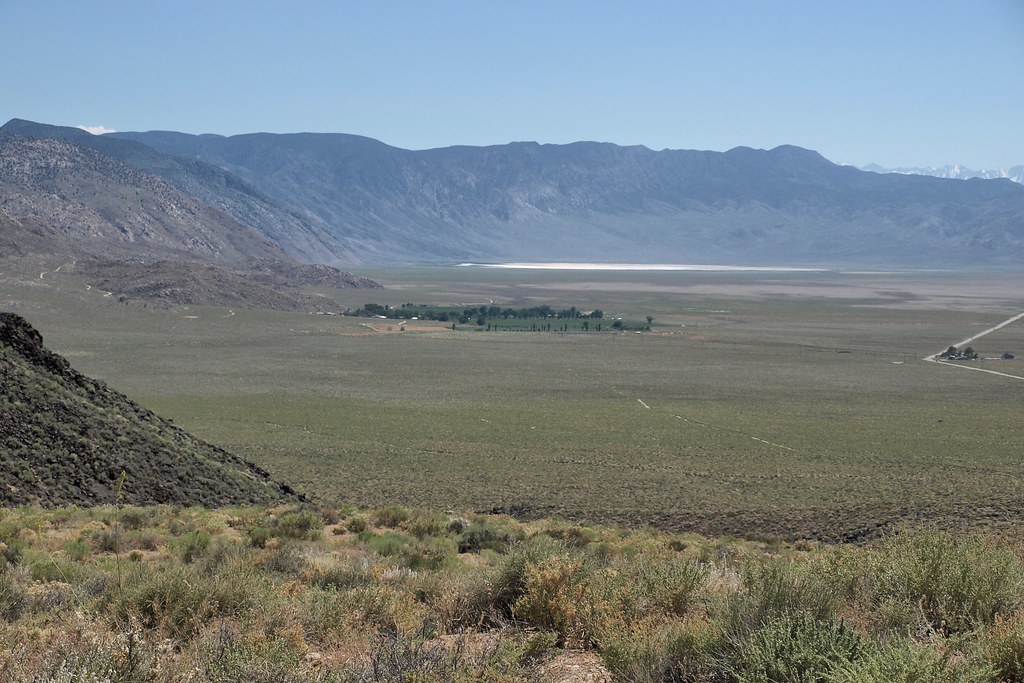
Deep Springs College and its valley in California, photographed in 2017. A view of an institution where Tugendhaft taught, rather than his portrait
Person
Scholar of the ancient Near East and the relationship between religion, politics and the arts.
Name variants: Aaron Tugendhaft
Context and sources →
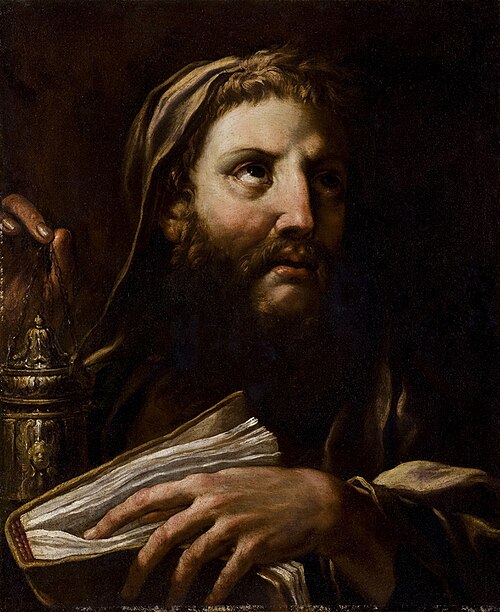
A figure probably representing Aaron holding a censer and book, about 1657–1660; painting attributed to Francesco Maffei. Agnes Etherington Art Centre, 36-002. Later artistic representation, not a historical portrait of Aaron
Person
Moses’s brother and a priest in biblical narrative; Leviticus 16 assigns him sanctuary purification and confession over the living goat.
Name variants: Aaron, priest in the biblical narrative
Context and sources →
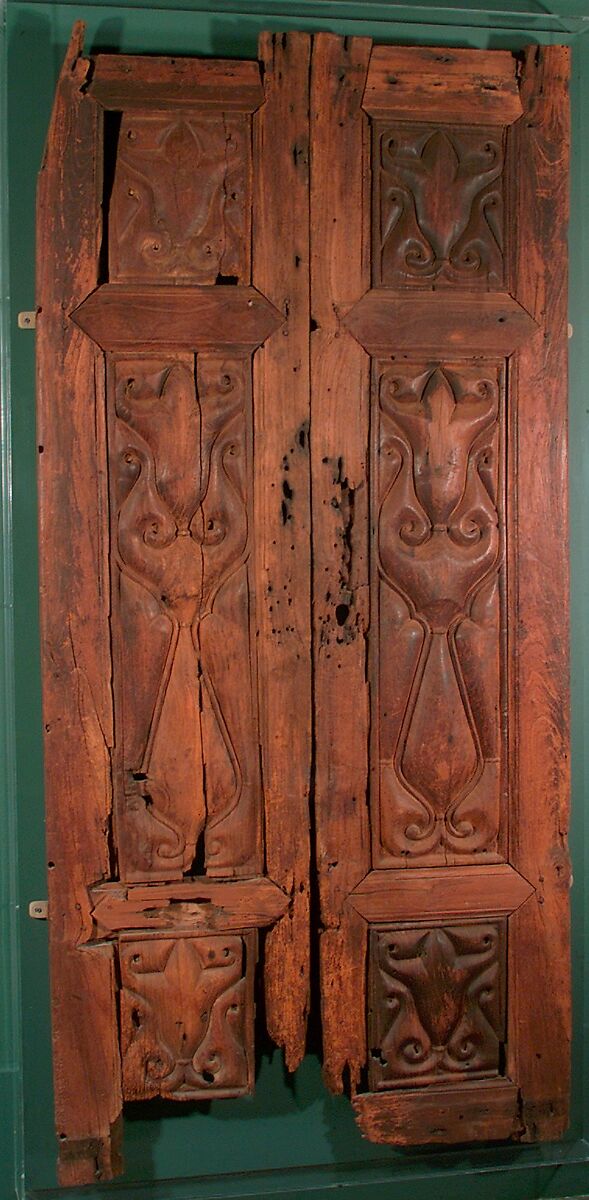
Pair of teak doors in the Beveled Style, ninth century CE, The Met 31.119.1 with 31.119.2. Probably from Samarra, reportedly found at Takrit; not a library or translation gathering
Entity
Caliphate established in 750 CE, associated with Baghdad, Samarra and scholarly translation, whose effective power changed over time.
Name variants: Abbasid caliphate
Context and sources →
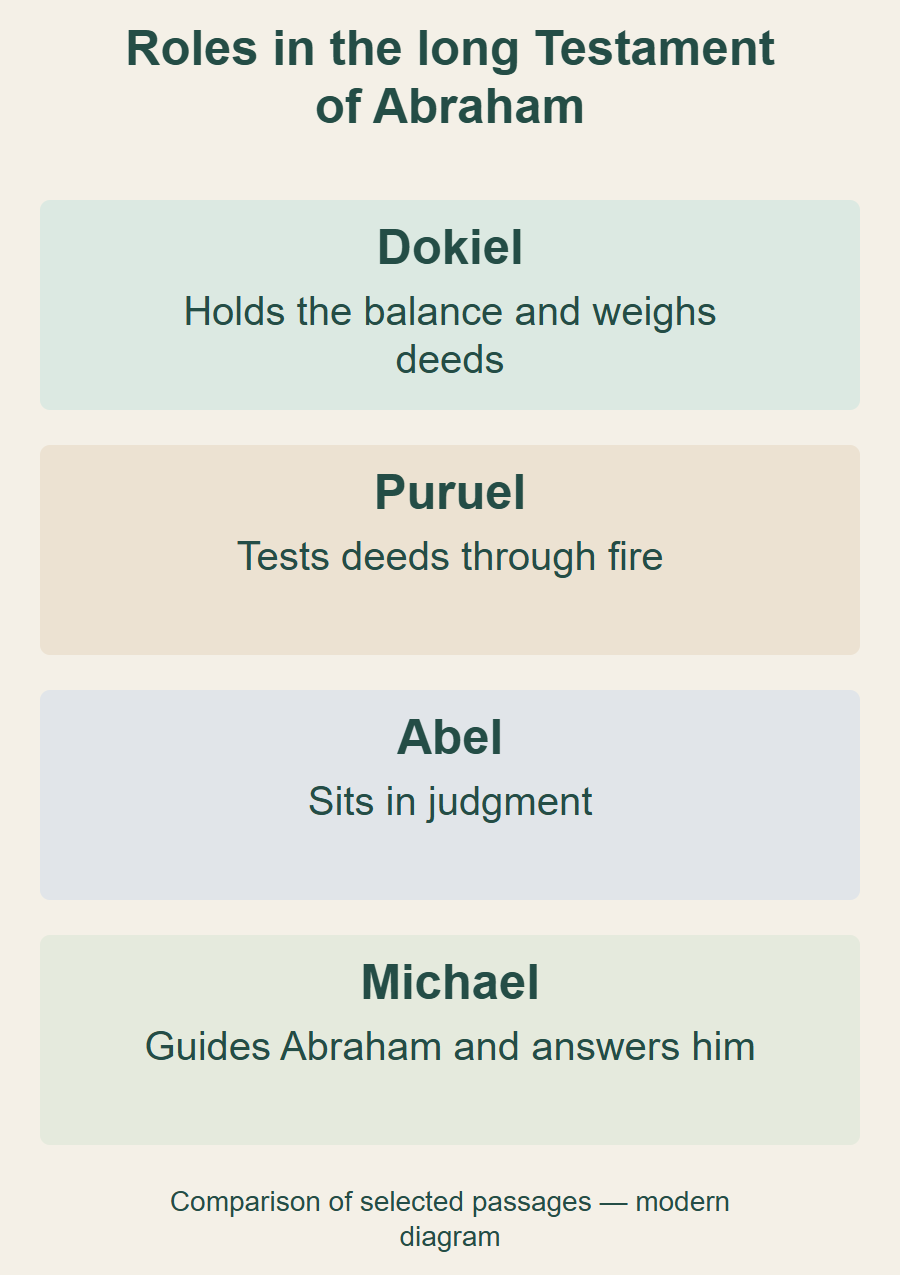
Modern chart of the long Testament of Abraham: Abel judges, Dokiel weighs, Puruel tests by fire and Michael guides Abraham; not ancient likenesses
Person
Abel is Adam’s son and Cain’s brother in Genesis, and the judge in the long Testament of Abraham.
Name variants: Abel
Context and sources →
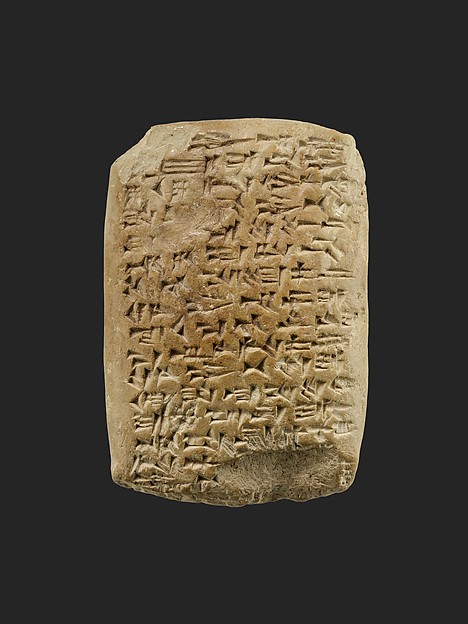
Akkadian letter from Abi-milku, ruler of Tyre, to the Egyptian king, preserved on a clay tablet from the Amarna archive. The Met dates it to about 1347–1330 BCE; object 24.2.12
Person
Abi-milku was a fourteenth-century BCE ruler of Tyre, known from letters to Egypt’s king
Name variants: Abi-milku, Abimilki
Context and sources →
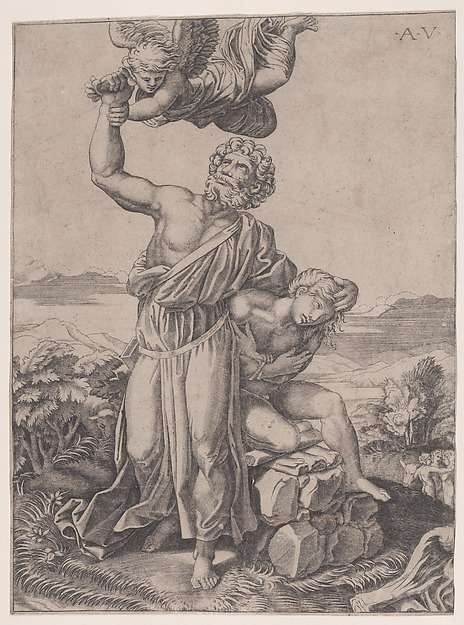
Agostino Veneziano's engraving Abraham's Sacrifice, 1516–18, The Met 17.50.16-80. Later European artistic reception, not a historical likeness
Person
Central figure in Genesis, the Qur'an and Jewish, Christian and Islamic traditions; the sacrifice study compares what each text says about him.
Name variants: Abram, Ibrahim
Context and sources →
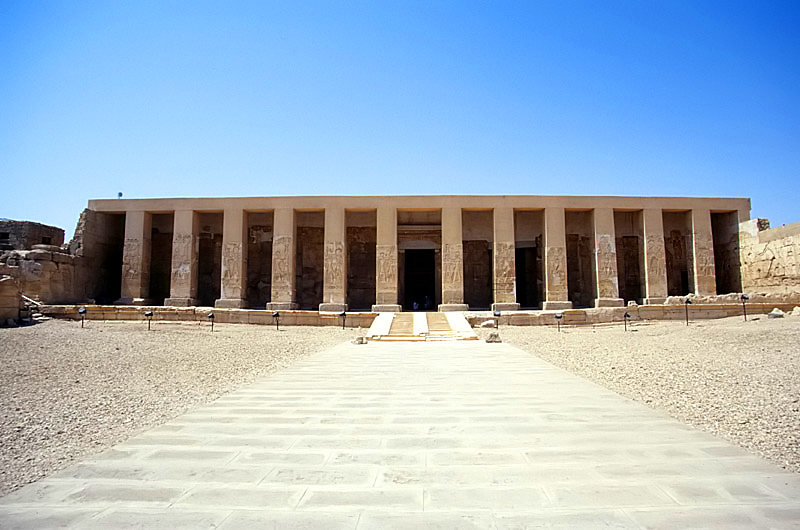
Façade of Seti I’s temple at Abydos, photographed by Roland Unger, 24 August 2000. A site photograph, not portable shrine CG 70041 used in the curtain study
Site
Ancient Upper Egyptian site associated with royal burials and the cult of Osiris.
Name variants: Abydos in Egypt
Context and sources →
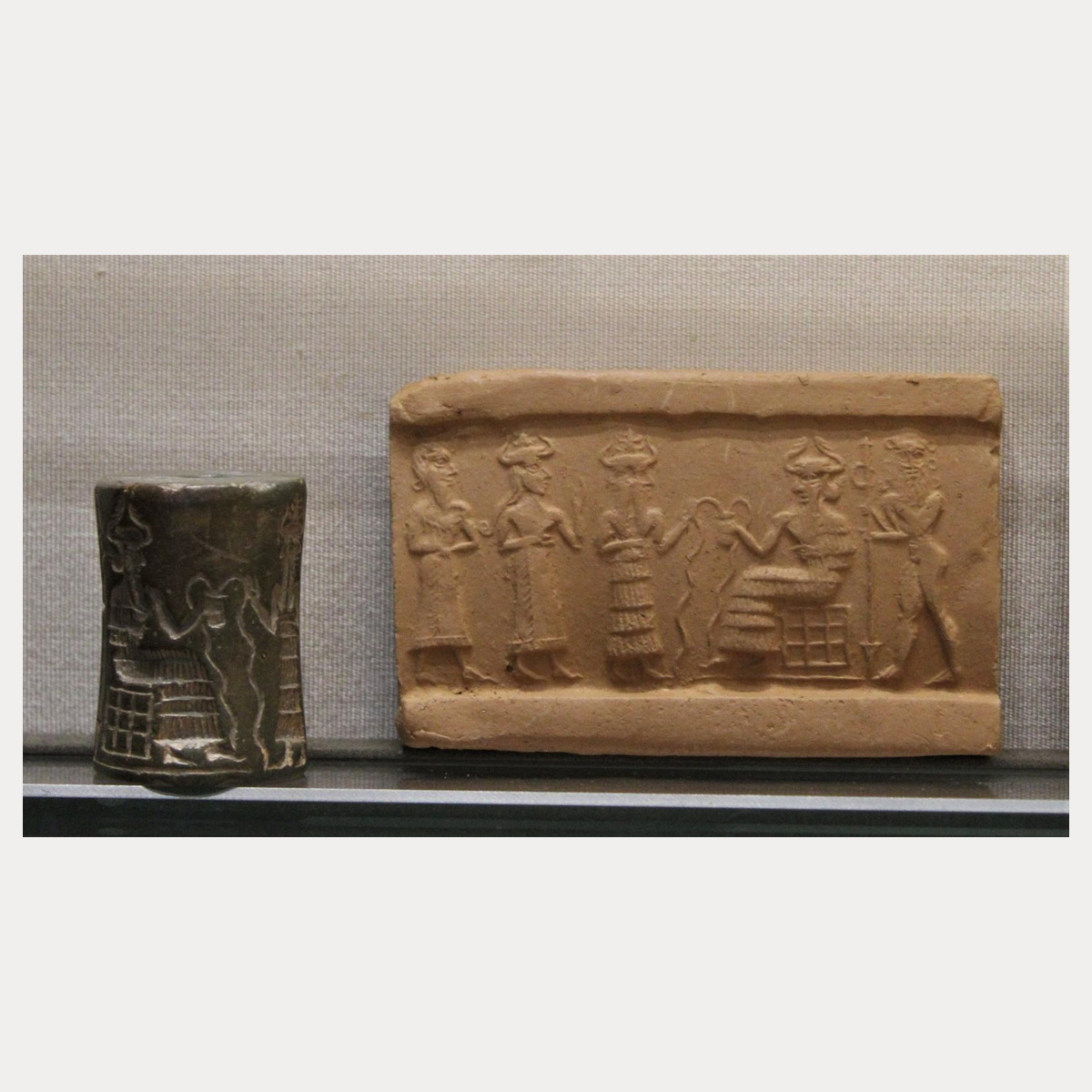
Modern square framing of an Akkadian seal and its modern impression, Louvre MNB 1905 (c. 2340–2200 BCE). The photograph is uncropped within a neutral margin; this is not an image of the Abzu itself
Entity
Cosmic subterranean freshwater in Mesopotamian religion, associated with Enki/Ea. The name occurs in E-abzu, “House of the Abzu”, at Eridu. Distinct from the narrative figure Apsû in the Enūma eliš and unnamed excavated structures.
Name variants: Abzu
Context and sources →
Entity
Acheron evokes the realm of the dead in Greek literature. In Theocritus’s Adonis song it is the place from which the god returns.
Name variants: Acheron in Greek literature
Context and sources →
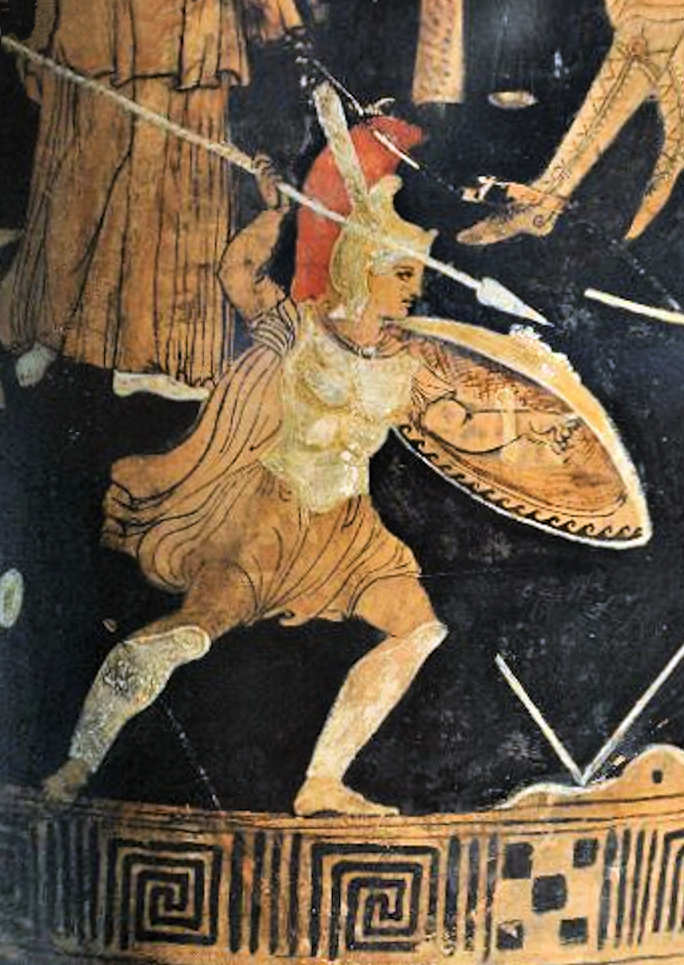
Achilles fighting Memnon on a vase of about 330–320 BCE; National Museum of Antiquities, Leiden, AMM 1. The scene belongs to broader Trojan War traditions, rather than the Iliad itself
Person
Important hero of the Iliad, whose anger and participation shape the poem’s warfare.
Name variants: Achilles
Context and sources →
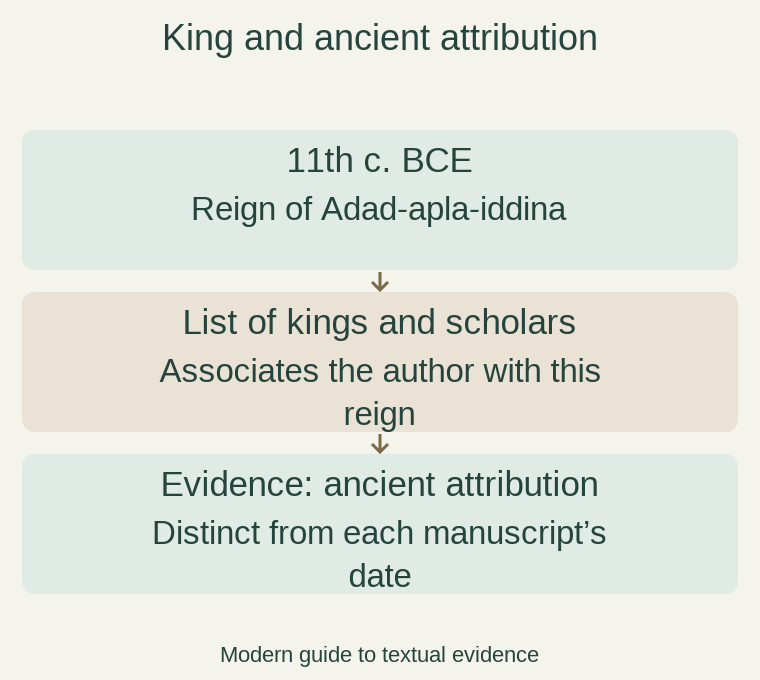
Modern explanation of the evidence: an eleventh-century BCE reign and an ancient list associating the Theodicy’s author with it. Neither king’s portrait nor list facsimile; attribution is distinct from each manuscript’s date
Person
Adad-apla-iddina was an eleventh-century BCE Babylonian king.
Name variants: Adad-apla-iddina
Context and sources →
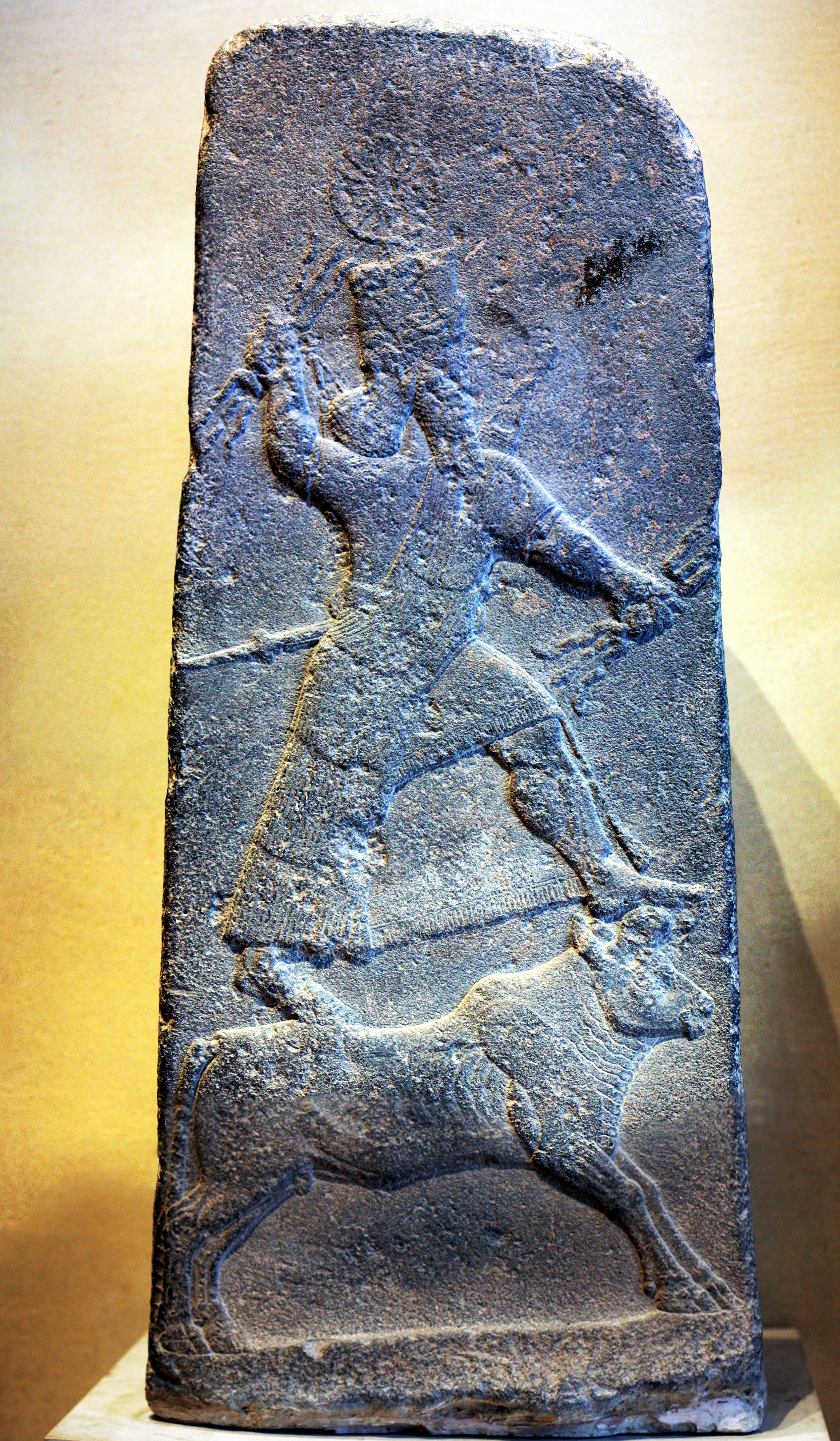
Adad standing on a bull and holding a thunderbolt; stele from Arslan Tash, northern Syria, eighth century BCE, Louvre AO13092. Photograph by Rama, 20 October 2007
Entity
Adad is the storm god in Mesopotamian traditions, associated with rain, thunder and powers of fertility or destruction.
Name variants: Adad: storm god
Context and sources →
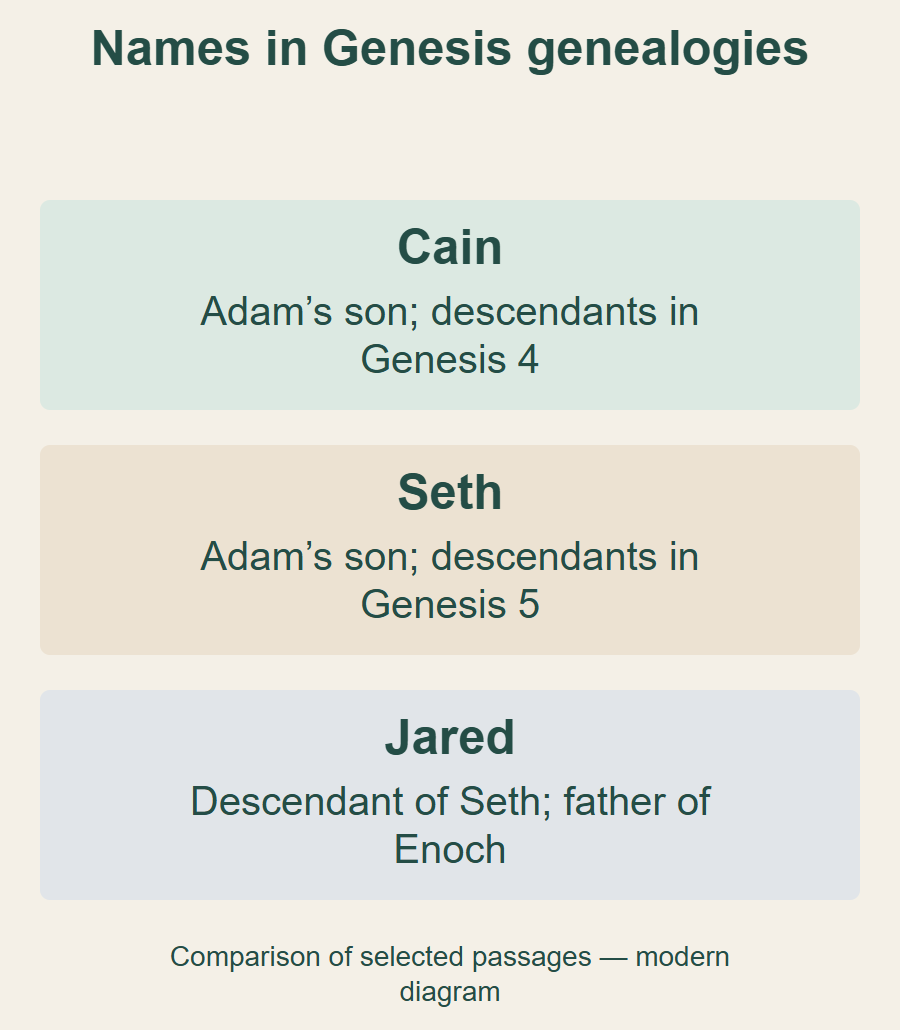
Modern chart of Cain’s and Seth’s branches from Adam and Jared’s position; textual genealogies in Genesis, not historical reconstruction
Person
Adam is a figure in Genesis’s narratives of beginnings, linked with Cain, Seth and Abel.
Name variants: Adam
Context and sources →
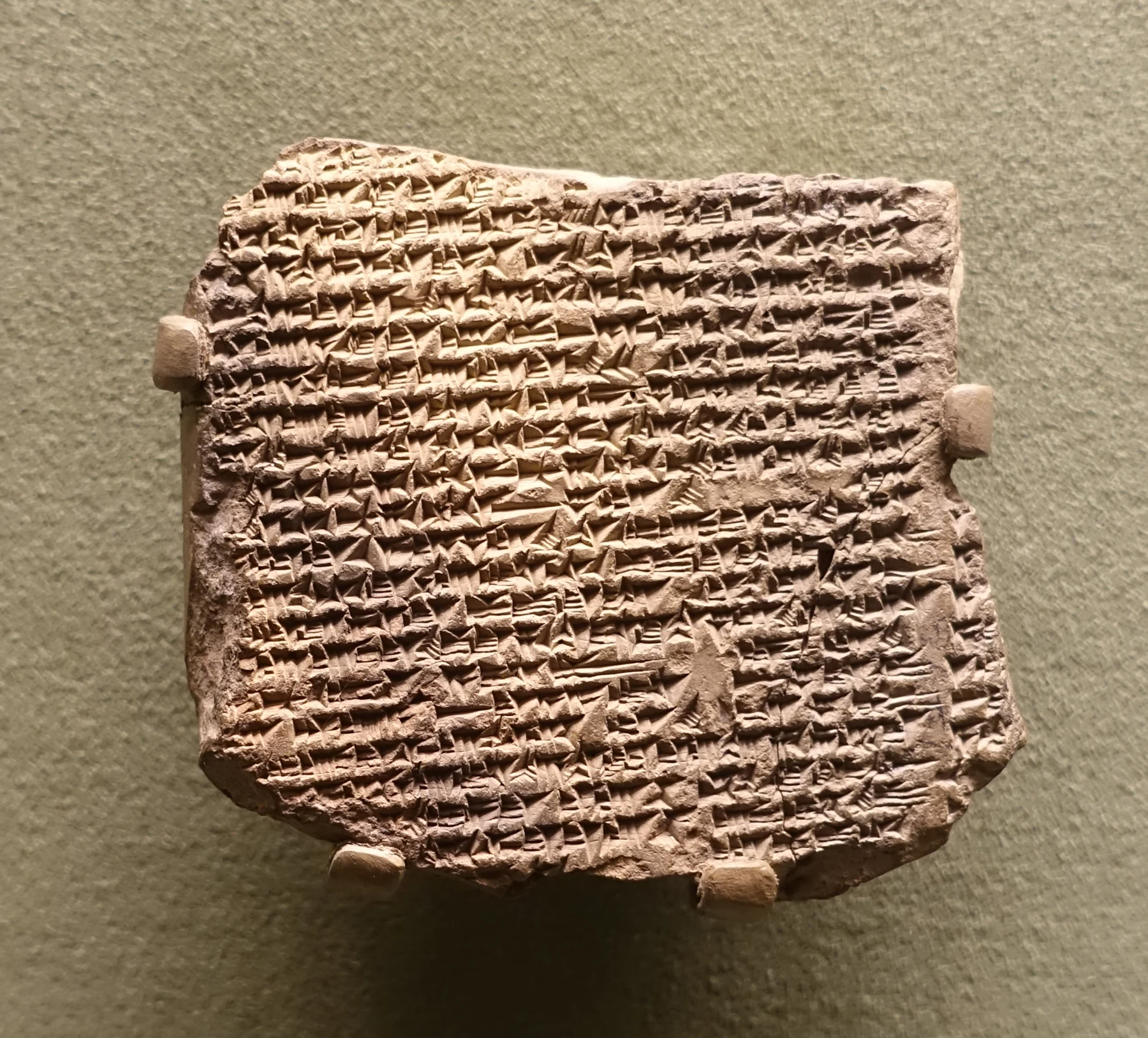
Adapa fragment A, MLC 1296, Neo-Assyrian, about the seventh century BCE, Morgan Library & Museum. Preserves the opening; not Amarna EA 356 or a portrait of Adapa or Adam. Photograph: Daderot, 2020; CC0 1.0
Entity
Adapa is a sage of Eridu in Mesopotamian tradition, associated with Ea. The South Wind story, audience with Anu, and ritual sources give him distinct roles; they do not establish his identity with Adam or the first human.
Name variants: Adapa
Context and sources →
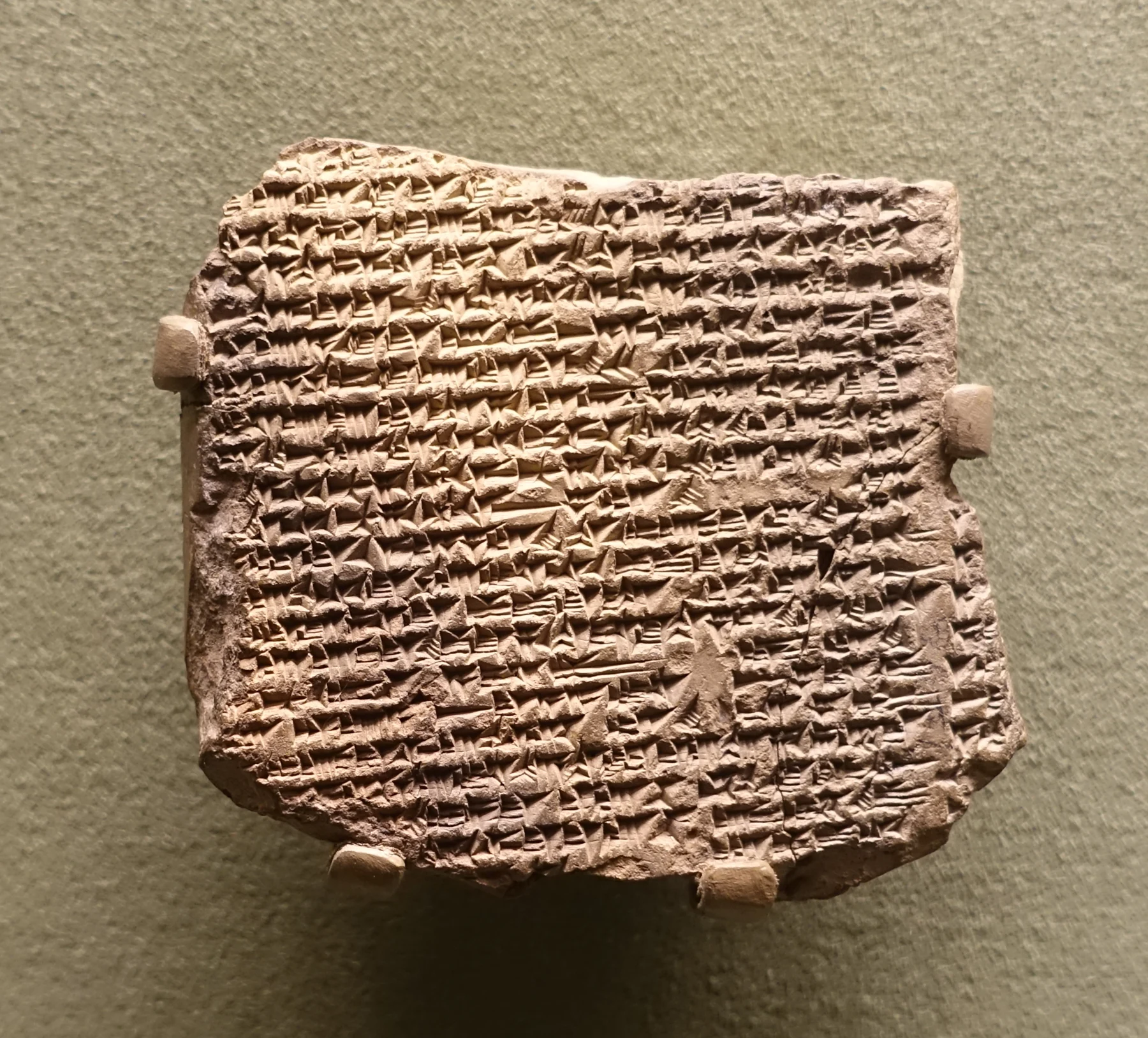
Fragment A of the Adapa narrative, MLC 1296, Neo-Assyrian, approximately seventh century BCE, Morgan Library & Museum. Preserves the opening, not Amarna EA 356 or a portrait of Adapa or Adam. Photographed by Daderot in 2020
Ancient text
Divergent Sumerian and Akkadian witnesses recount Adapa’s disabling of the South Wind, his ascent and his refusal of life’s food; immortality, Ea’s intentions and the sage’s fate remain debated.
Name variants: Adapa and the South Wind
Context and sources →
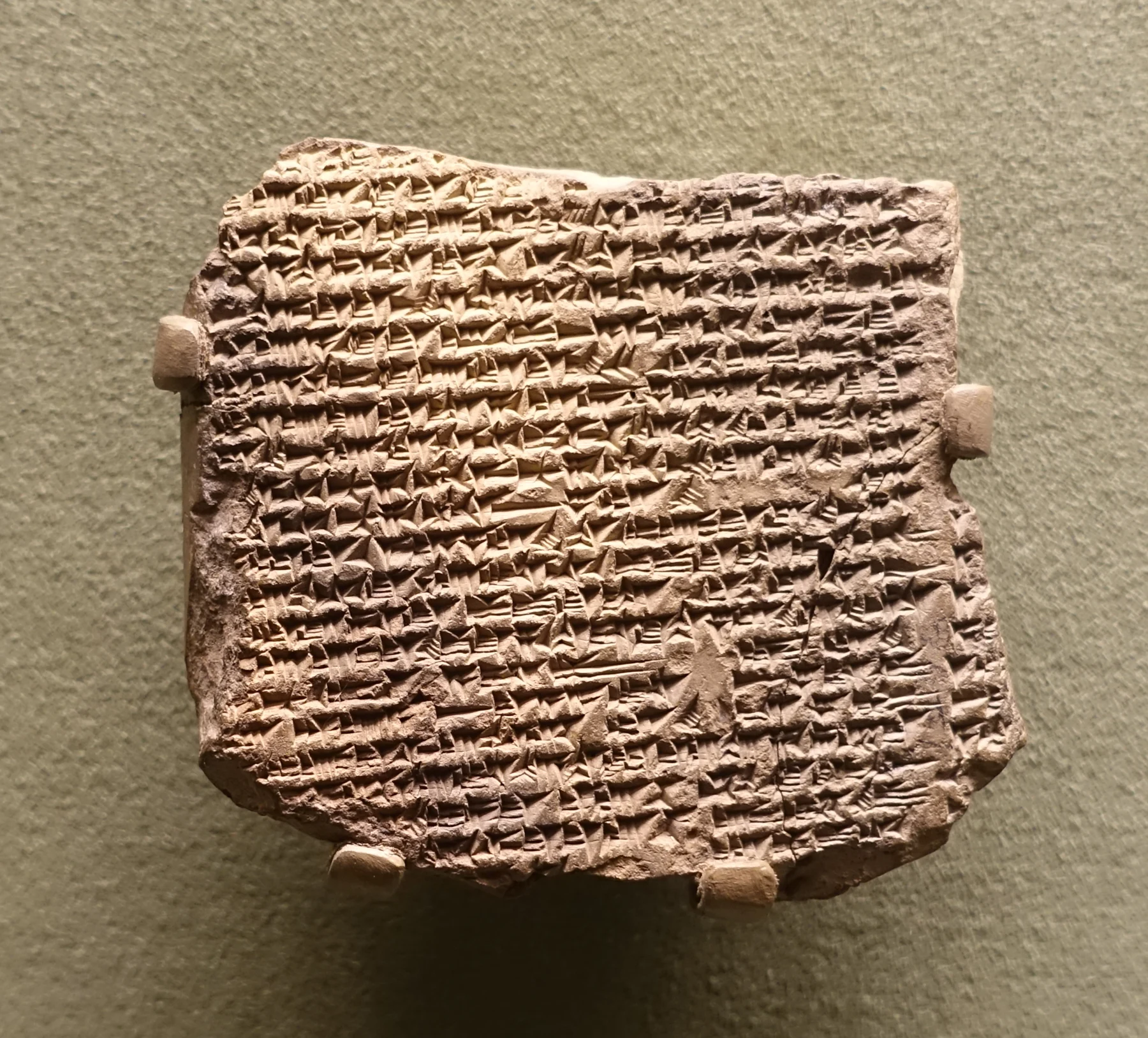
Adapa fragment A, MLC 1296, Neo-Assyrian, about the seventh century BCE, Morgan Library & Museum. Preserves the opening; not Amarna EA 356 or a portrait of Adapa or Adam. Photograph: Daderot, 2020; CC0 1.0
Artifact
Neo-Assyrian clay fragment written in Akkadian, preserving the beginning of Adapa’s story in the Morgan Library & Museum.
Name variants: Adapa fragment MLC 1296
Context and sources →
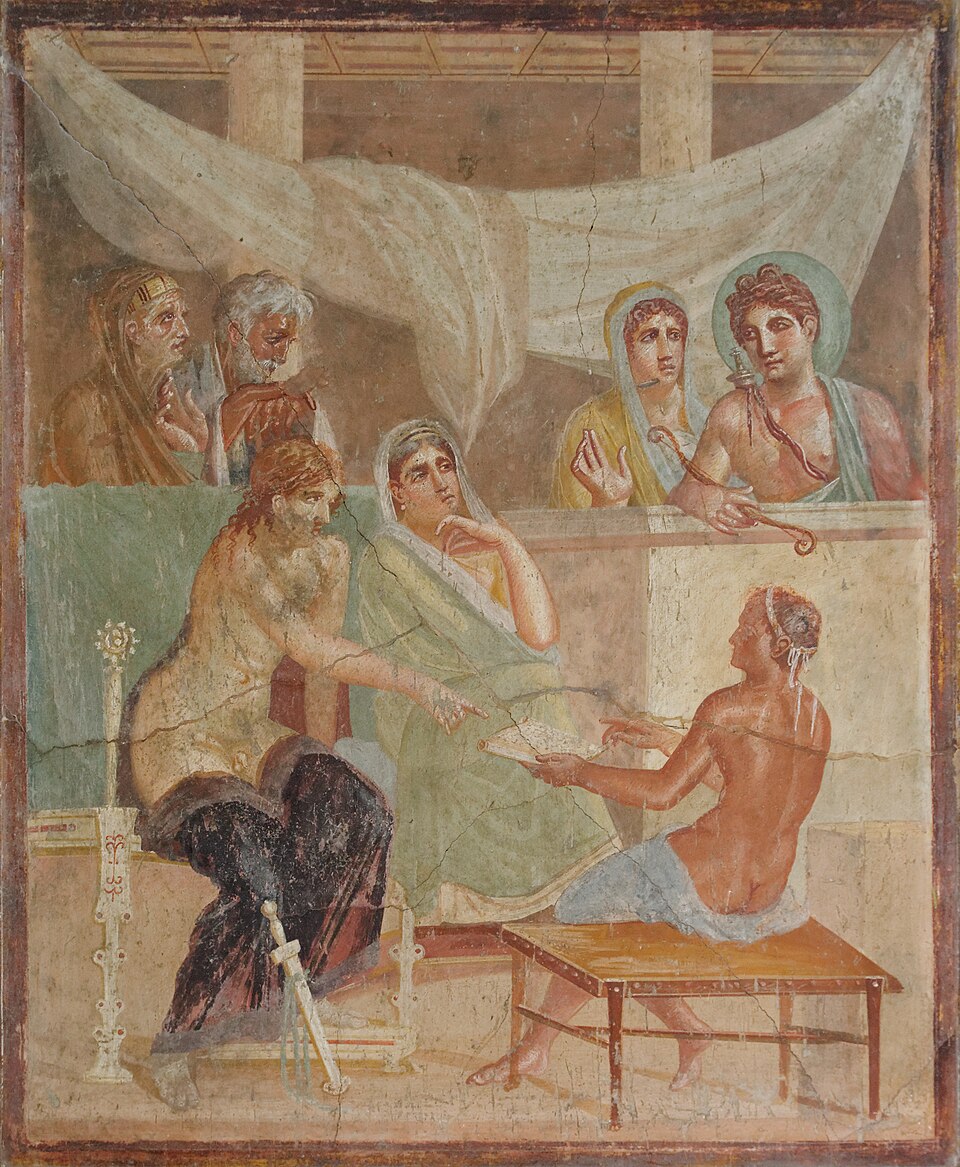
Admetus and Alcestis, first-century CE Roman fresco from the House of the Tragic Poet, Pompeii; Naples Archaeological Museum 9026. Later reception of the story, not a record of the 438 BCE performance. Published 960 px preview
Person
Alcestis’s husband in Greek narrative, allowed to escape death if another person dies for him; his wife accepts the exchange.
Name variants: Admetus in Alcestis
Context and sources →
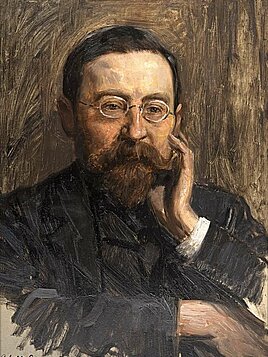
Portrait study of Adolf Erman by William Pape, about 1900–1905, Berlinische Galerie BG-M 12040/12. Detail reproduction published by the Berlin-Brandenburg Academy; historical artwork
Person
Adolf Erman (1854–1937) was a German Egyptologist central to modern study of Egyptian language and its dictionary project.
Name variants: Adolf Erman
Context and sources →
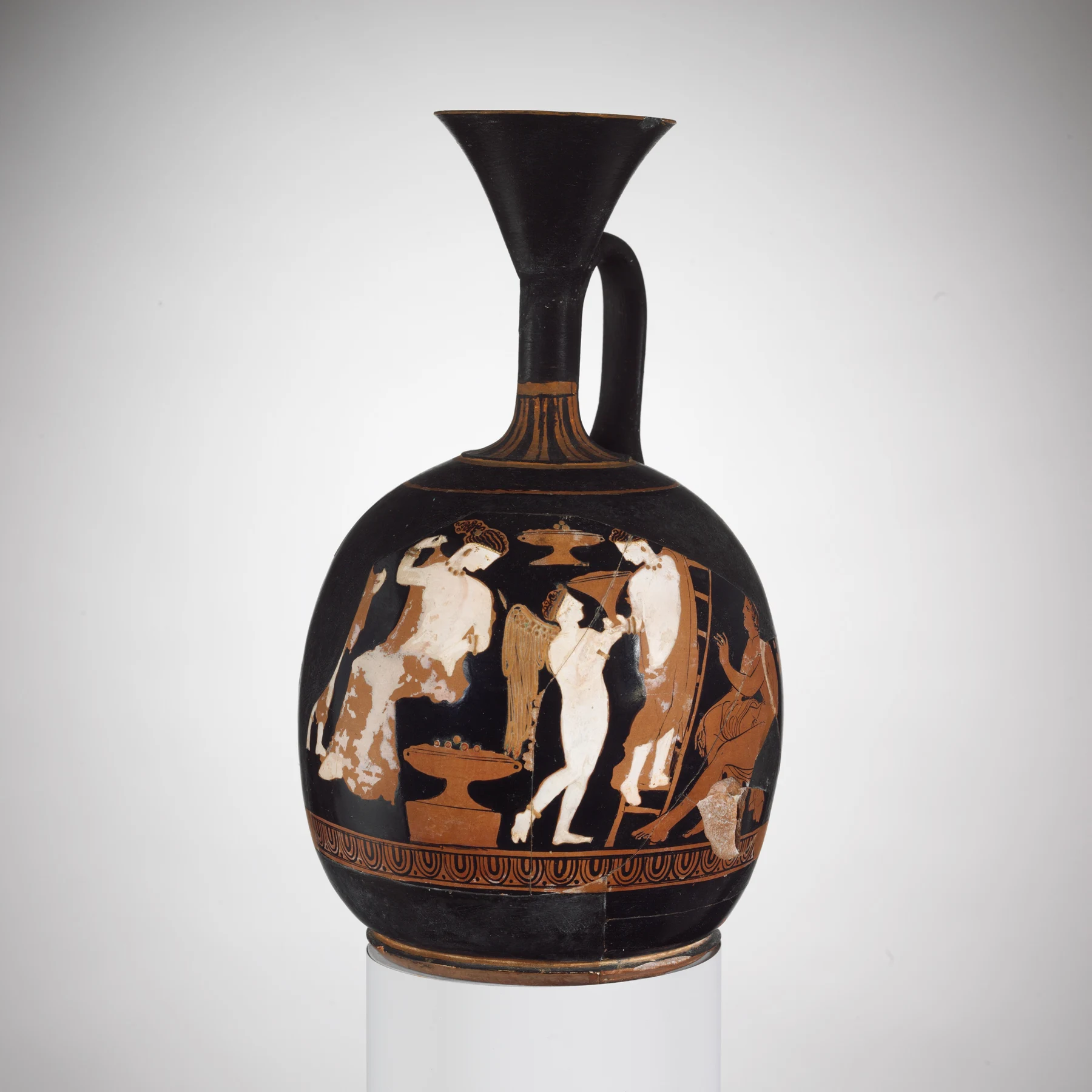
Attic red-figure oil jar, mid-fourth century BCE: a woman on a ladder receives a planter from Eros. The seated man and the other woman may represent Adonis and Aphrodite; both identifications are tentative. The Met, 22.139.26; public-domain image
Entity
Adonia: a festival associated with Adonis, attested through women’s laments and ephemeral plantings; its surviving descriptions vary among Athens, Alexandria, and Byblos.
Name variants: Adonia, Adonis festival
Context and sources →
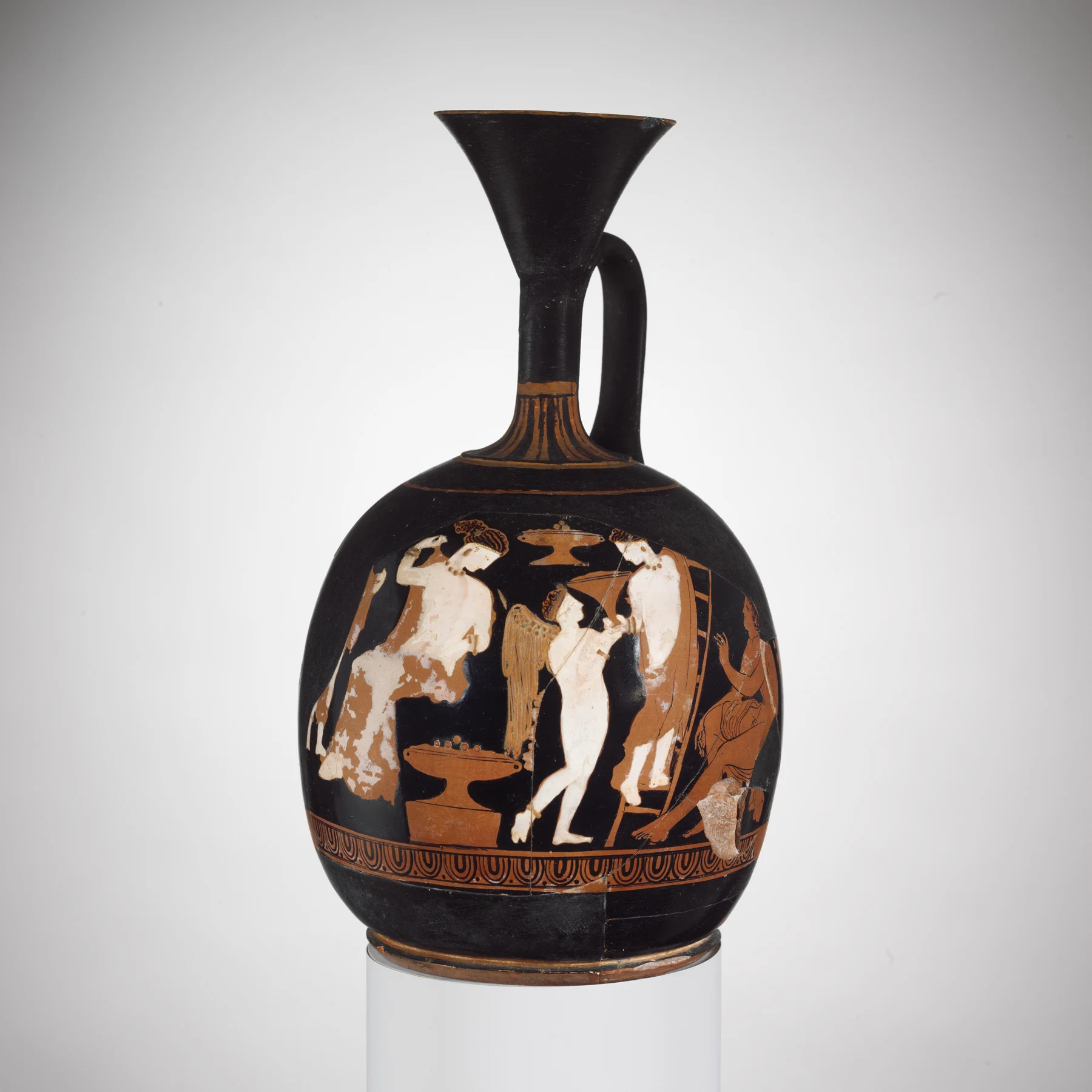
Attic red-figure oil jar, mid-4th century BCE; a woman receives a planter from Eros in a scene associated with the Adonia. Metropolitan Museum, 22.139.26; Public Domain
Entity
A Greek mythic figure associated with Aphrodite, lament, and the Adonia; ancient sources diverge on his birth, death, divided residence, and ritual return.
Name variants: Adonis
Context and sources →
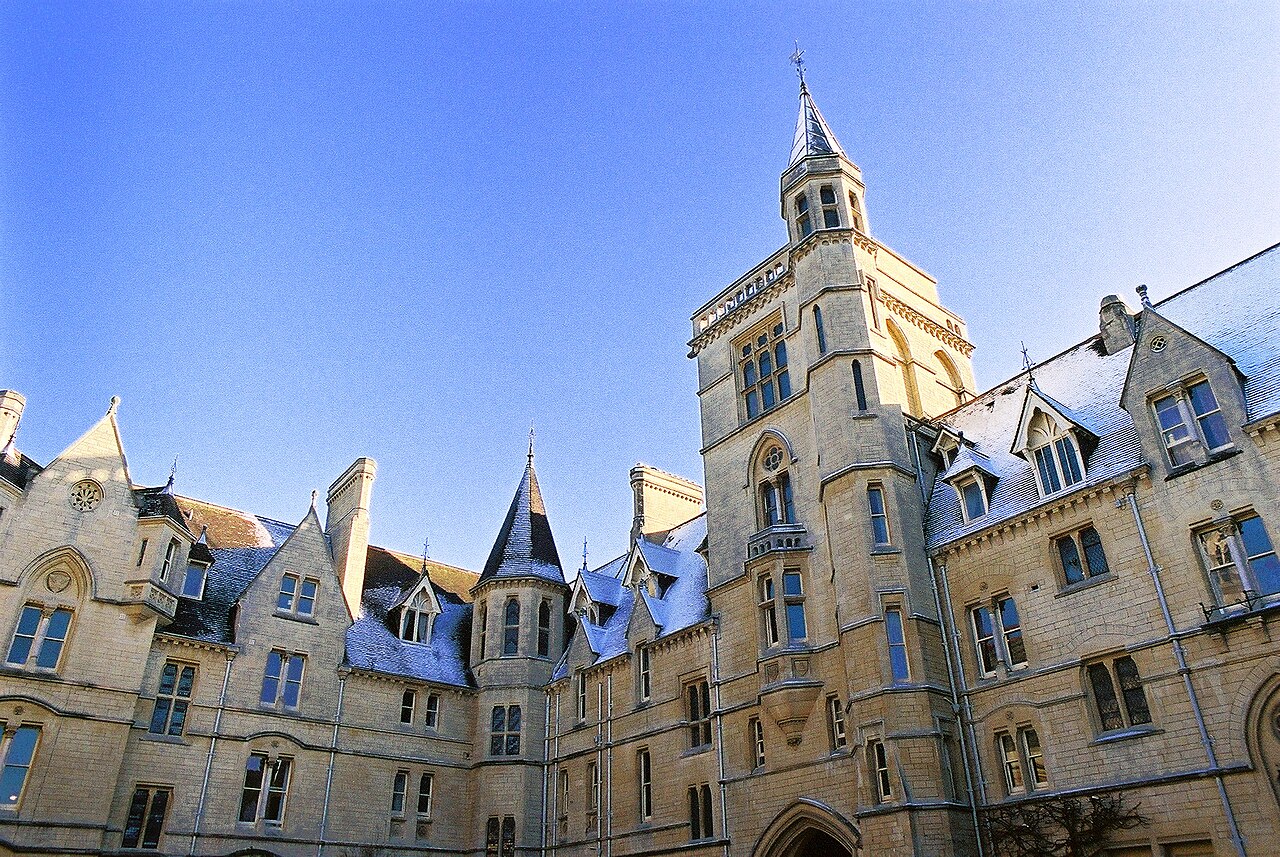
Front quadrangle of Balliol College, Oxford, 21 January 2004. A view of the college associated with Adrian Kelly; it does not establish his position in that year or locate his office
Person
Professor of Ancient Greek Literature at Oxford and Balliol, researching early poetry and the traditions shaping it.
Name variants: Adrian Kelly
Context and sources →
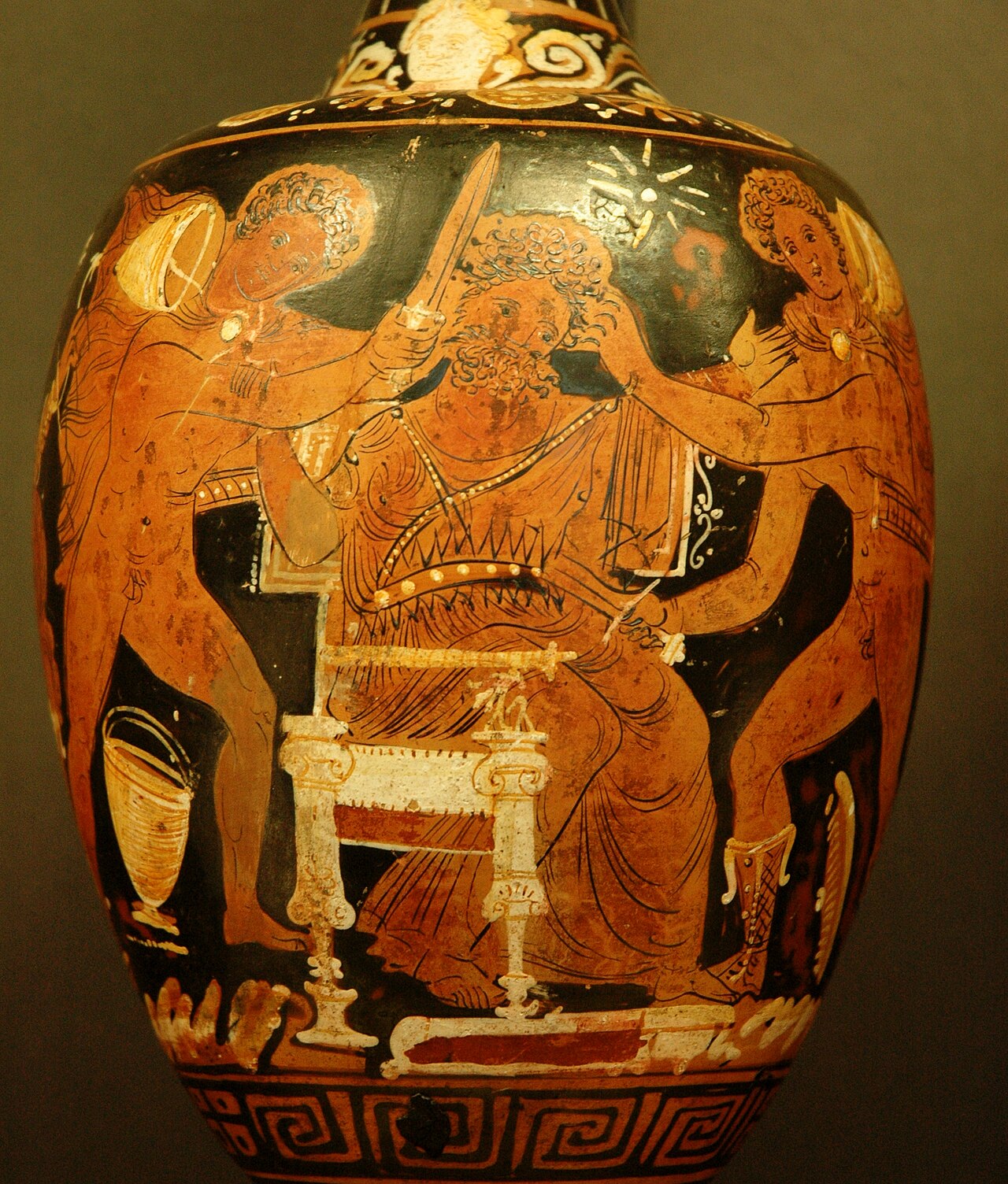
Death of Aegisthus on a Greek vase of about 320 BCE; Louvre K 320, Wind Group. The artwork depicts the revenge story, rather than the Odyssey’s first assembly itself
Person
Human figure in Greek narrative whose fate Zeus recalls at the Odyssey’s opening.
Name variants: Aegisthus
Context and sources →
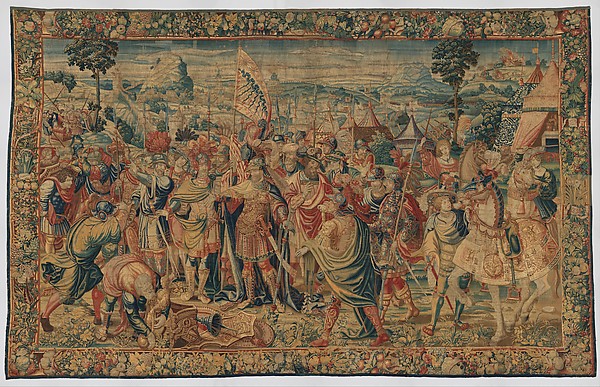
Agamemnon Musters the Greek Troops at Aulis, later European Story of Iphigenia tapestry, The Met 226955; artistic reception, not historical evidence for the figure
Person
Figure of Greek narrative, commander of the expedition to Troy and Iphigenia's father in Euripides; the play does not independently establish his historicity.
Name variants: Agamemnon of Mycenae
Context and sources →
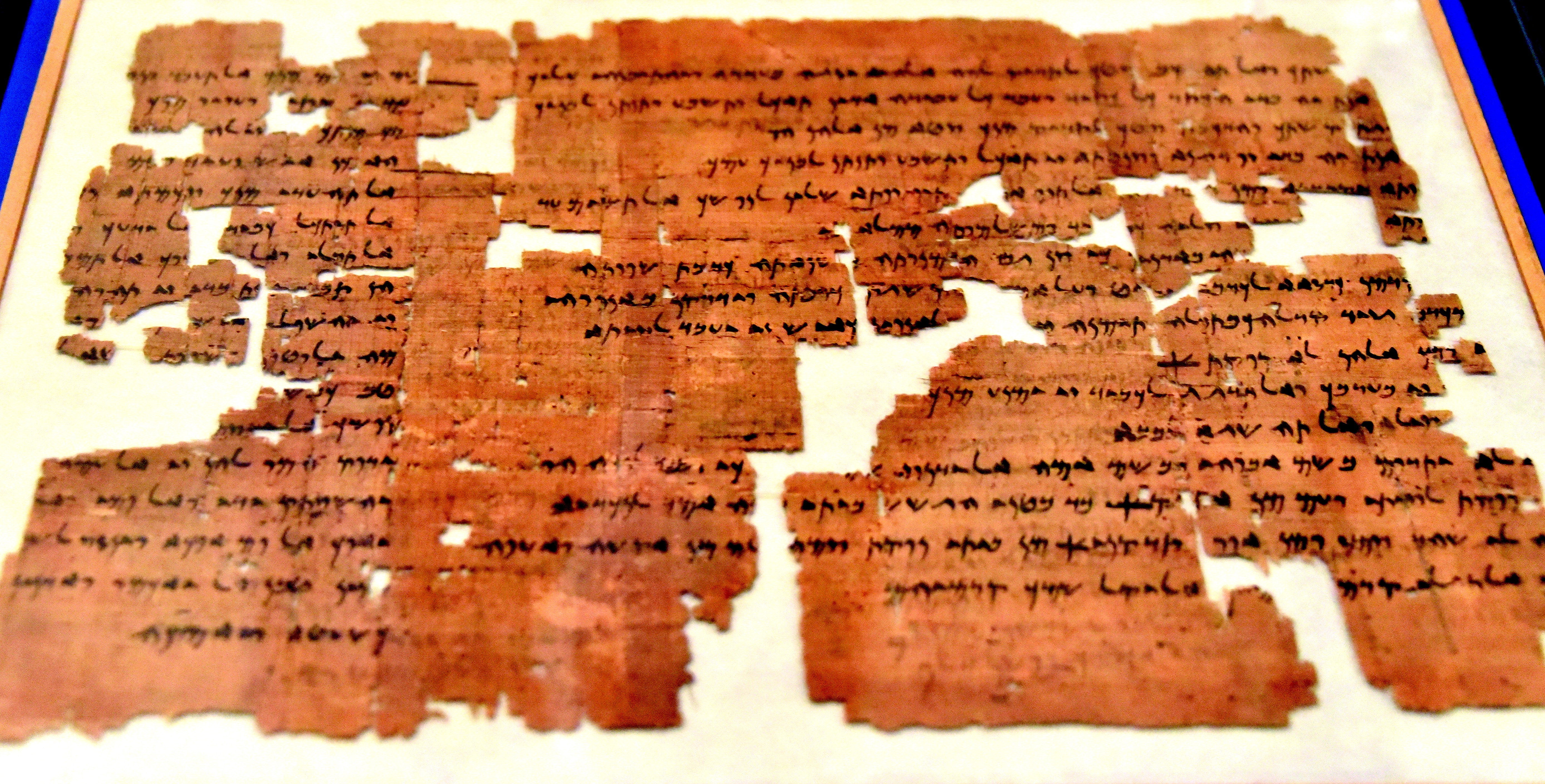
Aramaic Ahiqar papyrus P.13446/G, from Elephantine, Egypt, fifth century BCE, displayed at the Neues Museum, Berlin. Photograph by Osama Shukir Muhammed Amin, 22 July 2019; a textual witness to the story
Person
Ahiqar is a wise figure in ancient Aramaic traditions.
Name variants: Ahiqar the wise figure
Context and sources →
Person
Researcher in Arabian inscriptions, the history of Arabic and Semitic languages.
Name variants: Ahmad Al-Jallad
Context and sources →
Person
Ahmad Tafazzoli (1937–1997) was a scholar of Middle Iranian languages and literature.
Name variants: Ahmad Tafazzoli
Context and sources →
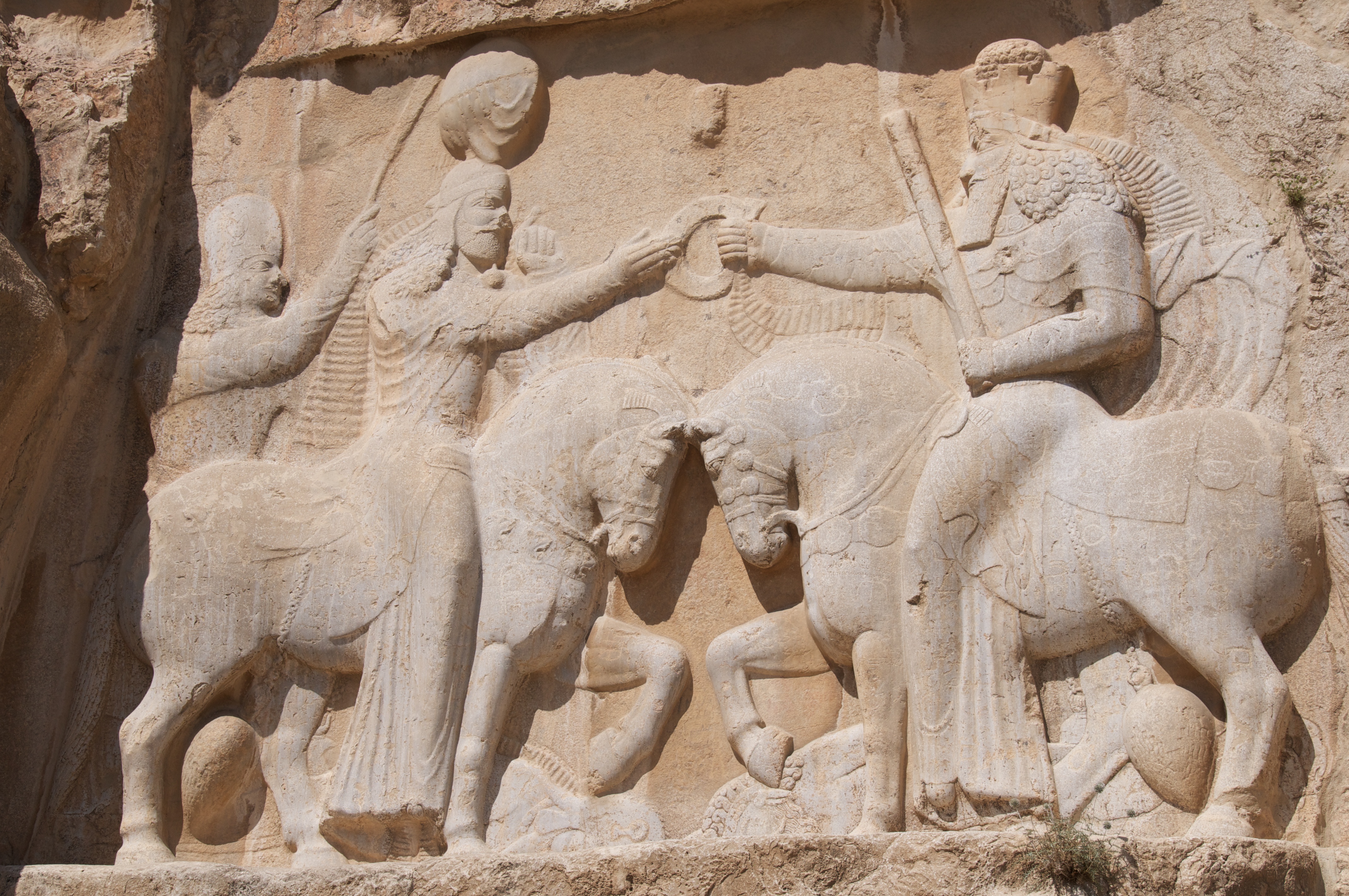
Investiture relief of Ardashir I at Naqsh-e Rustam, Iran, third century CE; Ahura Mazda at right according to the inscriptional identification. Photographed in 2010, not an image from Zarathustra’s lifetime
Entity
Wise Lord in Iranian traditions, associated with truth, goodness and creation; not a Persian name for Yahweh.
Name variants: Ahura Mazda, Ahuramazda, Ohrmazd, Ormazd
Context and sources →
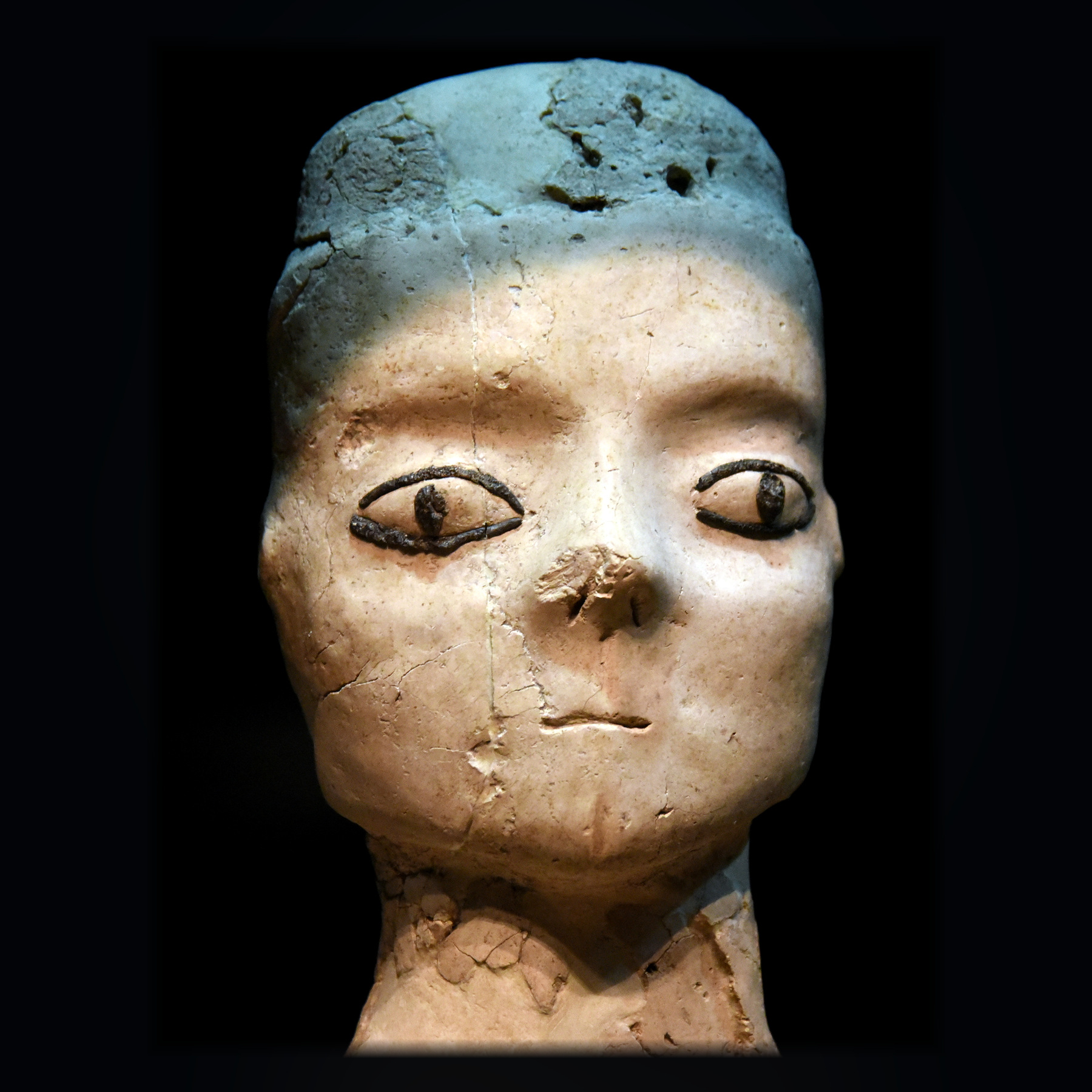
Editorial square cover derived from a museum photograph of an Ain Ghazal plaster head. Reframed with margins from the same image, without reconstructing or adding features to the object; original photograph by Osama Shukir Muhammed Amin (2018)
Site
Neolithic settlement near Wadi Zarqa and Amman, known for plaster-floored houses, burials and large human sculptures made from lime plaster and reeds. Its pre-pottery and pottery phases are documented; the identities and exact functions of its figures are unknown.
Name variants: Ain Ghazal, ’Ain Ghazal, 'Ain Ghazal
Context and sources →
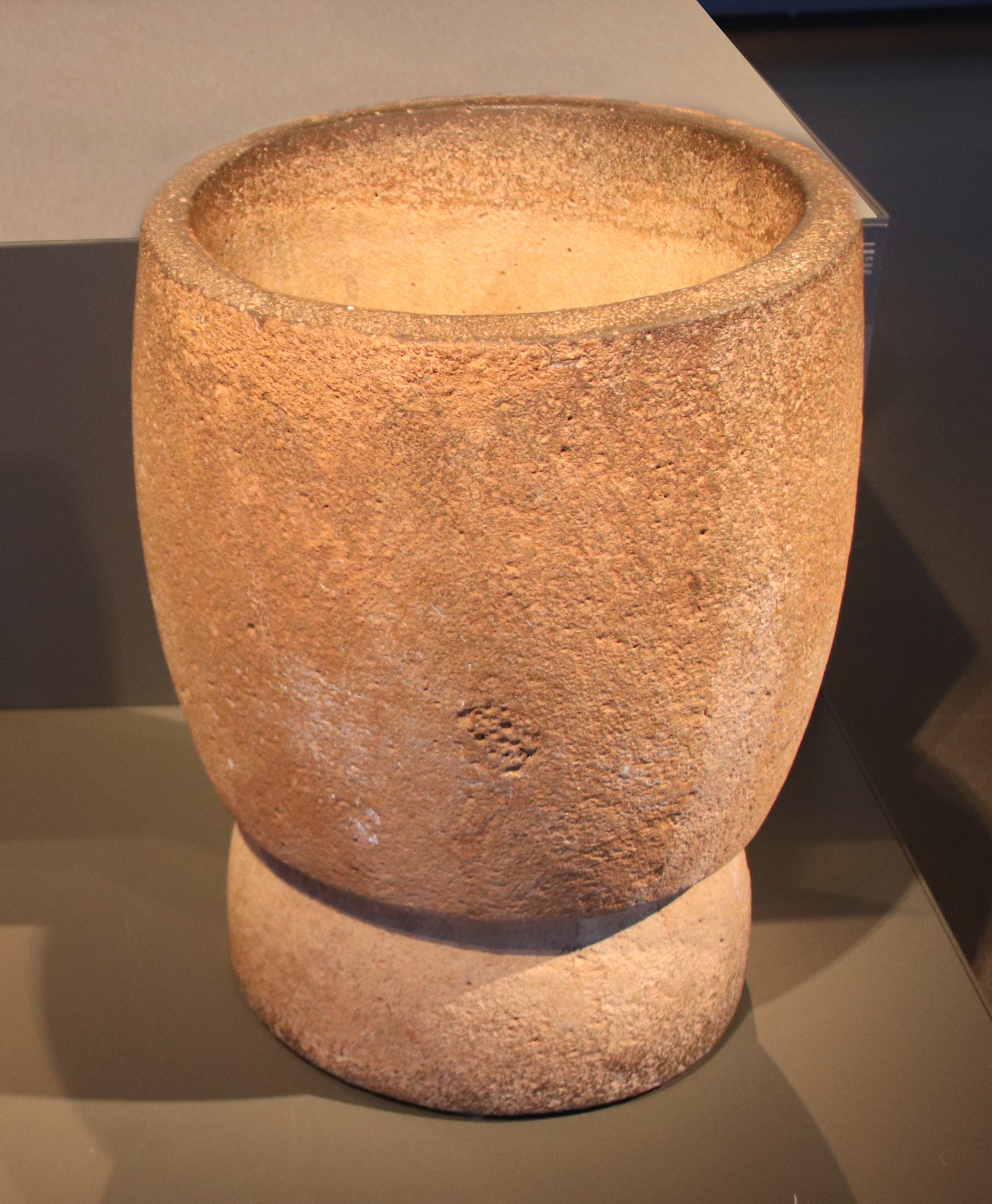
Stone mortar from Ain Mallaha (Eynan), displayed at the Israel Museum. An artifact from the site, not a view of the excavation
Site
A Natufian site in the Hula Valley of the Upper Jordan Valley, important for understanding prolonged residence before agriculture.
Name variants: Ain Mallaha, Eynan, Eynan-Mallaha
Context and sources →
Person
Aino Hätinen is an Assyriologist whose interests include ancient Near Eastern literature and religion, prayers, rituals and celestial knowledge.
Name variants: Aino Hätinen
Context and sources →

Contemporary imaginative illustration of a ram and an unlit stone-and-wood altar inspired by Genesis 22; not an artifact or identified historical site
Entity
Jewish name for Isaac’s binding in Genesis 22; his killing is stopped and a ram is offered instead. The story acquired varied interpretations and ritual uses.
Name variants: Akedah, binding of Isaac
Context and sources →
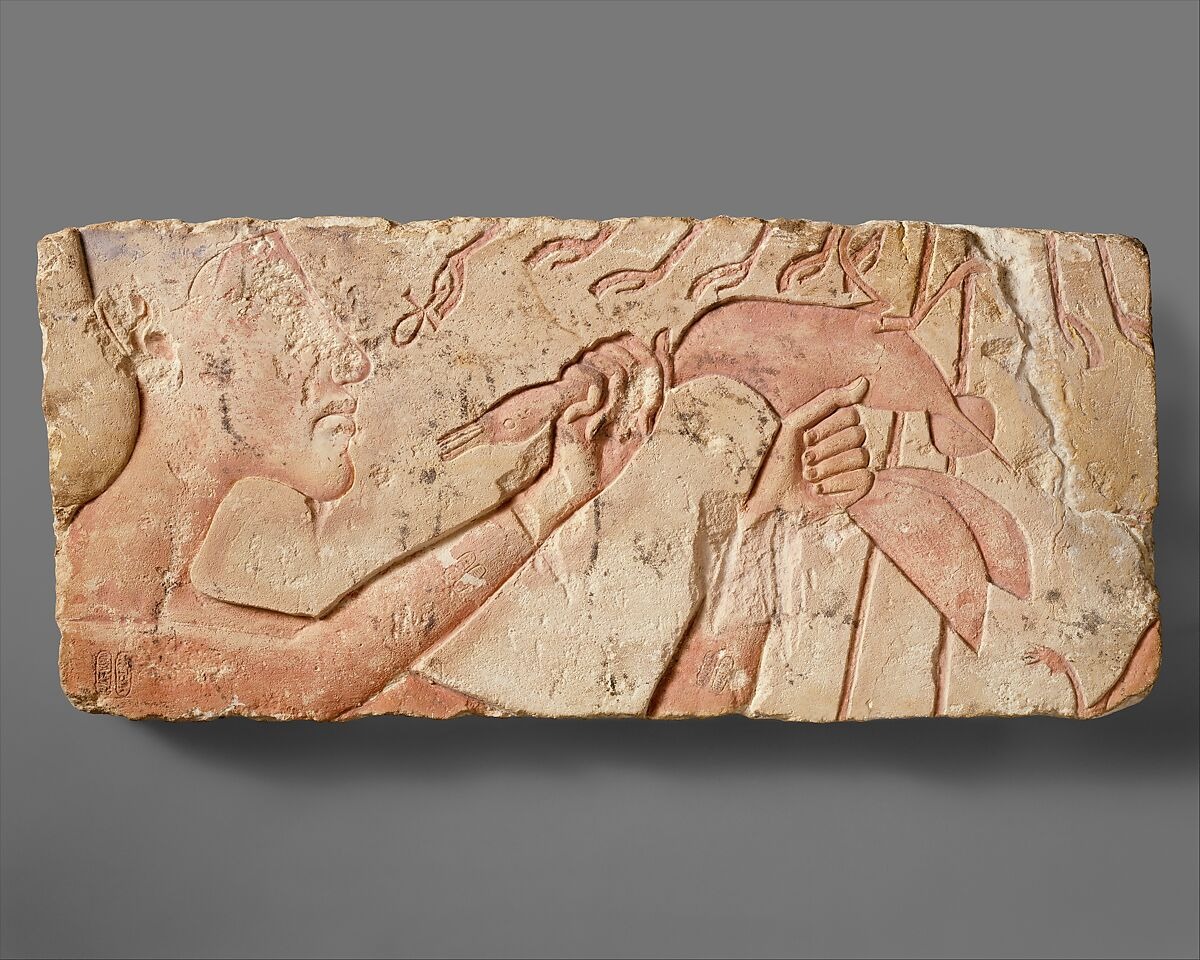
Akhenaten offering a duck, limestone relief with paint, Dynasty 18, The Met 1985.328.2. Aten rays and hands survive; the complete disk is not preserved here. The museum gives a probable Amarna origin. Original preserved; display copy uncropped
Person
Egyptian eighteenth-dynasty king, formerly Amenhotep IV, who reorganized royal religion around Aten and founded Akhetaten.
Name variants: Akhenaten, Akhnaton, Amenhotep IV
Context and sources →
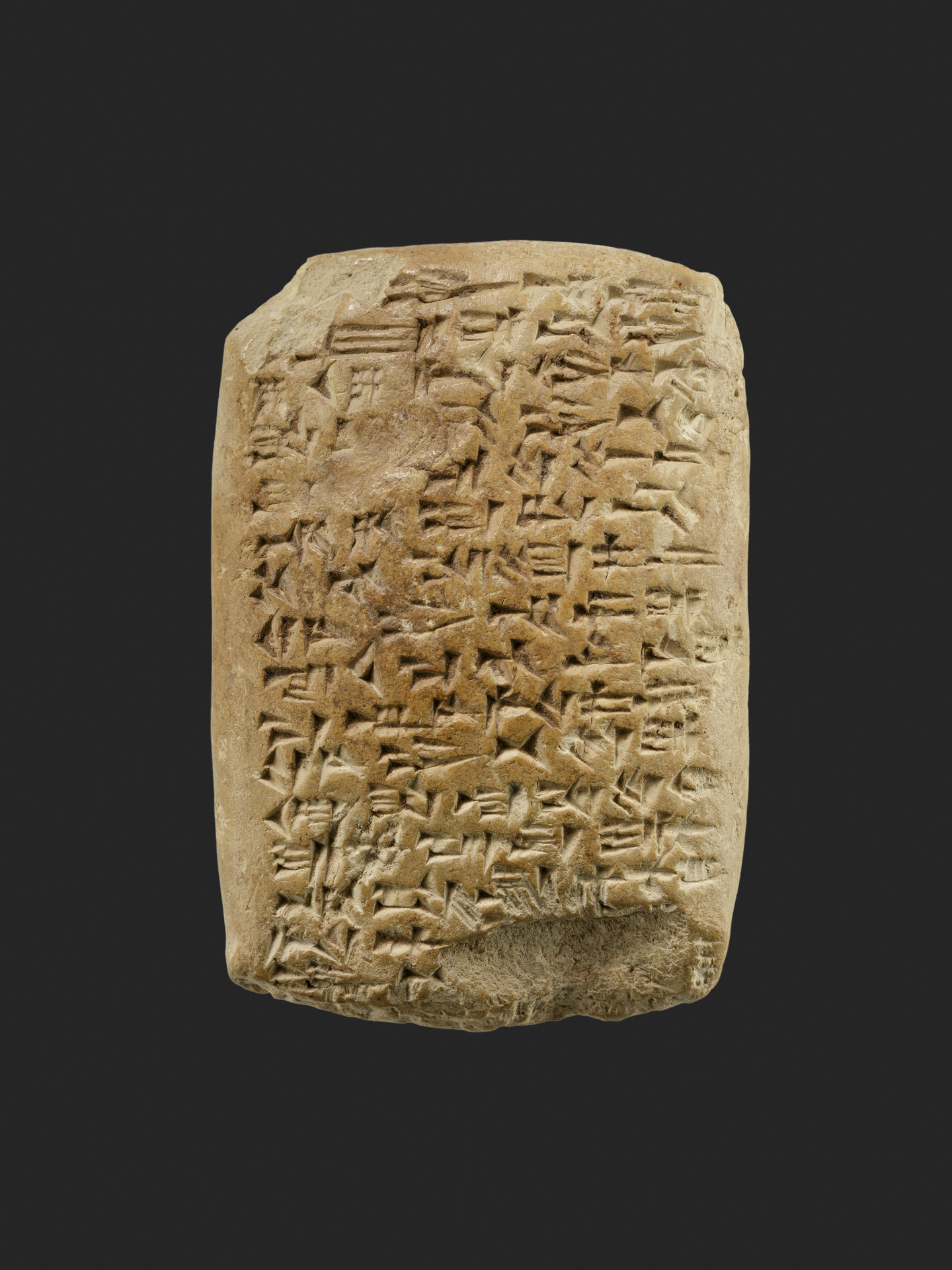
Clay tablet bearing an Akkadian cuneiform letter from Abi-milku, ruler of Tyre, to the Egyptian king; discovered at Amarna, ca. 1347–1330 BCE. The Met, 24.2.12. Evidence of diplomatic writing, not of everyone’s spoken language
Entity
An ancient East Semitic language written in cuneiform from the third millennium BCE; its varieties include Babylonian and Assyrian, and it served in international diplomacy.
Name variants: Akkadian
Context and sources →
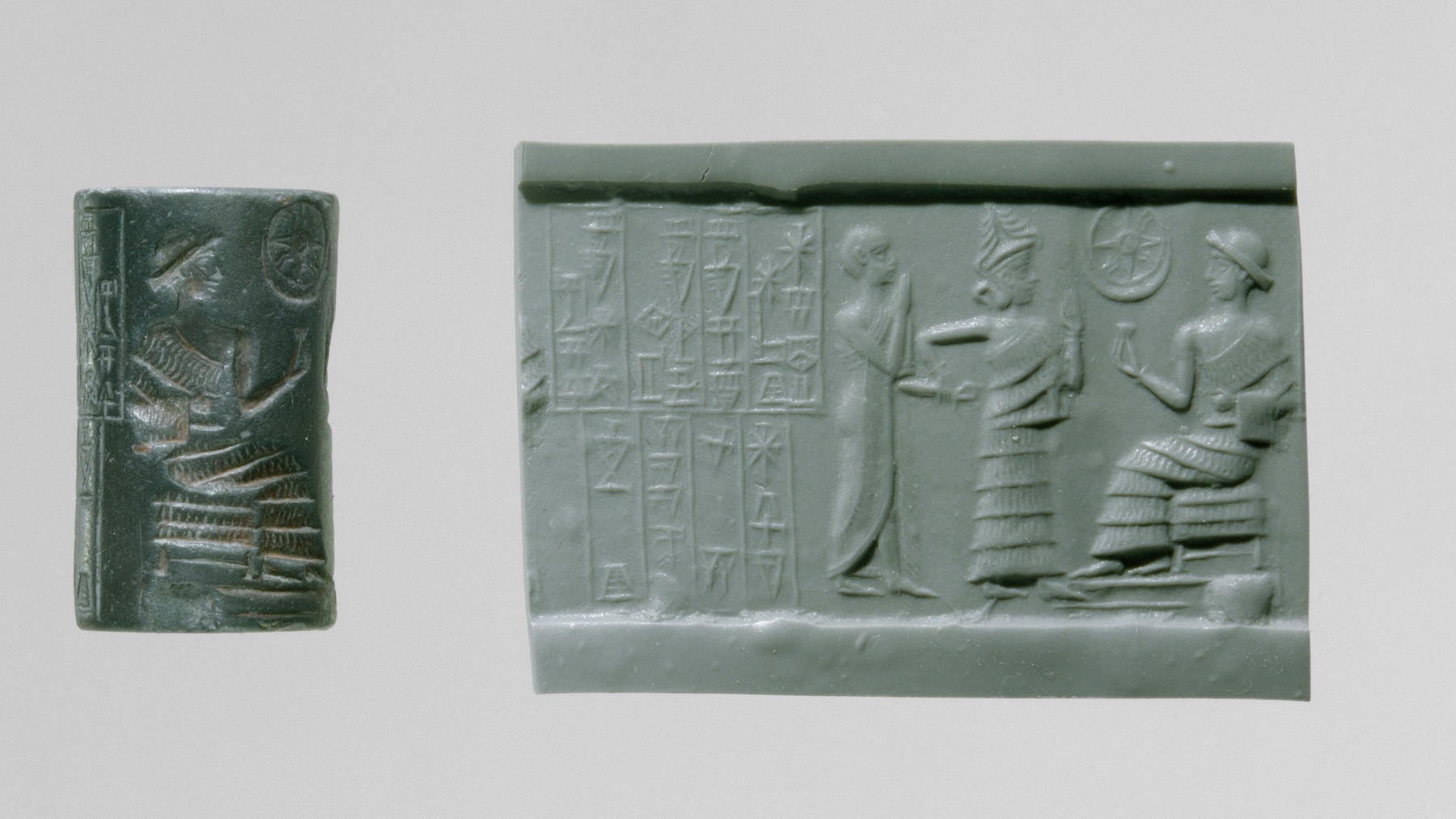
Ur III cylinder seal and modern impression (ca. 2028–2004 BCE; The Met, 1988.380.2). Its inscription names the owner Ilum-bani; it is not an identified depiction of the god El
Entity
An Akkadian common noun meaning “god”; older case forms include ilum, ilam and ilim. It occurs in personal names but does not by itself identify Ugaritic El.
Name variants: ilu, ilum, ilim
Context and sources →
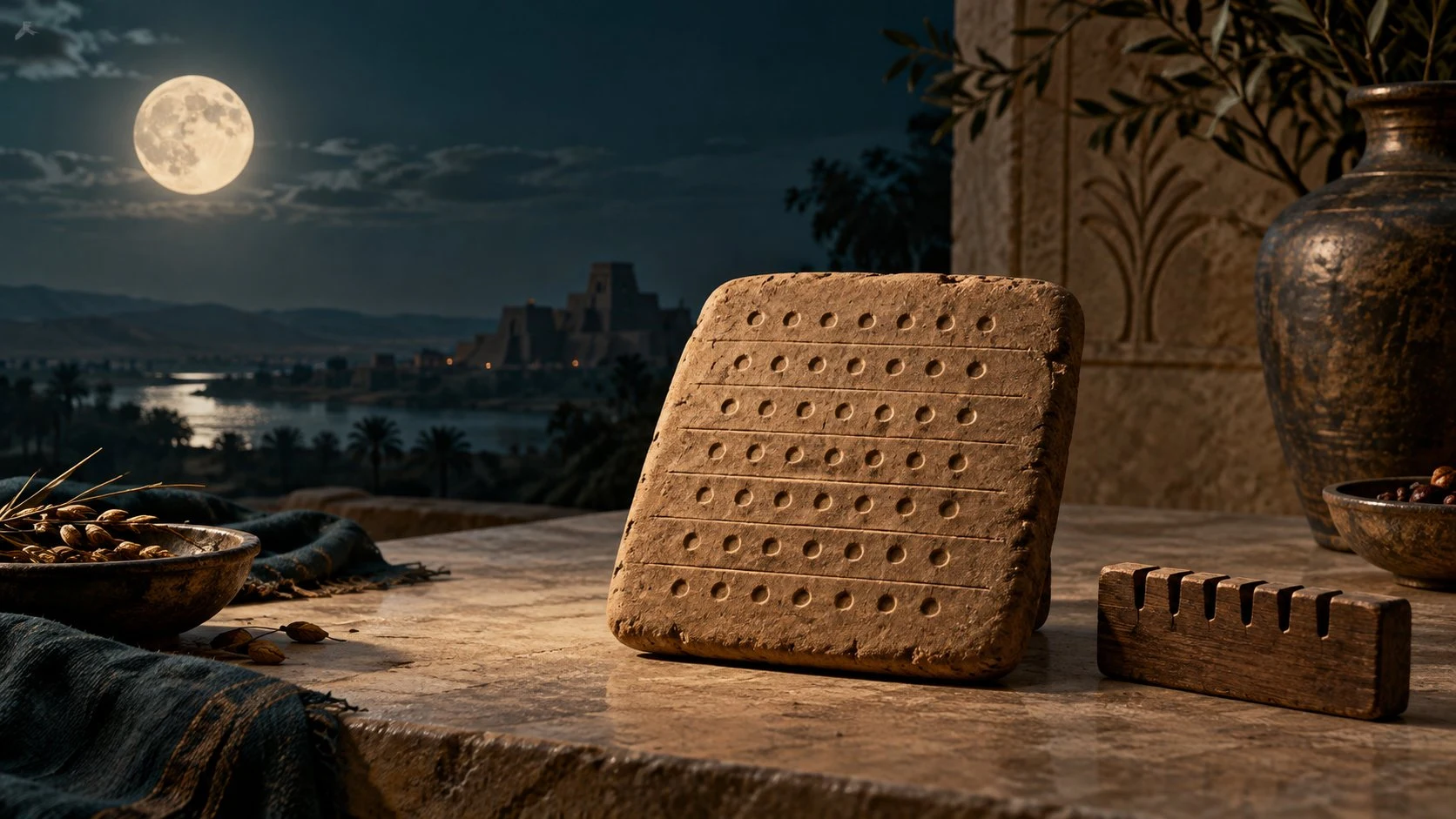
Modern generated conceptual illustration of a mid-month moon and an imaginary counting tablet. It is not an artifact photograph, a deciphered calendar or a reconstruction of a documented rite
Entity
Šapattu is an Akkadian term attested for the lunar mid-month day or a half-month in time reckoning. A historical derivation of the weekly Hebrew Sabbath from it remains contested.
Name variants: shapattu, shabattu
Context and sources →
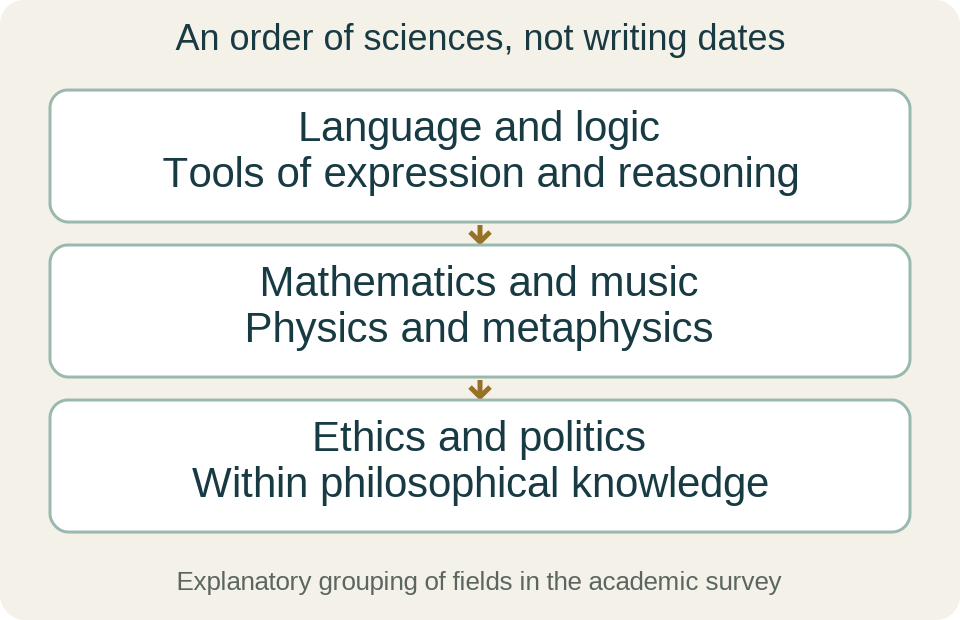
Modern grouping of fields in the academic survey following al-Farabi’s order of sciences. Some fields are combined for readability; this is not the chronology of his books or a manuscript of the Enumeration
Person
Abu Nasr al-Farabi, philosopher and logician studying music and classification of knowledge, active in the late ninth and first half of the tenth century.
Name variants: Al-Farabi, philosopher
Context and sources →

Modern conceptual illustration of a scholar’s books, pens, and geometric tools, evoking al-Ghazālī’s engagement with reason and spiritual discipline. Not his likeness, an authenticated medieval setting, or a specific manuscript
Person
Abū Ḥāmid al-Ghazālī (d. 1111), a Shāfiʿī jurist and theologian from Ṭūs, engaged critically with philosophy and wrote the ethical and Sufi compendium Revival of the Religious Sciences. His birth date is disputed.
Name variants: Al-Ghazālī, Abū Ḥāmid al-Ghazālī, al-Ghazali
Context and sources →