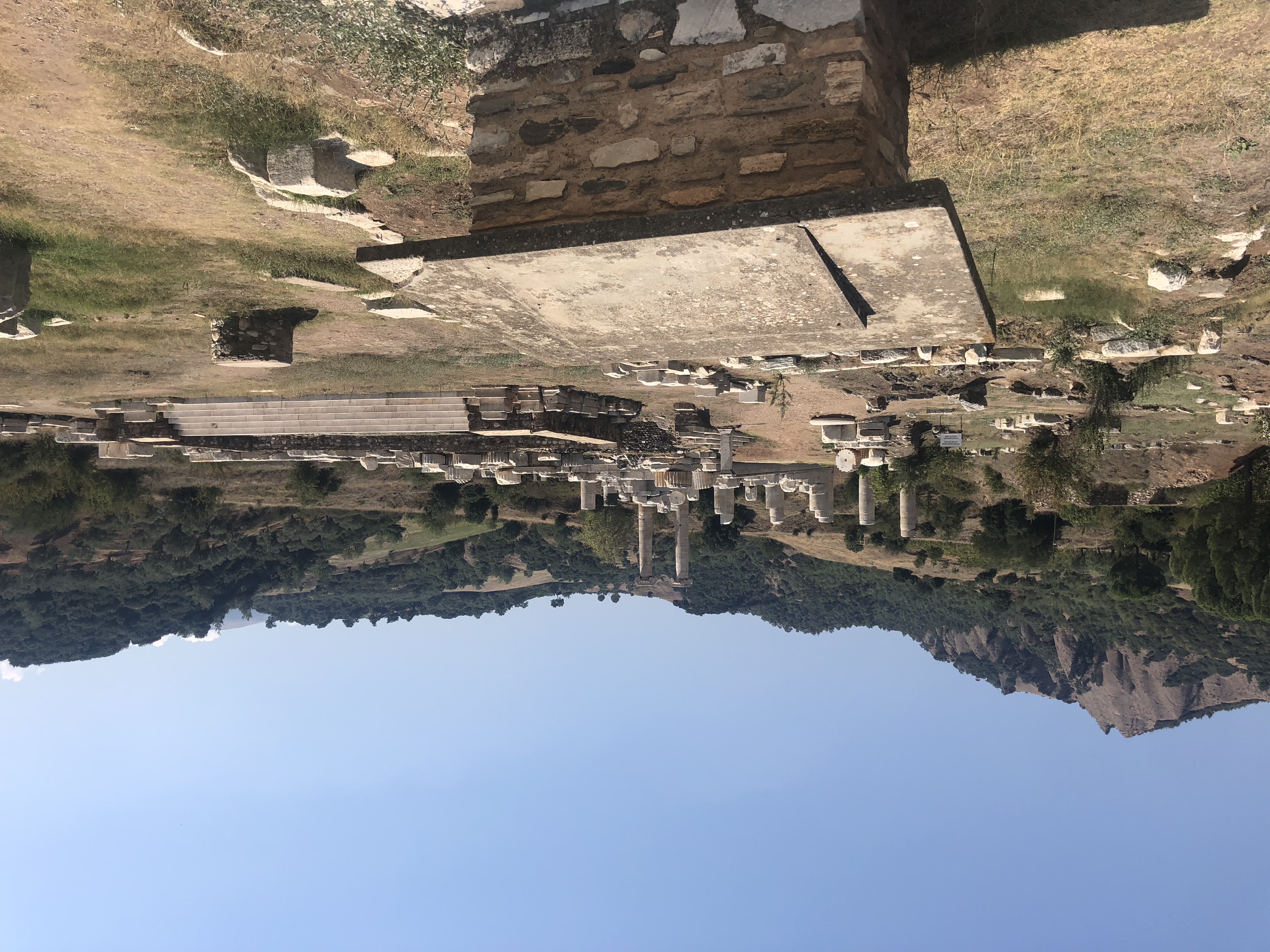
Artemis temple remains at Sardis, ancient Lydia's capital. This temple postdates Gyges; the photograph locates the site rather than his reign
Site
Ancient kingdom in western Anatolia with its capital at Sardis; neither a modern state nor a synonym for Magog.
Name variants: Lydia
Context and sources →
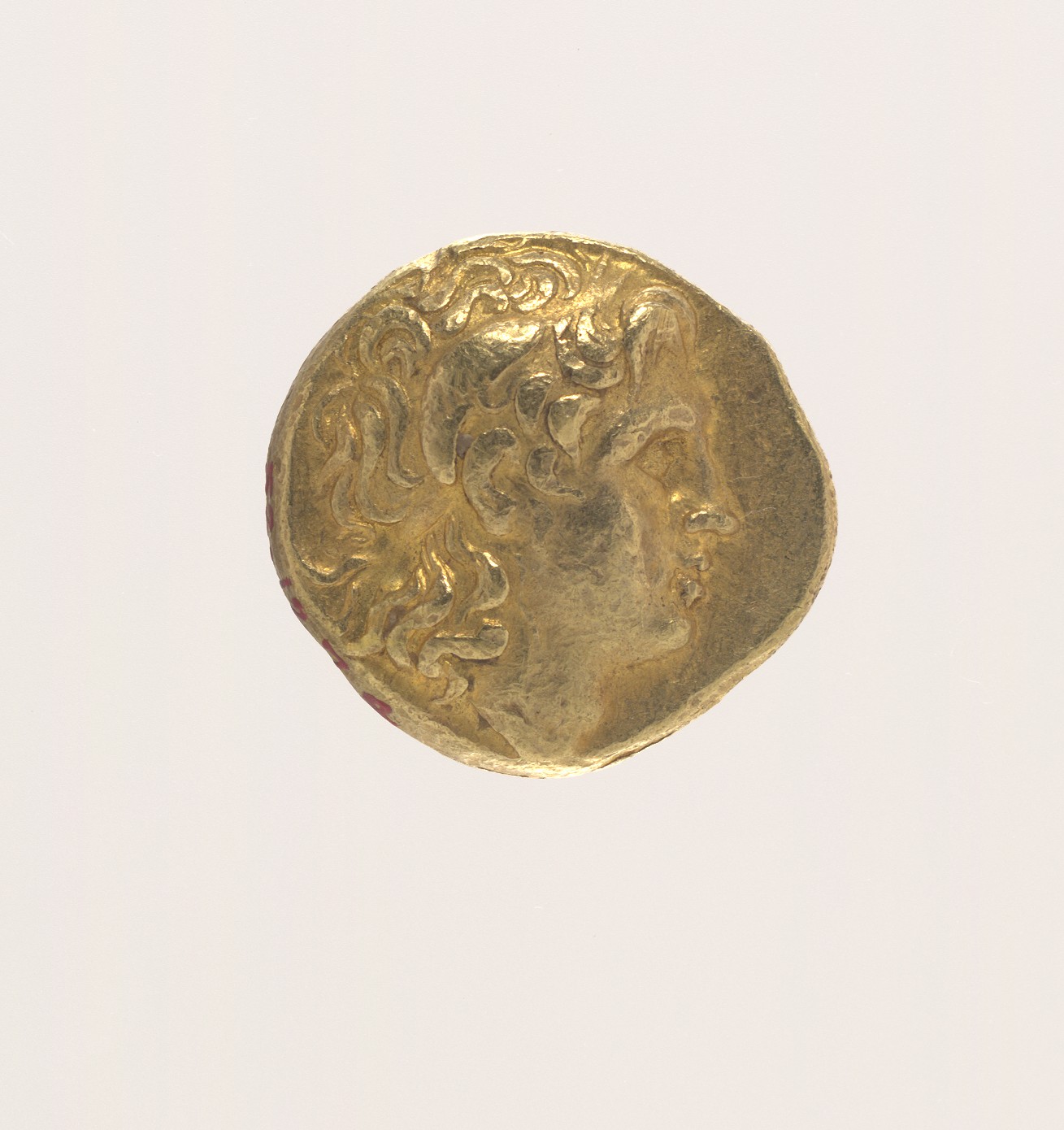
Gold stater issued in the name of Lysimachus, 286–281 BCE; the horned head is Alexander, not Lysimachus. The Met, 52.127.4
Person
A successor of Alexander who ruled Thrace; his coins showed Alexander with Ammon’s horn.
Name variants: Lysimachus, Lysimachos
Context and sources →
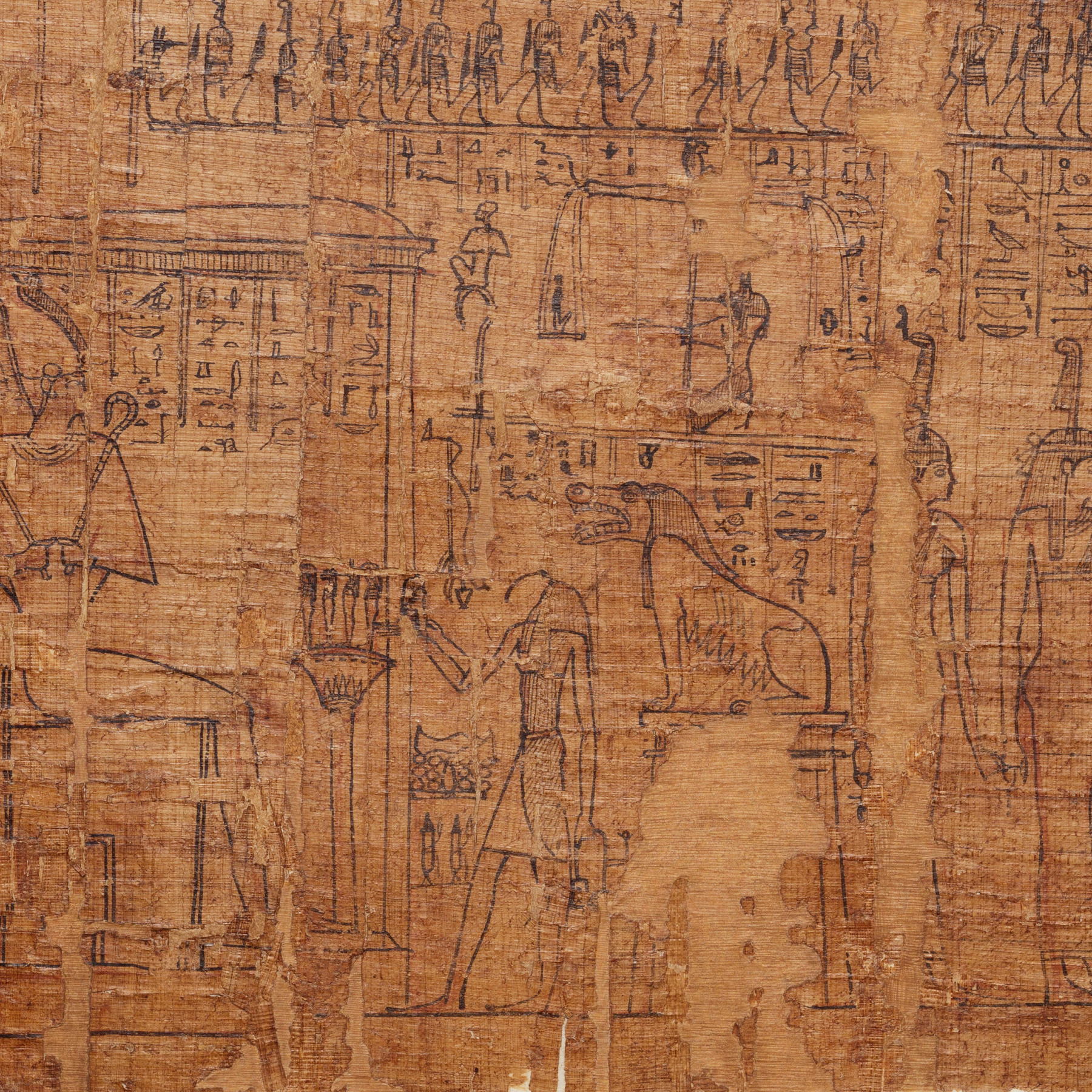
Editorial crop of the judgment papyrus: Anubis by the scale, a small figure of Maat in one pan, and Ammit nearby; Egypt, ca. 230–150 BCE; Met 66.99.142
Entity
An Egyptian principle of truth, justice, and right order, also embodied by the ostrich-feather goddess Maat; differently expressed in rule, ritual, and funerary judgment.
Name variants: Maat, Ma'at, Maʿat
Context and sources →
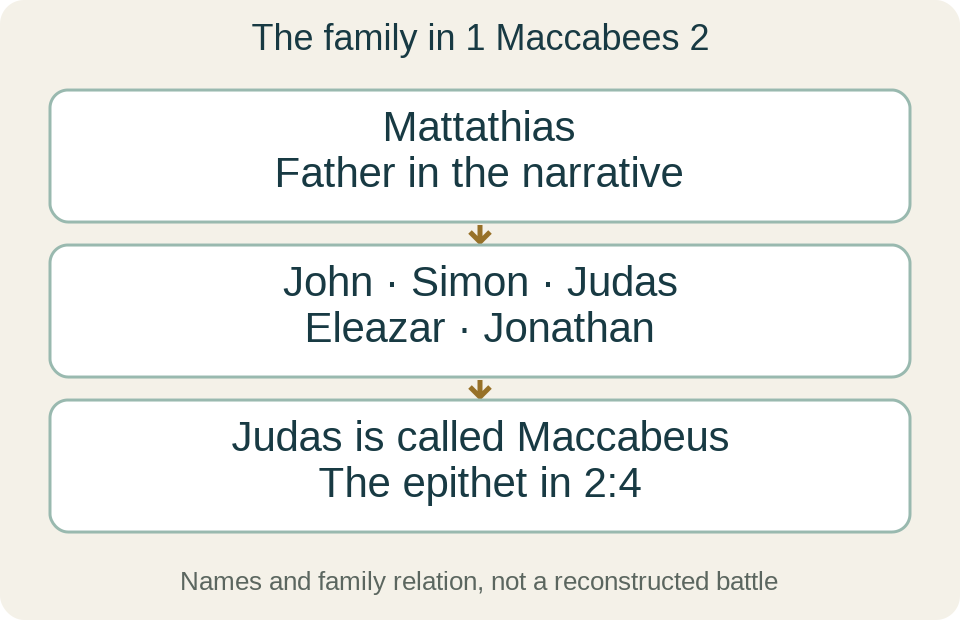
Modern diagram of the family as introduced in 1 Maccabees 2:1–5, not portraits or a battle scene. The collective name concerns Mattathias’s family; Maccabeus is Judas’s epithet in the text
Entity
Jewish family associated with resistance to Seleucid rule in the second century BCE; 1 Maccabees narrates Mattathias and his sons.
Name variants: Maccabees
Context and sources →
Person
Virologist with a PhD, also researching archaeological shrines and curtains.
Name variants: Madeleine Mumcuoglu
Context and sources →
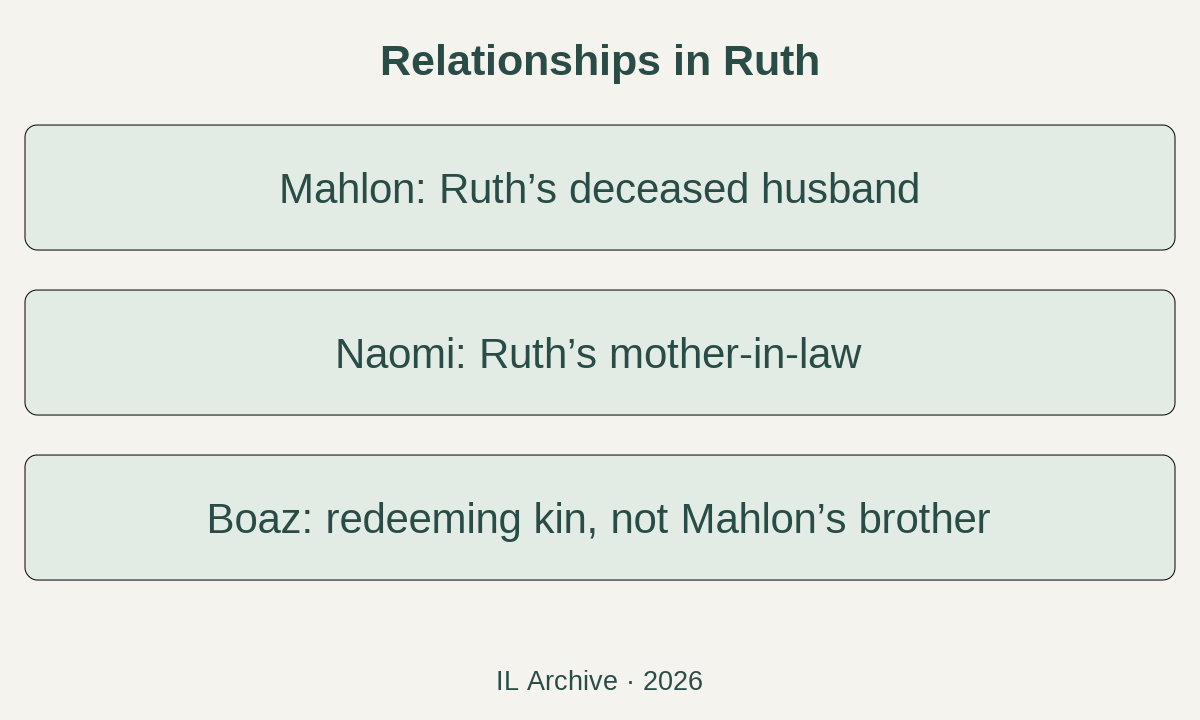
Modern explanatory diagram of relationships or cases in the specified witnesses; not portraits, a legal tablet or an ancient manuscript
Person
Ruth’s deceased husband, named in the marriage scene of chapter 4.
Name variants: Mahlon in Ruth
Context and sources →
Person
Mahmoud Omidsalar is a scholar of Persian literature, folklore and textual history.
Name variants: Mahmoud Omidsalar
Context and sources →
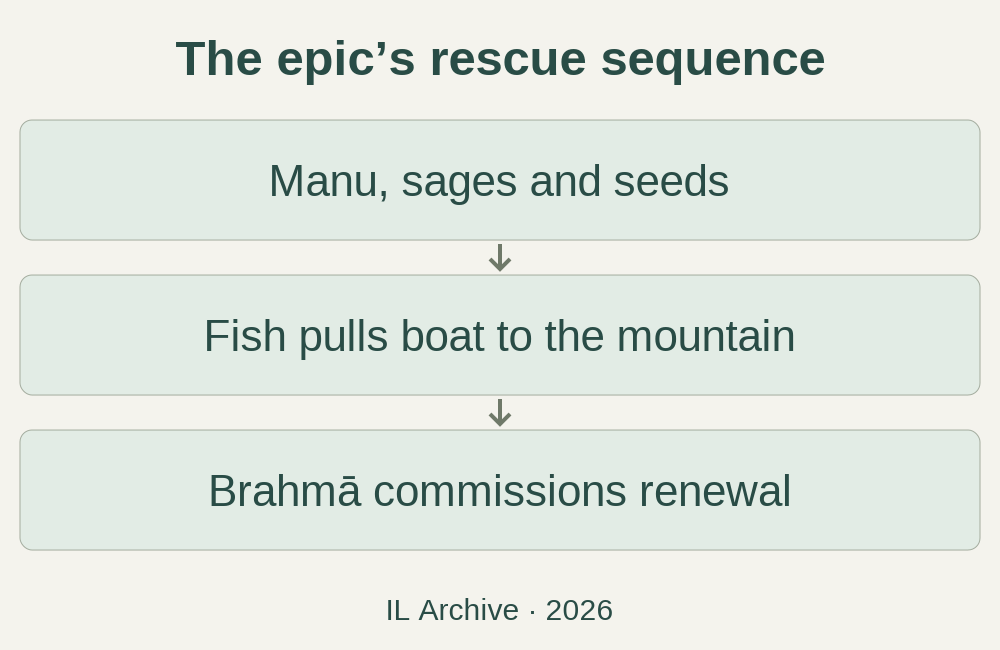
Modern explanatory diagram of narrative sequence and relationships, not a manuscript reproduction or portrait
Ancient text
Sanskrit epic formed over centuries, preserving a version of Manu, the fish and the seeds.
Name variants: Mahābhārata, Mahabharata
Context and sources →
Person
Malka Zeiger Simkovich is a scholar of ancient Judaism and Second Temple literature.
Name variants: Malka Zeiger Simkovich
Context and sources →

Modern conceptual illustration imagining a horned fish, a boat, vessels and mountains, chiefly inspired by the epic form of Manu’s flood story; neither an ancient artifact nor evidence of a documented location
Person
A central human figure in several Sanskrit accounts of the flood and human renewal; his position and role differ across the Śatapatha Brāhmaṇa, Mahābhārata and Purāṇas.
Name variants: Manu, flood survivor Manu
Context and sources →
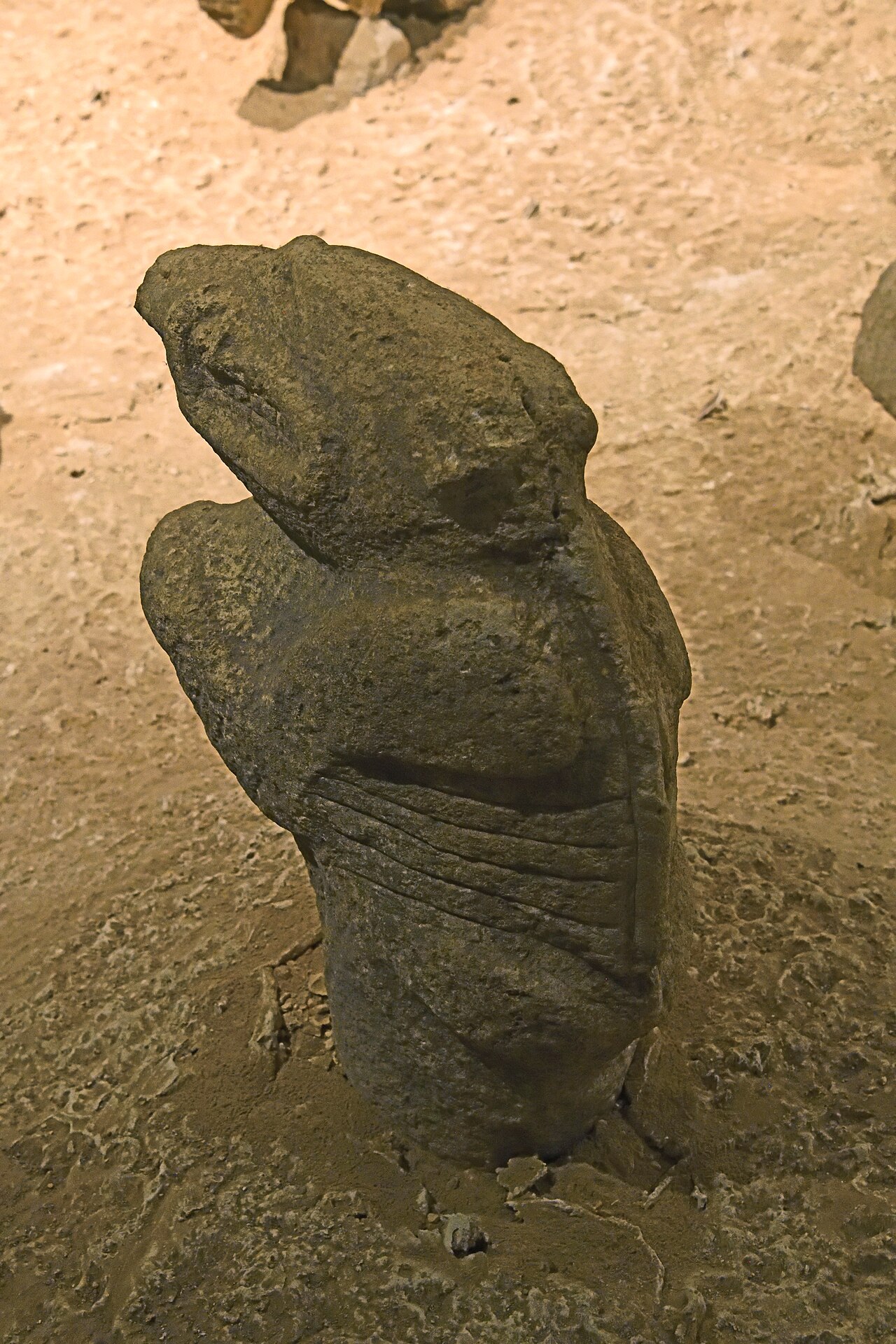
A wild-boar sculpture from Göbekli Tepe in a Şanlıurfa Museum display. It illustrates the animal imagery Marc Verhoeven discusses, not his portrait and not the central pillars
Person
An archaeologist at RAAP in the Netherlands who on 13 June 2025 published a study of humans and animals in Göbekli Tepe’s imagery.
Name variants: Marc Verhoeven
Context and sources →
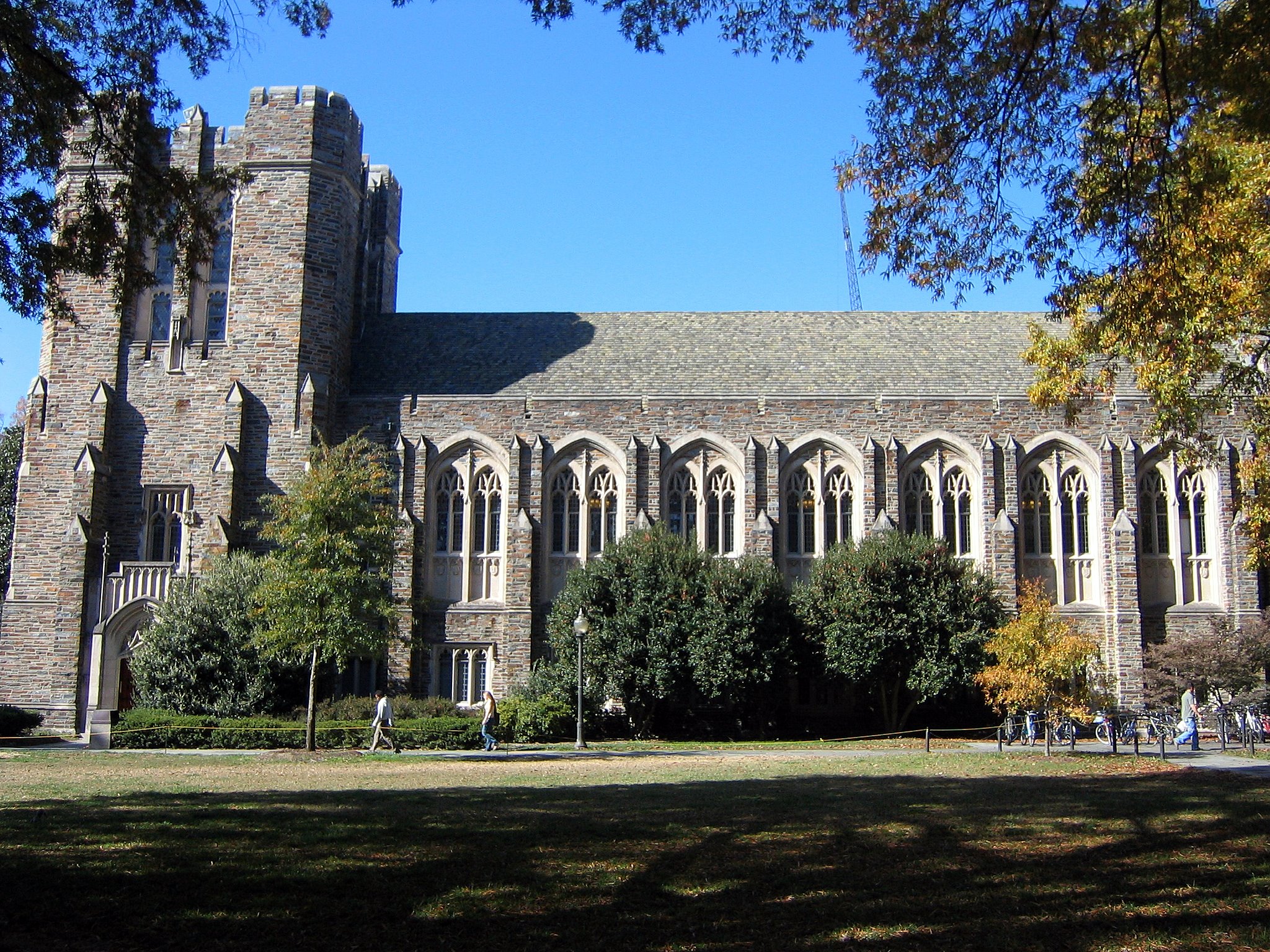
Perkins Library at Duke University in the United States, dated 10 November 2006 in the source record. The photograph shows part of the university setting associated with Marc Zvi Brettler’s work in Judaic and Hebrew Bible studies
Person
Hebrew Bible scholar and professor emeritus at Duke, studying biblical texts historically and literarily.
Name variants: Marc Brettler, Marc Zvi Brettler
Context and sources →
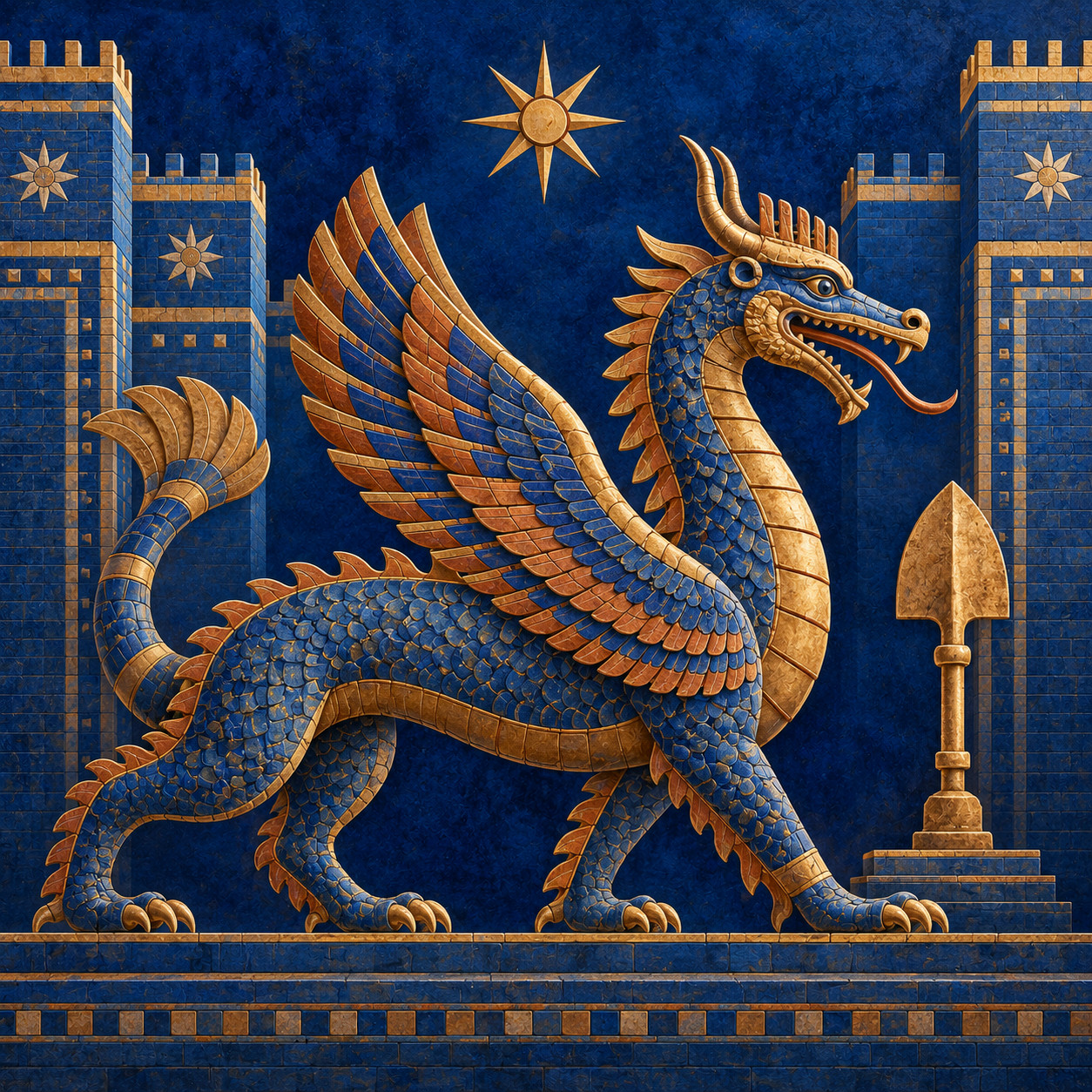
Modern AI-generated symbolic cover inspired by Babylonian colours, the spade and the mušḫuššu dragon. Wings and ornamental details are imaginative, not an ancient artefact or an evidenced reconstruction of Marduk
Entity
Babylon’s leading god, worshipped at Esagil and elevated in the Akkadian Enūma eliš. His symbols include a spade and mušḫuššu dragon. His earliest origins remain obscure; Nibiru is no evidence of a planetary homeland.
Name variants: Marduk, Merodach
Context and sources →
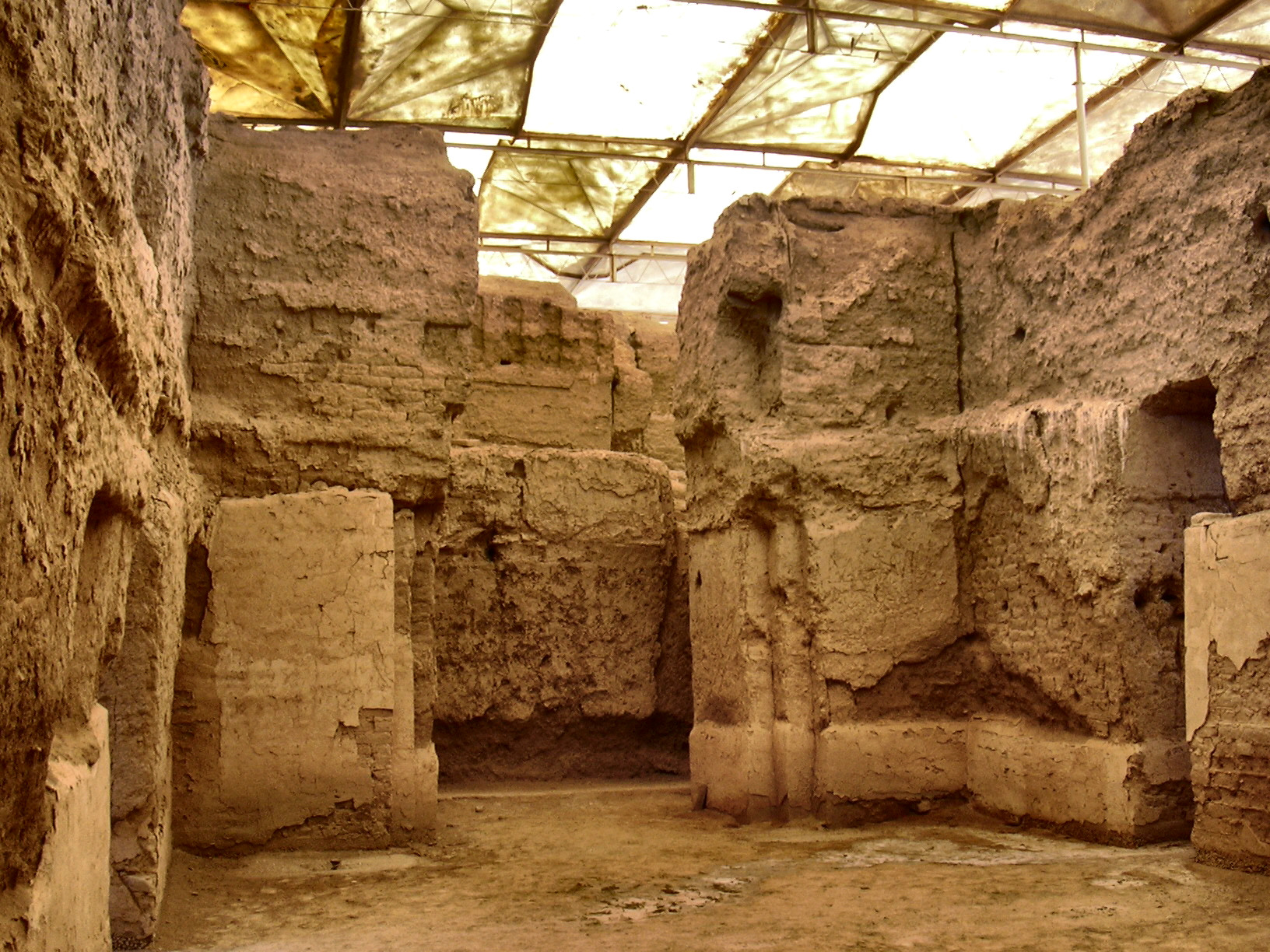
Surviving walls of the palace at Mari, Tell Hariri, photographed in 2006 beneath modern protective roofing. Contrast was adjusted to clarify the mud-brick masonry; this documents the ruins, not a reconstruction of the ancient palace
Site
Mari at Tell Hariri on the Syrian Euphrates was founded around 2900 BCE and rebuilt through three major urban phases. Its palace and cuneiform archives illuminate trade, royal government and religious practice, especially in the eighteenth century BCE.
Name variants: Mari, Tell Hariri
Context and sources →
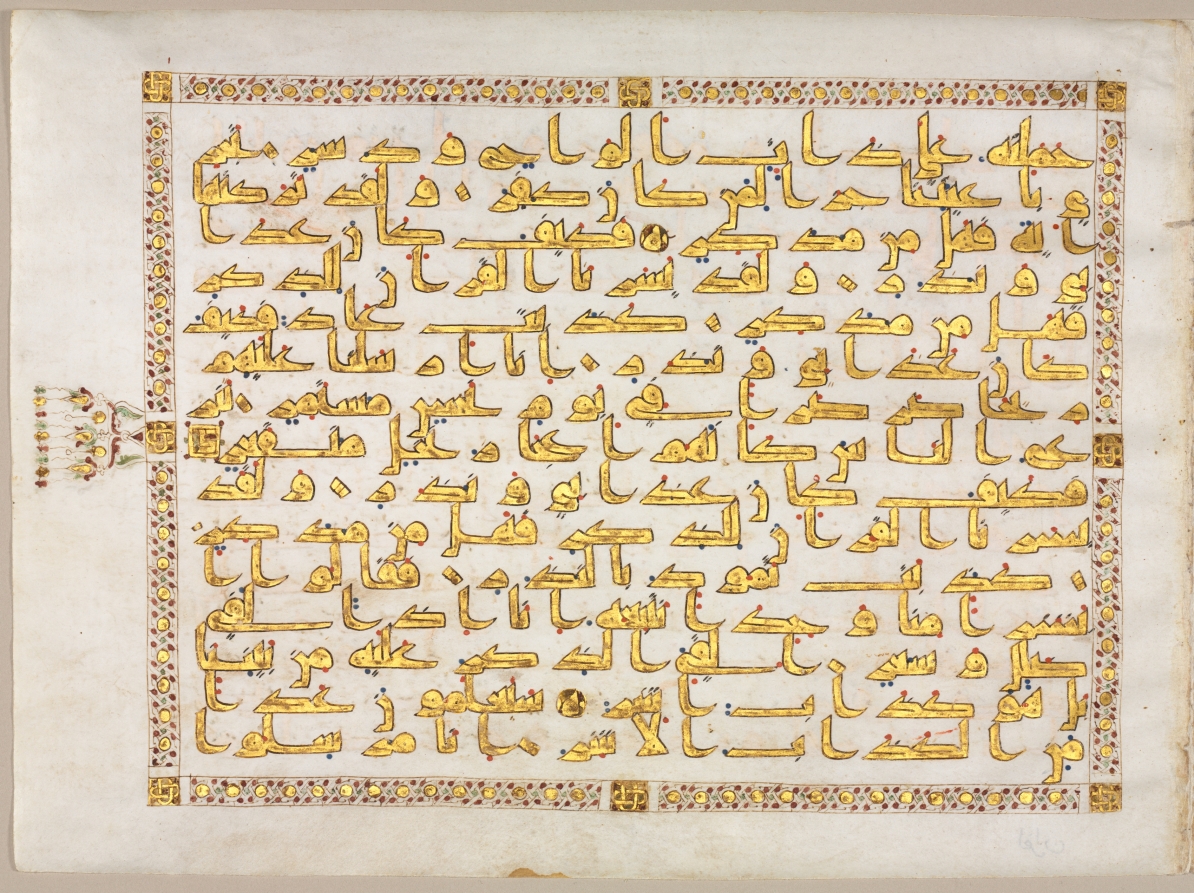
Ninth-century North African Qur'an folio with Sura 54:13–27. It illustrates later manuscript transmission, not Dhul Qarnayn's passage or Marianna Klar. Cleveland Museum of Art, 1993.39.2.a
Person
Scholar of Quranic narrative in its late-antique literary contexts.
Name variants: Marianna Klar
Context and sources →
Person
Oxford scholar of early Christianity and ancient philosophy.
Name variants: Mark Edwards
Context and sources →
Person
Scholar of Deuteronomy, kinship and care for outsiders; director of the Centre for Missional Leadership at St. Andrew’s Hall.
Name variants: Mark R. Glanville, biblical scholar
Context and sources →
Person
Scholar of the Hebrew Bible and Ugaritic religion whose work examines the divine family and biblical monotheism.
Name variants: Mark S. Smith, Hebrew Bible scholar
Context and sources →
Person
Scholar of Semitic languages, cuneiform and Mesopotamian medicine who discussed Dilmun and paradise.
Name variants: Markham Geller
Context and sources →
Person
Assyriologist and social historian, author of Women in the Ancient Near East.
Name variants: Marten Stol
Context and sources →
Person
German scholar of the New Testament and ancient Judaism, 1926–2009.
Name variants: Martin Hengel
Context and sources →
Person
Scholar of Jewish interpretation and professor emeritus at York University.
Name variants: Marty Lockshin
Context and sources →
Person
Scholar of Zoroastrianism and Iranian languages, 1920–2006, and SOAS professor of Iranian studies.
Name variants: Mary Boyce
Context and sources →
Person
Medieval-literature scholar who studied Jesus and clay birds across traditions.
Name variants: Mary Dzon
Context and sources →
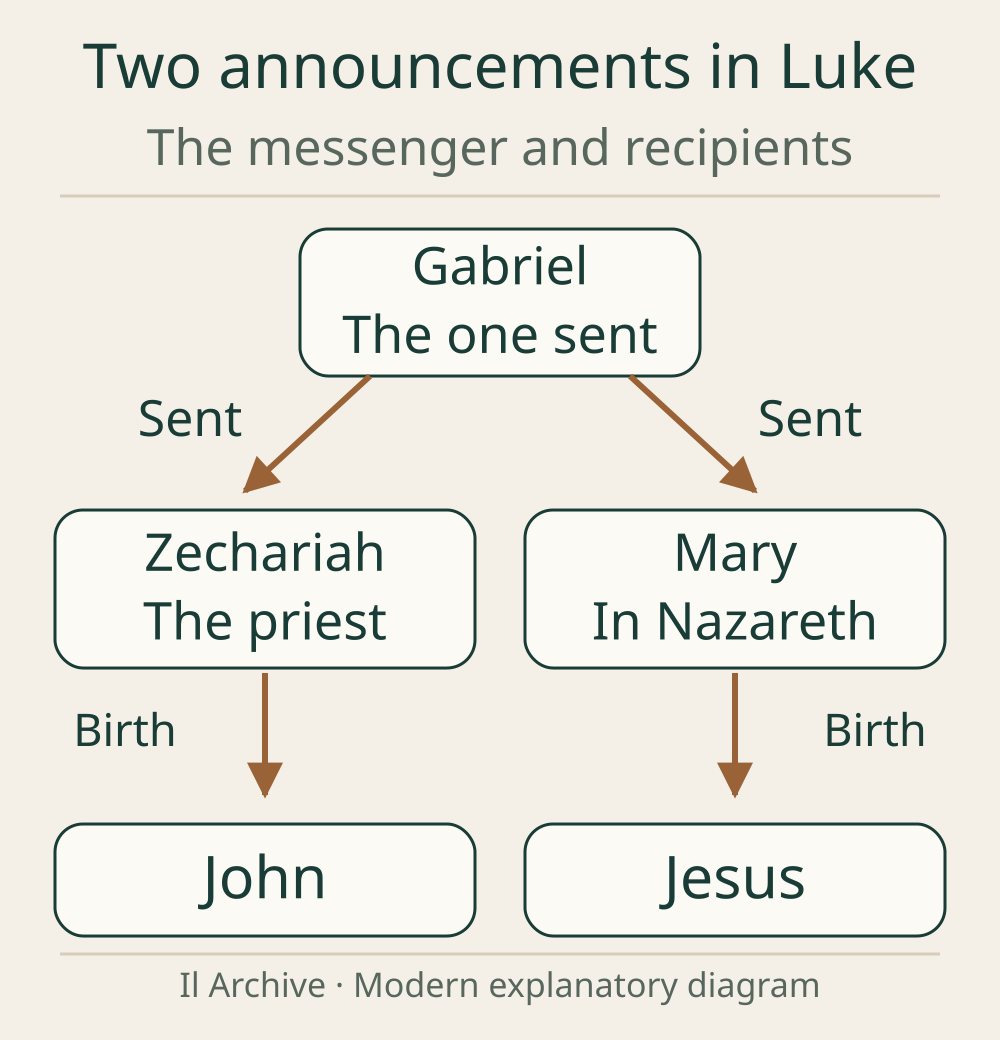
Modern diagram of the two announcements in Luke 1:5–38: Gabriel is sent to Zechariah to announce John’s birth and to Mary to announce Jesus’s birth. Lower arrows show the announcement’s subject, not descent from the angel. No faces or physical appearances are reconstructed
Person
The recipient of Gabriel’s announcement of Jesus’s birth in Luke 1.
Name variants: Mary mother of Jesus
Context and sources →
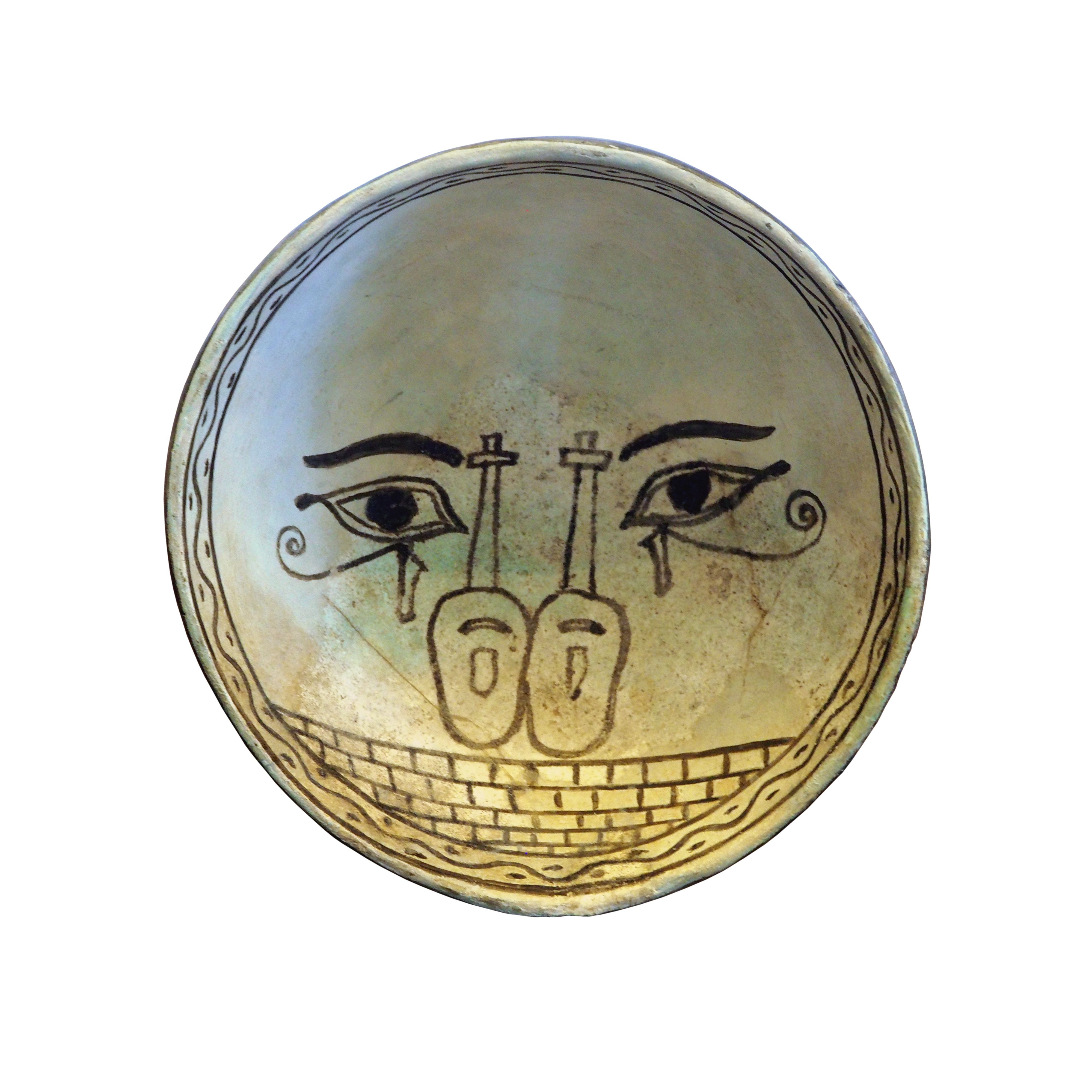
Cup of faience, a glazed silica-based material, with Egyptian signs, from tomb VI at Minet el-Beida, 1400–1200 BCE; Louvre AO 15727 (RS 4.104). Regional material context, not direct evidence that the cup was used in a marziḥu
Entity
A banqueting institution or association in Ugaritic documents, with religious functions not reducible to one ritual.
Name variants: marziḥu, marzihu, marzeaḥ
Context and sources →
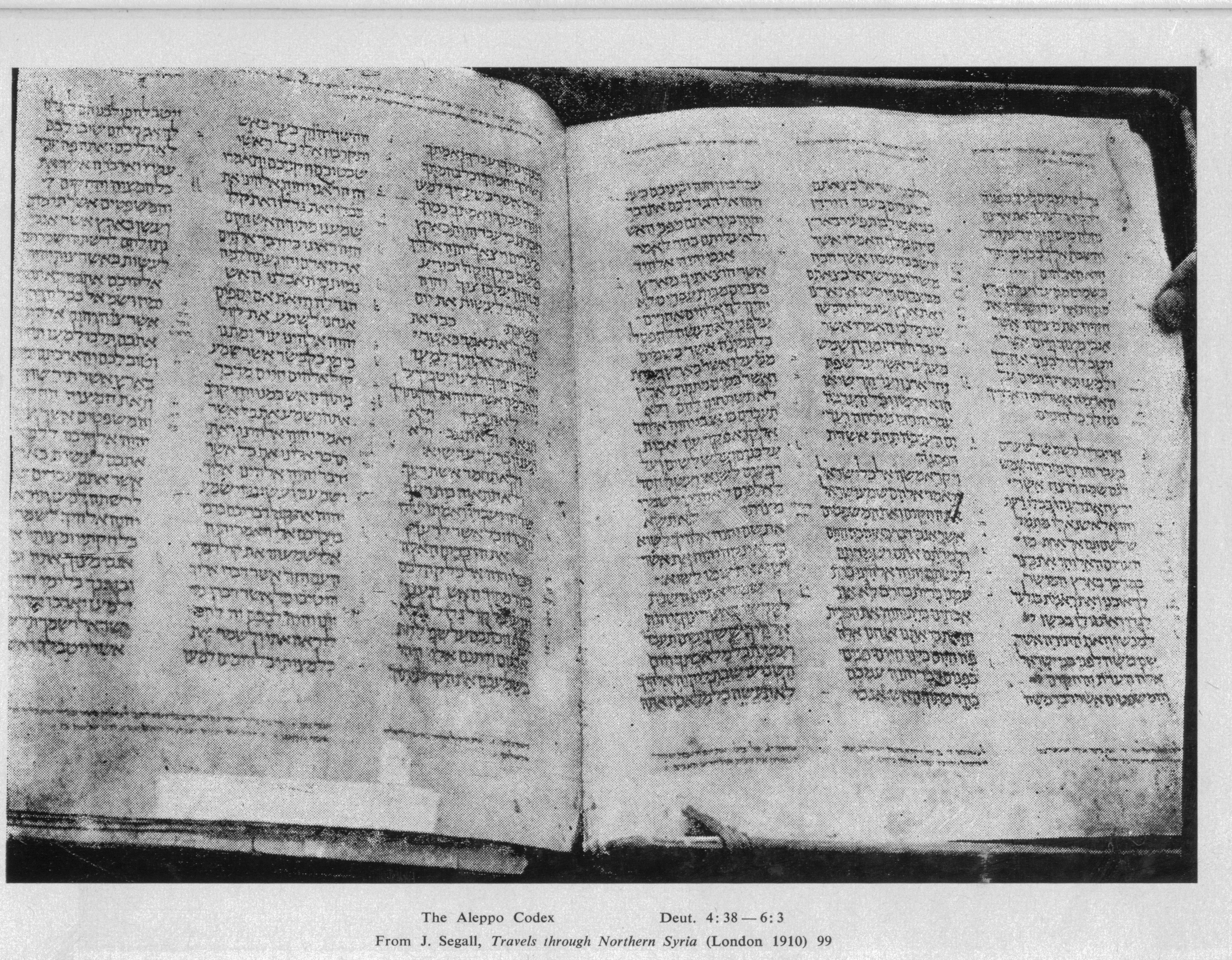
Historical photograph of two pages of the Aleppo Codex, copied around 930 CE. Published in Joseph Segall’s 1910 book, it records Deuteronomy 4:38–6:3 on subsequently lost leaves. It illustrates text and Masorah layout, not Deuteronomy 32:8
Entity
The Hebrew Bible’s transmission tradition combining its consonantal text, transmitted vocalization and accentuation, and Masorah notes. The consonantal text has ancient roots; surviving codices that bring these layers together in their Masoretic form are medieval.
Name variants: Masoretic Text
Context and sources →
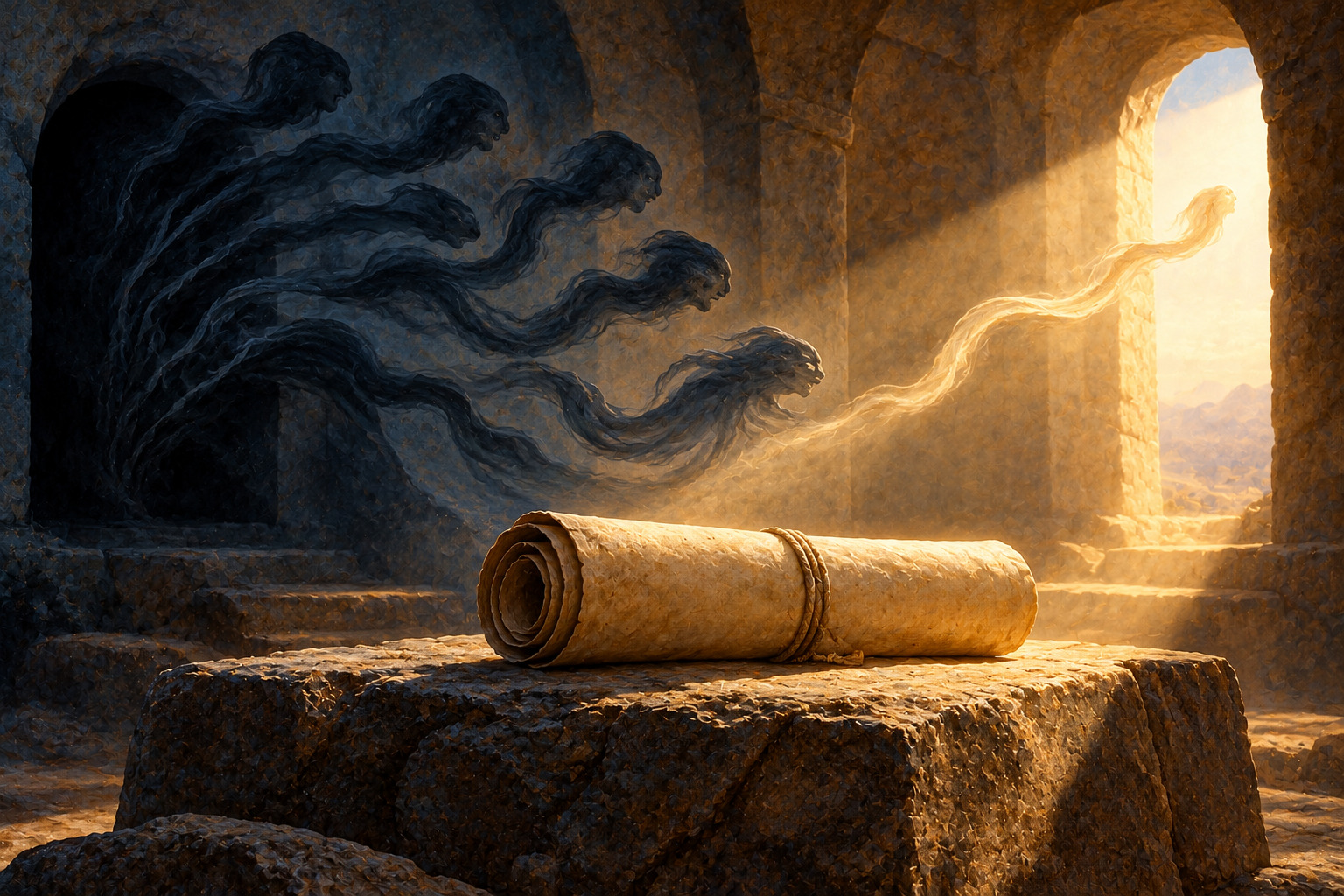
Modern conceptual rendering of confined spirits and a remaining portion in Jubilees 10. AI-generated cover, not an authentic depiction of Mastema, an ancient manuscript, an archaeological site, or a verified reconstruction
Entity
Figure in Jubilees called Mastema or “prince of hostility”; leader of harmful spirits and proposer of trials under divine permission. Not automatically identical with every Satan or Belial tradition.
Name variants: Mastema, Mastêmâ
Context and sources →
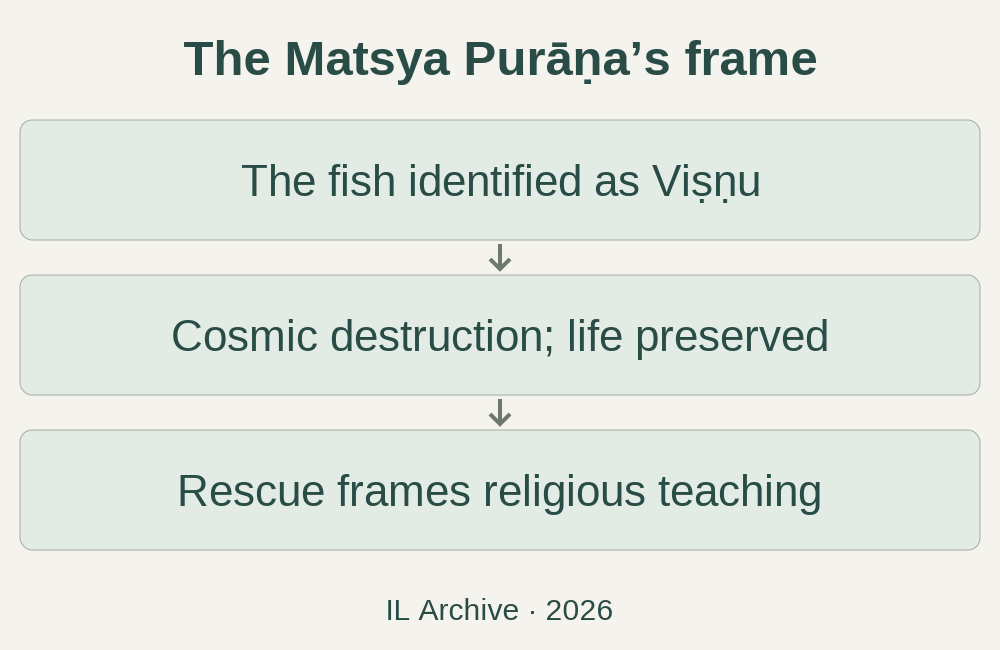
Modern explanatory diagram of narrative sequence and relationships, not a manuscript reproduction or portrait
Ancient text
Sanskrit Purāṇic text framing religious instruction through the divine fish’s dialogue with Manu.
Name variants: Matsya Purāṇa, Matsya Purana
Context and sources →

Modern conceptual illustration evoking the boat, horned fish, seeds and mountain in Manu traditions, especially the epic version; not an ancient artifact or documented location. © IL Archive, CC0
Entity
The fish saves Manu from a flood. The Śatapatha Brāhmaṇa does not name its deity; the Mahābhārata calls it Brahmā, while the Purāṇic versions examined identify Viṣṇu and vary in survivors and renewal.
Name variants: Matsya, Matsyāvatāra
Context and sources →
Person
German Old Testament scholar (born 1960), studying Isaiah’s monotheism, its Babylonian context, ancient astronomy and Qumran texts.
Name variants: Matthias Albani
Context and sources →
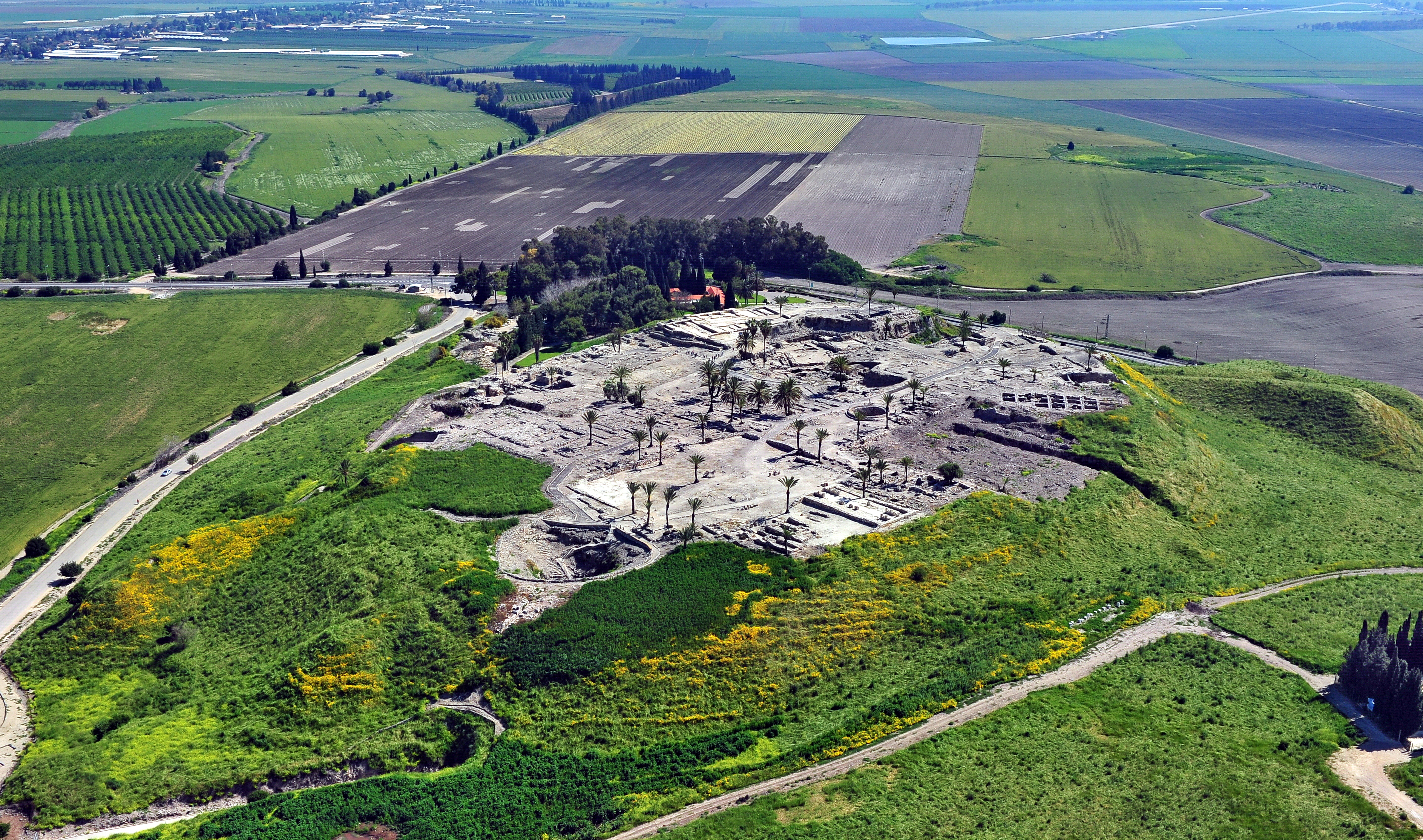
Aerial view of Tel Megiddo, Avram Graicer, 15 April 2011. Visible excavated remains do not identify the findspot of the Gilgamesh fragment
Site
Archaeological mound in present-day northern Israel with Bronze and Iron Age cities, associated with a Gilgamesh fragment.
Name variants: Megiddo, Tell el-Mutesellim, Megiddo
Context and sources →
Person
Researcher in ancient texts and ritual, studying Aramaic tradition and Deuteronomic curses.
Name variants: Melissa Ramos
Context and sources →
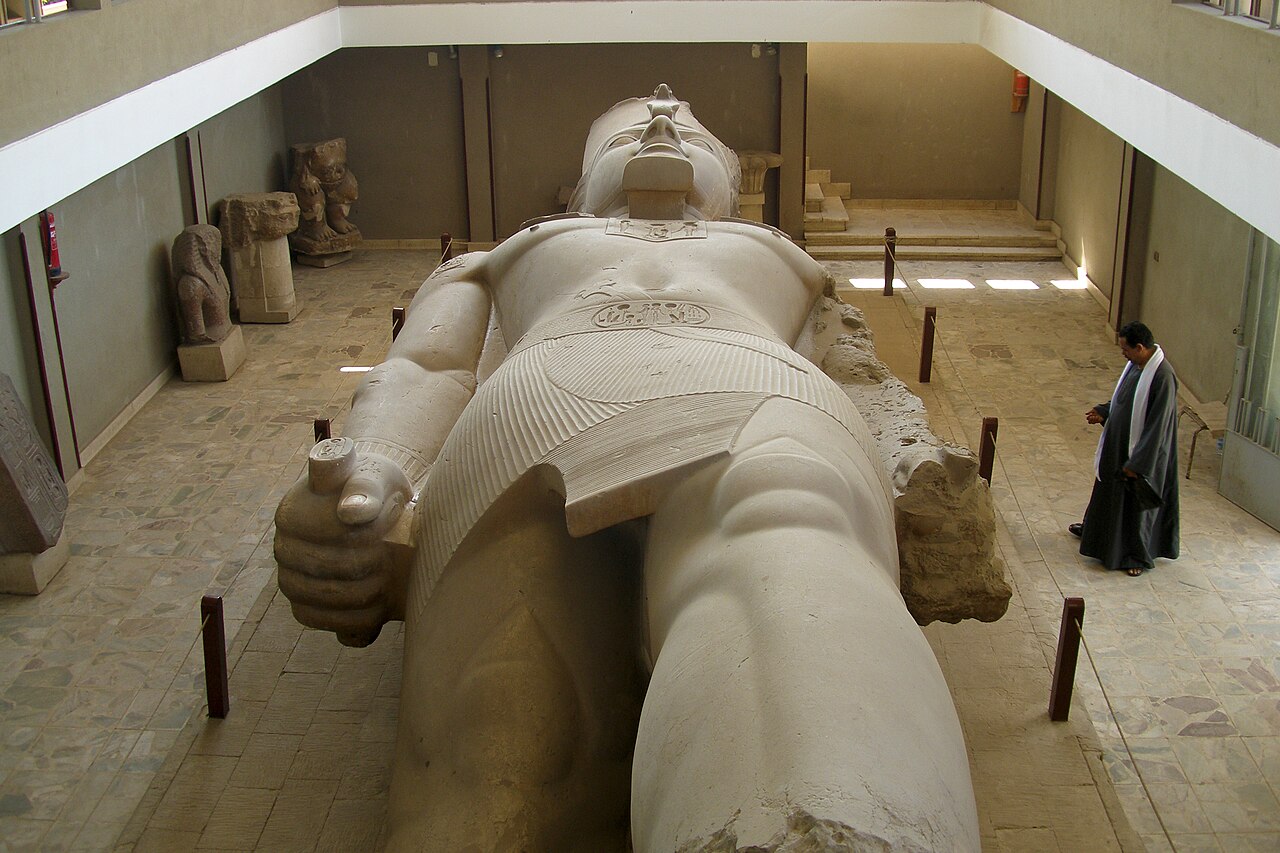
The large statue of Ramesses II at Memphis/Mit Rahina, Egypt, photographed on 17 June 2007. It belongs to the New Kingdom in the thirteenth century BCE, one of the later phases in the city’s long history
Site
Memphis is an ancient Egyptian city near Mit Rahina south of present-day Cairo
Name variants: Memphis
Context and sources →
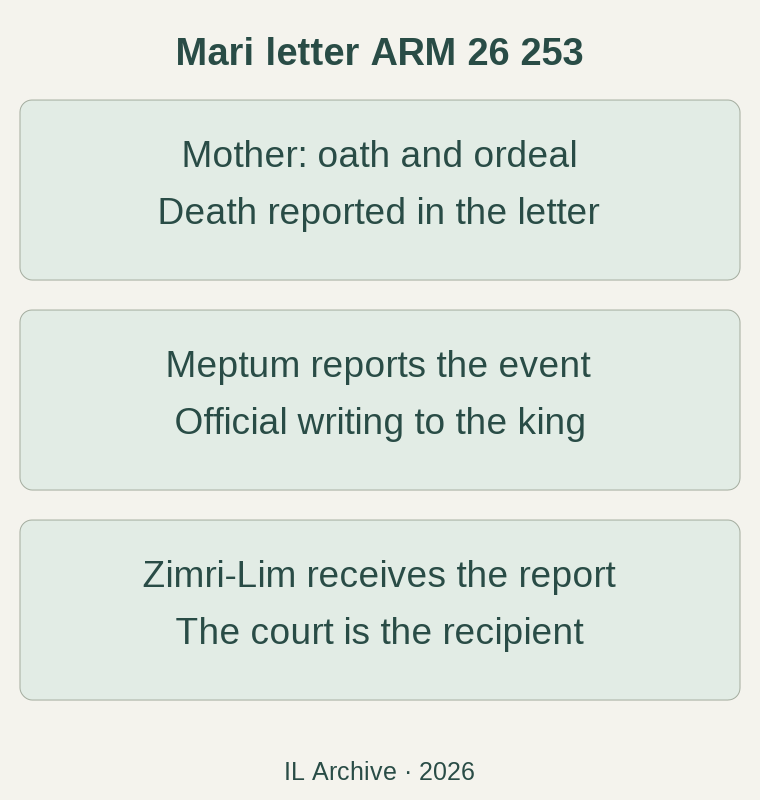
Modern diagram explaining roles in the specified source, not portraits or an ancient tablet. Row order explains relationships rather than reconstructing every ritual step
Person
Official and commander reporting river ordeals in Zimri-Lim’s correspondence.
Name variants: Meptum, Mari correspondent
Context and sources →
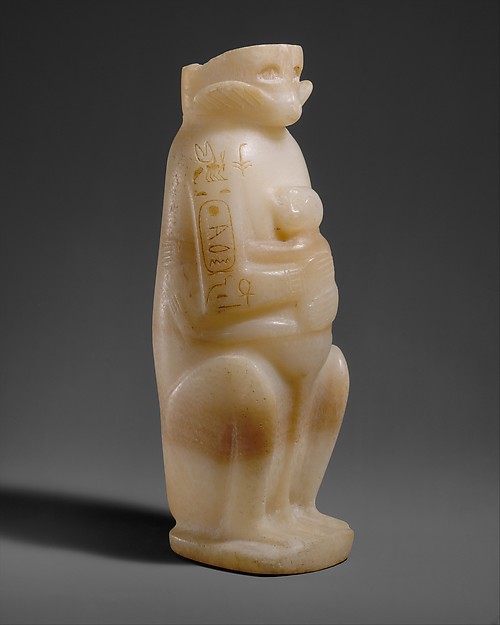
Egyptian-alabaster vase shaped as a mother monkey holding her young, inscribed with King Merenre I’s name. The Met dates it to about 2255–2246 BCE; object 30.8.134. The royal inscription appears on the shoulder
Person
Merenre I was an Egyptian king of the Sixth Dynasty in the late third millennium BCE
Name variants: Merenre I
Context and sources →
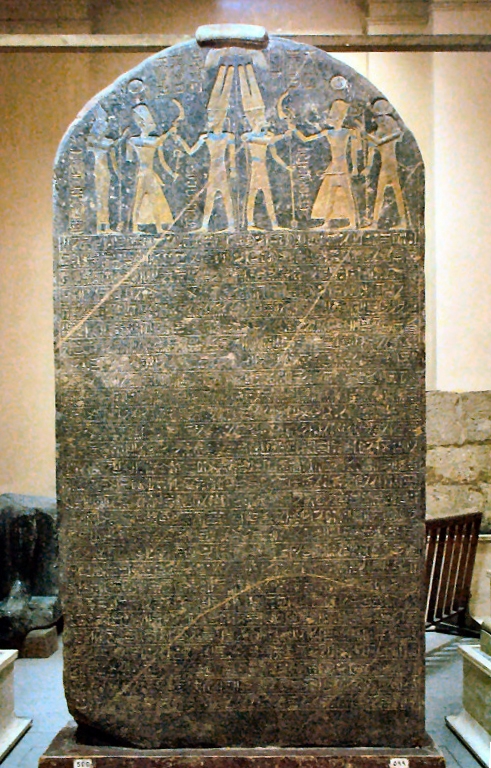
Merneptah Stele, JE 31408; photographed at the Egyptian Museum in Cairo in 2003. Perspective-corrected Wikimedia Commons version, reused unchanged
Artifact
An Egyptian royal victory inscription of c. 1208 BCE on the reverse of a monument of Amenhotep III; it contains the earliest widely accepted external attestation of the name Israel.
Name variants: Merneptah Stele, Merenptah Stele
Context and sources →
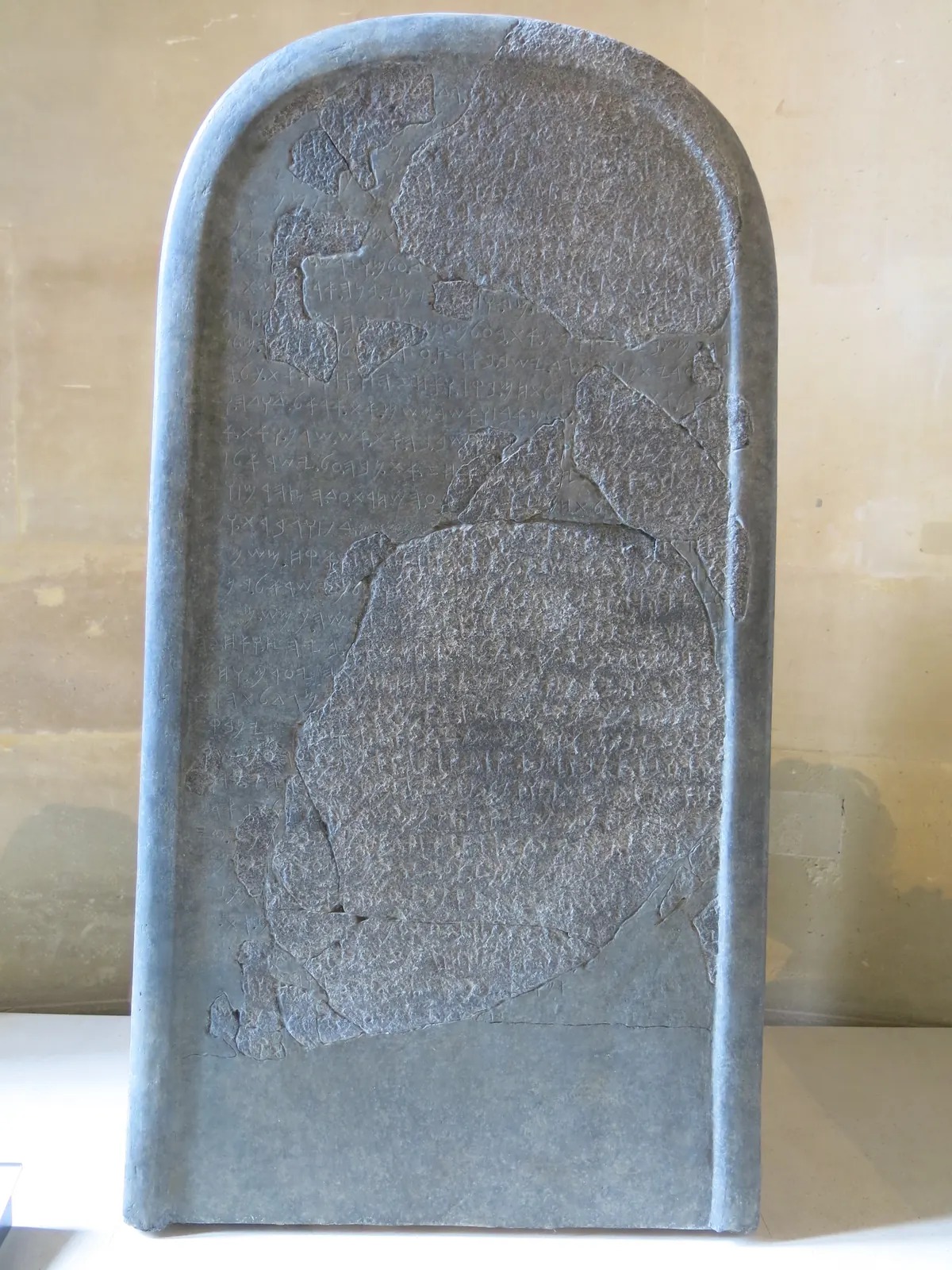
Mesha Stele, basalt, from Dhiban in Jordan, ninth century BCE; Louvre AO 5066 / KAI 181. Broken, reassembled and supplemented. Yahweh occurs in line 18 according to the published reading; no reading from the photograph is claimed
Artifact
A ninth-century BCE Moabite royal basalt stele at the Louvre (AO 5066; KAI 181). Its inscription names Chemosh, Omri, Israel and YHWH (line 18). A proposed “House of David” reading in damaged line 31 is disputed.
Name variants: Mesha Stele, Moabite Stone, Mesha Inscription
Context and sources →
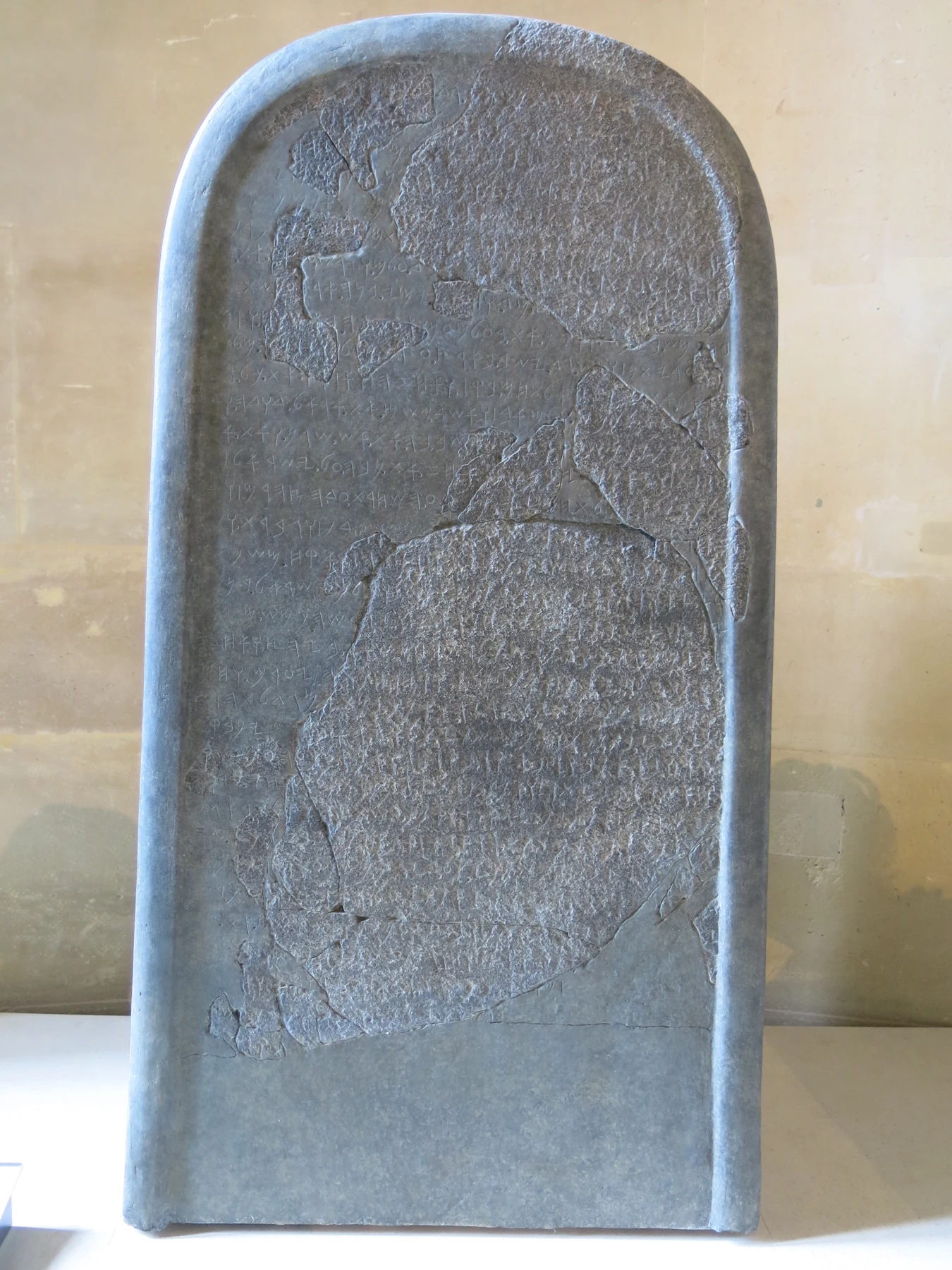
Mesha Stele, ninth century BCE, Louvre AO 5066. Photograph of the reassembled stone with modern infill, not a portrait of the king
Person
Ninth-century BCE king of Moab whose inscription recounts conflict, territorial recovery and construction.
Name variants: Mesha
Context and sources →

Modern conceptual scene of two winding rivers and an alluvial plain, generated by AI; not a geographical map or genuine archaeological photograph of Mesopotamia
Site
Historical region associated with the Tigris and Euphrates: Uruk, Ur, Eridu, cuneiform, Sumer, Akkad, Babylon and Assyria, their languages and cults, and the limits of archaeological evidence.
Name variants: Mesopotamia
Context and sources →