Short · 22 November 2026
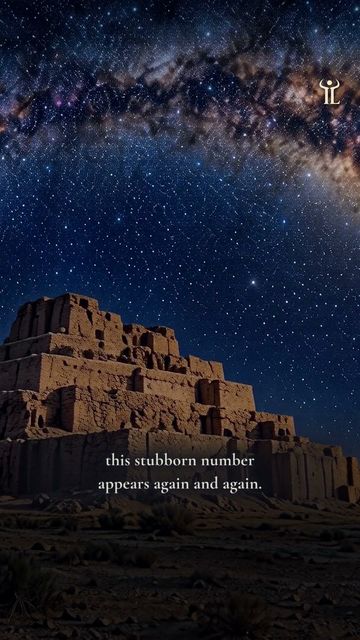
Gilgamesh crosses seven mountains to the cedars: seven in the oldest poems
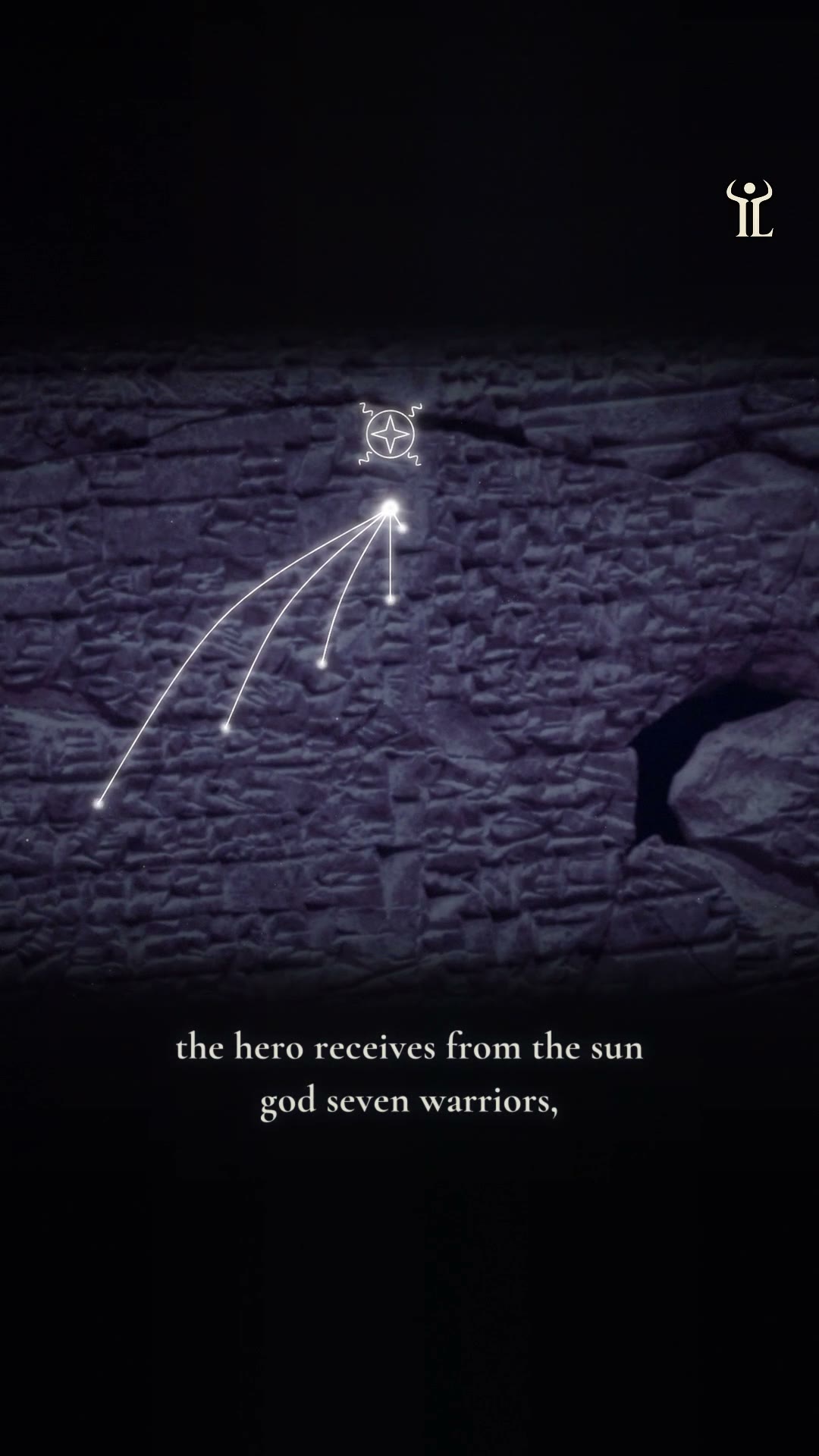
Seven warriors, seven mountain ranges, the cedar forest, seven terrors, seven auras. In the Sumerian poem of Gilgamesh and Huwawa, the count climbs to seven, and then the story turns.
From the documentary: Why Is Seven Sacred? What the Clay Tablets of Ancient Iraq Reveal
In the archive
More topics from this documentary
- Why Seven? What Scholars Can Explain and What Remains Unknown
- The Pleiades and the Seven Gods: Stars, Seven Dots and Assyrian Symbols
- The Sebettu: “the Seven” as Demons and as Protectors in Mesopotamia
- Erra and Ishum: the Babylonian Poem of the Seven, of War and of Protection from Plague
- Seven in Sumerian Poetry: Gates, Terrors, Mountains and Judges
- Six Days, Then the Seventh: The Seven-Day Pattern in Ugaritic Epic
- Seven in the Hebrew Bible: Oath, Completion and Holy Time
- Seven in the Qur'an and in Islamic Worship: Heavens, the Fatiha, the Gates and the Rites of Hajj
- Seven in the New Testament: from “Seventy-Seven Times” to the Seven Seals
- Where Did the Planetary Week Come From? From “Babel und Bibel” to a Pompeii Graffito
- Seven Heavens: What Ancient Texts Say about the Layers of the Sky
- Sabbath and Šapattu: Similar Names, Different Calendars
- Sabbath, the weekly rest day
- Inanna and Ishtar’s Descent: What Changes between the Narratives?
- The Seven Hathors and Other Sevens in Ancient Egypt
The YouTube player loads only when you press play. Watch on YouTube
More shorts from this documentary
 0:50
Erra and the Seven: a Babylonian poem of war and the breakdown of order
 0:49
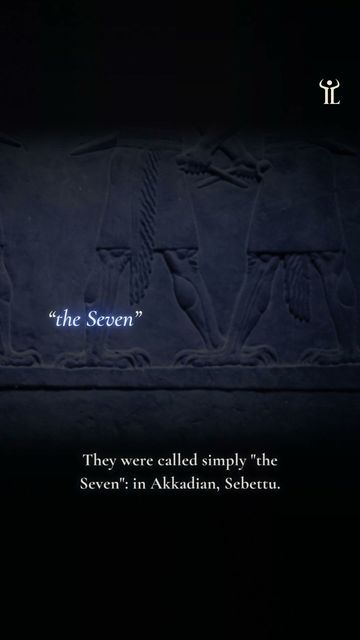
The Seven of ancient Iraq: feared as demons, buried at the gate as guardians
 0:46
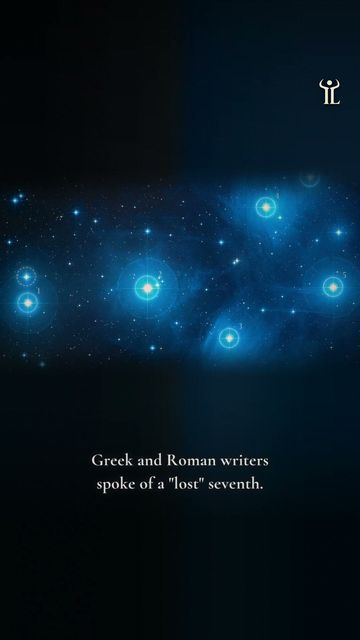
The Pleiades: most people see six stars. So why "the seven great gods"?
 0:55
Why can't you draw a perfect seven-sided figure, or divide an hour by seven?
 0:43