Short · 20 November 2026
The Seven of ancient Iraq: feared as demons, buried at the gate as guardians
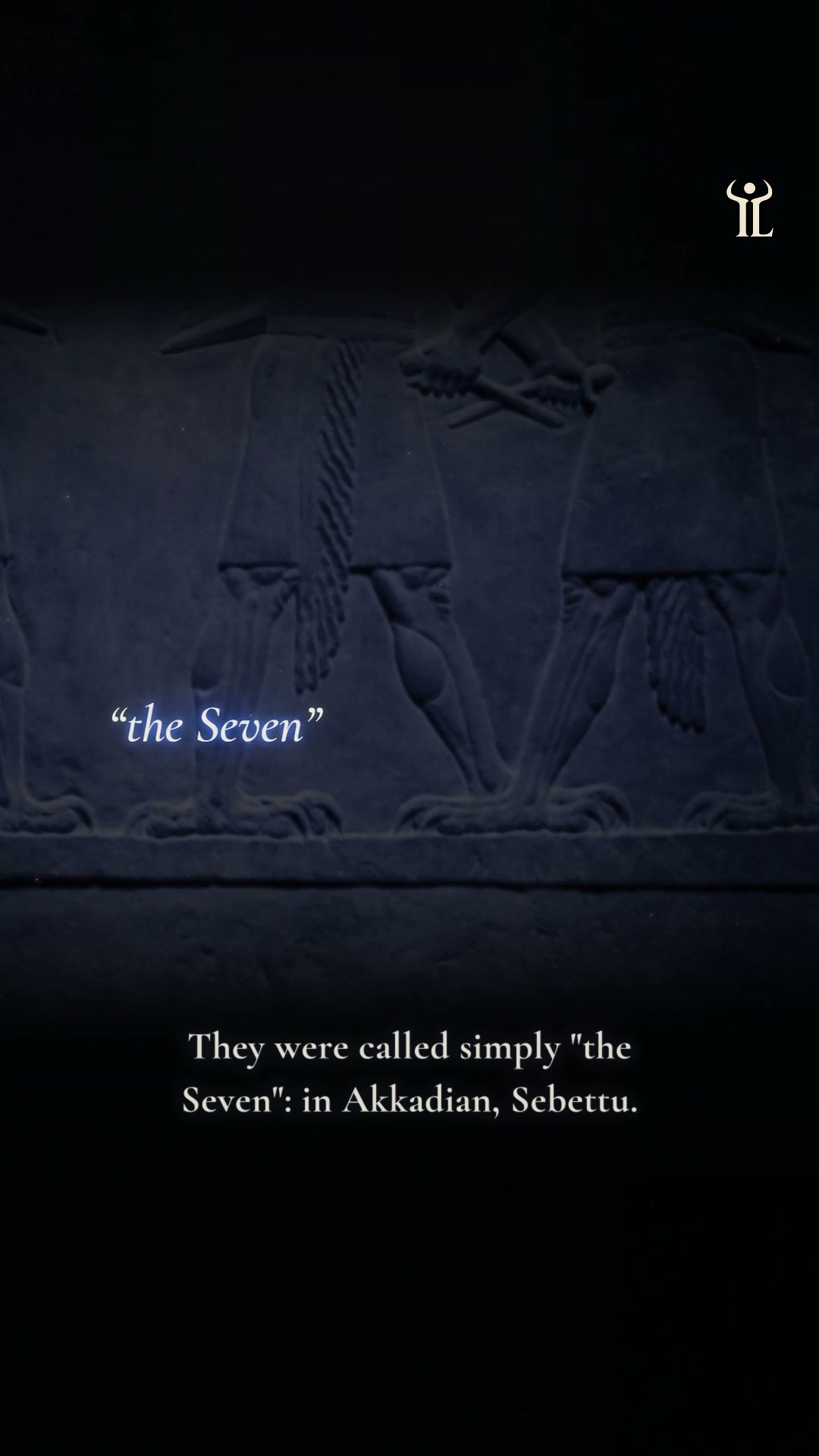
"The Seven", Sebettu in Akkadian: exorcists chanted against them, yet a household ritual (one copy from 750 BCE) had seven statues of them carved and buried in the outer gate of the house, to keep evil out.
From the documentary: Why Is Seven Sacred? What the Clay Tablets of Ancient Iraq Reveal
In the archive
- The Sebettu: “the Seven” as Demons and as Protectors in Mesopotamia
- Why Is Seven Sacred? The Number Seven from the Stars of Ancient Iraq to Our Week
More topics from this documentary
- Why Seven? What Scholars Can Explain and What Remains Unknown
- The Pleiades and the Seven Gods: Stars, Seven Dots and Assyrian Symbols
- Erra and Ishum: the Babylonian Poem of the Seven, of War and of Protection from Plague
- Seven in Sumerian Poetry: Gates, Terrors, Mountains and Judges
- Six Days, Then the Seventh: The Seven-Day Pattern in Ugaritic Epic
- Seven in the Hebrew Bible: Oath, Completion and Holy Time
- Seven in the Qur'an and in Islamic Worship: Heavens, the Fatiha, the Gates and the Rites of Hajj
- Seven in the New Testament: from “Seventy-Seven Times” to the Seven Seals
- Where Did the Planetary Week Come From? From “Babel und Bibel” to a Pompeii Graffito
- Seven Heavens: What Ancient Texts Say about the Layers of the Sky
- Sabbath and Šapattu: Similar Names, Different Calendars
- Sabbath, the weekly rest day
- Inanna and Ishtar’s Descent: What Changes between the Narratives?
- The Seven Hathors and Other Sevens in Ancient Egypt
The YouTube player loads only when you press play. Watch on YouTube
More shorts from this documentary
 0:44
Gilgamesh crosses seven mountains to the cedars: seven in the oldest poems
 0:50
Erra and the Seven: a Babylonian poem of war and the breakdown of order
 0:46
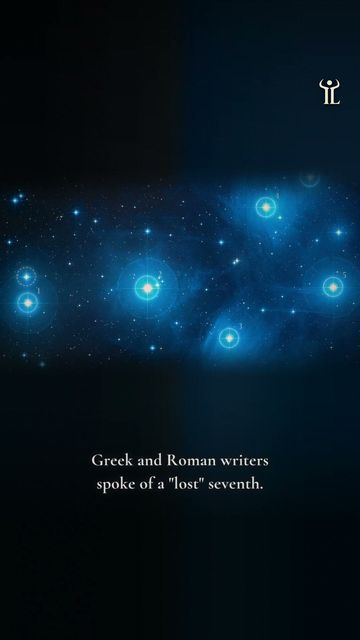
The Pleiades: most people see six stars. So why "the seven great gods"?
 0:55
Why can't you draw a perfect seven-sided figure, or divide an hour by seven?
 0:43