Study
Seven in the Hebrew Bible: Oath, Completion and Holy Time
An extended study of a topic, with evidence and references.
- Region
- The Levant
Seven runs through the Hebrew Bible: in the word for an oath, the seventh day, cycles of rest and release, the lampstand and purification rites. The main passages, read in Hebrew and in translation.
Estimated reading time: 10 min Published Last reviewed:
Share article
Video
Why Is Seven Sacred? What the Clay Tablets of Ancient Iraq Reveal
Our fourth documentary follows the number seven through the clay tablets of ancient Iraq and its neighbours, then reads the scriptures in their own words and with respect. Some scenes are AI-generated illustrations.
The YouTube player loads only when you press play. Watch on YouTube
Text
Introduction
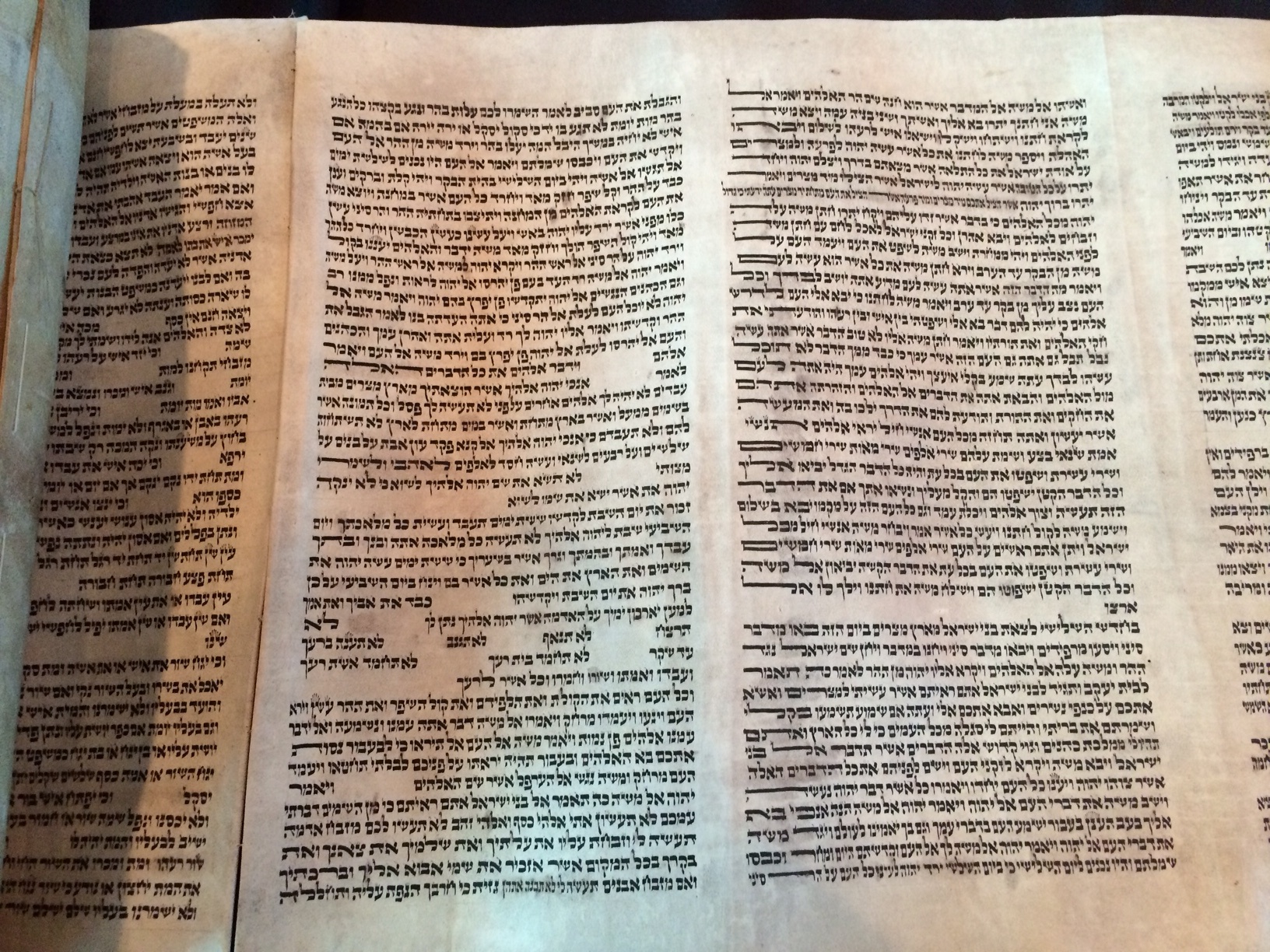
Why does the number seven appear so often in the HebrewHebrewA Northwest Semitic language of the Canaanite group, encompassing Iron Age epigraphy, Biblical, Rabbinic, medieval and Modern Hebrew; its scripts and pronunciations changed over time.Glossary · Click to read the explanation Bible, and what does it do in each passage? Seven marks an oath between Abraham and a king, the day God blessed, the years a servant works, the times a priest sprinkles and the days a city is encircled. It sets the rhythm of holy time.
This study reads those passages in the Hebrew text and in the public-domain 1917 translation of the Jewish Publication Society (JPS). It also asks a historical question: seven mattered elsewhere in the ancient Near EastAncient Near EastModern scholarly label for ancient societies of Mesopotamia, the Levant, Anatolia and Iran, sometimes extending to Egypt and other neighbours depending on the study; not one civilization or religion.Glossary · Click to read the explanation too. What can we say about that shared background without reducing the biblical texts to it?
One root for "seven" and "to swear"
In biblical Hebrew the number seven is shevaʿ (שֶׁבַע), and the verb "to swear an oath" is nishbaʿ (נִשְׁבַּע), built from the same three consonants, š-b-ʿ. The standard lexicon of Brown, Driver and Briggs (BDB) explains the verb as "probably" meaning to bind oneself by seven things, so to speak. Ernest Klein's etymological dictionary lists the base of "seven" and the verb "to swear" as separate entries without deriving one from the other. [1][2]
The verb "to be satisfied" (savaʿ) looks the same in unpointed script, but it begins with śin rather than šin, and the lexicons treat it as a separate root. [1]
The link between seven and an oath is acted out in GenesisBook of GenesisHebrew book of the Torah containing Noah’s flood, survival offering and covenant with living creatures.Glossary · Click to read the explanation 21. AbrahamAbrahamCentral figure in Genesis, the Qur'an and Jewish, Christian and Islamic traditions; the sacrifice study compares what each text says about him.Glossary · Click to read the explanation and Abimelech, king of Gerar, make a covenant over a well that Abimelech's servants had seized. Then Abraham sets seven ewe lambs apart:
Genesis 21:30–31, JPS 1917. [3]
The name Abraham gives to the place, Beer-sheba, can be heard as "well of seven" or "well of the oath", and the passage plays on both. BDB records both explanations and notes a second naming account, at a well dug by Isaac's servants (Genesis 26:33). Nahum Sarna, as cited by Elaine Goodfriend, read the gift of the lambs as Abimelech's public acknowledgement of Abraham's claim to the well. [1][4]
The seventh day
The creation account at the opening of Genesis sets six days of work and a seventh day apart:
Genesis 2:2–3, JPS 1917. [3]
The noun "Sabbath" does not appear here; the verb shavat, "he ceased, rested", does. The later laws of the weekly SabbathSabbath, the weekly rest daySacred seventh day in Jewish traditions, linked by commandments to household rest, creation and liberation.Glossary · Click to read the explanation tie the day back to this account (Exodus 20:11) and also to the Exodus from Egypt (Deuteronomy 5:15). Ancient witnesses differ at Genesis 2:2 between "seventh" and "sixth"; IL Archive discusses this variant under textual criticismTextual criticismComparison of written witnesses and ancient translations to explain variant readings and textual transmission, distinguishing attested text from restorations and inferred ancestors.Glossary · Click to read the explanation and the Qumran scrolls.
Some scholars find sevens in the wording as well. Genesis 1:1 has seven Hebrew words, and Umberto Cassuto counted many multiples of seven in 1:1–2:3, judging them too many to be coincidence. Meir Bar-Ilan warns that such counts may be imported by the reader. [4]
Sevenfold and seventy-sevenfold
After CainCain son of AdamCain is Adam’s son in Genesis 4, which tells of his killing his brother and lists his descendants.Glossary · Click to read the explanation kills his brother, God protects him: "whosoever slayeth Cain, vengeance shall be taken on him sevenfold" (Genesis 4:15). His descendant Lamech turns this into a boast: "If Cain shall be avenged sevenfold, Truly Lamech seventy and sevenfold" (4:24). [3] Seven here expresses full retribution, and Lamech multiplies it beyond measure.
A second Lamech, of the line of Seth and father of NoahNoahNoah is the flood-story figure in Genesis and a prophet in the Qur’anGlossary · Click to read the explanation, lives "seven hundred seventy and seven years" (Genesis 5:31). [3] The two men share a name but belong to different genealogies, and the text attaches no teaching to the number 777.
"Seven seven": Noah's clean animals
Genesis 6:19 tells Noah to bring two of every kind. Genesis 7:2 adds that of every clean animal he must take shivʿah shivʿah, "seven seven", followed by "each with his mate". JPS 1917 renders "seven and seven"; BDB classes the form as distributive, "seven each". The United Bible Societies' handbook on Genesis notes that some readers, as in the King James Version, understand seven of each species, and judges "seven pairs" more likely, as in most modern translations. [1][3][5]
Rashi explains the extra clean animals: Noah would offer some of them as sacrifices on leaving the ark, as he does in Genesis 8:20. Radak and, in the twentieth century, Cassuto understand seven pairs; the medieval Tur HaArokh speaks of seven males and seven females. [6] The story also counts days in sevens (7:4, 10; 8:10, 12). IL Archive's study The Flood before Noah places these verses beside the Mesopotamian flood accounts.
Years of service, years of plenty
JacobJacob in GenesisGenesis figure, son of Isaac and brother of Esau; he encounters heavenly messengers and sends human envoys.Glossary · Click to read the explanation offers to serve Laban "seven years for Rachel", "and they seemed unto him but a few days, for the love he had to her" (Genesis 29:18, 20). Given Leah instead, he is told: "Fulfil the week of this one", and then serves "yet seven other years" (29:27, 30). [3] The word for "week" here, shavuaʿ, belongs to the same family of words; BDB understands it as the week of the wedding feast. [1]
In Genesis 41 Pharaoh dreams of seven fat cows eaten by seven lean ones and seven full ears swallowed by seven thin ones. JosephJoseph in Genesis and the Qur’anFigure whose story in Genesis and Sūrat Yūsuf combines enslavement, accusation, prison and advancement in Egypt.Glossary · Click to read the explanation explains: "The seven good kine are seven years; and the seven good ears are seven years: the dream is one" (41:26). [3] The doubled dream makes the message certain; on the episode's literary form see the court taleCourt TaleAn analytical category for stories in which a sage or outsider faces tests of skill, loyalty, or survival at a royal court, through contest, accusation, or reversal; it does not establish one textual origin.Glossary · Click to read the explanation. In verse 29 the "great plenty" is savaʿ (שָׂבָע), from that separate root ś-b-ʿ. [1]
Seven in the sanctuary and in purification
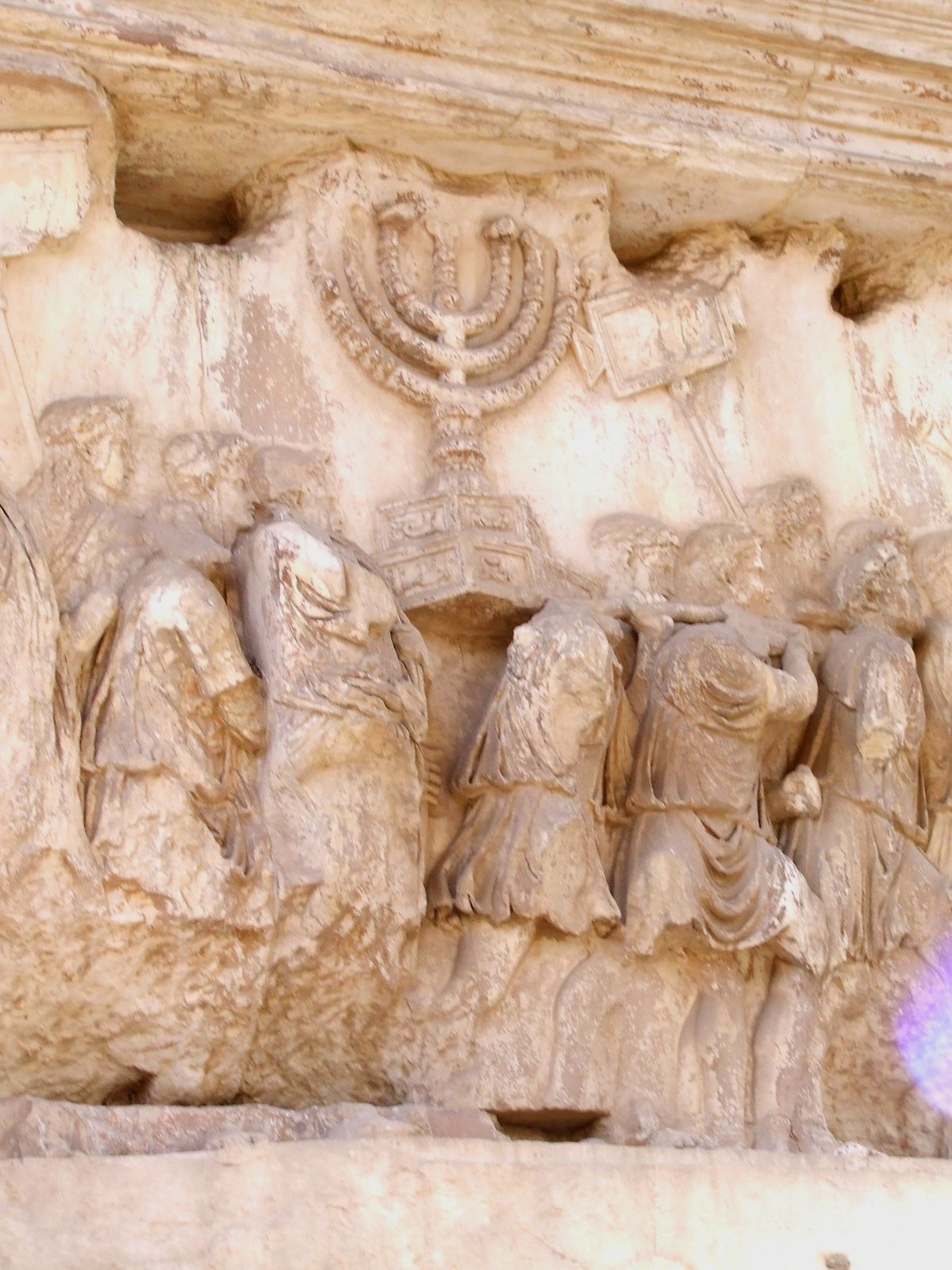
The lampstand (menorah) of the tabernacleTabernacle in the biblical narrativeNarrative worship tent whose floor supplies dust in Numbers 5.Glossary · Click to read the explanation has a central shaft and "six branches going out of the sides thereof" (Exodus 25:32), and the instruction continues: "thou shalt make the lamps thereof, seven" (25:37). [3]
Seven also recurs in rites of atonement and cleansing. The priest sprinkles blood "seven times before the LORD" (Leviticus 4:6). For a person being cleansed of a skin disease (tsaraʿat), the priest sprinkles "seven times" and then declares him clean (14:7). Contact with a corpse brings seven days of impurity (Numbers 19), as explained in IL Archive's entry on ritual impurityRitual impurityA religious status regulating contact with the sacred, especially in Leviticus and Numbers. Causes, duration, and remedies vary by context; it does not necessarily imply sin, disease, or diminished dignity.Glossary · Click to read the explanation. [3][4]
The story of Naaman, the Aramean commander, follows the same pattern. The prophet Elisha sends him word: "Go and wash in the Jordan seven times, and thy flesh shall come back to thee, and thou shalt be clean" (2 Kings 5:10). Naaman finally "dipped himself seven times in the Jordan... and he was clean" (5:14). [3] Goodfriend lists this passage among purification rites using seven sprinklings or immersions. [4]
Jericho: six days, then seven circuits
In Joshua 6 the conquest of JerichoJericho / Tell es-SultanArchaeological mound near present-day Jericho in Palestine’s Jordan Valley, preserving early Neolithic settlement and Bronze Age layers.Glossary · Click to read the explanation is narrated as a ritualRitualAn organised or distinguished practice meaningful to a community; it may leave traces, but its form alone does not reveal an associated doctrine.Glossary · Click to read the explanation. The army circles the city once a day for six days. Then: "seven priests shall bear seven rams' horns before the ark; and the seventh day ye shall compass the city seven times" (6:4). At the seventh circuit the horns sound and the people shout (6:15–16). [3] The Hebrew for the rams' horns, shofrot ha-yovelim, contains yovel, the word that also names the Jubilee. How the story relates to the excavated layers of Tell es-Sultan is a separate, archaeological question.
Sabbatical year and Jubilee
The seven-day rhythm is extended to years. "Six years thou shalt sow thy field... But in the seventh year shall be a sabbath of solemn rest for the land" (Leviticus 25:3–4). Seven such cycles lead to the fiftieth year: "thou shalt number seven sabbaths of years unto thee, seven times seven years... even forty and nine years", and liberty is proclaimed in the land (25:8–10). [3] The festival of Weeks follows the same logic on a smaller scale, counting seven weeks and then a fiftieth day (Leviticus 23:15–16).
What these laws required, and whether the Jubilee also cancelled debts, is discussed in IL Archive's entries on the biblical JubileeBiblical JubileeThe fiftieth-year law of Leviticus 25: family land restoration, limited release from servitude, and debate over debt remission and Deuteronomy 15.Glossary · Click to read the explanation and on debt release. One later text links the seventy years of exile to this cycle: the land lay desolate "until the land had been paid her sabbaths... to fulfil threescore and ten years" (2 Chronicles 36:21; compare Leviticus 26:34). [3]
Seventy: a large and complete number
Seventy, ten times seven, often stands for a complete group. Jacob's household that went down to Egypt numbered seventy (Genesis 46:27; Exodus 1:5; Deuteronomy 10:22). Seventy elders go up the mountain with MosesMosesCentral figure in Exodus, Torah traditions and the Qur’an; childhood accounts differ in detail.Glossary · Click to read the explanation (Exodus 24:1, 9), and in the wilderness God places the spirit that was on Moses upon seventy elders (Numbers 11:16, 25). [3] Sarna, quoted by Goodfriend, describes seventy as a number used "to evoke the idea of totality". [4]
The book of JeremiahBook of JeremiahProphetic book addressing Judah and the Babylonian crisis; chapter 34 recounts liberation followed by renewed subjection.Glossary · Click to read the explanation announces that the nations "shall serve the king of BabylonBabylonBabylon is an ancient city in central present-day Iraq, south of BaghdadGlossary · Click to read the explanation seventy years" (Jeremiah 25:11; also 29:10). In DanielBook of DanielA book combining court tales of wisdom and deliverance with visions of kingdoms and the future, formed in stages.Glossary · Click to read the explanation 9, Daniel ponders those seventy years (9:2) and receives the answer: "Seventy weeks are decreed upon thy people" (9:24). The Hebrew is shavuʿim shivʿim, "seventy sevens"; almost all commentators take each "seven" as seven years. [3][7]
How the 490 years are counted is much debated. Rashi counts seventy years of the Babylonian exileBabylonian exileJudean deportations to Babylonia and the kingdom’s collapse in the early sixth century BCE; several phases, not everyone removed or returned at once.Glossary · Click to read the explanation and 420 years of the Second Temple, ending with its destruction by Titus. A long Christian tradition reads the "anointed one" of verses 25–26 as Jesus. Many modern historical scholars connect the last "week" (9:27) with the persecution under Antiochus IV, generally dated about 171–164 BCE. George Athas recalls James Montgomery's 1927 verdict that the history of its interpretation is the "Dismal Swamp" of Old Testament criticism. [7][8]
Two readings side by side
The believer's reading. For Jewish and Christian readers, the sevens of scripture express completeness and God's ordering of creation, time and worship. The seventh day is blessed and made holy; in the seventh year the land rests, loans are remitted and Hebrew servants go free; purification is completed by sevenfold acts. The Jewish Encyclopedia of 1906 called seven "the most sacred number" and noted that its sanctity was enhanced by the Sabbath. Goodfriend summarises the biblical use as expressing "completion, perfection, and holiness". On this reading the number's meaning comes from the God who blesses the seventh day. [4][9]
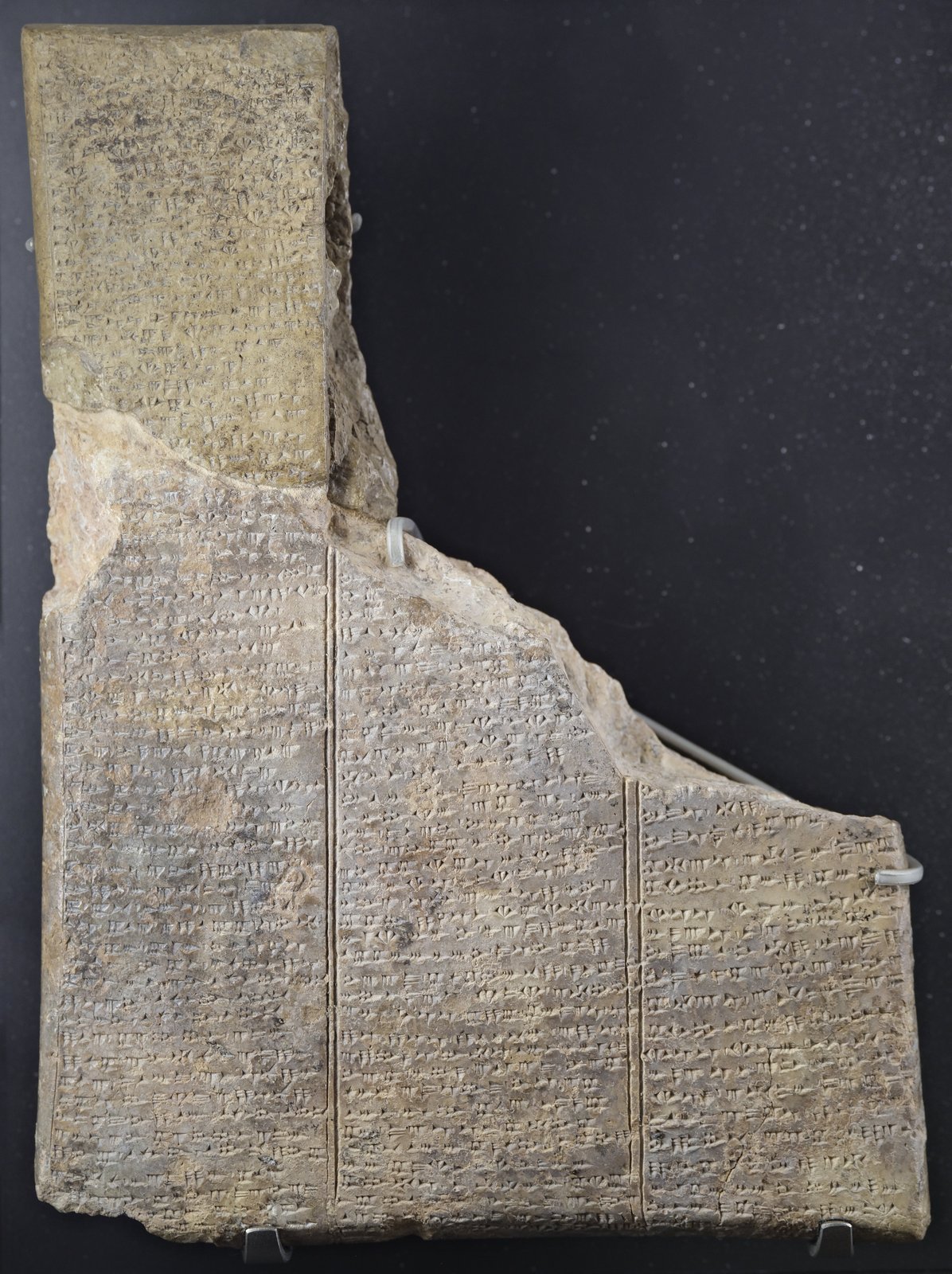
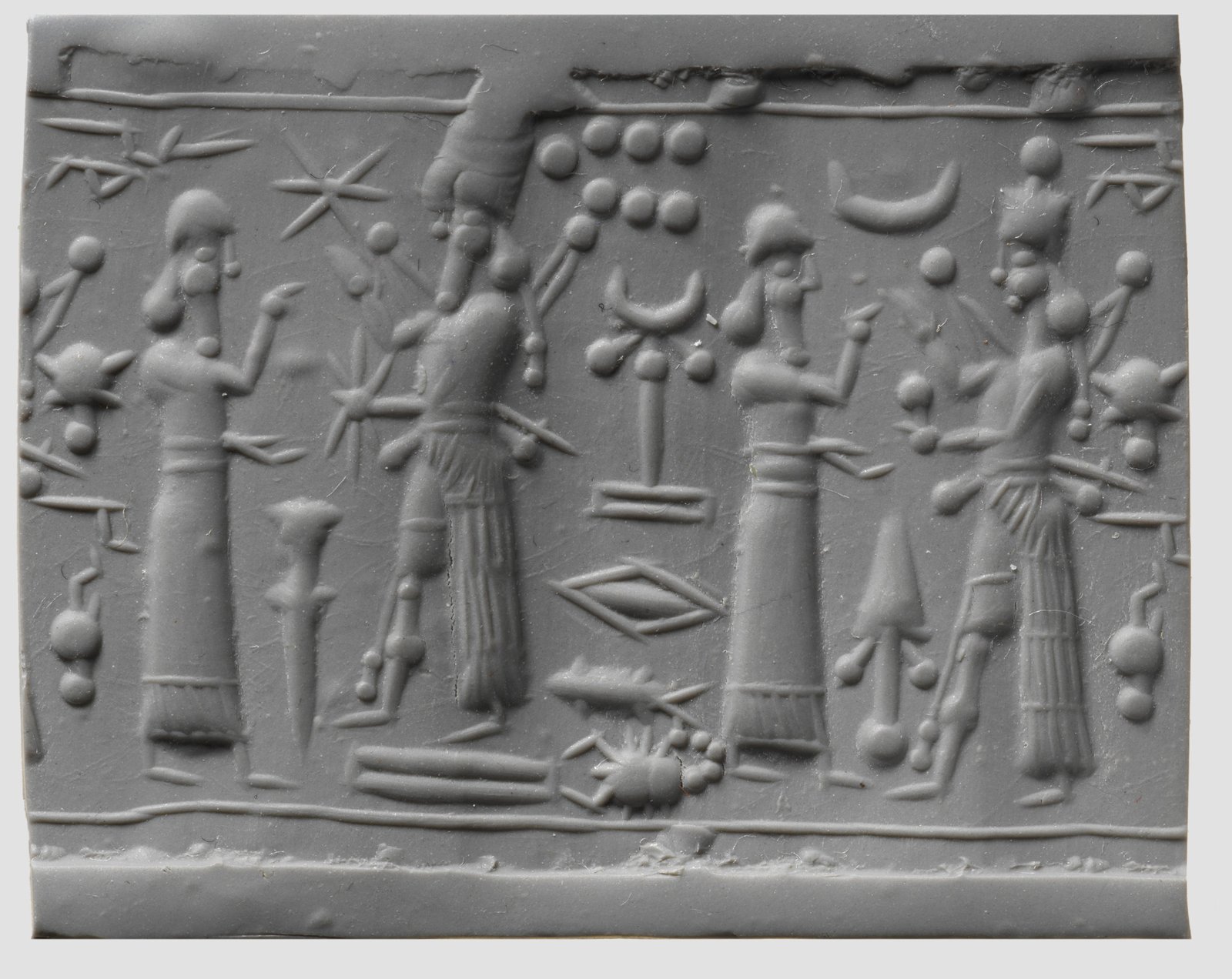
The historian's reading. Seven also mattered in Israel's wider world, and the word itself is shared: BDB lists cognates in AkkadianAkkadianAn ancient East Semitic language written in cuneiform from the third millennium BCE; its varieties include Babylonian and Assyrian, and it served in international diplomacy.Glossary · Click to read the explanation, Arabic, Ethiopic, Phoenician and Aramaic. [1] In the AmarnaAmarna / AkhetatenAmarna is the archaeological site of Akhetaten, Akhenaten’s fourteenth-century BCE capital in Middle Egypt, preserving royal boundary stelae, temples, houses and cemeteries.Glossary · Click to read the explanation letters of the fourteenth century BCE, Milki-ʾili, ruler of Gezer, tells the king of Egypt that he falls at his feet "seven times (and) seven times". [10] In the Ugaritic Baal epic, a fire burns in Baal's palace for six days and dies down on the seventh, as recorded in IL Archive's entry on Kothar-wa-HasisKothar-wa-HasisUgaritic divine craftsman who makes Baal’s weapons, builds his palace and proposes its window; also associated with Aqhat’s bow. No securely identified ancient portrait.Glossary · Click to read the explanation; the Sumerian flood story of ZiusudraZiusudraA literary king-priest in the fragmentary Sumerian Flood Story (ETCSL 1.7.4). He survives by boat, sacrifices, and receives divine life from An and Enlil in Dilmun. The surviving copy is Old Babylonian; his historicity is unproven.Glossary · Click to read the explanation has the boat battered for seven days and nights. On this view, Israel's scriptures spoke the symbolic language of their region and gave it their own meaning: a continuous week independent of the moon, a seventh day tied to creation and the Exodus, and years of rest and release. Whether the Hebrew Sabbath has any historical link with the Akkadian šapattu remains debated, as IL Archive's study on the Sabbath and Mesopotamian calendars explains.
The two readings answer different questions and can be held together. A shared number, or even a shared six-then-seven pattern, does not by itself show that one text depends on another. IL Archive's method study Resemblance Does Not Establish Borrowing explains why a historical relationship needs more evidence than a similar motif.
What the evidence allows
Confirmed: the explicit sevens and seventies quoted above; the shared consonants of "seven" and "to swear". Probable: that the verb "to swear" is derived from the number (BDB). Debated: seven or seven pairs in Genesis 7:2; the counting of Daniel's seventy weeks; hidden word-counts of seven. Unproven: that the biblical use of seven was taken over from any single neighbouring text or institution.
References and notes
- F. Brown, S. R. Driver and C. A. Briggs, A Hebrew and English Lexicon of the Old Testament (Oxford: Clarendon Press, 1906), digital edition on Sefaria (lookup of the root שבע) Entries שֶׁבַע 'seven' (BDB09912, incl. cognates and Gn 7:2-3 as distributive), שָׁבַע 'swear' (BDB09919), בְּאֵר שֶׁבַע 'Beersheba' (BDB00989), שָׁבוּעַ 'week, heptad' (BDB09918), שָׂבָע 'plenty' (BDB09603) Return to the text ↑
- Ernest Klein, A Comprehensive Etymological Dictionary of the Hebrew Language for Readers of English (Jerusalem: Carta, 1987), digital edition on Sefaria (lookup of the root שבע) Entries שׁבע I (base of 'seven'), שׁבע II ('to swear'), שׁבע III, שֶׁבַע Return to the text ↑
- The Holy Scriptures according to the Masoretic Text: A New Translation (Philadelphia: Jewish Publication Society, 1917; public domain), with the Hebrew text of Miqra according to the Masorah, via Sefaria Gen 2:1-3; 4:15, 18, 23-24; 5:28-31; 6:19; 7:2-4, 10; 8:10-12, 20; 20:2; 21:22-31; 26:31-33; 29:18-30; 41:1-7, 25-30; 46:27; Exod 1:5; 20:11; 24:1, 9-10; 25:31-32, 37; Lev 4:6; 14:7; 23:15-16; 25:3-4, 8-10; 26:18, 34; Num 11:16, 24-25; Deut 5:15; 10:22; Josh 6:3-4, 15-16; 2 Kgs 5:10, 14; Jer 25:11; 29:10; Zech 4:2; Dan 9:2, 24; 2 Chr 36:21 Return to the text ↑
- Elaine Goodfriend, "Seven, the Biblical Number", TheTorah.com (published 17 March 2021, updated 2026) Whole article and notes, incl. sections 'Seven in Narrative', 'Seven in Laws and Rituals', 'The Creation Story', 'Are Seven-Fold Keywords or Elements Always Intentional?', 'Ancient Near Eastern Background' and notes citing N. Sarna, Genesis (JPS 1989) 69, 149 Return to the text ↑
- William D. Reyburn and Euan McG. Fry, A Handbook on Genesis (UBS Handbook Series; New York: United Bible Societies, 1997), as published on the UBS Translator's Notes site Commentary on Genesis 7:2 ('seven pairs') Return to the text ↑
- Classical and modern Jewish commentaries on Genesis 7:2: Rashi (trans. M. Rosenbaum and A. M. Silbermann, public domain); Radak (David Kimhi); Tur HaArokh (Jacob ben Asher, trans. E. Munk); U. Cassuto, From Noah to Abraham (Jerusalem, 1953, Hebrew), via Sefaria Comments on Genesis 7:2 in each work Return to the text ↑
- George Athas, "In Search of the Seventy 'Weeks' of Daniel 9", Journal of Hebrew Scriptures 9 (2009), article 2 pp. 2-5 and 8 with nn. 4, 10 (Montgomery's 'Dismal Swamp'; weeks as blocks of seven years; Antiochus IV, c. 171-164 BCE; Christian messianic readings) Return to the text ↑
- Rashi on Daniel 9:24, in The Judaica Press Complete Tanach with Rashi (English translation), via Sefaria Comment on Daniel 9:24 Return to the text ↑
- Executive Committee of the Editorial Board and Caspar Levias, "Numbers and Numerals", The Jewish Encyclopedia, vol. 9 (New York: Funk & Wagnalls, 1905-1906; public domain) Section 'Symbolism of Numbers': entries 'Seven' and 'Seventy' Return to the text ↑
- Jacob Lauinger and Tyler Yoder (eds.), EA 269, Gezer [client letter], The Amarna Letters (Oracc, aemw/amarna) Obverse lines 1-8 (transliteration and translation); project page for the 14th-century BCE date of the corpus Return to the text ↑
Suggest a correction · Suggest a source for this record
Cite this record
IL Archive, «Seven in the Hebrew Bible: Oath, Completion and Holy Time», https://ilarchive.com/en/studies/seven-in-the-hebrew-bible
Continue reading