Modern explanatory diagram of narrative sequence and relationships, not a manuscript reproduction or portrait
Entity
Solar figure in Manu’s genealogy; the epic flood account calls Manu his son.
Name variants: Vivasvat, Manu’s solar father, Vivasvān
Context and sources →
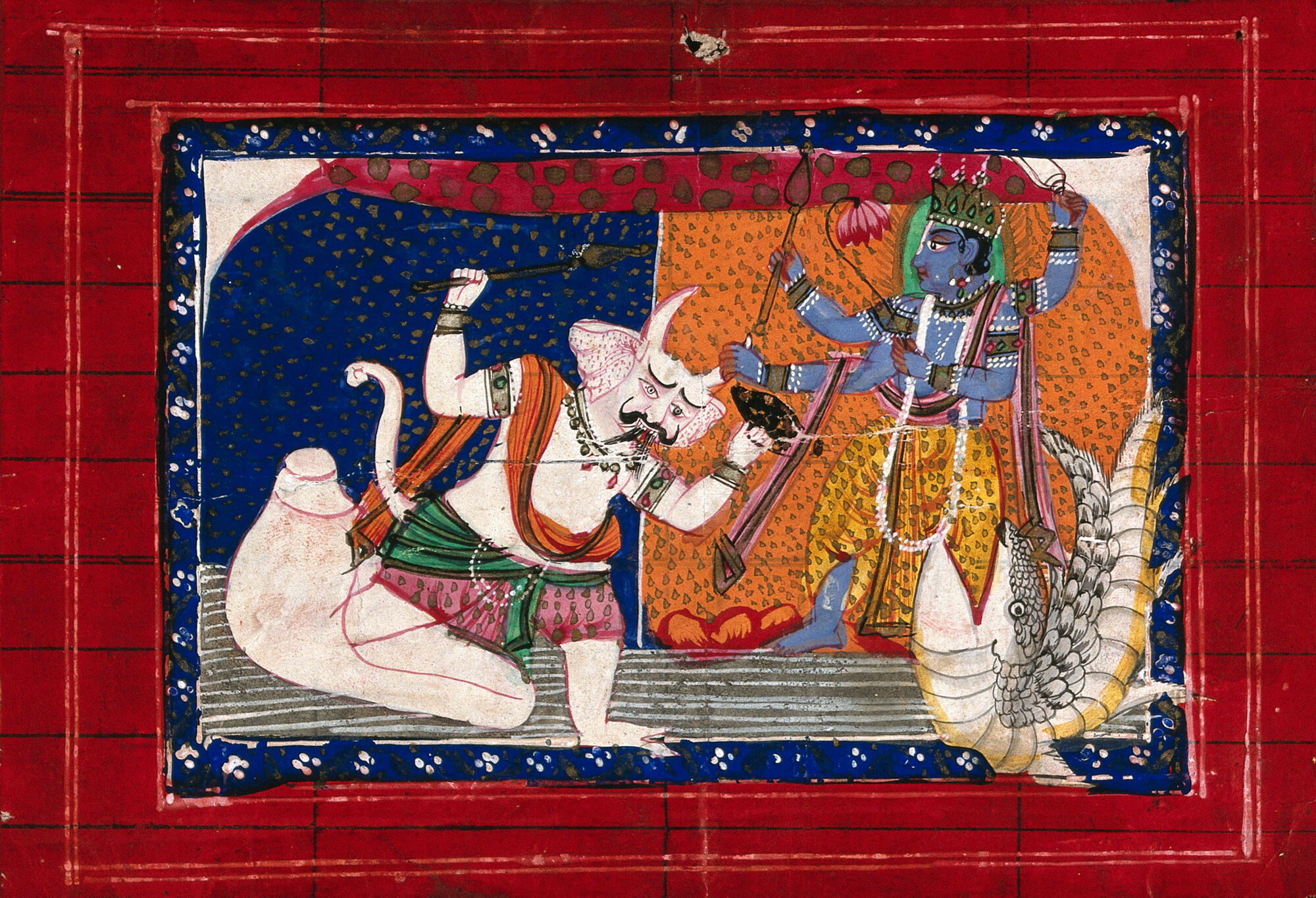
Viṣṇu as Matsya fighting a demon emerging from a conch; gouache, Wellcome Collection 27738i. The catalogue gives no date. Artistic reception of the Vaiṣṇava form, not Manu’s boat scene or the earliest Vedic fish
Entity
Hindu deity with whom the saving fish is identified in later Vaiṣṇava versions.
Name variants: Viṣṇu, Vishnu, Vāsudeva, Keśava, Janārdana
Context and sources →
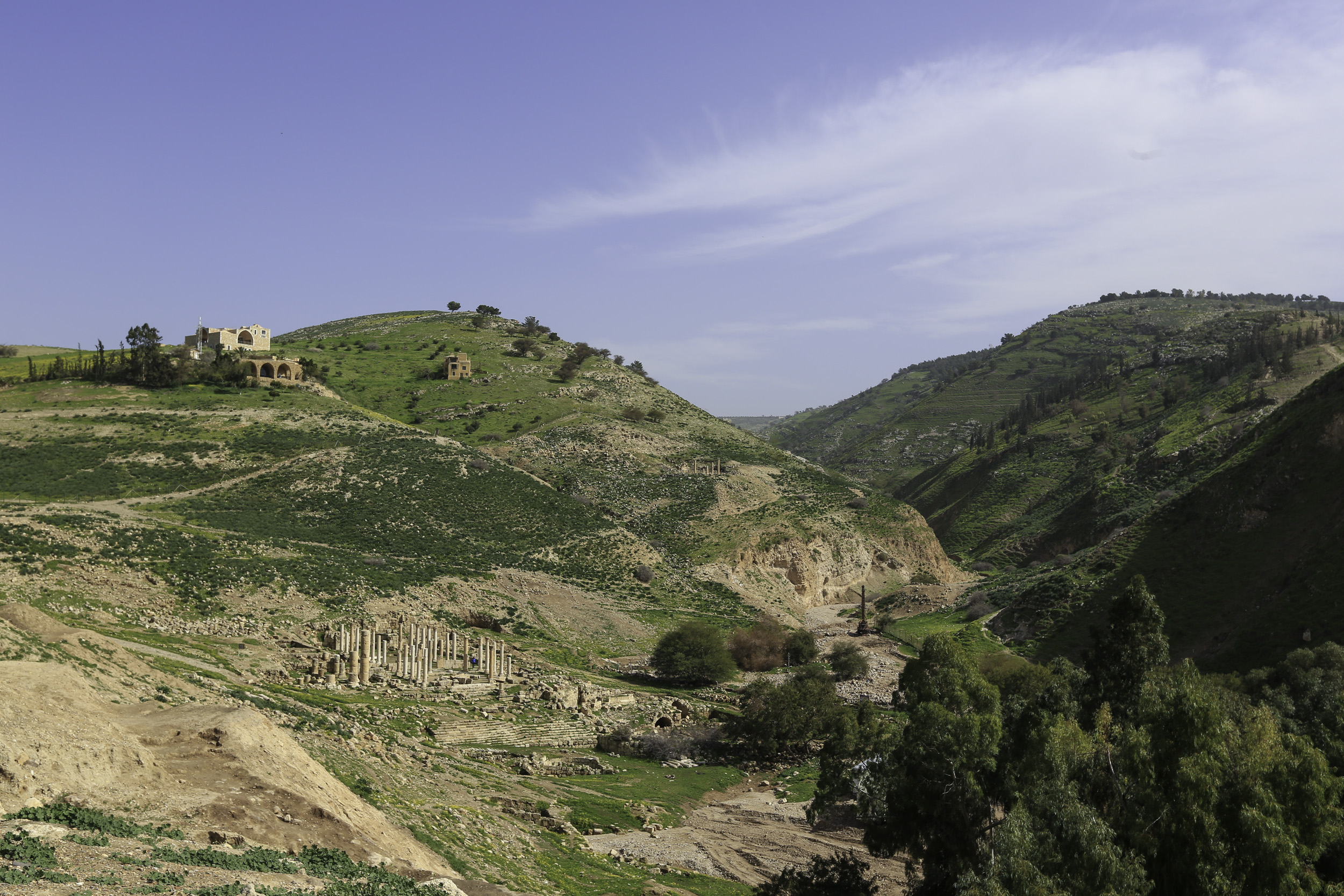
The Pella (Tabaqat Fahl) area in 2013, near Wadi Hammeh 27. Geographic context: the visible ruins belong to Pella, not to the Natufian settlement
Site
An Early Natufian site on the Jordanian side of the Jordan Valley, relevant to repeated residence and remembrance of burial places before agriculture.
Name variants: Wadi Hammeh 27, Wadi al-Hammeh 27
Context and sources →
Person
Old Testament and Genesis-composition scholar, professor of Old Testament theology at Ruhr University Bochum.
Name variants: Walter Bührer
Context and sources →

A newly generated modern symbolic contrast of light and shadow for the War Scroll; it does not depict the 1QM manuscript or a documented historical battle
Entity
Dead Sea Scroll text portraying war between the sons of light and the hostile camp; its principal copy is designated 1QM.
Name variants: War Scroll
Context and sources →

Modern AI-generated symbolic cover: an uninscribed scroll beneath an imagined sky. It is neither an Enoch manuscript nor a documented descent of the Watchers
Entity
Designation of a heavenly being in ancient Jewish literature: a holy messenger in Daniel, but a rebellious group in First Enoch. It is not automatically equivalent to demons or giants’ spirits.
Name variants: Watchers; watcher angels
Context and sources →
Person
Assyriologist and cuneiform specialist who co-published the Hazor legal fragments and explained their regional significance.
Name variants: Wayne Horowitz
Context and sources →
Person
Assyriologist and cuneiform scholar associated with Birmingham who translated Enūma Eliš.
Name variants: Wilfred G. Lambert
Context and sources →
Person
Professor of Hebrew Bible and ancient Judaism at St Andrews whose reading of Gog differs from the Marduk proposal.
Name variants: William A. Tooman
Context and sources →
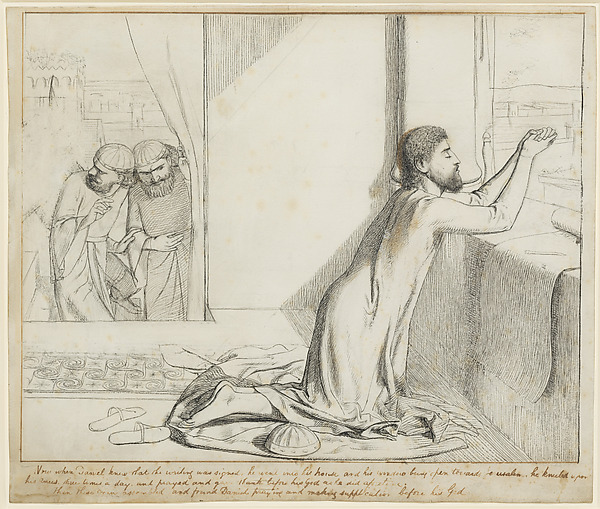
William Holman Hunt, Daniel Praying,1849; Met2023.675. An example of his work, not his portrait; inspired by Daniel6, not the resurrection in Daniel12
Person
William Holman Hunt (1827–1910) was a British artist and co-founder of the Pre-Raphaelite Brotherhood.
Name variants: William Holman Hunt
Context and sources →
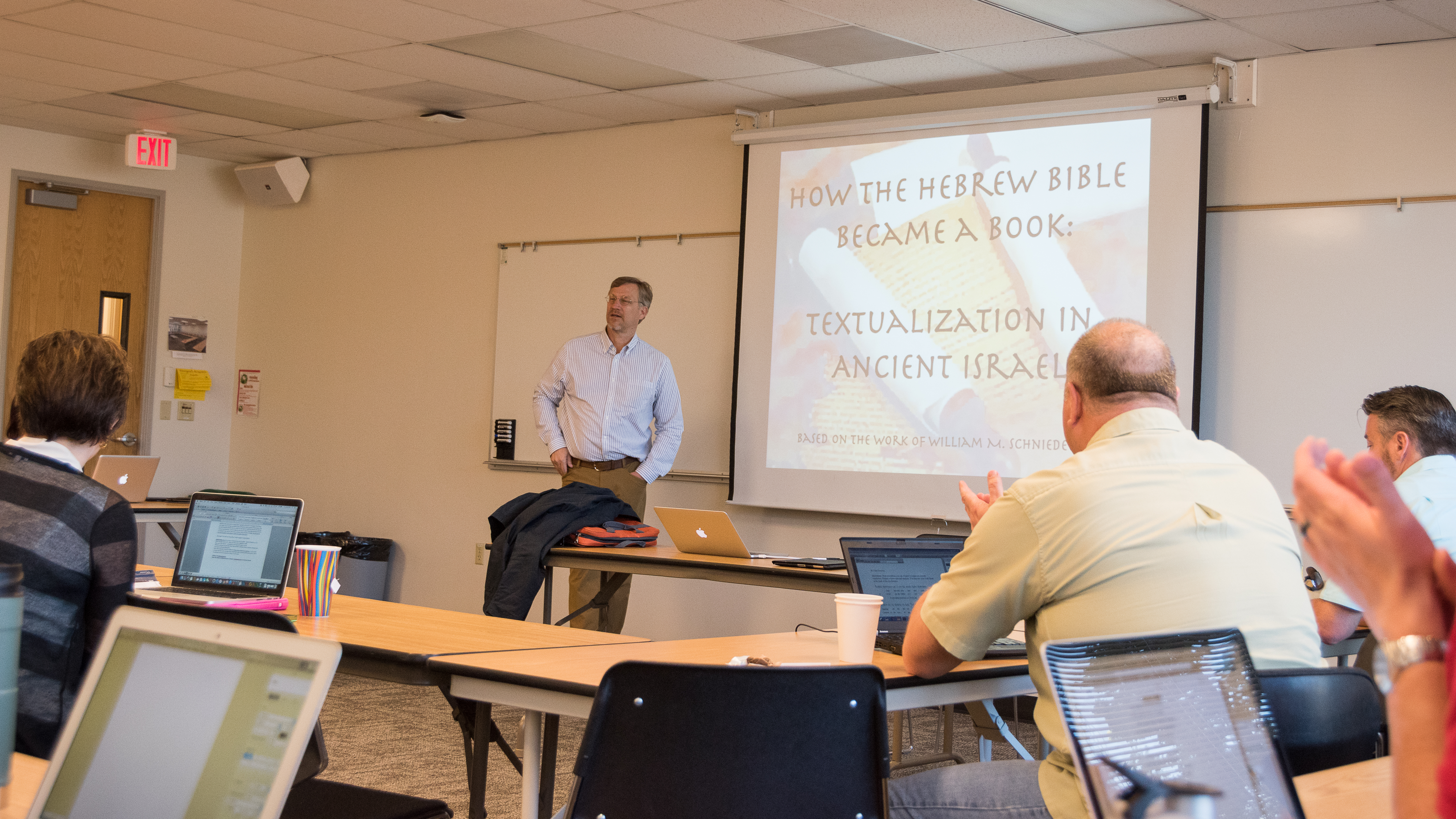
William M. Schniedewind presenting on how the Hebrew Bible became a book, Portland Seminary, 7 April 2016
Person
UCLA professor of Biblical Studies and Northwest Semitic Languages and author of The Finger of the Scribe.
Name variants: William M. Schniedewind
Context and sources →
Person
Scholar of ancient Iranian languages and religion and professor emeritus at the University of Minnesota.
Name variants: William W. Malandra
Context and sources →
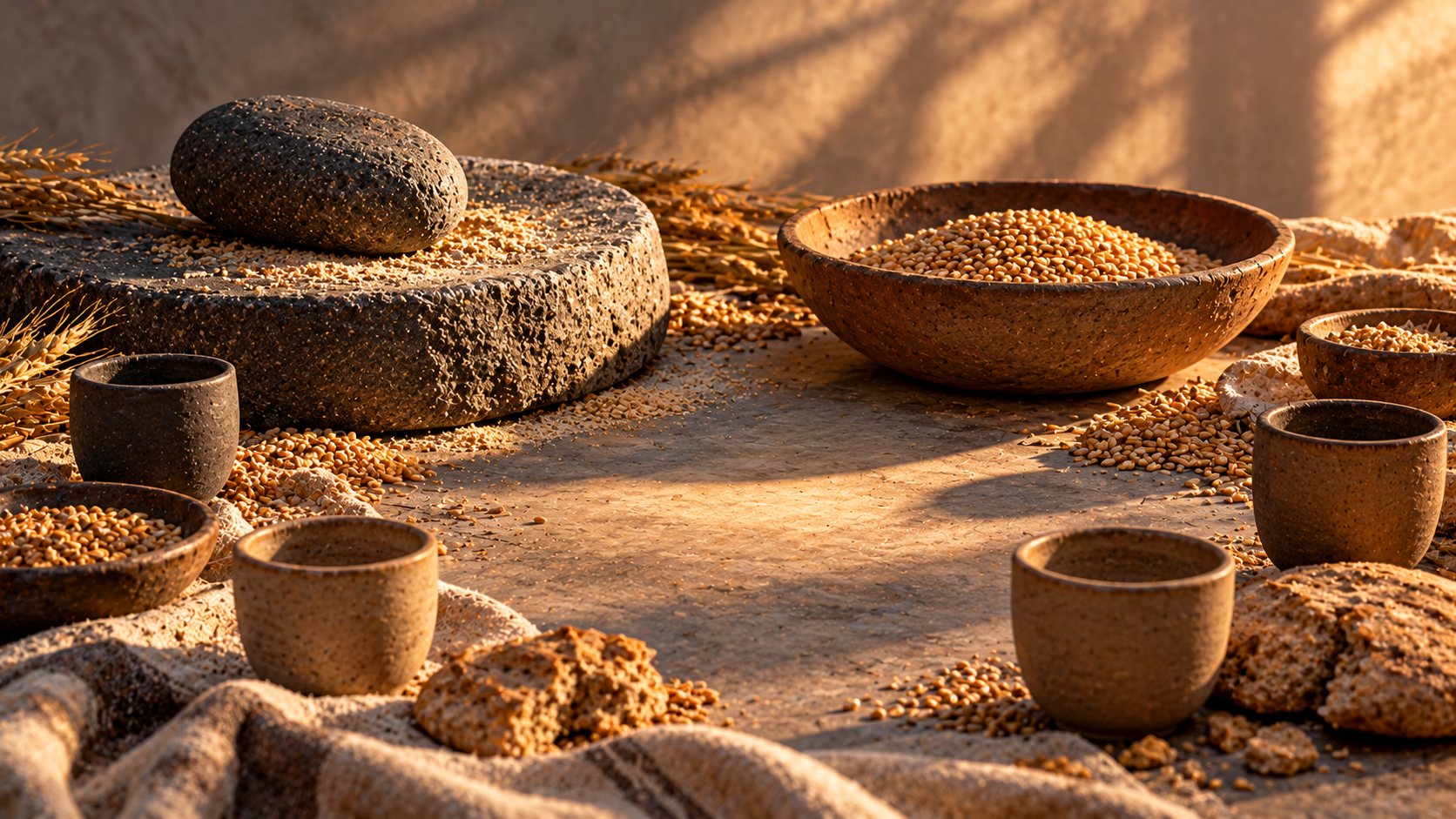
Modern AI-generated conceptual still life linking grain, grinding and shared food to the work-feasting model; not an archaeological photograph or a historical reconstruction of Göbekli Tepe
Entity
An interpretive model connecting collective labour and hospitality: food accompanies participation in a project. Proposed for some Göbekli Tepe evidence, it does not establish the details of a particular feast.
Name variants: work feasting, work feast, work feasts
Context and sources →
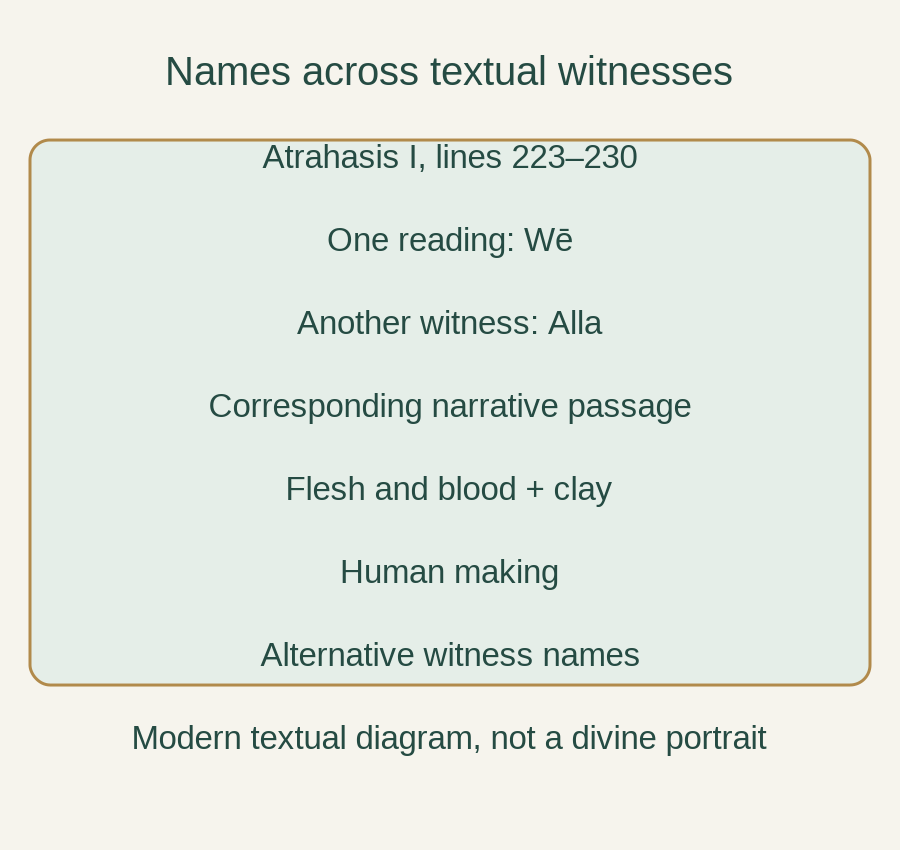
Modern diagram explaining variant names for the slain god in Atrahasis witnesses; not a reconstruction of divine appearance
Entity
Wē names the god whose flesh and blood mix with clay in one reading of Atrahasis I; another witness has Alla in the corresponding passage.
Name variants: Wē in Atrahasis
Context and sources →
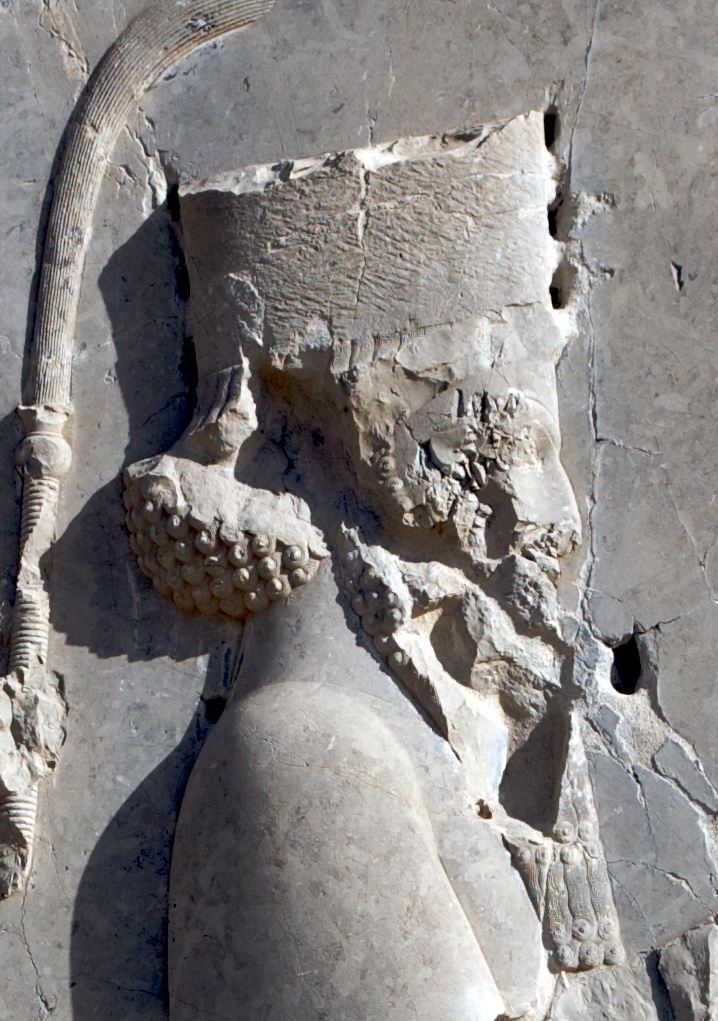
Royal figure in a Persepolis relief,identified as Xerxes in the image record; photograph by Nick Taylor,28 November 2018. Ancient royal representation, not a verified personal likeness
Person
Achaemenid king, 486–465 BCE, usually identified by name with Ahasuerus in Hebrew Esther.
Name variants: Xerxes I and Ahasuerus, Xerxes I, Xerxes, Ahasuerus
Context and sources →
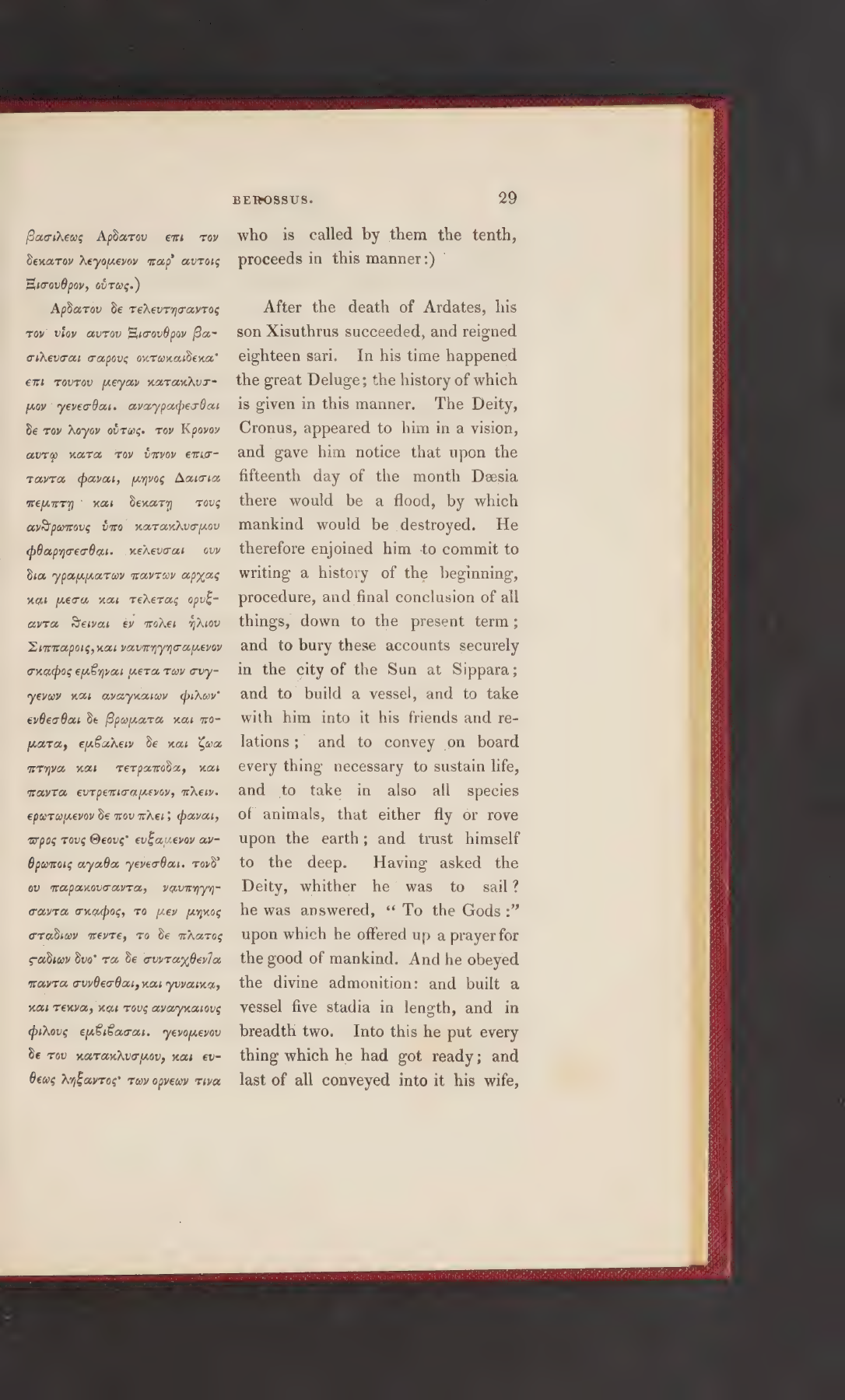
Xisuthrus and the burial of writings at Sippar before the flood; Cory’s Ancient Fragments, London, 1828, p. 29. The date belongs to the edition, rather than the story
Person
Xisuthrus is the flood survivor in Greek fragments attributed to Berossus.
Name variants: Xisuthrus
Context and sources →
Contemporary fictional illustration evoking the four-letter name through four beams over a blank stone slab. Neither a depiction of Yahweh nor a real artefact or historically evidenced reconstruction
Entity
The proper name of Israel’s deity, written יהוה (YHWH), the Tetragrammaton. Its exact ancient pronunciation is not directly preserved; texts and inscriptions witness its history.
Name variants: Yahweh, YHWH, Tetragrammaton
Context and sources →
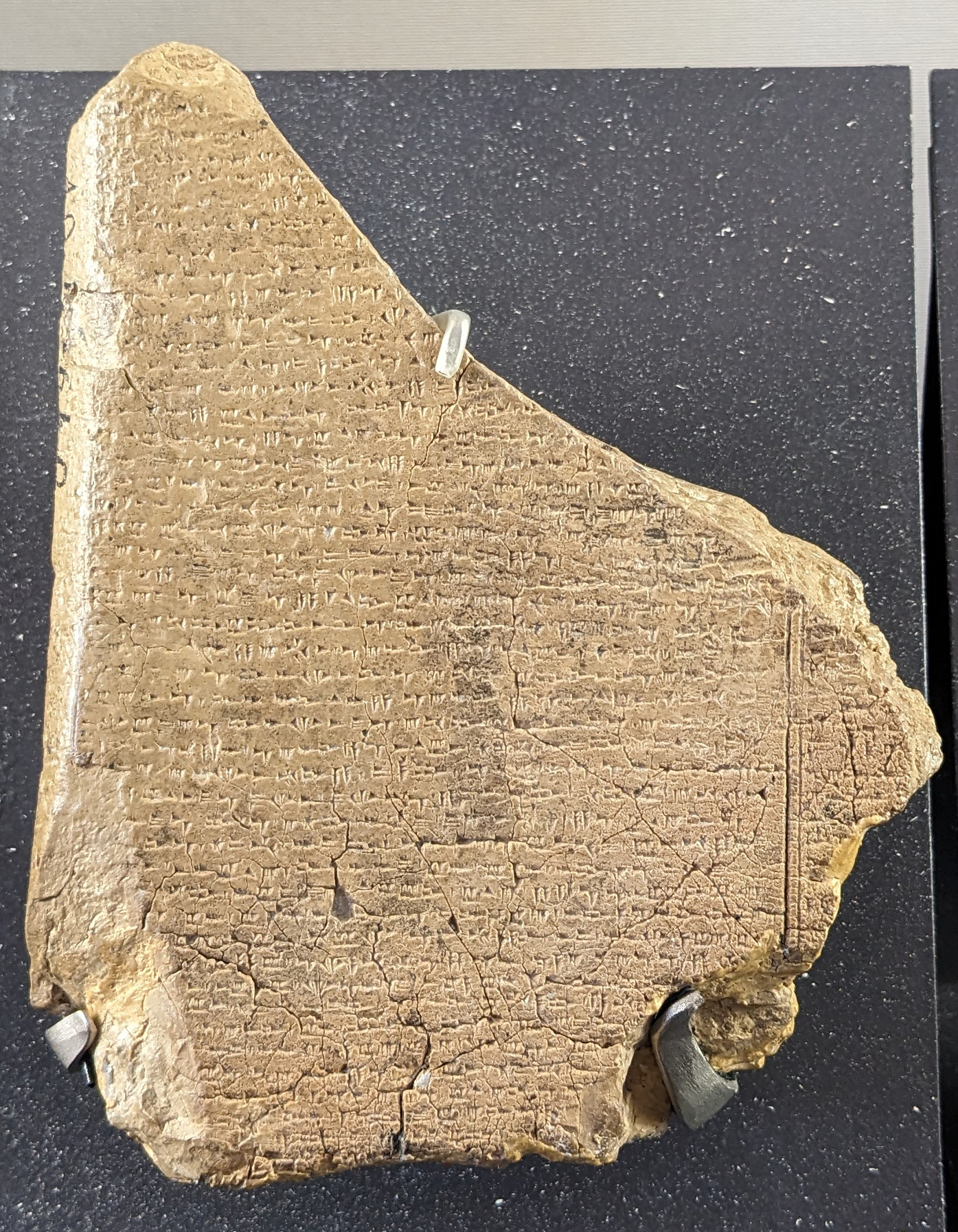
Clay tablet from Ugarit bearing a text of the Baal Cycle, Louvre AO 16640, dated by the museum to about 1400–1200 BCE. The photograph documents the written transmission of the narrative, not the appearance of Yam or the battle itself
Entity
Sea god in Ugaritic texts, associated with the name Nahar and portrayed in the Baal Cycle as Baal’s rival for authority among the gods.
Name variants: Yam, Yammu, Nahar
Context and sources →
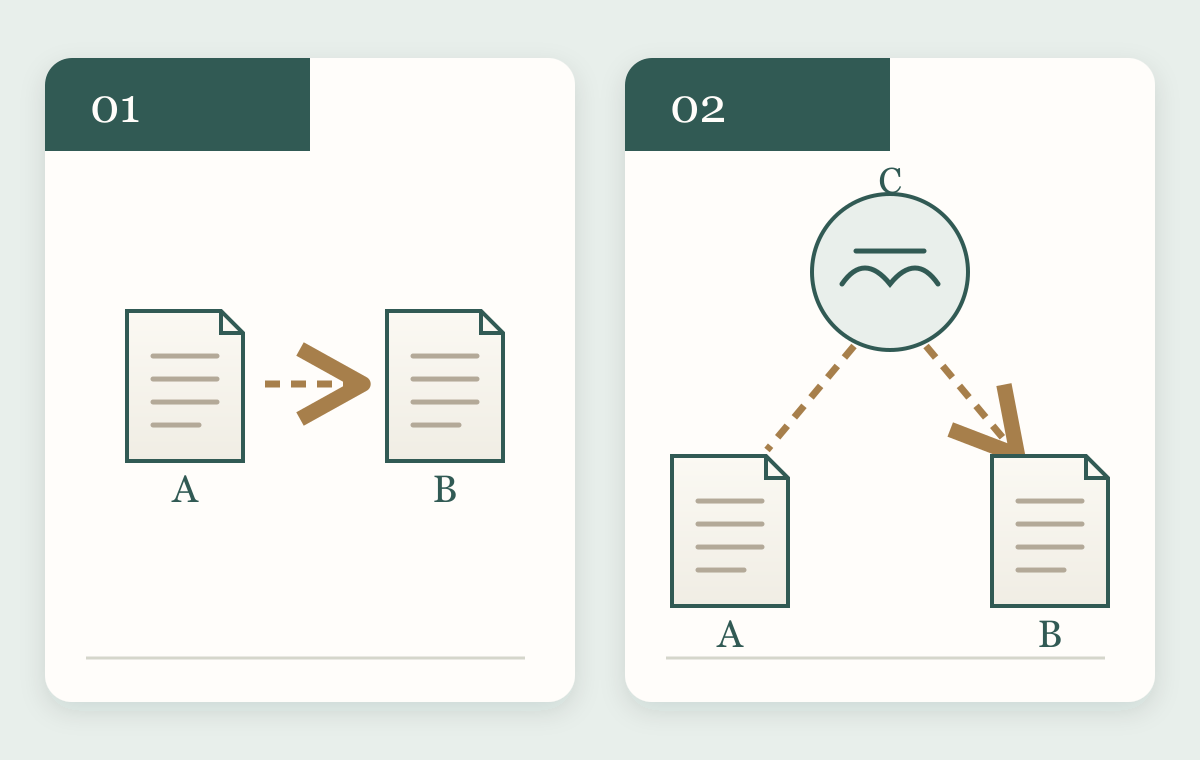
Original diagram of two models discussed in Kara’s study: direct dependence between texts (01) or a shared narrative milieu feeding two versions (02). The arrows are hypothetical, not evidence of a documented transfer
Person
Author of a 2026 study comparing Dhul Qarnayn with the Syriac Alexander tradition.
Name variants: Yasin Kara
Context and sources →
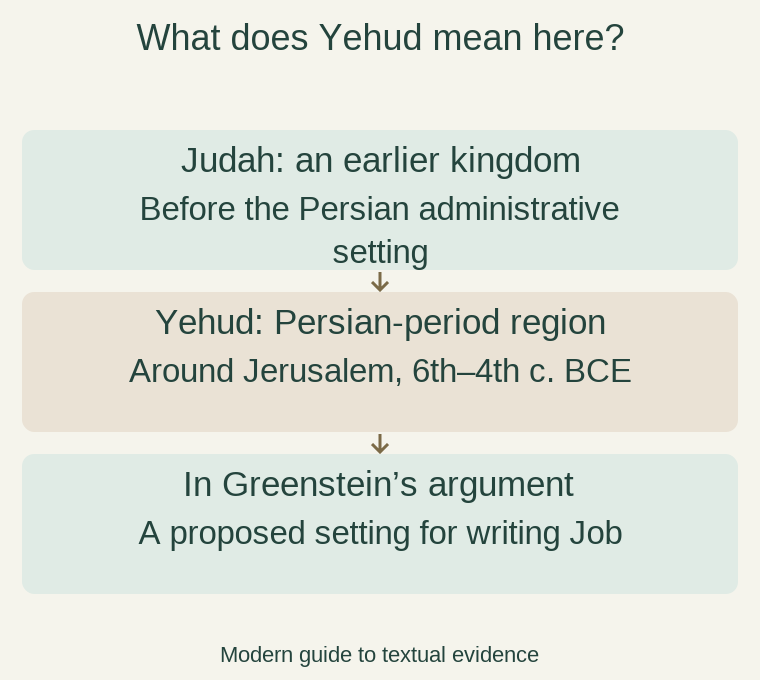
Modern diagram distinguishing the earlier kingdom of Judah from Persian-period Yehud, and locating Yehud within Greenstein’s dating argument. Not a boundary map or a verified homeland for Job’s character
Site
Yehud names the region around Jerusalem under Achaemenid Persian rule, from the sixth to the fourth century BCE.
Name variants: Yehud in the Persian period
Context and sources →

Modern AI-generated conceptual illustration evoking a city, water and layers of time. It does not portray the actual Yeni Mahalle archaeological site, documented remains or a scientific reconstruction
Site
Pre-Pottery Neolithic settlement in the Yeni Mahalle neighbourhood of Şanlıurfa, near Balıklıgöl. An archaeological section was investigated in 1997; Urfa Man had been found nearby in 1993. Settlement dates do not independently date the statue.
Name variants: Yeni Mahalle Neolithic settlement, Urfa-Yeni Mahalle
Context and sources →
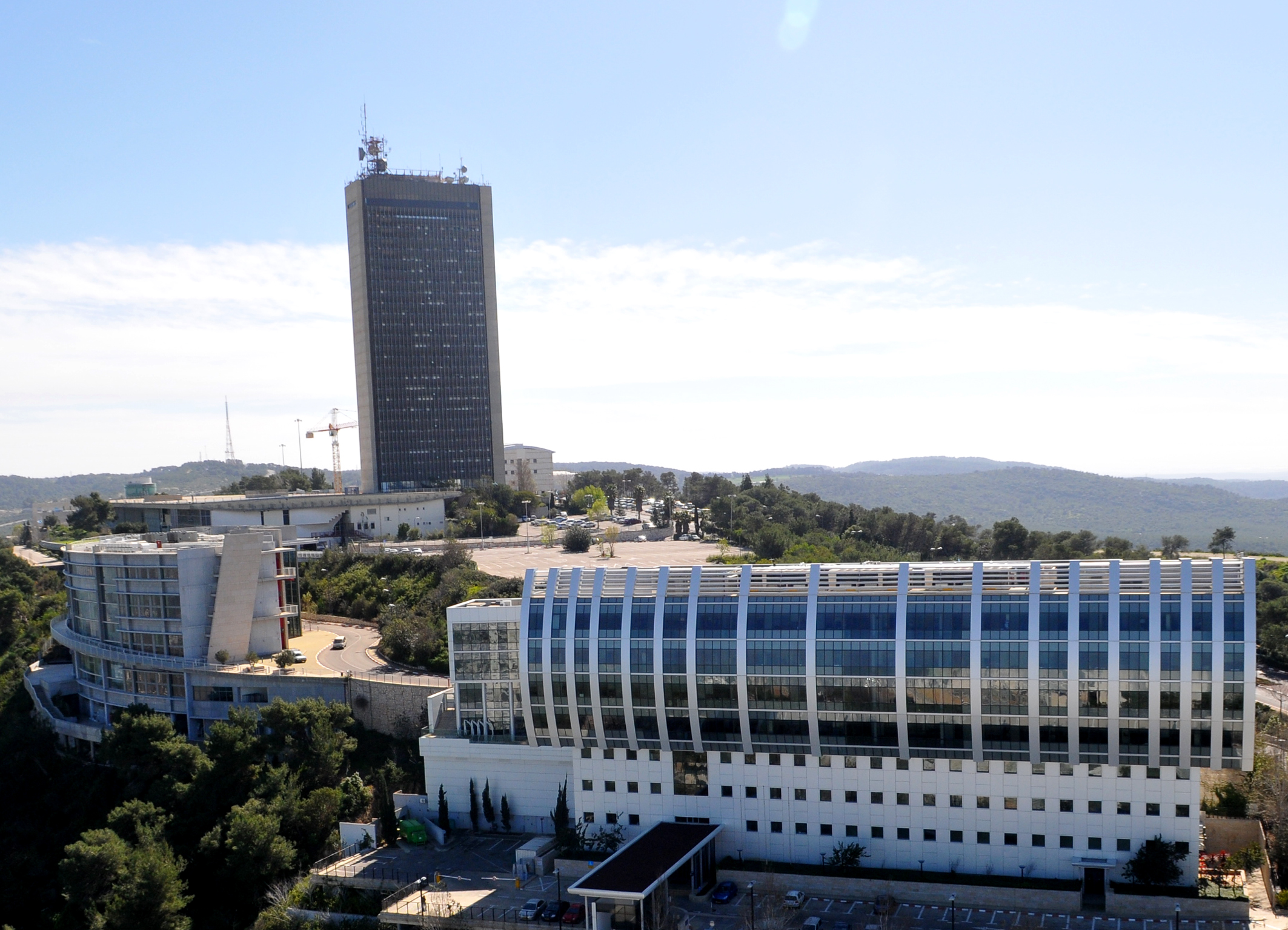
The University of Haifa on Mount Carmel and neighbouring buildings. Capture metadata dates the photograph to 13 February 2009; Haifa Municipality released it in June 2010. It shows the institution whose website records Yitzhaq Feder’s former teaching and research affiliations
Person
Scholar of purity, expiation and ritual in the Hebrew Bible and its ancient setting, including Hittite comparisons.
Name variants: Yitzhaq Feder, Yitzhak Feder
Context and sources →
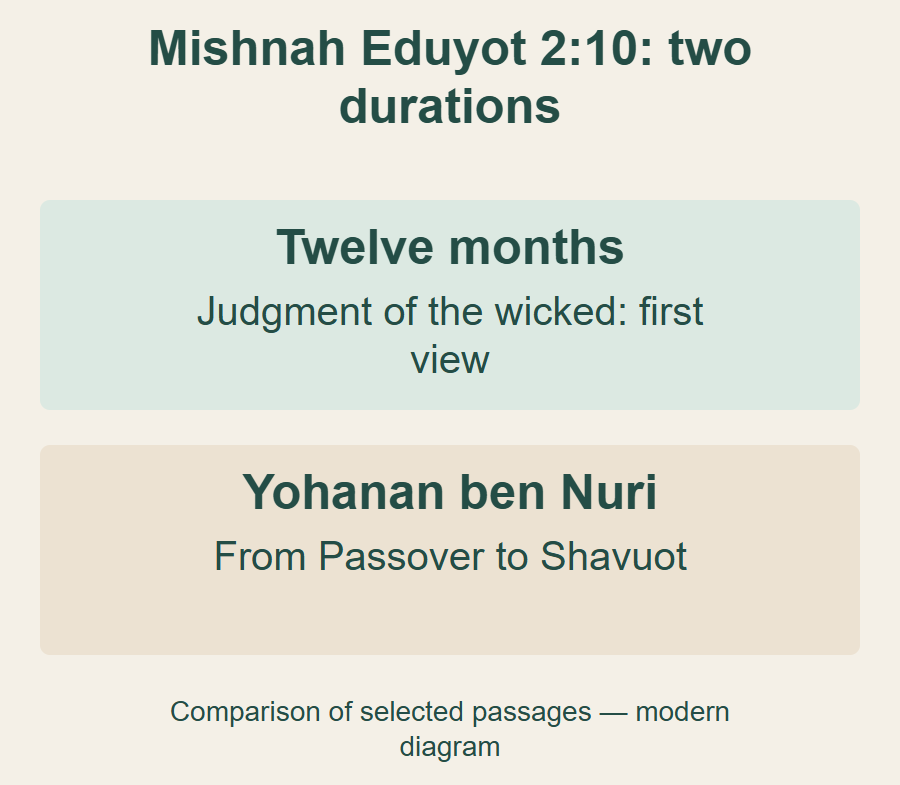
Modern comparison of two durations in Mishnah Eduyot 2:10: twelve months, and Passover to Shavuot in Yohanan ben Nuri’s view; not every rabbinic view of destiny
Person
Yohanan ben Nuri was a first–second-century CE rabbi whose teachings occur in the Mishnah.
Name variants: Yohanan ben Nuri
Context and sources →
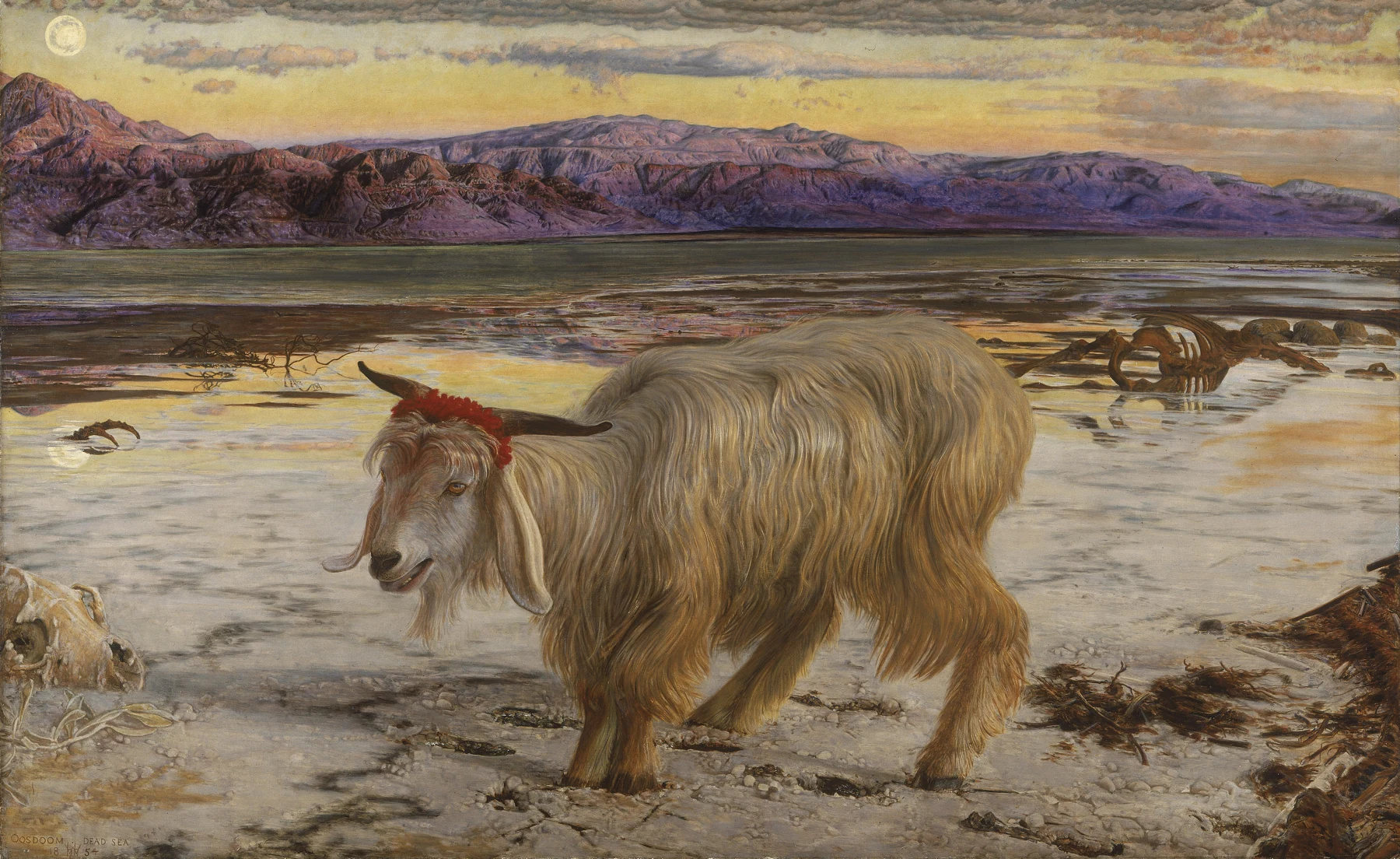
William Holman Hunt, The Scapegoat, mid-1850s; Lady Lever catalogue dates the painting to 1854, LL3623. Public-domain reproduction via Wikimedia Commons. Later religious artistic interpretation, not an archaeological depiction of Leviticus’s rite or a portrayal of Azazel
Entity
Jewish observance on 10 Tishrei; Leviticus 16’s sanctuary purification and two-goat rite are distinct from later Mishnaic accounts and from fasting, prayer and repentance.
Name variants: Yom Kippur, Day of Atonement
Context and sources →
Person
Scholar affiliated in his 2022 paper with Seoul Women’s University, studying deror and return in Jeremiah 34.
Name variants: Yoo-ki Kim
Context and sources →
Person
Archaeologist and Hebrew University professor emeritus researching prehistory and the Iron Age.
Name variants: Yosef Garfinkel
Context and sources →
Person
Scholar of Arabic and Islamic studies whose work compares biblical and Qur'anic narratives; published a 2013 study of Abraham's intended sacrifice.
Name variants: Younus Mirza
Context and sources →
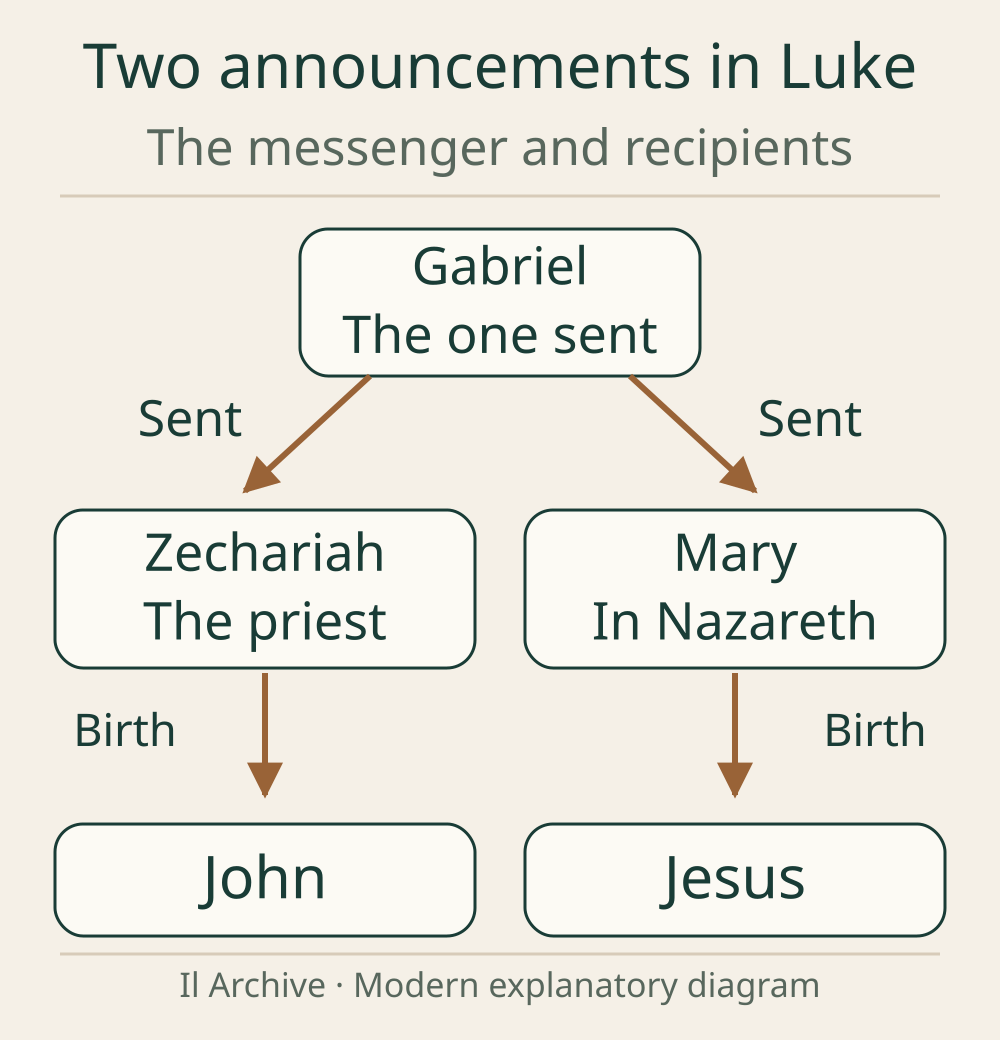
Modern diagram of the two announcements in Luke 1:5–38: Gabriel is sent to Zechariah to announce John’s birth and to Mary to announce Jesus’s birth. Lower arrows show the announcement’s subject, not descent from the angel. No faces or physical appearances are reconstructed
Person
A priest and Elizabeth’s husband in Luke 1, who receives Gabriel’s announcement of John’s birth.
Name variants: Zechariah father of John, Zacharias father of John
Context and sources →
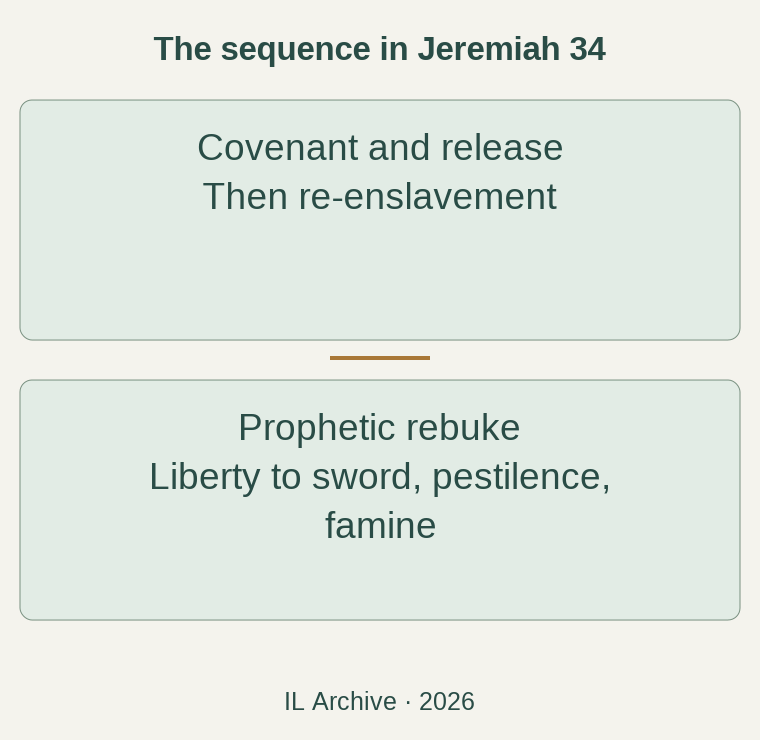
Modern diagram explaining the relationship between the named passages; not a manuscript photograph or historical portrait
Person
Early-sixth-century BCE king of Judah associated in Jeremiah 34 with a release covenant and its reversal.
Name variants: Zedekiah, king of Judah
Context and sources →
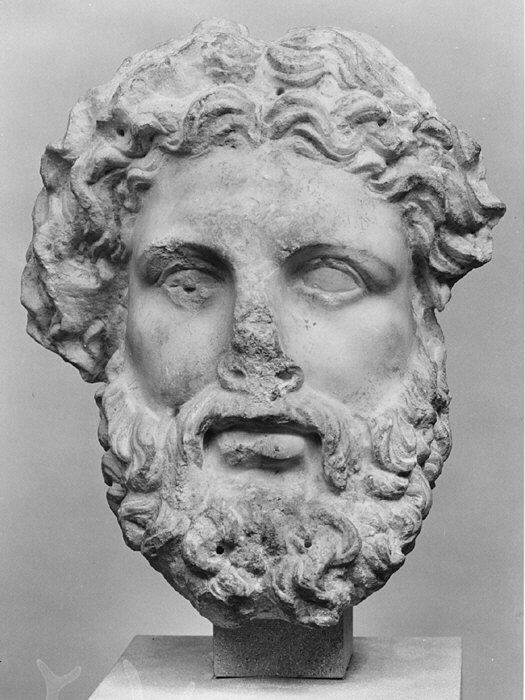
Greek marble head, third or second century BCE. The Metropolitan Museum identifies the deity as probably Zeus; the attribution is uncertain, and the object postdates the Iliad's formation
Entity
Zeus is the sky god and leading deity in many Greek traditions. In the Iliad he presides over divine gatherings while others can still speak and object.
Name variants: Zeus
Context and sources →
Person
Hebrew Bible and reception scholar comparing the Torah’s service laws.
Name variants: Zev Farber, Hebrew Bible scholar
Context and sources →
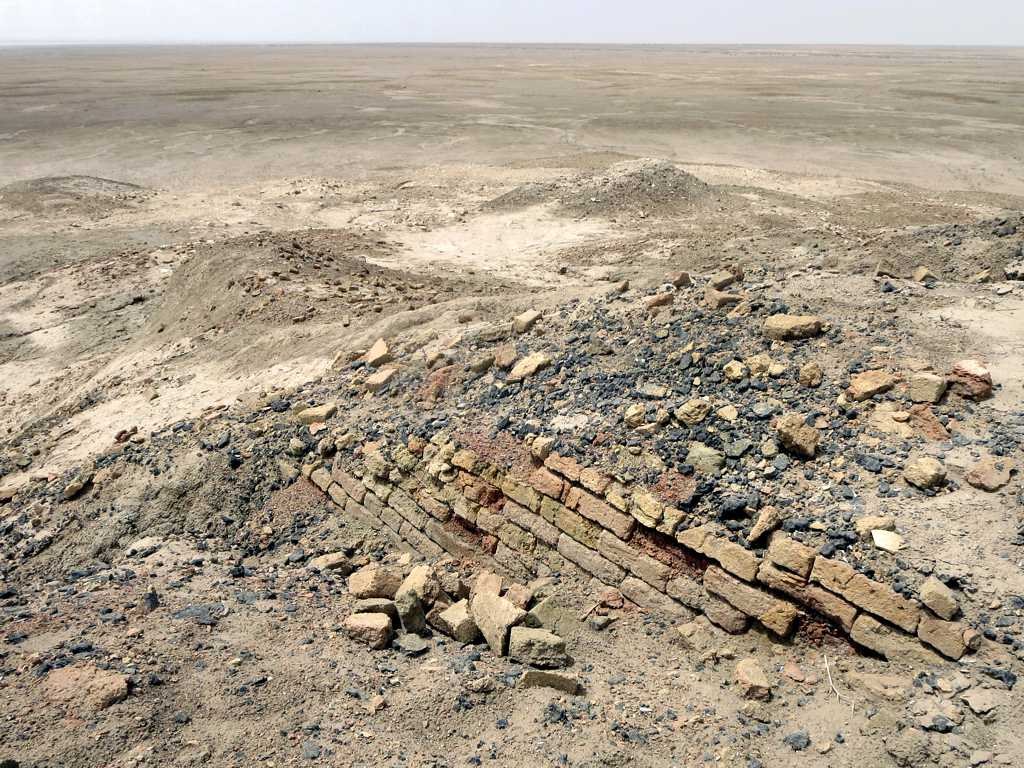
Brick remains and architectural debris at the Eridu ziggurat site, Iraq, photographed by David Stanley (11 April 2016). The original tower height and earlier Ubaid temples are not shown; individual brick stamps cannot be verified in this view
Entity
Ziggurat: a monumental stepped or terraced cult structure of ancient Mesopotamia. Not every raised temple platform was a ziggurat, and the form and specific use of lost upper stages often remain uncertain.
Name variants: ziggurat, ziggurats
Context and sources →
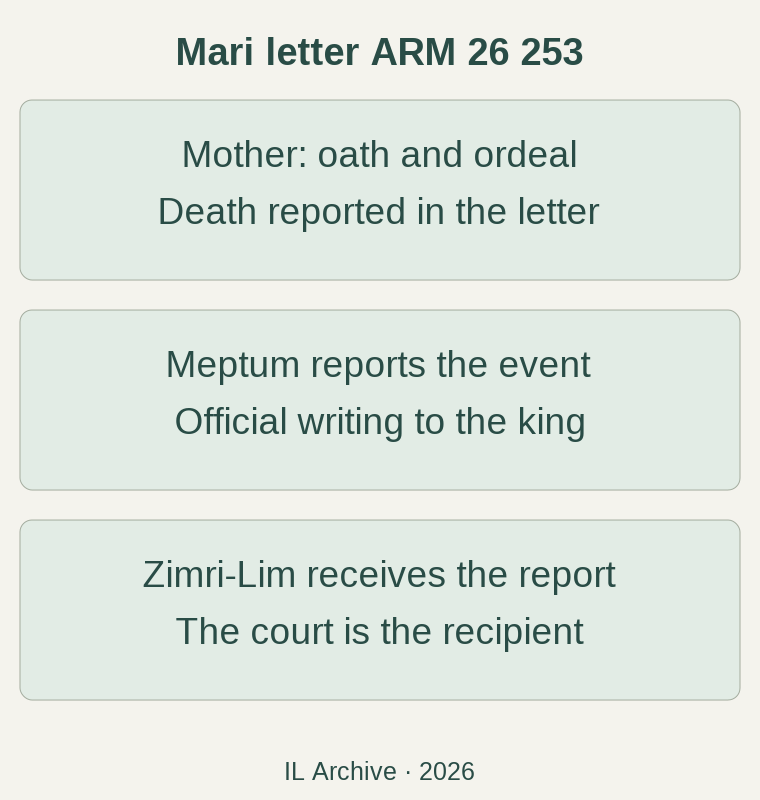
Modern diagram explaining roles in the specified source, not portraits or an ancient tablet. Row order explains relationships rather than reconstructing every ritual step
Person
Eighteenth-century BCE king of Mari, recipient of letters reporting river ordeals.
Name variants: Zimri-Lim, king of Mari
Context and sources →
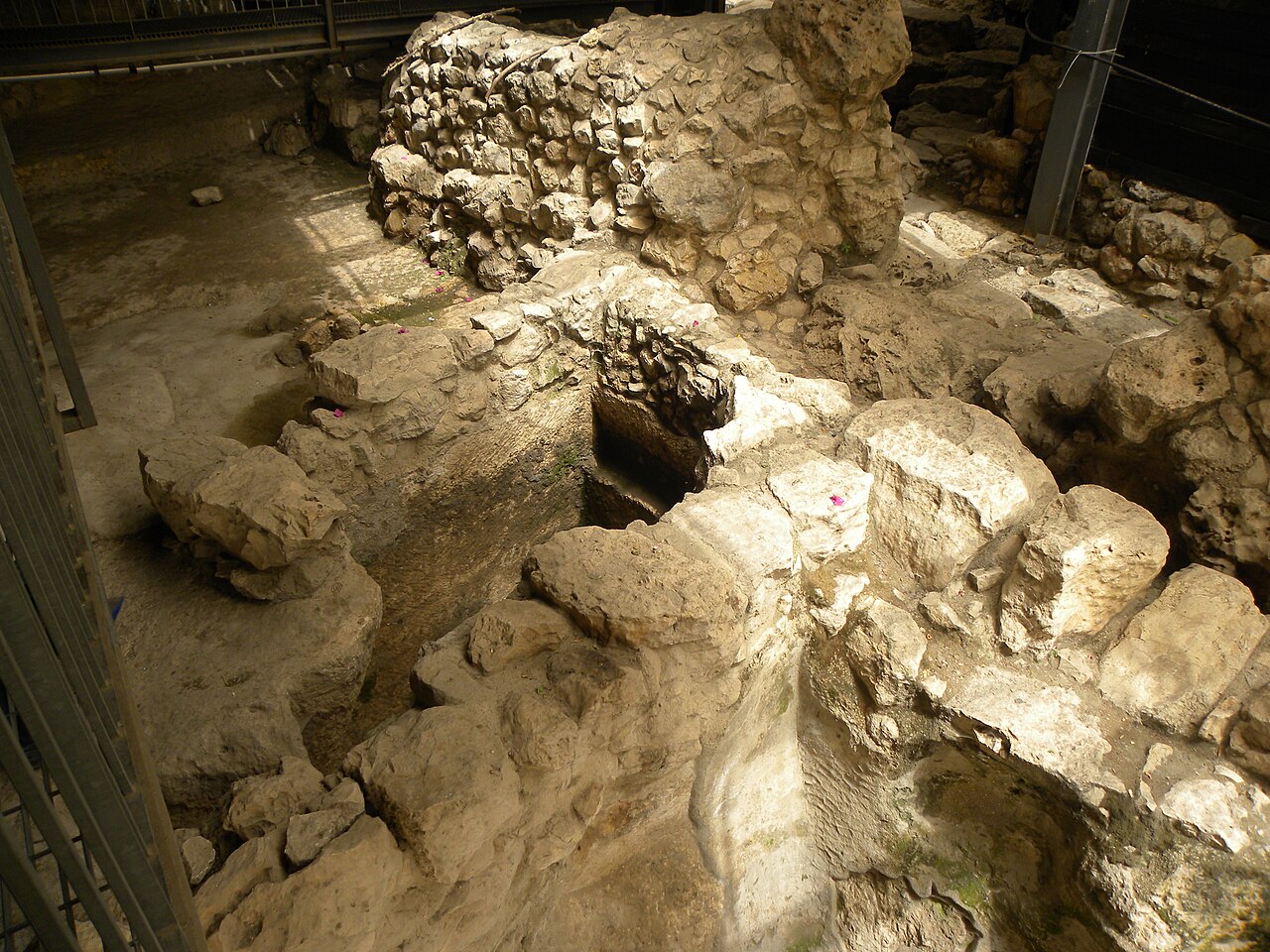
Modern excavations at the northern end of Jerusalem's eastern hill, photographed in 2011. Context for the city's history, not the site of Abraham's narrated sacrifice
Site
Name of a stronghold linked to David's city in 2 Samuel, later extended to Jerusalem and its religious centre; its referent changes across texts.
Name variants: Mount Zion, Sion
Context and sources →

Modern generated imaginative illustration of a small vessel beneath sunlight after a storm, inspired by Ziusudra’s survival. Not a tablet photograph or an evidenced reconstruction of his boat: its construction details are lost
Entity
A literary king-priest in the fragmentary Sumerian Flood Story (ETCSL 1.7.4). He survives by boat, sacrifices, and receives divine life from An and Enlil in Dilmun. The surviving copy is Old Babylonian; his historicity is unproven.
Name variants: Ziusudra, Zi-ud-sura, Ziudsura
Context and sources →
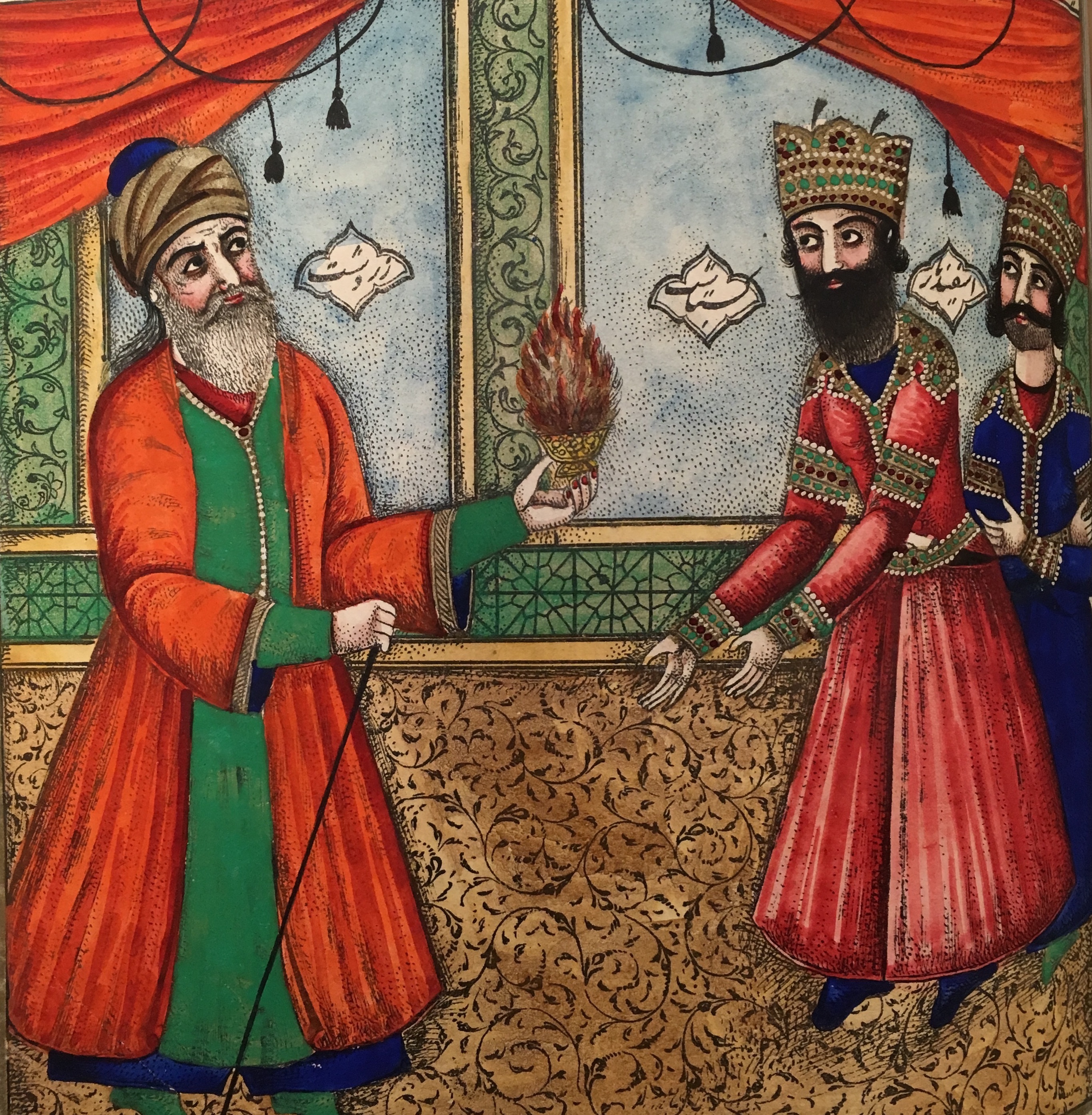
Zoroaster before Gushtasp in a hand-coloured lithographic Shahnameh, Bombay, 1849, p. 567; British Library, 14807.h.4. Nineteenth-century literary reception, not a contemporary portrait or evidence of Zarathustra’s actual appearance
Person
Foundational figure associated with Zoroastrian tradition and the Old Avestan Gathas. His priestly role, teaching and relationship to the poems are subjects of research; his lifetime and biographical details remain disputed.
Name variants: Zoroaster, Zarathustra, Zarathushtra
Context and sources →

Modern AI-generated conceptual cover: flame and water in an imagined landscape; not a photograph of a Zoroastrian temple or a documented archaeological reconstruction
Entity
A living Iranian religious tradition examined through Avestan hymns, Middle Persian writings and royal inscriptions, separating textual evidence, later interpretation and hypotheses of influence.
Name variants: Zoroastrianism, Mazdaism, Mazdayasna
Context and sources →
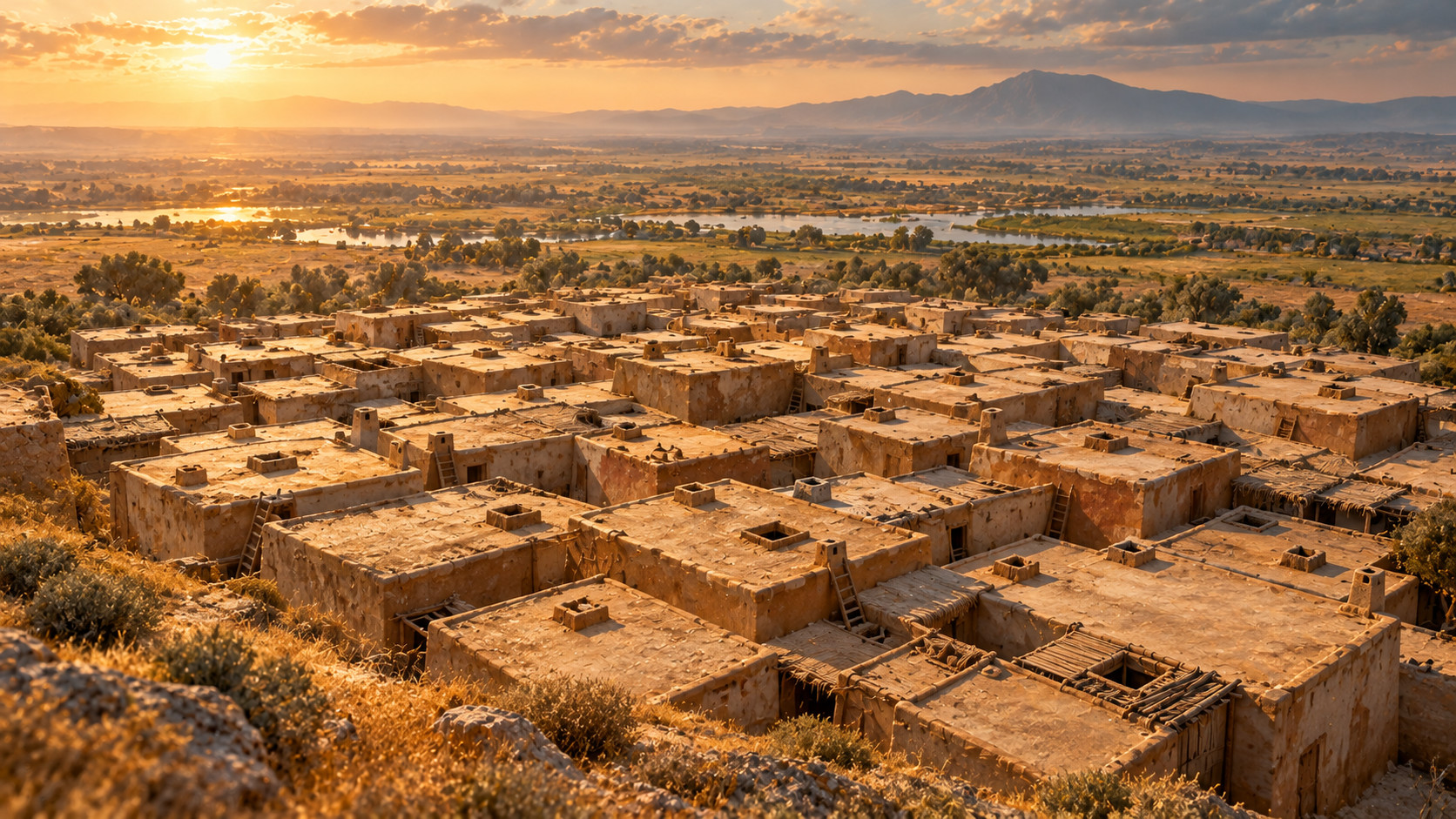
AI-generated interpretive scene inspired by tightly clustered roof-access houses at Çatalhöyük; not a site photograph, archaeological plan or verified reconstruction of its details
Site
Neolithic site on the Konya Plain in central Anatolia, with clustered houses, subfloor burials and imagery on the East Mound, and later Chalcolithic phases on the West Mound.
Name variants: Çatalhöyük, Catalhoyuk
Context and sources →
Person
Specialist in Semitic inscriptions and the Dead Sea Scrolls, emeritus professor at Jerusalem’s École biblique; proposes a shrine reading at el-Qom.
Name variants: Émile Puech
Context and sources →

Modern conceptual illustration evoking the boat, horned fish, seed vessels and mountain in Manu traditions, especially the epic version; neither an ancient artifact nor a documented location
Ancient text
Vedic Brāhmaṇa prose associated with the White Yajurveda, explaining sacrifices and their symbolism in differing school recensions. Includes the account of Manu’s flood rescue and Idā as a ritual explanation.
Name variants: Śatapatha Brāhmaṇa, Satapatha Brahmana
Context and sources →