Entity
Asael / Azazel
A reference page linking a name, group, or concept to the materials that discuss it.
Asael’s teaching and punishment in Enoch, and his relationship to Azazel in Leviticus: connections, differing interpretations and limits of identity.
Estimated reading time: 7 min Published Last reviewed:
Share article
Text
Introduction
Asael and Azazel belong to an interconnected history of interpreting evil, not a single unchanging biography. This entry focuses on the punished teacher in First EnochFirst EnochA composite Second Temple Jewish apocalyptic collection on the Watchers, parables, celestial cycles, historical visions, and judgment, preserved complete in Geʽez.Glossary · Click to read the explanation, examines his relationship to Azazel in the Levitical ritualRitualAn organised or distinguished practice meaningful to a community; it may leave traces, but its form alone does not reveal an associated doctrine.Glossary · Click to read the explanation, and distinguishes those witnesses from later identifications of hostile beings.
Teaching and punishment in Enoch
First EnochFirst EnochA composite Second Temple Jewish apocalyptic collection on the Watchers, parables, celestial cycles, historical visions, and judgment, preserved complete in Geʽez.Glossary · Click to read the explanation is a collection of Jewish writings from different periods, not a single work composed in its namesake’s lifetime. Its Book of the WatchersBook of the WatchersOpening unit of 1 Enoch (chapters 1–36), concerning the Watchers’ descent, offspring and judgment, Enoch’s mission and cosmic journeys; a composite work with multiple textual witnesses.Glossary · Click to read the explanation, chapters 1–36, narrates angels crossing their allotted boundaries. Second Temple specialist Miryam BrandMiryam BrandScholar of the Bible and Second Temple literature, examining the Watchers and Asael/Azazel traditions.Glossary · Click to read the explanation dates this section approximately to 250–200 BCE; its story, however, takes place before the Flood. [2]
Enoch’s editor and translator Robert Henry CharlesRobert Henry CharlesRobert Henry Charles (1855–1931) was an Irish scholar, editor and translator of 1 Enoch.Glossary · Click to read the explanation gives Asael among the leaders in 6:7 and Azazel as the teacher of weapons, metalworking and adornment in 8:1. In 10:4–8 God commands the angel RaphaelRaphael / RephaelRaphael means “God has healed,” a name borne by a human in Chronicles and an angel in Tobit and 1 Enoch. In Tobit he accompanies the travelling son, helps heal the father and presents prayer before God; in Enoch he executes judgment and explains the places of the dead. Similarity of names does not settle his relationship to Israfil.Glossary · Click to read the explanation to bind him beneath stones in the darkness of the wilderness of Dudael; fiery judgment awaits him. The narrative associates earthly corruption with forbidden instruction. This explains evil within the story; it does not identify a historical inventor of metallurgy. [1]
Names and identities
The variation between Asael and Azazel is more than a difference in modern pronunciation. Brand explains Asael as an angelic name meaning “God made,” with explicit connections to Azazel in later witnesses. Standardizing the spelling cannot replace examining those witnesses. [2]
Nor are all harmful beings identical within Enoch itself. The WatchersWatchersDesignation of a heavenly being in ancient Jewish literature: a holy messenger in Daniel, but a rebellious group in First Enoch. It is not automatically equivalent to demons or giants’ spirits.Glossary · Click to read the explanation are the angelic fathers of giants; in 15:8–12 evil spirits emerge from the giants’ bodies. These spirits are therefore not simply another name for the bound angels. [3]
Azazel in Leviticus
LeviticusLeviticusA Torah book concerning offerings, priesthood, and purity; chapter 16 describes sanctuary purification and a living goat carrying iniquities away.Glossary · Click to read the explanation, a Torah book about offerings, purity and priesthood, describes two lots for two goats in chapter 16: one for YHWHYahwehThe proper name of Israel’s deity, written יהוה (YHWH), the Tetragrammaton. Its exact ancient pronunciation is not directly preserved; texts and inscriptions witness its history.Glossary · Click to read the explanation and one for Azazel. The live goat carries communal sins into the wilderness; the chapter does not narrate Azazel’s teaching of weaponry. Scholar Anna AngeliniAnna AngeliniA scholar of Greek literature and ancient religious imagery, including the demonic in the Septuagint and interpretations of Azazel.Glossary · Click to read the explanation interprets him as a wilderness power receiving an elimination rite, while discussing later readings referring to the goat or the place. [4]
The force of the name in the priestly formulation remains disputed. Leviticus specialist Jacob MilgromJacob MilgromJewish biblical scholar (1923–2010), noted for studies of Leviticus, priestly traditions, purity and offerings.Glossary · Click to read the explanation, as quoted by biblical scholar Shawna Dolansky, holds that it has lost its personality there and designates the destination of expelled sins. The parallel lots alone do not establish two equal gods. [7]
Interpretive connection, not continuous biography
Apocalyptic-literature scholar Andrei A. OrlovAndrei A. OrlovMarquette University scholar of ancient Judaism and Christianity, specializing in Jewish apocalypticism and mysticism in relation to Christian origins.Glossary · Click to read the explanation reviews connections between the rite and Asael’s punishment: wilderness, assigned sins and cleansing the earth. He cites fragment 4Q180 from QumranQumranArchaeological site northwest of the Dead Sea near manuscript caves; its settlement and the groups who deposited the scrolls are studied together but not assumed identical. It is not synonymous with all Dead Sea Scrolls.Glossary · Click to read the explanation, near the western shore of the Dead SeaDead SeaThe Dead Sea is a salt lake in the Jordan Rift Valley, near sites where ancient manuscripts were foundGlossary · Click to read the explanation, linking Azazel with angels and giants; some wording is restored in brackets. In his discussion of the Apocalypse of Abraham, a Jewish apocalypse usually dated to the first or second century CE, Azazel becomes a more comprehensive demonic antagonist. That development must not be projected onto Leviticus or Job’s ha-satanHa-satan in Job: Title, Role, and InterpretationHebrew “the adversary” in Job 1–2, who challenges Job’s motives with Yahweh’s permission. “Accuser” is a common functional interpretation, but “enforcer” has been argued; later Satan traditions cannot simply be read back into the passage.Glossary · Click to read the explanation, the adversary who tests Job under limited permission. [4][5]
A small dossier of witnesses
The following translations are made for this entry. Biblical HebrewHebrewA Northwest Semitic language of the Canaanite group, encompassing Iron Age epigraphy, Biblical, Rabbinic, medieval and Modern Hebrew; its scripts and pronunciations changed over time.Glossary · Click to read the explanation is the received Masoretic wording, not a transcription of a Bronze Age manuscript. Leviticus 16:8, the two destinations, and 16:22, the removal of sins: [4]
The repeated “for” supports reading two recipients, whereas the carrying verb and destination establish removal. Neither phrase explains Azazel’s origin. In 16:10 the goat remains alive before YHWH; the text does not describe killing it for Azazel. Thus the final rite differentiates the two goats rather than simply giving two equal gods identical sacrifices.
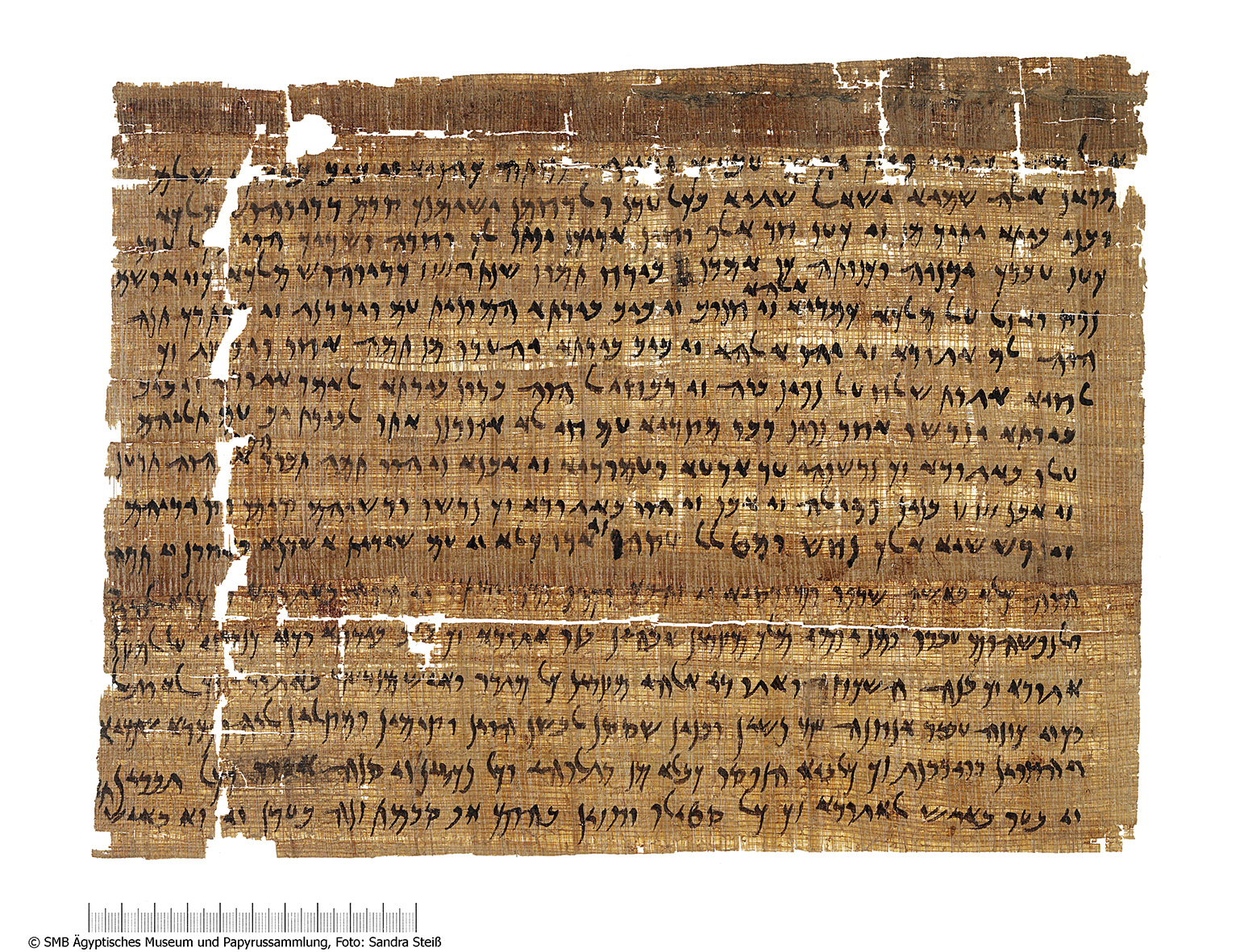
First Enoch 10:4 and the closing clause of 10:8, in Greek, Codex Panopolitanus as printed by Swete (1905), pp. 795–796: [9]
The preceding wording of 10:8 attributes devastation to Azael’s teaching. Here the bearer of blame is the punished instructor, not a goat transporting Israel’s sins. This Greek witness reads Azael; it is not the lost Aramaic autograph, and its wording is not silently retroverted into Aramaic.
4Q180, fragment 1, lines 7–8, Hebrew, as transcribed in Angelini’s article, retaining its uncertain-letter dots and restorations: [4]
Square brackets restore missing letters; dots mark uncertain readings. The excerpt stops before the next lacuna: it does not print a restored accusation as surviving text. Its spelling עזזאל and association with angels are important evidence of connection, but the fragment does not mention the goat. These are edited readings, not a fresh collation of the leather.
What the comparison supports
Angelini’s specialist discussion treats Asael/Azazel as a probable convergence of initially distinct figures and analyses the Greek ritual vocabulary rather than assuming that every translation simply erased a demon. [10]
A different reconstruction is proposed by Aron Pinker: the destinations represent the same deity in sanctuary and wilderness. This rests on a proposed reconciliation of competing divine residences, not an explicit statement in Leviticus. [11] Against it, the unequal treatment of the goats and the separate destinations make distinction more economical than identity. Against a purely impersonal reading, the parallel proper nameProper nameA name that identifies a particular person, place, group, or entity in context, unlike a common noun denoting a class. Spelling alone may not settle the distinction.Glossary · Click to read the explanation YHWH remains significant; in its favour stand the ritual’s emphasis on removal and its silence about Azazel’s actions. This entry therefore favours a personal wilderness recipient, subordinated within the final ritual, but does not infer an original autonomous cult from that judgment. Milgrom’s earlier-history reconstruction remains distinguishable from his reading of the final priestly text. [7][10][11]
The strongest connection with Enoch is consequently interpretive: desert, disposal of evil and concentrated blame are reused with a different bearer and outcome. Neither phonetic similarity alone nor the reconstructed words of 4Q180 prove that the earliest forms of both traditions already had one identity.
Chronological guide
- Leviticus 16 places Aaron in the wilderness generation. The date of its ritual traditions and priestly formulation is disputed; a narrated Mosaic setting is not a date of composition. Pinker reviews pre-exilic and post-exilic proposals without a secure resolution. Its Greek translation belongs to the Hellenistic period; the Hebrew excerpt above follows the later Masoretic textual tradition. [4][11]
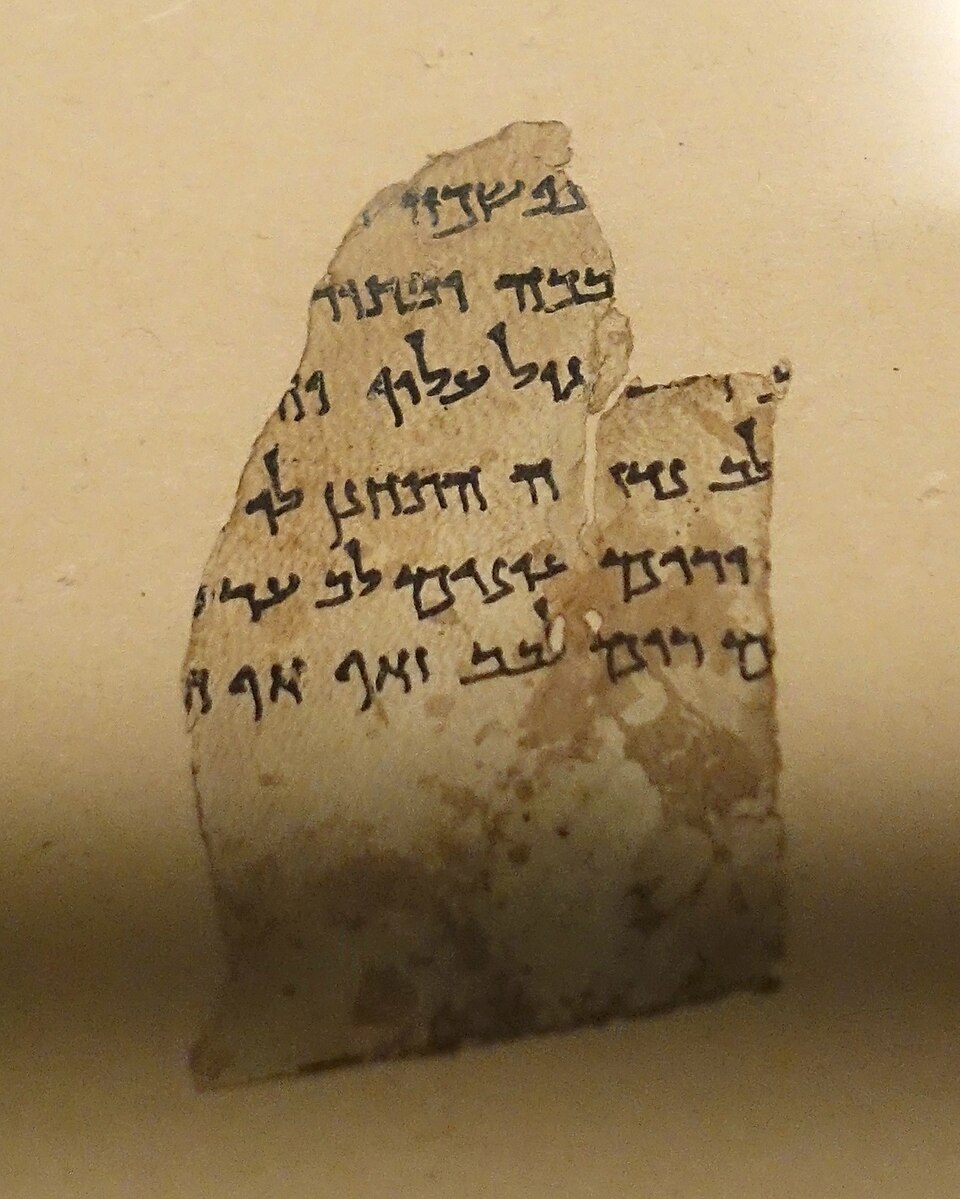
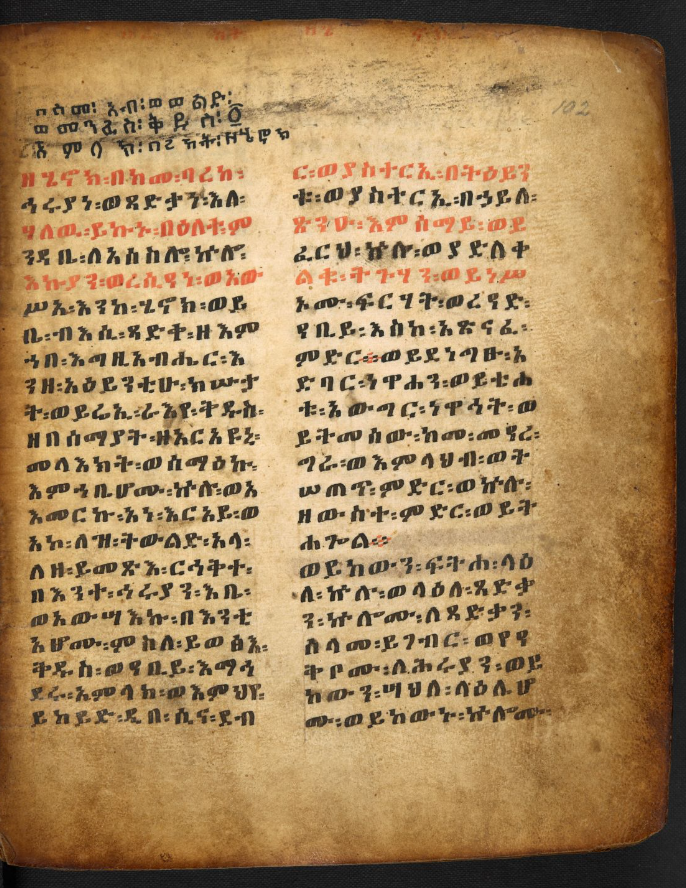
- The Watchers narrative is set before the Flood; the approximate 250–200 BCE composition range above is not a manuscript date. The exhibition catalogue dates the Aramaic copy 4Q201 approximately 200–150 BCE. Codex Panopolitanus is much later, approximately late fifth–late sixth century CE. The illustrated Or.485 is a sixteenth-century Geʽez transmission witness, not the earliest evidence. [2][12][13]
- 4Q180 is a Second Temple manuscript interpreting primordial events, not a record written when its angels supposedly acted. Its composition date is not established here; the connection is attested in the late Second Temple textual record, not dated by the later Geʽez cover. [4][10]
- The Apocalypse of Abraham retells the patriarch’s story; composition is generally placed after 70 CE and before the end of the second century. Its relatively full surviving Slavonic copies are fourteenth–seventeenth century. These copy dates neither date the Jewish composition nor prove when Azazel first acquired a particular role. [14]
Reading the illustration
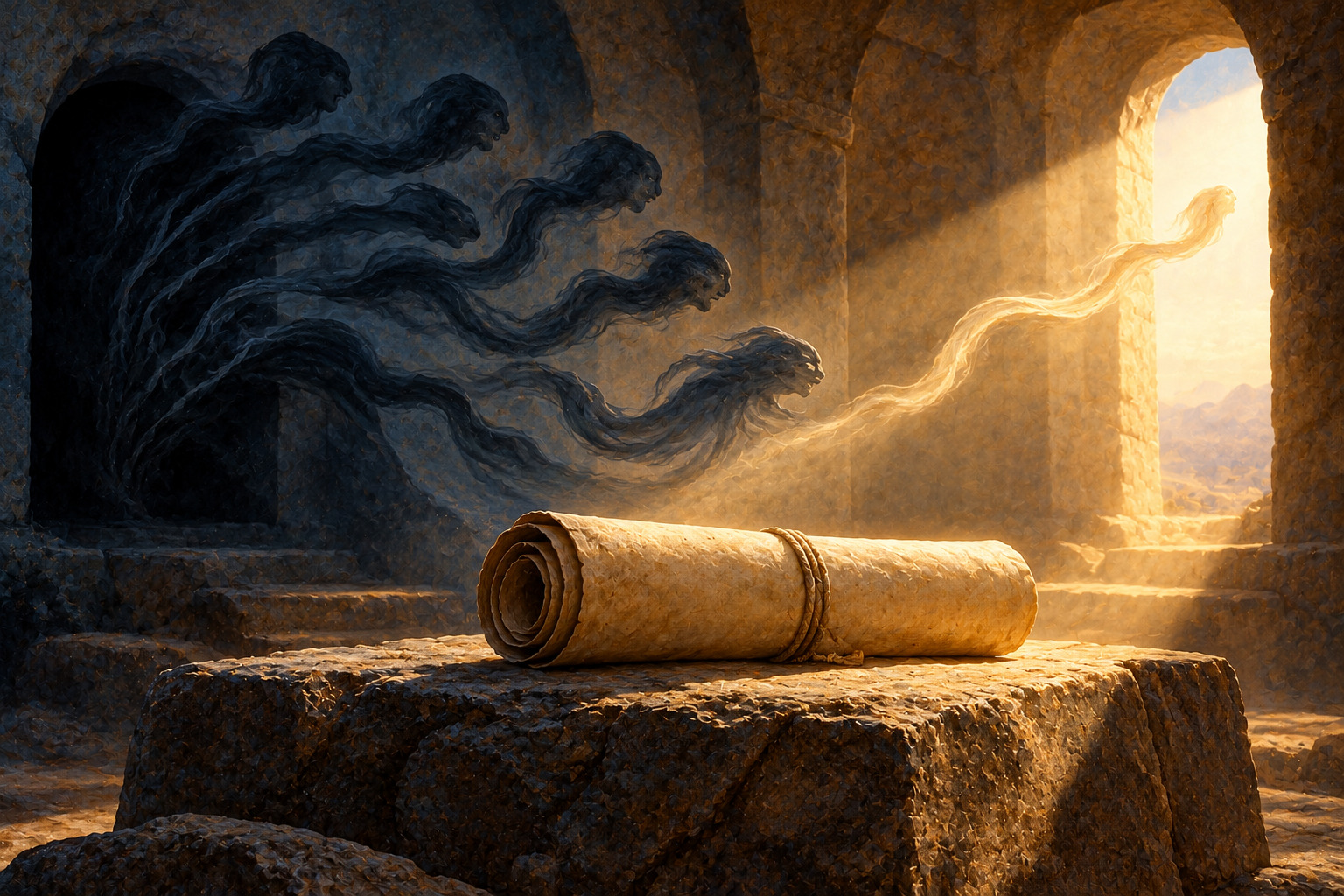
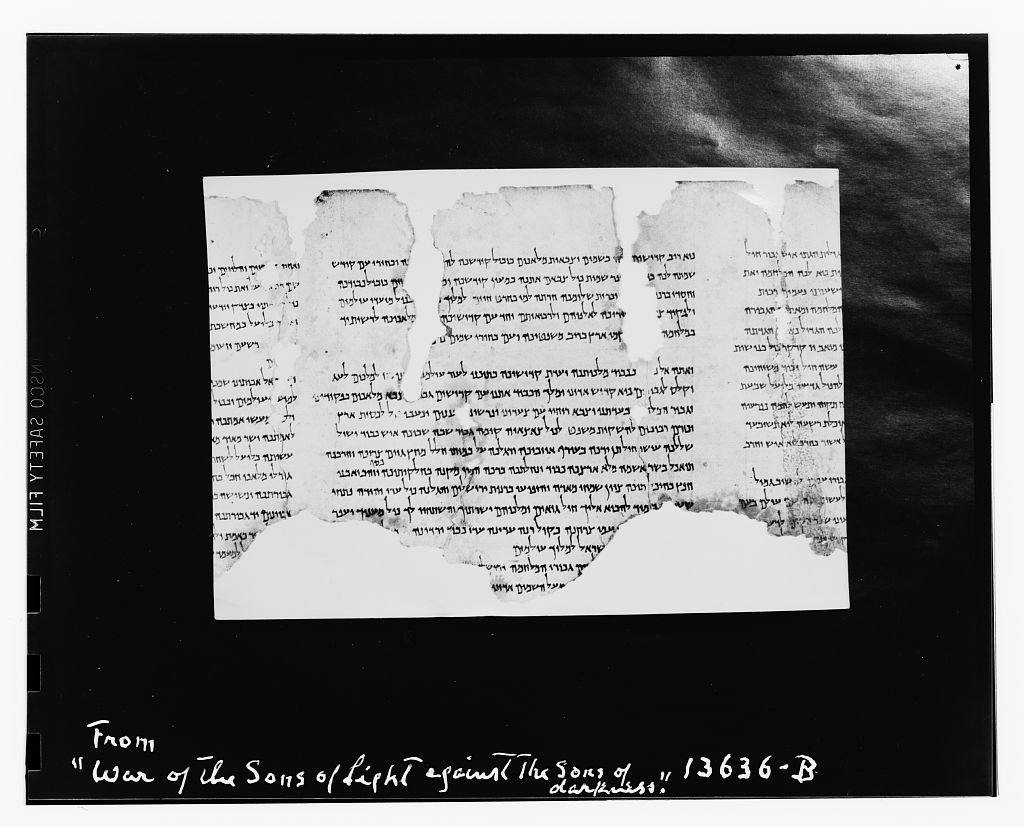
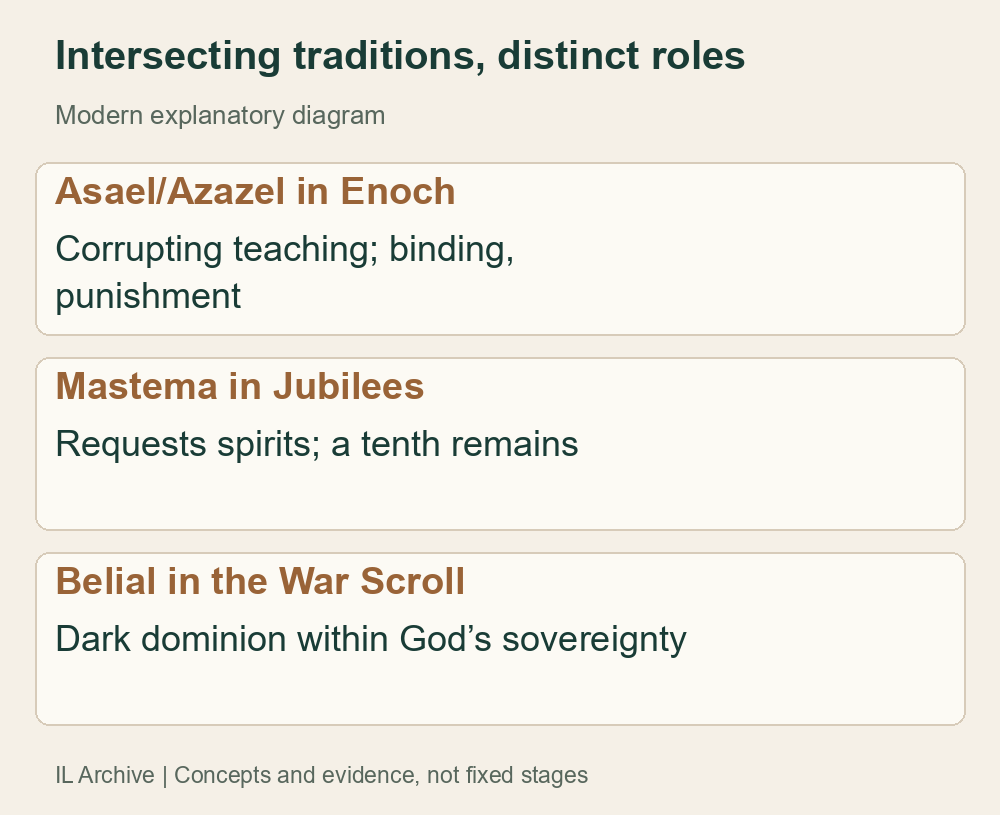
The modern diagram compares punished Asael with MastemaMastemaFigure in Jubilees called Mastema or “prince of hostility”; leader of harmful spirits and proposer of trials under divine permission. Not automatically identical with every Satan or Belial tradition.Glossary · Click to read the explanation, chief of spirits in JubileesBook of JubileesJewish retelling of Genesis and Exodus framed as angelic teaching to Moses, adding chronology, narratives and interpretation.Glossary · Click to read the explanation, who receives permission to retain one tenth, and BelialBelialA Hebrew term for wickedness and worthlessness, and the name of an opposing power in some Second Temple texts. This entry distinguishes ordinary usage, Qumran’s Belial, New Testament Beliar and later demonology.Glossary · Click to read the explanation, associated with darkness in the War ScrollWar ScrollDead Sea Scroll text portraying war between the sons of light and the hostile camp; its principal copy is designated 1QM.Glossary · Click to read the explanation, a vision of an end-time battle. Jubilees 10:11 uses “Satan” in Mastema’s context in Charles’s translation; the War Scroll describes Belial as created. These are local intersections among traditions, not inevitable stages in one being’s development. [6][8]
References and notes (14)
- 1 Enoch 6, 8, 10. R. H. Charles’s 1912 English translation, Wikisource. Chapters 6, 8, 10: descent, marriage, teaching, binding. Open historical translation, not the latest critical manuscript edition. Return to the text ↑
- Miryam Brand. “The Benei Elohim, the Watchers, and the Origins of Evil.” TheTorah.com. 2016. Watchers’ teachings, giant spirits, differing explanations of evil; note 6 on Asael/Azazel. Not all evil powers or Jewish traditions equated. Return to the text ↑
- 1 Enoch 15:8–12. R. H. Charles’s 1912 English translation, Wikisource. Evil spirits are giant spirits; not a claim that all demons are fallen angels. Historical translation, not independent witness examination. Return to the text ↑
- Anna Angelini, “Is Azazel a Goat, Place, Demon, or Deity?”, 2021. Sections on Leviticus, the name, goat and place; Lev. 16:7–10, 21–22, 26 as quoted in the article. Also 4Q180 1:7–8 and note 22: Elisha Qimron (2013), vol. 2, p. 296 as reproduced by Angelini; Qimron’s volume not directly read. Return to the text ↑
- Andrei A. Orlov, “Azazel as the Celestial Scapegoat,” online excerpt from a 2009 study, pp. 79–111. Published excerpt: Enoch 10, 4Q180, Apocalypse of Abraham 13–14; not the complete article or independent manuscript collation. Return to the text ↑
- Jubilees 10:1–17, R. H. Charles’s English translation, 1917. Especially 8–11: Mastema, the tenth, and Satan; wording of this translation. Return to the text ↑
- Shawna Dolansky, “Regarding Azazel and Homosexuals in the Same Parasha,” 2015. “The Evolving Azazel” and note 4; secondary quotation of Milgrom, Leviticus 1–16, p. 1021. Return to the text ↑
- Thomas J. Farrar, “New Testament Satanology and Leading Suprahuman Opponents in Second Temple Jewish Literature,” JTS 70/1 (2019), pp. 21–68. War Scroll section in the author version, PDF pages 30–31; interpretation of 1QM 13:11. Return to the text ↑
- Henry Barclay Swete, The Old Testament in Greek, vol. III (1905). Enoch 10:4–8, pp. 795–796; edited Greek text with variants, not a new manuscript collation. Return to the text ↑
- Anna Angelini, L’imaginaire du démoniaque dans la Septante (Brill, 2021), chapitre 3. Direct reading of complete sections 2.1–2.3: Azazel, name, reception and Greek; not the whole book. Return to the text ↑
- Aron Pinker, “A Goat to Go to Azazel,” Journal of Hebrew Scriptures 7/8 (2007). pp. 3–10 and 17–22: interpretations, two-residences hypothesis and dating; Milgrom is secondary here too, not read directly. Return to the text ↑
- Library of Congress / Israel Antiquities Authority, Scrolls from the Dead Sea: Enoch. Complete exhibit label; dating of copy 4Q201, not all Enoch passages. Return to the text ↑
- Alexander McCarron, “Fragments of Texts and Fragmentary Textual Traditions,” Dead Sea Discoveries 31 (2024),143–174. Accessible introduction: witness dating and retrospective reconstruction; not full article. Return to the text ↑
- Andrei A. Orlov, Introduction: Apocalypse of Abraham. Structure, Manuscripts, Original Language and Date sections; no Slavonic manuscript collation. Return to the text ↑
Suggest a correction · Suggest a source for this record
Cite this record
IL Archive, «Asael / Azazel», https://ilarchive.com/en/entities/azazel-asael
Continue reading