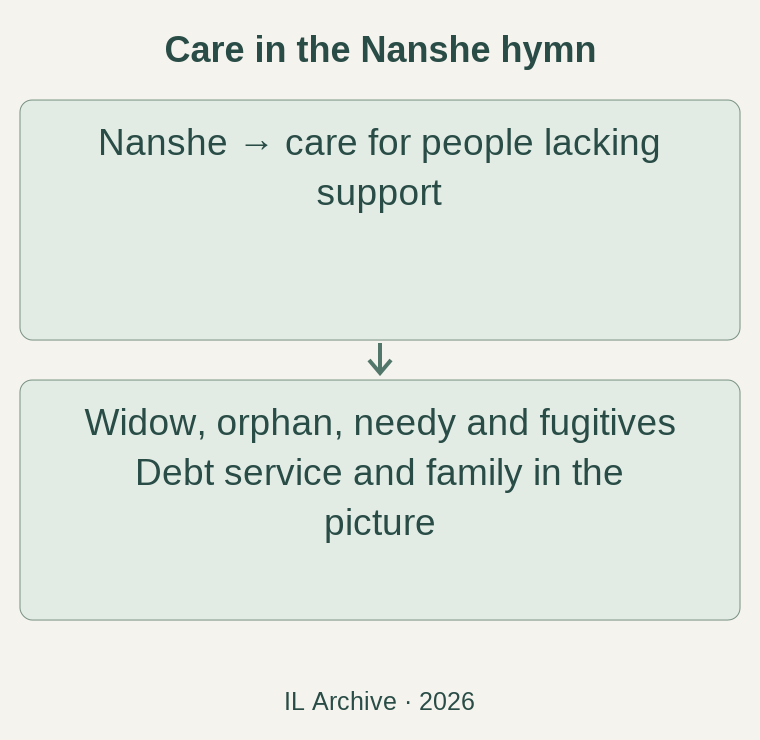
Modern diagram of the relationship or demand in the specified text; not an artifact photograph, a divine likeness or a portrait
Entity
Sumerian goddess praised in a hymn for caring for widows, orphans, people in need, and fugitives.
Name variants: Nanshe
Context and sources →
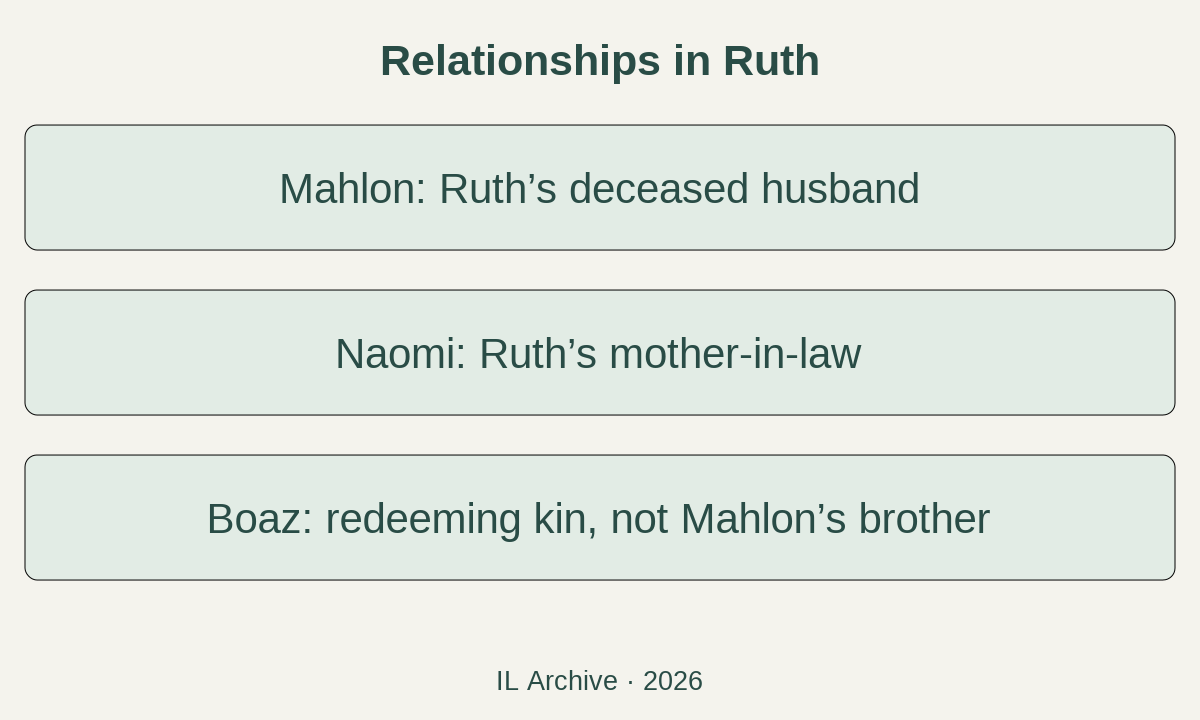
Modern explanatory diagram of relationships or cases in the specified witnesses; not portraits, a legal tablet or an ancient manuscript
Person
Ruth’s mother-in-law, linking land redemption with household continuity.
Name variants: Naomi in Ruth
Context and sources →
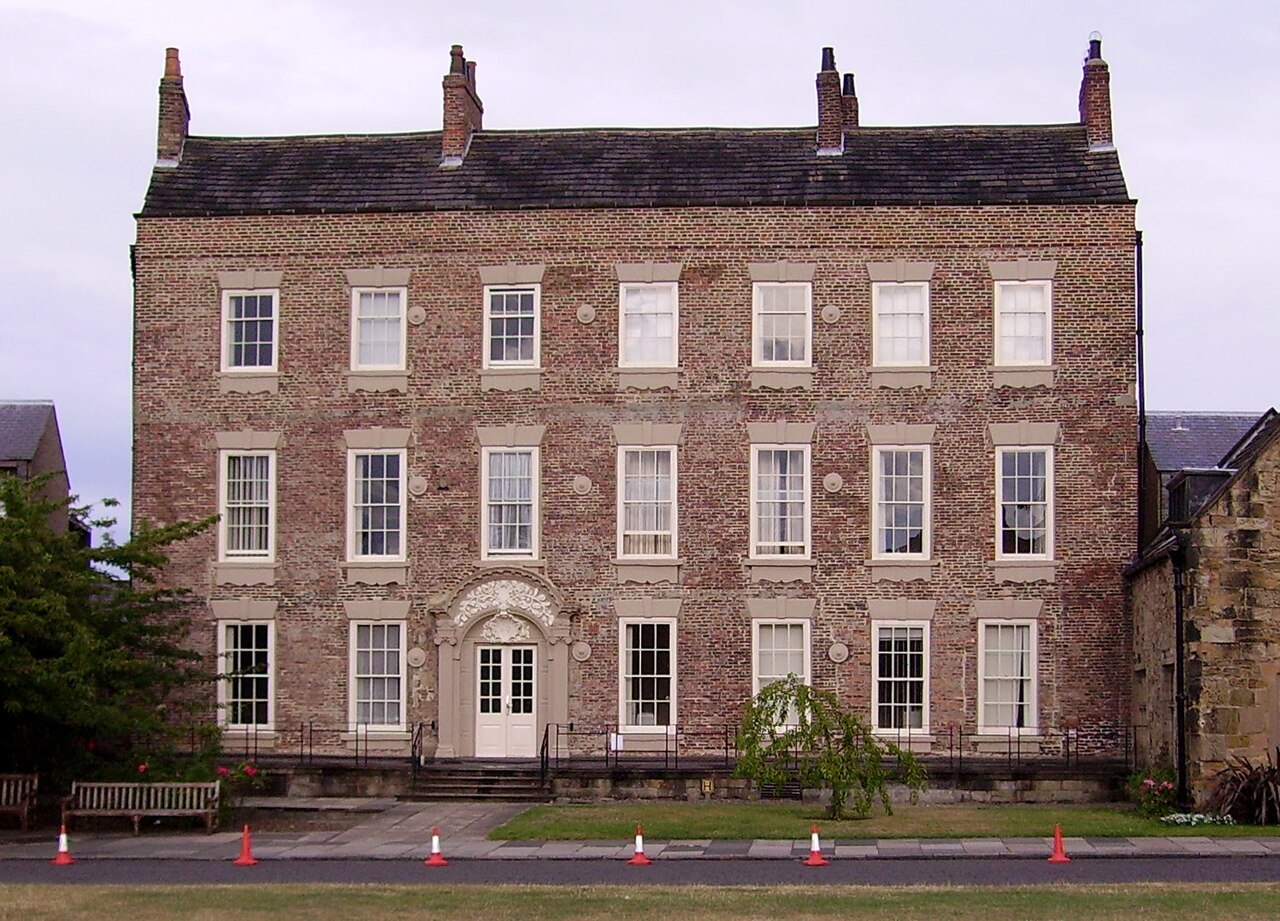
Cosin’s Hall on Palace Green in Durham, England. The original photograph dates from July 2006; this crop was made available later by the source. The building provides context for Durham University, where Nathan J. Chambers completed his thesis in 2017
Person
Scholar of Genesis interpretation and Christian theology, studying Genesis 1 and creation from nothing.
Name variants: Nathan Chambers, Nathan J. Chambers
Context and sources →
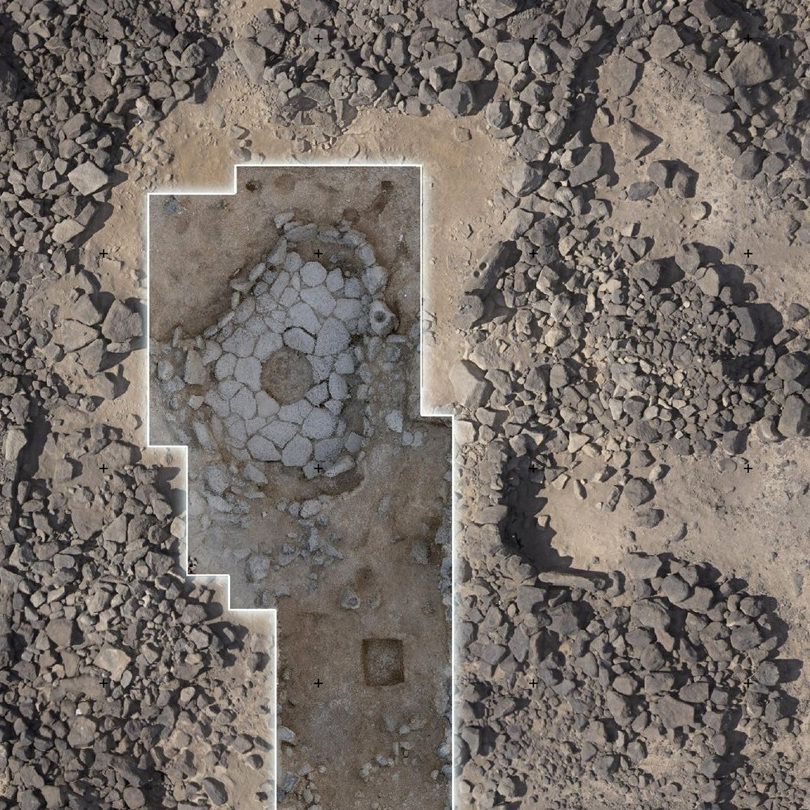
Actual aerial photograph of the excavation area at Shubayqa 1, northeastern Jordan; cropped from Fig. 1 (2017). The white line is a modern excavation outline, not an ancient wall; the inset location map was removed for the cover
Period
A Levantine archaeological culture, roughly 13,000–9500 BCE, marked at some sites by stone buildings, extended occupation, varied food tools and burials before domesticated farming; not a documented ethnic self-name.
Name variants: Natufian culture, Natufian, Natufians
Context and sources →
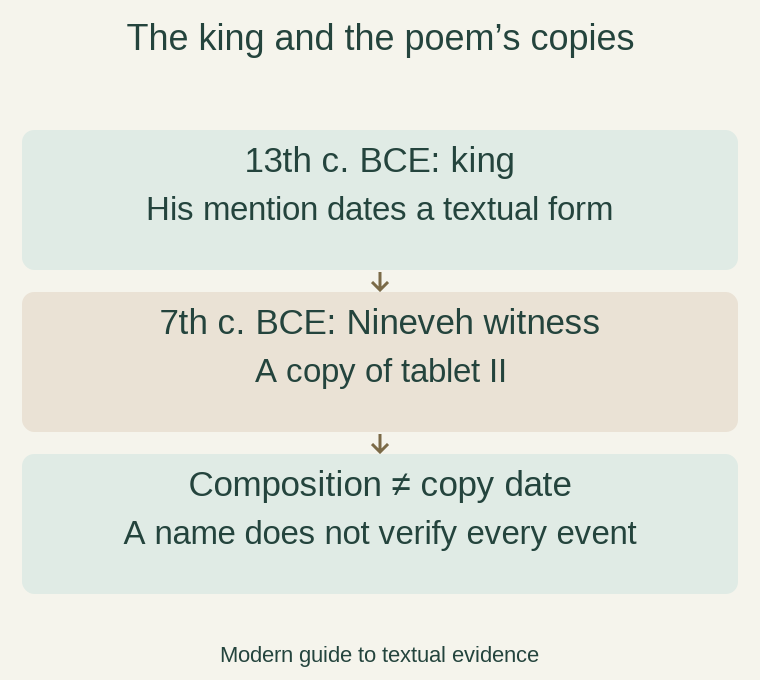
Modern diagram distinguishing the thirteenth-century BCE king mentioned in Ludlul from a seventh-century BCE Nineveh copy. Royal reference and manuscript date inform composition history without automatically dating it
Person
Nazi-Maruttaš was a Kassite king of Babylon in the thirteenth century BCE.
Name variants: Nazi-Maruttaš
Context and sources →
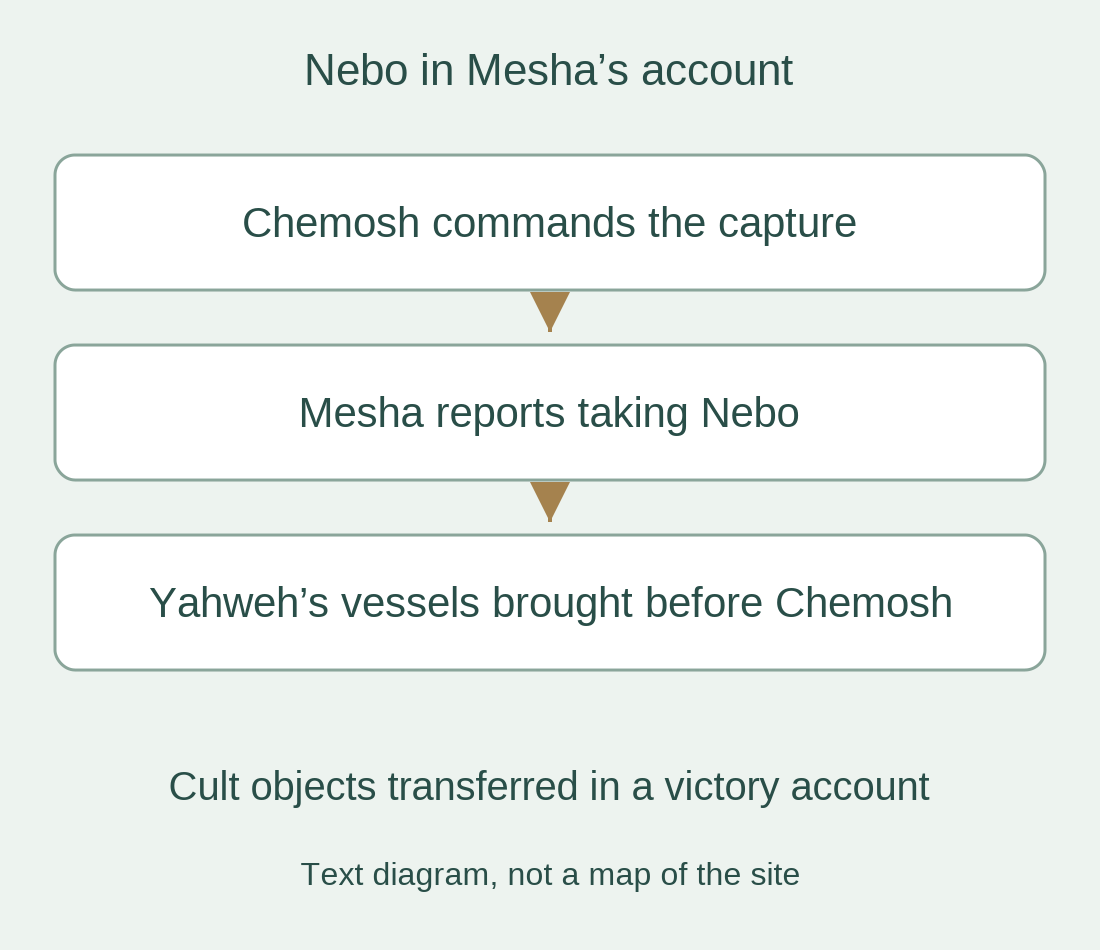
Text diagram, not a map of the site. Cult objects transferred in a victory account
Site
Town named in Mesha's conflict with Israel, from which he reports taking Yahweh's vessels before Chemosh.
Name variants: Nebo
Context and sources →
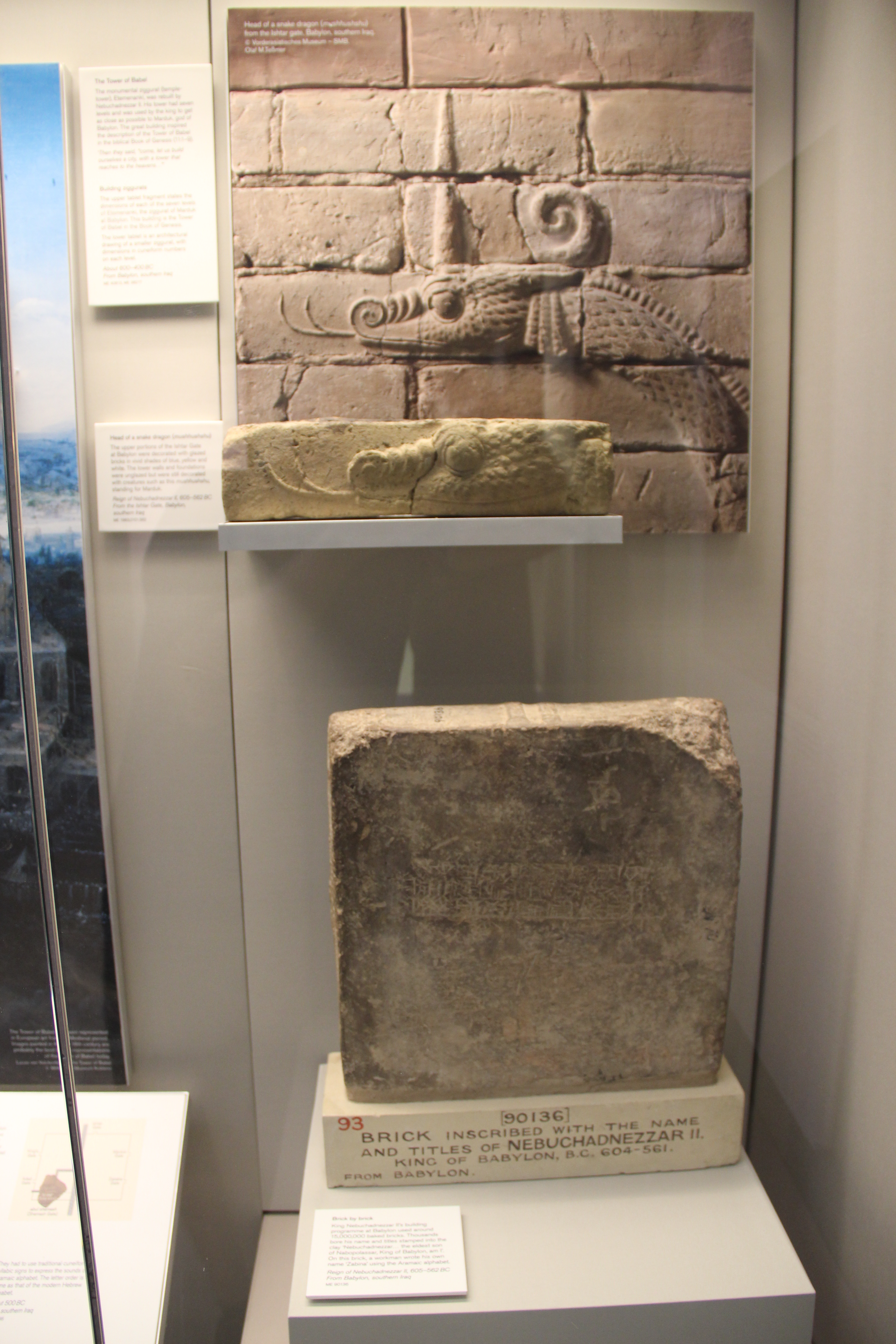
Brick bearing Nebuchadnezzar II’s name and titles in the foreground, Babylon, sixth century BCE; British Museum 90136. Dragon fragments above are separate exhibits, not the king’s portrait or this brick’s decoration
Person
Babylonian king, 605–562 BCE, appearing in Daniel and independently attested in inscriptions and building remains.
Name variants: Nebuchadnezzar II, Nebuchadnezzar, Nebuchadnezzar II
Context and sources →
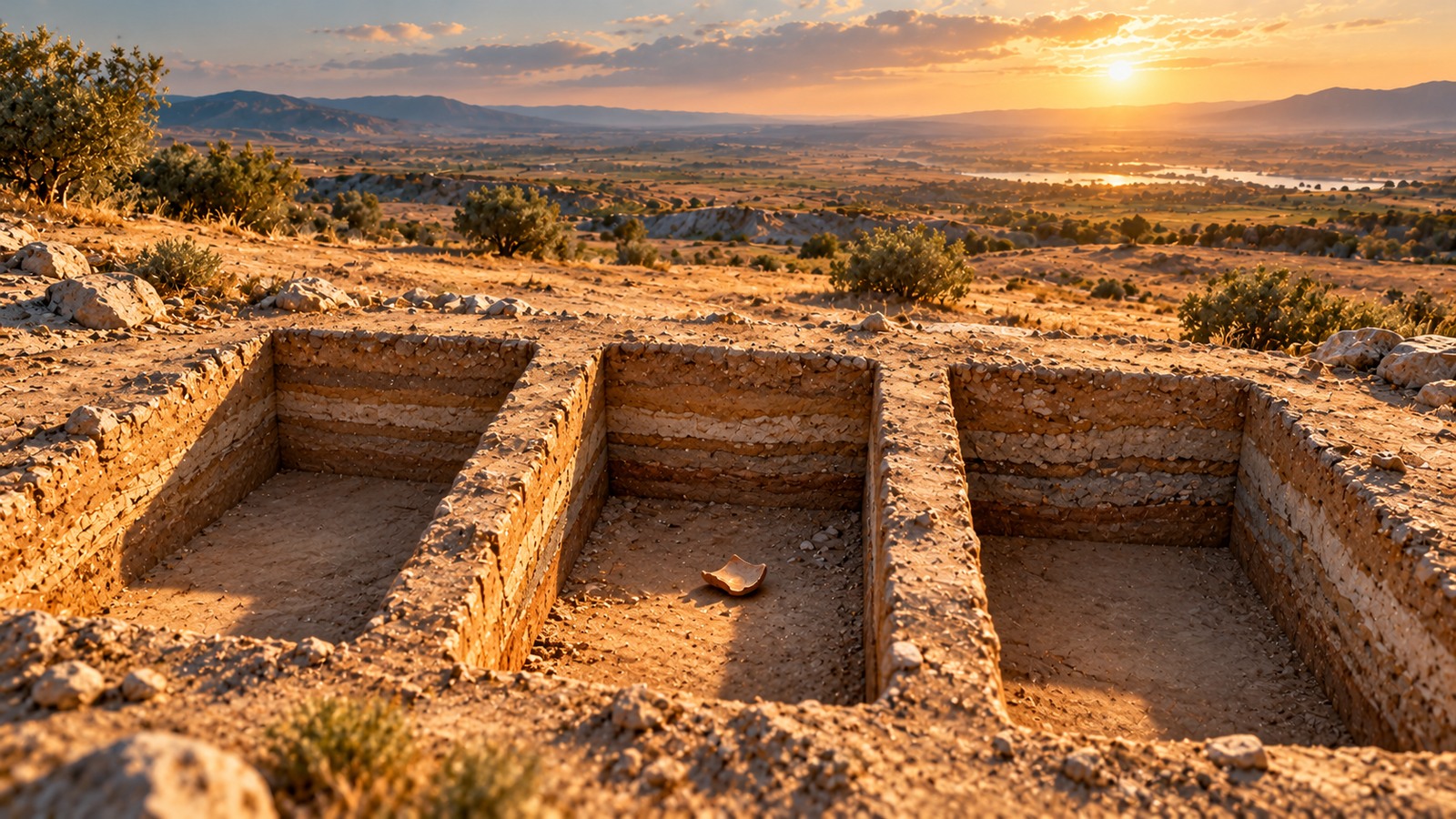
Contemporary conceptual image of three imagined excavation units, one containing a pottery sherd. It illustrates differing observations; it does not depict a real site or excavation results
Entity
Failure to find an expected trace can test a hypothesis when preservation and investigation make discovery expectable; not every absence is evidence.
Name variants: negative evidence
Context and sources →

Modern digitally generated symbolic cover: light beyond an imaginary architectural opening evokes the limits of description. Not an artifact, historical site or depiction of God
Entity
An approach to divine language that denies limitations or defects and may emphasize the failure of human categories to capture divine essence; its forms vary across traditions.
Name variants: Negative theology, apophatic theology, apophasis
Context and sources →

New AI-generated expressive cover: three luminous focal points metaphorically evoke the One, Intellect and Soul in a Plotinian reading. Neither a literal cosmological map nor a historical artefact or photograph
Entity
Modern name for Platonic currents flourishing from the third century CE, including Plotinus, Porphyry, Iamblichus and Proclus. They examined the first principle, Intellect, Soul and the world, while disagreeing over interpretation and practice.
Name variants: Neoplatonism, Neo-Platonism
Context and sources →

New AI-generated symbolic view of scouts facing immense cliffs, inspired by the fearful report in Numbers 13; not a historical reconstruction, an archaeological portrait of Nephilim, or evidence of their size
Entity
Hebrew name in Genesis 6:4 and Numbers 13:33, linked to ancient heroes and the scouts’ report; its identification with giants or heavenly offspring depends on interpretation.
Name variants: Nephilim
Context and sources →

Lower Manhattan, New York City, seen from Governors Island in 2017. A contemporary city view; the Metropolitan Museum mentioned in the definition is not shown
Site
New York City is in the United States and houses the Metropolitan Museum of Art
Name variants: New York, New York City
Context and sources →

Photographic mosaic of Jupiter from Cassini images taken on 29 December 2000. It illustrates one identification of Nibiru, not a reconstruction of an ancient Babylonian observation
Entity
An Akkadian word for a crossing, ford or ferry, also a celestial name associated with Marduk and applied to Jupiter or Mercury in particular contexts; it does not identify one body in every use.
Name variants: Nibiru, Nēbiru, Nēberu
Context and sources →
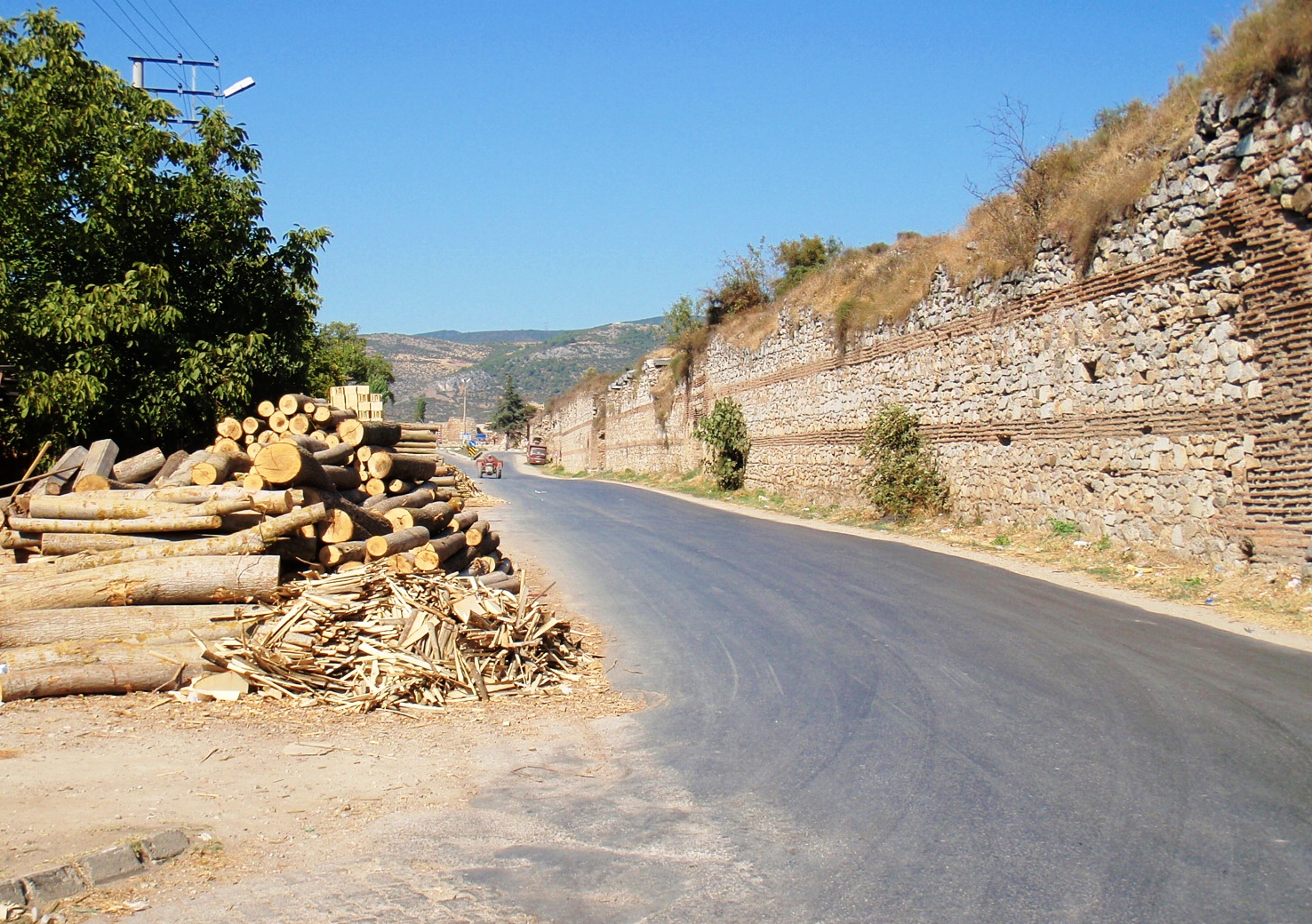
Part of İznik’s city walls, photographed by Raki_Man on 5 September 2008. The walls have several building and repair phases; the image locates the city, not the meeting room of the 325 council
Site
City in northwestern Türkiye where the Council of Nicaea met in 325 CE.
Name variants: Nicaea (İznik)
Context and sources →
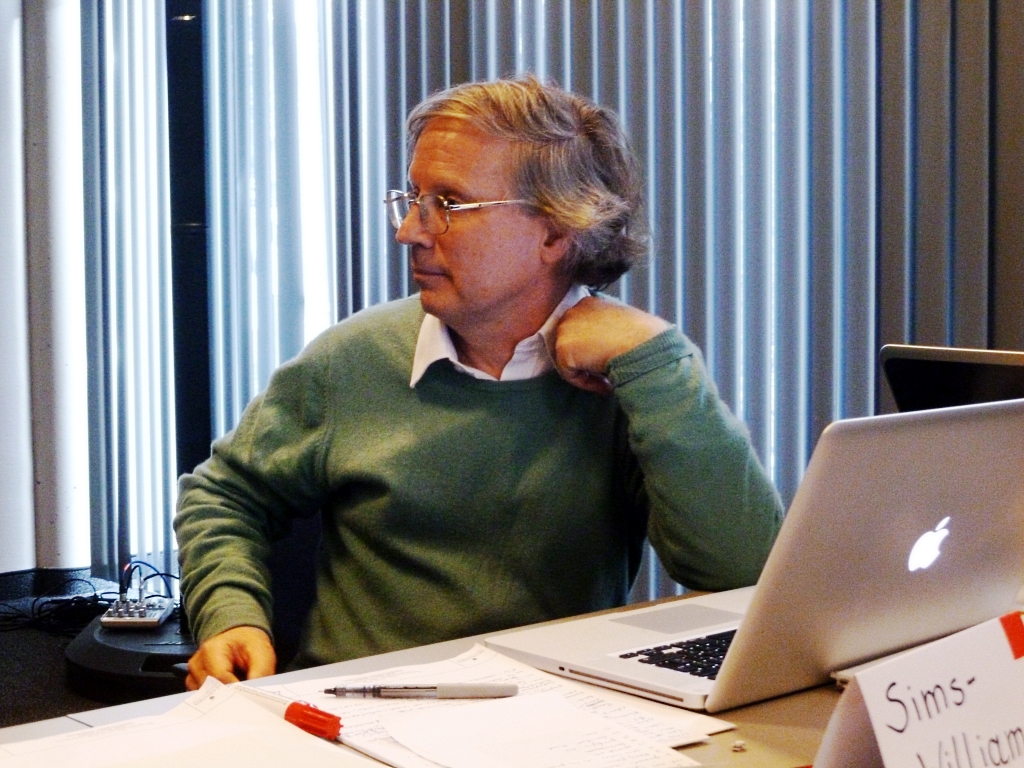
Nicholas Sims-Williams at the Berlin Symposium on the Kushans, December 2013. Photograph by John Hill, CC BY-SA 3.0
Person
Scholar of Middle Iranian languages, including Sogdian, and of Christian texts translated from Syriac.
Name variants: Nicholas Sims-Williams
Context and sources →
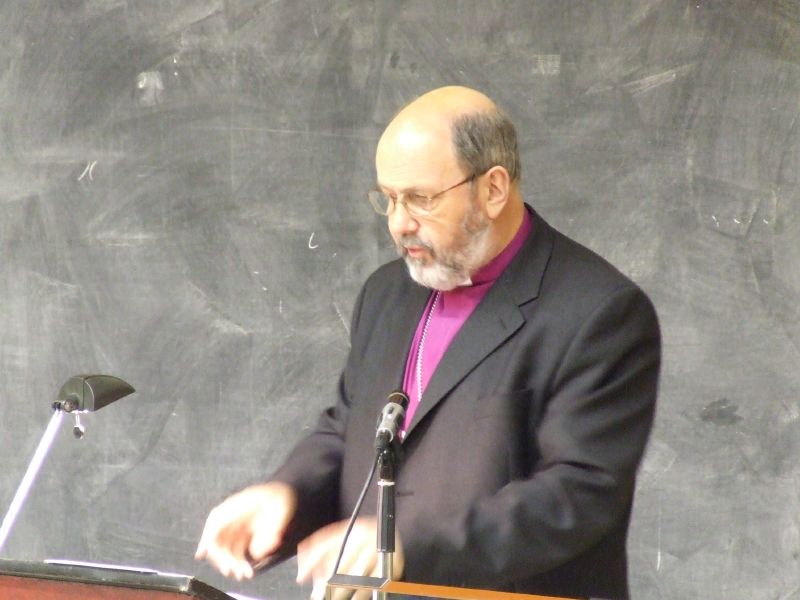
Nicholas Thomas Wright at the James Gregory Lecture, St Andrews, 20 December 2007. Photograph by Gareth Saunders, CC BY-SA 2.0; unchanged original
Person
New Testament and early Christianity scholar, publishing as N. T. Wright.
Name variants: Nicholas Thomas Wright, N. T. Wright, Tom Wright
Context and sources →
Person
Scholar of the Quran, its interpretation and its relations to Arabic poetry and Jewish and Christian traditions.
Name variants: Nicolai Sinai
Context and sources →
Person
Nili Shupak is a scholar of the Bible and its comparison with ancient Egyptian literature.
Name variants: Nili Shupak
Context and sources →
Person
Aarhus University scholar of church history and early Christian literature, coauthor of a study of Solomonic rings.
Name variants: Nils Arne Pedersen
Context and sources →
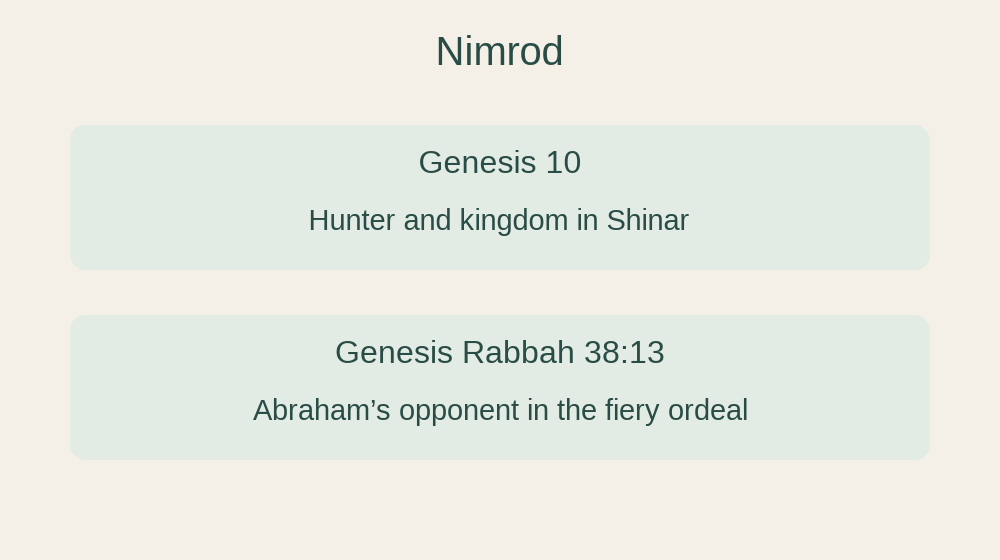
Modern comparison distinguishing what the named passages say about the figure; not a historical likeness or identification of a person behind the narrative
Person
Figure associated with hunting and kingship in Genesis, appearing in Genesis Rabbah as a ruler who opposes Abraham and casts him into fire.
Name variants: Nimrod
Context and sources →
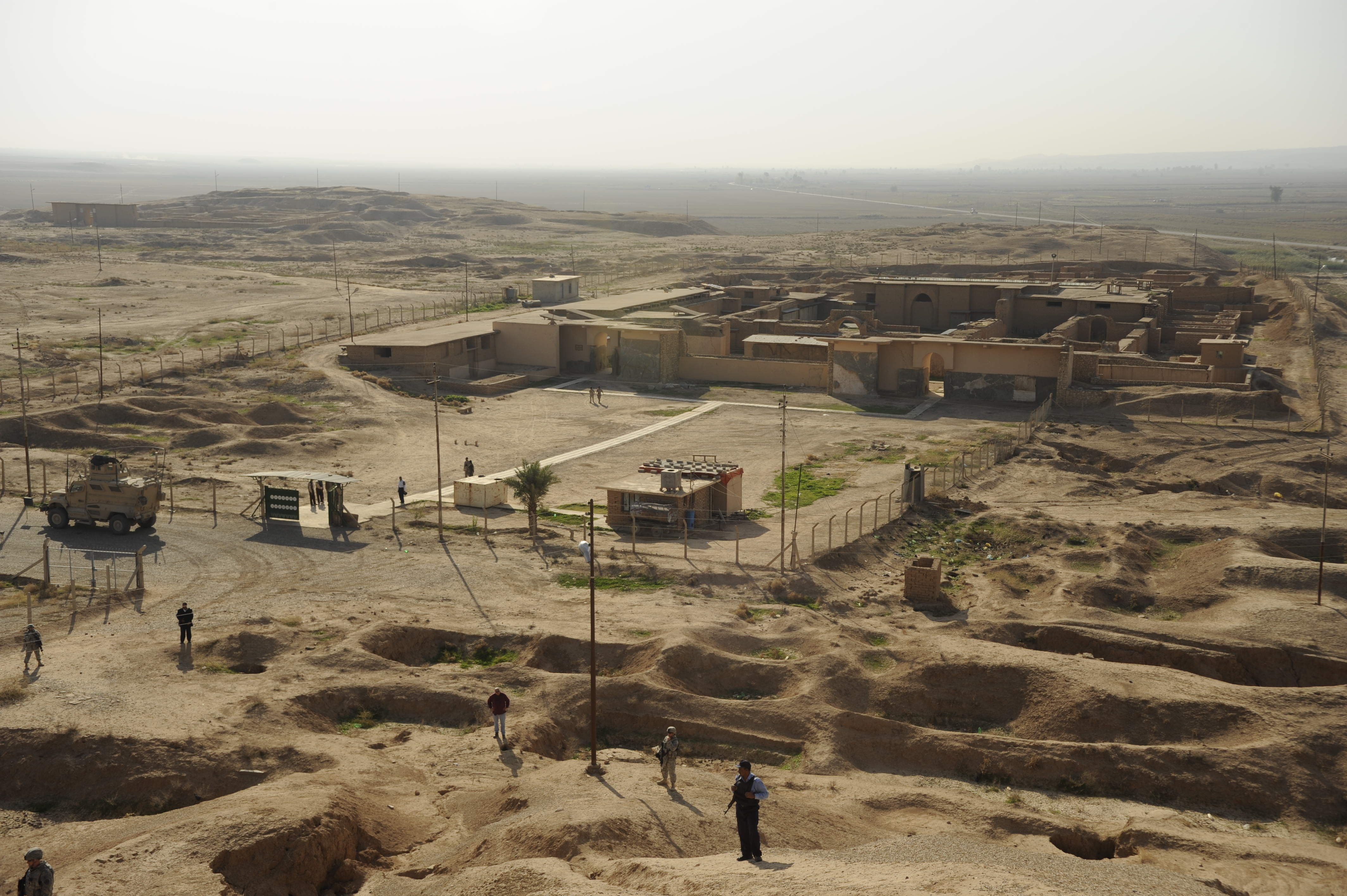
Nimrud on 19 November 2008, showing archaeological remains and modern restoration. Photograph by Staff Sgt. JoAnn Makinano; the view predates the destruction in 2015
Site
Nimrud is the site of the Assyrian city Kalhu in present-day northern Iraq, near Mosul.
Name variants: Nimrud: ancient Kalhu
Context and sources →
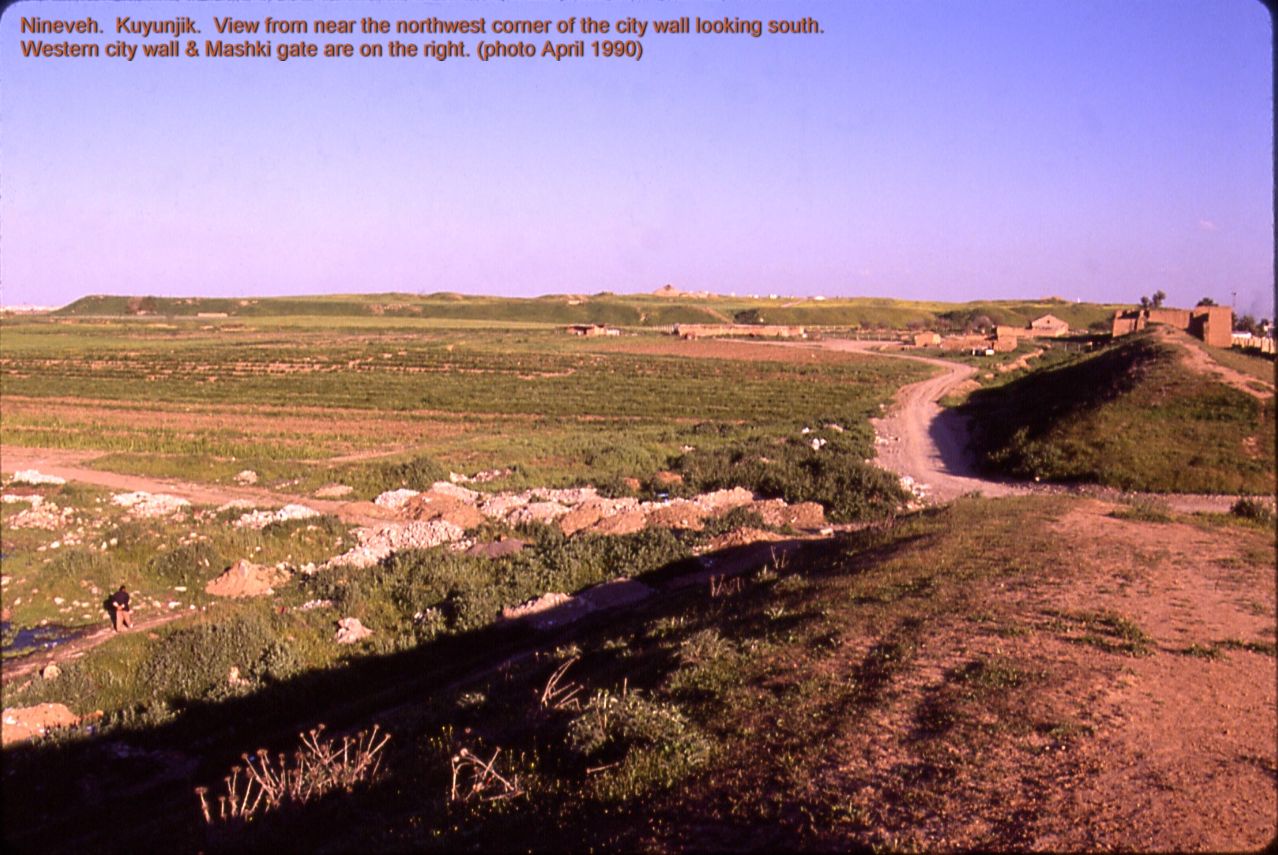
Kuyunjik mound at Nineveh in northern Iraq, in an April 1990 photograph taken near the northwestern corner of the city wall. A dated archival view of the site at that time; the photographer’s original annotation remains in the image
Site
Nineveh is an ancient Assyrian city near Mosul in northern Iraq; Kuyunjik is one of its archaeological mounds
Name variants: Nineveh, Kuyunjik, Kouyunjik
Context and sources →
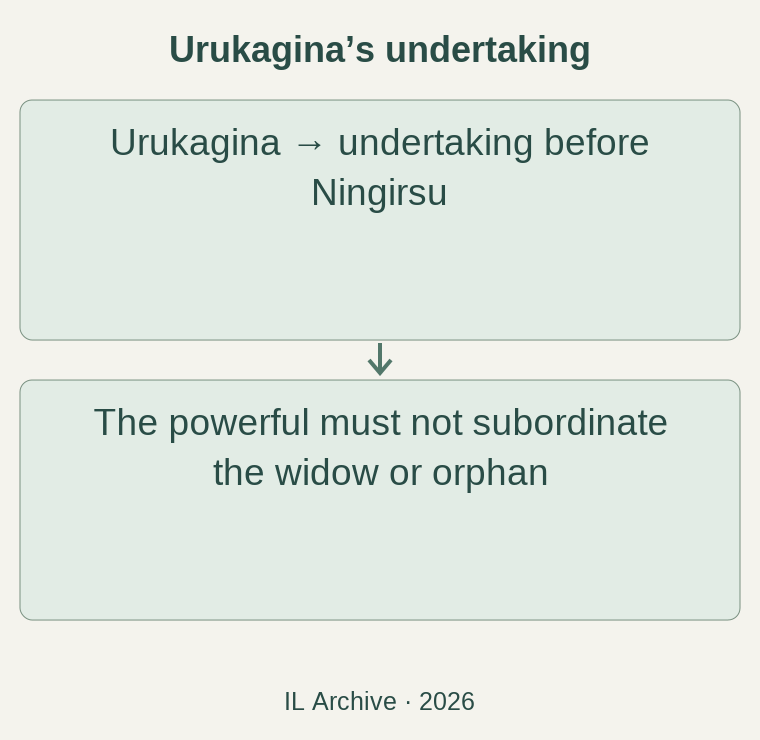
Modern diagram of the relationship or demand in the specified text; not an artifact photograph, a divine likeness or a portrait
Entity
A major god of the Sumerian state of Lagash, invoked in Urukagina’s reform undertaking.
Name variants: Ningirsu
Context and sources →
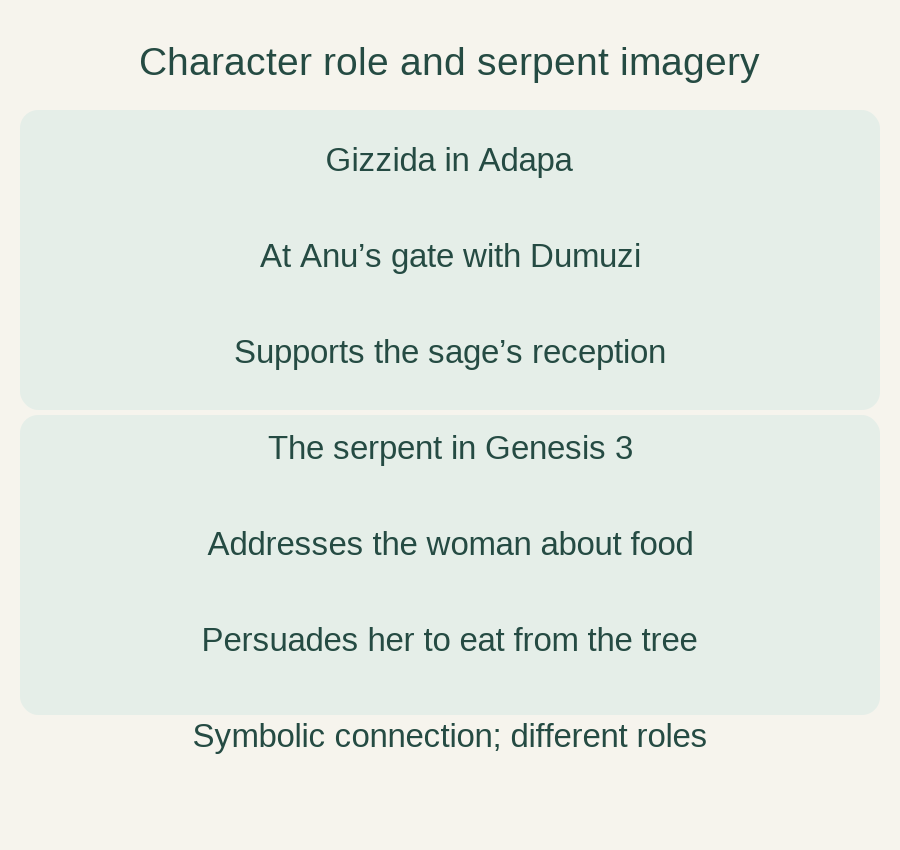
Modern comparison of Gizzida’s role in Adapa with the serpent’s role in Genesis; not a divine portrait or an artifact image
Entity
Ningishzida is a Mesopotamian god called Gizzida in Adapa’s story, where he and Dumuzi support the sage at Anu’s gate.
Name variants: Ningishzida, Gizzida
Context and sources →
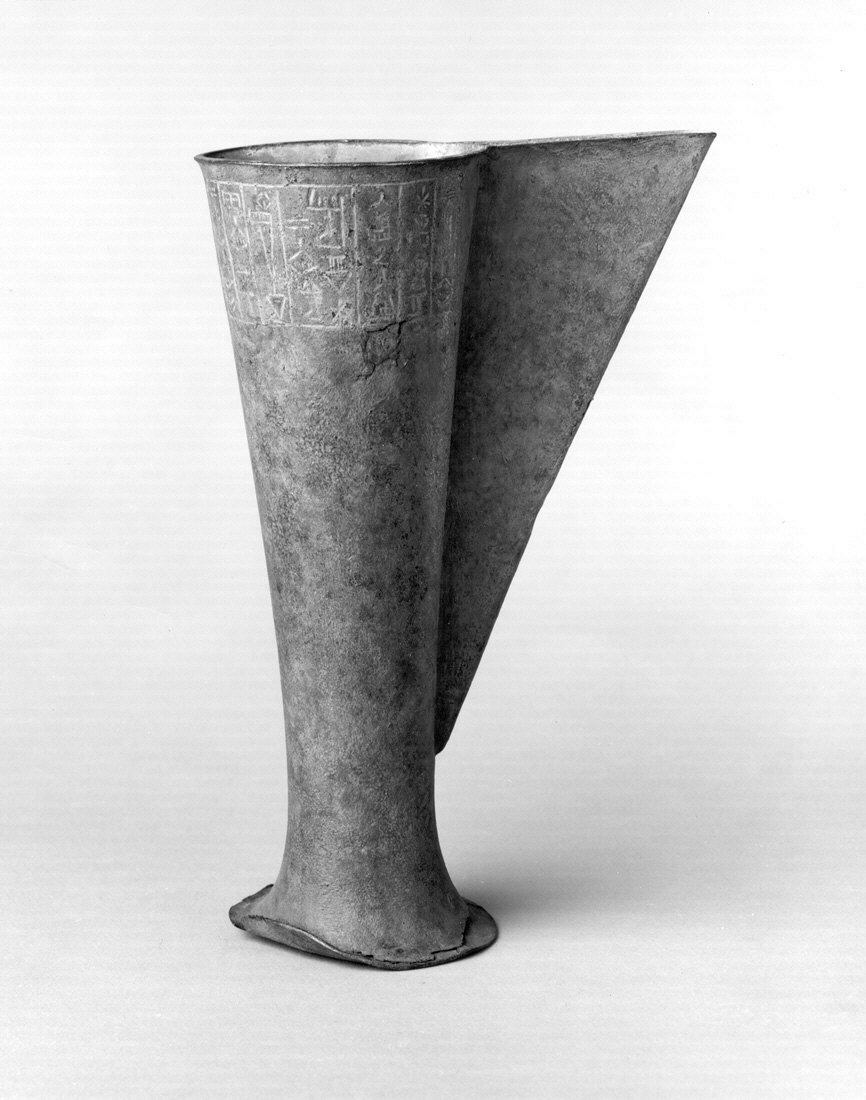
Cult vessel, about 2250–2000 BCE, Met 1994.45; the museum description identifies its dedication to Ninhursag. Evidence for name and cult, not a portrait or poem tablet
Entity
Mesopotamian goddess central to the births and Enki’s healing in Enki and Ninhursaga.
Name variants: Ninhursaga, birth and healing goddess, Ninhursaga, Ninhursag
Context and sources →
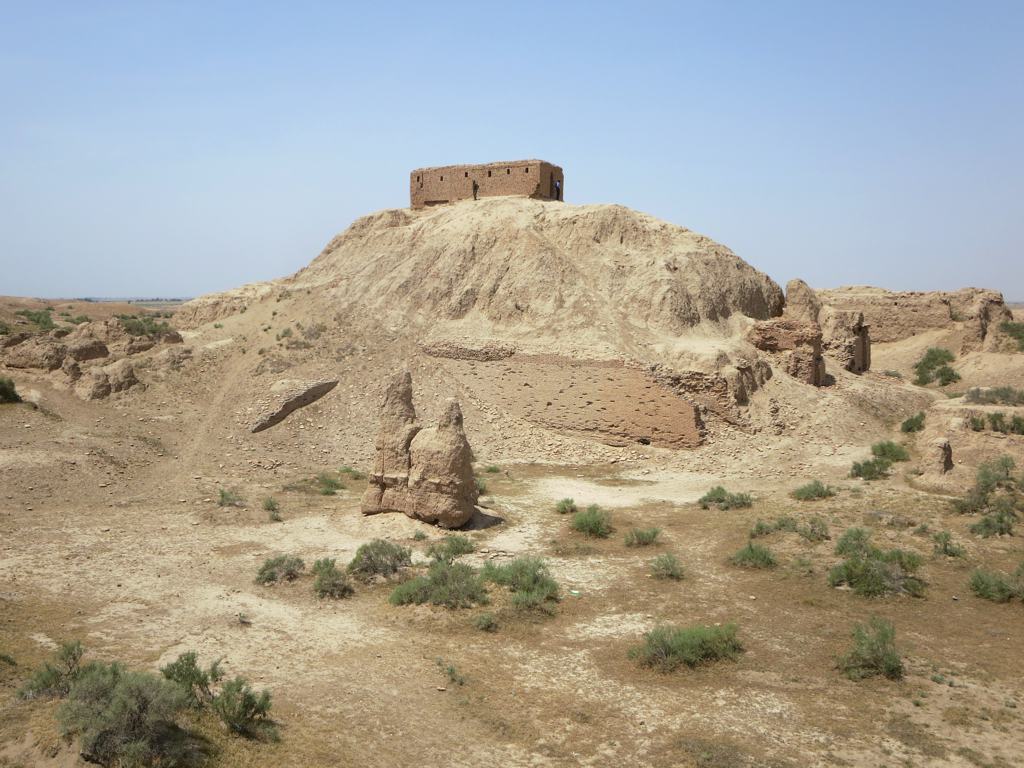
The archaeological site of Nippur, Iraq, photographed in 2016. Context for a city associated with Ninlil’s worship; not an identification of her sanctuary or a depiction of the goddess
Entity
Mesopotamian goddess and consort of Enlil, associated with Nippur, Tummal, destinies and royal ritual. Identified with Sud in literary tradition and known as Mulliltu/Mullissu in Akkadian and Assyrian contexts; her genealogies and roles vary by text and period.
Name variants: Ninlil
Context and sources →
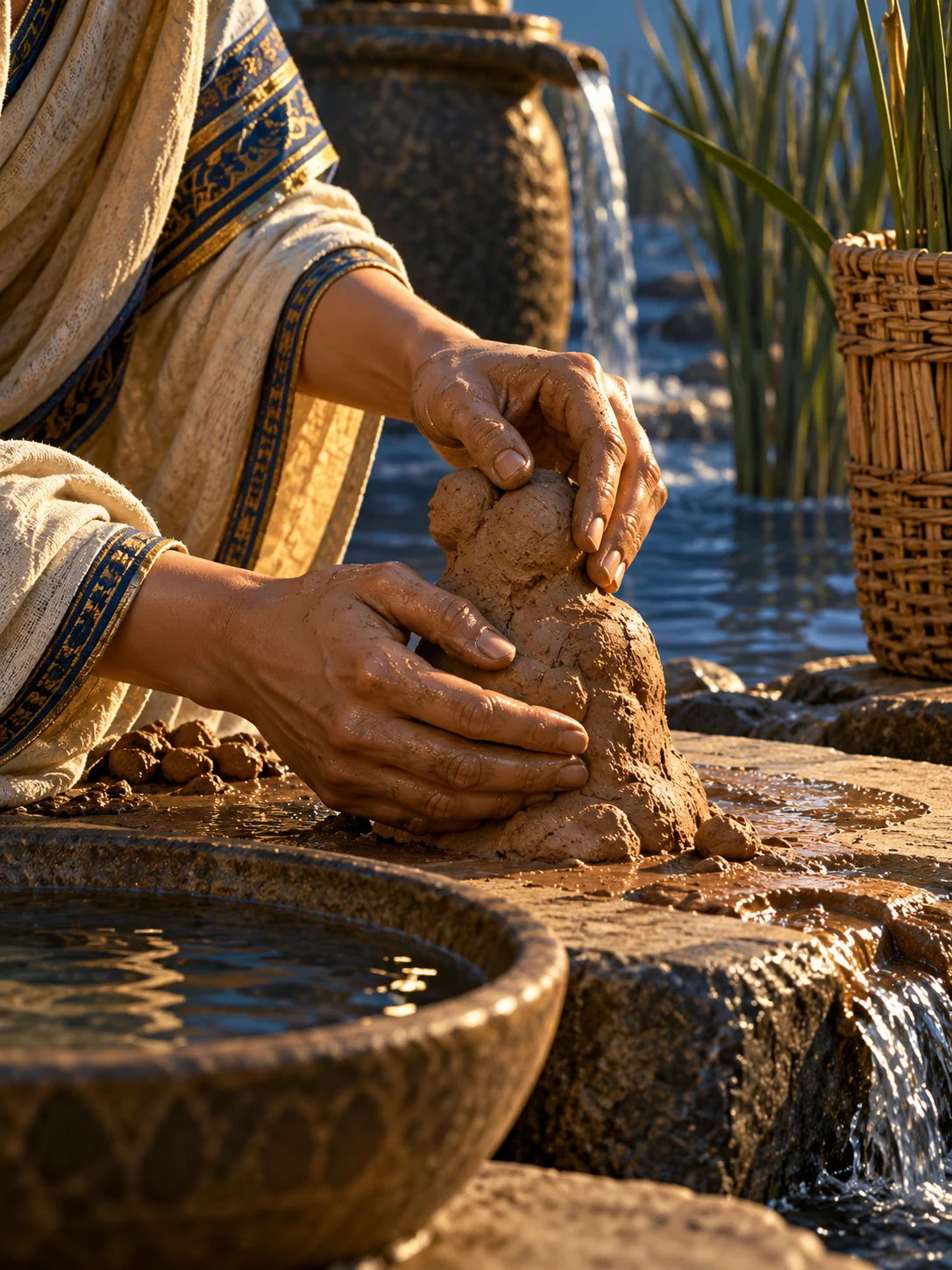
Modern AI-generated interpretive illustration of hands shaping clay beside water, inspired by Enki and Ninmaḫ. Not an archaeological object, a depiction of the goddess, or a verified historical reconstruction
Entity
Sumerian mother goddess who assists human creation and contests Enki over the fates of different fashioned bodies; later Babylonian inscriptions also attest her worship.
Name variants: Ninmah, Ninmaḫ
Context and sources →

Modern AI-generated symbolic illustration: a passage of light between two realms evokes Ninshubur’s mission of mediation. Not an ancient Mesopotamian artifact or authenticated reconstruction
Entity
Mesopotamian divine messenger and intermediary associated with Inanna in Sumerian narratives and with An in inscriptions and hymns; identity and gender vary by context and must not be equated automatically with Papsukkal.
Name variants: Ninshubur
Context and sources →
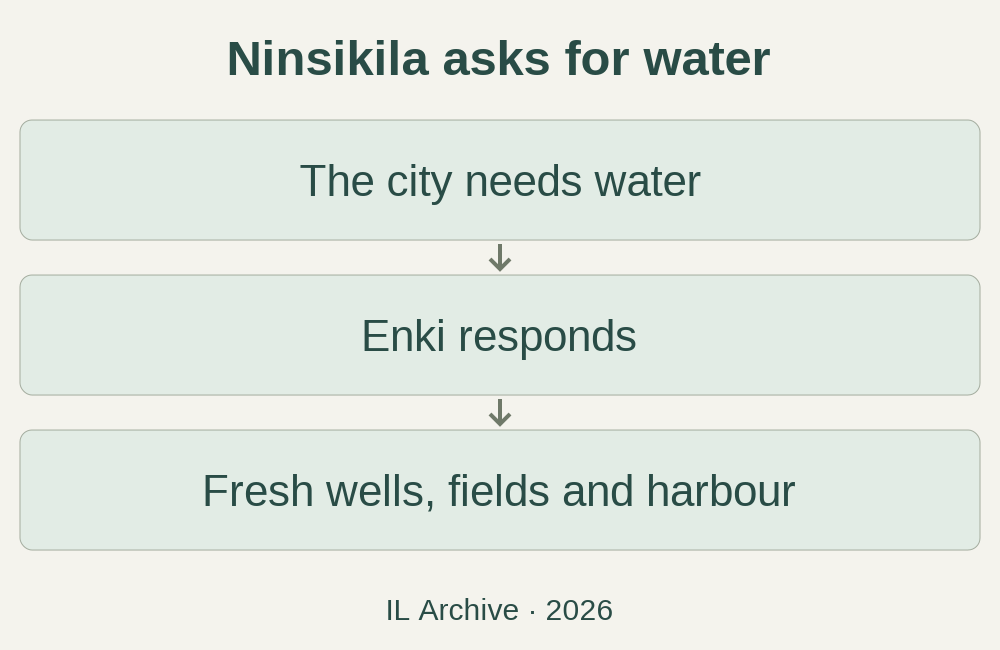
Modern witness-specific explanatory diagram of a sequence or linguistic relationship, not a portrait or fabricated artifact
Entity
Goddess who asks Enki for the water needed by Dilmun’s city in the poem’s opening.
Name variants: Ninsikila, Dilmun’s lady in the poem
Context and sources →
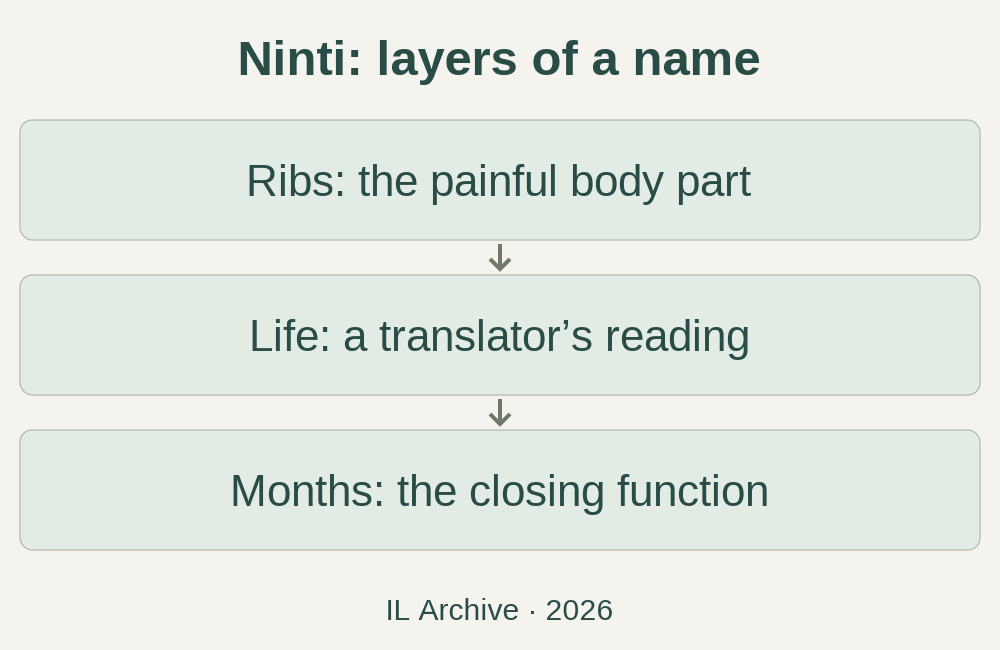
Modern witness-specific explanatory diagram of a sequence or linguistic relationship, not a portrait or fabricated artifact
Entity
Goddess appearing in the healing of Enki’s ribs, whose name permits wordplay involving rib and life.
Name variants: Ninti, rib and life in Sumerian wordplay
Context and sources →
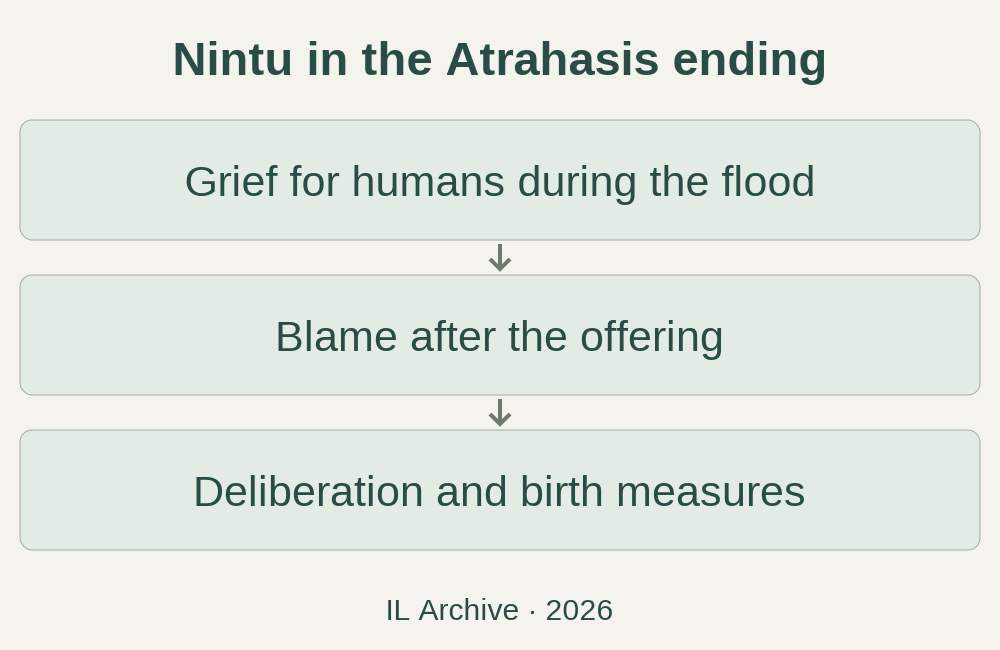
Modern explanatory diagram of the argument or character’s role in the specified passage; not an ancient manuscript or a goddess portrait
Entity
Birth goddess in Atrahasis, grieving for humanity, blaming the flood decision and involved in regulating future births.
Name variants: Nintu, birth goddess in Atrahasis
Context and sources →
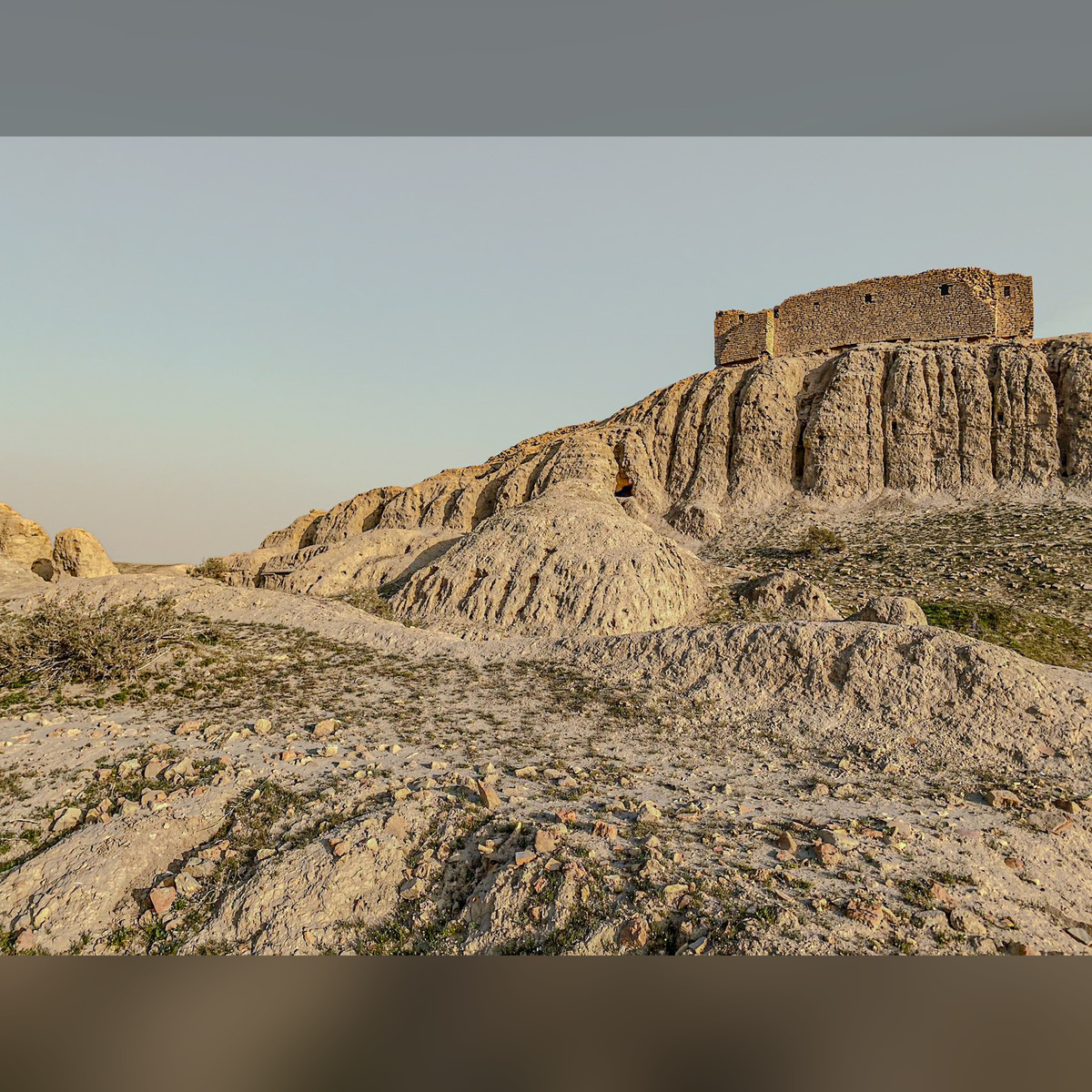
Nippur (Nuffar): ziggurat mound seen from the southwest. Modern photograph framed for a square cover; the structure at the summit belongs to late-nineteenth-century excavations, not to a surviving Sumerian temple
Site
Ancient Nippur (modern Nuffar, Iraq), major cult centre of Enlil and Ekur; excavations revealed sanctuaries, houses and thousands of cuneiform tablets across many periods.
Name variants: Nippur, Nuffar, Nibru
Context and sources →
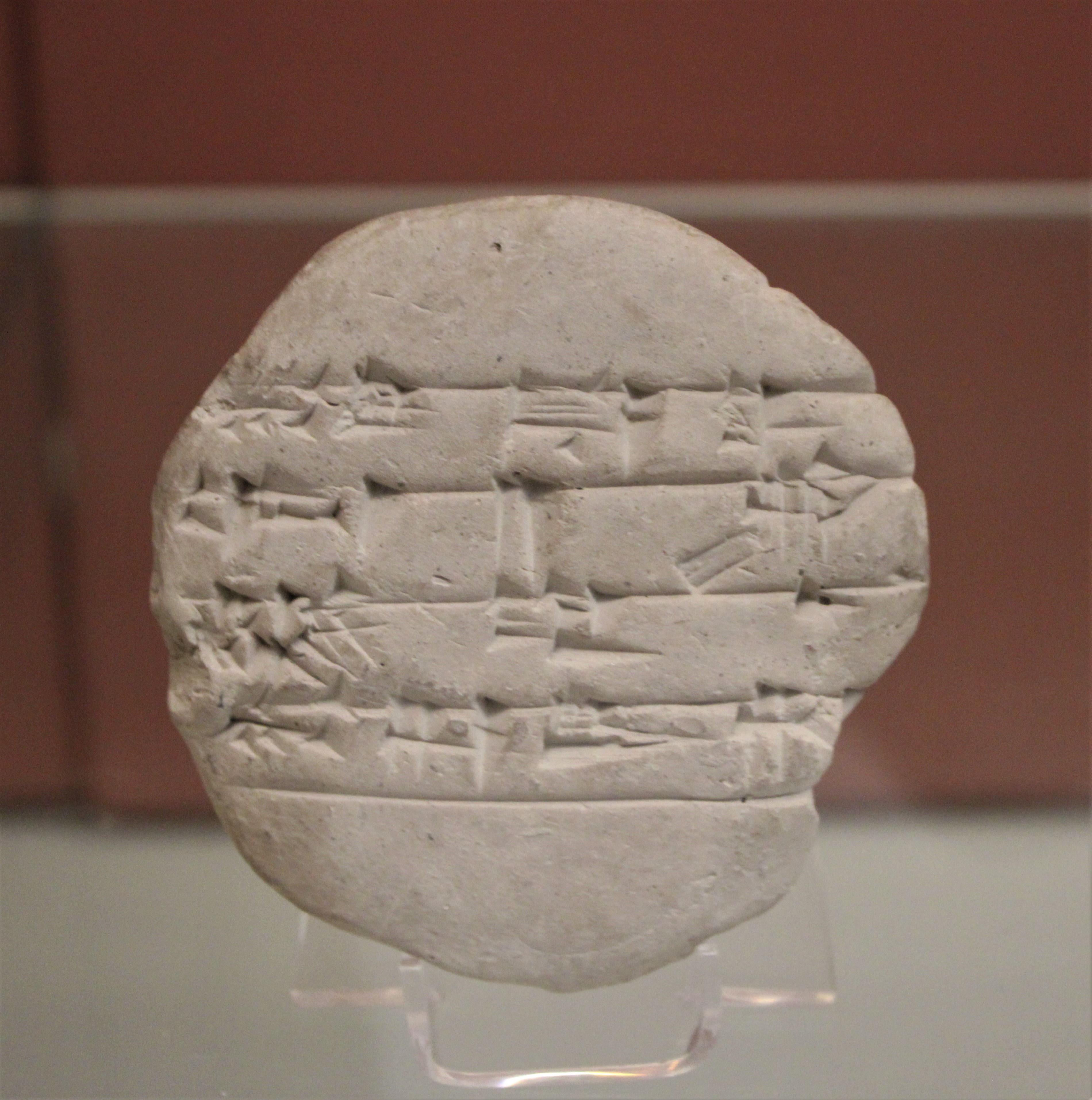
Old Babylonian school tablet bearing a proverb, British Museum BM104096; findspot unknown. Context for scribal work, not a depiction of Nisaba or a copy of her hymn
Entity
Mesopotamian goddess of grain and writing, associated with Ereš and scribes; also called Nidaba.
Name variants: Nisaba, Nidaba, Nissaba
Context and sources →
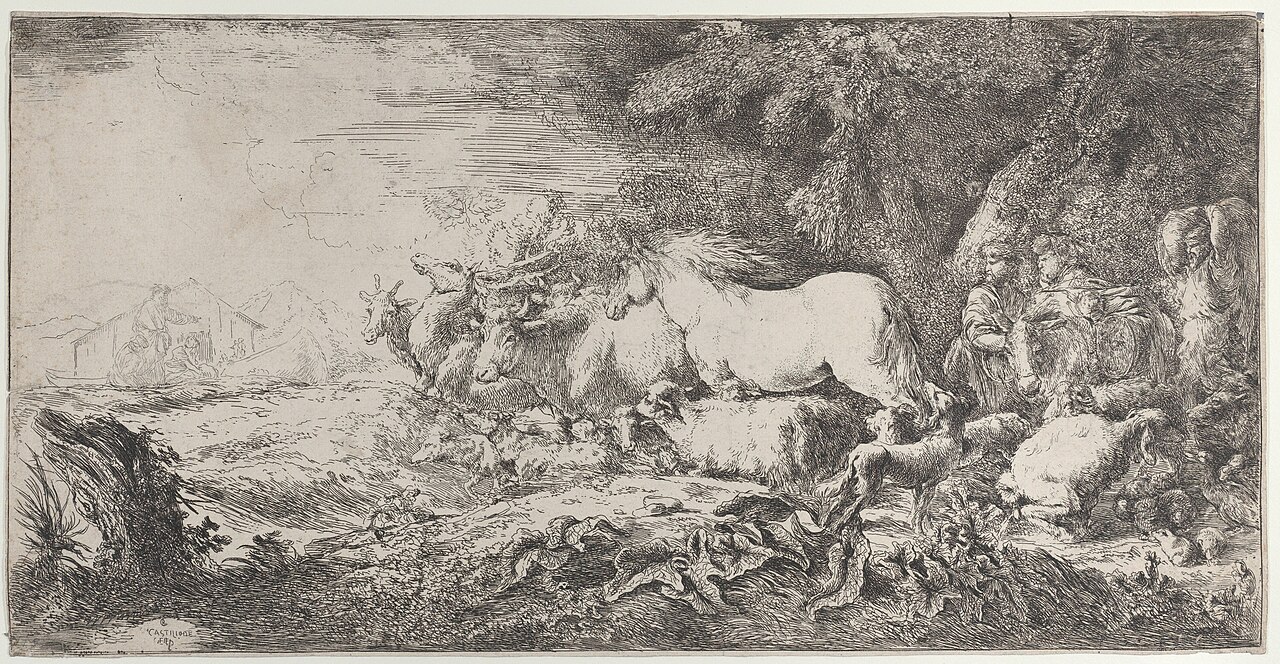
Entry of the Animals into Noah’s Ark, an etching by Giovanni Benedetto Castiglione, around 1650–1655 CE. The Met, 2012.136.525. A seventeenth-century European artistic reading of the story, with the ark visible in the background
Person
Noah is the flood-story figure in Genesis and a prophet in the Qur’an
Name variants: Noah
Context and sources →
Person
A scholar of Semitic languages and ancient Near Eastern myth; her 2020 essay examines Syro-Anatolian evidence for the sent-away goat rite.
Name variants: Noga Ayali-Darshan
Context and sources →
Entity
Research society maintaining a guide to Christian apocryphal texts and witnesses.
Name variants: North American Society for the Study of Christian Apocryphal Literature
Context and sources →
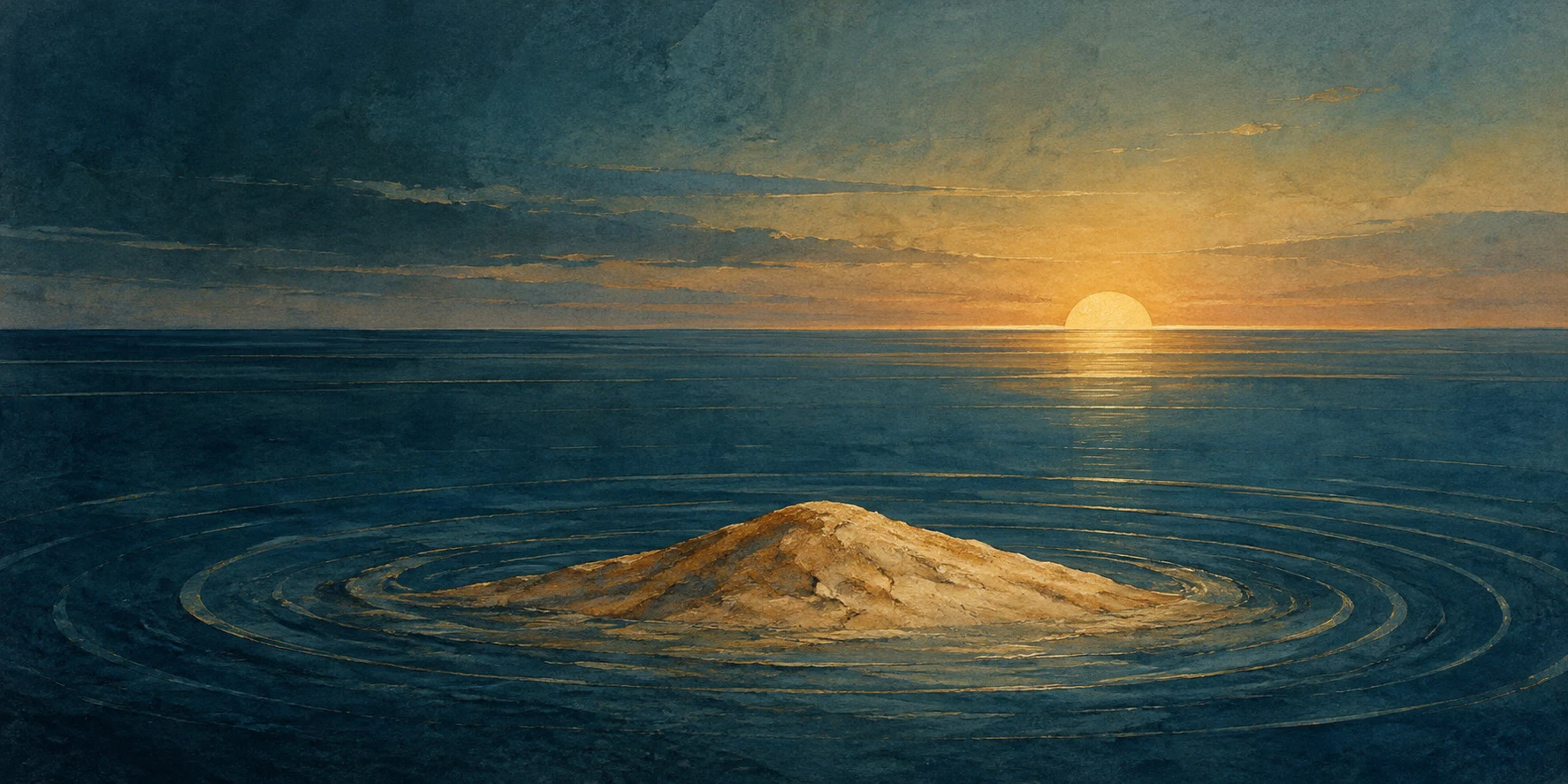
Modern conceptual illustration of primeval water, an emerging mound and sunrise; neither an excavated Egyptian artifact nor a reconstruction of one text. © IL Archive, CC0
Entity
Primeval waters in several Egyptian traditions, sometimes personified as a god; connected with creation, divine parenthood, and solar renewal, rather than one uniform Egyptian cosmogony or absolute nothingness.
Name variants: Egyptian Nun, primeval Nun
Context and sources →
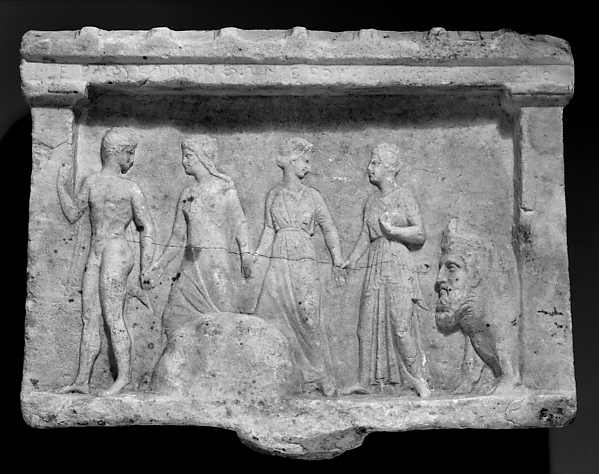
Hermes leading three nymphs, with the river god Acheloös, on a marble relief of about 320–300 BCE; Met 25.78.59. Evidence for nymphs in Greek art and votive practice
Entity
Divine figures associated with natural places in Greek poetry, such as springs and groves.
Name variants: Nymphs in Greek poetry
Context and sources →
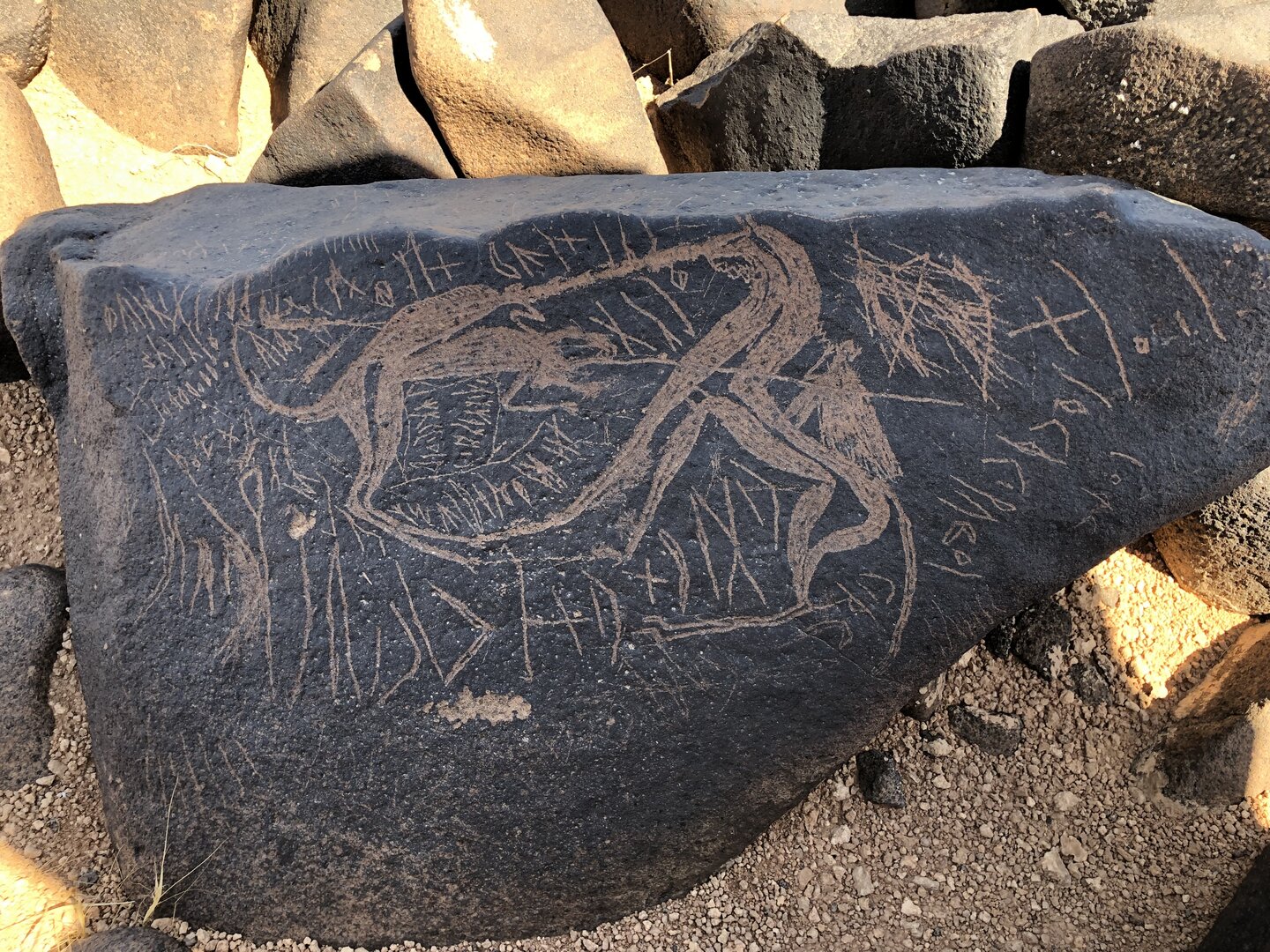
BES19s 77.1, Firʿ Wadi al-Khudari, Mafraq, Jordan. Its reading invokes Allat and then Allah. This photograph shows stone and writing; animal and human drawings are not identified as depictions of these deities. Original preserved without cropping or alteration
Entity
OCIANA is an evolving academic database of ancient North Arabian inscriptions, with edited transliterations, translations, commentary, references, photographs and provenance; not a substitute for the stones.
Name variants: OCIANA, Online Corpus of the Inscriptions of Ancient North Arabia
Context and sources →
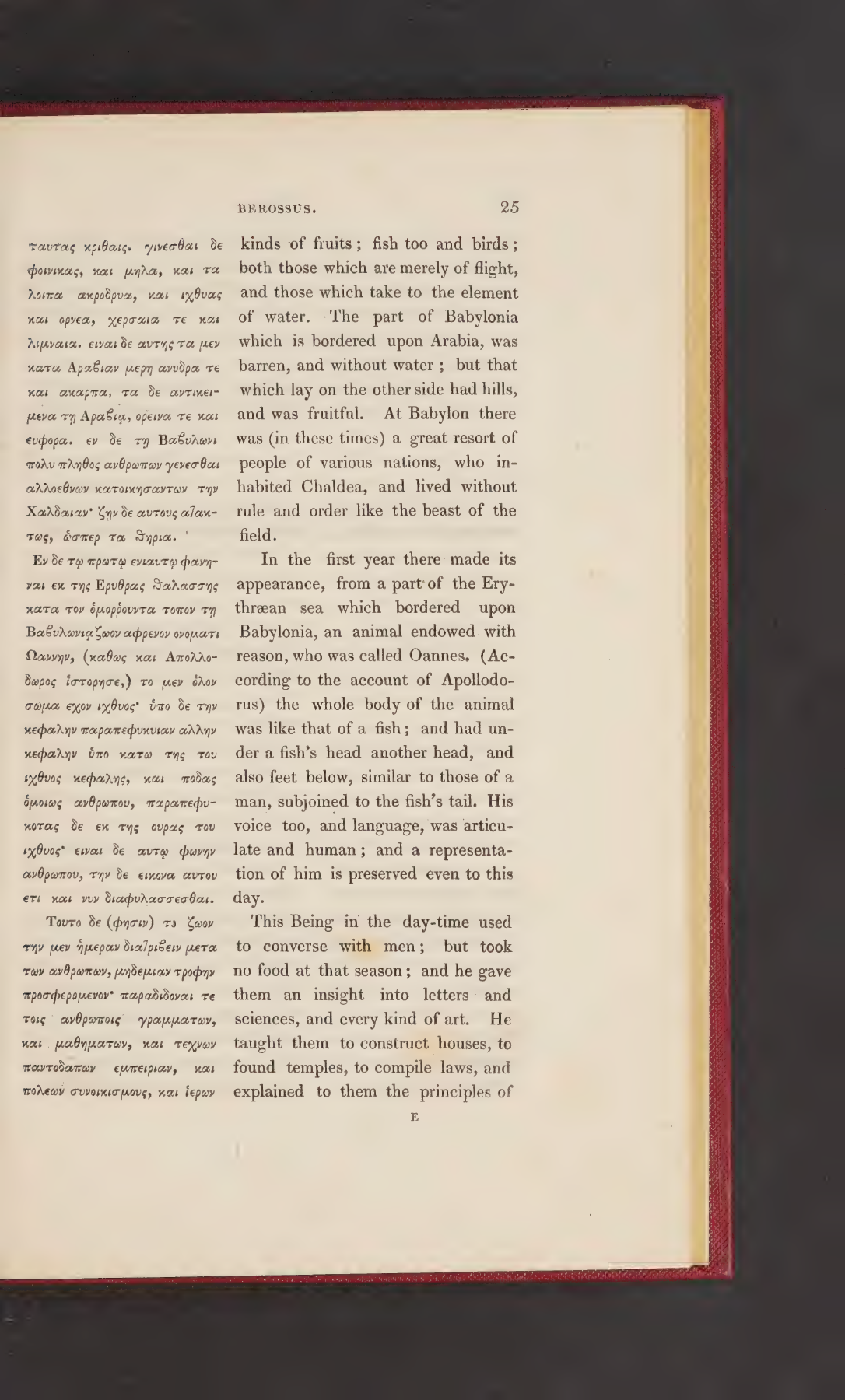
Description of Oannes in the Berossus fragment transmitted through Polyhistor, Cory’s edition, London, 1828, p. 25. A modern Greek-and-English edition of the transmitted text
Person
Oannes is a teacher in the narrative attributed to Berossus, a Babylonian author writing in Greek in the third century BCE. He emerges from the sea in a combined fish-and-human form, teaches writing, arts, laws and agriculture, and returns to the sea at night.
Name variants: Oannes
Context and sources →