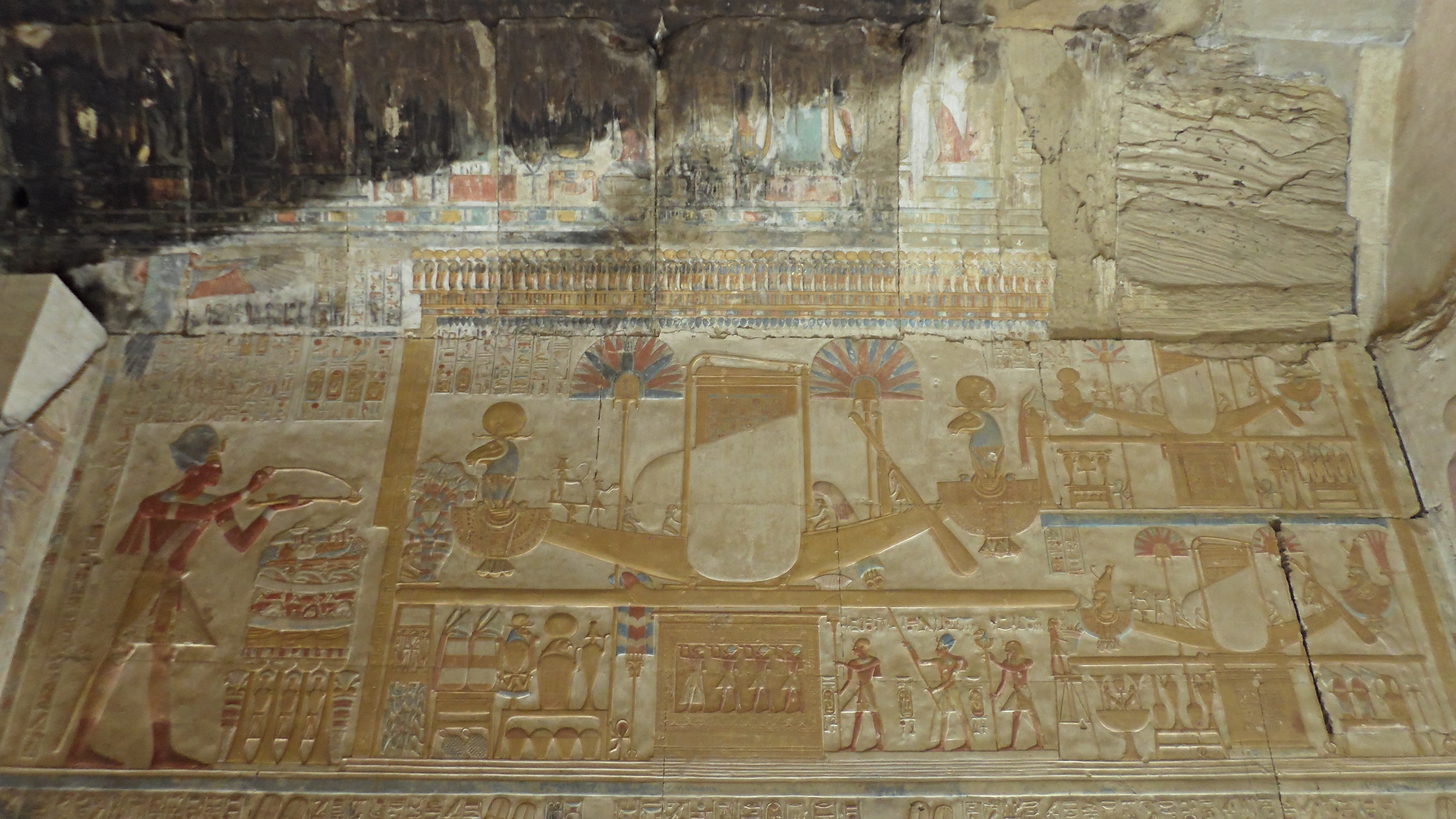
Reliefs of the ritual barks of Amun, Khonsu, and Mut; Amun chapel, Seti I temple, Abydos. Egyptian comparison, not the Ark or proof of its derivation
Entity
Portable sacred chest in the Hebrew Bible, associated with the covenant tablets and divine presence. Descriptions and roles differ in Exodus, Deuteronomy, Samuel, and Kings. It is distinct from Noah’s vessel.
Name variants: Ark of the Covenant, Ark of the Testimony
Context and sources →
Person
Historian of ancient Judaism and maître de conférences émérite at EPHE–PSL, examining how definitions of monotheism affect its dating.
Name variants: Arnaud Sérandour
Context and sources →
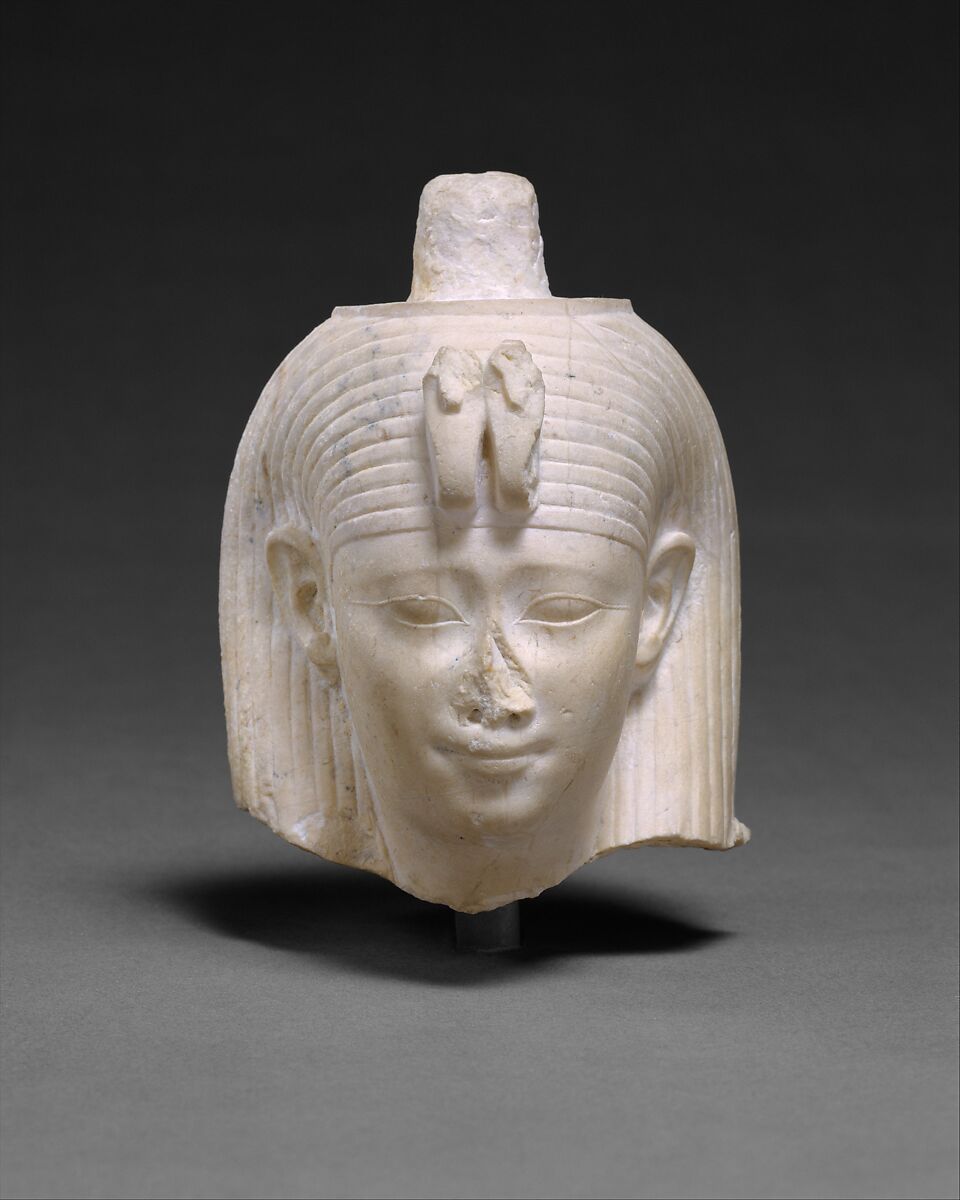
Limestone head attributed to Arsinoe II, 278–270 BCE, The Met 38.10. The dates refer to the object; its identification with the queen is tentative
Person
Third-century BCE Ptolemaic queen, sister-wife of Ptolemy II, represented on royal coinage.
Name variants: Arsinoe II
Context and sources →
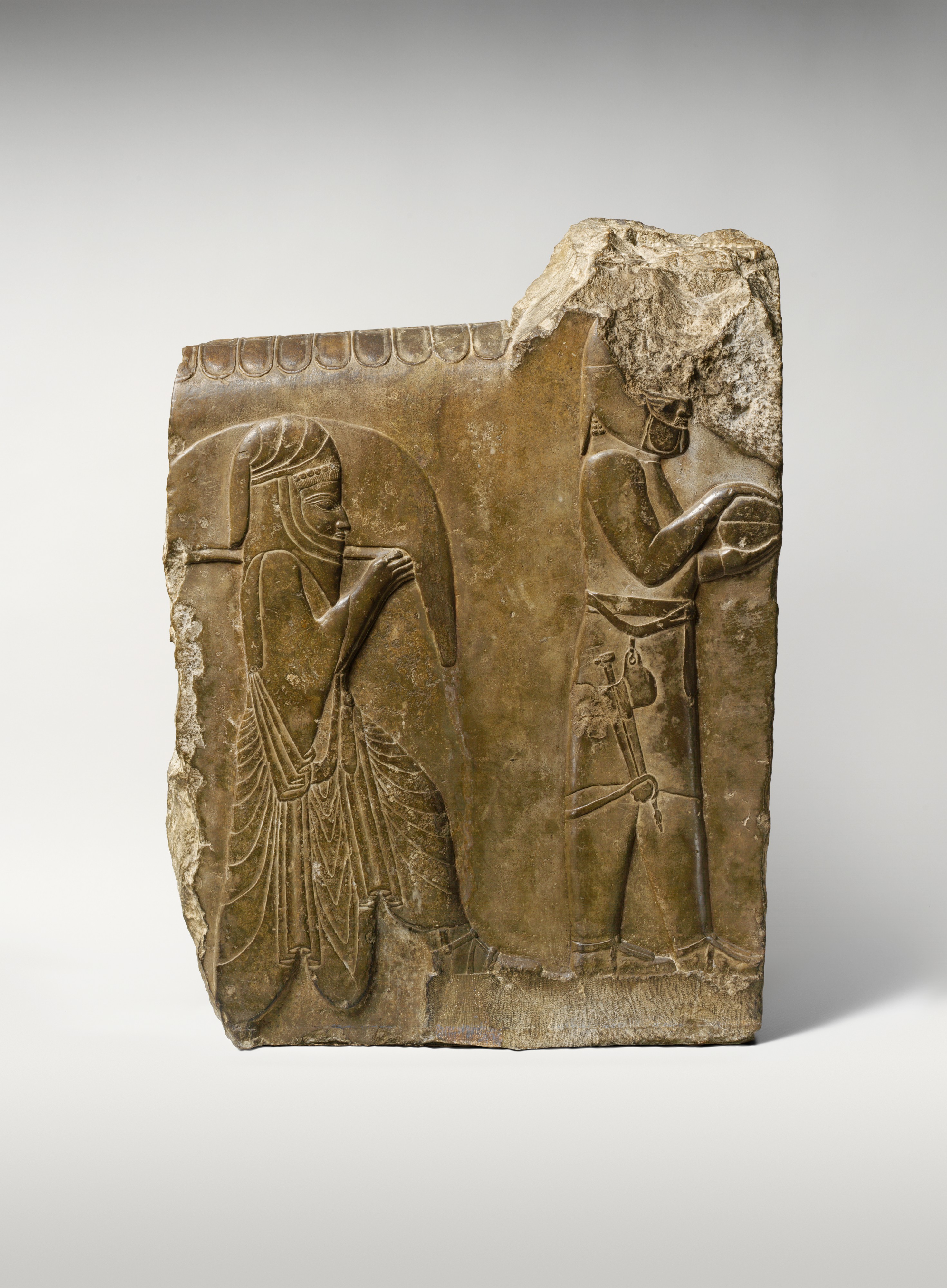
Servants carrying food and drink,Persepolis,about 358–338 BCE,assigned by the museum to ArtaxerxesIII’s reign; Met 34.158. An artifact of his period, not his portrait
Person
Fourth-century BCE Achaemenid king, more than a century after Xerxes I; the museum assigns the servants relief to his reign.
Name variants: Artaxerxes III
Context and sources →
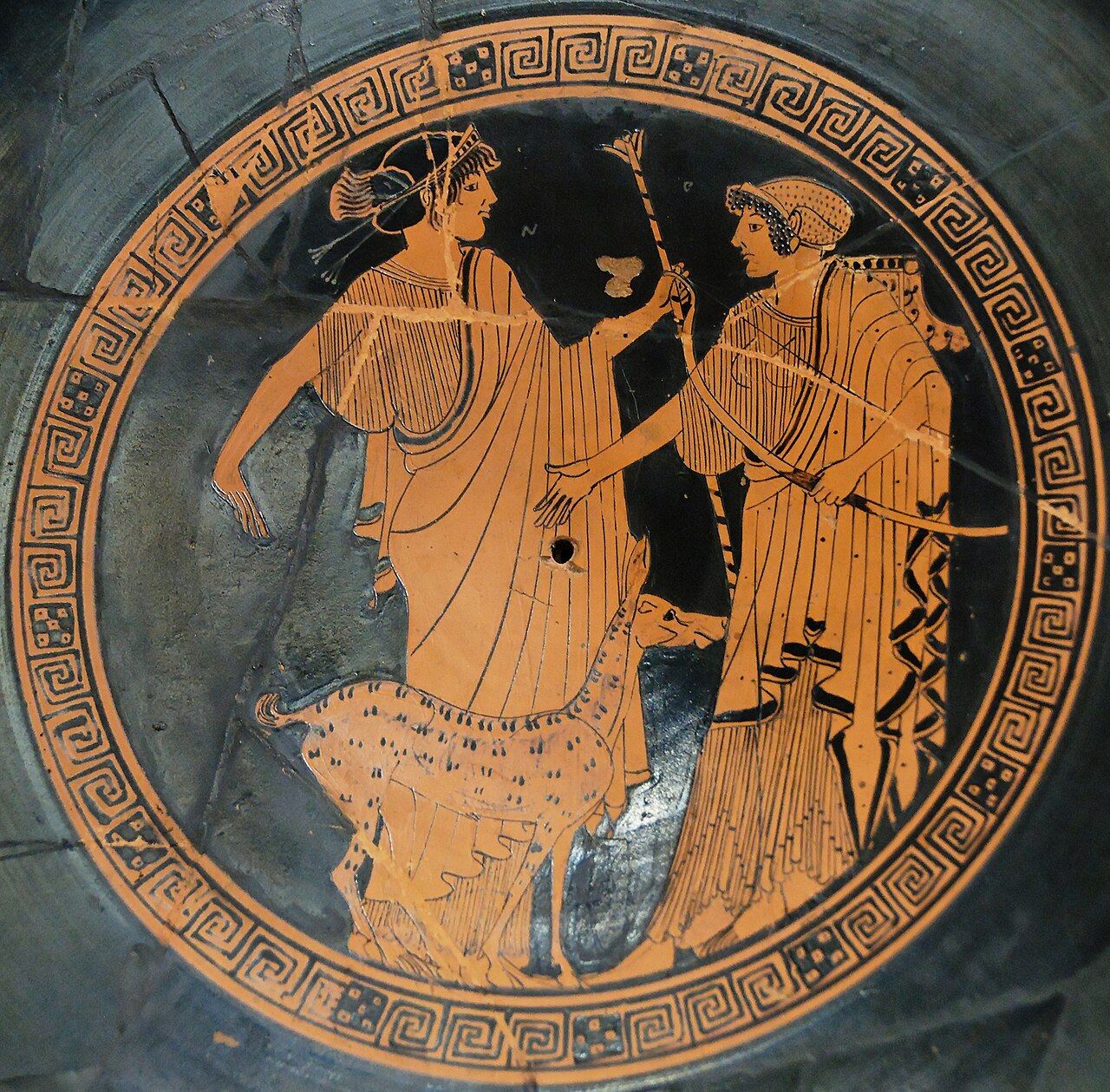
Apollo and Artemis with a deer inside an Attic cup of about 470 BCE; Louvre Cp 1005 / G 151. Archaeological evidence for representations of the two deities
Entity
Goddess of hunting in Greek traditions and Apollo’s sister, named among the divine company in the Iliad.
Name variants: Artemis
Context and sources →
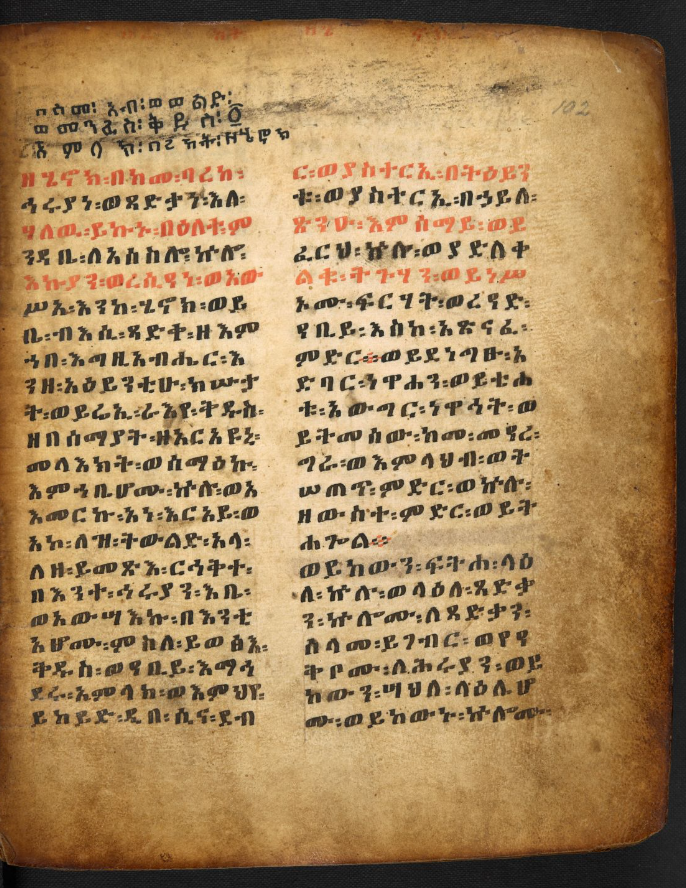
Beginning of First Enoch in Geʽez, British Library Or. 485, fol. 102r, sixteenth century. Evidence of the book’s transmission, not a portrait of Azazel or the page containing his punishment
Entity
Asael is a punished angelic teacher in First Enoch; Azazel is a name whose referent in the wilderness rite of Leviticus 16 is disputed. Later traditions connect them, without establishing one unchanging identity across all witnesses.
Name variants: Asael, Asahel, Azazel
Context and sources →
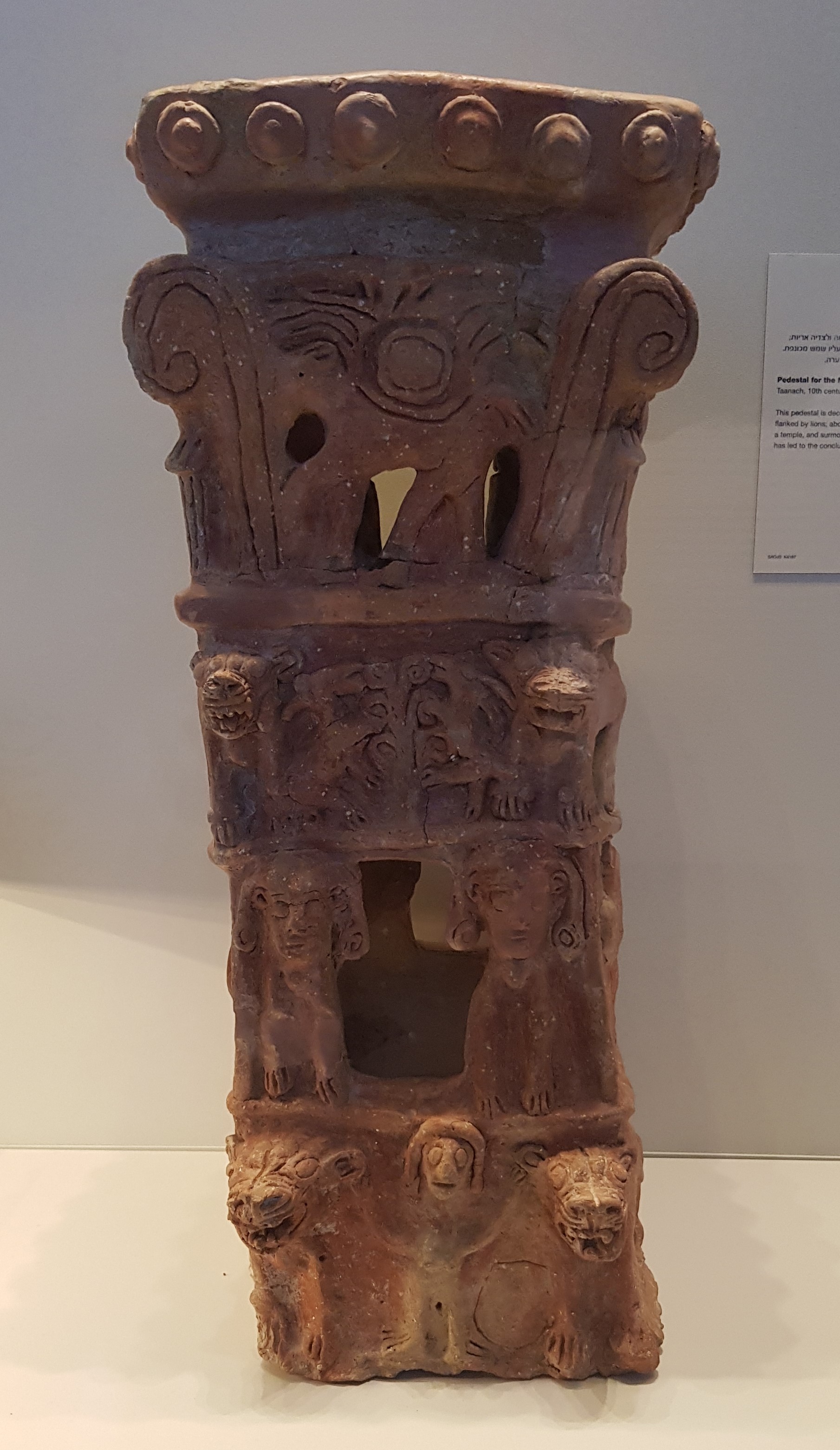
Ceramic cult stand from Taanach, tenth–ninth centuries BCE, Israel Museum. A tree between two animals appears in the second tier from the top. Contextual evidence of cultic imagery, not an excavated wooden asherah or a certain identification of the goddess
Entity
Asherah as a cult object or symbol, often wooden in biblical contexts; relation to the goddess and inscriptional ʾšrth remains debated.
Name variants: asherah cult symbol, asherah cult object, asherah pole
Context and sources →
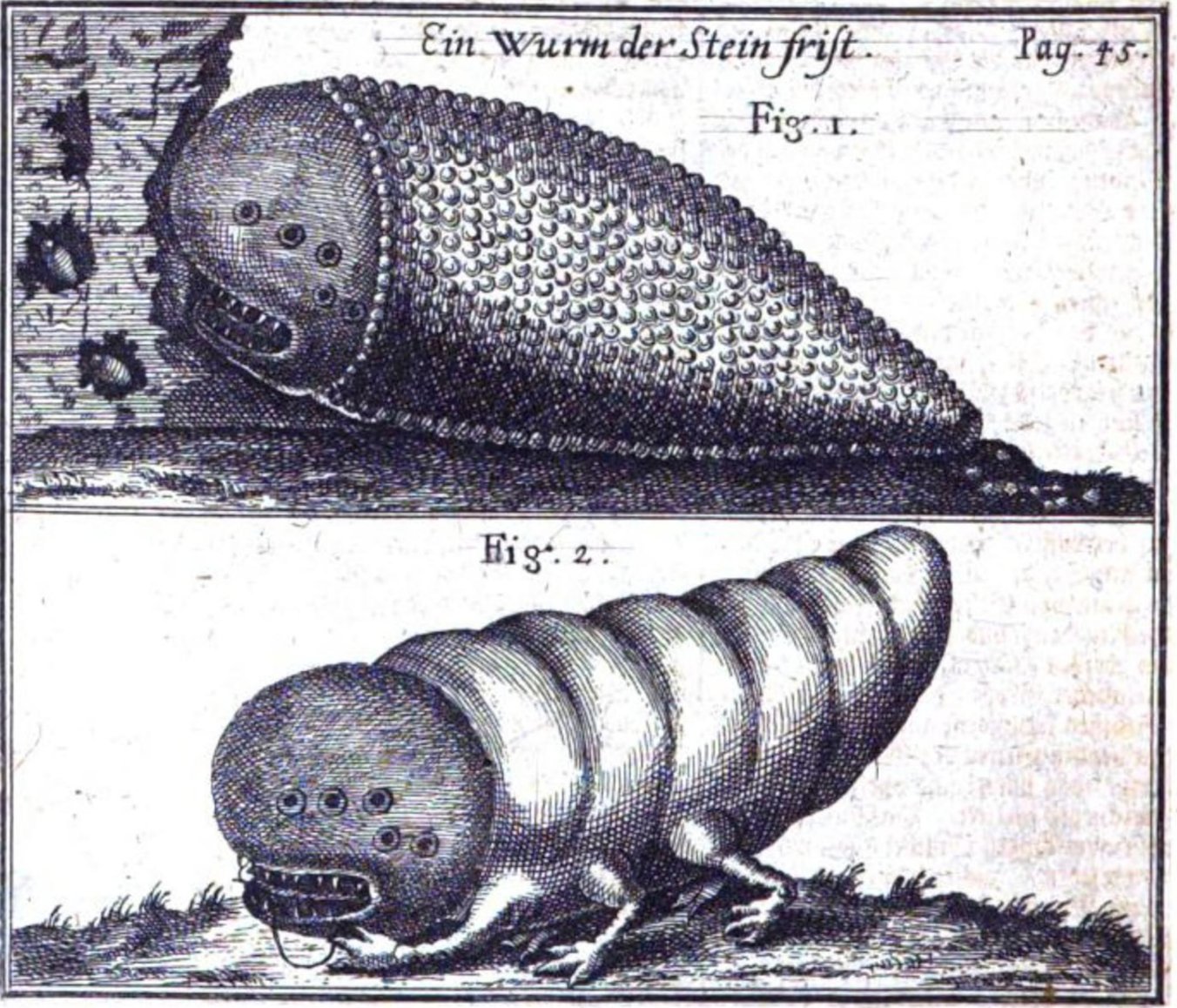
Engraving of a “worm that eats stone” from Eberhard Werner Happel's Relationes Curiosae (1707). Wikimedia Commons labels it as the shamir, the stone-cutting creature in the Talmudic story of Solomon and Ashmedai (Gittin 68a–b). It is an early modern imagining, not a picture of a real being
Entity
The 'king of demons' in the Babylonian Talmud's Gittin 68 story about Solomon and the shamir.
Name variants: Ashmedai
Context and sources →
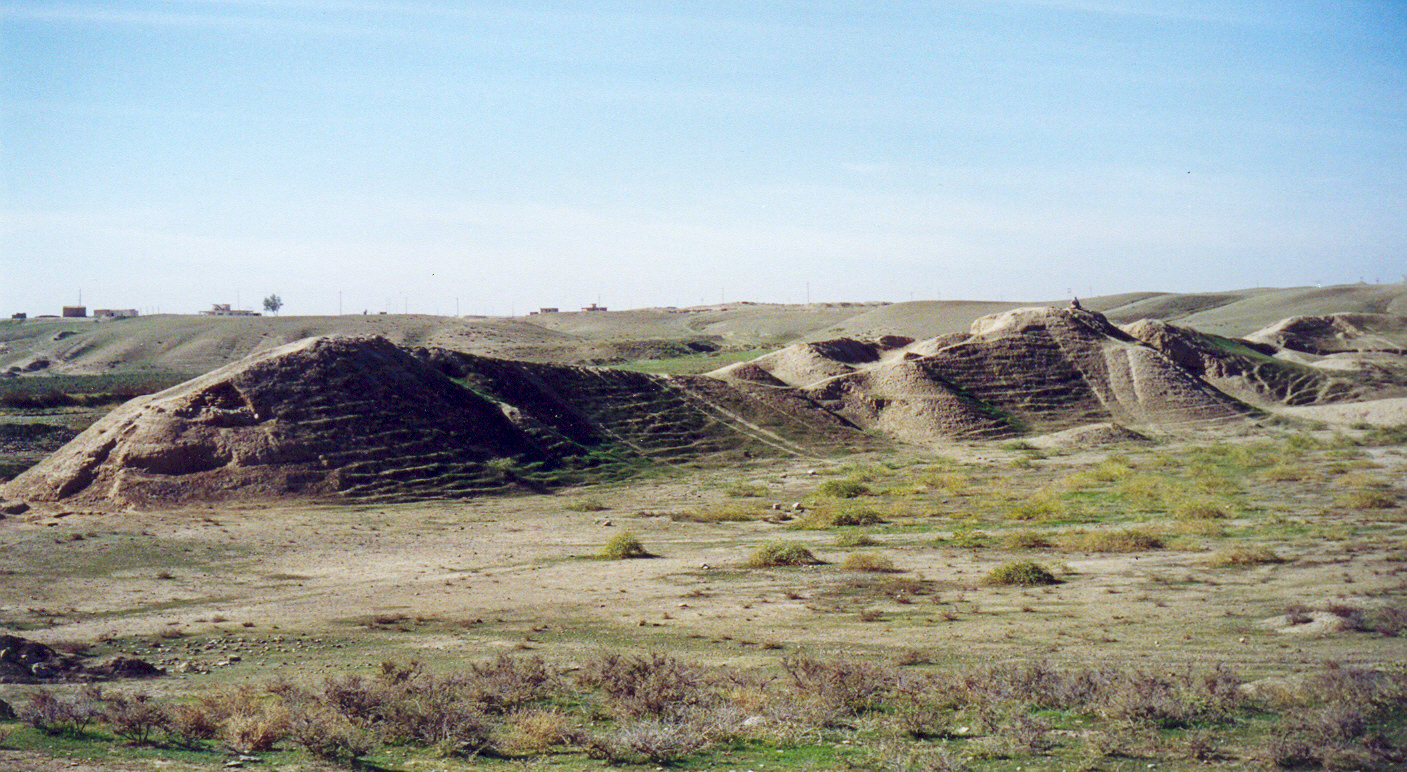
Archaeological remains at Ashur, Qal’at Sherqat, Iraq, photographed by Véronique Dauge for UNESCO. Capture date unestablished; a site view, not the Assyrian law tablet
Site
Ancient Tigris city in Iraq, an Assyrian political and religious centre.
Name variants: Ashur, Assur, Qal’at Sherqat
Context and sources →
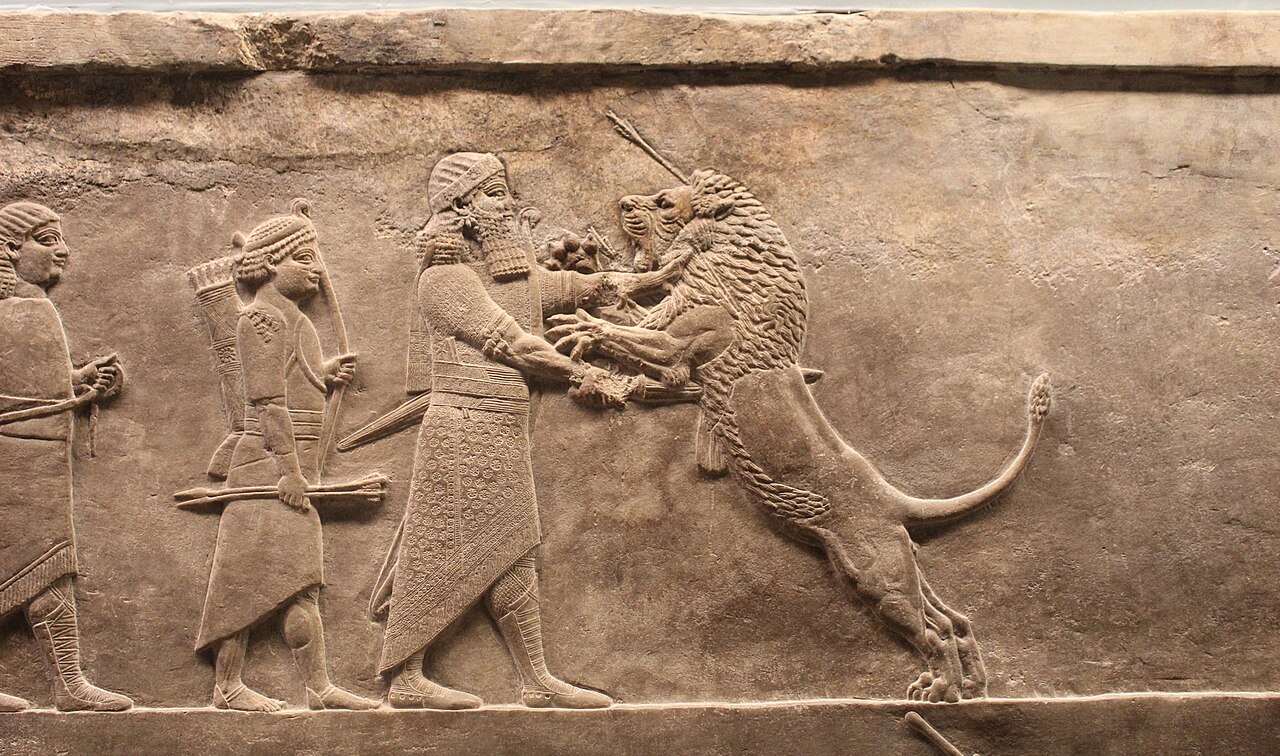
Ashurbanipal stabs a lion in a relief from the North Palace at Nineveh, around 645–635 BCE, now in the British Museum. Attendants accompany the king in this royal hunting scene. Photograph taken on 9 March 2020
Person
Ashurbanipal was an Assyrian king of the seventh century BCE, reigning about 668–631 BCE
Name variants: Ashurbanipal, Assurbanipal
Context and sources →
Person
Hebrew Bible scholar of authority and ritual, proposing an interpretation of the suspected wife’s impurity.
Name variants: Aslan Cohen Mizrahi
Context and sources →
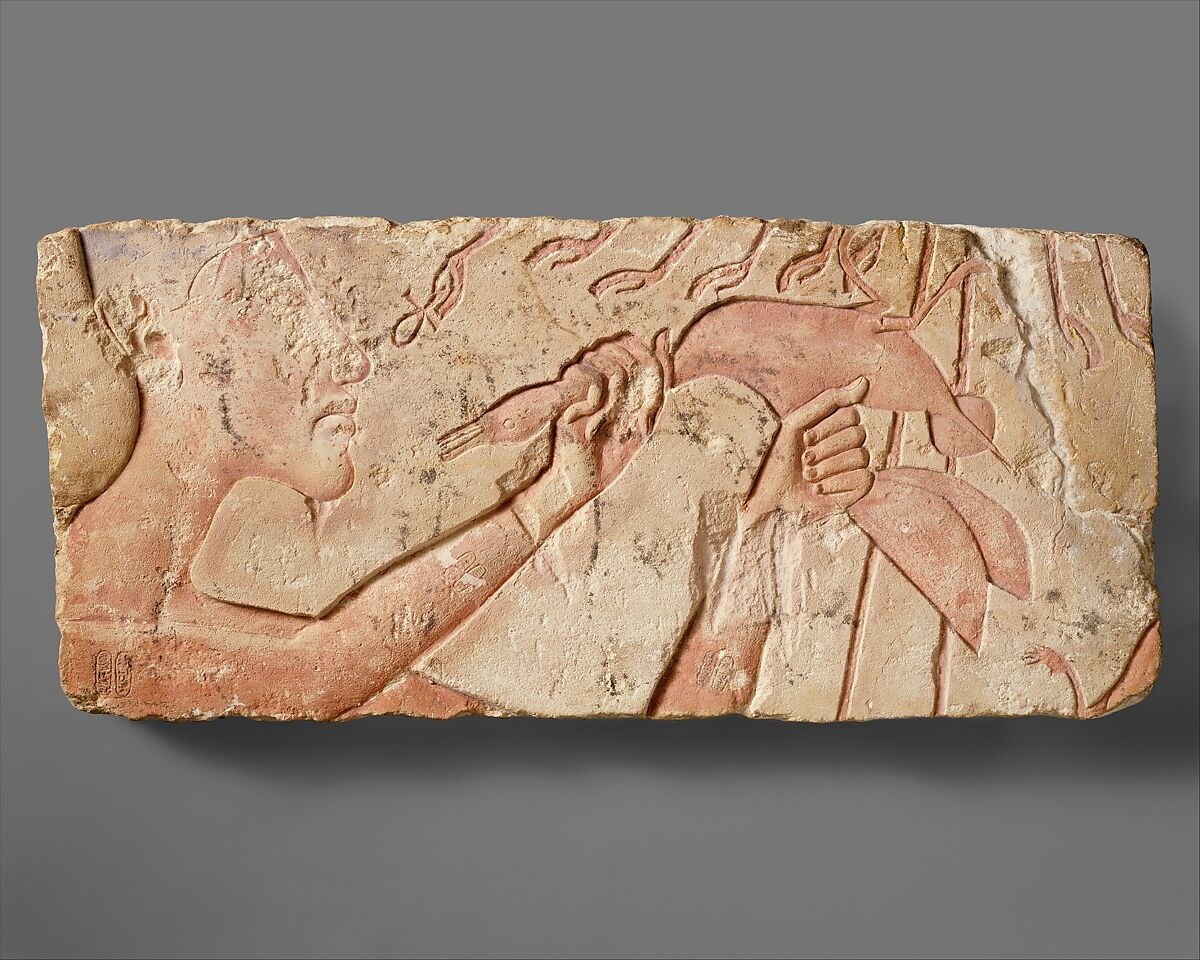
Akhenaten offering a duck, limestone relief with paint, Dynasty 18, The Met 1985.328.2. Aten rays and hands survive; the complete disk is not preserved here. The museum gives a probable Amarna origin. Original preserved; display copy uncropped
Entity
Aten is the solar disk and the divine power associated with its light in ancient Egypt. Akhenaten made Aten the exclusive focus of his official cult; Amarna reliefs show rays ending in hands, while household finds reveal other religious practices.
Name variants: Aten, Aton
Context and sources →
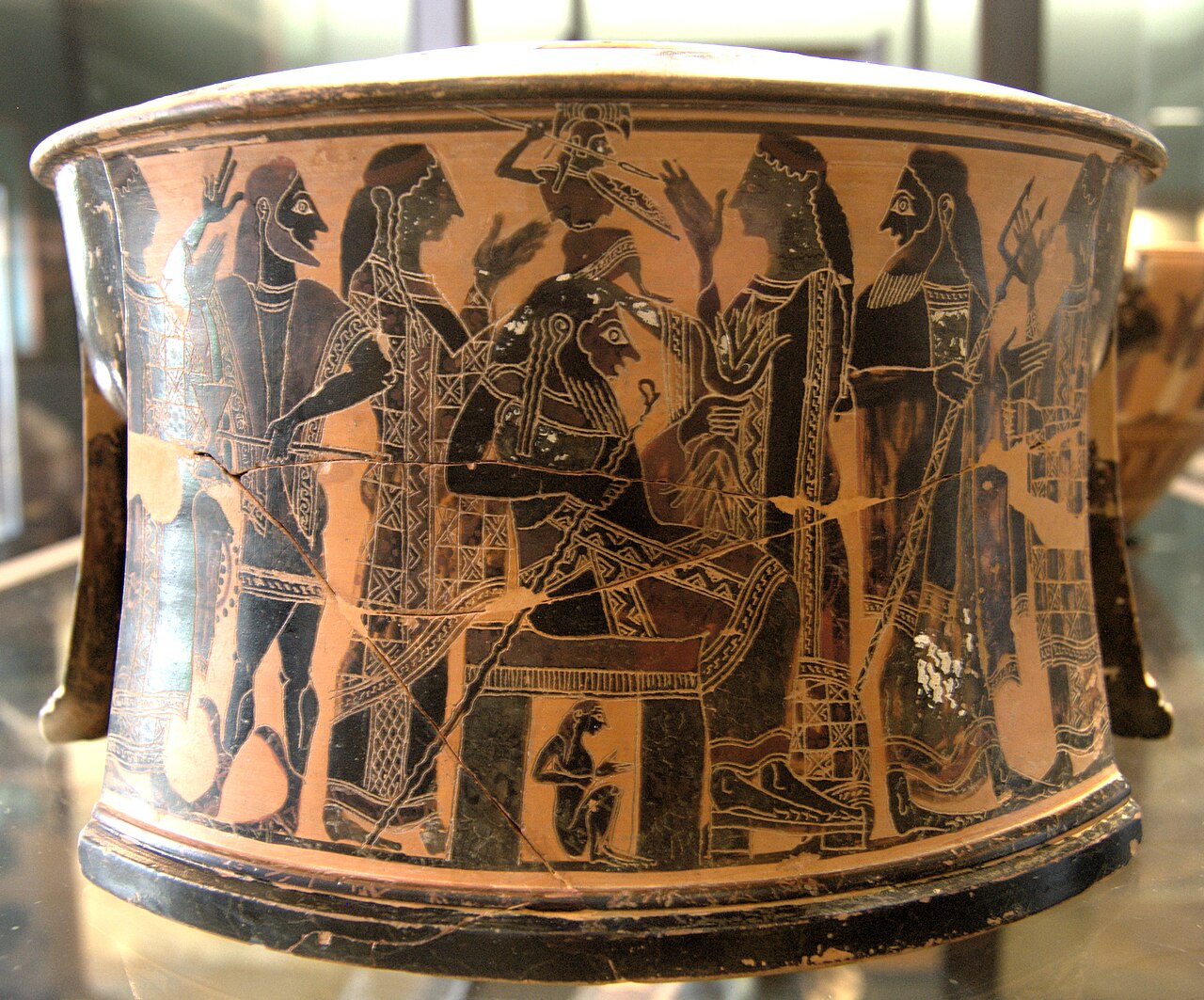
Athena’s birth from Zeus’s head on an Attic vessel, about 570–560 BCE, Louvre CA 616. Bibi Saint-Pol, 1 June 2007. An ancient artistic witness; the museum records restorations to the vessel
Entity
Greek goddess associated in Hesiod with Zeus, Metis and birth from the head.
Name variants: Athena
Context and sources →
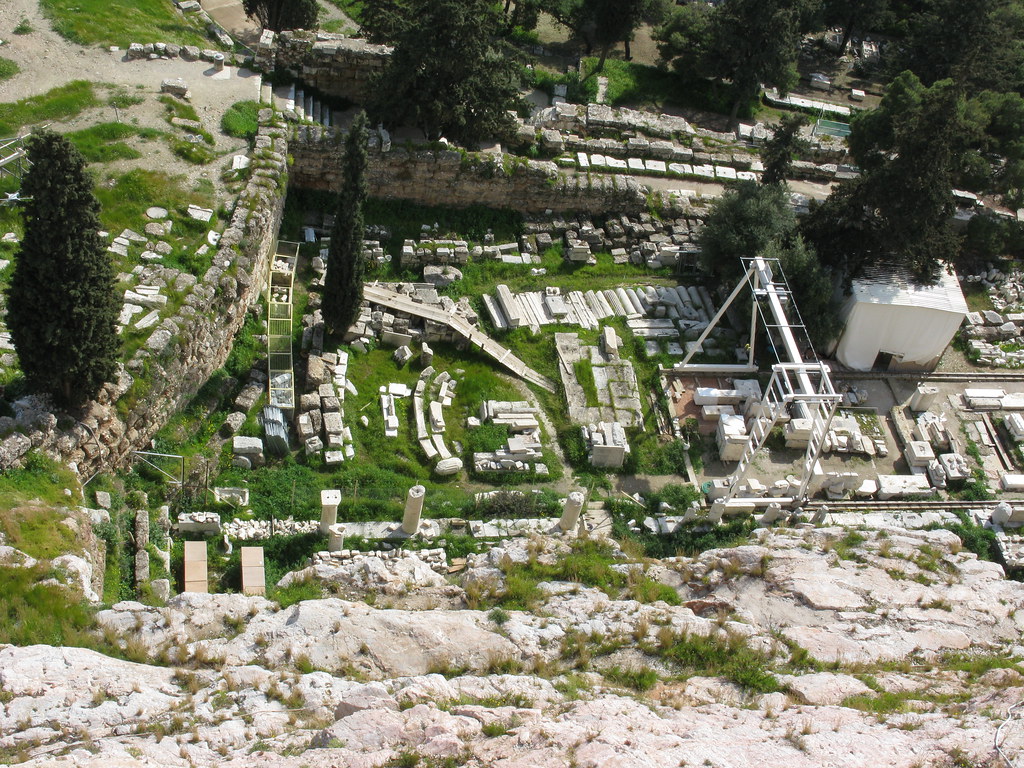
Athens: Asklepieion remains on the Acropolis’s south slope,22 March2009. Archaeological layers and modern conservation structures, not an Adonia ritual
Site
Athens is a Greek city renowned in antiquity for philosophy, arts and political institutions, preserving the Acropolis and monuments from several periods.
Name variants: Athens
Context and sources →
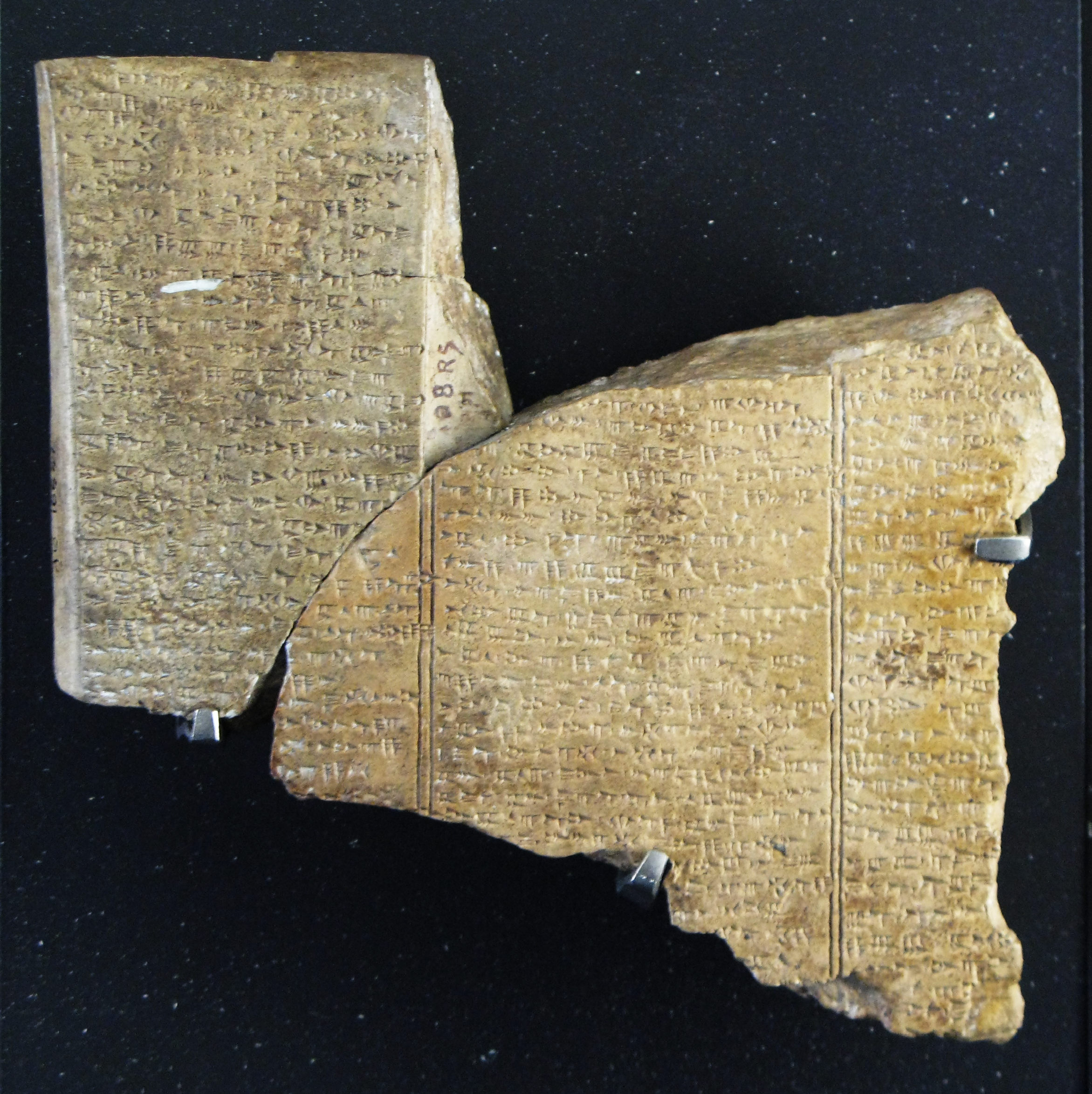
Baal Cycle tablet AO 16641 and AO 16642, from Ugarit, about 1400–1200 BCE; Louvre Museum. Context for the literature in which Athirat appears, not a depiction of the goddess. It preserves KTU 1.5, not the palace and seventy-sons passage in KTU 1.4 discussed here
Entity
A prominent goddess commonly understood as El’s consort in Ugaritic texts; she bears the progenitress epithet and intercedes for Baal’s palace.
Name variants: Athirat, Asherah
Context and sources →
Modern AI-generated expressive image of symbolic mountains, ruins and a star; neither a scholarly reconstruction of Saphon or Athtar’s temple at Barāqish nor a photograph of an ancient object
Entity
Deity who tries Baal’s throne in a Ugaritic myth and descends; the name Athtar also occurs in ancient South Arabian inscriptions and local cults. The text does not describe a revolt against El.
Name variants: Athtar, ʿAthtar, ʿAṯtar
Context and sources →
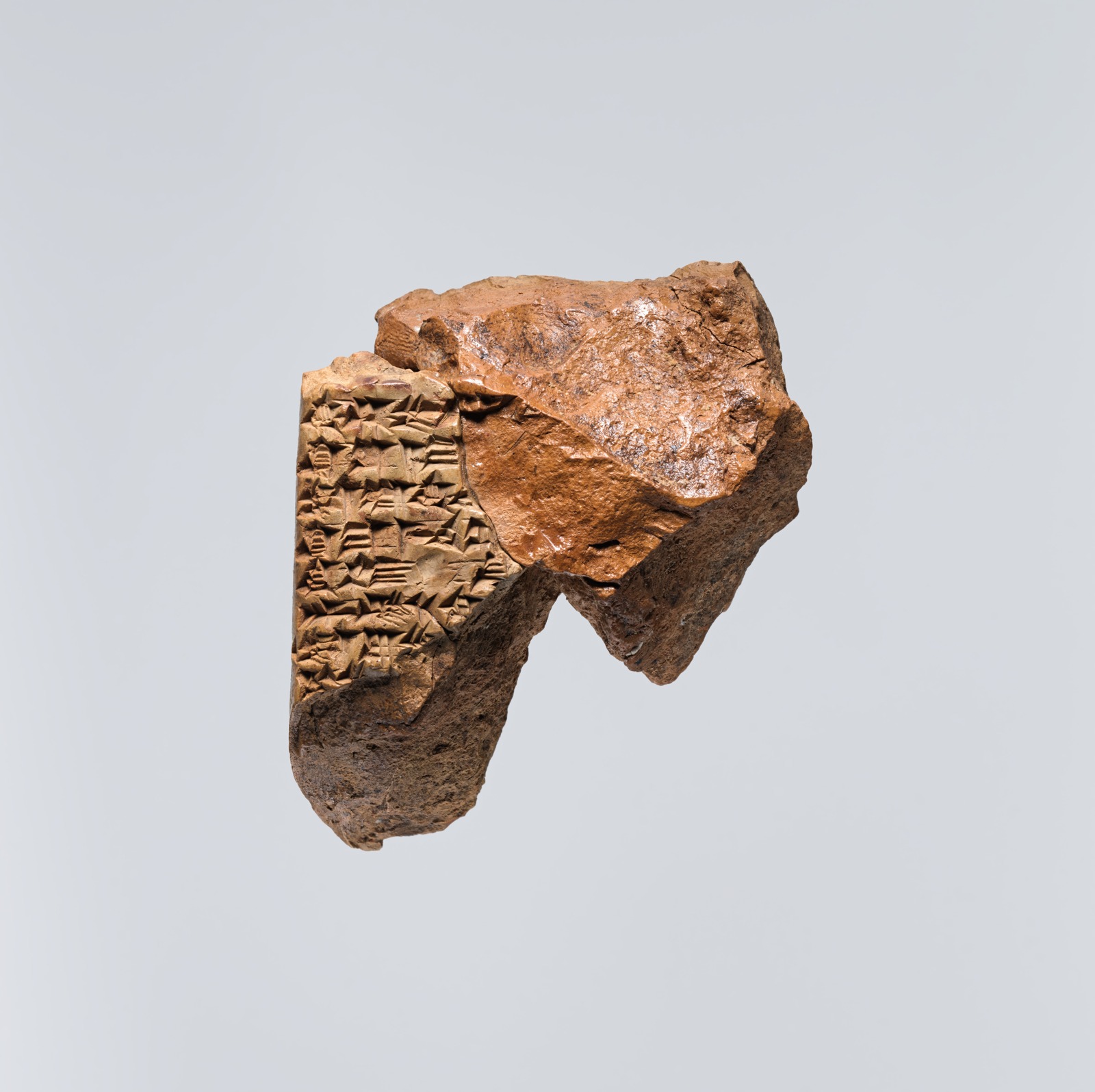
Cuneiform fragment of the Atrahasis tradition, Mesopotamia, c. seventh–sixth centuries BCE; Met 86.11.378a. A later copy, not the Old Babylonian manuscript or Gilgamesh K.3375. Original preserved; resized without cropping
Entity
Akkadian narrative on human creation, relations with the gods and the flood, named for its survivor warned by Enki. Its surviving manuscripts differ in date and preservation; its hero must not be equated uncritically with every Utnapishtim version.
Name variants: Atrahasis, Atra-hasis, Atrahasis epic
Context and sources →
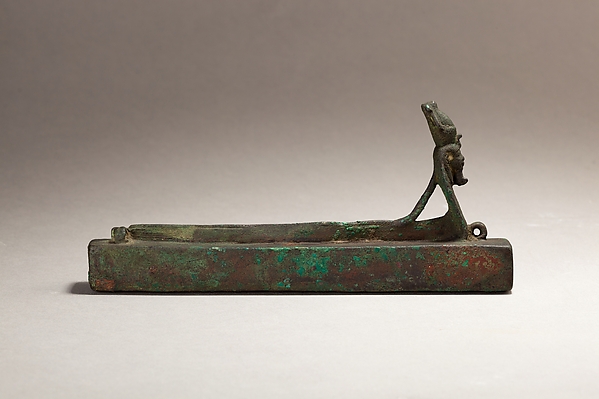
Atum as a human-headed cobra above an animal-mummy box. Made of cupreous metal, the object is dated by the Met to 664–30 BCE; inventory 04.2.519. It illustrates one of the god’s forms in later Egyptian periods
Entity
Atum is an Egyptian creator god associated with Heliopolis
Name variants: Atum
Context and sources →

New symbolic illustration of a book in an imagined setting; neither Augustine, Hippo, nor a documented historical manuscript is depicted
Person
Fourth- and fifth-century Christian author describing his changing grasp of nonspatial divine presence.
Name variants: Augustine, Augustine of Hippo
Context and sources →
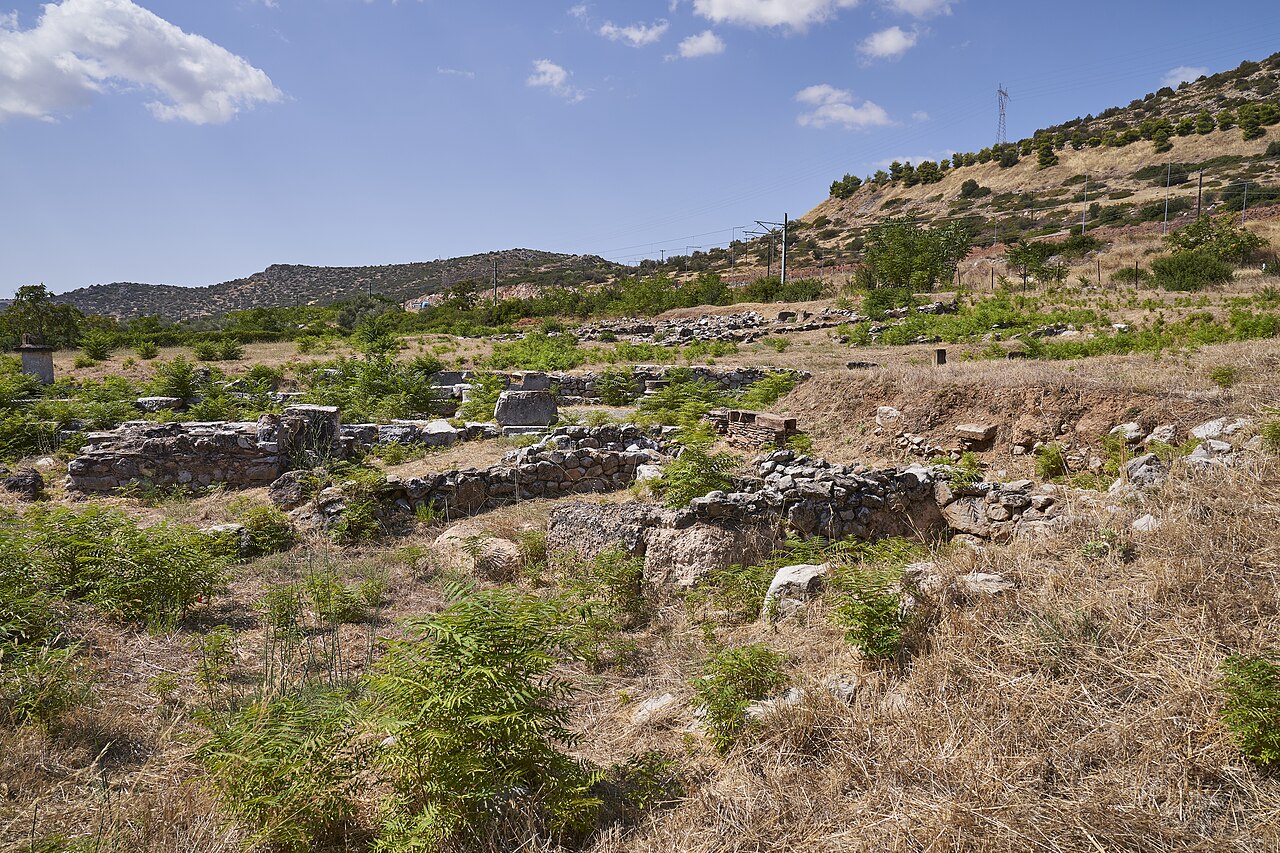
Artemis sanctuary remains at Aulis, Greece; George E. Koronaios, 2021. Evidence for a cult site, not for Iphigenia's episode
Site
Ancient place on the Boeotian coast near the Euripus Strait in Greece; setting of Iphigenia's Greek story and site of a fifth-century BCE Artemis temple.
Name variants: Aulida
Context and sources →
Person
Archaeologist and art historian whose research includes prehistoric Near Eastern human figurines, their contexts and gender.
Name variants: Aurélie Daems, Aurelie Daems
Context and sources →

Newly generated modern conceptual cover: flame and light in an imagined landscape evoke ritual memory and transmission. It is neither an archaeological vessel, a real location nor an Avesta manuscript
Ancient text
The Zoroastrian sacred corpus in Old and Younger Avestan, containing hymns, liturgy and prayers transmitted orally before later manuscript copying.
Name variants: Avesta, Avestan corpus
Context and sources →
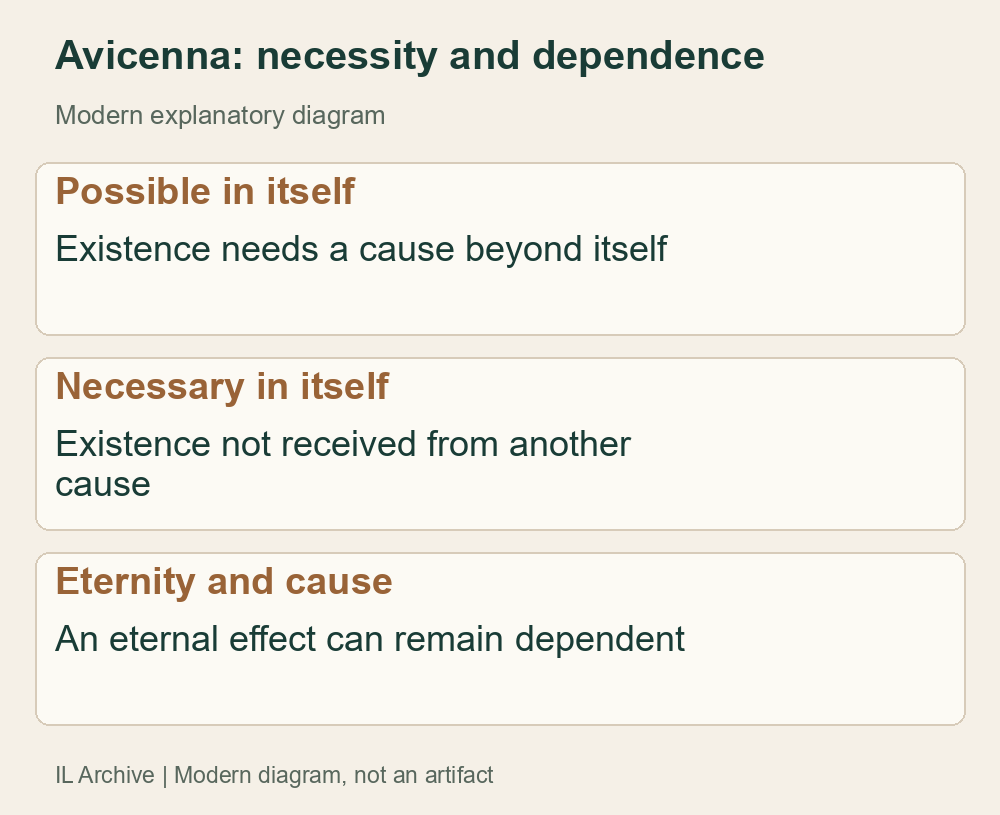
Modern diagram of ontological dependence, not a temporal sequence or portrait. The argument does not make all Islamic schools agree
Person
Avicenna (Ibn Sīnā, died 1037) was a philosopher and physician from the Bukhara milieu, active across the eastern Islamic world. His philosophical Cure and medical Canon address distinct subjects; his arguments on essence, necessity, and soul require careful reading of the texts.
Name variants: Avicenna, Ibn Sina, Ibn Sīnā
Context and sources →
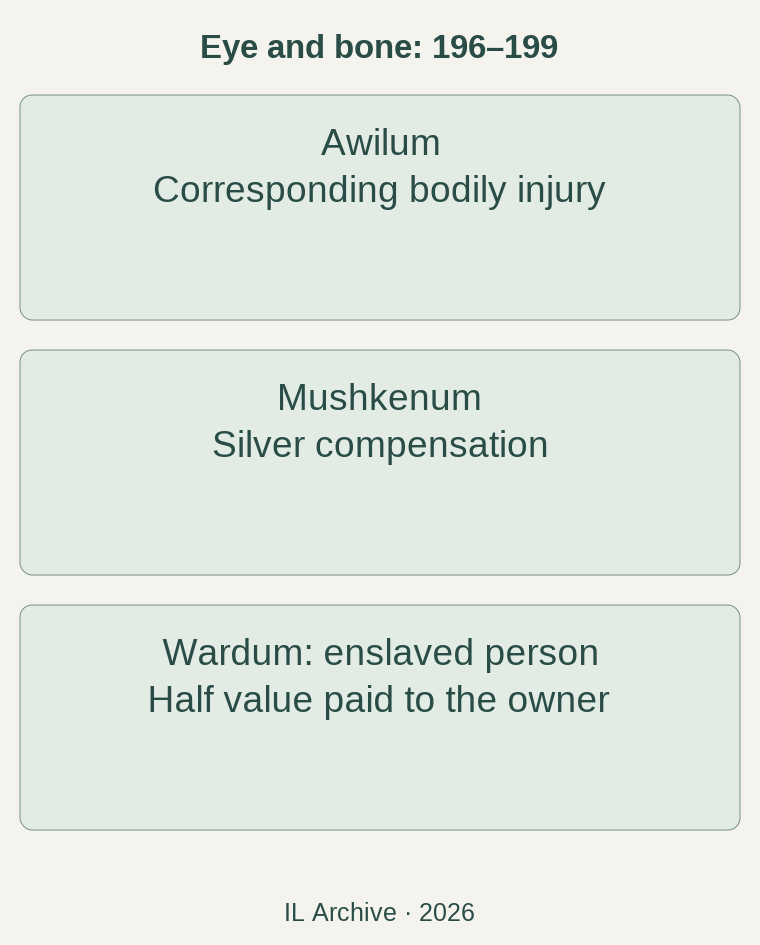
Modern diagram explaining the witness’s specified dates or provisions; not an ancient tablet, building or manuscript photograph
Entity
Akkadian legal and social categories affecting penalties and compensation in Hammurabi’s laws.
Name variants: awilum, mushkenum, wardum
Context and sources →
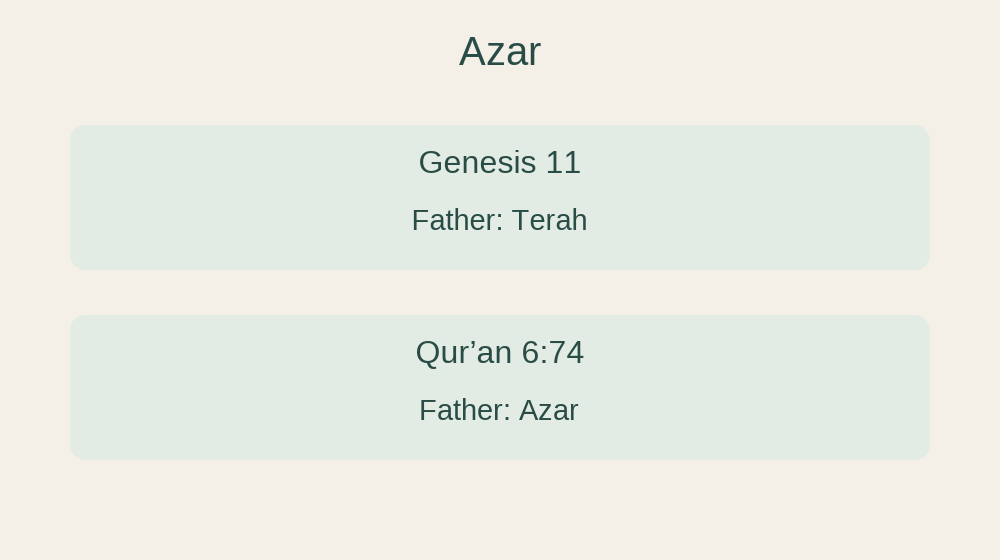
Modern comparison distinguishing what the named passages say about the figure; not a historical likeness or identification of a person behind the narrative
Person
Name in Qur’an 6:74 when Abraham addresses his father about idol worship, differing from the name Terah in Genesis.
Name variants: Azar
Context and sources →
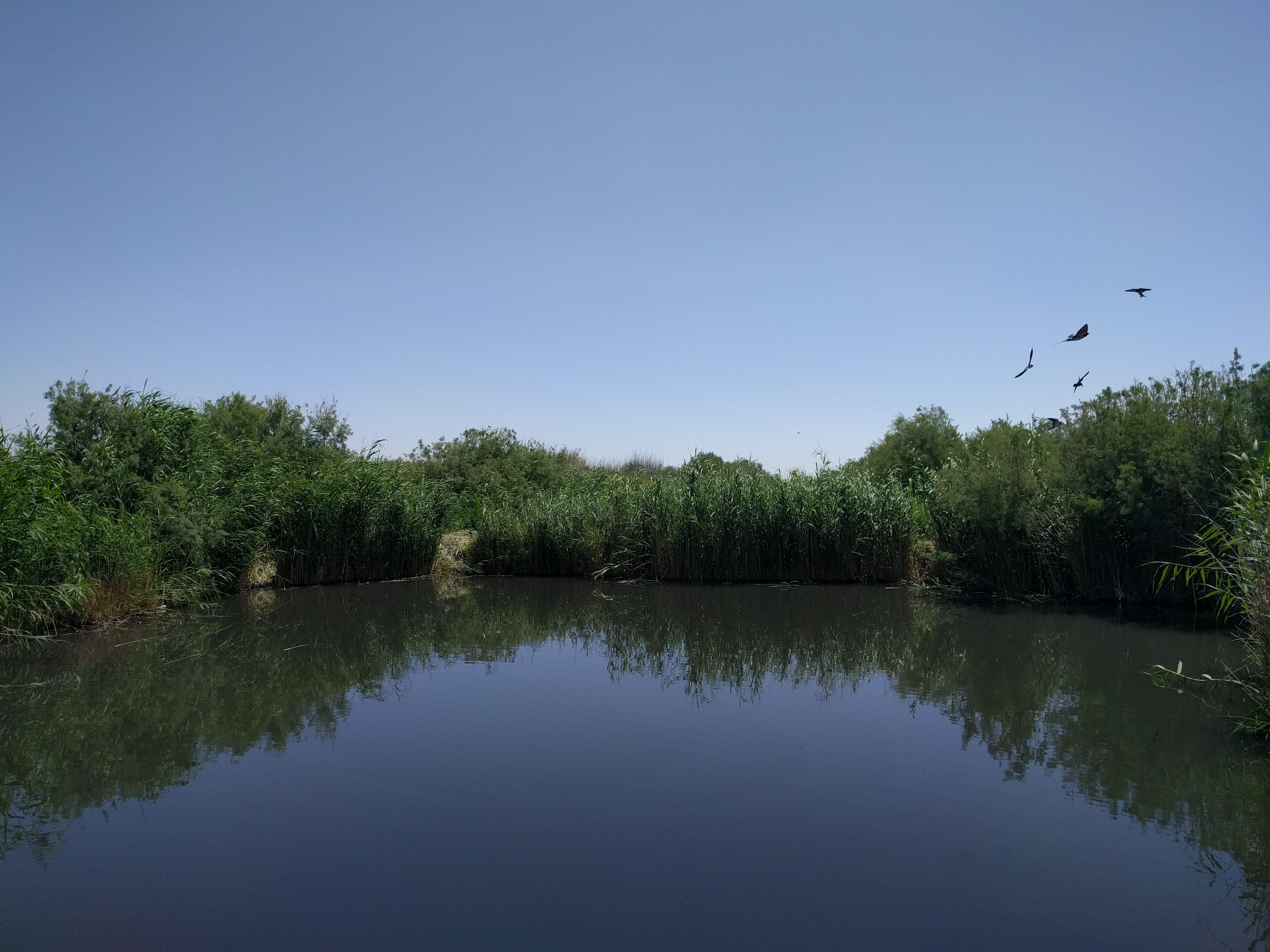
A pond in the modern Azraq Wetland Reserve. Geographic context for the oasis, not the Azraq 18 excavation or its graves, nor a reconstruction of its Natufian environment
Site
A Natufian site in eastern Jordan’s Azraq oasis; analysis of its collective grave reconstructed successive burials and later cranial treatment.
Name variants: Azraq 18, Azraq18
Context and sources →
New AI-generated conceptual image inspired by stratified mudbrick settlements near Aşıklı; not a site photograph, excavation plan, or verified archaeological reconstruction
Site
An early Neolithic settlement in central Anatolia’s Melendiz valley (c. 8350–7300 BCE), revealing rebuilding, early sheep management, selective subfloor burials, and some genetic kin ties—not a known religious doctrine.
Name variants: Aşıklı Höyük, Asikli Hoyuk, Aşıklı
Context and sources →
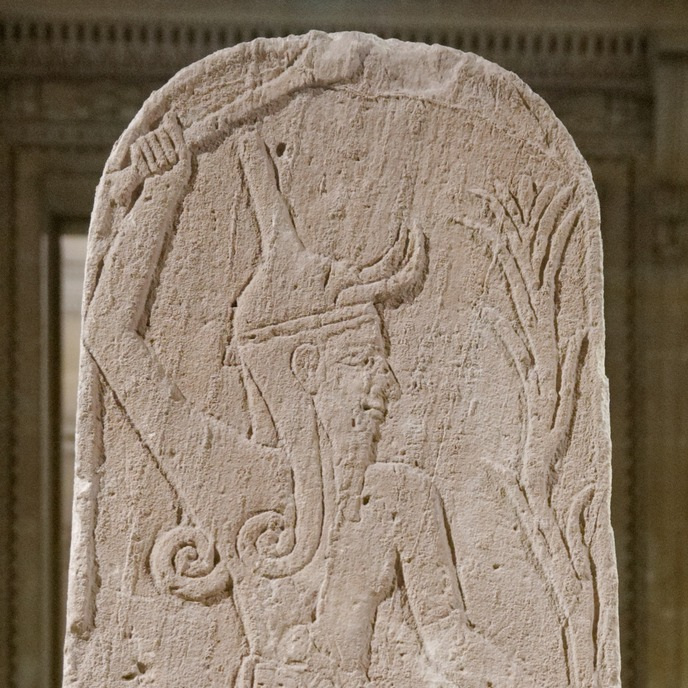
Modern photographic crop of the upper part of the Stela of Baal with Thunderbolt (Ugarit; Louvre AO 15775 / RS 4.427), highlighting the head, raised weapon and vegetal emblem; the complete stela appears in the article. Not an archaeological reconstruction
Entity
Ugaritic storm god and warrior king who defeats Yamm, builds his palace with El’s consent and confronts Mot. References to El and Dagan as fathers do not define a single genealogy.
Name variants: Baal, Baʿlu, Baal-Haddu
Context and sources →
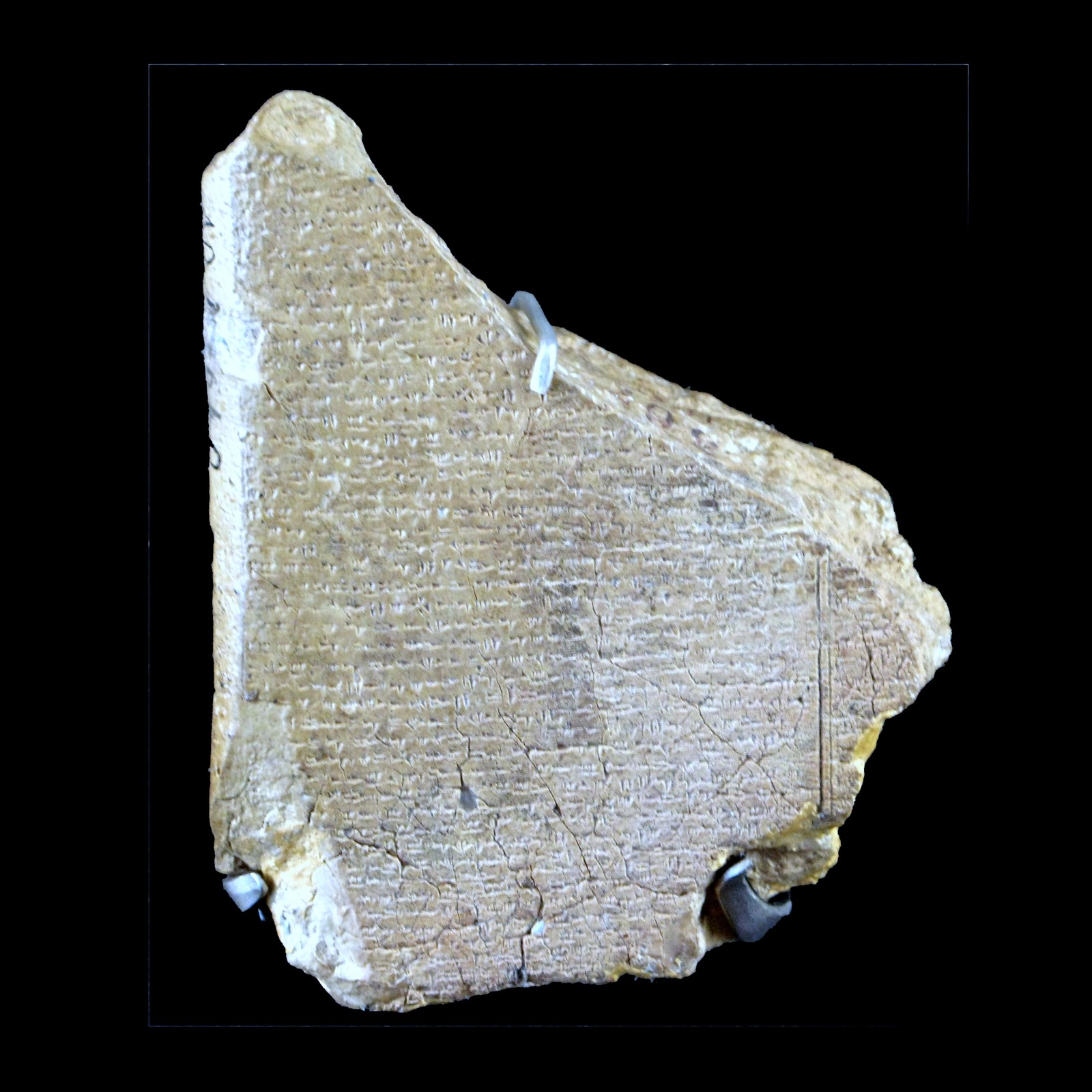
Baal Cycle tablet AO 16640 / RS 3.367 from Ugarit, about 1400–1200 BCE, associated with KTU 1.2; Louvre. Not the palace-authorization tablet KTU 1.4. A photograph of actual textual evidence, not imagined gods
Entity
A group of Late Bronze Age Ugaritic religious texts recounting Baal’s conflicts, relationships with the gods and the building of his palace.
Name variants: Baal Cycle
Context and sources →
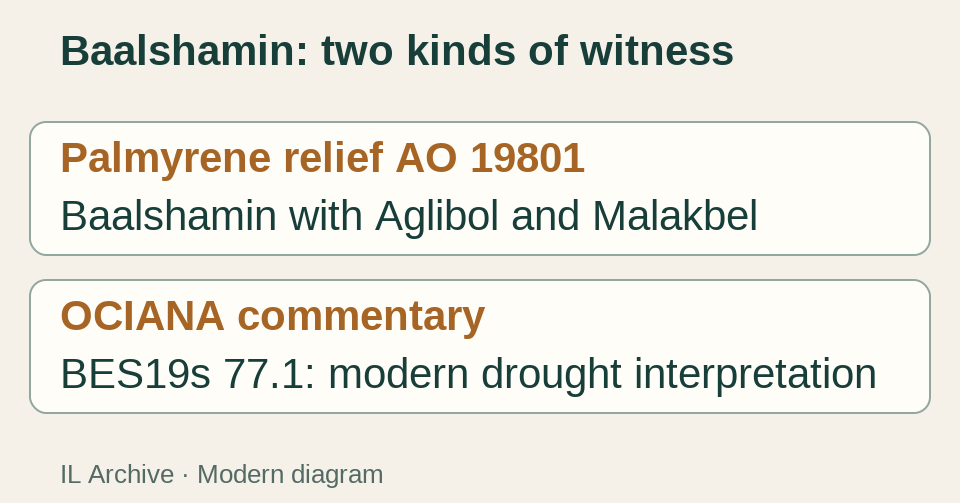
Modern explanatory diagram compares Palmyrene relief AO 19801, depicting Baalshamin with Aglibol and Malakbel, with his mention in modern drought commentary on BES19s 77.1. BES19s itself invokes Allat and Lh. This is not an ancient depiction of the deity
Entity
Celestial deity attested in the Palmyrene region of Syria; depicted with Aglibol and Malakbel in a Louvre relief.
Name variants: Baalshamin, Baal Shamin
Context and sources →
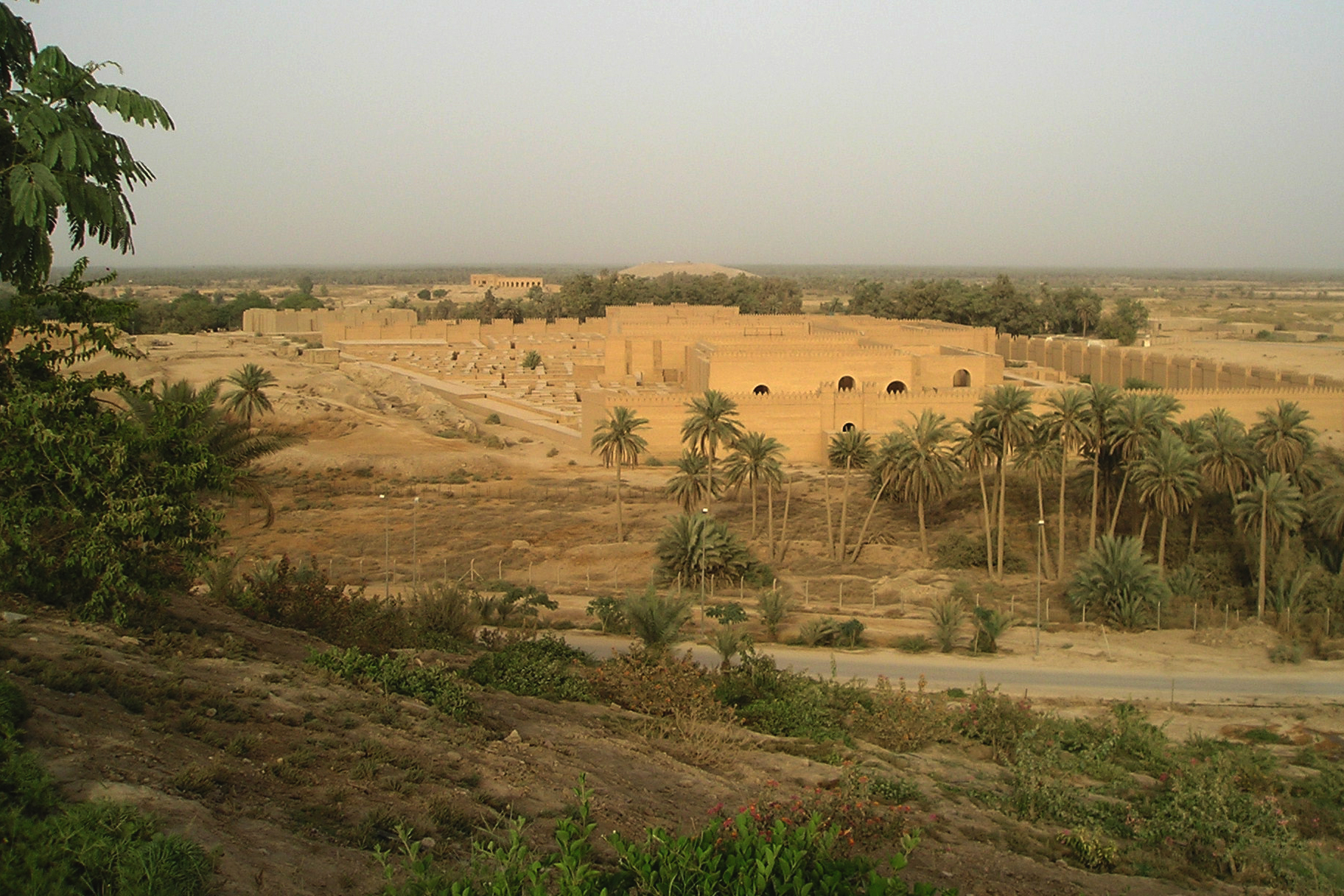
The site of Babylon in Iraq, in a photograph dated 2009 on its source page. It includes buildings reconstructed in modern times over the archaeological site, alongside the surrounding land
Site
Babylon is an ancient city in central present-day Iraq, south of Baghdad
Name variants: Babylon
Context and sources →
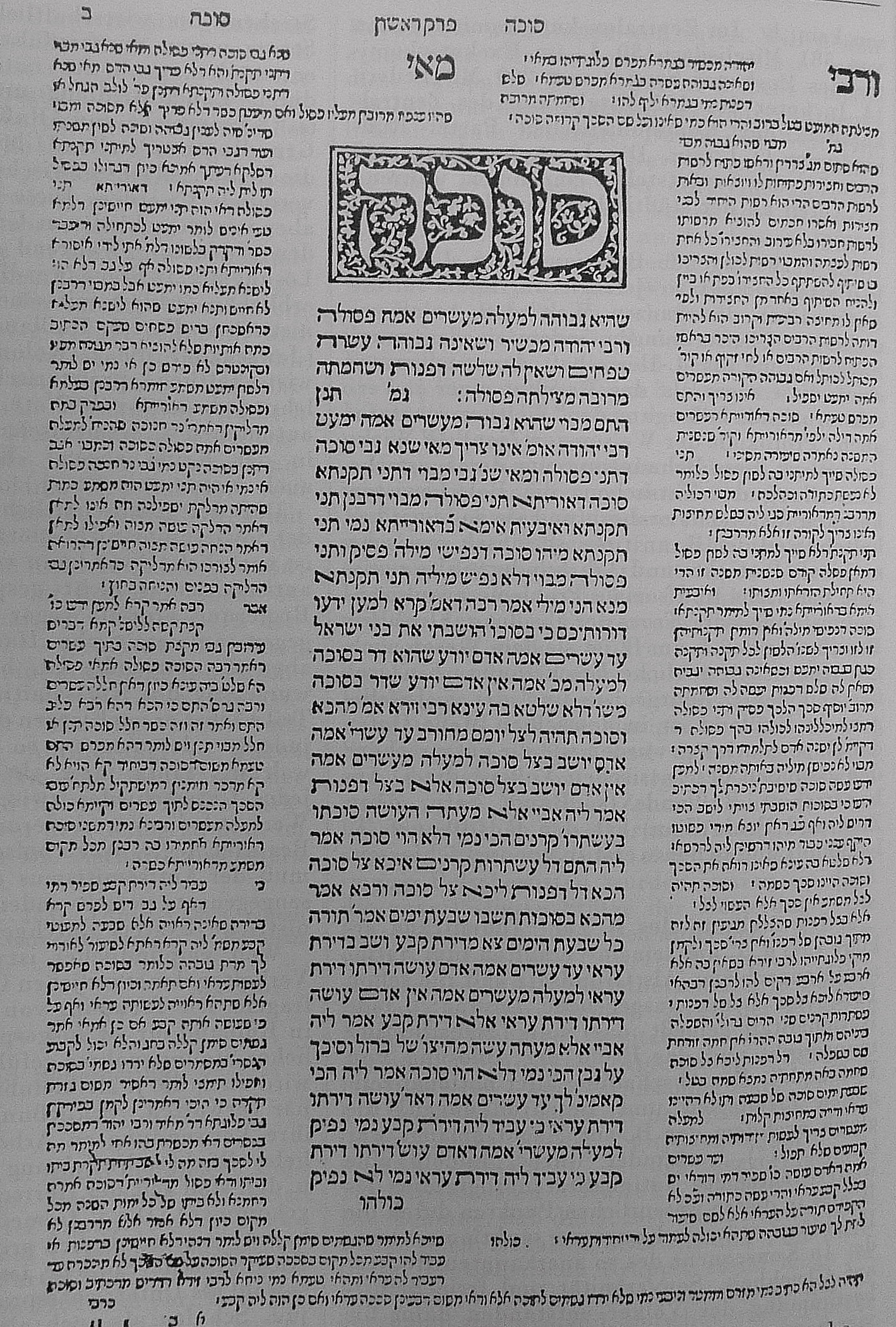
A page from Daniel Bomberg's Babylonian Talmud, printed in Venice between 1525 and 1539, photographed by Warburg. This page is from Sukkah, not Gittin 68, and the edition postdates the Talmud's composition. Public domain
Ancient text
A large rabbinic compilation in Hebrew and Aramaic, formed in Mesopotamia through stages; its final redaction remains debated.
Name variants: Babylonian Talmud, Bavli
Context and sources →
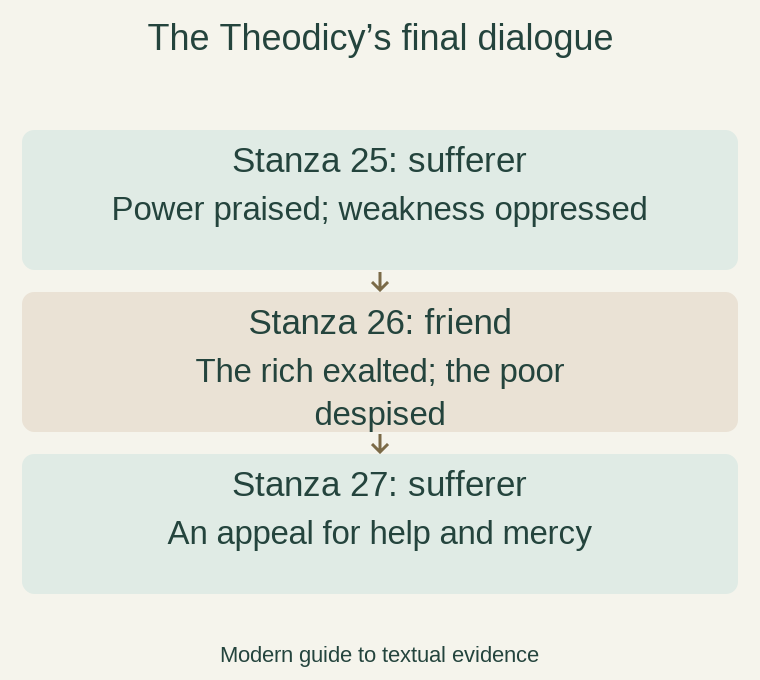
Modern diagram of stanzas 25–27: complaint about injustice, the friend’s account of rich and poor, then an appeal for mercy. It traces the voices without deciding which speaker wins
Ancient text
The Babylonian Theodicy is an Akkadian poetic dialogue between a sufferer and a friend about worship, injustice and divine justice.
Name variants: Babylonian Theodicy
Context and sources →

Modern AI-generated conceptual scene: an imagined path toward a riverside Mesopotamian city, evoking displacement and exile. Not a historical image of the deportation route or a verified reconstruction of Jerusalem or Babylon
Entity
Judean deportations to Babylonia and the kingdom’s collapse in the early sixth century BCE; several phases, not everyone removed or returned at once.
Name variants: Babylonian exile, Judean exile, Babylonian captivity
Context and sources →
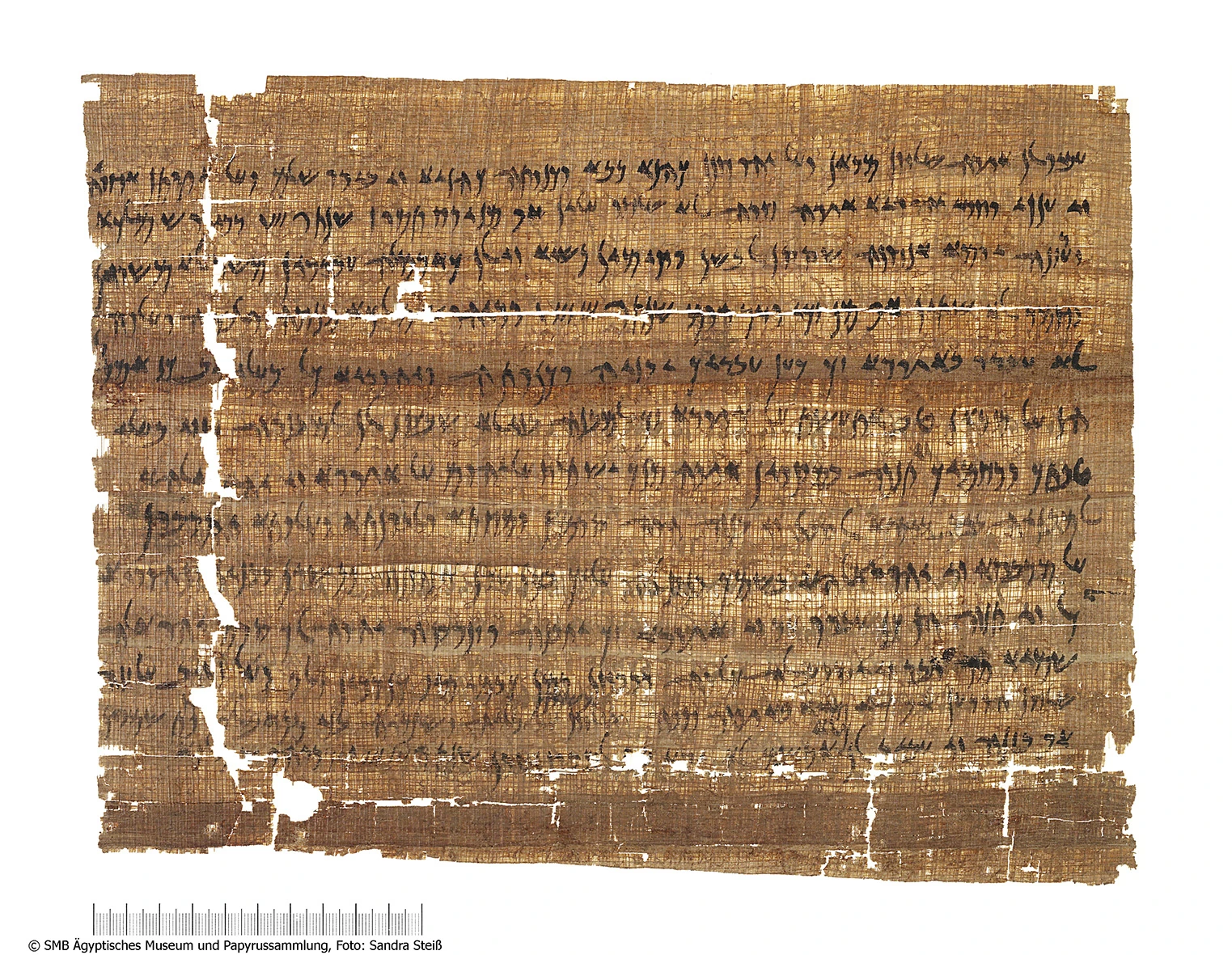
Verso of the petition addressed to Bagohi, P.13495, 407 BCE. A face of the document, not a portrait of the governor; his identity follows from the whole petition. Photograph Sandra Steiß, Staatliche Museen zu Berlin
Person
Governor of Persian-period Yehud, addressed by the Elephantine priests in 407 BCE.
Name variants: Bagohi governor of Yehud
Context and sources →
Contemporary explainer; it is not an ancient artifact or historical likeness
Person
A figure in Numbers whose path is blocked by the angel of Yahweh acting as his “adversary”.
Name variants: Balaam
Context and sources →
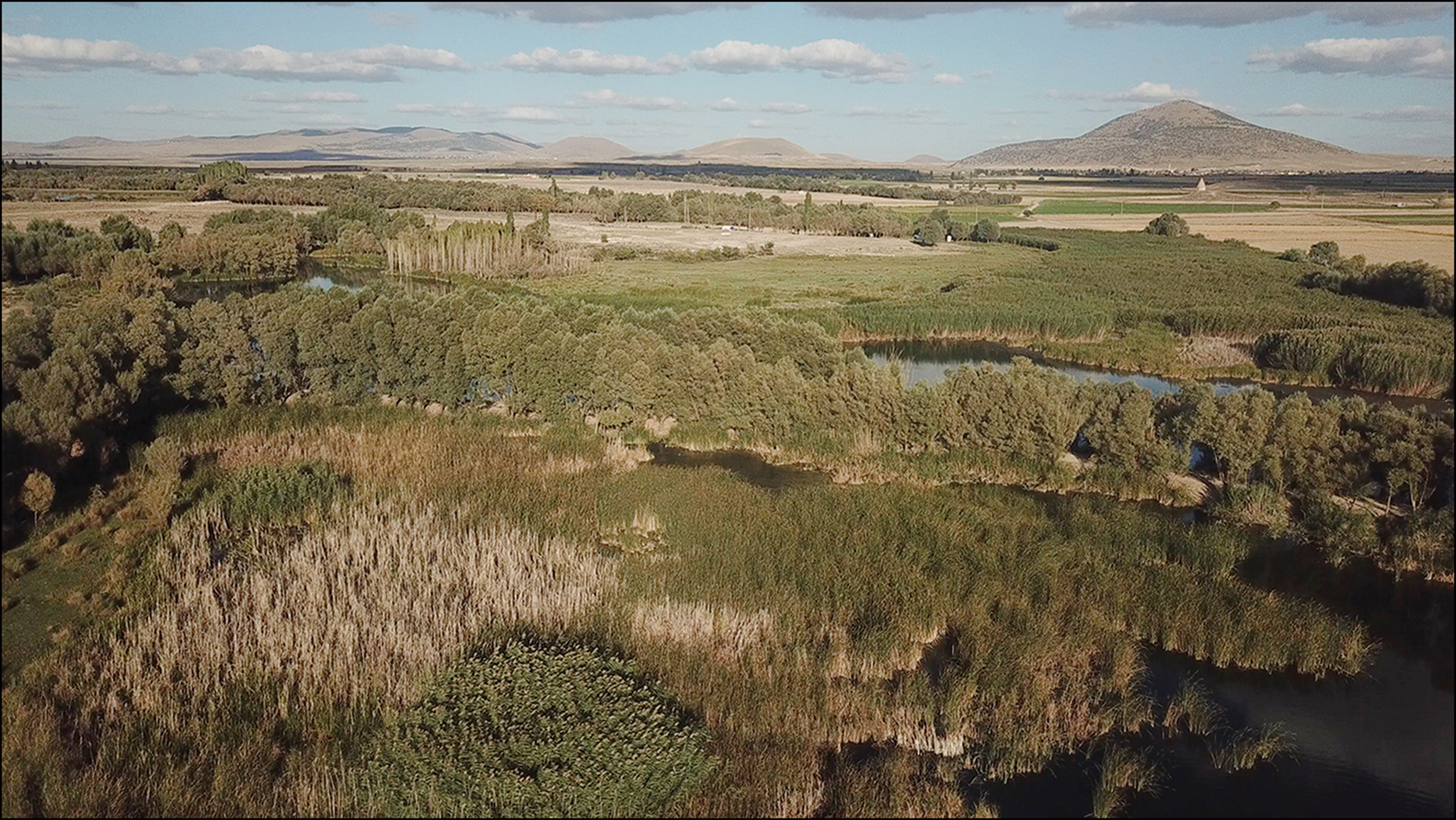
Modern aerial view of Balıklı among wetlands: the site is the lighter area in the upper middle, with Nenezidağ in the right background. Excavation-project photograph published in 2024, not a reconstruction of the ancient village
Site
An Early Neolithic settlement in central Anatolian Cappadocia near Aşıklı Höyük, known for semi-subterranean houses and burials beneath floors and within walls, occupied approximately in the late ninth and early eighth millennia BCE.
Name variants: Balıklı, Balikli
Context and sources →
Person
American scholar of the Hebrew Bible and ancient Near East (1930–2021), who linked roots of global monotheism to Assyrian-period prophetic discourse.
Name variants: Baruch A. Levine
Context and sources →
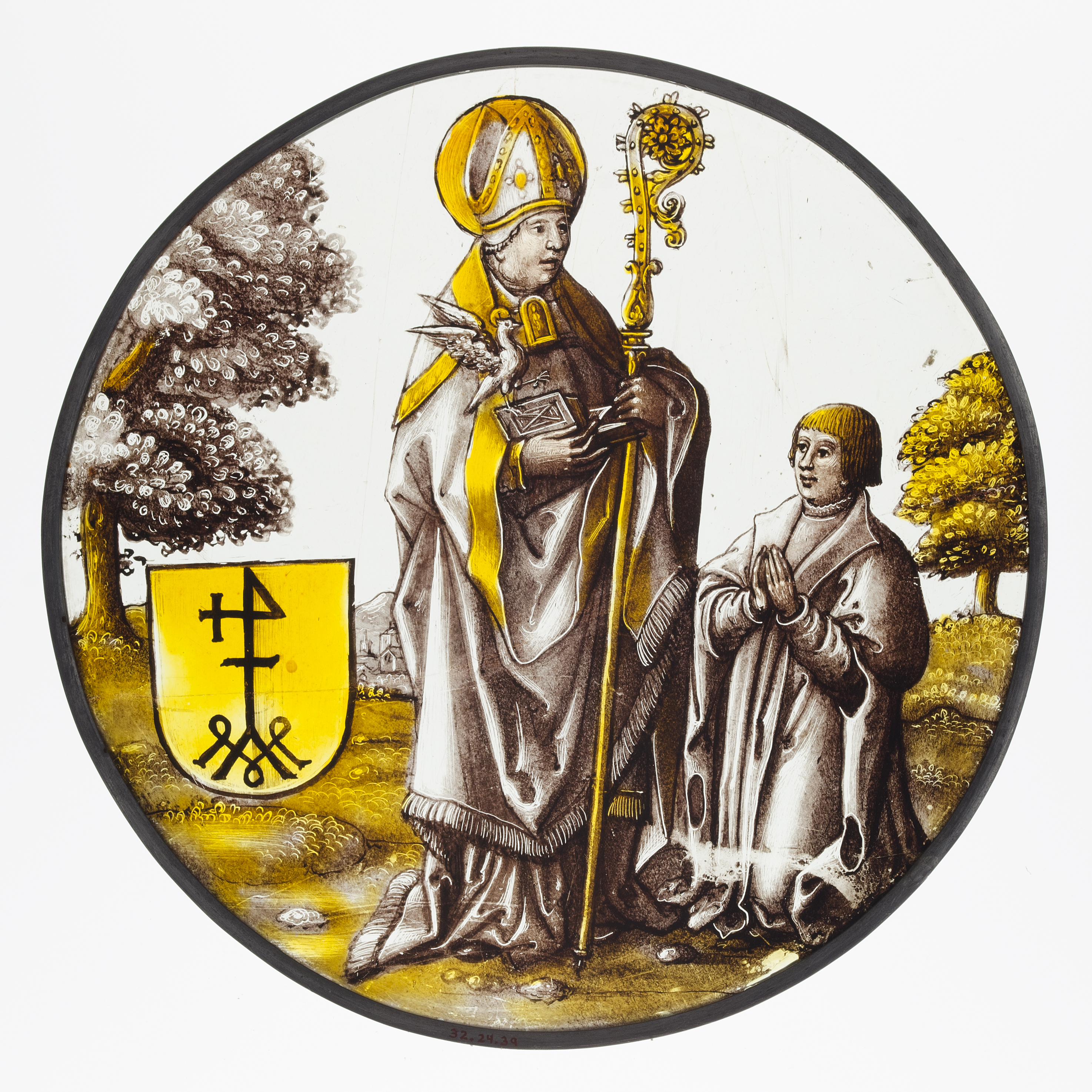
Basil with a donor in South Netherlandish stained glass, around 1515, The Met 32.24.39. A later artistic reception, not evidence of his fourth-century appearance
Person
Fourth-century bishop and theologian, brother of Gregory of Nyssa.
Name variants: Basil of Caesarea
Context and sources →
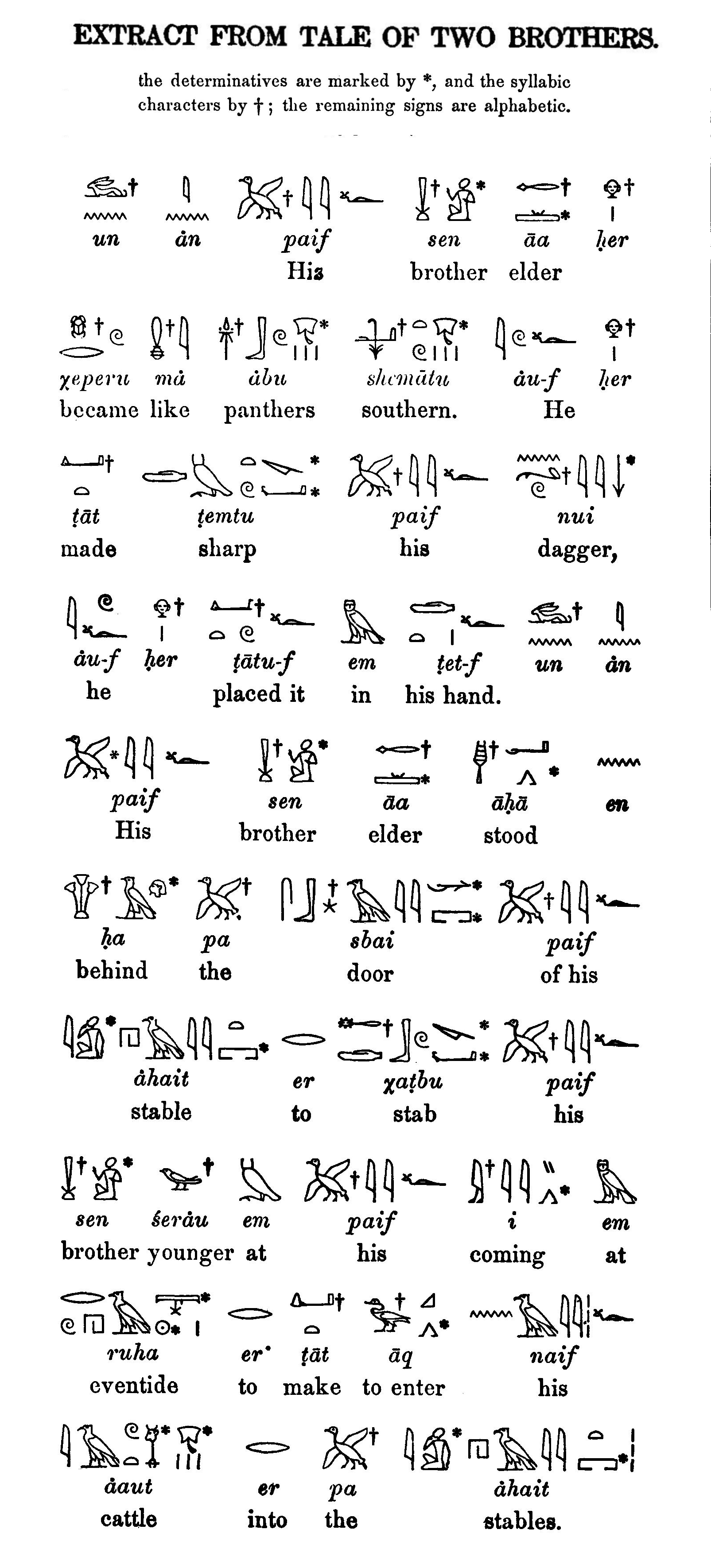
Printed Two Brothers excerpt in Wallis Budge’s Egyptian Language, 1889, pp. 38–39: educational hieroglyphic transcription with English glosses of the armed elder brother. Not a photograph of the hieratic papyrus or Inena’s signature
Person
Younger brother in the Egyptian tale preserved by D’Orbiney, accused and later transformed before attaining kingship.
Name variants: Bata in the Tale of the Two Brothers, Bata
Context and sources →