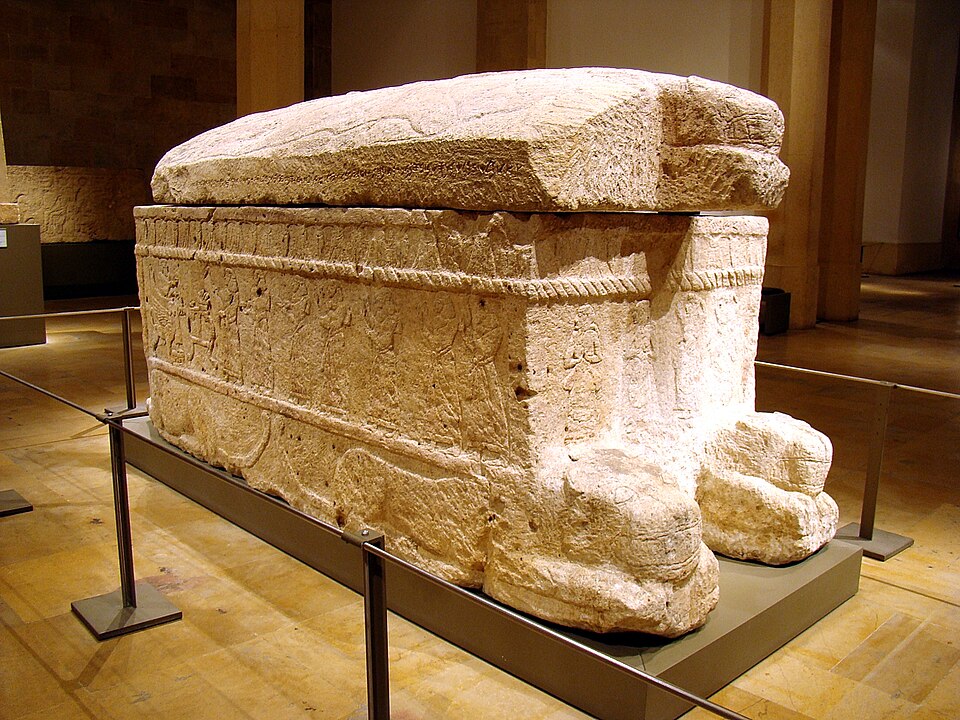
Ahiram’s sarcophagus from Byblos, held by the National Museum of Beirut. Evidence for art and writing on the Levantine coast; the sarcophagus and inscription have debated dates that need not coincide
Entity
Communities of Levantine coastal cities known for Mediterranean contact during the first millennium BCE.
Name variants: Phoenicians
Context and sources →
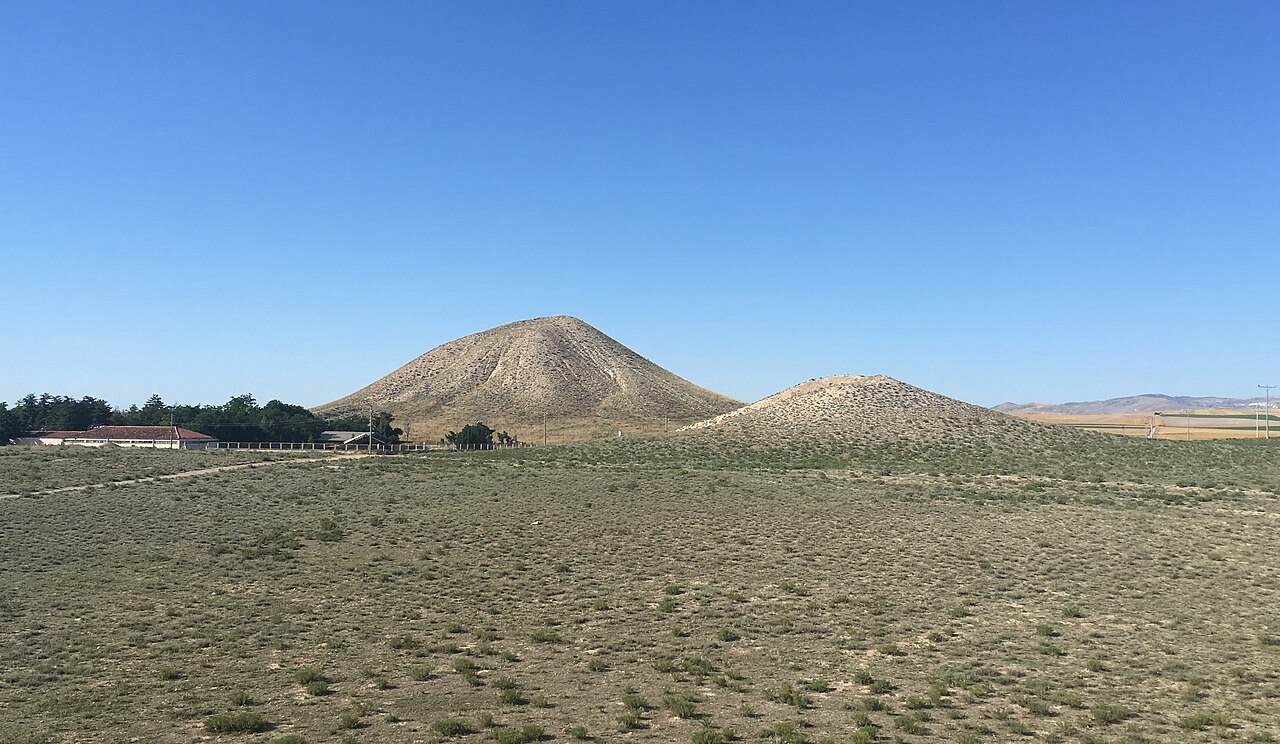
Burial mounds MM and P at Gordion, in modern Türkiye. A view of Phrygian remains by Archaeologist 1950, 2 July 2019; regional archaeological context, not evidence for a specific story’s route
Site
Historical inland Anatolian region with an Iron Age kingdom; Gordion was a major center.
Name variants: Phrygia
Context and sources →
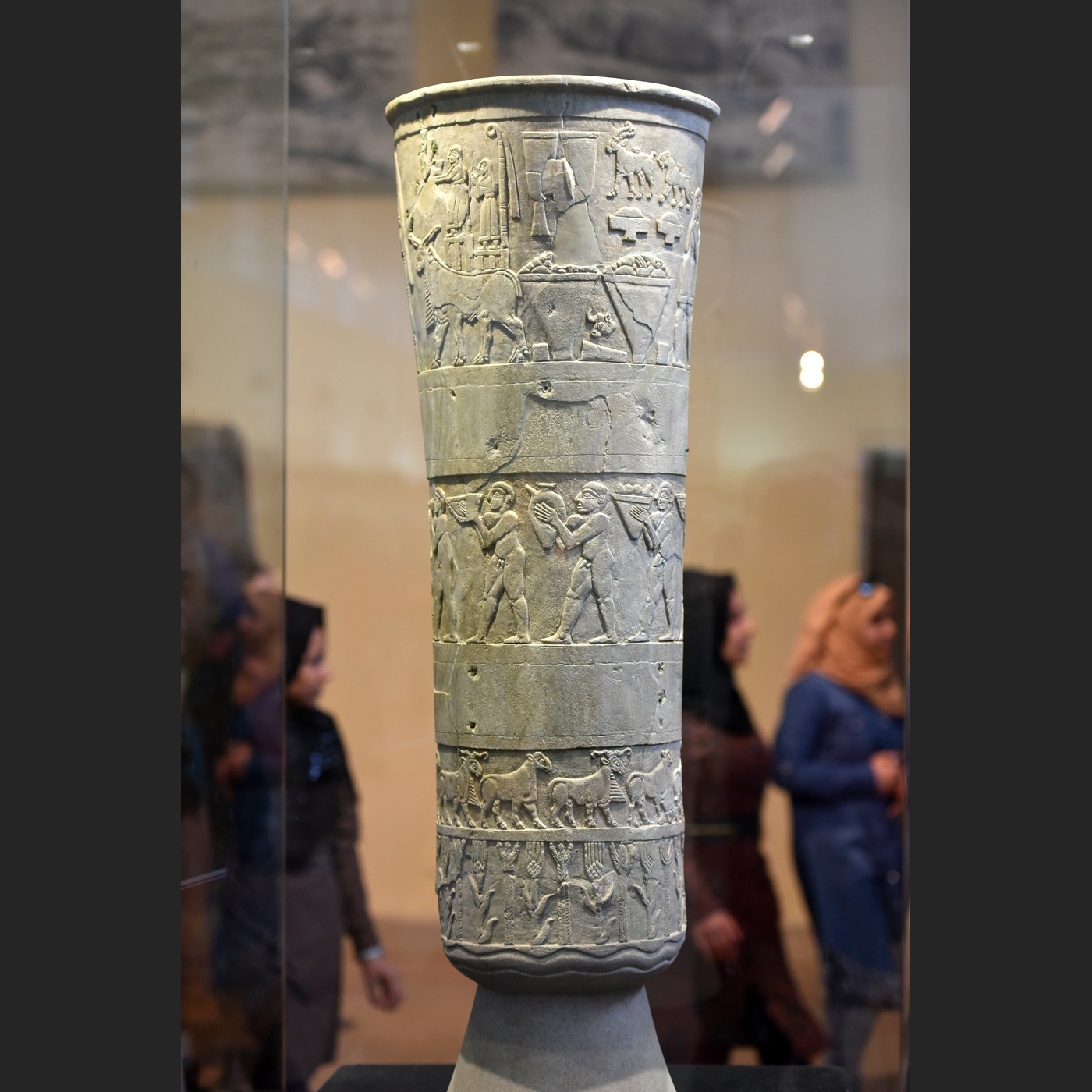
The Warka Vase in the Iraq Museum, photographed in 2019 and placed in a square frame with side margins so the complete height remains visible; not a reconstruction or drawing
Entity
A horizontal zone or band grouping related images in an artwork; the count can depend on how rows are grouped, and their order alone does not establish chronology.
Name variants: pictorial register, pictorial registers
Context and sources →
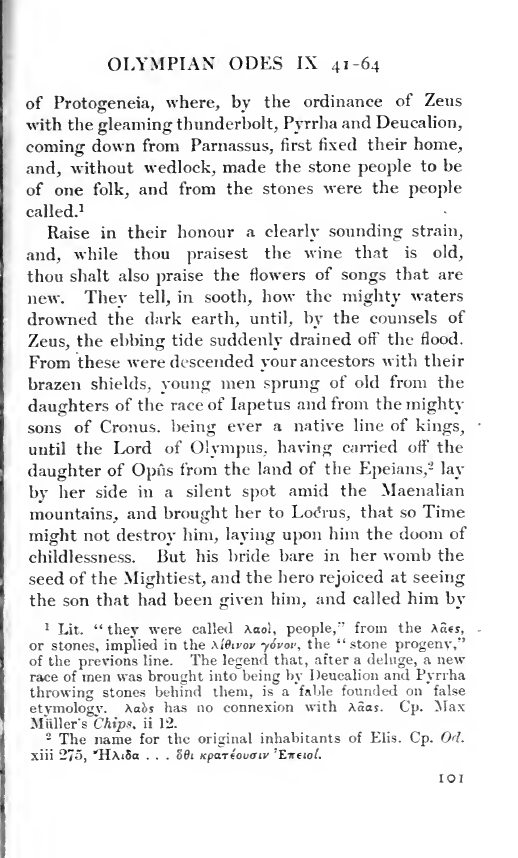
Olympian 9.41–64, John Sandys’s English translation, Loeb 1915, p. 101/PDF 157. A historical modern edition page, not an ancient Greek manuscript
Person
Greek poet, about 518–438 BCE, linking athletic victories with gods, genealogies and cities.
Name variants: Pindar, Greek lyric poet
Context and sources →
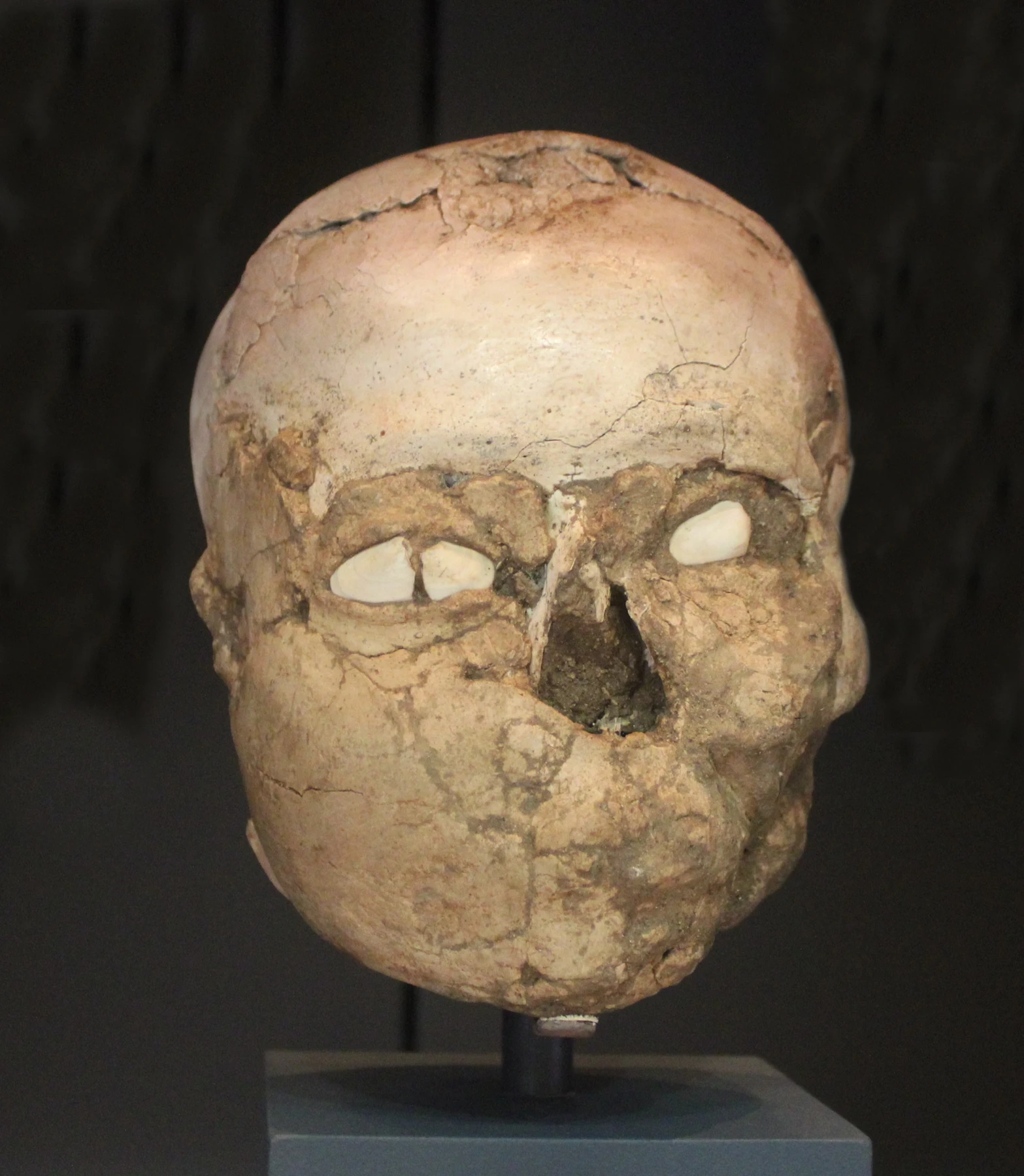
Plastered skull from Jericho, Pre-Pottery Neolithic B, displayed at the British Museum. An ancient modeled face on human remains, not a modern facial reconstruction
Entity
Human skulls whose features were modelled after death with plaster or similar material, sometimes with shell eyes. Distinct from childhood head shaping; they do not by themselves disclose a person’s identity or the community’s beliefs.
Name variants: Plastered skulls
Context and sources →
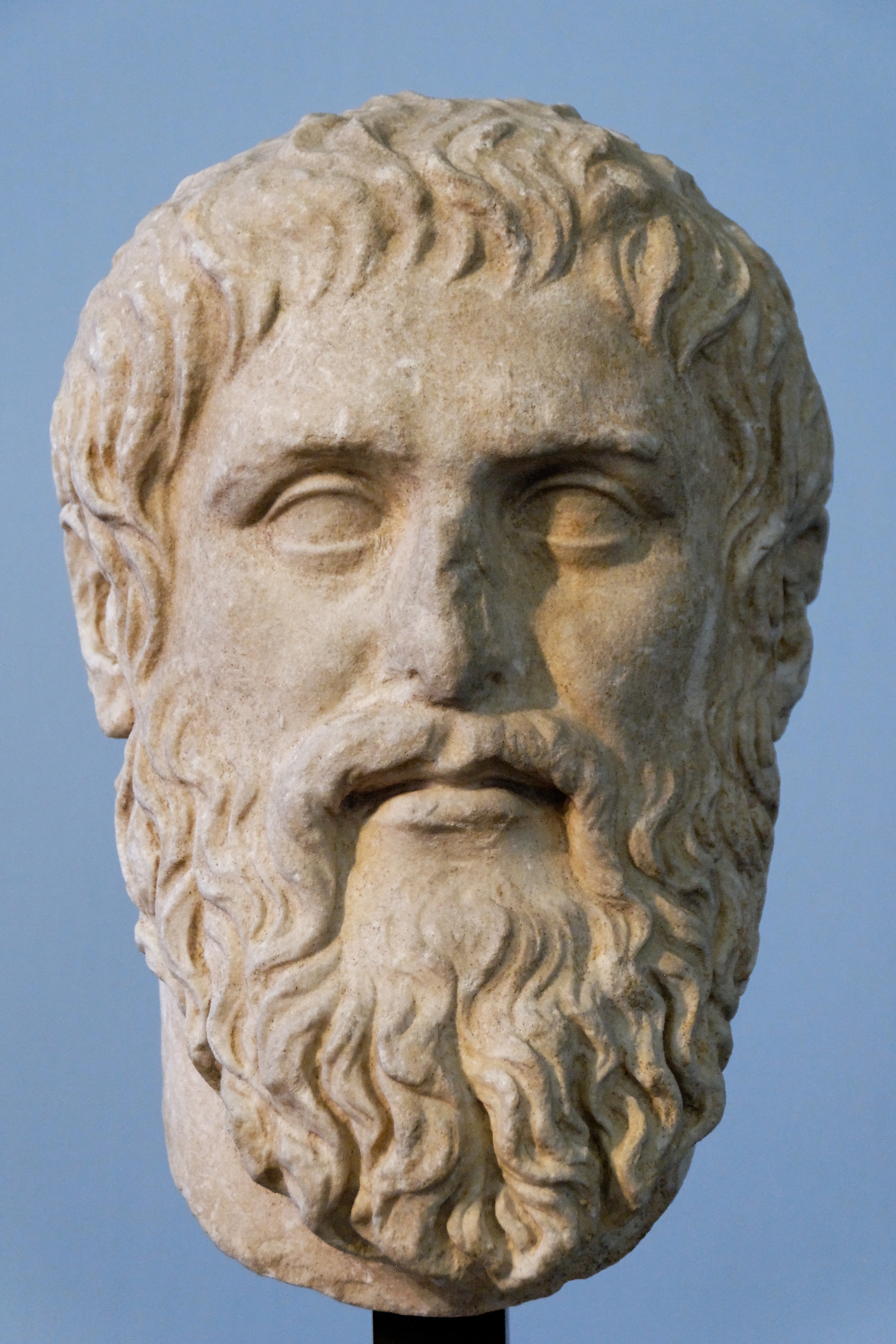
Portrait of Plato, Capitoline Museums, Rome, MC 1377. A Roman marble copy of the first century CE after an older Greek model attributed to Silanion. Photograph by Marie-Lan Nguyen, 2009; the sculpture postdates the philosopher’s lifetime
Person
Plato (approximately 427–347 BCE) was a Greek philosopher who explored goodness, justice and cosmic order through philosophical dialogues.
Name variants: Plato, Platōn
Context and sources →
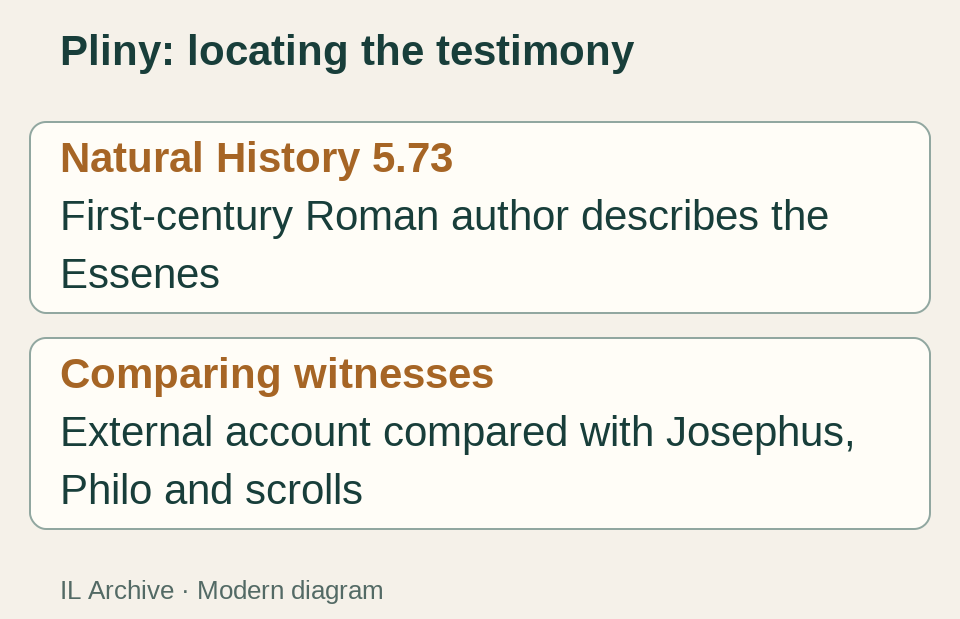
Modern diagram locates Pliny’s Essene description in Natural History 5.73 within his Roman geography, distinct from Josephus, Philo and manuscript witnesses. It is not Pliny’s portrait or an ancient manuscript
Person
Roman writer and statesman, around 23/24–79 CE, author of the Natural History.
Name variants: Pliny the Elder
Context and sources →
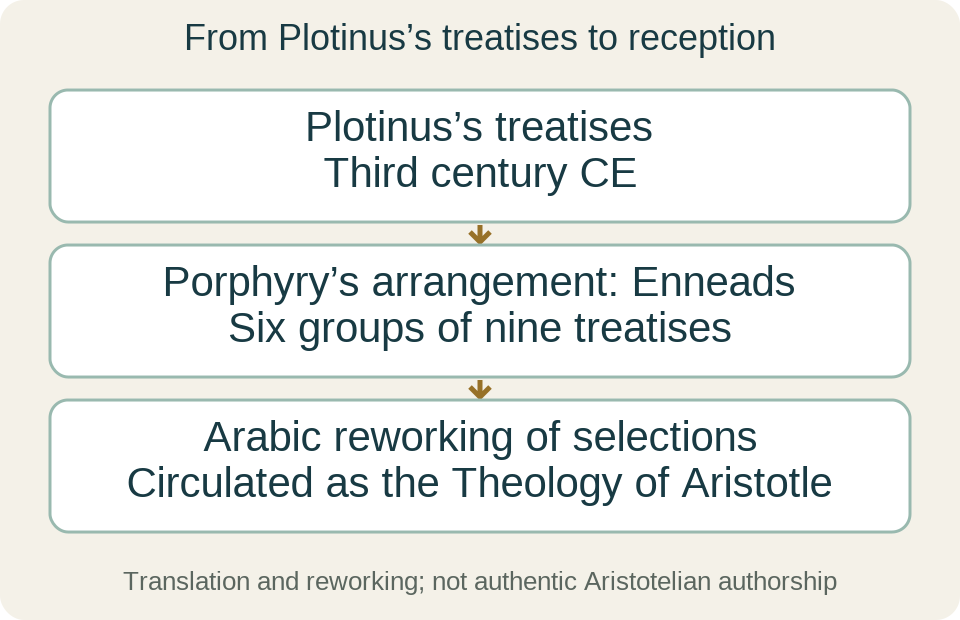
Modern diagram distinguishing author, editor and the Arabic reception title of selected material. Neither a portrait nor an ancient manuscript; it does not imply an Arabic translation of all the Enneads
Person
Third-century CE philosopher central to Neoplatonism, whose treatises were collected as the Enneads.
Name variants: Plotinus
Context and sources →
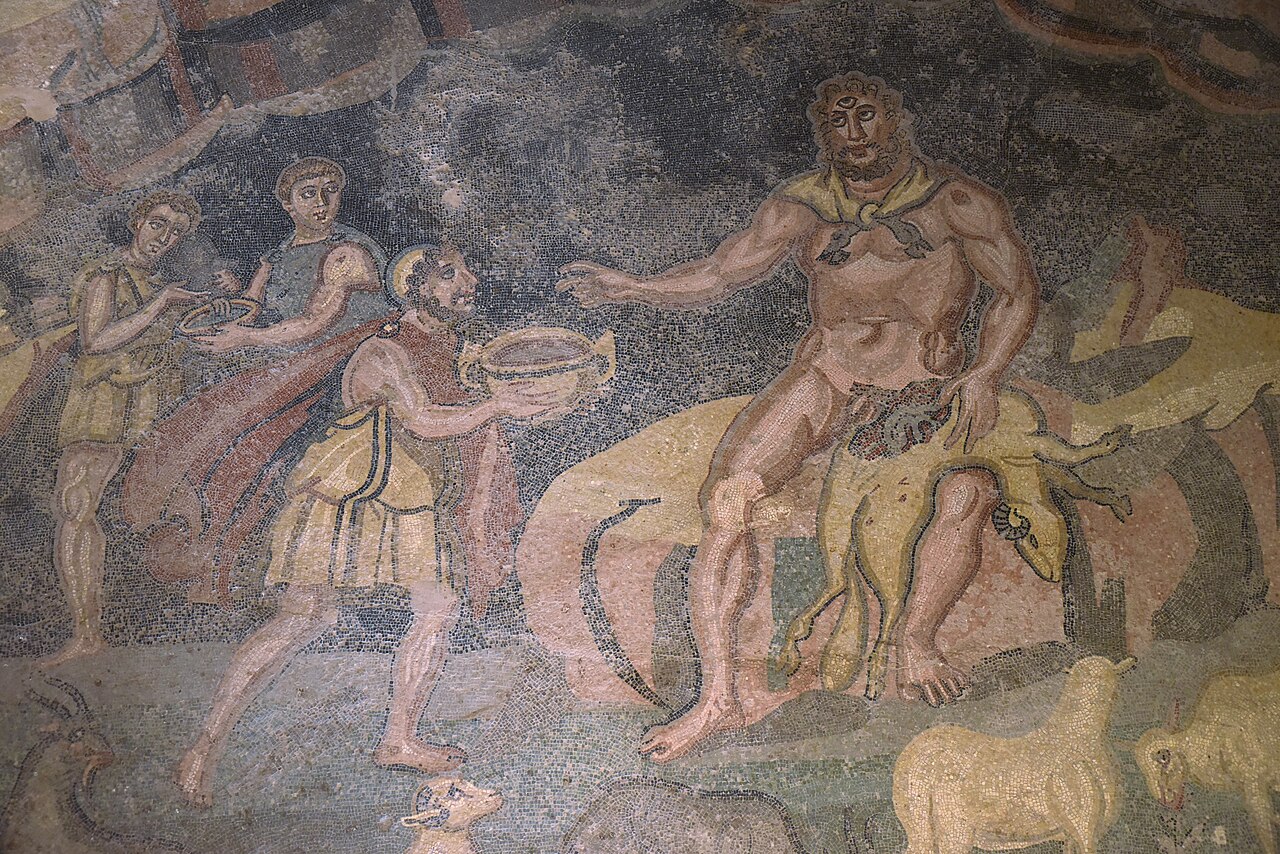
Odysseus offering a drink to Polyphemus in a Roman mosaic at Villa del Casale, Sicily. A later representation of the adventure narrated in Odyssey Book 9
Entity
One-eyed giant in the Odyssey and Poseidon’s son within the narrative.
Name variants: Polyphemus
Context and sources →
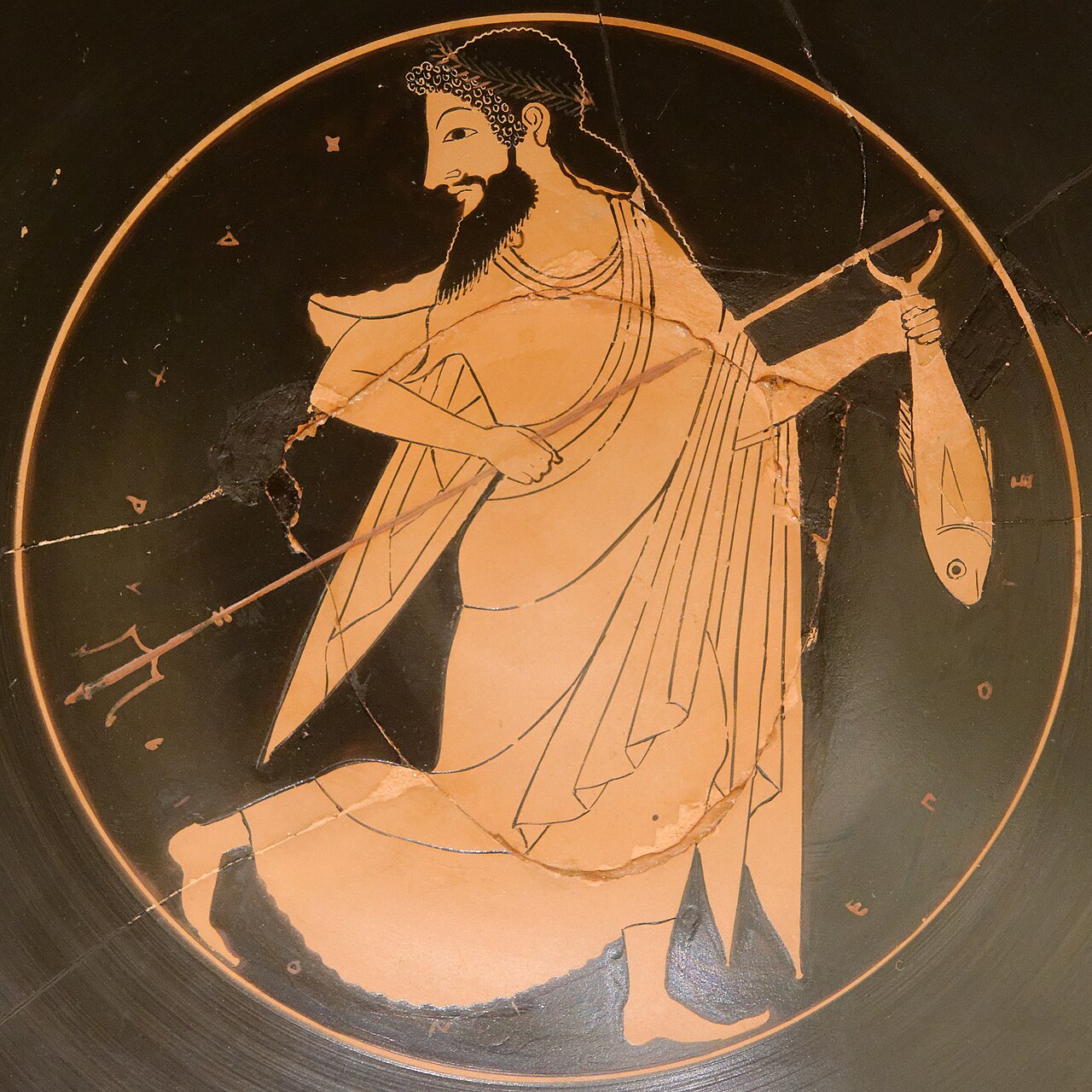
Poseidon with a trident and a fish inside an Attic cup, about 510 BCE; National Museum of Denmark 13407. An ancient representation of the deity
Entity
Sea god in Greek traditions and an influential figure in the Iliad and Odyssey.
Name variants: Poseidon
Context and sources →
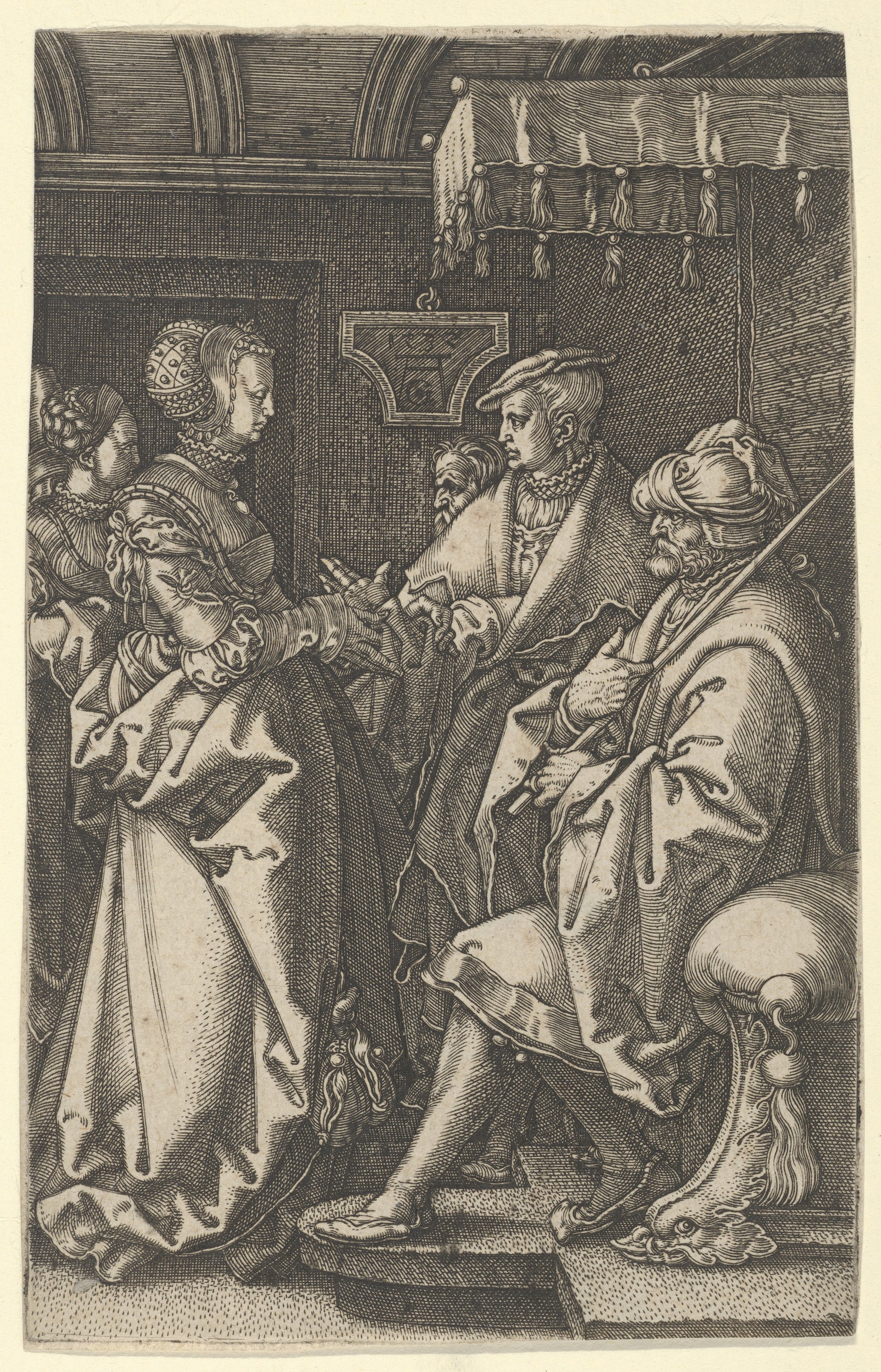
Potiphar’s Wife Accusing Joseph, Heinrich Aldegrever engraving, 1532; Met 49.132.83. Wife at left, seated Potiphar at right, Joseph behind him: artistic reception of Genesis 39:17, not historical portraits
Person
Egyptian official who buys Joseph and places him over his household in Genesis 39.
Name variants: Potiphar in Genesis, Potiphar
Context and sources →
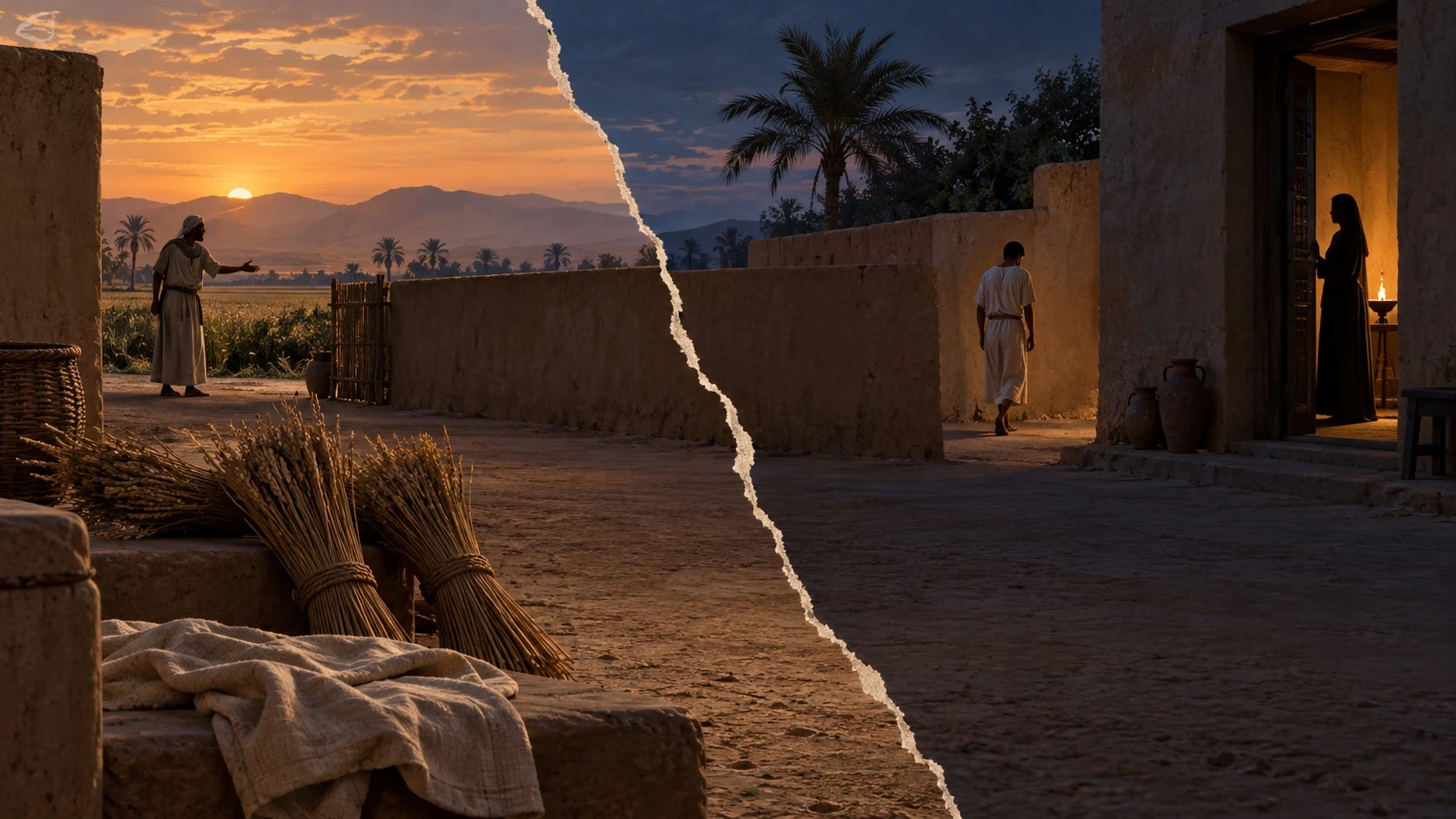
Modern editorial illustration of a household divided by Bata’s accusation; neither an excavated papyrus nor a documented historical reconstruction. © IL Archive, CC0
Entity
A comparative label for a woman’s rejected overture followed by a false accusation; it does not give every version a biblical origin.
Name variants: Potiphar’s wife motif, false accusation after refusal
Context and sources →
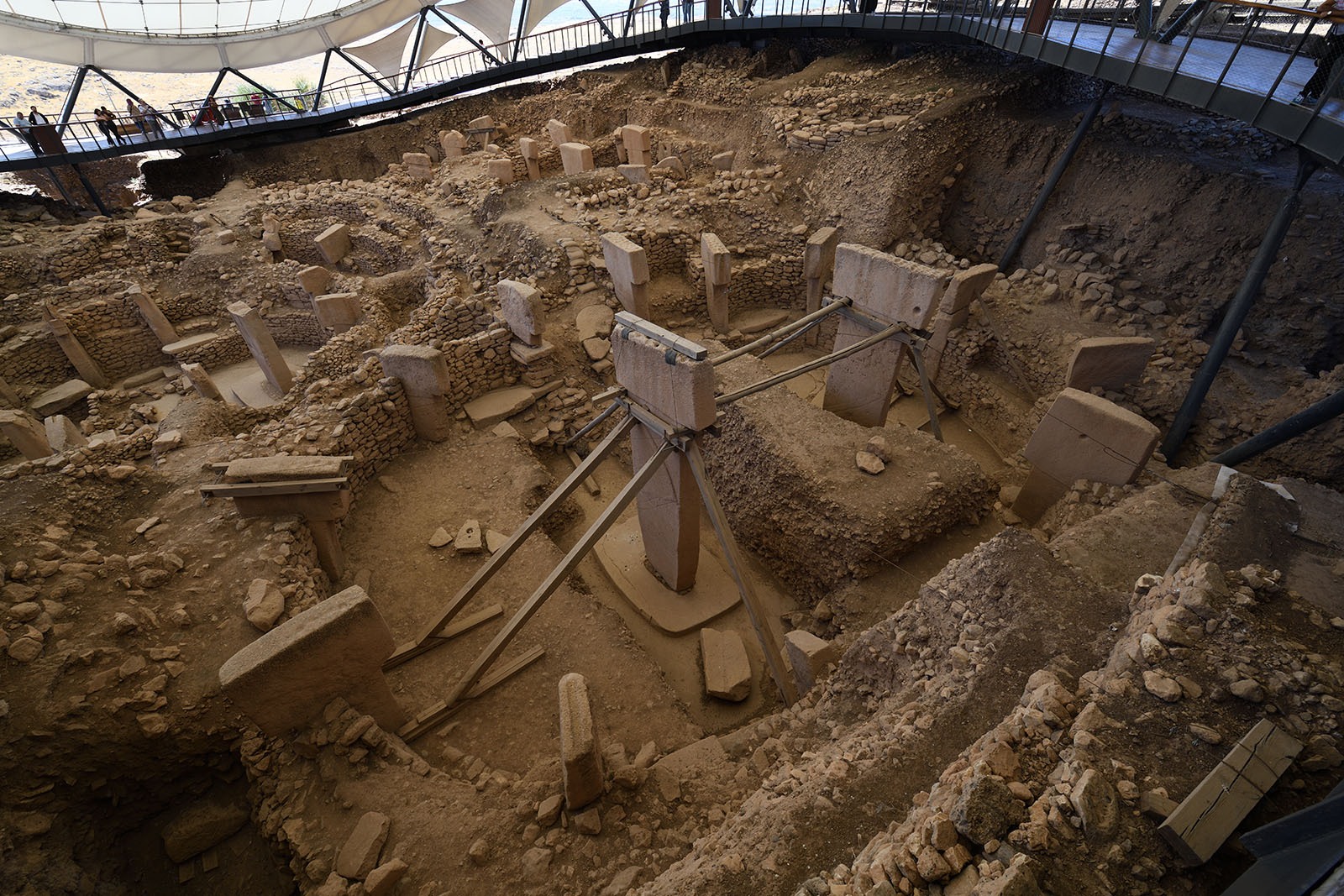
Building D at Göbekli Tepe, photographed in 2019. Central and perimeter pillars show the building’s arrangement. The visible shelter and support braces are modern conservation measures, not a reconstructed ancient roof
Period
A regional archaeological framework for early settlement, cultivation and animal management in Southwest Asia before the local spread of pottery vessels; its dates and trajectories vary and it implies no common religion.
Name variants: Pre-Pottery Neolithic, prepottery Neolithic
Context and sources →
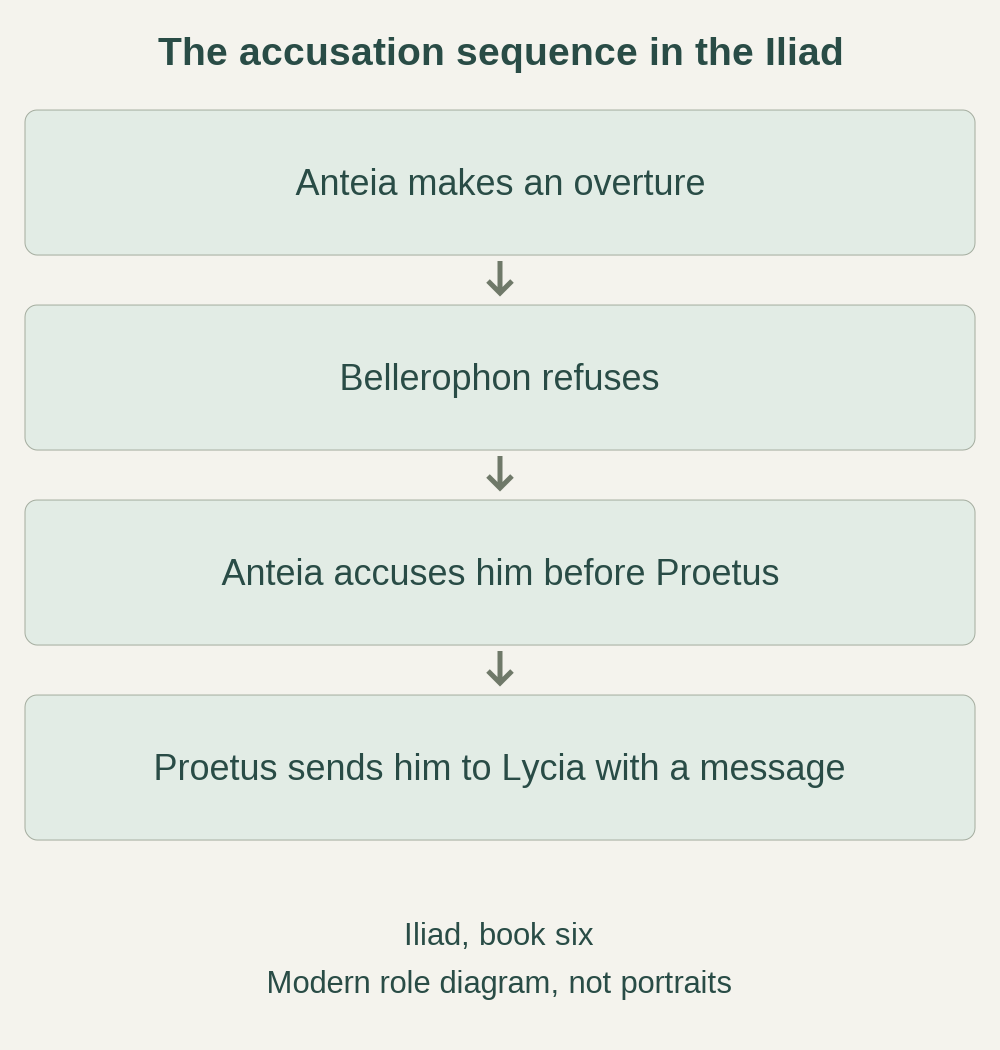
Modern diagram of Anteia, Bellerophon and Proetus in the Iliad episode; explains sequence without deciding other texts’ dependence
Person
King hearing Anteia’s accusation and sending Bellerophon to Lycia with a message threatening his life.
Name variants: Proetus in the Iliad, Proetus
Context and sources →
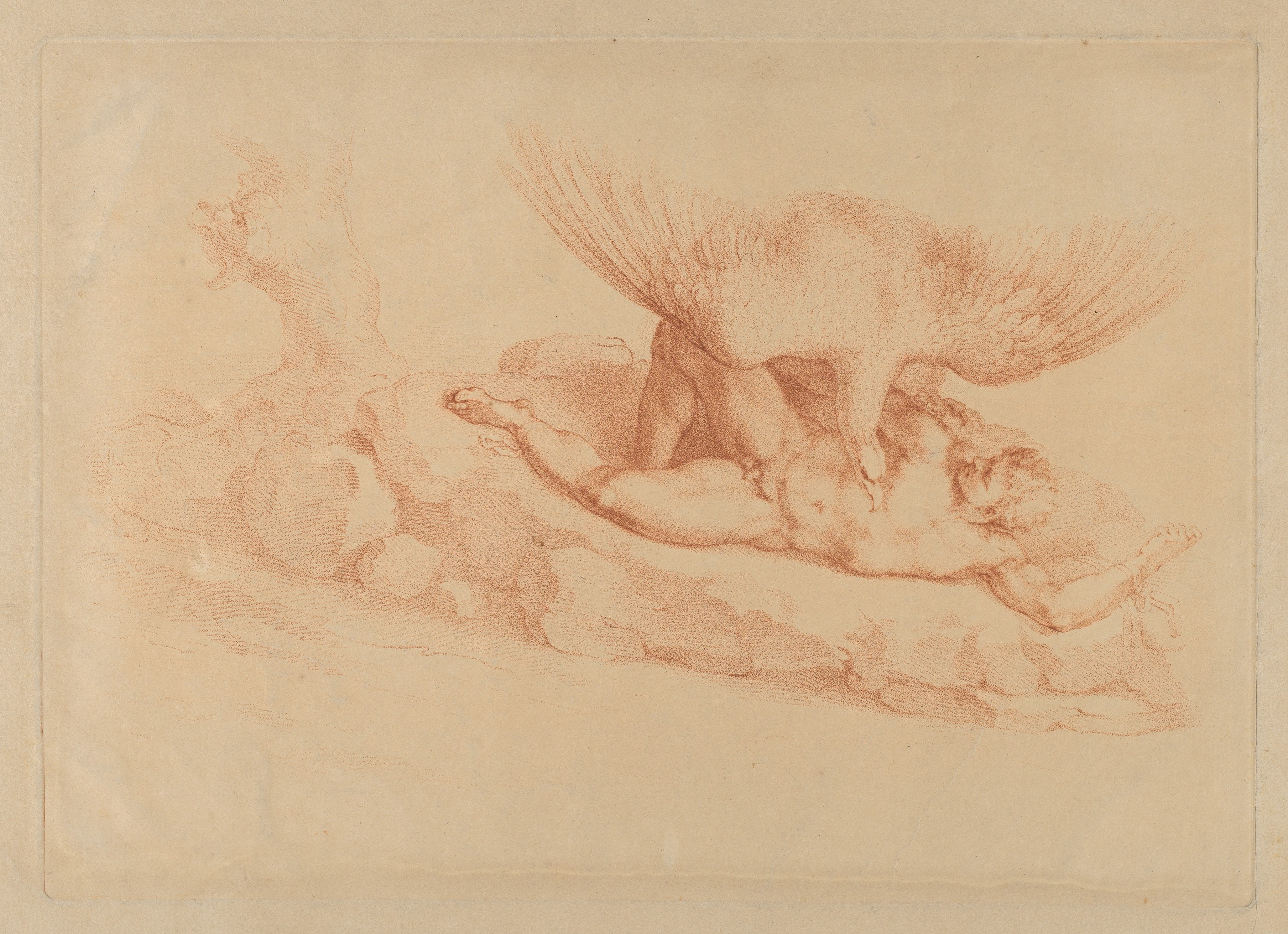
Prometheus chained to a rock beneath an eagle; red crayon-manner print by Francesco Bartolozzi after Michelangelo, 1795, Met 62.557.193. Punishment tradition, not Deucalion’s warning
Entity
Greek divine figure advising and protecting humans in some Deucalion accounts.
Name variants: Prometheus
Context and sources →
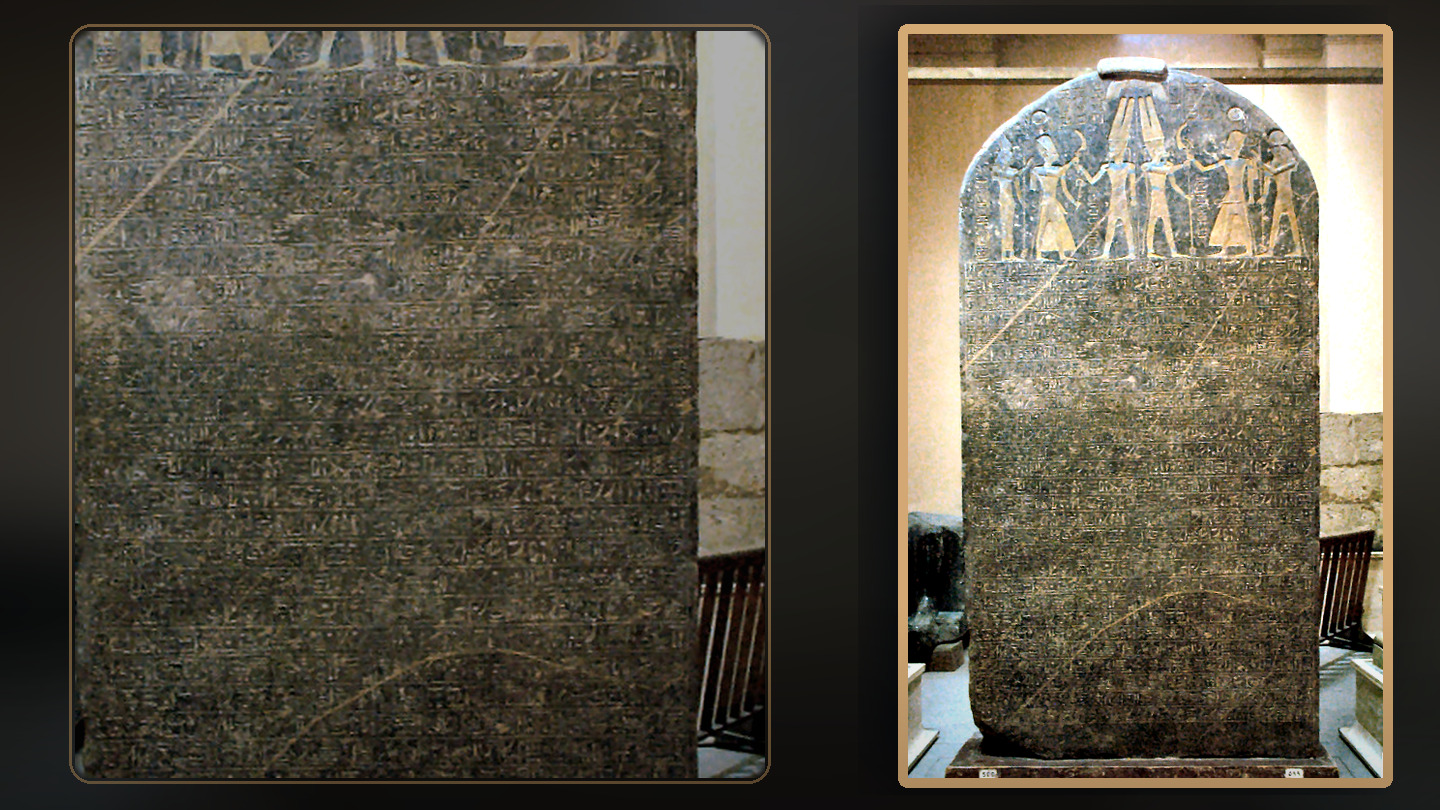
The Merneptah Stele (JE 31408), Egyptian Museum, Cairo. Its late-thirteenth-century BCE inscription names a group called Israel. This is an editorial presentation of one photograph of the stele, not an image of “El” or a Ugaritic inscription
Entity
A name that identifies a particular person, place, group, or entity in context, unlike a common noun denoting a class. Spelling alone may not settle the distinction.
Name variants: proper name, proper noun
Context and sources →
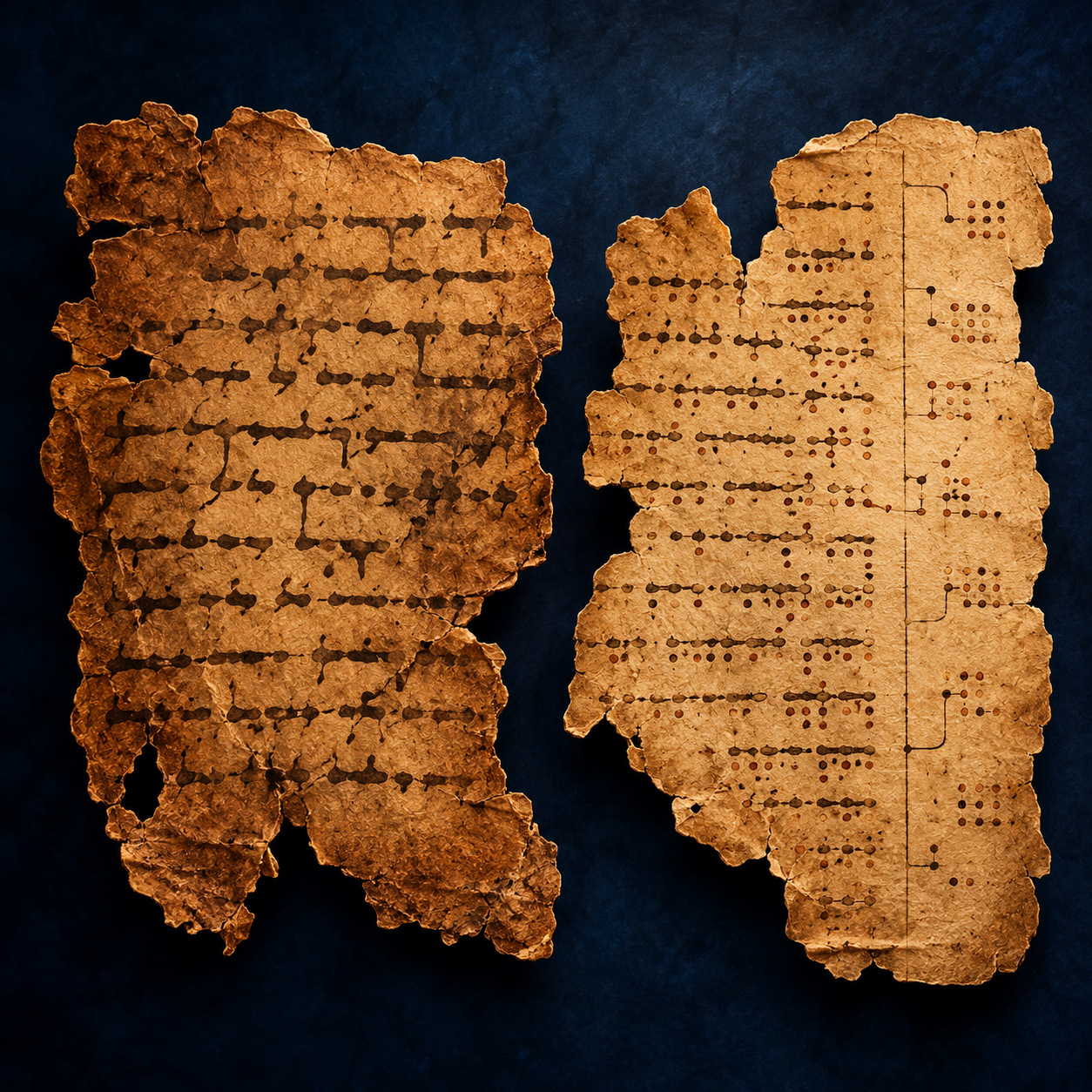
Generated modern conceptual cover: two imaginary parchment fragments contrast consonantal writing with later reading marks. Neither depicts a discovered manuscript or transcribes a real Hebrew reading
Entity
A comparative designation for ancient Hebrew witnesses whose consonants closely resemble the later Masoretic tradition; not one original manuscript, exact identity or medieval vowel and accent notation.
Name variants: proto-Masoretic, pre-Masoretic
Context and sources →
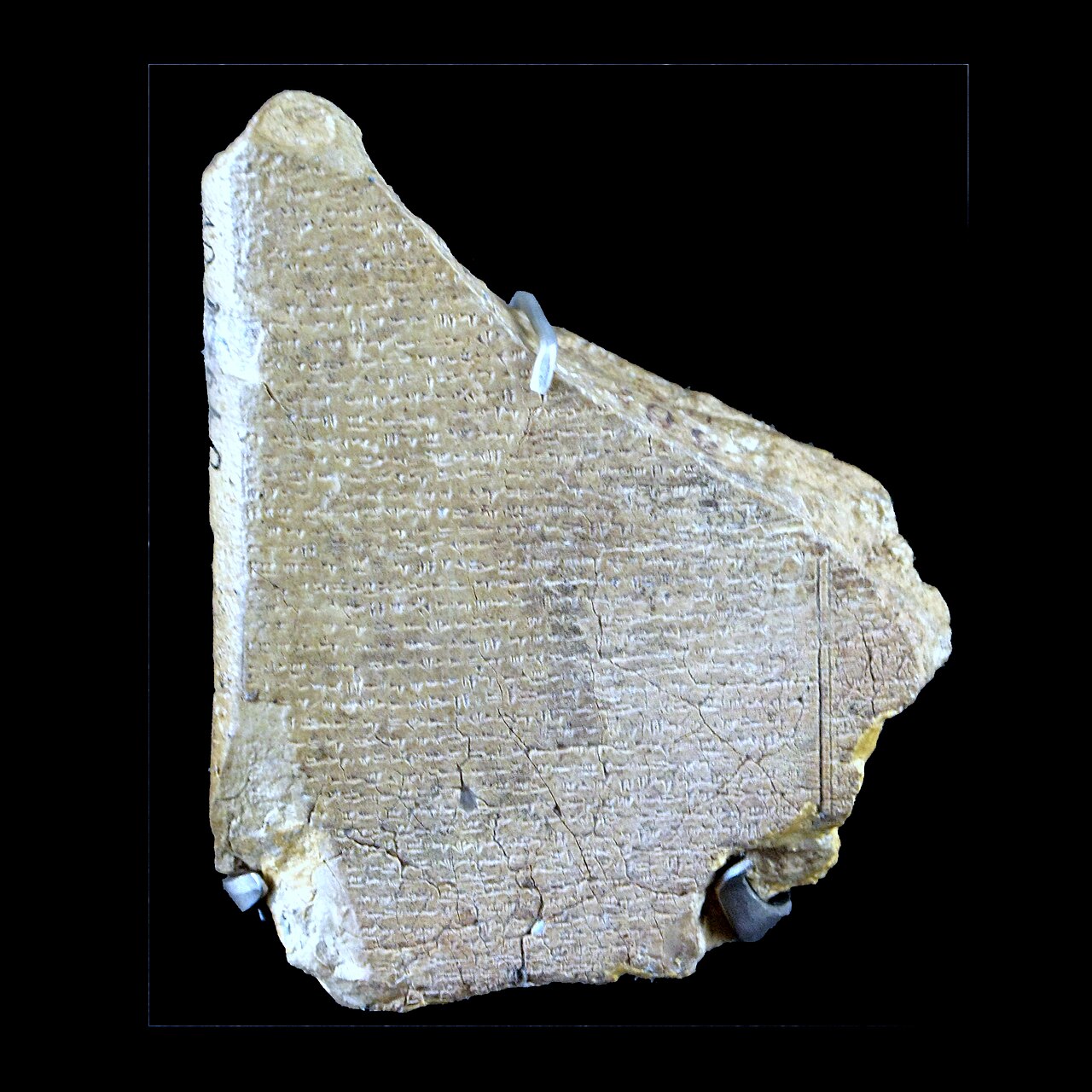
Ugaritic tablet from the Baal Cycle, Ras Shamra, c. 14th–13th centuries BCE; Louvre, AO 16640. An attested Semitic language, not a document in reconstructed Proto-Semitic
Entity
The inferred ancestral language of Semitic, reconstructed from comparative sound, morphological and lexical evidence; no direct Proto-Semitic inscription survives.
Name variants: Proto-Semitic
Context and sources →
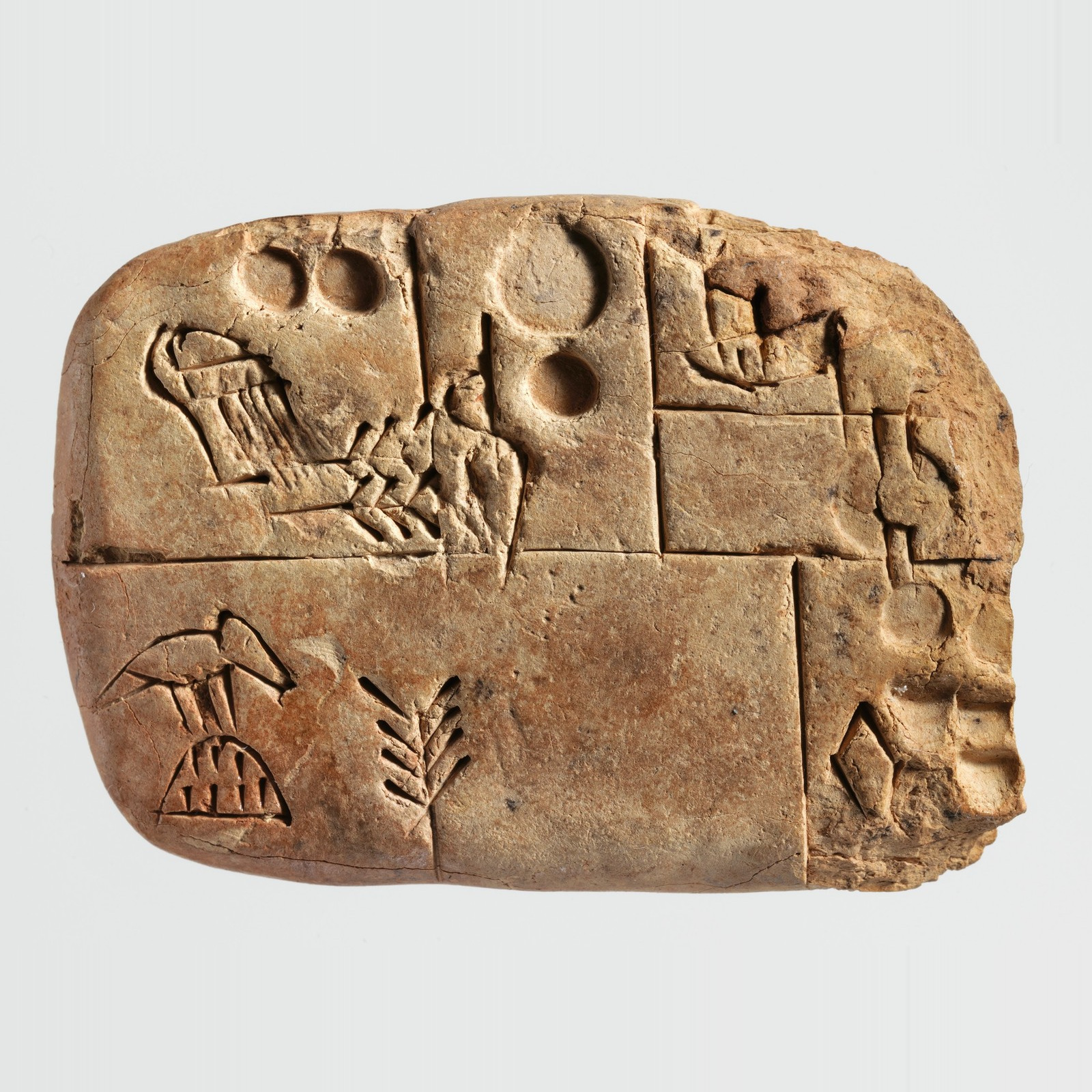
Cover: actual Met clay tablet 1988.433.2, c. 3100–2900 BCE, probably from Uruk. Modern square presentation with extended background margins; no marks changed and no edge of the object cropped
Entity
Early southern Mesopotamian script (c. 3350–3000 BCE): clay tablets with counting systems and signs for commodities, people and offices, as well as lexical lists; not yet a full rendering of speech.
Name variants: proto-cuneiform, proto-cuneiform writing
Context and sources →
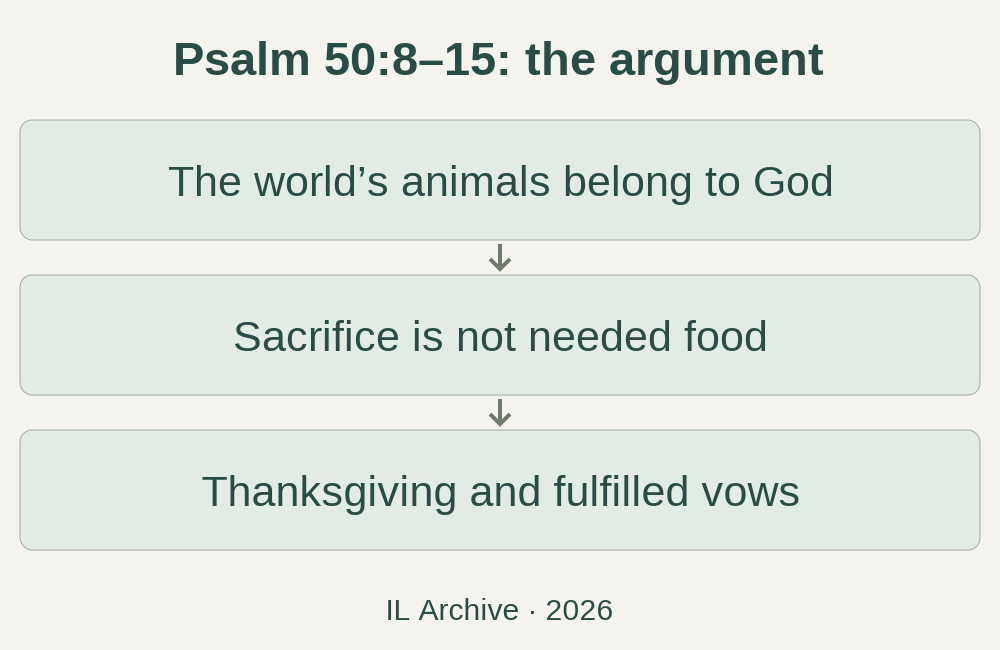
Modern explanatory diagram of the argument or character’s role in the specified passage; not an ancient manuscript or a goddess portrait
Ancient text
Hebrew poem rejecting divine need for sacrificial flesh and calling for thanksgiving and fulfilled vows.
Name variants: Psalm 50 and sacrifice
Context and sources →
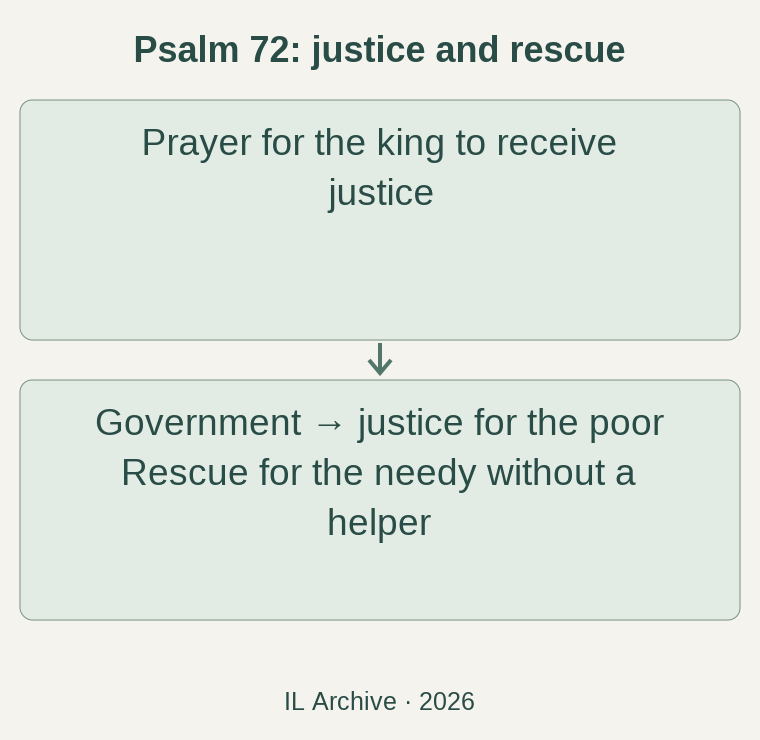
Modern diagram of the relationship or demand in the specified text; not an artifact photograph, a divine likeness or a portrait
Ancient text
Hebrew prayer for a king who judges the poor fairly and rescues the needy without a helper.
Name variants: Psalm 72 and royal justice
Context and sources →
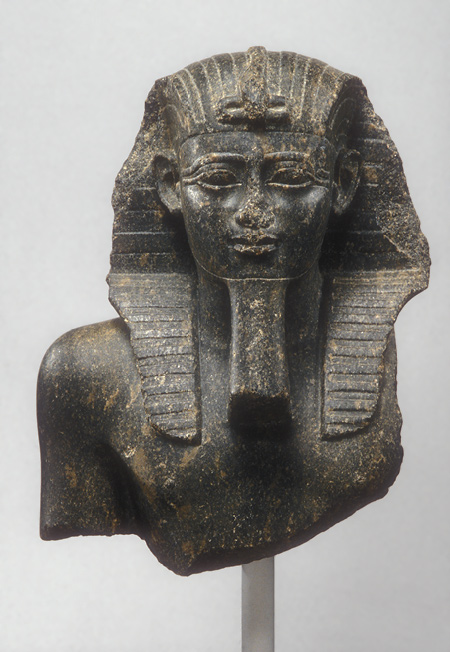
Granite bust from a royal statue dated by the museum to Psamtik I’s reign, about 664–610 BCE, Metropolitan Museum of Art, X.358
Person
Psamtik I was an Egyptian king of Dynasty 26, reigning about 664–610 BCE during the Saite period.
Name variants: Psamtik I
Context and sources →
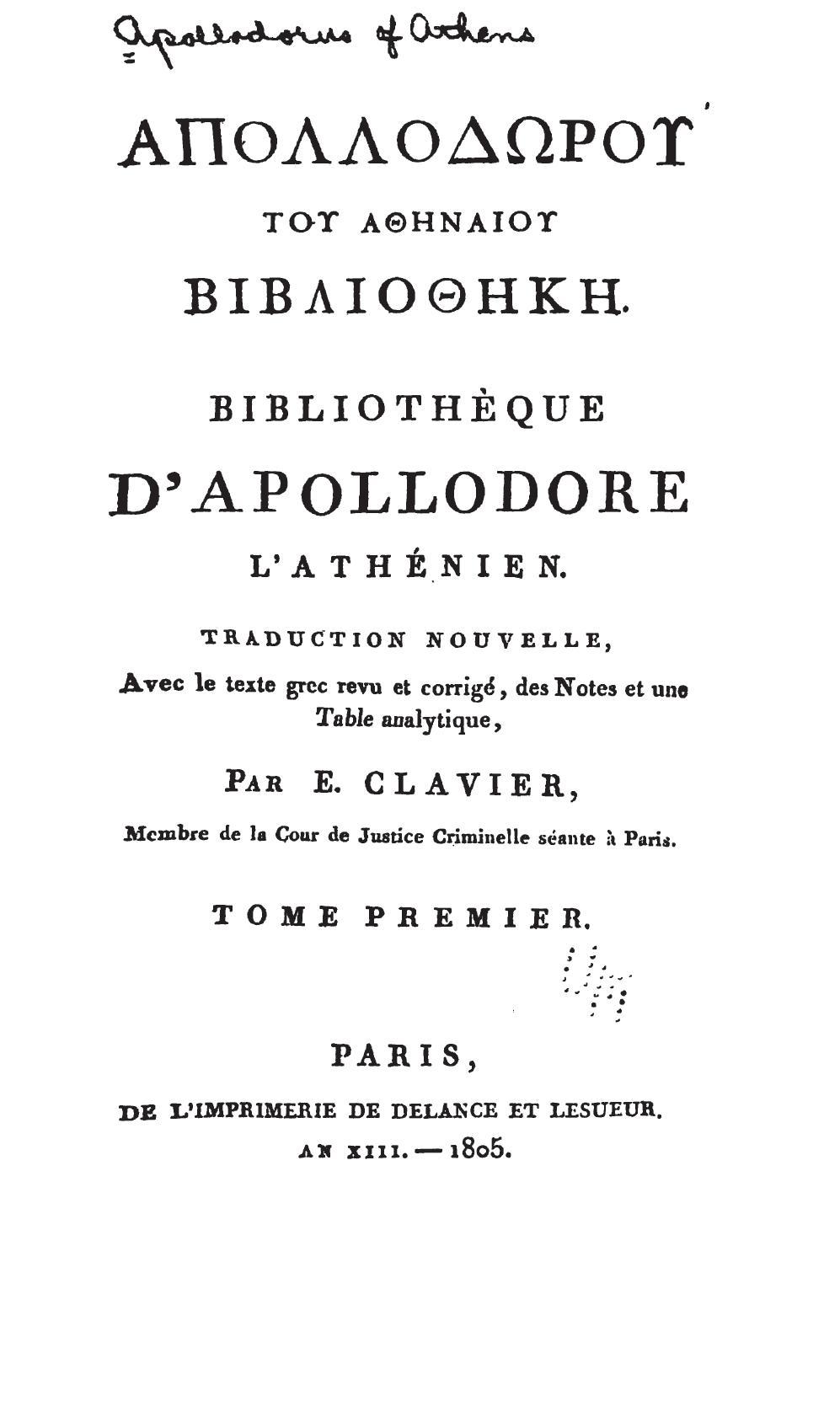
Title page of the Bibliothèque d’Apollodore in E. Clavier’s edition, Paris, 1805, volume I, in Greek and French. It documents a later printed edition; the title’s author attribution is traditional
Person
Name used for the author of the Bibliotheca, a Greek mythographic collection usually dated to the first or second century CE.
Name variants: Pseudo-Apollodorus
Context and sources →
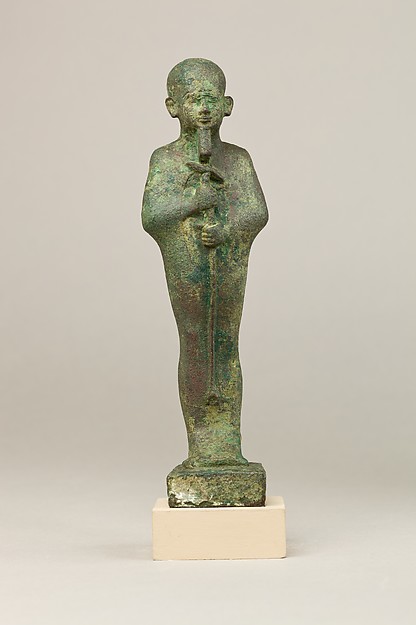
Statuette of Ptah wearing a close-fitting cap, straight beard and enveloping garment. Made of cupreous metal, it is dated by the Met to 664–30 BCE; object 04.2.406
Entity
Ptah is an Egyptian god associated with Memphis, craftsmanship and creation
Name variants: Ptah
Context and sources →
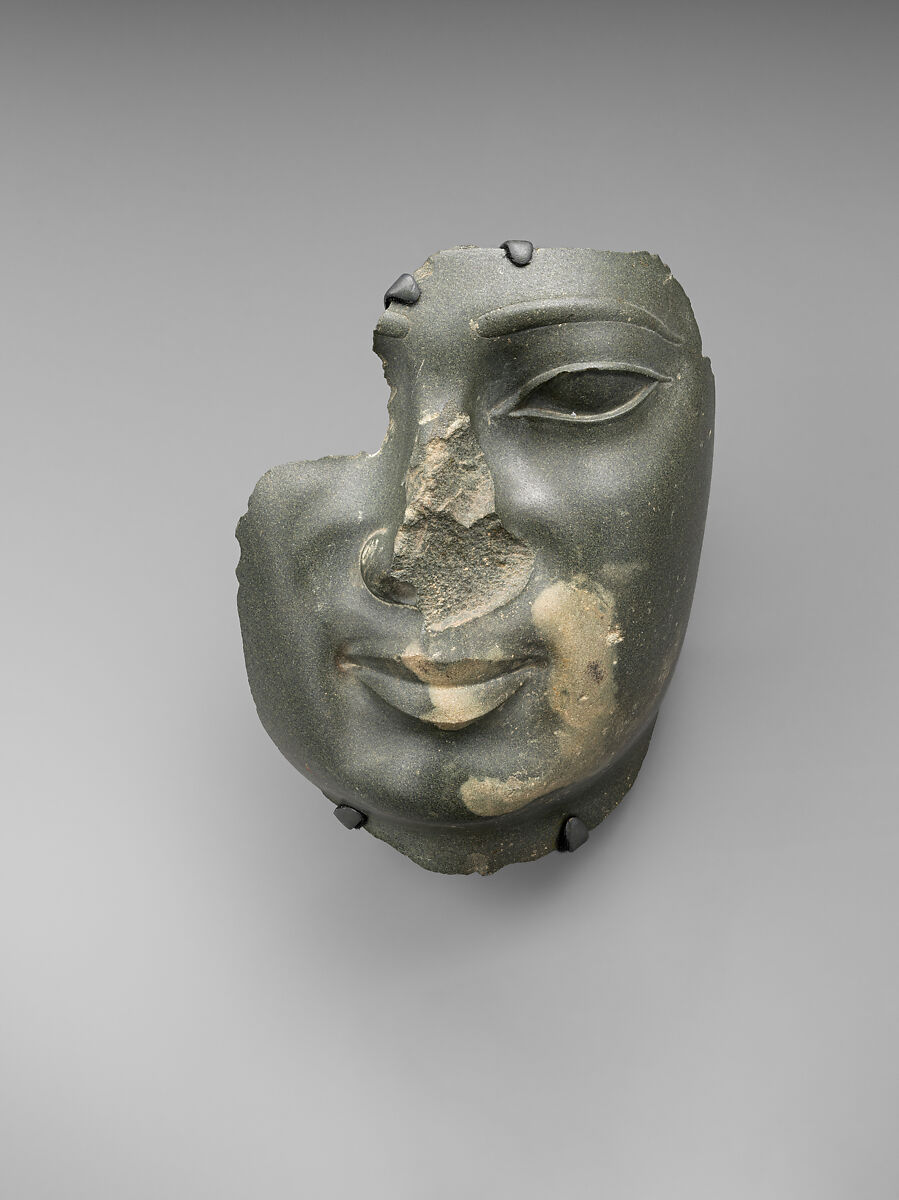
Statue-face fragment from Heliopolis, 284–246 BCE, The Met 12.187.31. Attributed to Ptolemy II or a contemporary; the identity is uncertain
Entity
Dynasty of Macedonian origin ruling Egypt as kings from 305 to 30 BCE, amid Greek and Egyptian traditions.
Name variants: Ptolemaic dynasty in Egypt
Context and sources →
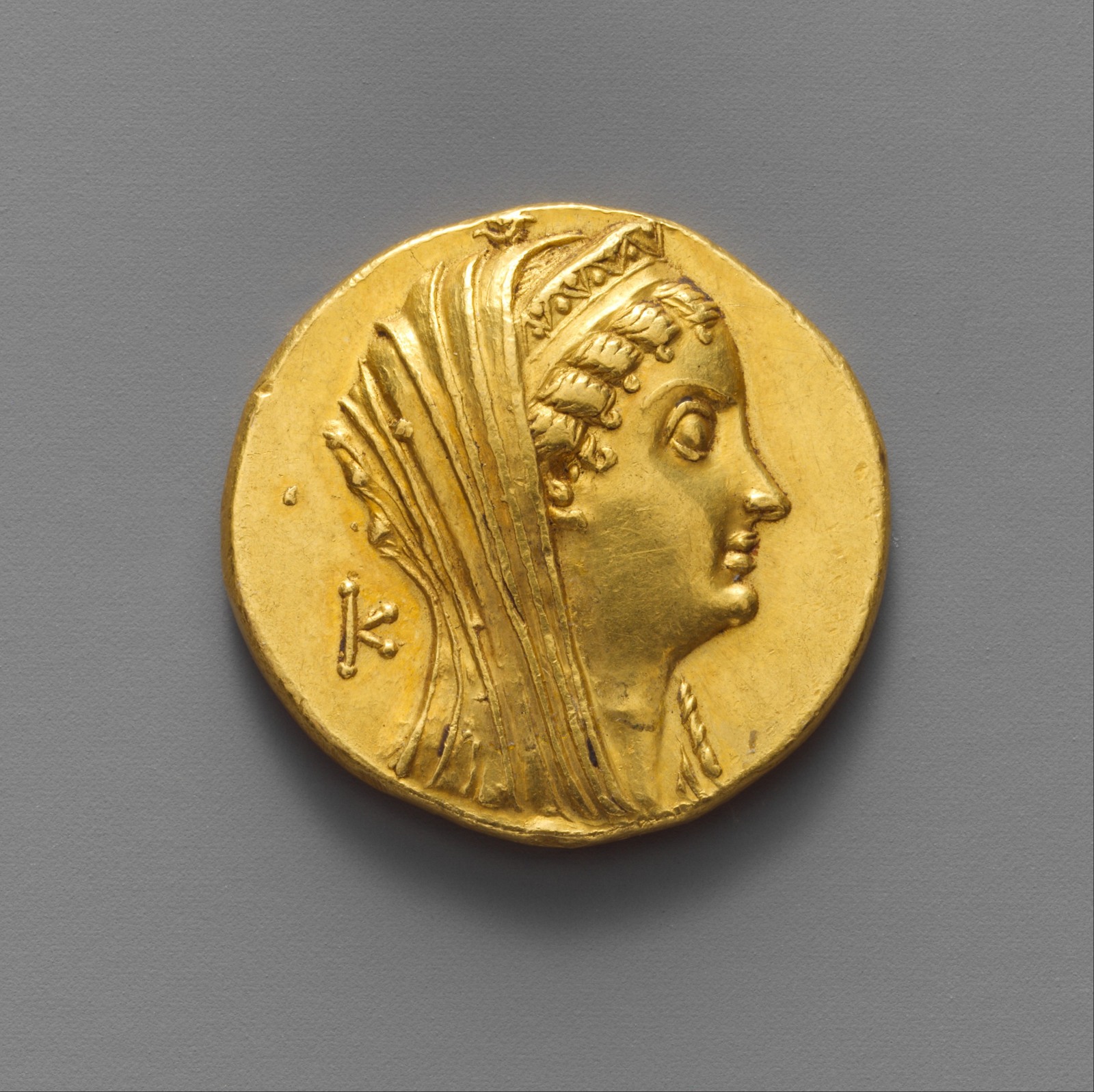
Gold coin obverse, reign of Ptolemy II, Alexandria, c. 261–246 BCE. The portrait is Arsinoe II, not the king. Met 30.115.23. Context for Ptolemaic Egypt, not evidence of Torah translation. Original preserved; resized without cropping
Entity
Ptolemaic ruler of Egypt (sole reign c. 282–246 BCE), linked to Alexandrian cultural patronage and, in the later Letter of Aristeas, the Greek Torah translation; the particulars of royal commissioning remain independently unverified.
Name variants: Ptolemy II, Ptolemy II Philadelphus, Ptolemy II Philadelphos
Context and sources →
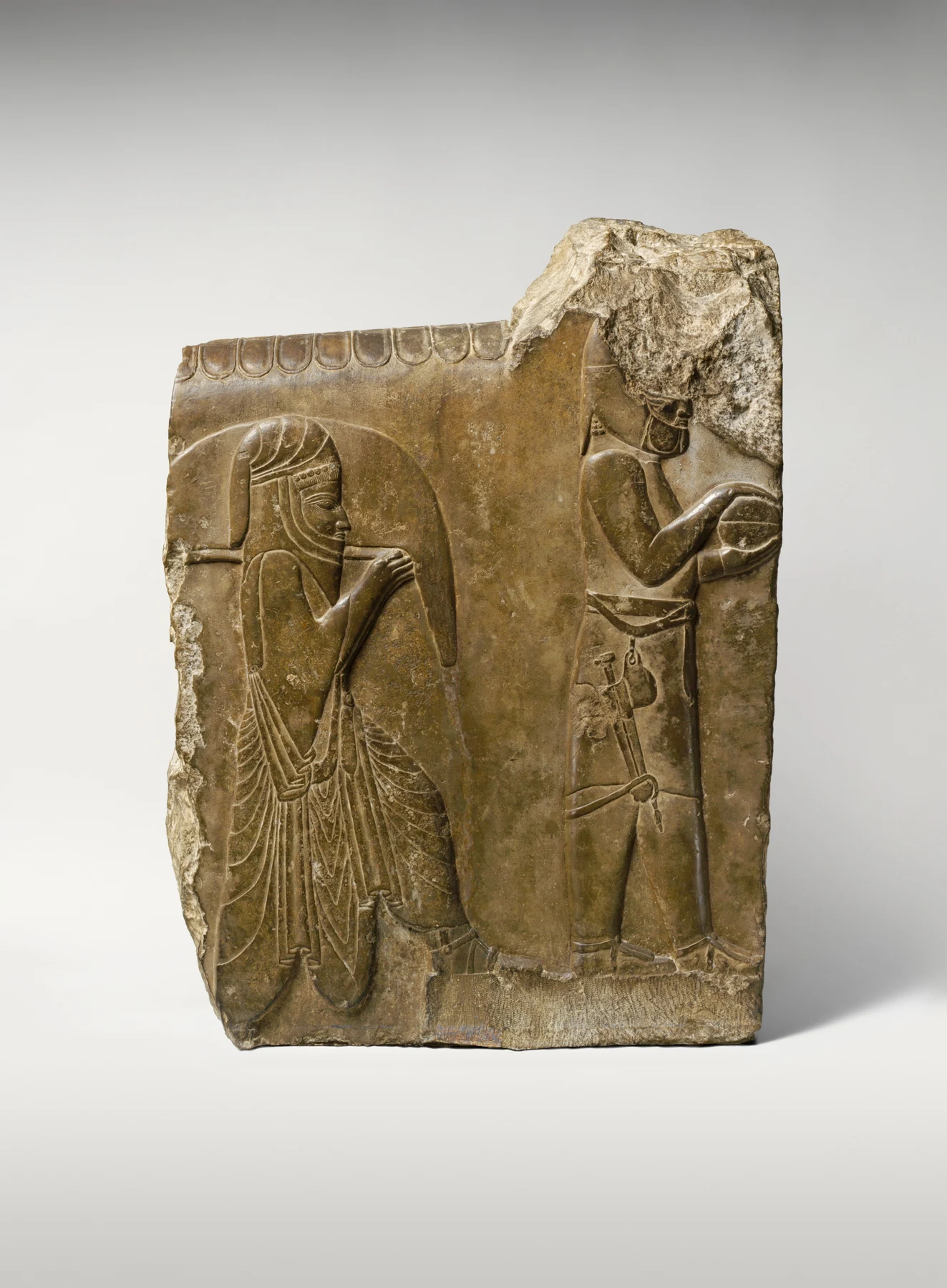
Limestone relief of two servants carrying food and drink, Persepolis, ca. 358–338 BCE, under Artaxerxes III. Metropolitan Museum, 34.158, public-domain photograph. Evidence for the representation of banquet service, not Esther, Haman or a banquet of Xerxes
Entity
Jewish festival connected in Esther with rescue and lots; the book’s explanation alone does not establish the first historical origin of every element.
Name variants: Purim, Purim festival
Context and sources →
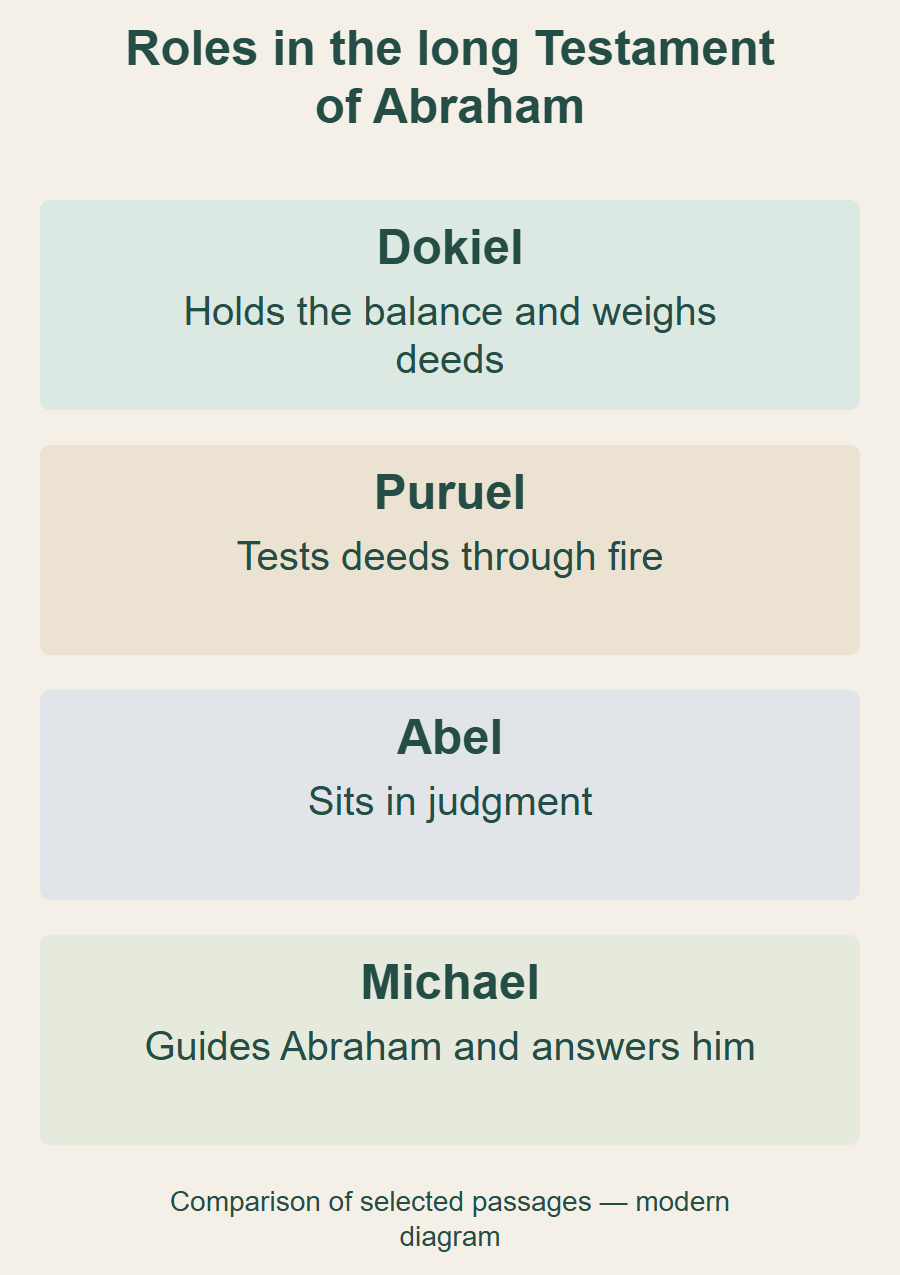
Modern chart of the long Testament of Abraham: Abel judges, Dokiel weighs, Puruel tests by fire and Michael guides Abraham; not ancient likenesses
Entity
Puruel is an angel in the long Testament of Abraham who tests deeds by fire.
Name variants: Puruel
Context and sources →
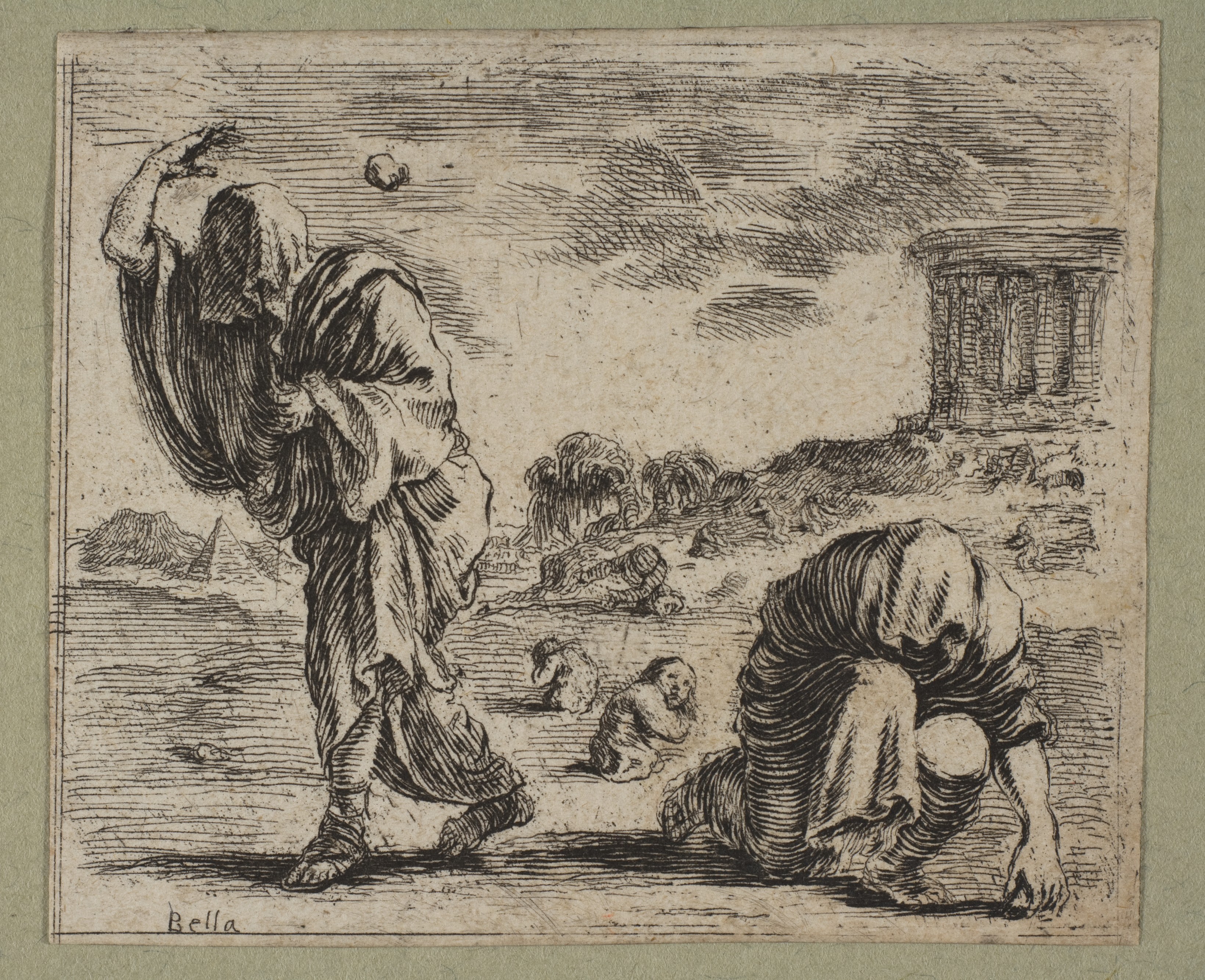
Deucalion and Pyrrha throwing stones; etching by Stefano della Bella, designed by Jean Desmarets de Saint-Sorlin, 1644, Met 18.48.2-48. Later artistic reception, not a witness from Pindar’s time
Person
Greek figure surviving with Deucalion and associated with humanity’s renewal from stones.
Name variants: Pyrrha in Deucalion’s flood story, Pyrrha
Context and sources →
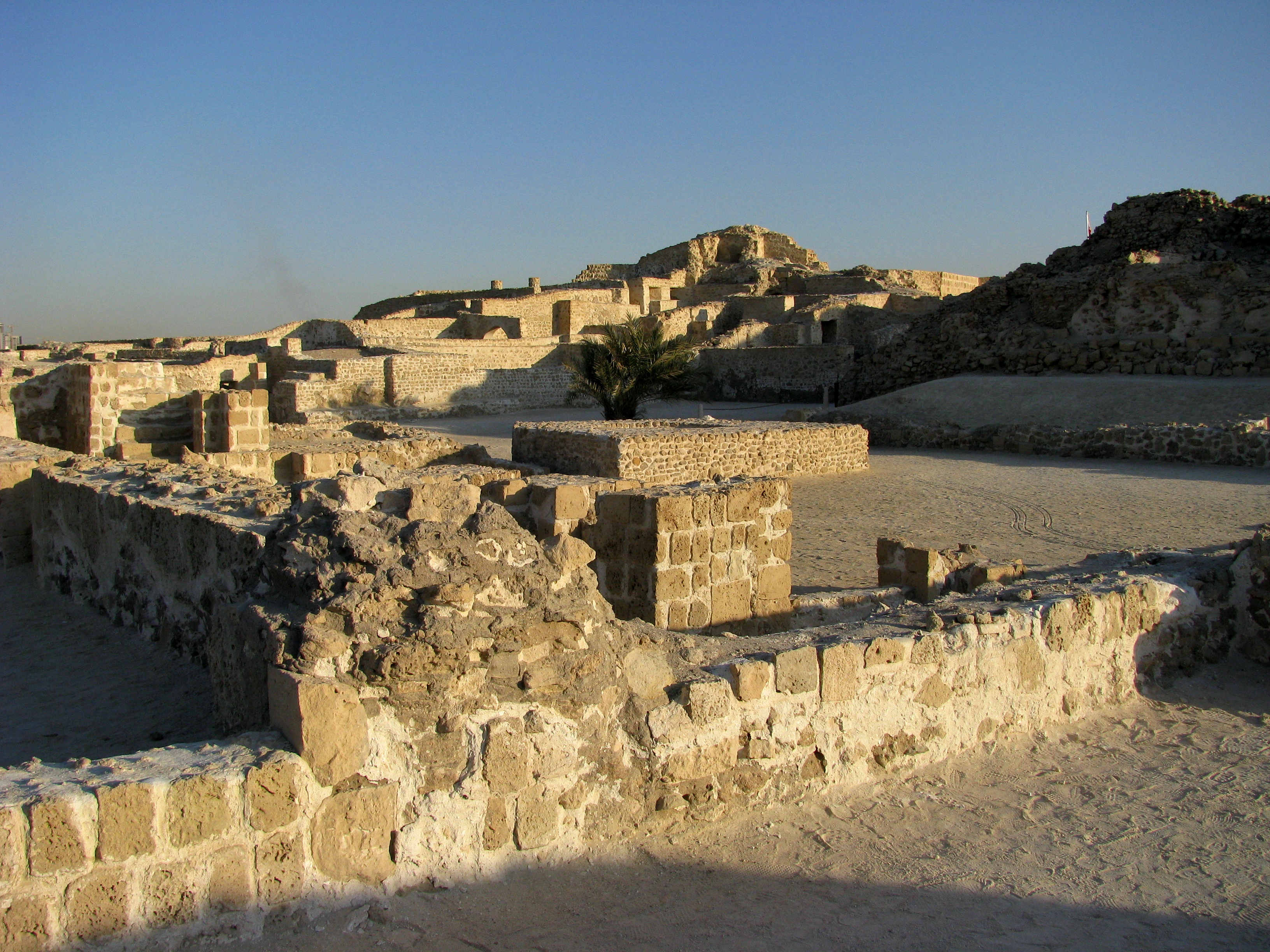
View at Qal’at al-Bahrain, Peter Dowley, 9 December 2008. The site includes successive layers and a sixteenth-century CE fort; not all visible walls date to ancient Dilmun
Site
Northern Bahrain site with Dilmun-period layers and a much later Portuguese fort, inscribed by UNESCO in 2005.
Name variants: Qal’at al-Bahrain, harbour and archaeological tell
Context and sources →
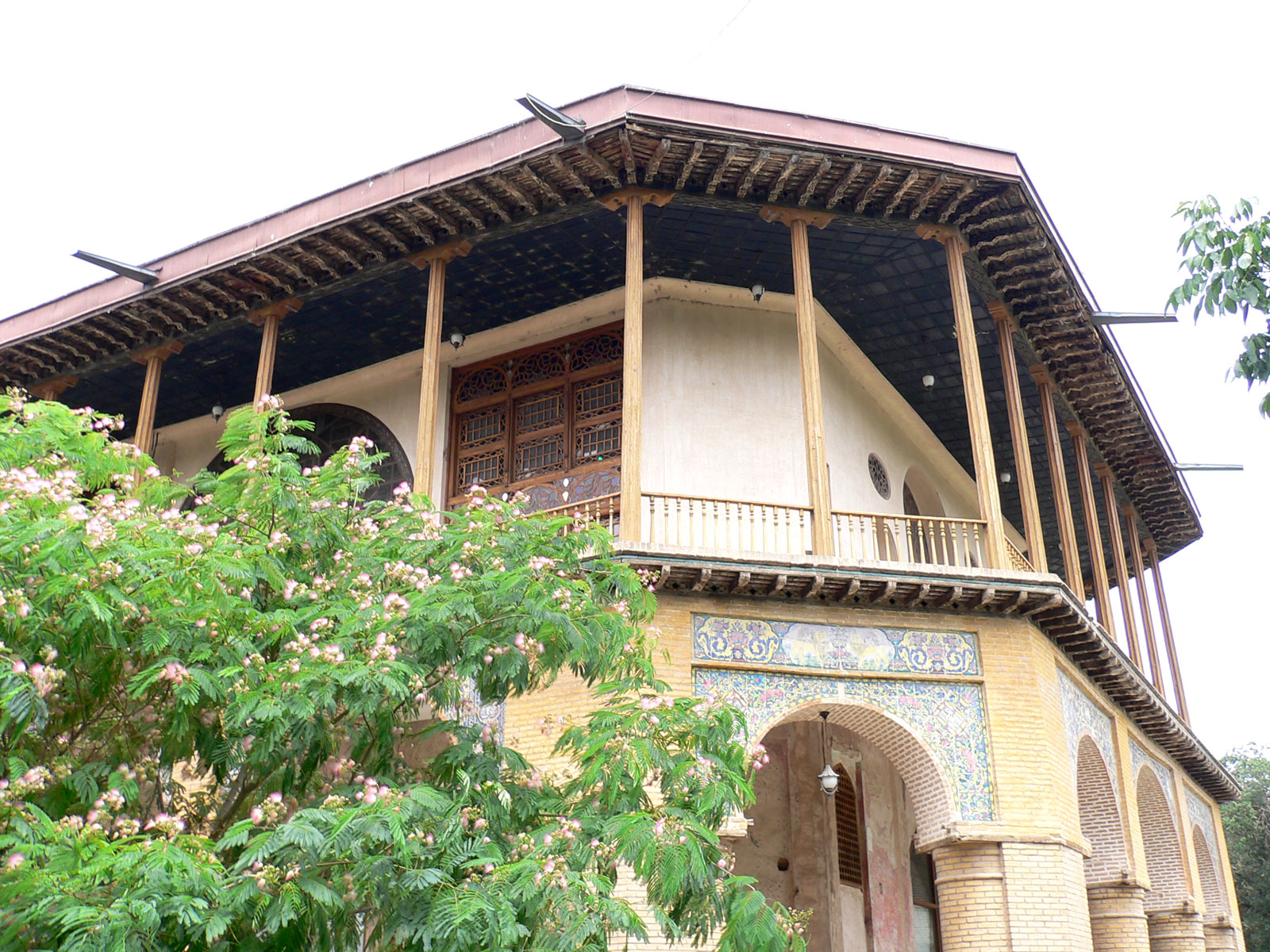
The Chehel Sotun pavilion in Qazvin, in a modern photograph uploaded in 2009. The city's heritage, not a proven production site for the Falnama leaf in the study. Abtin, CC BY-SA 3.0
Site
Iranian city that served as a Safavid capital in the later sixteenth century and was associated with manuscript arts.
Name variants: Qazvin, Qazvīn
Context and sources →
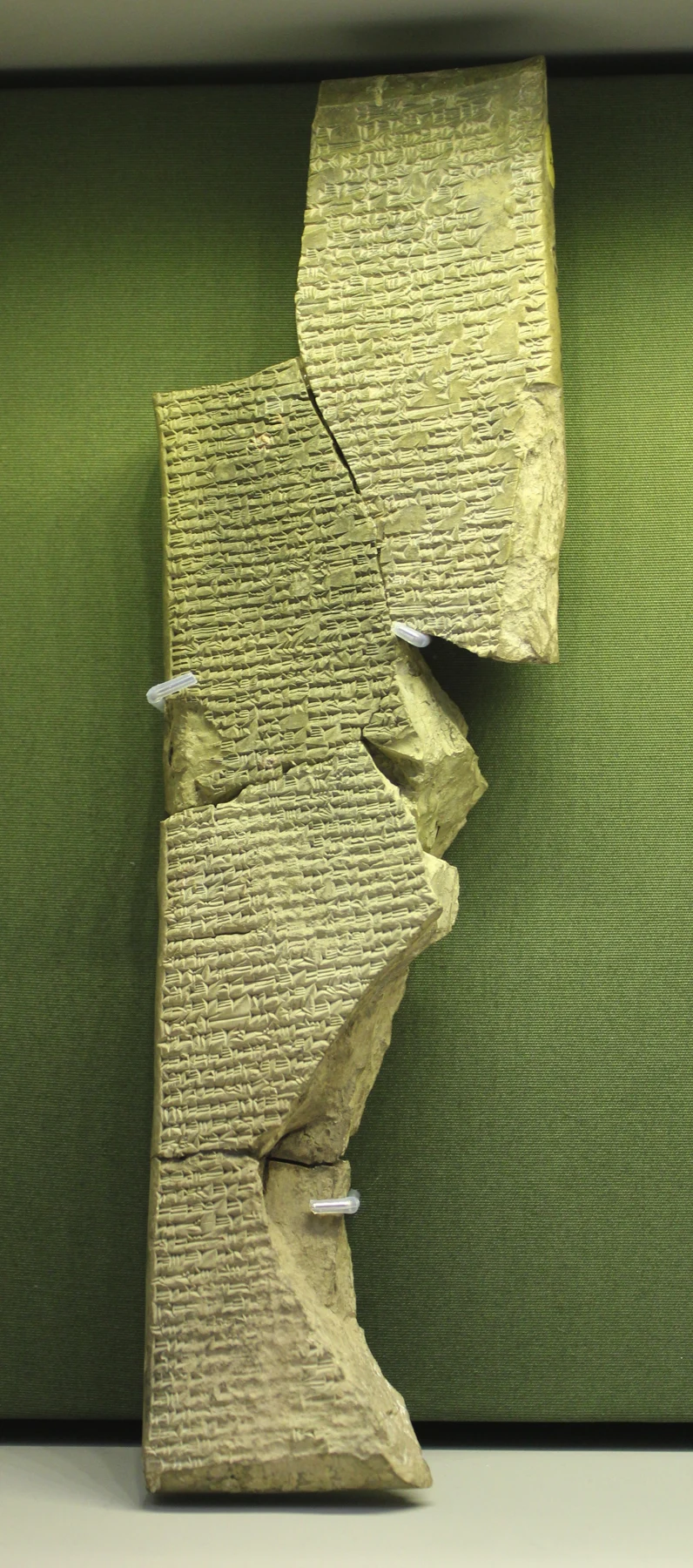
Cuneiform fragment K.3473 from Nineveh, a Neo-Assyrian witness to Enuma Elish Tablet III in the British Museum. This is a photograph of the textual witness, not Qingu or the Tablet VI creation episode
Entity
Qingu (Kingu): a god whom Tiamat appoints commander and gives the Tablet of Destinies; captured after Marduk’s victory, his blood is used to make humans in Tablet VI.
Name variants: Qingu, Kingu
Context and sources →
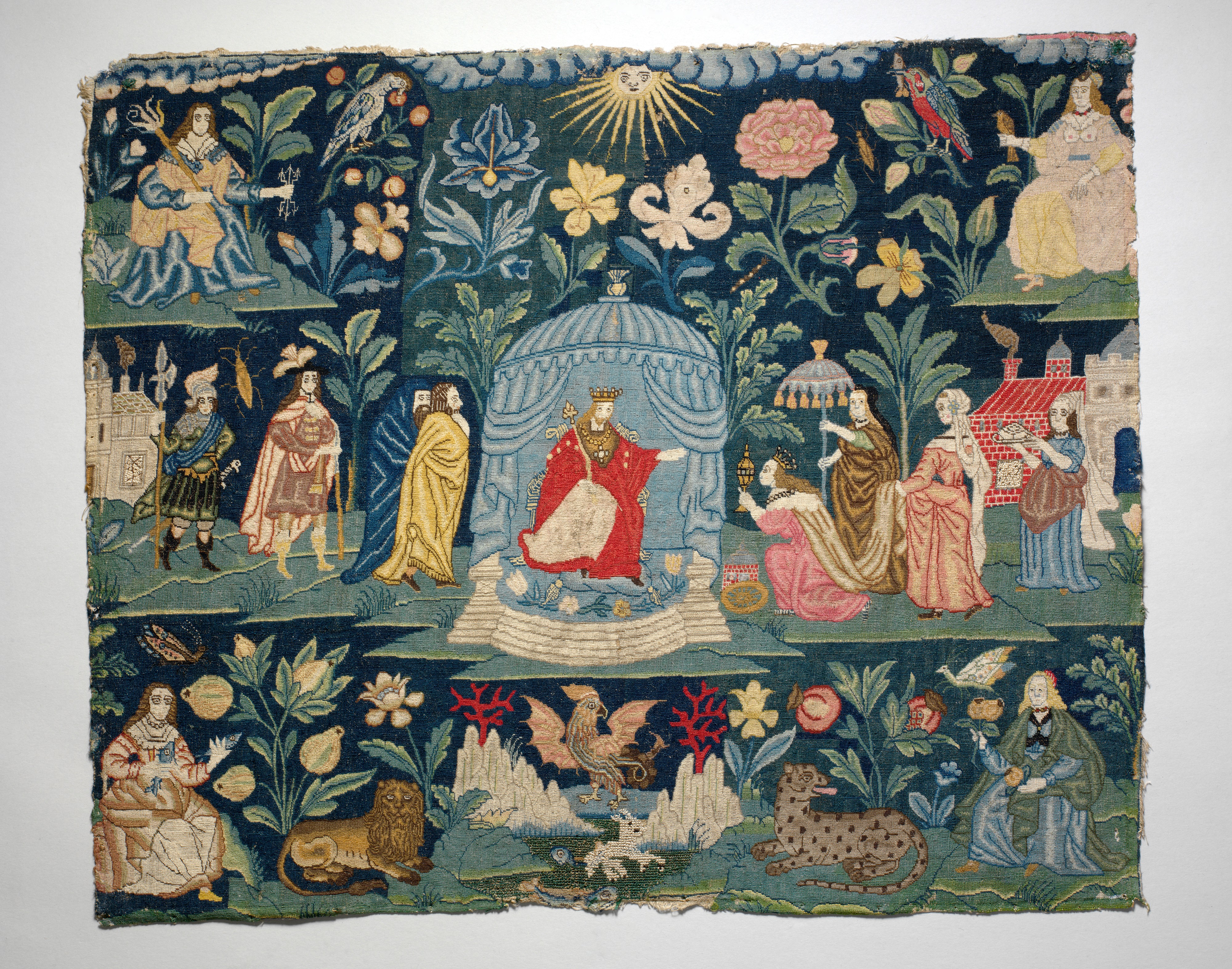
Solomon's meeting with the Queen of Sheba in British embroidery, ca. 1700: later artistic reception, not a historical portrait. Met 64.101.1307; public domain
Person
The ruler in narratives of Solomon's encounter with Sheba; neither First Kings nor the Quran gives her a personal name, and her historical identification is unresolved.
Name variants: Queen of Sheba
Context and sources →
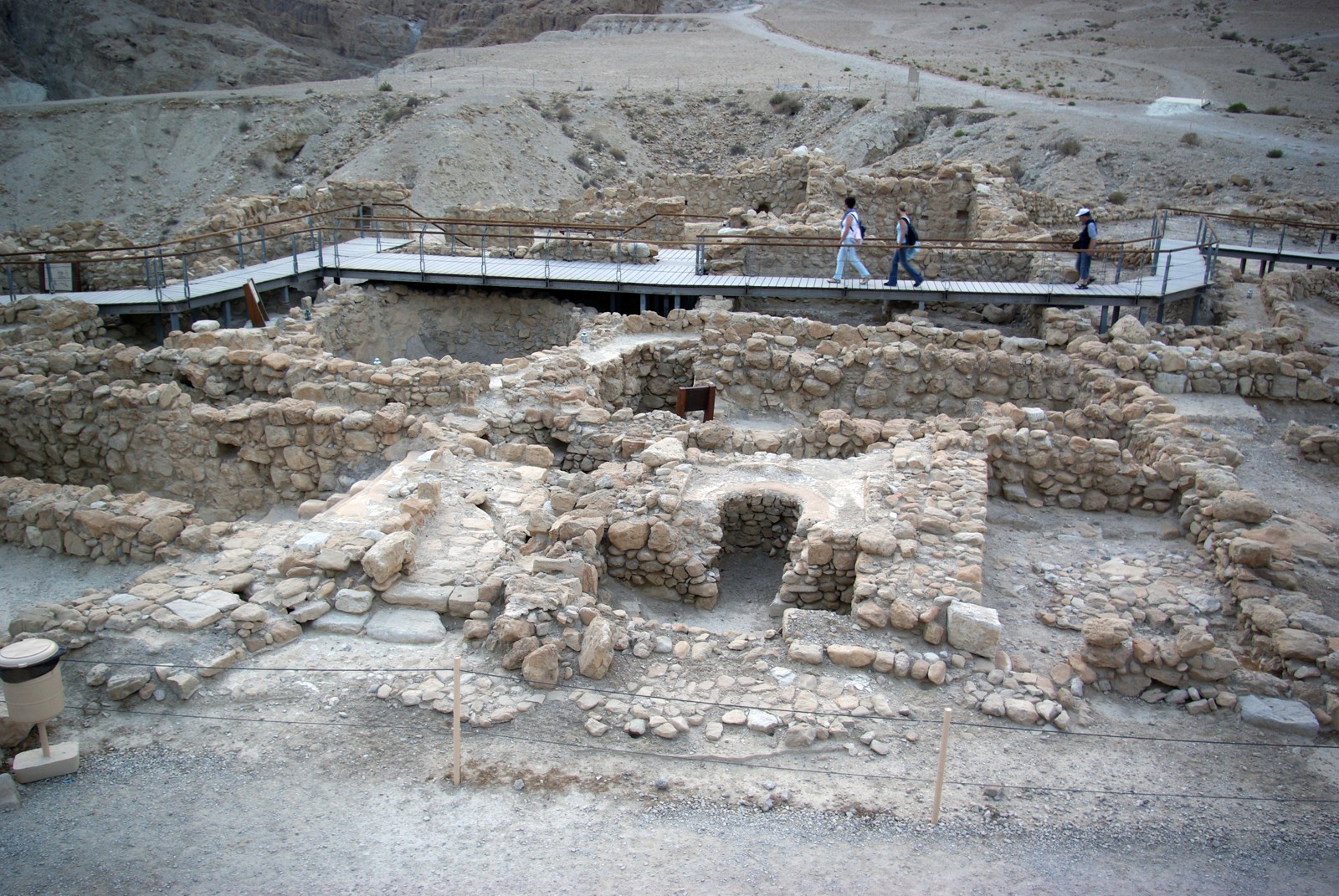
The ruins of Khirbet Qumran photographed in 2008. This is the built site, not a scroll cave or a manuscript fragment; the original photograph is preserved and the display copy is resized without cropping
Site
Archaeological site northwest of the Dead Sea near manuscript caves; its settlement and the groups who deposited the scrolls are studied together but not assumed identical. It is not synonymous with all Dead Sea Scrolls.
Name variants: Qumran, Khirbet Qumran
Context and sources →
Person
Hebrew Bible scholar at Bar-Ilan University studying the Ark and cherubim.
Name variants: Raanan Eichler
Context and sources →
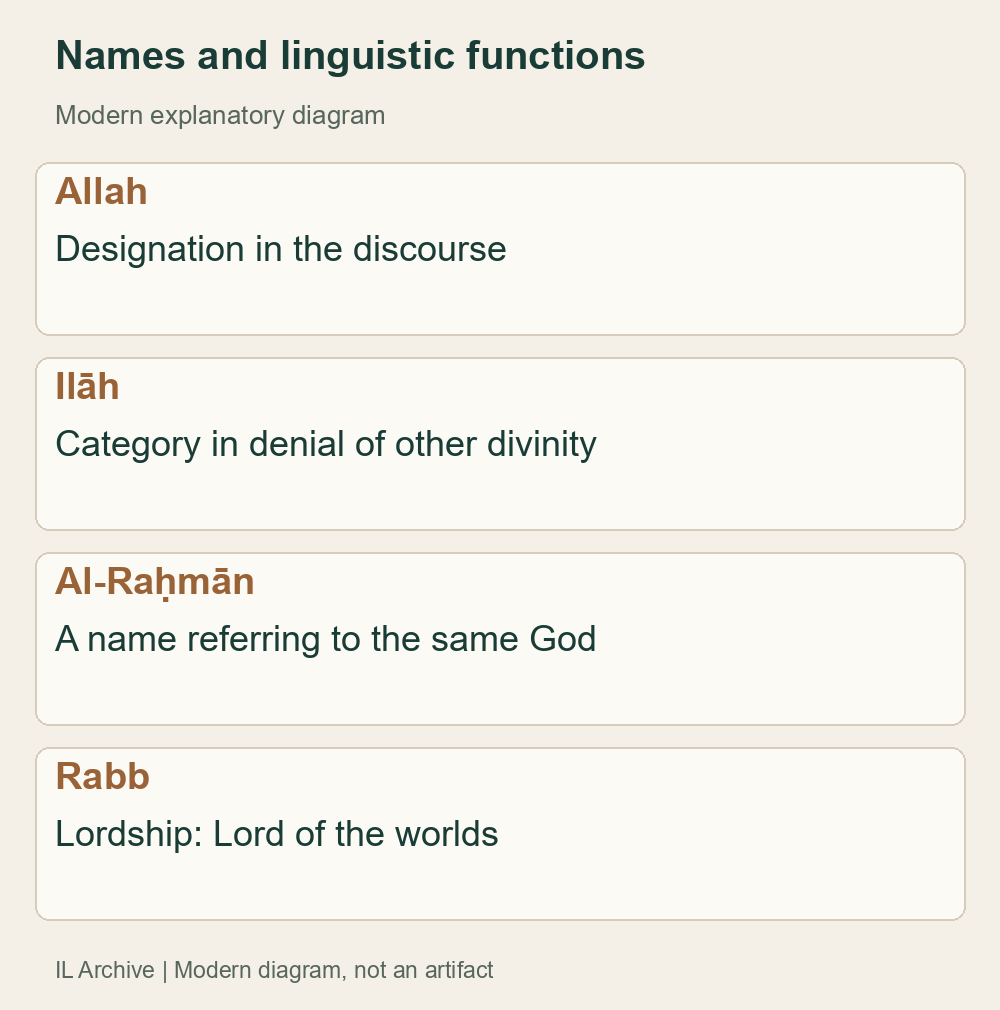
Modern explanatory diagram of Allah, ilāh, al-Raḥmān and rabb in Qur’anic usage; neither an etymological tree nor four separate gods. The etymology of “Allah” is a different question. [1][2][12]
Entity
Arabic term for mastery, ownership or care according to context; used for God and human masters, without itself naming a separate deity.
Name variants: rabb, Lord of the worlds
Context and sources →
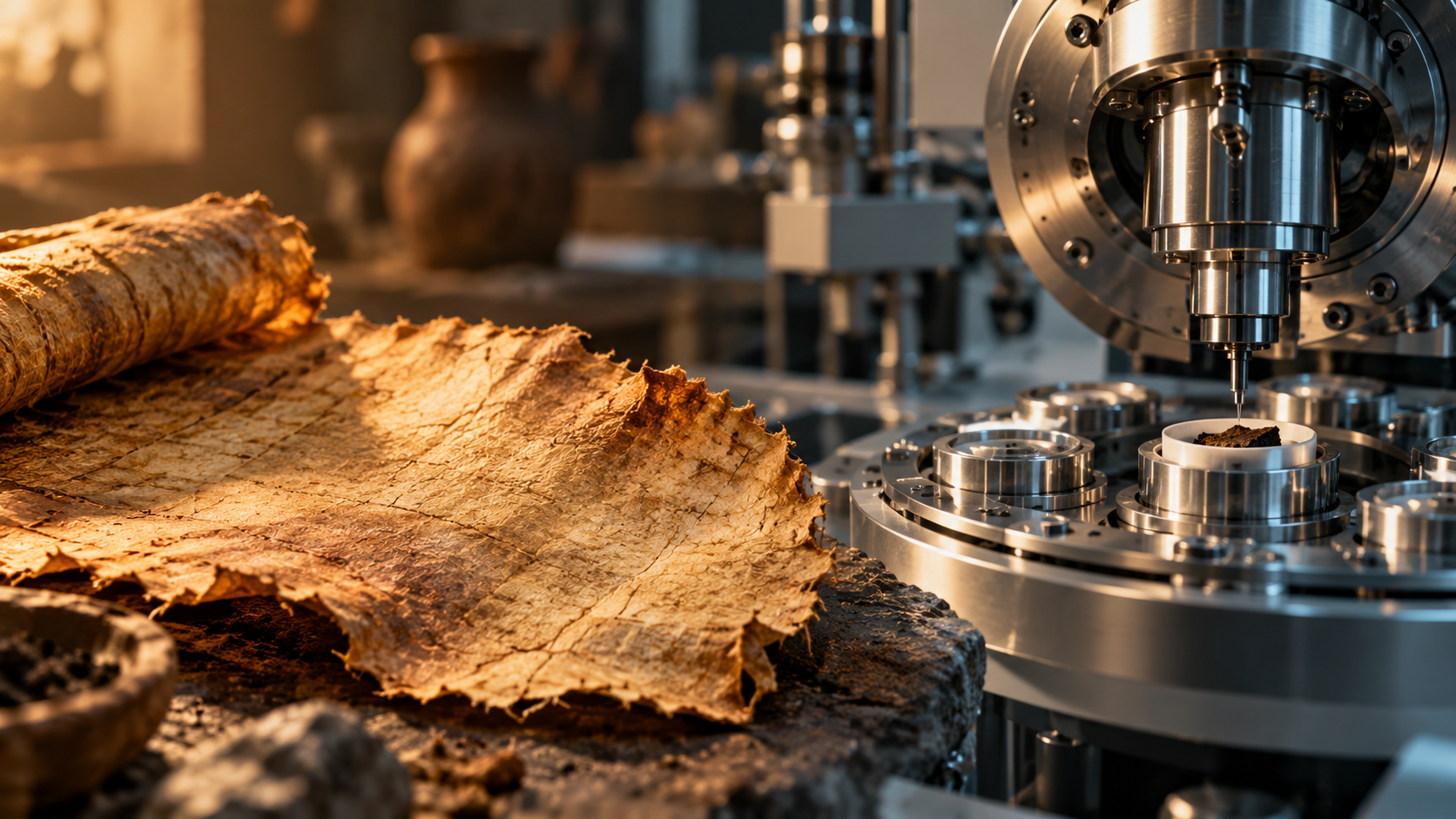
Modern conceptual illustration pairing parchment-like material with a contemporary analyser to distinguish dating a support from dating its writing; not the Birmingham manuscript or a real laboratory photograph
Entity
A method for estimating the age of organic material by measuring carbon-14 and calibrating the result; parchment age does not directly date writing.
Name variants: Radiocarbon dating, Carbon-14 dating
Context and sources →
Person
Scholar of ancient Mesopotamian and eastern Mediterranean literature; co-authored a 2021 comparison of Isaac and Iphigenia.
Name variants: Heth
Context and sources →
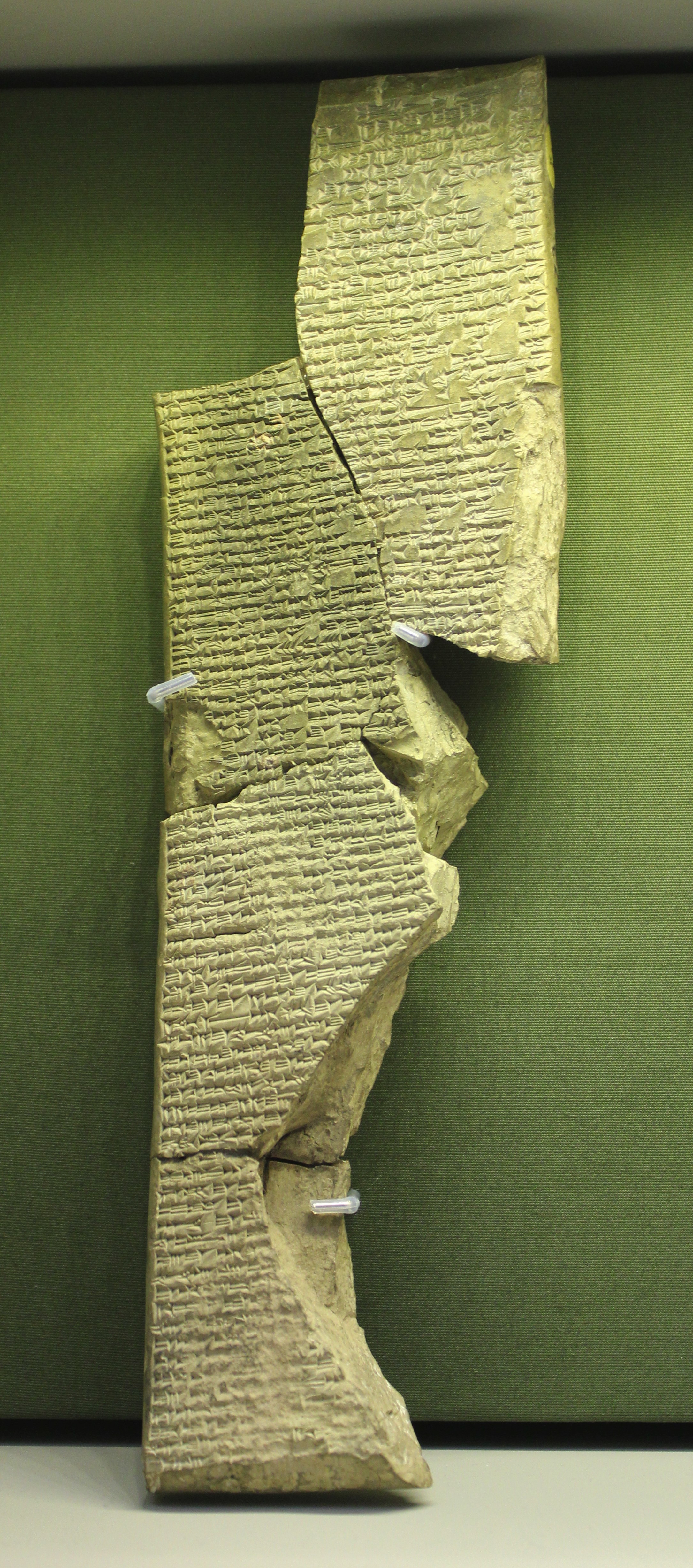
Joined fragments of Enuma Elish Tablet III, from seventh-century BCE Nineveh, in the Neo-Assyrian period, British Museum (K.3473+). A material witness to the poem’s transmission, not a depiction of Anu-rank or the passages quoted here from Tablets I and IV. Photograph, 2020
Entity
An Akkadian term for supreme rank associated with Anu; dictionary and Enuma Elish examples clarify its attribution to other gods and its limits.
Name variants: anūtu, anûtu, Anu-power
Context and sources →
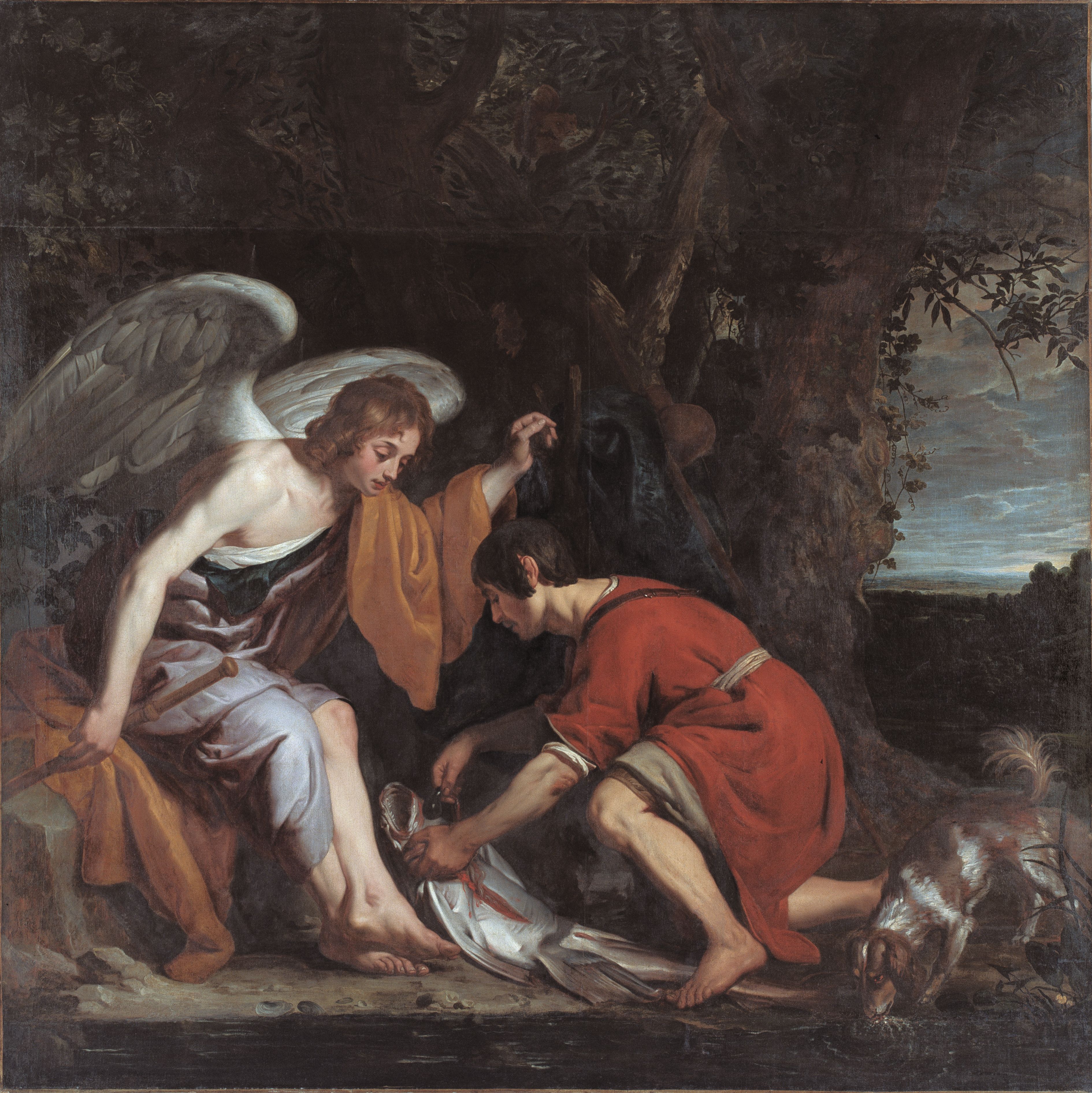
Gaspar de Crayer, Tobias and the Angel, c.1618, oil on canvas, Museum of Fine Arts Ghent, S-13. Raphael is on the left as Tobias cuts open the fish: a later European portrayal of the story, not documentation of the angel or event
Entity
Raphael means “God has healed,” a name borne by a human in Chronicles and an angel in Tobit and 1 Enoch. In Tobit he accompanies the travelling son, helps heal the father and presents prayer before God; in Enoch he executes judgment and explains the places of the dead. Similarity of names does not settle his relationship to Israfil.
Name variants: Raphael, Rephael
Context and sources →