Exploration
Time
Explore records by their historical setting: creation, composition, or existence in a period. A book’s publication year or an object’s discovery date does not determine its position here.
Before the third millennium BCE
-
From 13000 BCE to 9500 BCE
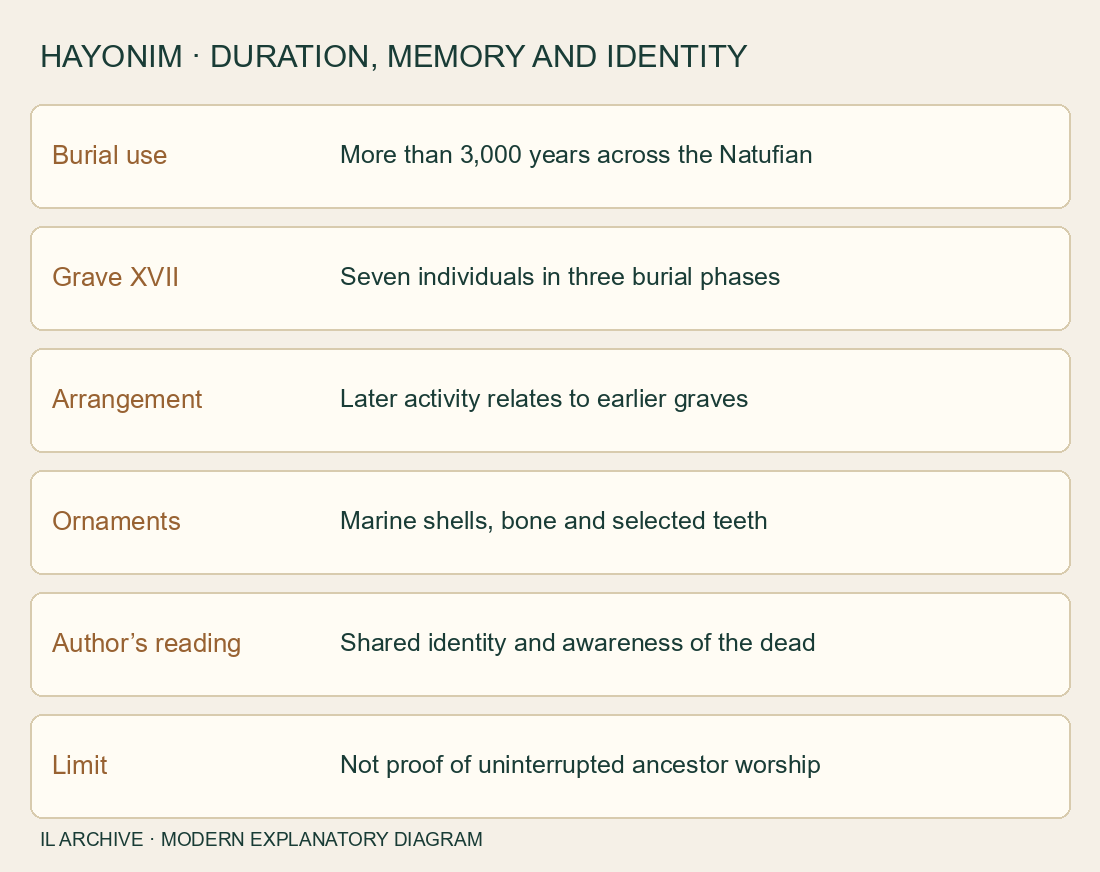
Hayonim Cave
Site · A Galilean cave with Natufian graves and ornaments; its long funerary use informs research on identity and place memory.
-
From 13000 BCE to 9500 BCE
Natufian culture
Period · A late Epipalaeolithic Levantine archaeological culture, with some long-duration settlements before fully developed agriculture.
-
From 13000 BCE to 9500 BCE
The Natufians: What Happened to Religion When People Began to Settle?
Study · Houses, graves, ornaments, feasts and place memory before fully developed agriculture: Natufian evidence and its limits for reconstructing rituals, ancestors and gods.
-
From 11750 BCE to 9750 BCE
Raqefet Cave
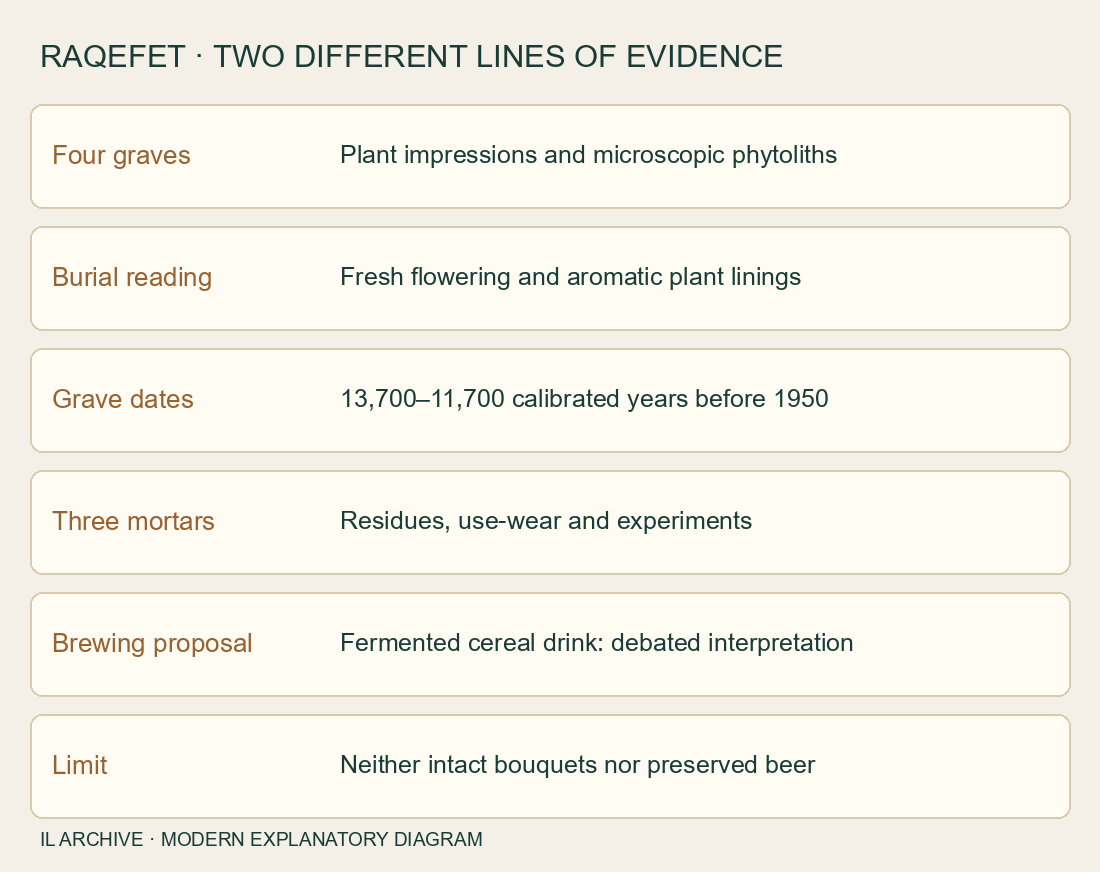
Site · A Mount Carmel cave with plant-lined burial evidence and mortars whose possible use for brewing has been debated.
-
From 10450 BCE to 10050 BCE
Hilazon Tachtit
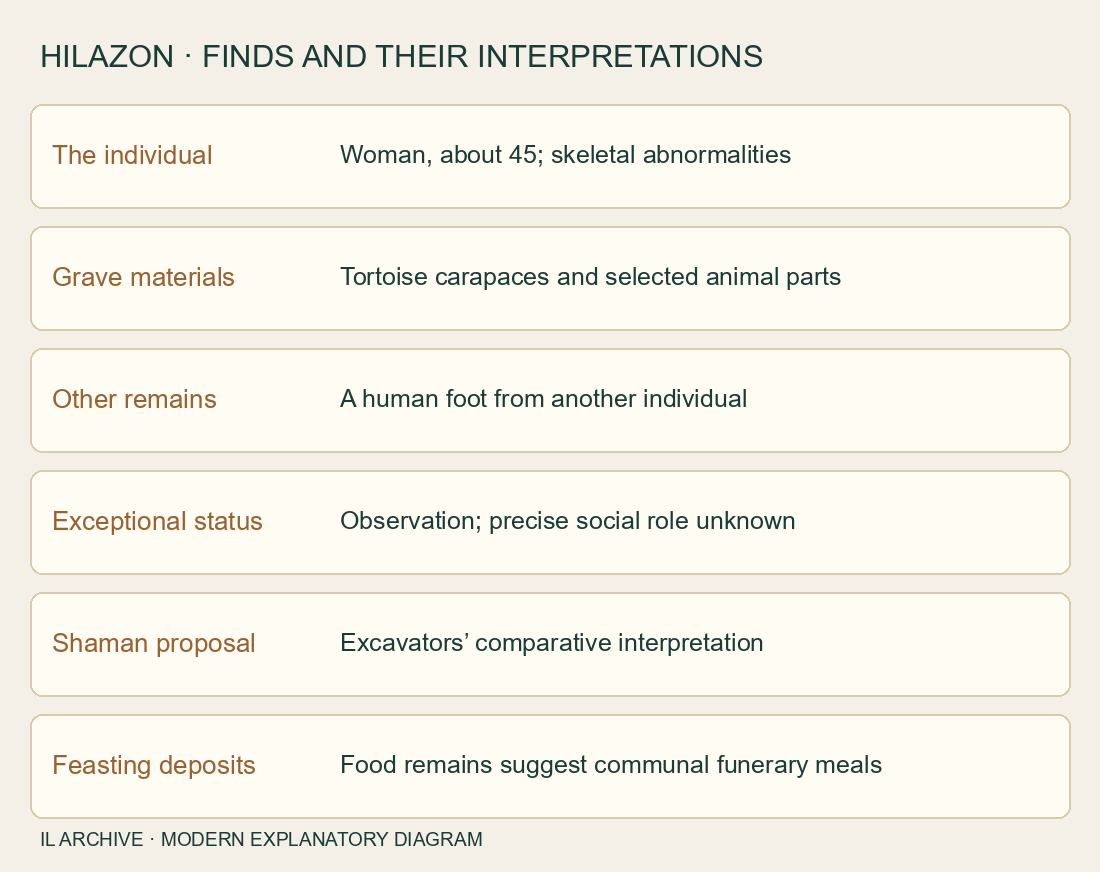
Site · A Late Natufian burial cave in Galilee, with an exceptional woman’s grave and deposits interpreted as funerary feasts.
-
From 9600 BCE to 8200 BCE
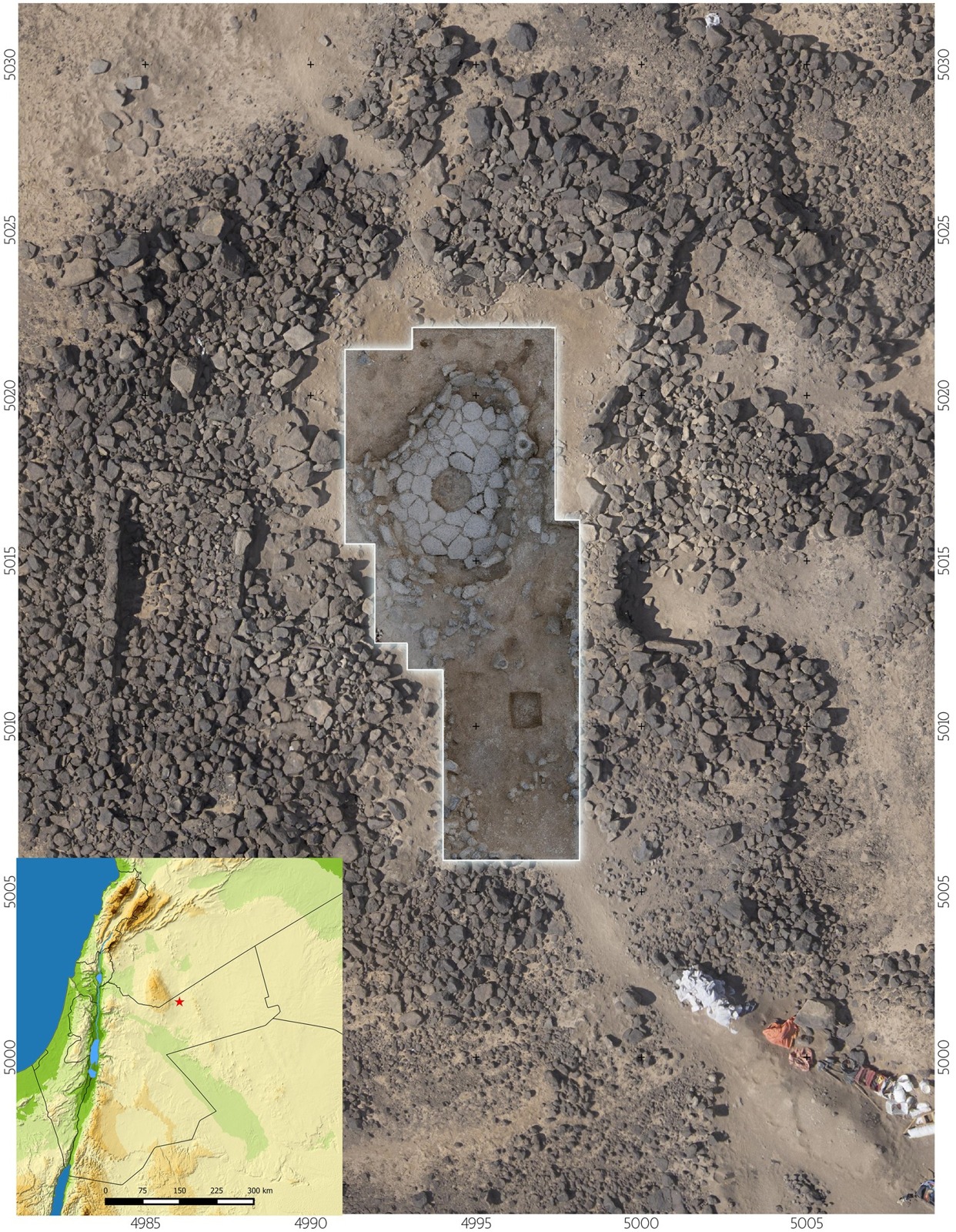
Göbekli Tepe
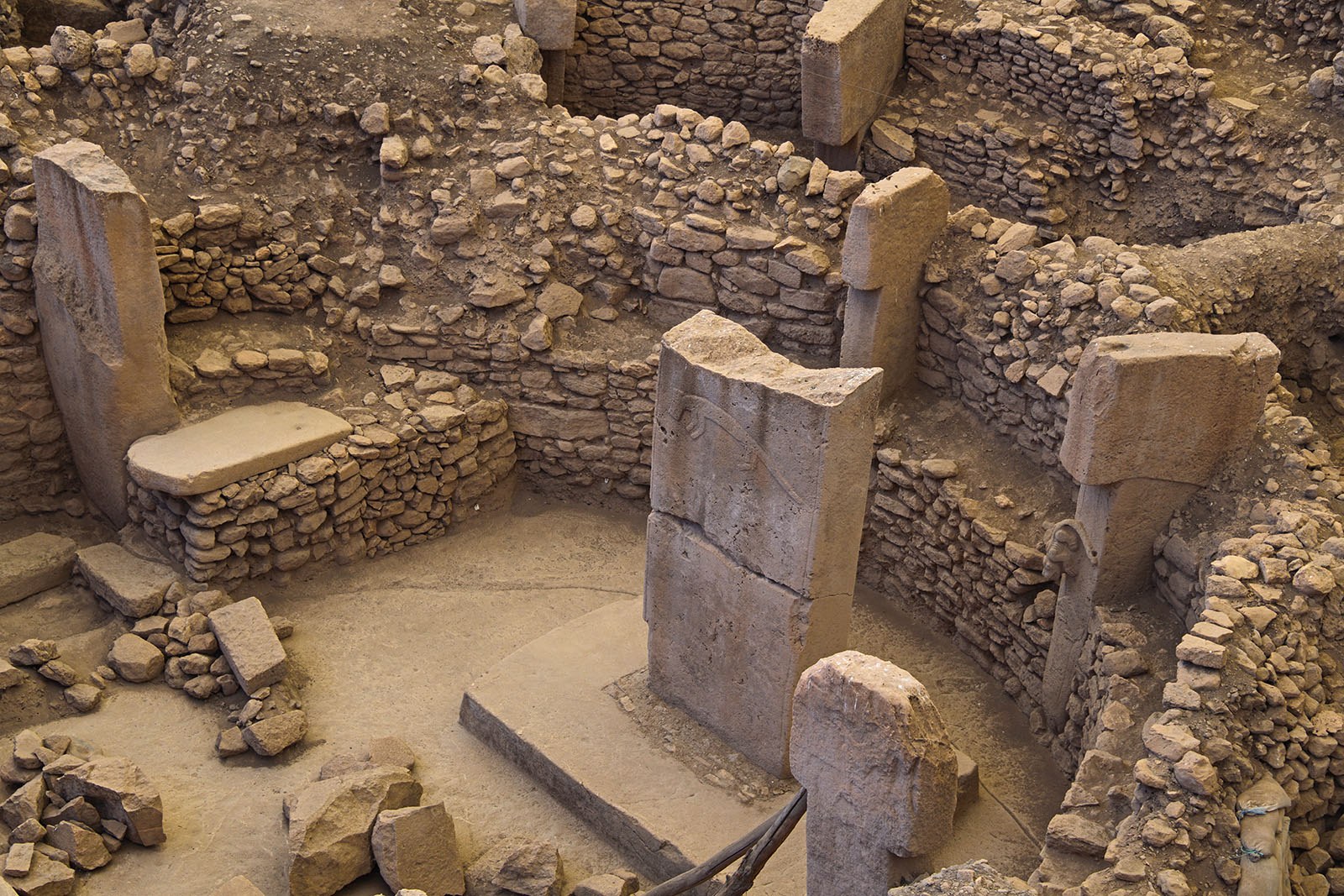
Site · A Neolithic site in southeastern Turkey, known for communal buildings and T-shaped pillars; the excavation team describes a settlement with a pronounced ritual component.
-
From 9400 BCE to 7500 BCE
Boncuklu Höyük
Site · A Konya Plain Neolithic settlement with oval houses and burials associated with continued building use.
-
From 9400 BCE to 7100 BCE
Living Above the Dead: Subfloor Burial Before Çatalhöyük
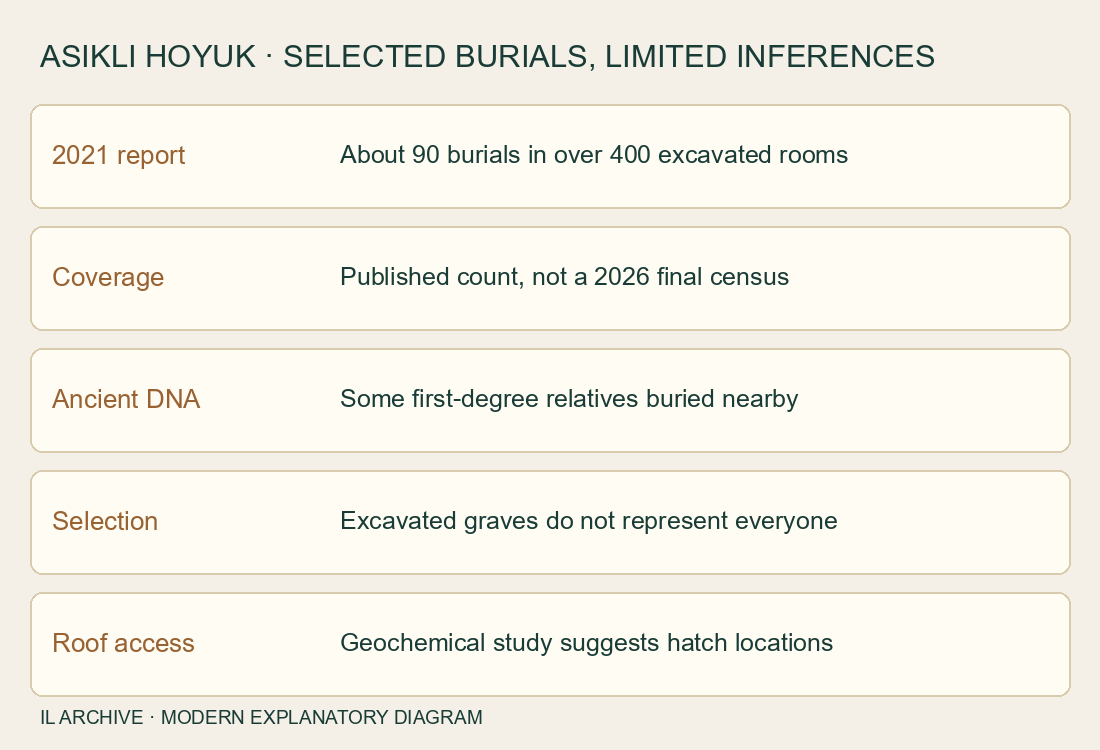
Study · From Aşıklı and Balıklı to Boncuklu: burial, kinship and building continuity, and the limits of interpretations involving memory, ancestors and the underworld.
-
From 8500 BCE to 4000 BCE
Why Did People Elongate Their Children’s Skulls? From Neolithic Head Shaping to Ubaid Figurines
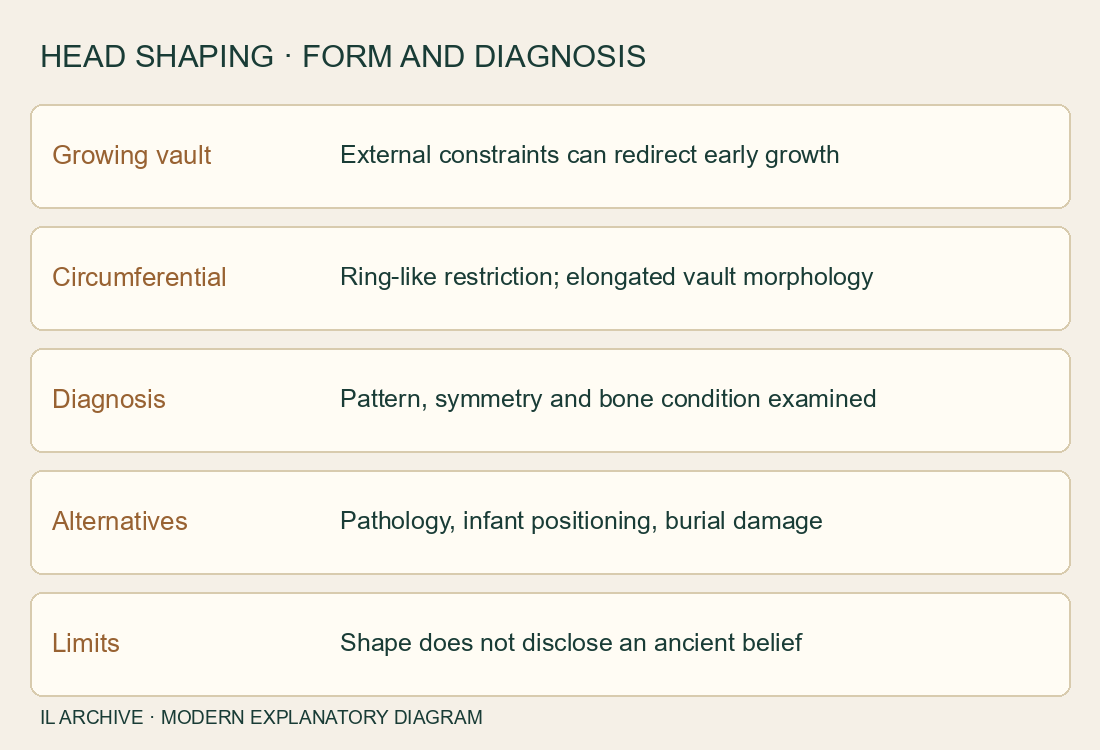
Study · Head-shaping evidence from the Zagros, Jericho and Tell Zeidan, and possible identity, beauty and status motives: what bones establish and how far they explain Ubaid figurine heads.
-
From 8350 BCE to 7300 BCE
Aşıklı Höyük
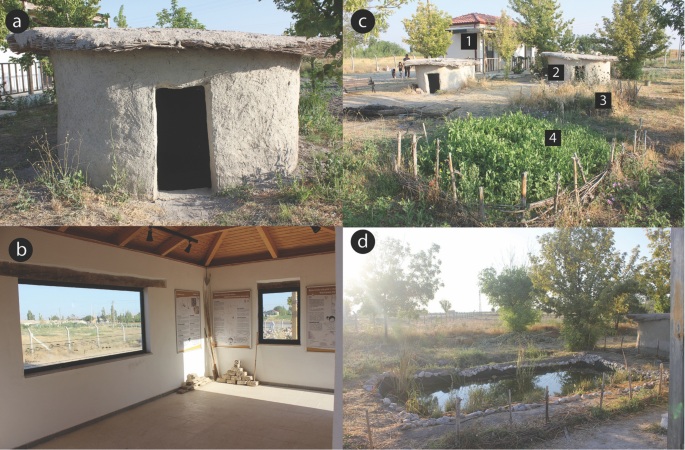
Site · A Neolithic Cappadocian settlement with successive buildings and selected subfloor burials.
-
From 8300 BCE to 7950 BCE
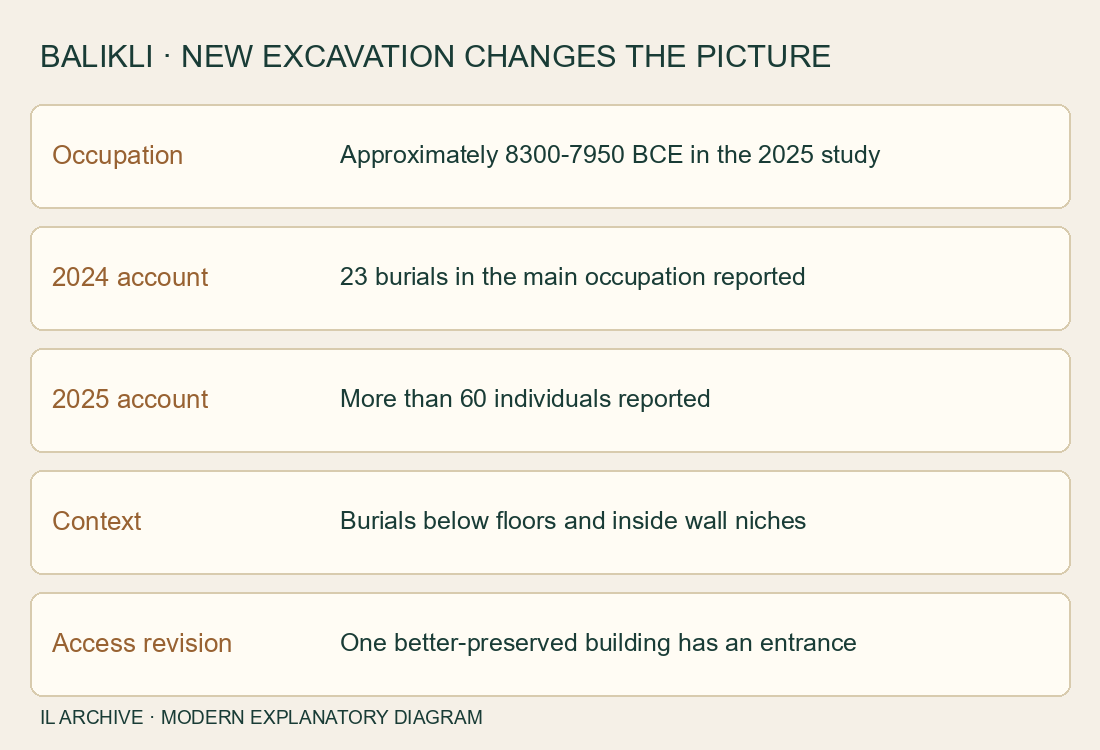
Balıklı
Site · A central Anatolian Neolithic site with floor and wall burials and special skull treatment.
-
From 8200 BCE to 6000 BCE
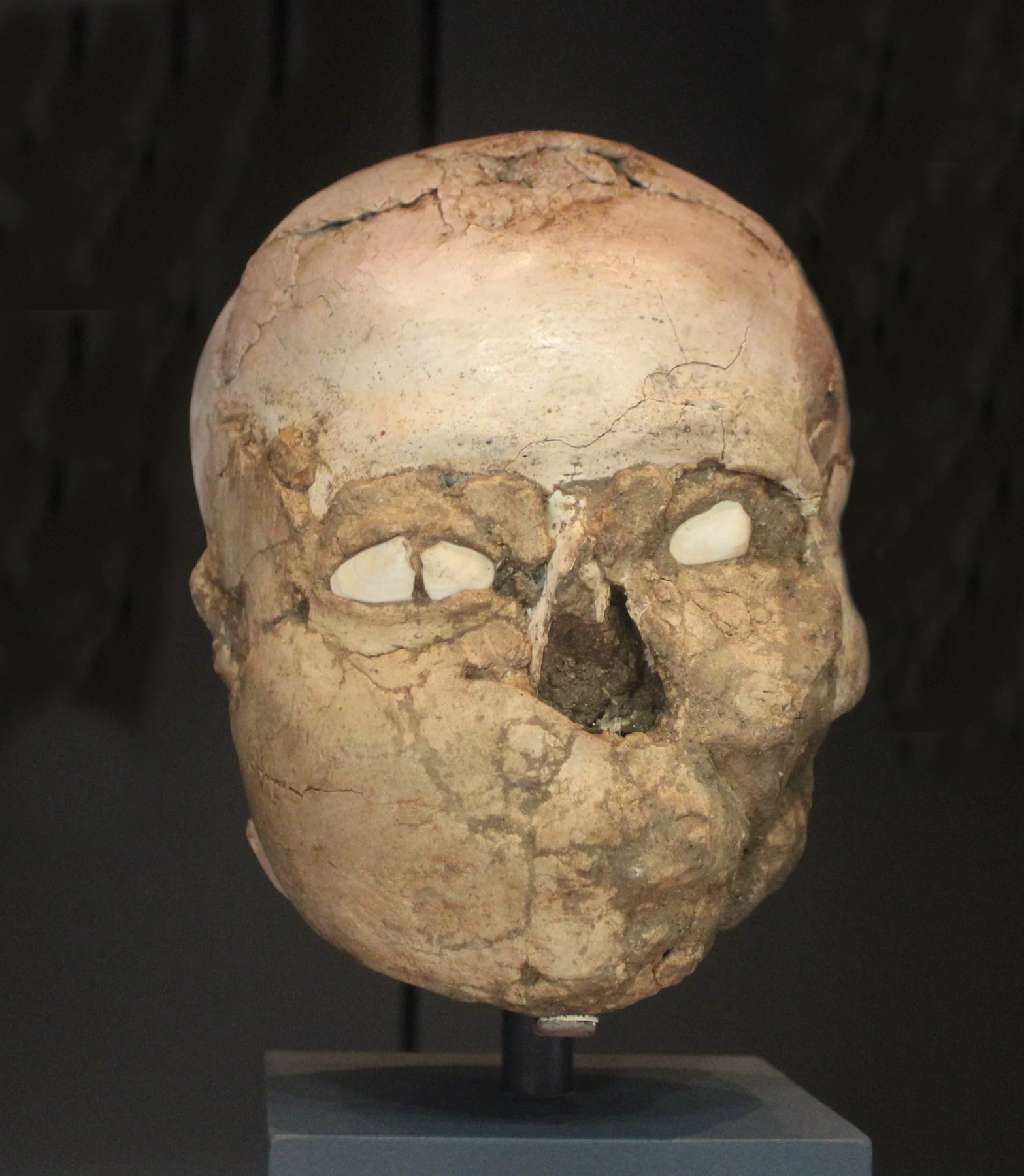
Jericho’s Plastered Skulls: Faces of the Dead and the Limits of Ancestor Interpretation
Study · From bone and plaster to imaging and facial reconstruction: evidence for mortuary treatment and hypotheses about memory, kinship and worship.
-
From 7400 BCE to 6200 BCE
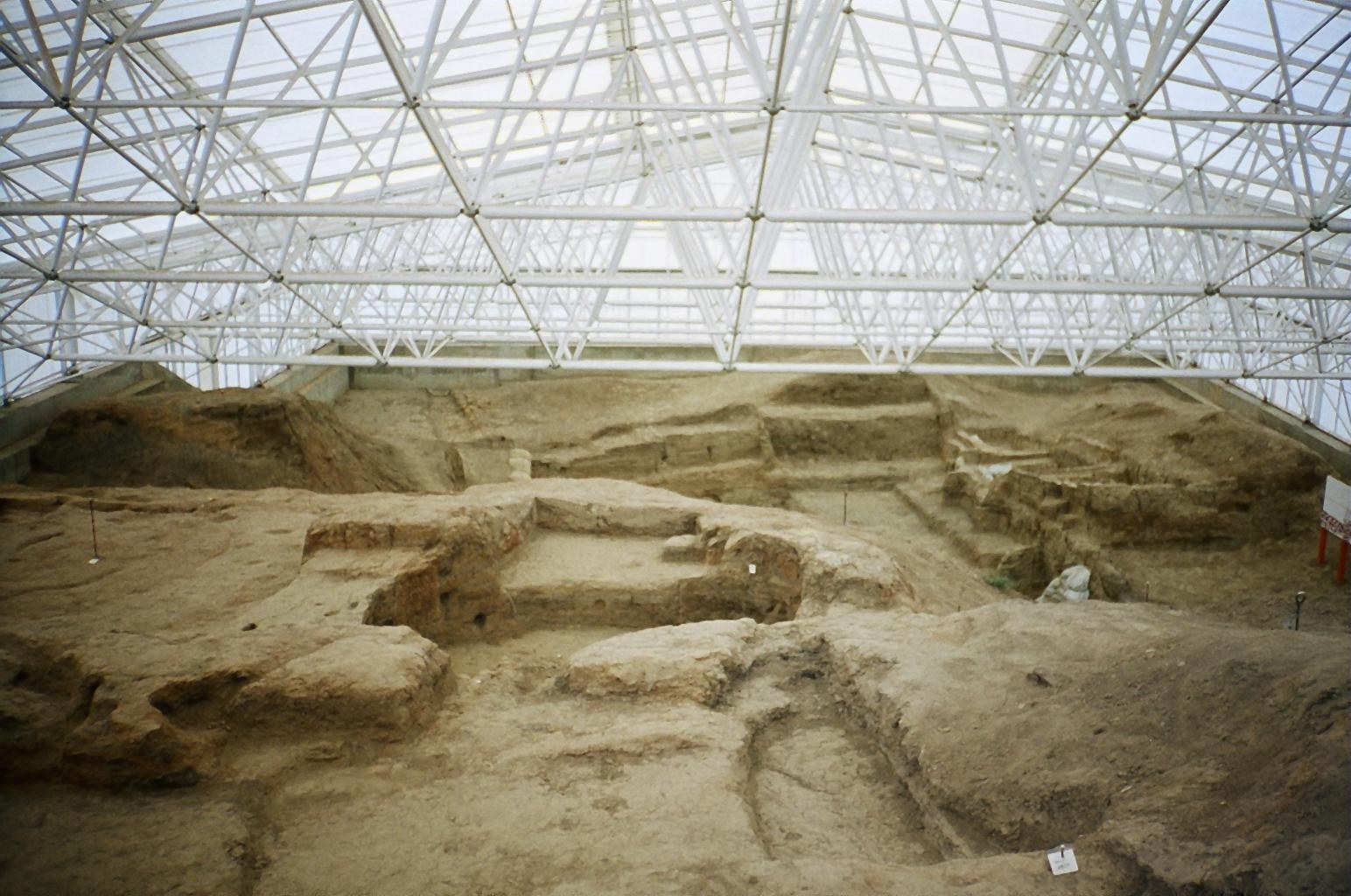
Çatalhöyük
Site · A Neolithic site in central Anatolia where domestic houses combined dwelling with burial, symbolism and social memory.
-
From 7100 BCE to 5950 BCE
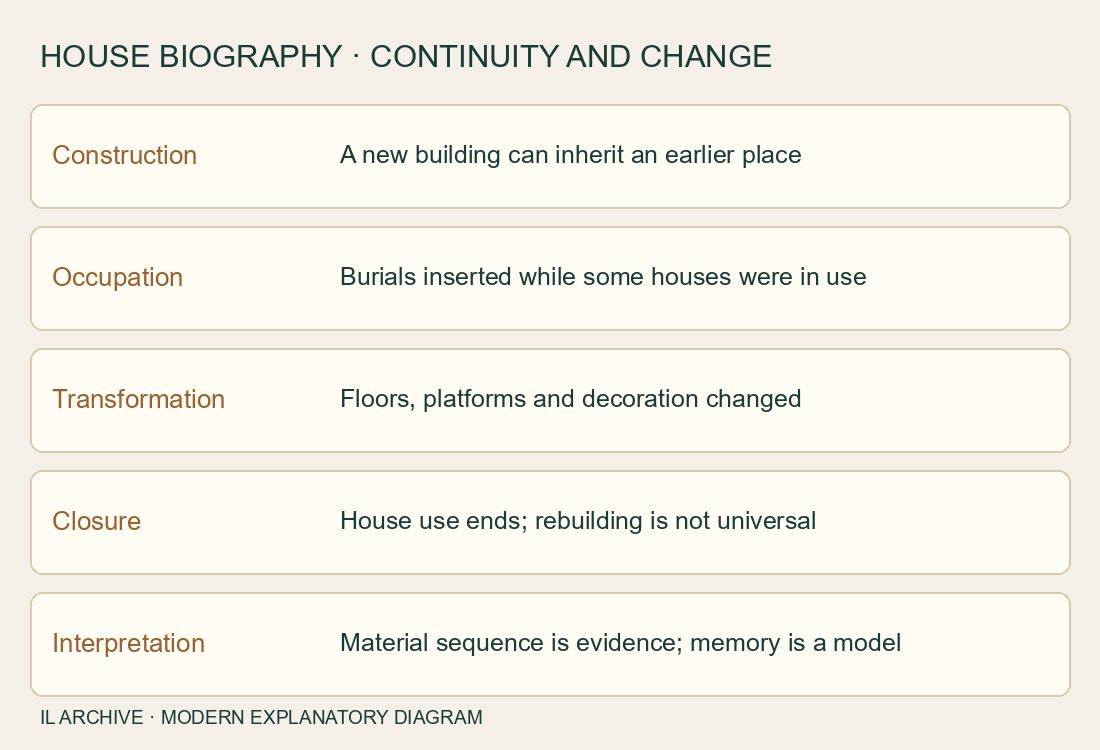
Houses and Ancestors at Çatalhöyük: When Architecture Became Memory
Study · Subfloor burial, architectural continuity and the kinship of the dead: what the evidence reveals about memory and affiliation, and the limits of ancestor and descent interpretations.
-
From 6500 BCE to 3800 BCE
Ubaid culture
Period · An archaeological designation for material traditions originating in southern Mesopotamia with regional diffusion. Broad southern frame c. 6500–3800 BCE; not a known linguistic people, with limits varying by region and phase.
-
From 4000 BCE to 3000 BCE
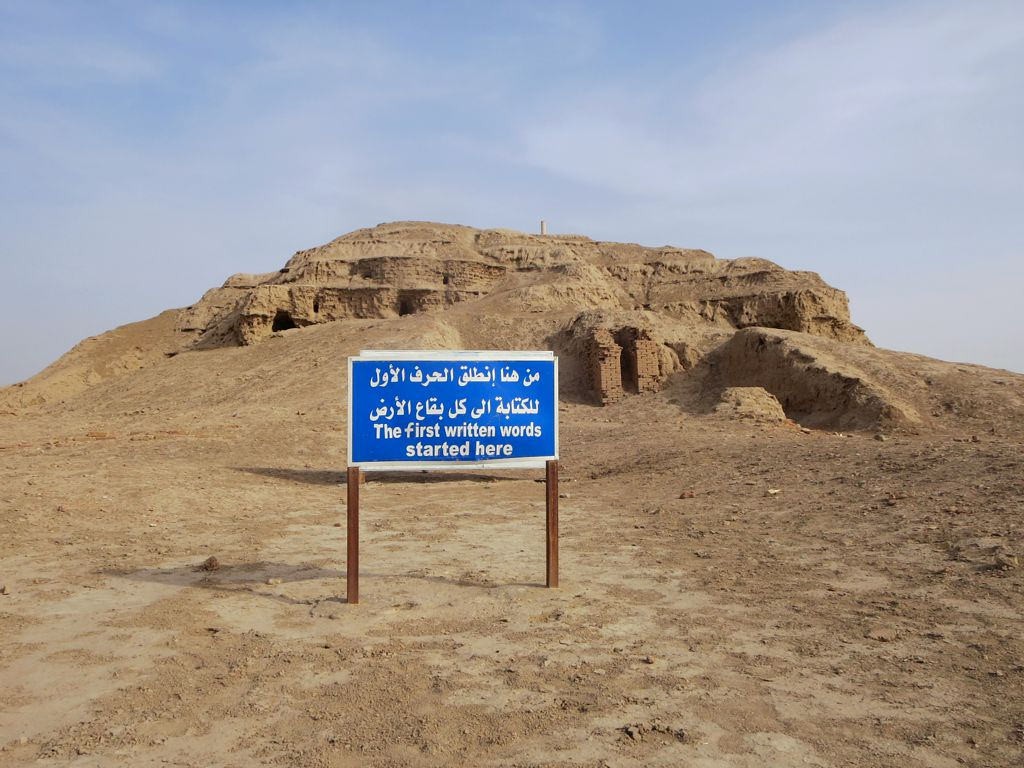
Uruk
Site · Ancient city at Warka in southern Iraq, a major urban centre around 3200 BCE that preserved early writing and accounting tablets.
-
From 3350 BCE to 3000 BCE
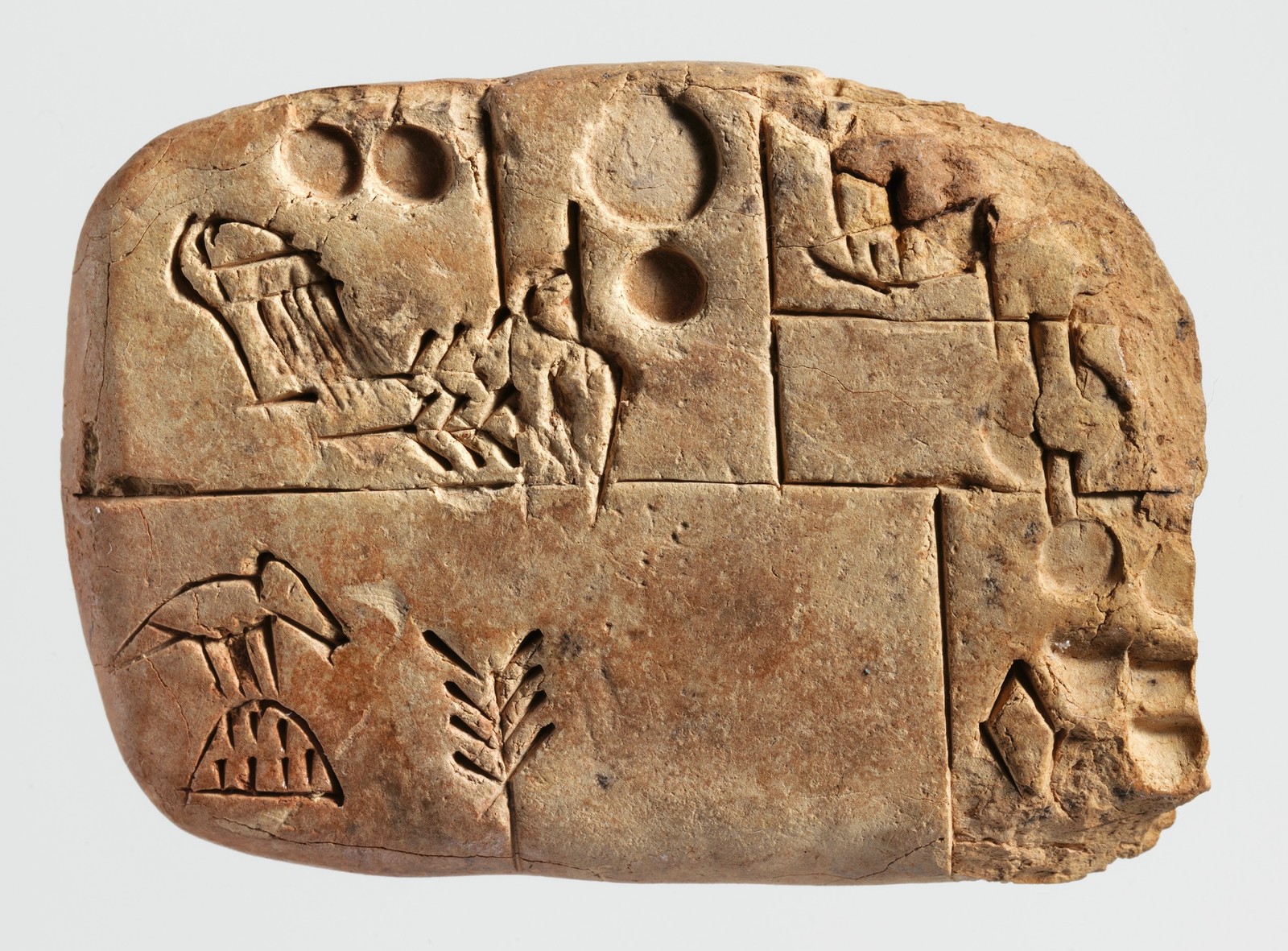
Proto-cuneiform
Entity · Early Mesopotamian writing of the late fourth millennium BCE, combining numerical notation and signs, predominantly accounts with limited phonetic use.
-
From 3350 BCE to 2500 BCE
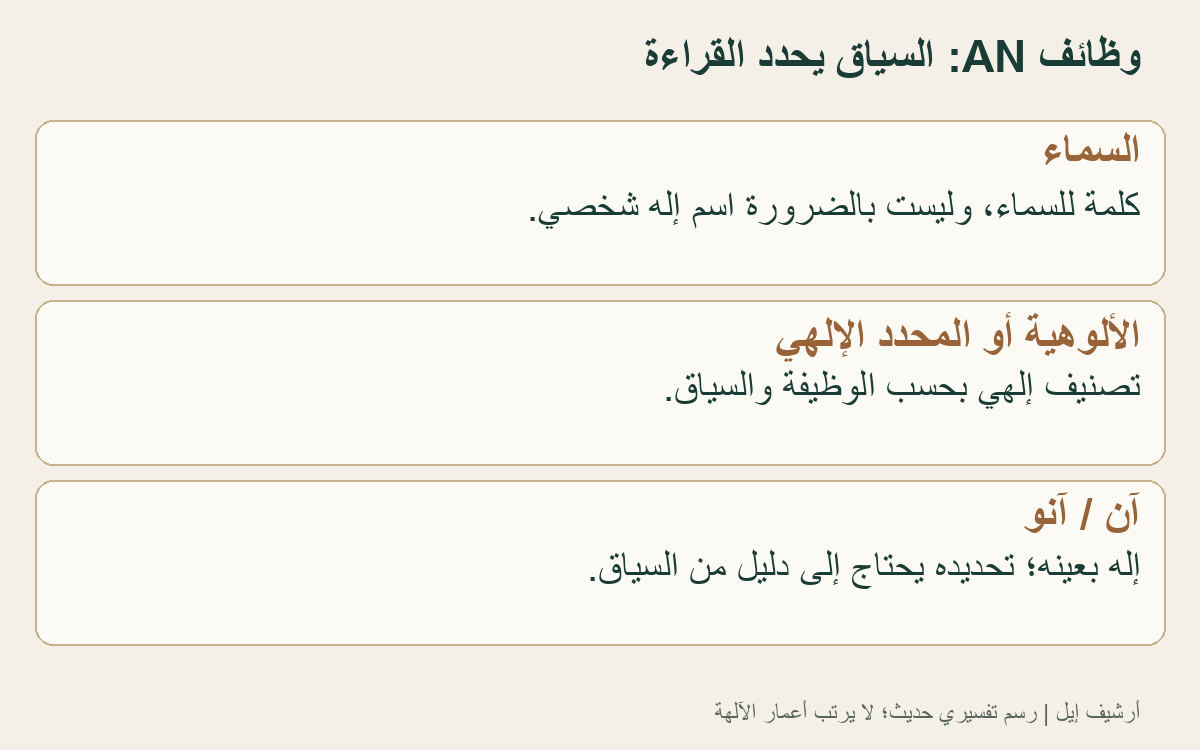
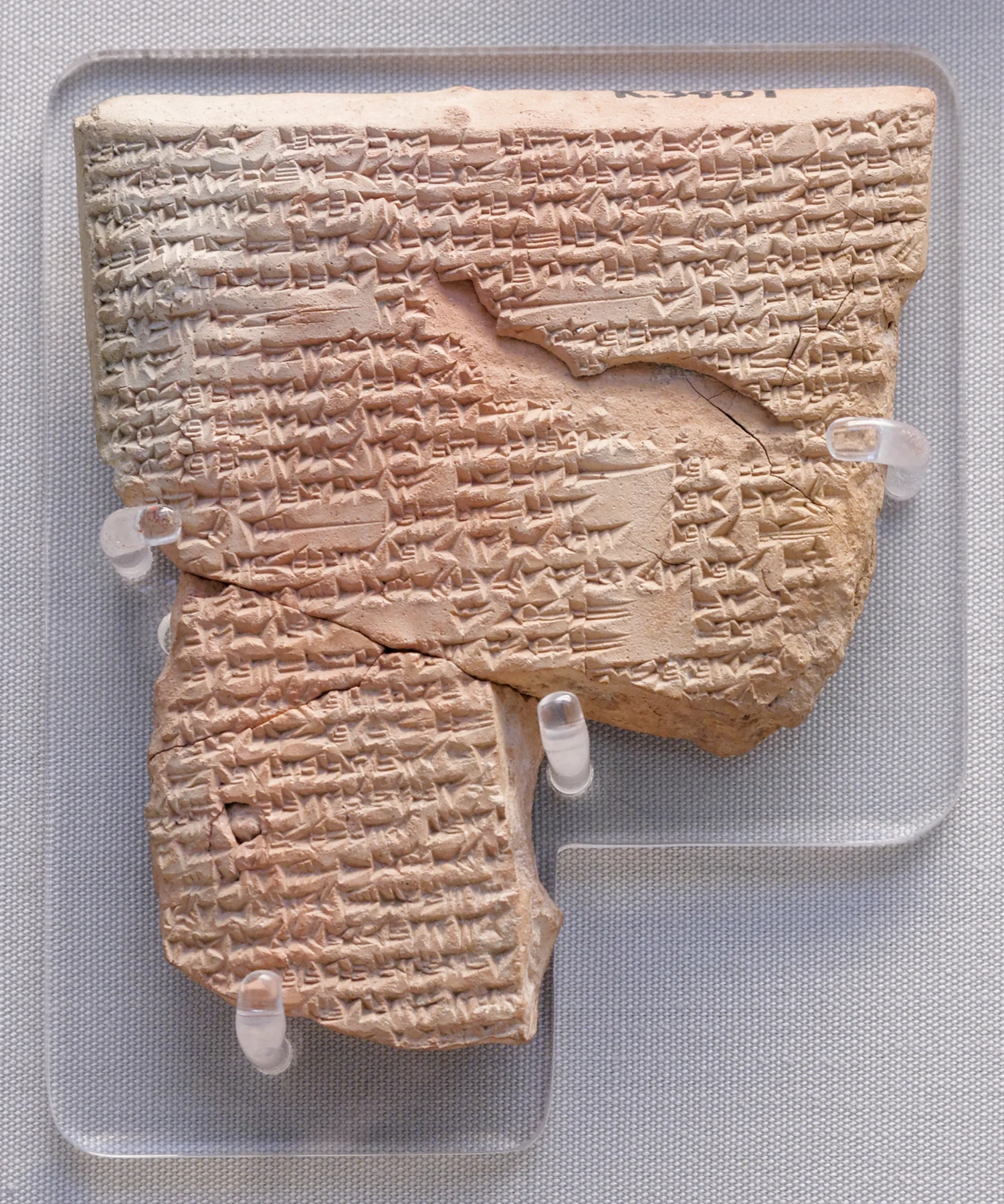
The Earliest Divine Names in Mesopotamia: When Writing Preserved the Name
Study · From Uruk tablets to Fara lists: Nanna, Ninlil, Inanna, Enlil and An, and what makes a divine name readable without equating first attestation with the beginning of worship.
-
From 3300 BCE to 2900 BCE
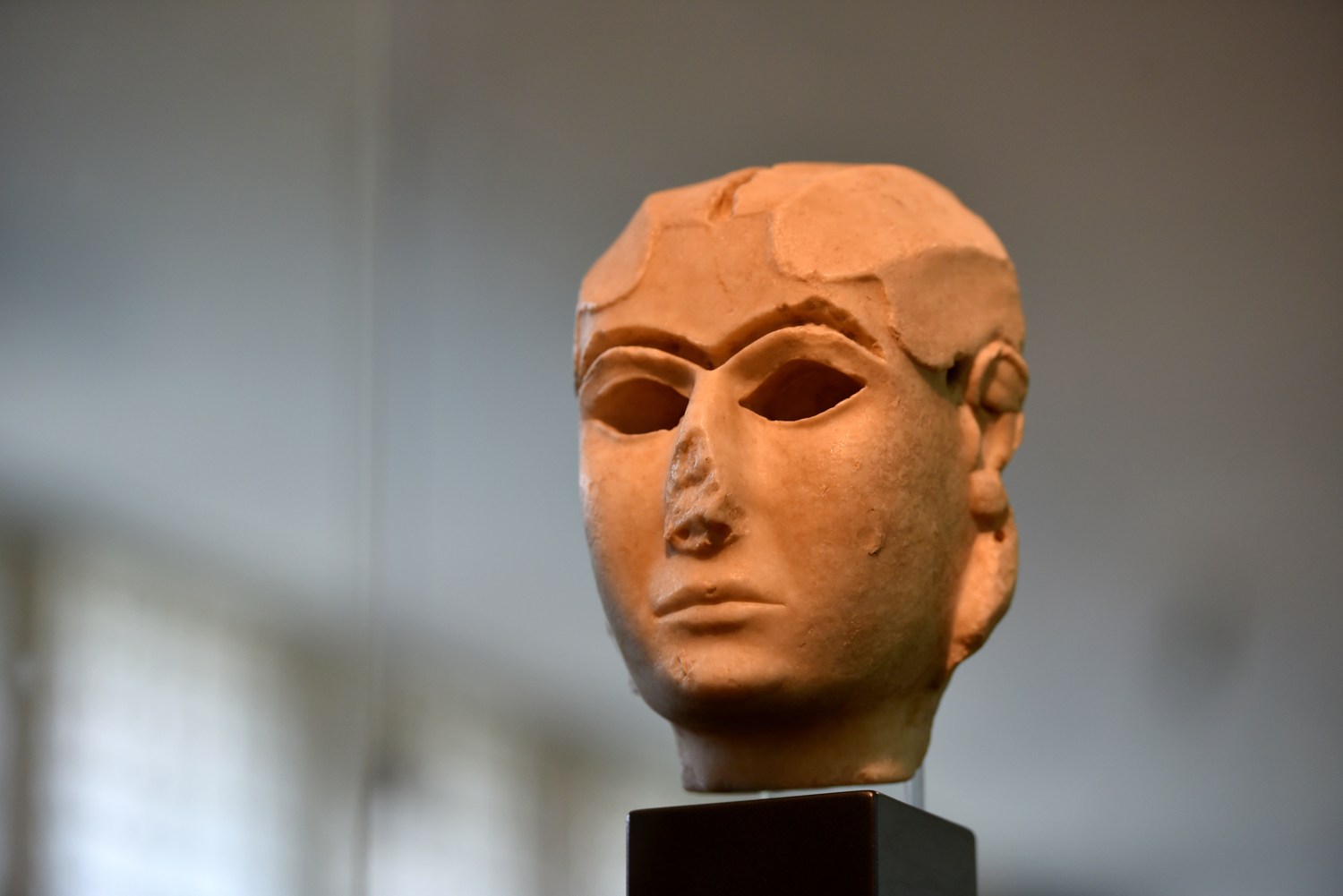
The Warka Vase and Head: When the Sacred Became Recognizable
Study · Offerings, Inanna’s emblems and authority at Uruk, alongside a female face probably from a composite statue: what the objects establish and how far goddess, priestess and ruler can be identified.
Third millennium BCE
-
From 2600 BCE to 600 BCE
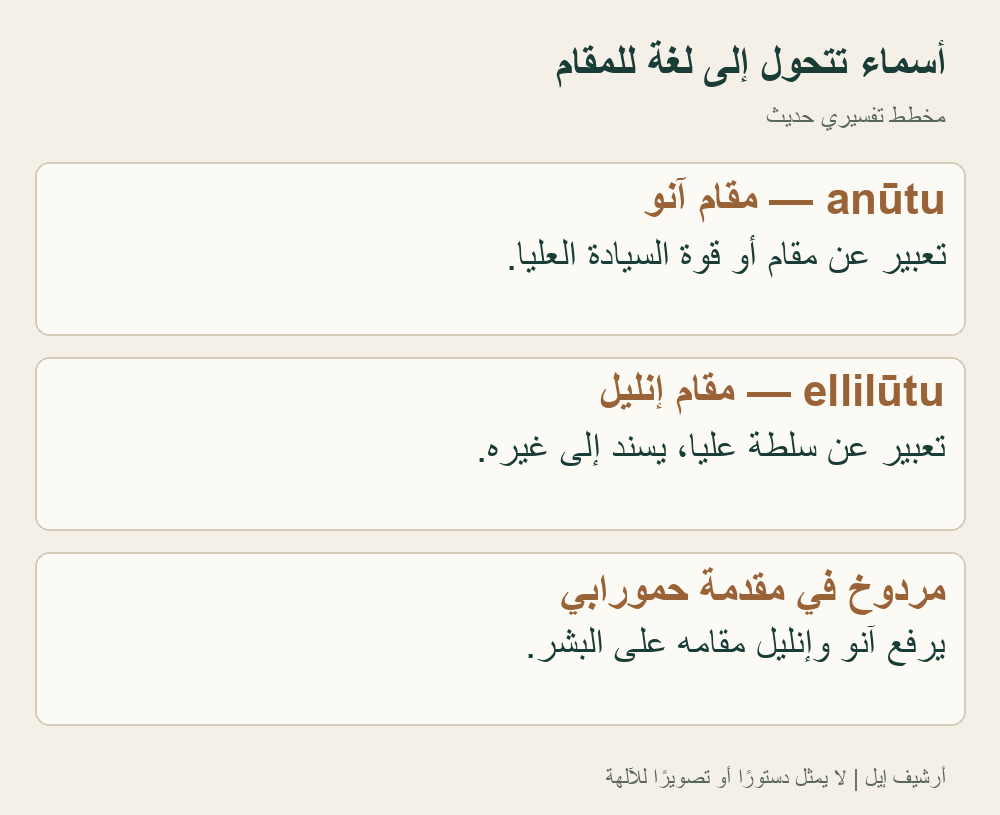
Who Headed the Sumerian Divine Assembly? An or Enlil?
Study · From Fara lists to Lugalzagesi’s inscription and Ekur: An’s seniority, Enlil’s authority and why list order cannot establish a transfer of the throne.
-
From 2500 BCE to 500 BCE
Widow, Orphan, and Resident Outsider: Did the Torah Inherit a Mesopotamian Language of Justice?
Study · From Urukagina and Ur-Namma to Hammurabi and Deuteronomy: comparing claims of protection and rules on food and justice, while separating rhetoric from practice.
-
From 2300 BCE to 700 CE
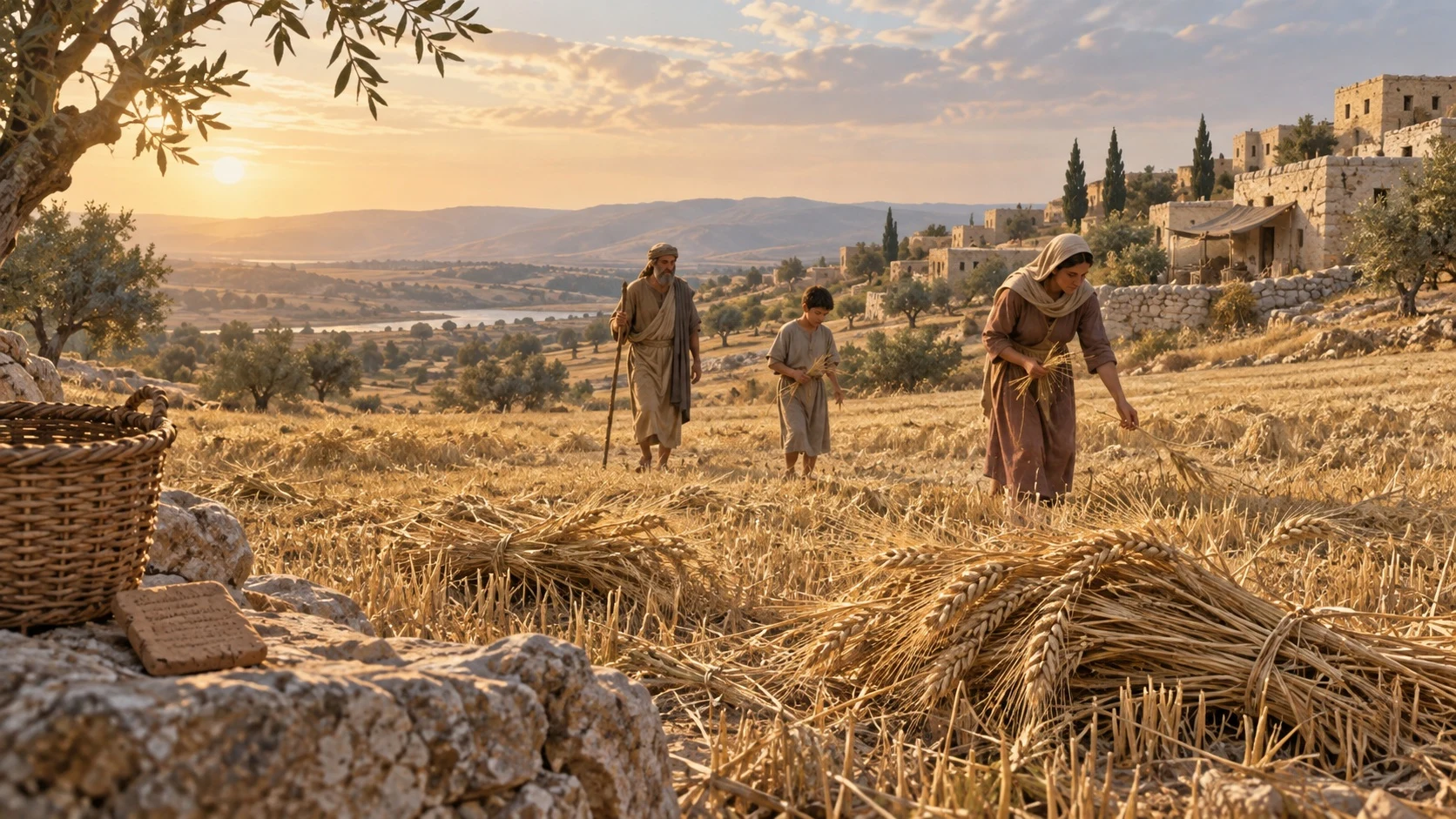
Moses and Sargon: the child in the basket and the limits of comparison
Study · Basket, bitumen, water and adoption: what actually connects Exodus 2 and Sargon’s legend? Witness dates, disputed dependence and the Qur’anic account examined separately.
-
From 2200 BCE to 2015 CE
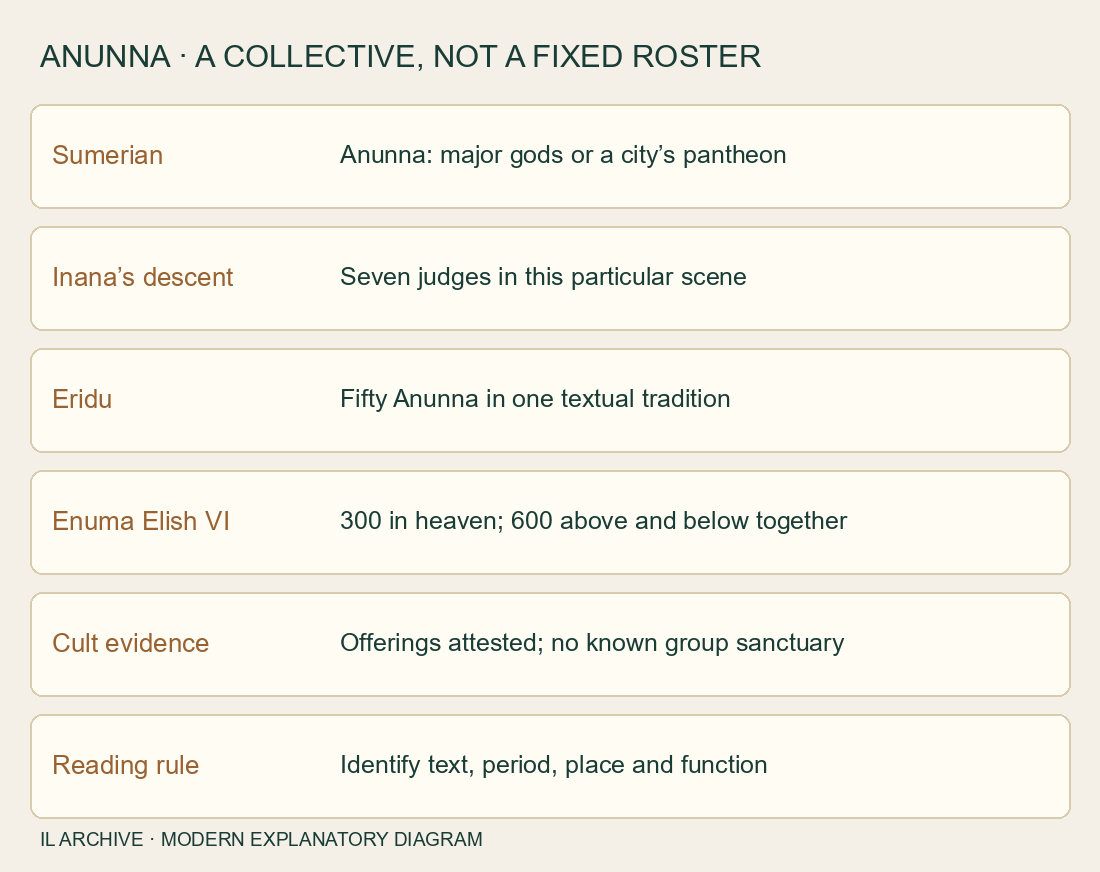
Anunna and Anunnaki: What Do the Texts Actually Say?
Study · Names, membership, numbers, the underworld and human creation: Mesopotamian evidence distinguished from Sitchin’s modern orbital, gold-mining and genetic-engineering narrative.
-
2100 BCE
From the River to “Bitter Water”: How Did the Ancients Seek Divine Judgment?
Study · From Ur-Namma, Hammurapi and Mari to Numbers 5: comparing the river ordeal with the suspected-wife ritual and testing claims about borrowing and the bodily curse.
-
2100 BCE
Marriage, Inheritance, and a Brother’s Widow: One Law or Different Solutions?
Study · From Hittite and Assyrian laws and Ur-Namma to Deuteronomy, Tamar and Ruth: the differing conditions of levirate marriage and inheritance, and the limits of borrowing claims.
Second millennium BCE
-
From 2000 BCE to 900 CE
Gehenna and Ancient Underworlds: A Place-Name with Changing Meanings
Study · From Hinnom and Sheol to Enoch, Mark and the Quran: distinguishing the dead’s abode, punishment, waiting and renovation while testing linguistic kinship and transmission.
-
From 2000 BCE to 500 BCE
Slavery and Debt Service between Hammurapi and the Torah: Are These Texts Describing the Same Institution?
Study · From Hammurapi §117 to Exodus, Deuteronomy and Leviticus: categories, terms, women and fugitives, and the limits of evidence for practice or borrowing.
-
From 2000 BCE to 650 CE
The Tower of Babel: the city, the tower, and the languages
Study · Genesis 11, Etemenanki and Enmerkar: what the text says, what Babylon’s archaeology attests, and where claims of transmission stop.
-
From 1900 BCE to 700 CE
Clay, labor, and breath: ancient accounts of human creation
Study · From Enki and Ninmah and Atraḫasīs to Genesis and the Qur’an: earth, breath, divine labor, and the limits of borrowing claims.
-
From 1900 BCE to 600 BCE
Inanna and Ishtar’s Descent: What Changes between the Narratives?
Study · Seven gates, rescue, substitution and interrupted life: distinguishing the Sumerian and Akkadian narratives and the limits of comparison.
-
From 1900 BCE to 300 BCE
The Flood Before Noah: Ziusudra, Atrahasis, Utnapishtim and Genesis
Study · Older Mesopotamian flood accounts and Noah: vessels, birds and sacrifice; changing motives and survival; the strength and limits of literary comparison.
-
From 1800 BCE to 700 CE
Adapa and Adam: wisdom, the food of life, and the limits of comparison
Study · Is Adapa the source of Adam’s story? Sumerian and Akkadian witnesses, Genesis’ two trees, Qur’anic promise and repentance, and the different roles of obedience examined.
-
From 1800 BCE to 600 BCE
Hammurabi and the Covenant Code: parallels and the limits of borrowing
Study · What happens when an ox kills someone, or an enslaved person’s eye is injured? Reading Hammurabi and Exodus 21 to explain parallels, differences and possible legal transmission.
-
From 1800 BCE to 500 BCE
Marduk’s Rise: Babylon and the Making of Divine Kingship
Study · Enūma Eliš through battle, creation, recognition and fifty names: one god’s supremacy in a world that remains polytheistic.
-
From 1700 BCE to 500 BCE
Debt Release and the Jubilee: Did the Torah Borrow Liberation from Babylonian Kings?
Study · From Ammiṣaduqa’s edict to Exodus, Deuteronomy, Leviticus, Jeremiah and Qumran: how do service, debt and land release differ, and what historical link can be established?
-
From 1600 BCE to 1200 BCE
Late Bronze Age
Period · An archaeological period conventionally around 1600–1200 BCE in much of the Near East, with regional variation.
-
From 1400 BCE to 1200 BCE
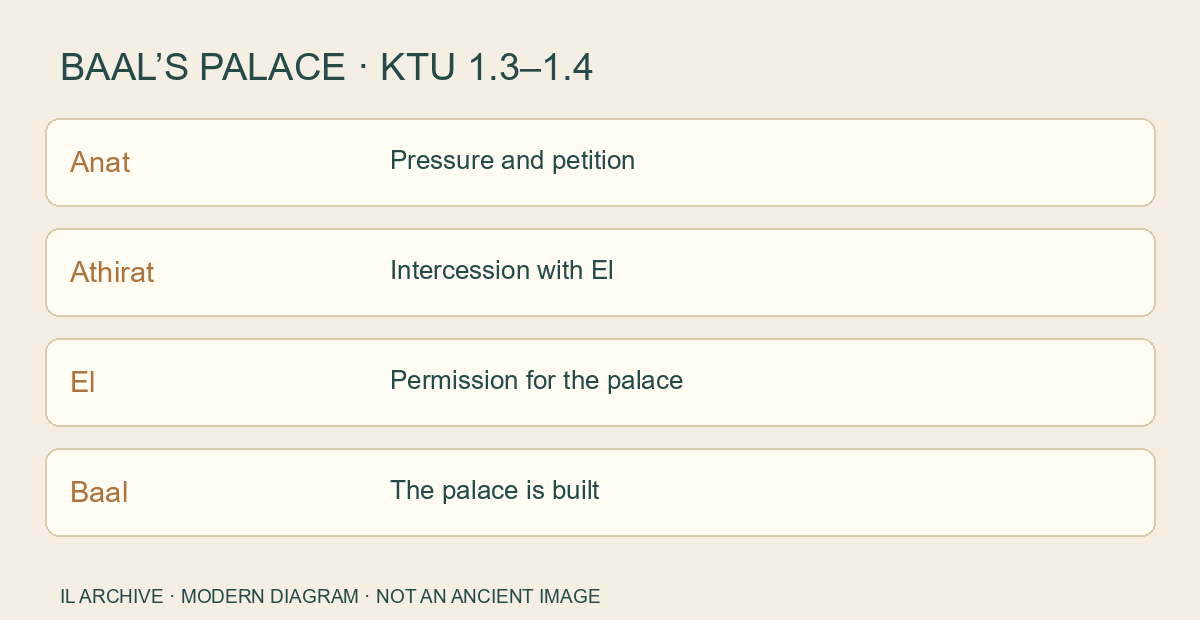
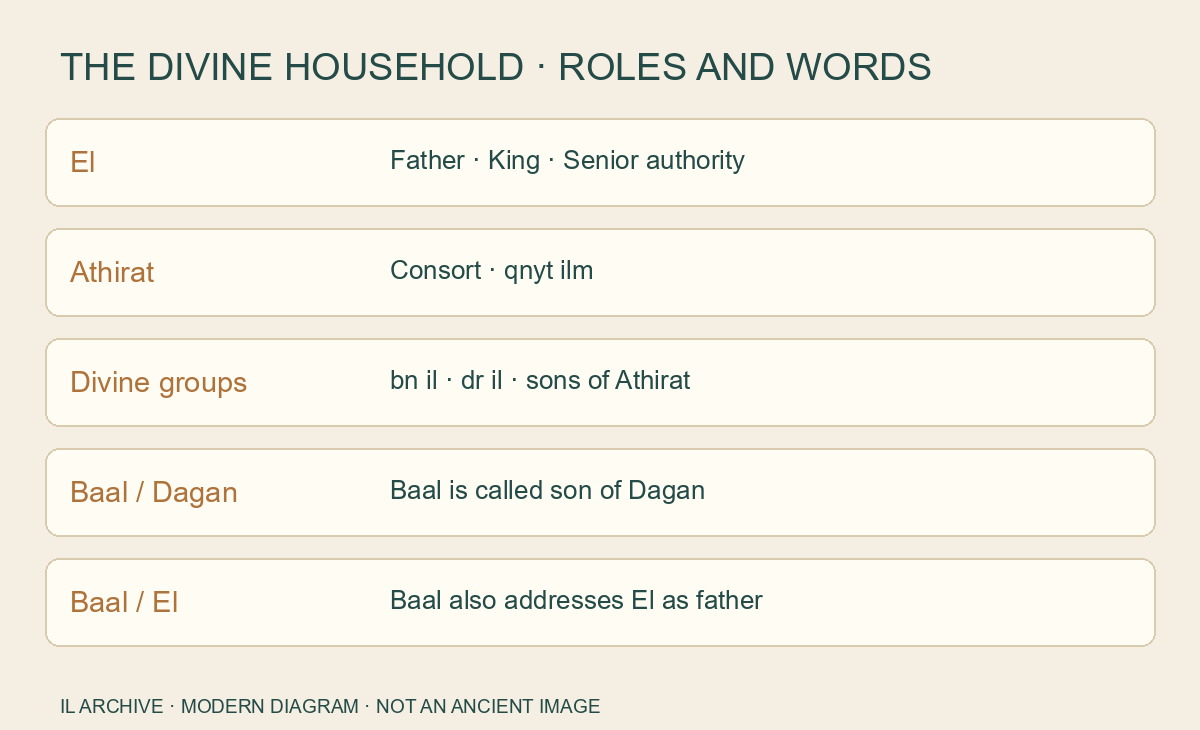
Anat
Entity · An active and violent goddess in Ugaritic literature; pressures El over Baal’s palace and addresses him with paternal and wisdom language.
-
From 1400 BCE to 1200 BCE
Athirat
Entity · A high-ranking goddess commonly understood as El’s consort in Ugaritic texts; associated with the progenitress epithet and the palace intercession.
-
From 1400 BCE to 1200 BCE
Baal
Entity · Storm god and protagonist of Ugarit’s Baal Cycle; exercises active kingship while El retains importance and authorizes the palace.
-
From 1400 BCE to 1200 BCE
Baal Cycle
Entity · A group of Late Bronze Age Ugaritic religious texts recounting Baal’s conflicts, relationships with the gods and the building of his palace.
-
From 1400 BCE to 500 BCE
Covenant and Imperial Treaties: Was Israel’s Bond with YHWH Expressed in the Language of Ancient Kings?
Study · From Muršili’s Hittite treaty to Esarhaddon’s oath and Deuteronomy 13 and 28: comparing loyalty and curses while distinguishing shared tradition from demonstrable borrowing.
-
From 1400 BCE to 1200 BCE
Shasu
Entity · Egyptian designation for mobile pastoral groups; Yhw occurs in their lists without automatically identifying a deity or Israel.
-
1300 BCE
Sabbath and Šapattu: Similar Names, Different Calendars
Study · Did the Hebrew Sabbath come from a Babylonian full-moon day? A comparison of Enūma Eliš, Mesopotamian calendars and Hebrew inscriptions that distinguishes hypotheses from evidence.
-
From 1200 BCE to 500 BCE
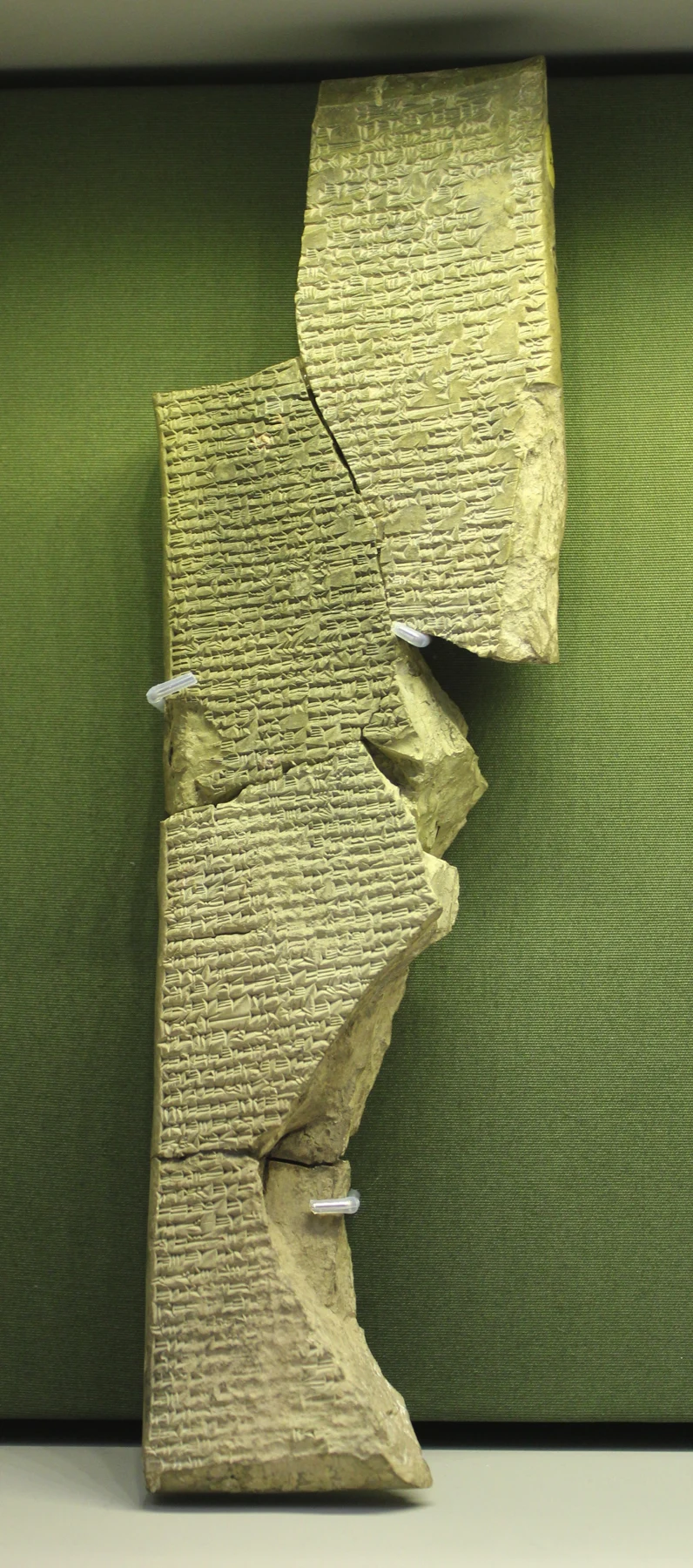
Genesis and Enuma Elish: creation, parallels, and the limits of borrowing
Study · A detailed comparison of waters, heaven, humanity, and rest, separating textual evidence from proposed transmission and seven Tablets from seven days.
-
From 1200 BCE to 500 BCE
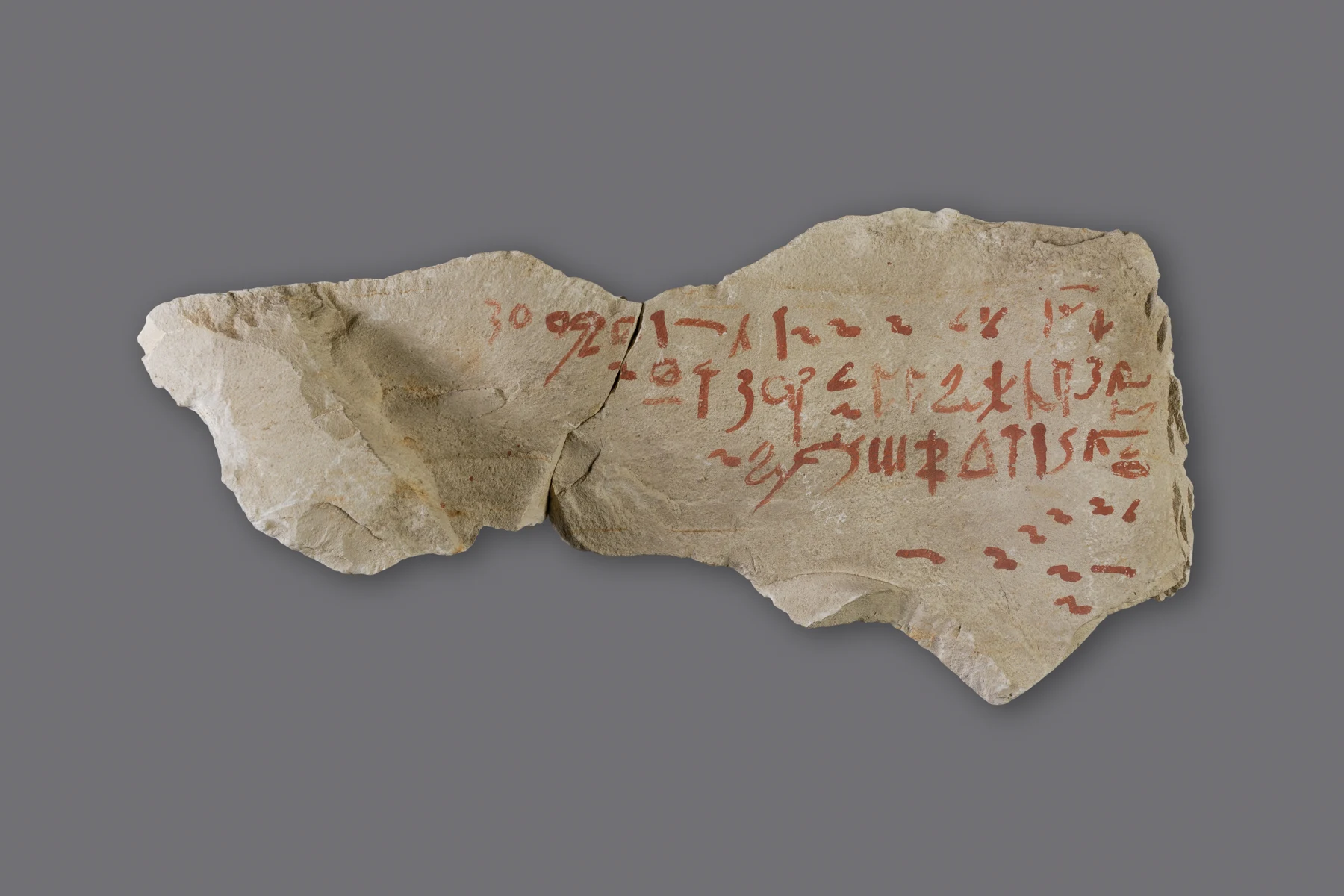
Proverbs and Amenemope: when the sages’ counsel converges
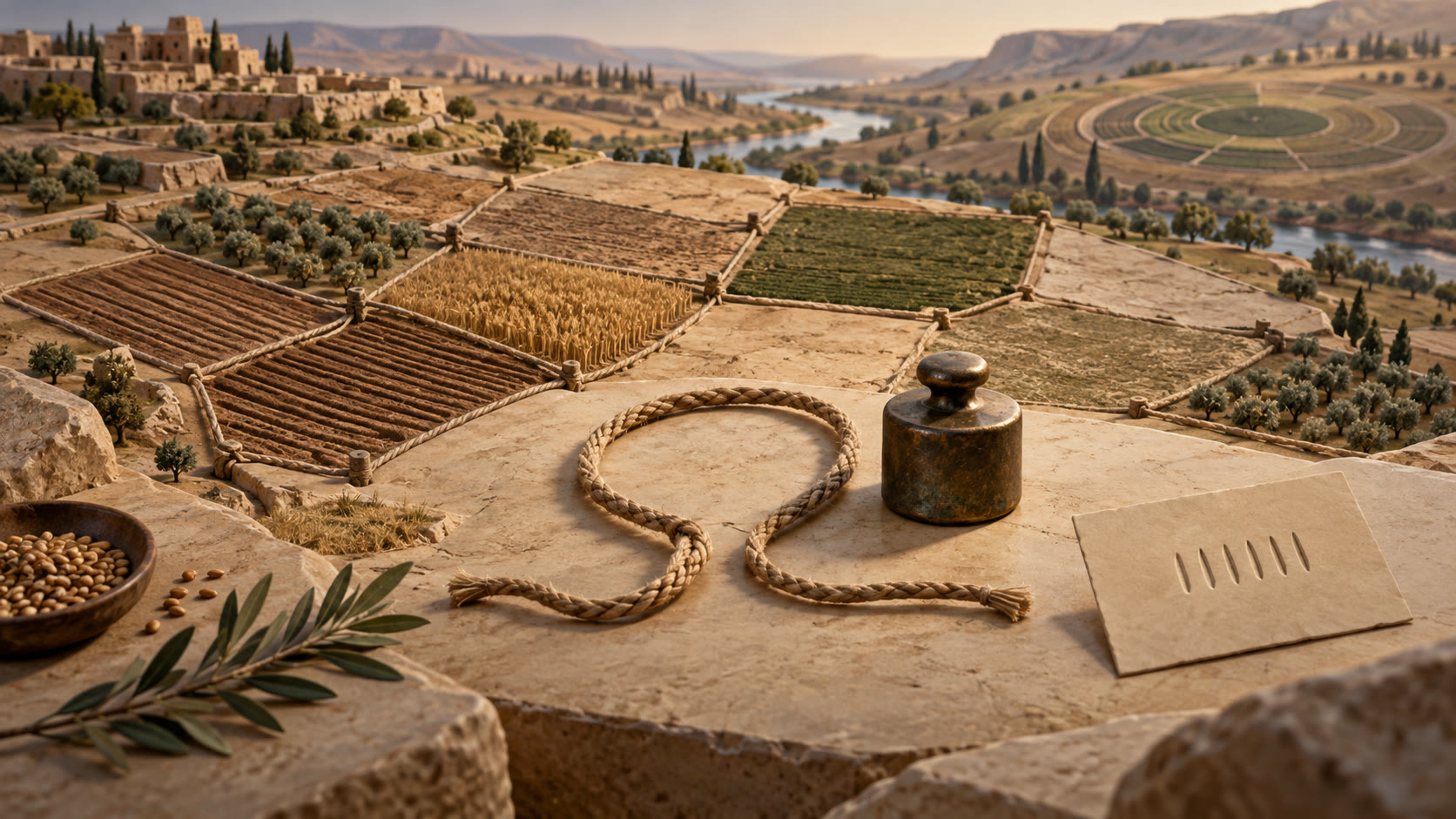
Study · Proverbs 22:17–23:11 and a thirty-chapter Egyptian instruction: strong parallels, meaningful changes, and the disputed “thirty” reading.
First millennium BCE
-
From 950 BCE to 1506 CE
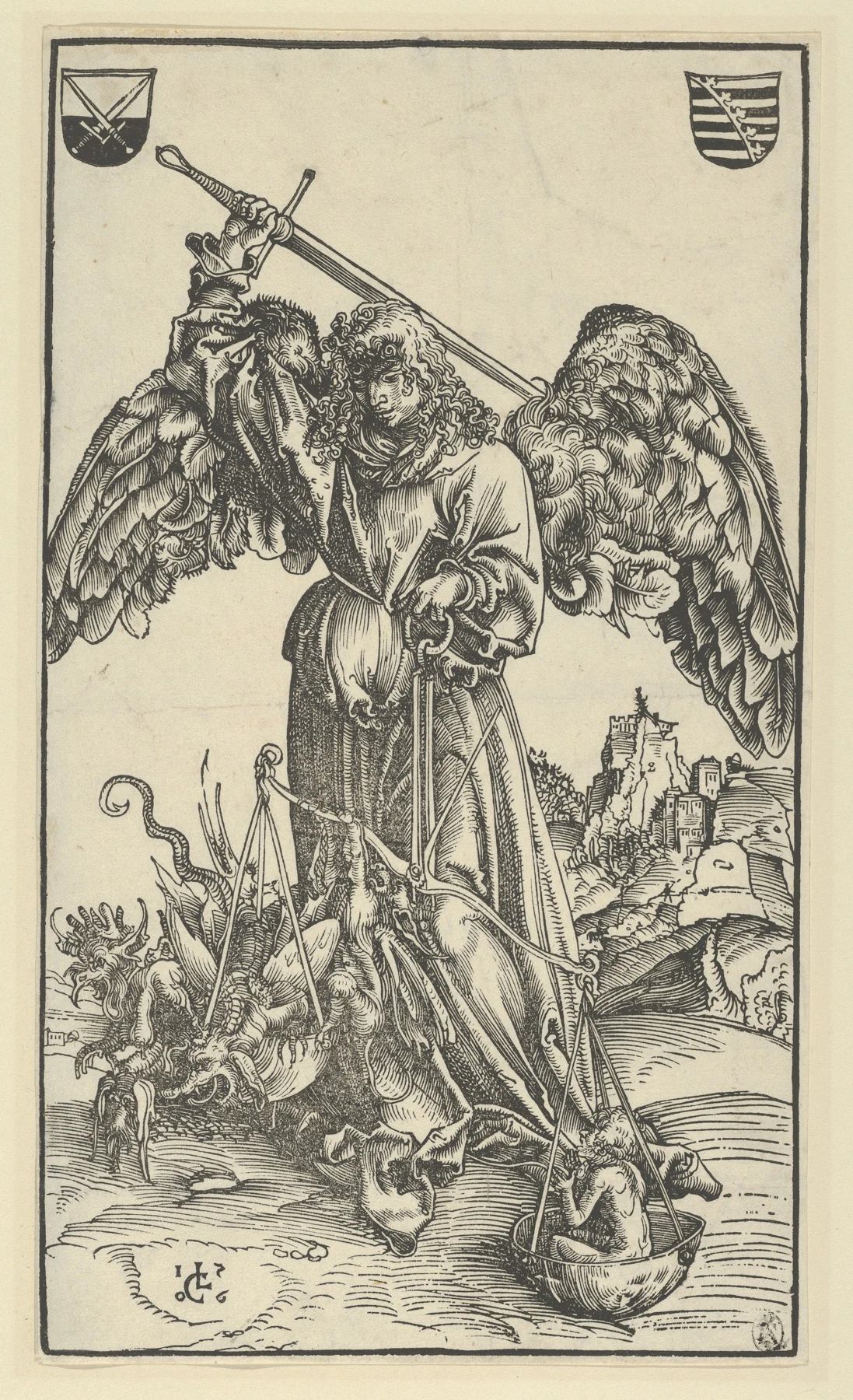
Judgment Scales: Egypt and the Worlds of Late Antiquity
Study · Heart, destiny and deeds: Egyptian, Greek, Hebrew, Iranian and Quranic witnesses compared through roles, dates and the limits of transmission hypotheses.
-
From 900 BCE to 801 BCE
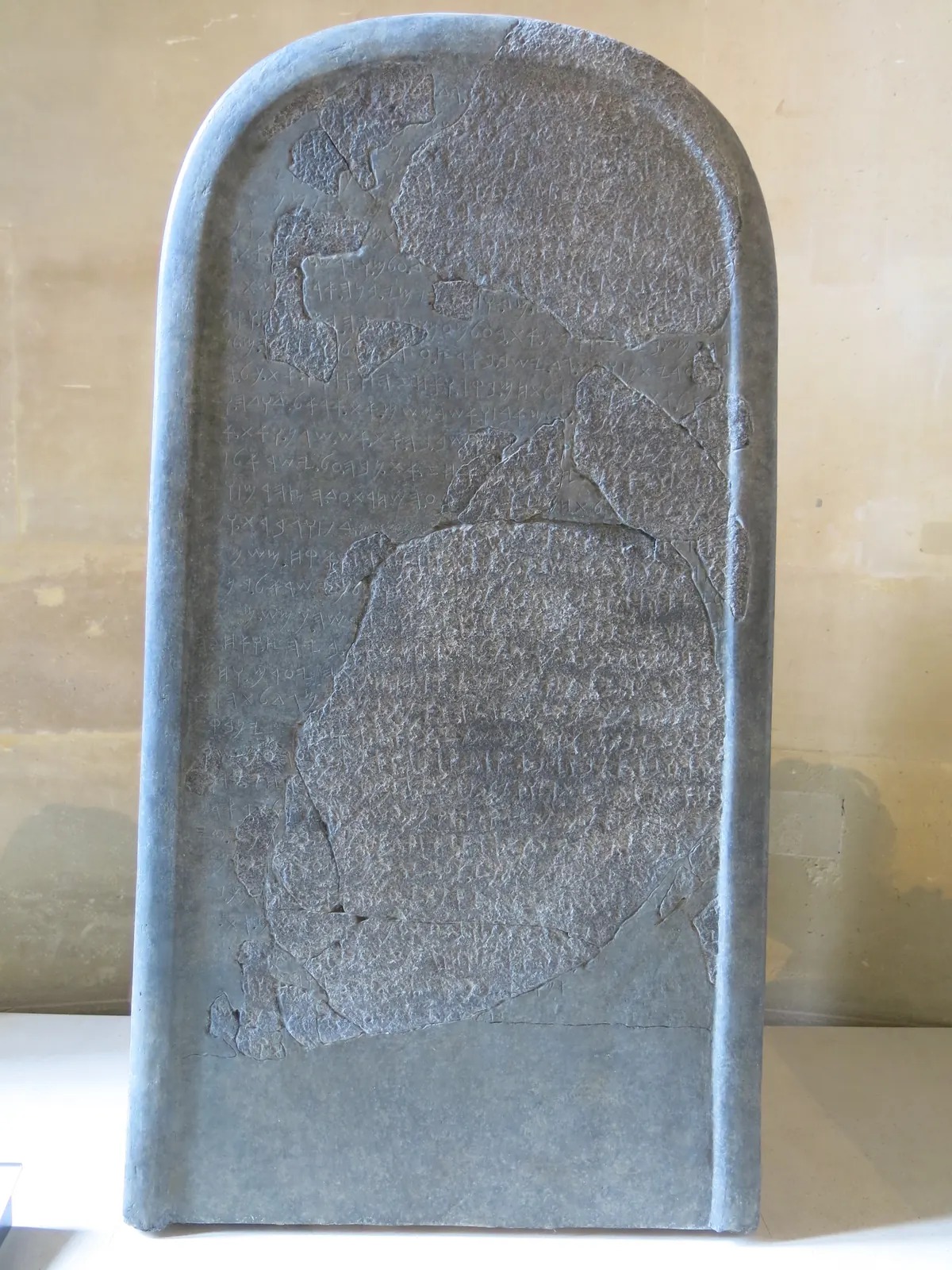
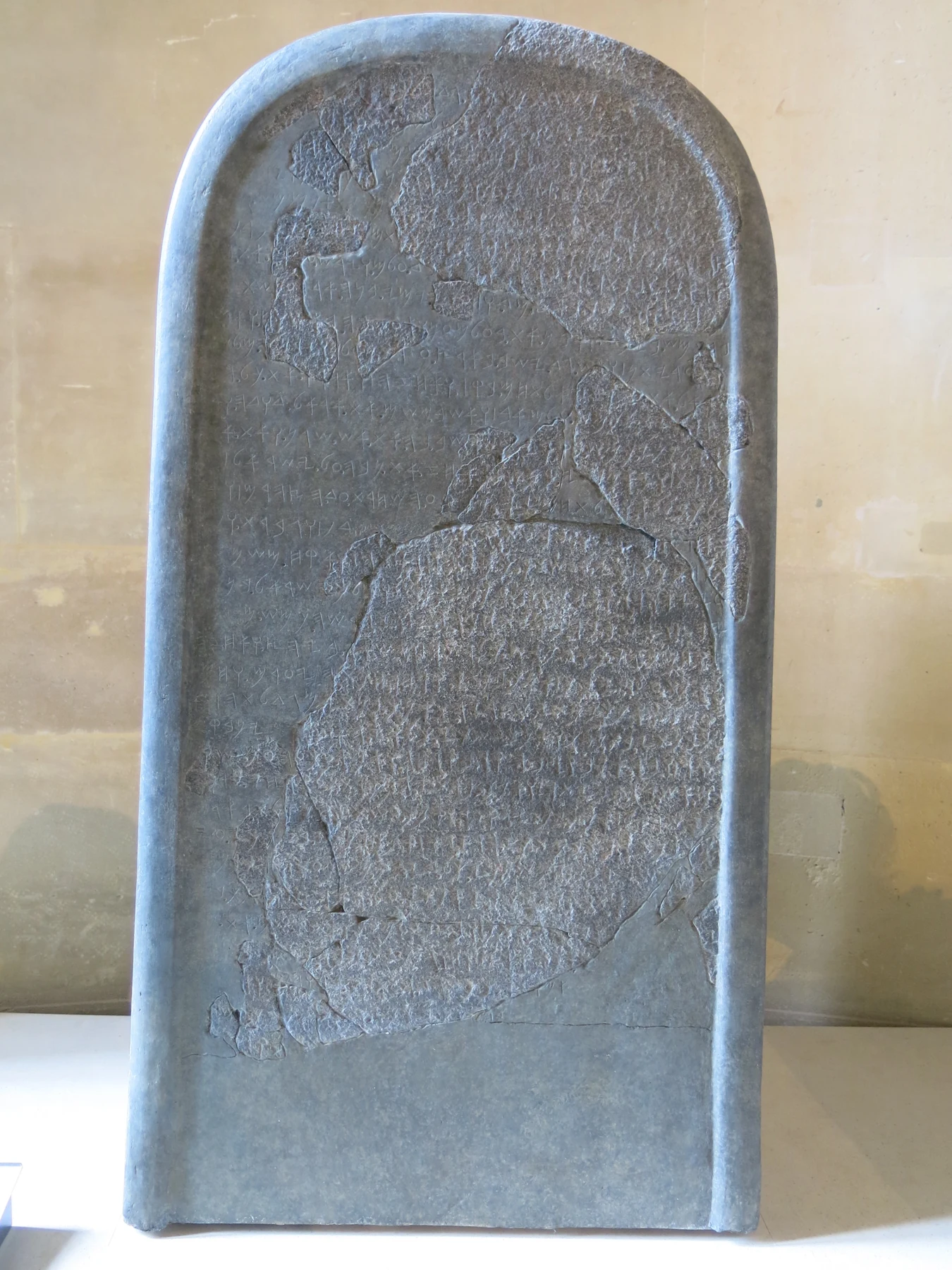
Mesha Stele
Artifact · Ninth-century BCE inscription of King Mesha of Moab; line 18 mentions Yahweh’s vessels, clear external evidence for the deity associated with Israel.
-
From 900 BCE to 800 BCE
Mesha and Chemosh: How a King Narrates Sacred War
Study · A reading of the Moabite inscription through divine anger, Yahweh’s vessels, violence and construction, separating evidence from royal rhetoric.
-
From 900 BCE to 430 CE
Sons of God and Watchers: How a Brief Story Expanded
Study · From four Genesis verses to angelic descent, teaching and giant spirits in Enoch: texts, manuscripts and limits of comparison with Mesopotamian sages.
-
From 883 BCE to 165 BCE
Enoch and the Apkallu: Wisdom before the Flood
Study · Kings,sages and the ancient scribe: primeval knowledge,instruction and limits of proposed transmission into Enochic literature.
-
From 700 BCE to 200 CE
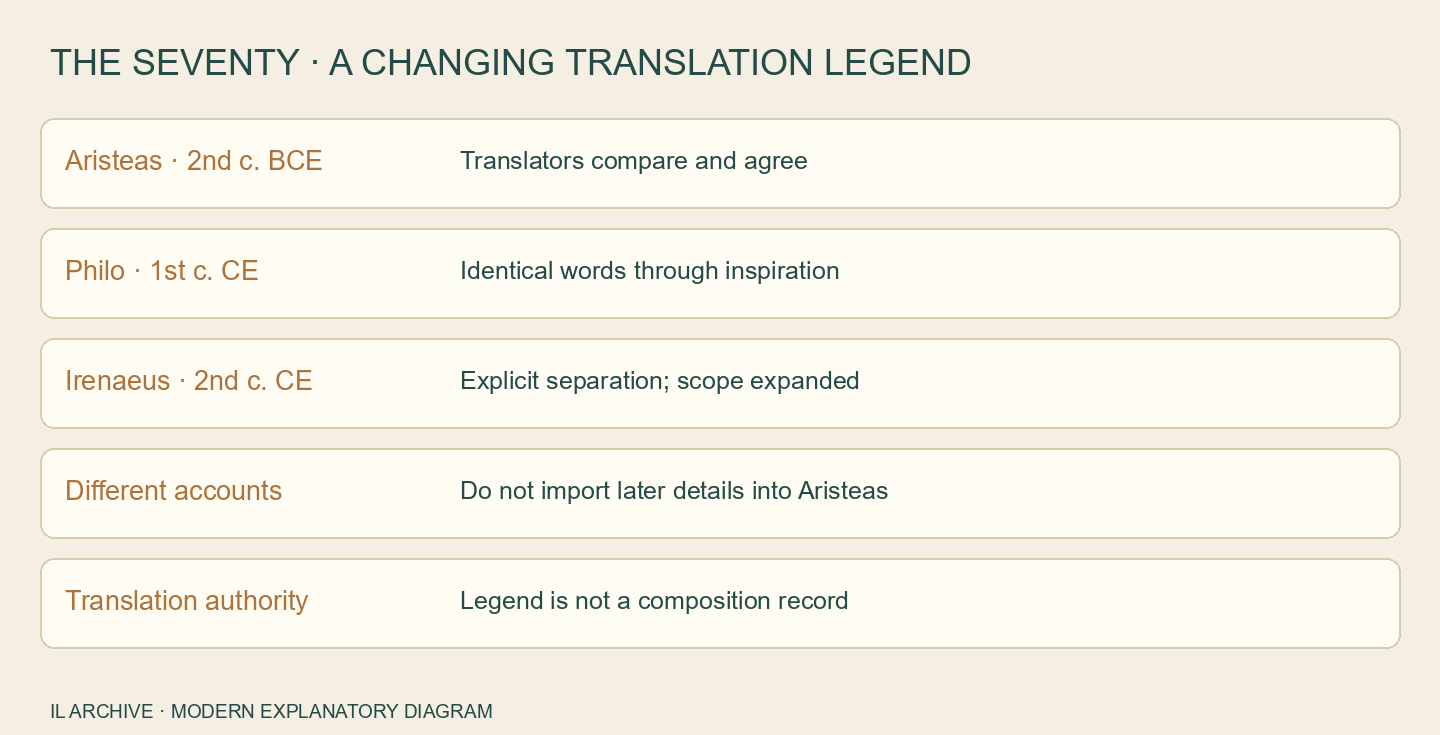
Ptolemy II and the Seventy: Was the Torah Composed in Alexandria?
Study · Aristeas, inspired translation and earlier witnesses: what the Seventy tradition says, and what it cannot establish about Torah composition in Alexandria.
-
From 650 BCE to 550 BCE
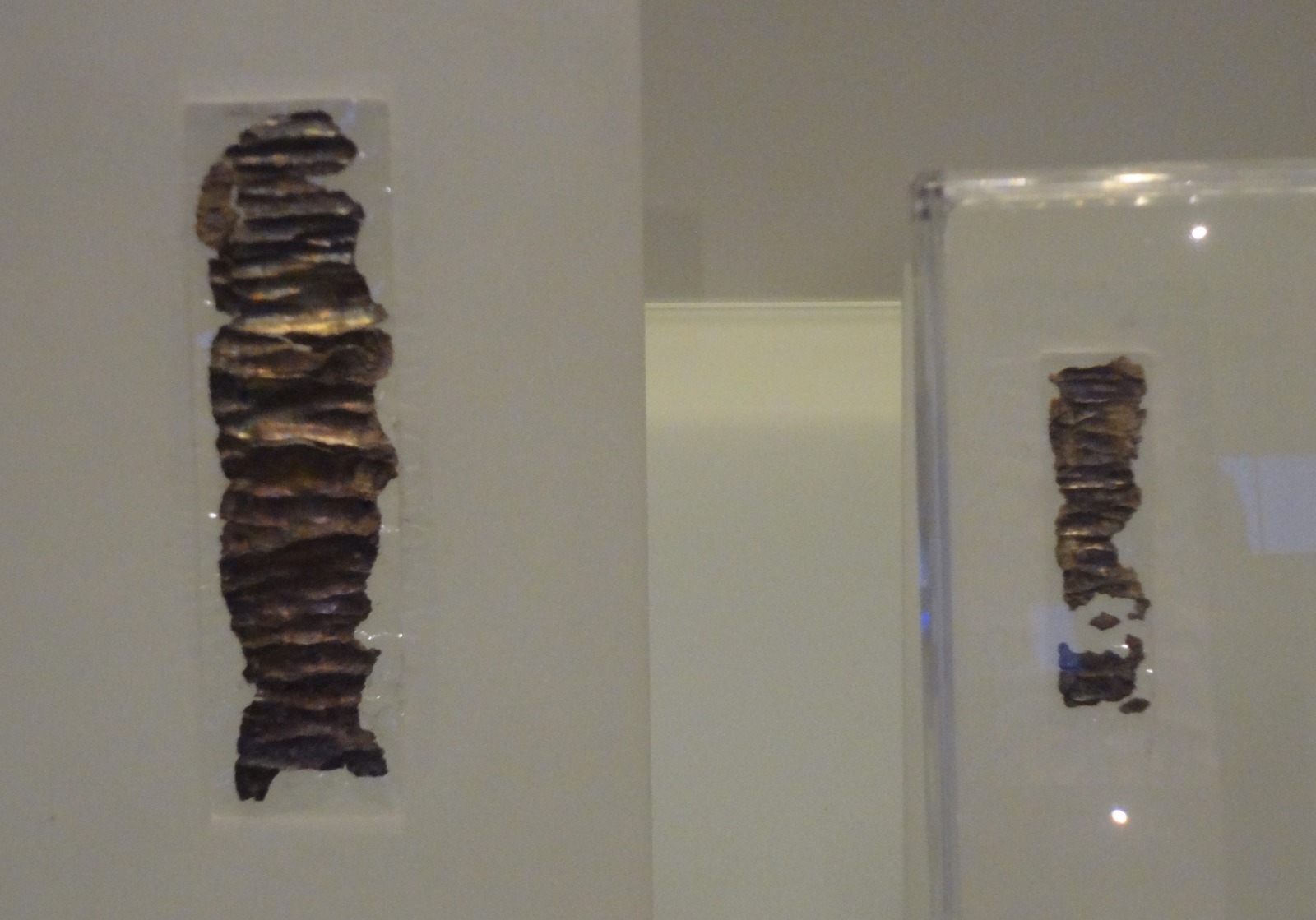
Ketef Hinnom amulets
Artifact · Two silver scroll amulets found in Jerusalem in1979, with wording related to Numbers6. Usually late seventh/early sixth century BCE; they do not date the whole book.
-
From 525 BCE to 407 BCE
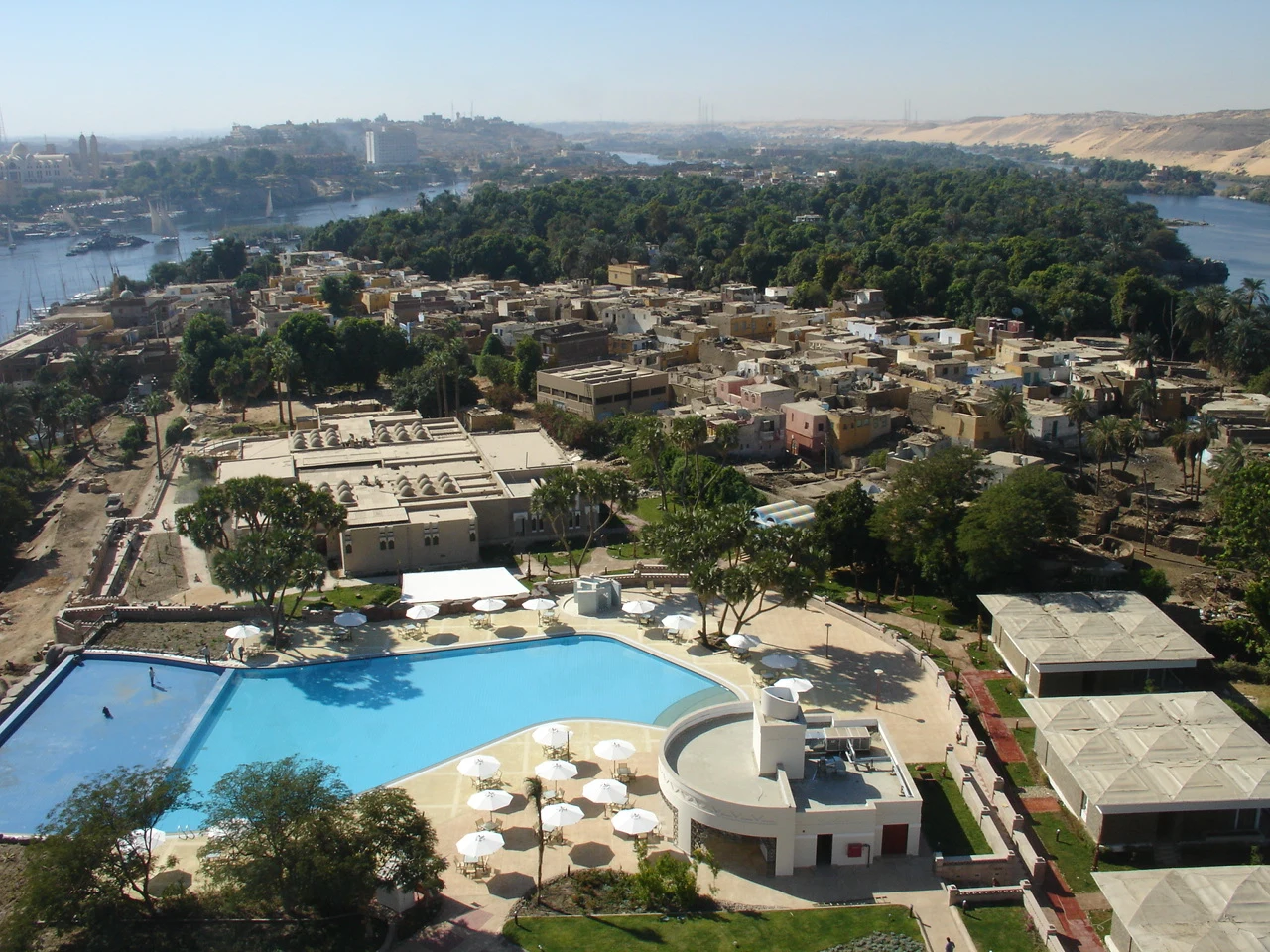
Yahweh’s Temple at Elephantine: Worship beyond Jerusalem
Study · What does the petition of 407 BCE reveal about Yaho’s temple, its priests and their links with Judah and Samaria?
-
From 419 BCE to 418 BCE
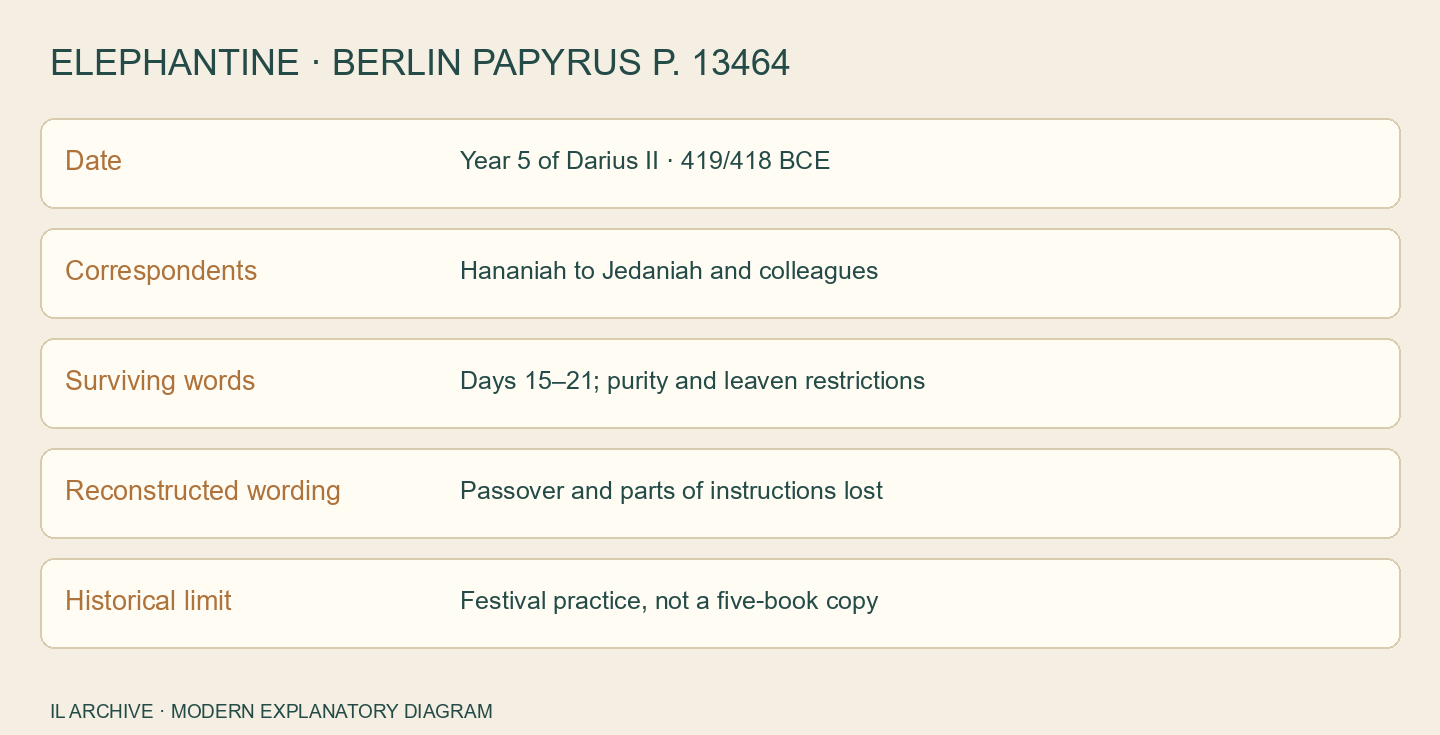
Elephantine “Passover Letter”
Artifact · Fragmentary Aramaic letter, Berlin P.13464, dated 419/418 BCE, on Nisan dates and ritual instructions. “Passover” is restored in a lacuna; no complete Torah is attested.
-
406 BCE
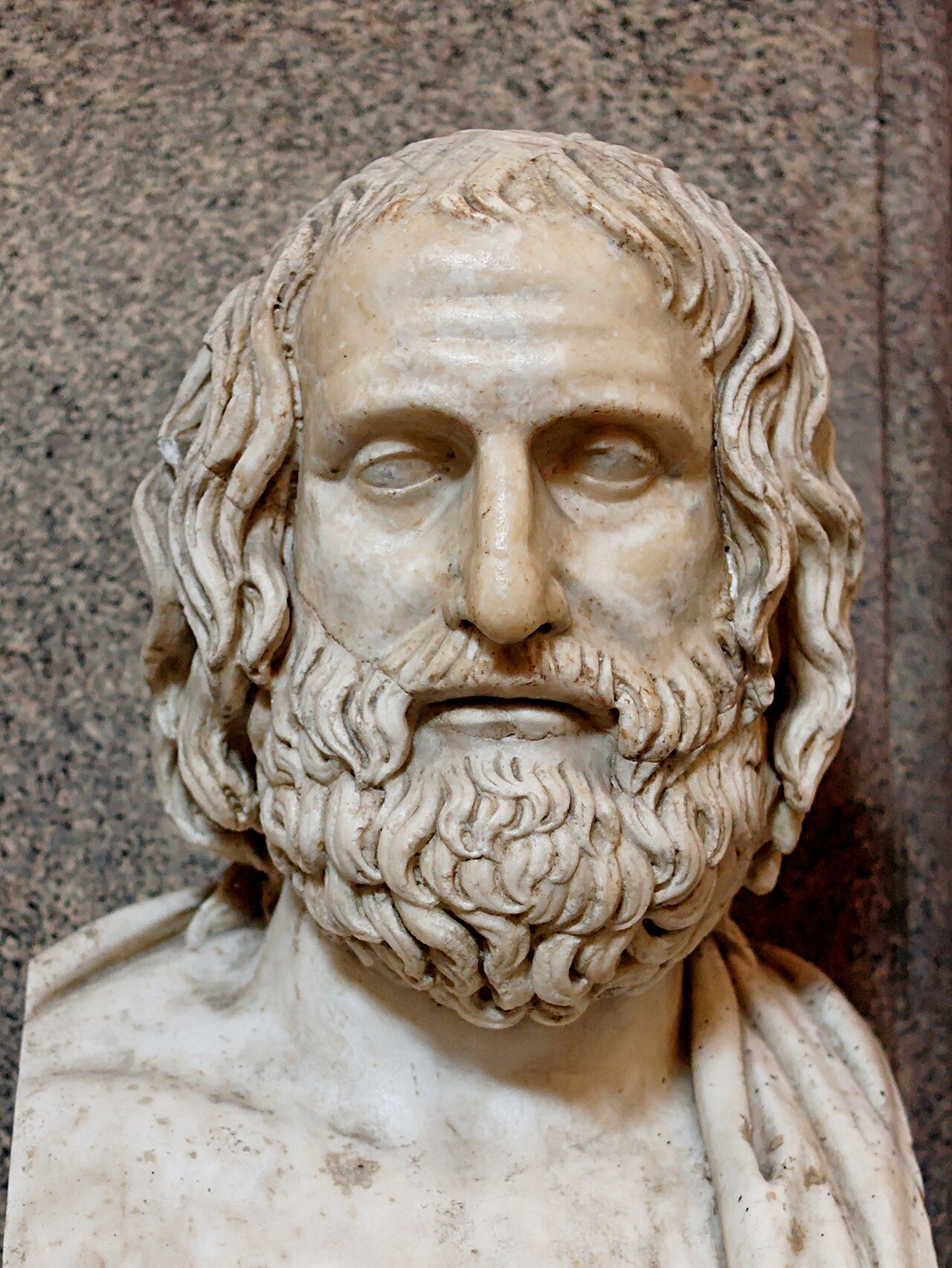
Euripides
Person · Fifth-century BCE Greek tragedian, died 406 BCE. In his Iphigenia among the Taurians, the heroine recounts a deer substituted for her.
-
From 400 BCE to 900 CE
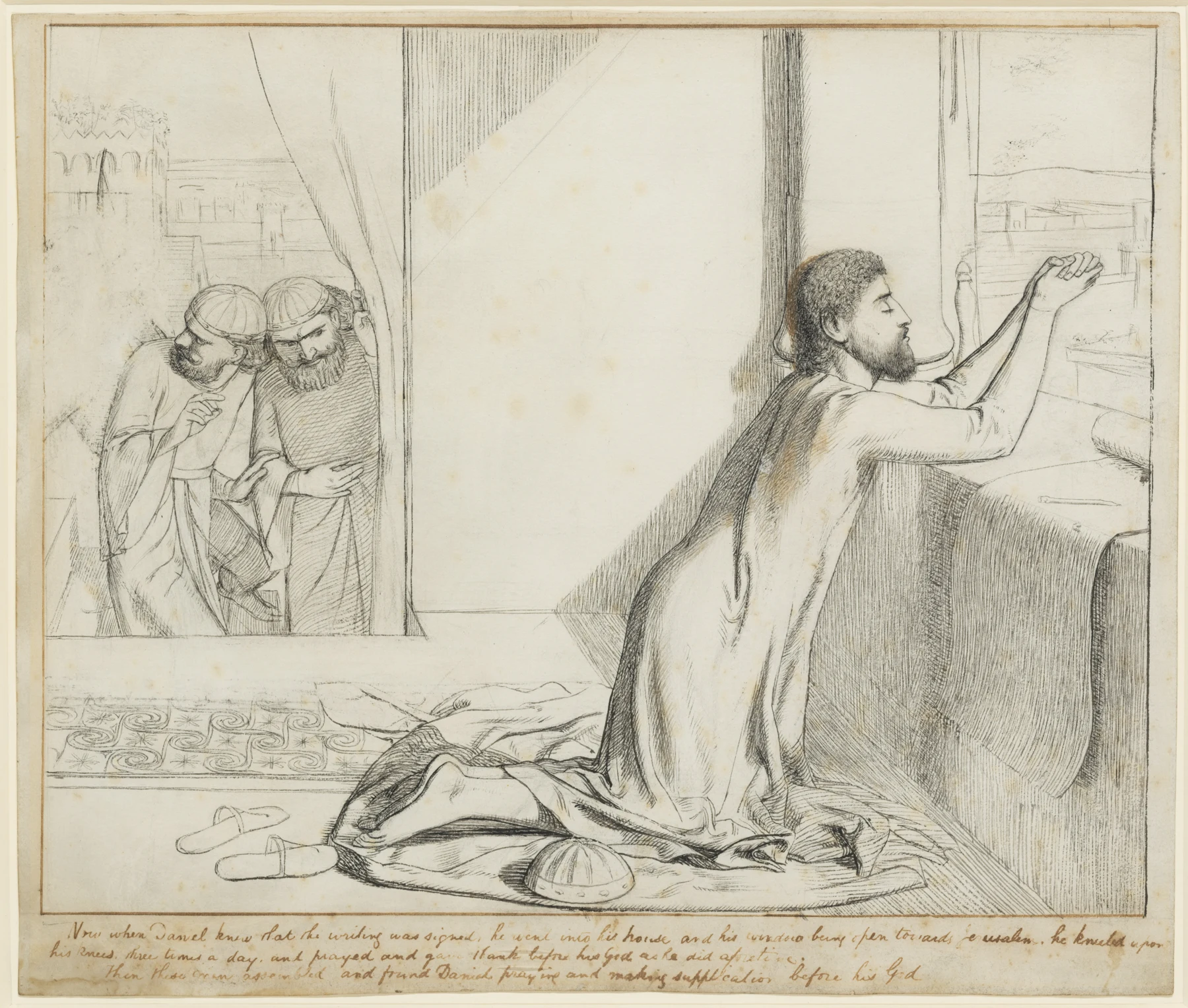
Resurrection in Daniel: The Jewish Text and Its Ancient Context
Study · From sleepers in the dust and dry bones to Iranian texts and Qumran: what can we establish about resurrection hope, and what do parallels or manuscript dates leave unproven?
-
From 300 BCE to 70 CE
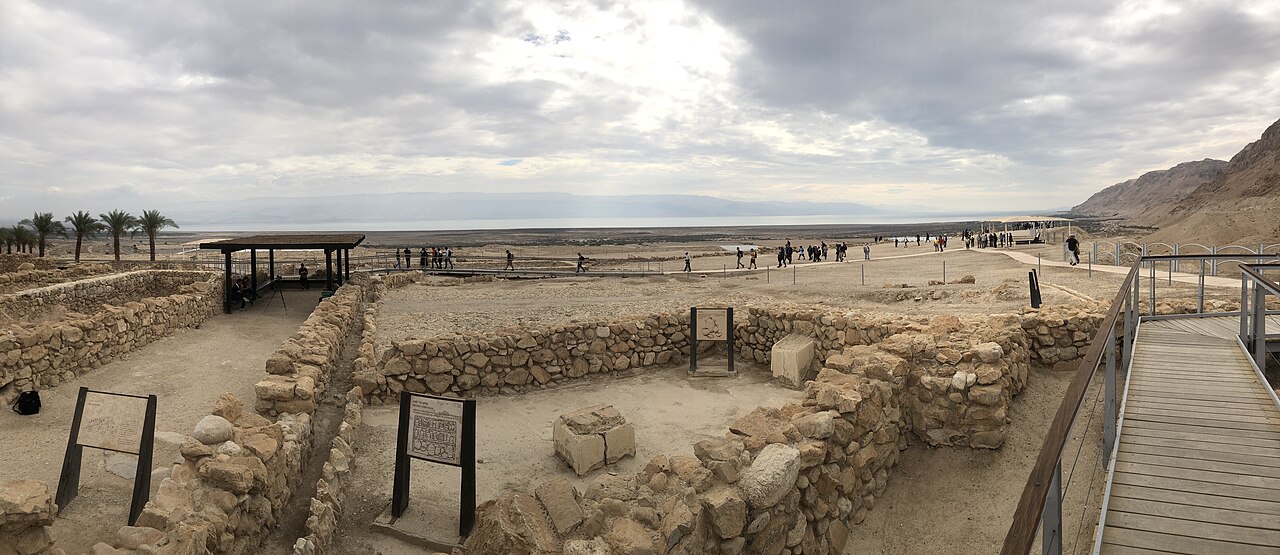
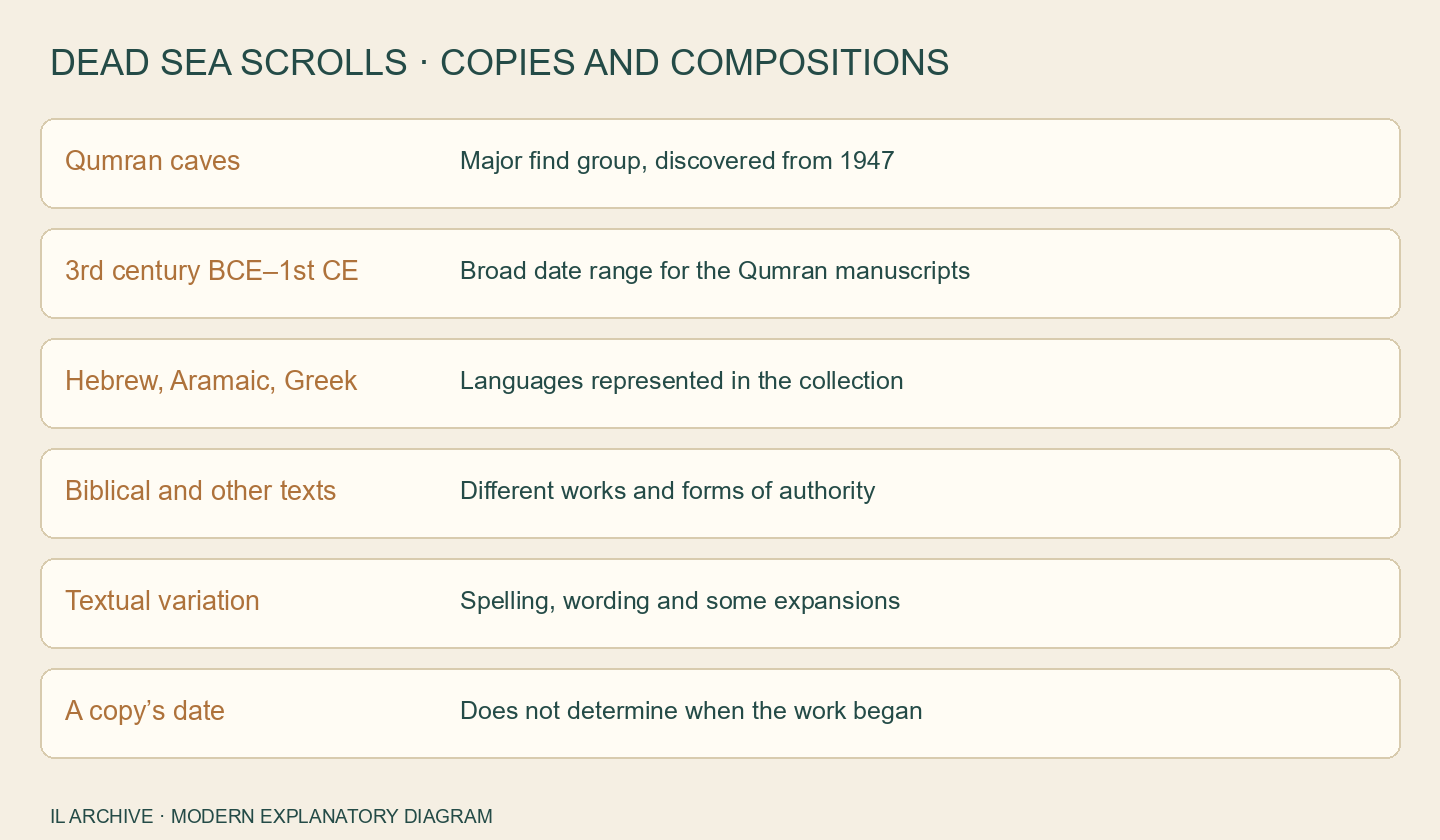
Dead Sea Scrolls
Entity · Judaean Desert manuscripts, especially Qumran cave finds. Biblical copies and other works reveal textual diversity; a copy’s age is not the work’s initial date.
-
From 282 BCE to 246 BCE
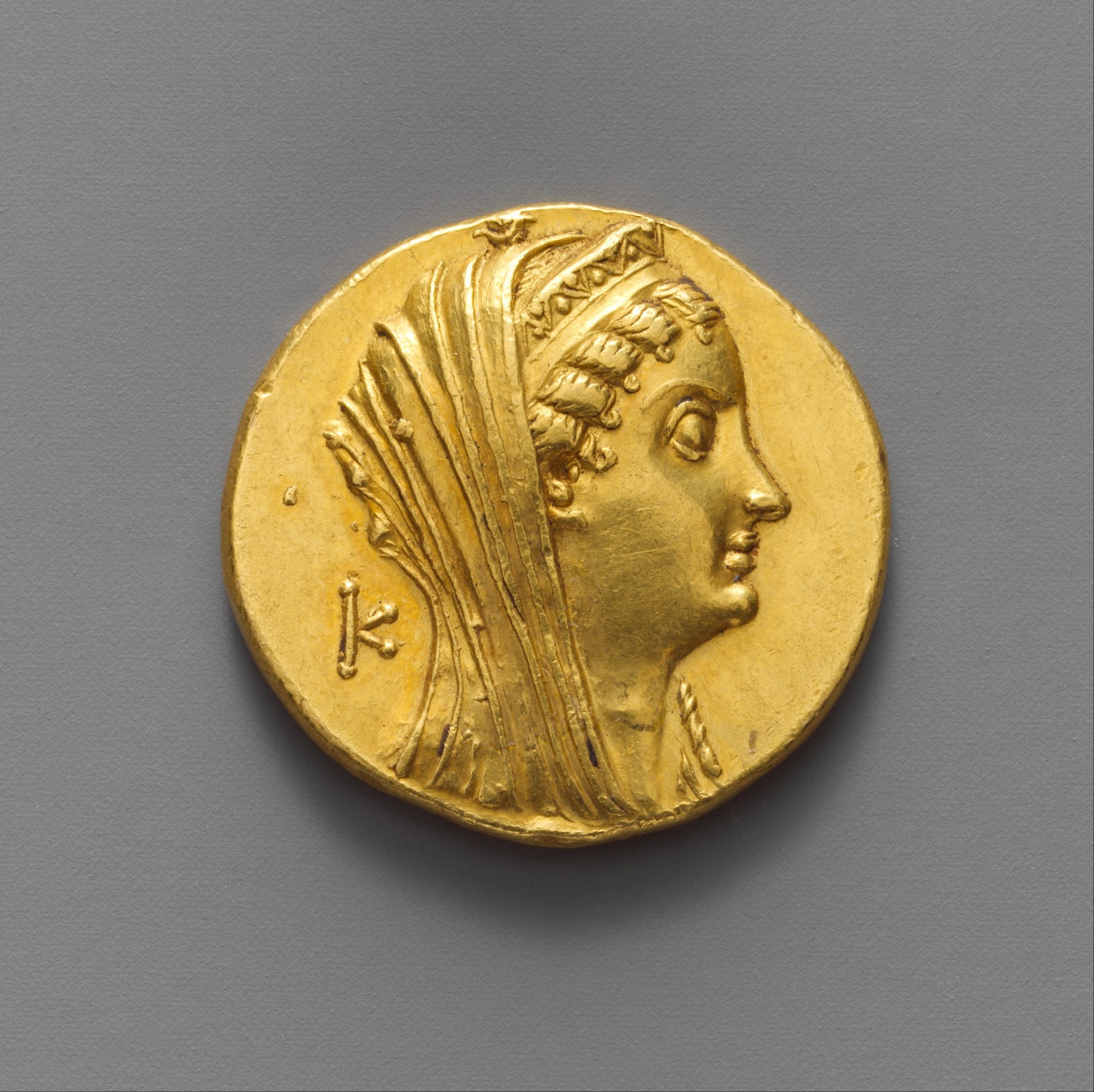
Ptolemy II Philadelphus
Entity · Ptolemaic ruler of Egypt, sole reign c.282–246 BCE. Aristeas associates him with Greek Torah translation; royal sponsorship details lack independent confirmation.
-
From 230 BCE to 150 BCE
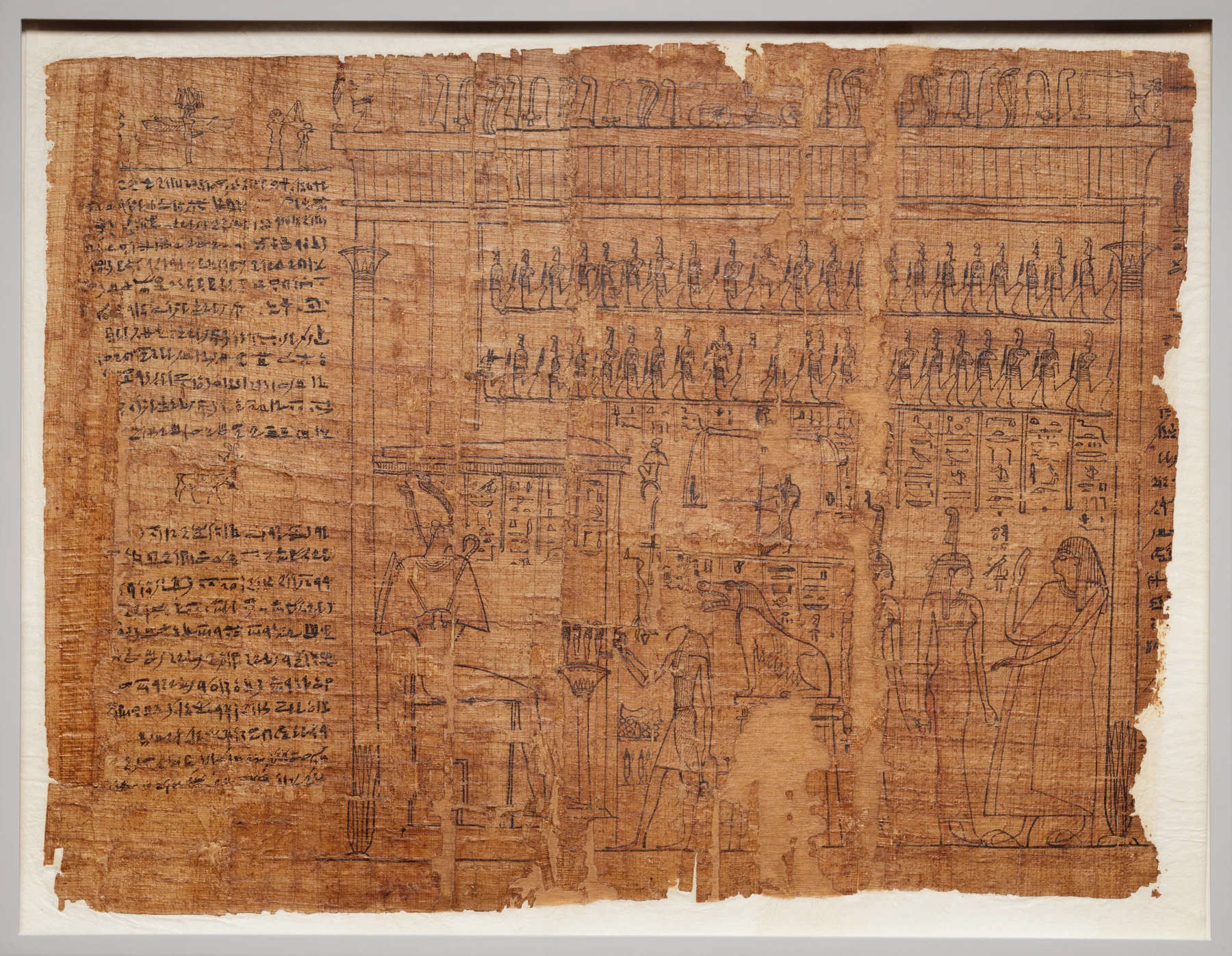
Weighing the Heart in Egypt: Justice, Ritual and the Afterlife
Study · Reading judgment before Osiris through Maat, the heart and the Book of the Dead: ethics, texts and ritual without assuming a single timeless scene.
-
From 200 BCE to 100 BCE
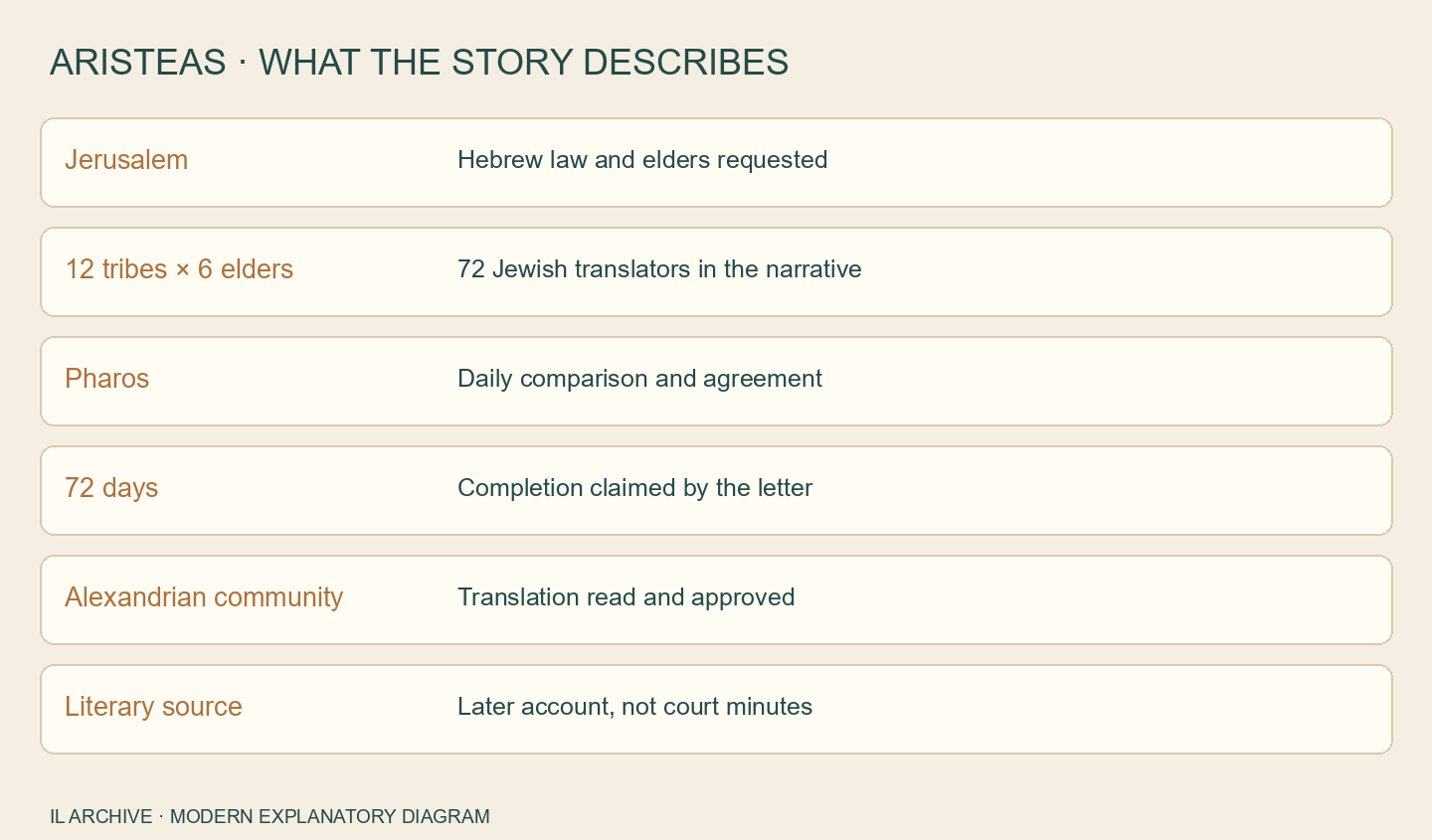
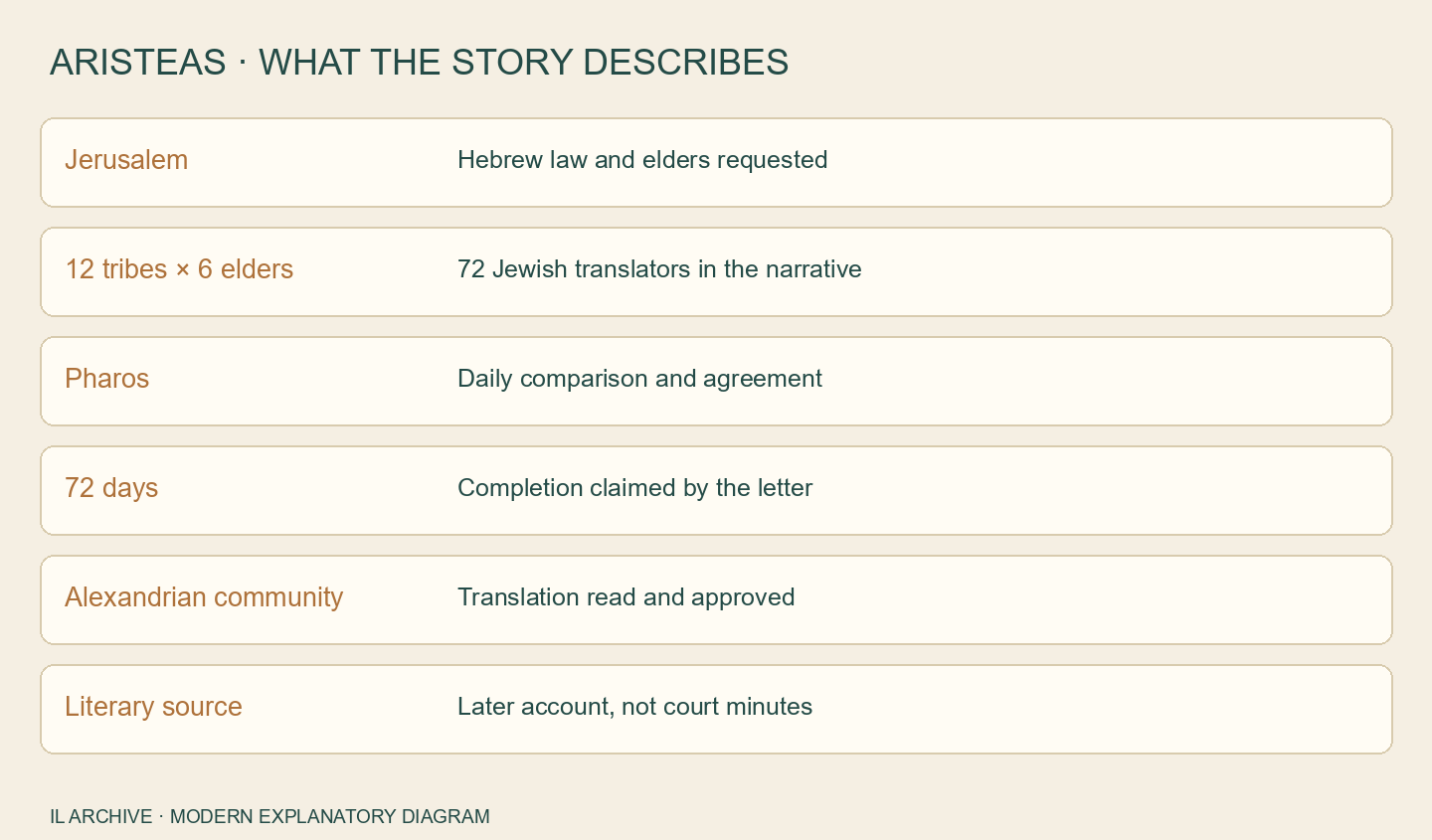
Letter of Aristeas
Entity · Hellenistic Jewish account, commonly dated to the second century BCE, of 72 elders translating Hebrew law in Egypt. Not contemporary minutes or a Torah-composition account.
CE
-
From 1 CE to 50 CE
Philo of Alexandria
Entity · First-century CE Alexandrian Jewish author. In Life of Moses he presents Greek translation as inspired; the passage does not explicitly assign a separate room to each translator.
-
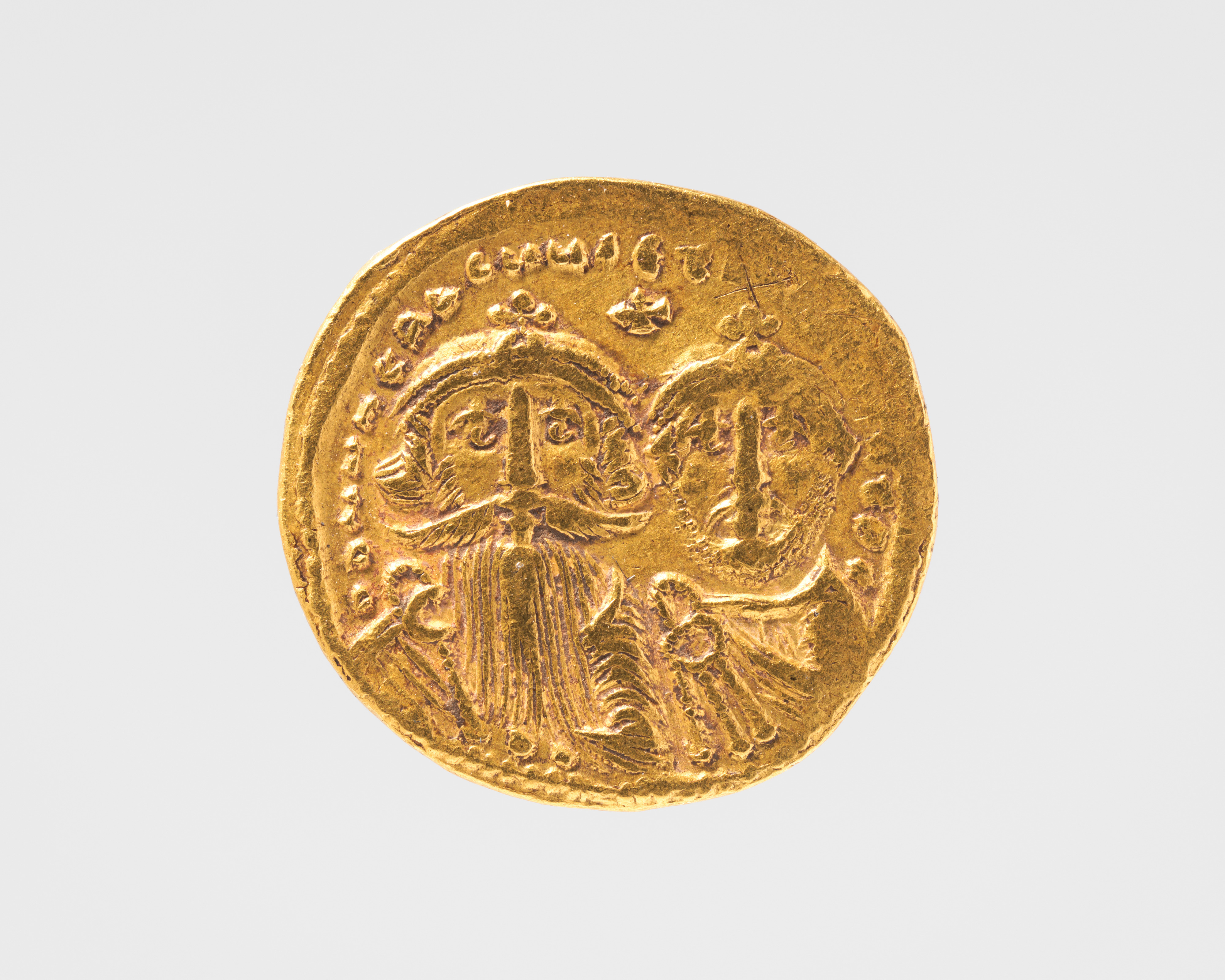
From 610 CE to 641 CE
Heraclius, Byzantine emperor
Person · Byzantine emperor who ruled 610–641 CE; his victory over Persia informs dating proposals for some Syriac Alexander texts.
-
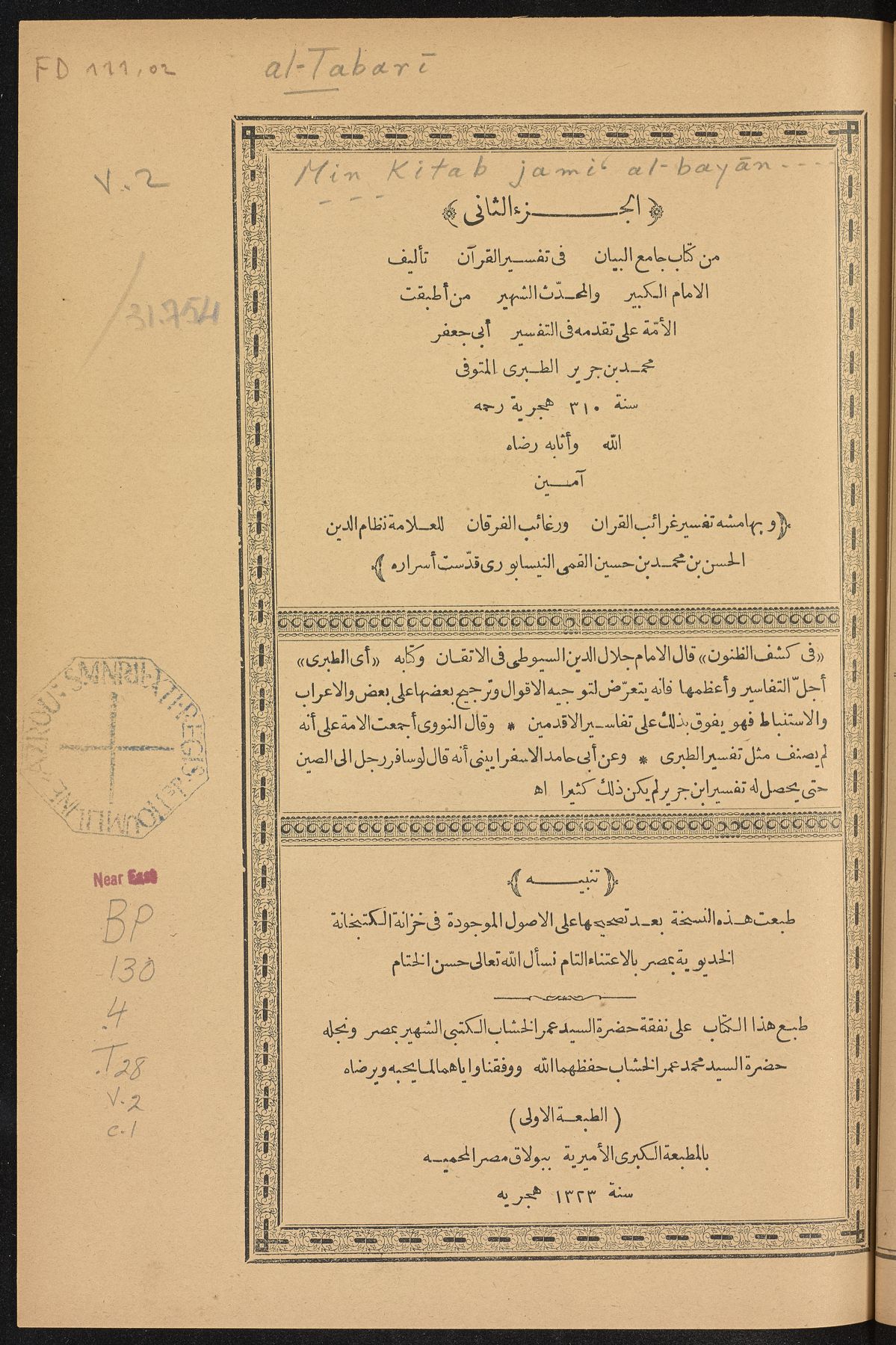
923 CE
Al-Tabari
Person · Abbasid-era historian and Qur'anic exegete (c. 839–923 CE). His commentary records competing views on Abraham's son, then favors Isaac.
-
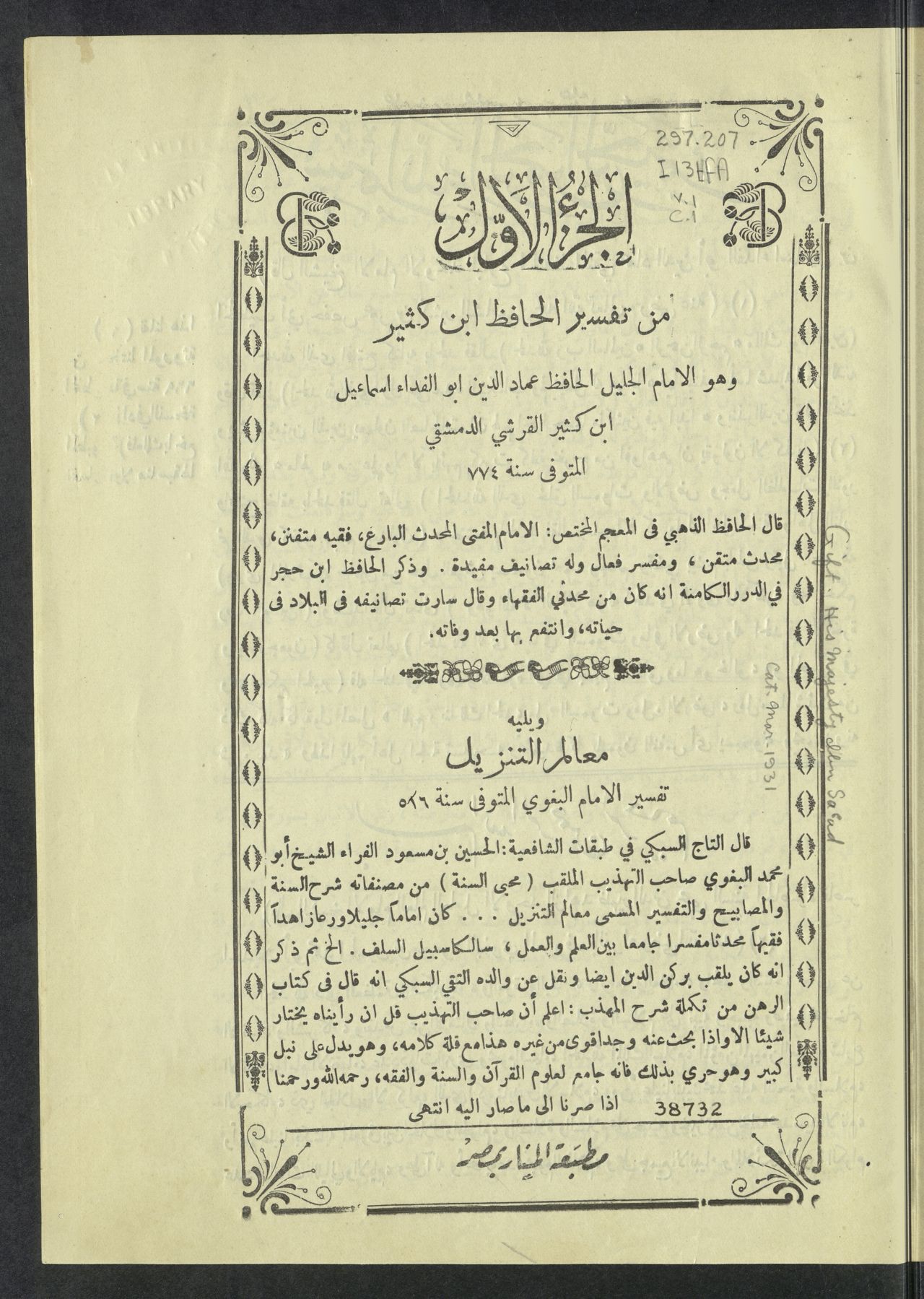
1373 CE
Ibn Kathir
Person · Syrian Qur'anic exegete and historian (c. 1301–1373 CE) who favors Ishmael in his reading of the sacrifice account.
-
From 1835 CE to 1902 CE
Samuel Butler
Person · English writer and translator of Homer who lived from 1835 to 1902.
-
From 1920 CE to 2016 CE
Joseph A. Fitzmyer
Person · American biblical and Dead Sea Scrolls scholar (1920–2016), who studied Qumran retellings of Abraham’s test.